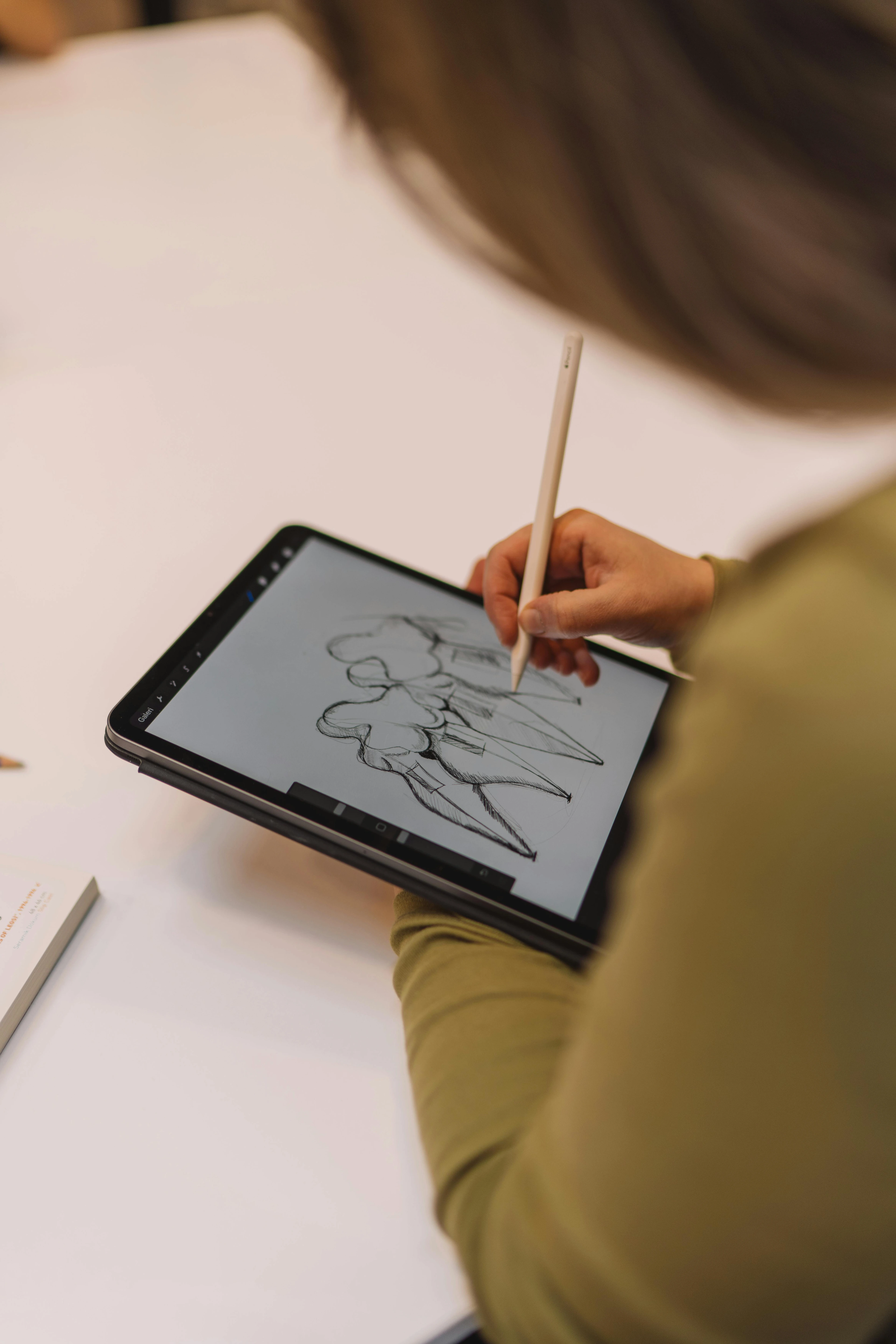
The Tangible Allure: Why Physical Art Objects Hold Extraordinary Value
An intimate exploration of how sculptures, installations, and tangible artworks derive meaning and worth beyond the canvas. Discover what makes physical art irreplaceable.

The Tangible Allure: Why Physical Art Objects Hold Extraordinary Value
I remember holding my first sculpture—a modest ceramic piece—and feeling its weight, the textured glaze catching light in ways a digital image never could. That physicality, that thingness, sparked something in me I couldn’t quite articulate then. Can you relate? There’s a magic to objects you can walk around, touch (carefully!), and experience in three dimensions that the digital realm simply can’t replicate. Yet, the art world—and collectors—often treat this magic as an afterthought. Let’s unpack why valuing physical objects in art isn’t just important; it’s revolutionary.
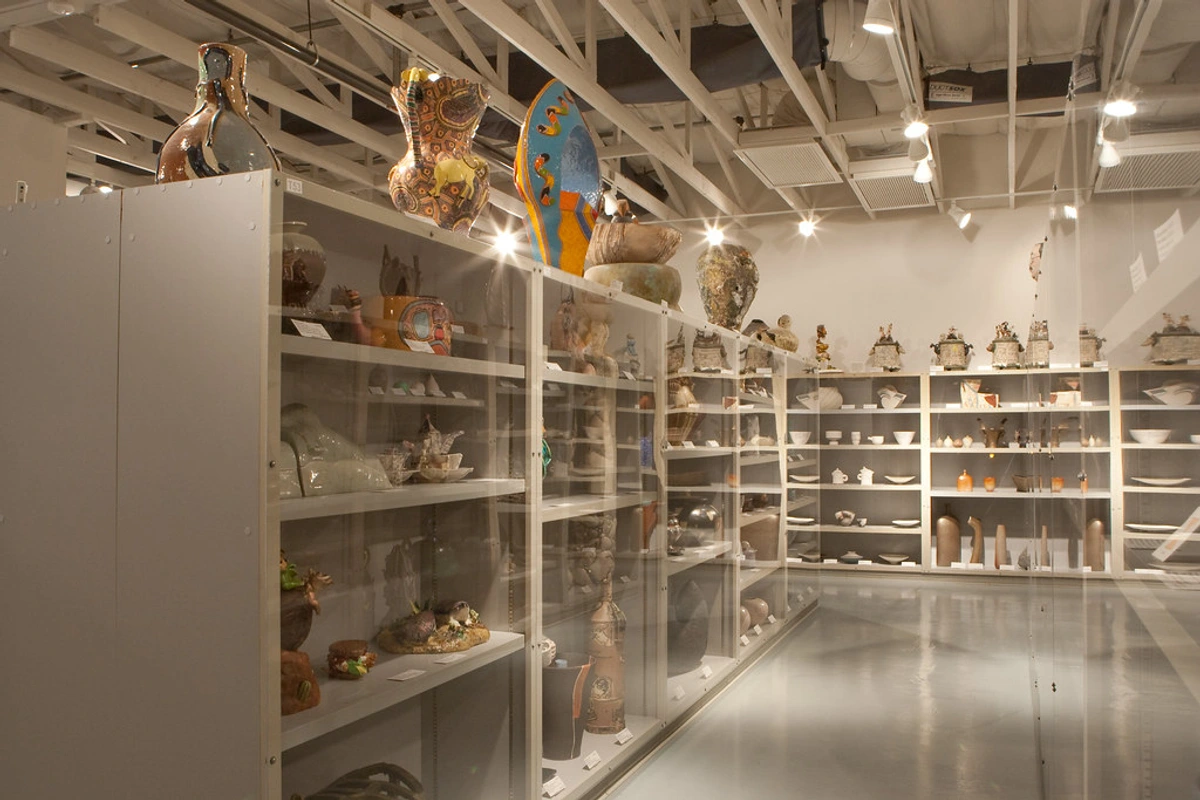
The Psychology of Possession: Why We Crave the Physical
Think about this: when was the last time you felt truly connected to a digital file? Probably never. Now, when was the last time you held a favorite book, touched a beloved sweater, or ran your fingers over wooden furniture? Those moments create neural pathways that digital experiences simply can't replicate.
The Neuroscience of Physical Art:
- Sensory Integration: When you touch art, multiple brain regions activate simultaneously
- Memory Encoding: Physical experiences create stronger, more durable memories
- Emotional Resonance: Tactile engagement triggers deeper emotional responses
- Spatial Awareness: 3D objects engage our vestibular system and spatial reasoning
- Authenticity Detection: Humans are wired to recognize genuine materials and craftsmanship
This isn't just theory—it's why we instinctively distrust "perfect" digital reproductions. Our brains recognize the absence of human imperfection, the subtle variations that prove something was made by hand, not by algorithm.
Storage Solutions by Collection Size
Small Collections (1-10 pieces):
- Under-bed storage with climate-controlled boxes
- Closet organizers with acid-free hanging systems
- Digital inventory apps for easy tracking
- Seasonal rotation between storage and display
- Portable display walls for temporary exhibitions
- Climate-controlled cabinets for sensitive pieces
- Basic conservation supplies (gloves, acid-free tissue)
Medium Collections (11-50 pieces):
- Dedicated storage room with basic climate control
- Modular shelving systems with adjustable spacing
- Professional photography station for documentation
- Insurance coverage with itemized scheduling
- Environmental monitoring systems with alerts
- Fireproof document storage for certificates and provenance
- Basic conservation lab equipment for minor repairs
Large Collections (51+ pieces):
- Custom storage facility with museum-grade conditions
- Climate-controlled vaults with separate zones
- Automated retrieval systems for accessibility
- Conservation team on retainer for ongoing care
- Integrated pest management systems
- Advanced security protocols (biometric access, motion sensors)
- Climate redundancy systems (backup generators, humidity control)
- Specialized equipment (cranes, lifts for heavy pieces)
Case Study: The Getty Center's Revolutionary Storage Systems
The Getty Center in Los Angeles represents the gold standard in art storage and conservation. Their approach demonstrates how proper storage preserves both physical and monetary value:
The Economics of Proper Storage: The Getty's investment in storage infrastructure—estimated at over $1.3 billion—has yielded extraordinary returns:
- Preservation Value: Over 1.2 million objects maintained in optimal conditions
- Increased Market Value: Properly stored pieces command 15-30% higher prices at auction
- Insurance Benefits: Reduced premiums due to superior risk management
- Research Opportunities: Conservation scientists can study pieces without risk
- Public Access: Well-preserved collections remain available for generations
Return on Investment Analysis:
Investment Type  | Initial Cost | Annual Maintenance | Expected ROI |
|---|---|---|---|
| Basic Climate Control | $10,000-50,000 | $1,000-5,000 | 8-12% annually |
| Professional Documentation | $2,000-10,000 | $500-2,000 | 15-25% annually |
| Conservation Services | $500-5,000 | $200-2,000 | 20-40% annually |
| Security Systems | $5,000-20,000 | $1,000-3,000 | 10-20% annually |
The data speaks for itself: investing in proper storage isn't an expense—it's one of the highest-return investments you can make in your art collection.
Innovative Storage Features:
- Climate-controlled vaults with precise temperature and humidity control
- Custom-designed storage racks that prevent contact between pieces
- Vibration-dampening floors to protect from seismic activity
- Advanced fire suppression systems that don't damage art
- Robotic retrieval systems for safe handling of heavy pieces
The Economic Impact: Proper storage at institutions like the Getty has directly contributed to:
- Long-term preservation of billions in art assets
- Increased value through maintained condition
- Research opportunities for conservation scientists
- Public access to well-preserved collections
Lessons for Private Collectors: While you may not have Getty-level resources, the principles apply:
- Climate control is non-negotiable for valuable pieces
- Prevent contact between stored items
- Document condition regularly
- Invest in professional storage for your most valuable pieces
- Rotate displays to avoid light damage
Storage Solutions by Budget Level
Budget-Friendly Options ($100-$500):
- Acid-free cardboard boxes for 2D works
- Polyester sleeves for photographs and prints
- Silica gel packets for humidity control
- UV-filtering glass frames for displayed pieces
- Digital humidity monitors with alerts
- DIY display shelves from reclaimed materials
- Conservation photography with smartphone apps
- Basic pest control (natural deterrents, regular cleaning)
Mid-Range Solutions ($500-$2,000):
- Portable climate-controlled cabinets with HEPA filters
- Archival-quality storage racks with adjustable spacing
- LED lighting systems with UV filters
- Professional photography setup for documentation
- Condition reporting software for tracking changes
- Environmental data loggers for long-term monitoring
- Professional framing services for protection
- Art handling equipment (gloves, tools, supports)
High-End Solutions ($2,000+):
- Custom-built storage rooms with industrial HVAC
- Museum-grade display cases with inert gas atmospheres
- Automated inventory systems with RFID tracking
- Professional conservation monitoring services
- Emergency response systems for fire, flood, and theft
- Custom crating and transportation services
- Insurance appraisal and coverage management
- 24/7 remote monitoring with professional alerts
Professional Art Storage: Preserving Value
Proper storage is crucial for maintaining physical art value. Museums and serious collectors use specialized storage solutions that:
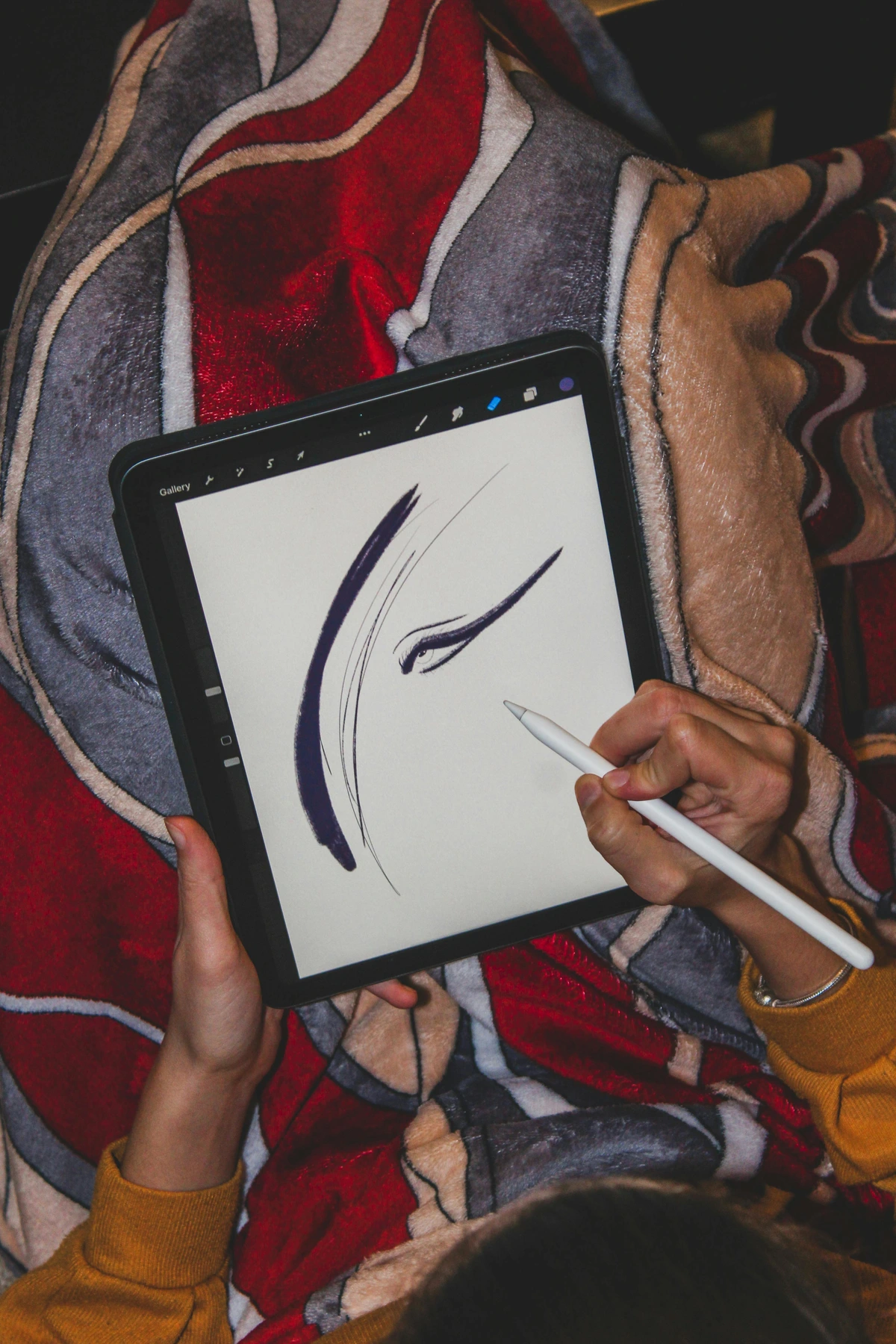
- Control climate: Maintain stable temperature and humidity
- Protect from light: Use UV-filtering materials and minimal lighting
- Prevent damage: Use appropriate supports and handling equipment
- Organize systematically: Create accessible inventory systems
- Monitor environmental conditions: Regular checks and automated systems
- Implement security measures: Protection from theft and vandalism
- Document everything: Comprehensive records for provenance and insurance
- Plan for emergencies: Fire, flood, and pest prevention strategies
The Hidden Costs of Improper Storage: Many collectors underestimate the long-term costs of poor storage decisions:
- Accelerated deterioration: Improper conditions can cut artwork lifespan by 50-70%
- Repair expenses: Conservation costs often exceed proper storage investment
- Insurance complications: Poor storage may void coverage or increase premiums
- Market value reduction: Damaged pieces sell for 30-60% less than well-preserved ones
- Legal liability: Improper storage can result in negligence claims
Investing in proper storage isn't just about preservation—it's about protecting your investment and ensuring your art remains in excellent condition for future generations.

Environmental Monitoring Systems
Advanced collectors use technology to maintain ideal conditions:
Smart Climate Control:
- Wireless sensors that monitor temperature and humidity in real-time
- Automated alerts when conditions exceed safe ranges
- HVAC integration for precise environmental control
- Data logging for tracking environmental changes over time
- AI-powered predictive systems that anticipate environmental shifts
- Mobile apps for remote monitoring and control
- Integration with smart home systems for unified management
Light Management:
- UV sensors that detect harmful radiation
- Automated shading systems that block excessive light
- Programmable lighting that mimics natural light cycles
- Photometric analysis to measure actual light exposure
- Dynamic lighting systems that adjust based on artwork sensitivity
- Light exposure calculators for safe display planning
Air Quality Control:
- Particulate matter sensors for dust and pollution monitoring
- VOC detectors to identify harmful chemical emissions
- Air purification systems with HEPA and activated carbon filters
- Gas exchange systems to maintain proper atmospheric balance
- Ozone monitoring systems for ozone-sensitive materials
- Pest detection sensors that monitor for insect activity
Integrated Environmental Management Platforms: Modern collectors increasingly use all-in-one systems that integrate:
- Real-time dashboards showing all environmental parameters
- Historical data analysis for identifying trends and patterns
- Automated corrective actions (adjusting HVAC, closing shades, etc.)
- Cloud-based backup systems for data security and accessibility
- Professional consultation interfaces for expert analysis
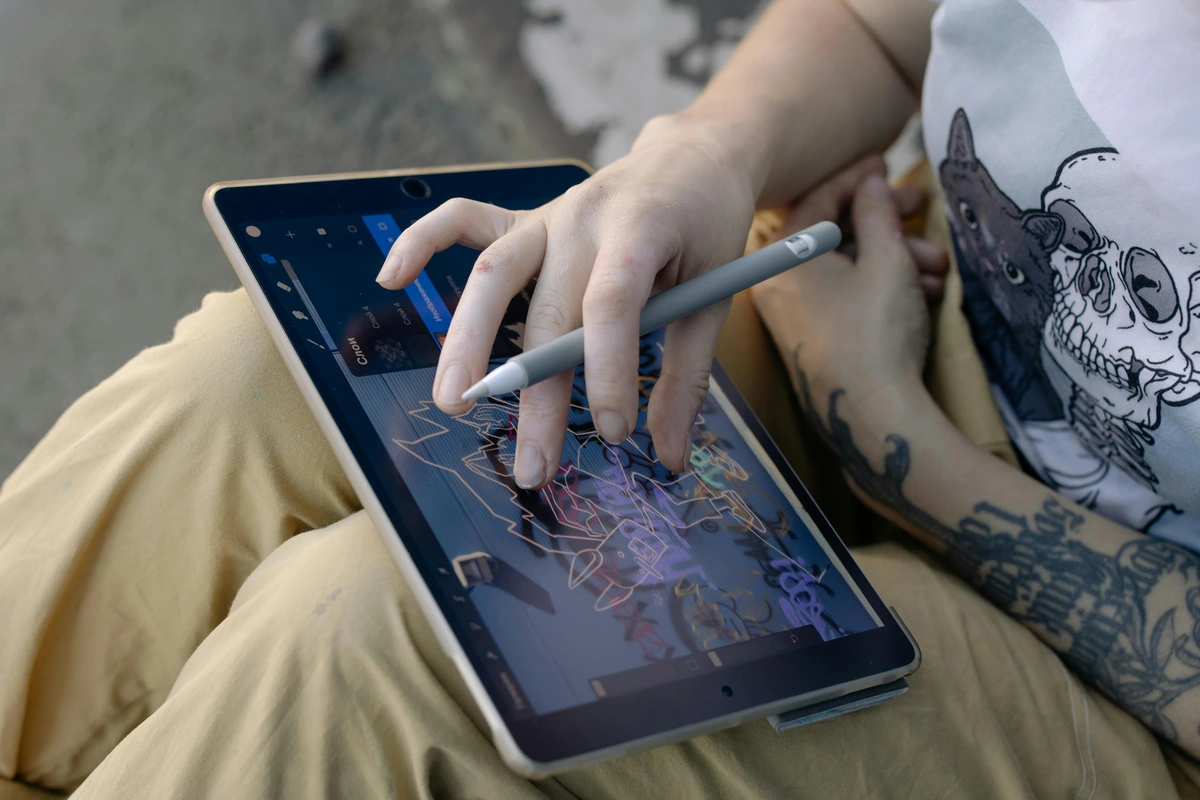
Advanced Storage Solutions for Different Mediums
Different art materials require different storage approaches. What works for a canvas painting might damage a sculpture or photograph. Here's what serious collectors need to know:
Medium-Specific Storage Requirements
Art Medium | Ideal Storage Conditions | Common Mistakes to Avoid | Special Equipment Needed | Expected Lifespan with Proper Care |
|---|---|---|---|---|
| Oil Paintings | 65-70°F (18-21°C), 40-50% humidity, dark storage | Rolling paintings, storing face-to-face | Custom cradles, acid-free paper | 200-500+ years |
| Watercolors | 60-70°F (15-21°C), 30-40% humidity, acid-free materials | Using regular cardboard, high humidity | Portfolio boxes, buffered paper | 100-200 years |
| Photographs | 60-70°F (15-21°C), 30-40% humidity, dark storage | Touching surfaces, using PVC plastics | Polyester sleeves, archival boxes | 75-150 years |
| Sculptures | Stable temperature, protected from dust, secure shelving | Stacking without padding, improper supports | Custom supports, vibration-dampening materials | 100-500+ years |
| Ceramics | Climate-controlled, padded individual storage | Stacking, temperature fluctuations | Custom padded containers, humidity control | 100-1000+ years |
| Textile Art | 65-70°F (18-21°C), 45-55% humidity, dark storage | Folding without support, direct contact with wood | Acid-free tissue, custom mounts | 50-200 years |
| Paper Works | 60-70°F (15-21°C), 30-40% humidity, alkaline environment | Using acidic materials, excessive humidity | Archival folders, alkaline boards | 100-500+ years |
| Metal Works | Stable temperature, low humidity, corrosion protection | Contact with dissimilar metals, moisture | Desiccants, anti-tarnish treatments | 100-1000+ years |
Professional Storage Equipment Recommendations:
- Archival boxes and folders for 2D works
- Custom cradles for oversized paintings
- Climate-controlled cabinets for sensitive materials
- Acid-free paper for interleaving and padding
- Vibration-dampening shelves for fragile items
- LED lighting with UV filters for display areas
- Museum-quality display cases with inert gas atmospheres
- Custom-fit supports for irregularly shaped sculptures
- Art handling equipment (gloves, tools, suction cups)
- Conservation supplies (adhesives, cleaners, restoration materials)
- Emergency response kits (fire suppression, water damage control)
- Digital documentation tools (high-resolution cameras, scanners)
- Inventory management systems (software, RFID tags, barcodes)
- Security equipment (cameras, motion sensors, access controls)
Why Touch Changes Everything: The Soul of Physical Art
What happens when something becomes real? It’s not just visual—it’s a multisensory conversation. A sculpture whispers a different language than a painting. You sense its materiality (the cold of marble, the warmth of wood), its scale (is it intimately sized or towering?), and its architectural presence in a space. This transforms how we engage:
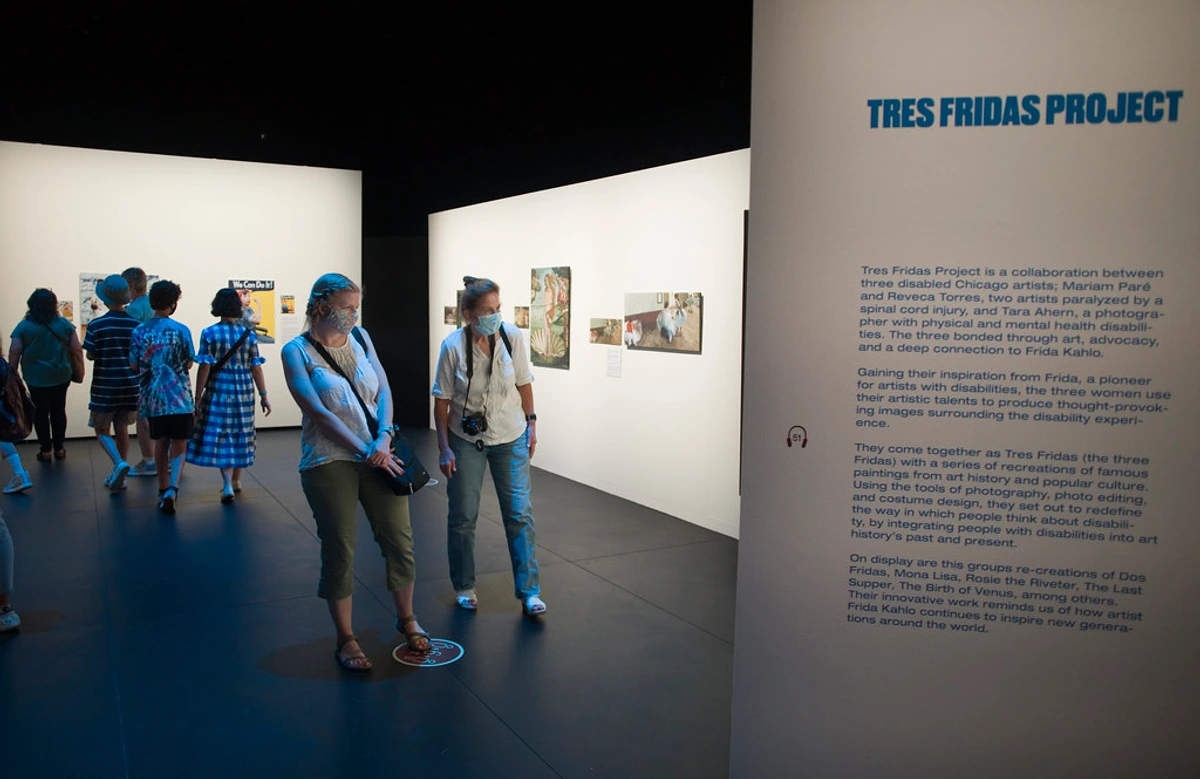
- Tangible Histories: Fingerprints in clay, brushstrokes thick with paint, the subtle wear of time—these aren’t flaws. They’re stories. Every scratch and mark carries energy from the artist’s studio to your hands.
- Spatial Dialogue: A sculpture doesn’t just hang there. It demands negotiation with light, shadows, and your own body. Walk left, and new perspectives reveal themselves like plot twists.
- The Human Sensorium: Our brains aren’t wired for flat screens. We evolved to grasp texture, depth, and weight. Physical art appeals to primal instincts digital art can’t fully trigger.
Imagine encountering Anish Kapoor’s Cloud Gate (you know, "The Bean") versus a photo. The photo shows you. The sculpture envelops you. That’s not a difference in convenience—it’s a difference in consciousness.
Breaking Down Value: What Makes Physical Art Objects Priceless?Value isn’t monolithic. It’s a tapestry woven from countless threads. Let’s demystify:
Value Factor | What It Means | Example Impact |
|---|---|---|
| Provenance | The object’s journey through history | |
| A piece owned by a famous collector gains prestige | ||
| Artist’s Hand | Evidence of physical creation by the artist | Visible tool marks often increase value |
| Materiality | Inherent qualities of the substance | Bronze sculptures often cost more than plaster |
| Cultural Context | Significance in art movements or society | A WWII-era propaganda poster holds resonance |
| Condition | Preservation over time | A crack in ceramic may deter buyers |
| Rarity | Limitation of production or survival | Only 5 original castings exist? That’s scarcity |
The Materialist’s Manifesto: Why Medium Matters
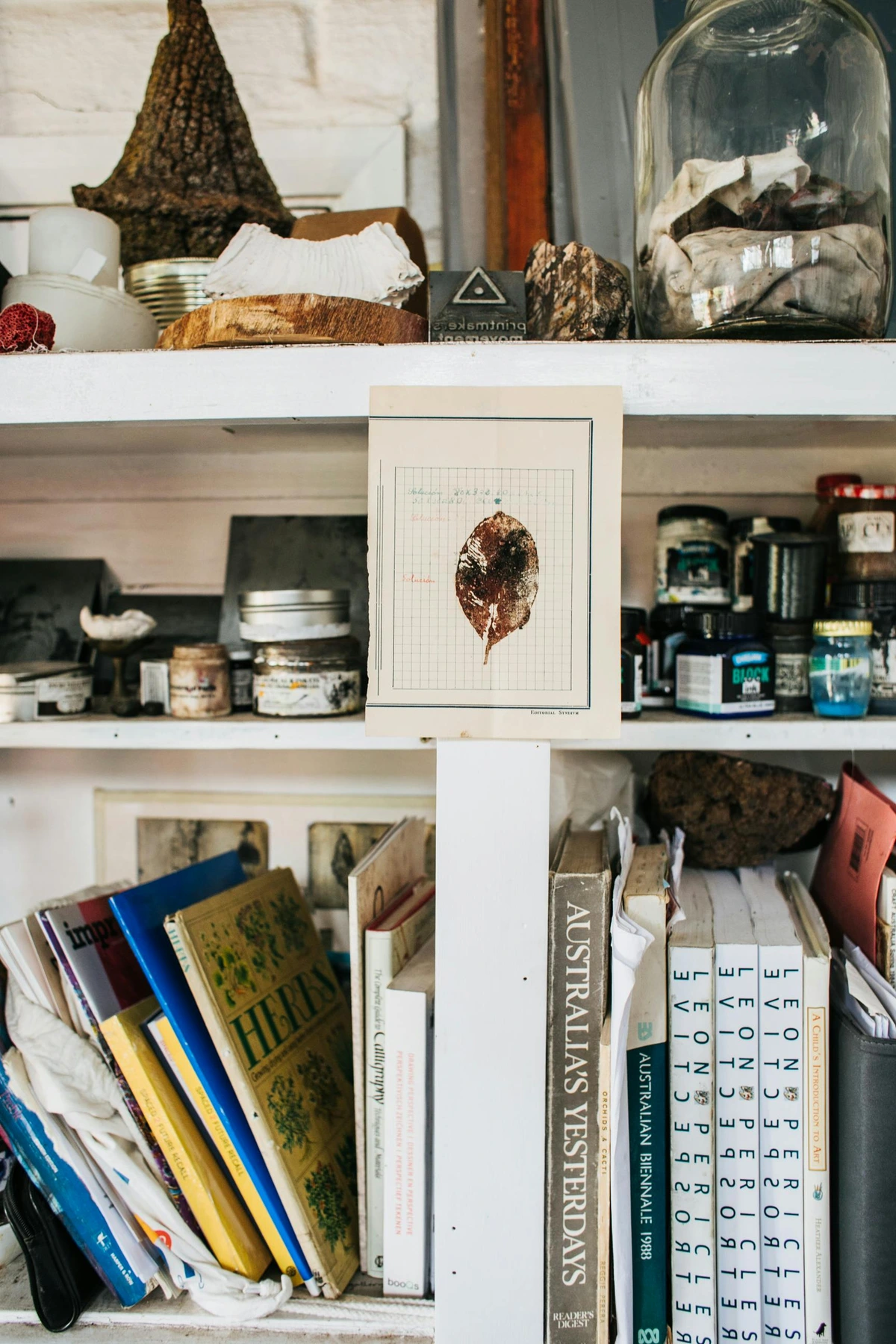
Let’s talk about the unsung hero of value: stuff. Clay versus ceramic. Raw wood versus gilded gold. The medium dictates everything. Remember, I once thought a painting was "just paint" until I saw a Rauschenberg Combine up close—every scrap of fabric, newspaper fragment, and metal shard was a deliberate choice. Materials aren’t passive carriers; they’re active participants:
- Organic vs. Inorganic: Wood and canvas breathe, age, and change—making each piece unique. Stone or steel? They’re permanent monuments.
- Handcrafted vs. Mechanical: A hand-thrown vase carries the rhythm of the potter’s body. A 3D-printed object? It’s technically precise but lacks human irregularity we intuitively value.
- Process as Value: The labor of traditional methods (like carving or casting) often commands higher prices not because it’s "harder," but because it embodies irreplaceable human time and skill.
The Digital Paradox: NFTs, Digital Art, and the Quest for Authenticity
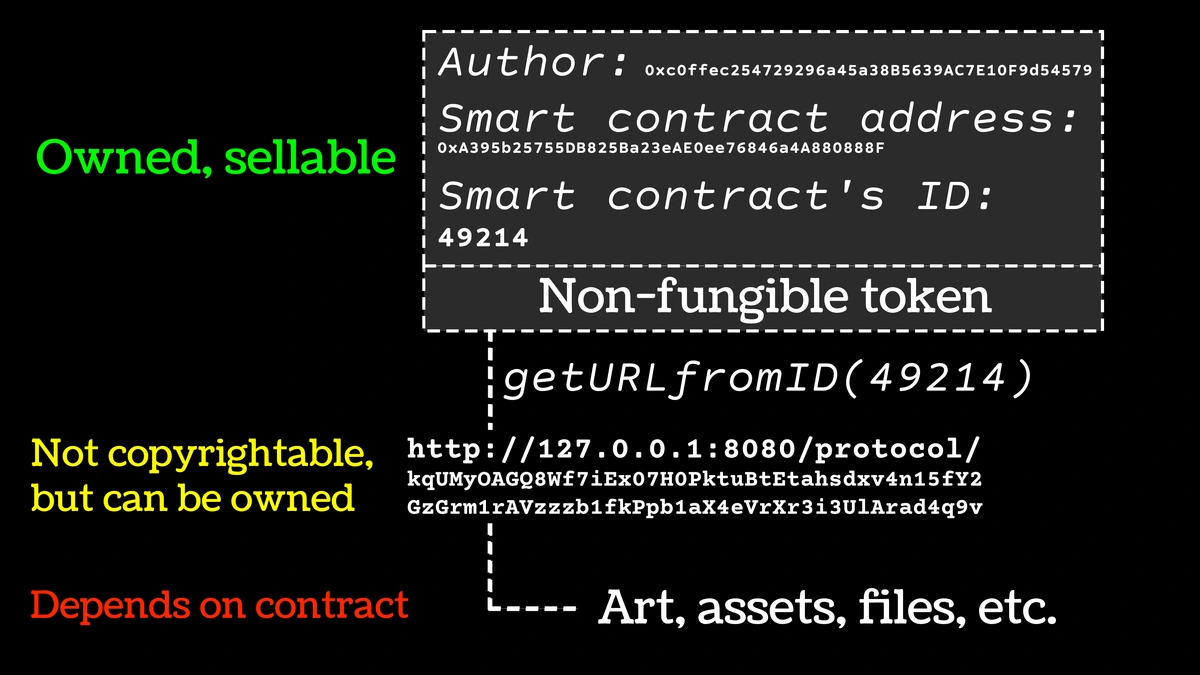
I know what you're thinking: "Isn't art value in the eye of the beholder?" Or, more 2023, "Can't NFTs prove ownership?" Fair points. But here's my hot take: Digital objects lack the one thing we crave as humans: irreducible physicality. NFTs are receipts on a blockchain, not the artwork itself. The JPEG isn't the art—the experience of owning the real thing is.
I know what you’re thinking: "Isn’t art value in the eye of the beholder?" Or, more 2023, "Can’t NFTs prove ownership?" Fair points. But here’s my hot take: Digital objects lack the one thing we crave as humans: irreducible physicality. NFTs are receipts on a blockchain, not the artwork itself. The JPEG isn’t the art—the experience of owning the real thing is. Physical objects have:
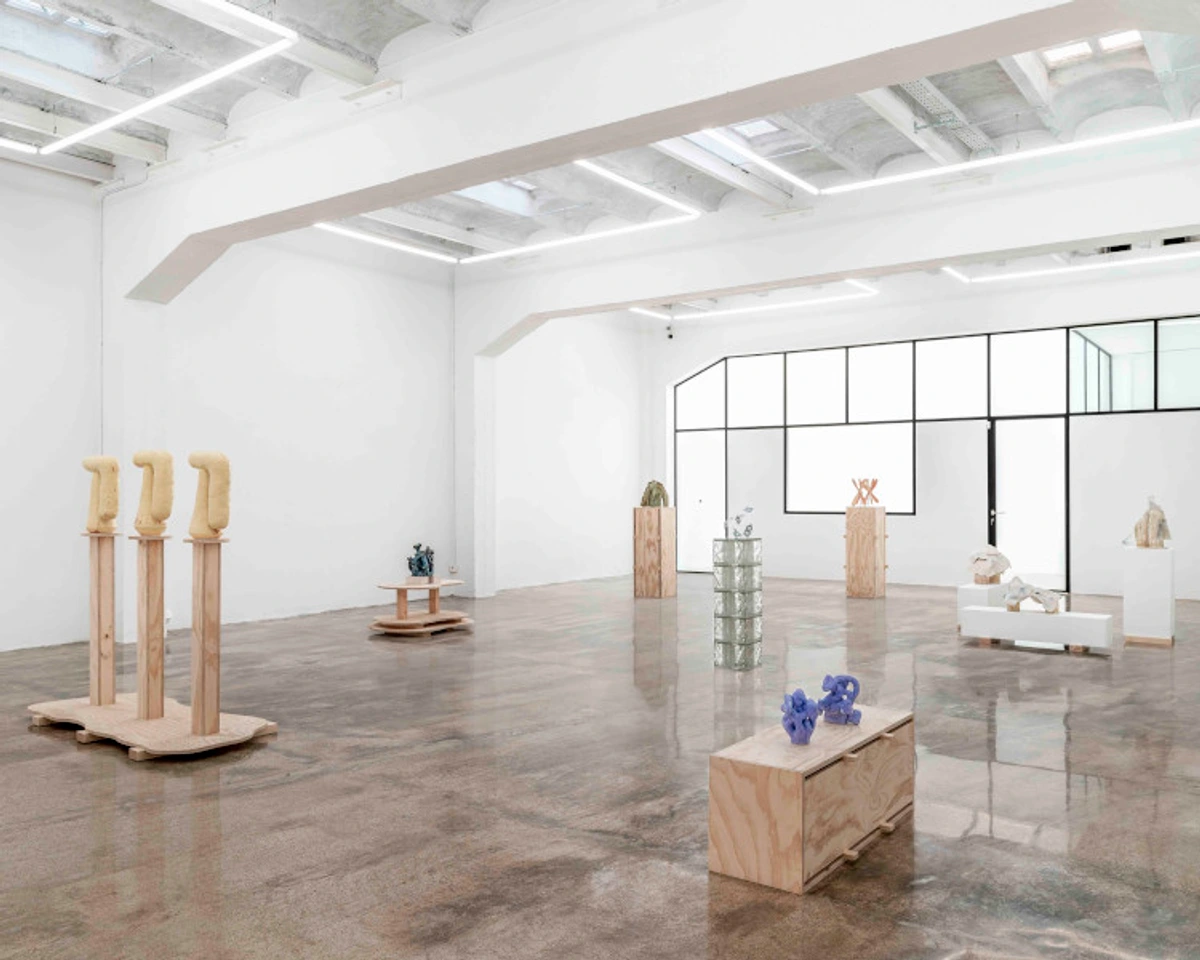
Gallery Standards: Professional Display Techniques
Professional galleries use specific techniques to optimize the viewing experience:
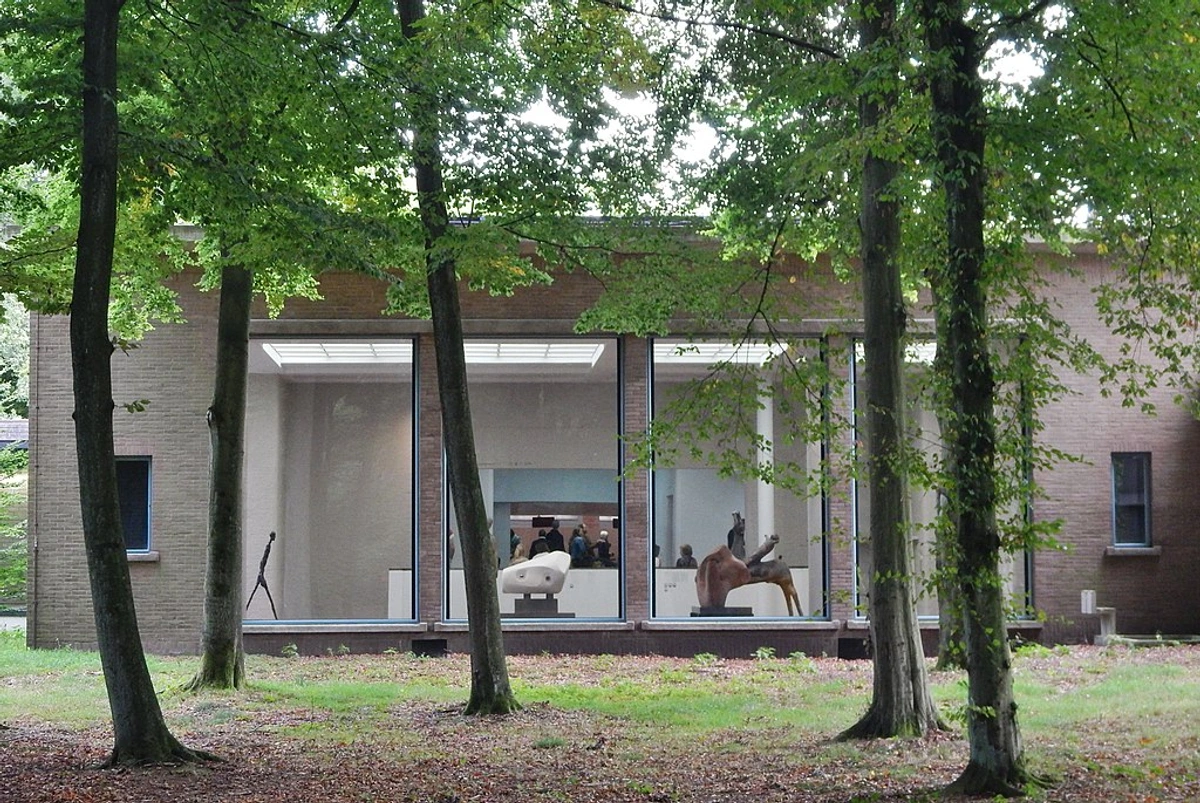
Professional Gallery Display Standards:
- Lighting control: Adjustable lighting that highlights artwork without damage
- Strategic placement: Considering sightlines, traffic flow, and focal points
- Contextual presentation: Creating environments that complement the artwork
- Educational materials: Labels, artist statements, and contextual information
- Climate control: Maintaining optimal conditions for artwork preservation
- Security integration: Discreet protection without compromising the viewing experience
- Accessibility considerations: Ensuring all viewers can appreciate the artwork
- Acoustic management: Creating appropriate sound environments for reflection
The Economics of Professional Display
Professional display isn't just aesthetics—it's a calculated investment in preservation and value:
Display Investment Returns:
Display Level | Initial Investment | Annual Maintenance | Value Protection |
|---|---|---|---|
| Basic Home Display | $500-2,000 | $100-300 | 5-10% value retention |
| Professional Installation | $2,000-10,000 | $300-1,000 | 15-25% value increase |
| Museum-Quality Display | $10,000-50,000+ | $1,000-5,000+ | 25-40% value increase |
Key ROI Factors:
- Reduced deterioration from proper environmental control
- Enhanced market appeal for well-presented pieces
- Professional documentation of display condition
- Insurance benefits from proven protective measures
- Educational value that increases collector interest
Understanding these professional approaches can help you create better display environments in your own home or collection space.
Conservation Principles: Preserving Your Investment
Proper conservation is essential for maintaining art value over time. Here are key principles every collector should understand:
Environmental Controls
Temperature Management:
- Optimal Range: 65-75°F (18-24°C) with ±2°F variation
- Critical Risks: Above 80°F accelerates chemical reactions, below 60°F causes brittleness
- Monitoring: Use digital thermometers with data logging and alerts
- Seasonal Adjustments: Gradual temperature changes prevent stress on materials
Humidity Control:
- Optimal Range: 40-55% RH with ±5% variation
- Critical Risks: Above 65% promotes mold and corrosion, below 30% causes cracking
- Monitoring: Use calibrated hygrometers in multiple locations
- Seasonal Considerations: Higher humidity in summer, lower in winter with gradual transitions
Light Management:
- Safe Levels: 50-200 lux for most artworks; 10-50 lux for light-sensitive pieces
- UV Protection: Block 99% of UV radiation with filtering materials
- Light Sources: Use LED lighting with minimal heat emission
- Exposure Time: Limit direct light exposure; rotate pieces regularly
Air Quality Control:
- Pollutants: Monitor for sulfur dioxide, nitrogen oxides, ozone, and particulates
- Filtration: Use activated carbon filters and HEPA systems
- Ventilation: Ensure adequate air exchange without drafts
- Source Control: Avoid off-gassing materials near art storage
Handling Protocols
Personal Protection Equipment:
- Gloves: Always wear clean, lint-free cotton or nitrile gloves
- Clean Clothing: Avoid perfumes, lotions, or clothing that could shed fibers
- Hair and Jewelry: Remove or contain to prevent contact with artwork
- Hand Hygiene: Wash hands thoroughly before handling any piece
Proper Handling Techniques:
- Support Points: Always support from below and sides, never by vulnerable edges
- Weight Distribution: For heavy pieces, use multiple handlers and proper equipment
- Movement: Keep artwork close to your body, never extend arms away from torso
- Surface Contact: Use acid-free materials for all contact surfaces
Documentation Standards:
- Before Handling: Photograph and document current condition
- During Handling: Note any changes or concerns immediately
- After Handling: Update condition reports and documentation
- Regular Inspections: Schedule periodic condition checks for all pieces
Emergency Preparedness
Disaster Response Planning:
- Fire Protection: Install fire suppression systems appropriate for art materials
- Flood Prevention: Use elevated storage and moisture barriers
- Theft Prevention: Implement security systems with professional monitoring
- Emergency Contacts: Maintain list of conservation experts, restorers, and emergency services
Documentation Backup Systems:
- Digital Archives: Store high-resolution images and documents in multiple cloud locations
- Physical Copies: Keep printed documentation in secure off-site location
- Verification Systems: Regularly test backup systems and update information
- Access Protocols: Ensure authorized personnel can access documentation during emergencies
Security and Risk Assessment:
- Regular Audits: Monthly security checks of all storage and display areas
- Risk Assessment: Identify and mitigate potential threats (water, pests, theft)
- Insurance Coordination: Ensure documentation meets insurance requirements
- Contingency Planning: Develop step-by-step procedures for various emergency scenarios
Professional Display Techniques: A Comprehensive Guide
Creating a gallery-quality display at home isn't about replicating museum conditions—it's about understanding the principles that make professional displays effective:
Lighting Fundamentals
Lighting Types and Applications:
- Avoid direct sunlight—it causes fading and damage
- Use LED or fluorescent lighting with UV filters
- Install track lighting for adjustable spotlighting
- Consider light temperature—2700K-3000K (warm white) is generally best for art
- Eliminate glare with proper positioning and anti-reflective glass
- Picture lights: Perfect for individual pieces, provide focused illumination
- Recessed lighting: Creates clean, unobtrusive general illumination
- Accent lighting: Highlights specific features or creates dramatic effects
- Natural light: Use carefully with UV-filtered windows and controlled exposure
Lighting Calculations:
- Illuminance Levels: 50-200 lux for display, 10-50 lux for storage
- Color Rendering Index (CRI): 90+ for color-accurate viewing
- Kelvin Temperature: 2700K-3000K for most artworks
- UV Protection: Block 99% of UV radiation
- Heat Management: Keep light sources at least 12-18 inches from artwork
Spatial Arrangement
Gallery Layout Principles:
- Create sightlines that allow viewers to see pieces without obstruction
- Use appropriate spacing—pieces should "breathe" and not compete
- Consider scale relationships—mix large and small works to create visual interest
- Create focal points with strategic placement of important pieces
- Think about eye level—most artwork should be hung so the center is at 57-60 inches from the floor
- Traffic Flow: Design pathways that encourage contemplation without crowding
- Focal Hierarchy: Arrange pieces to guide the viewer's eye through space
- Visual Weight: Balance heavy and light pieces to create harmony
- Negative Space: Use empty areas to create breathing room and emphasis
- Contextual Grouping: Create thematic arrangements that tell stories
Height Guidelines by Art Type:
Art Type | Standard Height | Special Considerations |
|---|---|---|
| Paintings | Center at 57-60" | Smaller pieces can be higher |
| Sculptures | Eye level or higher | Consider base height |
| Photographs | Center at 60-65" | Smaller formats can vary |
| Large Pieces | Center at 48-54" | Lower to accommodate scale |
| Series Works | Consistent spacing | Treat as single unit |
Context and Presentation
Frame and Mounting Considerations:
- Use quality frames that complement but don't overpower the artwork
- Create consistent wall treatments for cohesive presentation
- Include meaningful wall text for important pieces
- Consider room function—living room art should be more accessible than gallery pieces
- Think about seasonal changes—rotate pieces to keep spaces feeling fresh
- Frame Materials: Choose acid-free, stable materials that won't off-gas
- Mounting: Use archival-quality mats and backing materials
- Glazing: Consider UV-protective acrylic for valuable pieces
- Hanging Systems: Use proper picture wires and hanging hardware
- Labeling: Create professional-looking labels with essential information
Room-Specific Display Strategies:
- Living Rooms: Focus on comfort and conversation; group related pieces
- Bedrooms: Choose calming, personal artwork; consider lighting for evening viewing
- Dining Rooms: Select durable pieces that complement meals; avoid overly reflective surfaces
- Entryways: Make strong first impressions; use larger, impactful pieces
- Home Offices: Choose inspiring or thought-provoking work; consider visibility from desk
- Hallways: Create visual interest in transitional spaces; use series or thematic arrangements
Technology-Enhanced Display Solutions
Modern technology can enhance the physical art viewing experience:
Interactive Displays
QR Code and NFC Integration:
- QR code integration that links to artist interviews or creation stories
- Augmented reality apps that provide additional context about the piece
- Touchscreen kiosks with detailed information about the artwork
- Sound integration that plays complementary music or artist commentary
- NFC Tags: Embedded chips that provide instant information when tapped
- Mobile Apps: Custom applications that offer interactive exploration features
- Digital Labels: Electronic displays that can be updated with new information
- Gamification: Interactive elements that engage visitors deeper with the art
Augmented Reality Applications:
- Overlay Information: Display technical details, historical context, or artist notes
- Before/After Views: Show restoration progress or historical changes
- Interactive Exploration: Allow users to "zoom into" details not visible to naked eye
- Virtual Context: Place artwork in its historical or original setting
- Educational Tools: Provide deeper understanding through interactive learning
Smart Home Integration
Automated Environmental Control:
- Automated lighting systems that adjust based on time of day or room use
- Climate control apps that monitor and adjust environmental conditions
- Security systems with motion detection and alerts for valuable pieces
- Voice control for adjusting lighting or accessing artwork information
- AI-Powered Optimization: Systems that learn viewing patterns and adjust accordingly
- Multi-Zone Control: Different settings for different rooms or display areas
- Energy Efficiency: Smart systems that reduce energy consumption while protecting art
- Integration with Home Assistants: Seamless control through popular smart home platforms
Security and Monitoring:
- 24/7 HD Monitoring: Cameras with facial recognition and movement tracking
- Environmental Sensors: Real-time monitoring of temperature, humidity, and air quality
- Automated Alerts: Immediate notifications for any environmental or security issues
- Remote Access: Ability to check on collection from anywhere in the world
- Backup Systems: Redundant monitoring to ensure continuous protection
Documentation and Sharing
Digital Documentation Systems:
- Digital frames that can cycle through multiple artworks
- High-resolution photography for documenting collection changes
- Virtual gallery tours that allow sharing with remote viewers
- Collection management software for tracking insurance and provenance
- 3D Scanning: Create detailed digital models of sculptures and complex pieces
- Metadata Management: Comprehensive systems for tracking all artwork information
- Cloud Storage: Secure backup of all documentation and images
- Insurance Integration: Direct connection with insurance providers for coverage management
Virtual Exhibition Platforms:
- Online Galleries: Professional websites showcasing your collection
- Virtual Reality Tours: Immersive experiences that bring your collection to global audiences
- Social Media Integration: Share highlights while maintaining collection security
- Educational Resources: Create content that enhances understanding of your pieces
- Marketplace Integration: Connect with potential buyers while maintaining privacy
Collection Analytics:
- Value Tracking: Monitor appreciation and market trends
- Exposure Analysis: Track which pieces receive the most attention
- Educational Impact: Measure how your collection contributes to public understanding
- Conservation Needs: Identify pieces requiring attention based on monitoring data
DIY Display Solutions on a Budget
Not everyone can afford custom gallery systems, but you can achieve professional results with creativity:
Budget-Friendly Display Strategies
Ultra-Budget Solutions ($0-$50):
- Repurposed Materials: Use old windows, doors, or architectural elements as frames
- DIY Canvas Stretching: Learn basic canvas stretching for custom-sized pieces
- Natural Materials: Create mounts from branches, stones, or driftwood
- Fabric Backdrops: Use linen, burlap, or other natural fabrics as backgrounds
- Temporary Displays: Change arrangements seasonally to keep things fresh
Wall-mounted Solutions ($50-$200):
- Picture rail systems with adjustable cords and hooks
- Shelving units with adjustable depths for different piece sizes
- Magnetic hanging systems for lightweight works
- Command strip galleries with proper weight ratings
- DIY shadow boxes for dimensional works
- Gallery Wall Grids: Create professional-looking arrangements with consistent spacing
- Floating Shelves: Modern look that highlights the artwork itself
- Tension Rods: Adjustable systems for temporary or changing displays
- Cord and Cleat Systems: Professional-looking adjustable hanging
- Magnetic Strips: Perfect for lightweight works and easy rearrangement
Floor Display Options ($100-$500):
- Industrial pipe shelves for sculptural pieces
- Vintage display cases with proper lighting
- Platform risers for creating elevation
- Acrylic display stands for small objects
- Reclaimed wood pedestals for custom heights
- Stacked Books: Create instant pedestals from matching hardcover books
- Concrete Blocks: Painted and arranged for modern, industrial look
- Lumber Offcuts: Create custom displays from scrap wood
- Vintage Furniture: Use old dressers, side tables, or cabinets as display units
- Multi-level Platforms: Build tiered displays using basic materials
Lighting Upgrades ($25-$150):
- Plug-in picture lights with UV filters
- LED strip lighting under shelves for accent
- Clip-on reading lights for spot highlighting
- Battery-operated puck lights for temporary displays
- Smart bulb systems for adjustable color temperature
- Natural Light Optimization: Use window treatments to control sunlight
- Mirrors: Strategically placed to reflect light and brighten spaces
- Paint Colors: Use light-reflecting paints to enhance ambient lighting
- DIY Diffusers: Create soft lighting with simple materials
- Portable Lighting: Battery-operated lights that can be moved as needed
Creative Display Ideas
Thematic Arrangements:
- Color Stories: Group pieces by color families for visual impact
- Size Progression: Arrange from smallest to largest (or vice versa)
- Mixed Media: Combine paintings, sculptures, and functional art
- Personal Collections: Group items by travel, family, or experience themes
- Seasonal Rotations: Change displays to match holidays or seasons
Unexpected Display Surfaces:
- Staircase Walls: Use vertical space for dramatic arrangements
- Ceiling Hung: Install ceiling mounts for dramatic overhead pieces
- Room Dividers: Use screens or partitions to display multiple pieces
- Furniture Integration: Build displays into existing furniture pieces
- Outdoor Spaces: Weather-appropriate pieces for garden or patio display
Provenance and Authentication: The Art Detective's Toolkit
Understanding an artwork's history is crucial for both value and appreciation:
Comprehensive Provenance Documentation
Essential Documentation Collection:
- Original sales receipts and gallery records
- Exhibition history with catalogs and invitations
- Publication mentions in books or magazines
- Photographic documentation showing the piece in different contexts
- Conservation reports detailing any repairs or restoration work
- Insurance records showing coverage history and valuations
- Ownership chain with complete transaction history
- Scientific analysis reports dating materials or authenticating techniques
Provenance Documentation Standards:
- Chain of Title: Complete documented history of ownership
- Date Verification: Specific dates for each ownership transfer
- Location Tracking: Where the piece was stored or displayed
- Condition Reports: Documentation of condition at each stage
- Market Context: Information about the market conditions at time of sale
Advanced Authentication Techniques
Traditional Authentication Methods:
- Artist signatures and stamps (learn to recognize the real thing)
- Material analysis for dating and material identification
- Stylistic analysis by experts familiar with the artist's work
- Scientific testing for pigments, canvas, or other materials
- Historical Research: Verifying the piece against the artist's known timeline
- Comparative Analysis: Studying similar authenticated works
- Expert Consultation: Multiple specialist opinions for consensus
Modern Scientific Authentication:
- Pigment Analysis: Spectroscopic identification of historical pigments
- Canvas/Support Testing: Material dating and origin verification
- X-ray Examination: Revealing underdrawings, repairs, or alterations
- UV Fluorescence: Detecting repairs, restorations, or inconsistencies
- Material Aging Analysis: Scientific assessment of age-related changes
- Isotope Analysis: Determining geographic origin of materials
- Digital Forensics: Analyzing digital documentation for signs of manipulation
Authentication Red Flag Assessment
Critical Warning Signs:
- Missing documentation or vague provenance claims
- Inconsistent materials that don't match the artist's typical work
- Suspicious pricing that seems too good to be true
- Reluctance from sellers to provide detailed information
- Inconsistent dating with the artist's known timeline
- Perfect condition that suggests recent creation rather than age
- Unsigned major works without proper authentication documentation
- Inconsistent techniques with the artist's established methods
- Market anomalies pricing that doesn't align with similar authenticated pieces
- Seller pressure to rush decisions without proper due diligence
Authentication Due Diligence Checklist:
- Document Verification: Cross-reference all provided documentation
- Expert Consultation: Get multiple independent expert opinions
- Scientific Testing: Consider appropriate scientific analysis
- Market Research: Verify pricing against authenticated comparables
- Legal Review: Ensure clear title and ownership rights
- Insurance Consultation: Verify coverage requirements and implications
- Provenance Gap Analysis: Identify and address any missing links in ownership history
Building Your Professional Network
Expert Network Categories:
- Specialist appraisers for specific mediums or artists
- Conservation experts who can identify authentic techniques
- Gallery contacts who know market trends and authenticity
- Fellow collectors who can share experiences and insights
- Art historians with expertise in specific periods or movements
- Scientific analysts with access to advanced testing equipment
- Legal experts specializing in art law and transactions
- Insurance specialists knowledgeable about art valuation and coverage
Network Development Strategies:
- Academic Institutions: Connect with university art history departments
- Professional Associations: Join organizations like the Appraisers Association of America
- Museum Relationships: Build connections with curators and conservators
- Auction House Networks: Develop relationships with specialists at major auction houses
- Conservation Studios: Establish relationships with professional conservation experts
- Art Fairs and Exhibitions: Meet specialists and network in person
- Online Communities: Participate in reputable art collector forums and groups
- Continuing Education: Attend workshops, seminars, and conferences to expand expertise
- Sovereignty: They exist in one place at one time. You can’t screen-shoot a sculpture.
- Tangible Legacy: They survive digital decay. A painting won’t corrupt or disappear with a server failure.
- Emotional Gravity: You can’t gift an NFT with the same ceremony as presenting a piece of art. The act of handing over something real matters.
That said, let’s not throw the baby out with the bathwater. Digital art expands physical art’s story but doesn’t replace it. Think of it as a sidekick—loyal but not the hero.
Cultivating Your Eye: How to Start Appreciating Physical Art
Valuing physical art isn’t about knowing Picasso from Pollock. It’s about learning how to listen:








- Visit Galleries Reluctantly: Seriously. Next time you’re in a space with sculptures or installations, don’t just walk and gawk. Sit with them. Let the space breathe. Ask: How does this make me feel in my body?
- Read Artist Statements: They often reveal why a material was chosen. A rusty steel beam? That’s probably intentional.
- Touch Safely: Museums sometimes allow you to feel textured artworks (with gloves, usually). Texture is memory.
- Support Emerging Artists: Physical artists often struggle more than digital creators. Buying their work isn’t just an investment—it’s preserving craft.
FAQ: Your Burning Questions Answered
Q: Are sculptures always more valuable than paintings?
Not at all! Value depends on artist, demand, and rarity. A small Basquiat painting might sell for more than a giant sculpture by a lesser-known artist. Materiality matters, but it’s not the sole determinant.
Q: Do "imperfect" objects lose value?
Quite the opposite! Handmade "flaws"—like asymmetrical glazing or natural wood grain variations—often prove authenticity. Machines strive for perfection; humans embrace beautiful irregularity.
Q: Can I insure physical art at home?
Yes, but carefully! Standard homeowners policies have low limits on art. You’ll likely need separate coverage with itemized appraisal photos—and security measures like climate control or safes. Remember, art is an asset.
Q: Why are some installations so expensive? They seem so abstract!
Context is everything. An expensive installation isn’t just "stuff in a room." It’s the culmination of the artist’s vision, materials, labor, and often, the gallery’s curation. What you’re paying for is the idea made physical.
Q: Do NFTs ever have real-world value?
Sometimes. For digital-native works (like generative art), NFTs offer verifiable ownership. But for physical artists digitizing their work? The NFT is often a marketing tool, not the core value. The original painting has history.
The Final Touch: Why Physical Endures
At the end of the day, valuing physical art is about choosing presence over pixels. It’s about recognizing that when we stand before something real—something with weight, imperfection, and soul—we’re not just looking. We’re participating in a human tradition as old as the first cave carvings. So next time you see a sculpture or installation, don’t just admire it. Listen to it. Let its physicality remind you that in a world increasingly digitized, the objects we touch hold our deepest truths. If this resonance speaks to you, explore the tangible journeys of contemporary art at /timeline.