Original Art vs. Prints: The Curator's Ultimate Guide to Value, Aura, & Collecting
A curator's ultimate guide to original art vs. prints. Explore intrinsic value, aura, investment, provenance, and the democratic power of prints for your art collection. Discover tips for buying, collecting, and caring for art.

Original Art vs. Prints: The Curator's Ultimate Guide to Value, Aura, & Collecting
I once found myself in a museum gift shop, the kind with that particular fluorescent hum, surrounded by stacks of art books and, of course, the ever-precarious postcard rack. It was a moment of profound, quiet disconnect. Upstairs, I’d just spent a solid twenty minutes absorbed by a painting, a work so rich with texture you could almost feel the artist’s hand, the push and pull of creation in every brushstroke. Then, in the gift shop, I saw a poster of that very painting. The image was there, the colors… mostly right. But that profound sense of the original’s aura – that shimmering, unseen energy, the tangible evidence of the artist's specific, often rare, materials, and the unique journey of that physical object through time? It felt like it had stayed firmly in the gallery. Is this really the same thing, I wondered? That subtle loss in translation was a pivotal moment for me, setting me on a path to not just understand these nuances, but to help anyone who has ever felt that insistent pull of an artwork.
This is the very heart of the great debate, isn't it? Original art versus mass-produced prints. It’s a topic that can feel delightfully snobbish and yet deeply practical, stirring a rich cocktail of aspiration and confusion. We wrestle with these questions when we decorate a new space, when we consider art investment, or simply when we wonder why one piece of paper with ink on it costs five dollars and another costs five thousand. Today, my goal is to equip you with a curator's lens. We'll unpack the definitions, explore the compelling economics, celebrate the power of accessibility, and ultimately, help you decide what resonates with your unique world and evolving taste in collecting art. Because honestly, there’s no single right answer, but there are countless fascinating questions and, more importantly, a journey of discovery waiting.
Defining the Spectrum: From Unique Originals to Widespread Reproductions
Before we dive into the deep end, let's get our terms straight. It sounds simple, but the lines can get wonderfully blurry, and that's often where the real fun of collecting art begins. I've found it helps to think of it on a spectrum, a journey through history and technique. Each stage represents a different relationship between the artist's hand, the materials, and the viewer.
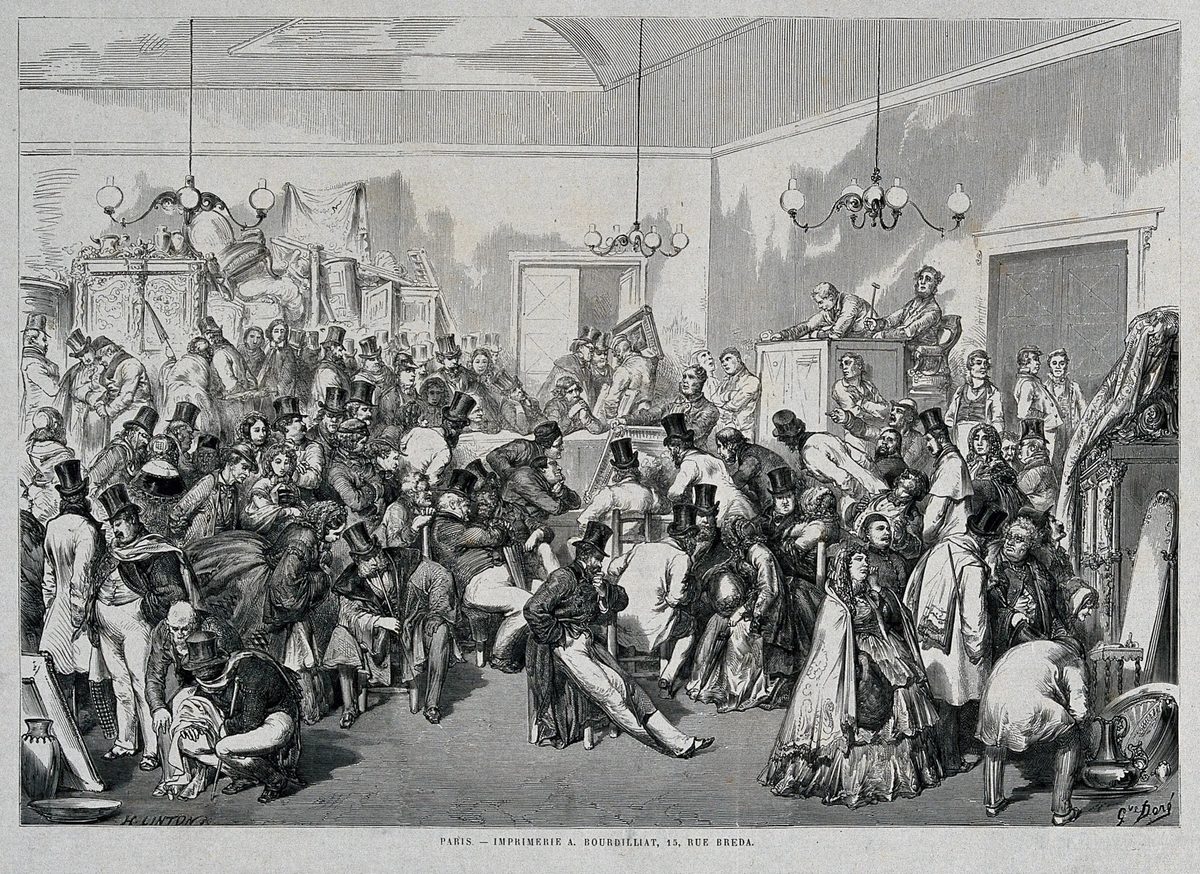
Long before modern presses, master artists were already exploring ways to create multiples, recognizing the power of sharing their vision. Techniques like woodcuts, etchings, and engravings were not mere reproductions; they were intricate art forms demanding immense skill, often created by the artist themselves or in close collaboration with a master printmaker – a highly skilled artisan dedicated to the craft of printmaking. Each method offered distinct aesthetic qualities and allowed for the widespread dissemination of images, profoundly impacting visual culture. For instance, Albrecht Dürer's meticulous engravings in the Renaissance brought complex narratives and artistic innovation to a much broader European audience than ever before.
- Woodcuts (a form of relief printing, where the raised surface holds ink) create bold, graphic images. Historically, they were instrumental in disseminating religious texts and popular imagery to a wider, often illiterate, populace, democratizing visual culture in a profound way.
- Etchings (intaglio printing, where incised lines hold ink) offered artists the freedom of a painter's drawing, allowing for fine, delicate lines and nuanced tonal variations, almost like scratching secrets into metal.
- Engravings produced crisp, precise details, perfect for scientific illustrations or formal portraits, requiring immense precision and control.
Then came lithography in the late 18th century, a revolutionary step that freed artists from carving and engraving. Imagine drawing directly onto a special stone with a greasy crayon; water then repels ink from the untouched areas, so only your drawing accepts the ink to be printed. This allowed for a painterly quality with soft gradations, enabling a direct drawing approach on stone that felt much closer to painting itself. This technique significantly expanded artistic possibilities for mass distribution.
The evolution continued rapidly. Screen printing in the early 20th century allowed for bold, flat areas of color, later famously embraced by pop artists like Andy Warhol and Roy Lichtenstein, who deliberately blurred the lines between fine art and commercial reproduction. The advent of photography further revolutionized image dissemination, providing the ability to capture and spread artworks with increasing fidelity. And with modern digital printing technologies, particularly giclée and archival pigment prints, the ability to create near-identical copies at scale truly transformed how we interact with, and acquire, art. Each technique, I've observed, offers unique aesthetic qualities that are distinct from a painting but often still carry the unmistakable mark of the artist's hand, whether in the initial carving, drawing, or digital preparation.
Type of Art  | What It Really Means | The Experience / What You're Acquiring | Typical Price Range (Approximate) | Key Takeaway |
|---|---|---|---|---|
| Original Artwork | The one-and-only physical piece created directly by the artist's hand. Its materials (canvas, unique pigments, framing) possess inherent value and history. Think of the actual canvas an artist touched, or the unique composition of paint on a drip painting. | A tangible embodiment of the artist's singular vision and physical process, imbued with history and material presence. Unique, irreplaceable, textured, containing the artist's direct energy, offering a direct dialogue with the artist's intention and original aesthetic qualities. | Highly variable, often 5-6+ figures and upwards | Unique, irreplaceable, and a direct, singular link to the artist's creative act and physical touch. |
| Limited Edition Print | A small, fixed number of high-quality reproductions, often meticulously produced by the artist or a master printmaker. Crucially, these are signed and numbered by the artist (e.g., 25/100). This category includes Artist's Proofs (APs) and Printer's Proofs (PPs). APs are often more highly valued by collectors as they represent a special allocation for the artist, sometimes considered more "direct" from the artist's control or vision, while PPs are for the printmaker's archive and typically not released for sale, making them exceptionally rare. | Exclusive but accessible. A verified, high-quality piece of the artist's output, often a collector's entry point that allows you to own a curated experience of their vision without the top-tier investment. Longevity is good with archival materials, offering a lasting connection. | Mid-hundreds to low thousands | Exclusive, high-quality reproduction, often signed and numbered, offering a curated and collectible experience of the artist's vision. |
| Open Edition Print | A print that can be reproduced infinitely. This category spans from high-quality giclée or archival pigment prints on acid-free paper (like cotton rag or alpha-cellulose), replicating original colors and details, to your typical museum poster or online print shop find. | Decorative, affordable, and a fantastic way to show love for an an artist or an image without significant investment pressure. High-quality versions offer excellent visual fidelity and good longevity, providing a tangible, inspiring connection to an artist's popular works, bringing art into daily life. | Tens to low hundreds | Affordable and accessible way to enjoy art daily, bringing inspiration and beauty into your personal space without high stakes. |
| Mass Market Reproduction | Think posters on cheap paper, tote bags, mugs, or digital images on a screen. It's the image, completely divorced from the original object and its material qualities, like a famous painting on a tea towel, or a low-resolution print of 'Starry Night' on a cheap t-shirt. Colors and details are often degraded due to production methods. | Purely for enjoyment and reference, serving as a souvenir or a casual decorative item. It prioritizes widespread availability over fidelity, material value, or archival longevity. | Single digits to tens of dollars | Primarily for decorative or souvenir purposes, prioritizing broad accessibility over artistic fidelity or inherent value. |
The Unrivaled Value of Originals: Aura, Provenance & Investment Potential
Now that we understand the different types of art, the next logical step is to confront the most significant differentiator: price. Let's be blunt: money. An original artwork's value is deeply tied to a concept that governs so much of our world: scarcity. There is only one. That uniqueness is its primary economic driver, but, as I've observed, it's intertwined with so much more. This intangible quality of "aura" – the unique presence of a work in time and space, the evidence of the artist's hand, the specific, often rare, materials, and the journey of that physical object through time – is deeply connected to its market value, leading us to the questions that often dictate our choices when buying art.
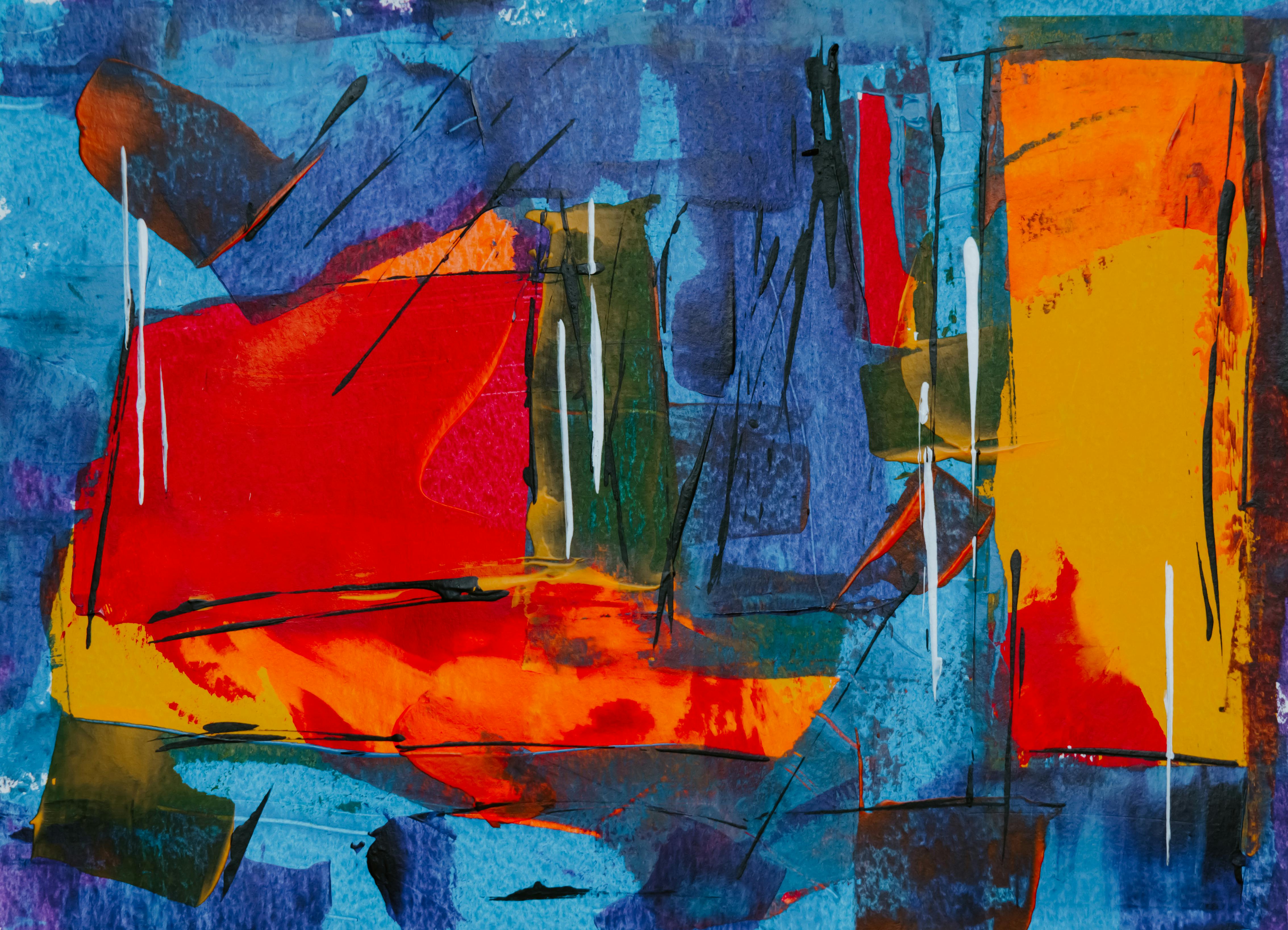
When I stand before an original by an Abstract Expressionist like Jackson Pollock or Willem de Kooning, I'm not just seeing an image; I’m witnessing the fossilized record of an event, a direct imprint of a physical process. It’s the tangible history of every flung drip, every sweeping brushstroke, the very energy of its creation frozen in time. The thick impasto (thickly applied paint that creates a visible texture) catches the light in a way a flat image simply cannot. I can almost smell the oil paint, feel the canvas weave, and sense the sheer physical scale of a monumental work. A print can show you what it looks like, but it can't transmit that raw, physical energy or the multi-sensory experience of standing before the original. This, for many, is the undeniable heart of the discussion when weighing the value of art prints vs originals.
But when you peel back the layers, you discover it's far more than just scarcity driving the price. When you acquire an original, you're buying into a complex tapestry of history, craft, and human connection.
The Story (Provenance): A Work's Lifeline
Imagine a painting: it's not just a beautiful image; it's a history book, a detective novel, and a legal document all rolled into one. Its provenance—the meticulously documented chain of ownership from its creation to the present day—tells you where it's been, who's owned it, and crucially, confirms its authenticity. If a piece by Artist X was acquired by Collector Y in 1950, exhibited at Gallery Z in 1965, and then sold at Auction House A in 1990, that meticulously recorded journey is as much a part of its value as the paint on the canvas. This paper trail is absolutely crucial for establishing authenticity and value, essentially verifying that the artwork is what it claims to be, and not a forgery. I remember the story of a lost Rembrandt painting, rediscovered only after its provenance was meticulously pieced together from old auction catalogs and family records. It acts as a powerful deterrent against fakes and builds confidence in the market, allowing the piece to be properly appraised and sold. A strong provenance often validates the exceptional craft and technique, elevating a piece from interesting to invaluable, a testament to its verified history and the enduring appreciation for the artist's unique skill across generations.
The Craft & Technique: Visible Evidence of Dedication
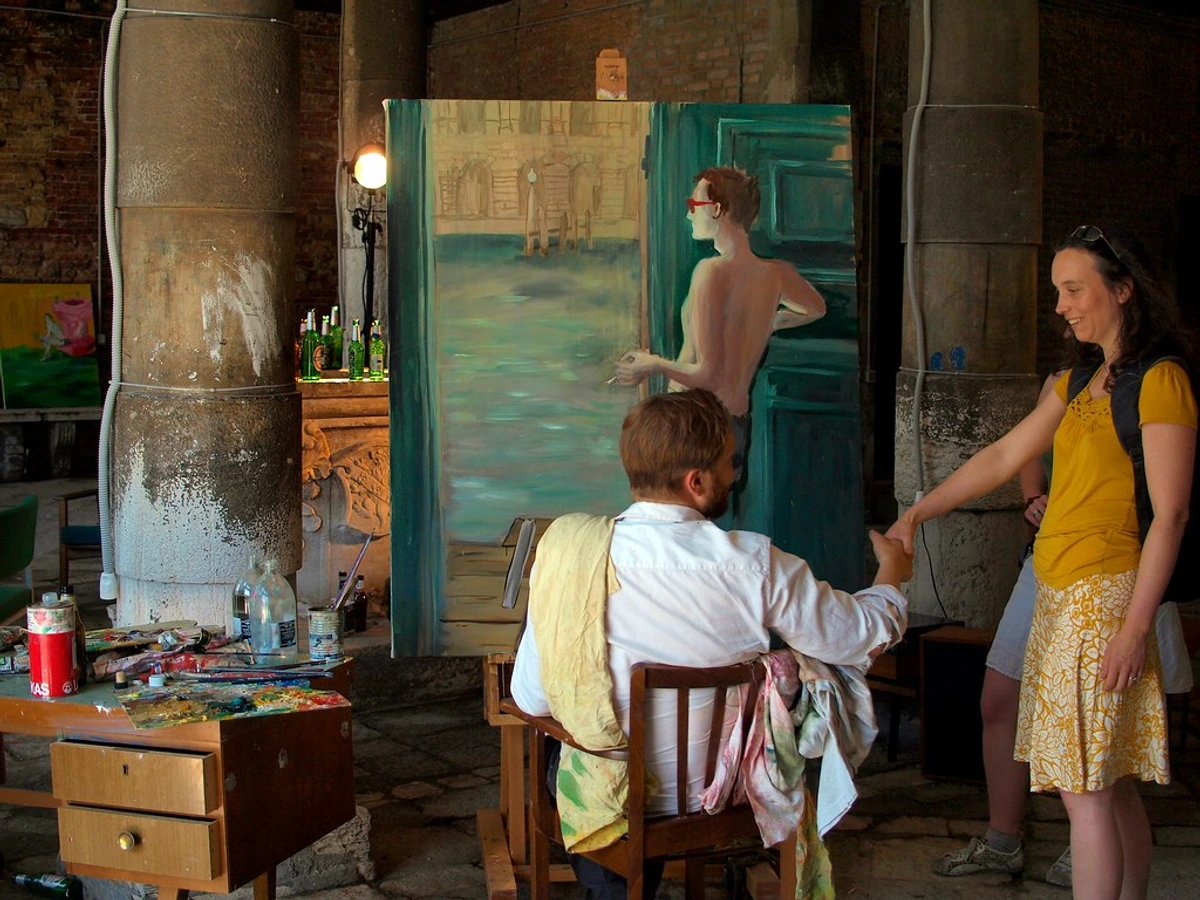
This is the visible evidence of the artist's dedication. It's the hours, the carefully selected materials, the happy accidents that become defining features (a serendipitous drip, an unexpected blend of color), and the frustrating mistakes overcome, all poured into it. This also includes the complexity of the medium—a large oil painting often commands more than a small sketch due to the considerable material cost and sheer labor involved. Think of the hand-stretched canvas, the custom-ground pigments (perhaps incorporating rare blues or shimmering gold leaf), the delicate layers of watercolor, the masterful layering of oils by Rembrandt, or the arduous, physically demanding process of sculpting clay. The intricate details in an Albrecht Dürer engraving are a testament to painstaking skill that cannot be truly appreciated in reproduction. These material choices, the artist's skill, and the sheer labor directly impact its cost and perceived quality. Beyond just skill, an artist's unique technique—their signature style of brushwork, layering, or material application—can significantly influence a piece's desirability and value, making it instantly recognizable and highly sought after by collectors.
The Direct Connection & Investment: A Legacy in the Making
You become the temporary caretaker of a direct piece of an artist's life and singular vision. You can get up close and see the actual brushstrokes, the pencil marks, the texture of the canvas—even the unique way light interacts with the physical surface—revealing the artist's distinct touch in a way no reproduction can. Beyond this tangible link, the artist's overall reputation, the historical significance of the specific piece, its exhibition history, and its cultural impact all contribute significantly to its market value. Yes, this is also where its potential for long-term art investment and appreciation truly lies. For those looking at significant acquisitions, engaging with reputable art consultants can provide invaluable guidance, offering insights into market trends and authenticity. However, it's crucial to remember that art investment carries inherent risks, including market volatility, difficulty in accurate appraisal, and the illiquid nature of the asset. It’s not a guaranteed return, and one should always buy art primarily for love. This is where the true thrill of collecting art lies: a piece of history, a work of unique genius, and a potential asset for your legacy.
Then came artists like Andy Warhol who, with his mischievous genius, famously and intentionally blew this whole idea up. He used industrial silkscreen printing, a reproduction technique, to create his "original" art, provocatively asking, "What happens when the original is already a reproduction?" This wasn't just a witty remark; it was a profound challenge that irrevocably altered our understanding of authenticity, mass culture, and value in the art world, paving the way for entire movements of conceptual art and Minimalism forever. Other artists, like Roy Lichtenstein, similarly embraced commercial printing techniques to create fine art, further blurring the lines and inviting a new dialogue about art's place in popular culture. Warhol reminded us that value isn't always where we expect it, challenging us to look beyond traditional definitions and consider artistic intent in new ways.
Understanding Art Market Dynamics and Artist Development
For both originals and limited edition prints, understanding the broader art market is crucial if you're thinking about art investment or simply ensuring your collection holds its value. I always advise collectors to do their homework; it's a bit like being a detective.
- Researching the Artist's Trajectory: Look into the artist's career beyond just current exhibitions. Are they actively exhibiting in reputable spaces? Do they have consistent gallery representation, perhaps in a major art hub? What is their critical reception from established critics and art journals? Strong indicators of an artist's growing importance and potential for future appreciation include participation in prestigious artist residencies, receiving grants or awards, academic achievements, and early inclusion in significant public or private collections or museum shows. Regional art market trends can also play a role, as certain artists may gain prominence within specific geographic scenes before broader recognition.
- Following Auction Results: Auction houses provide a transparent, albeit sometimes volatile, record of sales for both original works and limited edition prints. Observing these trends can give you insight into an artist's market demand and price points. Platforms like Artnet or Artprice aggregate this data, offering valuable, real-time insights into market health and artist value.
- Gallery and Dealer Relationships: Building relationships with reputable galleries and art dealers is invaluable. They often have deep knowledge of an artist's market, can provide crucial provenance information, and offer informed guidance on acquisitions. Their endorsement, marketing efforts, and curatorial choices significantly contribute to an artist's credibility and the sustained market for their works.
- The Edition Size: For prints, the smaller the edition size, generally the higher the value and potential for appreciation. A print from a very small edition (e.g., 10/100) will almost always command a higher price than one from a larger edition (e.g., 90/100), assuming all other factors are equal. This scarcity principle applies strongly within the print market, reinforcing exclusivity.
This kind of due diligence helps you make informed decisions, whether you're supporting an emerging artist with future potential or investing in an established one, ensuring your collecting art journey is both passionate and prudent.
The Democratic Power of Prints: Art for Everyone
While originals command unique and often prohibitive value, the world of prints offers a powerful and profoundly accessible alternative. Okay, so we all agree originals are special. But does that make prints... less special? Absolutely not. I get a little defensive when people dismiss prints as "just copies." They serve a completely different, and equally vital, purpose, playing a significant role in widespread art appreciation and making art for home decor accessible to so many. Think of it: a beautiful Abstract art print can transform a room with a fraction of the investment.
Prints are democratic. They are messengers, little ambassadors of beauty, knocking on doors that might otherwise remain shut to the exclusive world of fine art. They take the art locked away in a museum or a private collection and share it with the world, fostering cultural literacy and deeply personal connections. I remember once seeing a beautiful limited edition lithograph that just spoke to my soul—it wasn't the original, but it sparked a passion just as intensely, leading me down a rabbit hole of discovery about the artist and their entire body of work.
Think of the Impressionists; their radical new way of painting gained widespread fame partly through printed reproductions in magazines and books, letting people who would never visit Paris see this new vision. Or consider the religious prints of the Renaissance, which were instrumental in disseminating sacred imagery and stories to a wider populace, profoundly impacting religious practice and visual culture. This "emancipation of the image," as Walter Benjamin discussed in his seminal essay "The Work of Art in the Age of Mechanical Reproduction," allows art to transcend its physical limitations and reach a global audience. He implicitly discussed how mechanical reproduction freed art from its 'cult value' (its historical and ritualistic significance tied to its unique presence and often restricted access, like a religious icon) and shifted its focus towards 'exhibition value' (its public display and accessibility, like a poster of that same icon). This profoundly expanded its social and cultural impact, challenging traditional art hierarchies. For an art collector, understanding this subtle dynamic is key to appreciating both the singular magic of an original and the democratic power of a print.
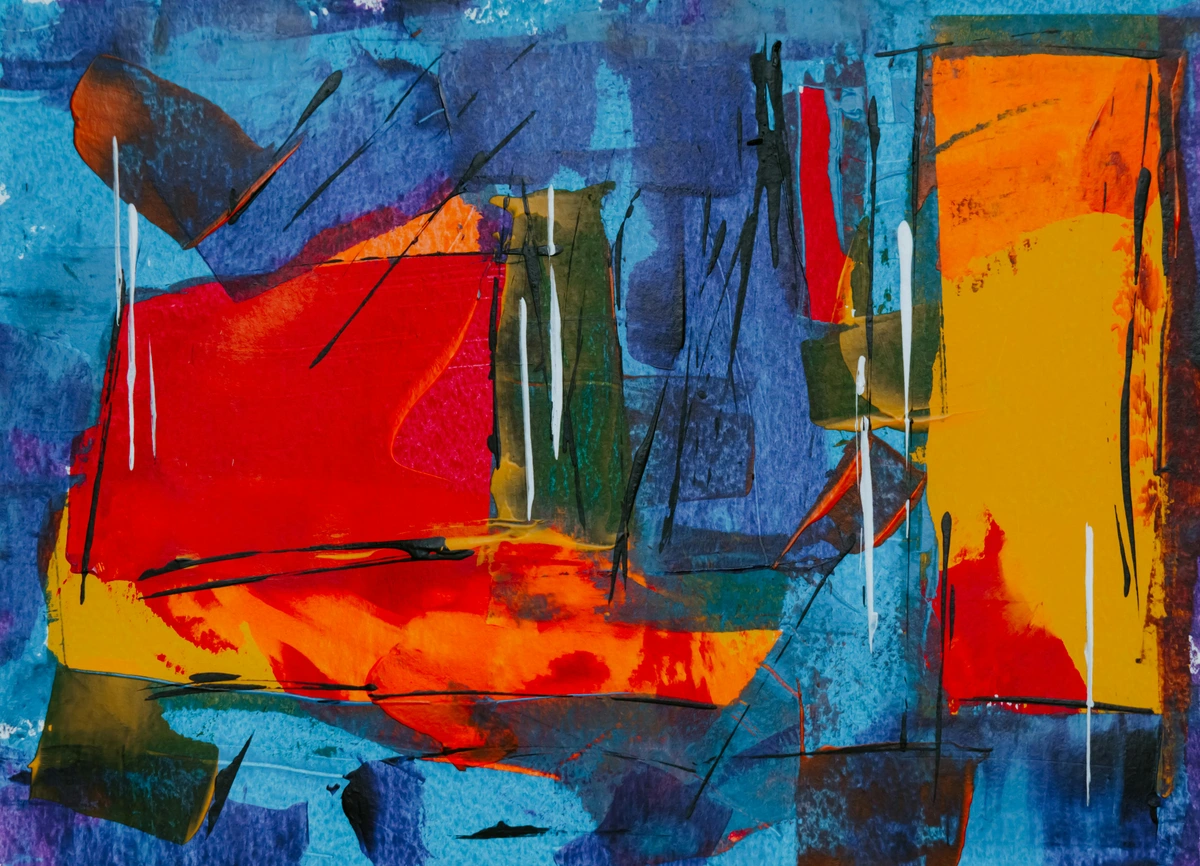
Beyond simple photographic reproductions, many printmaking techniques like lithography, etching, engraving, woodcut, and screen printing are centuries-old art forms in themselves. Each method offers distinct visual qualities and textures—from the crisp, detailed lines of an etching to the soft washes of a lithograph, the bold, flat colors of a screen print, or the graphic starkness of a woodcut—that are valued for their specific aesthetic outcomes, not just as copies. The artist's hand is still very much present in the creation of the plate or block, lending a unique quality to each impression and making the choice of technique an integral part of their artistic statement. For limited edition prints, reputable galleries and dealers play a crucial role in authenticating and marketing these works, reinforcing their credibility and value in the art market.
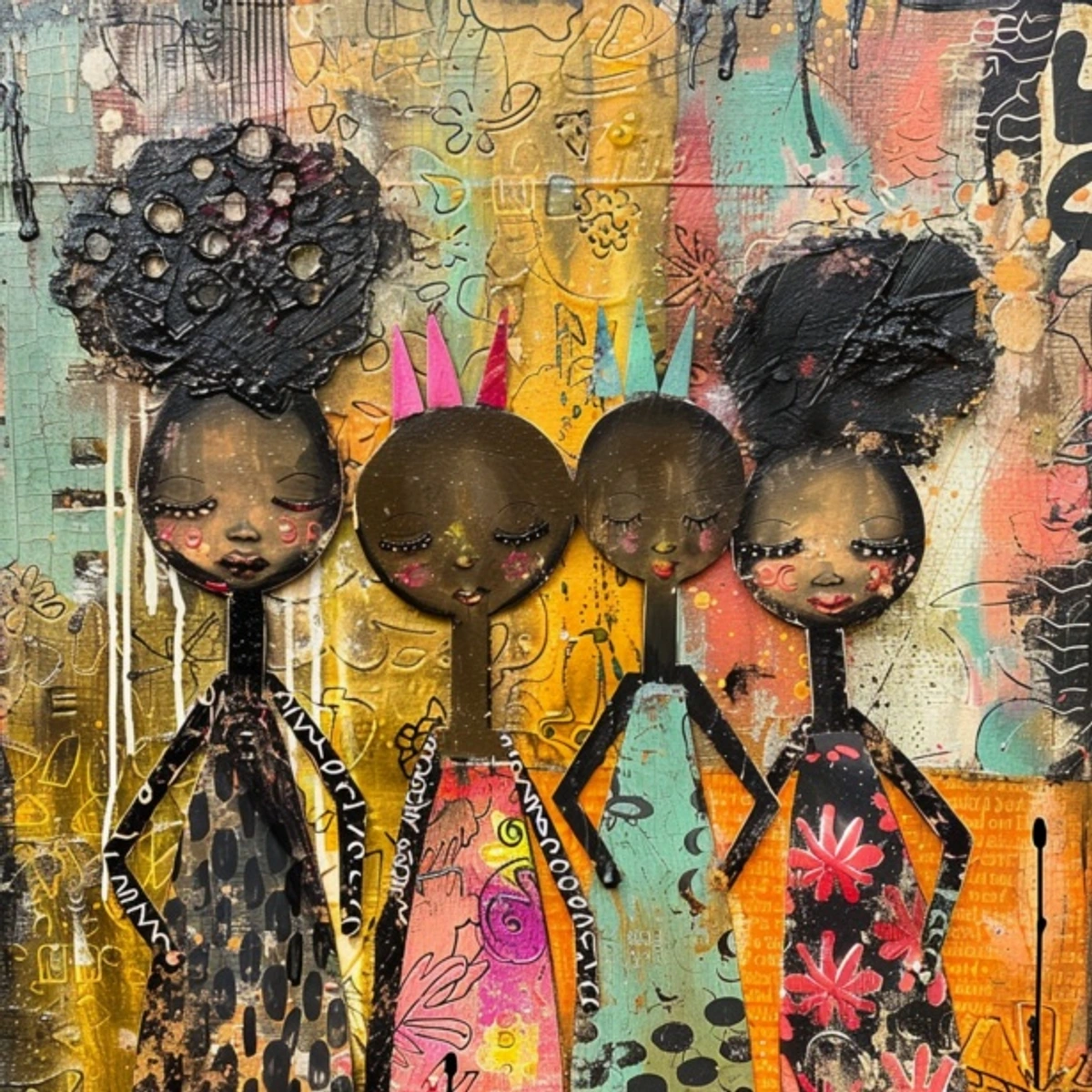
The Role of Galleries and Dealers in the Print Market
Reputable art galleries and specialized print dealers are essential gatekeepers and facilitators in the market for limited edition art and other high-quality prints. I've always seen them as crucial partners for collectors, providing:
- Authentication and Provenance: They meticulously verify the authenticity of prints, ensuring they are legitimate works from the stated edition. They also maintain records of previous ownership, which contributes to the print's provenance, especially vital for works intended for art investment.
- Expert Curation and Education: Galleries curate selections, helping collectors discover new artists and understand the nuances of different printmaking techniques. They provide expert insights into an artist's career, market trajectory, and the significance of specific editions.
- Market Transparency and Value: By consistently dealing in authentic, high-quality works and transparently communicating pricing and market trends, they help establish and maintain the value and integrity of the limited edition print market.
- Conservation Advice: They often advise on proper framing and care, ensuring the longevity of the print—a critical aspect for preserving any artwork.
Authentication for Prints: A Collector's Checklist
For any print you're considering for your collection, especially limited editions, authentication is paramount. A strong authentication provides peace of mind and protects your investment. Here’s what a curator always looks for:
- Artist's Signature: For limited editions, artists typically sign their work, often in pencil below the image. Familiarize yourself with the artist's signature style, as forgeries exist.
- Edition Number: This is usually written as two numbers, e.g., "25/100," indicating the print is the 25th impression out of an edition of 100. Always check that the numbering matches documentation.
- Publisher's Chop or Seal: Many reputable publishers use an embossed or stamped mark (a "chop") on the print, which is a unique identifier of their involvement and guarantees the quality and authenticity of the edition. Think of it as a seal of approval.
- Certificate of Authenticity (COA): A robust COA issued by the artist, a reputable gallery, or the publisher is crucial. It should contain the artist's name, title of the work, date of creation, edition size, printing method, and ideally, a unique serial number that might be linked to a registry. Be cautious of vague or unofficial COAs; reputable sellers will always provide clear, detailed documentation.
- Reputable Source: Always buy from established galleries, art dealers, or auction houses known for their expertise and integrity. Their reputation often acts as a primary layer of authentication.
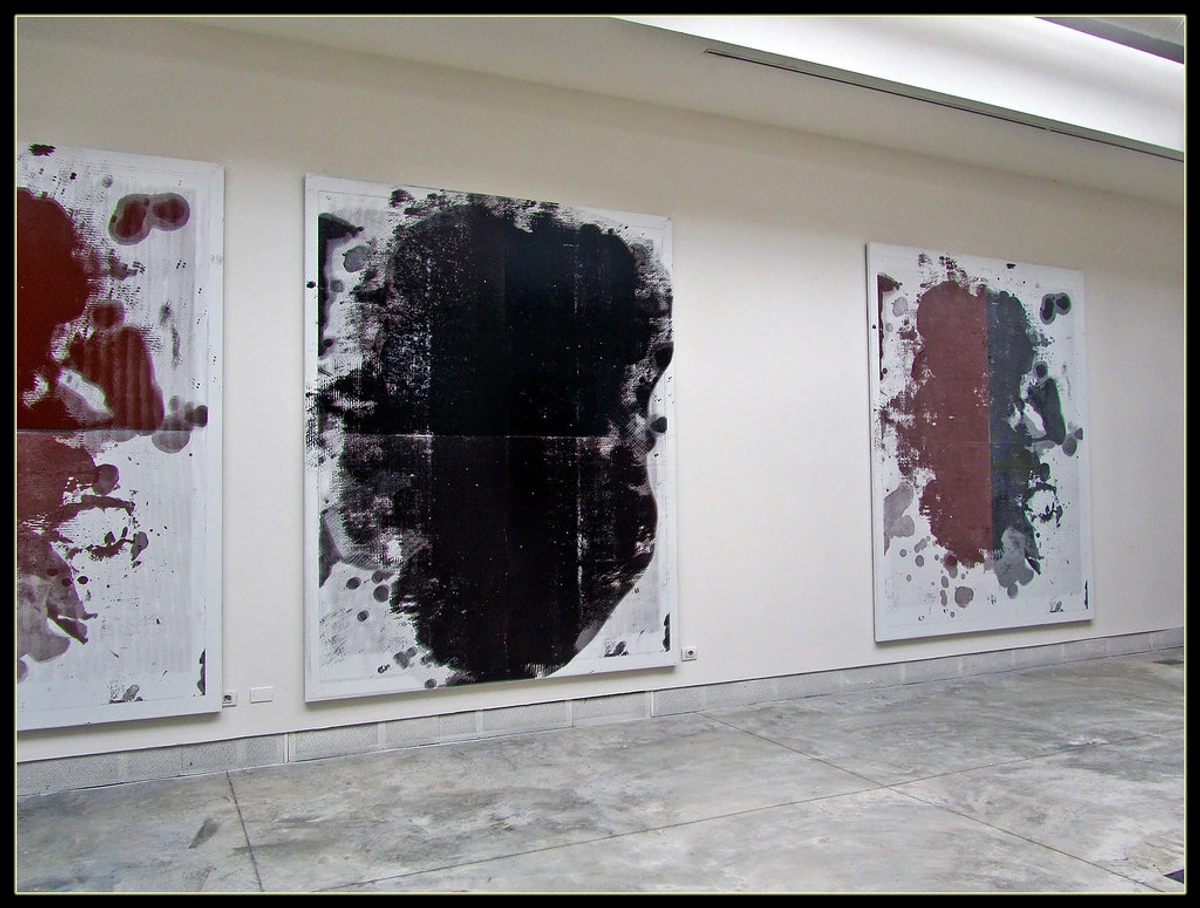
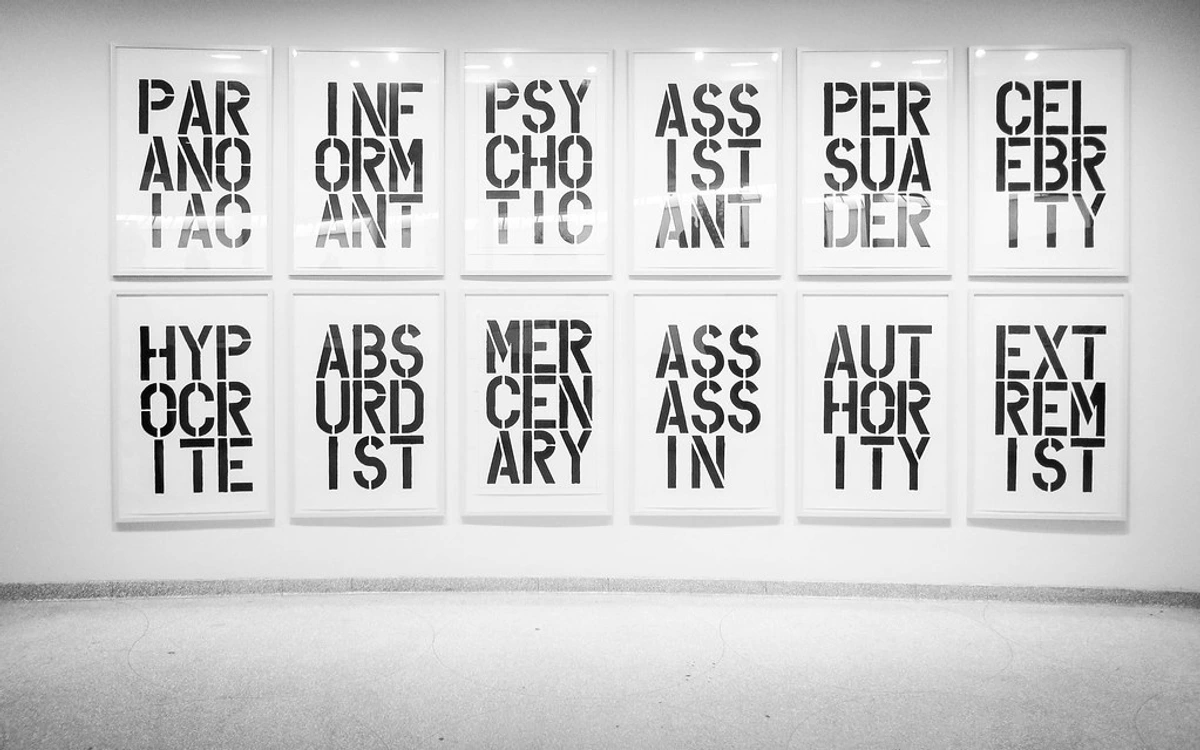
For many of us, prints are our entry into the art world, our first tentative steps as collectors. A poster of a Christopher Wool painting in a college dorm room can be the spark for a lifelong passion, a testament to the enduring power of an image. It's a way to live with the images that inspire you, to make your personal space a reflection of your soul and evolving tastes. They are not merely substitutes for originals; they are powerful artistic statements in their own right, and a vital part of the global art conversation. This is where buying art online for decorative purposes truly shines, offering an unparalleled breadth of choice.
Beyond the Flat: Artist Multiples and Sculptural Editions
Here's a fascinating category that bridges the gap between unique originals and flat prints: artist multiples. These are artworks produced in editions, similar to prints, but unlike two-dimensional images on paper, multiples are typically three-dimensional objects. I've seen everything from small sculptures and ceramic editions to artist-designed functional items like furniture, jewelry, or even conceptual boxes containing various objects. Think of Marcel Duchamp's "Boîte-en-valise" (Box in a Valise), a miniature museum containing reproductions of his own works, or the playful limited-edition vinyl toys by contemporary artists. More recently, artists like Takashi Murakami create editioned sculptures and objects that are highly sought after, blending fine art with pop culture aesthetics.
While both prints and multiples are created in limited quantities, prints are specifically produced through printmaking techniques. Multiples, however, encompass a broader range of mediums and forms, offering a tangible, sculptural, or even interactive experience. They provide a more accessible entry point for collectors seeking a unique object with the artist's direct involvement, offering a different kind of physical presence than a flat print. They add another wonderful layer to the collecting art journey.
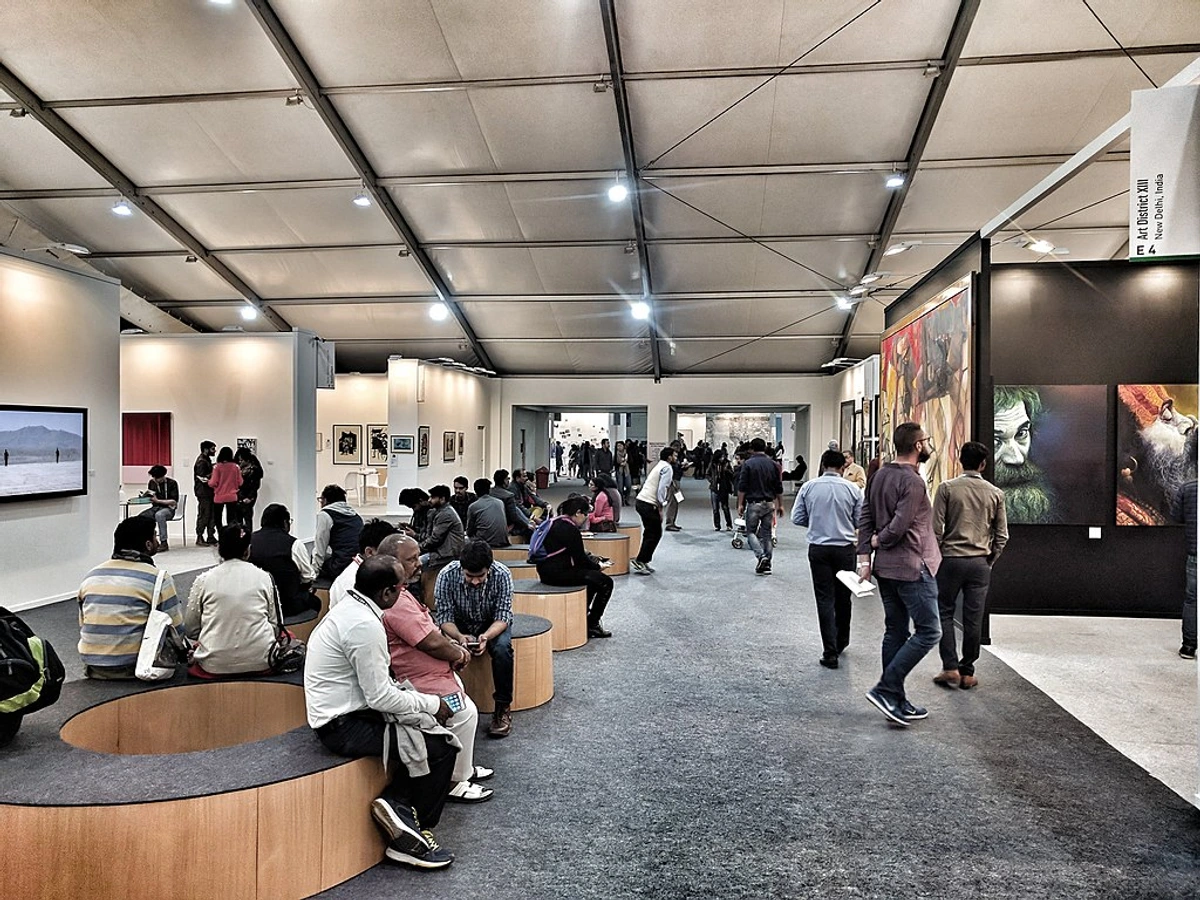
Which Should You Choose? A Curator's Guide to Your Collecting Journey
This is where the personal part comes in, because ultimately, there's no single "right" or "wrong," only what's right for you, right now. To help you navigate these choices, here's a breakdown of how to decide what makes sense for your unique situation. As a curator, when people ask me for advice, I tell them to start by asking themselves these questions, letting their intuition guide them as much as their budget. This is about making truly informed choices for choosing art for your collection and personal space.
Consideration | Go for an Original if... | Go for a Print if... | Key Takeaway |
|---|---|---|---|
| Budget | You have a dedicated budget and see it as a significant, long-term purchase or potential art investment. You appreciate the intrinsic value of rare materials and unique craftsmanship that only a singular object can offer. | You want to beautify a space affordably, want the flexibility to switch out art frequently (to experiment with styles), or are just beginning to explore your own taste. This allows for collecting multiple pieces and diverse aesthetic moods without a huge financial commitment. | Originals represent a significant investment and unique material value; prints offer flexibility and affordability, making art accessible. |
| Goal | You want to support an artist directly, own a singular piece of history, acquire a unique physical asset, and desire a deep, tangible connection to the artist's hand and creative process. You're explicitly looking for potential long-term appreciation as an asset for your legacy. | You love an iconic image, want to learn about your own taste without high financial stakes, are decorating without intense emotional attachment, or appreciate art's message and its broad cultural impact. You want to display art you love without the pressure of pure investment, focusing on aesthetic enjoyment. | Originals offer a unique, tangible connection and investment potential; prints prioritize broad appreciation, accessibility, and visual impact. |
| Collecting Goals | Your aim is long-term investment, building a legacy, acquiring a historically or culturally significant object, direct patronage of living artists and their careers, or acquiring a unique piece for deep scholarly or personal interest. You seek the multi-sensory, irreplaceable experience only an original can offer. | You're building a diverse collection, exploring various artists/styles, creating a curated gallery wall in a busy entryway or a child's creative space, enjoying art without high-stakes investment, celebrating an image, or making a statement in a temporary space. This is often the vibrant starting point of a rich art appreciation journey. | Originals are for legacy building, deep patronage, and unique experiences; prints are for diverse exploration, enjoyment, and accessible art collecting. |
| Space | You have a focal point in your home, perhaps a quiet study, a prominent wall in a living area, or a carefully curated private gallery that deserves a one-of-a-kind statement. This allows for intricate textures, unique material qualities, and intimate details to truly shine under varying light conditions. | You're filling a gallery wall, decorating a kid's room, need art for a high-traffic/high-risk area (like a bathroom or kitchen), or desire a rotating collection in a home office. High-quality prints also work beautifully in dining rooms or offices where visual impact is key without the environmental risks associated with originals. | Originals make a singular, profound statement for key areas; prints offer versatility and durability for various spaces and evolving decor. |
| Emotional & Intellectual Connection | You feel a deep, personal pull to the artist's specific technique, the texture you can almost feel, and the intimate story embedded in that singular object. You crave that tangible link to the moment of creation and the artist's physical journey, fostering a symbiotic relationship with the artwork. Or, you may have a profound intellectual appreciation for the concept, historical significance, or the sheer rarity of the specific piece. | You are inspired by the image and the idea behind it, and want it in your daily life, even without the artist's direct hand. The power of the image itself is what moves you, allowing that inspiration to be widespread and making your space a reflection of your evolving identity and personal aesthetic. | Originals provide an intimate, tangible, and intellectually resonant link to creation; prints offer broad inspiration from the image itself, reflecting personal identity and accessible engagement. |
Ultimately, the journey of an art lover often involves both. You might have beautiful prints of the old masters on your wall while you save up to buy an original piece from an emerging artist you've discovered and truly want to support. One isn't inherently "better"; they simply fulfill different needs and offer different kinds of joy. Don't be afraid to start exploring your local galleries, museum shops, university art departments, or even the art within your own home with a fresh, discerning eye. Your relationship with art is a living, evolving thing, and embracing its many forms enriches that journey.
Caring for Your Collection: Preserving Your Passion
No matter what you choose, proper care is paramount. For both originals and high-quality prints, especially giclées or limited edition lithographs on fine art paper, archival framing is absolutely vital. This means using materials that protect against UV light and acid degradation—glass with UV filtering, acid-free mats, and backing boards. Avoid direct sunlight and extreme temperature or humidity fluctuations, which can cause fading, warping, or mold. For original artworks, particularly paintings and sculptures, specialized conservation may be required, involving environmental controls, expert cleaning, and occasional restoration by trained professionals. This underscores the higher investment and long-term care associated with unique pieces. Common conservation challenges for originals might include flaking paint, canvas tears, or varnish discoloration, requiring the expertise of a professional conservator.
When it comes to prints, different types require slightly varied attention:
- Delicate Paper Prints (e.g., fine art paper giclées, watercolors): Always handle with clean cotton gloves to avoid transferring oils and acids from your skin. Store unframed prints flat in acid-free portfolios or boxes, away from humidity. For framing, ensure the print is hinged with archival tape to an acid-free mat, allowing for expansion and contraction.
- Robust Prints (e.g., screen prints on heavier stock, canvas prints): While more durable, still avoid creasing. Canvas prints should be stretched properly to prevent sagging. Archival varnishes can offer additional protection for some types. Water damage, foxing (age-related spots), and fading are common threats to prints, emphasizing the need for proper environmental control and archival framing.
Always handle artwork with clean hands, preferably cotton gloves. Support the piece properly to prevent bending or creasing. If unframed, store high-quality prints flat in acid-free portfolios or boxes, away from humidity. Remember, for a print, the paper is the art, and it's surprisingly delicate. This mindful care ensures your chosen art continues to bring joy for years to come.
The Digital Frontier: NFTs and the Quest for Digital Scarcity
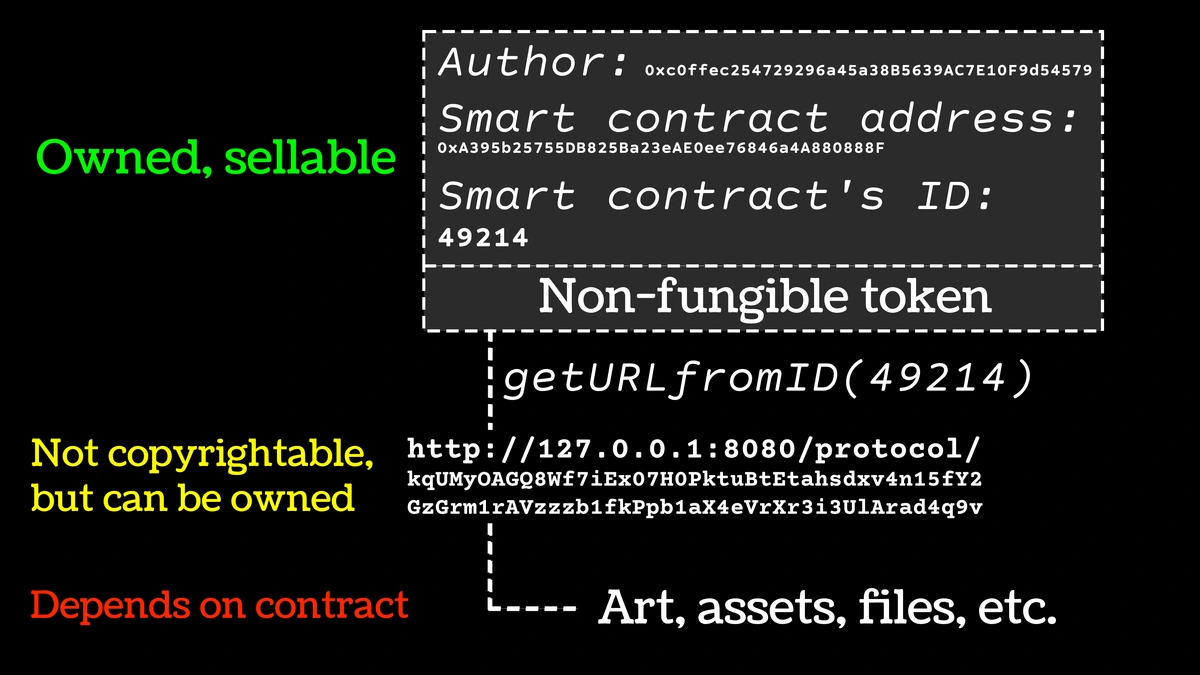
I have to briefly mention the whole NFT and blockchain conversation because it's an undeniable part of the contemporary dialogue around art, even if my feelings about it are still very much in flux. There's this compelling, yet to me, largely unproven idea that you can create "digital scarcity" for a digital file. While blockchain technology certainly offers intriguing possibilities for verifying digital ownership and tracking provenance in the digital realm, here’s my rub: the underlying digital file can be infinitely reproduced, copied, and shared without degradation. That's a fundamental difference from a physical object that ages, holds unique textures, and has a singular, irreplaceable presence in a room. This is also where discussions around The Rise of Digital Abstract Art come in, examining how digital tools are changing creation and collection.
For me, owning a digital certificate for a file doesn't give me the same tactile feeling, the same immediate connection to the artist's physical hand, or the unique journey of a canvas through time. It's like owning the deed to a house versus owning a perfect digital blueprint of that house. Both can hold value, and digital art certainly has the potential to reach new global audiences and foster unique communities, but one offers a tangible, physical experience that the other fundamentally cannot. It’s hard to replicate that direct, human connection when the "art" itself exists as pure data. I am intrigued by artists who are exploring hybrid physical-digital forms, where a physical artwork is linked to an NFT, but for now, my heart remains with the tangible.
Your Art Questions, Answered (FAQ on Collecting Art)
Is a limited edition print a good investment?
It can be, but it's crucial to understand it's not a guarantee—much like any other investment. The value depends heavily on the artist's reputation (their career trajectory, critical reception, and consistent gallery presence are key indicators), the size of the edition (smaller numbers like 10/100 are generally more valuable and sought after than 90/100), the quality of the print (archival materials, fidelity to the original artwork, master printmaker involvement), and whether it's signed and numbered by the artist. Always, always buy it primarily because you love it, and if it appreciates in value, consider that a happy bonus. Investing in art, even prints, requires diligent research, a long-term perspective, and sometimes the advice of an art consultant, much like any other significant asset. It's also important to confirm if the artist has a track record of consistent market presence and if the print is authenticated by a reputable gallery or publisher.
How can you tell if a print is high quality?
Look for specific terms like "giclée" (a high-resolution inkjet printing method), "archival pigment inks," and "acid-free paper" or "fine art paper" (such as cotton rag or alpha-cellulose). A truly good print will not only have rich, accurate colors and sharp details, but also possess a substantial weight and a luxurious, often subtly textured feel to the paper. Visually, look for vibrant, deep color saturation, an absence of pixelation or noticeable "banding" in color gradients, and clean, crisp edges on lines and forms. It won't feel like a flimsy poster, but rather a robust piece of fine art. If it looks like it came off a standard office printer, or the colors appear flat and faded, it's certainly not a high-quality art print. Reputable galleries and online platforms will provide detailed information about printing methods and materials. Also, look for a watermark or embossed seal from the publisher, which can be strong indicators of quality and authenticity.
Does owning a print devalue the original?
Not at all. In fact, the opposite is often true. The more a famous image is reproduced and widely appreciated, the more iconic it becomes, which can actually drive up the value and cultural importance of the original. Think of the Mona Lisa; its countless reproductions (from prints to postcards to memes) only enhance the mystique and allure of the actual painting in the Louvre. Prints contribute significantly to the broad art appreciation that elevates an artist's entire body of work, increasing their fame and ultimately the value of their unique creations.
Where can I see great original art to understand the difference?
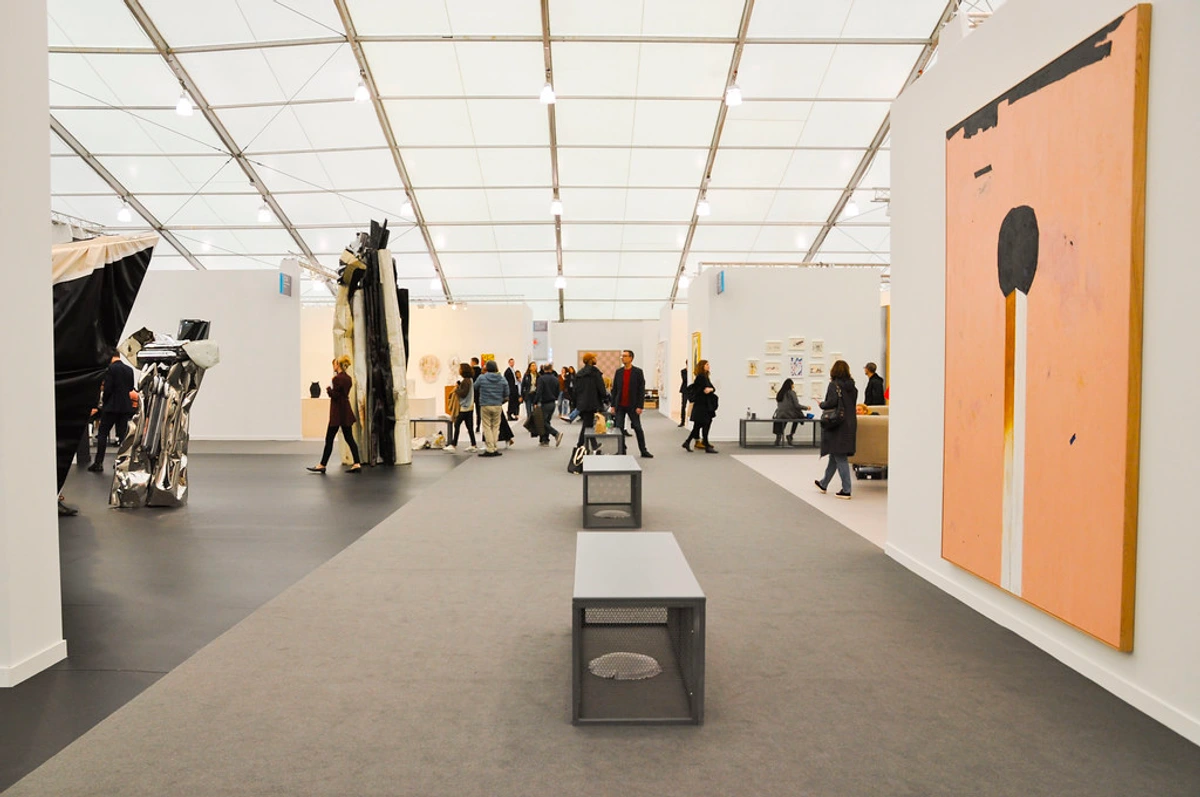
Go to museums! It's truly the best way to train your eye and experience the unique "aura" firsthand. Spend time in local galleries, university art museums, or major institutions. Pay close attention to the texture, the brushstrokes, and how the light interacts with the physical surface of the painting or sculpture. Art movements like Abstract Expressionism or works by artists such as Jackson Pollock, Willem de Kooning, Christopher Wool, or Jean-Michel Basquiat are fantastic for experiencing intense physical texture and direct artistic process. If you're ever in the Netherlands, a visit to a place like the Kroller-Muller Museum or the Design Museum Den Bosch can show you an incredible range of original works. The multi-sensory experience is everything.






Can I frame a print myself, or should I always use a professional?
You can frame a print yourself, especially open-edition posters or less valuable pieces, using off-the-shelf frames and acid-free mats. However, for limited edition prints, giclées, or any print you consider a valuable part of your collection, I strongly recommend professional archival framing. Professionals use higher quality, acid-free, and UV-filtering materials that will protect your print from environmental damage and ensure its longevity—a worthy investment to preserve the artwork itself. The right framing can also significantly enhance the aesthetic presentation and perceived value of the piece, becoming an integral part of its display.
What's the difference between a giclée print and a lithograph?
Both are printmaking techniques, but they differ significantly in process and aesthetic. A giclée (pronounced "zhee-clay") is a modern, high-quality inkjet print made with archival pigment inks on fine art paper or canvas. It's a digital process known for its exceptional color accuracy and detail, making it ideal for reproducing paintings or photographs with great fidelity. A lithograph, on the other hand, is a traditional printmaking technique developed in the late 18th century, using a treated stone or metal plate. The artist draws directly onto the surface with greasy crayons or inks, and the image is then transferred to paper using pressure, relying on the principle that oil and water don't mix. Lithographs are known for their distinctive soft, painterly quality, often with subtle textural variations, and are considered an original art form within the printmaking tradition. The key difference lies in the process (digital vs. manual, chemical reaction), the unique aesthetic qualities each produces, and often, the cost; traditional lithography can be more labor-intensive and thus potentially more expensive for smaller editions than digital giclée production.
How do I choose art for home decor?
When choosing art for home decor, consider the mood you want to create in a room. For a serene bedroom, opt for calming colors and abstract forms. For a lively living room, a vibrant abstract or figurative piece can be a focal point. Always consider scale – a large statement piece works well on a prominent wall, while smaller prints can be grouped in a gallery wall. Think about color palettes that complement your existing decor or introduce a pop of contrast. Ultimately, choose what genuinely resonates with you; your home should be a reflection of your evolving taste and personal aesthetic. Don't be afraid to mix and match styles or experiment with different placements. The journey of finding the perfect pieces is part of the joy.
Is art a good gift?
Absolutely! Art can be a wonderfully thoughtful and personal gift, showing that you truly understand the recipient's tastes and interests. For someone just starting their art appreciation journey, a high-quality open edition print of a beloved artist or a limited edition print by an emerging artist can be an excellent entry point into collecting art. Consider the recipient's personal style, home decor, and favorite themes or artists. For a more significant occasion, a smaller original piece from an artist they admire could be a cherished, long-lasting present. Just remember to ensure it's something they'll genuinely love and can easily integrate into their space. A truly good piece of art, whether original or print, evokes emotion and adds beauty, making it a memorable and impactful gift.
In the end, the debate between original and mass-produced art isn't a battle to be won. It's a rich, ongoing conversation about access, value, personal connection, and, ultimately, our profound human love for art in all its forms. An original piece offers a deep, singular connection, a tangible link to a moment of creation, almost a direct conversation with the artist's soul. A print, in contrast, offers a broad, shared connection, democratizing beauty and inspiration, allowing countless individuals to experience the artist's vision in their own lives.
Your life and your home have room for both, just as a true art lover's journey embraces both the thrilling discovery of an original and the enduring passion for an accessible print. So, whether it's the singular, irreplaceable presence of an original or the accessible beauty of a high-quality print, the most important decision is how you'll let art enrich your unique world. Choose what resonates, what sparks joy, and what invites contemplation, and let your collecting journey unfold with curiosity, informed insight, and endless joy.