
Is AI Art Really Art? Let's Have an Honest Conversation
A personal, in-depth look at the heated debate: is AI art truly art? We explore the arguments, the artist's role, and what it all means for creativity.

Is AI Art Really Art? Let's Have an Honest Conversation
I remember the first time I saw an image generated by an AI that truly stopped me in my tracks. It wasn't just technically impressive; it had a strange, dreamlike quality that felt... new. My immediate reaction was a mix of awe and a strange, almost defensive feeling. A little voice in my head asked, "But is it art?" It's a question that seems to be on everyone's mind lately, sparking heated debates online and in studios.
Maybe you've felt it too. That mix of wonder and unease when you see a picture that seems to have a soul, but you know it was made by silicon and code. It's not just about the picture; it's about the idea of it. That feeling—like your brain just short-circuited—is where this conversation begins. It's a sign we're not just talking about a new gadget; we're bumping up against some old, stubborn questions about what it means to be human and what we get to call our own in a world filling up with intelligent machines.
This isn't a philosophical seminar; it's more like two friends trying to figure out a puzzle that doesn't have a picture on the box. We're at a strange party, and someone just invited a robot.
What I felt wasn't just about skill; it was about territory. My brain was throwing up flags, saying, "Wait, this space is for us." It’s the creative equivalent of seeing a self-driving car merge onto the freeway. You know it was designed by smart people, but it still feels like an invasion. The sheer audacity! A piece of software, built on math and data, suddenly has opinions on negative space and color temperature. It feels like we're watching a calculator compose a symphony, and in doing so, it's forcing us to question everything we thought was uniquely ours. It challenges the romantic idea of the tortured artist wrestling their vision from the void. What happens to that story when the "artist" is a program that never gets tired, never has a crisis of faith, and doesn't care if you like its work?
And that question — "Is AI art really art?" — isn't just academic. It's messy, personal, and has already begun to reshape the entire creative landscape. It's forcing painters, photographers, and illustrators to ask hard questions about their own work, their value, and the very nature of creativity. This isn't a debate we can ignore. It's happening in real-time, in art schools, on social media, and in the quiet moments when an artist first experiments with a generator and gets a result that both thrills and unnerves them. So before we dive into the arguments for and against, let's just pause and acknowledge that feeling of unease. It's a gut reaction that's pointing to something profound: a fundamental shift in how we create, consume, and define art itself. This article is our space to unpack that feeling, to follow that instinct, and to see where it leads.
First, What Are We Even Talking About?
Let's clear the air first. When we say AI art, we're not talking about a robot with a paintbrush. We're talking about something stranger: images, text, or music created by generative models.
Think of it this way: you give the AI a text description—a prompt—and it generates something new based on the vast amounts of data it was trained on. This isn't like using a filter on your phone or even a complex Photoshop action. Those tools follow fixed rules. You apply a filter, you get a predictable result. AI generation is different. It's more like describing a dream to a surrealist painter who has seen nearly every image on the internet and can paint at the speed of light.
The AI is not just searching its database for a picture of a dragon and showing it to you. Instead, it's inferring, interpolating, and extrapolating from patterns in its training data to create something genuinely novel. It doesn't "know" what a dragon is in any meaningful sense; it lacks any concept of reptilian biology, mythology, or the feeling of awe they inspire. It only "knows" what pixels are statistically likely to appear next to each other when the word 'dragon' is in the prompt, based on the billions of dragon-labeled images it has processed. It's a cosmic game of "connect the dots" where the AI is guessing the next dot based on the ones it's already seen, not on any real-world understanding.
The engines behind this are often Large Language Models (LLMs) for text or diffusion models for images. To wrap your head around a diffusion model, picture this: you take a perfectly clear photograph and then add static—random digital noise—layer by layer until the image is just a grainy mess. A diffusion model is trained to do that process in reverse. It learns that a grainy mess corresponding to the text "a cat" should, step-by-step, have the noise removed to reveal a clear picture of a cat.
These models are trained on datasets of almost incomprehensible size—scraping billions of images and their associated text captions from the open web. They don't "learn" in the human sense; they compute statistical relationships. They build a massive, multi-dimensional map of concepts. "Melancholic" is a location in that map, "robot" is another, "cello" and "misty pier" are others. When you type your prompt, the model isn't understanding a scene. It's finding a path through its map and generating the pixel arrangement that statistically best represents that path. It's a process of cold, hard calculation, not conscious creation. The magic we see is an emergent property of scale, not a spark of artificial soul.
The prompt can be simple ("a cat sitting on a roof") or absurdly complex ("a photorealistic painting in the style of Rembrandt of an astronaut discovering a garden of glass flowers on Mars, cinematic lighting"). Some artists even use "negative prompts" – telling the AI what not to include – to refine the output, a peculiar kind of creation-through-negation. The process is a dance between the user's imagination and the machine's interpretation. It's about learning to speak the AI's language – a language of precise adjectives, stylistic references, and compositional keywords. For a deeper dive into the mechanics, our introduction to generative art is a good starting point.
If you're curious to try it yourself, here's a quick, practical breakdown of the prompting mindset. It's less about giving commands and more about describing a scene with an almost obsessive level of detail.
- The Subject (Noun): What is the main focus? (e.g., "a lone astronaut," "a still life of fruit," "a vast, futuristic city").
- The Action (Verb): What is happening? (e.g., "is sitting quietly," "is wilting under a hot sun," "is being reclaimed by a jungle").
- The Style (Aesthetic): How should it look? This is where you can get really specific. Reference artists ("in the style of Zdzisław Beksiński"), art movements ("a Romantic landscape painting"), mediums ("an oil painting on canvas," "a grainy linocut print"), or even specific techniques ("dramatic chiaroscuro lighting," "cinematic wide-angle lens").
- The Details (Adjectives): What does it feel like? This is the emotional core of the prompt. Use words like "melancholic," "somber," "ethereal," "chaotic," "serene," "bustling," "eerie."
- The Context (Setting): Where is it? (e.g., "on a misty pier at dawn," "in a cluttered Victorian study," "under a binary star system"). You can even specify the year or historical period to influence the style and content, like "1940s pulp magazine cover" or "built in the Brutalist architectural style of the 1970s."
Mastering this is a skill in itself. It requires a deep and eclectic knowledge of art history, film, photography, and language itself. A great prompter isn't just typing words; they're painting a picture with them, knowing which words will trigger which visual patterns in the model's vast, statistical brain. It's a whole new form of literacy.
What strikes me most about this process is its inherent element of surprise. You can craft the perfect prompt, a thing of poetic beauty, and hit "generate" with the confidence of a master chef placing a dish in the oven. But the AI is not an oven; it's more like a whimsical kitchen spirit you've hired. It might follow your recipe exactly. It might mishear you and swap the rosemary for lavender, creating a flavor you never imagined but instantly love. Or it might just present you with a perfectly grilled shoe.
This is where the real creative friction happens—not in the typing, but in that chaotic, unpredictable gap between your intent and the machine's output. The frustration is real. You can spend an hour trying to get it to render a simple object correctly, and it keeps giving you a distorted, impossible version. But so is the magic. Sometimes, its "mistake" is more brilliant than your original idea. It might add a subtle expression to a character's face or an impossible shade of light that completely re-frames your entire concept. That moment of unexpected genius—that's the addictive part. It's the feeling that you're not just building something, but discovering it.
And this 'friction' is a feature, not a bug. It's what separates this from simply commissioning an illustration from a human artist. With a human collaborator, you expect them to interpret your vision. But with an AI, you're collaborating with a system that doesn't share your cultural context or emotional understanding. It's this alien quality—the way it misinterprets a prompt in a strangely poetic way, or introduces a detail you'd never have considered—that can lead to genuinely novel and unexpected aesthetic territories. An artist friend of mine calls it "creative sparring with an alien mind." You throw a punch, and it bounces back in a form you could never have predicted, forcing you to react, adapt, and often, rethink your entire concept. That moment of surprise, I believe, is one of the most valuable things AI brings to the creative process—a built-in mechanism for breaking your own creative habits and pushing you into unfamiliar territory.
The "It's Not Art" Camp: The Case Against the Machine
Let's be fair and start with the skepticism, because it's valid. This isn't just a bunch of old-timers yelling at the kids to get off their digital lawn. The resistance to calling AI-generated images "art" is rooted in ideas that are centuries old and, frankly, pretty important. It strikes at the core of how we've understood art as a fundamentally human endeavor. As we explored in our article on The Ethics of AI Art, the arguments against it are a knot of philosophy, ethics, and economics, and pulling on one thread seems to tighten all the others. At the heart of it all is one word: intention.
We've spent centuries defining art by the human hand and mind. It's the sum of a million conscious and subconscious decisions, the "happy accidents" that happen when a brush slips, the weight of a lifetime of experience—the pain, the joy, the boredom—that an artist pours into their work. It's the story behind the piece. Can a line of code have a story? Can a file, processed by an algorithm that has never seen a sunset or felt loss, actually create something with meaning? Does it feel anything, or is it just executing a command with flawless, soulless precision?
This idea leads to the most common criticism: that AI is just a sophisticated collage machine. It's a remix artist on a cosmic scale, borrowing from everything it's ever seen without understanding any of it. Its genius is in mimicry, but its failure is in meaning.
Think about it. An AI can generate an image with the perfect style of a Rembrandt—the deep shadows, the golden light. But it has no comprehension of what that light represented. It doesn't understand faith, or suffering, or the quiet dignity of an old face. It's just replicating a pattern it has identified as "Rembrandt-like." It can create a technically flawless pastiche of a 19th-century Romantic landscape, capturing the dramatic skies and lone figures. But it feels nothing of the awe, the terror, the sublime that drove painters like Caspar David Friedrich to try and capture the face of God in a mountaintop. It's an echo without a voice, a beautiful vessel that arrives empty. For many, this is the deal-breaker. Without the artist's conscious intention and lived experience behind it, the work is hollow, no matter how stunning it is to look at.
This isn't a new fear. As we discussed in our look at The Ethics of AI Art, this debate mirrors the anxiety felt by painters in the 19th century when photography emerged. Suddenly, a machine could capture a perfect likeness in seconds, a task that took a painter hours or days of laborious study. Many declared painting dead. But the opposite happened. Painting was forced to evolve, to do things the camera couldn't. It pivoted away from pure representation and toward abstraction, emotion, and subjective experience. The fear was that the machine would replace the artist. The reality was that it simply changed what the artist had to do to be relevant.
So, could AI be doing the same thing? Could it be the innovation that forces human artists to stop competing on technical rendering and start focusing on the things that are, at least for now, uniquely ours: deep conceptual thinking, personal narrative, lived experience, and emotional depth that goes beyond surface-level aesthetics? Maybe the question isn't 'Will AI replace artists?' but 'What kind of art will only humans be able to make in an age of generative AI?' This brings up huge ethical questions about copyright and originality, a topic we wrestle with in The Ethics of AI Art. If an AI is trained on millions of copyrighted images without permission, is the output a new creation or a high-tech plagiarism machine?
That 'plagiarism machine' idea is a tough one to shake. It feels like the AI is getting a free ride on the backs of millions of artists who poured their lives into their work. The models learn patterns, styles, and compositions from data scraped from the web, often without the original creators' knowledge or consent. It's a messy, unresolved issue that sits at the heart of the debate. Legally, it's a grey area. Ethically, it feels black and white to many. This tension has led to lawsuits from artists and companies, with some platforms scrambling to implement 'opt-out' mechanisms for artists—a small concession that highlights the problem more than it solves it. Fundamentally, it raises the question: can you build a creative tool on a foundation of uncompensated creative labor and call it progress? Some artists feel their entire visual identity has been absorbed and can now be replicated by anyone with a clever prompt. This notion – of having your unique style 'absorbed' without consent – is perhaps the most visceral fear for many artists today. It feels invasive, a kind of disembodied appropriation of their most personal expressions.
To give you a sense of the scale, let's break down the typical training process with a simple analogy. Imagine millions of artists have, over decades, created a vast library of every kind of image imaginable. Then, a new technology company builds a machine that can scan every single page of every book in that library in a matter of weeks. It doesn't copy the images, but it memorizes every brushstroke, every color combination, every compositional rule, every stylistic tic. Then it offers you a service: 'You give me a sentence, I'll give you an image that looks like it was made by someone from that library.' The artists whose work filled the library in the first place? They weren't asked for permission, and they don't get a cut of the profits. The companies behind the AI models—like Stable Diffusion, Midjourney, and DALL-E—see this as 'training data,' a necessary ingredient for building powerful tools. To the artists whose work was used, it feels like intellectual theft on an unprecedented scale.
The human brain, however, works differently. An artist might study Rembrandt for years, internalizing his use of light and shadow. But when they paint, that influence is filtered through their own personality, their unique life experiences, their culture, their emotions, and their physical limitations. It's a process of synthesis, not statistical replication. The AI, lacking consciousness and lived experience, simply calculates patterns. This is the crucial distinction that makes the 'artists learn from masters too' argument feel hollow to many. One is inspiration; the other is systematic data ingestion. It's the difference between a chef studying French cuisine to create a new dish and a machine scanning every recipe ever written to predict the next most likely ingredient.
The "It's a Tool" Camp: The Case for a New Canvas
On the other side of the debate is the argument that AI is simply the next tool. Not a replacement, not an intruder, but the latest in a long, long line of technological disruptions in art. History is littered with these moments of creative panic.
The invention of the collapsible paint tube in the 1840s allowed artists to finally leave the studio and paint outdoors, giving birth to Impressionism and its obsession with fleeting light. Before that, the camera obscura was used (though rarely admitted) by masters like Vermeer to project images onto their canvas, helping them achieve near-photorealistic precision. And the camera itself? When it was invented, it was decried as the death of painting. The French poet Charles Baudelaire called it a "barren industry" and accused it of being a soulless, mechanical process. Painters, they said, would become obsolete. Instead, photography freed painters from the burden of realism. It pushed them toward abstraction, impressionism, and surrealism, creating a whole new world of art. It didn't kill painting; it forced it to evolve, to become more than just a way of recording the world.
The history of art is, in many ways, a history of technological innovation. Before the camera, one of the primary goals of painting was to create a faithful representation of reality. When the camera could do that faster and cheaper, it didn't kill painting; it freed it. Painting could now focus on the things cameras couldn't capture: emotion, movement, subjective perception, and eventually, pure abstraction. It created a division of labor. The camera would handle documentation, and painting would handle expression.
The paint tube analogy is a perfect example. Before the mid-19th century, artists had to mix their paints from scratch using powdered pigments and oils. It was a laborious, studio-bound process. The invention of the portable, pre-mixed paint tube was a technological revolution. Suddenly, artists could pack their supplies and paint en plein air—out in the open. This allowed them to directly observe and capture fleeting moments of light and atmosphere, a direct catalyst for the Impressionist movement. Would Monet's haystacks or his water lilies have been possible without the humble paint tube? It seems unlikely. The technology expanded the very definition of what was possible in art.
What these moments in history tell us is that our definition of art is incredibly elastic. It expands to include new methods of creation, always causing a bit of an uproar before finding its place. Each new tool initially seems to devalue the old, but history shows it just reshuffles the deck of skills and perspectives that we value. The initial fear that a new tool will "kill" an old one often gives way to a more interesting reality: the new tool forces the old one to evolve, to do things it never had to do before.
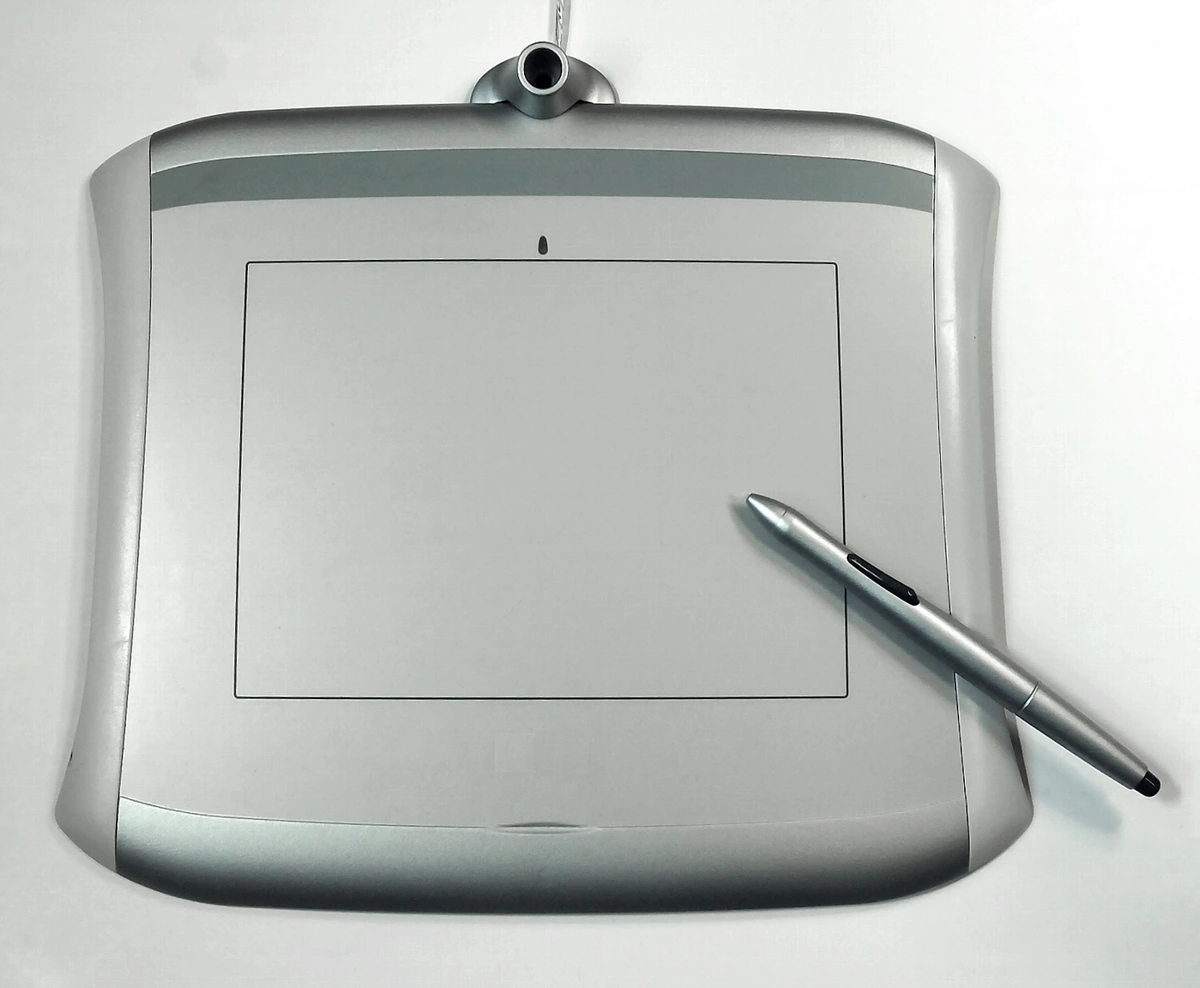
I find this historical perspective incredibly helpful. Every new tool changes the artistic process, and that's okay.
Proponents argue that the artistry in AI creation lies not in the final click, but in the entire process, which is often more cerebral and less manual than traditional methods. This conception of 'prompt engineering' as a fine art is central to their argument.
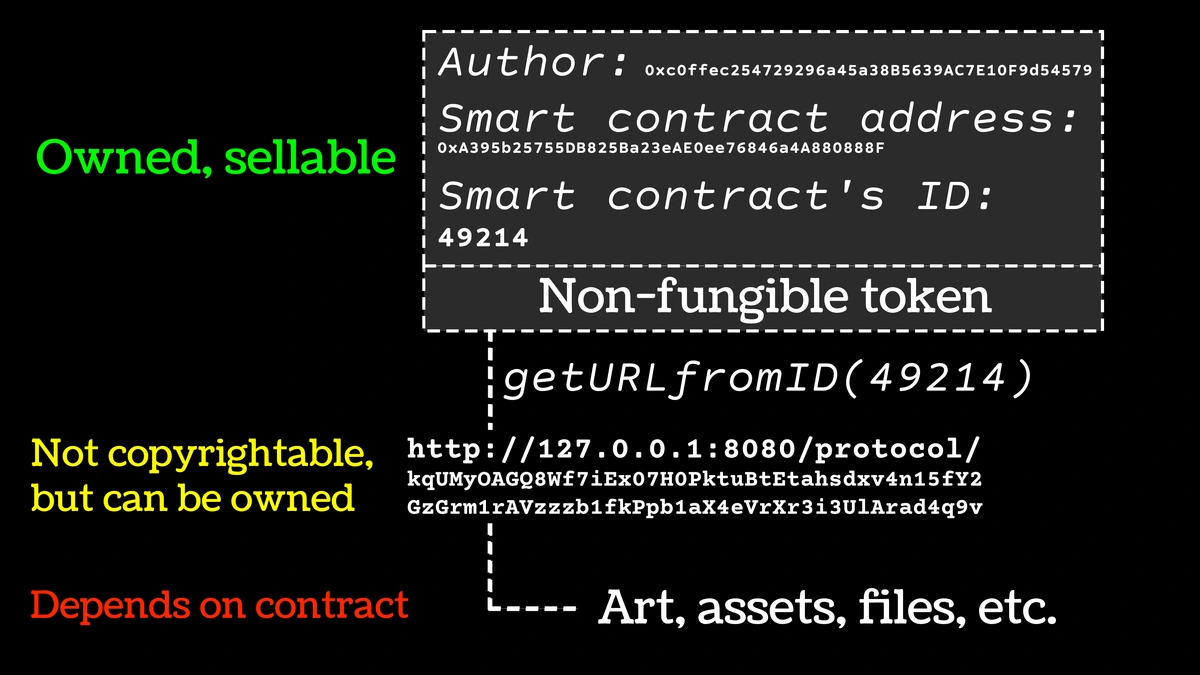
- The Concept: The original idea still comes from a human. Every great work of AI-assisted art begins not with a prompt, but with an intention. It starts with a feeling, a story, or a question that the artist wants to explore.
- The Prompting: Crafting a good prompt is a skill. It's like learning to communicate with an alien collaborator. It requires precision, poetry, and a deep understanding of art history, aesthetics, and terminology. Great prompters understand things like lighting terms (e.g., 'Rembrandt lighting,' 'cinematic'), artistic mediums ('oil painting,' 'linocut,' '3D render'), and can reference specific artists or historical periods to guide the AI's output. It's a technical and creative skill in its own right, often requiring dozens or even hundreds of iterations to get right.
- The Curation: An AI might generate a hundred images. The artist is the one who chooses the one that works, the one that perfectly captures their vision. This act of selection is a powerful creative statement in itself. It's not just picking the 'best' image; it's about recognizing the one that contains a spark of unexpected genius, the one that pushes your original idea in a new direction.
- The Refinement: Often, the generated image is just a starting point. Many artists take the AI output and manipulate it further using digital tools like Photoshop, treating it as a base layer, a source of inspiration, or a single element in a complex collage. This AI-human hybrid workflow is becoming increasingly common, blurring the lines between generation and traditional creation. This could involve digital painting over the AI render, compositing multiple AI elements into a new scene, or even using the AI image as a reference for a physical painting or sculpture.
- Iteration and Inspiration: The process is rarely linear. You might get a result that sparks a new idea, leading to a revised prompt, which in turn leads to a new result, creating a feedback loop between human and machine. A slight imperfection or unexpected flourish produced by the AI can send the artist down a completely new creative path they never would have discovered on their own. This idea of AI as a creative 'sparring partner' is central to this camp's philosophy. It's about ceding a certain amount of control to the machine in exchange for a dose of algorithmic chaos and surprise. This partnership allows human artists to achieve a scale and complexity that would be physically impossible to execute by hand.
This is where it feels less like a vending machine and more like a true collaboration. It's about learning to guide, not command. It's about understanding that the AI isn't a mindless servant but a powerful, unpredictable creative partner with its own strange logic and aesthetic biases. The art that emerges is a genuine synthesis of human vision and machine interpretation. For those interested in this deep partnership, we explore it further in our article on AI as a Co-creator.
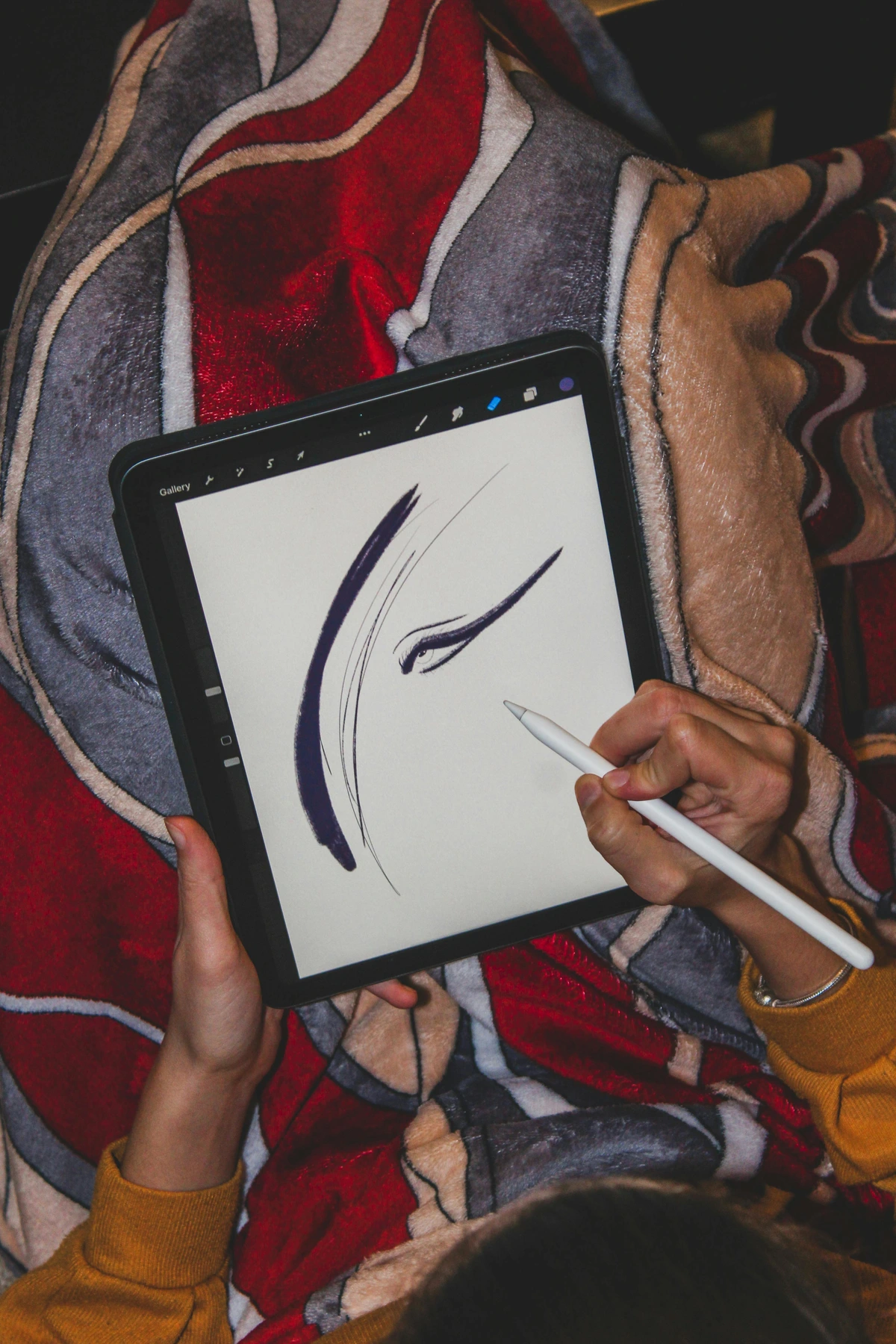
New creative tools don't appear in a vacuum. They don't just replace what came before; they weave their way into existing artistic practices, opening up new expressive possibilities we didn't even know we were missing. It took years for artists to stop trying to make photos look like paintings and start exploring what only a camera could do—freezing motion, playing with depth of field, capturing reality with unblinking honesty.
To help you understand how AI fits into this long lineage of invention and adaptation, it's helpful to see it side-by-side with other mediums. The differences are stark, and they help explain why it feels so disruptive.
Feature  | Traditional Art (e.g., Painting) | Digital Art (e.g., Photoshop) | AI Art (e.g., Midjourney) |
|---|---|---|---|
| Primary Skill | Manual dexterity, understanding of physical media. | Software proficiency, hand-eye coordination with a tablet. | Language, conceptual thinking, curation, iterative refinement. |
| Creation Process | Direct, physical manipulation of materials. | Direct, digital manipulation of pixels. | Indirect, descriptive instruction and selection. |
| 'Happy Accidents' | A drip of paint, an unexpected color blend. | A software glitch, an accidental filter application. | The AI misinterpreting a prompt in a fascinating way. |
| Point of Intent | Every brushstroke is a decision. | Every click and stroke is a decision. | The initial concept, the wording of the prompt, post-processing, and the final selection. |
| Workflow | Additive: Building up layers of paint. | Additive & Subtractive: Adding and erasing pixels. | Iterative: Generating, selecting, and refining through cycles. |
| Relationship with Tool | Craftsperson with a medium. | Operator of a complex software. | Collaborator with a generative partner. |
| Scalability & Uniqueness | Creates a single, unique physical object. | Can be perfectly reproduced infinitely as a digital file. | Can generate near-infinite variations on a theme almost instantly. |
Let's add a third dimension to this comparison. What are the raw materials and the output of each approach? And what questions of authorship and originality do they raise?
Feature | |||
|---|---|---|---|
| Materials | Physical: canvas, paint, clay, stone. | Digital: Pixels, vectors, layers, digital brushes. | Datasets: Billions of text-image pairs. Prompts. Words. |
| Output | A unique, often one-of-a-kind, physical object. | A digital file that can be perfectly copied. | A digital file that can be perfectly copied, with near-infinite variations. |
| Authorship | Centered on a single human artist. | Centered on a single human artist (with possible stock asset use). | Ambiguous. Shared between the prompter, the AI model, and the creators of the training data. |
| Originality | Valued for the artist's unique hand and vision. | Valued for the artist's skill in composition and digital manipulation. | A contentious topic. Valued for the novelty of the concept, prompt, and curation. |
The Ghost in the Machine: My Take on Art and Intention
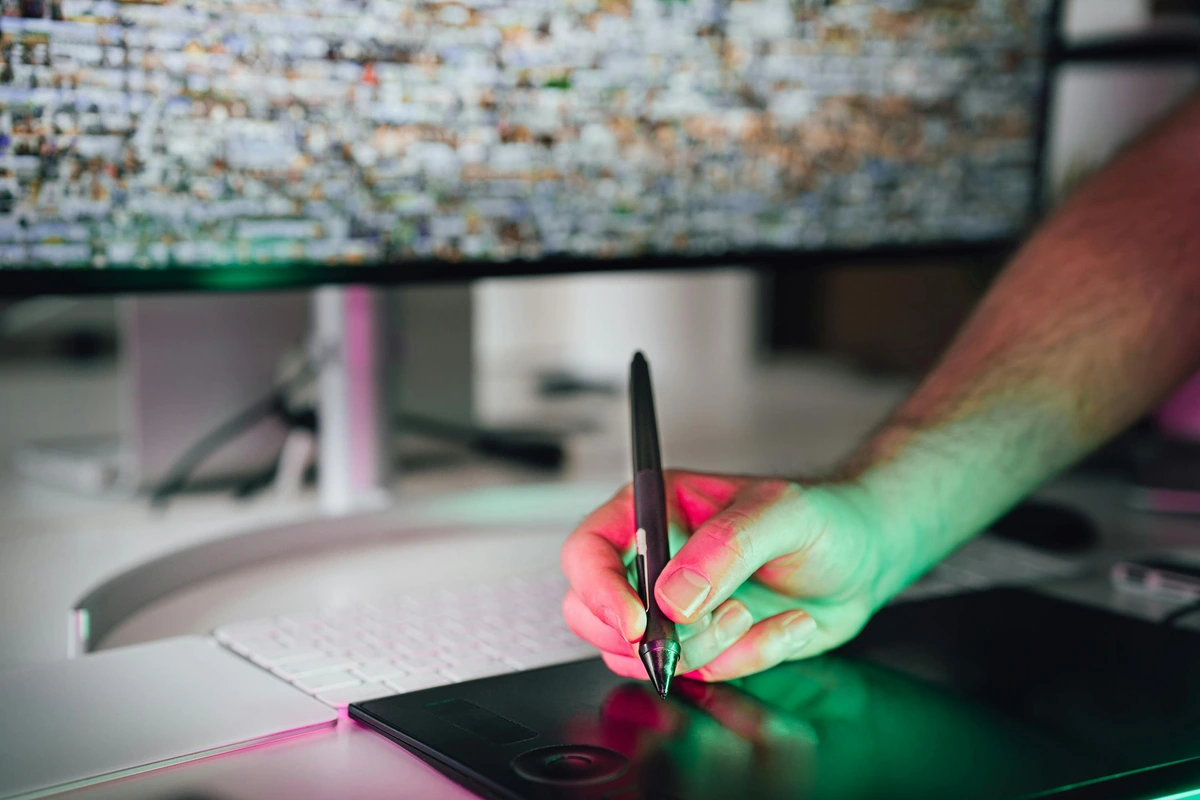
After going back and forth on this (sometimes in the middle of the night), I've landed here: Art is about communication. At its core, it's about one consciousness trying to connect with another. It's the intent to evoke a feeling, share an idea, or show someone a new way of seeing the world. It's the "why" behind the work. The "how" is just the method.
If a person uses a brush, a camera, or an AI as a tool to achieve that communication, then yes, I believe the result can absolutely be art. The machine doesn't have the soul; the artist does. The artist's intention is the ghost in the machine. It's their vision, their emotion, their story that we see in the final image. The AI is just a new kind of instrument, and the question isn't whether the instrument has a soul, but whether the musician does.
The tool doesn't have the soul; the artist does. The artist's intention is the ghost in the machine.
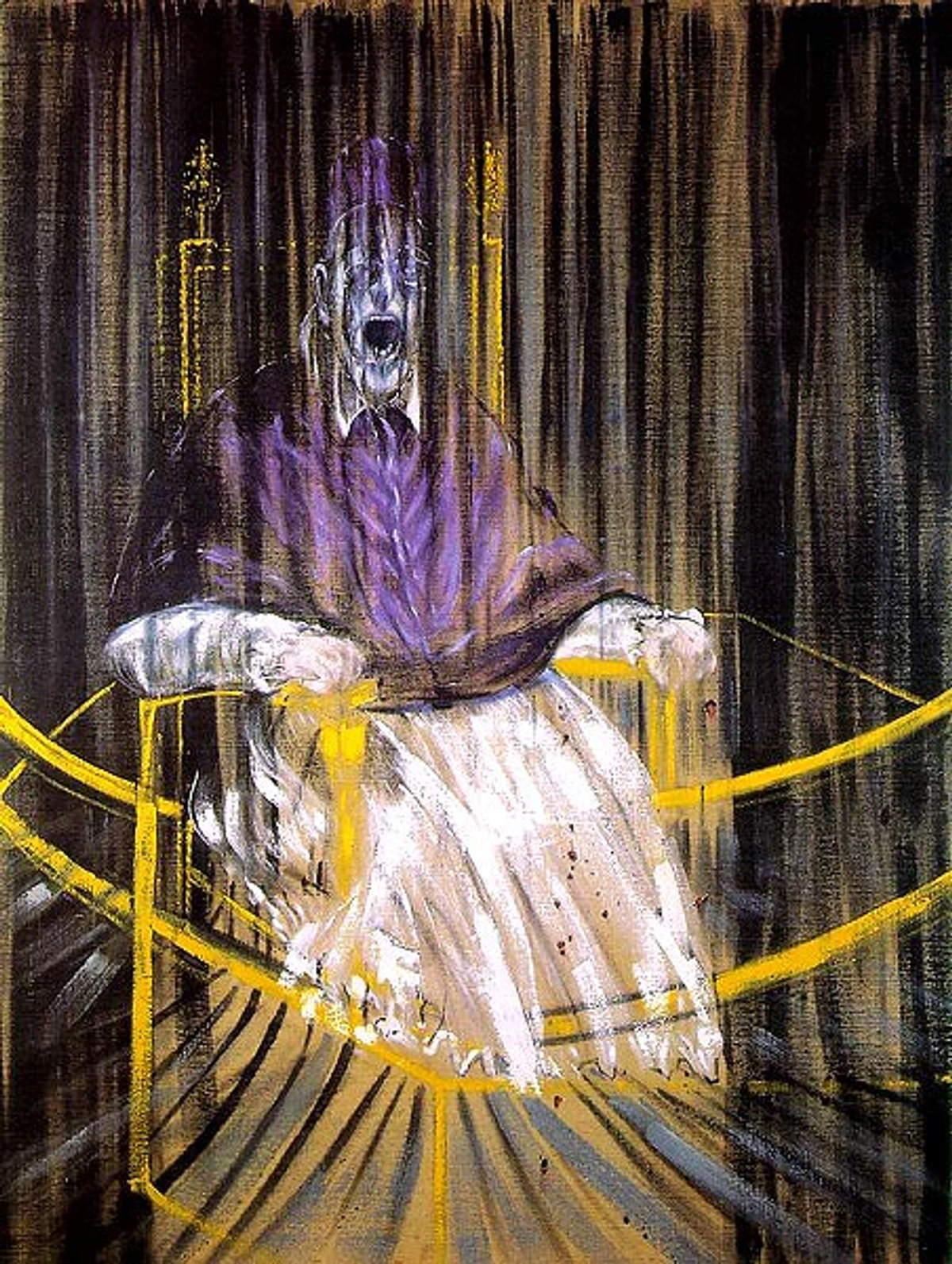
But let's put the philosophy aside for a second, because the practical reality is a lot messier and more fun. I think the real magic of AI art happens when you stop seeing the tool as a replacement for the artist and start seeing it as a collaborator. It's about that moment of discovery—finding that weird, unexpected output that makes you gasp and suddenly changes your entire plan.
You might start with a clear idea of a serene lake at sunset. But the AI, mishearing your instructions or finding a more interesting pattern, gives you a lake of swirling galaxies under a sky of liquid gold. And you just sit there, staring at the screen, thinking, "I had no idea that was what I wanted, but it's perfect." That's the moment you realize you're not just a driver on a pre-set route. You're a co-pilot in a vehicle that has a mind of its own, having a conversation with a very strange and powerful creative partner.

That said, I don't think all AI-generated images are art. Far from it. Let's be honest: a simple, generic prompt like "a beautiful sunset" that spits out a pleasant but generic image feels more like algorithmic stock photography than a personal expression. There's no vision, no story, no struggle. It's just a wallpaper machine.
But in the hands of a true visionary—someone with a unique perspective and the skill to guide the tool—it can be breathtaking. Think of artists like Refik Anadol, who uses AI to create massive, data-driven installations that transform architecture into liquid dreams. His work is unmistakably art because his vision is unmistakably his. The AI is his medium, not his master.
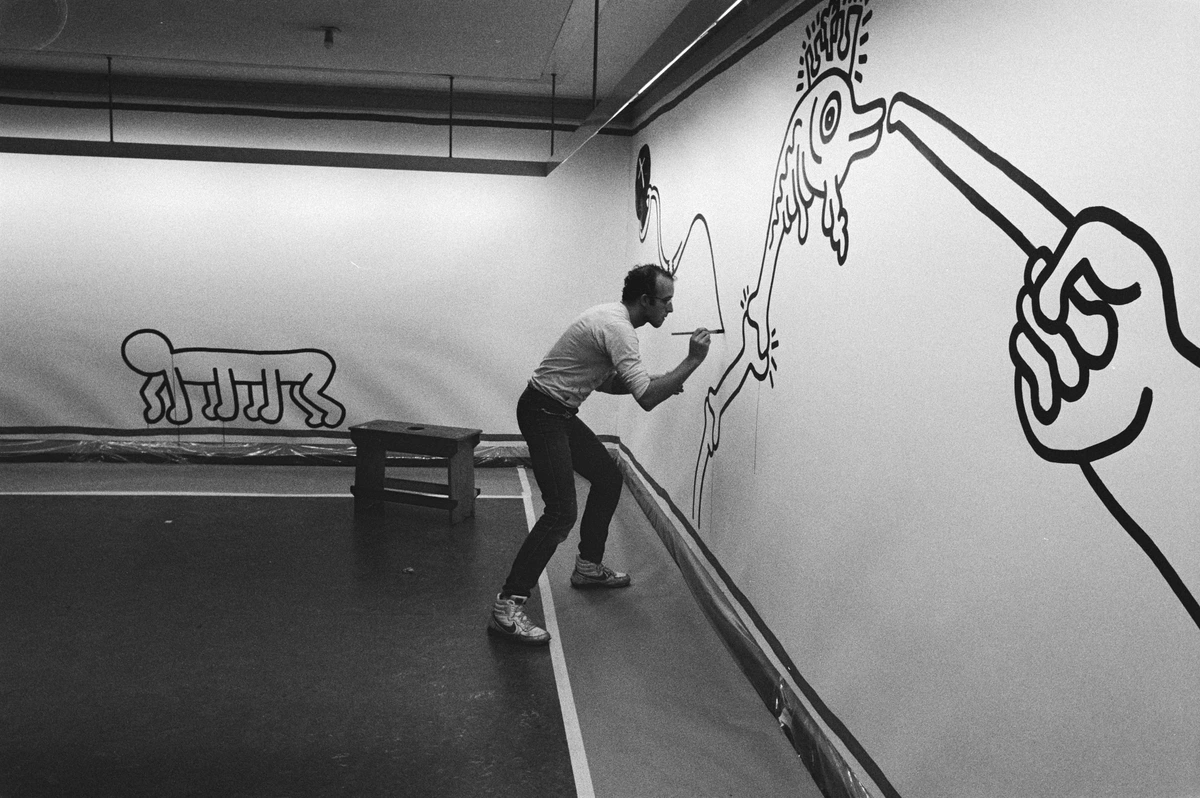
The debate shifts from "Is it art?" to "Is it good art?" And that's a much more interesting, and familiar, conversation to have.
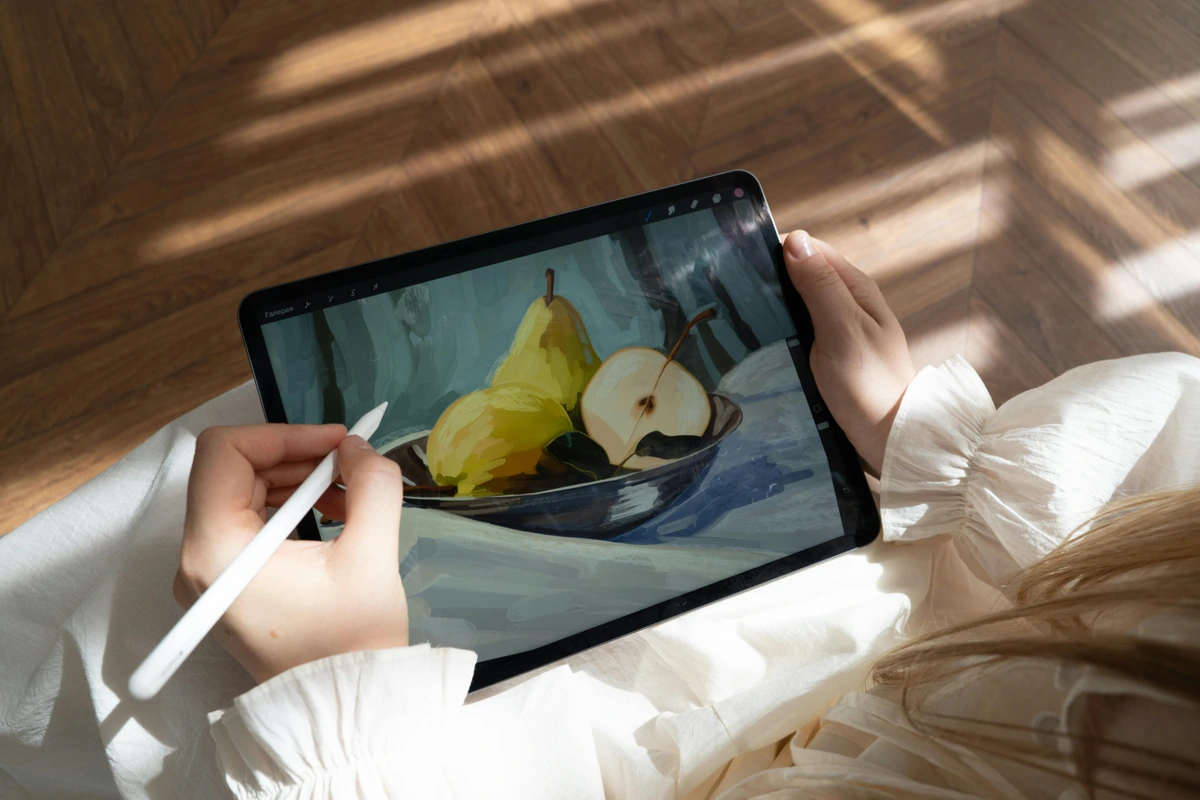
Why? Because "good art" is something we can actually talk about. It has to do with composition, emotional impact, originality of vision, and technical execution (yes, even prompting and curation are technical skills here). It moves us beyond the simple "on/off" switch of the word "art" and into the complex, subjective, and wonderful world of aesthetic judgment – a place where art has always lived. The conversation is no longer about the tool, but about the craft of using it. And that conversation, as we've seen throughout art history, always takes time to mature. Abstract art was once seen as mere scribbles, photography as a soulless mechanical process, and digital art as 'not real art.' It takes years, sometimes decades, for the cultural conversation to move from 'Is it art?' to 'What makes it good art?' We are currently in that messy, turbulent, and incredibly exciting early phase with AI.
FAQ: Your Burning Questions, My Honest Answers
Let's get into the real questions people have. These are the ones that keep popping up in online forums, in my conversations with students, and in the comment sections of every article on this topic. They're important because they don't just ask for facts; they hint at a deeper anxiety or curiosity about where all this is headed. They reveal our underlying assumptions about what art is, who gets to make it, and what we value. These are the genuine points of friction, the things people really want to know.
Is using AI to make art a form of cheating?
This is probably the first question everyone asks, and it's almost always tinged with a sense of "Is this too easy?" I get it. It feels like you're getting something for nothing, like you skipped the hard part. But I think that's based on a misunderstanding of where the "hard part" actually is.
I'd say no, it's not cheating. It's using a fundamentally different skillset. You're not being tested on your manual dexterity anymore. You're being tested on your taste, your vision, and your ability to articulate it. It doesn't require the years of practice to master drawing a hand in perfect anatomical detail, but it absolutely requires a sharp eye, a strong conceptual mind, and a new kind of technical literacy. It's not easier or harder, just different.
Think of it this way: nobody calls a photographer a cheater for using a camera instead of spending months painting a photorealistic portrait. The core skill just shifted. It moved away from manual dexterity and toward composition, the ability to see the light, and the knowledge of how to develop the film. With AI, the skill shifts again—from the hand to the mind. It's now about language, concept, and curation. You still have to have a fully formed artistic vision in your head; you just have to learn how to express it through a completely different medium.
But I get why it feels like cheating. We're culturally conditioned to equate art with immense physical effort—the years of practice, the aching back from leaning over a canvas, the paint-stained hands. We venerate the struggle. AI seems to short-circuit that struggle. With a few words, you can generate something that looks as polished as a professional illustration. The effort is invisible; it's all happening inside a mathematical black box.
The feeling of cheating comes from that disconnection between input and output. It feels too easy. But that ease is an illusion. The real work has simply shifted from the hand to the mind. The "effort" is no longer in the physical rendering, but in the mental labor of developing a strong concept, finding the precise language to articulate it, and developing the critical eye to curate the results from a sea of mediocrity. The skill has migrated from the wrist to the brain.
Will AI replace human artists?
I seriously doubt it. This is the big fear, isn't it? It's the story we've been told a thousand times: the robots are coming for our jobs. But the history of art technology doesn't really support that narrative. Photography didn't replace painters. It created a completely new field of art and, more importantly, it pushed painters to explore radical new directions they never would have otherwise, like abstraction! Why paint a bowl of fruit realistically when a camera can do it perfectly?
I think AI will do the same. It will become another tool in the artist's toolkit and will undoubtedly create entirely new genres of art we can't even imagine yet. It will definitely change the market for certain types of commercial work—the generic stock images, the background textures, the corporate mood boards. The kind of work where the idea matters more than the specific hand that created it. But the human desire for authentic, personal expression and connection isn't going anywhere. If anything, as the world becomes more automated, that human touch will become even more valuable. My own artistic journey, which you can see on my timeline, is a testament to the evolving process of a human artist.
What I think will happen is a kind of creative Darwinism. The artists who thrive will be the ones who stop seeing AI as a threat and start seeing it as a catalyst. They'll find a unique way to integrate it into their process, creating work that is unmistakably theirs and could not have been made otherwise. They'll use AI not just to generate an image, but to generate ideas. They'll use it to explore visual possibilities at a speed that was previously impossible, finding new forms and concepts that would have taken a lifetime to discover through traditional methods.

The technology will push human artists to become even more conceptual, more experimental, and more fiercely individual. In a world where anyone can generate a competent image, it will be the strength of the unique, human vision behind it that truly matters. The art world won't shrink; it will bifurcate. There will be the world of mass-produced, AI-generated imagery, and the (potentially even more valued) world of unique, hand-crafted, human-made art. The smartest artists will find a way to operate in both.
Instead of a replacement, think of it as a filter. The skills needed for a successful art career are changing. The technical ability to render a photorealistic scene from imagination is becoming less of a unique advantage when an AI can do it in seconds. What becomes more valuable is everything the AI can't do: concept development, narrative storytelling, emotional intelligence, building a creative community, and having a unique, recognizable artistic voice. AI can generate an image, but it can't build a body of work that has a soul. It can't have a point of view that is forged from a lifetime of experience. The artists who get replaced will be those who were only in the business of rendering. The artists who thrive will be those who are in the business of thinking and feeling.
Can you copyright AI art?
This is a legal minefield right now, and to be honest, it's a mess. The law is moving at a snail's pace while the technology is evolving at light speed.
In the U.S., the Copyright Office has made its current stance clear: works created solely by AI without significant human authorship cannot be copyrighted. You can't own the output of a machine in the same way you can't own a song sung by a parrot. Essentially, a pure prompt-to-image creation is not considered copyrightable by a human. It exists in a sort of creative no-man's-land, owned by no one.
However, the moment you add significant human creativity, things get murkier. If an artist takes an AI image and heavily modifies it in Photoshop, creatively edits it, or uses it as a single component in a larger, original composition, that new work might be eligible for copyright. It's a key topic in the ethics of AI art. The central question the courts are wrestling with is: where is the line? How much human intervention is enough to turn a machine's output into a person's art? It's a question of authorship, and nobody has a clear answer yet.
The line is incredibly blurry, and that's what makes it so tricky for artists right now. How much modification is "enough"? Does color-correcting and cropping count? Probably not. What about painstakingly painting over parts of it? Maybe. The legal concept of "significant human authorship" is being tested with every new case.
For now, artists using AI have to operate in a landscape of legal ambiguity. This isn't just an academic problem; it has real-world consequences. It affects whether you can defend your work against infringement, whether you can license it, and whether a gallery or publisher will even touch it. It means artists have to be smart about how they document their process, showing the human-led transformation from prompt to final piece, to build the strongest possible case for their own authorship.
How is AI art different from other digital art?
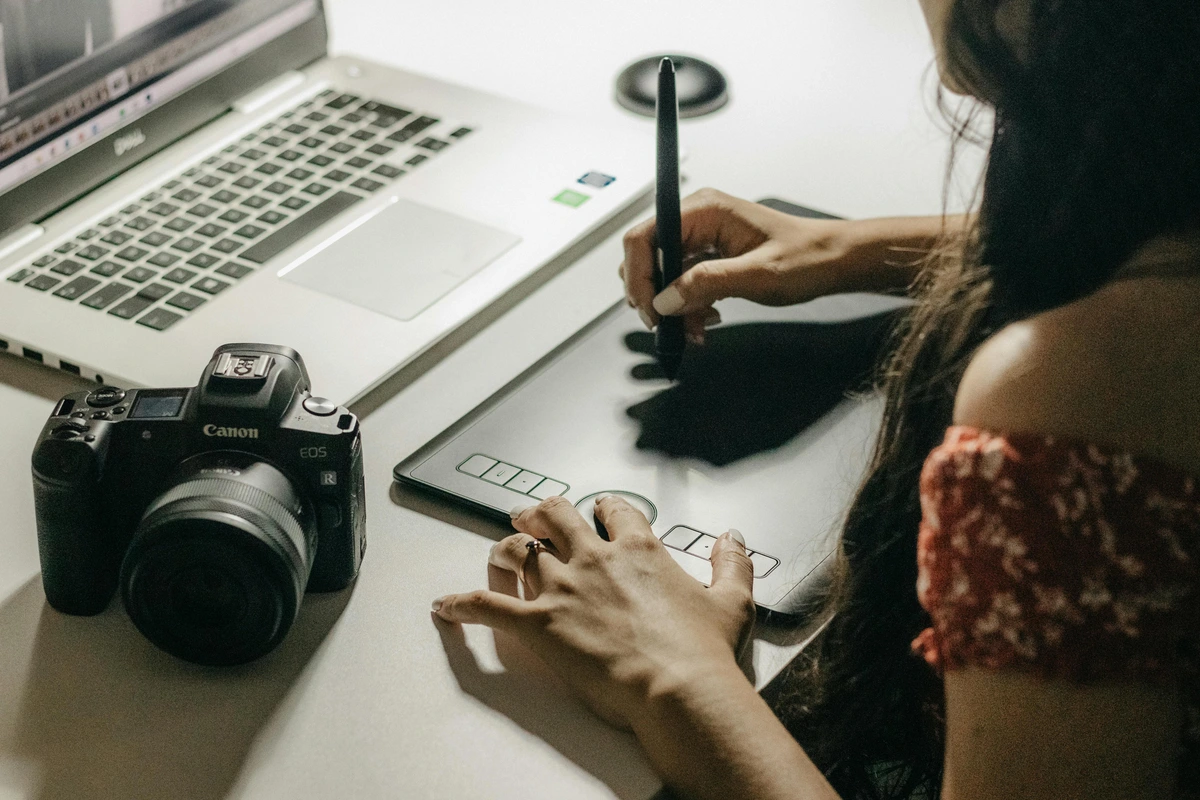
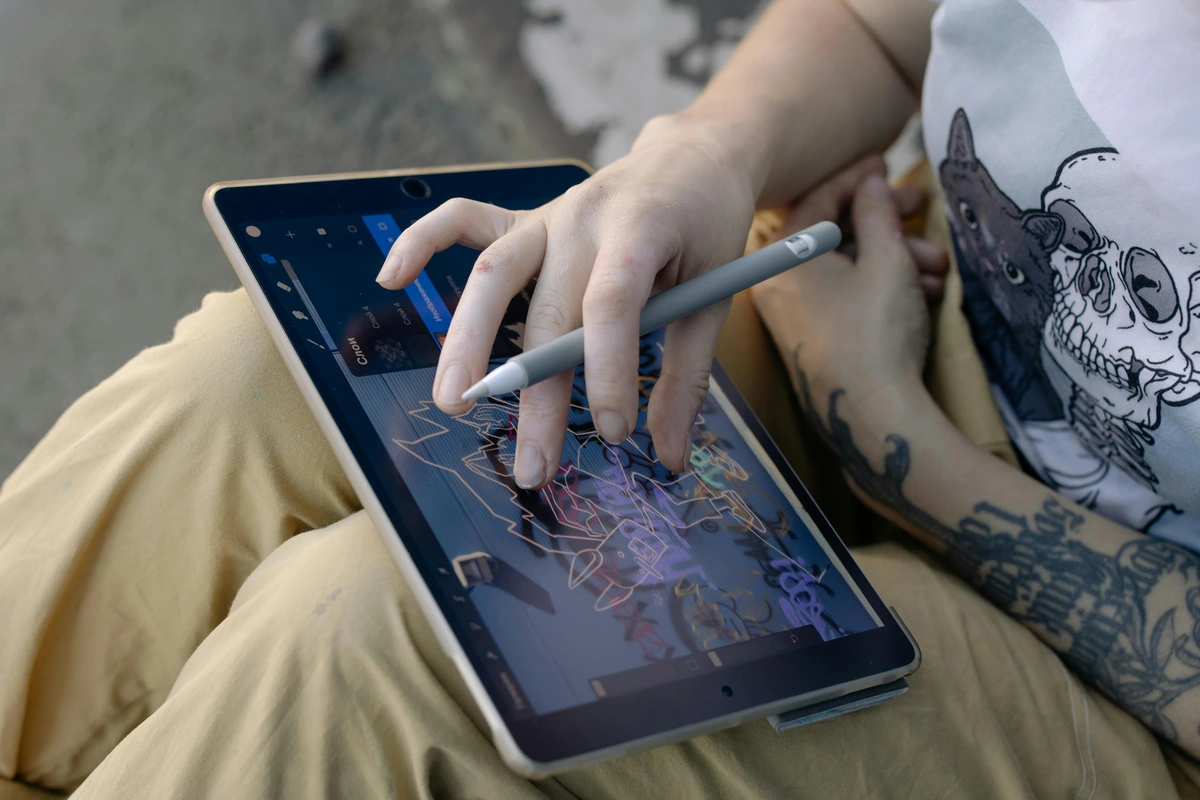
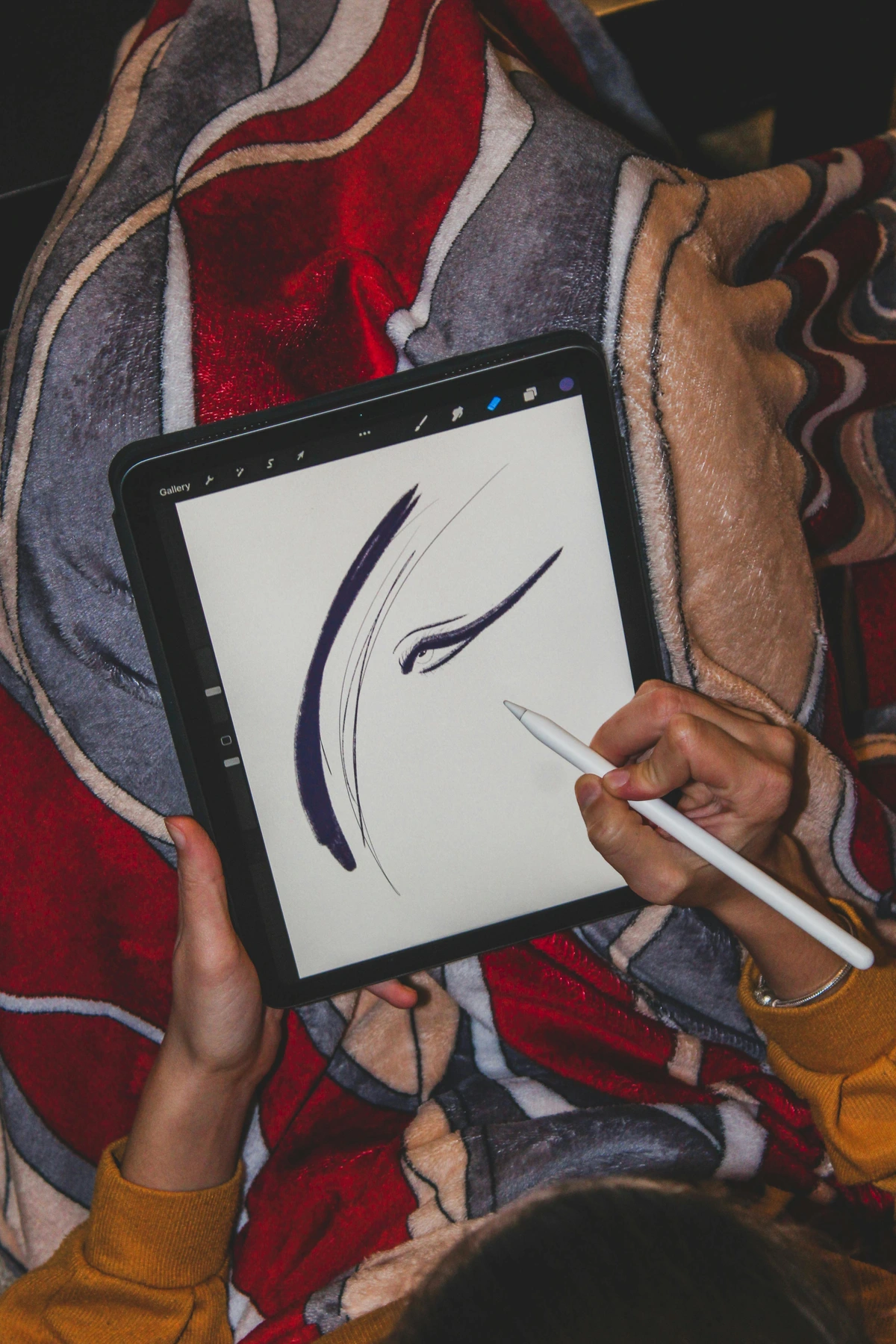
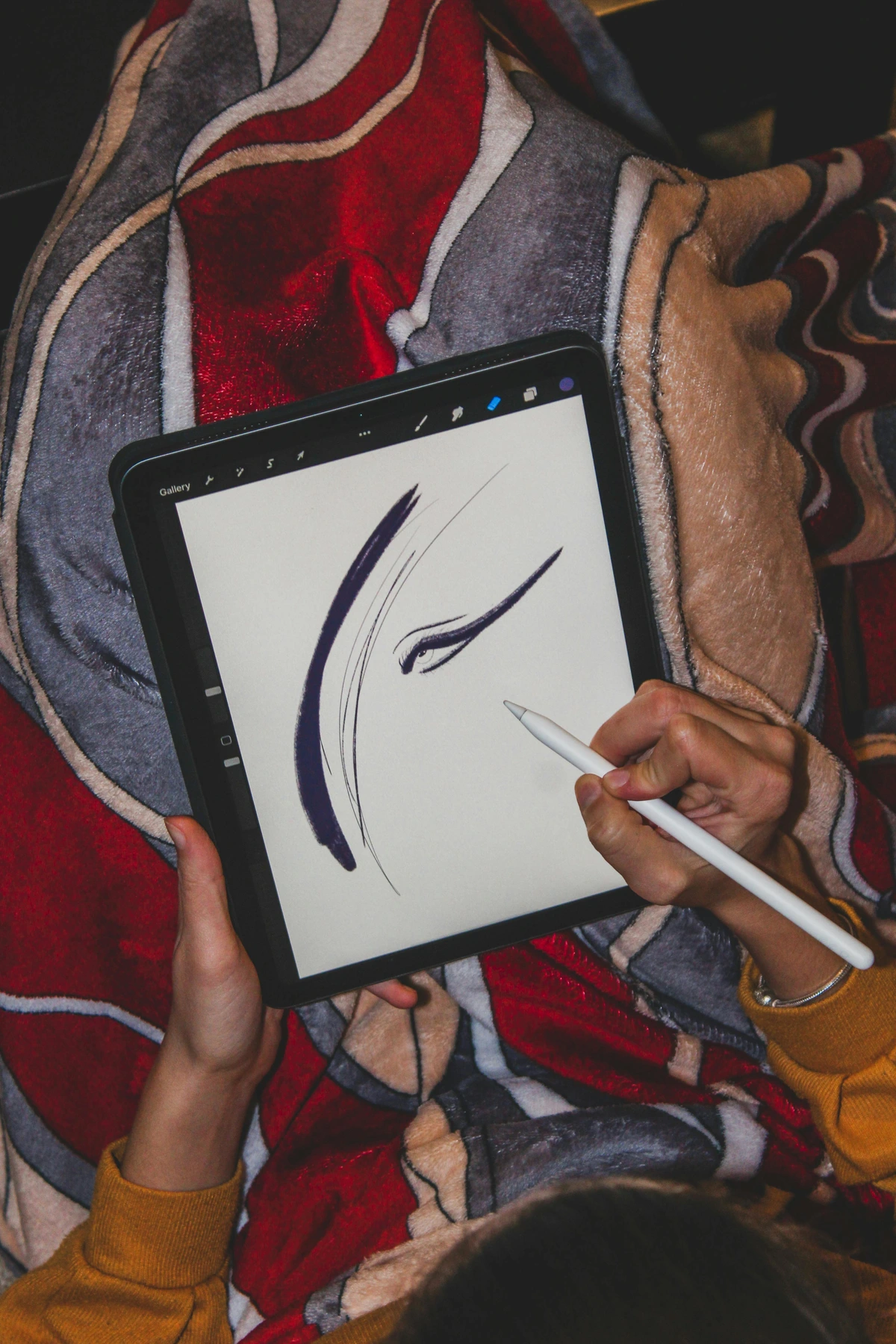
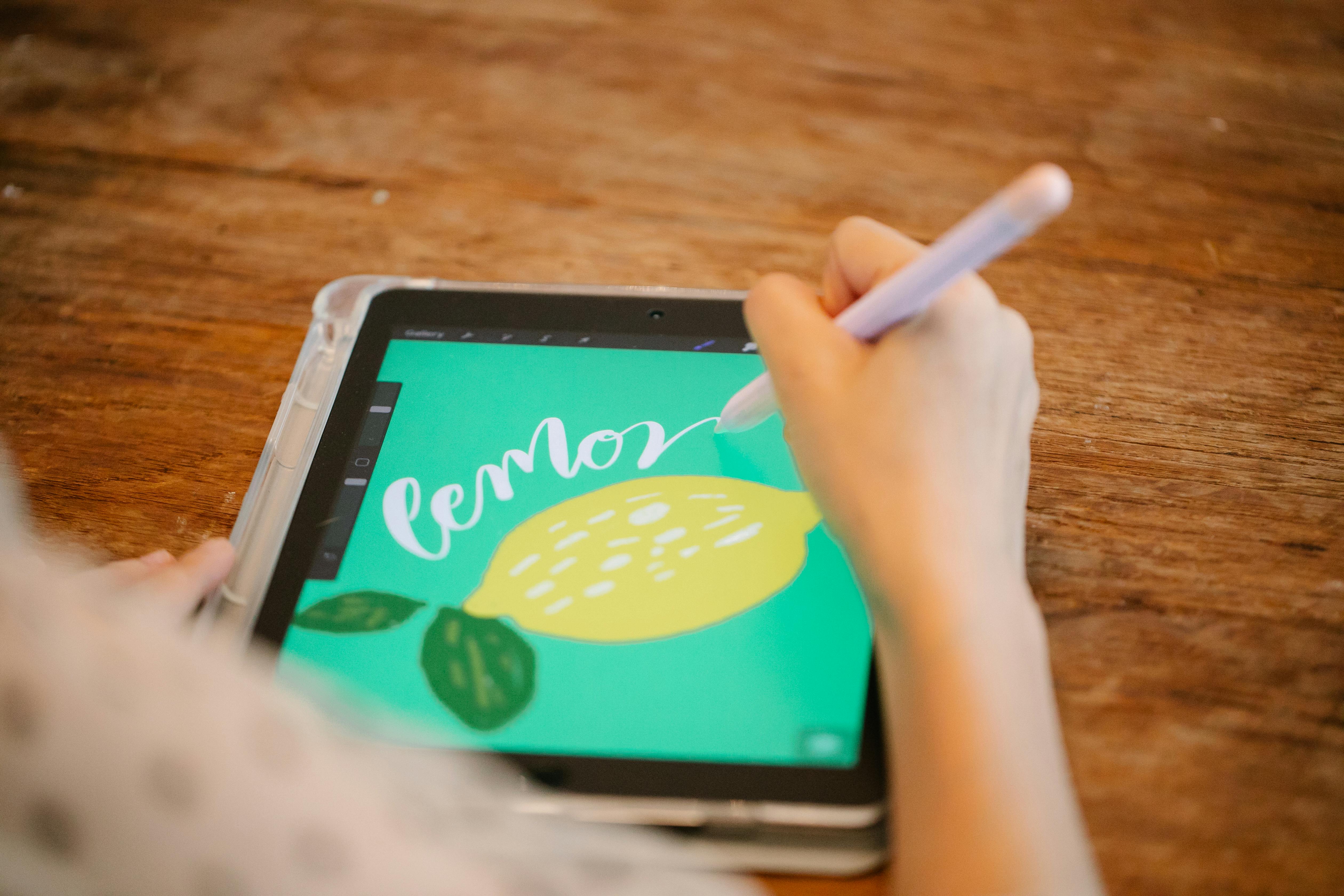
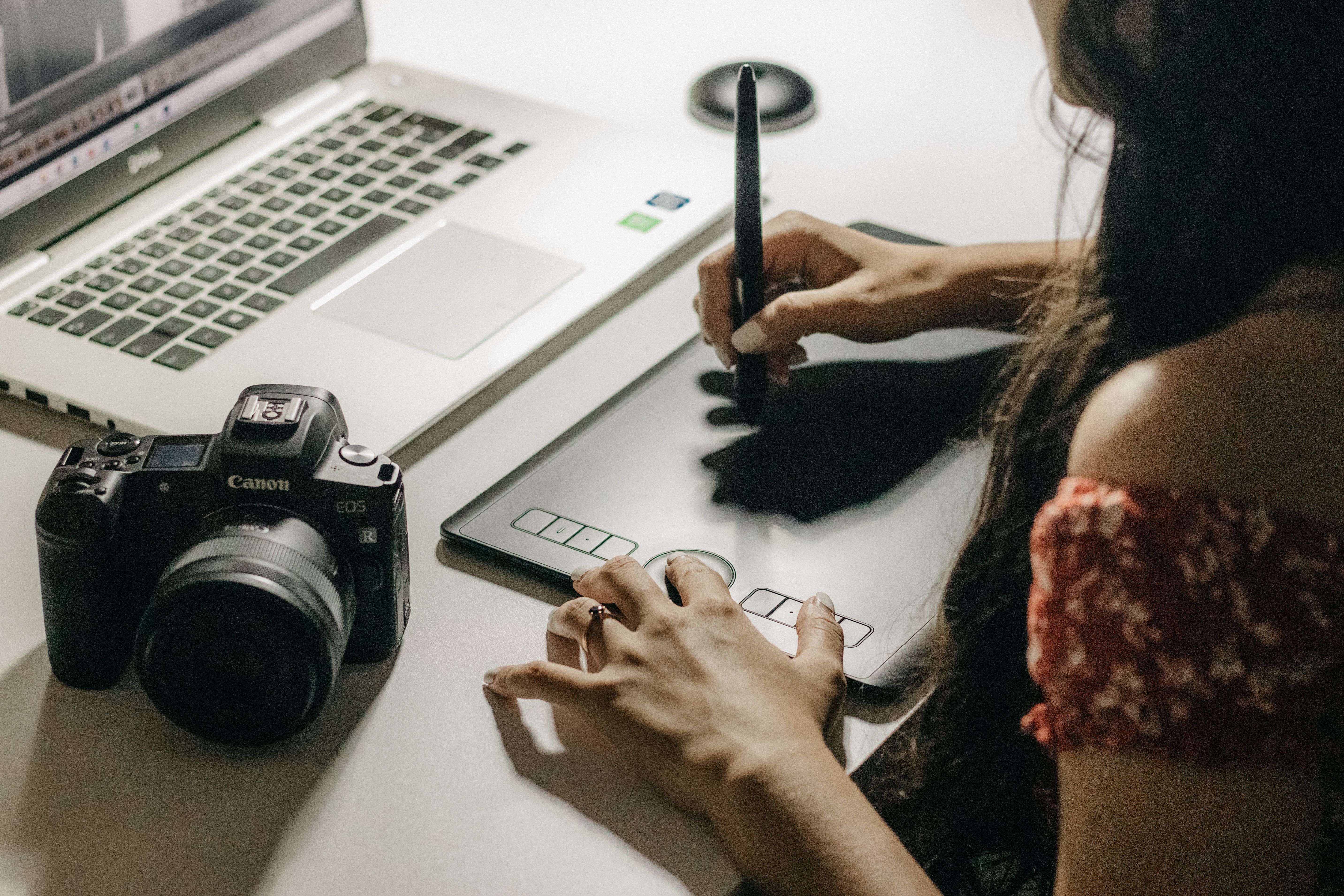
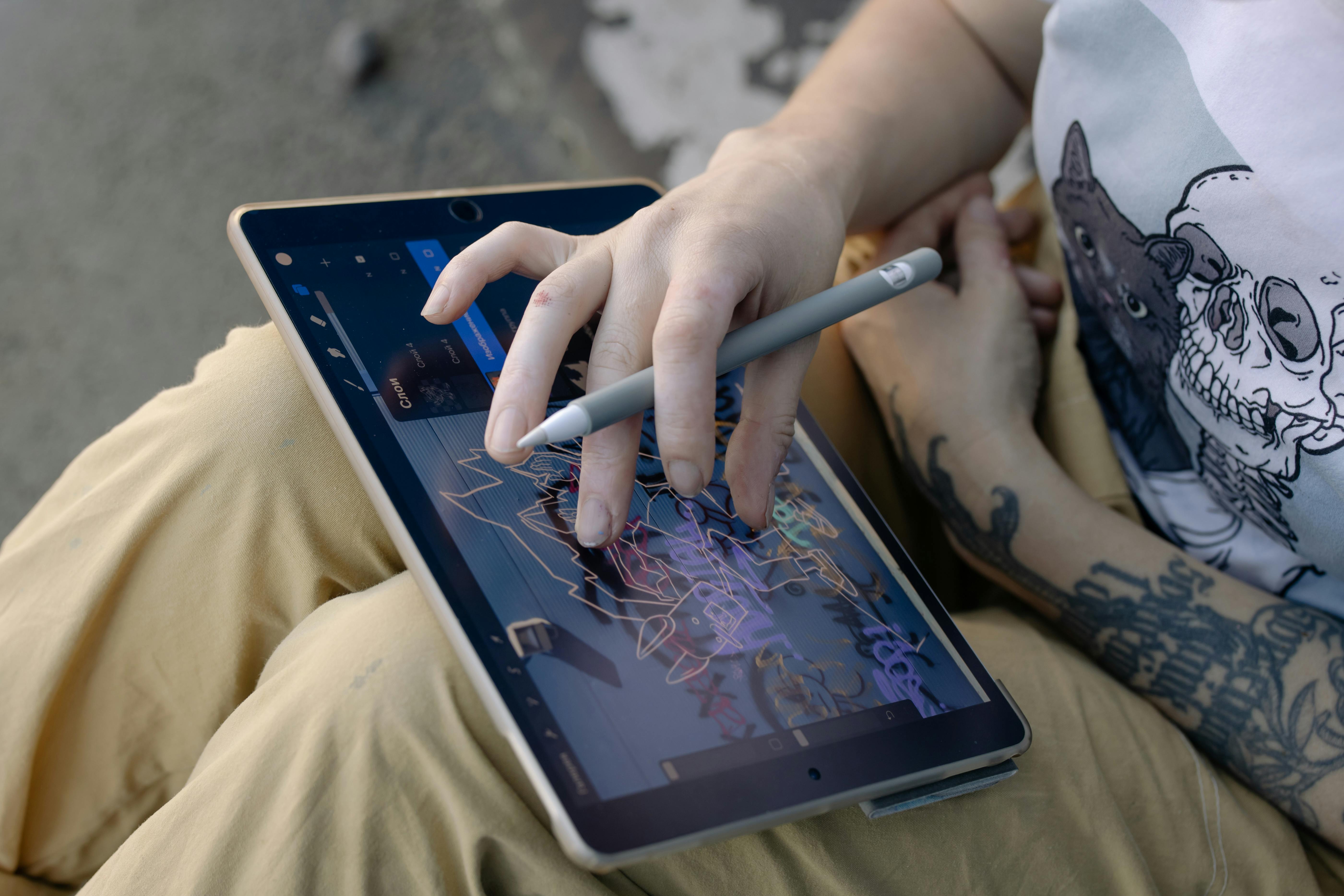
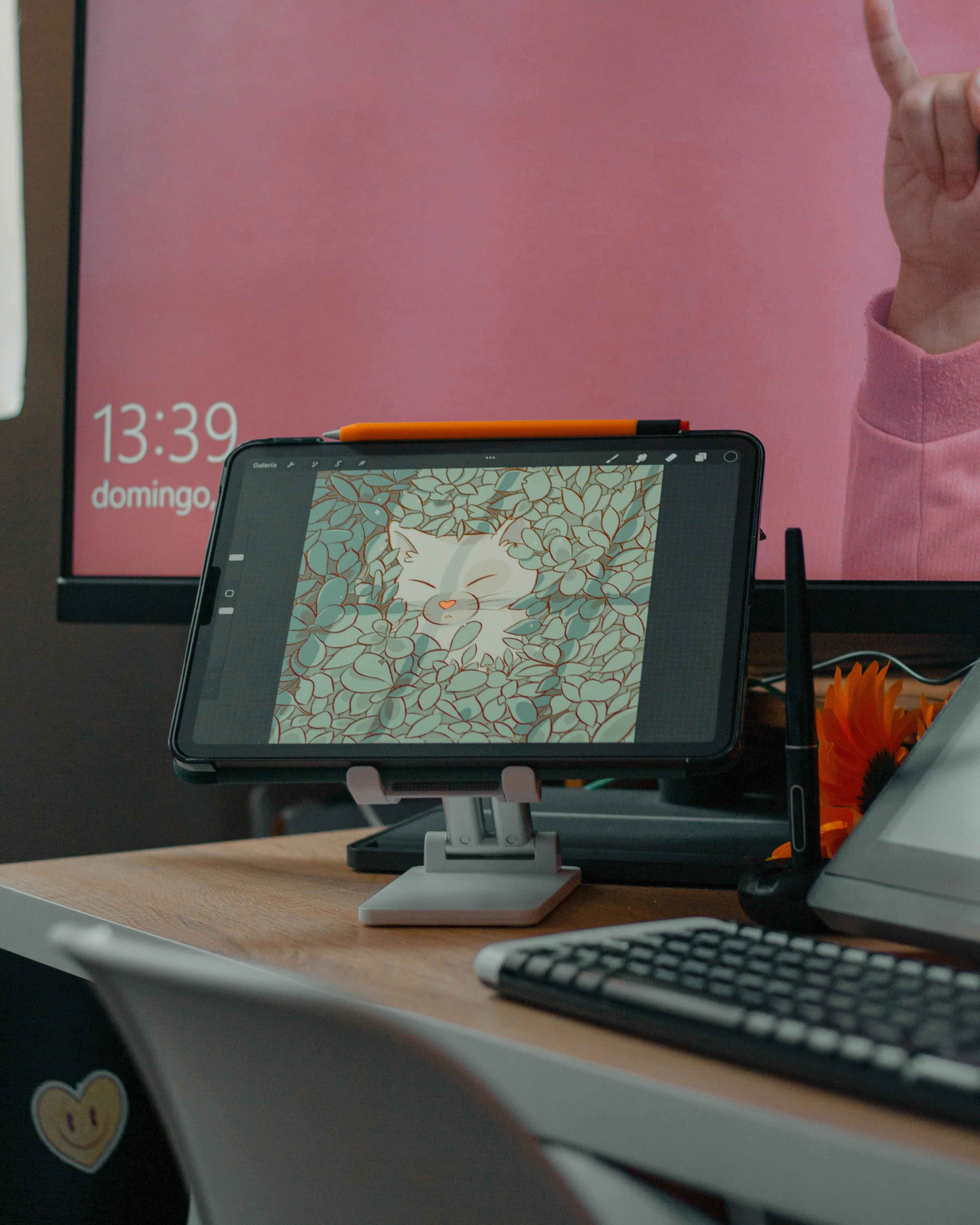
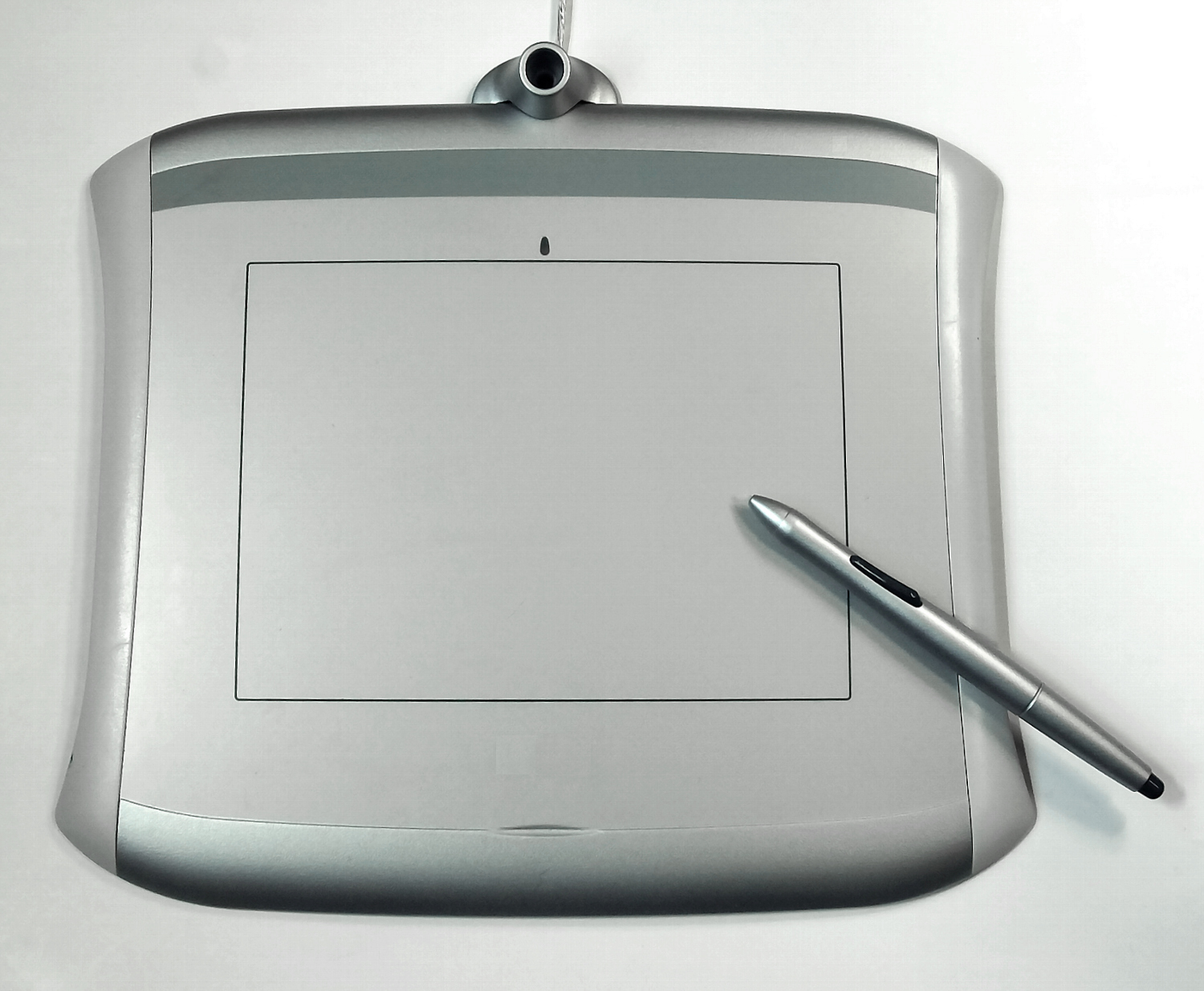
This is a crucial distinction. Traditional digital art, the kind made in Photoshop or Procreate, involves an artist directly "painting" or "drawing" pixels using a stylus and tablet. Every line, every dot of color, is a direct result of a physical gesture. The artist has direct, one-to-one control. If a line is curved, it's because the artist's hand moved in a curve.
AI art is fundamentally different. It's an indirect, iterative process where the artist guides a generative system with language—a prompt—and then curates the results from a set of possibilities. You don't control the pixels directly; you influence the probability of their appearance. It's the difference between manually placing every brick in a wall and writing a set of instructions for a robotic bricklayer and then selecting the most interesting wall it builds for you.
It's the difference between driving a car directly to a destination and describing the destination to a driver who then takes you there, maybe by a route you never would have imagined. Both can get you somewhere interesting, but one feels like direct expression and the other feels like a guided, collaborative journey full of surprises.
Think of it in terms of control and chaos. In Photoshop, you have precise control. If you want a blue circle in the top-left corner, you create a blue circle in the top-left corner. The outcome is a direct result of your manual input. With AI art, if you ask for a "blue circle in the top-left corner," the system might give you a slightly asymmetrical, shimmering blue orb that feels more like a planet than a circle. You gave up direct control in exchange for the AI's unique "vision."
It's a different kind of workflow. Digital painting is like sculpting clay with your hands. You are in direct contact with the material. AI art is like being a director working with a highly improvisational actor. You give them the motivation and the setting, but they bring their own unique interpretation to the scene. The art form is in the direction, not the performance.

What does this mean for the art market?
It's causing a stir, for sure. There are new platforms, new collectors, and new questions about value and authenticity. The traditional art market, built on concepts of physical provenance and unique human talent, is grappling with how to price, sell, and collect something that can be infinitely reproduced with a click. Some auction houses have sold AI-generated prints for hundreds of thousands, signaling a tentative acceptance from the high-end market, while the digital art world remains far more volatile. Some people tried to create a market using blockchain technologies like NFTs, but this approach has proven to be largely speculative and volatile.
The market is still trying to figure out how to value AI art. Is the value in the final, flawless image? Is it in the poetic complexity of the prompt? Is it in the story of the process—the artist's unique journey of discovery with the machine? Or is it in the strength of the human artist's vision that guided it all? Right now, it's all up in the air. Some collectors are excited by the novelty and the technical achievement. Others are deeply skeptical, viewing it as a frivolous, empty fad. For more on this, check out our guide to understanding the AI art market.
If you're looking to buy or sell AI art, the landscape is confusing. Prints and digital files are the most common formats, but their value is heavily tied to the reputation of the artist behind the prompt and the story they've built around their work. Right now, it seems the 'aura' of the human artist is even more important than ever before. It's a fascinating reversal: in a world of infinite, easy generation, scarcity and value are being redefined not by the object itself, but by the unique human story and vision behind its creation. The story becomes the art.

A Look Ahead: What Comes After the Conversation?
Ultimately, this technology is here. It's not a fad, it's not a gimmick, and it's not going away. It's a fundamental shift. I think we're right at the beginning of something, a historical inflection point like the invention of the camera. It's the kind of moment that only comes along once a century, and it's about to fundamentally change how we create, consume, and think about art. It's pushing all our old definitions to the breaking point and forcing us to ask questions about creativity that we haven't had to ask before. And for me, that's what makes it so incredibly exciting.
I believe we're heading towards a future where all these different types of art will coexist. This isn't a zero-sum game where one form has to die for another to live. The cultural landscape isn't getting smaller; it's getting much, much wider, like a universe suddenly expanding.
You'll have the world of traditional, physical, human-made art, which will become even more revered for its tangible, irreplaceable connection to the artist's hand. There will be a world of AI-assisted art, where digital natives use these tools to create things that were previously unimaginable, merging digital and physical realms. We're already starting to see AI-designed sculptures 3D-printed in titanium, textiles with patterns that feel alien and organic, and architectural forms that seem to grow rather than being built. Finally, there will be the strange new world of purely autonomous AI art, which will have to be judged by completely new criteria: not on the artist's intent, but on its algorithmic complexity, its aesthetic novelty, and its simple ability to surprise us.
Art has never stood still. It has always been in a dance with technology. It's absorbed every new invention, from oil paint to the camera obscura, from the airbrush to Photoshop, and been utterly transformed by it. AI is just the latest, weirdest, and most mind-bending chapter in that long story of co-evolution. It challenges us, it unsettles us, and it forces us to ask hard questions. And in my book, anything that makes us think more deeply about what we create and why is a very good thing.
The final word on this—if there ever is one—won't be a definition or a rule. It will be a new genre of art we can't yet name. It will belong to the artists who learn not just to use AI, but to truly collaborate with it, to subvert its intentions, and to find the glimmer of humanity in its algorithmic heart. Because that's what art has always done, hasn't it? Find the human signal in the noise of the world. Right now, AI is just the loudest and most baffling noise we've ever encountered. And what is an artist, if not someone who can teach us how to listen?
This isn't just a new technology; it's a cultural Rorschach test. How you react to AI art says a lot about what you believe art is, what creativity means, and what it is to be human. Do you see a tool, a threat, or a collaborator? The answer is probably 'all of the above,' and that's exactly why it's so important to keep thinking, talking, and creating.










We're not at the end of this story. We're right at the messy, uncertain, and breathtakingly exciting beginning.