
The Timeless Art of Gold Leaf: A Gilded Journey Through History
Discover the ancient technique of gold leaf application—from Egyptian tombs to Renaissance masterpieces. Explore cultural significance, traditional methods, and modern relevance in an immersive art history guide.

The Timeless Art of Gold Leaf: A Gilded Journey Through History
I’ll never forget standing in front of a 13th-century reliquary in a dimly lit cathedral, where the gilded surfaces caught the flickering candlelight. It felt like the gold was breathing, whispering secrets from across centuries. That’s the magic of gold leaf—it’s not just decoration, it’s time made tangible. In an age of infinite digital colors, why does this ancient technique still captivate us? Let’s unravel the shimmering threads of gold leaf together.
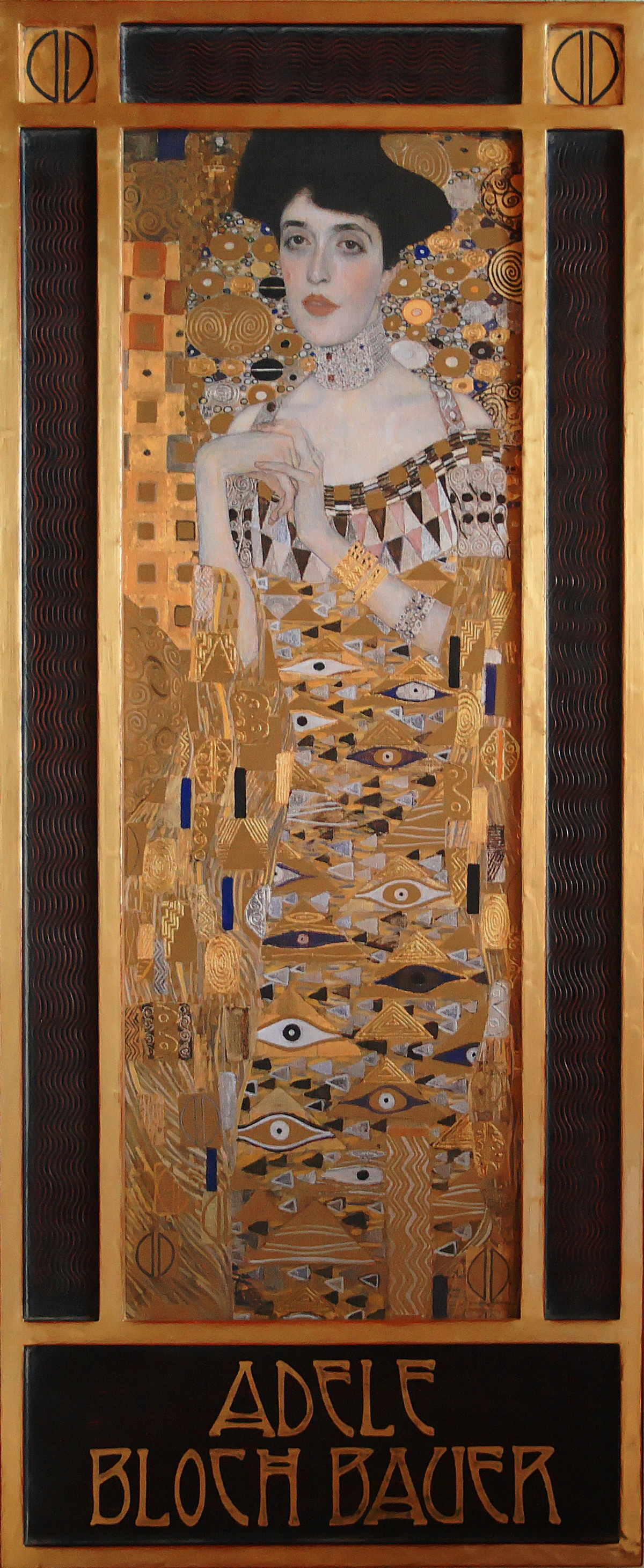
What Exactly Is Gold Leaf? (Beyond the Bling)
Gold leaf is hammered into sheets thinner than spider silk—often 0.1 microns thick. That’s about 1/250,000th of an inch! For context: one grain of gold can be beaten into a sheet the size of a tennis court. The process isn’t scientific wizardry; it’s pure, patient craftsmanship.
- Purity Matters: 22k or 24k gold prevents tarnishing (why use "fake" gold when you’re immortalizing something divine?).
- Colors: Traditional gold (yellow), plus white (silver alloy), green (14k), or red (copper alloy).
I know what you’re thinking: Isn’t this just for fancy picture frames? Oh, my friend, we’ve barely scratched the surface.

A Gilded Timeline: From Pyramids to Palaces
Gold leaf isn’t art—it’s history. Every gilded surface is a time capsule. Let’s travel through its cultural evolution.
Era  | Region | Iconic Use | |
|---|---|---|---|
| Ancient Egypt (2600 BCE) | Nile Valley | Sarcophagi, hieroglyphs | Symbolized divine flesh; reserved for pharaohs and gods |
| Byzantine Empire (4th-15th C) | Constantinople | Religious icons, church domes | “Heaven on Earth” for the common believer |
| Renaissance Italy (15th C) | Florence | Altarpieces, sculptures (e.g., Brunelleschi’s Duomo) | Merging wealth with faith; visual piety |
| Edo Period Japan (17th-19th C) | Kyoto | Folding screens (byōbu), temple scrolls (shōji) | Elegance in minimalism; Zen spirituality |
| Medieval Europe (12th-15th C) | France/Germany | Manuscript illuminations, relics | Storytelling without literacy for the masses |

The Egyptians believed gold carried the divine essence of Ra. Renaissance patrons saw gilding as investing in their immortal soul. Japanese artisans turned it into poetry. Gold leaf speaks the language of transcendence across cultures.
The Psychological Impact of Gold Leaf
There's something primal about our attraction to gold. Studies show that the human brain processes gold imagery differently than other colors—activating reward centers similar to those triggered by food and social connection. This isn't just cultural conditioning; it's biological.
In Renaissance churches, the strategic placement of gold leaf wasn't just decorative—it was psychological. When candlelight hit those gilded surfaces during services, it created an almost hypnotic effect, drawing worshippers' eyes and minds toward the divine. The flickering, dancing light was designed to create a sense of the miraculous.
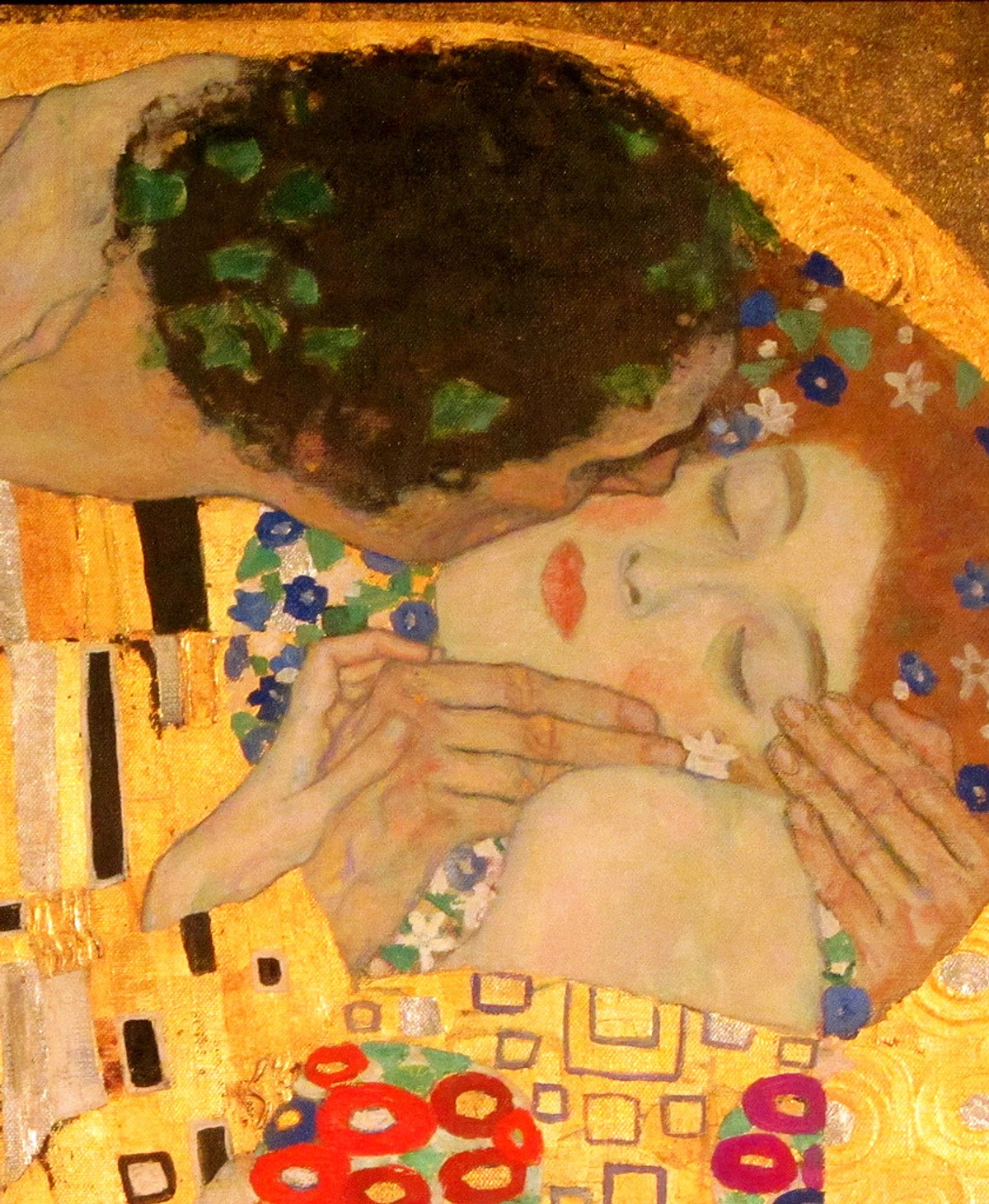
Modern designers still use this principle. Luxury brands incorporate gold not just for status, but because our brains are hardwired to associate that shimmer with value, importance, and desirability. It's not just pretty—it's powerful.
The Alchemy of Application: How It’s Done
Applying gold leaf isn’t an art technique—it’s a form of meditation. I’ve tried it once. Within 30 minutes, my hands were trembling, and my workspace looked like a crime scene of gold dust. Here’s why it demands reverence:
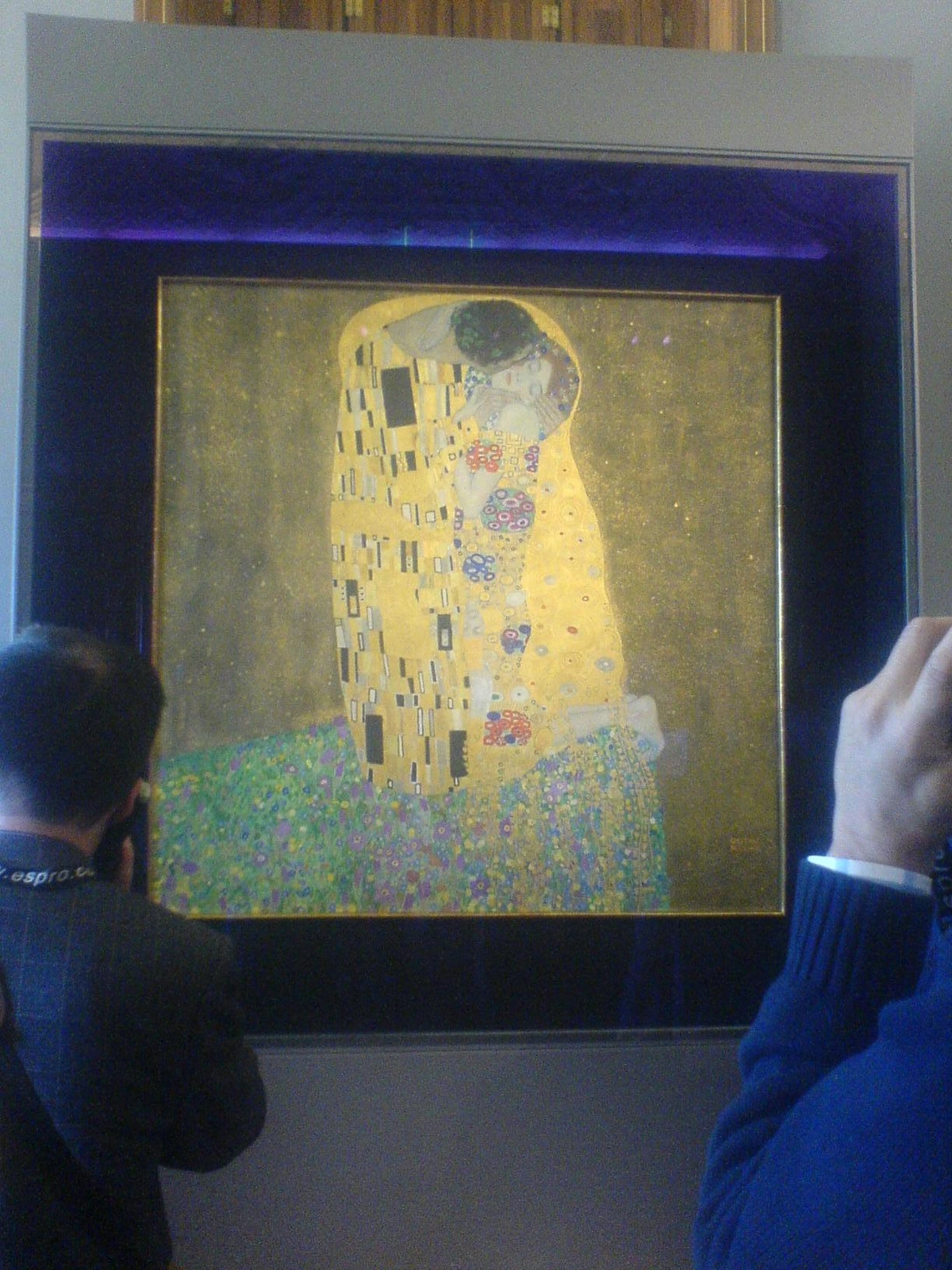
Step 1: Preparing the Canvas
Imagine painting onto a surface meant for the gods. You start with a base of gesso (chalk and rabbit glue), then layer bole clay—bright red for traditional gold, yellow for silver, black for bronze. This isn’t primer; it’s a stage for the drama.
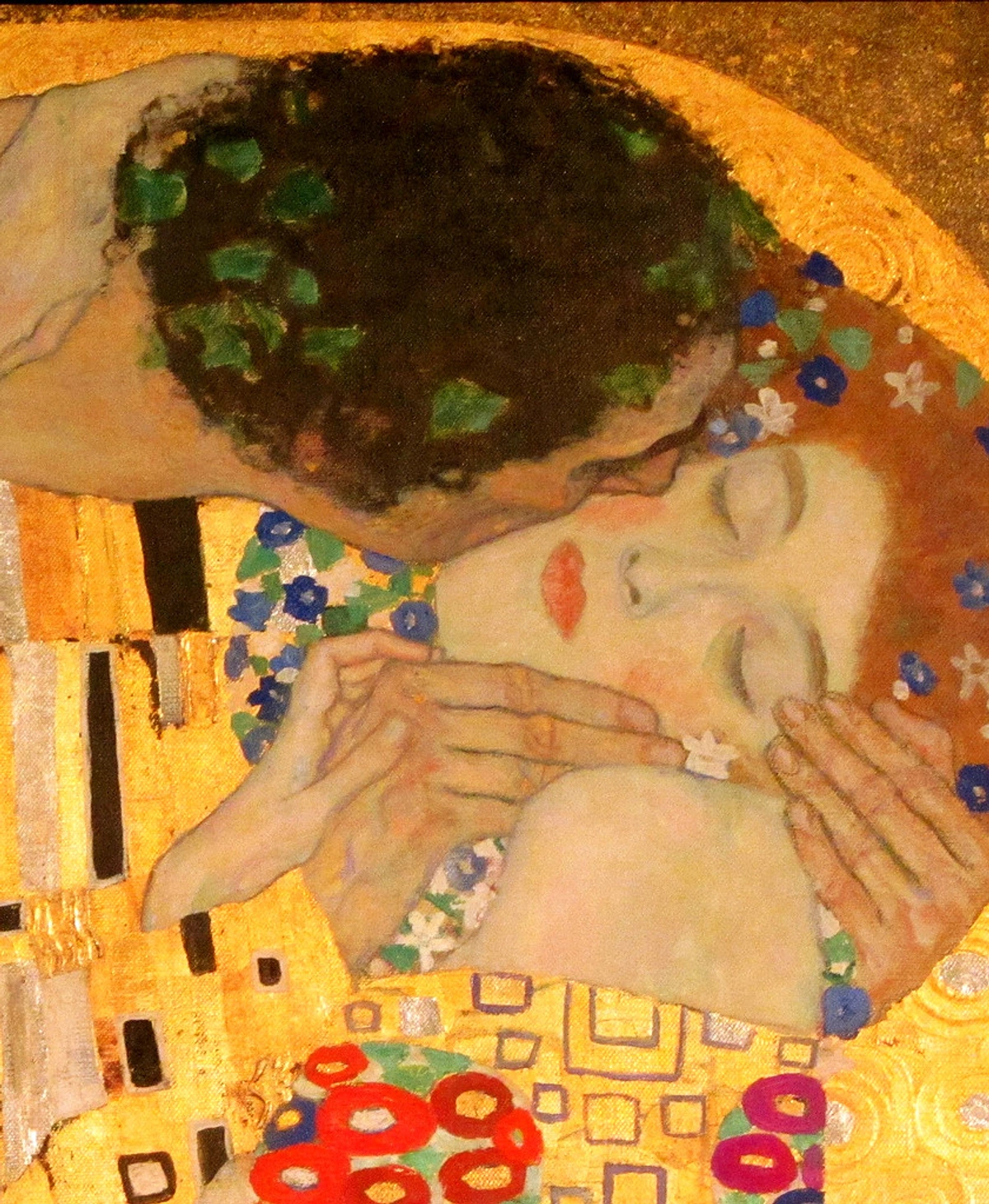
Step 2: The Leaf Dance
The moment of truth:

- Transfer: Using a gilder’s tip (brush with squirrel hairs), lift a leaf from its cushion.
- Breathing: Work in dust-free, humid conditions. A sneeze could cost $200.
- Laying: Place the leaf on the bole; it clings instantly through static electricity.
- Burnishing: With an agate stone (or your teeth, if you’re truly desperate), polish it to a mirror shine.
Water gilding (gilding afloat) reverses this—you lay gold on water and float it onto the surface.
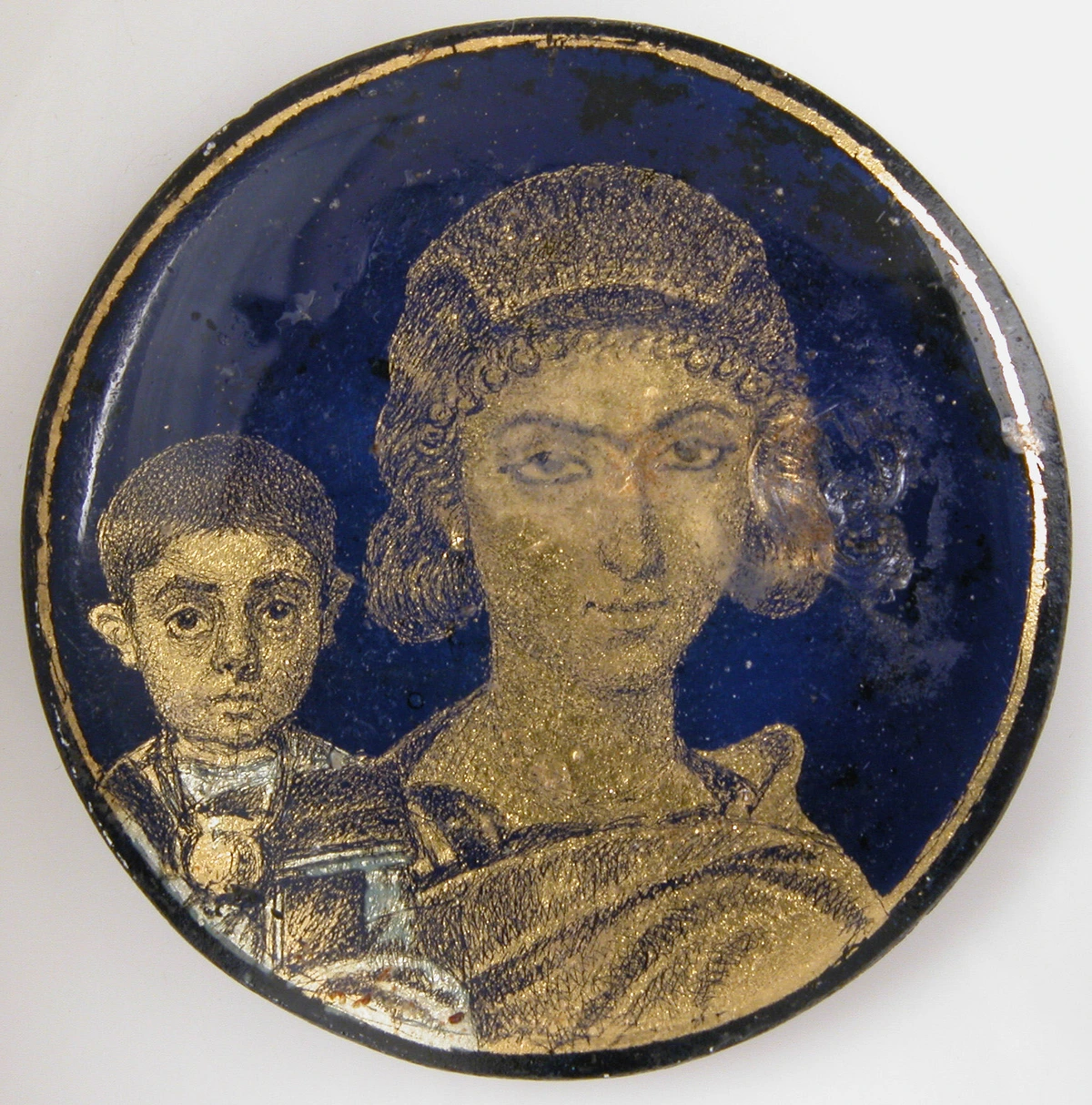
Modern vs. Traditional Methods
Technique | Pros | Cons | Best For |
|---|---|---|---|
| Oil Gilding | Beginner-friendly; durable | Matte finish; less luminous | Outdoor applications, modern decor |
| Water Gilding | Unmatched shine; repairable | Delicate; weather hates it | Museum-quality restorations |
| Gold-toned Paints | Affordable; versatile | Lacks depth | Budget projects |
| Chemical Gilding | Very durable; weather-resistant | Complex process; toxic chemicals | Architectural exteriors, marine applications |
| Electroplating | Extremely durable; consistent finish | Expensive equipment; industrial scale | Mass production, jewelry, electronics |
| Leafing Powders | Easy application; various colors | Less authentic look; wears off quickly | Craft projects, decorative home items |
| Patina Gold | Develops unique character over time | Requires maintenance; unpredictable | Artistic installations, weathered looks |
| Gold Spray Paint | Quick application; accessible | Most artificial appearance; temporary | Quick fixes, temporary decorations |
| Gold Leaf over Silver | Cost-effective alternative; still beautiful | Still tarnishes over time | Practice work, budget-conscious projects |
The Renaissance masters used water gilding for their halos because light would literally dance off them during candlelit masses. Isn’t that wild? They weren’t just painting—they were engineering light.
Why We Still Chase Gold
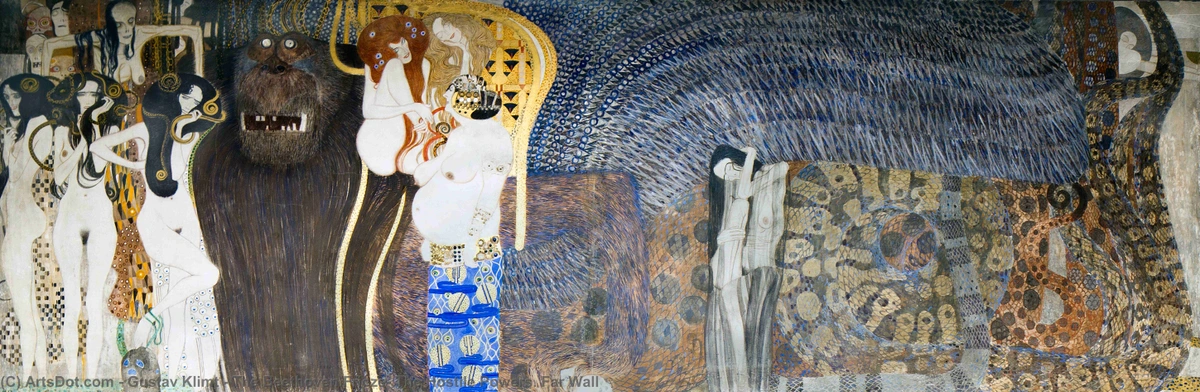
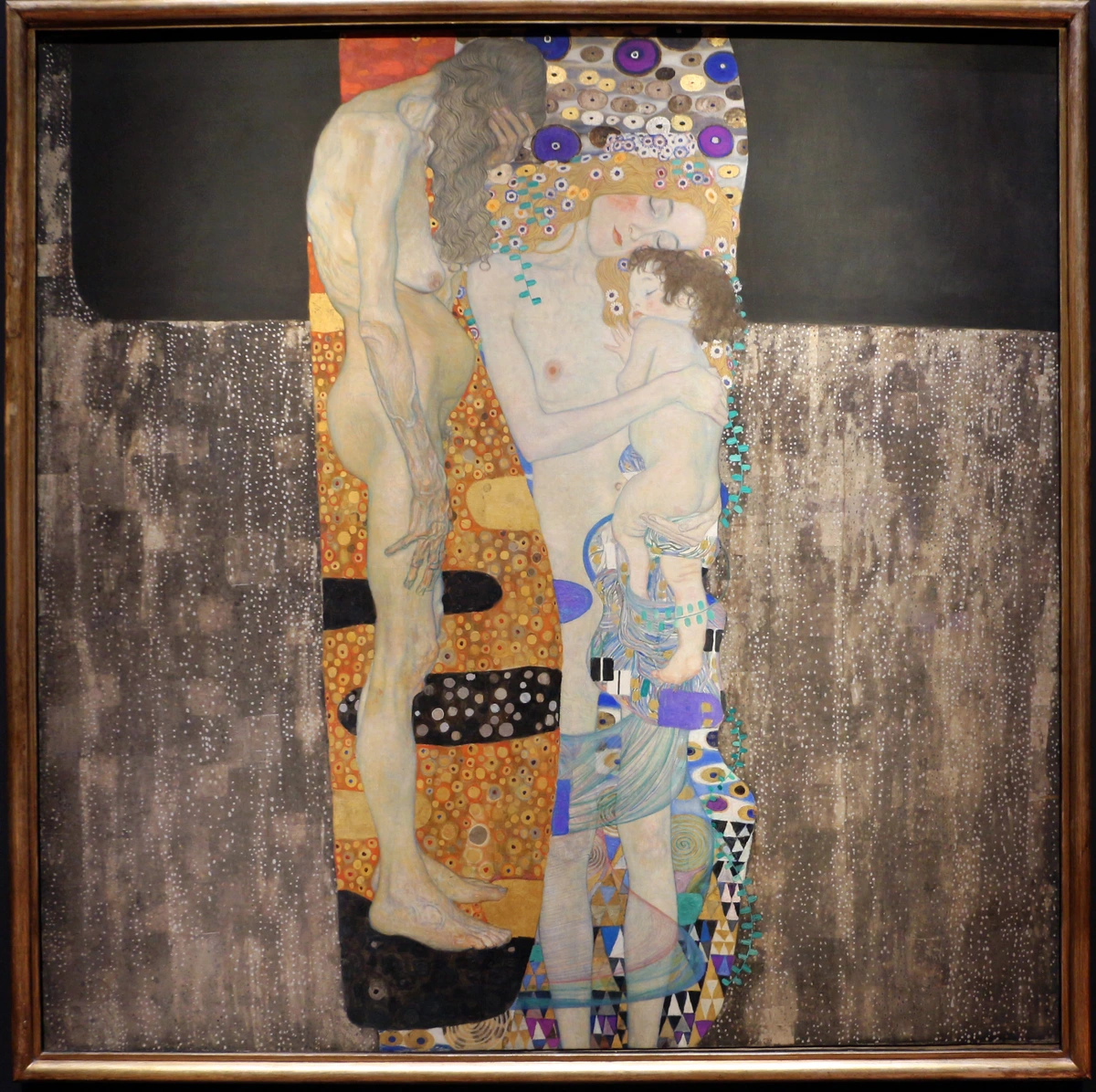
In pixel-dominated times, gold leaf’s handmade imperfections feel radical. Notice how iPhone ads use “brushed metal” imagery? We crave that tactile magic. Contemporary artists like Anselm Kiefer use gold leaf to contrast history’s violence with transcendence.
But let’s have a real talk: NFTs often claim to replicate physical art’s “aura.” They miss the point. You can’t smell the rabbit glue of 15th-century gesso through a blockchain. The value of gold leaf isn’t in the metal—it’s in the human story burned into its fragile layers.
Gold Leaf FAQ: Gilding Your Curiosity
Q: Is real gold leaf expensive? A: Yes! A 25-pack of genuine leaves costs $50–$200. But 24k gold never tarnishes—unlike your ex’s promises.
Q: Can I gold-leaf my IKEA cabinet? A: Technically, yes. Will your spouse leave you when they discover gold dust in the toaster? Probably.
Q: What's the best surface for beginners to practice on? A: Start with small, flat objects like picture frames, wooden boxes, or even greeting cards. The key is to master the transfer and laying techniques before moving to complex curved surfaces. Many professional gilders recommend practicing on inexpensive test pieces for hours before attempting serious work.
Q: How do I clean gilded surfaces without damaging them? A: Never use abrasive cleaners or harsh chemicals. Use a soft, natural bristle brush (like a shaving brush) to gently dust the surface. For more thorough cleaning, use compressed air or a microfiber cloth. NEVER wipe gilded surfaces with water or cleaning solutions, as this can damage the underlying adhesive.
Q: Can I mix different colors of gold leaf on the same piece? A: Absolutely! This is a common technique called "parcel gilding" or "mixed metal gilding." You can combine traditional gold with white gold, green gold, or even silver leaf to create stunning contrast and visual interest. Just be sure to plan your design carefully, as different metals may require slightly different application techniques.
Q: Why red bole under gold? A: The red vibrates through ultra-thin gold, creating warmth. A Renaissance “trade secret” still hiding in plain sight.
Q: What’s the weirdest thing ever gilded? A: A taxidermy squirrel dressed as Napoleon. True story. Art finds strange vessels.
Q: How do I clean gilded art? A: Never! Dust with a soft brush. Wiping removes centuries of accumulated magic.
Q: Can I gold-leaf over existing finishes? A: It depends on the existing finish. You can gold-leaf over properly prepared oil-based paints, varnishes, and some acrylics. However, you'll need to use the appropriate adhesive (size) for each surface. For best results, consult professional restoration guidelines or test on a small, inconspicuous area first.
Q: What's the difference between oil gilding and water gilding for beginners? A: Oil gilding is much more forgiving for beginners. You apply the oil size (adhesive) and let it become tacky, then apply the gold. Water gilding requires more precision—you apply the gold while the water-based size is still wet. Water gilding gives a superior finish but has a much smaller window of opportunity for application.
Q: How do I achieve antique or aged effects with gold leaf? A: There are several techniques:
- Verdigris: Apply copper or copper-alloy leaf, then treat it with chemicals to create green patina
- Tarnishing: Use sulfur compounds to create darkened, aged areas
- Distressing: Use tools to create intentional wear and tear
- Overlays: Apply dark waxes or patinas over the gold, then wipe away excess
- Chemical treatments: Specialized aging solutions that react with the gold
Q: Can I use gold leaf in 3D applications or curved surfaces? A: Absolutely! This is where the artistry really shines. For 3D objects, you'll need to work more carefully and may need to cut the leaf into smaller pieces to conform to curves. Many sculptors and furniture makers use gold leaf to enhance dimensional work. The key is proper surface preparation and working slowly to avoid tearing the leaf on sharp edges.
The Sublime in the Sublime
Gold leaf reminds us that beauty often wears fragility. The same hands that hammered Michelangelo’s Pietà gold were probably calloused, tired, and questioning—much like us. Every gilded surface is a paradox:永恒 (eternity) rendered in finite human breath.
When you next see a gilded masterpiece, lean in. Those shimmering fractures aren’t flaws—they’re fingerprints of the millennia. And maybe, just maybe, you’ll feel that cathedral candlelight catching in your own skin.
Explore gilded art in our timeline Discover contemporary interpretations Visit our museum collection
Resources for Gold Leaf Enthusiasts
Books & References:
- "The Art of Gilding" by Joséphin Peladan (classic technical manual)
- "Gold: The History of a Divine Metal" by Nigel Williams (cultural history)
- "The Gilded Page" by Michelle P. Brown (medieval manuscript illumination)
- "Contemporary Gilding" by Various Artists (modern techniques and applications)
Online Resources:
- Guild of Gilders - Professional organization and resources
- Traditional Arts - Workshops and educational materials
- Conservation Wiki - Technical conservation information
Suppliers & Materials:
- Gold leaf suppliers: Search for "gold leaf suppliers" in your region
- Tool suppliers: Specialized gilding tools and brushes
- Educational workshops: Many art schools offer gold leaf classes
- Restoration services: Professional gilders for complex projects
Community & Networking:
- Join online forums and social media groups dedicated to traditional arts
- Attend craft fairs and art markets to meet working gilders
- Consider apprenticeship programs if you want to master the craft professionally
- Participate in local art communities and guilds
Final Thoughts: The Golden Thread
Gold leaf is more than just a material—it's a bridge between past and present, between human hands and divine inspiration. From the tombs of pharaohs to the studios of contemporary artists, this shimmering medium has captivated us for millennia.
What I find most remarkable is how gold leaf connects us to something larger than ourselves. When you work with gold leaf, you're participating in a tradition that spans continents and centuries. You're using techniques that haven't changed fundamentally since the Renaissance, materials that have been valued since antiquity, and an art form that speaks to our deepest human desires for beauty, transcendence, and connection.
In our fast-paced, digital world, gold leaf offers something precious: the chance to slow down, to be present, to create something that requires patience, precision, and care. It's a meditation in gold.





So whether you're admiring a gilded masterpiece in a museum, trying your hand at a small project at home, or simply appreciating the way light catches on a gold-trimmed object, remember this: you're witnessing not just art, but history made visible. You're seeing the golden thread that connects us all across time.
The next time you see gold leaf, take a moment to really look at it. See not just the shimmer, but the story. Not just the beauty, but the human hands that made it possible. Not just the value, but the centuries of human obsession, devotion, and creativity that went into creating something so fragile, yet so enduring.
After all, what could be more human than reaching for gold?