Gilding in Art: History, Techniques & Contemporary Shimmer
Explore the complete art of gilding: from ancient roots and diverse global traditions to intricate techniques like water & oil gilding, exploring various metal leaves, symbolism, ethical sourcing, and its vibrant role in modern art. Discover its timeless magic.

Gilding in Art: A Journey Through Shimmer and History
There’s just something inherently magical about gold, isn't there? That undeniable, captivating shimmer that seems to draw your eye, making even the simplest object feel... well, special. For me, this captivating allure often leads straight to gilding, an ancient craft that’s far more than just adding a touch of gold. At its core, gilding is the artful application of an incredibly thin layer of metal leaf – think gold, silver, copper, or even palladium – onto a solid surface. It's about transformation, taking something humble or already beautiful and elevating it to another plane, turning it into something truly luminous. This meticulous process, often described as an alchemical process by its early practitioners, connects us across millennia through the hands of countless artists. It’s this profound act of turning the ordinary into the extraordinary, imbuing objects with a piece of perceived eternity, that continues to captivate us. But what is this magic, how exactly is it performed, and why does it continue to hold such power?
What is Gilding? The Essence of Shimmer
I remember explaining it once to a friend who thought it was just painting with gold paint. And while gold paint certainly has its place for quick highlights, gilding is something else entirely, a far more intricate and profound technique. Look, we're talking about sheets so delicate they can practically float on a breath, typically 0.1 to 0.5 microns thick – a mere fraction of a human hair! I mean, imagine trying to pick that up without tearing it. (Spoiler: It's harder than it looks, and I've certainly had my share of accidental gold confetti moments.) It's a true testament to human patience, truly.
The real magic, for me, lies in the illusion it creates. You're not just brushing on a liquid; you’re carefully laying down a shimmering, metallic film. This process doesn't paint gold onto a surface; it effectively adheres a real metal skin, making the object appear solid gold, catching and reflecting light in a way no paint ever could. Gold paint, for all its convenience, simply can't replicate the depth and luminosity of actual metal leaf. It’s this incredibly precise, almost meditative process that I’ve always found so intriguing, a blend of meticulous craft and artistic vision – and yes, a healthy dose of exasperation when a draft suddenly appears.
A Journey Through Time: Gilding's Enduring Legacy
If you ask me, gilding isn't just a technique; it's a storytelling medium, a silent testament to human aspirations across cultures and epochs. Its history is as rich and layered as the gesso applied to a medieval panel, each layer adding depth and meaning. Ready to dive into the gleaming past?
Ancient Civilizations: Shimmering Divinity and Power
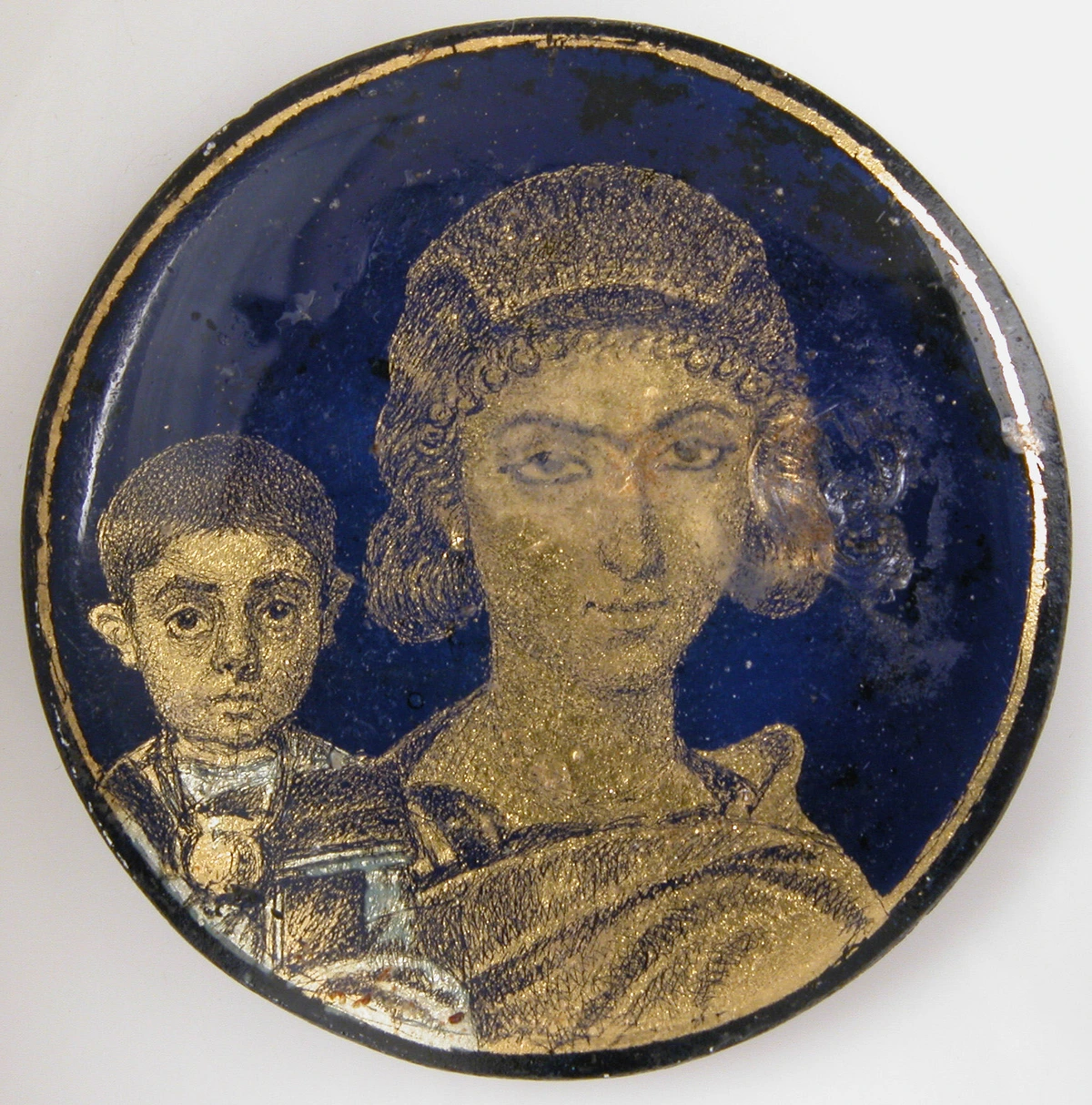
How did this shimmering art form begin its journey? Think about it: from the opulent tombs of ancient Egypt, where pharaohs' sarcophagi and death masks like Tutankhamun's gleamed with eternal gold. Early Egyptian gilders often used high-karat gold or electrum (a natural gold-silver alloy) and adhered it with ingenious, often resin-based or animal-glue adhesives. It’s truly incredible how durable some of these ancient applications remain; the gold often served as much for preservation and denoting immortality as for pure aesthetics. This technique then flourished in ancient Greece and Rome, where gilding adorned temples, statues, and even everyday luxury items, reflecting their reverence for beauty and status. From there, it moved into the intricate Byzantine altarpieces and mosaics of places like Ravenna and Constantinople, literally dazzling worshippers with their radiant icons and reinforcing sacred narratives. This wasn't just decoration; it was about connecting with the divine, imbuing objects with sacred light, and signifying immense power and status – a theme beautifully explored in much of ancient Egyptian art. As I look at these ancient works, I see a profound human desire to transcend the mundane, a drive that, in its own way, resonates deeply with my own creative journey today.
Medieval and Renaissance Europe: Art, Status, and Devotion
And then, what about Europe? In the Middle Ages and Renaissance, gilding was everywhere. Imagine the illuminated manuscripts, those breathtaking books where every page was a work of art, often featuring glittering gold leaf to highlight divine figures or important texts, adding a literal 'illumination' to the spiritual message. Think of the rich borders and initial letters in a medieval Book of Hours, each glimmering detail drawing the eye and emphasizing the sacred words. Or the ornate picture frames, like gilded halos around masterpieces, and elaborate church furnishings.
It wasn't just about showing wealth, though that certainly played a part – gold was currency and status, a clear indicator of the grandeur of art history eras. In painting, gilding created both spiritual depth and visual distinction. Gold backgrounds, for example, might flatten pictorial space from a modern perspective, but to medieval eyes, they represented heavenly realms. This wasn't just about a lack of linear perspective; it was a deliberate choice. Gold, pure and incorruptible, symbolized the timeless, divine, and unearthly light of God, transcending earthly space and placing sacred figures in an eternal dimension. Artists also used sgraffito, a fascinating technique where gold leaf was applied, then painted over, and sections were scratched away to reveal the shimmering gold beneath, creating intricate patterns and highlights that gave figures a divine glow.
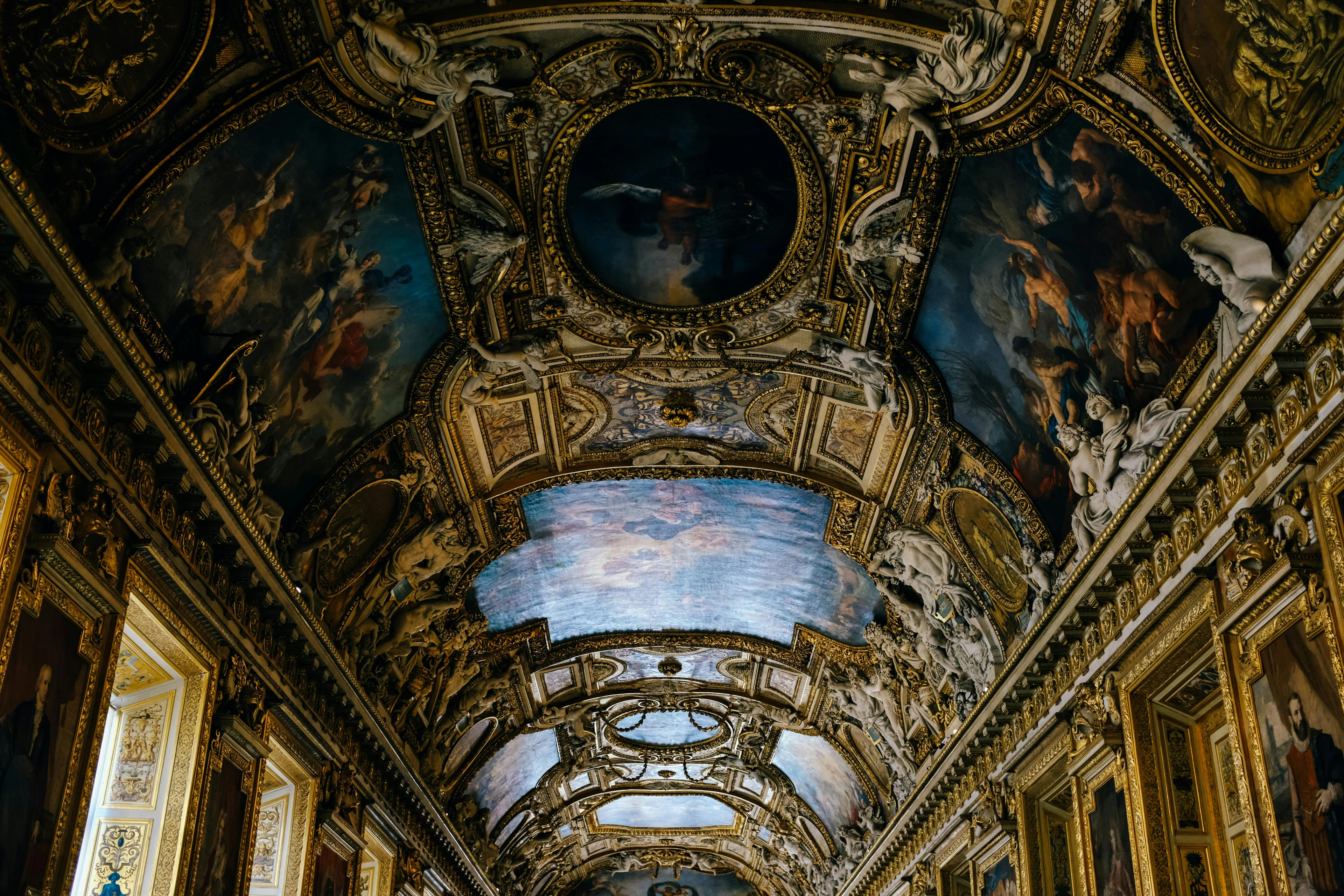
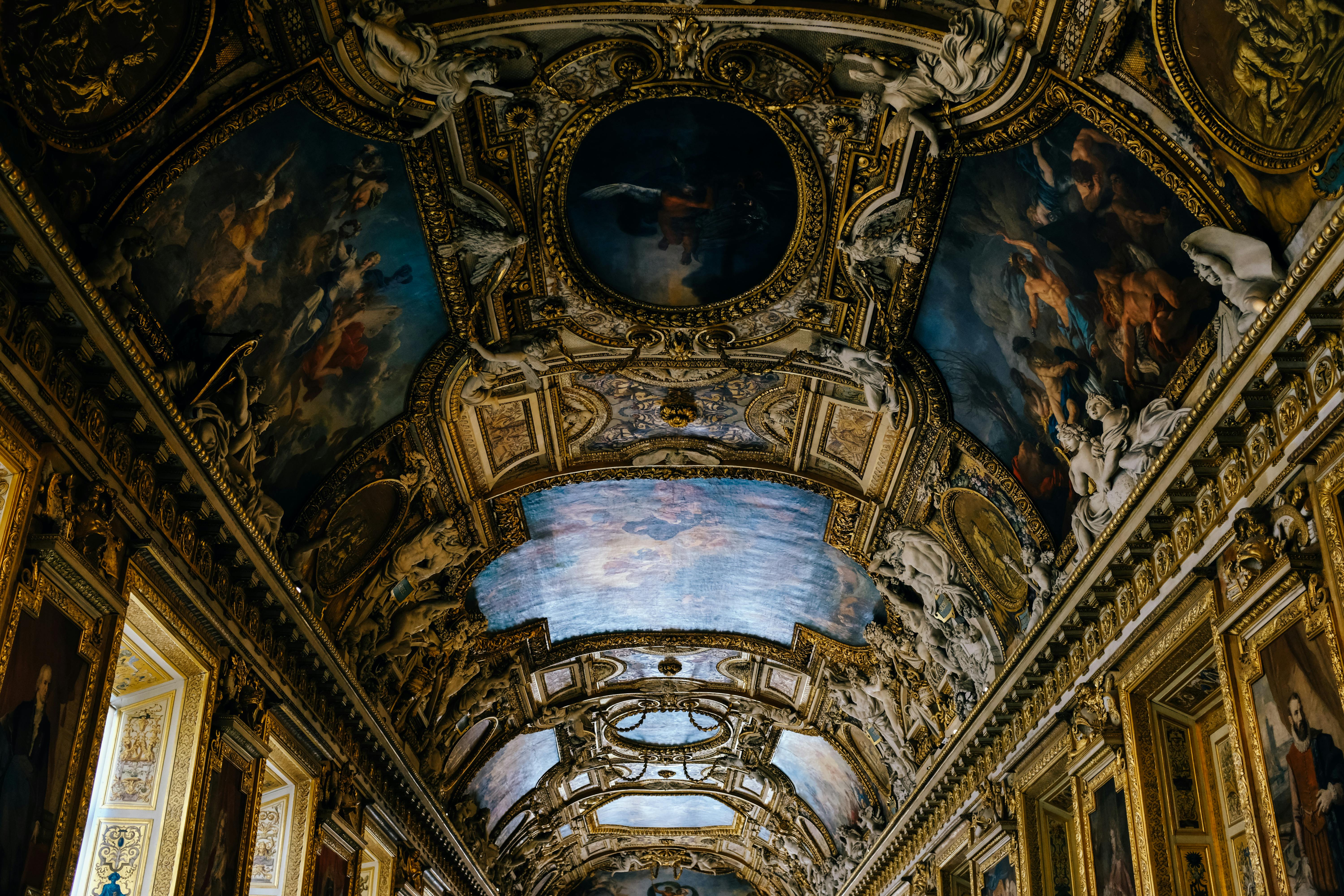
For instance, consider the elaborate Baroque frescoes, sometimes accented with gilding to catch the light and create an even more dramatic effect, drawing the eye upward. This ability to manipulate light and perception, to guide the viewer's eye and imbue a sense of the sacred, is what truly fascinates me. The way these masters blended spiritual narrative with such opulent materiality truly inspires my own exploration of depth and surface in my art.
The sheer scale and spiritual intent behind some of these pieces is just astounding. Think of the interior of a place like Sainte-Chapelle, where every surface, even the light, seems touched by something divine. It makes you feel small and yet part of something much, much larger, doesn't it?

Global Traditions: Beyond the West
While Europe embraced gilding for its own unique purposes, this luminous art form was flourishing across the globe, transcending cultural boundaries. Across Asia, you see it in the stunning gold-covered Buddhist statues that radiate tranquility, where the gleaming gold often symbolizes the purity of enlightenment and the divine presence of the Buddha himself. It's also found in intricate lacquerware, breathtaking screens, and textiles, where gold thread and leaf were meticulously woven or applied. Consider, too, the exquisite illuminated Qur'ans and architectural details in Islamic art, where gilded calligraphy and intricate geometric patterns brought sacred texts and spaces to life with unparalleled splendor. And let’s not forget the dazzling gold of pre-Columbian Mesoamerica, where the Moche, Aztec, and Inca peoples fashioned elaborate gilded masks, ceremonial objects, and jewelry, often associating gold with the sun, powerful deities, and the life-giving force.
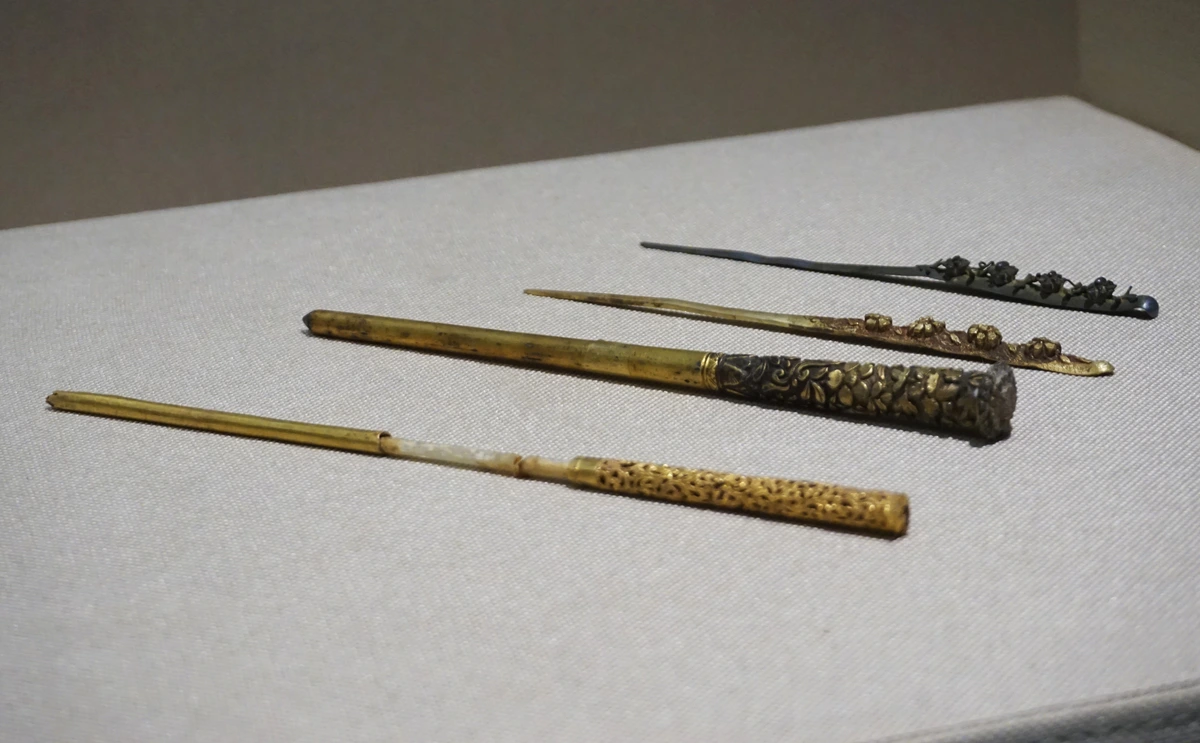
I was recently looking at some images of gilded hairpins from the Southern Song Dynasty, and the craftsmanship is just astounding – tiny, delicate pieces of art meant for personal adornment. This truly global tapestry of gold inspires me to explore how different cultures have imbued this metal with meaning, a concept I often weave into the diverse palettes of my own work, drawing inspiration from these ancient, universal languages of reverence and beauty.

The Alchemist's Touch: Unveiling Gilding Techniques
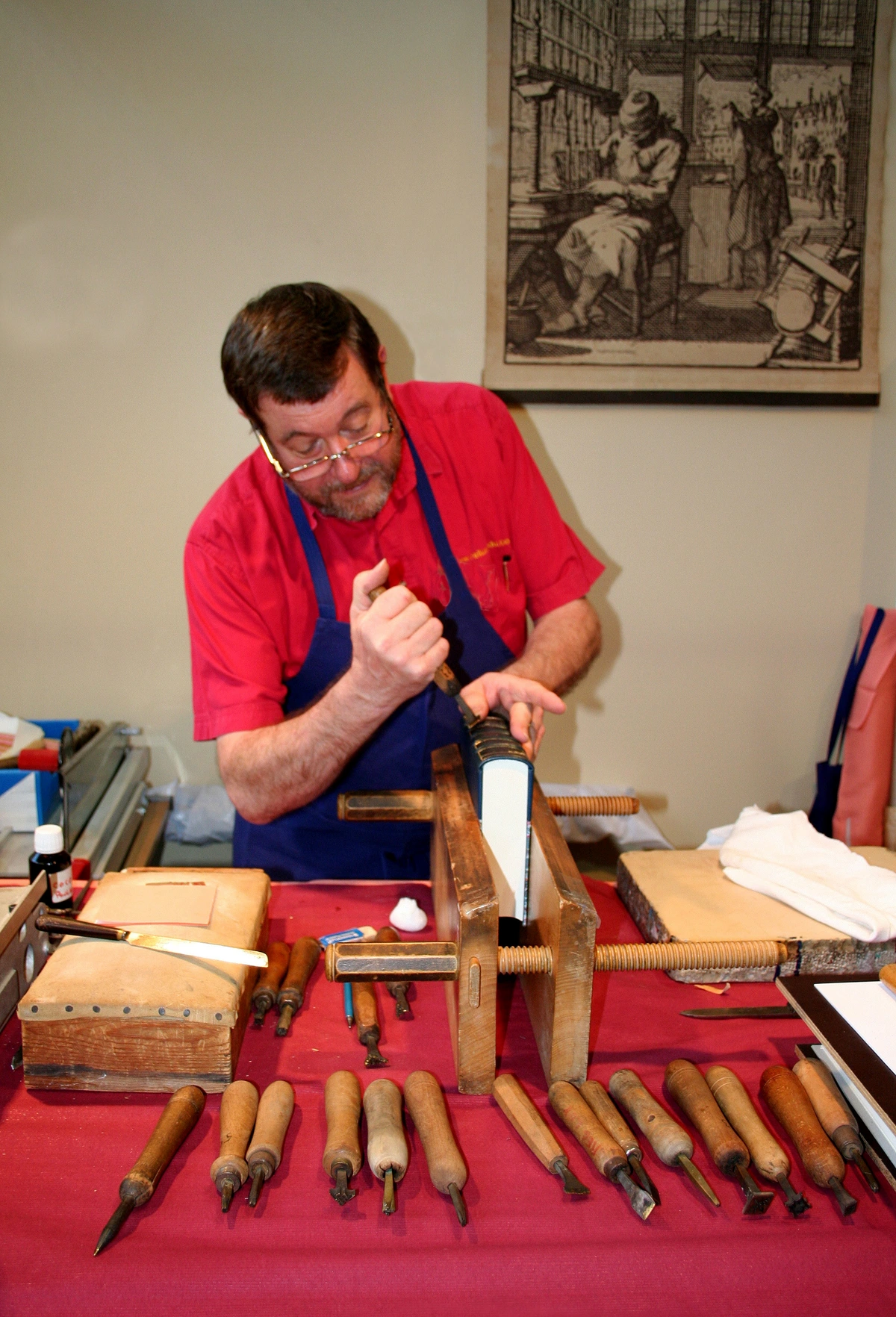
Now, for the nitty-gritty – how is this magic actually performed? As much as I've struggled with it (and trust me, there have been struggles!), understanding the core techniques is key to appreciating the enduring beauty of gilding. There are a few main ways to apply that glorious shimmer, each with its own quirks and challenges, demanding immense patience and a steady hand. The two traditional giants are water gilding and oil gilding, but there’s a third, more accessible method as well. Before we dive in, let me just say, the tools themselves are often works of art!
The Gilder's Toolkit: Whispers of Precision
A true gilder's arsenal is surprisingly simple but incredibly specialized. Beyond the metal leaf itself, you'll find:
- Gilder's Cushion: A small, padded board covered with soft leather, perfect for carefully cutting and handling delicate leaf. It's like a tiny, luxurious operating table for gold.
- Gilder's Tip: That flat, wide brush I mentioned earlier, made of fine squirrel or camel hair. You rub it on your cheek to build static electricity, which then lets you gently pick up and place the leaf. This static charge is absolutely vital because the leaf is so incredibly thin and light; without it, you’d just be chasing it around the room! It's a surprisingly low-tech marvel, but effective.
- Agate Burnishers: Smooth, polished agate stones attached to handles, used specifically for water gilding to compress and shine the gold. Each shape and curve is designed for specific contours, making the gold gleam like a mirror.
- Soft Brushes: Various sizes for dusting, pressing down leaf, and cleaning up excess. You learn quickly that aggressive brushing is the enemy of perfectly laid gold! It’s a craft where even the smallest tool plays a vital role, often feeling like an extension of your own hand.
Water Gilding: The Grand Dame of Sheen
This is the grand dame of gilding, the one you'll find on antique furniture, ornate picture frames, and religious icons. It's incredibly beautiful and allows for that mirror-like, highly polished finish, which we call burnishing. But wow, is it a process! It’s not for the faint of heart, I can tell you that; my early attempts looked less like divine radiance and more like a very expensive, very shiny mess. The challenges lie in its multi-layered preparation and the precise, delicate application.
First, you apply multiple layers of gesso – traditionally a mixture of animal glue (often rabbit skin glue) and finely ground chalk or gypsum – to create an impossibly smooth, hard, and absorbent surface. Imagine it as creating a flawless, porcelain-like canvas, a pristine foundation for the gold, allowing no imperfections to show through the incredibly thin leaf. Historically, different gesso recipes, passed down through workshops, were fiercely guarded secrets. Once the gesso is dry and perfectly smooth, then comes the bole. This is a finely ground clay pigment (often red, yellow, or black) mixed with more animal glue. The bole does two crucial things: it doesn't just give the gold a lovely warm (or cool) undertone, enhancing its depth; it also provides a slightly flexible cushion for the burnishing process, acting like a soft bed for the gold to be polished upon. More importantly, its absorbent nature is key to the adhesion process.
After all that careful preparation, the gold leaf is delicately applied onto a surface that has been re-wetted with water (hence 'water gilding'). This 'water' is often mixed with a touch of weak alcohol, often something like gin, to help it evaporate cleanly and prevent unsightly water stains. The instantaneous adhesion of the gold to the damp bole layer, almost like magic, happens as the water activates the animal glue in the bole, creating a powerful, yet flexible, bond. Once dry, the gold can be meticulously polished – burnished – with an agate stone, compressing the gold onto the bole to create that signature high-karat, mirror-like gleam that defines water gilding. It's labor-intensive and unforgiving, requiring absolute stillness and focus, but the result is unparalleled in its richness and luminosity.
Oil Gilding: Durable Radiance
In contrast to the delicate brilliance of water gilding, oil gilding offers a more durable and often slightly softer (though still stunning) finish, making it perfect for outdoor applications or objects that need to withstand more handling. It's also generally less demanding than water gilding, though still requires skill. Its durability comes from the robust, weather-resistant nature of the oil-based adhesive, which creates a strong, long-lasting bond less susceptible to moisture and environmental wear than the water-soluble elements of water gilding.
Instead of water, the metal leaf is applied onto a tacky adhesive known as oil size. This is typically an oil-based varnish, often with a linseed oil or synthetic resin base, that has been allowed to dry to a specific 'tack' – that perfect sticky point where it will grab the leaf but isn't wet enough to dissolve it. Different oil sizes incorporate siccatives (drying agents) to control their drying times, from 'quick size' (30 minutes to 3 hours) to 'slow size' (12-24 hours), allowing the gilder to work on larger or more intricate areas without rushing. This control over drying time is a godsend for bigger projects, trust me.
The surface preparation for oil gilding can be simpler; it often doesn't require gesso and bole, though a smooth, sealed surface is always beneficial. The leaf is laid onto the tacky size, and once adhered, it can be gently pressed down and then 'cleaned up' with a soft brush to remove excess. The key difference is that oil-gilded surfaces cannot be burnished to the same mirror finish as water gilding; they retain a softer, more matte luster, but offer excellent protection.
Mordant Gilding: The Accessible Shimmer
For those wanting a more straightforward approach, there’s mordant gilding (sometimes called adhesive gilding). This technique is fantastic for beginners or projects that don't require the extreme durability or mirror finish of traditional methods. Unlike traditional oil size, which is a specific type of oil-based varnish with specific drying and curing properties, a mordant is a broader term for a range of specialized adhesives – often water-based, acrylic-based, or shellac-based – formulated solely for the purpose of creating a tacky surface for the metal leaf to bind to. Its primary function is simply to act as a glue, a temporary sticky layer for adhesion.
The trick is to wait for the mordant to reach the right level of tackiness – not too wet, not too dry – before applying the leaf. It's more forgiving because these mordants often have a longer 'open time' (the period they remain tacky), allowing for adjustments and a less rushed application. It's quicker, doesn't involve the extensive layering of gesso and bole, and is a popular choice for decorative arts and craft projects. You won't get that mirror-like burnished shine, but the metallic effect is still wonderfully radiant – perfect for experimenting without the commitment (or tears) of water gilding.
Gilding Techniques: A Quick Comparison
To help keep things straight, here’s a quick overview of the main gilding techniques:
Technique  | Preparation | Finish | Durability | Best For | Burnishable? |
|---|---|---|---|---|---|
| Water Gilding | Gesso & Bole (multi-layered) | High-gloss, mirror-like | Moderate | Fine art, antique restoration, indoor icons | Yes |
| Oil Gilding | Smooth, sealed surface | Softer, matte | High | Outdoor signage, architectural details, furniture | No |
| Mordant Gilding | Clean, sealed surface | Soft, metallic | Varies (low-moderate) | Craft projects, decorative accents, beginners | No |
My Battle Scars & Hard-Earned Lessons: Tips for Aspiring Gilders
So, you're thinking of trying gilding? Let me tell you, it's not always smooth sailing. I’ve definitely made my share of mistakes trying to lay that incredibly delicate leaf. I've lost more gold leaf to rogue sneezes, unexpected drafts, and clumsy movements than I care to admit – including that one memorable time a sudden gust of wind from an open window (my fault, obviously) turned a pristine sheet of gold into what looked like expensive fairy dust scattered across my studio. Even the Old Masters, I'm sure, had their days where the gold simply refused to cooperate, leading to subtle imperfections or outright failures that were cleverly disguised or simply accepted as part of the human touch. It’s easy to tear, crease, or have it stick where it shouldn't!
My advice for beginners is always to start with practice materials – composition gold is perfect for this, as it's much cheaper. Use a gilder's tip (that flat brush for picking up leaf with static – it's a game-changer!) and, for the love of all that is shiny, work in a draft-free environment. Turn off the fan, close the windows, and warn anyone walking by not to breathe too hard. Don't be afraid to experiment with mordant gilding first – it’s much more forgiving! It's all part of the learning curve, and honestly, even the 'mistakes' often lead to interesting, unexpected textures, like a perfectly imperfect ripple, catching the light in a way I never planned. It’s a dance between precision and embracing the beautiful accidents.



credit, licence

Beyond Gold: Exploring Other Metal Leaves and Their Properties
While gold leaf (typically 22-24 karat for art, 12-18 for architectural) reigns supreme, the world of metal leaf extends further, offering a fascinating palette of effects. I find the interplay of these different metals, each with its own quirks, endlessly intriguing.
- Silver Leaf: This offers a brilliant, cooler alternative, often used to simulate platinum or white gold. I love the way it catches light, but you have to be mindful: silver tarnishes naturally over time. This happens through a chemical reaction where sulfur compounds in the air (like hydrogen sulfide) react with the silver to form silver sulfide, creating that familiar dull, dark layer – much like how a silver spoon can darken if left exposed. If you want to prevent tarnishing, or achieve a specific color (like a 'champagne' tone), it usually requires a protective clear coat or a tinting lacquer. It's generally more affordable than gold, which is always a plus.
- Copper Leaf: Providing a warm, rosy hue, copper leaf beautifully resembles rose gold. Like silver, it will tarnish and oxidize, changing color over time (often turning green or brown) as it reacts with oxygen and moisture. This process, known as patination, can be an intentional effect for certain artistic visions – a beautiful natural decay, if you will. To maintain its original rosy glow, a clear sealant is essential. It's typically the most cost-effective option, and its warmth can be quite captivating.
- Palladium Leaf: A member of the platinum group, palladium doesn't tarnish, offering a bright, silvery-white finish that's far more stable than silver. This makes it a favorite for modern aesthetics and architectural features where longevity and a consistent, non-tarnishing white metal look are key. It's more expensive than silver or copper but less than pure gold. For a cool, unwavering metallic gleam, it's hard to beat.
- Composition Gold (Dutch Metal/Brass Leaf): This isn't pure gold but an alloy primarily of copper (around 85%) and zinc (around 15%), designed to mimic gold at a much lower cost. Because of its significant copper content, it tarnishes quickly through oxidation and must always be sealed to prevent discoloration, but it's a great choice for practice or projects where budget is a primary concern. It doesn't offer the same luminosity as real gold but can achieve a convincing effect, especially from a distance. I've used it for initial experiments, where the stakes (and the material cost!) are a little lower. Each metal brings its own unique character and challenges, expanding the gilder's palette beyond pure gold, allowing for a diverse range of artistic expressions and practical applications. It's like having an entire orchestra of shimmer at your fingertips.
Gilding in the Modern Era: A Shimmering Future
So, we've explored the glittering past and the fascinating materials. But where does this ancient craft fit in our fast-paced modern world? It might seem like a technique relegated to dusty museum pieces, but trust me, gilding is very much alive and shimmering. Contemporary artists continue to push its boundaries, integrating it into mixed media pieces, abstract works, and even digital art interpretations. I've seen it used in street art to add unexpected bursts of luxury, in fashion design for intricate embellishments, and even in product design where a touch of metallic luster can elevate an everyday object.
I've often thought about how the radiant quality of gold can interact with the vibrant colors and abstract forms in my own art, adding a layer of historical gravitas and preciousness to a thoroughly modern aesthetic. I might use a flash of gold leaf to create a focal point that pops off the canvas, or subtly integrate silver leaf into a cool-toned abstract piece to evoke a sense of ethereal light. This direct, tangible connection to ancient traditions, echoing that timeless desire for radiance, is a core part of my own creative journey in a contemporary context.
We see gilding in restored historical buildings, custom furniture, high-end signage, and even in fashion accessories. Its ability to command attention and convey value hasn't diminished, only evolved with changing tastes and technologies. Modern adhesives and specialized tools have made gilding more accessible, though the core principles of patience and precision remain absolutely vital.
A Note on Ethical Sourcing
As artists, I think it's important to consider, even briefly, where our materials come from. While the amount of gold in leaf is minuscule, the broader issue of gold mining can raise significant environmental and ethical questions. Mining operations often involve harsh chemicals like mercury or cyanide, leading to habitat destruction and water pollution. For me, it's about being mindful. When possible, I look for suppliers who are transparent about their sourcing or consider using reclaimed or recycled gold leaf. Initiatives like the Responsible Jewellery Council (RJC) or Fairmined certification, though often associated with jewelry, offer frameworks that can guide our choices towards more responsibly sourced materials. It's a small step, but a thoughtful one, connecting our craft to a larger responsibility, a quiet acknowledgment that every shimmer has a story.
Caring for Your Gilded Treasures: A Little TLC
Once you've created or acquired a gilded piece, you'll want it to maintain its radiance. For indoor pieces, gentle dusting with a soft, dry brush is usually all that's needed. Avoid harsh chemicals or abrasive cloths, as these can easily damage the delicate surface by reacting with the metal, dissolving the adhesive, or stripping away any protective layers. For oil-gilded items, especially those outdoors, a protective clear coat is usually applied during creation, offering a shield against the elements. If you have silver or copper leaf, remember they will naturally tarnish without a sealant. While this can create a beautiful, aged patina, if you want that original shine to last, a clear sealant – such as an acrylic varnish or a specialized lacquer – is absolutely essential. It’s all about respecting the material and its delicate beauty, and choosing how you want its story to unfold.
The Enduring Language of Light: Symbolism of Gilding
Beyond its sheer beauty and historical grandeur, gilding has long been a profound symbol across cultures and ages. Gold, in particular, often represents divinity, immortality, and sacred presence, bridging the earthly and the celestial. In many ancient mythologies, gold was directly associated with the sun – the ultimate source of light and life – reinforcing its symbolism of vitality, power, and divine energy. Its symbolism extends further, conveying immense wealth, purity, and even enlightenment. The act of gilding itself, transforming a base object into something radiant, echoes the alchemical quest for perfection, suggesting a journey from the ordinary to the extraordinary. It's a universal language that speaks of value, aspiration, and the enduring human desire for the sublime.
Embracing the Radiance: Why Gilding Endures
So, what is it about gilding that gives it such incredible staying power? For me, it's more than just the sparkle. It’s the alchemy of transformation – taking something ordinary and making it extraordinary. It’s the whisper of history, connecting us to pharaohs, monks, and master artisans across the globe. It's the sheer skill, the patient dedication required to lay down something so delicate yet so impactful. I remember working on my 'Cosmic Dust' series, for instance, where I used palladium leaf to create a sharp, almost digital sheen, contrasting it with vibrant, expressive colors. That touch of silver-white not only amplified the contemporary feel but also, in its non-tarnishing permanence, spoke to an aspiration for something enduring in our fleeting world. That's the power of gilding.
Gilding embodies a profound human desire to elevate, to illuminate, and to create something that transcends the everyday. It's a reminder that true beauty often lies in the most painstaking details, and that a touch of gold (or silver, or copper) can indeed make the world a little brighter. It’s a craft that continues to inspire, inviting us to look a little closer, to appreciate the shimmer, and to recognize the enduring magic in art—a magic I constantly strive to capture and reinterpret in my own work, much like the vibrant pieces you'll find at my museum in 's-Hertogenbosch or in my online gallery. Perhaps it's time you discovered what unexpected shimmer gilding can bring to your own world?