Fernand Léger's Techniques: A Deep Dive into His Artistic Genius
Explore the innovative techniques and compositional approaches of Fernand Léger, a pioneer of modern art.

Fernand Léger's Techniques: A Deep Dive into His Artistic Genius
I remember the first time I saw a Fernand Léger painting. It was like looking at a world broken down into its most essential parts, yet somehow more vibrant and alive than ever. Léger's work has a way of doing that—it simplifies, yet it captivates. Today, I want to take you on a journey through the techniques and compositional approaches that made Léger a pioneer of modern art.
But before we dive in, let's set the stage. Imagine Paris in the early 20th century—a city buzzing with innovation, industry, and a sense of endless possibility. This was the world Léger stepped into, and it shaped his art in ways that still resonate today.
The Historical Context of Fernand Léger
To truly appreciate Léger's work, it's essential to understand the historical context in which he created it. The early 20th century was a time of rapid change, marked by industrialization, urbanization, and technological advancements. These shifts profoundly influenced Léger's artistic vision, leading him to explore themes of modernity, mechanization, and the human experience in an industrialized world.
Why Fernand Léger Matters
Fernand Léger was not just an artist; he was a visionary who redefined how we perceive the world. His work bridges the gap between the mechanical and the human, the abstract and the tangible. Understanding his techniques is not just about appreciating art—it's about seeing the world through a lens of innovation and creativity.
Léger's influence extends beyond his own time. His innovative techniques and unique vision have inspired countless artists and continue to shape the world of modern art. His work serves as a reminder of the power of art to capture the essence of the human experience and to reflect the ever-changing world around us.
The Early Years: Finding a Voice
Fernand Léger was born in 1881 in Argentan, France. His early work was influenced by Impressionism, but he quickly moved beyond that. I often think about how Léger must have felt, surrounded by the rapid industrialization of the early 20th century. It's no surprise that his art began to reflect the mechanical and the modern.
Léger's journey wasn't just about breaking away from Impressionism; it was about embracing the chaos and energy of modernity. He was drawn to the bustling streets, the clanking machinery, and the sheer dynamism of urban life. This fascination would become the cornerstone of his artistic philosophy.

Key Techniques
Tubism
One of Léger's most distinctive techniques is Tubism. This is where objects are broken down into tubular, cylindrical forms. Imagine looking at a person or a building and seeing it as a series of pipes and cylinders. It's a bit like how a child might draw, but with a sophisticated, almost architectural precision.
Tubism wasn't just a stylistic choice; it was a way for Léger to capture the essence of modernity. By reducing forms to their most basic elements, he stripped away the unnecessary, leaving behind a pure, almost mechanical beauty. It's a technique that invites you to see the world in a new light, where even the most mundane objects can become works of art.
Mechanical Abstraction
Léger's fascination with machinery and industrialization led him to develop a style that emphasized mechanical abstraction. This approach involved simplifying forms to their most basic geometric components, creating a sense of order and precision. It was a reflection of the modern world, where machines and technology were becoming increasingly dominant.
Dynamic Composition
Léger's compositions were dynamic and full of energy. He often used overlapping forms and bold lines to create a sense of movement and rhythm. This technique allowed him to capture the fast-paced nature of urban life, where everything seemed to be in constant motion.
credit, licence
Contrast and Color
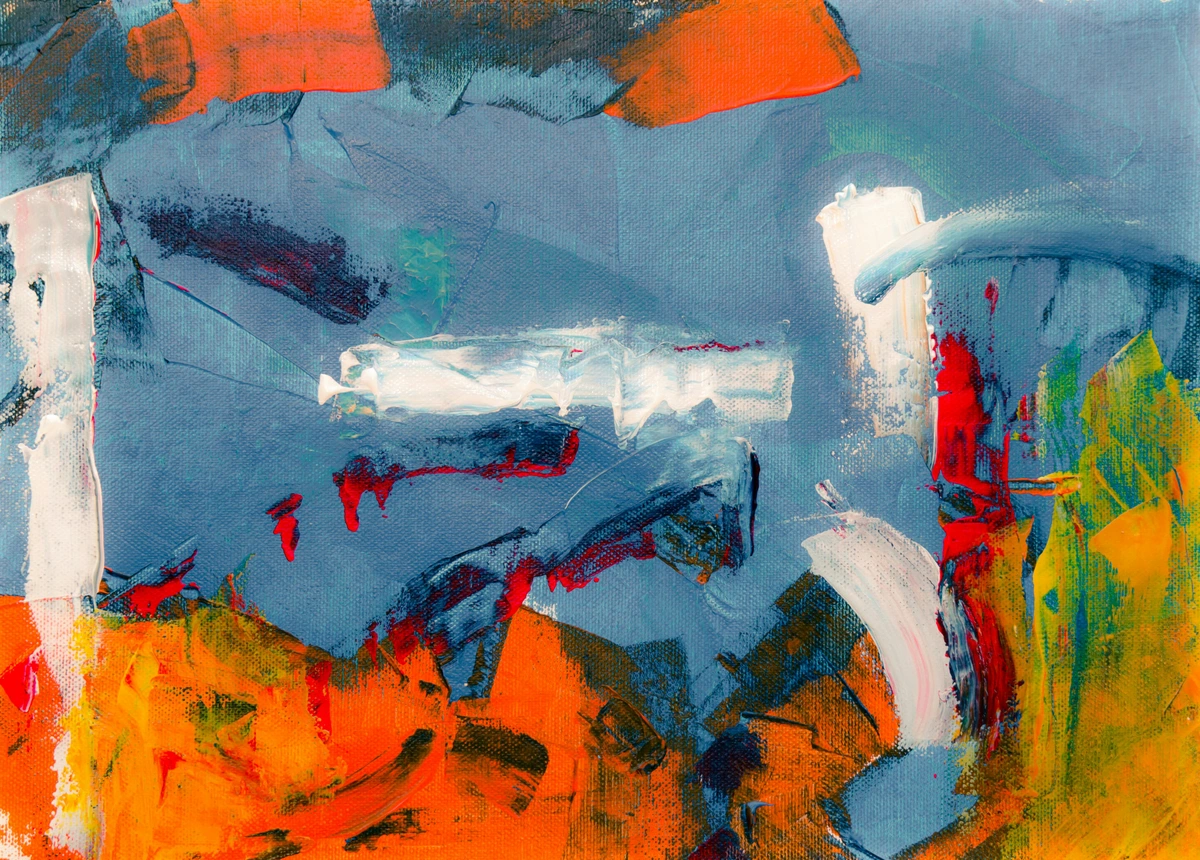
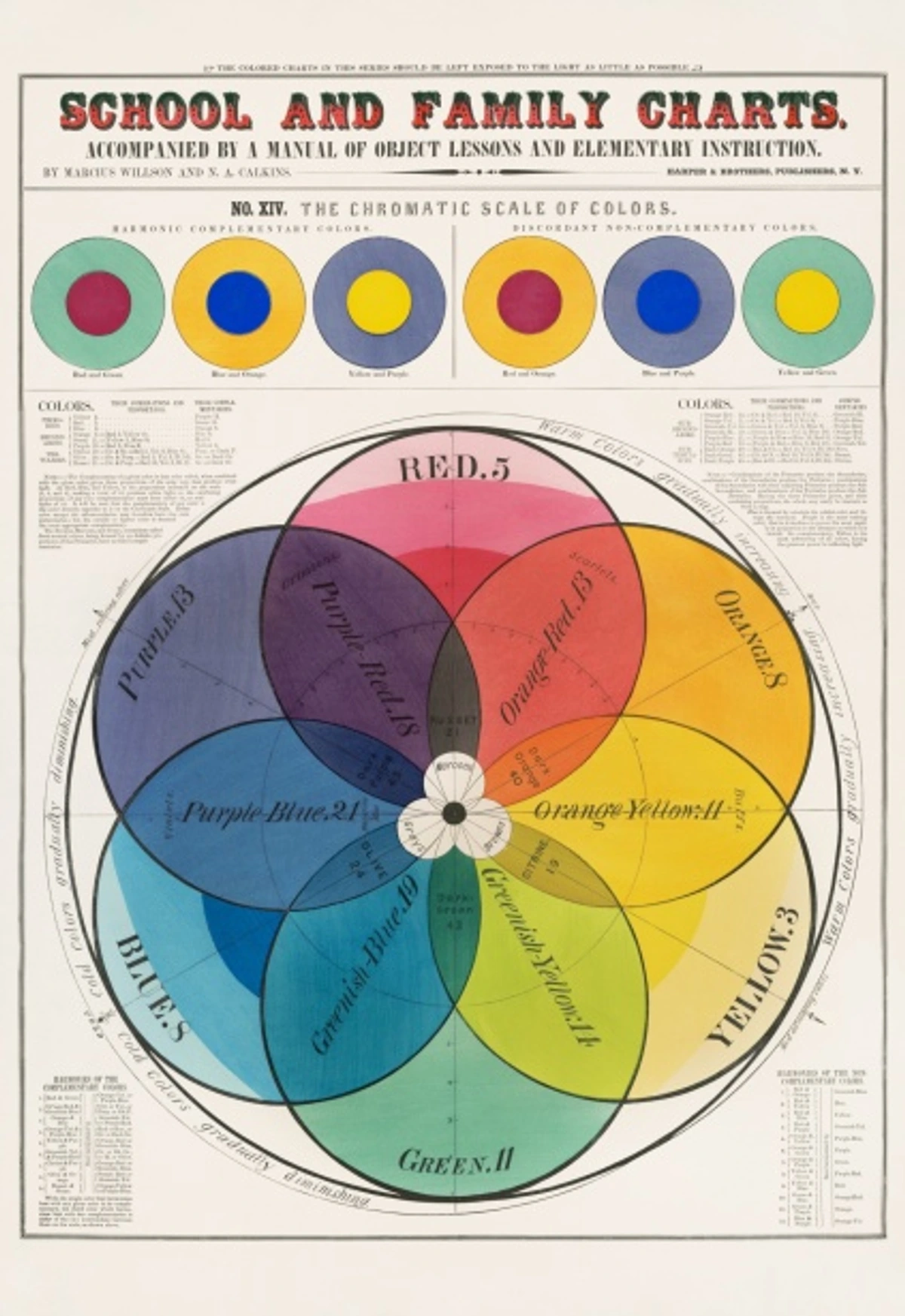
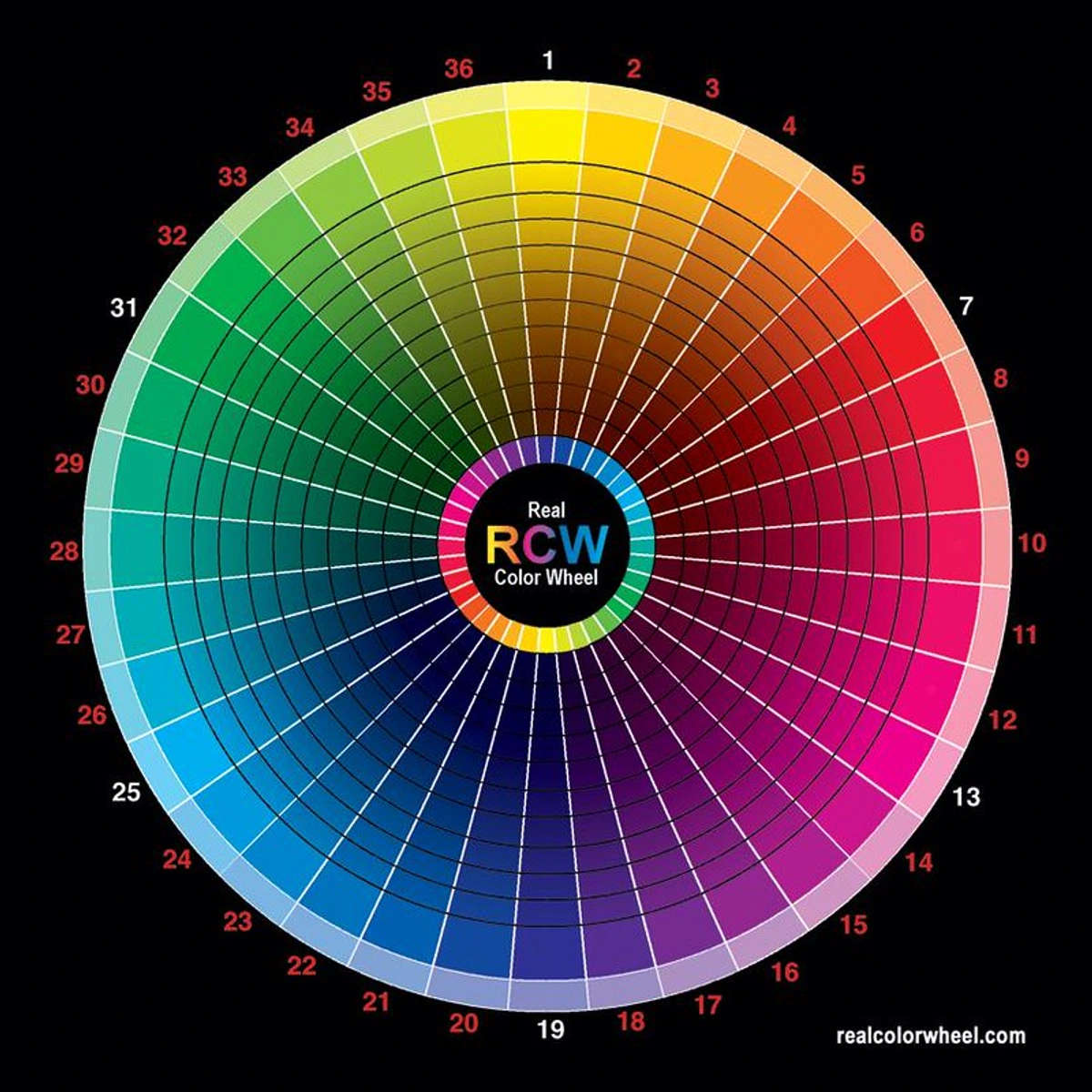
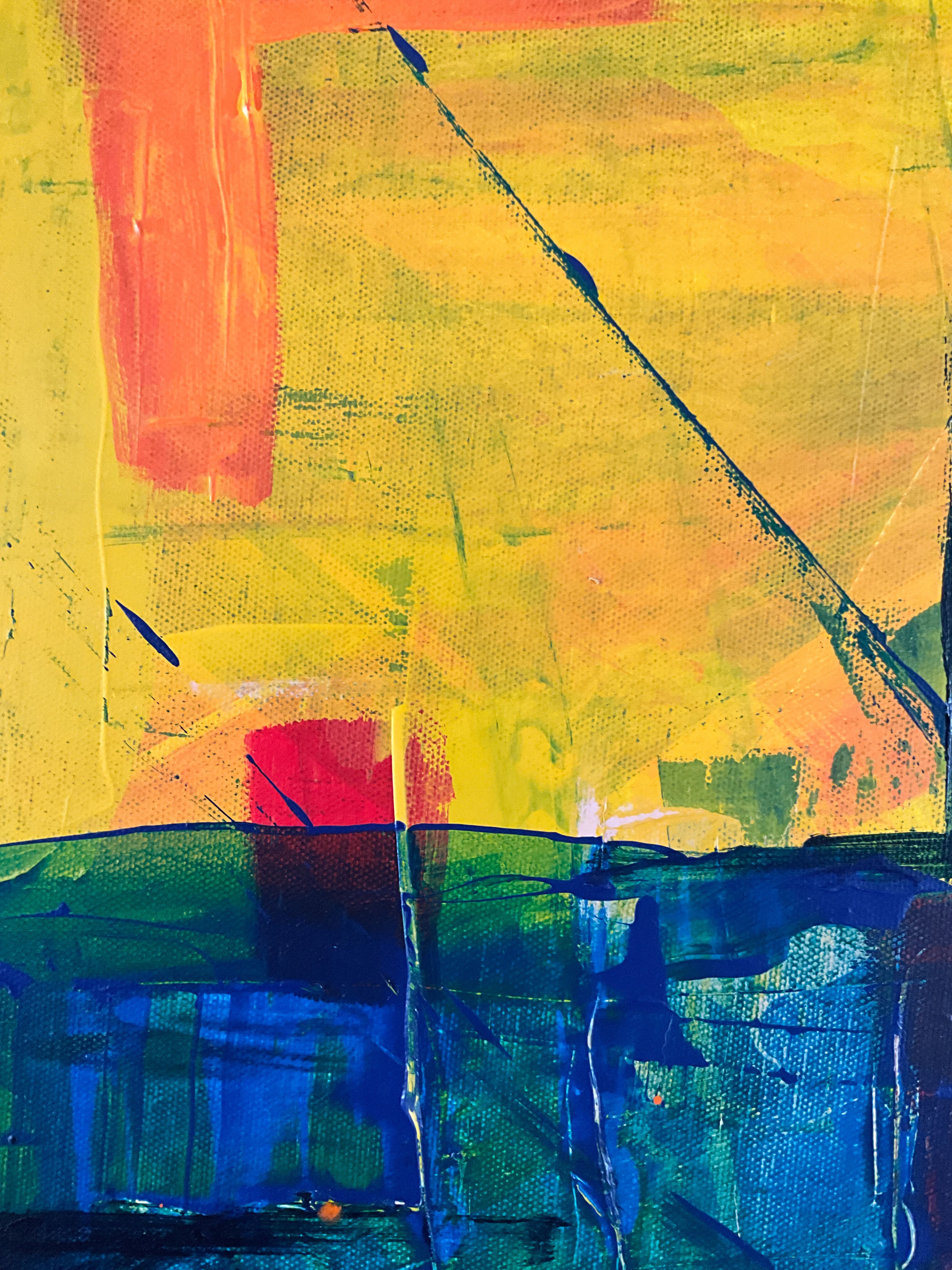
Léger was a master of contrast. He used bold, primary colors to create a sense of dynamism and energy. Think about how a bright red can stand out against a deep blue. That's Léger's world—a place where colors clash and harmonize in the same breath.
But Léger's use of color wasn't just about aesthetics. It was about emotion. He believed that color could evoke feelings and ideas in ways that words never could. By juxtaposing vibrant hues, he created a visual language that spoke directly to the soul. It's no wonder that his work continues to inspire artists to this day.
The Role of Light and Shadow
Léger also experimented with light and shadow to add depth and dimension to his work. He used these elements to create a sense of space and volume, making his paintings feel more three-dimensional. This technique allowed him to explore the interplay between light and form, adding another layer of complexity to his art.

credit, licence

Composition and Space
Léger's compositions are often described as "mechanical." He had a unique way of arranging elements on the canvas, almost like a machine. But don't let that fool you—there's a lot of thought and emotion behind each piece. It's like he's inviting you to see the world through a new lens, one that's both logical and deeply human.
What's fascinating about Léger's compositions is how they balance order and chaos. On one hand, there's a sense of precision and structure, as if every element has been carefully placed. On the other, there's a spontaneity that makes his work feel alive. It's this tension between control and freedom that gives his art its unique appeal.
The Influence of Cubism
Léger was also influenced by the Cubist movement, which emphasized the fragmentation and reassembly of forms. He incorporated elements of Cubism into his work, using geometric shapes and overlapping planes to create a sense of depth and complexity. This technique allowed him to explore the relationship between form and space in new and innovative ways.
Examples of Léger's Work
The City (1919)
"The City" is a perfect example of Léger's Tubism in action. The buildings and figures are all reduced to their most basic, tubular forms. Yet, there's a sense of movement and life that's hard to ignore.
What makes "The City" so compelling is how it captures the essence of urban life. The tubular forms aren't just abstract shapes; they're a reflection of the city's rhythm and energy. It's as if Léger has taken the pulse of the metropolis and translated it into visual form.
The Mechanic (1920)
In "The Mechanic," Léger explores the relationship between man and machine. The figure of the mechanic is depicted in a way that emphasizes his connection to the mechanical world. The use of tubular forms and bold colors creates a sense of unity between the human and the industrial, highlighting Léger's belief in the harmony between the two.
credit, licence
Three Women (1921)
In "Three Women," Léger explores the human form in a way that's both abstract and deeply personal. The figures are robust and almost sculptural, yet there's a softness to them that's uniquely Léger.

"Three Women" is a testament to Léger's ability to blend the mechanical with the human. The figures are abstracted, yet they retain a sense of warmth and humanity. It's a reminder that, even in a world of machines and industry, there's still room for emotion and connection.
credit, licence

How-To: Incorporating Léger's Techniques into Your Own Art
Step 1: Break It Down
Start by looking at an object or a scene. Try to see it not as a whole, but as a collection of shapes and forms. Think about how you can simplify it into its most basic elements.
Step 2: Play with Color
Don't be afraid to use bold, primary colors. Experiment with how different colors interact with each other. Remember, contrast is your friend.
Step 3: Think About Composition
Arrange your elements on the canvas in a way that feels both logical and dynamic. Think about how each part relates to the whole.

Step 4: Embrace the Mechanical
Léger's work is often described as mechanical, but that doesn't mean it lacks emotion. Try to find the balance between structure and spontaneity in your own art. Let your compositions breathe, even as you strive for precision.
Considerations
The Influence of Industrialization
Léger's work was deeply influenced by the industrial revolution. He saw beauty in the mechanical and the modern. This is something to keep in mind when looking at his art—it's not just about the forms, but about the world that shaped them.
The Human Element
Despite his mechanical compositions, Léger never lost sight of the human element. His figures are robust and full of life, a testament to his belief in the enduring power of the human spirit.
The Role of Technology
Léger was fascinated by technology and its impact on society. He saw it as a force for progress, but also as a challenge to traditional ways of life. This duality is reflected in his art, where the mechanical and the human coexist in harmony.
The Legacy of Fernand Léger
Léger's influence extends far beyond his own time. His innovative techniques and unique vision have inspired countless artists and continue to shape the world of modern art. His work serves as a reminder of the power of art to capture the essence of the human experience and to reflect the ever-changing world around us.

FAQ
What is Tubism?
Tubism is an artistic style where objects are broken down into tubular, cylindrical forms. It's a technique that Léger pioneered and is a hallmark of his work.
How did Léger use color?
Léger used bold, primary colors to create a sense of dynamism and energy. He was a master of contrast, using colors to make his compositions come alive.

What influenced Léger's work?
Léger's work was deeply influenced by the industrial revolution. He saw beauty in the mechanical and the modern, and this is reflected in his art.













Conclusion
Fernand Léger's techniques and compositional approaches are a testament to his genius. He saw the world in a way that was both unique and deeply human. His work continues to inspire artists and art lovers alike, inviting us to see the world through a new lens.
If you're interested in exploring more about modern art, check out our timeline or visit our museum in Den Bosch. And if you're feeling inspired, why not browse our collection of contemporary art?
Léger's legacy is a reminder that art isn't just about beauty—it's about seeing the world in new ways, embracing change, and finding the human in the mechanical. It's a lesson that resonates as much today as it did a century ago.
Further Exploration
To delve deeper into Léger's world, consider visiting exhibitions that feature his work or exploring books and documentaries about his life and artistic journey. Engaging with his art in person can provide a deeper appreciation of his techniques and the emotions they evoke.
Additional Resources
For those interested in learning more about Fernand Léger and his contributions to modern art, here are some resources:
- Books: "Fernand Léger: The Complete Works" by Georges Bauquier
- Documentaries: "Fernand Léger: The Mechanical Age"
- Exhibitions: Check local museums and galleries for exhibitions featuring Léger's work.