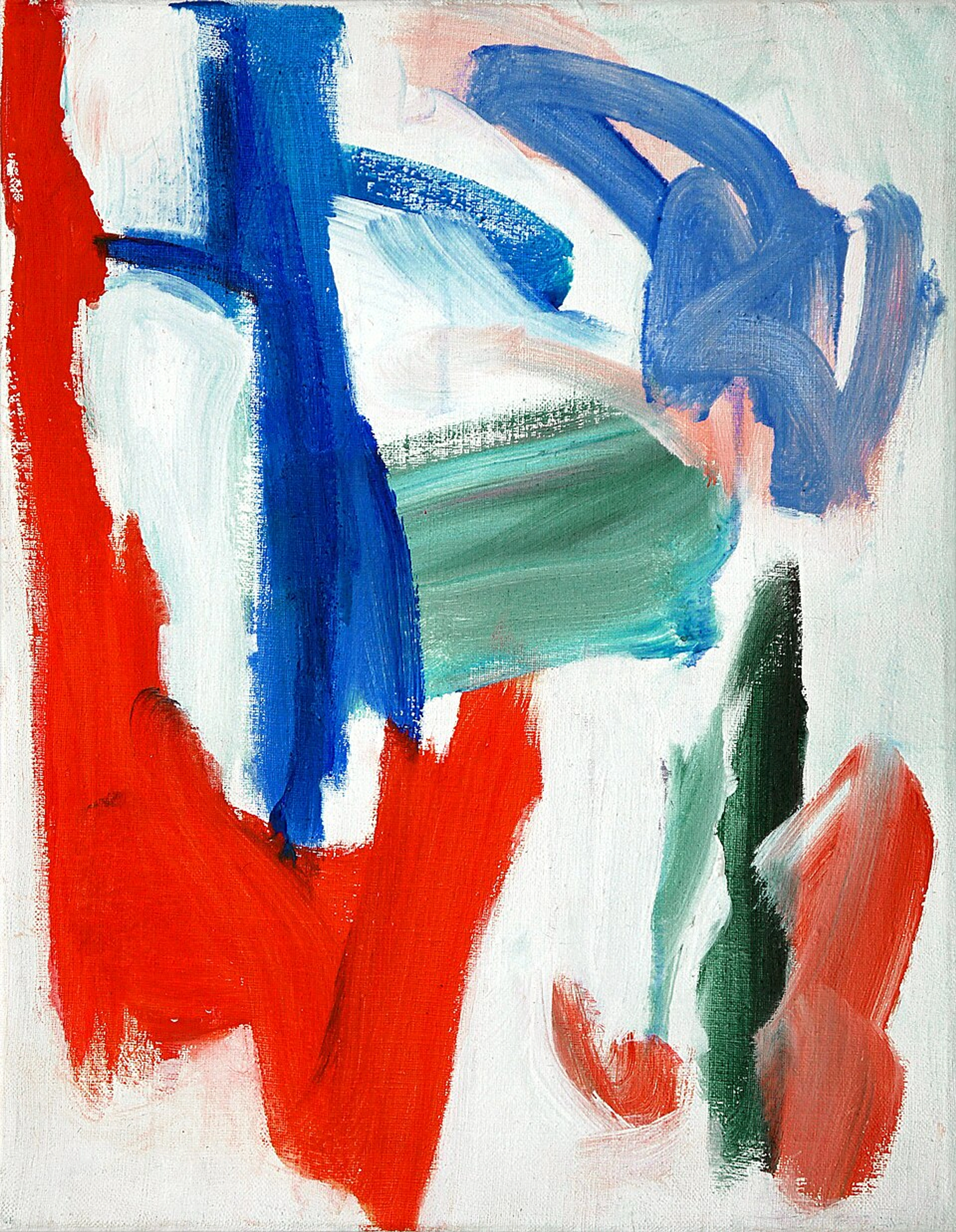
Fernand Léger's Bold Techniques for Modern Artists
Discover how Fernand Léger's innovative use of color, form, and composition can inspire and elevate your contemporary art. This comprehensive guide breaks down his techniques into actionable steps for modern artists.

Fernand Léger's Bold Techniques for Modern Artists
I remember the first time I stumbled upon Fernand Léger's work. It was in a small, dimly lit gallery tucked away in a corner of Paris. The vibrant colors and geometric forms seemed to leap off the canvas, demanding attention. I was struck by how modern his work felt, even though it was created decades ago. It got me thinking: How can contemporary artists like you and me draw inspiration from Léger's techniques to create bold, dynamic art?
Léger's influence extends far beyond his time, and his techniques remain relevant for artists today. Whether you're a painter, sculptor, or digital artist, there's something to learn from his approach. Let's dive into his world and see how we can apply his methods to our own work.
Why Fernand Léger Matters Today
Fernand Léger's work is not just a relic of the past; it's a living, breathing source of inspiration for artists navigating the complexities of the modern world. His ability to capture the essence of industrialization and urbanization in a visually compelling manner makes his techniques particularly relevant today. As we grapple with the rapid pace of technological change and the evolving nature of urban life, Léger's art offers a timeless perspective on how to translate these themes into visual form.
Léger's influence can be seen in various art movements, from Cubism to modern digital art. His techniques have inspired countless artists to explore new ways of representing the world around them. By understanding his approach, contemporary artists can find fresh ways to interpret and respond to the challenges and opportunities of the 21st century.
Introduction to Fernand Léger
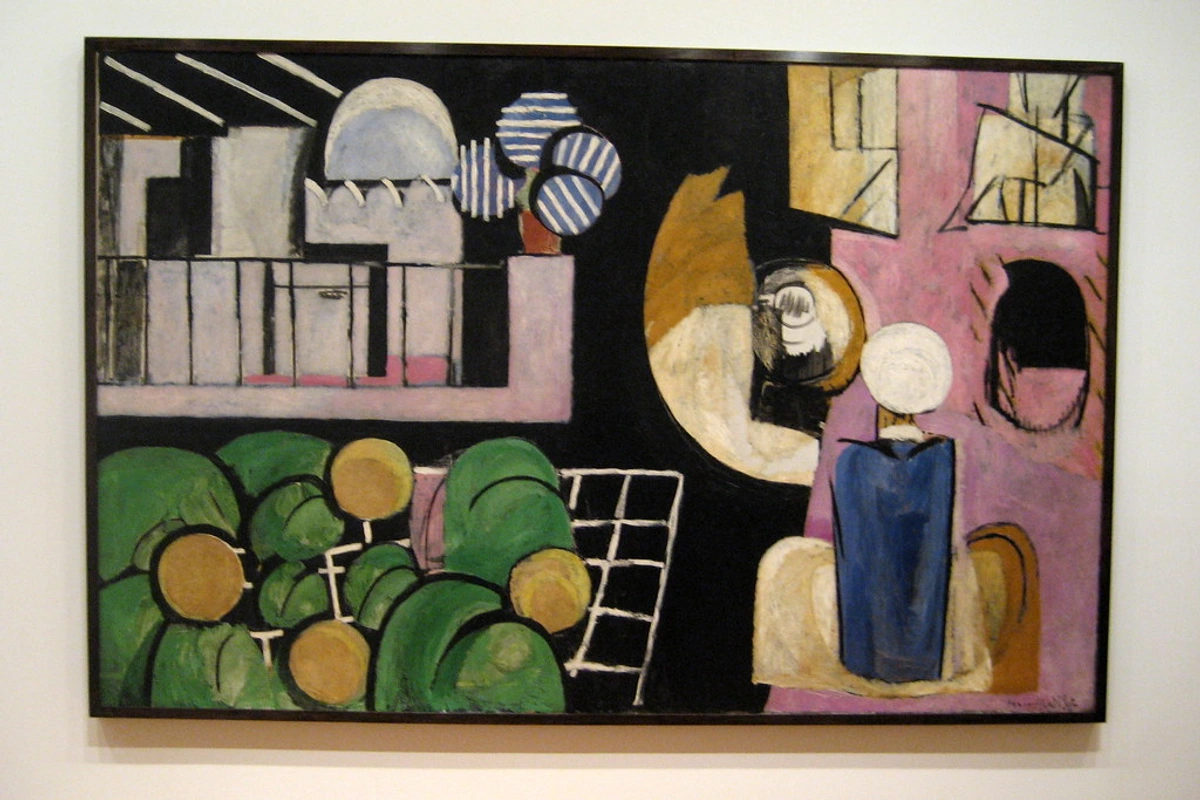
Fernand Léger was a French painter, sculptor, and filmmaker who became famous for his tubular, abstract style. His work is often associated with Cubism, but he developed a unique approach that emphasized bold colors, geometric forms, and a sense of mechanical modernity. Léger's art is a celebration of the industrial age, capturing the energy and dynamism of modern life.
Born in 1881, Léger initially trained as an architect before turning to painting. His early work was influenced by Impressionism, but he quickly moved toward a more abstract and geometric style. By the 1910s, he had developed his signature tubular forms, which would become a hallmark of his art. Léger's fascination with machinery and urban life is evident in his paintings, which often depict scenes of bustling cities and industrial landscapes.
Early Influences and Career
Léger's early career was marked by a deep engagement with the artistic movements of his time. His architectural training provided him with a unique perspective on form and structure, which he later translated into his paintings. His transition from Impressionism to Cubism was not just a stylistic shift but a philosophical one, reflecting his belief in the power of art to capture the essence of modernity.
During this period, Léger was also influenced by the works of other prominent artists, such as Pablo Picasso and Georges Braque. These influences helped shape his unique approach to art, blending elements of Cubism with his own innovative techniques. His early experiments with form and color laid the foundation for his later, more iconic works.
Key Concepts in Léger's Techniques
Color
Léger's use of color is one of the most striking aspects of his work. He employed a palette of primary colors—reds, blues, and yellows—often in their purest, most vibrant forms. These colors were not just decorative; they were structural, defining the shapes and forms within his compositions. Léger believed that color could evoke emotion and create a sense of harmony in a painting. His bold use of color was influenced by his experiences in World War I, where he was exposed to the bright, industrial colors of machinery and uniforms.
The Psychology of Color
Léger's choice of primary colors was not arbitrary. He understood the psychological impact of color and used it to convey specific emotions and ideas. For example, red often symbolizes energy and passion, while blue can evoke a sense of calm and stability. By carefully selecting and arranging colors, Léger created compositions that resonate on both an emotional and intellectual level.
Form
Léger's forms are geometric and tubular, often resembling machine parts or architectural elements. He broke down the human figure and everyday objects into their basic geometric components, creating a sense of order and structure. This approach was revolutionary at the time, as it challenged traditional notions of representation in art. Léger's tubular forms were not just a stylistic choice; they were a way of capturing the essence of modern life, with its emphasis on technology and industry.
The Influence of Architecture
Léger's background in architecture played a significant role in shaping his artistic style. His understanding of structural forms and spatial relationships allowed him to create compositions that are both visually striking and conceptually rich. This architectural influence is evident in his use of geometric shapes and his ability to convey a sense of depth and dimension in his paintings.
Composition
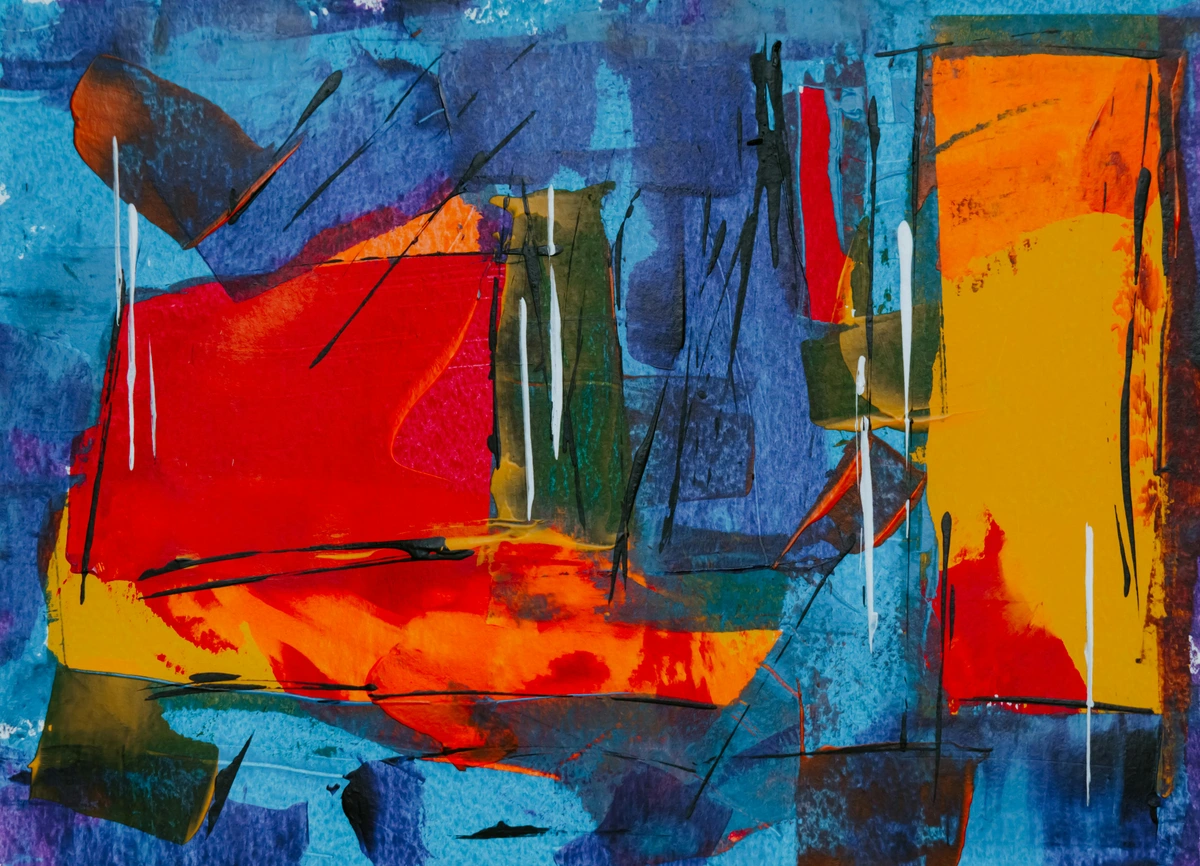
Léger's compositions are dynamic and balanced. He arranged his forms in a way that creates a sense of movement and energy. His use of overlapping shapes and contrasting colors adds depth and complexity to his work. Léger often experimented with different arrangements of forms, seeking to create a sense of rhythm and harmony in his paintings. His compositions were carefully planned, with each element contributing to the overall structure of the artwork.
The Role of Rhythm
Rhythm is a key element in Léger's compositions. He used repetition and variation to create a sense of movement and flow, guiding the viewer's eye through the artwork. This rhythmic quality is achieved through the careful arrangement of shapes and colors, creating a visual symphony that is both engaging and harmonious.
Texture and Pattern
While Léger is primarily known for his bold use of color and form, he also incorporated elements of texture and pattern into his work. These elements added visual interest and depth, making his compositions even more dynamic. Techniques like stippling, hatching, and collage were often used to achieve these effects.
Exploring Mixed Media
Léger's experimentation with texture and pattern often involved the use of mixed media. He incorporated materials like paper, fabric, and found objects into his paintings, creating a tactile quality that enhances the visual experience. This approach not only added depth to his work but also reflected his belief in the interconnectedness of art and everyday life.
Examples of Léger's Techniques
"The City" (1919)
Credit, Licence
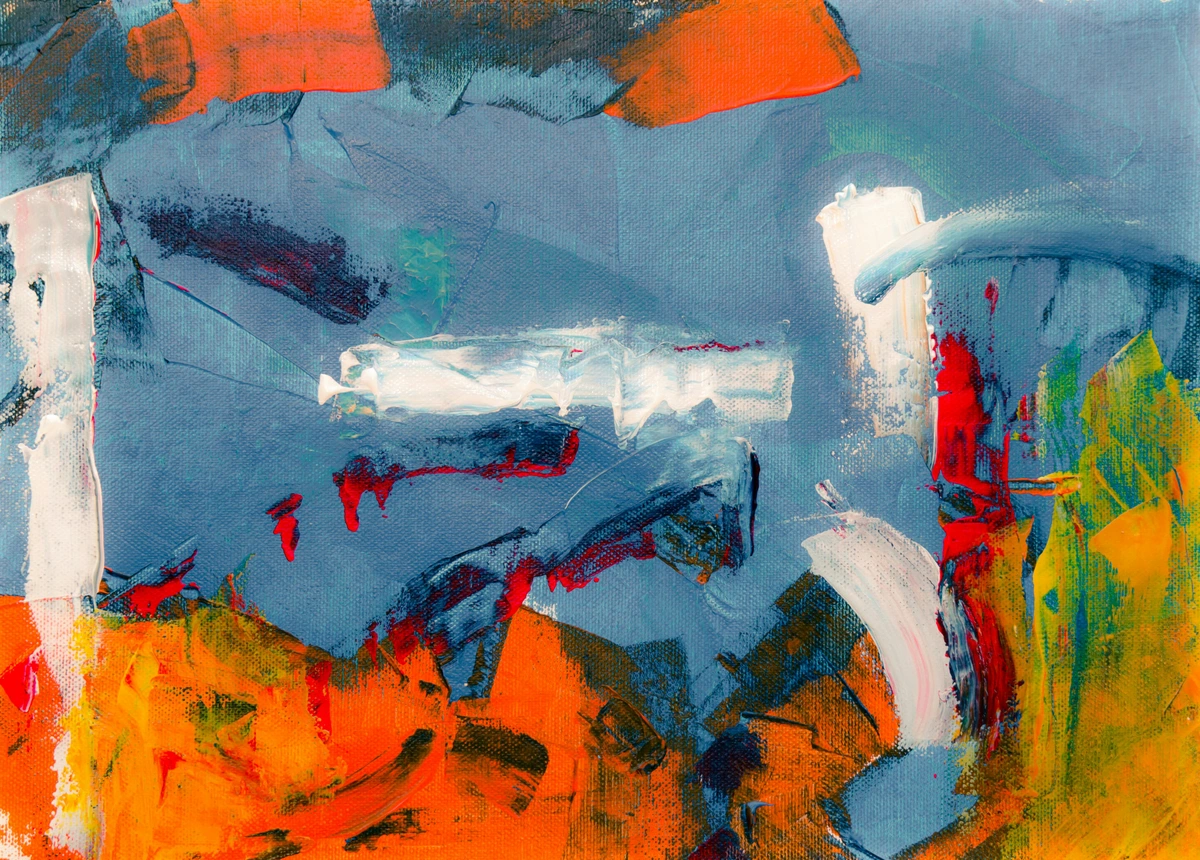
In "The City," Léger captures the bustling energy of urban life. The painting is a symphony of geometric forms and vibrant colors, with overlapping shapes creating a sense of depth and movement. The use of primary colors and bold lines gives the painting a dynamic, almost cinematic quality. This piece is a testament to Léger's ability to convey the essence of modern life through abstract forms and bold colors.
"Three Women" (1921)
Credit, Licence
"Three Women" is a prime example of Léger's tubular style. The figures are composed of cylindrical forms, with bold colors defining their shapes. The composition is balanced yet dynamic, with the figures arranged in a way that creates a sense of movement and interaction. This painting showcases Léger's ability to blend abstraction with figurative elements, creating a unique visual language that is both modern and timeless.
"The Mechanic" (1920)
Credit, Licence
"The Mechanic" is another iconic work by Léger, depicting a figure composed entirely of geometric forms. The painting reflects Léger's fascination with machinery and the industrial world. The use of bold colors and dynamic composition creates a sense of energy and movement, capturing the spirit of the modern age.
How-To: Applying Léger's Techniques to Your Art
Step 1: Start with Basic Forms
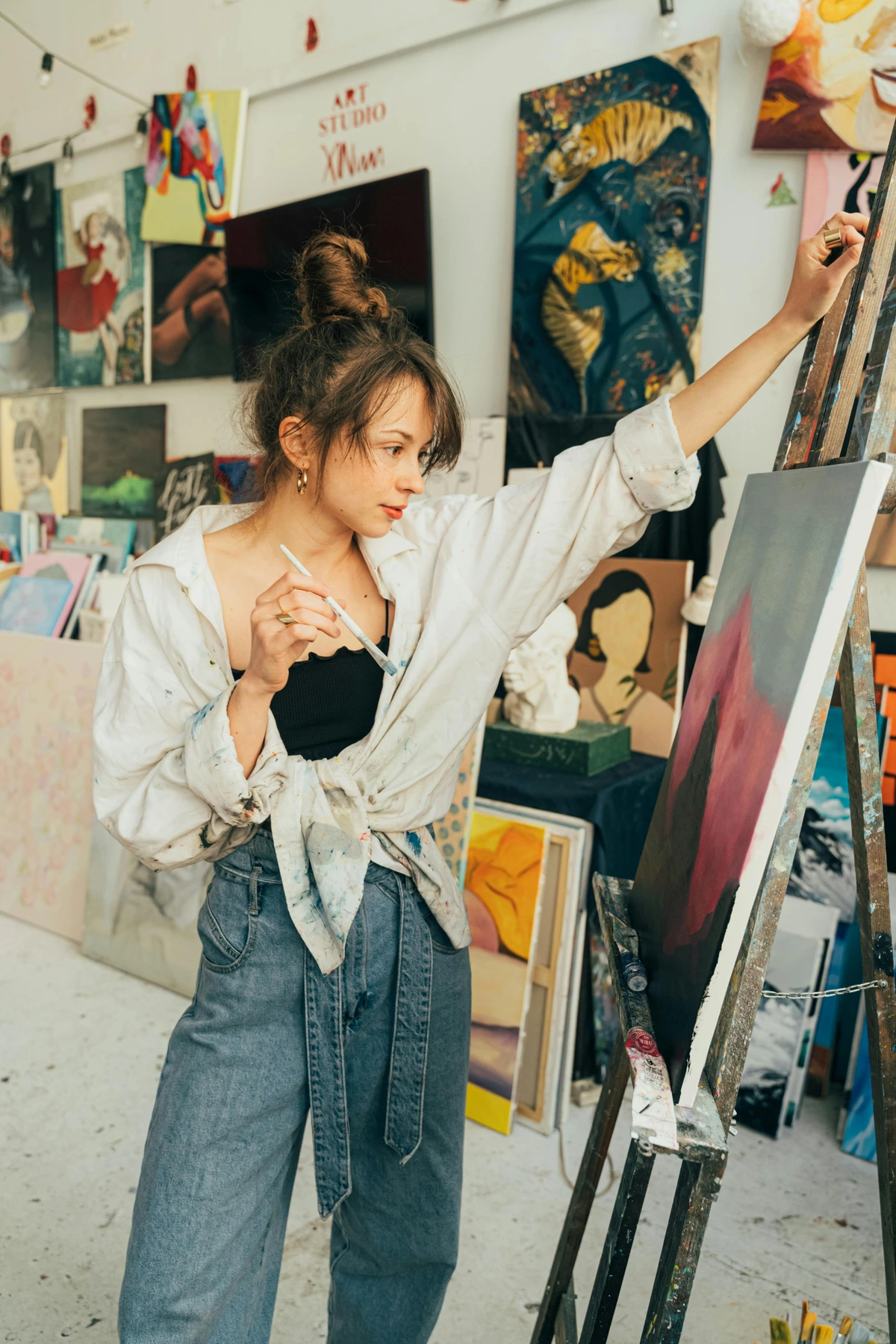
Begin by breaking down your subject into basic geometric shapes. Think about how you can represent the human figure or everyday objects using cubes, cylinders, and spheres. This will help you create a sense of order and structure in your composition. Start with simple sketches, focusing on the underlying geometry of your subject. This approach will give your artwork a strong foundation and make it easier to build upon.
Understanding Geometric Abstraction
Geometric abstraction is about simplifying complex forms into their basic components. This process allows you to focus on the essential elements of your subject, creating a sense of clarity and precision in your artwork. Experiment with different geometric shapes to see how they can be used to represent various objects and figures.
Step 2: Use a Limited Color Palette
Léger often used a limited palette of primary colors. Choose a few bold, vibrant colors and use them to define the forms in your composition. Remember, color is not just decorative; it's structural. Experiment with different color combinations to see how they interact and affect the overall mood of your artwork. Consider using a color wheel to help you choose complementary or contrasting colors.
The Power of Primary Colors
Primary colors—red, blue, and yellow—are the building blocks of all other colors. By using these colors in their purest forms, you can create a sense of vibrancy and energy in your artwork. Experiment with different shades and tones to see how they can be used to evoke specific emotions and ideas.
Step 3: Create Dynamic Compositions
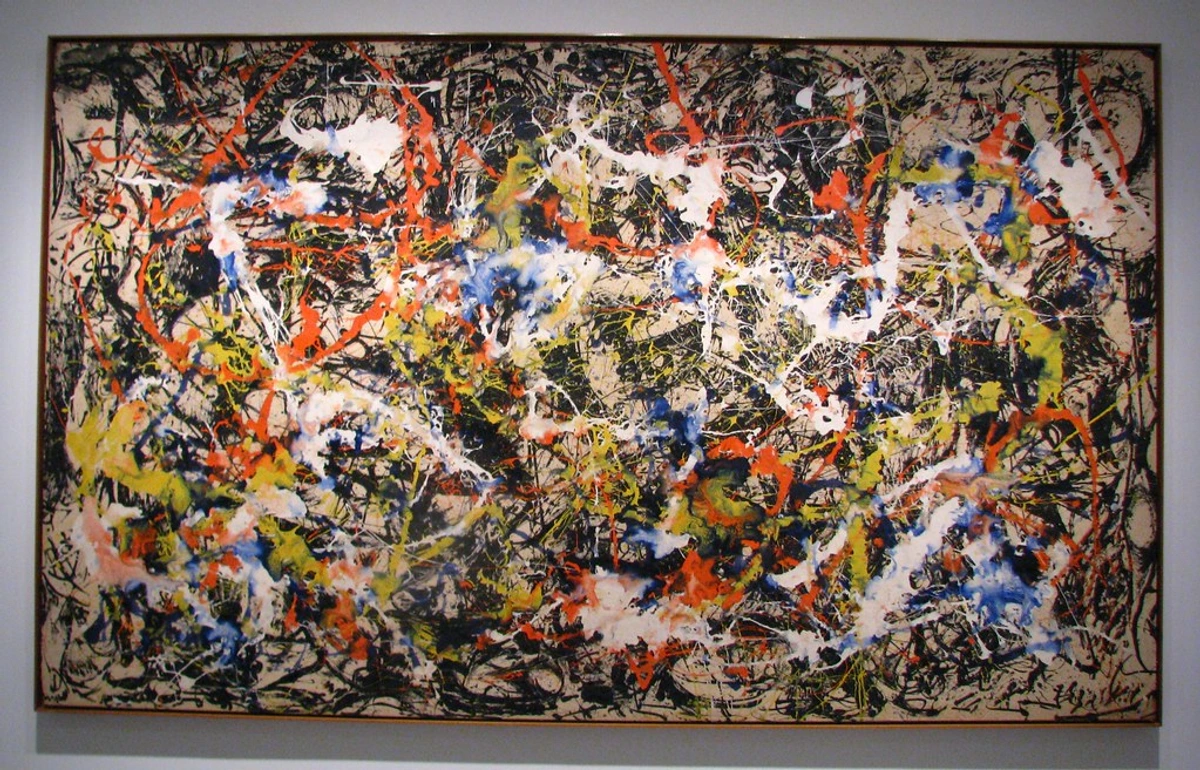
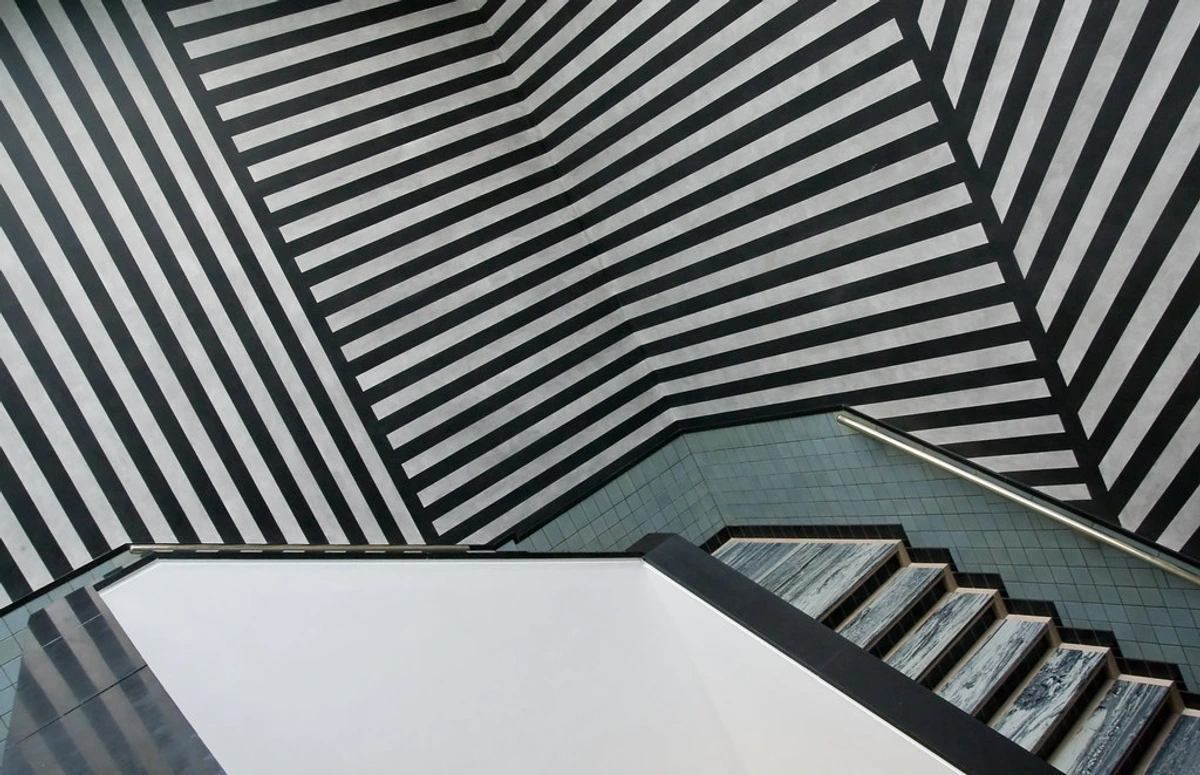
Arrange your forms in a way that creates a sense of movement and energy. Use overlapping shapes and contrasting colors to add depth and complexity to your work. Don't be afraid to experiment with different arrangements until you find one that feels dynamic and balanced. Try using the rule of thirds or the golden ratio to guide your composition and create a sense of harmony.
The Rule of Thirds
The rule of thirds is a fundamental principle in art and design. By dividing your composition into thirds, both horizontally and vertically, you can create a grid that helps you place key elements in a way that is visually engaging. This technique can be used to create a sense of balance and harmony in your artwork.
Step 4: Experiment with Texture and Pattern
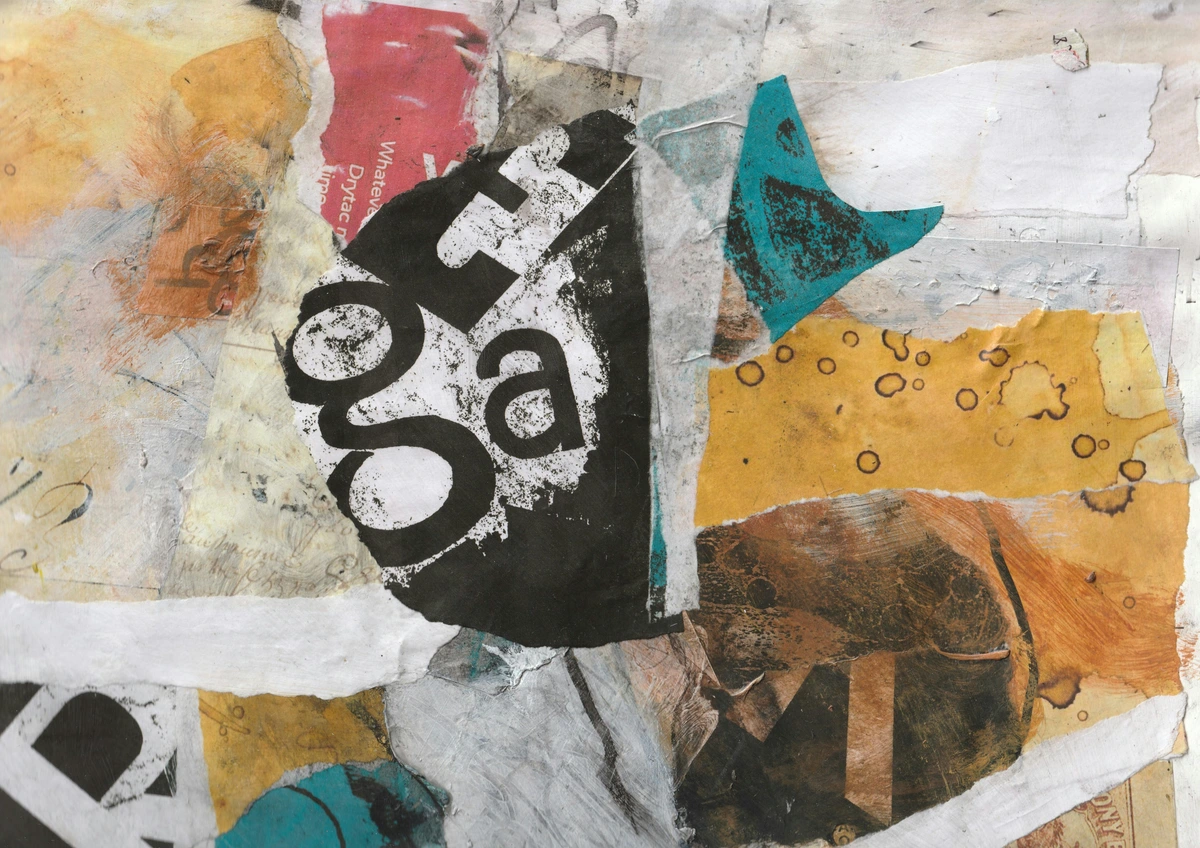
Léger's work often includes elements of texture and pattern. Consider adding these elements to your own work to create visual interest and depth. You can use techniques like stippling, hatching, or even collage to achieve this. Experiment with different materials and tools to create unique textures and patterns in your artwork.
Exploring Mixed Media Techniques
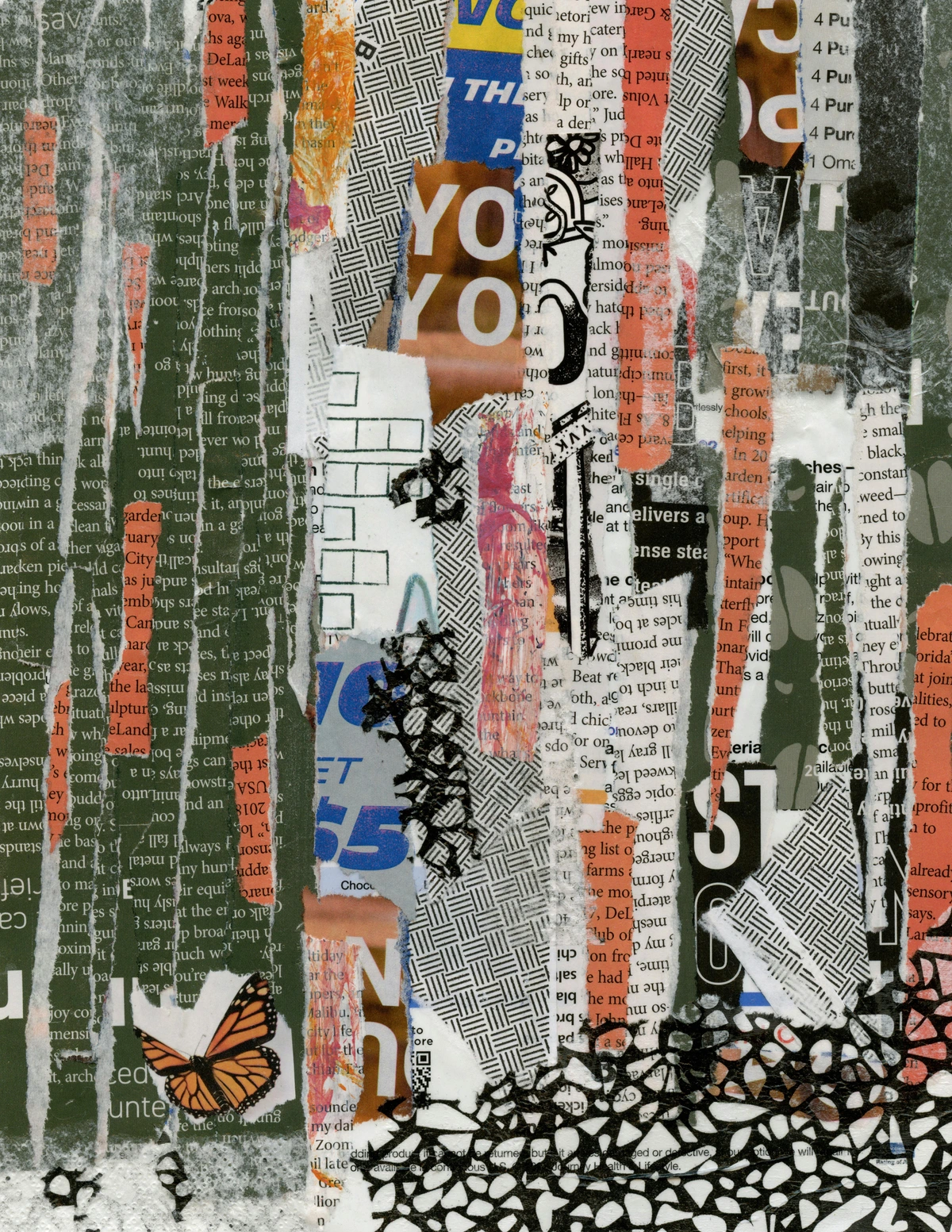
Mixed media techniques offer a wide range of possibilities for creating texture and pattern in your artwork. By combining different materials and techniques, you can create a tactile quality that enhances the visual experience. Experiment with materials like paper, fabric, and found objects to see how they can be used to add depth and complexity to your compositions.
Step 5: Incorporate Modern Elements
Léger was inspired by the industrial age, and you can draw inspiration from the technology and culture of today. Think about how you can incorporate modern elements into your artwork, such as digital tools, contemporary themes, or innovative materials. This will help you create artwork that is both timeless and relevant to the modern world.
The Role of Technology in Art
Technology has revolutionized the way we create and experience art. From digital painting software to 3D printing, there are countless tools and techniques available to modern artists. By embracing these technologies, you can push the boundaries of your creativity and explore new possibilities in your artwork.
Step 6: Embrace Experimentation
Don't be afraid to push the boundaries of your creativity. Léger was known for his willingness to experiment and take risks. Try combining different techniques, materials, and styles to create something truly unique. Remember, the goal is not to imitate Léger but to use his techniques as a springboard for your own creative expression.
The Importance of Taking Risks
Experimentation is a key part of the creative process. By taking risks and exploring new ideas, you can discover unique ways of expressing yourself through your artwork. Don't be afraid to make mistakes; they are an essential part of the learning process and can lead to unexpected breakthroughs.
Considerations for Modern Artists
Embracing Technology
Léger's work was inspired by the industrial age, and he embraced the technological advancements of his time. As a modern artist, you can draw inspiration from the technology of today. Think about how digital tools and techniques can enhance your work and help you create bold, dynamic compositions. From digital painting software to 3D printing, there are countless ways to incorporate technology into your artistic practice.
Digital Art and Its Possibilities
Digital art offers a wealth of opportunities for experimentation and innovation. By using digital tools, you can explore new techniques and styles, creating artwork that is both visually striking and conceptually rich. Whether you're working with digital painting software or experimenting with 3D modeling, the possibilities are endless.
Finding Your Unique Voice
While it's important to draw inspiration from artists like Léger, it's equally important to find your own unique voice. Experiment with different techniques and styles, and don't be afraid to take risks and make mistakes. Your art should be a reflection of your own experiences and perspectives. Remember, the goal is not to imitate Léger but to use his techniques as a springboard for your own creative expression.
The Journey of Self-Discovery
Finding your unique voice is a journey of self-discovery. It involves exploring your own experiences, emotions, and perspectives, and translating them into your artwork. This process can be challenging, but it's also incredibly rewarding, as it allows you to create artwork that is truly your own.
Exploring Contemporary Themes
Léger's work was deeply rooted in the themes and issues of his time. As a modern artist, you can explore contemporary themes and issues in your artwork. Whether it's climate change, social justice, or the impact of technology on society, there are countless topics to draw inspiration from. Use your artwork as a platform to express your thoughts and feelings about the world around you.
Art as a Tool for Social Commentary
Art has the power to inspire change and provoke thought. By exploring contemporary themes in your artwork, you can use your creative expression as a tool for social commentary. This approach not only adds depth and meaning to your artwork but also allows you to engage with important issues in a meaningful way.
Collaborating with Other Artists
Collaboration can be a powerful tool for artistic growth and innovation. Consider collaborating with other artists to create new and exciting works of art. Whether it's a joint exhibition, a collaborative project, or simply sharing ideas and feedback, working with others can help you expand your creative horizons and push the boundaries of your artwork.
The Benefits of Collaboration
Collaborating with other artists offers a range of benefits, from gaining new perspectives to learning new techniques. By working with others, you can challenge your own assumptions and explore new ideas, leading to innovative and exciting artwork. Collaboration also fosters a sense of community and shared purpose, which can be incredibly inspiring.
FAQ
What materials did Fernand Léger use?
Léger primarily worked with oil paints on canvas. He also experimented with other mediums, including sculpture and film. For modern artists, acrylic paints can be a great alternative to oils, offering similar vibrancy and versatility. Additionally, digital tools and software can be used to create artwork inspired by Léger's techniques.
Exploring Different Mediums
Léger's experimentation with different mediums reflects his belief in the interconnectedness of art and life. By exploring a variety of materials and techniques, you can discover new ways of expressing yourself and push the boundaries of your creativity.
How can I incorporate Léger's techniques into my digital art?
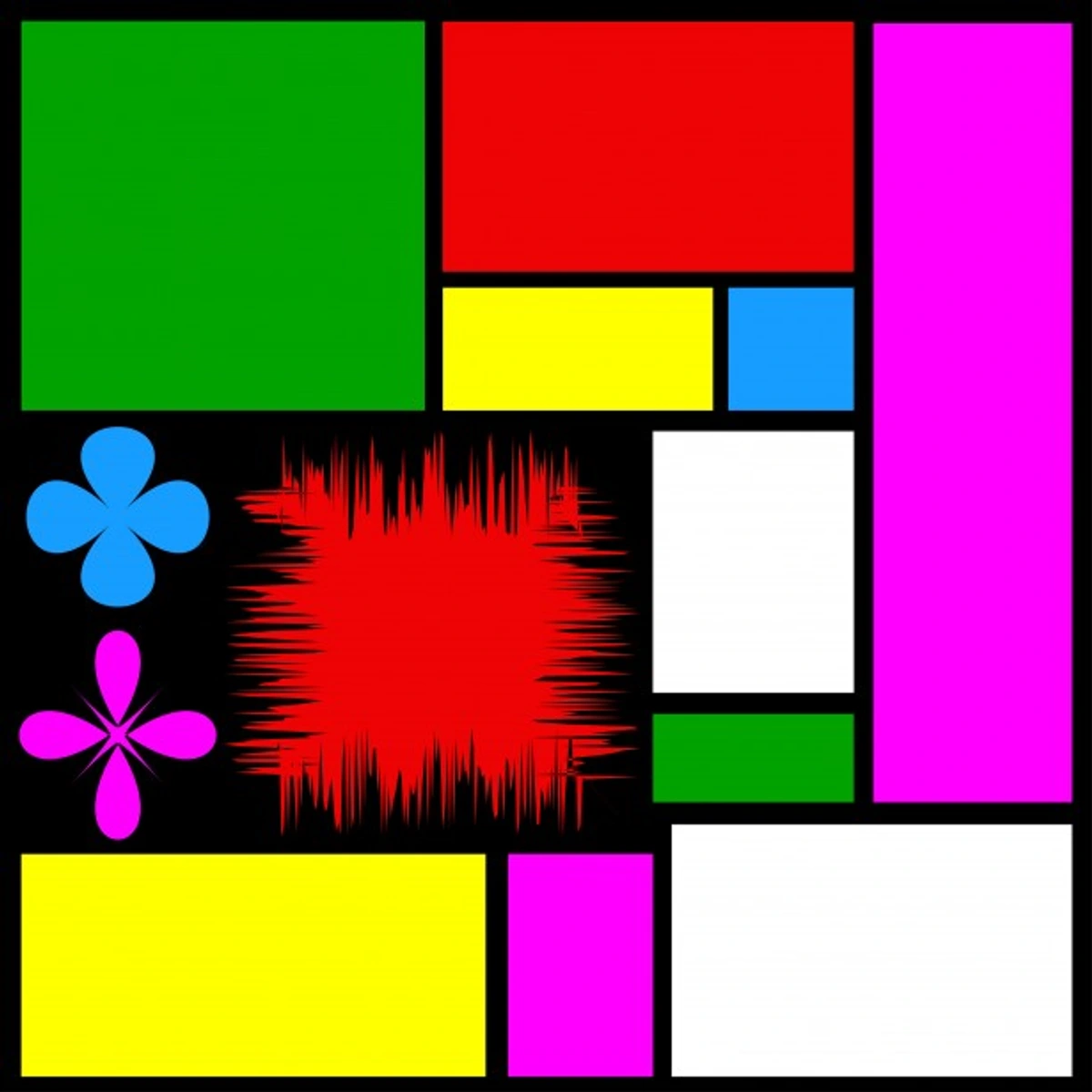
Digital art offers a wealth of opportunities to experiment with Léger's techniques. Use digital tools to create geometric forms, experiment with color palettes, and arrange your compositions dynamically. Software like Adobe Photoshop or Procreate can be particularly useful for this. You can also explore digital painting techniques, such as layering and blending modes, to create unique effects.
Digital Tools and Techniques
Digital tools offer a range of possibilities for creating artwork inspired by Léger's techniques. By using software like Adobe Photoshop or Procreate, you can experiment with different techniques and styles, creating artwork that is both visually striking and conceptually rich.
Are there any contemporary artists who use Léger's techniques?
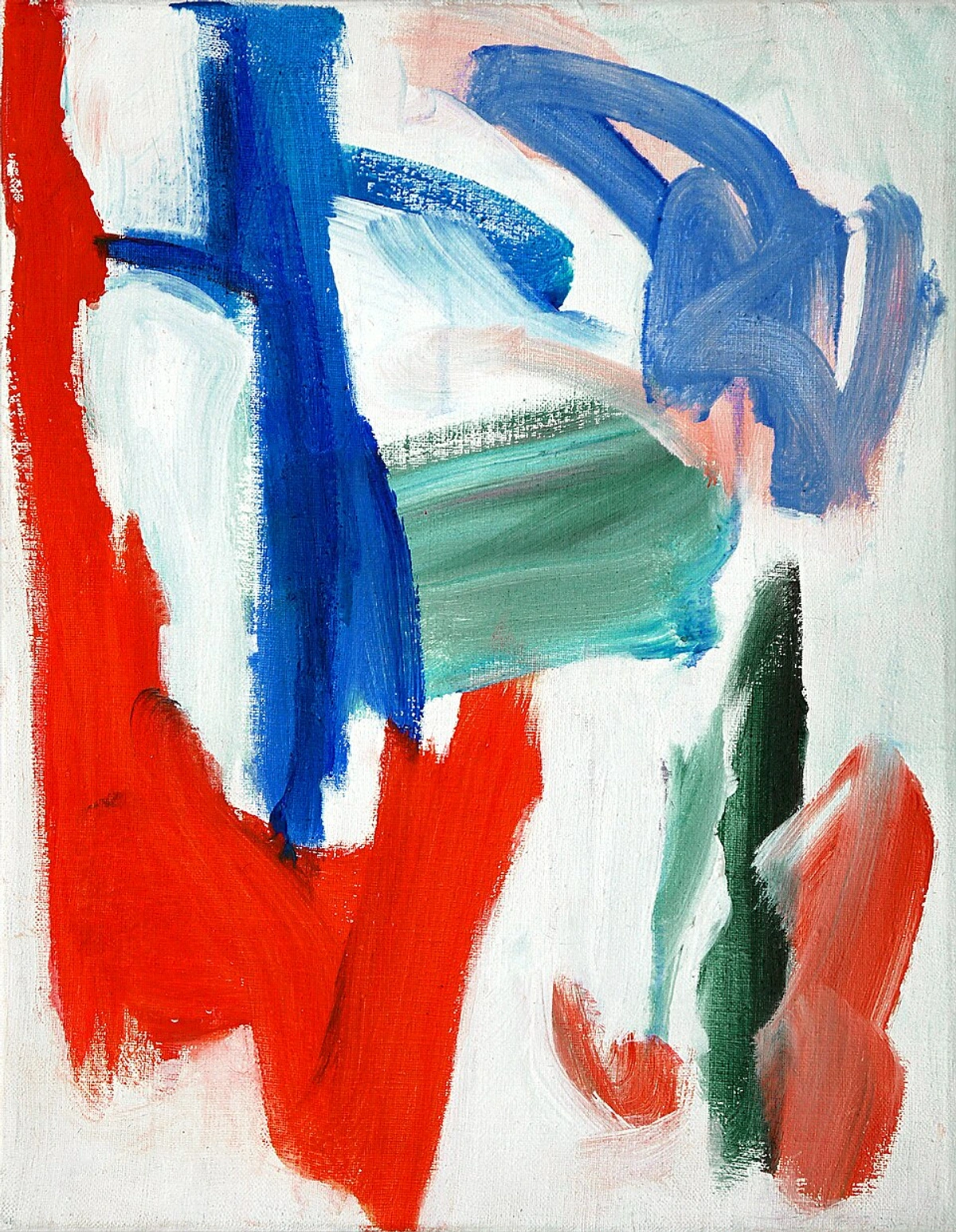
Yes, many contemporary artists draw inspiration from Léger's work. For example, artists like Zen Dageraad Visser incorporate bold colors and geometric forms into their abstract compositions. Exploring the work of contemporary artists can provide additional inspiration and insights. You can also find inspiration in the work of other modern artists who use geometric abstraction and bold colors in their artwork.
Learning from Contemporary Artists
Contemporary artists offer a wealth of inspiration and insights. By exploring their work, you can discover new techniques and styles, and gain a deeper understanding of how Léger's techniques can be adapted and applied in a modern context.
Can I use Léger's techniques in abstract art?
Absolutely! Léger's techniques are particularly well-suited to abstract art. The emphasis on geometric forms, bold colors, and dynamic compositions can help you create abstract pieces that are both visually striking and conceptually rich. Experiment with different abstract techniques, such as gestural brushstrokes or collage, to create unique and innovative artwork.
The Power of Abstraction
Abstraction offers a range of possibilities for creative expression. By using geometric forms, bold colors, and dynamic compositions, you can create artwork that is both visually striking and conceptually rich. Experiment with different techniques and styles to discover new ways of expressing yourself through your artwork.
What are some common mistakes to avoid when using Léger's techniques?
One common mistake is to focus too much on the geometric forms and neglect the importance of color and composition. Remember, Léger's work is a balance of all these elements. Another mistake is to be too rigid in your approach. While Léger's forms are geometric, they are also dynamic and fluid. Don't be afraid to experiment and take risks. Additionally, avoid overcomplicating your compositions. Sometimes, simplicity can be more powerful than complexity.
The Importance of Balance
Balance is a key element in Léger's work. By carefully balancing geometric forms, bold colors, and dynamic compositions, you can create artwork that is both visually striking and conceptually rich. Experiment with different techniques and styles to discover new ways of achieving this balance in your own artwork.
How can I learn more about Fernand Léger's life and work?
There are many resources available for learning more about Fernand Léger's life and work. You can explore books, documentaries, and online articles about his art and techniques. Visiting museums and galleries that feature his work can also provide valuable insights and inspiration. Additionally, you can join art communities and forums to connect with other artists and enthusiasts who share your interest in Léger's work.
Exploring Art Communities
Art communities offer a range of opportunities for learning and growth. By connecting with other artists and enthusiasts, you can gain new perspectives and insights, and discover new resources and techniques for exploring Léger's work and techniques.
What are some key exhibitions or museums where I can see Léger's work?
Fernand Léger's work is featured in many museums and galleries around the world. Some key exhibitions and museums include the Musée National Fernand Léger in Biot, France, the Museum of Modern Art in New York, and the Centre Pompidou in Paris. These institutions offer a comprehensive look at Léger's artistic journey and provide valuable context for understanding his techniques and influences.
Visiting Museums and Galleries
Visiting museums and galleries is a great way to gain a deeper understanding of Léger's work. By exploring his artwork in person, you can appreciate the scale, texture, and detail of his paintings, and gain new insights into his techniques and influences.
How did Léger's experiences in World War I influence his art?
Léger's experiences in World War I had a profound impact on his artistic style. The bright, industrial colors of machinery and uniforms influenced his bold use of primary colors. Additionally, the mechanical and structured nature of wartime technology inspired his geometric and tubular forms, which became a hallmark of his work.
The Impact of War on Art
War has a profound impact on art and artists. Léger's experiences in World War I shaped his artistic vision, influencing his use of color, form, and composition. By exploring the impact of war on art, you can gain a deeper understanding of how historical events shape artistic expression.
Conclusion
Fernand Léger's techniques offer a wealth of inspiration for modern artists. By embracing bold colors, geometric forms, and dynamic compositions, you can create art that is both visually striking and conceptually rich. Remember, the key is to experiment, take risks, and find your own unique voice. As Léger himself once said, "The artist's role is to create a new reality, not to imitate the old one."
Additional Resources
For further exploration, consider the following resources:
- Books: "Fernand Léger: The Complete Works" by Georges Bauquier
- Documentaries: "Fernand Léger: The Mechanic of Modern Life"
- Online Courses: "Modern Art Techniques: Inspired by Fernand Léger"
These resources will provide deeper insights into Léger's life, techniques, and the broader context of his work within the modern art movement.
The Legacy of Fernand Léger
Fernand Léger's legacy extends far beyond his own artwork. His techniques and ideas have inspired generations of artists, shaping the course of modern art. By exploring his work and techniques, you can gain a deeper understanding of the power of art to capture the essence of the modern world and inspire change.




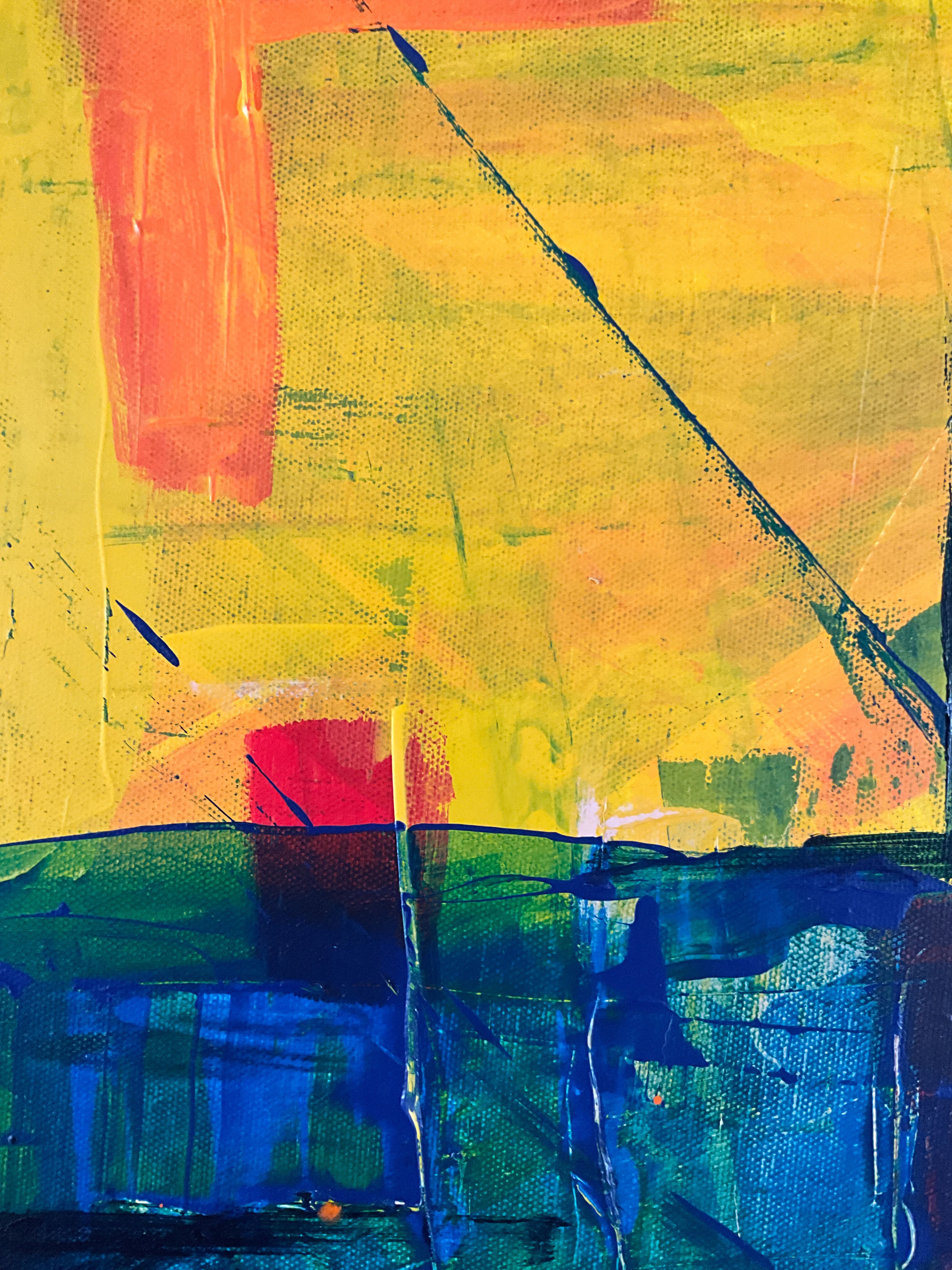


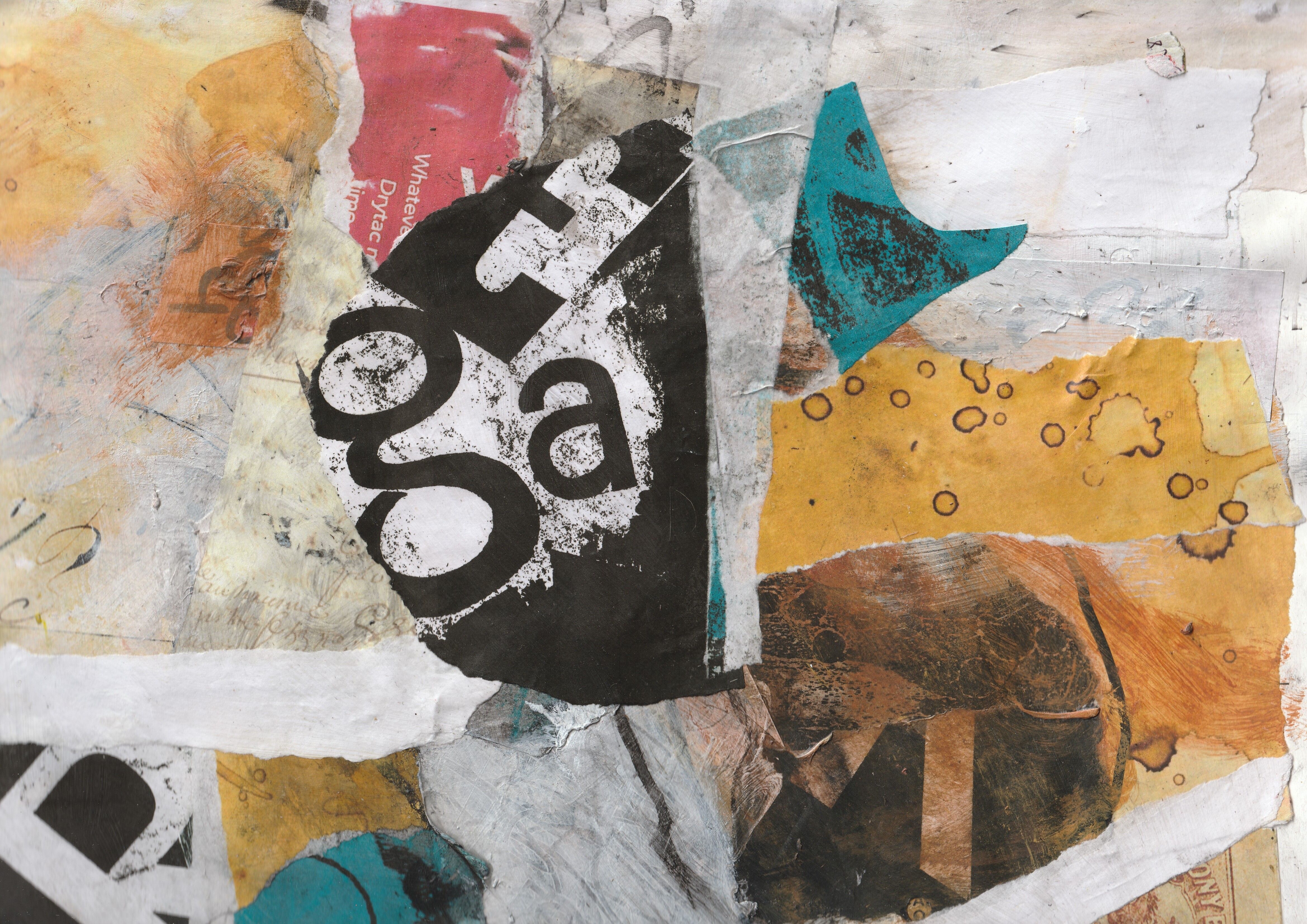


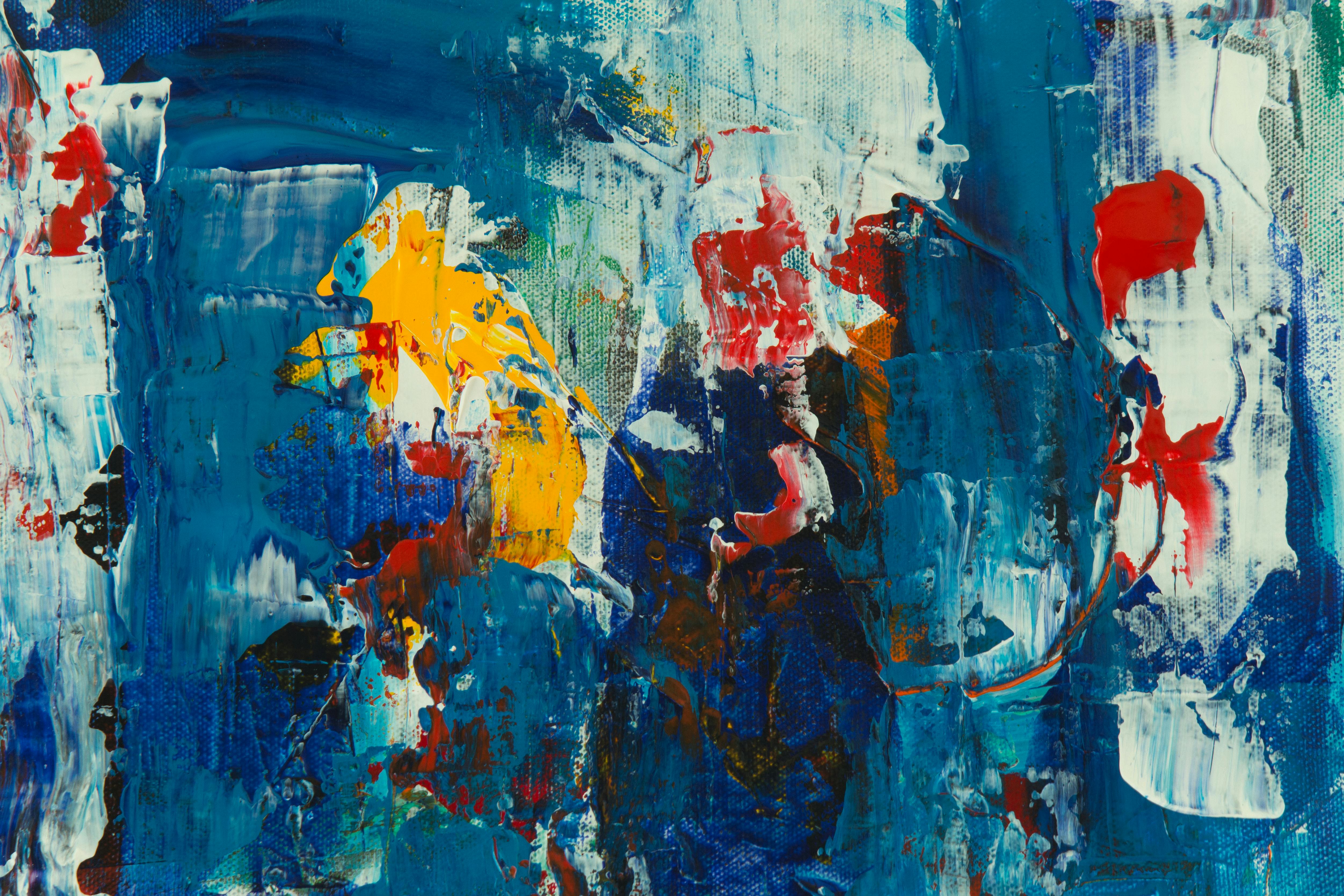


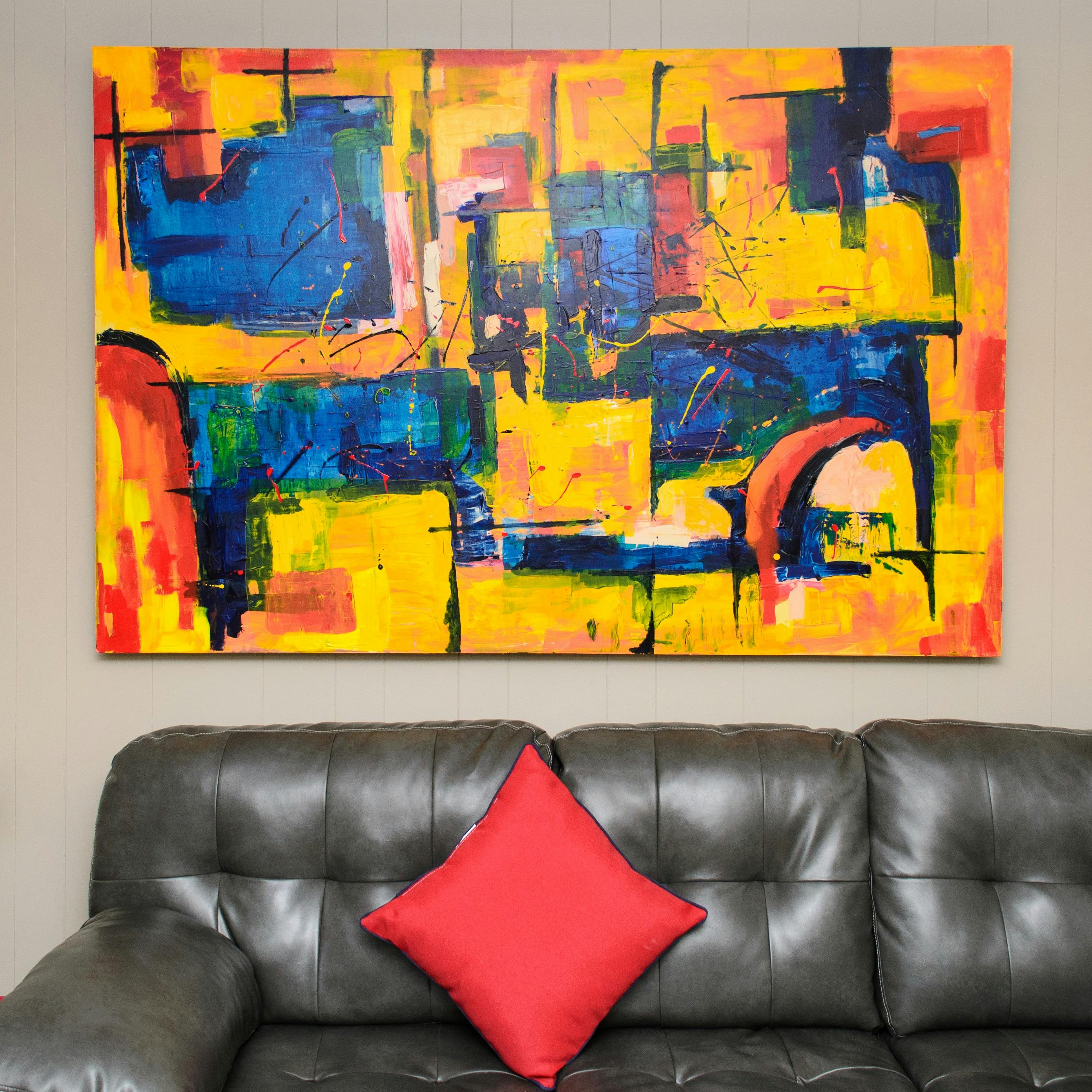

So, grab your brushes, your digital tools, or whatever medium you prefer, and start creating. The world is waiting for your bold, dynamic art. Whether you're a seasoned artist or just starting out, there's always something new to learn and explore. Keep pushing the boundaries of your creativity and never stop experimenting. The journey of artistic discovery is a lifelong adventure, and Fernand Léger's techniques are just one of the many tools you can use to make your mark on the world.