Dutch Golden Age Masterpieces: The Republic Period's Artistic Revolution
Explore the era of Rembrandt and Vermeer. A deep dive into Dutch Republic's groundbreaking art that shaped modern creativity.

Dutch Golden Age Masterpieces: The Republic Period's Artistic Revolution
Ever stand in front of a painting feeling like you could step right into another world? That’s the magic of Dutch art from the Republic period. I remember the first time I saw a Vermeer up close—that light! It felt like I was cheating, like I'd discovered a secret code hidden in plain sight for centuries. If you’ve ever wondered why Rembrandt’s portraits stare back with such haunting humanity, or how mere brushstrokes could create entire universes in tinier-than-your-living-room scenes, you’re in the right place. The Dutch Golden Age wasn’t just painting; it was humanity pouring its soul onto canvas, capturing joy and sorrow with breathtaking candor. Let’s unravel why this 17th-century art movement continues to breathe life into our contemporary world.
The Historical Significance of the Dutch Golden Age
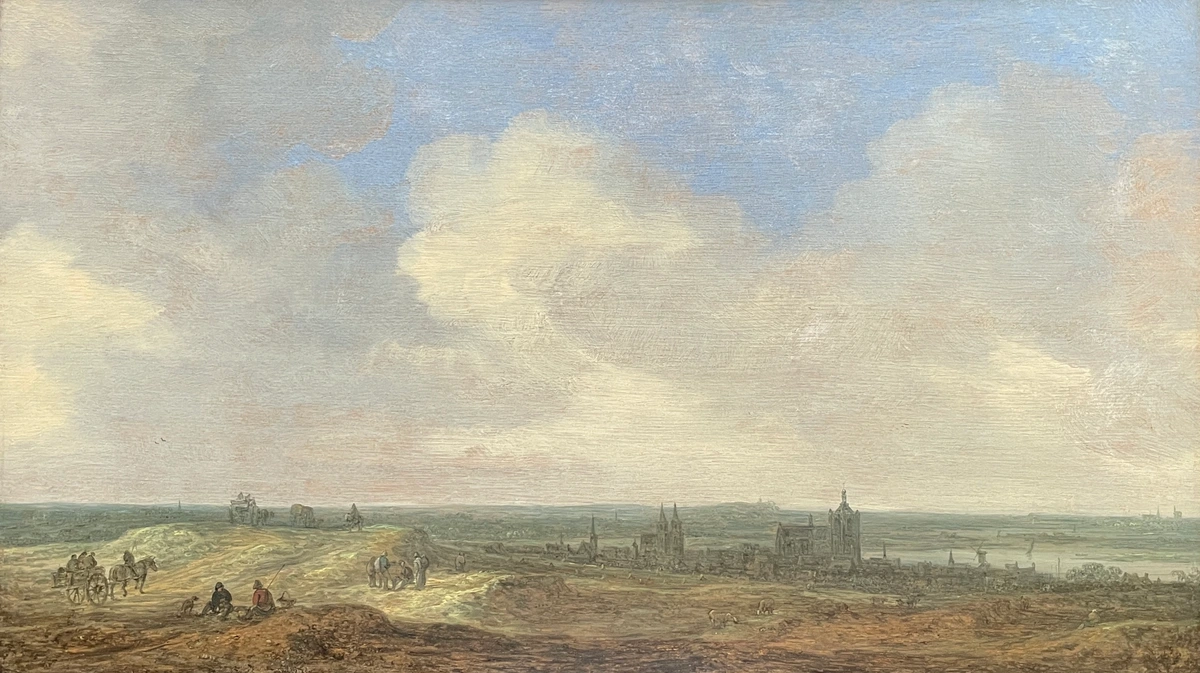
The Dutch Golden Age, spanning the 17th century, was a period of unparalleled cultural, economic, and artistic flourishing in the Netherlands. This era was marked by the Dutch Republic's independence from Spanish rule, which fueled a sense of national identity and pride. The newly formed republic, with its thriving trade networks and burgeoning middle class, created a fertile ground for artistic innovation. Unlike other European art movements of the time, which were often commissioned by the church or aristocracy, Dutch art was driven by the tastes and values of wealthy merchants and guilds. This shift in patronage democratized art, making it accessible and relatable to a broader audience.
The Essence of Dutch Golden Age Art
The Dutch Golden Age was a period of unparalleled creativity and innovation. It was a time when artists like Rembrandt, Vermeer, and Frans Hals transformed everyday life into timeless masterpieces. Their works were not just paintings; they were windows into the soul of a nation. This era was marked by a unique blend of realism, emotional depth, and technical mastery that continues to inspire artists and art lovers alike.
Key Characteristics of Dutch Golden Age Art
- Realism: Dutch artists focused on depicting everyday life with meticulous detail, capturing the essence of their surroundings.
- Emotional Depth: The works of this era are renowned for their ability to convey deep emotions and psychological insights.
Why the Dutch Golden Age Resonates Today
The Dutch Golden Age wasn’t just a historical footnote; it was a cultural explosion that redefined art, commerce, and society. The innovations and themes from this era continue to influence contemporary art, making it a timeless source of inspiration for artists and art lovers alike. The emphasis on realism, light, and everyday life has left an indelible mark on modern art movements, from Impressionism to photorealism.
The Influence on Modern Art Movements
The Dutch Golden Age laid the groundwork for many modern art movements. Its emphasis on realism and everyday life can be seen in the works of Impressionists like Monet and Degas, who sought to capture fleeting moments of modern life. Similarly, the attention to light and texture in Dutch paintings influenced the development of photorealism in the 20th century. Artists like Chuck Close and Richard Estes have drawn inspiration from the meticulous techniques of Dutch masters, creating hyper-realistic works that echo the precision and detail of Vermeer and Rembrandt.
The Timelessness of Dutch Art
What makes Dutch Golden Age art so enduring? It’s the ability to capture the essence of humanity in all its forms. Whether it’s the quiet dignity of a milkmaid or the boisterous energy of a tavern scene, these paintings speak to universal experiences. They remind us that art is not just about grand themes but about the beauty and complexity of everyday life.
The Historical Context of the Dutch Golden Age
The Dutch Golden Age, spanning roughly the 17th century, was a period of unprecedented cultural, economic, and artistic flourishing in the Netherlands. This era was marked by the Dutch Republic's independence from Spanish rule, which fueled a sense of national identity and pride. The newly formed republic, with its thriving trade networks and burgeoning middle class, created a fertile ground for artistic innovation. Unlike other European art movements of the time, which were often commissioned by the church or aristocracy, Dutch art was driven by the tastes and values of wealthy merchants and guilds. This shift in patronage democratized art, making it accessible and relatable to a broader audience.
The Role of Independence
The Dutch Republic's independence from Spain was a turning point in its history. It allowed the Dutch to forge their own identity and values, which were reflected in their art. The themes of freedom, prosperity, and civic pride became central to Dutch Golden Age paintings, setting them apart from the religious and mythological themes prevalent in other European art movements.
Why the Dutch Golden Age Matters Today
The Dutch Golden Age wasn’t just a historical footnote; it was a cultural explosion that redefined art, commerce, and society. The innovations and themes from this era continue to influence contemporary art, making it a timeless source of inspiration for artists and art lovers alike.
The Influence on Modern Art Movements
The Dutch Golden Age laid the groundwork for many modern art movements. Its emphasis on realism and everyday life can be seen in the works of Impressionists like Monet and Degas, who sought to capture fleeting moments of modern life. Similarly, the attention to light and texture in Dutch paintings influenced the development of photorealism in the 20th century. Artists like Chuck Close and Richard Estes have drawn inspiration from the meticulous techniques of Dutch masters, creating hyper-realistic works that echo the precision and detail of Vermeer and Rembrandt.
The Dutch Republic: A Canvas for Creativity
Imagine building a nation literally from water. That’s what the Dutch did – creating the Dutch Republic by reclaiming land from the sea through intricate dikes and canals. This engineering prowess wasn’t just about land; it mirrored their artistic philosophy. During the 80-year war against Spain (1568-1648), independence birthed a Protestant society where commerce trumped aristocracy. Suddenly, wealthy merchants and guild masters – not kings and popes – became the new art patrons. They didn’t want biblical grandeur; they wanted their world reflected back at them. And oh, how it was. Dutch Golden Age art democratized beauty, making ordinary objects and everyday people subjects worthy of eternity.
The Role of Trade and Commerce
The Dutch Republic’s global trade network was the lifeblood of its artistic revolution. The influx of exotic goods, pigments, and ideas from distant lands fueled the creativity of Dutch artists. The trade routes brought lapis lazuli from Afghanistan for ultramarine blue and cobalt from colonial mines, enabling artists to create vibrant and lifelike masterpieces. This interconnectedness of trade and art was unique to the Dutch Golden Age and set it apart from other European art movements.
Why These Paintings Still Whisper to Us
What makes a 400-year-old painting feel like it’s nodding along to your favorite song? It’s the unflinching humanity. Unlike Baroque extravaganzas elsewhere, Dutch painters embraced the ordinary with extraordinary reverence. They painted tulips like they were saints, milkmaids like they were goddesses, and stormy seas like they carried epic journeys. There’s a quiet intimacy in these works – a secret understanding between artist and viewer that transcends time. It’s no wonder contemporary artists continually draw from this well of authentic observation. These masters weren’t just painting; they were journaling collective identity through light, texture, and raw human emotion.
The Emotional Depth of Dutch Art
Dutch Golden Age paintings are renowned for their emotional depth and psychological insight. Artists like Rembrandt and Vermeer had an uncanny ability to capture the inner lives of their subjects, revealing their thoughts, emotions, and vulnerabilities. This focus on the human experience resonates with contemporary audiences, who are drawn to the authenticity and relatability of these works. Whether it’s the contemplative gaze of a Vermeer subject or the raw emotion of a Rembrandt portrait, Dutch art invites viewers to connect with the universal aspects of the human condition.
The Influence on Modern Art
The Dutch Golden Age’s emphasis on realism and everyday life has had a profound impact on modern art. From impressionism to photorealism, the techniques and themes pioneered by Dutch artists continue to resonate. The focus on light, texture, and human emotion has inspired countless artists to explore the beauty in the mundane and the extraordinary in the ordinary.
The Architects of Dutch Brilliance
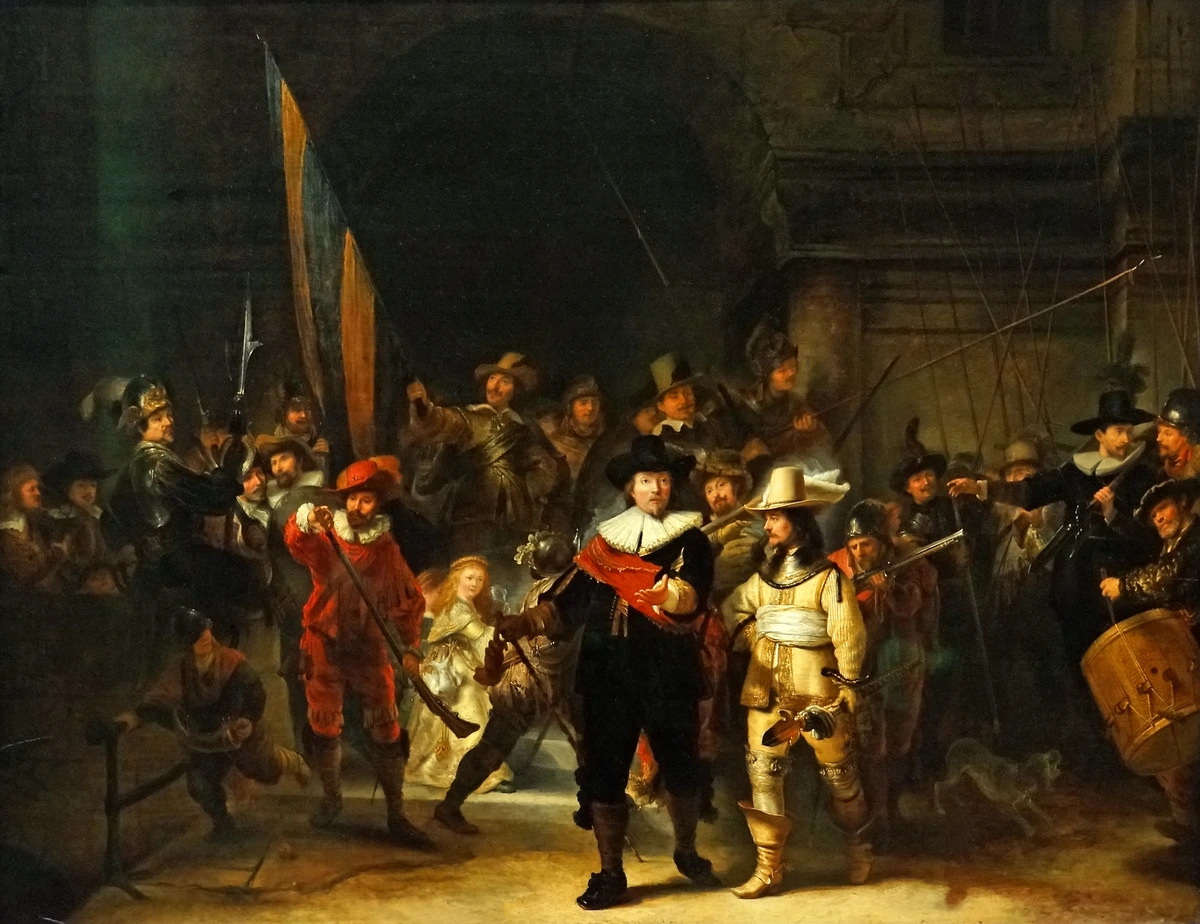
Rembrandt van Rijn: The Soul of Amsterdam
[credit]Rembrandt, [licence]Public Domain
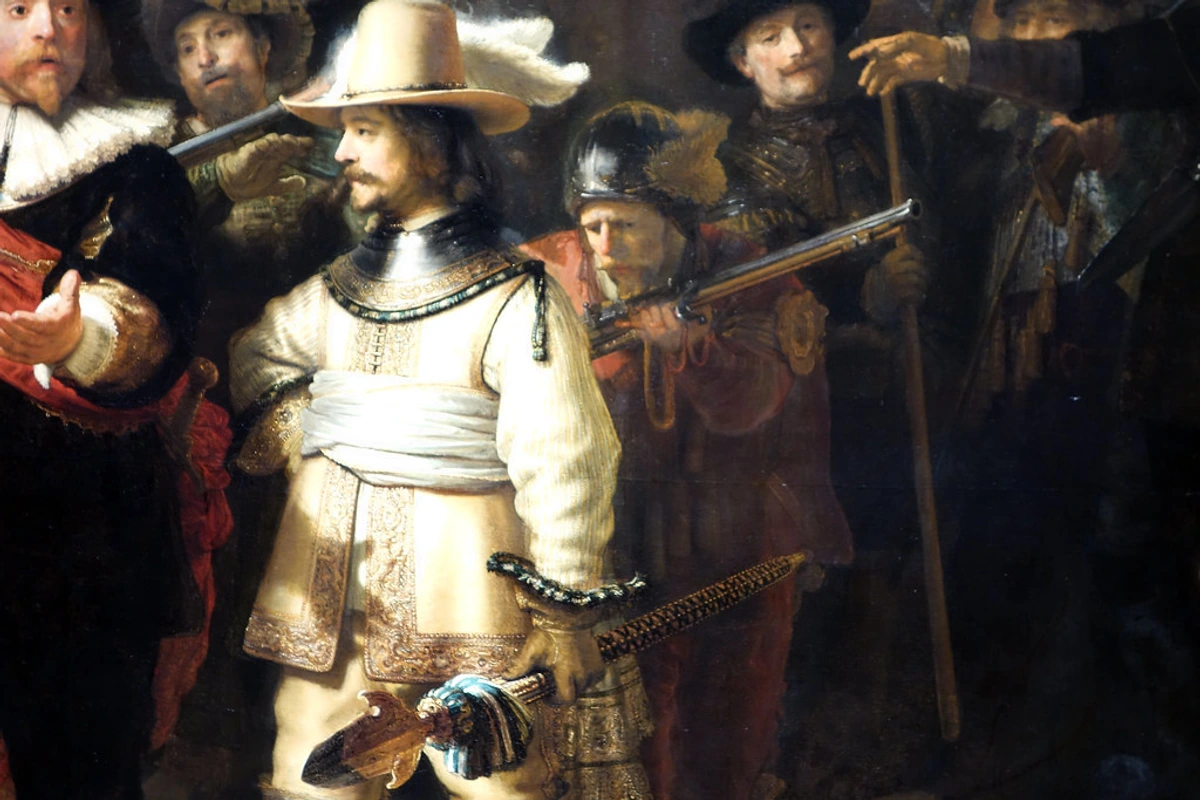
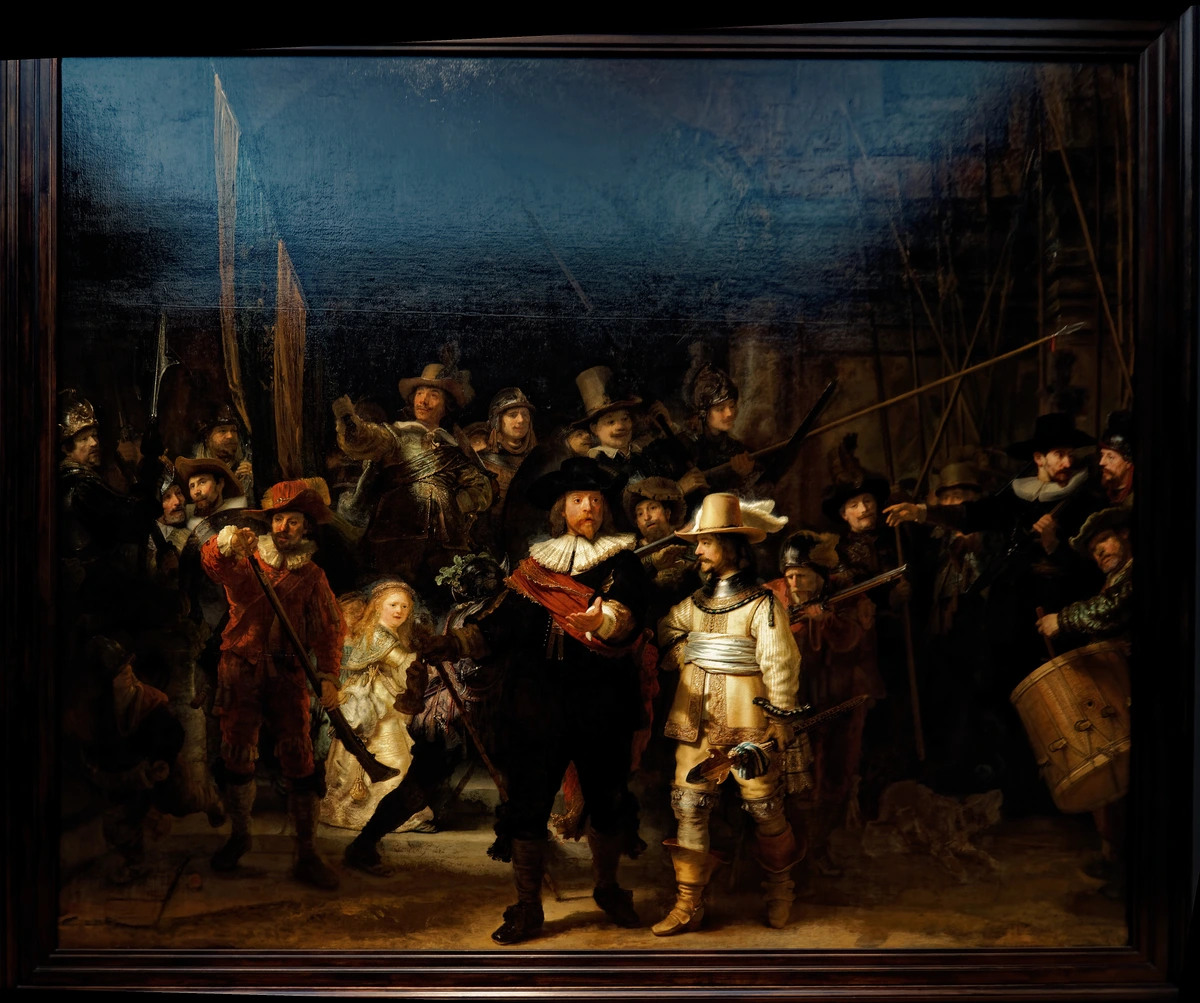
If Dutch painting had a heartbeat, it would beat in Rembrandt’s chest. His genius? Finding poetry in imperfection. Watch how he captures a single wrinkle or the slump in a weary shoulder. The world was obsessed with perfection in his time; Rembrandt celebrated scars and shadows. Take The Night Watch – isn’t it wild how he turned a militia portrait into a motion masterpiece? Soldiers burst into three-dimensional space, cloaks swirling, muskets firing. It’s like he discovered cinematic technique centuries before film existed. And then there’s his light – that chiaroscuro technique that feels like God’s spotlight illuminating the soul’s theater. Rembrandt didn’t paint people; he painted their souls wearing skin suits.
Rembrandt's Legacy
Rembrandt’s influence extends far beyond his lifetime. His innovative use of light and shadow, his ability to capture human emotion, and his mastery of composition have inspired generations of artists. His works are studied in art schools worldwide, and his techniques continue to be emulated by contemporary artists seeking to convey depth and humanity in their work.
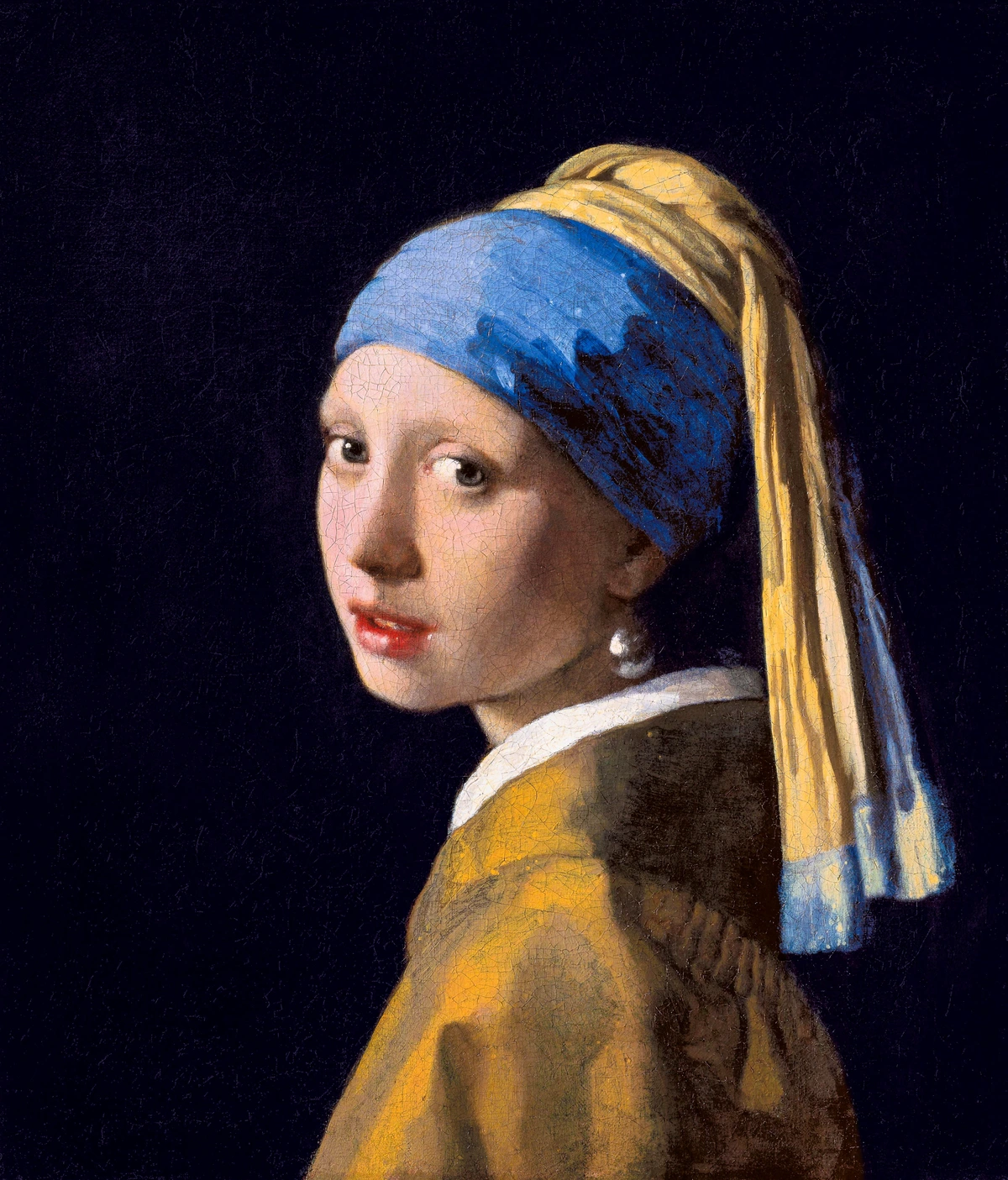
Johannes Vermeer: The Poet of Patience
[credit]Johannes Vermeer, [licence]Public Domain
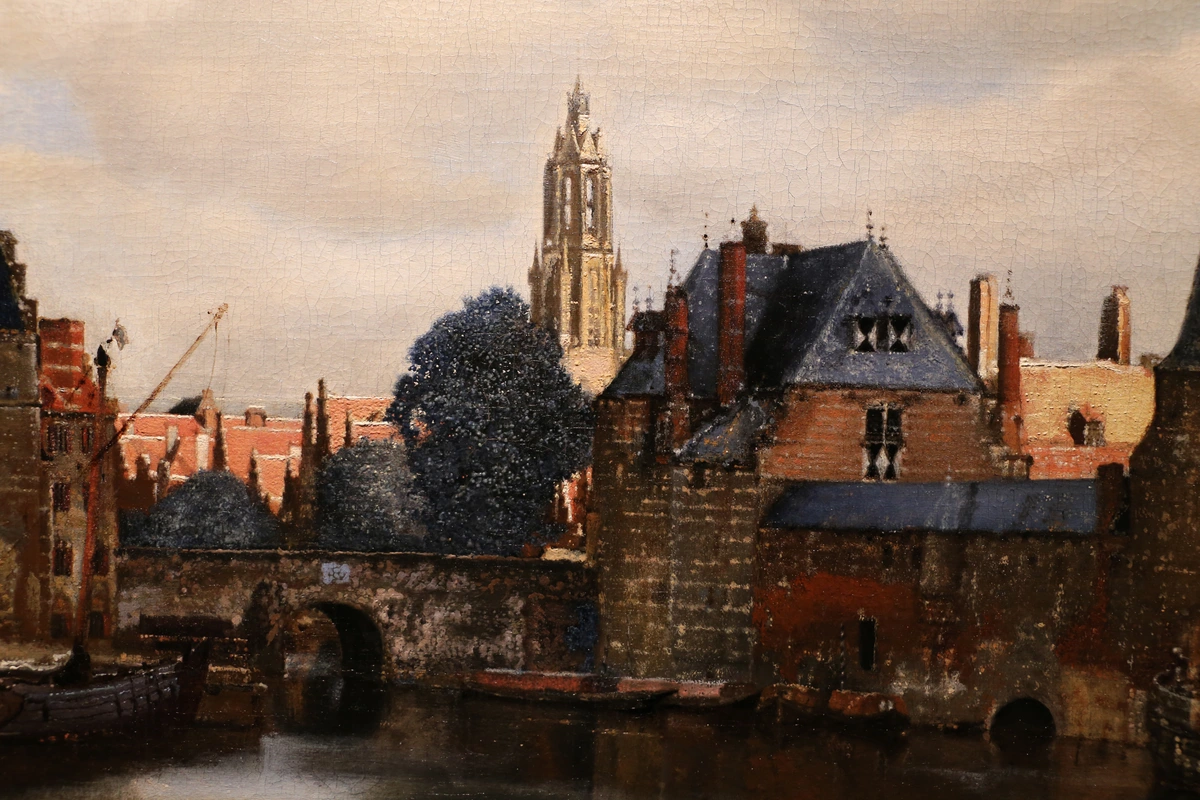
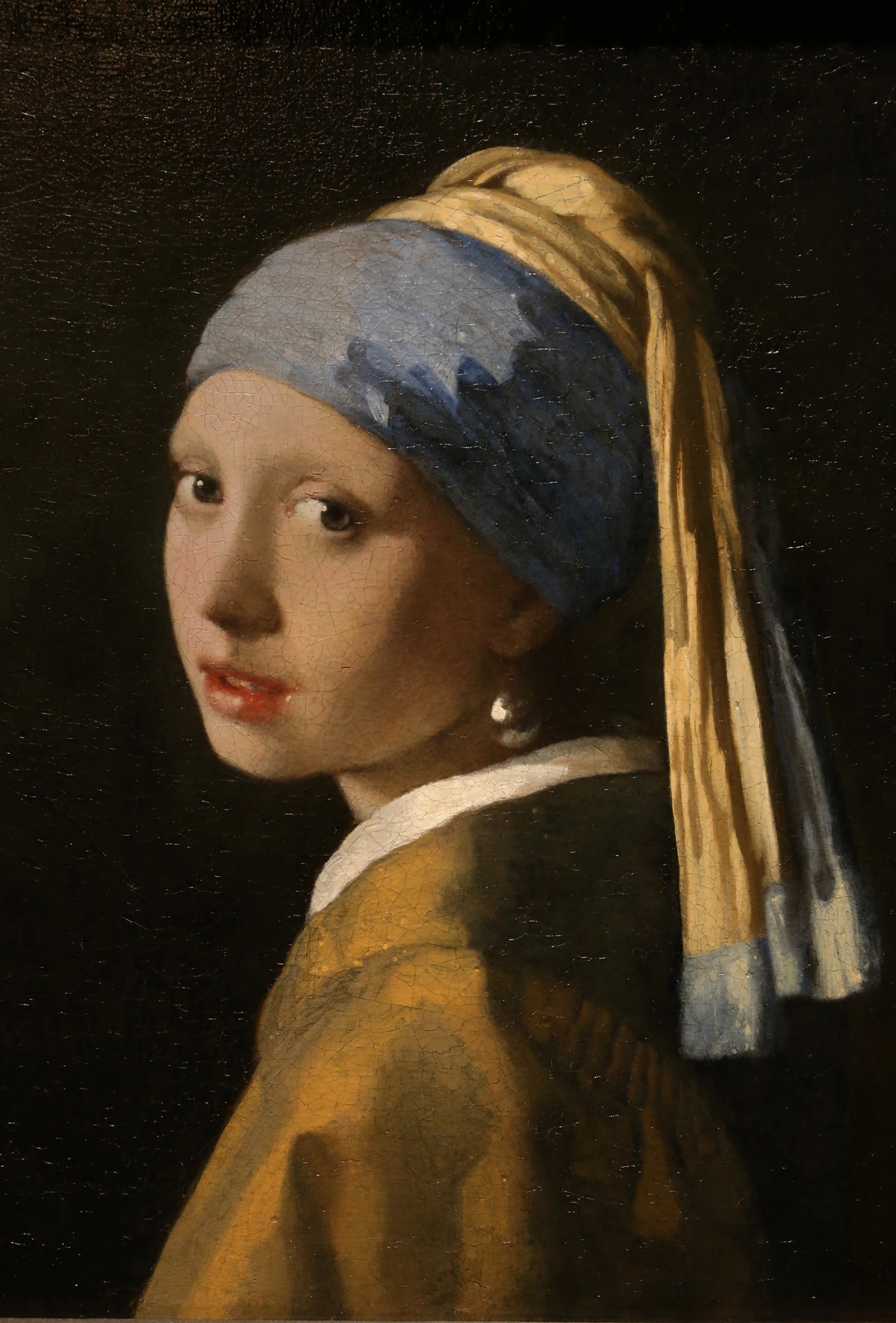
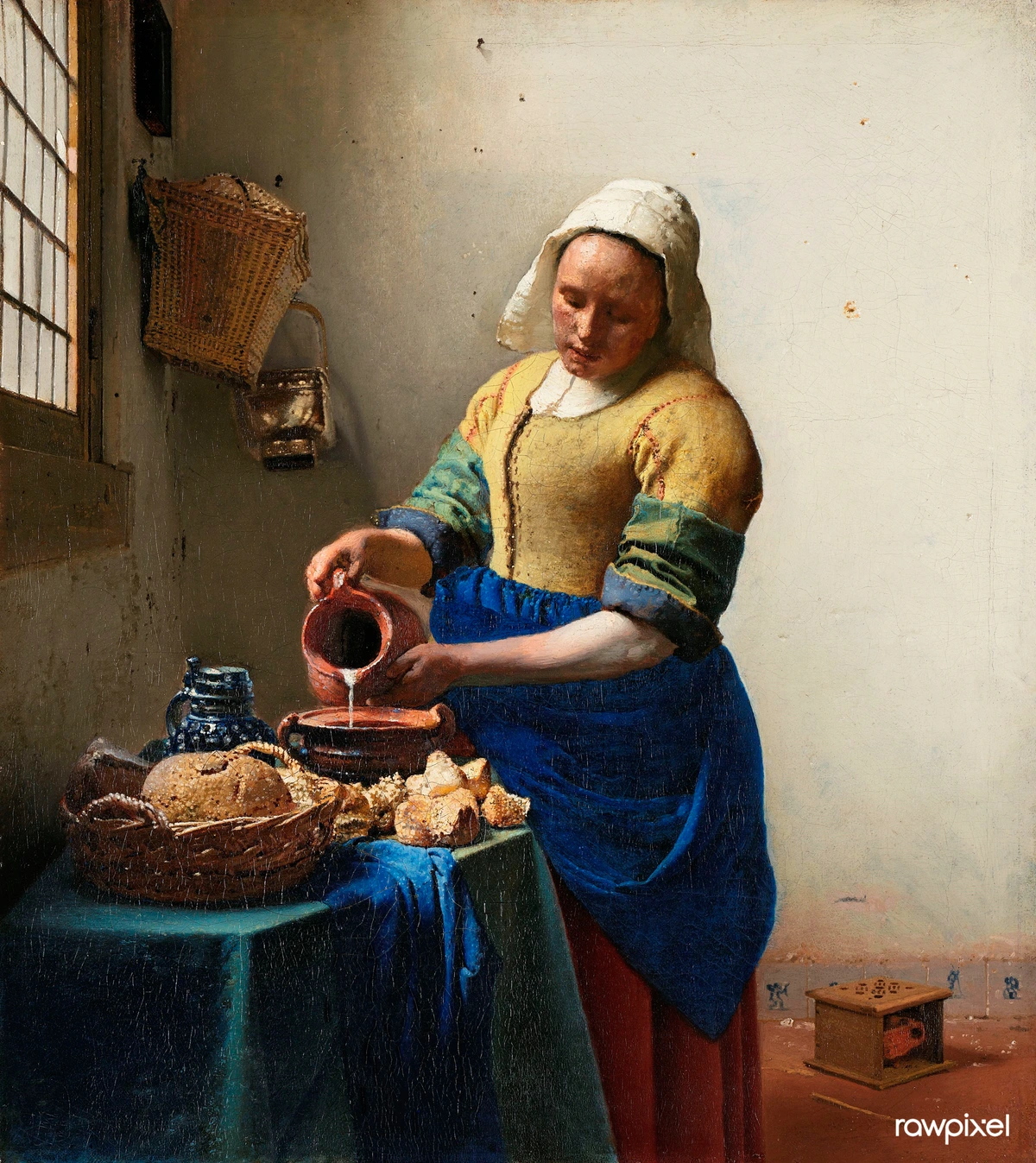
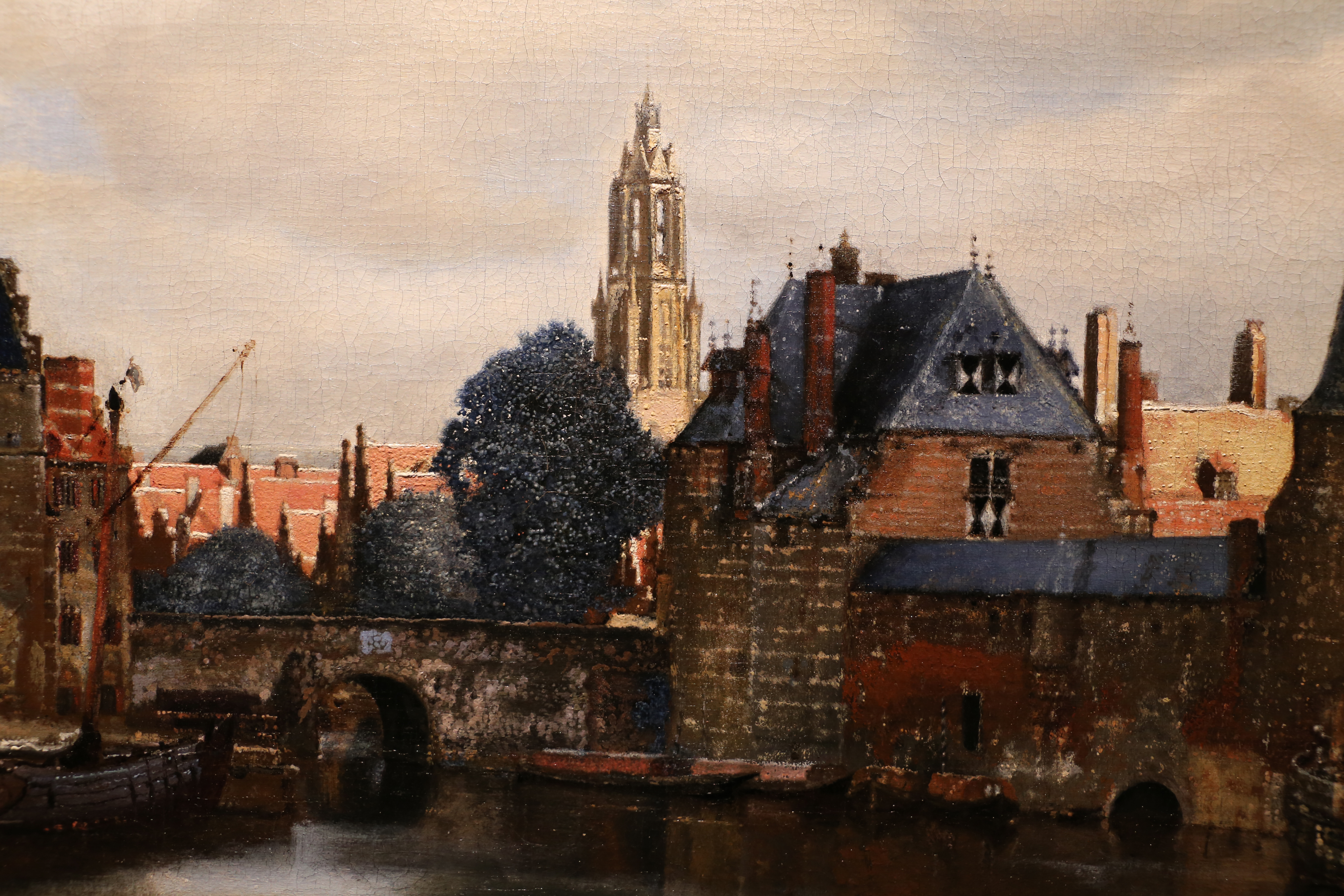
While Rembrandt shouted into the void, Vermeer whispered secrets. His paintings are sonnets in oil – each brushstroke a carefully chosen note. How did he make a wall look like it hummed with resonance? Vermeer used camera obscura (early photography tech) to capture light’s dance with mathematical precision. His subjects? Not dramatic battles, but stillness itself. A woman pouring milk. A girl reading a letter. Yet in these mundane scenes, he achieved something extraordinary – eternal suspended moments. That pearl earring isn’t jewelry; it’s a metaphor for how art captures light and life itself. We’re still chasing that quiet magic today, centuries later.
Vermeer's Techniques
Vermeer’s use of the camera obscura allowed him to achieve a level of realism and depth that was unparalleled in his time. His meticulous attention to detail and his ability to capture the interplay of light and shadow have made his works timeless. His paintings are a testament to the power of observation and the beauty of everyday life.
Frans Hals: The Master of Movement
Hals painted portraits that looked like they moved when you blinked. Notice how his brushwork – visible from inches away – vanishes when you step back, creating flowing hair, crumpled lace, and laughter in motion. His technique? Pure spontaneity. Compare his Merry Drinker with Rembrandt’s self-portraits. Hals captured the euphoria of a moment; Rembrandt plumbed the depths of a lifetime. Both masters proved that Dutch art wasn’t just about what was painted, but how it was painted.
Hals' Influence on Portraiture
Hals’ ability to capture movement and spontaneity in his portraits revolutionized the genre. His loose, expressive brushwork and his focus on the fleeting moments of human emotion have influenced portrait artists for centuries. His works are a celebration of life’s vibrancy and the beauty of the human spirit.
Vermeer Competitors: The Genre Scene Revolution
Beyond the superstars, an entire army of artists reshaped art history. Gerard Dou painted tabletops with such microscopic detail you could count dust motes. Pieter de Hooch painted sun-drenched courtyards where light bounced through archways like liquid gold. Jan Steen? The master of controlled chaos. His feasting rooms had spilled food, arguing figures, and mischievous children – life in all its messy glory. These weren’t just decorators; they were sociologists with paintbrushes, documenting everything from market stalls to intimate conversations.
The Role of Women in Dutch Art
While the Dutch Golden Age is often celebrated for its male artists, women also played a significant role in shaping the art of the period. Artists like Judith Leyster, Clara Peeters, and Rachel Ruysch broke barriers and achieved recognition for their work. Ruysch’s flower paintings were particularly coveted, and her works were highly sought after by collectors and royalty alike.
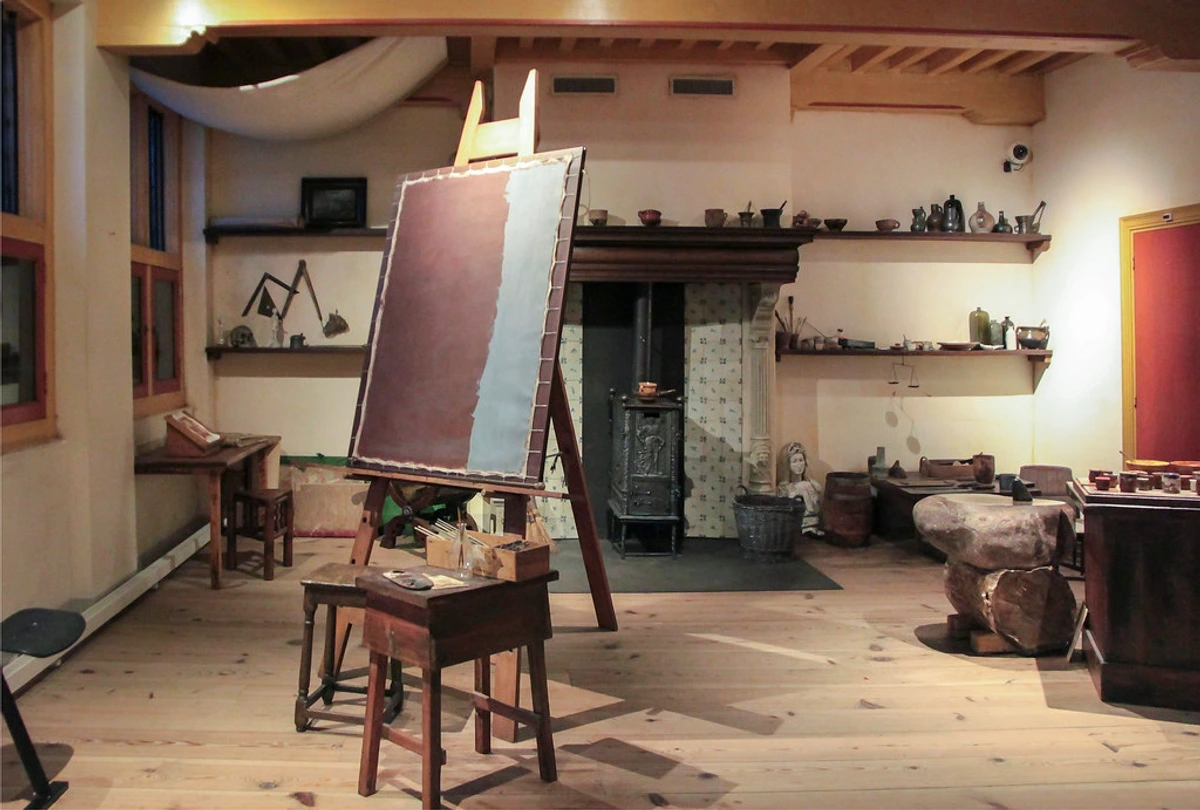
Unlocking the Dutch Technique: Materials and Magic
How did they achieve this? The Dutch were chemists as much as artists. They revolutionized oil painting by:**
- Glazing: Building translucent layers for jewel-like depth
- Pigment Innovation: Creating brilliant blues from lapis lazuli imported from Afghanistan
- Light Control: Using white lead to achieve that ethereal, luminous effect
Here’s how Dutch materials evolved painting:
Innovation  | Effect on Art | Notable Example |
|---|---|---|
| Oil Glazing | Created depth and luminosity | Vermeer’s pearls and fabrics |
| Precise Brushwork | Captured texture realistically | Hals’ flowing lace cloaks |
| Camera Obscura | Achieved photorealistic perspective | Vermeer’s spatial accuracy |
| Limited Palette | Created harmonious color schemes | Rembrandt’s earthy browns and golds |
The Evolution of Dutch Techniques
The techniques developed during the Dutch Golden Age were not static; they evolved over time as artists experimented and innovated. The use of glazing, for example, allowed artists to create depth and luminosity that was previously unattainable. Similarly, the camera obscura enabled artists like Vermeer to achieve a level of realism that was groundbreaking for its time. These innovations continue to influence artists today, demonstrating the enduring legacy of Dutch techniques.
The Lasting Legacy: Why We Still Need Dutch Masters
We’re disconnected in pixels; they connected in paint. During the Dutch Republic, art became accessible beyond elite circles. You could own a piece of eternity without being royalty. That democratic spirit resonates today. When I see contemporary artists exploring similar themes, I sense the same DNA: finding extraordinary narratives in seemingly ordinary moments. The Dutch didn’t paint history; they painted humanity becoming self-aware. And that? That never gets old.
The Democratic Spirit of Dutch Art
The Dutch Golden Age was a time when art became accessible to a broader audience. The focus on everyday life and ordinary people made art relatable and meaningful to a wider range of people. This democratic spirit continues to inspire artists today, reminding us that art is not just for the elite but for everyone.
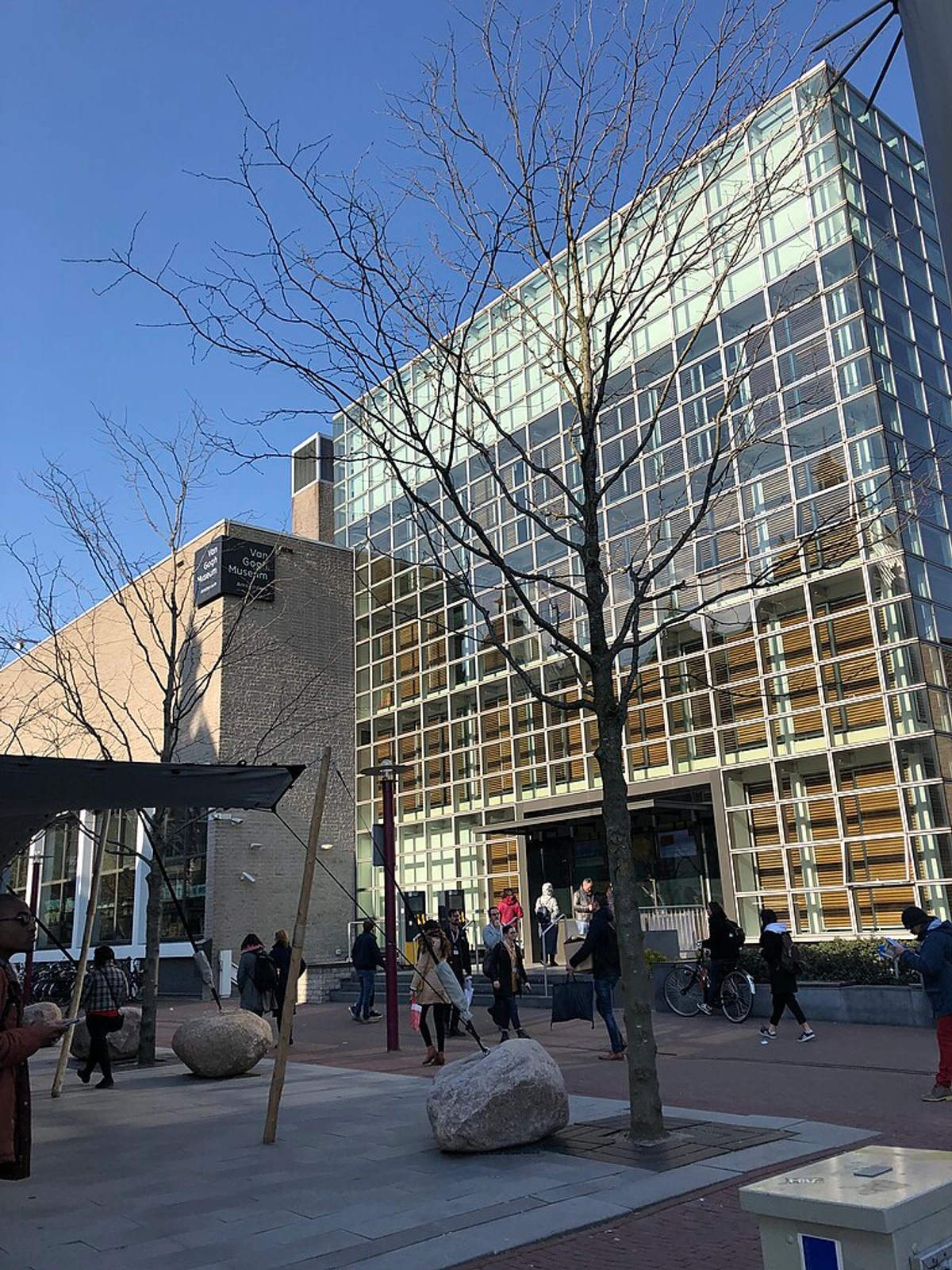
Where Witnessing Dutch Art Comes Alive
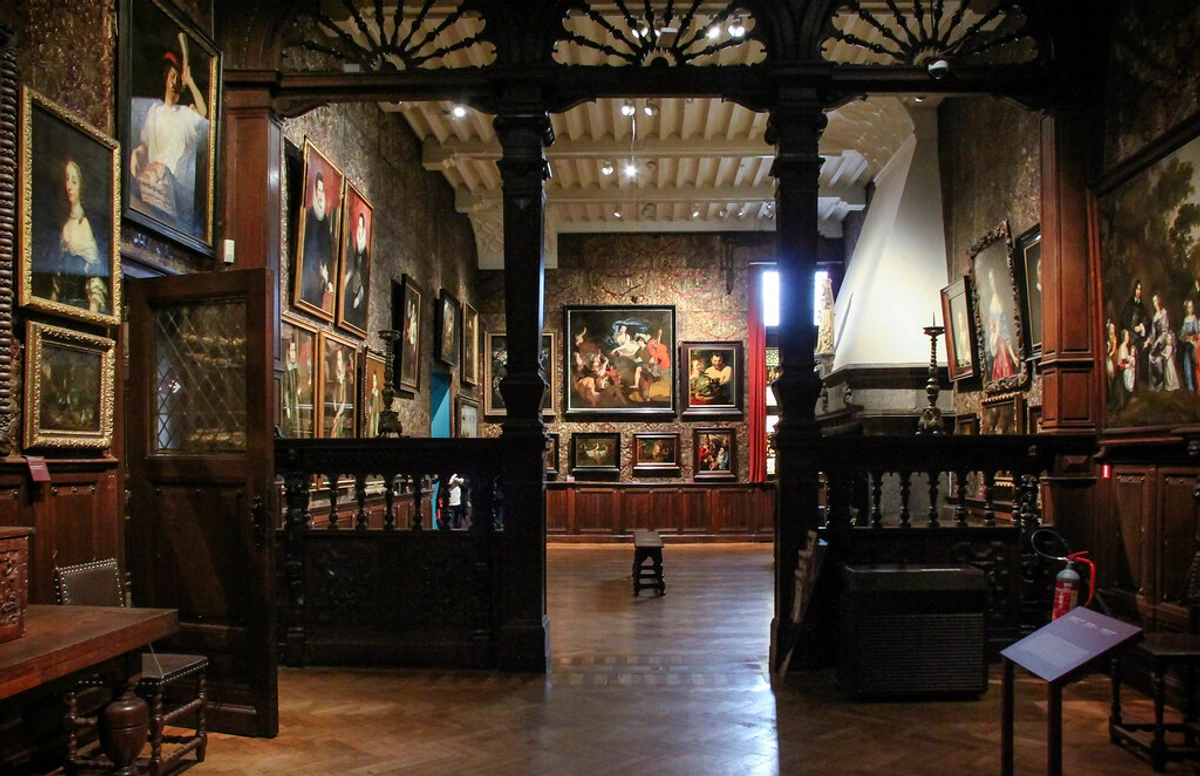
You can’t fully grasp these works through reproductions. To witness Vermeer’s actual brushwork or see Rembrandt’s textures up close? It’s visceral. Must-visit meccas include:
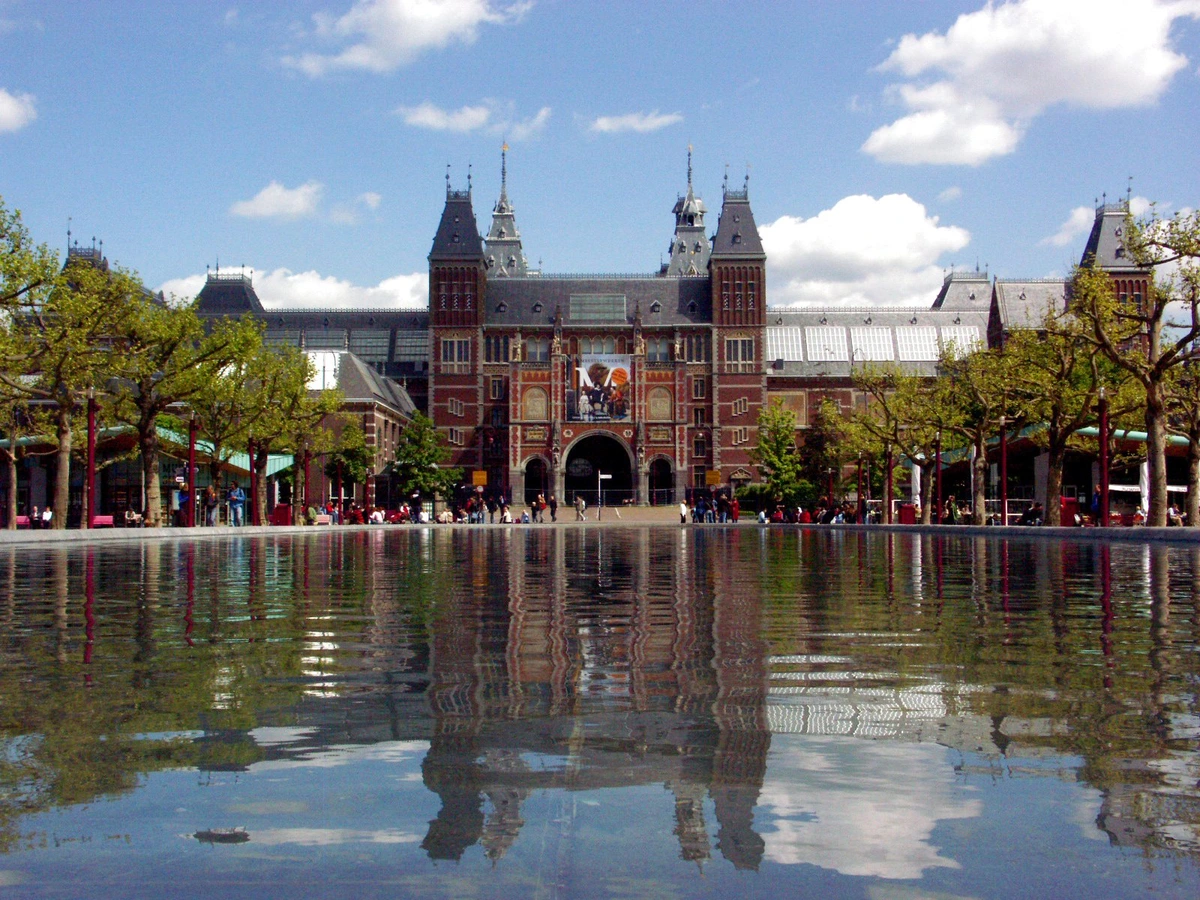
- Rijksmuseum (Amsterdam) – Home to Rembrandt and Vermeer’s Dutch masterpieces
- Mauritshuis (The Hague) – Girl with a Pearl Earring’s sanctuary
- Den Bosch Museum – A lesser-known gem for regional talent
Exploring Dutch Art Beyond the Museums
While museums are the best places to see Dutch masterpieces, there are other ways to explore Dutch art. Many cities in the Netherlands have walking tours that focus on the history and art of the Dutch Golden Age. Additionally, online resources and virtual tours provide opportunities to explore Dutch art from anywhere in the world.## FAQ: Dutch Republic Painting Unraveled
Q: Why did Dutch painting flourish specifically during the Republic period?
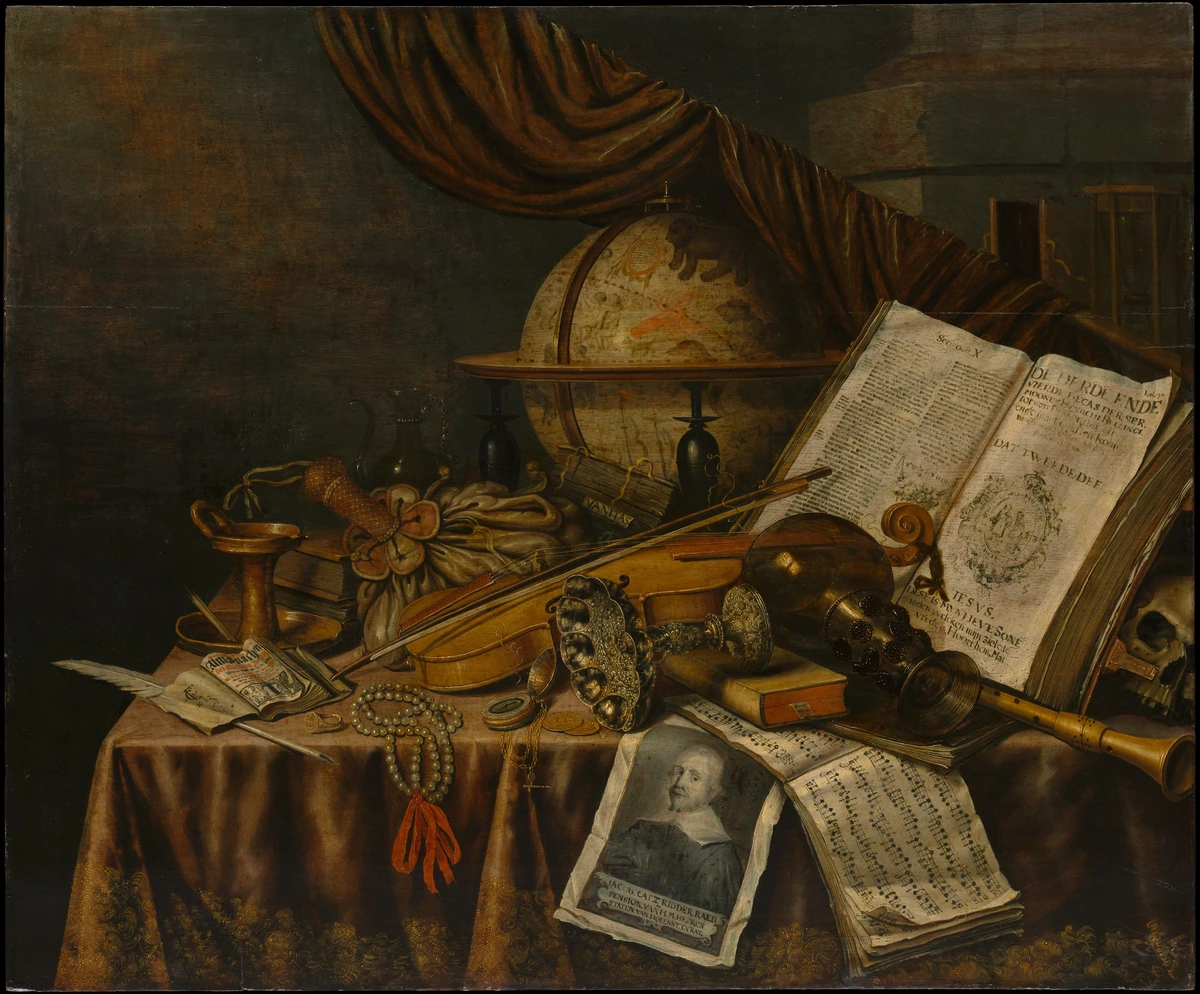
A: After independence, wealthy merchants replaced royalty as art patrons. They commissioned art reflecting their lives, values, and success – hence floods of portraits of rich families, landscapes of reclaimed land, and still lifes of exotic goods (spoiler: tulips were basically stock market trading).
Q: What’s “genre painting” and why was it revolutionary?
A: It’s scenes of everyday Dutch life – a baker at work, a tavern brawl, a child playing. This was groundbreaking because before this, painting focused on religious/mythological themes. Dutch artists elevated ordinary people to canvas immortality.
Q: Were female artists allowed to contribute during this era?
A: While largely overlooked at the time, yes! Judith Leyster, Clara Peeters, and Rachel Ruysch broke barriers. Ruysch’s flower paintings were so coveted, royalty fought over them – she made more Rembrandt during her lifetime. Imagine that.
Q: How did trade impact paint materials?
A: It was everything! Ultramarine blue came from lapis lazuli imported from Afghanistan (more expensive than gold!). Cobalt came from mines conquered in colonial ventures. The Dutch Republic’s global trade network provided the very pigments that fueled their artistic revolution.
Q: Is it true wealthy people bought art like stocks?
A: Absolutely! During the Tulip Mania craze (1634-1637), paintings became investment vehicles. Some merchants owned portfolios of Rembrandts and Vermeers like we hold stock portfolios. Art wasn’t just passion; it was commerce – a perfect mirror of the Dutch Republic itself.
Q: Why does light dominate Dutch so much?
A: Think about it: flat landscapes, cloudy skies, misty canals. Light was the storyteller. Artists like Vermeer and Ruisdael became obsessed with how light behaves – rain on canals, sun through windows, reflections in puddles. They weren’t just painting objects; they were painting light’s relationship with them. Pure magic.
Q: What are some lesser-known Dutch Golden Age artists?
A: While Rembrandt and Vermeer are the most famous, there were many other talented artists during the Dutch Golden Age. Artists like Gerard Dou, Pieter de Hooch, and Jan Steen made significant contributions to the genre scene revolution. Their works are celebrated for their attention to detail and their ability to capture the essence of everyday life.
Q: How can I learn more about Dutch Golden Age art?
A: There are many resources available for those interested in learning more about Dutch Golden Age art. Museums like the Rijksmuseum and Mauritshuis offer extensive collections and educational programs. Additionally, online resources and books provide in-depth information about the artists, techniques, and themes of the Dutch Golden Age.
Q: What is the significance of the Dutch Golden Age in art history?
A: The Dutch Golden Age is significant because it marked a shift from religious and mythological themes to everyday life and ordinary people. This democratization of art made it accessible to a broader audience and influenced modern art movements like Impressionism and photorealism.
Q: How did the Dutch Golden Age influence modern art?
A: The Dutch Golden Age’s emphasis on realism, light, and everyday life has had a profound impact on modern art. From Impressionism to photorealism, the techniques and themes pioneered by Dutch artists continue to resonate with contemporary artists.


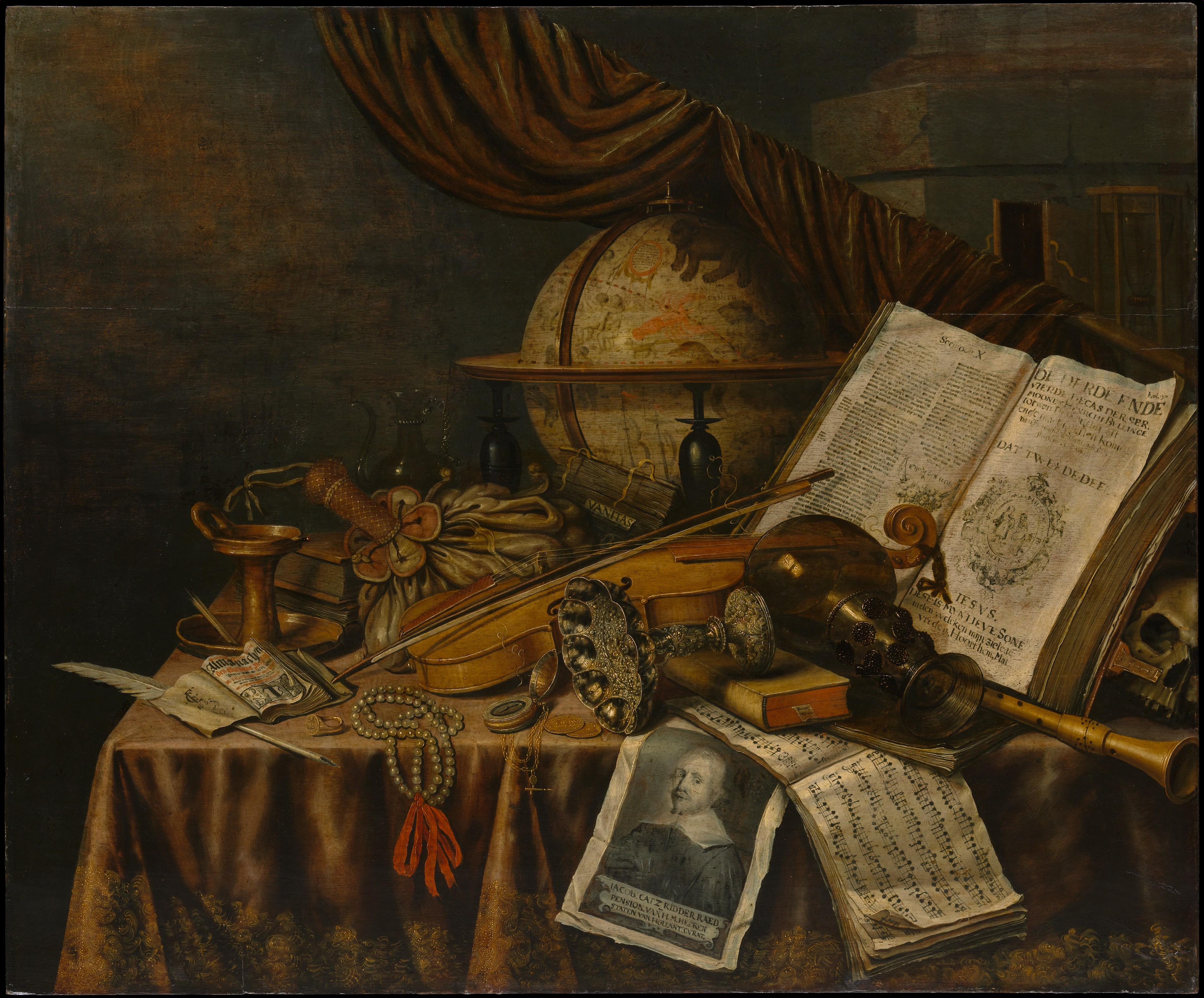


Q: What is the enduring appeal of Dutch Golden Age art?
A: The enduring appeal of Dutch Golden Age art lies in its ability to capture the essence of humanity. The focus on everyday life, the mastery of light and shadow, and the celebration of the ordinary have made these works timeless. They remind us that art is not just about grand themes and heroic figures but about the beauty and complexity of everyday life.
Q: What is the role of women in Dutch Golden Age art?
A: Women played a significant role in Dutch Golden Age art, despite being often overlooked. Artists like Judith Leyster, Clara Peeters, and Rachel Ruysch achieved recognition for their work. Ruysch’s flower paintings, in particular, were highly sought after by collectors and royalty.
Q: How did the Dutch Golden Age influence contemporary art?
A: The Dutch Golden Age’s emphasis on realism, light, and everyday life continues to influence contemporary art. Artists today draw inspiration from the techniques and themes pioneered by Dutch masters, creating works that resonate with modern audiences.
The Eternal Gaze
Every Dutch masterpiece from this period feels like a conversation across centuries. When Rembrandt paints a weary philosopher, it’s 2023 staring back at you from 1650’s canvas. When Vermeer captures a woman’s breath caught mid-motion, we feel that same delicate pause today. That’s the revolution: they proved art doesn’t need gods or heroes to be divine. It just needs honesty. Maybe that’s why we contemporary artists keep returning to this well – not to copy, but to remember how to be truly human on canvas.
The Enduring Appeal of Dutch Art
The enduring appeal of Dutch Golden Age art lies in its ability to capture the essence of humanity. The focus on everyday life, the mastery of light and shadow, and the celebration of the ordinary have made these works timeless. They remind us that art is not just about grand themes and heroic figures but about the beauty and complexity of everyday life.