Impasto: The Definitive Guide to Thick Paint, Sculptural Expression & Art History
Dive deep into impasto painting: its definition, emotional power, tools, materials, rich history (Rembrandt, Van Gogh, Richter), and crucial conservation insights. Discover how thick paint transforms art.

Impasto: The Definitive Guide to Thick Paint, Sculptural Expression & Art History
I’ve always found myself undeniably drawn to art that you can feel. Not just emotionally, mind you, but physically. You know, the kind where the paint doesn't just meekly adhere to the canvas, but stands proud, almost demanding a touch. It’s exhilarating—this visual texture, this tangible presence that makes you want to reach out and feel the artist's hand, like tracing a topographical map of their creative journey. That, my friends, is the undeniable, deeply human allure of impasto, a painting technique that transforms a flat surface into a vibrant, three-dimensional landscape of artistic intention. It’s a technique that breathes unparalleled life, dimension, and raw emotional power into a painting, a visual language that feels more relevant than ever in our increasingly digital world, constantly reminding us of the enduring magic of the handmade. In this definitive guide, we’ll dive into the essence of impasto: its core definition, its profound emotional impact, the essential tools and materials that bring it to life, its rich and evolving history, and the unique challenges it presents for artists and conservators alike.
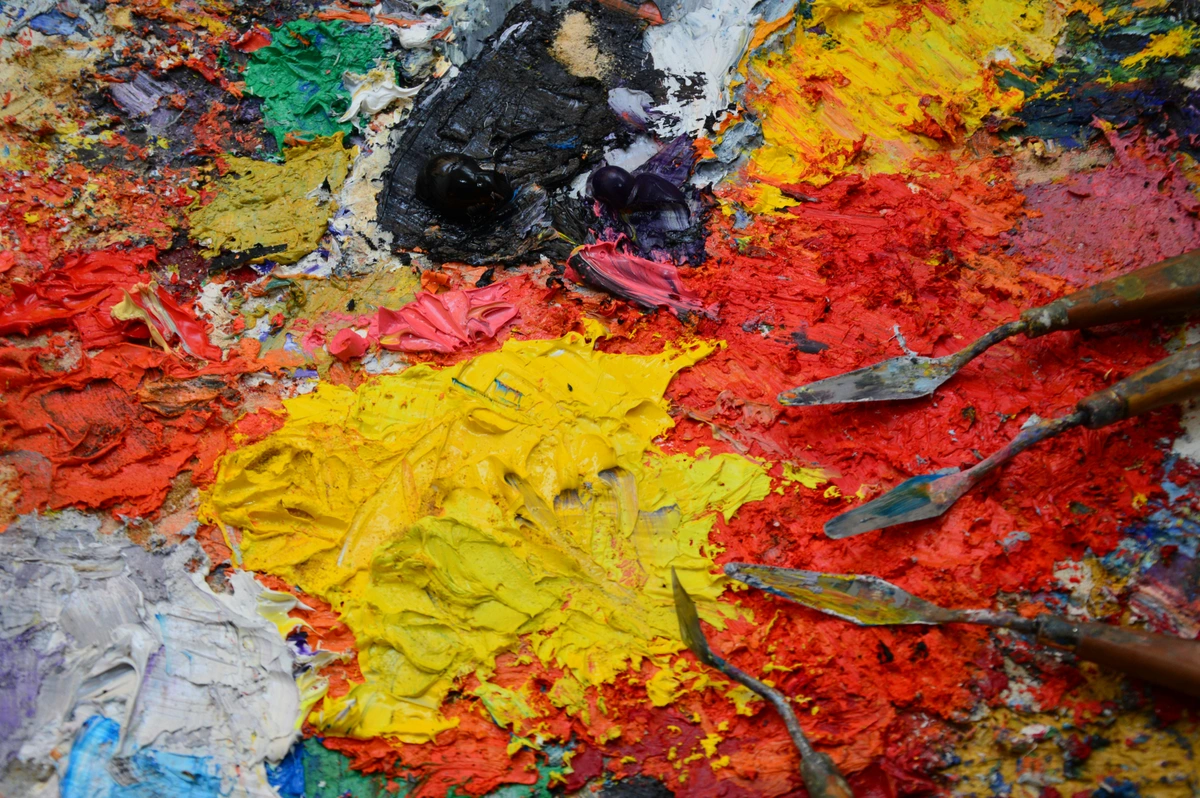
Now, for those perhaps scratching their heads and wondering, "What exactly is impasto?" – let me break it down in the simplest terms. Simply put, impasto is a technique where paint is laid on an area of the surface (usually canvas or board) in very thick layers. So thick, in fact, that the brushstrokes, palette knife marks, or even direct finger imprints are clearly visible and create a distinct, undeniable three-dimensional texture. It's not merely adding a bit of visual depth; it’s literally sculpting with pigment, making the paint itself an active, physical, and profoundly expressive element of the artwork. And honestly, isn't that what we're all secretly hoping to find in art? That undeniable, visceral connection that transcends the mere optical?
The Visceral Language of Thick Paint: Emotion, Presence, and Engagement
But impasto is more than just a definition; it's a feeling, a language spoken directly from the artist's soul. For me, impasto isn't just about a flashy technique; it's a raw, unfiltered expression, a direct conduit from the artist's soul to our own. When I see those thick, confident strokes, I can almost feel the artist in the throes of creation – each swipe of the brush or smear of the knife imbued with urgent energy, profound feeling, and perhaps even a touch of glorious frustration. It captures a fleeting moment, a dynamic movement, a palpable emotion that a smooth, polished surface just can't quite convey. It's almost as if the artist is leaving a physical imprint of their inner world, a direct, unfiltered transmission.
But the magic of impasto extends beyond the artist's hand, profoundly shaping our response too. The very roughness, the peaks and valleys of a textured surface, can evoke a powerful sense of warmth, raw dynamism, or even a subtle, intriguing discomfort, drawing us in and forcing a more intimate, less passive engagement than a purely optical experience. It literally projects into our space, inviting not just our eyes, but our imagination to touch, explore, and participate in the artwork's physicality. Sharp, jagged peaks might evoke anxiety or fierce energy, while soft, undulating mounds could suggest a calming rhythm or playful joy. That distinct surface texture carries a story, a mood, an emotional weight that a flat, uniform application simply cannot. This isn't just something to look at; it’s something to experience.
The Alchemist's Toolkit: Brushes, Knives, and the Magic of Viscosity
But this profound emotional resonance and tangible presence aren't achieved by magic alone, my friends; they're the result of a deliberate, often alchemical, understanding of tools, materials, and their inherent properties. The right instrument, combined with the ideal consistency of paint, is key to turning mere pigment into a profound, sculptural expression. Mastering these tools is foundational to achieving truly impactful thick paint techniques.
Crafting Texture with Tools
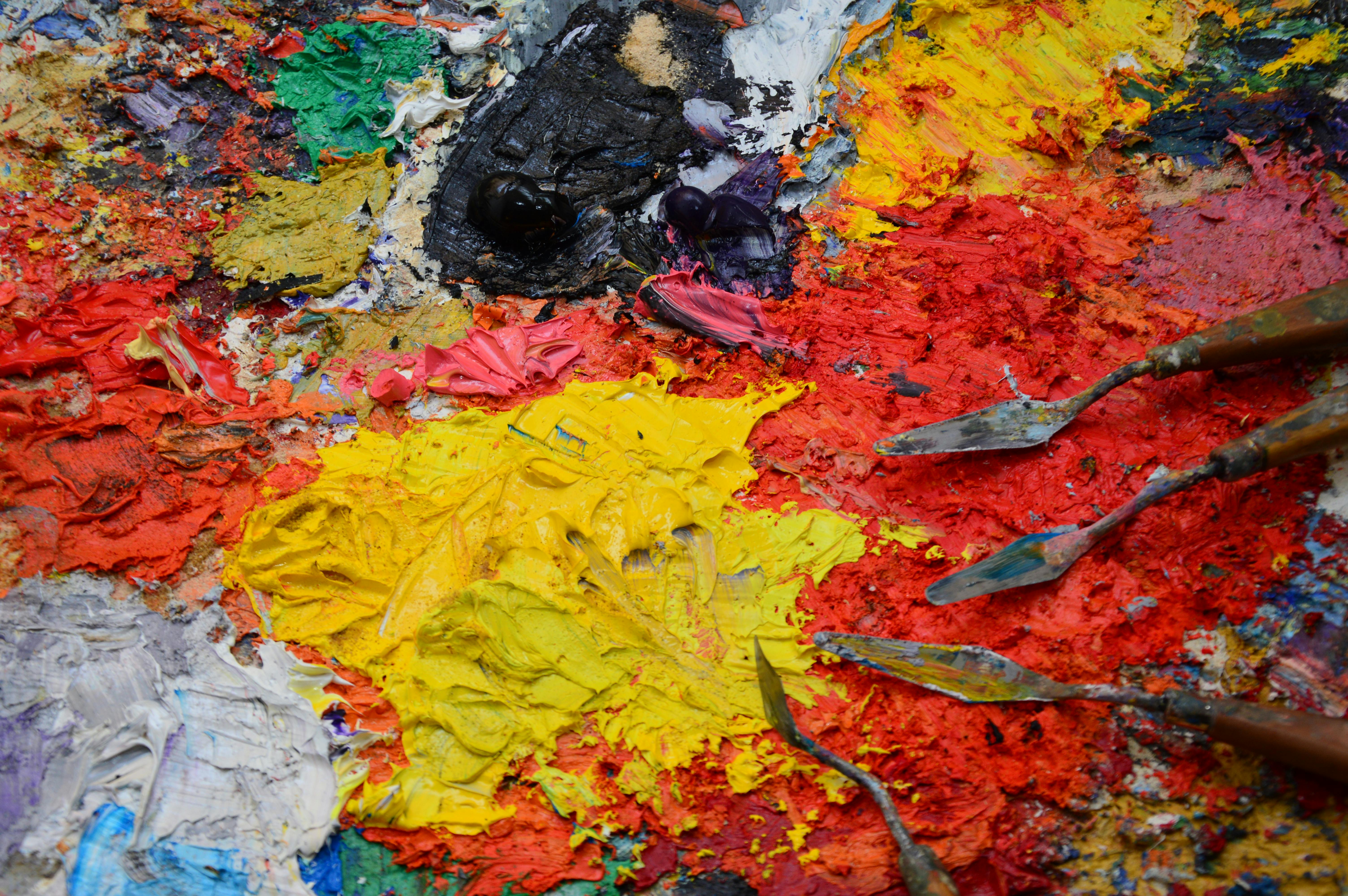
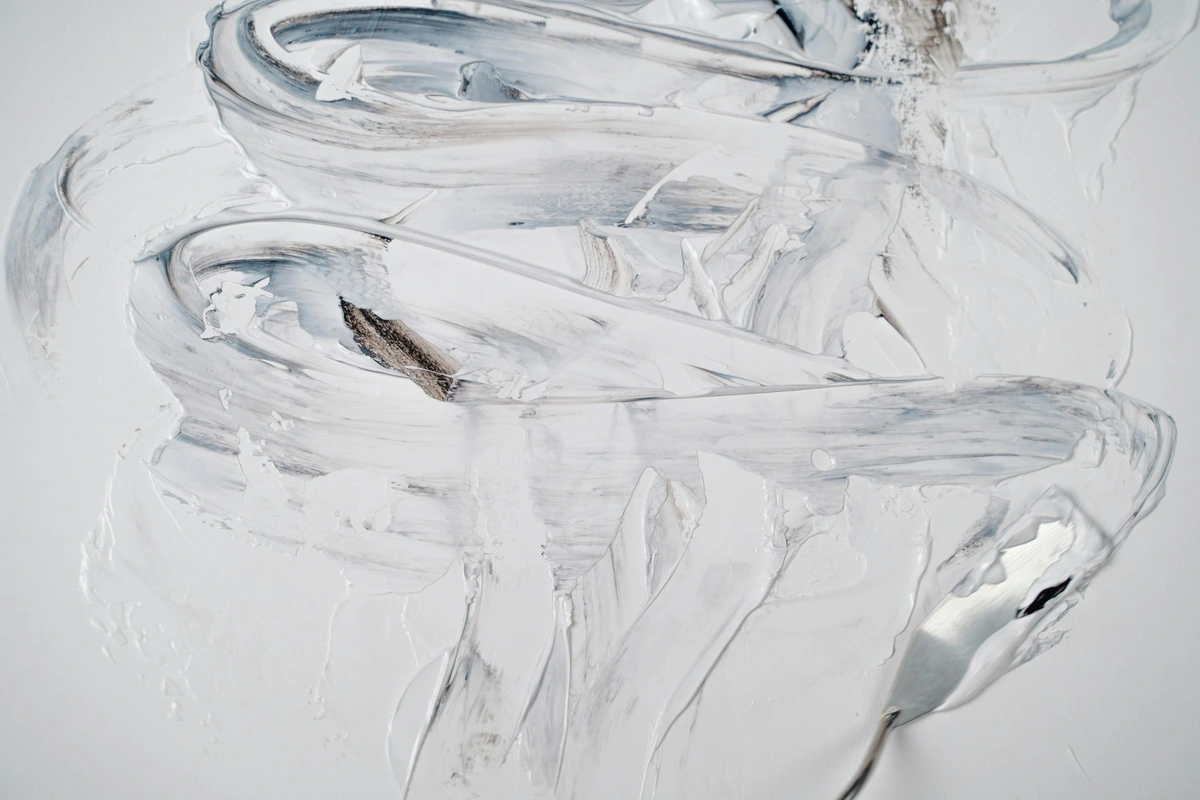
While brushes can certainly create impasto, especially stiff hog bristle brushes that hold a significant amount of paint and leave clear marks, often you'll find artists (myself included, depending on the mood) reaching for a palette knife. Why? A knife, in its various forms – from the broad, flat trowel-like blades perfect for spreading large areas, to the more pointed, diamond-shaped ones for fine lines and sharp peaks – allows for bolder, less controlled, and often sharper application of paint. It can sculpt, spread, and scrape paint in ways a brush simply can't, leaving behind those distinctive ridges, sharp peaks, and flat planes that catch the light so beautifully. Spreading paint with a palette knife is almost like spreading butter, offering immediate, raw textures. You want a dramatic mountain range in your landscape? A few deft swipes of a palette knife and voila! But don't count out the brush entirely; some artists, like our good friend Van Gogh, used brushes so heavily laden with paint that they achieved similar dramatic effects, building soft, blended layers that still have significant physical presence. The choice often depends on the desired texture – sharp and immediate, or soft and layered, almost like building up a topographical map. For more on brushes, you might like our guide to the best brushes for acrylic painting.
Beyond brushes and knives, some artists, seeking a more raw or expansive gesture, turn to tools like squeegees and scrapers. These can drag vast swathes of paint, creating broad, textured fields or revealing tantalizing underlayers, almost like a geological cross-section. And then, there’s the most primal tool of all: your fingers and hands. There’s an undeniable intimacy in pushing pigment directly onto the surface, leaving unique, organic imprints that speak of immediate connection, of the artist’s raw touch. It's not about precision, but about visceral connection, about truly feeling the material, making it a powerful approach for expressive mark-making and exploring different tools.
Tool  | Primary Effect | Characteristics | Typical Texture | Best Use Cases |
|---|---|---|---|---|
| Brush | More controlled, nuanced texture | Visible bristles, layered strokes, softer edges | Soft, blended, subtle gradients, flowing lines | Capturing movement, fine details, organic forms |
| Palette Knife | Bold, expressive, sculptural texture | Distinct ridges, sharp edges, flat planes, raw | Sharp peaks, defined lines, strong highlights | Dramatic texture, bold strokes, creating strong contrasts |
| Squeegee/Scraper | Broad, layered, dragged effects | Creates streaks, reveals underlayers, smooths | Varied layers, blended yet textured | Abstract works, covering large areas, blending, creating broad, fluid gestures |
| Fingers/Hand | Direct, organic, primal connection | Impromptu, unique marks, tactile, immediate | Soft mounds, blended areas, unique imprints | Expressive portraits, abstract landscapes, personal touch, intimate expressions |
The Alchemy of Materials: Paint Types and Mediums
The magic begins with the right materials. When I talk about paint's 'body,' I mean its inherent thickness and substance – how much material is actually there, giving it form and allowing it to hold shape. Traditionally, tempera paint, while beautiful, didn't lend itself well to impasto due to its fast drying time and brittle nature, making thick, sculptural applications extremely difficult. This is precisely why the advent of oil paints was so revolutionary for texture.
Oil Paints: The Traditional Powerhouse
Oil paints have been the undisputed champions for impasto, primarily due to their naturally high viscosity (that wonderful art-speak term for how thick and resistant to flow a liquid is – crucial for holding those glorious peaks) and their slow drying time. This slow drying isn't just about 'more time'; it's about the ability to continually manipulate the wet paint, blending, pushing, and pulling layers without disturbing the ones beneath, allowing for truly sculptural build-up and seamless transitions of form. Historically, artists like Rembrandt often capitalized on lead white, not just for its brilliant opacity but also for its naturally high body and relatively quick drying time compared to other oil pigments. This allowed for thick application without excessive sagging or unduly long drying times, making it excellent for building up those luminous highlights. Its dense pigment load and strong covering power allowed artists to truly sculpt with light, creating areas that physically protruded and caught the viewer's eye, a dramatic contrast to the often smoother, more blended finishes prevalent in much of European painting at the time. Of course, its toxicity means we approach it with far more caution today, or opt for modern, non-toxic alternatives that still offer that beautiful, dense body. Other notable historical pigments lending themselves to impasto include certain earth colors (like ochres and umbers) and vermilion, prized for their natural opacity and ability to hold thick brushstrokes.
This also makes oil paints ideal for the 'fat over lean' rule. This fundamental principle dictates that thinner, faster-drying layers of paint (the 'lean' layers, often thinned with solvents like turpentine or mineral spirits) must always be applied beneath thicker, slower-drying layers (the 'fat' layers, enriched with oils or mediums). Ignoring this rule can lead to disastrous cracking down the line – imagine a flimsy, fast-drying outer crust hardening over a still-wet, expanding interior; it's a recipe for structural failure! You want the strong, faster-drying foundation (lean) to support the richer, slower-drying layers (fat) on top, ensuring everything cures properly and preventing unwanted cracks in your textured art. Traditional oil mediums like stand oil or alkyd mediums can also be added to increase paint's viscosity and flow, creating even more luscious, sculptural textures, while others (like solvents) are used to thin paint – it's all about understanding what each ingredient does. For a deeper dive into materials, check out our guide on definitive-guide-to-paint-types-for-artists and materials-guide-starting-with-oil-painting.
Acrylics: Modern Versatility
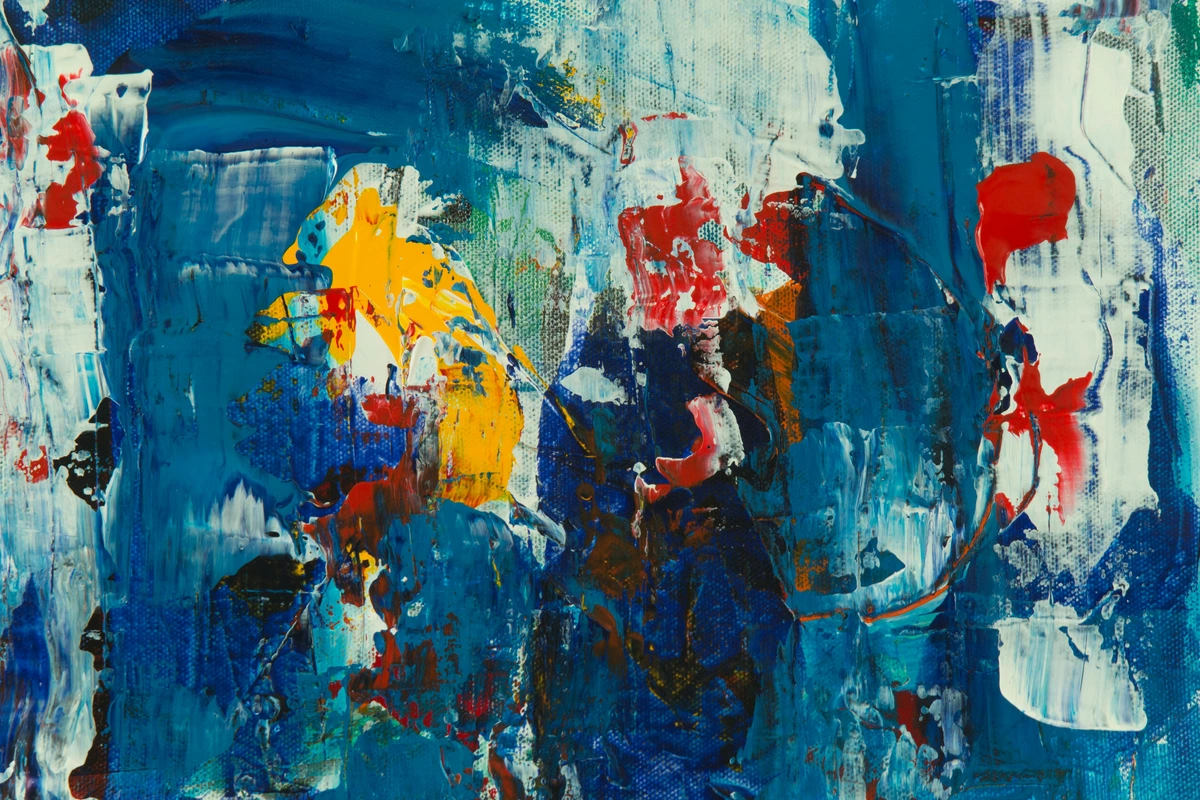
Today, with advancements in art supplies, heavy body acrylics and specialized impasto gels or pastes make the technique readily accessible, offering faster drying times – a blessing for impatient artists like me, sometimes! These gels and pastes, often made from acrylic polymers, can add immense volume and body without significantly altering the paint's hue, allowing for monumental textures while maintaining color vibrancy. It's like having a secret ingredient that lets your paint defy gravity. You can even find granulated pumice gels for gritty, sand-like feels, or glass bead gels for subtle sparkle and unique light refraction. For more on acrylics, see the history of acrylic painting.

Beyond Paint: Gels, Pastes, and Mediums
Beyond just paint, artists also utilize various textural mediums to push the boundaries of impasto. Think of modeling paste for extreme sculptural, relief-like effects, letting you build forms that truly project off the canvas, almost like a low-relief sculpture. These can be mixed directly with paint or applied independently, offering a whole new dimension to surface manipulation and tactile engagement. Discover more at best-acrylic-mediums-for-abstract-artists.
Choosing Your Canvas: The Substrate Matters
But the transformation of pigment into sculptural expression doesn't end with the paint itself; the surface upon which it's applied plays a critical role. While often overlooked, the surface you paint on – your substrate, that is, the material beneath your artwork – plays a crucial role in the success and longevity of impasto. Canvas is popular due to its flexibility, but for very heavy impasto, a rigid support like a wood panel or MDF board can offer greater stability and prevent cracking that might occur from a flexible canvas stretching under the weight of thick paint. Priming your chosen surface with several layers of gesso is also vital, providing a stable, absorbent base for the paint to adhere to, which reduces the risk of future flaking or cracking, especially with substantial textural build-up. It's all part of setting up your artwork for a long and healthy life.
Beginner's Corner: Getting Started with Thick Paint
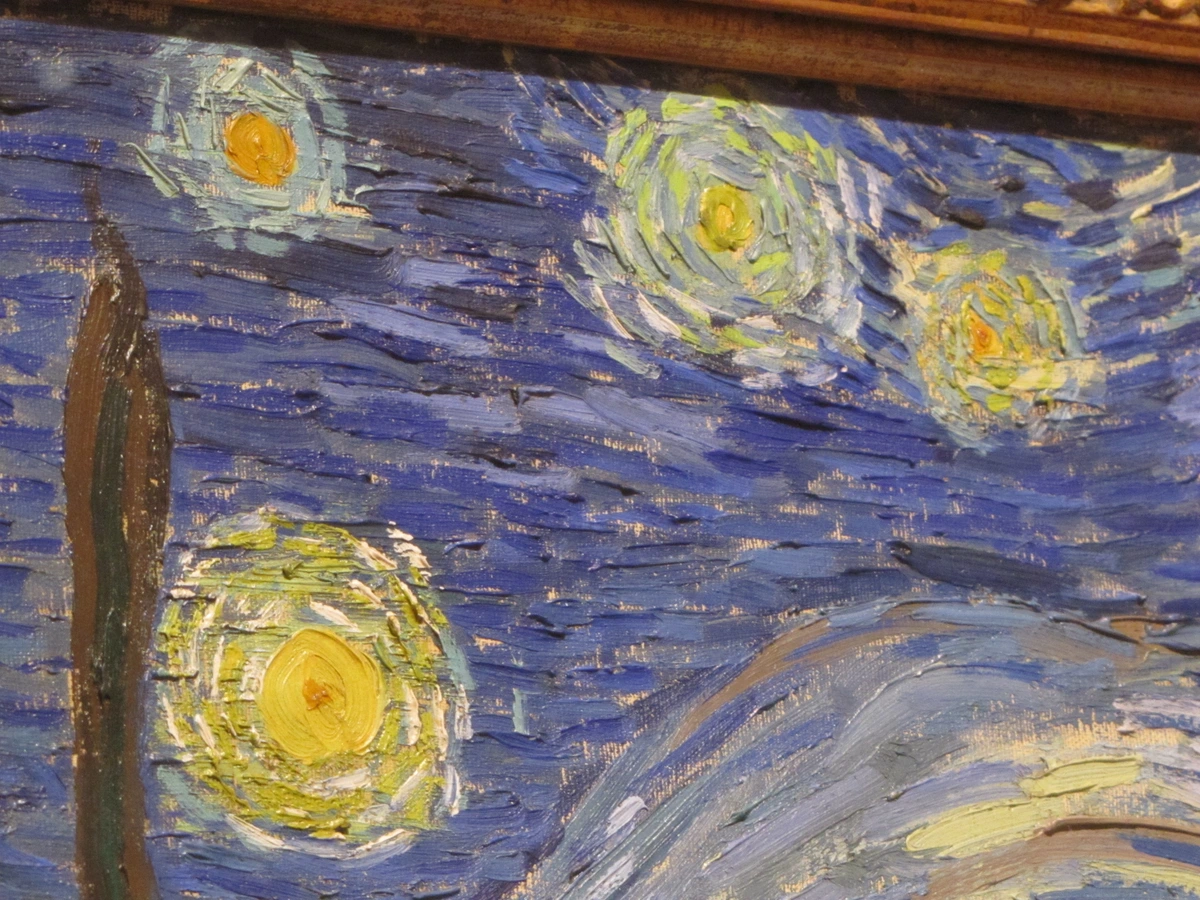
If you're just dipping your toe into the world of impasto, I'd strongly recommend starting with heavy body acrylics and some impasto gel or modeling paste. They dry faster, which means less waiting and more experimenting! A good starting point for mixing is a 1:1 ratio of paint to medium, then adjust from there. Don't be afraid to apply paint directly from the tube or tub onto your palette knife and then onto the surface. Try creating simple ridges, peaks, and flat areas. For a quick exercise, try a small abstract landscape, using thick, choppy strokes to mimic rolling hills or dramatic cloud formations. Practice makes perfect, and honestly, the 'mistakes' often lead to the most interesting textures. I remember one time, I accidentally scraped off a section of still-wet paint, and the unexpected underlayer it revealed turned out to be the most compelling part of the piece! Always remember to clean your tools thoroughly immediately after use, especially palette knives and stiff brushes, to prevent dried paint from ruining them. You can also explore basic-brushstrokes-for-acrylic-painting for foundational techniques, and for those leaning towards oils, our guide on best-oil-paints-for-beginners is a great place to start.
Feature | Oil Paints | Acrylic Paints (Heavy Body/Mediums) |
|---|---|---|
| Viscosity | Naturally high, buttery consistency | Often thick, but can be significantly boosted by mediums |
| Drying Time | Very slow (days to years for thick layers) | Fast (minutes to hours) |
| Flexibility | Remains somewhat flexible, less prone to cracking if "fat over lean" is followed | Becomes very rigid once dry |
| Manipulation | Long open time allows extensive blending and sculpting while wet | Limited open time, rapid layering possible once dry |
| Finish | Rich, luminous, often subtle sheen | Can range from matte to glossy, depending on medium |
| Longevity | Excellent, but requires careful layer management and conservation | Excellent, less prone to certain types of cracking |
| Clean-up | Requires solvents (turpentine, mineral spirits) | Water-soluble when wet, easy clean-up |
| Cost | Generally higher | Variable, often more affordable |
The Dance with Light: Shadows, Volume, and Dynamic Life
This sculptural application of paint doesn't just create form; it fundamentally alters how the artwork interacts with light, and let's not forget the pure magic impasto performs. The three-dimensional texture creates actual shadows and highlights directly on the canvas surface. These aren't just painted illusions; they are real, physical phenomena. This interaction constantly shifts with the viewer's position and the ambient light, giving the painting a dynamic, living quality. This play of light and shadow contributes significantly to the perception of form and volume, making objects or scenes appear to project into our space, inviting us into their world. Imagine how natural sunlight rakes across a textured wall, revealing every imperfection and undulation – impasto does this for a painting, literally making its peaks and valleys breathe, creating a physical animation that a flat image simply cannot. Sharp impasto peaks will cast crisp shadows, enhancing definition, while softer mounds create gentle gradations, infusing scenes with a sense of atmospheric depth and warmth. The way light glances off these surfaces can even alter our perception of color, making hues appear more vibrant or muted depending on the angle. It's a silent, continuous conversation between the artwork and its environment, a truly captivating spectacle, distinguishing it from any flat print. This unique interaction with light is also a significant factor in the art market, as collectors are often drawn to the visual depth and perceived authenticity that real, shifting shadows provide, enhancing a work's perceived value and uniqueness. Understanding the art of display is crucial here.
The Sculptors of Pigment: A Stroll Through Impasto History
Impasto isn't some fleeting trend; it's a technique with deep roots, evolving and adapting across centuries, a testament to artists' enduring quest for expression beyond the flat plane. From subtle enhancements to explosive, visceral expressions, artists have wielded its power, transforming mere pigment into palpable presence. The tools and materials we just discussed were, in their hands, vital to this transformation. It's like watching a geological timeline of artistic intent unfold before your very eyes, each era leaving its own unique textural imprint. The story of impasto truly began to blossom with the widespread adoption of oil paints during the Renaissance, as their inherent body and slow drying time allowed for a new kind of material manipulation that tempera simply couldn't offer.
Early Experiments: The Renaissance and Beyond
Even in the Renaissance, long before the dramatic flourishes of later movements, artists began to use thicker paint applications. Masters like Titian, Giorgione, and Giovanni Bellini often employed impasto sparingly, almost strategically. It wasn't about an overall textured surface, but about enhancing realism in specific, crucial areas – a glimmer in an eye, the rich folds of drapery, the subtle texture of skin, or the shimmer of a jewel. Think of Titian's late works, where he used thick, almost sculptural dabs of paint to suggest the shimmering folds of velvet or the aged texture of skin in masterpieces like his 'Danaë' series or 'The Flaying of Marsyas,' drawing our eye with a subtle, palpable realism. These early artists, often constrained by slower-drying, less viscous paint formulations and the prevailing aesthetic preference for smooth, idealized surfaces, used impasto as a whispered choice rather than a shout. It was a calculated artistic decision to add textural richness and depth, making their figures feel more present and tangible, subtly guiding the viewer's eye to key details and anchoring the illusion of reality. Leonardo da Vinci, for example, while famed for his sfumato, would occasionally use delicate touches of impasto to suggest the texture of hair or the catchlight in an eye, adding a fleeting sense of life to his meticulously rendered forms.
Rembrandt van Rijn: The Golden Age's Master of Sculpted Light
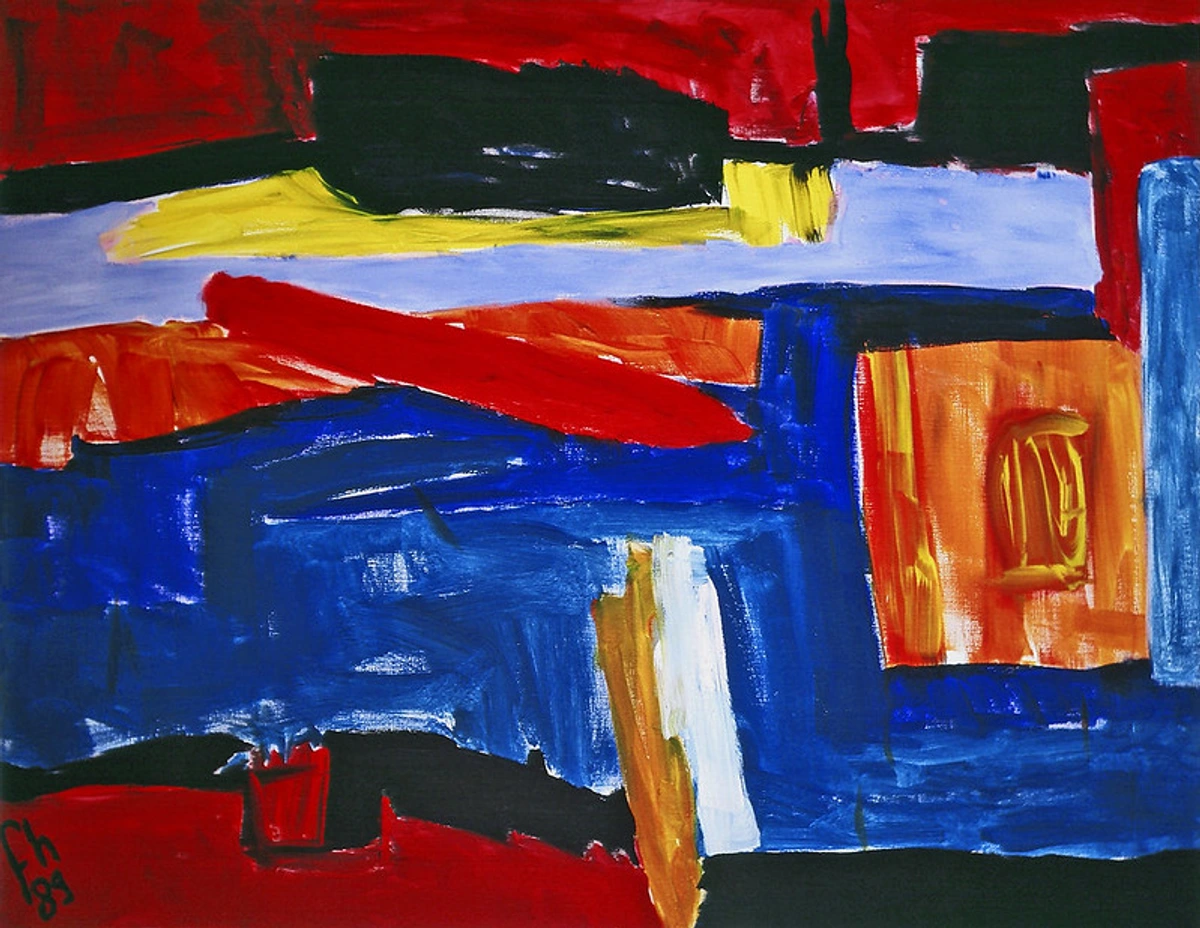
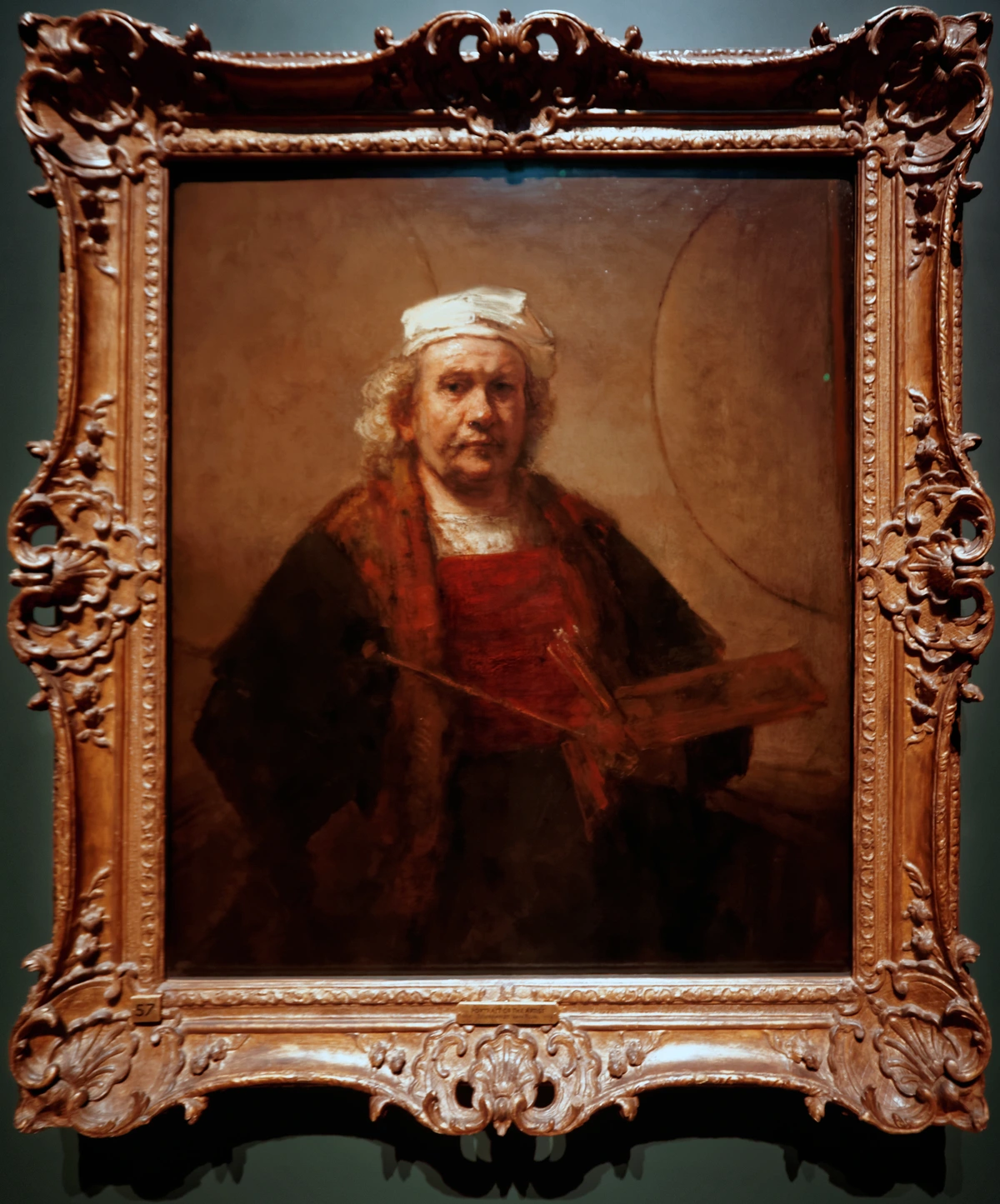
As the centuries turned, and the possibilities of oil paint became more fully understood, the subtle dance with texture evolved dramatically. In the Dutch Golden Age, a master emerged who would elevate impasto from a strategic accent to a central expressive force: Rembrandt van Rijn. This Dutch Master, living centuries before the Impressionists, knew, perhaps instinctively, the profound power of thick paint. He didn't just use it; he sculpted with it, deploying it strategically to create luminous highlights – a glint in an eye, the shimmering gold of a necklace, the rich texture of fabric, or the luminous quality of old skin. In iconic works like 'The Night Watch' or his numerous self-portraits, Rembrandt masterfully employed earth pigments and liberal amounts of lead white, applied thickly with both brush and knife. Lead white was especially valuable for Rembrandt's impasto not only for its superior body and relatively fast drying time (compared to other oils) but crucially for its brilliant opacity and dense pigment load. This allowed him to build up areas that truly stood off the canvas, capturing and reflecting illumination with unparalleled expressive power, creating pockets of intense light and shadow that imbued his subjects with undeniable gravitas. It gives his portraits an incredible sense of enduring presence and life, doesn't it? You feel like you could almost reach out and touch the velvet collar of one of his subjects, or feel the wisdom etched into their skin. His impasto was a conscious decision to define forms with a tangible quality, a dramatic contrast to the often smoother, more blended finishes prevalent in much of European painting at the time, making his figures feel undeniably real and present. His work stands as a cornerstone in the art of the Dutch Golden Age.
Vincent van Gogh: The Starry, Swirling Heartbeat of Emotion
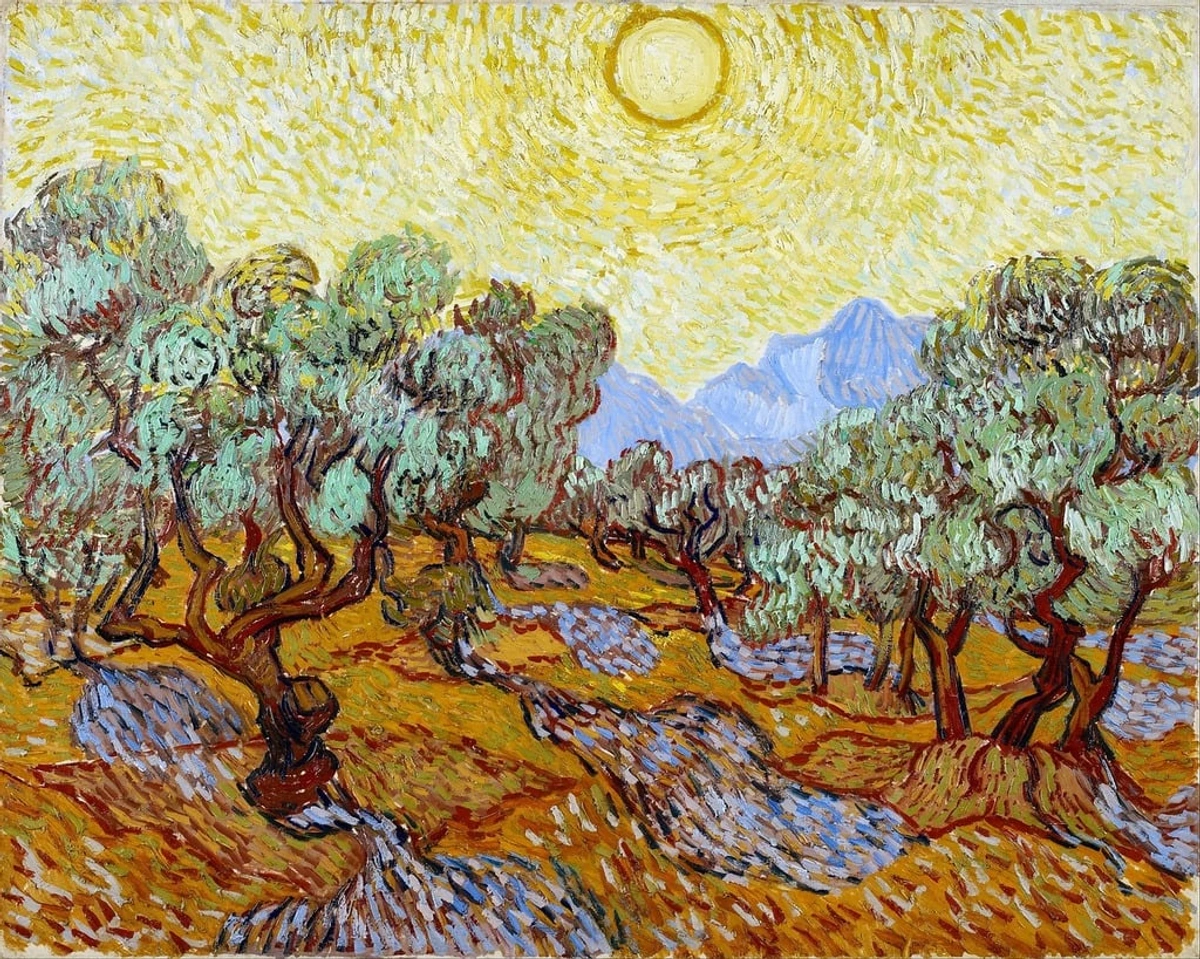
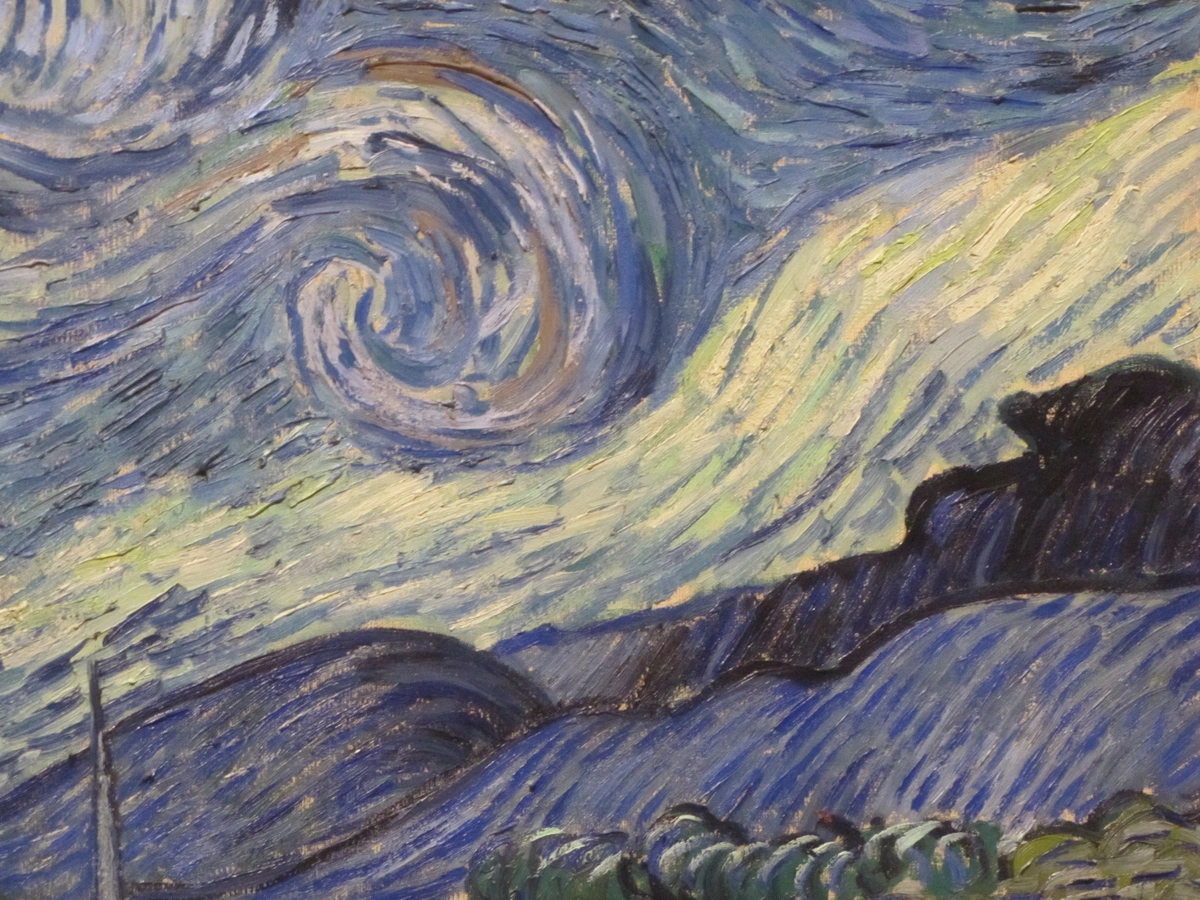
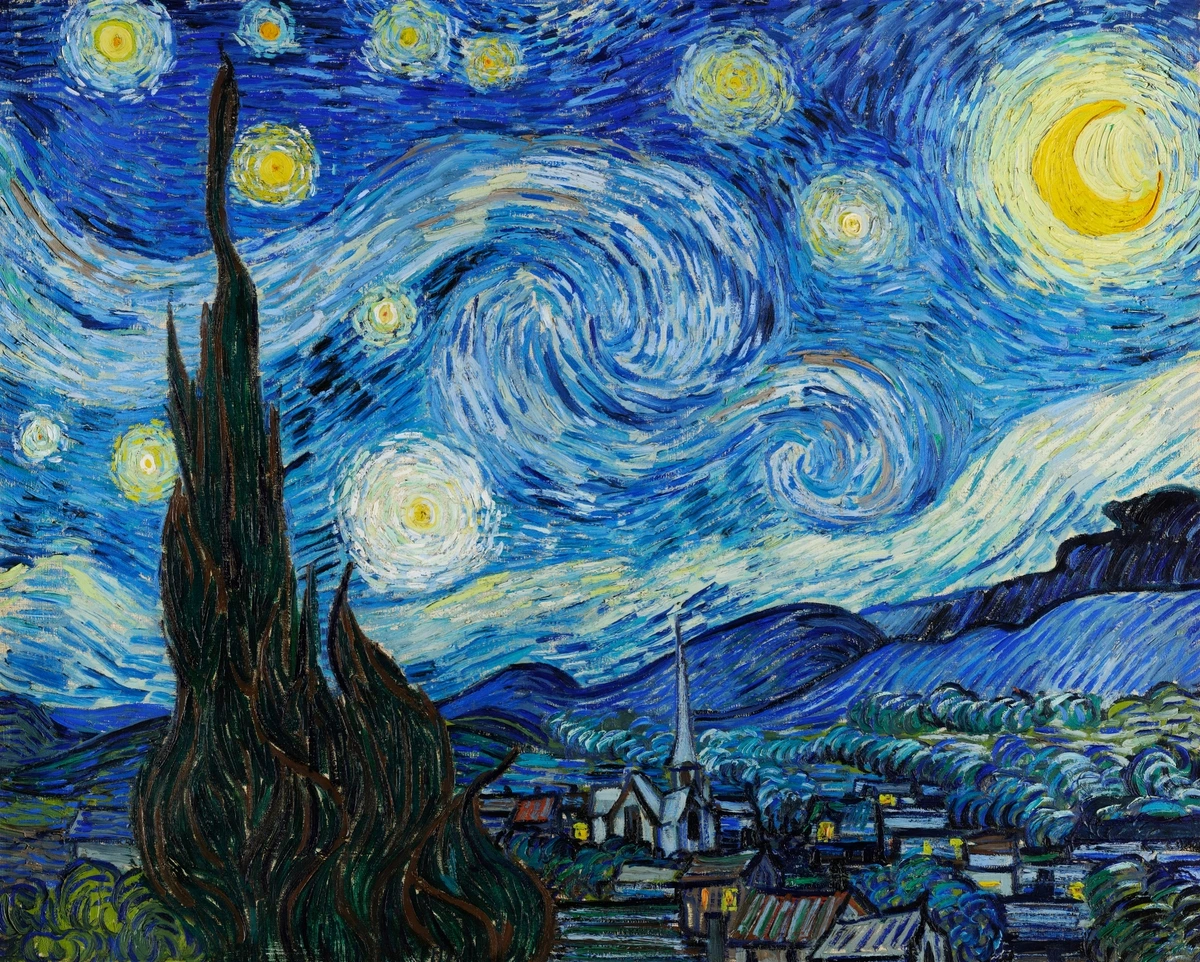
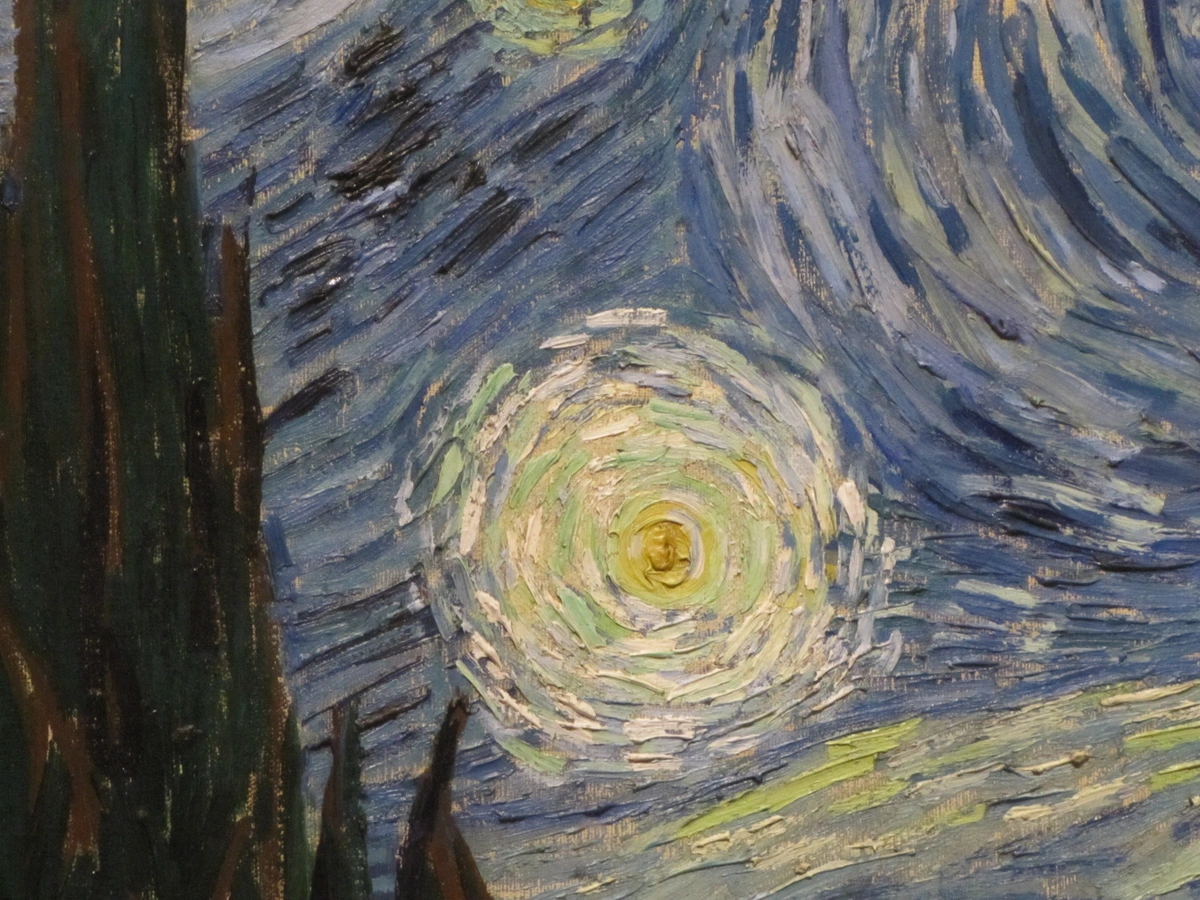
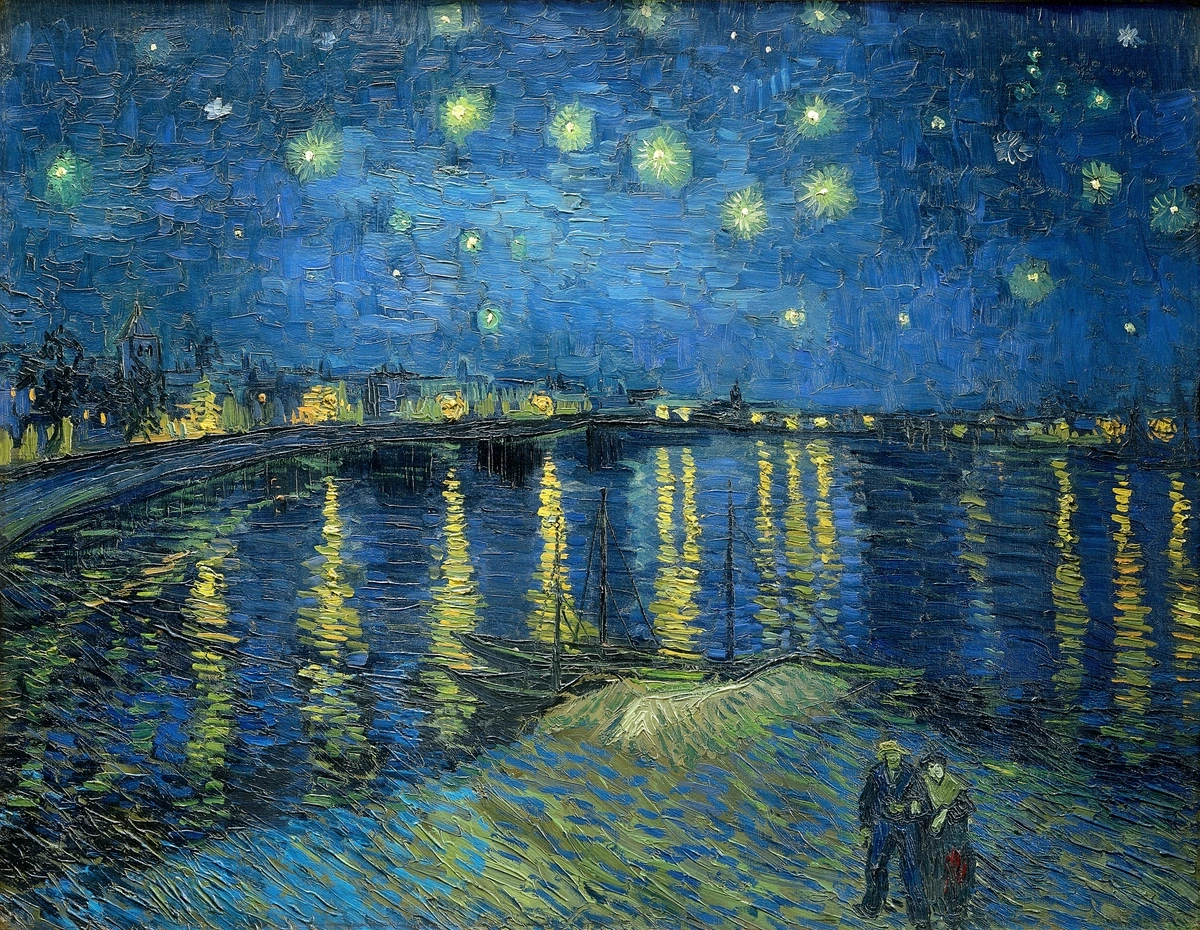
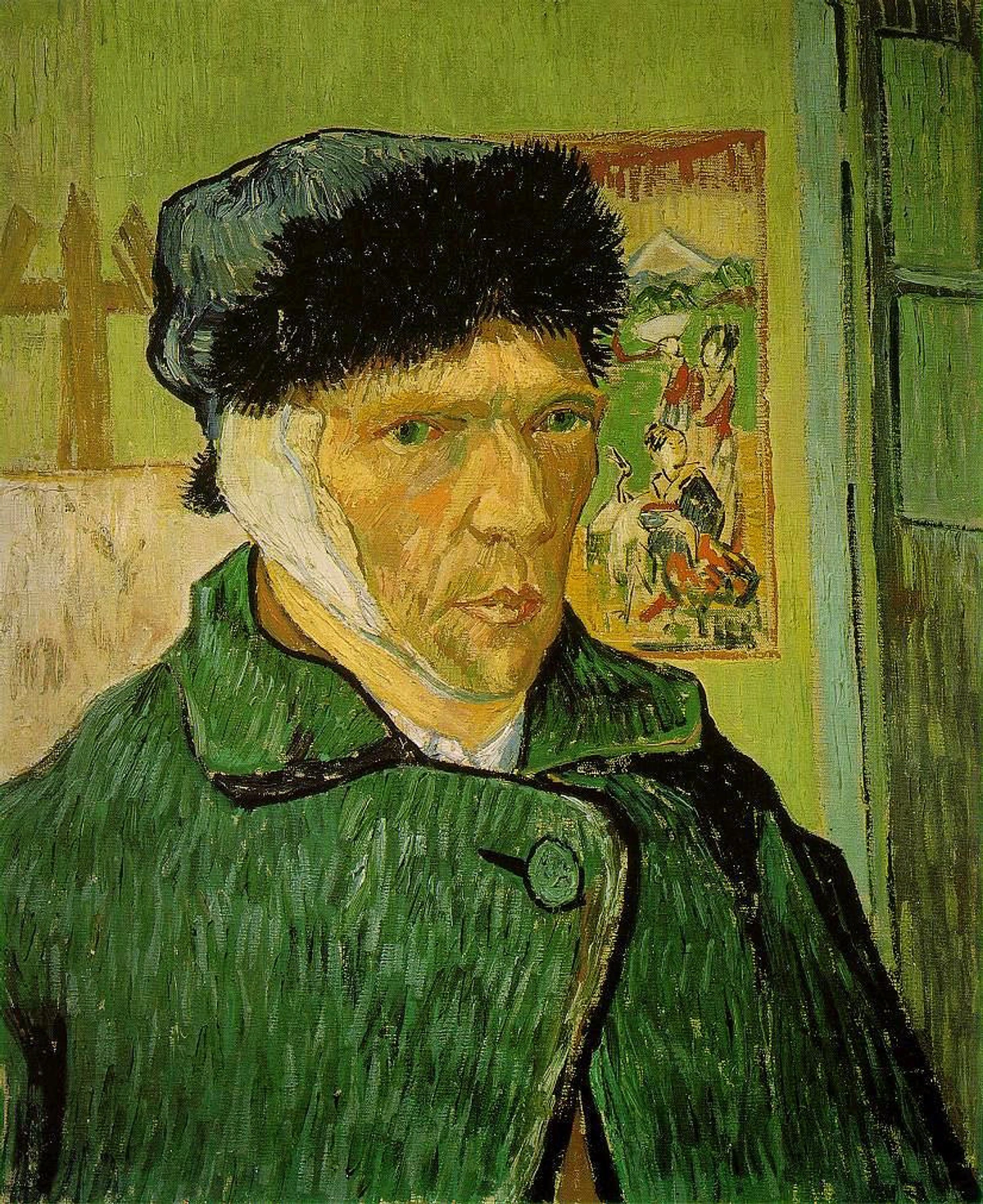
But if Rembrandt used impasto to sculpt light and convey gravitas, another Dutch master, centuries later, would harness it to explode with raw, unrestrained emotion. Ah, Van Gogh. If there's one artist whose name is synonymous with impasto, it's him. His work is an absolute masterclass in emotional texture. He wasn't just painting what he saw; he was painting what he felt, with an intensity that seems to vibrate off the canvas. And those feelings – those swirling anxieties, vibrant joys, and profound melancholies – are physically manifested in the direction, thickness, and sheer energy of his brushstrokes in his masterpieces.
Just look at "The Starry Night." I mean, seriously, can you imagine that painting without the texture? Impossible! The sky isn't just blue and yellow; it's a turbulent, living entity, the paint itself mimicking the cosmic dance. The cypress tree isn't just a dark shape; it's a flame reaching into the heavens, its texture almost tangible, like cooled lava. His famous "Sunflowers" series bursts with exuberant impasto, the thick petals conveying a joyous, almost palpable energy, while the agitated, swirling brushstrokes of "Wheatfield with Crows" communicate a profound sense of foreboding and unease. This isn't just paint on canvas; it's a direct transmission of his passionate inner world, a visual manifestation of his internal tempest. His self-portraits, too, are full of this raw honesty. You see the intensity, the struggle, sometimes even the pain, not just in his gaze but in the very way the paint is applied, almost as if his emotional state molded the paint itself onto the canvas. It's incredibly powerful, a true example of Expressionism.
Impressionists & Post-Impressionists: Capturing Light, Moment, and Optical Truth
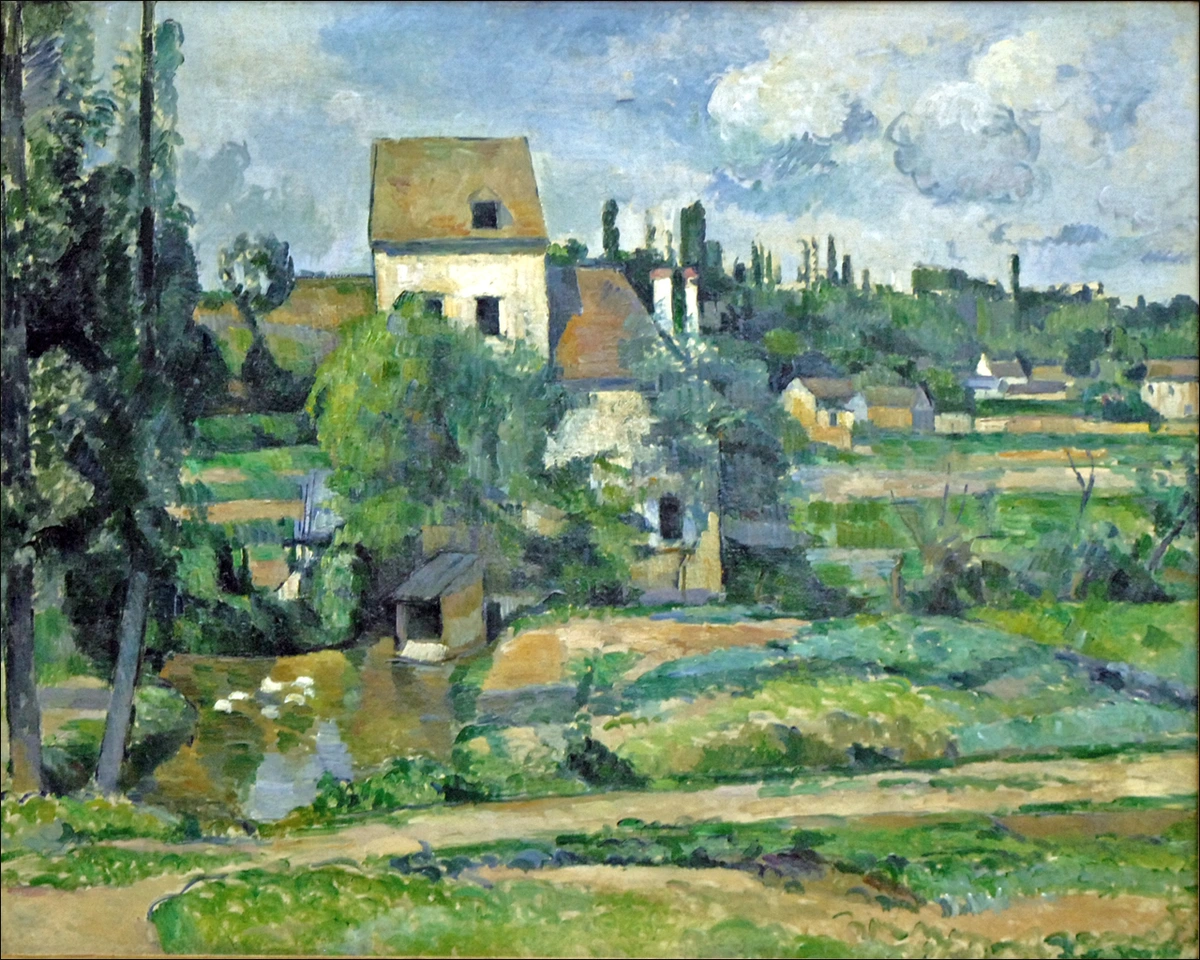
Moving from Van Gogh's intensely personal emotional textures, we find many other Post-Impressionists and their Impressionist predecessors also embracing thick paint, but often with a slightly different primary intention: to capture the fleeting quality of light, the dappled reflections, and the vibrant energy of a scene, seeking an "optical truth." Their aim was often to render how light actually behaves on surfaces, and thick paint was their secret weapon. Think of Monet's beloved Haystacks or the shimmering surfaces of his Water Lilies series – the texture helps convey the ever-changing, atmospheric light, making the water appear to ripple and reflect before your very eyes. For instance, the broken strokes of color and the thick dabs of yellow and white in the 'Haystacks' series don't just represent sunlight; they physically catch the light, creating a shimmering effect that mimics the fleeting warmth of a late afternoon sun. The impasto in the 'Water Lilies' allows the paint to build up in such a way that it physically creates peaks and valleys that reflect light in various directions, making the water appear to ripple and change with your viewing angle, an optical illusion of shimmering movement. Artists like Alfred Sisley, particularly in his winter landscapes, masterfully used broken, thick strokes to render the transient effects of snow, ice, and atmospheric light, giving his scenes a palpable freshness that seemed to change with every glance. For them, impasto was a crucial tool for mimicking how light actually hits, scatters, and reflects off textured surfaces in the real world. This created a vibrant, dynamic visual experience that seemingly changes as you move around the painting, reflecting the ephemeral nature of perception itself. It wasn't just about what they saw, but how they saw it, and the textured paint became a direct representation of that visual perception, adding an almost kinetic energy to their scenes.
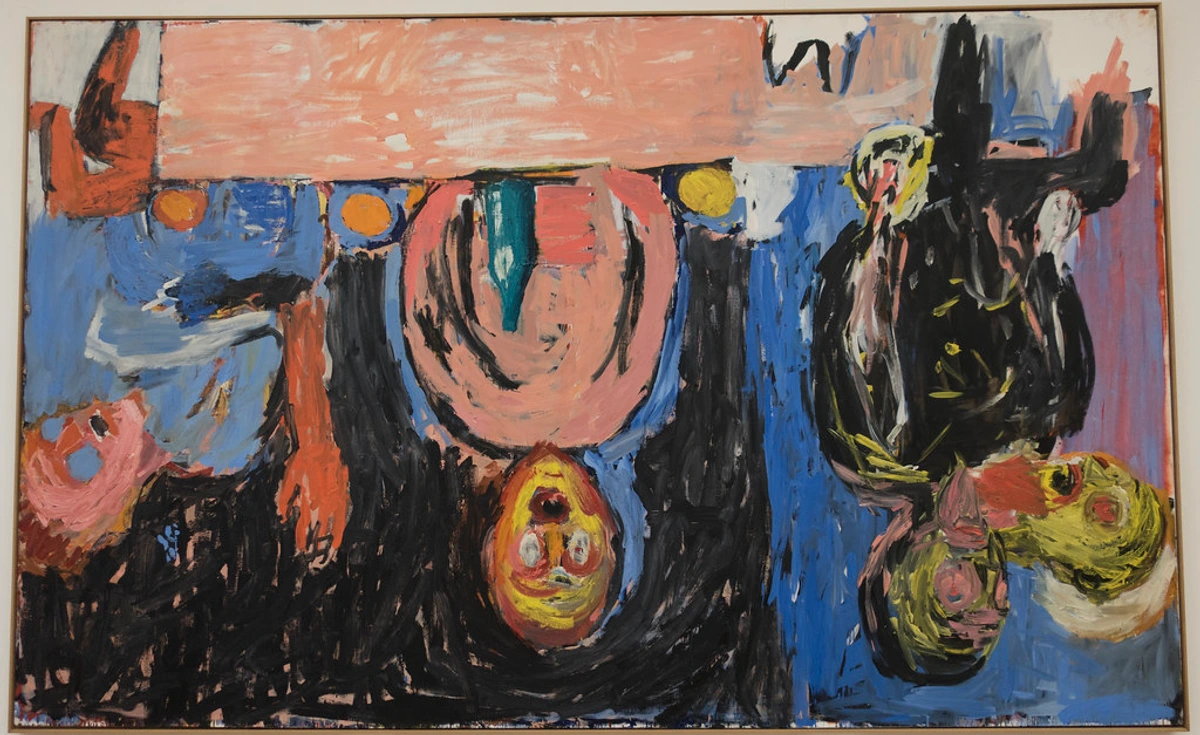
Abstract Expressionists: Willem de Kooning, Jackson Pollock, and the Battleground of the Canvas
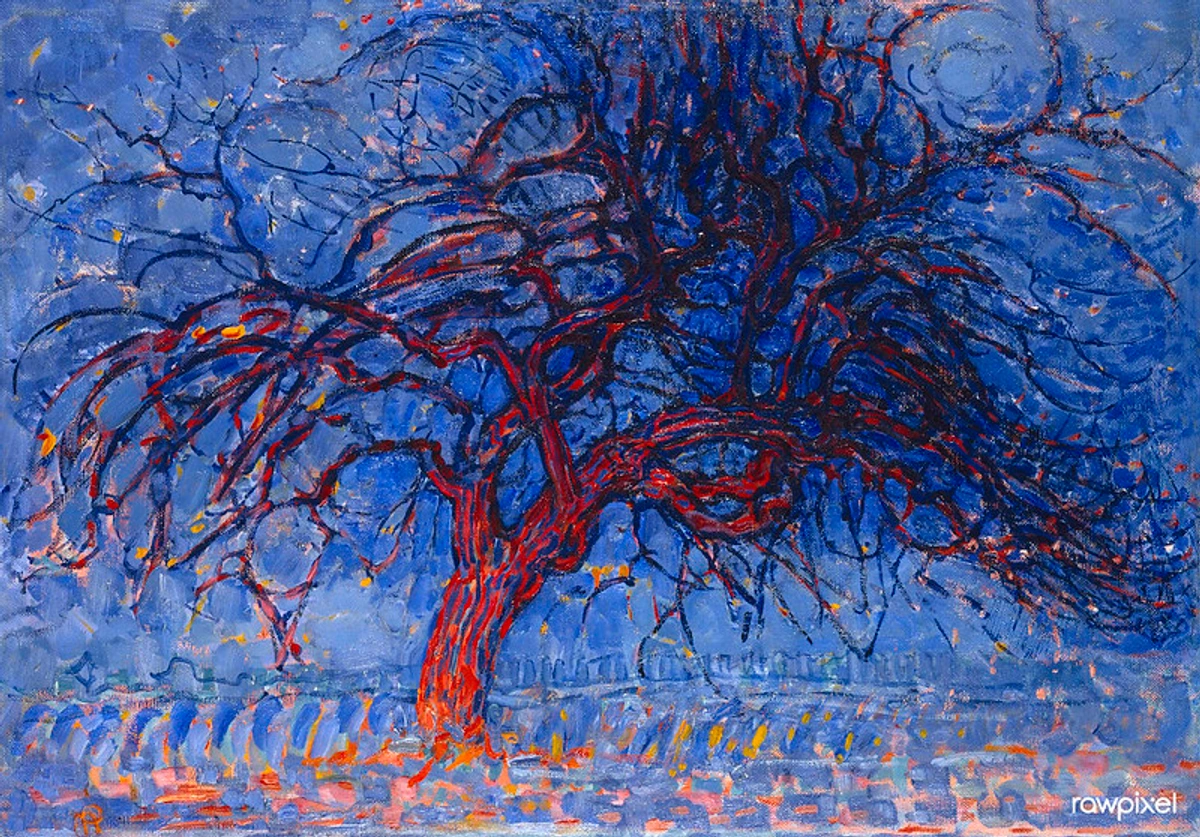
As the new century dawned, impasto found itself at the forefront of a radical shift, moving beyond the depiction of external reality to become a direct record of the artist's inner world and action. Moving into the 20th century, impasto found a new, explosive, and profoundly philosophical home in Abstract Expressionism. For these artists, thick paint was more than just a technique; it was a physical record of the artist's action, a direct manifestation of their existential struggle and subconscious urges, often a rebellion against traditional, polished aesthetics. The philosophical underpinning was a rejection of conventional easel painting and a desire to convey universal truths through raw emotion and automatic gesture, where the act of painting itself was paramount. Unlike earlier uses focused on representation or emotion, here impasto became an extension of the artist's raw, physical engagement with the canvas. Artists like Willem de Kooning used thick, gestural strokes, dragging and smearing paint across the canvas to convey raw energy and subconscious emotion, making each canvas a vibrant battleground or a frenetic dance floor for their spontaneous, urgent expressions, as seen in his iconic 'Woman' series, where the aggressive application of paint embodies the tension and power of his figures. The very material became imbued with existential meaning, a testament to the physicality of creation.
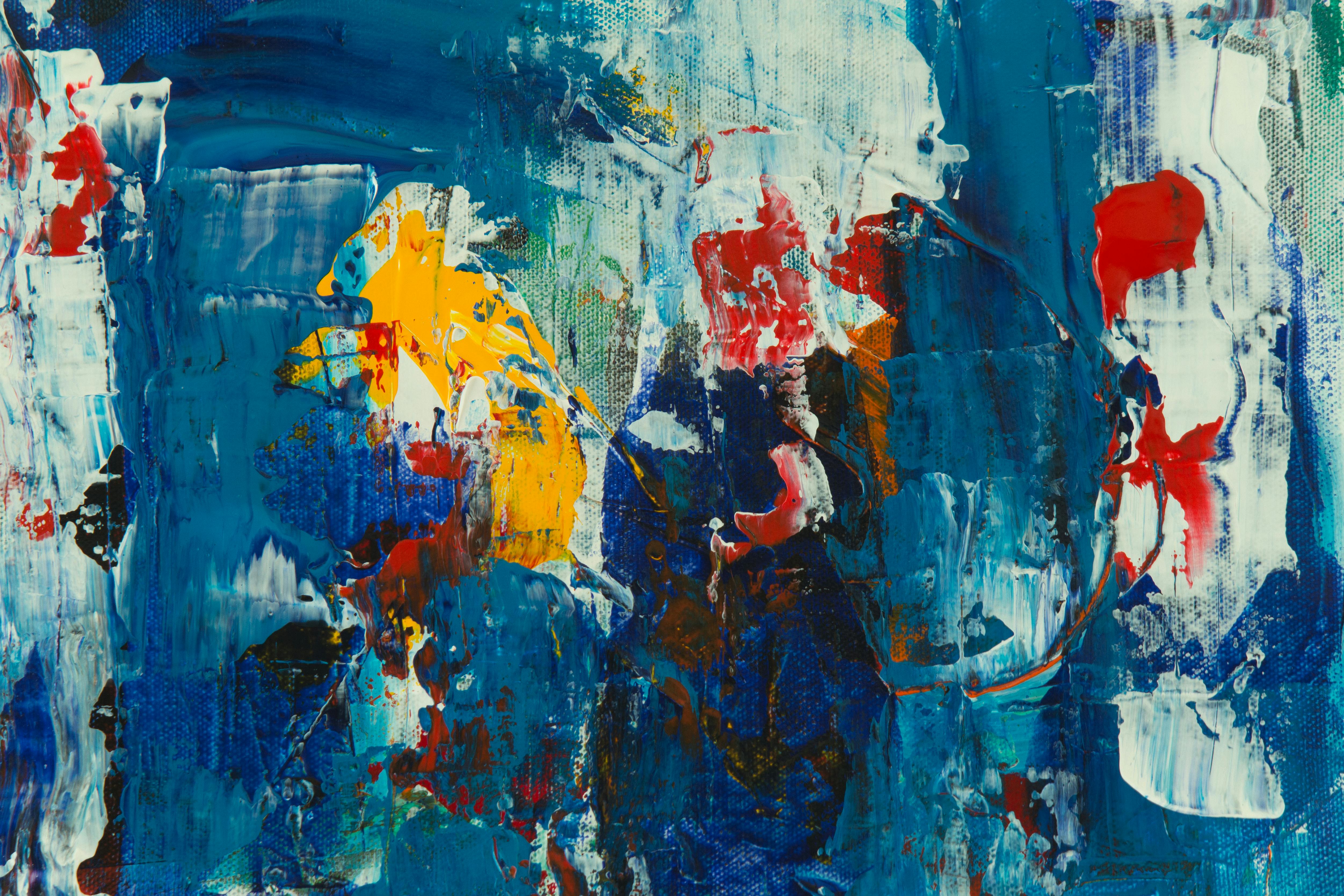
Jackson Pollock, though famously known for his drips and pours, also created incredibly textured surfaces where paint built up in dense layers. His dynamic 'action painting' process, involving dripping, flinging, and pouring paint, resulted in a complex accumulation of pigment that formed a unique kind of sculptural topography. This physical record of his movements and the sheer force of his artistic action transformed the canvas into an arena for his psychic energy, making the texture itself a direct imprint of his creative journey. While not always achieved with traditional brushes or knives, the resulting build-up of material and its undeniable three-dimensionality is a powerful form of impasto. For these artists, impasto wasn't merely a technique; it was an extension of their very being, a direct conduit for their psychic energy, a raw, material truth. You can learn more about this revolutionary period in the definitive guide to the history of abstract art.
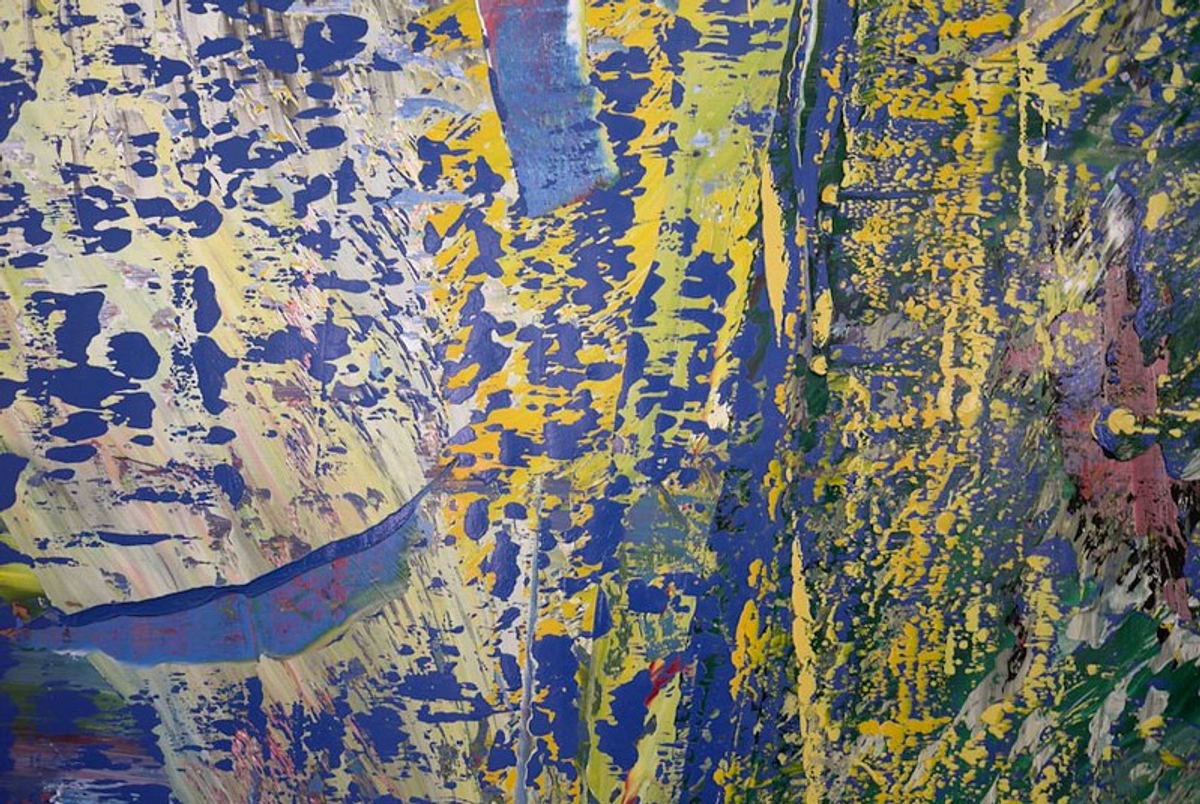
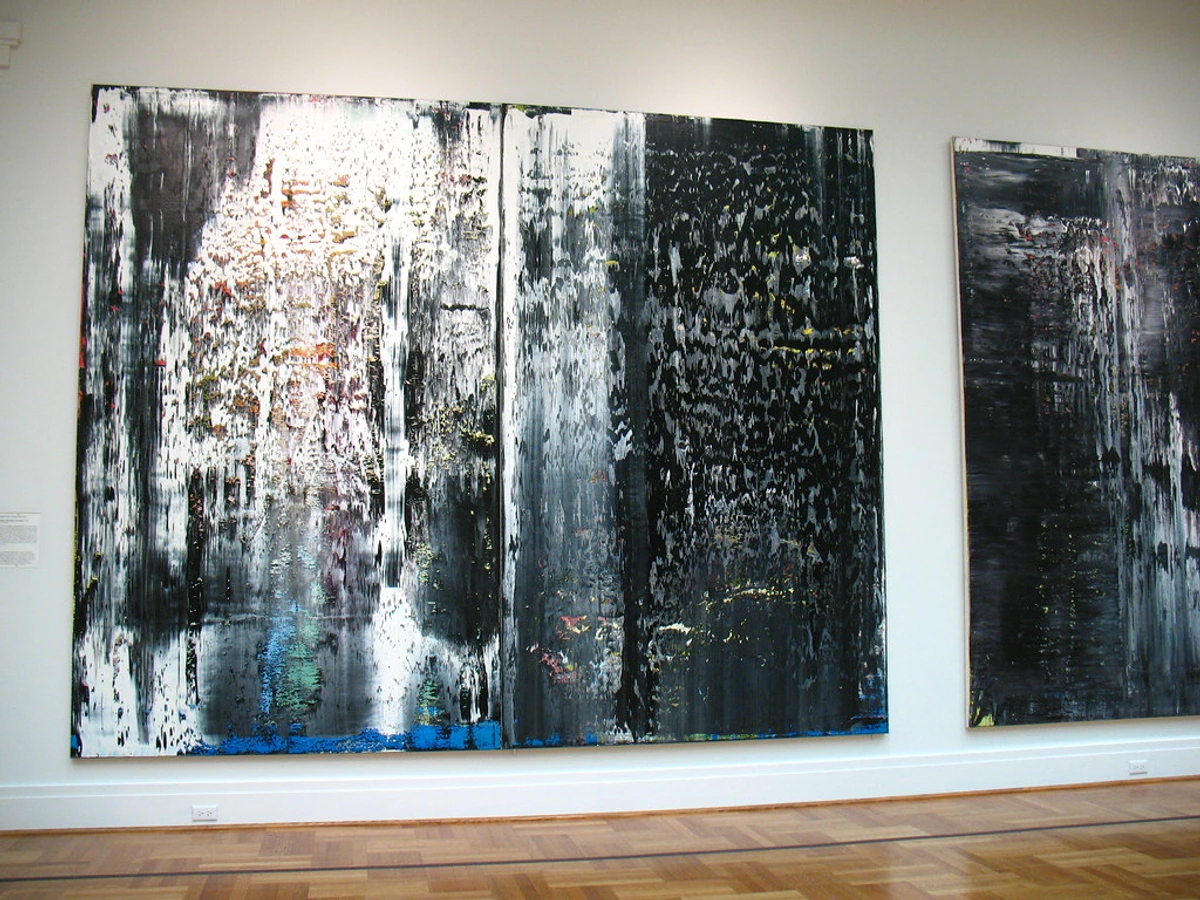
Gerhard Richter: The Subtlety of Scrape, Layer, and Illusion
Yet, the story of texture wasn't only about grand gestures and raw emotion. Some artists sought a more deliberate, almost architectural manipulation of paint, using impasto to question perception itself. And then we have artists like Gerhard Richter, who approach texture in a different, perhaps more intellectual and process-driven way. While not always pure impasto in the traditional sense, his abstract works often involve multiple layers of paint that are meticulously applied and then deliberately disrupted. He uses large squeegees or custom tools to drag wet paint over already partially dry layers, creating incredible depth and textural complexity. This methodical application and then disruption of layers – where a squeegee actively scrapes through wet paint to reveal tantalizing traces of the underlying colors and textures – creates a unique surface topography, trapping pigment in ridges and valleys. The result is a rich, painterly impasto that is both controlled and chaotic, inviting you to lean in, observe the subtle shifts and historical traces of paint beneath the final surface. When I look at Richter's work, there's a sense of uncovering layers, like peeling back time itself, and it makes me question what's real and what's illusion. Richter uses these tactile qualities to explore themes of illusion, perception, and the very nature of painting itself – a quiet but profound conversation between material and concept, where the physical texture plays with our perception of depth and reality. He makes you question what you're seeing, and that's a powerful trick. His methodical process of layering and then violently disrupting the paint creates a unique form of textural impasto that is both controlled and chaotic, reflecting on the very act of image-making in an age of reproduction.
Contemporary Artists: The Enduring Appeal and Evolution
Even today, artists continue to explore the power of impasto, pushing its boundaries with new materials, concepts, and even digital interpretations. This enduring technique finds powerful expression in a diverse range of contemporary art:
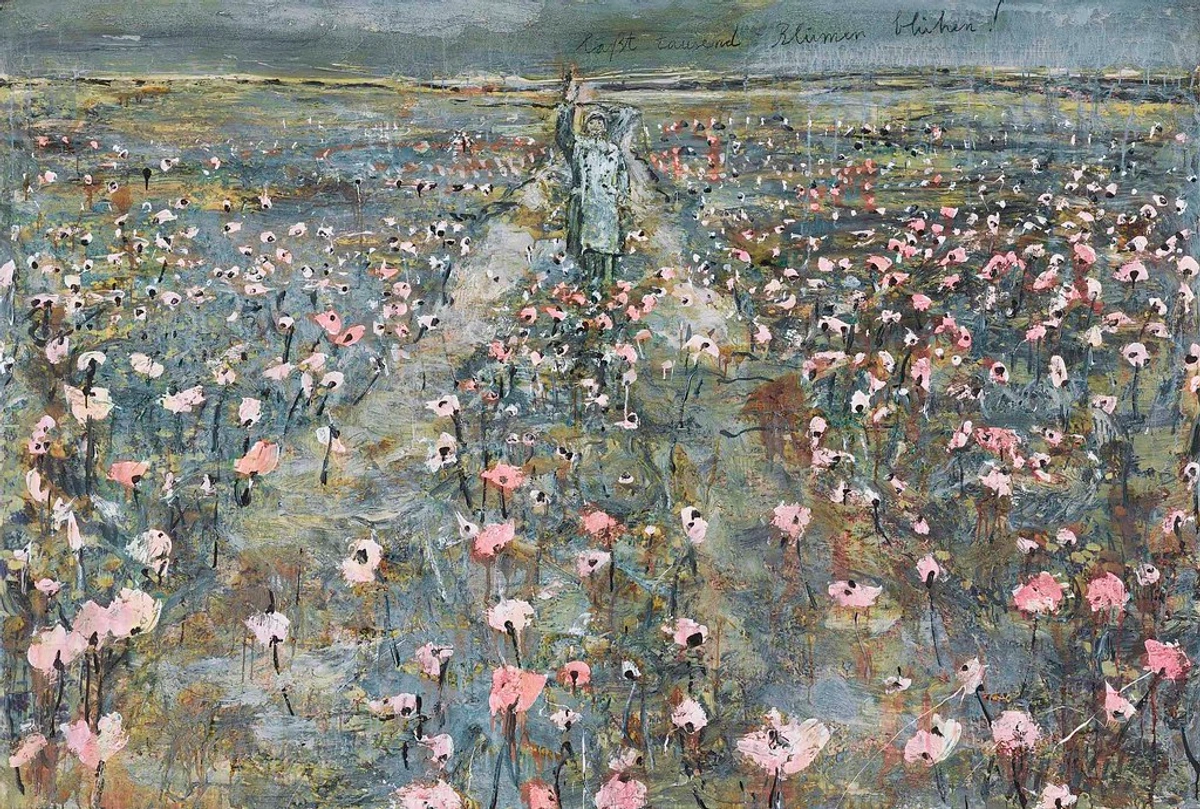
- Anselm Kiefer: His monumental, thickly layered mixed-media works often combine paint with ash, straw, lead, and even broken glass. The resulting rugged, almost geological surfaces carry immense historical, emotional, and philosophical weight, the texture itself becoming a metaphor for destruction, memory, and regeneration. In works like 'Margarete,' the dense, scarred impasto surface physically embodies the profound themes of post-war German identity and the cyclical nature of history. You don't just see a Kiefer; you experience its scarred, ancient landscape.
- Cecily Brown: Known for her vibrant, gestural abstractions that blur the line between figuration and abstraction. Her frenetic, energetic brushstrokes build up a sensuous, almost chaotic texture that pulses with life, hinting at bodily forms and raw instinct, creating a truly immersive visual and tactile experience. Viewing her paintings, like 'The Girl Who Had Everything' or 'Rehearsal,' one feels the dynamism of her hand and the palpable tension between recognition and dissolution, a visceral dance on the canvas. It's like watching a dance unfold on the canvas, barely contained.
- Frank Auerbach: His portraits and cityscapes are built up from such incredibly thick applications of paint – often applied over many sessions, scraping back and rebuilding – that they become almost sculptural reliefs. This intensely physical process conveys a raw, almost agonizing struggle to capture the essence of his subjects, demanding attention with their sheer physical presence and raw intensity, reflecting the passage of time and the artist's relentless pursuit. Looking at an Auerbach, you feel the weight of his effort and the enduring, almost geological formation of the image, as if the subject has been carved into existence by sheer will and layers of pigment.
- Jenny Saville: Her large-scale oil paintings of the nude body often feature incredibly thick, expressive impasto. The paint is pushed, dragged, and smeared to create flesh that feels raw, vulnerable, and monumental, challenging traditional depictions of beauty and the female form. In works like 'Reverse' or 'Fulcrum,' the heavily worked surfaces become metaphors for corporeal reality, injury, and the physicality of existence itself.
- Peter Doig: Known for his evocative, often dreamlike landscapes, Doig frequently employs layered, textural paint to create atmospheric depth and a unique visual haze. His impasto can evoke snow, water reflections, or the dense foliage of a forest, lending his scenes a haunting, tangible quality.
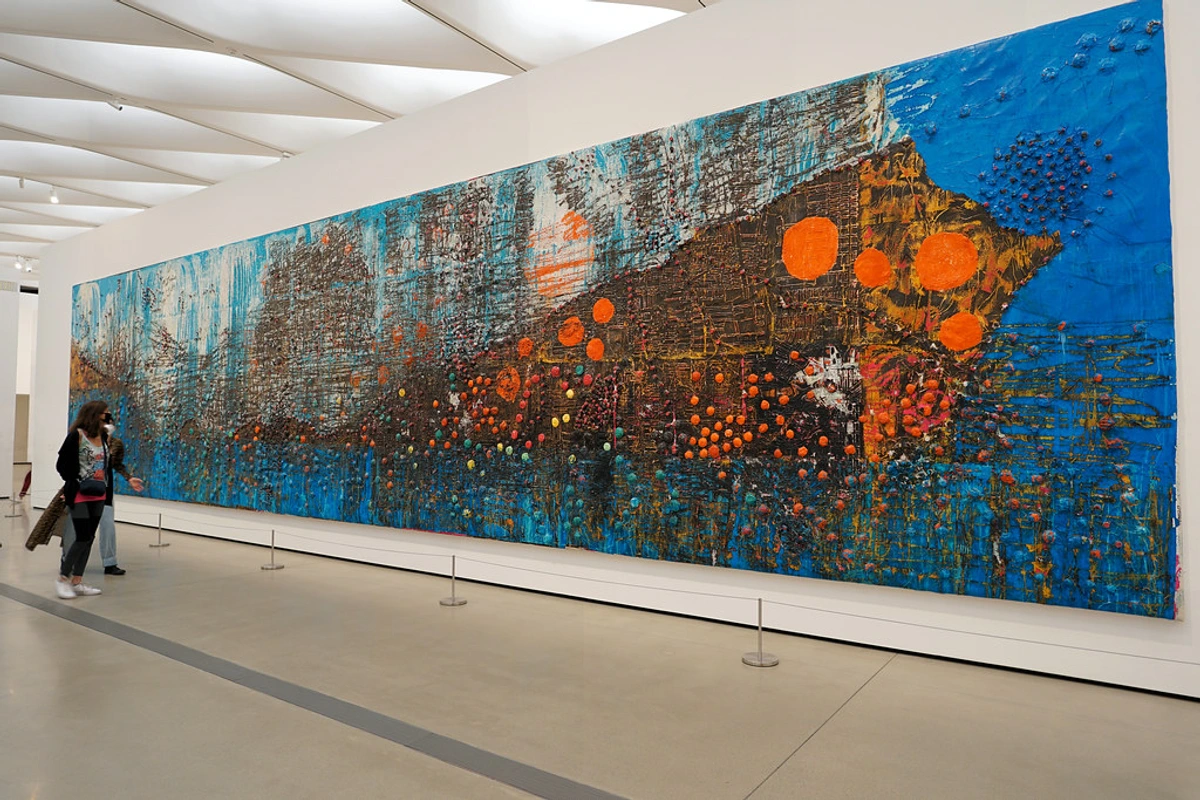
- Julie Mehretu: While her works are vast and complex, often involving architectural drawings and calligraphic marks, Mehretu incorporates moments of subtly built-up impasto, where paint accumulates in dense pockets, adding physical weight and an almost geological stratification to her dynamic compositions.
Digital Impasto: Mimicry or Evolution?
Contemporary impasto also ventures into digital interpretations. While some artists merely use software brushes to simulate impasto effects, others leverage advanced techniques like 3D printing or specialized digital painting tools (using complex brush engines, texture maps, and displacement mapping) to create works that visually mimic physical depth, blurring the lines between physical and virtual. But is it truly impasto if you can't run your fingers over real paint, feel its resistance, and see real shadows shift with the light? Or is it a new frontier, a way to convey sculptural intent without the material constraints? For me, while digital recreations can be fascinating, they often lack the unique, truly tactile resonance and dynamic light interaction of actual paint. It's the difference between seeing a photograph of a sculpture and running your fingers over its actual form. The way light hits a real impasto peak and casts a real shadow, shifting as you move – that's a physical phenomenon that a screen can only approximate, never truly replicate. That said, digital textures can certainly inspire physical impasto, allowing artists to experiment with forms and light interactions before committing to a physical canvas. Ultimately, while digital tools offer fascinating avenues for visual representation, they serve to highlight the unique, irreplaceable sensory experience offered by actual paint sculpted onto a surface. And for me, that tangible connection is precisely what I crave in art.
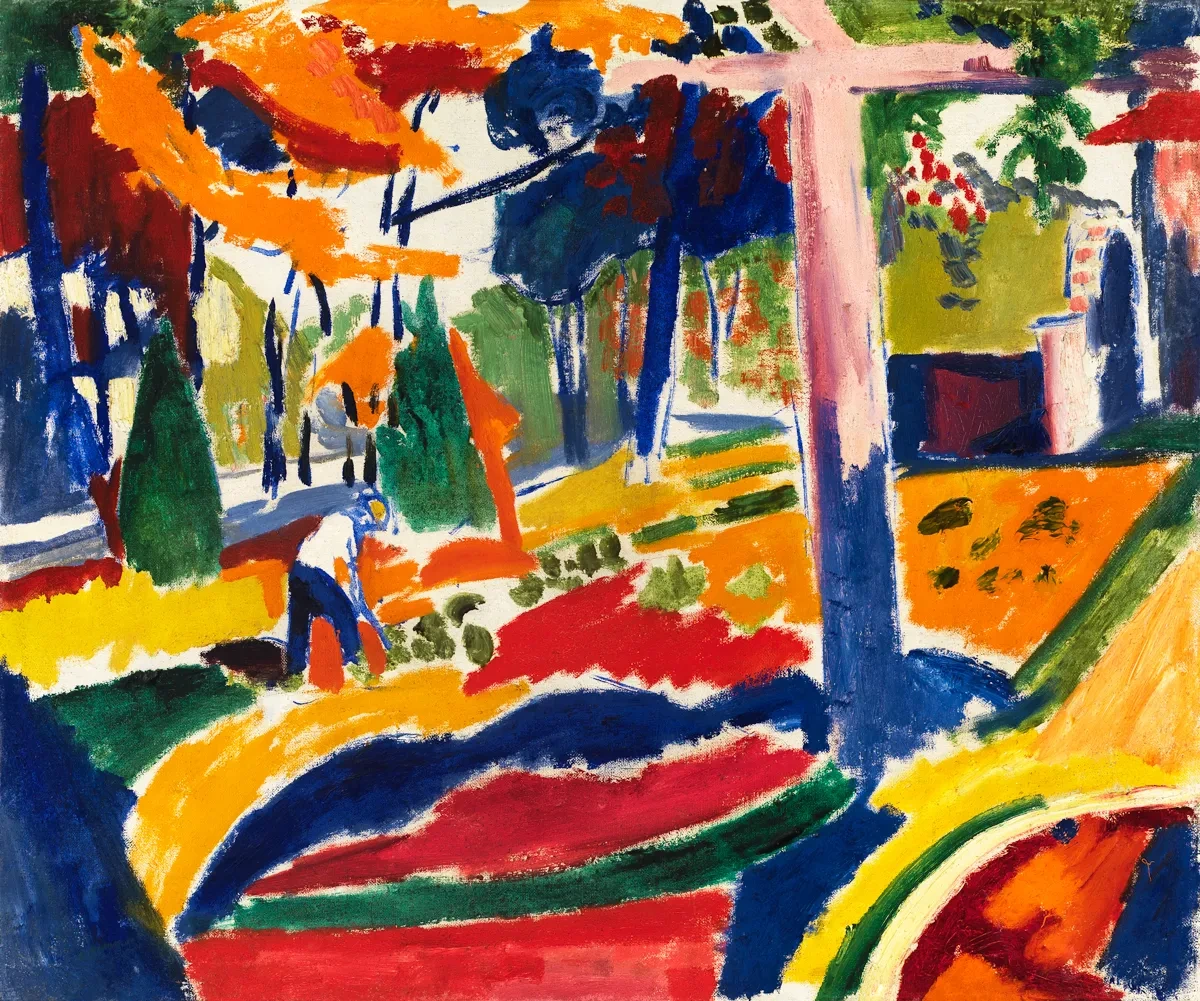
Whether it's the subtle, layered textures of some artists or the bold, unapologetic statements of others, the technique remains a potent way to infuse a painting with energy, presence, and a unique tactile quality. It’s about making a profound statement, making the viewer pause, look closer, and perhaps even imagine themselves interacting with the surface. If you're keen to explore texture in your own work, check out the role of texture in abstract art or exploring-texture:-my-favorite-techniques-for-adding-depth-to-abstract-paintings.
This tactile nature is also a significant factor in the art market. Collectors are often drawn to the uniqueness and authenticity of an impasto piece; its physical presence offers a depth of experience that a flat print, however beautiful, simply cannot replicate. The way it interacts with exhibition lighting, creating ever-shifting shadows and highlights, further enhances its visual appeal and perceived value. Furthermore, the visible hand of the artist, the direct evidence of their creative process embedded in the texture, often deepens the connection between the artwork and the collector, signaling a true original. When impasto pieces are photographed for catalogs or online viewing, the texture is often emphasized with raking light to convey this three-dimensional quality, but as I always say, there’s no substitute for standing before the actual artwork. If you're looking for art that really jumps out at you, literally, then contemporary impasto might be just what you need to [buy] – but remember, the magic is truly experienced when you stand before the actual artwork, feeling its silent conversation with light and space, appreciating its enduring human expression.
Challenges & Conservation: The Price of Presence
While impasto offers immense expressive power, its very physicality comes with its own set of considerations. This glorious physicality isn't without its caveats, I'm afraid.
The Drying Dilemma: Cracking and Longevity
Thick layers of paint, especially traditional oils, can take a very, very long time to dry fully – sometimes years, even decades, for truly monumental applications. This extended drying can lead to cracking over time, particularly if different layers dry at different rates or if the paint film is too brittle – a phenomenon aptly known as craquelure. Some pigments, like historical lead whites (though invaluable for their body), or paints mixed with certain natural resins, could be particularly prone to this if not handled meticulously. It's a testament to the material's inherent nature, a sort of artistic geological process where the paint itself is shifting, slowly but surely. And trust me, nobody wants their carefully sculpted masterpiece to look like a parched desert bed (unless that was the intention, of course!). Plus, let’s not forget the sheer weight of a heavily impastoed painting; it's a very real practical concern for framing, hanging, and transporting, often requiring specialized, robust supports and hardware. This is why many artists opt for rigid supports like thick wood panels or sturdy MDF boards rather than flexible canvases for their most heavily textured works, as these substrates provide superior stability against the physical stress of substantial paint layers. And a word to the wise for oil painters: oil-soaked rags are a significant spontaneous combustion risk because of the oxidation of the linseed oil (or other drying oils) within the paint. As the oil dries, it generates heat, and if this heat cannot dissipate, it can ignite. Always store oil-soaked rags in sealed, fire-proof metal containers filled with water, or spread them flat outdoors to dry thoroughly before disposal – a tiny but real hazard in the studio.
Physical Vulnerabilities: Abrasion, Impact, and Dust
Conservationists, bless their meticulous souls, face unique issues when handling impasto works. The raised surfaces are far more vulnerable to abrasion, impact, and dust accumulation than a flat painting. Every subtle ridge is a point of potential fragility. Transporting these pieces is also a high-stakes endeavor, as even slight pressure can cause irreparable damage, often necessitating custom-built crates with internal supports.
Conservation Considerations: Handling, Cleaning, and Framing
Cleaning impasto works, for instance, requires specialized tools and delicate techniques – think very soft brushes, controlled suction (like a miniature, gentle art vacuum designed to lift dust without touching the paint), and precise solvent application – to avoid dislodging paint or damaging those delicate peaks. And speaking of practicalities, framing impasto works often requires special consideration, like using spacer frames to ensure the thick paint doesn't press against glass, which could damage the texture or cause condensation issues. Specialized protective varnishes exist, but they must be applied with extreme care to maintain the integrity of the texture, often requiring spray application rather than brushing, or even selective application. Maintaining stable environmental conditions (temperature, humidity) is paramount to prevent the paint from expanding and contracting, which exacerbates cracking. But in a way, these very vulnerabilities often add to the artwork's story, revealing the passage of time and the material's enduring struggle to hold its form, reminding us of art's tangible, physical reality.
The Lasting Legacy of Impasto: More Than Just Technique
What I love most about impasto is its unapologetic presence. It doesn't hide; it announces itself with confidence and conviction. It demands attention, not just with color and composition, but with its very physicality. It's a testament to the artist's hand, a direct, undeniable link to the creative process, and a constant reminder that painting can be as much about sculpture as it is about illusion. It literally turns a flat image into an object, a piece of something real that was made, painstakingly built up layer by layer, stroke by stroke. And in a world increasingly filled with flat screens and fleeting digital images, there's something incredibly grounding, authentic, and truly enduring about that tangible connection. It's a commitment to material, a declaration of presence, and for me, it’s a profound echo of the artist’s inner world made manifest. If you're interested in how layers create depth, our guide on the language of layers might be enlightening.
So, the next time you're standing in front of a painting, take a moment. Lean in (but not too close, mind you, museum guards are very serious about that!). And look at the paint itself. Does it have those glorious lumps and bumps? Does it seem to breathe with a life of its own, casting its own tiny, dynamic shadows? If so, you're likely experiencing the magic of impasto, and you're connecting with a legacy of artists who weren't afraid to let their paint speak volumes, demanding not just to be seen, but to be deeply, viscerally felt. It's an invitation to a deeper conversation with art, one that engages all your senses. And who knows, maybe it will even inspire you to pick up a palette knife yourself and try making some magnificent lumps and bumps of your own. Or, if you're like me and prefer to admire from a respectable, non-damaging distance, you might find your next cherished piece among my own art, where texture often plays a starring role. What impasto piece has truly moved you, and why? What's your favorite impasto artwork that you've encountered?
Frequently Asked Questions About Impasto
Q: What is impasto painting?
A: Impasto is a painting technique where paint is applied so thickly that it stands out from the surface, creating visible brushstrokes, palette knife marks, or other tool impressions, and a distinct, three-dimensional texture. It allows the paint itself to become a physical, sculptural element of the artwork, adding significant depth, dynamism, and a tactile quality that engages the viewer beyond just sight. It's essentially painting in 3D, turning a flat canvas into a tangible landscape of color and form, making the artist's touch undeniably present. You can delve deeper into understanding form in abstract art to see how this translates.

Q: How do I identify impasto in a painting?
A: Identifying impasto is usually quite straightforward: look for tangible, raised areas of paint on the canvas. Instead of a flat, smooth surface, you'll see visible brushstrokes, palette knife marks, or even finger impressions that cast tiny shadows. These textural elements create a three-dimensional effect, making the paint appear to physically project from the surface. Often, standing at an angle to the artwork or observing how light hits the surface will make these physical characteristics even more apparent, as the shifting shadows and highlights reveal the true sculptural quality of the paint. It's literally about seeing and feeling the artist's hand and the material itself.
Q: Which famous artists are known for using impasto?
A: Many artists throughout history have utilized impasto, from its subtle beginnings to its most expressive forms. Some of the most renowned include: Titian (for subtle textural richness in drapery), Rembrandt van Rijn (for sculpted light and dramatic highlights), Vincent van Gogh (for intense emotional expression and dynamic movement), Claude Monet and Alfred Sisley (for capturing the fleeting quality of light and atmosphere), Jackson Pollock and Willem de Kooning (for raw energy and gestural abstraction), Gerhard Richter (for layered, scraped surfaces and perceptual play), and contemporary figures such as Frank Auerbach, Anselm Kiefer, Cecily Brown, Jenny Saville, Peter Doig, and Julie Mehretu, each employing the technique in their unique, powerful ways. Their diverse approaches highlight the versatility and enduring power of impasto, showcasing how this thick paint technique has continually evolved to serve different artistic visions.
Q: Does impasto make a painting more valuable?
A: The value of a painting is determined by many complex factors including the artist's renown, provenance, condition, historical significance, and market demand. While impasto itself doesn't automatically guarantee higher value, a masterful, unique, and well-preserved use of this technique by a significant artist can certainly contribute profoundly to the uniqueness, authenticity, and desirability of a piece. Its distinctive visual and tactile appeal, coupled with the enhanced physical presence and dynamic interaction with light, often elevates a work's market value, making it highly sought after by collectors who appreciate tangible art. Ultimately, it's the artistic merit of the impasto, not just its presence, that counts. Collectors are often drawn to the tangible evidence of the artist's hand and the unique experience a truly sculptural painting offers, which can enhance its perceived uniqueness and collectibility. This also influences art inspirations for many.

Q: Can impasto be used with acrylic paints?
A: Absolutely! While traditionally associated with the rich body and slow drying time of oil paints, impasto can be very effectively achieved with acrylics. Modern acrylic paints, especially heavy body acrylics, are formulated to be inherently thick and retain brushstrokes and knife marks exceptionally well. Furthermore, artists can use a variety of specialized acrylic mediums – such as impasto gels, modeling pastes, or heavy gel mediums (discover more at best-acrylic-mediums-for-abstract-artists) – which are specifically designed to dramatically increase paint viscosity and volume, allowing for even more pronounced, sculptural impasto effects. A significant advantage of using acrylics for impasto is their much faster drying time compared to oils, offering quicker layering possibilities and speeding up the overall creative process. This makes it a fantastic option for artists seeking immediate textural results. For more on acrylics, see the history of acrylic painting.
Q: How is impasto different from alla prima?
A: Impasto refers to the physical thickness and texture of the paint application itself – how much the paint stands out from the surface, creating a three-dimensional effect. Alla prima (Italian for "at first attempt") is a painting method where layers of wet paint are applied onto previous layers of still-wet paint, often completing a painting or a significant section in a single session before it dries. While alla prima often results in impasto due to this wet-on-wet application (which naturally builds up paint thickness), the terms describe different aspects: impasto is about the visual and tactile quality of the paint (its physicality), whereas alla prima is about the process, speed, and immediacy of application. You can certainly have impasto without alla prima (e.g., building up thick layers over several dry sessions) and alla prima without significant impasto (e.g., thin, wet washes). Alla prima can certainly facilitate impasto, but they are not interchangeable terms. For more, see our article on what-is-alla-prima-painting.
Q: What is the difference between impasto and texture in art?
A: Texture is a broad term in art that refers to the perceived or actual surface quality of a work. It can be visual (an illusion of texture on a flat surface, created by lines or color variations) or tactile (a physically rough or smooth surface that you could feel). Impasto is a specific type of tactile texture, characterized by the extremely thick application of paint where the brushstrokes or tool marks are clearly visible and stand out from the canvas. While all impasto creates texture, not all texture is impasto; an artist might create visual texture through fine lines or color variations without physically raising the paint, or use other materials like sand or fabric for tactile texture that isn't paint-based. Impasto specifically refers to the sculptural quality achieved with thick paint.
Q: What are the risks of a painting cracking if it's made with impasto?
A: Cracking, known as craquelure, is a significant risk with impasto, especially in oil paintings. The main reasons include uneven drying times between thick layers (e.g., faster-drying thin layers over slower-drying thick ones – violating the "fat over lean" rule), or the paint film becoming brittle over time. Some historical pigments like lead whites, or paints mixed with certain natural resins, were particularly prone to this. Drastic changes in environmental conditions (temperature and humidity) can also cause the paint to expand and contract, exacerbating cracks. Careful material choice, adherence to traditional layering rules, and stable display conditions are crucial for minimizing this risk.
Q: What are the common challenges of using impasto?
A: Impasto, while visually stunning, presents a few challenges. One major concern, especially with oil paints, is the extended drying time, which can take months or even years for very thick applications. This slow drying can lead to cracking (craquelure) if layers dry at different rates or the paint film becomes brittle over time. Additionally, the raised texture makes impasto paintings more vulnerable to physical damage from abrasion, impact, and dust accumulation, requiring careful handling, transportation, and specialized conservation techniques for cleaning and preservation. Framing often requires special spacer frames to prevent the paint from pressing against glass. The sheer weight of heavily impastoed works also necessitates robust supports and hanging systems. It's a technique that demands patience and respect for the material's inherent properties, and often means extra considerations for framing and display.
Q: Can impasto be repaired or restored?
A: Yes, impasto paintings can be repaired and restored, but it's a highly specialized and delicate process, often requiring the expertise of a professional conservator. Damages can range from detached flakes of paint (often due to craquelure) to abrasions or losses caused by impact. Restoration might involve carefully reattaching loose paint flakes, filling in losses with new material (matched to the original texture and color), and consolidating weakened areas. The goal is always to stabilize the artwork and restore its aesthetic integrity while respecting the artist's original intent and the unique physicality of the impasto. Due to the inherent fragility of the raised paint, extreme caution and specialized tools are always necessary.
Q: Any tips for beginners trying impasto?
A: Absolutely! Start small, perhaps on a canvas board or wood panel. Experiment with both brushes (especially stiff hog bristles) and palette knives to see what textures you prefer. Don't be afraid to use a lot of paint! If using oils, remember the 'fat over lean' rule to prevent cracking – thinner layers first, then thicker, richer layers. With acrylics, heavy gel mediums are your best friend for building volume quickly and efficiently. For a quick exercise, try a small abstract landscape, using thick, choppy strokes to mimic rolling hills or dramatic cloud formations. Most importantly, have fun with the physical act of painting and embrace the raw, sculptural quality of the medium! Think of it as sculpting with color, and don't be afraid to make mistakes – they often lead to the most interesting textures. Also, check out our guide on best-oil-paints-for-beginners if you're leaning towards oils.
Q: Is impasto environmentally friendly?
A: The environmental impact of impasto painting largely depends on the materials chosen. Traditional oil paints often involve pigments that can be toxic (like cadmium or cobalt) and require solvents (like turpentine or mineral spirits) for cleanup, which can be harmful if not disposed of properly. Acrylic paints, particularly water-based heavy body acrylics and gels, are generally considered more environmentally friendly as they don't require harsh solvents and many brands offer non-toxic pigment options. However, synthetic acrylic polymers are still plastics, raising concerns about microplastic waste. For the conscious artist, researching eco-friendly brands, using non-toxic pigments, minimizing solvent use, and ensuring proper waste disposal are key steps. Always prioritize proper ventilation and safe handling, regardless of the medium.