Calligraphy: Ancient Art, Modern Expression & Mindful Practice
Uncover calligraphy's journey from ancient sacred duty to dynamic modern art. Explore its history, essential tools, profound meditative benefits, and why this human touch endures in our digital world.

The Enduring Art of Calligraphy: From Ancient Whispers to Modern Expressions and Meditative Practice
I’ve always been captivated by the almost magical quality of a beautifully written word, a piece of calligraphy. It’s not just about the meaning of the letters, but the captivating way they’re formed – the fluid dance of the ink, the deliberate rhythm of the strokes, the sheer human intention behind each delicate curve and bold line. This expressive power always makes me wonder: how did we journey from scratching rudimentary symbols on clay tablets to these intricate, flowing forms we cherish today? And what profound significance does this art hold for us now, in a world where digital text is omnipresent? My own handwriting, I must confess, is usually a frantic scramble, a testament to speed over elegance (a truth I’m not entirely proud of, but there it is). This makes me all the more captivated by the disciplined beauty of calligraphy, and how it connects to a broader human timeline of creativity and expression. It feels like stepping back in time, like listening to whispers from different eras, each script telling its own unique story. It's a grounding reminder of the irreplaceable human touch, a quiet rebellion against our digital-first world. The sheer human intention behind each delicate curve and bold line, much like the deliberate choices in my abstract art, speaks volumes. So, join me as we explore its ancient roots, delve into its classical forms, marvel at its modern reinventions, and uncover why it continues to hold such a special place in our hearts, even today. We'll journey from historical reverence to modern-day expressive power, covering everything from the tools of the trade to the profound personal benefits of practice. For a more comprehensive look at the evolution, I highly recommend exploring the history of calligraphy from ancient scripts to modern art.
The Echoes of Ancient Hands: A Journey Through Time
Before the printing press or even widespread literacy, writing wasn't merely a means of communication; it was an art, a sacred duty, and often, a powerful tool. Imagine the dedication required: someone, with immense patience and skill, meticulously transcribing entire texts by hand. This was often a sacred duty, preserving religious scripture, governmental decrees, or foundational philosophical texts, all imbued with deep reverence for the knowledge they contained. Think of the Code of Hammurabi, a foundational Babylonian legal text, painstakingly inscribed to preserve order, or the meticulous copying of the Magna Carta, ensuring its legal authority across generations. A prime example is also the role of Egyptian scribes, whose careful rendering of hieroglyphs ensured the religious and administrative continuity of their civilization. Beyond laws and governance, this devotion extended to preserving spiritual wisdom, from early Buddhist sutras to Vedic hymns, where the act of writing was itself a form of meditation and veneration. That's a level of focus I sometimes struggle to find just to reply to emails, honestly! It often leaves me wondering if my ancestors would judge my digital communication habits.
We can trace these deep roots back through millennia. Think of the intricate wedge marks of Mesopotamian cuneiform, among the earliest systematic writing, often impressed into damp clay tablets with a stylus to keep vital administrative and historical records. Then came the majestic Egyptian hieroglyphs that adorned tombs and temples, functioning as much as art as they did as communication, painstakingly applied to papyrus and stone for sacred and administrative purposes. Papyrus, crafted from reeds, offered a lighter, more portable surface than clay, paving the way for different cursive scripts. Later, parchment, made from animal skin, offered even greater durability for preserving invaluable texts, culminating in the widespread use of vellum and, eventually, early forms of paper. Each new material profoundly influenced the aesthetics and evolution of scripts, demonstrating how form often follows function in the development of writing, with materials dictating possibilities. From there, we see the monumental Roman capitals carved into stone, bold and enduring, proclaiming power and purpose across vast empires, but also serving for public notices and dedications, a testament to their pervasive civic role. It's truly fascinating how the available materials influenced the very aesthetics of writing.
From these ancient beginnings, an incredible flourishing of distinct scripts emerged across diverse cultures. We see the elegant flow of Arabic calligraphy, deeply interwoven with Islamic art and spirituality, often considered the supreme art form in many Muslim cultures, evolving through styles like Kufic and Naskh for transcribing the Quran and other sacred texts; the expressive brushwork of East Asian characters, where each stroke embodies philosophical depth and connects directly to the calligrapher's spirit. The precision of stroke order, a fundamental principle, is believed to convey the calligrapher's 'qi' or life force, an essential energy channeled into the artwork; and the intricate beauty of Celtic illuminated manuscripts, like the legendary Book of Kells, where text and breathtaking artwork merged into visual feasts. These manuscripts weren't just decorative; their complex interlace patterns and vibrant colors were often acts of devotional meditation for the scribes, a way to honor sacred texts like the Gospels through painstaking artistry and celebrate faith through visual splendor. Other traditions, like the Carolingian Minuscule or Insular script, also played pivotal roles in preserving knowledge through meticulously crafted books, promoting legibility across Charlemagne's empire and reflecting distinct regional styles and priorities. Each style offers a unique window into a civilization’s soul, a profound connection to our past, and often, a testament to the extraordinary skill of countless anonymous scribes and, occasionally, celebrated masters like Eadfrith of Lindisfarne, whose intricate work on the Lindisfarne Gospels showcases unparalleled artistry and spiritual devotion.
It's a powerful testament to human creativity and ingenuity, witnessing how the art of writing evolved, profoundly shaping our ability to record and share knowledge. The shift from individual, laborious transcription to the eventual advent of the printing press transformed how knowledge was disseminated, yet calligraphy continued to thrive, adapting its purpose from pure utility to more refined artistic expression and ceremonial use. But how did these ancient whispers translate into the elegant forms we recognize today? Let's explore the mastery of traditional styles.
Script  | Origin | Defining Characteristic | Primary Materials/Tools |
|---|---|---|---|
| Mesopotamian Cuneiform | Mesopotamia | Wedge-shaped marks, impressed into clay tablets | Clay tablets, stylus |
| Egyptian Hieroglyphs | Ancient Egypt | Pictorial symbols, both phonetic and semantic | Papyrus, stone, reeds/brushes, chisels |
| Roman Capitals | Ancient Rome | Monumental, carved into stone, all caps | Stone, chisels, later broad-edged pens |
| Arabic Calligraphy | Islamic World | Flowing, curvilinear, integrated with spirituality | Qalam (reed pen), paper, parchment |
| East Asian Characters | East Asia | Expressive brushwork, connection to spirit | Brush, inkstick, inkstone, paper/silk |
| Celtic Illumination | Early Medieval Europe | Intricate interlace patterns, vibrant colors | Parchment, quill pens, various pigments |
The Personality of the Pen: Mastering Traditional Styles
When people talk about calligraphy, those classic, refined styles often spring to mind, and for good reason! Scripts like Copperplate, with its elegant flourishing and distinct thick and thin strokes created by varying pressure on a flexible nib, or Italic, known for its exceptional legibility and gentle, often consistent slant, typically created with a broad-edged pen for consistent width, are stunning examples of precision and beauty. Mastering these, I imagine, is a profound test of patience and fine motor skills. My own attempt at Copperplate with a dip pen once looked less like "elegant script" and more like "a spider walked through ink and then had a seizure." It was a humbling (and frankly, hilarious) learning experience that really drives home the dedication involved, reminding me that even the simplest strokes require immense control.
But beyond these, there's the bold, angular beauty of Gothic Blackletter, a family of scripts including variations like Textura, Rotunda, and Fraktur, which dominated medieval European manuscripts, often for religious or legal documents. These were typically created with a broad-edged nib, designed to produce its distinctive sharp angles and heavy, compressed appearance. Or the rounded, stately forms of Uncial script, popular for early Christian texts, often executed with a broad-edged quill pen that allowed for smoother, more rounded letterforms. Trying to achieve the consistent rhythm and heavy texture of Gothic with a broad-edged nib felt less like writing and more like meticulously constructing tiny, elaborate fences – an exercise in absolute control! These styles aren't just pretty faces, though. They each carry significant historical weight, often reflecting the tools available at the time, the prevailing cultural values, and the practical needs of their origins. Copperplate, for instance, became popular for formal documents and invitations due to its ornamental nature and ability to convey status, while Italic was prized for its efficiency and readability in correspondence and early printed books. They form the very foundation of the art, and understanding them is fundamental to true mastery. For a broader understanding of the art form itself, check out the art of calligraphy.
Before we dive deeper into the expressive power of modern forms, let's talk about getting started with the right tools.
Gearing Up: The Right Tools for the Traditional Trade
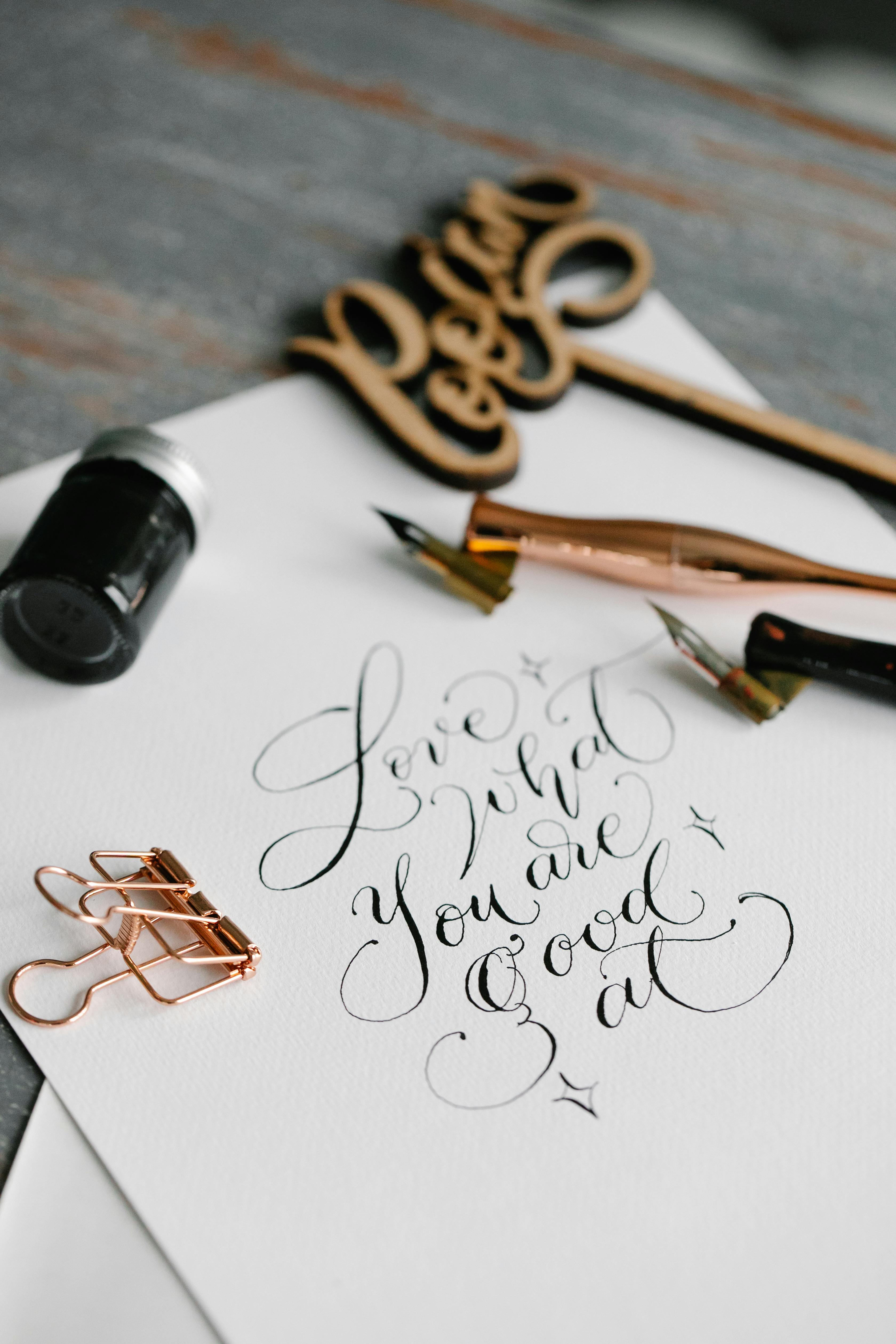
Before you even think about putting pen to paper (or, in my case, making a glorious mess), you really do need the right tools. I mean, you wouldn't expect a carpenter to build a masterpiece with a plastic spoon, right? While some seasoned calligraphers swear by specific brands or rare vintage finds, the basics are surprisingly approachable for beginners: good quality paper, ideally at least 100gsm (grams per square meter) to prevent feathering and bleed-through, but also to provide a smoother surface that aids ink flow and nib glide; a suitable pen (dip pens with flexible, pointed nibs for varying line weight in scripts like Copperplate, broad-edged nibs for Gothic or Italic, brush pens for broader strokes, or fountain pens with flexible nibs for continuous flow); and, of course, ink. My advice? Don't break the bank on your first set of tools, but definitely don't skimp on the ink – cheap ink is just... frustrating and can utterly sabotage your efforts. Beyond just price, different inks like sumi ink, India ink, or even acrylic inks offer varied properties: sumi for its deep black and smooth flow, India ink for its waterproof quality once dry, and acrylic for vibrant colors and versatility on different surfaces. The sheer beauty of a flowing stroke and the crispness of your lines often come down to the quality of these core materials. Beyond just the tools, understanding proper posture and the specific pen angle for different nibs is crucial. It's not just about holding the pen, but how you align it with the paper to achieve those consistent, beautiful strokes – a subtle dance that takes practice but makes all the difference.
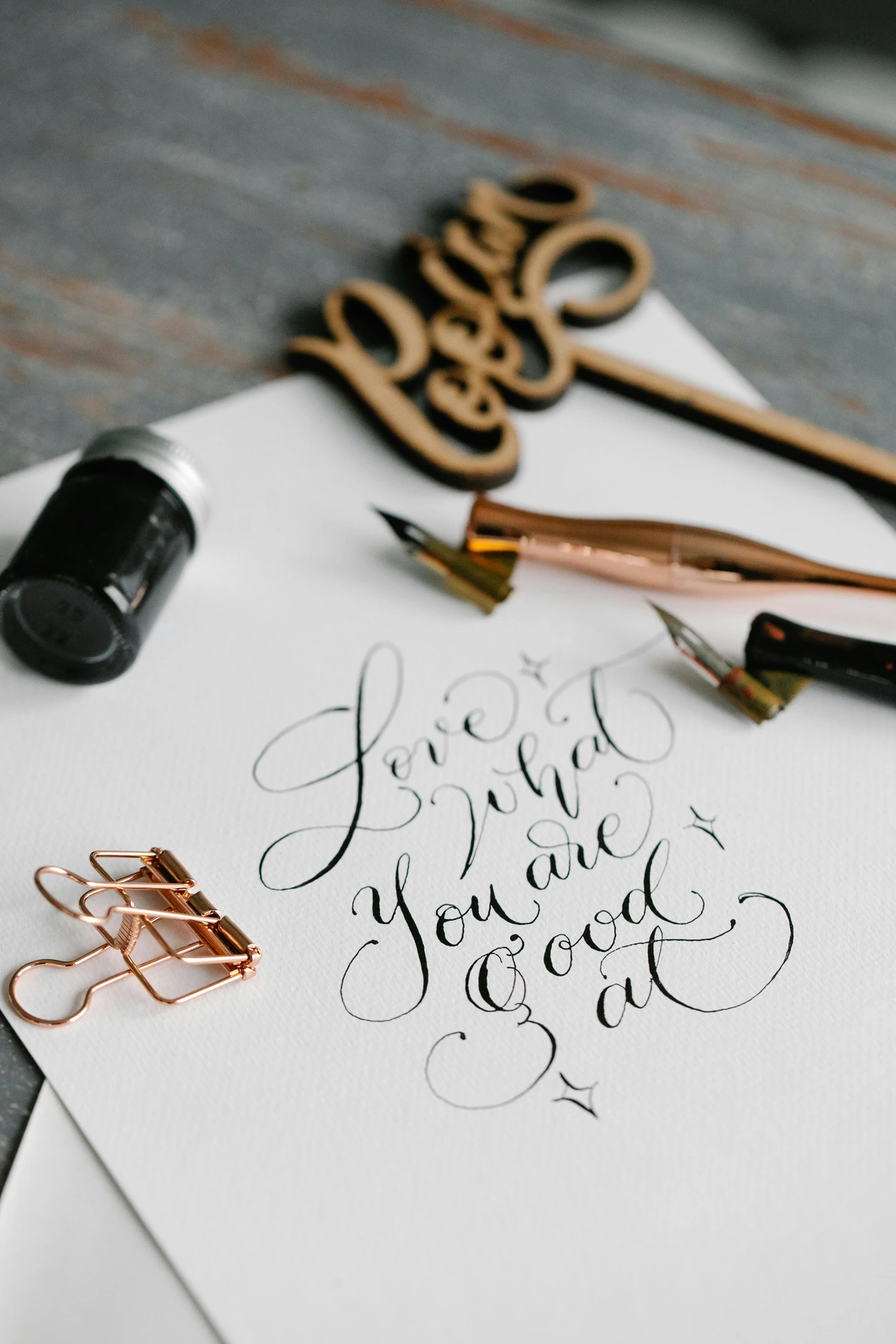
You can get a great head start by checking out essential calligraphy supplies for beginners. It's really helpful, especially when trying to choose between all the excellent options out there.
Calligraphy Today: Breaking the Rules, Finding New Expressions
Now, here's where it gets truly exciting for me, someone who leans more towards the abstract in my own art. While respecting tradition is vital, calligraphy hasn't stood still. It has evolved, twisted, and, frankly, exploded into something incredibly diverse. We're seeing artists take traditional forms and deconstruct them, playing with scale, texture, and negative space, or even invent entirely new expressive alphabets – perhaps a script inspired by the organic forms of nature, or the stark angles of urban decay, each letter a small, unique artwork. It’s like the rigorous discipline of the past meets the wild freedom of contemporary thought, resulting in breathtaking innovation, where, for instance, a traditionally precise Copperplate might be blown up to monumental scale and rendered in an unexpected medium like neon, blurring the lines between classic script and sculptural art.
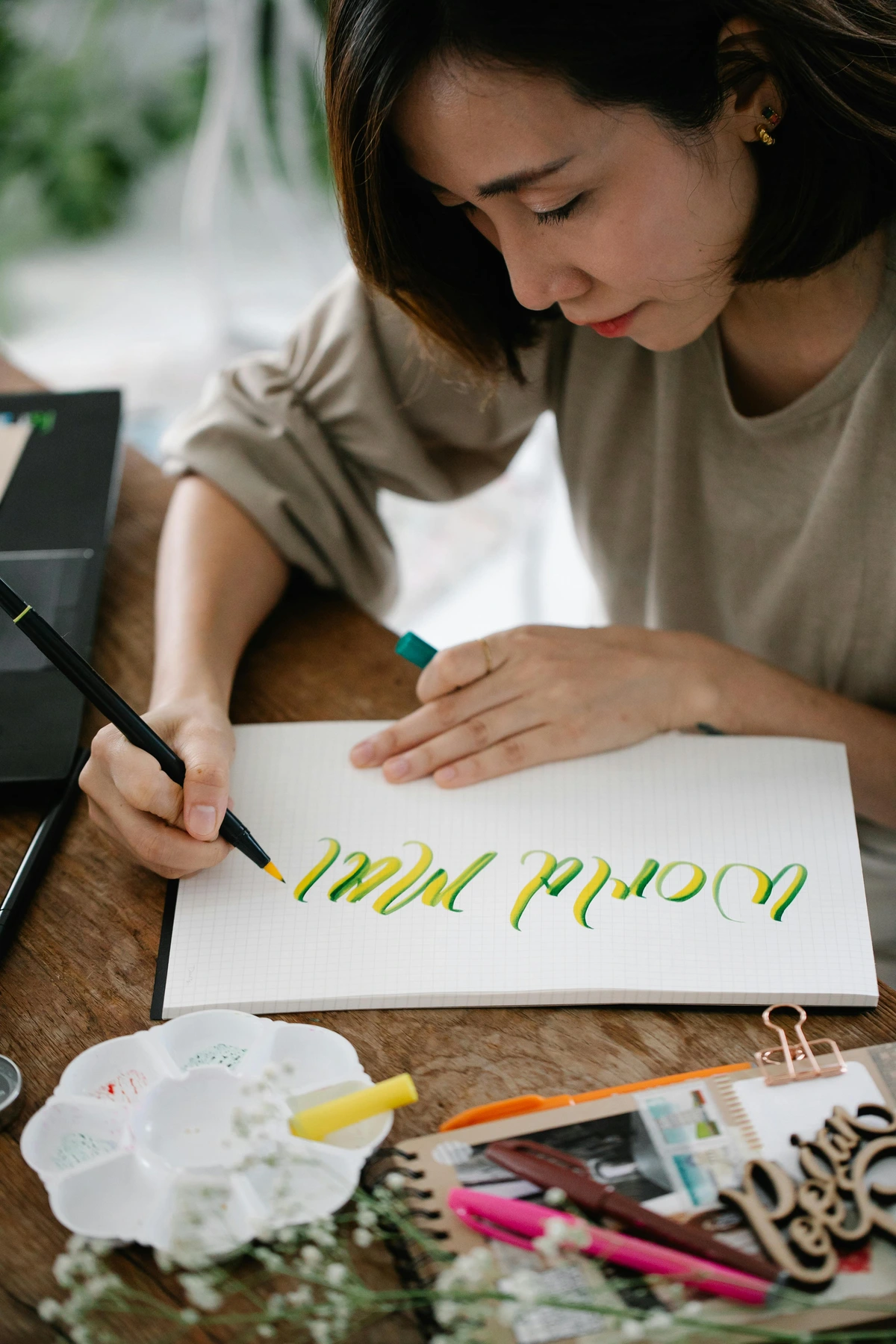
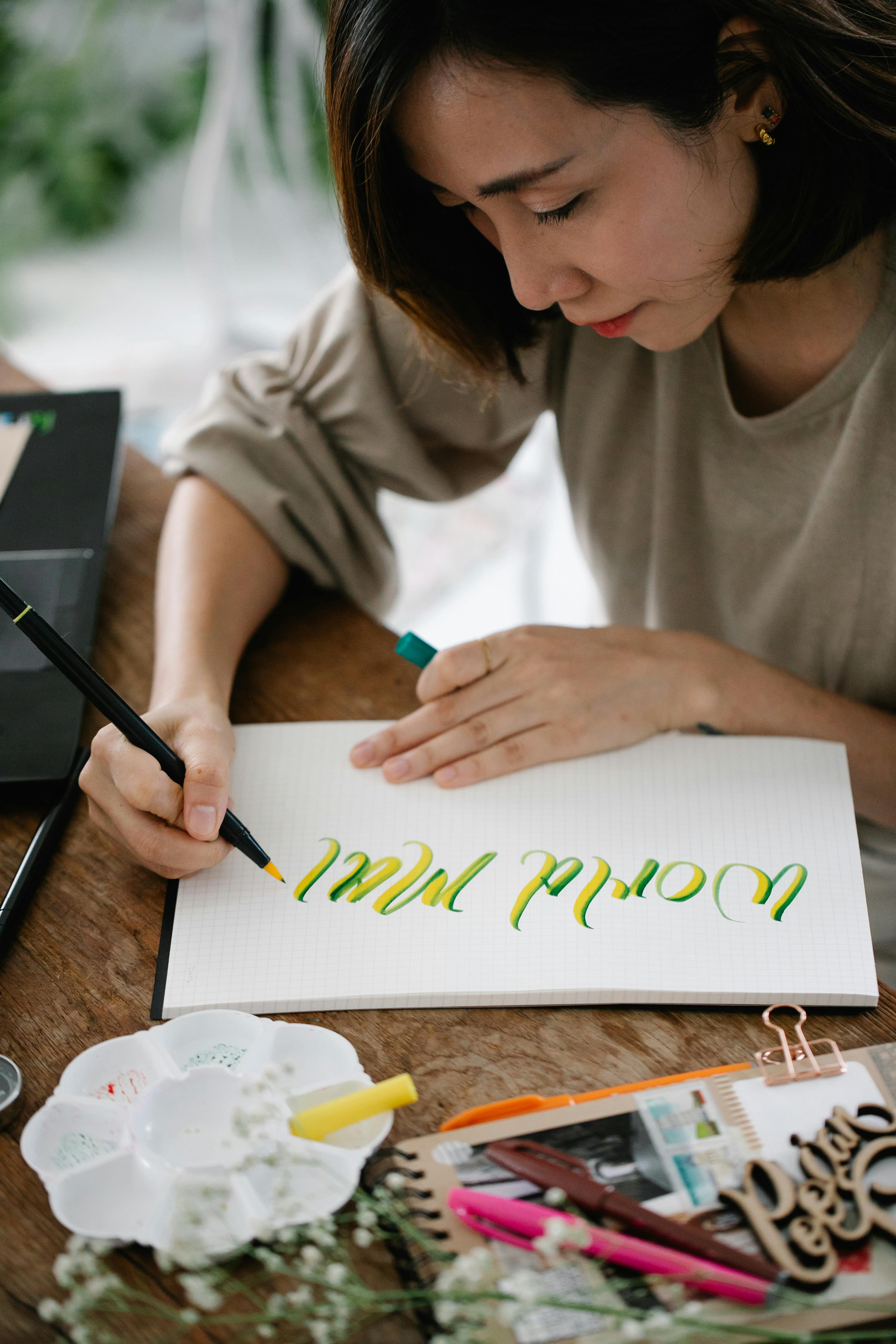
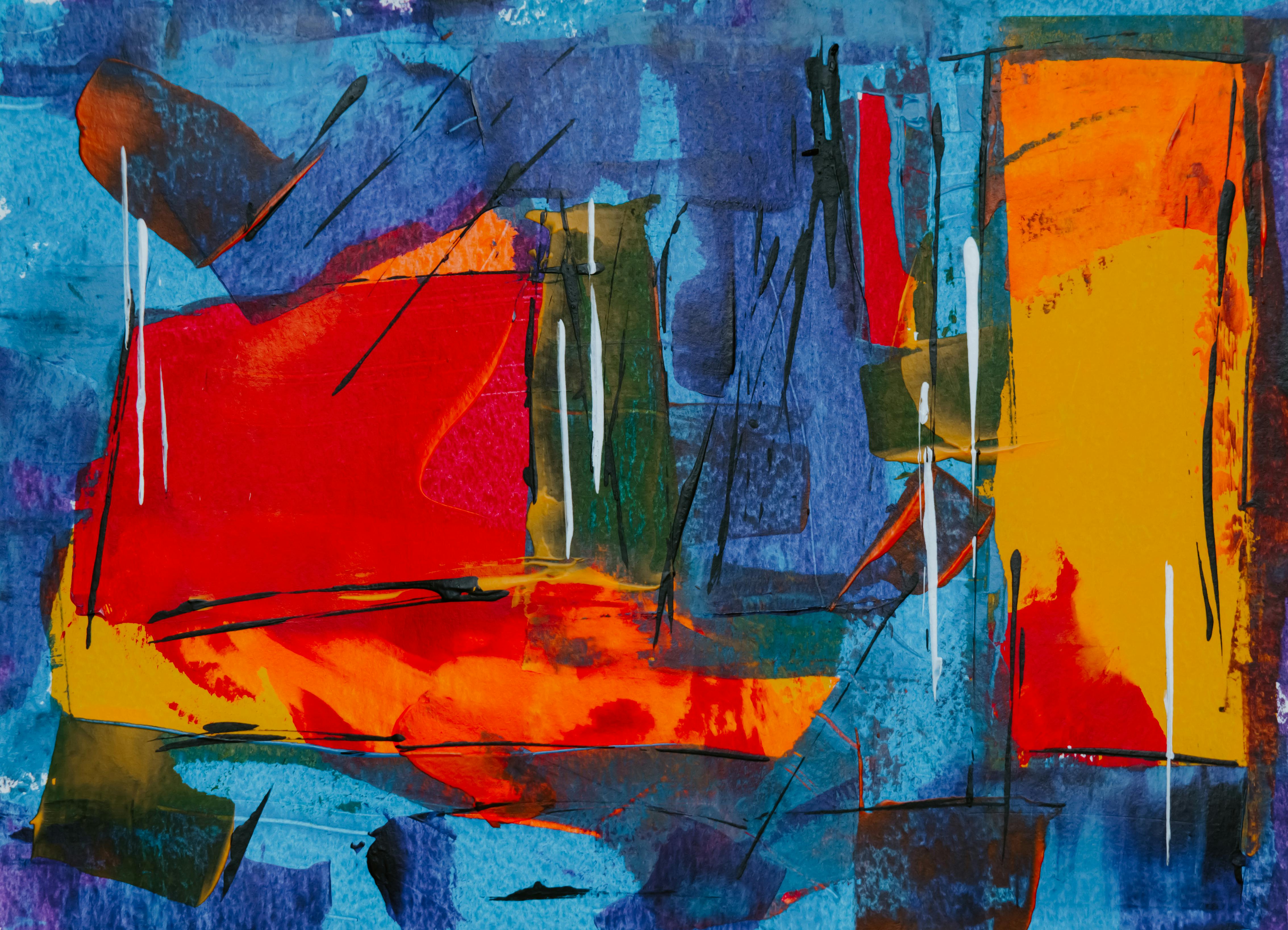
This is precisely where the line between calligraphy and more general visual art beautifully blurs. Think about modern brush lettering, which emphasizes fluidity, spontaneity, and personal style over strict historical adherence. Or abstract calligraphy, where the letters become gestural shapes, evocative textures, and rhythmic patterns, sometimes even becoming utterly unrecognizable as literal text, but still retaining that incredible energy and dynamic flow of written language. It’s like the very spirit of writing, distilled into pure visual form, a language beyond words. This expressive freedom has also led calligraphy to influence modern graphic design and branding, where the elegance of custom lettering can evoke unique emotions and brand identities. We even see digital calligraphy emerging, where artists leverage tablets and sophisticated software like Procreate on an iPad or Adobe Illustrator to mimic traditional strokes with startling accuracy, or to create entirely new, dynamic textual designs for web, print, and motion graphics. Artists might choose digital methods for their ease of editing, the ability to work in layers, the scalability of vector-based designs, or simply the accessibility to a wider range of tools and effects, pushing the boundaries of what 'written' can mean. These programs allow for pressure sensitivity that emulates a real brush or nib, enable layering for complex compositions, and offer vector-based output for scalable designs – truly a new frontier where images retain crispness at any size. There's even nascent exploration into generative calligraphy, where algorithms are used to create unique calligraphic forms by defining parameters like stroke width, curvature, and spacing, allowing for endless variations and merging human aesthetic principles with computational creativity.
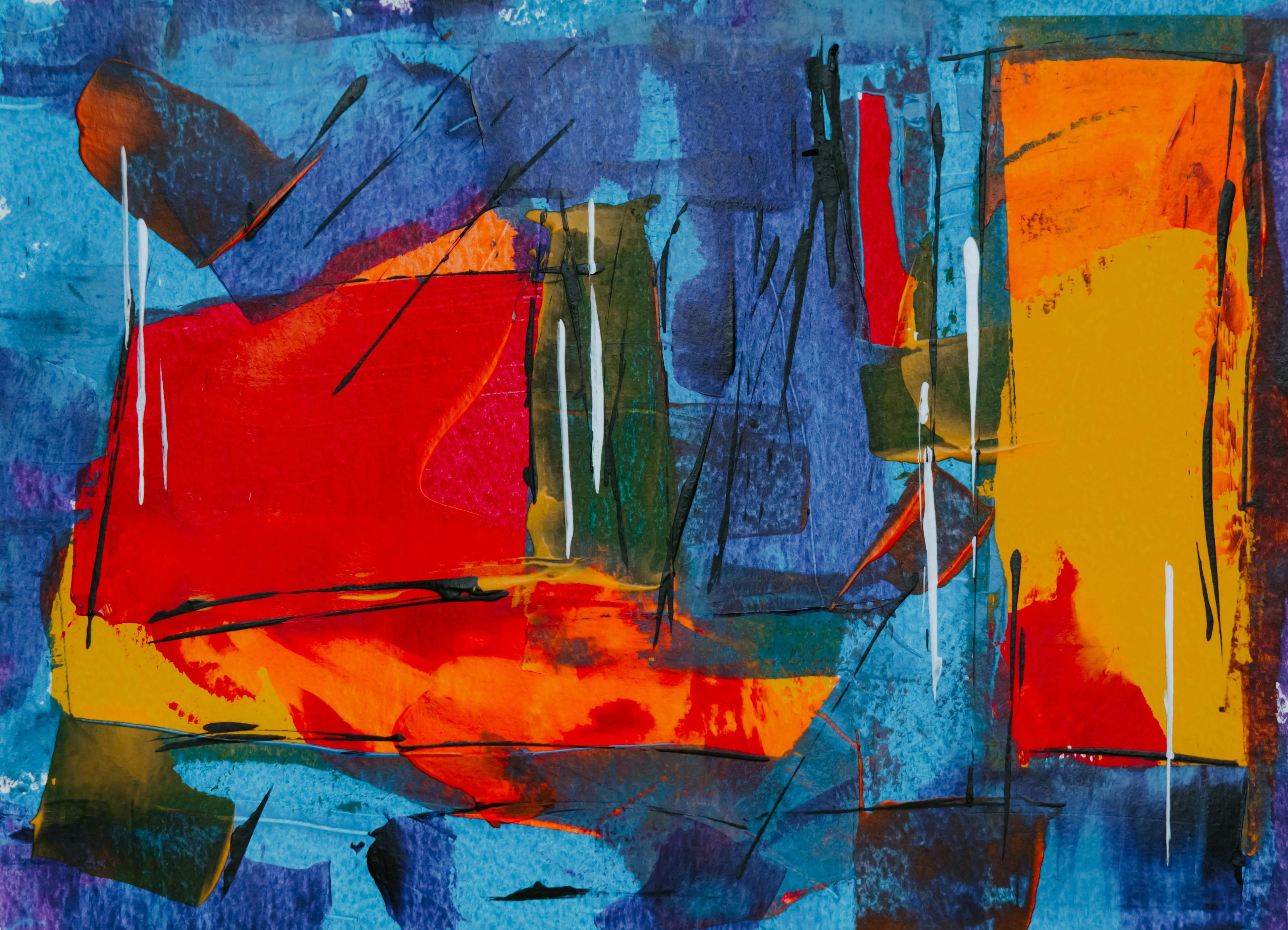
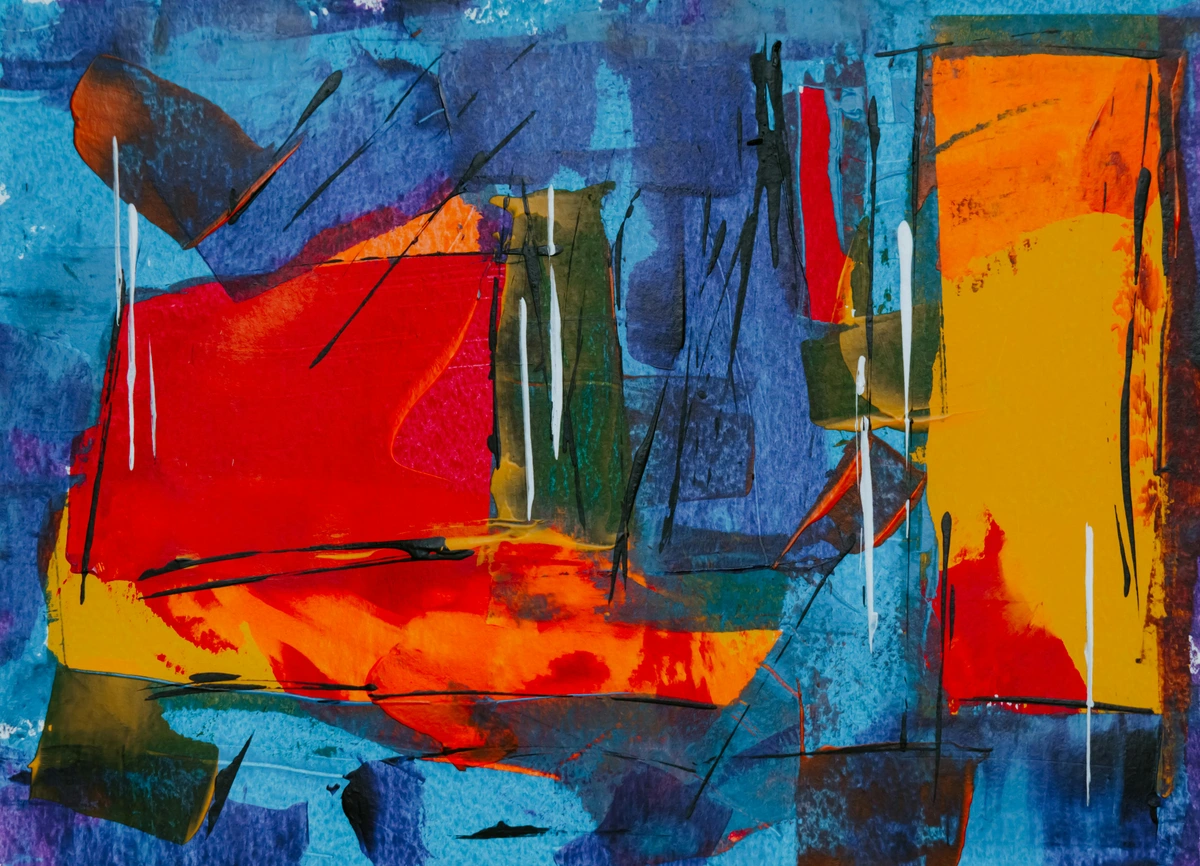
This evolution resonates deeply with my own artistic journey. My work, often vibrant and abstract, also seeks to communicate feeling and energy through unexpected forms and bold color. It's much like how modern calligraphers use dynamic strokes and deliberate negative space to convey emotion beyond literal meaning; for example, the rhythmic arrangement of lines or the tension created by empty space in a calligraphic piece directly informs how I approach composition and visual rhythm in my abstract paintings. I've found a fascinating interplay between the strictures of traditional letterforms and the boundless potential of abstract expression; both demand intention, a deep understanding of composition, and a mastery of their chosen medium. Yet, one often thrives on meticulous repetition and the other on spontaneous innovation. It's a powerful reminder that all art, whether an ancient sacred script or a contemporary abstract painting you might find on an art for sale page, is fundamentally about communication and expression, about pushing boundaries, or finding profound beauty within them. The deliberate rhythm of a calligrapher's hand, the precise control of the tool, the careful consideration of spacing and form – these elements mirror the foundational principles of composition and negative space that I grapple with in my own abstract works. It's the silent dialogue between control and freedom, a beautiful tension that calligraphy embodies perfectly.
If you're curious about how artists push these boundaries, especially with that expressive energy, you absolutely have to check out the definitive guide to understanding abstract art styles. It’s an absolute eye-opener. And for those itching to try their hand at more modern, expressive forms, there are some really great resources on basic calligraphy techniques for beginners that can get you started without feeling overwhelmed by centuries of tradition. But why, in our increasingly digital world, does this ancient art still hold such a powerful sway?
Why Calligraphy Still Captivates Us in a Digital World
In our ultra-digital age, where fonts are chosen with a click and messages are typed at lightning speed, why do we still find ourselves so profoundly drawn to handwritten beauty? I think it’s because it’s a deeply, unapologetically human act. Each stroke is unique, carrying the subtle tremor of a hand, the fleeting breath of a moment, and the distinct pressure of personal intent. It’s a powerful antidote to the impersonal, offering a tangible connection to meticulous craftsmanship and a rich history. Calligraphy provides a true haven from the relentless pace of modern life. This craftsmanship is evident in the precision of each line, the consistency of stroke weight, the careful spacing, and the overall harmony that arises from hours of focused practice. Consider, for instance, the deliberate shaping of negative space – the un-inked areas around and within letters that are as crucial as the strokes themselves – a nuanced artistic choice that adds depth and balance, reflecting the calligrapher's mastery. These are elements often absent in the uniformity of digital text, which for all its efficiency, frequently lacks this unique human imprint; it can feel visually monotonous, devoid of the soul that seeps into every calligraphic flourish. For me, there’s a deeply meditative quality to it. The intense focus required, the slow, deliberate movements, the way your hand and mind synchronize – it's incredibly therapeutic and a powerful form of active meditation. The very act of slowing down, concentrating on physical sensation and artistic output, offers a unique kind of mental balm in a world demanding constant speed. Beyond that, it also offers tangible psychological benefits: it enhances fine motor skills, significantly improves concentration and attention to detail, provides an unparalleled creative outlet that demonstrably reduces stress, and remarkably, can even improve your everyday handwriting! There's also the rich sensory experience: the gentle scratch of the nib on good paper, the subtle aroma of the ink, the smooth glide of the pen. The sheer satisfaction of creating something beautiful with your own hands, seeing the ink flow and letters form exactly as you intended, is incredibly rewarding. This physical act of creation, a beautiful counterpoint to the ephemeral nature of digital interactions, offers a unique sense of accomplishment and permanence.
It's also worth remembering that calligraphy hasn't just survived; it has experienced numerous revivals throughout history. Think of the Carolingian Renaissance, which saw a standardization of script to improve legibility across Charlemagne's empire, or the Arts and Crafts movement in the late 19th and early 20th centuries, which championed hand craftsmanship and traditional skills as a reaction against industrialization. These periods underscore calligraphy's enduring appeal and its ability to reassert its value in changing times, a testament to its timeless artistry. It connects us to a timeless lineage of creators, scribes, and artists who, across millennia, have sought to make words beautiful, to imbue them with an almost sacred grace. From creating heartfelt wedding invitations to religious texts or ceremonial scrolls, calligraphy continues to hold a revered place in many cultural celebrations and rituals. It's a cherished chance to slow down, to appreciate the form as much as the function, and perhaps, to add a little bit of our own soul to the written word. It’s a fundamental thread in the broader human story of self-expression, marking a persistent and profound desire to imbue language with both beauty and emotion. Given its enduring appeal, it's no surprise that many people have questions about getting started. So, what's your relationship with handwriting like these days? Are you ready to pick up a pen and explore?
Frequently Asked Questions (FAQ) about Learning Calligraphy
Starting a new artistic endeavor always brings questions, and calligraphy is no exception. Here are some of the most common ones I hear, and my honest answers.
Is calligraphy hard to learn, and what are common challenges beginners face?
Look, anything worth doing well takes practice. But "hard" is subjective, isn't it? If you're aiming for the kind of flawless historical reproductions that make museum curators weep with joy right away, yes, that can be quite challenging and require immense dedication, especially with complex scripts like some Gothic variations. However, if you approach it as an expressive art form, starting with basic strokes and modern brush lettering, it's incredibly rewarding and surprisingly accessible. My advice? Don't be afraid to make mistakes; they're not just part of the process, they're an essential, often beautiful, part of learning! Common challenges include maintaining consistency across letterforms (getting every 'o' or 's' to look similar), dealing with ink flow issues (too much, too little, or feathering), and the mental hurdle of perfectionism. You can overcome these by diligently practicing basic strokes with guide sheets, experimenting to find the right paper and ink combination, and most importantly, embracing imperfections as part of your unique artistic voice. Remember, every master was once a beginner (and probably made a few inky disasters along the way).
Do I need special artistic talent to learn calligraphy?
Absolutely not! I mean, I certainly didn't start with any innate "calligraphy talent," and if you saw my initial attempts, you'd probably agree. What you truly need is patience, a willingness to practice consistently, and a genuine appreciation for the process itself. Like any skill, from playing a musical instrument to cooking a gourmet meal, it improves significantly with dedicated, mindful effort. Seriously, don't let anyone tell you otherwise; it's a skill developed, not a talent born.
What's the difference between calligraphy and hand lettering?
Ah, this is a common and excellent question! I think of calligraphy as the art of writing letters beautifully, typically using specific traditional tools (like a dip pen with a flexible or broad-edged nib, or a specialized brush) to create letterforms efficiently with specific, often continuous strokes. Hand lettering, on the other hand, is more akin to drawing letters. You might use a wider array of tools, redraw lines, fill them in, and generally have more artistic freedom with the overall letterform design and composition. Both are fantastic forms of expression, but with different approaches to creation!
Can calligraphy be an expensive hobby to start?
This is a practical question! While you can certainly invest in high-end, exquisite tools later on, getting started with calligraphy doesn't have to break the bank. You can find excellent beginner kits with a basic dip pen, a few nibs, a bottle of ink, and some suitable paper for a very reasonable price. My advice is to start with a good quality beginner set, focus on consistent practice, and upgrade your tools as your skills and passion grow. It’s an investment in mindfulness and creativity, which is priceless, if you ask me.
Can calligraphy be a relaxing hobby?
Oh, without a doubt! In fact, I'd argue that's one of its greatest appeals and a primary reason many people, myself included, are drawn to it. The rhythmic nature of the strokes, the intense focus on the present moment as the ink flows from your pen – it's incredibly therapeutic and a powerful form of active meditation. The satisfaction of creating something beautiful with your own hands is profoundly calming. Think of it as a creative way to slow down, reconnect with yourself, and find a quiet space in a noisy world.
How do I find inspiration and develop my own calligraphic style?
This is a truly wonderful question, and it's where the magic often happens! Inspiration is truly everywhere: look to nature, architecture, other artists' work (both calligraphic and abstract), fashion, even music. Start by diligently studying historical calligraphy examples from different eras and cultures to understand their fundamental principles and forms. Then, don't be afraid to experiment! Play with different tools, ink colors, paper textures, and even break a few "rules." Your personal style will emerge organically as you practice, allowing your unique hand, perspective, and inner rhythm to shine through. It's less a destination and more an ongoing journey of creative discovery.
What are the best resources for learning calligraphy?
Finding good resources is key! For self-starters, there are countless excellent books and online courses available that walk you through basic strokes to advanced techniques. Many local art centers or community colleges also offer workshops, which can be fantastic for hands-on guidance and feedback. Don't underestimate YouTube tutorials, either – seeing a master at work can be incredibly instructive! A quick search for "calligraphy for beginners" will open up a whole world of learning opportunities.
So, if you've been curious, I hope these answers offer a clear path forward. The world of calligraphy is vast and welcoming, ready for your unique journey of discovery!
So, there you have it: a personal meander through the captivating world of calligraphy, from its ancient, reverent scripts to the bold, boundary-pushing expressions of today. We've traced its journey from sacred duty and historical record to a vibrant, evolving art form that offers both meditative calm and boundless creative potential. This exploration of form and expression – the discipline of line meeting the freedom of color – is something I constantly grapple with in my own studio, much like the calligraphic journey itself. In fact, the precision required in a calligraphic stroke, the balance of positive and negative space, and the rhythmic flow of a piece directly inform the structural integrity and visual harmony I strive for in my abstract paintings. It's a dialogue between meticulous control and spontaneous expression, a tension that calligraphy beautifully illustrates and that continues to inspire my artistic process. So, why not pick up a pen and give it a try? Who knows what stories your hand might tell? If you're ever near 's-Hertogenbosch, I'd love for you to drop by my museum; you might just see how these ideas about expression, discipline, and freedom weave into my own abstract pieces, offering another lens through which to appreciate the timeless dance of intention and art. It's a journey well worth embarking upon, a quiet rebellion in a noisy world. Perhaps, in trying your hand at calligraphy, you'll discover a new facet of your own creative voice, much like I've found connections between this ancient art and my modern canvases.