
Experiencing Turrell Skyspace Art: A Guide to Immersive Light Environments
Discover the mesmerizing world of James Turrell's Skyspace art installations. Learn about their history, design, and how to fully immerse yourself in these unique light environments.

Experiencing Turrell Skyspace Art: A Guide to Immersive Light Environments
I remember the first time I stepped into a James Turrell Skyspace. It was a crisp autumn evening, and as I lay back on the bench, the sky above me seemed to transform into a canvas of shifting colors. I was hooked. If you've ever wondered what it's like to experience one of these immersive light environments, you're in the right place. Let's dive into the world of Turrell's Skyspaces and explore what makes them so captivating.
Why Skyspaces Matter in Contemporary Art
Skyspaces represent a unique fusion of art, architecture, and science. They challenge traditional notions of what art can be, transforming passive observation into an active, immersive experience. This section will explore why Skyspaces are significant in the broader context of contemporary art and how they redefine the boundaries of artistic expression.
What Are Skyspaces?
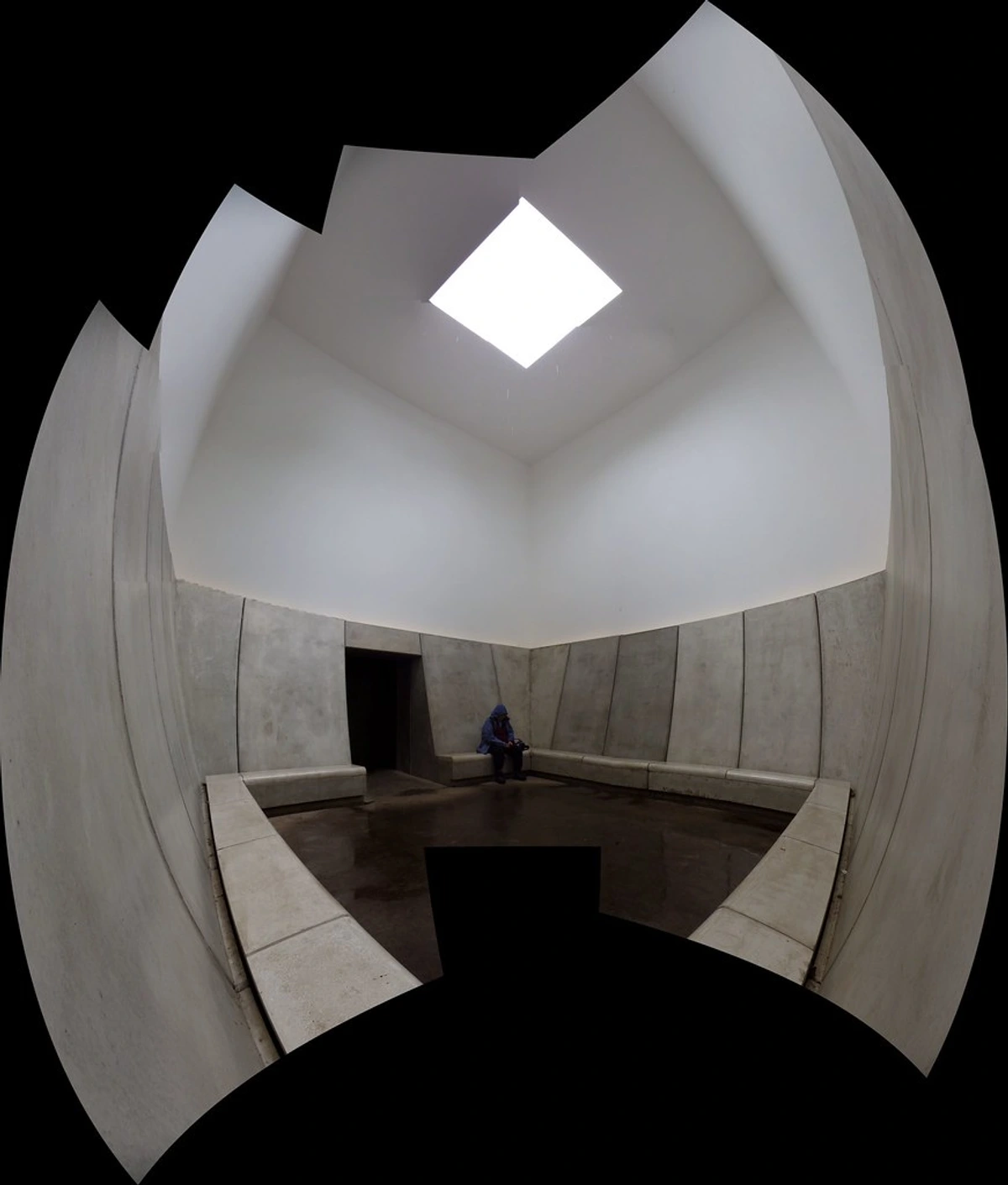
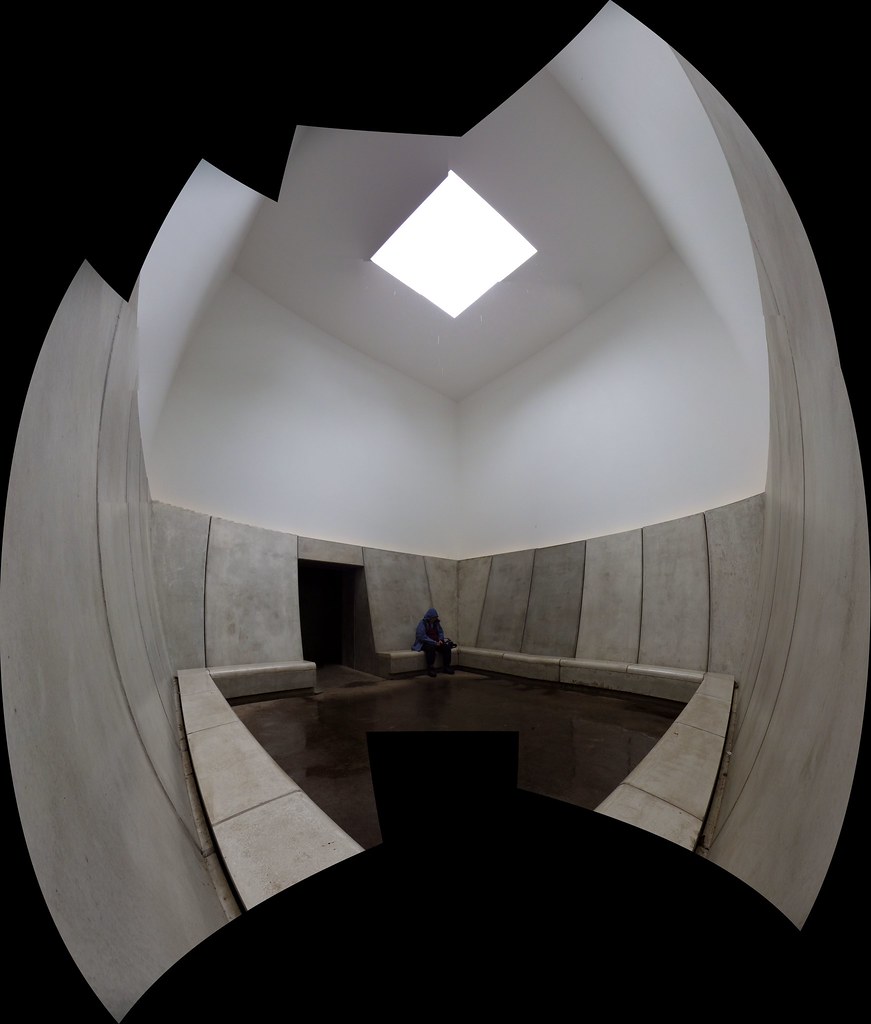
Skyspaces are immersive art installations designed by James Turrell, an American artist renowned for his work with light and space. These installations are enclosed spaces with an opening in the ceiling, allowing viewers to observe the sky in a controlled environment. The magic happens at dawn and dusk, when LED lights subtly change the color of the sky, creating an immersive experience that blurs the line between art and reality.
What to Expect in This Guide
In this guide, we'll explore the history, science, and artistry behind Skyspaces. We'll also provide practical tips for visiting and experiencing these installations, as well as insights into their cultural and psychological impact. Whether you're an art enthusiast or simply curious, this guide will help you understand and appreciate the magic of Skyspaces.
Key Topics Covered
- The history and evolution of Skyspaces
- The science behind light and perception
- Practical tips for visiting a Skyspace
- The cultural and psychological impact of Skyspaces
- Notable Skyspaces around the world
- Personal reflections and visitor experiences
Why Skyspaces Captivate Us
Skyspaces are more than just art installations; they are transformative experiences that challenge our perception of reality. By blending architecture, light, and nature, Turrell creates environments that invite introspection and wonder. Whether you're an art enthusiast or simply curious, Skyspaces offer a unique opportunity to connect with the world in a profound way.
The Emotional Impact
The emotional impact of Skyspaces is profound. Visitors often describe feelings of awe, tranquility, and even spiritual connection. The controlled environment allows for a deep sense of immersion, making it easy to lose track of time and space. This emotional resonance is what makes Skyspaces so memorable and impactful.
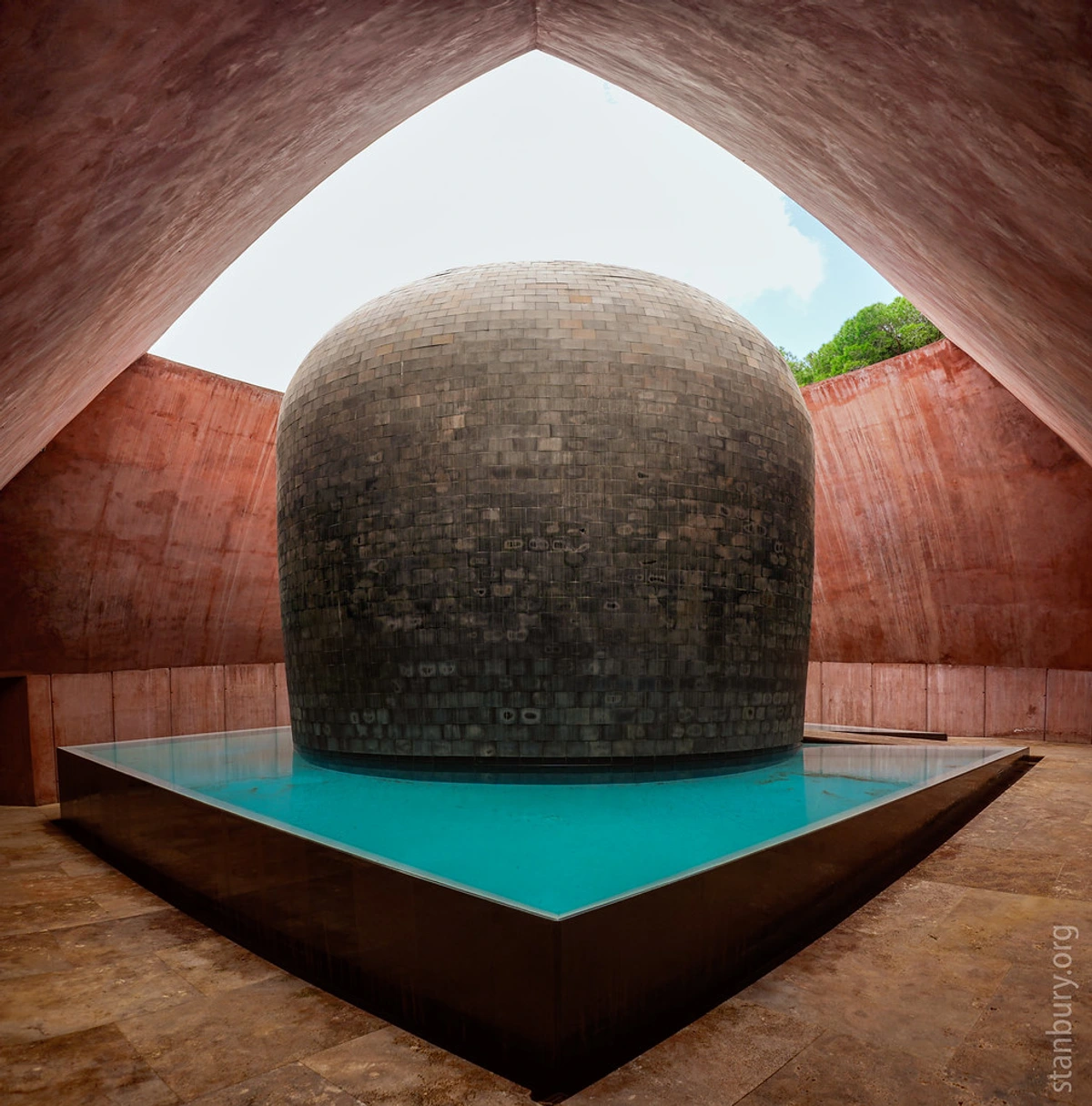
The Role of Meditation and Mindfulness
Skyspaces often evoke a meditative state, allowing visitors to disconnect from the outside world and focus on the present moment. This mindfulness aspect is a key reason why many people find Skyspaces to be deeply moving and transformative experiences.
Introduction to James Turrell
James Turrell is an American artist renowned for his work with light and space. His career spans over five decades, during which he has created numerous installations that challenge our perception of reality. Turrell's work is deeply rooted in the exploration of light as a medium, and his Skyspaces are among his most iconic creations. These installations are not just about visual aesthetics; they are about creating an experience that transcends the ordinary.
Turrell's Artistic Philosophy
Turrell's artistic philosophy revolves around the idea of perception and the interplay between light and space. He believes that art should not just be observed but experienced. His Skyspaces are designed to create a meditative atmosphere, allowing viewers to connect with the celestial in a tangible way. This philosophy is evident in every aspect of his work, from the architectural design to the use of light.
The Influence of Quakerism
Turrell's upbringing in the Quaker faith has also influenced his artistic philosophy. The Quaker emphasis on inner light and silent reflection is reflected in his work, which often invites viewers to engage in quiet contemplation and introspection.
Early Life and Influences
Turrell's fascination with light began during his childhood in California, where he was exposed to the vast desert skies. His studies in psychology and mathematics further shaped his artistic vision, leading him to explore the intersection of art, science, and perception. This unique blend of influences is evident in his work, which often blurs the line between the tangible and the intangible.
The Role of Aviation
Turrell's experience as a pilot has also played a significant role in his artistic vision. His time in the air, observing the sky from different perspectives, has influenced his approach to creating immersive light environments that challenge our perception of space and reality.
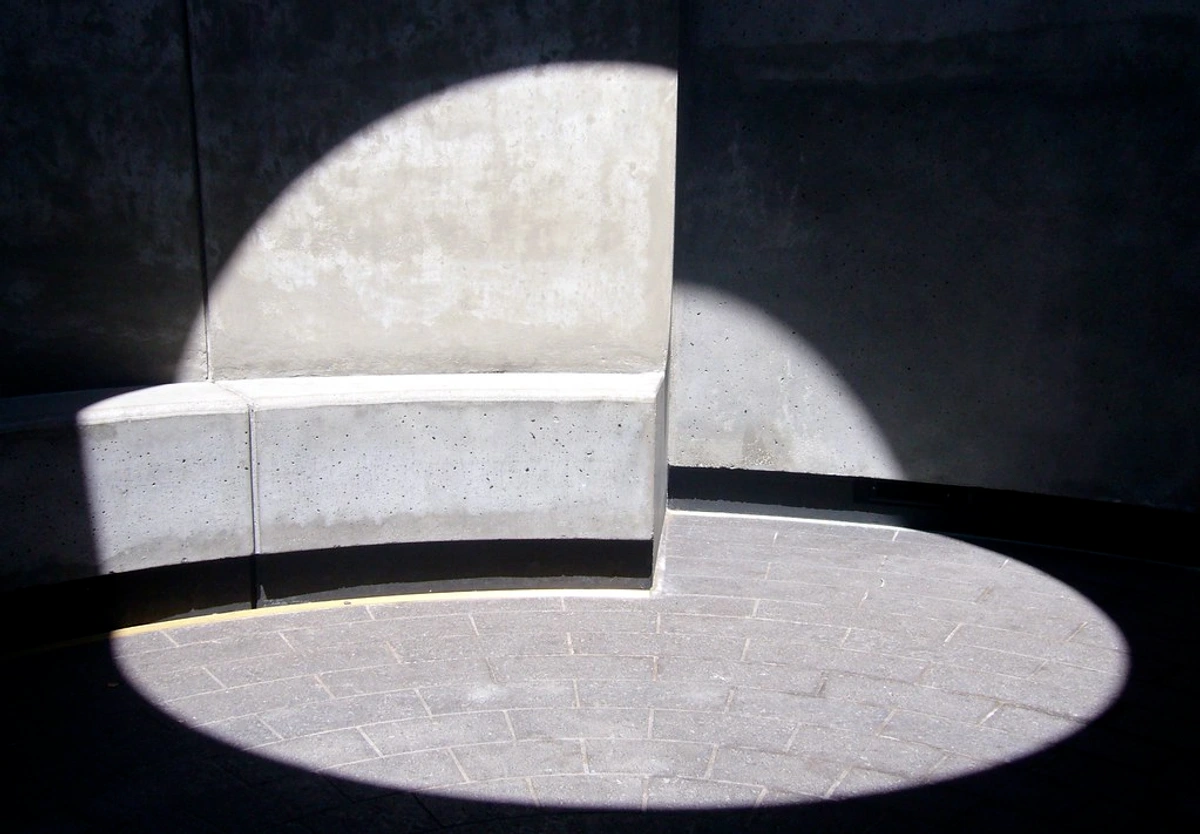
The Role of Psychology in Turrell's Work
Turrell's background in psychology plays a significant role in his artistic approach. He is deeply interested in how light affects human perception and emotion. His installations are designed to evoke specific psychological responses, such as calmness, introspection, and wonder. This psychological depth adds another layer of meaning to his work, making it both visually and emotionally engaging.
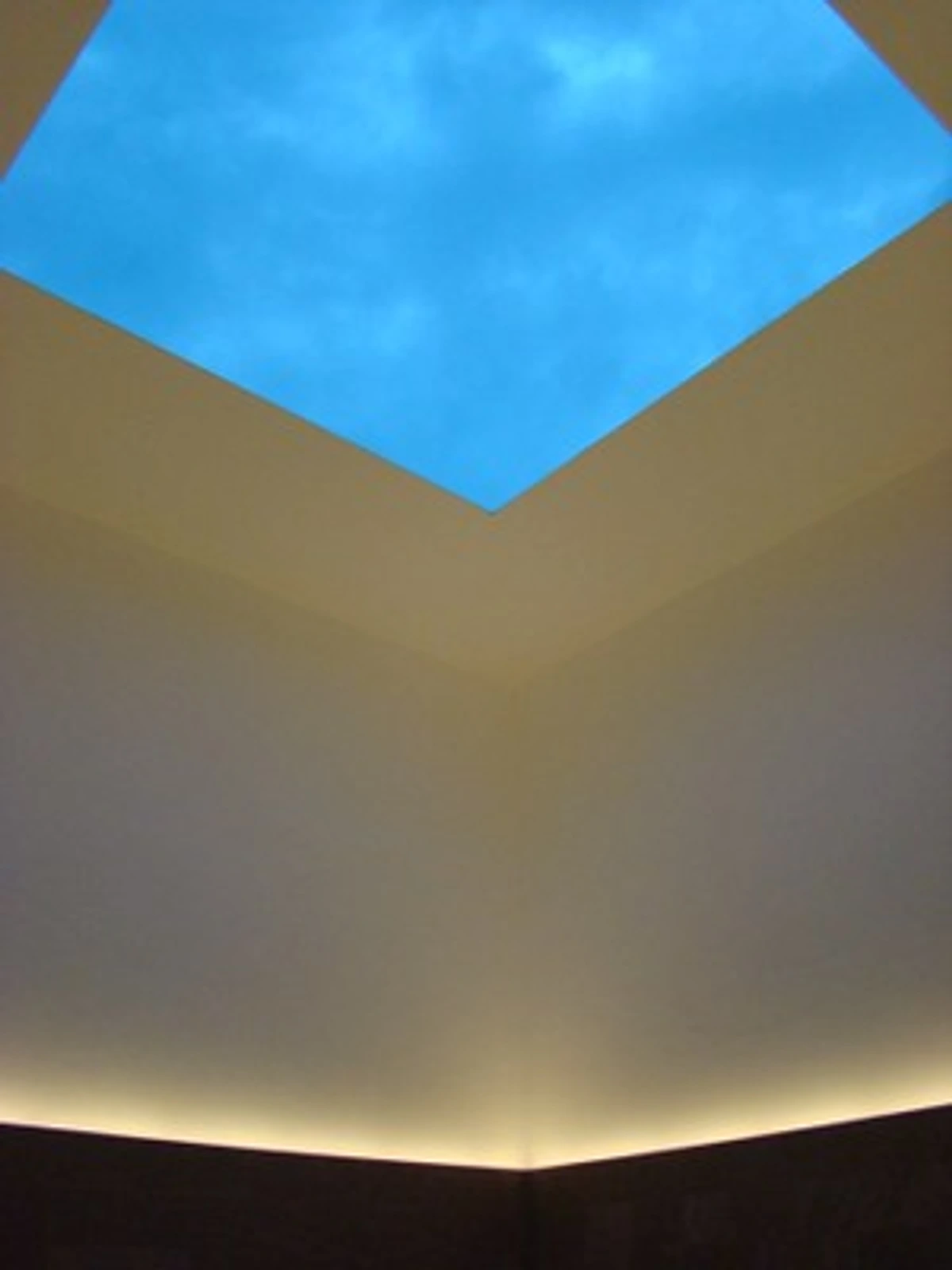
Why Skyspaces Matter
Skyspaces are more than just art installations; they are transformative experiences that challenge our perception of reality. By blending architecture, light, and nature, Turrell creates environments that invite introspection and wonder. Whether you're an art enthusiast or simply curious, Skyspaces offer a unique opportunity to connect with the world in a profound way.
The Intersection of Art and Science
Turrell's work is not just about aesthetics; it is deeply rooted in scientific principles. His background in psychology and mathematics informs his exploration of light and perception. By manipulating light, Turrell creates environments that challenge our understanding of space and reality, making Skyspaces a unique intersection of art and science.
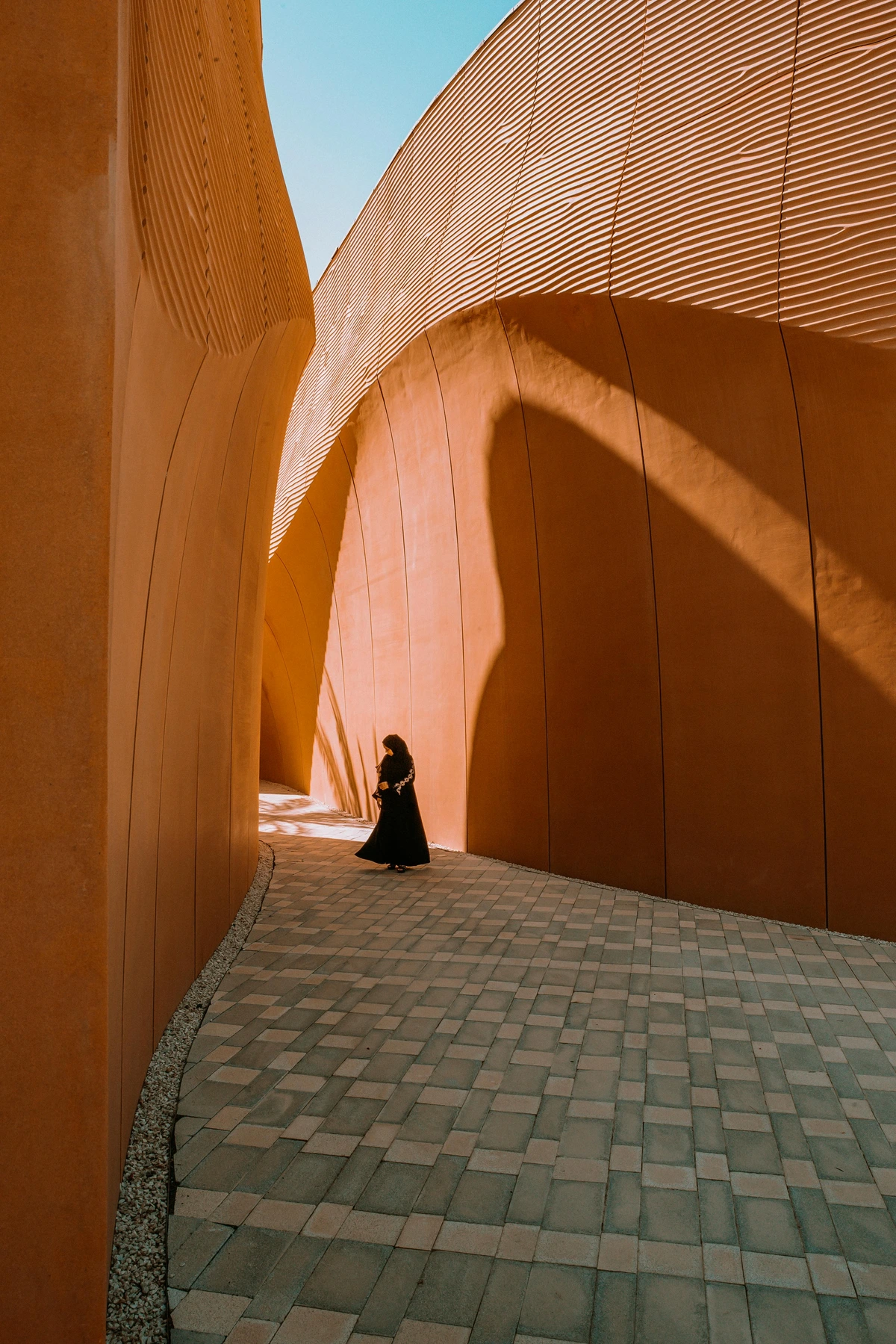
The Science Behind Skyspaces
Skyspaces are not just about art; they also incorporate elements of science. Turrell's work is influenced by his background in psychology and his interest in the way light interacts with the human eye. The controlled environment of a Skyspace allows viewers to experience light in a way that is both immersive and educational. This blend of art and science makes Skyspaces a unique intersection of creativity and knowledge.
The Role of Optics
The study of optics plays a crucial role in Turrell's work. By understanding how light behaves and interacts with the human eye, Turrell is able to create illusions that challenge our perception of reality. This scientific approach adds depth to his artistic vision, making Skyspaces not just visually stunning but also intellectually engaging.
The Role of Light in Human Perception
Light plays a crucial role in how we perceive the world. Turrell's Skyspaces manipulate this perception by altering the color and intensity of light, creating an illusion that challenges our senses. This manipulation is not just about visual effects; it is about creating an experience that engages the mind and the senses, inviting viewers to explore the boundaries of their own perception.
The Psychology of Color
Color psychology is another key element in Turrell's work. Different colors can evoke different emotions and moods, and Turrell uses this to his advantage in Skyspaces. By carefully selecting and manipulating colors, he creates environments that can induce feelings of calm, awe, or introspection, enhancing the overall experience for visitors.
What is a Skyspace?
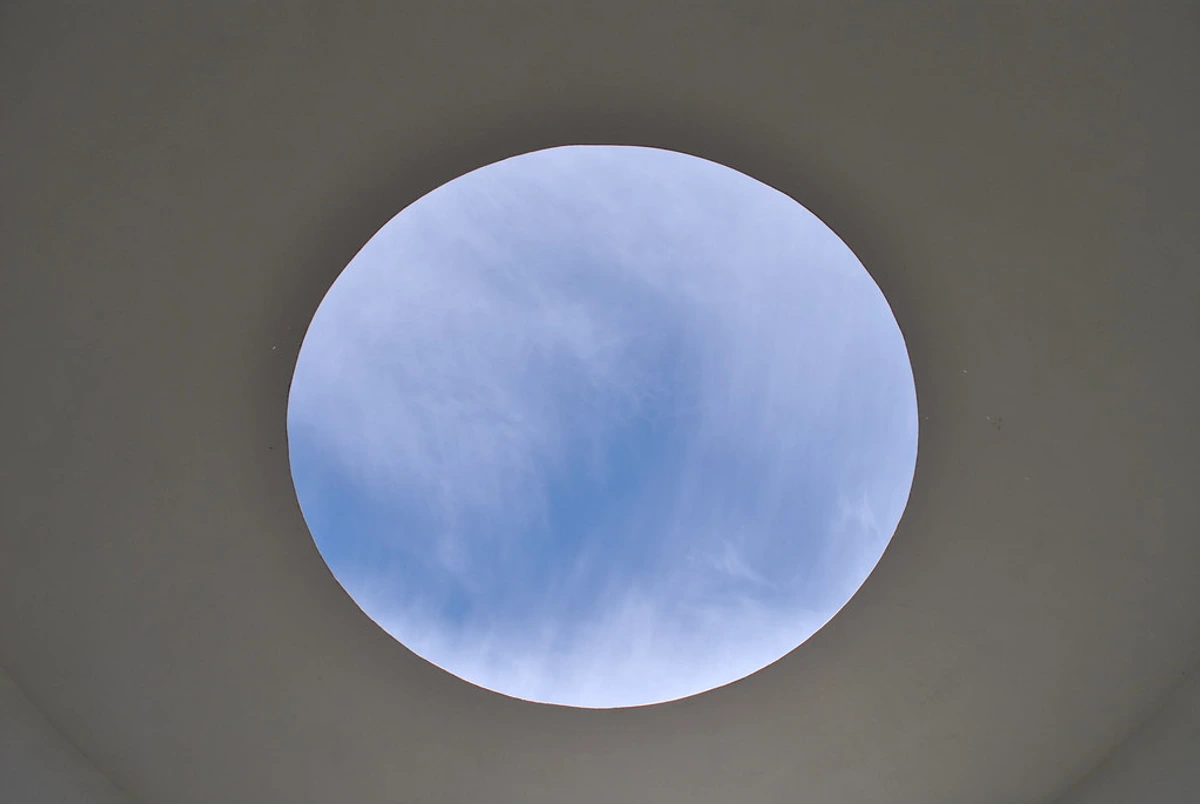
A Skyspace is an enclosed space designed by artist James Turrell to frame the sky in a way that enhances our perception of light and space. These installations are typically rooms or structures with an opening in the ceiling, allowing viewers to observe the sky in a controlled environment. The magic happens at dawn and dusk, when LED lights subtly change the color of the sky, creating an immersive experience that blurs the line between art and reality.
The Evolution of Skyspaces
Turrell's Skyspaces have evolved significantly since their inception in the 1970s. Early Skyspaces were often experimental and located in remote areas, where Turrell could control the environment. As his work gained recognition, he began collaborating with architects and institutions to create more permanent installations. Today, Skyspaces can be found in urban settings, universities, and even private homes, making them accessible to a wider audience.
The Philosophy Behind Skyspaces
Turrell's work is deeply rooted in the exploration of perception and the nature of light. He often describes his art as a way to "bring the sky down to earth," allowing viewers to experience the celestial in a tangible way. This philosophy is evident in every Skyspace, where the interplay of natural and artificial light creates a meditative atmosphere.
The Role of Architecture
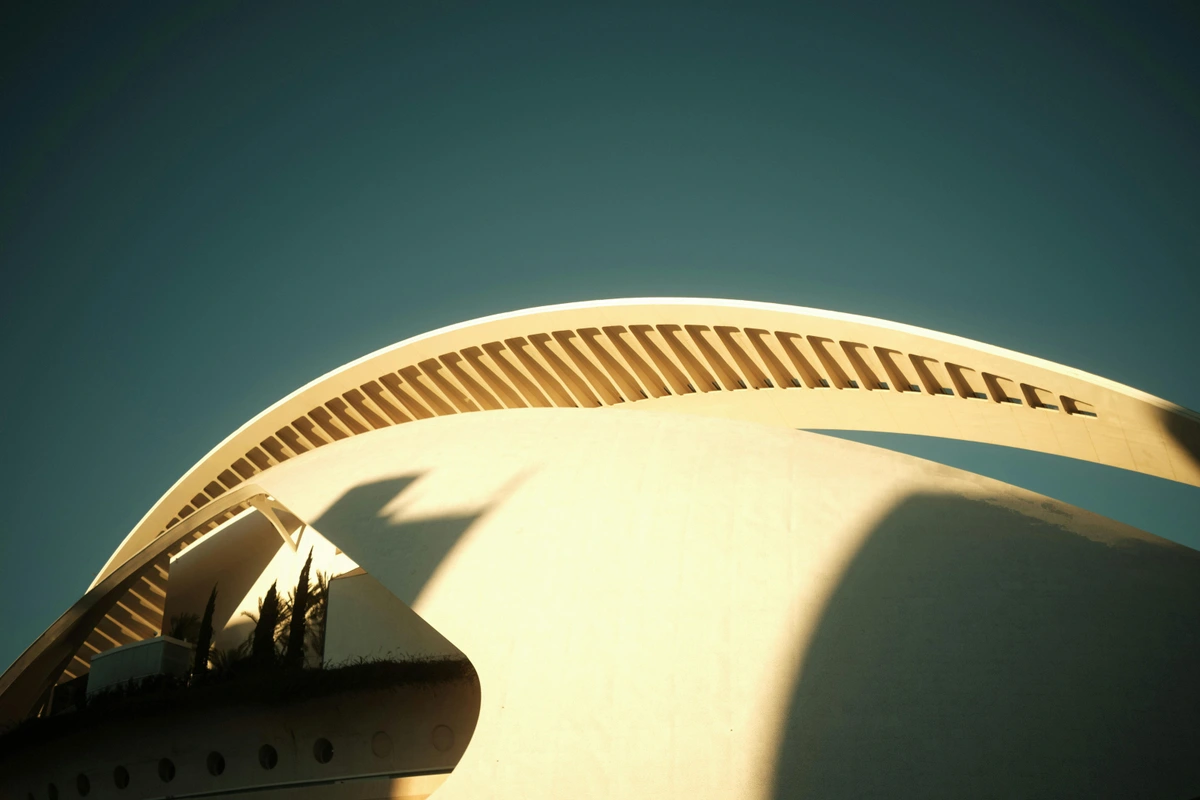
Architecture plays a crucial role in the design of Skyspaces. The simple, geometric structures are designed to draw the viewer's attention upward to the sky, creating a sense of awe and wonder. The minimalist design ensures that the focus remains on the sky and the play of light, enhancing the overall experience.
The Role of Perception
Perception is at the heart of Turrell's work. He challenges viewers to question their understanding of reality by manipulating light and space. This focus on perception is not just about visual effects; it's about creating an experience that engages the mind and the senses. Turrell's Skyspaces invite viewers to explore the boundaries of their own perception and to see the world in a new light.
Key Characteristics of Skyspaces
- Architectural Design: Skyspaces are often simple, geometric structures with a focus on the opening in the ceiling. The design emphasizes minimalism, ensuring that the viewer's attention is drawn upward to the sky.
- Light Control: The use of LED lights to alter the perception of the sky's color. These lights are carefully calibrated to create a seamless transition between natural and artificial light.
- Viewing Experience: Typically involves lying down or sitting to observe the sky. The experience is designed to be contemplative, encouraging viewers to reflect on their connection to the universe.
- Sound Integration: Some Skyspaces incorporate ambient soundscapes or music to enhance the immersive experience, creating a multisensory environment.
- Seasonal Variations: The experience of a Skyspace can vary depending on the season. Different times of the year offer unique lighting conditions and atmospheric effects, adding to the diversity of the experience.
The Role of Sound in Skyspaces
While Skyspaces are primarily visual experiences, sound can also play a role in enhancing the atmosphere. Some installations incorporate ambient soundscapes or music to complement the visual effects, creating a multisensory experience. This integration of sound and light adds another layer of depth to the Skyspace experience.
The Role of Sound in Skyspaces
While Skyspaces are primarily visual experiences, sound can also play a role in enhancing the atmosphere. Some installations incorporate ambient soundscapes or music to complement the visual effects, creating a multisensory experience.
The History of Skyspaces
James Turrell, an American artist known for his work with light and space, began creating Skyspaces in the 1970s. His interest in perception and the way we experience light led him to design these unique installations. Over the years, Skyspaces have been installed in various locations around the world, from museums to private collections.
The Influence of Skyspaces
Turrell's Skyspaces have had a significant influence on contemporary art and architecture. His exploration of light and space has inspired countless artists and designers to think differently about how we interact with our surroundings. Skyspaces are not just art; they are cultural landmarks that challenge our perceptions and inspire creativity.

Evolution of Skyspaces
Turrell's early Skyspaces were experimental, often created in remote locations where he could control the environment. As his work gained recognition, he began collaborating with architects and institutions to create more permanent installations. Today, Skyspaces can be found in urban settings, universities, and even private homes, making them accessible to a wider audience.
The Future of Skyspaces
As technology advances, the future of Skyspaces looks promising. New materials and lighting techniques could further enhance the immersive experience. Additionally, virtual reality and augmented reality could provide new ways to experience Skyspaces, making them accessible to an even broader audience. The potential for innovation in this field is vast, and Turrell's work continues to inspire new generations of artists and designers.
Notable Skyspaces
Name  | Location | Year | Unique Feature |
|---|---|---|---|
| Roden Crater | Arizona, USA | Ongoing | A large-scale volcanic crater transformed into an observatory. |
| The Color Inside | University of Texas, USA | 2013 | A Skyspace with a unique, elliptical design. |
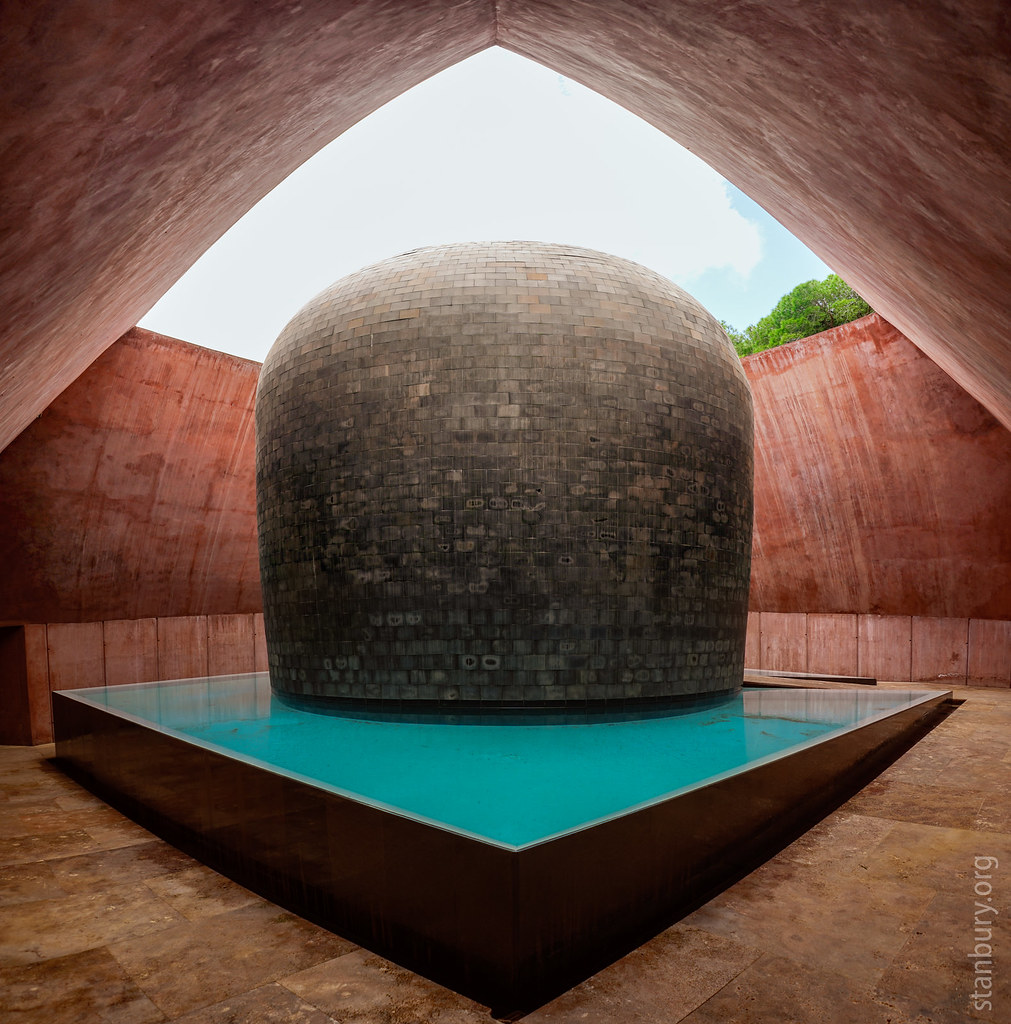
| Within Without | National Gallery of Australia | 2010 | Features a water pond and a grass mound. |
| Knight Rise | Scottsdale, Arizona, USA | 2001 | A residential Skyspace designed for private viewing. |
| Second Wind | Napa Valley, California, USA | 2005 | Incorporates a wine cellar and tasting room. |
| Meeting | MoMA PS1, New York, USA | 1986 | One of Turrell's earliest Skyspaces, located in a museum setting. |
| Twilight Epiphany | Rice University, Texas, USA | 2012 | Features a pyramid-like structure with a light show. |
| Blue Pesher | Israel | 2006 | A Skyspace designed to evoke a sense of tranquility and reflection. |
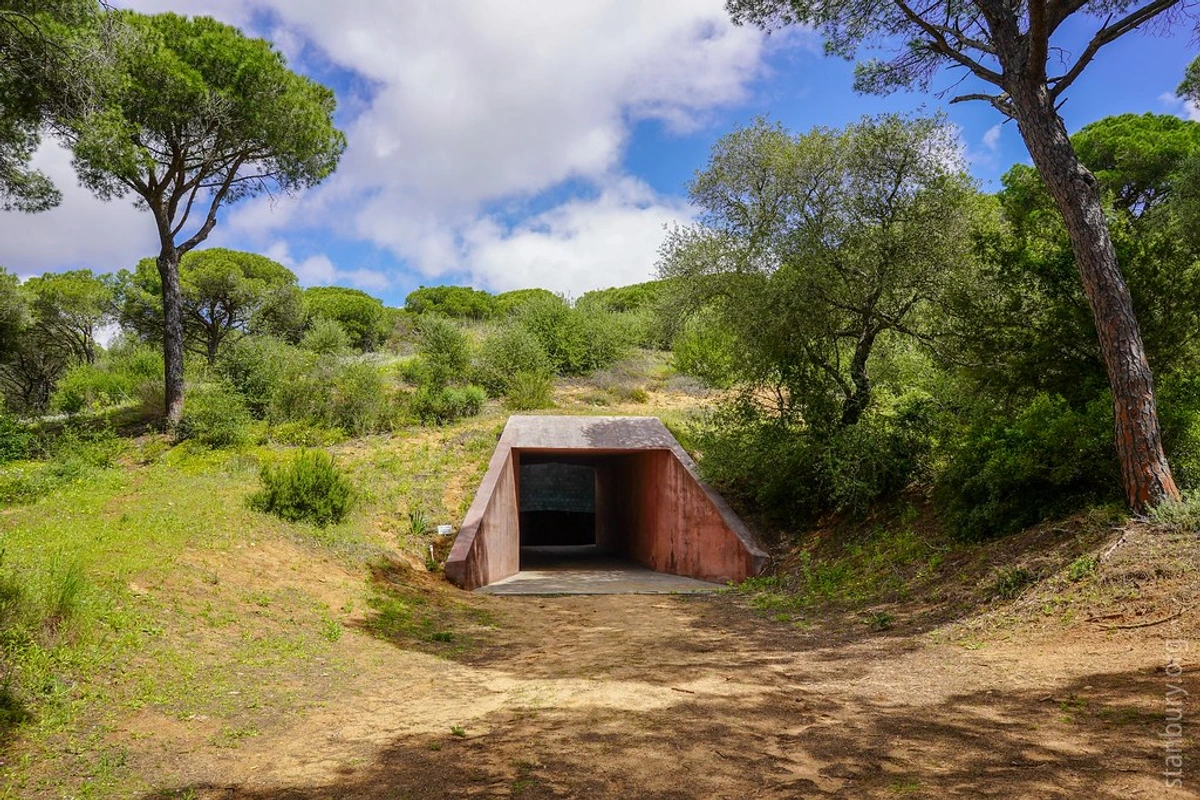
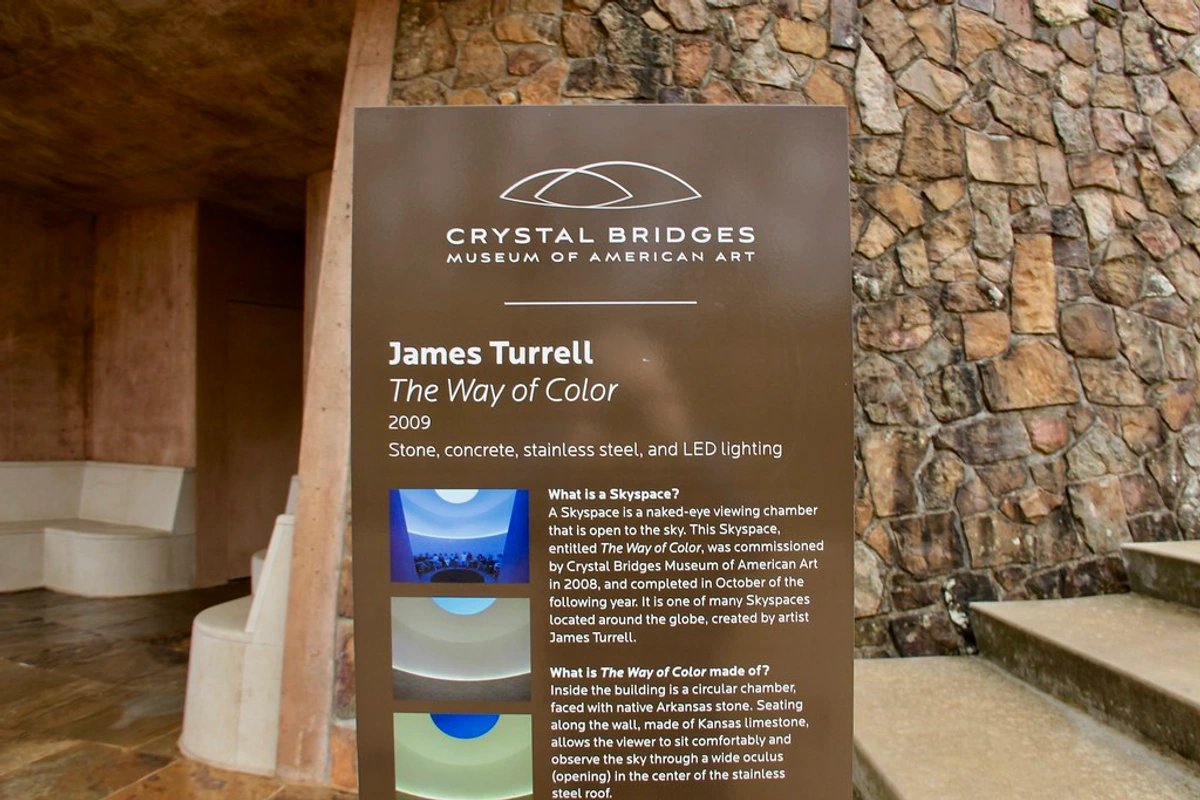
| The Way of Color | Crystal Bridges Museum, USA | 2009 | A Skyspace that integrates natural and artificial light in a unique way. |
| Deer Shelter | Netherlands | 1998 | A Skyspace designed to blend seamlessly with its natural surroundings. |
| Sky Garden | Japan | 2015 | A Skyspace that incorporates traditional Japanese garden elements. |
Visiting Roden Crater
Roden Crater is one of Turrell's most ambitious projects. Located in the Arizona desert, this Skyspace is a testament to his vision of creating a celestial observatory. While it is not yet open to the public, it remains a symbol of Turrell's dedication to exploring the intersection of art, science, and nature. Visitors can look forward to experiencing this unique installation once it is completed.
The Significance of Roden Crater
Roden Crater is not just an art installation; it is a monumental project that blends art, astronomy, and architecture. Turrell's vision for Roden Crater is to create a space where visitors can experience the celestial in a tangible way, making it a significant landmark in the world of contemporary art.
Visiting Roden Crater
Roden Crater is one of Turrell's most ambitious projects. Located in the Arizona desert, this Skyspace is a testament to his vision of creating a celestial observatory. While it is not yet open to the public, it remains a symbol of Turrell's dedication to exploring the intersection of art, science, and nature.
How to Experience a Skyspace
Visiting a Skyspace is a unique experience that requires some preparation. Here are some tips to make the most of your visit:
Preparing for Your Visit
Before visiting a Skyspace, it's important to prepare both mentally and physically. The experience is designed to be contemplative and immersive, so it's helpful to approach it with an open mind. Consider setting aside time before and after your visit to reflect on the experience and to fully appreciate the art.
Choosing the Right Skyspace
Not all Skyspaces are the same. Some are designed for public viewing, while others are private installations. Consider the location, accessibility, and the type of experience you're looking for when choosing a Skyspace to visit.
Understanding the Experience
Each Skyspace offers a unique experience, shaped by its location, design, and the time of day. Some installations are designed to be experienced at dawn or dusk, while others may offer nighttime viewings. Understanding the specific characteristics of the Skyspace you plan to visit can help you prepare for the experience and make the most of your time there.
Before You Go
- Research: Find a Skyspace near you and check the visiting hours. Some Skyspaces are only open during specific times of the year. Websites like zenmuseum.com can provide detailed information on locations and schedules.
- Reservations: Some Skyspaces require reservations, so make sure to book in advance. Popular installations can fill up quickly, especially during peak seasons.
- Weather: Check the weather forecast. A clear sky will enhance your experience. Overcast conditions can still be beautiful, but they may not offer the same dramatic light effects.
- Accessibility: Ensure the Skyspace you choose is accessible to everyone in your group. Some installations may have stairs or other barriers.
- Timing: Plan your visit around dawn or dusk, when the light effects are most dramatic. This timing ensures you experience the full range of colors and transitions.
- Seasonal Considerations: Different seasons can offer unique experiences. For example, winter skies may provide a different atmosphere compared to summer skies, adding variety to your visit.
- Cultural Context: Learn about the cultural and historical significance of the Skyspace you plan to visit. Understanding the context can enrich your experience and deepen your appreciation for the art.
- Artistic Inspiration: Explore other works by James Turrell or related artists to gain a broader understanding of the artistic movement and its influence on contemporary art.
What to Bring
When visiting a Skyspace, it's important to bring items that will enhance your comfort and experience. Consider bringing a cushion or blanket to sit or lie on, as well as a journal to record your thoughts and reflections. If photography is allowed, bring a camera to capture the experience. However, remember to put the camera away and fully engage with the environment.
During Your Visit
- Arrive Early: Give yourself time to settle in and adjust to the environment. Arriving early also allows you to explore the surrounding area and appreciate the architecture.
- Comfort: Wear comfortable clothing and bring a cushion or blanket if you plan to lie down. Some Skyspaces provide seating, but bringing your own ensures you're comfortable.
- Mindset: Be open to the experience. Let go of expectations and allow yourself to be immersed in the moment. Consider keeping a journal to record your thoughts and feelings.
- Photography: If photography is allowed, take a few moments to capture the experience. However, remember to put the camera away and fully engage with the environment.
After Your Visit
After experiencing a Skyspace, take some time to reflect on the experience. Consider writing down your thoughts and feelings in a journal or discussing them with friends or family. This reflection can help you process the experience and gain a deeper understanding of the art and its impact on you.
Sharing Your Experience
Sharing your experience with others can deepen your appreciation for the art. Whether through conversation, social media, or a blog post, sharing your thoughts can inspire others to explore Skyspaces and engage with contemporary art.
The Impact of Skyspaces
Experiencing a Skyspace can be a profound and transformative experience. The way Turrell manipulates light and space can evoke a range of emotions and thoughts. It's not just about seeing the sky in a new way; it's about experiencing the world differently.
The Psychological Impact
Skyspaces have been described as meditative and even spiritual experiences. The controlled environment and the play of light can induce a sense of calm and introspection. Many visitors report feeling a deeper connection to nature and the universe after their visit. This psychological impact is a testament to the power of art to transform our perception of the world.
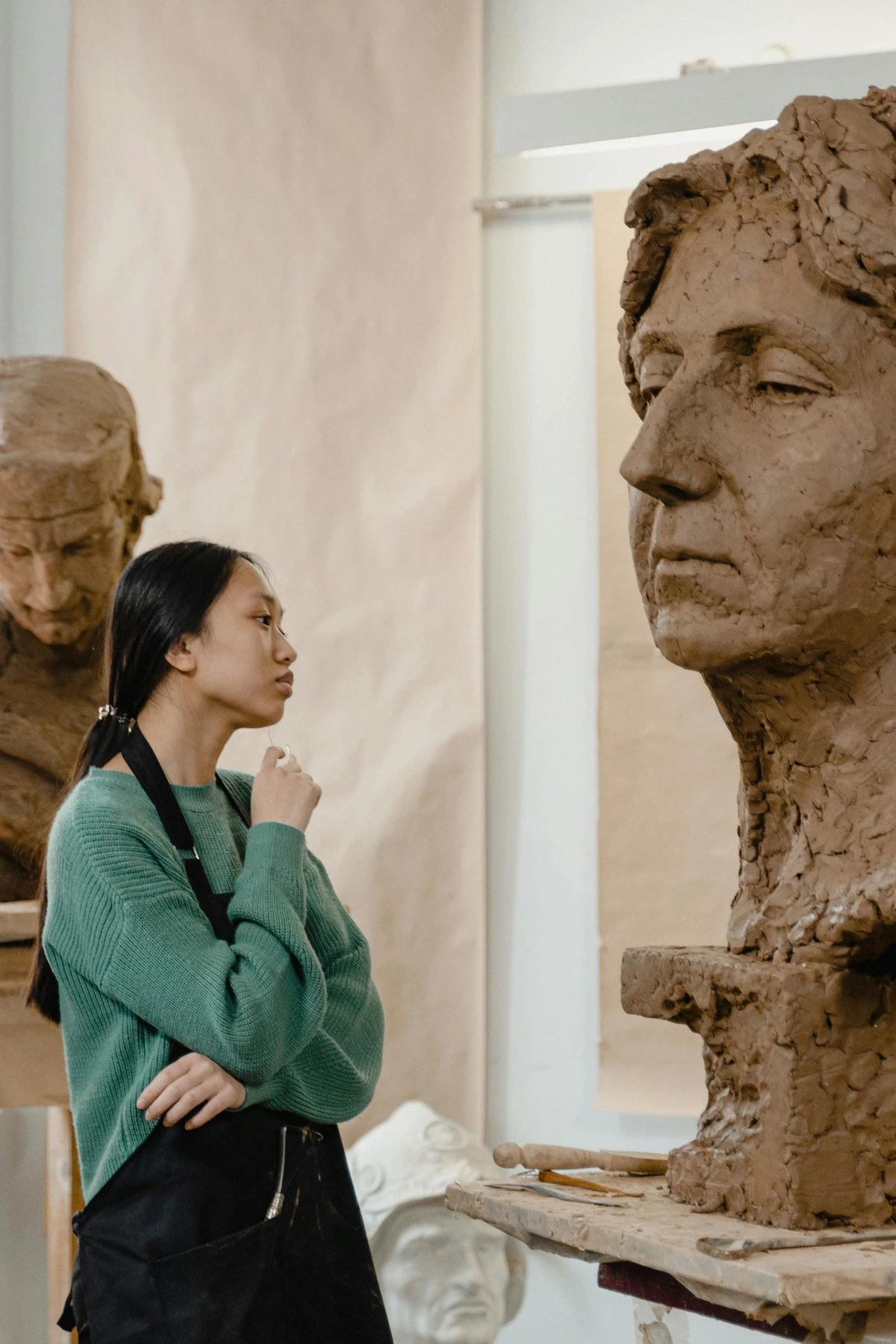
Psychological and Emotional Effects
Skyspaces have been described as meditative and even spiritual experiences. The controlled environment and the play of light can induce a sense of calm and introspection. Many visitors report feeling a deeper connection to nature and the universe after their visit.
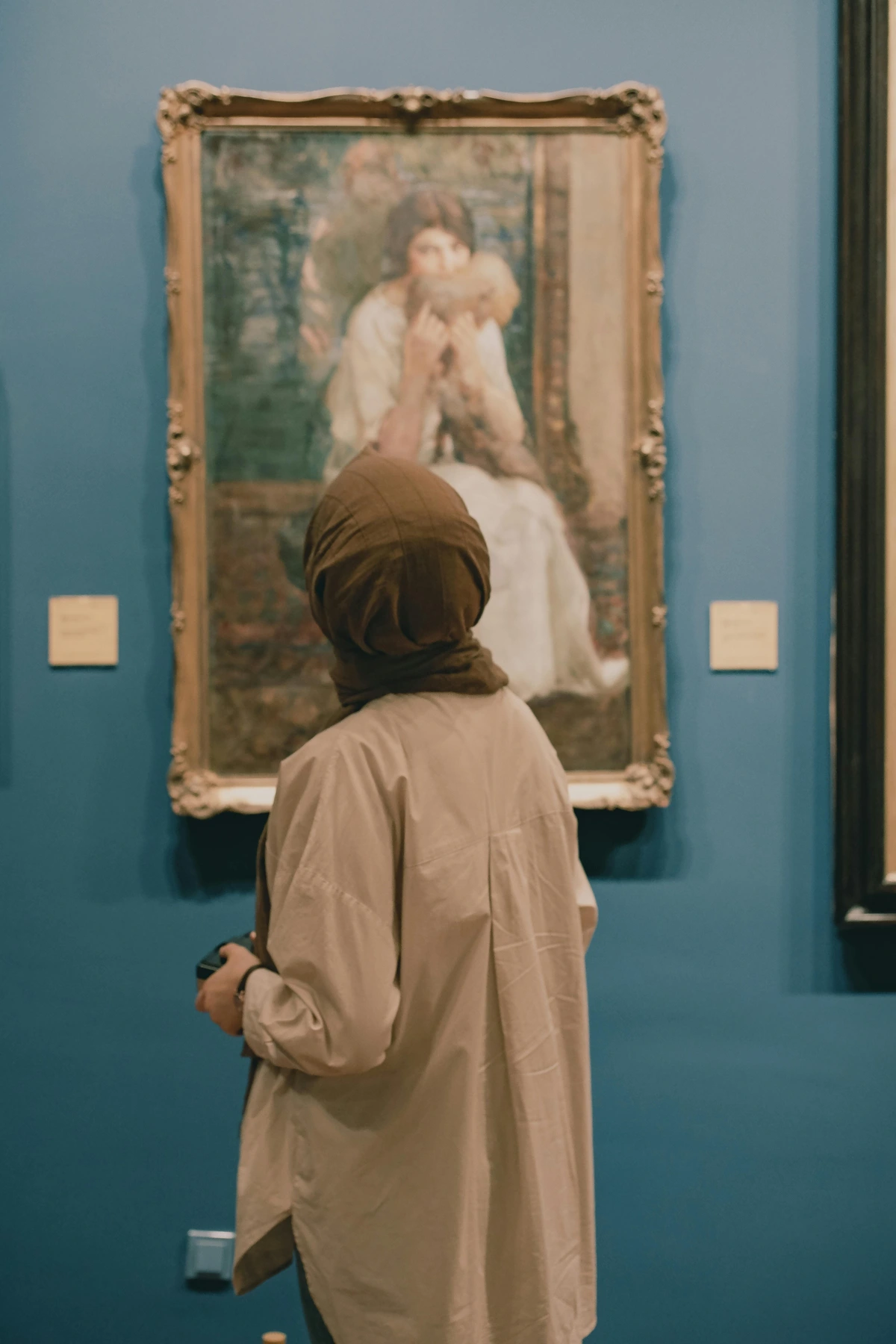
Artistic and Cultural Significance
Turrell's work has had a significant impact on contemporary art and architecture. His exploration of light and space has inspired countless artists and designers to think differently about how we interact with our surroundings. Skyspaces are not just art; they are cultural landmarks that challenge our perceptions.
The Influence on Modern Architecture
The influence of Skyspaces extends beyond the realm of art and into modern architecture. Architects and designers have drawn inspiration from Turrell's work, incorporating elements of light and space into their own creations. This influence can be seen in the design of museums, public spaces, and even private homes, where the interplay of light and space is used to create immersive and engaging environments.
The Role of Light in Sustainable Design
The principles of light manipulation used in Skyspaces have also influenced sustainable design practices. By understanding how natural light can be used to enhance spaces, architects are creating more energy-efficient buildings that reduce the need for artificial lighting. This approach not only benefits the environment but also enhances the well-being of occupants.

Personal Reflections
I've visited several Skyspaces over the years, and each time, I'm struck by the sense of awe and wonder they inspire. There's something about lying back and watching the sky change colors that makes me feel connected to the universe in a way I can't quite explain. It's a reminder of the beauty and mystery of the natural world.

A Journey of Discovery
Each Skyspace offers a unique experience, shaped by its location, design, and the time of day. I've found that visiting different Skyspaces has deepened my appreciation for Turrell's vision and the power of light as an artistic medium. It's a journey that continues to inspire and surprise me, and I look forward to exploring more of these immersive installations in the future.
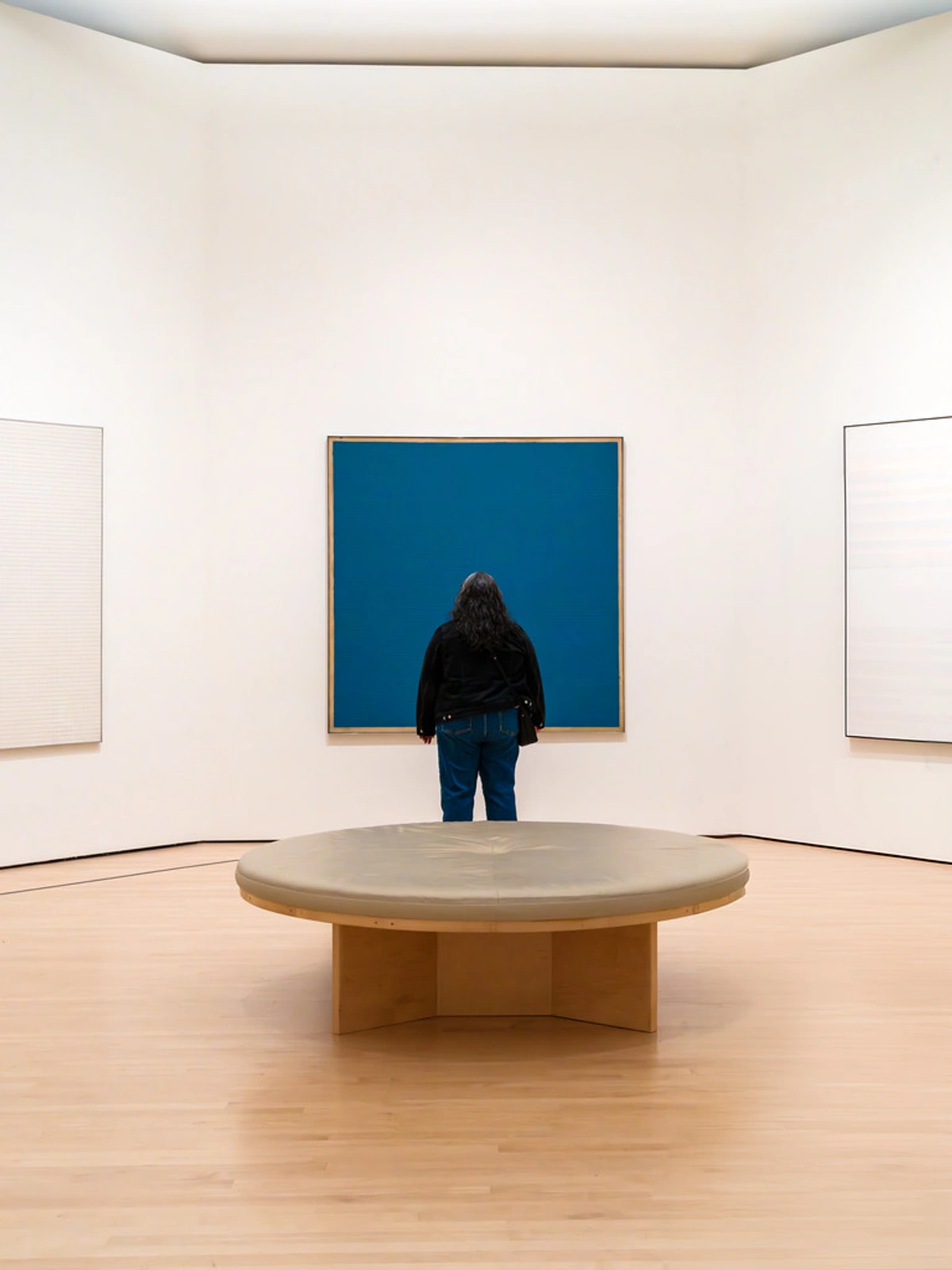
A Journey of Discovery
Each Skyspace offers a unique experience, shaped by its location, design, and the time of day. I've found that visiting different Skyspaces has deepened my appreciation for Turrell's vision and the power of light as an artistic medium. It's a journey that continues to inspire and surprise me.
FAQ
What is the best time to visit a Skyspace?
The best time to visit a Skyspace is during dawn or dusk, when the LED lights are used to create the most dramatic effects. These times of day offer the most dynamic interplay between natural and artificial light.
How long does a typical Skyspace experience last?
A typical Skyspace experience lasts about an hour, but it can vary depending on the specific installation and the time of year. Some installations offer extended viewing times during special events.
Are Skyspaces suitable for children?
Yes, Skyspaces can be a wonderful experience for children. However, it's important to ensure they understand the importance of being quiet and respectful during the experience. It can also be a great educational opportunity to teach them about art and perception.
Can I take photographs in a Skyspace?
Policies on photography vary by location. It's best to check with the specific Skyspace you plan to visit. Some installations allow photography, while others may restrict it to preserve the meditative atmosphere.
What should I bring to a Skyspace?
Bring comfortable clothing, a cushion or blanket if you plan to lie down, and an open mind. You might also want to bring a journal to record your thoughts and a camera if photography is allowed.
Are Skyspaces accessible to people with disabilities?
Accessibility varies by location. Some Skyspaces are designed with accessibility in mind, offering ramps and seating options for visitors with mobility challenges. It's best to check with the specific installation for details.
Can I visit a Skyspace at night?
Most Skyspaces are designed to be experienced during dawn or dusk. However, some installations may offer nighttime viewings, especially during special events. Check the schedule for the specific Skyspace you plan to visit.
How do I find a Skyspace near me?
You can find information about Skyspaces and their locations on websites like zenmuseum.com. Many museums and cultural institutions also provide details about their installations.
Conclusion
Experiencing a James Turrell Skyspace is more than just visiting an art installation; it's a journey into the world of light and perception. Whether you're an art enthusiast or simply curious about the experience, a visit to a Skyspace is sure to leave a lasting impression. So, find a Skyspace near you, book your visit, and prepare to be amazed.
Beyond Skyspaces: Exploring Light in Art
If you're inspired by the interplay of light and color, you might also enjoy exploring our collection of contemporary art prints. Light has always been a central theme in art, from the luminous paintings of the Renaissance to the neon installations of modern artists. Skyspaces are just one example of how artists continue to push the boundaries of perception and creativity.















Final Thoughts
Skyspaces remind us that art is not just something to be observed but experienced. They challenge us to see the world differently and to appreciate the beauty in the everyday. Whether you're a seasoned art lover or a curious newcomer, a visit to a Skyspace is an opportunity to connect with something greater than ourselves.