Find the Magic in James Turrell's Mind-Bending Light Art - A Complete Guide
Let's turn searching for a James Turrell guide into a conversation. Why does light feel like magic? We pull back the curtain on Turrell's installations, from Skyspaces to Roden Crater.

What if Light Was a Place You Could Walk Into? An Artist's Journey into the Art of James Turrell
Imagine stepping into a world where light isn't just something you see, but something you experience—a tangible, immersive force that reshapes your perception of reality. This is the essence of James Turrell's art, a journey into the very fabric of sight and sensation. Turrell's work challenges our assumptions about what art can be, transforming light from a passive medium into an active participant in the act of creation. His installations are not just artworks; they are portals into a new way of seeing, feeling, and understanding the world around us.
Turrell's art is a testament to the power of light to transcend its traditional role as a mere source of illumination. Instead, he elevates it to the status of a medium that can be shaped, manipulated, and experienced in ways that challenge our very perception of reality. His work invites us to question the boundaries between the physical and the intangible, between the seen and the unseen, and between the self and the world.
The Evolution of Turrell's Artistic Vision
James Turrell's journey as an artist is marked by a relentless pursuit of innovation and experimentation. His early works, such as the "Mendota Stoppages" and "Afrum-Proto," laid the groundwork for his later, more ambitious installations. These early pieces explored the interplay of light and space, setting the stage for his groundbreaking use of light as a medium. Over the decades, Turrell's work has evolved to encompass large-scale architectural projects, such as the Roden Crater, which exemplify his vision of light as a transformative force.
The Science of Perception
At the core of Turrell's work is a deep understanding of how the human brain processes visual information. His installations are designed to disrupt our usual ways of seeing, forcing us to confront the limitations of our own senses. By manipulating light, Turrell creates environments that challenge our perceptions and invite us to explore the boundaries of human consciousness.
The Role of Neuroscience in Art
Turrell's work is deeply rooted in neuroscience, particularly in the study of how the brain interprets visual stimuli. His installations often exploit the brain's tendency to fill in gaps and create patterns, even when none exist. This phenomenon, known as pareidolia, is a key element in many of Turrell's works, where viewers perceive shapes and movements in the absence of clear visual cues.
How Light Shapes Perception
Light is not just a tool for illumination in Turrell's work; it is the primary medium through which he explores the complexities of human perception. His installations often play with the way light interacts with space, creating illusions that challenge our understanding of depth, dimension, and reality. For example, Turrell's use of gradient fields and color saturation can make a flat surface appear three-dimensional, or a solid wall seem like an endless void.
The Psychology of Color
Color plays a pivotal role in Turrell's exploration of perception. He often uses monochromatic light to create immersive environments that alter our sense of space and time. By saturating a room with a single color, Turrell can evoke emotions, memories, and even physical sensations. This manipulation of color is not just about aesthetics; it's about transforming the way we experience the world around us.
The Role of Color in Perception
Color is another critical element in Turrell's exploration of perception. He often uses monochromatic light to create immersive environments that alter our sense of space and time. By saturating a room with a single color, Turrell can evoke emotions, memories, and even physical sensations. This manipulation of color is not just about aesthetics; it's about transforming the way we experience the world around us.
I remember the first time I walked into a James Turrell installation. It was in a museum, a room that looked ordinary from the doorway. But as I stood there, something happened. The wall in front of me seemed to dissolve. What I thought was a solid surface covered in a painting of light turned out to be... nothing. Just an opening into another chamber, filled with a color that had no name. It felt less like looking at art and more like stepping inside a secret. It made me question what I was actually seeing. And that, I think, is exactly what Turrell wants.
The Impact of Turrell's Work on Viewers
Turrell's installations are designed to evoke a sense of wonder and introspection. Many viewers describe feeling a profound shift in their perception of reality after experiencing his work. This transformative effect is a testament to Turrell's ability to manipulate light in ways that challenge our understanding of the world. His art invites us to see beyond the surface and explore the deeper dimensions of our own consciousness.
This experience is not unique to me. Many who encounter Turrell's work describe a similar sense of disorientation and wonder. It's as if the artist has unlocked a hidden dimension of perception, one that lies dormant until awakened by the interplay of light and space. Turrell's installations are designed to disrupt our usual ways of seeing, to challenge our assumptions, and to invite us to explore the boundaries of our own consciousness.
The Ganzfeld Effect
One of the most fascinating aspects of Turrell's work is his use of the Ganzfeld effect. This perceptual phenomenon occurs when the brain, deprived of visual cues, begins to hallucinate. Turrell uses this effect in his installations to create environments that are both disorienting and deeply immersive. By stripping away the usual distractions of our visual environment, Turrell is able to create spaces where light can be experienced in its purest form.
The History of the Ganzfeld Effect
The Ganzfeld effect has been studied extensively in the field of psychology. It was first documented in the 1930s and has since been used in various experiments to explore the brain's response to sensory deprivation. Turrell's use of this effect in his art is a testament to his deep understanding of the human mind and its relationship with light.
Understanding the Ganzfeld Effect
The Ganzfeld effect is a psychological phenomenon where the brain, when deprived of sensory input, begins to generate its own visual stimuli. This effect is often used in psychological experiments to study the brain's response to sensory deprivation. Turrell's use of this effect in his art is a testament to his deep understanding of the human mind and its relationship with light.
Applications of the Ganzfeld Effect in Art
Turrell's use of the Ganzfeld effect in his installations is a prime example of how art can intersect with science. By creating environments that deprive the brain of visual cues, Turrell invites viewers to explore the boundaries of their own consciousness. This approach has inspired other artists to experiment with sensory deprivation and perception in their own work.
Creating Immersive Environments
Turrell's installations often involve rooms where the walls, floor, and ceiling are uniformly lit, creating a seamless field of light. This lack of visual reference points can lead to a sense of disorientation, as the brain struggles to make sense of the environment. The result is a deeply immersive experience that challenges our perceptions and invites us to explore the boundaries of our own consciousness.
Turrell's work is not just about visual trickery; it's about redefining the boundaries of perception. His installations invite you to step beyond the confines of your everyday experience and into a realm where light becomes a physical presence, a force that can be felt as much as seen. It's a reminder that our understanding of the world is not fixed, but fluid, shaped by the interplay of light, space, and our own consciousness.
This fluidity of perception is at the heart of Turrell's artistic philosophy. He believes that our experience of the world is not a passive reception of information, but an active, creative act. By manipulating light, Turrell forces us to confront the fact that what we see is not an objective truth, but a construct of our own minds. It's a reminder that our experience of the world is shaped as much by our own consciousness as it is by the physical properties of light and space.
The Legacy of James Turrell
James Turrell's work has had a profound impact on the world of contemporary art. His innovative use of light as a medium has inspired countless artists and has challenged our understanding of what art can be. Turrell's installations are not just about creating beautiful visual effects; they are about inviting us to explore the boundaries of human perception and to see the world in new and transformative ways.
You know how most people think of art as paint on canvas, or maybe a lump of bronze shaped into a figure? Turrell throws all of that out the window. He's an artist who decided that the fundamental stuff of sight—light itself—would be his clay, his marble, his pigment. Imagine trying to sculpt air, and you'll get close to the ambition of his work. He doesn't make things for you to look at; he builds experiences that make you painfully, wonderfully aware of the act of looking itself.
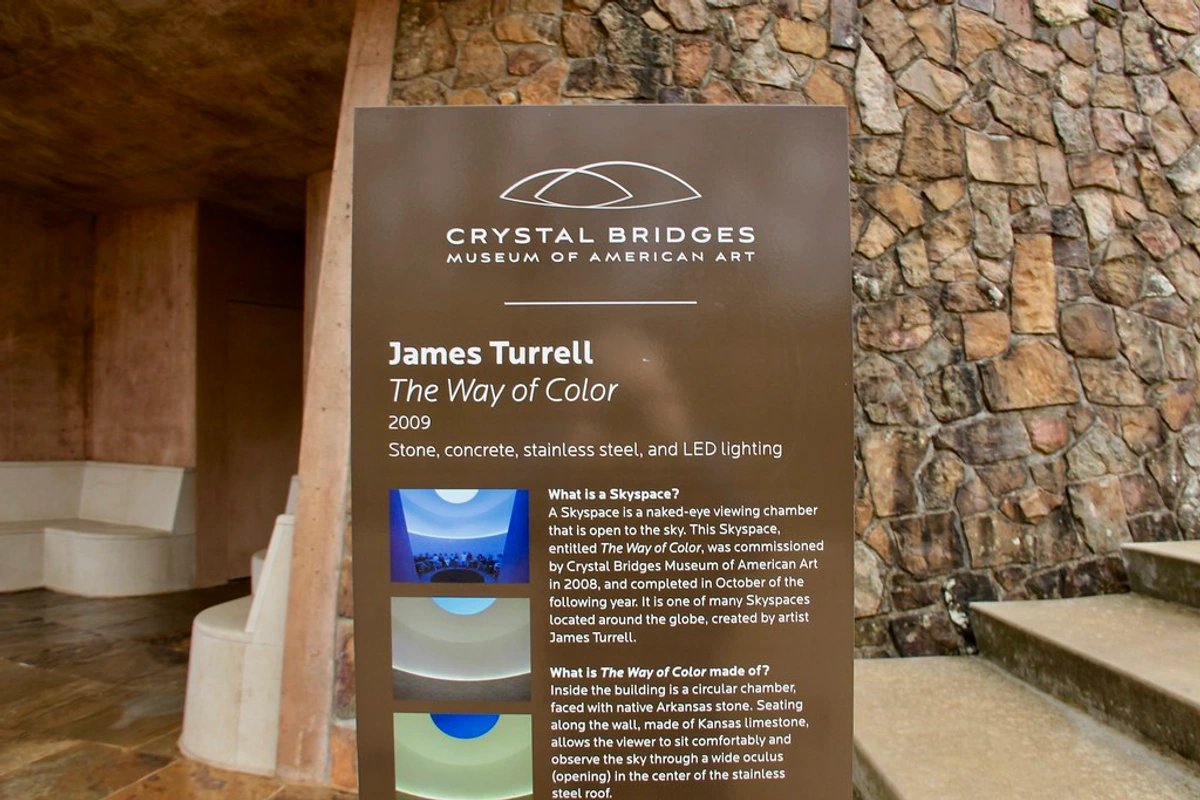
This radical approach to art is what sets Turrell apart from his contemporaries. While other artists are concerned with representation and form, Turrell is interested in the very act of perception. His work is not about creating objects that exist in space, but about creating spaces that exist within light. It's a shift from the traditional role of the artist as a creator of objects to the role of the artist as a creator of experiences.
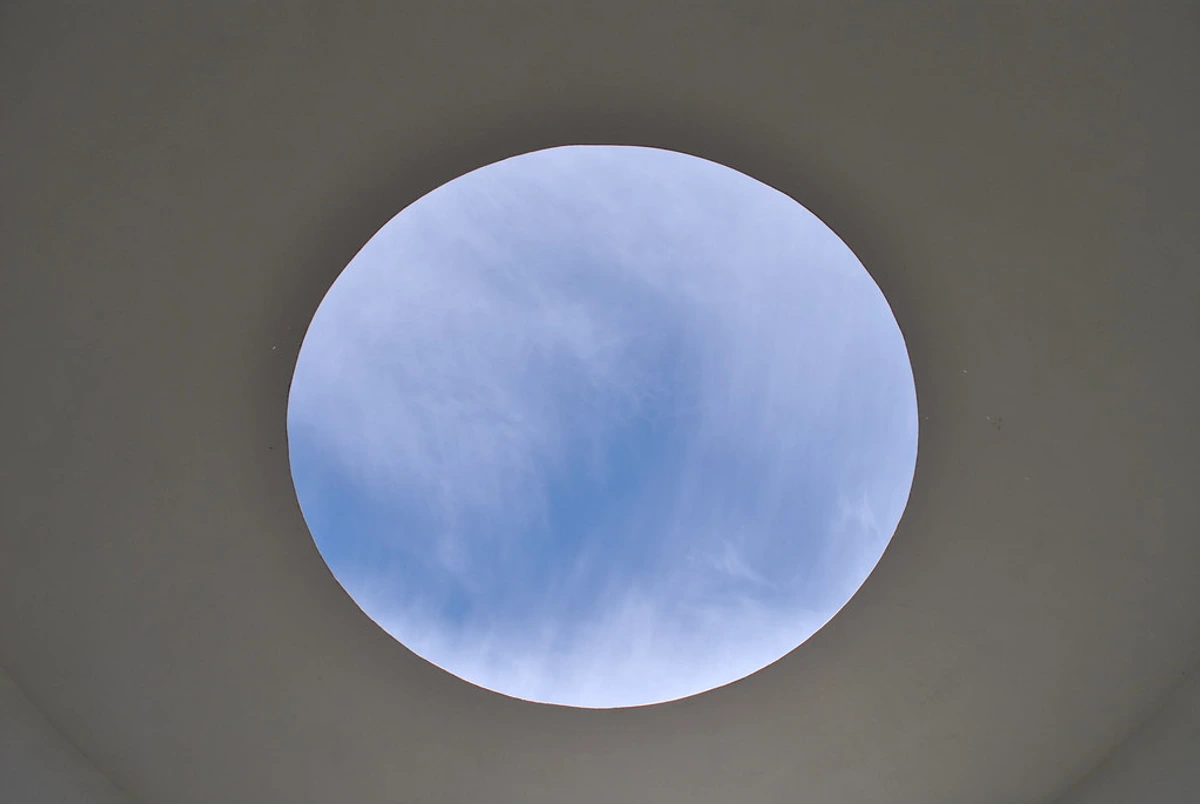
Turrell's approach to art is revolutionary because it challenges the very notion of what art can be. Instead of creating objects that exist in space, he creates spaces that exist within light. His work is not about representation; it's about immersion. It's not about observing; it's about participating. In doing so, Turrell invites us to reconsider our relationship with the world around us, to see it not as a static collection of objects, but as a dynamic interplay of light, space, and perception.
James Turrell isn't a painter or a sculptor in the traditional sense. He works with light itself as his raw material. While most artists use pigment or clay, Turrell captures photons—the very thing that allows us to see anything at all—and shapes it. He doesn't create objects for you to look at; he builds environments that you inhabit, and in doing so, you become acutely aware of the act of perception itself. His work asks a simple, profound question: Is the sky blue, or is that just the story our brain tells us?
This question lies at the heart of Turrell's artistic philosophy. His work is not just about challenging our perceptions; it's about exploring the very nature of reality itself. By manipulating light, Turrell forces us to confront the fact that what we see is not an objective truth, but a construct of our own minds. It's a reminder that our experience of the world is shaped as much by our own consciousness as it is by the physical properties of light and space.
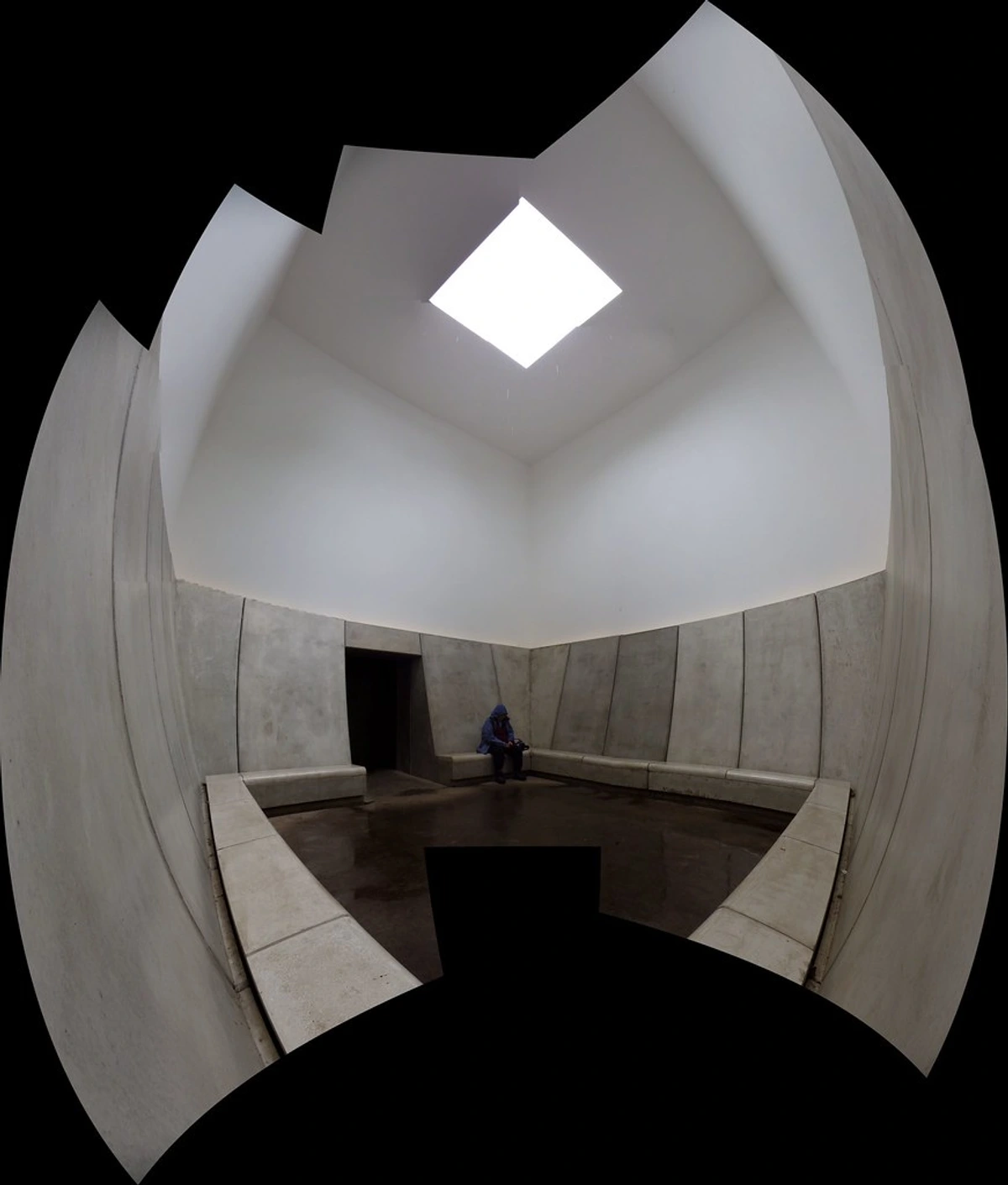
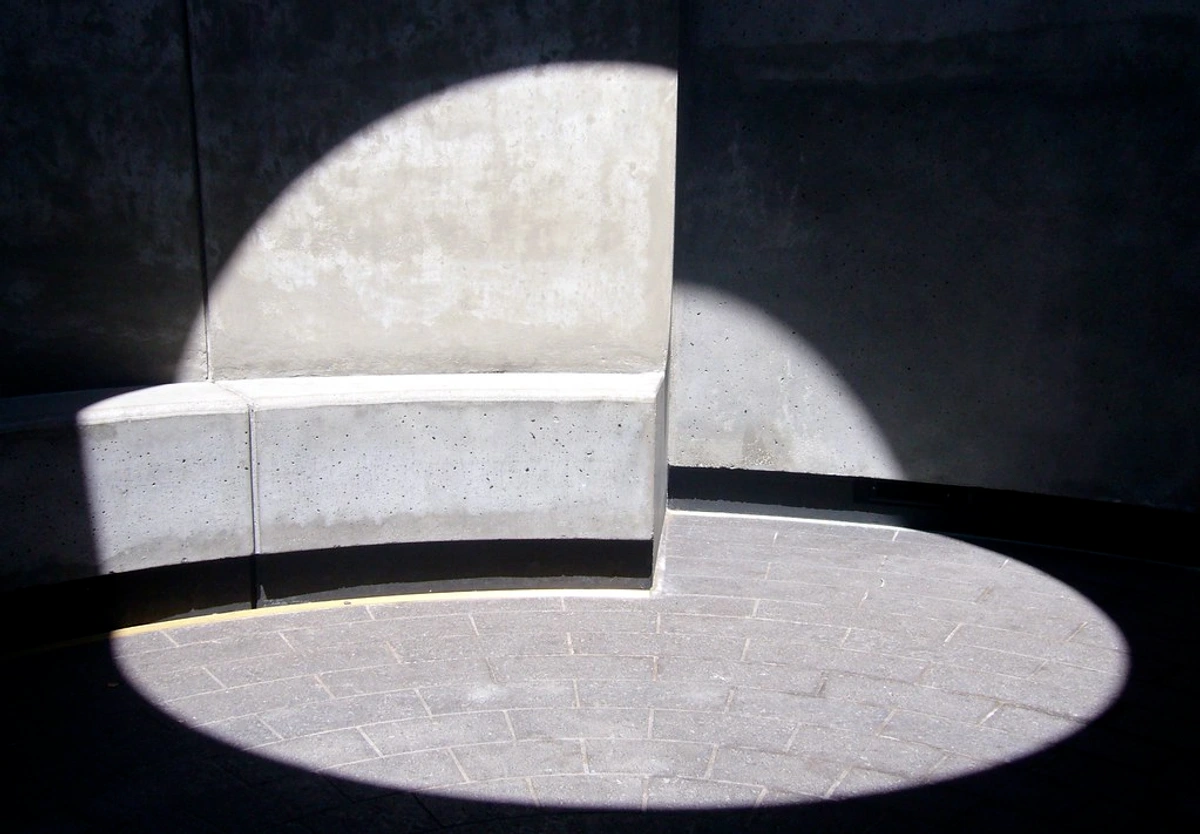
This image captures the essence of Turrell's work, where light and shadow intertwine to create a sense of depth and mystery. The interplay of light and darkness is a recurring theme in Turrell's installations, where the absence of light is just as important as its presence. It's a reminder that our perception of the world is shaped not just by what we see, but by what we don't see, by the shadows that define the contours of our reality.
Think about that for a second. We go through our days assuming that what we see is the objective truth of the world. The grass is green; the sky is blue. But Turrell's work reveals this as a negotiation. Our eyes receive wavelengths of light, and our brains do an enormous amount of heavy lifting to turn that raw data into a coherent image. He creates artworks that short-circuit this process, forcing you to confront the fact that you are an active participant in creating your own reality. It's less about seeing art and more about seeing yourself see.
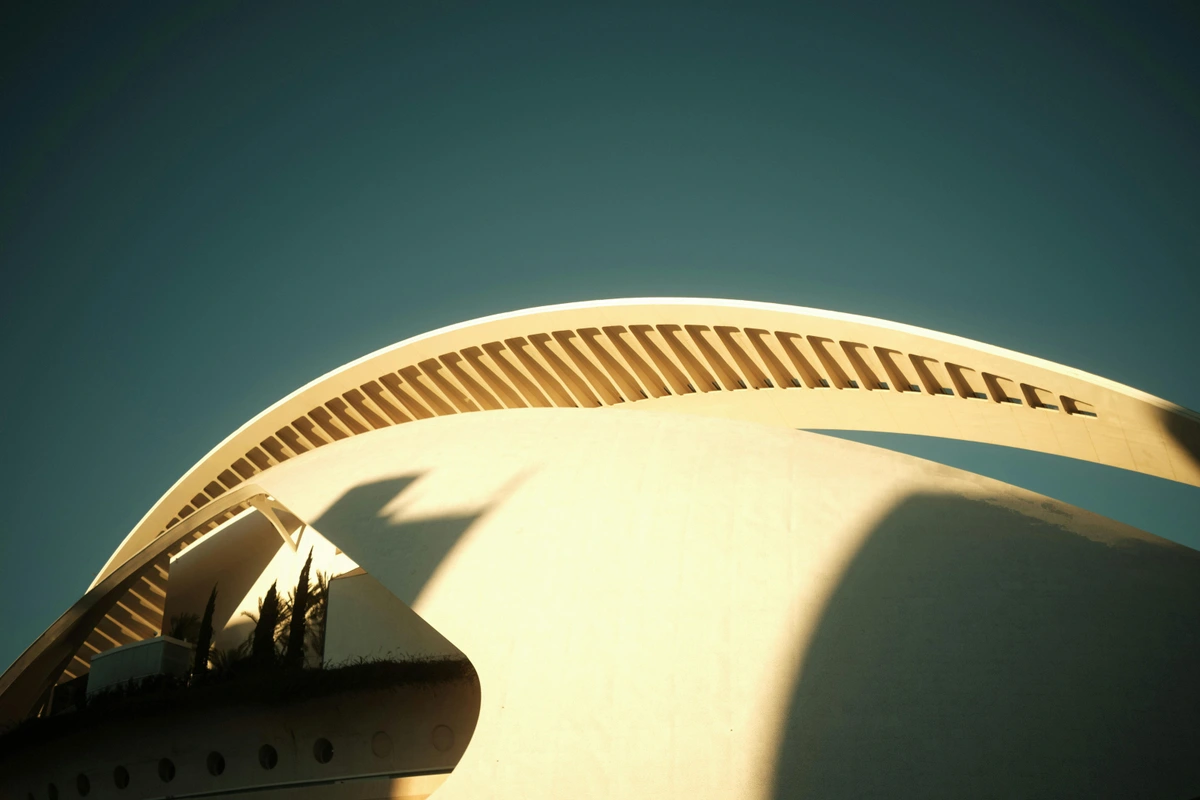
This idea—that perception is an active process rather than a passive one—is central to Turrell's work. His installations are designed to disrupt our usual ways of seeing, to challenge our assumptions, and to invite us to explore the boundaries of our own consciousness. In doing so, Turrell's art becomes a mirror, reflecting not just the world around us, but the very process by which we come to know that world.
Who Is James Turrell? More Than Just a Man Who Works With Light
James Turrell is often described as an artist who works with light, but this description barely scratches the surface of his contributions to the world of art. His work is not just about manipulating light; it's about redefining the very nature of artistic expression. To truly understand Turrell's art, it's essential to explore the man behind the installations, his influences, and the philosophical underpinnings of his work.
Turrell's Philosophical Influences
Turrell's work is deeply influenced by philosophy, particularly by the ideas of phenomenology and existentialism. His installations invite viewers to question their own perceptions and explore the nature of reality. This philosophical approach is evident in the way Turrell's work often blurs the line between the physical and the intangible, challenging our understanding of the world.
Early Life and Influences
James Turrell was born in 1943 in Los Angeles, California. His early life was marked by a deep interest in both art and science, which would later become the foundation of his artistic practice. Turrell studied perceptual psychology at Pomona College, where he gained a deep understanding of how the human brain processes visual information. This knowledge would become a cornerstone of his artistic philosophy, informing his approach to light and perception.
The Role of Education in Turrell's Art
Turrell's education in perceptual psychology played a crucial role in shaping his artistic vision. His studies gave him a unique perspective on the relationship between the human mind and visual stimuli, which he has used to create installations that challenge and transform our perceptions. This educational background is evident in the way Turrell's work often explores the boundaries of human consciousness.
The Light and Space Movement
Turrell emerged as a key figure in the Light and Space movement, a group of Southern California artists in the 1960s who were obsessed with perceptual phenomena. This movement was characterized by its focus on the interplay of light, space, and perception, and its rejection of traditional artistic forms. Turrell's work stood out for its innovative use of light as a medium, challenging the boundaries of what art could be and inspiring a new generation of artists to explore the possibilities of light and space.
Turrell's journey as an artist is a testament to the power of light to transcend its traditional role as a mere source of illumination. Instead, he elevates it to the status of a medium that can be shaped, manipulated, and experienced in ways that challenge our very perception of reality. His work invites us to question the boundaries between the physical and the intangible, between the seen and the unseen, and between the self and the world.
Before we dive into the mind-bending art, it helps to know a little about the man himself. James Turrell was born in 1943 in Los Angeles. His background is a fascinating mix of art and science; he earned a degree in perceptual psychology before getting his MFA in art. He was also a pilot, and many critics believe that his time flying—experiencing the sky not as a ceiling but as a tangible, enveloping medium—deeply influenced his later work.

Turrell's unique background has played a crucial role in shaping his artistic vision. His studies in perceptual psychology gave him a deep understanding of how the human brain processes visual information, while his experiences as a pilot provided him with a firsthand appreciation of the vast, immersive qualities of light and space. These influences are evident in his work, which often blurs the line between art and science, between perception and reality.
He emerged as a key figure in the Light and Space movement, a group of Southern California artists in the 1960s who were obsessed with perceptual phenomena. While other artists were making political statements or exploring pop culture, Turrell and his contemporaries were turning inward, using new materials like resins, glass, and fluorescent lights to create ethereal experiences. Turrell stood out by choosing the most elemental material of all: light itself. He wasn't interested in using light to illuminate something else. He wanted light to be the thing itself.
The Light and Space movement was a response to the dominant artistic trends of the time, which often focused on external, objective realities. Turrell and his peers, however, were more interested in exploring the subjective, internal experience of perception. Their work was not about representing the world, but about creating new ways of seeing it. For Turrell, this meant using light not as a tool for illumination, but as a medium for transformation, a way to reshape our understanding of space, form, and reality.
The Role of Sensory Deprivation
Sensory deprivation is a powerful tool in Turrell's artistic arsenal. By stripping away the usual distractions of our visual environment, Turrell is able to create a space where light can be experienced in its purest form. This heightened state of perception allows us to see light not just as a source of illumination, but as a dynamic, ever-changing force that shapes our understanding of the world.

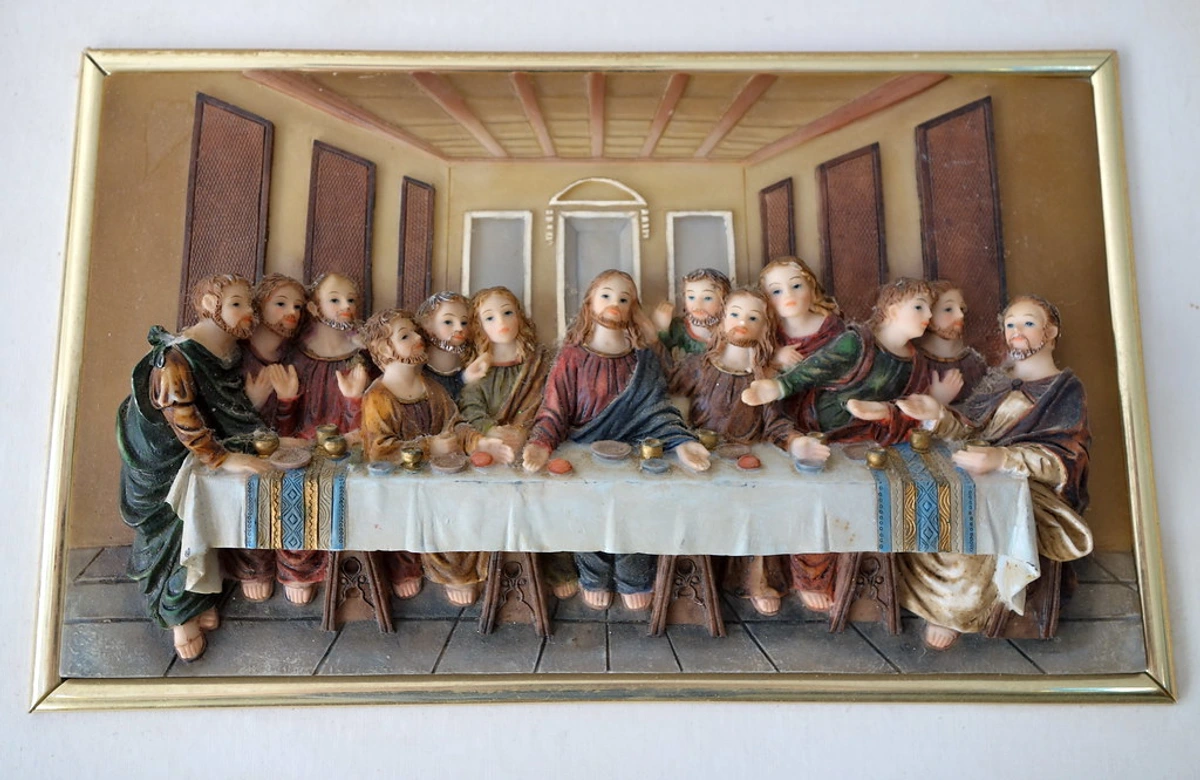
While this image depicts a traditional religious scene, it also serves as a reminder of the power of light in art. The interplay of light and shadow in this bas-relief creates a sense of depth and dimension, drawing the viewer into the scene. Turrell's work takes this concept to another level, using light not just to illuminate, but to create entire environments that challenge our perceptions and invite us to see the world in new ways.
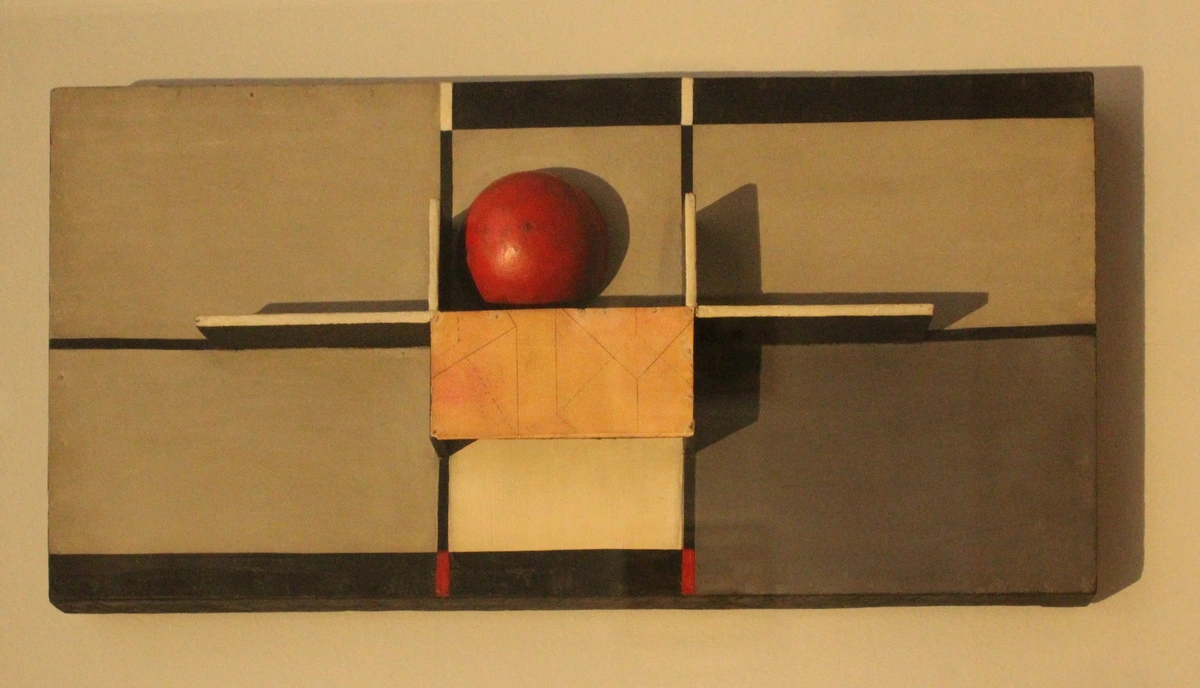
To understand Turrell's art, you have to abandon the idea that you're looking at something. Instead, you're supposed to experience a phenomenon. This is the core of his life's work. He isn't interested in representing a sunset; he wants you to feel what it's like to be inside a color.
This shift from observation to immersion is what sets Turrell's work apart from traditional forms of art. His installations are not meant to be viewed from a distance; they are meant to be entered, explored, and experienced. By stepping into one of Turrell's light-filled spaces, you are not just observing an artwork; you are becoming a part of it. This participatory aspect of his work is what makes it so powerful and transformative.

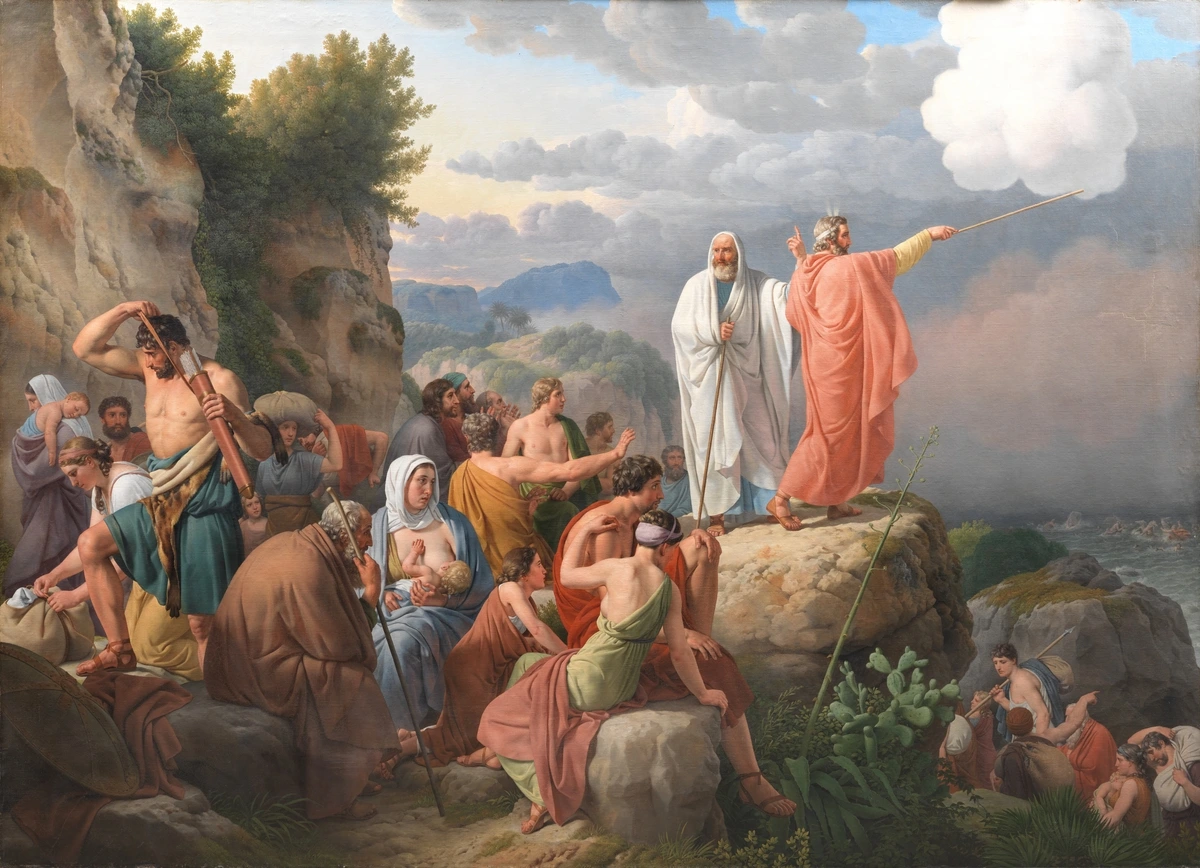
This painting, with its dramatic use of light and shadow, highlights the emotional and spiritual power of light in art. Turrell's work builds on this tradition, using light not just to convey meaning, but to create experiences that transcend the boundaries of traditional artistic expression. His installations invite us to step into the light, to become a part of it, and to explore the depths of our own perceptions.
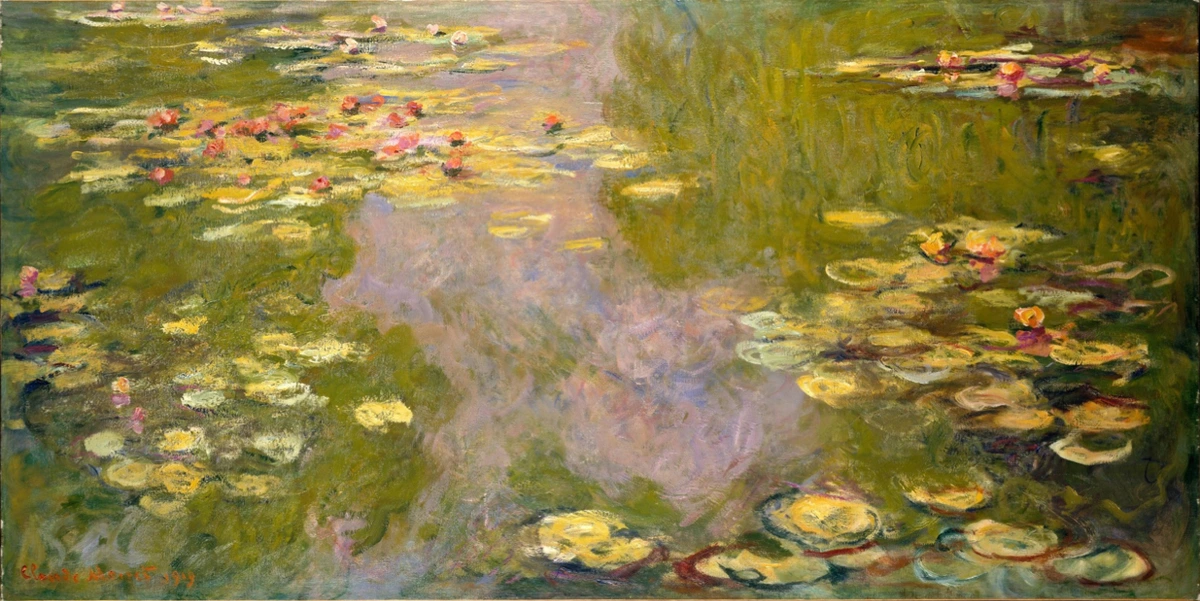
This emotional and spiritual power of light is what gives Turrell's work its depth and complexity. His installations are not just about creating beautiful visual effects; they are about exploring the boundaries of human perception and inviting us to see the world in new and transformative ways. It's a reminder that art is not just about aesthetics; it's about transformation, about inviting us to see the world—and ourselves—in new and profound ways.
Let's break down how he achieves this. These concepts can sound a bit like space-age poetry until you stand in the middle of one of his pieces, at which point they simply become your reality.
Turrell's ability to transform abstract ideas into tangible experiences is what makes his work so compelling. His installations are not just about creating beautiful visual effects; they are about challenging our perceptions, expanding our understanding of reality, and inviting us to explore the boundaries of human consciousness. It's a journey that begins with a single step into the light and ends with a profound transformation of the way we see the world.
Light as a Medium: Not on the Wall, But in the Room
Turrell's approach to art is revolutionary because it challenges the very notion of what art can be. Instead of creating objects that exist in space, he creates spaces that exist within light. His work is not about representation; it's about immersion. It's not about observing; it's about participating. In doing so, Turrell invites us to reconsider our relationship with the world around us, to see it not as a static collection of objects, but as a dynamic interplay of light, space, and perception.
FAQ: Common Questions About James Turrell's Work
What is the significance of light in Turrell's work?
Light is not just a medium for Turrell; it is the very essence of his art. He uses light to create environments that challenge our perceptions and invite us to explore the boundaries of human consciousness. His work is about transforming light from a passive source of illumination into an active participant in the artistic process.
Turrell's use of light is deeply rooted in the science of perception. His understanding of how the human brain processes visual information is what allows him to create installations that challenge and transform our perceptions. By manipulating light, Turrell is able to create environments that force us to confront the limitations of our own senses and to explore the boundaries of human consciousness.
How does Turrell's background in psychology influence his art?
Turrell's studies in perceptual psychology have given him a deep understanding of how the human brain processes visual information. This knowledge is evident in his installations, which are designed to disrupt our usual ways of seeing and to challenge our assumptions about reality. His work is a testament to the power of art to transform our understanding of the world.
What is the role of spirituality in Turrell's art?
Spirituality plays a significant role in Turrell's work. As a practicing Quaker, he sees his art as a form of meditation, a way to explore the deeper dimensions of human consciousness and to connect with the divine. His installations are designed to evoke a sense of transcendence, inviting viewers to step beyond the boundaries of their everyday experience and into a realm of spiritual awakening.
This deep understanding of the human brain and its relationship with light is what allows Turrell to create installations that challenge and transform our perceptions. By manipulating light, Turrell is able to create environments that force us to confront the limitations of our own senses and to explore the boundaries of human consciousness. It's a reminder that our experience of the world is shaped as much by our own consciousness as it is by the physical properties of light and space.
What is the Ganzfeld effect, and how does Turrell use it in his work?
The Ganzfeld effect is a perceptual phenomenon in which the brain, deprived of visual cues, begins to hallucinate. Turrell uses this effect in his installations to create environments that are both disorienting and deeply immersive. By stripping away the usual distractions of our visual environment, Turrell is able to create spaces where light can be experienced in its purest form.
This perceptual phenomenon is a testament to Turrell's deep understanding of the human mind and its relationship with light. By creating an environment that is devoid of visual cues, Turrell forces our brains to fill in the gaps, to create meaning where there is none. This process of perception is not just a passive reception of information; it is an active, creative act. In this way, Turrell's work becomes a collaboration between the artist and the viewer, a shared exploration of the boundaries of human perception.
What is the role of architecture in Turrell's installations?
Architecture plays a crucial role in Turrell's work. His installations often involve carefully designed architectural elements that shape and direct the flow of light, creating environments that are both visually striking and deeply immersive. One of the most notable examples of this is Turrell's Roden Crater, a large-scale artwork that captures and directs natural light to create a series of immersive environments.
This architectural element is what gives Turrell's work its depth and complexity. His installations are not just about creating beautiful visual effects; they are about exploring the boundaries of human perception and inviting us to see the world in new and transformative ways. It's a reminder that art is not just about aesthetics; it's about transformation, about inviting us to see the world—and ourselves—in new and profound ways.
How does spirituality influence Turrell's art?
Turrell's work is deeply influenced by his spiritual beliefs. A practicing Quaker, Turrell sees his art as a form of meditation, a way to explore the deeper dimensions of human consciousness and to connect with the divine. His installations are designed to evoke a sense of transcendence, inviting viewers to step beyond the boundaries of their everyday experience and into a realm of spiritual awakening.
What is the legacy of James Turrell's work?
Turrell's work has had a profound impact on the world of contemporary art. His innovative use of light as a medium has inspired countless artists and has challenged our understanding of what art can be. His installations are a testament to the power of light to challenge our perceptions, to expand our consciousness, and to connect us with the deeper dimensions of human experience.
How does Turrell's work influence contemporary art?
Turrell's work has influenced a generation of artists who seek to explore the boundaries of perception and the nature of reality. His use of light as a medium has opened up new possibilities for artistic expression, inspiring artists to experiment with light, space, and perception in their own work. This influence can be seen in a wide range of contemporary art, from immersive installations to interactive digital art.
What is the significance of Turrell's Roden Crater?
Roden Crater is one of Turrell's most ambitious projects, located in the Arizona desert. This large-scale artwork is designed to capture and direct natural light, creating a series of immersive environments that challenge our perceptions and invite us to explore the depths of our own consciousness. The crater is a testament to Turrell's vision of light as a transformative force, and it represents a monumental achievement in the fields of art and architecture.
How does Turrell's work challenge our understanding of reality?
Turrell's work challenges our understanding of reality by forcing us to confront the limitations of our own senses. His installations are designed to disrupt our usual ways of seeing, inviting us to explore the boundaries of human consciousness and to question our assumptions about the world. This approach has transformed our understanding of the relationship between art, science, and spirituality.
This legacy is not just about his artistic achievements; it's about the way his work has transformed our understanding of the relationship between art, science, and spirituality. His installations are a testament to the power of light to challenge our perceptions, to expand our consciousness, and to connect us with the deeper dimensions of human experience. It's a legacy that continues to inspire and to challenge, inviting us to step into the light and to explore the depths of our own perceptions.
The Legacy of James Turrell
James Turrell's work has had a profound impact on the world of contemporary art. His innovative use of light as a medium has inspired countless artists and has challenged our understanding of what art can be. Turrell's installations are not just about creating beautiful visual effects; they are about inviting us to explore the boundaries of human perception and to see the world in new and transformative ways.
Turrell's legacy is not just about his artistic achievements; it's about the way his work has transformed our understanding of the relationship between art, science, and spirituality. His installations are a testament to the power of light to challenge our perceptions, to expand our consciousness, and to connect us with the deeper dimensions of human experience. It's a legacy that continues to inspire and to challenge, inviting us to step into the light and to explore the depths of our own perceptions.
The Influence of Spirituality on Turrell's Art
Turrell's work is deeply influenced by his spiritual beliefs. A practicing Quaker, Turrell sees his art as a form of meditation, a way to explore the deeper dimensions of human consciousness and to connect with the divine. His installations are not just about creating beautiful visual effects; they are about inviting viewers to step beyond the boundaries of their everyday experience and into a realm of spiritual awakening.
Spirituality and the Artistic Process
For Turrell, the act of creating art is a deeply spiritual experience. His installations are designed to evoke a sense of transcendence, inviting viewers to step beyond the confines of the physical world and into a realm of pure light and consciousness. This spiritual dimension of his work is evident in the way he uses light to create environments that are both awe-inspiring and deeply contemplative.
The Role of Meditation in Turrell's Work
Meditation plays a crucial role in Turrell's artistic process. His installations are often designed to create a meditative state in the viewer, inviting them to explore the deeper dimensions of their own consciousness. This meditative quality is evident in the way his installations often evoke a sense of stillness and introspection, inviting viewers to step beyond the boundaries of their everyday experience and into a realm of spiritual awakening.
This spiritual dimension of Turrell's work is evident in the way he uses light to create environments that are both awe-inspiring and deeply contemplative. His installations often evoke a sense of transcendence, a feeling of stepping beyond the confines of the physical world and into a realm of pure light and consciousness. It's a reminder that art is not just about aesthetics; it's about transformation, about inviting us to see the world—and ourselves—in new and profound ways.
The Role of Architecture in Turrell's Work
Architecture plays a crucial role in Turrell's installations. His work is not just about manipulating light; it's about creating spaces that allow light to be experienced in new and transformative ways. Turrell's installations often involve carefully designed architectural elements that shape and direct the flow of light, creating environments that are both visually striking and deeply immersive.
The Intersection of Art and Architecture
Turrell's work blurs the line between art and architecture. His installations often involve large-scale architectural projects, such as the Roden Crater, which exemplify his vision of light as a transformative force. This intersection of art and architecture is a key element in Turrell's work, allowing him to create environments that challenge our perceptions and invite us to explore the deeper dimensions of our own consciousness.
The Interplay of Light and Architecture
Turrell's installations often involve a careful interplay of light and architecture. His work is not just about creating beautiful visual effects; it's about exploring the boundaries of human perception and inviting viewers to see the world in new and transformative ways. This interplay of light and architecture is evident in the way his installations often involve carefully designed spaces that shape and direct the flow of light, creating environments that are both visually striking and deeply immersive.
The Role of Space in Turrell's Installations
Space is a critical element in Turrell's installations. His work is not just about manipulating light; it's about creating spaces that allow light to be experienced in new and transformative ways. This focus on space is evident in the way his installations often involve carefully designed architectural elements that shape and direct the flow of light, creating environments that are both visually striking and deeply immersive.
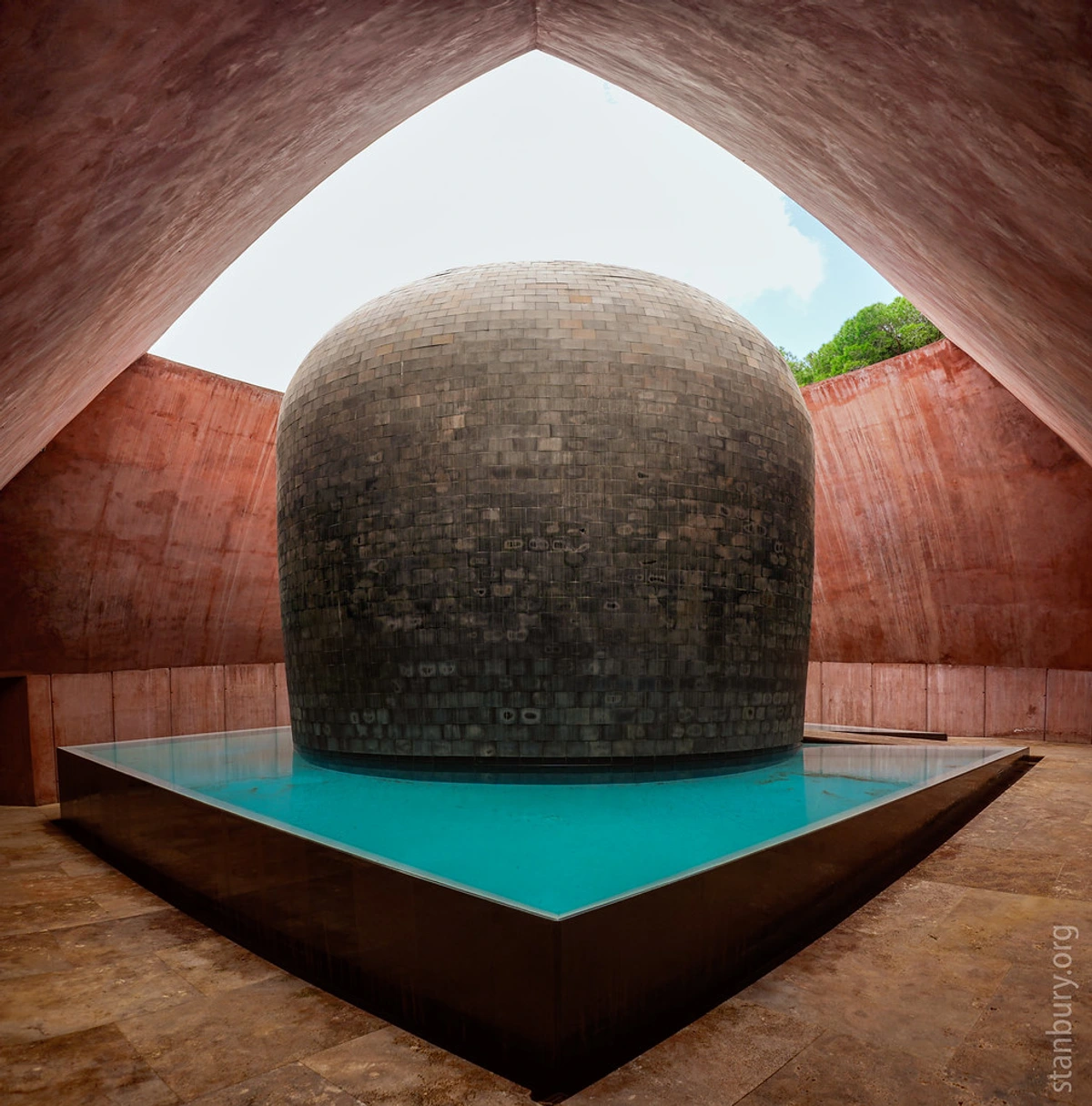
One of the most notable examples of this is Turrell's Roden Crater, a large-scale artwork located in the Arizona desert. This installation is not just a work of art; it's a monumental architectural achievement, a testament to Turrell's vision of light as a transformative force. The crater is designed to capture and direct natural light, creating a series of immersive environments that challenge our perceptions and invite us to explore the depths of our own consciousness.
The Science Behind the Art
Turrell's work is deeply rooted in the science of perception. His understanding of how the human brain processes visual information is what allows him to create installations that challenge and transform our perceptions. By manipulating light, Turrell is able to create environments that force us to confront the limitations of our own senses and to explore the boundaries of human consciousness.
The Role of Neuroscience in Turrell's Work
Neuroscience plays a crucial role in Turrell's artistic process. His installations are designed to explore the way the human brain processes visual information, creating environments that challenge our perceptions and invite us to explore the boundaries of human consciousness. This neuroscience approach is evident in the way Turrell's installations often involve carefully designed environments that manipulate light to create immersive experiences that challenge our understanding of reality.
The Psychology of Perception
Turrell's work is deeply influenced by the psychology of perception. His installations are designed to disrupt our usual ways of seeing, forcing us to confront the limitations of our own senses. This psychological approach is evident in the way his installations often involve carefully designed environments that challenge our perceptions and invite us to explore the boundaries of human consciousness.
The Neuroscience of Light
The neuroscience of light is another critical element in Turrell's work. His installations are designed to explore the way the human brain processes visual information, creating environments that challenge our perceptions and invite us to explore the boundaries of human consciousness. This neuroscience approach is evident in the way his installations often involve carefully designed environments that manipulate light to create immersive experiences that challenge our understanding of reality.
The Role of Neuroscience in Art
Neuroscience plays a crucial role in Turrell's artistic process. His installations are designed to explore the way the human brain processes visual information, creating environments that challenge our perceptions and invite us to explore the boundaries of human consciousness. This neuroscience approach is evident in the way his installations often involve carefully designed environments that manipulate light to create immersive experiences that challenge our understanding of reality.
This scientific foundation is what gives Turrell's work its depth and complexity. His installations are not just about creating beautiful visual effects; they are about exploring the boundaries of human perception and inviting us to see the world in new and transformative ways. It's a reminder that art is not just about aesthetics; it's about transformation, about inviting us to see the world—and ourselves—in new and profound ways.
One of the key scientific principles that underpins Turrell's work is the idea that perception is an active process. Our brains do not simply receive visual information; they actively construct our experience of the world based on the information they receive. Turrell's installations are designed to disrupt this process, to challenge our assumptions, and to invite us to see the world in new and unexpected ways.
One of the most revolutionary aspects of Turrell's work is his use of light as a medium. Unlike traditional artists who use light to illuminate their subjects, Turrell treats light itself as the subject. His installations are not about creating images or representations; they are about creating environments where light becomes a physical, tangible presence. This approach challenges our conventional understanding of art and invites us to explore new ways of seeing and experiencing the world.
This is the most important shift in thinking you have to make. In traditional art, light illuminates the object. In a Turrell piece, light is the object. He achieves this by creating constructions that look like flat surfaces or paintings on the wall, but are actually openings in the wall, revealing a hidden, brightly lit space. You're not looking at a canvas; you're looking into a volume of light. The light has mass, it has weight, it has presence. It occupies physical space, just like a sculpture would. He's not representing an illusion; he's constructing a physical reality that happens to be made of photons instead of stone.
This transformation of light from a passive medium to an active participant in the artistic process is what makes Turrell's work so groundbreaking. By treating light as a physical material, Turrell is able to create installations that are not just visually striking, but also deeply immersive. His work invites us to step beyond the boundaries of our usual perceptions and into a world where light is not just something we see, but something we experience.


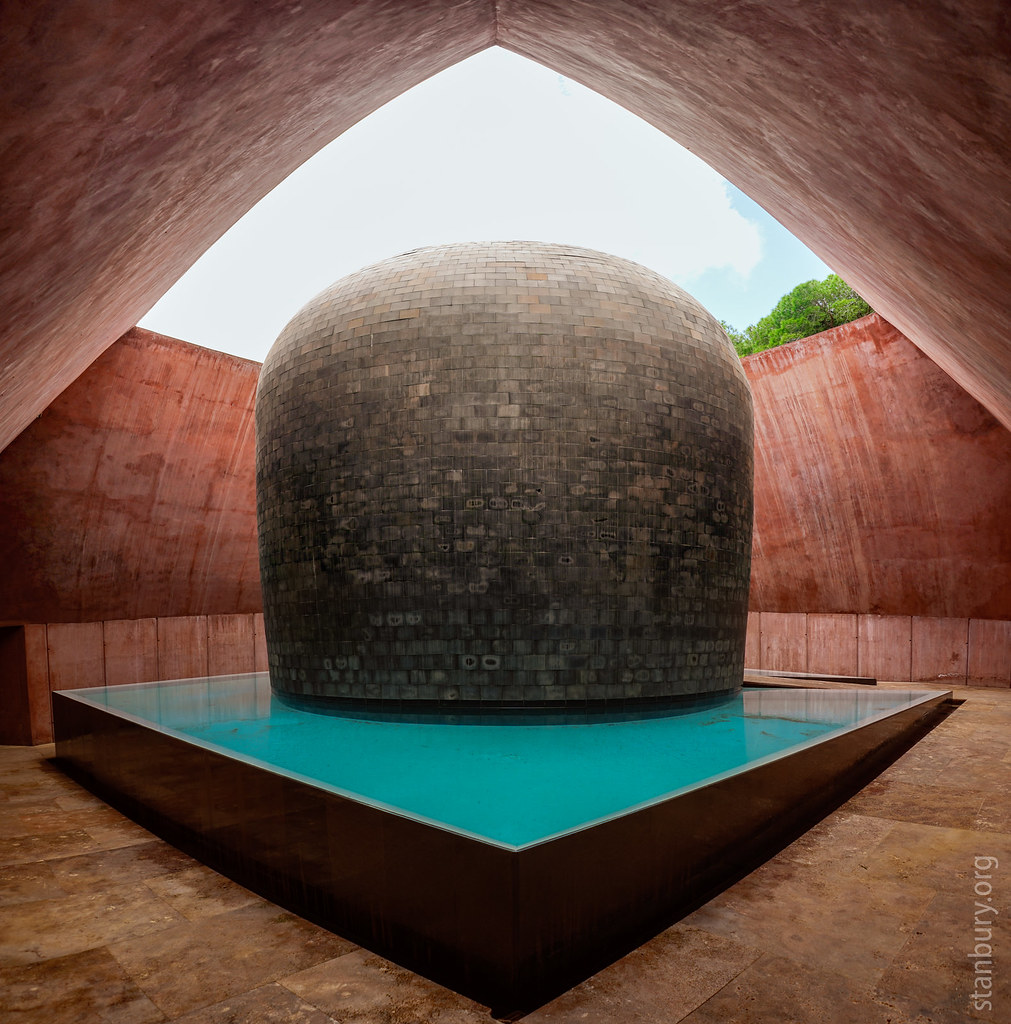


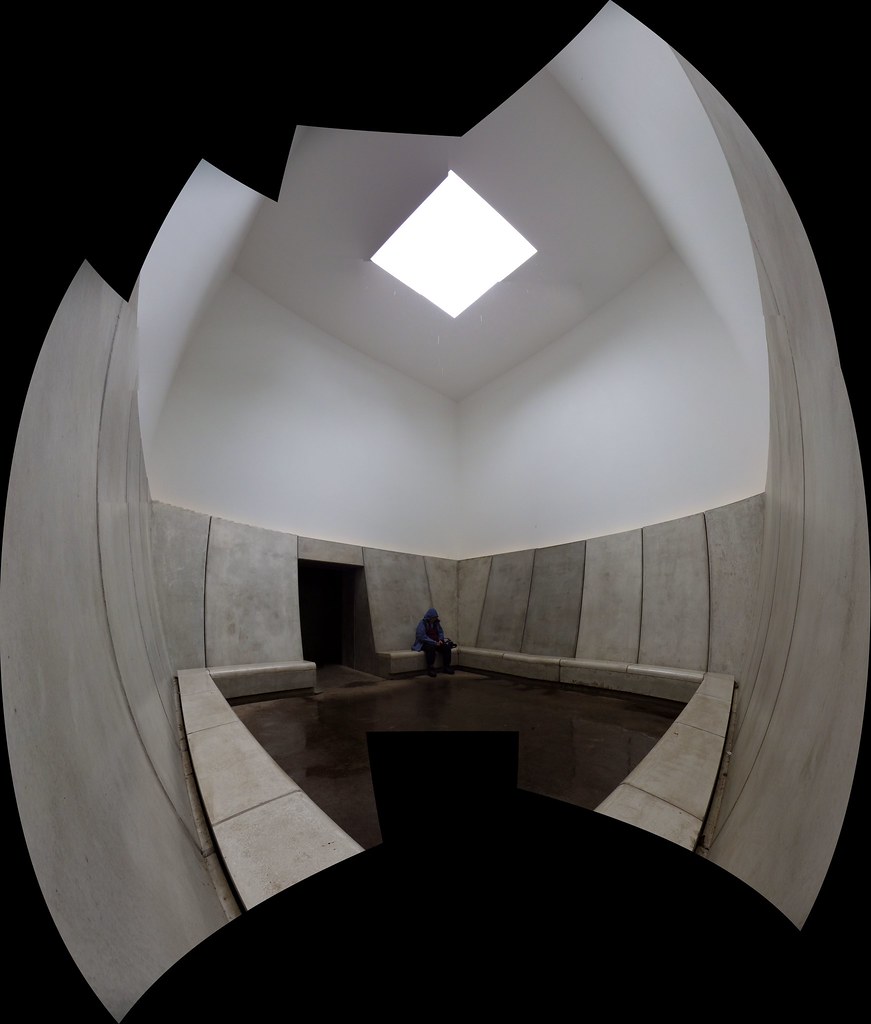













- Sensory Deprivation: Turrell is a master of subtraction. He understands that to truly see light, you first have to remove everything else. In many of his installations, he pushes you into a state of sensory deprivation—a perfectly dark room where your eyes have nothing to latch onto. Then, he introduces a single, carefully controlled light source. With your usual reference points gone, your brain has no choice but to focus entirely on this new information. The result is that your perception becomes incredibly heightened. A faint glow can seem blindingly bright, and you start to see phantom colors and shapes that aren't really there. It's like your eyes, desperate for input, start showing you an echo of what they expect to see. This is the first step to making the invisible visible.
This sensory deprivation is a powerful tool in Turrell's artistic arsenal. By stripping away the usual distractions of our visual environment, Turrell is able to create a space where light can be experienced in its purest form. This heightened state of perception allows us to see light not just as a source of illumination, but as a dynamic, ever-changing force that shapes our understanding of the world.
Sensory deprivation is a powerful tool in Turrell's artistic arsenal. By stripping away the usual distractions of our visual environment, Turrell is able to create a space where light can be experienced in its purest form. This heightened state of perception allows us to see light not just as a source of illumination, but as a dynamic, ever-changing force that shapes our understanding of the world.
- The Ganzfeld Effect: This is a term borrowed from perceptual psychology, and it's the key to some of Turrell's most disorienting works. A Ganzfeld (German for "entire field") is a featureless, unpatterned expanse of light that completely fills your view. In a Turrell 'Ganzfeld' piece, you might walk into a room where the walls and floor are curved and lit from within, creating a seamless, glowing fog of a single color. There are no corners, no shadows, no brushstrokes—nothing for your brain to use as a landmark. It's an ocean of color. The effect is genuinely trippy. Your brain, starved for information, begins to hallucinate. The color might throb or subtly shift from blue to violet. What was a solid wall might suddenly seem like an infinite void you could step into. You might feel a sense of floating or falling. It's alarming and beautiful, and it's all happening inside your head. Turrell hasn't changed the light; he's changed your ability to process it.
The Ganzfeld effect is a testament to Turrell's deep understanding of the human mind and its relationship with light. By creating an environment that is devoid of visual cues, Turrell forces our brains to fill in the gaps, to create meaning where there is none. This process of perception is not just a passive reception of information; it is an active, creative act. In this way, Turrell's work becomes a collaboration between the artist and the viewer, a shared exploration of the boundaries of human perception.