The Eiffel Tower: A Canvas of Controversy and Artistic Inspiration
Explore the Eiffel Tower's journey from a controversial structure to an iconic muse in art history, captivating artists worldwide.

The Eiffel Tower: A Canvas of Controversy and Artistic Inspiration
I remember the first time I saw the Eiffel Tower. It was a postcard, really, but it felt like more. There it was, standing tall and unapologetic, a lattice of iron against a Parisian sky. I couldn’t help but wonder, how did this structure, once reviled, become one of the most painted and photographed subjects in art history?
The Eiffel Tower is more than just an architectural marvel; it is a symbol of human ingenuity and artistic evolution. Its journey from controversy to icon status is a testament to the transformative power of art and perception. In this article, we will explore the tower's history, its impact on art, and its enduring legacy in popular culture.
Why the Eiffel Tower Matters
The Eiffel Tower is not just a monument; it is a cultural phenomenon. It represents the intersection of engineering, art, and history. Its story is one of resilience, innovation, and the enduring power of human creativity. Understanding its significance helps us appreciate how art and architecture can shape our world.
The Historical Context of the Eiffel Tower
To truly understand the Eiffel Tower, we must delve into the historical context of its creation. The late 19th century was a period of rapid industrialization and technological advancement. Paris, as the cultural heart of Europe, was at the forefront of this transformation. The Eiffel Tower, with its bold design and innovative construction techniques, embodied the spirit of this era. It was a statement of progress, a celebration of human achievement, and a challenge to traditional aesthetics.
The Industrial Revolution and Paris
The Industrial Revolution brought about unprecedented changes in manufacturing, transportation, and communication. Paris, with its rich cultural heritage, became a hub for these innovations. The Eiffel Tower was a symbol of this new era, showcasing the possibilities of iron and engineering.
Quick Facts About the Eiffel Tower
Fact  | Description |
|---|---|
| Height | 330 meters (including antennas) |
| Construction Period | 1887-1889 |
| Designer | Gustave Eiffel |
| Purpose | Built for the 1889 Exposition Universelle |
| Materials | 18,038 pieces of iron and 2.5 million rivets |
| Visitors Annually | Over 7 million |
| Original Purpose | Served as the entrance arch for the 1889 World's Fair |
| Initial Controversy | Faced criticism from artists and intellectuals |
| Cultural Impact | Inspired countless artists, writers, and filmmakers |
The Eiffel Tower is not just a symbol of Paris; it is a global icon that has inspired countless artists, writers, and dreamers. Its story is one of resilience, innovation, and the enduring power of human creativity.
The Birth of a Controversy
The Eiffel Tower wasn’t always the beloved icon it is today. When Gustave Eiffel’s design was chosen for the 1889 Exposition Universelle, it sparked a wave of protest. Artists and intellectuals of the time, including Guy de Maupassant and Émile Zola, signed a petition calling it a "monstrous" and "useless" eyesore. Imagine that—some of the greatest minds of the era, united in their disdain for what would become a symbol of Paris.
But why the uproar? The tower was unlike anything seen before. Standing at 300 meters, it was the tallest man-made structure in the world at the time. Its skeletal, industrial aesthetic clashed with the ornate, classical architecture that defined Paris. It was a bold statement, a defiance of tradition, and that’s exactly what made it revolutionary.
The Role of the Media
The media played a significant role in amplifying the controversy. Newspapers and magazines of the time were filled with debates about the tower's aesthetic and cultural implications. Some saw it as a symbol of progress, while others viewed it as a threat to the artistic heritage of Paris. This media frenzy only added to the tower's notoriety and, ultimately, its fame.
The Cultural Backlash
The controversy surrounding the Eiffel Tower wasn’t just about aesthetics. It was also about what the tower represented—a shift from traditional craftsmanship to industrialization. Many saw it as a symbol of modernity that threatened the artistic and cultural values of Paris. This tension between tradition and innovation is a recurring theme in the history of art and architecture.
The Economic Impact
Despite the initial backlash, the Eiffel Tower had a profound economic impact on Paris. It attracted millions of visitors to the 1889 Exposition Universelle, boosting tourism and trade. The tower's success demonstrated the potential of large-scale public projects to drive economic growth and urban development.
The Engineering Marvel
The construction of the Eiffel Tower was a feat of engineering. Designed by Gustave Eiffel and his team, the tower was built in just two years, two months, and five days. It required 18,038 pieces of iron and 2.5 million rivets. The precision and speed of its construction were unprecedented, showcasing the advancements of the Industrial Revolution.
The Role of Gustave Eiffel
Gustave Eiffel, the mastermind behind the tower, was not just an engineer but a visionary. His innovative use of iron and his understanding of wind forces allowed the tower to withstand the elements. Eiffel's contributions to engineering extended beyond the tower, including bridges and other structures that defined the era of industrial progress.

From Eyesore to Icon
Fast forward to today, and the Eiffel Tower is synonymous with Paris. It’s hard to imagine the city without it. But how did this shift happen? How did something so controversial become so cherished?
The Role of the 1889 Exposition Universelle
The 1889 Exposition Universelle played a pivotal role in changing public perception of the Eiffel Tower. As the centerpiece of the fair, the tower attracted millions of visitors who marveled at its height and engineering. The exposition provided a platform for the tower to showcase its grandeur and innovation, gradually winning over its critics.
The Role of Time and Familiarity
One of the key factors in the tower's transformation was time. As Parisians grew accustomed to its presence, the initial shock and disdain began to fade. The tower became a familiar sight, and its unique silhouette started to symbolize the city itself. Over time, what was once seen as an eyesore became a beloved landmark.
The Role of Tourism
Tourism played a crucial role in the tower's transformation. As visitors from around the world flocked to see the tower, it became a symbol of Parisian identity. The tower's popularity among tourists helped to solidify its status as a cultural icon, further embedding it in the collective imagination.

The Role of Art
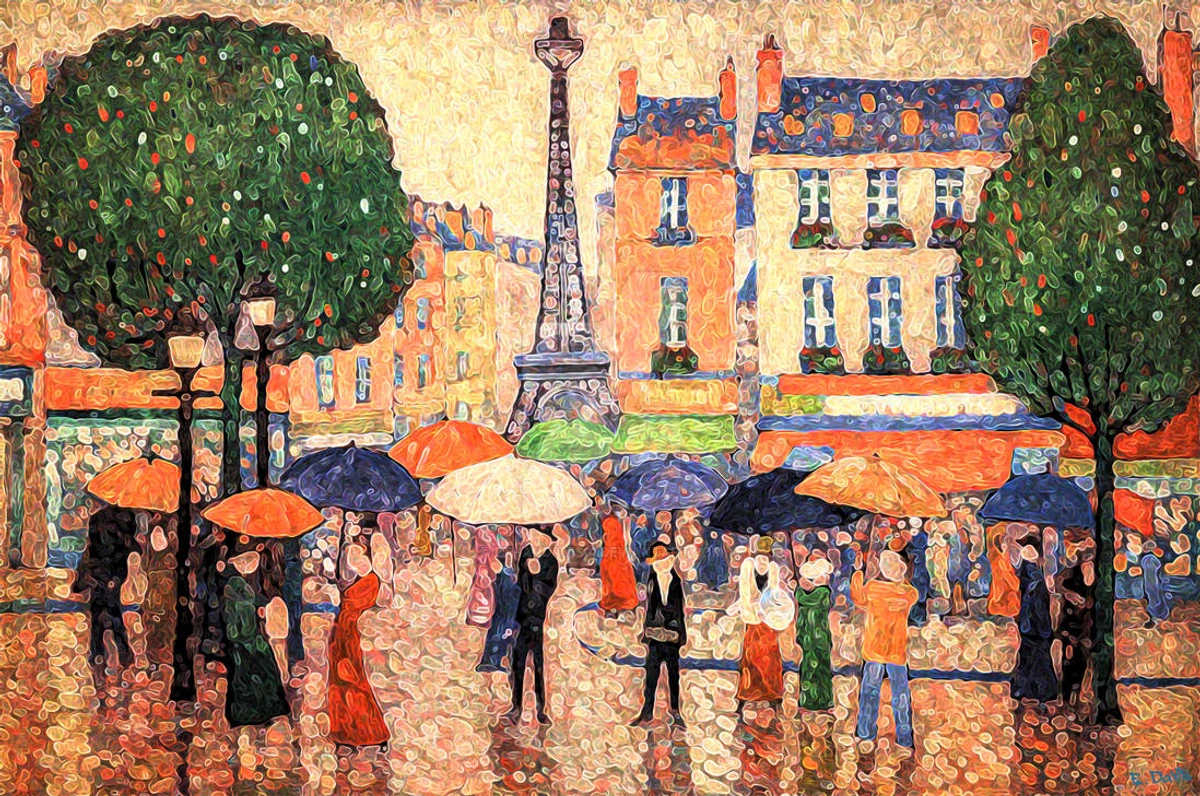
Artists played a crucial role in this transformation. They saw something in the tower that others didn’t—a symbol of modernity, a testament to human ingenuity. Painters like Robert Delaunay and Marc Chagall captured its essence in their works, turning it into a muse for the avant-garde.
The Role of Public Events
Public events, such as fireworks displays and light shows, have also contributed to the tower's iconic status. These events have transformed the tower into a dynamic and interactive symbol of celebration, further enhancing its appeal and cultural significance.
The Influence of Literature
Writers and poets also contributed to the tower's evolving reputation. Works by authors like Colette and Roland Barthes celebrated the tower as a symbol of Parisian life and culture. Their writings helped to embed the tower in the collective imagination, further solidifying its status as an icon.
The Role of Education
Educational institutions and programs have played a role in shaping the tower's legacy. By incorporating the Eiffel Tower into curricula and public lectures, educators have highlighted its historical and cultural significance, ensuring that future generations appreciate its value.
Credit, Licence
Delaunay, in particular, was fascinated by the tower. His series of paintings, "The Eiffel Tower," explored the interplay of light and structure, breaking down the tower into geometric forms that danced on the canvas. It was a celebration of the tower’s industrial beauty, a far cry from the initial criticisms.
Photography and the Tower
Photographers, too, found inspiration in the tower. Eugène Atget’s early 20th-century photographs captured the tower in a new light, emphasizing its grandeur and elegance. Later, photographers like Robert Doisneau and Henri Cartier-Bresson used the tower as a backdrop for their iconic images of Parisian life.

The Tower in Film
The Eiffel Tower has also played a significant role in cinema. From classic films like "An American in Paris" to modern blockbusters, the tower has been a recurring symbol of romance and adventure. Its cinematic appearances have further cemented its place in popular culture.
Credit, Licence
The Tower in Popular Culture
The Eiffel Tower’s influence extends beyond the art world. It has become a cultural icon, appearing in countless films, books, and songs. From the romantic scenes in "An American in Paris" to the whimsical animations of "Ratatouille," the tower is a symbol of love, adventure, and the magic of Paris.
The Tower in Fashion
The Eiffel Tower has also made its mark in the world of fashion. Designers have drawn inspiration from its elegant lines and iconic silhouette, incorporating its imagery into clothing, accessories, and runway shows. The tower's influence on fashion reflects its status as a timeless symbol of style and sophistication.
The Tower in Music
The Eiffel Tower has inspired countless musicians, from classical composers to modern pop stars. Its image has been used in album covers, music videos, and lyrics, symbolizing everything from romance to rebellion. The tower's influence on music is a testament to its universal appeal.
The Tower in Advertising
The Eiffel Tower has been a popular subject in advertising campaigns. Its iconic status and global recognition make it a powerful symbol for brands looking to evoke feelings of romance, adventure, and sophistication. The tower's presence in advertising underscores its enduring appeal and cultural significance.
Films and Literature
In literature, the tower has been a recurring motif. Victor Hugo, despite his initial reservations, later acknowledged its significance. In "The Hunchback of Notre-Dame," he wrote about the tower’s impact on the Parisian skyline, a testament to its growing acceptance.
The Tower in Theater
The Eiffel Tower has also been featured in theatrical productions, serving as a backdrop for stories of love, adventure, and intrigue. Its presence on stage adds a touch of Parisian charm and elegance, enhancing the narrative and captivating audiences.
Music and the Tower
Musicians, too, have been inspired by the tower. From Edith Piaf’s soulful ballads to modern pop songs, the tower is a symbol of romance and nostalgia. It’s a reminder of the power of art to transform our perceptions.
The Tower in Dance
The Eiffel Tower has inspired choreographers and dancers, who have used its imagery and symbolism in their performances. From classical ballet to contemporary dance, the tower's presence on stage adds a layer of depth and meaning, enhancing the emotional impact of the performance.
The Tower Today
Today, the Eiffel Tower is more than just a structure; it’s a canvas for artistic expression. It has been painted, photographed, and reimagined in countless ways. It’s a testament to the power of art to change our perceptions and challenge our preconceptions.
The Tower as a Symbol of Sustainability
In recent years, the Eiffel Tower has also become a symbol of sustainability. Efforts to reduce its environmental impact, such as the installation of wind turbines and solar panels, highlight its role in promoting eco-friendly practices. The tower's commitment to sustainability reflects its ongoing relevance and adaptability.
The Tower as a Symbol of Innovation
The Eiffel Tower continues to inspire innovation. From its use as a radio transmission tower to its role in scientific experiments, the tower has always been at the forefront of technological advancement. Its legacy as a symbol of innovation is as strong today as it was during its construction.
The Tower in Scientific Research
The Eiffel Tower has also played a role in scientific research. Its height and unique structure have made it an ideal location for experiments in meteorology, aerodynamics, and telecommunications. The tower's contributions to science underscore its multifaceted significance.
Contemporary Art and the Tower
Contemporary artists continue to find inspiration in the tower. From street art to digital installations, the tower remains a symbol of creativity and innovation. It’s a reminder that even the most controversial ideas can become icons of beauty and inspiration.
The Tower in Public Art
The Eiffel Tower has been the subject of numerous public art projects, from large-scale murals to interactive installations. These projects have transformed the tower into a dynamic and engaging symbol of artistic expression, further enhancing its cultural significance.
The Tower in Digital Art
In the digital age, the Eiffel Tower has found new life in virtual reality, video games, and digital art. Artists and developers use the tower as a symbol of creativity and technological progress, further expanding its influence in the modern world.
The Tower in Social Media
The Eiffel Tower has become a popular subject on social media platforms, where users share photos, videos, and stories about their experiences with the tower. Its presence on social media reflects its enduring appeal and cultural significance in the digital age.
Credit, Licence
FAQ
Why was the Eiffel Tower controversial when it was built?
The Eiffel Tower was controversial because of its bold, industrial design, which clashed with the classical architecture of Paris. Many artists and intellectuals saw it as an eyesore and a symbol of modernity that threatened traditional aesthetics.
What was the initial purpose of the Eiffel Tower?
The Eiffel Tower was built as the entrance arch for the 1889 Exposition Universelle, a world's fair held in Paris to celebrate the 100th anniversary of the French Revolution. It was intended to showcase France's industrial and technological achievements.
How did the Eiffel Tower become an icon?
The tower became an icon through the efforts of artists who saw its beauty and potential. Painters like Robert Delaunay and photographers like Eugène Atget captured its essence, transforming it into a symbol of modernity and artistic inspiration.
What role did the media play in the Eiffel Tower's controversy?
The media amplified the controversy by publishing debates and critiques about the tower's design and cultural implications. This media attention contributed to the tower's notoriety and, ultimately, its fame.
What role did photography play in the Eiffel Tower’s popularity?
Photography played a significant role in popularizing the Eiffel Tower. Early photographs by Eugène Atget and later works by photographers like Robert Doisneau and Henri Cartier-Bresson showcased the tower’s grandeur and elegance, helping to change public perception.
How has the Eiffel Tower influenced contemporary art?
The Eiffel Tower continues to inspire contemporary artists, from street artists to digital creators. Its iconic status and symbolic meaning make it a powerful subject for exploring themes of modernity, creativity, and innovation.
What is the significance of the Eiffel Tower in engineering?
The Eiffel Tower is a marvel of engineering, showcasing the advancements of the Industrial Revolution. Its construction required precision and innovation, making it a symbol of human ingenuity and technological progress.
How has the Eiffel Tower been represented in literature?
The Eiffel Tower has been a recurring motif in literature, symbolizing Parisian life and culture. Authors like Colette and Roland Barthes have celebrated the tower in their works, embedding it in the collective imagination.
What is the role of the Eiffel Tower in modern media?
The Eiffel Tower has become a cultural icon in modern media, appearing in films, music, and digital art. Its universal appeal and symbolic meaning make it a powerful subject for exploring themes of romance, adventure, and innovation.

How has the Eiffel Tower been used in advertising?
The Eiffel Tower has been a popular subject in advertising campaigns, symbolizing romance, adventure, and sophistication. Its iconic status and global recognition make it a powerful symbol for brands.
Conclusion
The Eiffel Tower’s journey from controversy to icon is a testament to the power of art to challenge and transform our perceptions. It’s a reminder that even the most unconventional ideas can become symbols of beauty and inspiration. As an artist, I find this story incredibly inspiring. It’s a reminder that art is not just about aesthetics; it’s about challenging norms, pushing boundaries, and seeing the world in new ways.












The Eiffel Tower stands as a beacon of creativity and innovation, a symbol of the enduring power of art to shape our world. Its legacy continues to inspire artists, engineers, and dreamers alike, reminding us that the next great artistic revolution is always just around the corner, waiting to be discovered and embraced.