Dora Maar's Photography Career: A Surrealist Vision Beyond Picasso
Explore Dora Maar's groundbreaking photography career, her surrealist contributions, and her unique artistic vision independent of her relationship with Picasso.

Dora Maar's Photography Career: A Surrealist Vision Beyond Picasso
I remember the first time I stumbled upon Dora Maar's photography. It was in a small, dimly lit gallery, tucked away in a corner of Paris. Her images had a way of pulling me in, making me feel as though I was stepping into a dream. But who was Dora Maar, really? Most people know her as Picasso's muse, but her story is so much more than that. She was a visionary artist whose work transcended the boundaries of traditional photography, leaving an indelible mark on the Surrealist movement.
Dora Maar's journey is a testament to the power of artistic expression and the enduring impact of surrealism. Her work challenges us to see the world differently, to question reality, and to embrace the fantastical. In this article, we will explore her life, her contributions to surrealist photography, and her legacy as an artist in her own right.
Introduction to Dora Maar
Dora Maar, born Henriette Theodora Markovitch, was a French photographer, painter, and poet. She was a key figure in the Surrealist movement, known for her innovative and thought-provoking work. Maar's photography career spanned several decades, during which she created a body of work that was both diverse and deeply personal. Her ability to capture the essence of her subjects, whether through surrealist techniques or candid moments, set her apart as a true pioneer in the field.
Maar's work is often overshadowed by her relationship with Pablo Picasso, but her contributions to the art world are profound and far-reaching. She was not just a muse but a trailblazer who redefined the boundaries of photography and surrealism.
Early Life and Influences
Maar was born in 1907 in Paris to a Croatian father and a French mother. Her early life was marked by a love for the arts, influenced by her parents' creative backgrounds. She studied at the École des Beaux-Arts and the Académie Julian, where she honed her skills in painting and photography. These formative years were crucial in shaping her artistic vision, as she was exposed to a wide range of artistic styles and techniques that would later define her work.
Growing up in a multicultural household, Maar was exposed to diverse perspectives that fueled her creativity. Her education at prestigious institutions provided her with the tools to experiment and innovate, setting the stage for her groundbreaking contributions to surrealist photography.
Artistic Beginnings
Maar's early exposure to art was not limited to her formal education. She was deeply influenced by the vibrant cultural scene of Paris in the early 20th century. The city's bohemian atmosphere and the avant-garde movements of the time played a significant role in shaping her artistic sensibilities. Her early works reflect a blend of traditional techniques and experimental approaches, showcasing her willingness to push the boundaries of conventional art.
Photography Career
Surrealist Photography
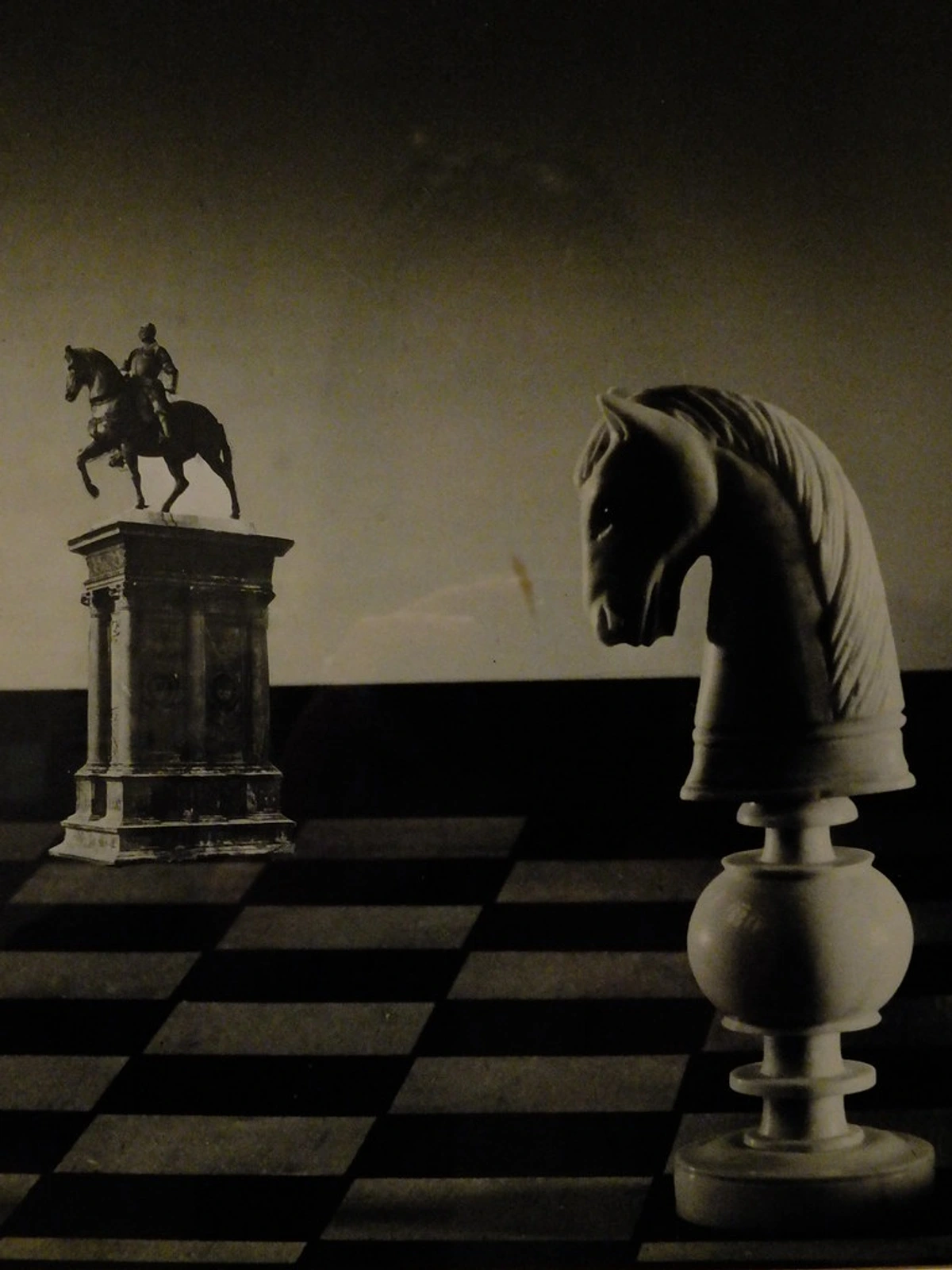
Maar's photography was deeply influenced by the Surrealist movement. She was known for her experimental techniques, including photomontage and solarization. Her work often explored themes of identity, memory, and the subconscious.
One of her most famous works is "The Simulator," a series of photographs that play with the idea of reality and illusion. These images are a testament to her ability to blend the mundane with the fantastical, creating a world that is both familiar and alien. Her surrealist photography was not just about visual experimentation; it was a means of delving into the human psyche and uncovering hidden truths.
Techniques and Innovations
Maar's innovative use of photomontage allowed her to create composite images that challenged the viewer's perception of reality. By combining disparate elements into a single frame, she was able to evoke a sense of dreamlike disorientation. Solarization, another technique she mastered, involved partially reversing the tones of a photographic image, resulting in a striking, otherworldly effect. These techniques were not merely stylistic choices but tools for exploring deeper psychological and philosophical themes.
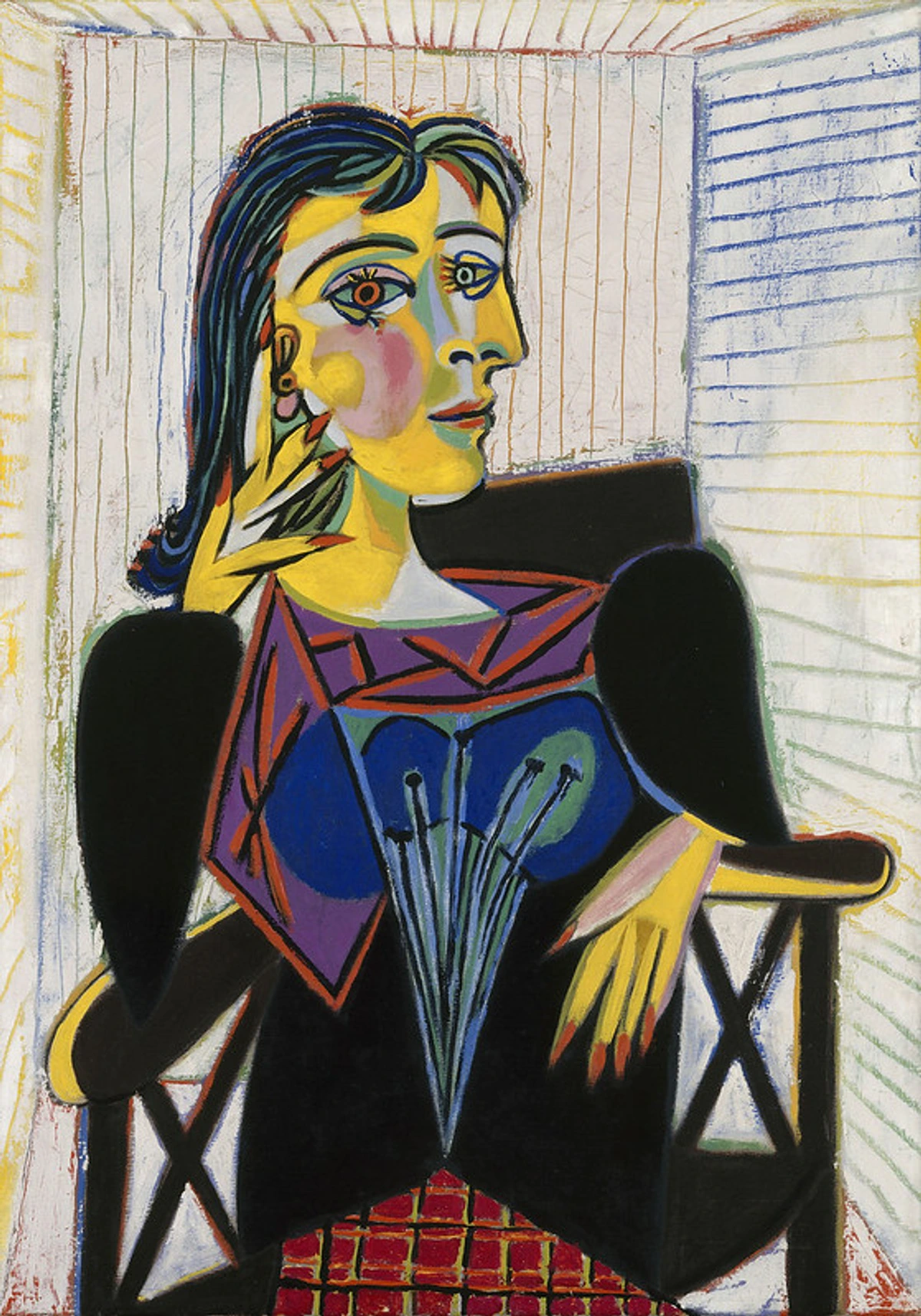
Key Surrealist Works
Work  | Year | Technique | Theme |
|---|---|---|---|
| The Simulator | 1936 | Photomontage | Reality vs. Illusion |
| Portrait of Ubu | 1936 | Solarization | Identity and Transformation |
| 29, Rue d'Astorg | 1936 | Double Exposure | Memory and Time |
| Untitled (Hand-Shell) | 1934 | Photomontage | Nature and Humanity |
| The Years Lie in Wait for You | 1935 | Solarization | Time and Aging |
| Le Père Ubu | 1936 | Photomontage | Absurdity and Satire |
| The Pretender | 1935 | Double Exposure | Duality and Deception |
These works exemplify Maar's ability to push the boundaries of photography and challenge the viewer's perception of reality. Each piece invites the audience to explore the depths of the human experience, from the passage of time to the complexities of identity. Her use of surrealist techniques allowed her to create images that were not only visually striking but also rich in symbolic meaning.
Commercial Work
In addition to her artistic pursuits, Maar also worked as a commercial photographer. She created advertisements and fashion photographs that were both stylish and innovative. Her commercial work showcased her versatility and ability to adapt her artistic vision to different contexts. This period of her career highlighted her technical prowess and her keen eye for composition, which she seamlessly integrated into her commercial projects.
Impact on Fashion Photography
Maar's commercial work was not just a means of financial support but also a platform for her to experiment with new ideas and techniques. Her fashion photography, in particular, was noted for its avant-garde approach, blending surrealist elements with commercial appeal. This duality allowed her to reach a broader audience while maintaining her artistic integrity.
Relationship with Picasso
Maar's relationship with Pablo Picasso is often the focus of discussions about her life. While it is true that she was his muse and lover, it is important to recognize her as an artist in her own right. Their relationship was complex and influential, but it should not overshadow her individual contributions to the art world.
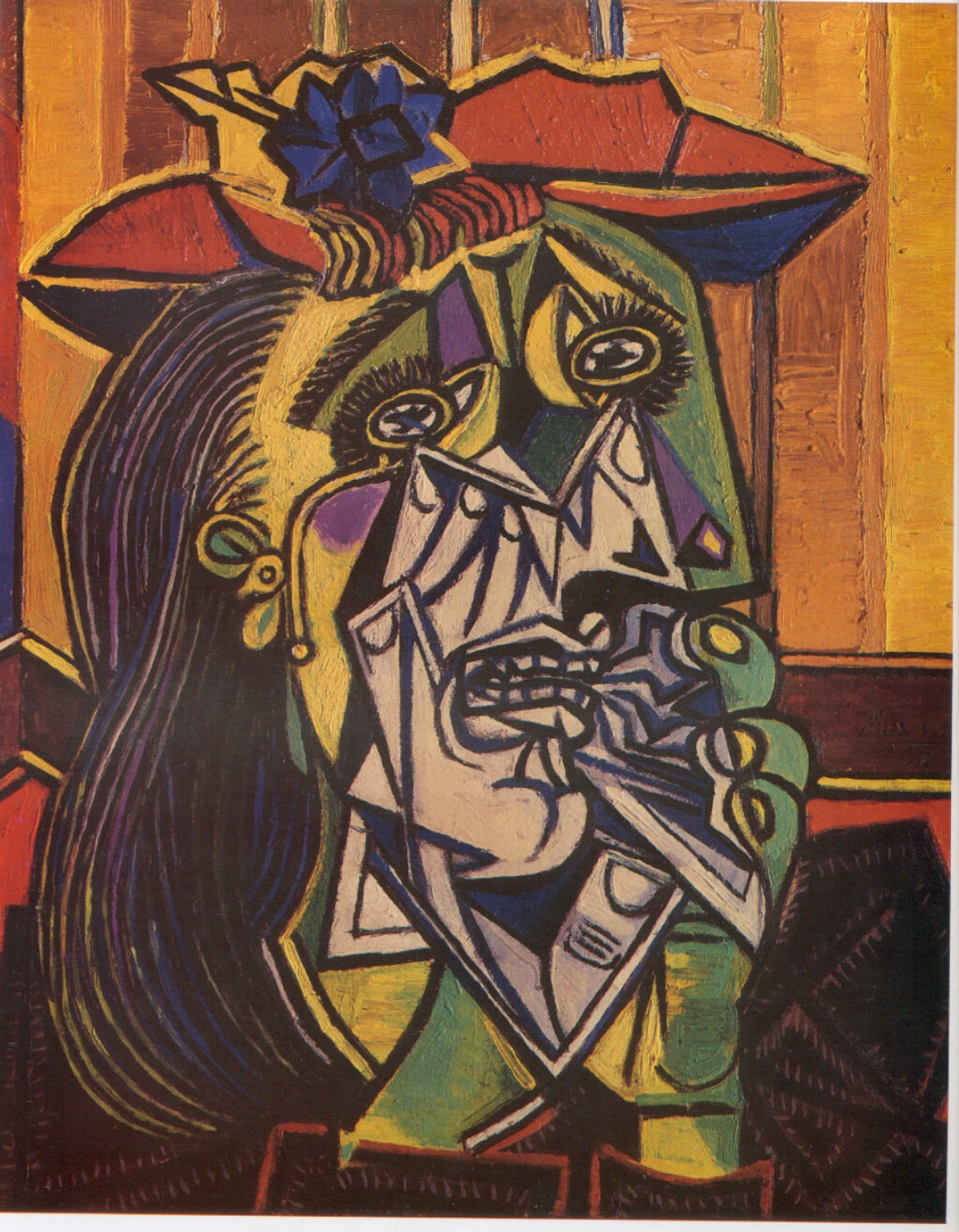
Dynamic of Their Relationship
The relationship between Maar and Picasso was marked by a dynamic interplay of artistic collaboration and personal turmoil. While Picasso's influence on Maar's work is undeniable, it is essential to acknowledge the mutual exchange of ideas that characterized their partnership. Maar's role as a muse was not passive; she actively engaged with Picasso's creative process, offering insights and critiques that shaped his work as much as his influence shaped hers.
Collaborative Projects
During their time together, Maar and Picasso collaborated on several projects, including the creation of "Guernica." Maar's photographic documentation of the painting process provided invaluable insights into Picasso's creative journey. However, her role extended beyond documentation; she actively contributed to the artistic dialogue that shaped the final masterpiece.
Documentation of "Guernica"
Maar's photographs of Picasso's "Guernica" are among the most significant records of the painting's creation. These images capture the evolution of the artwork, from initial sketches to the final masterpiece, offering a rare glimpse into Picasso's creative process. Maar's documentation is not just a historical record but a testament to her deep understanding of the artistic process and her ability to capture its essence through photography.
Later Life and Legacy
In her later years, Maar turned away from photography and focused more on painting and poetry. She lived a relatively secluded life, but her influence on the art world remained significant. Today, her work is celebrated for its innovation and depth, and she is recognized as one of the most important female artists of the 20th century.
Transition to Painting and Poetry
Maar's shift from photography to painting and poetry marked a new phase in her artistic journey. Her paintings, often characterized by their introspective and symbolic nature, reflected her evolving artistic vision. Her poetry, though less known, offered a deeper insight into her thoughts and emotions, showcasing her versatility as an artist.
Influence on Modern Art
Maar's legacy extends beyond her own artistic contributions. Her innovative techniques and fearless exploration of surrealist themes have inspired generations of artists. Her work continues to be studied and admired for its ability to challenge conventional notions of art and photography.
Recognition and Exhibitions
In recent years, there has been a renewed interest in Maar's work, with major exhibitions dedicated to her contributions to surrealist photography. These exhibitions have not only highlighted her artistic achievements but also brought attention to her role as a pioneering female artist in a male-dominated field. Her work is now celebrated in museums and galleries worldwide, cementing her place in the annals of art history.
FAQ
What is Dora Maar best known for?
Dora Maar is best known for her contributions to the Surrealist movement, particularly her innovative photography techniques and her relationship with Pablo Picasso. However, her legacy as an independent artist and her groundbreaking work in surrealist photography are equally significant.
What inspired Dora Maar's surrealist photography?
Maar's surrealist photography was inspired by her exposure to the avant-garde movements of her time, as well as her personal experiences and emotions. Her work often explored themes of identity, memory, and the subconscious, reflecting her deep interest in the human psyche and the complexities of reality.
What techniques did Dora Maar use in her photography?
Maar used a variety of techniques, including photomontage and solarization. She was known for her experimental approach and her ability to blend reality with fantasy. Her use of double exposure and unconventional angles further showcased her technical skill and creative vision.
How did Dora Maar's techniques evolve over time?
Maar's techniques evolved significantly throughout her career. Initially influenced by traditional photography, she gradually incorporated surrealist elements into her work. Her experimentation with photomontage and solarization allowed her to create images that were not only visually striking but also rich in symbolic meaning. This evolution reflects her continuous quest for innovation and her willingness to push the boundaries of conventional photography.
How did Dora Maar's relationship with Picasso influence her work?
While her relationship with Picasso was influential, Maar's work stood on its own merits. She was an innovative artist who made significant contributions to the Surrealist movement. Their collaboration on projects like "Guernica" highlighted her role as both a muse and a creative partner.
What was the nature of their artistic collaboration?
The collaboration between Maar and Picasso was characterized by a mutual exchange of ideas and a shared commitment to artistic innovation. While Picasso's influence on Maar's work is evident, it is essential to recognize the ways in which Maar's insights and critiques shaped Picasso's creative process. Their partnership was a dynamic interplay of artistic collaboration and personal connection, resulting in some of the most significant works of the 20th century.
What is Dora Maar's legacy?
Dora Maar's legacy is that of a pioneering artist who pushed the boundaries of photography and Surrealism. Her work continues to inspire and influence artists today, and her contributions to the art world are celebrated for their depth and innovation.
How has Dora Maar's work been received in recent years?
In recent years, there has been a renewed interest in Maar's work, with major exhibitions and retrospectives dedicated to her contributions to surrealist photography. These exhibitions have not only highlighted her artistic achievements but also brought attention to her role as a pioneering female artist in a male-dominated field. Her work is now celebrated in museums and galleries worldwide, cementing her place in the annals of art history.
What are some of Dora Maar's most famous works?
Some of Maar's most famous works include "The Simulator," "Portrait of Ubu," and "29, Rue d'Astorg." These pieces are celebrated for their surrealist themes and innovative techniques.
What themes are explored in Dora Maar's works?
Maar's works explore a wide range of themes, including identity, memory, the subconscious, and the passage of time. Her use of surrealist techniques allowed her to delve into the complexities of the human experience, creating images that are both visually striking and rich in symbolic meaning. These themes reflect her deep interest in the human psyche and her continuous quest for artistic innovation.
How did Dora Maar's early life influence her artistic career?
Maar's early exposure to the arts, influenced by her parents' creative backgrounds, played a significant role in shaping her artistic vision. Her education at prestigious institutions like the École des Beaux-Arts and the Académie Julian further honed her skills and prepared her for a successful career in photography and painting.
What role did Paris play in Dora Maar's artistic development?
Paris, with its vibrant cultural scene and avant-garde movements, played a crucial role in shaping Maar's artistic sensibilities. The city's bohemian atmosphere and the diverse perspectives she encountered there fueled her creativity and provided her with the tools to experiment and innovate. Her early works reflect a blend of traditional techniques and experimental approaches, showcasing her willingness to push the boundaries of conventional art.
Conclusion
Dora Maar's photography career is a testament to her unique artistic vision and her contributions to the Surrealist movement. While her relationship with Picasso is often highlighted, it is important to recognize her as an artist in her own right. Her work, both in photography and other mediums, continues to captivate and inspire.
If you're interested in exploring more about surrealist art, you might want to check out our timeline or visit the den-bosch-museum for a deeper dive into the world of contemporary art.
Final Thoughts
Dora Maar's legacy is a reminder of the power of artistic expression and the enduring impact of surrealism. Her work challenges us to see the world differently, to question reality, and to embrace the fantastical. As we continue to explore the depths of the human experience, Maar's contributions to the art world serve as a source of inspiration and a testament to the transformative power of creativity.









Further Exploration
For those eager to delve deeper into the world of surrealist art, consider exploring the works of other influential artists like Man Ray, Lee Miller, and Salvador Dalí. Each of these artists brought their unique perspective to the movement, creating a rich tapestry of surrealist masterpieces that continue to inspire and challenge our perceptions of reality.
Recommended Resources
To further explore the world of surrealist art, consider visiting museums and galleries that feature works by Dora Maar and other surrealist artists. Books and documentaries on the Surrealist movement can also provide valuable insights into the historical and cultural context of this influential artistic movement. Engaging with these resources can deepen your understanding of surrealism and its enduring impact on the art world.