The Artist's Voice: A Hands-on Guide to Creating Dynamic Visual Movement in Artwork
Master energy, flow and motion through brushwork, color, and composition. Transform static art into living visual experiences with this comprehensive guide.

The Artist's Voice: Bringing Artwork to Life with Dynamic Visual Movement
Have you ever stood before a painting where the colors seemed to swirl off the canvas? Where the brushstrokes pulsed with energy, making you feel like you could step right into the scene? That's not just talent—that's visual movement, the secret ingredient transforming static paintings into living, breathing experiences. As someone who’s spent countless hours wrestling with paint tubes and wrestling with inertia on canvas, I’ll admit: capturing motion is one of art’s most thrilling—and frustrating—pursuits. But here’s what I’ve learned: it’s not about mystical talent. It’s a craft you can unlock.
The Language of Movement: Understanding the Basics
Before diving into specific techniques, it's helpful to understand the fundamental language of visual movement. Movement in art can be described in several ways:
Types of Visual Movement
Movement Type  | Description | Visual Characteristics | Emotional Effect | Real-World Examples |
|---|---|---|---|---|
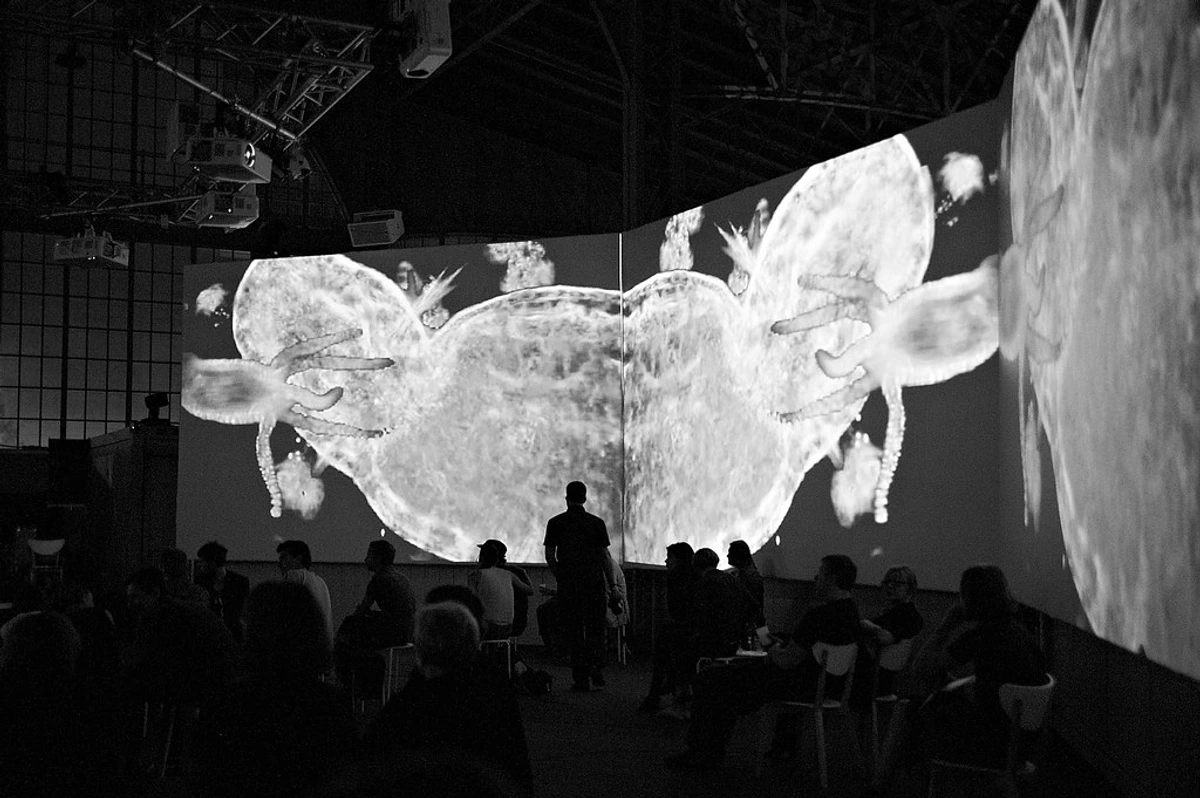
| Actual Movement | Physical motion in the artwork | Visible motion, kinetic elements, change over time | Excitement, engagement, active participation | Kinetic sculptures, mobiles, video art, performance art |
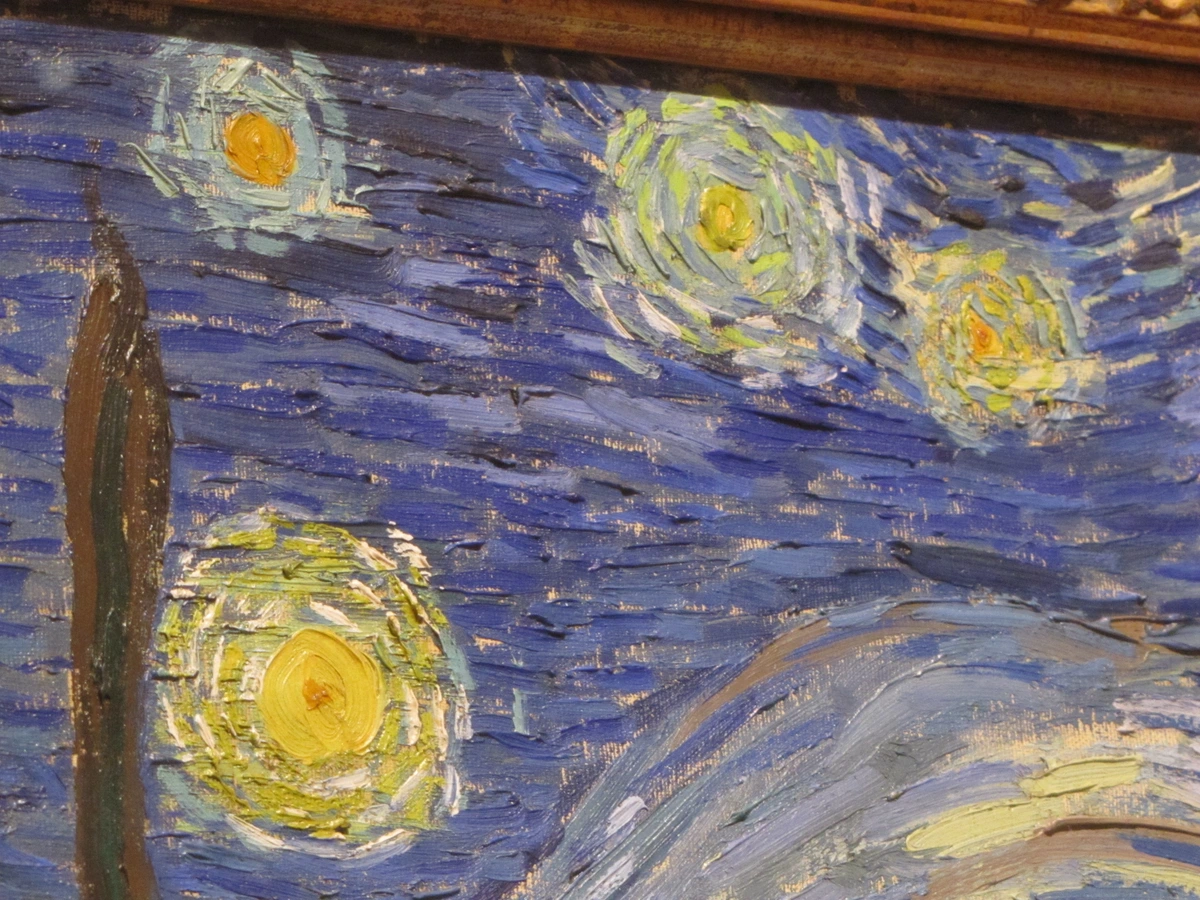
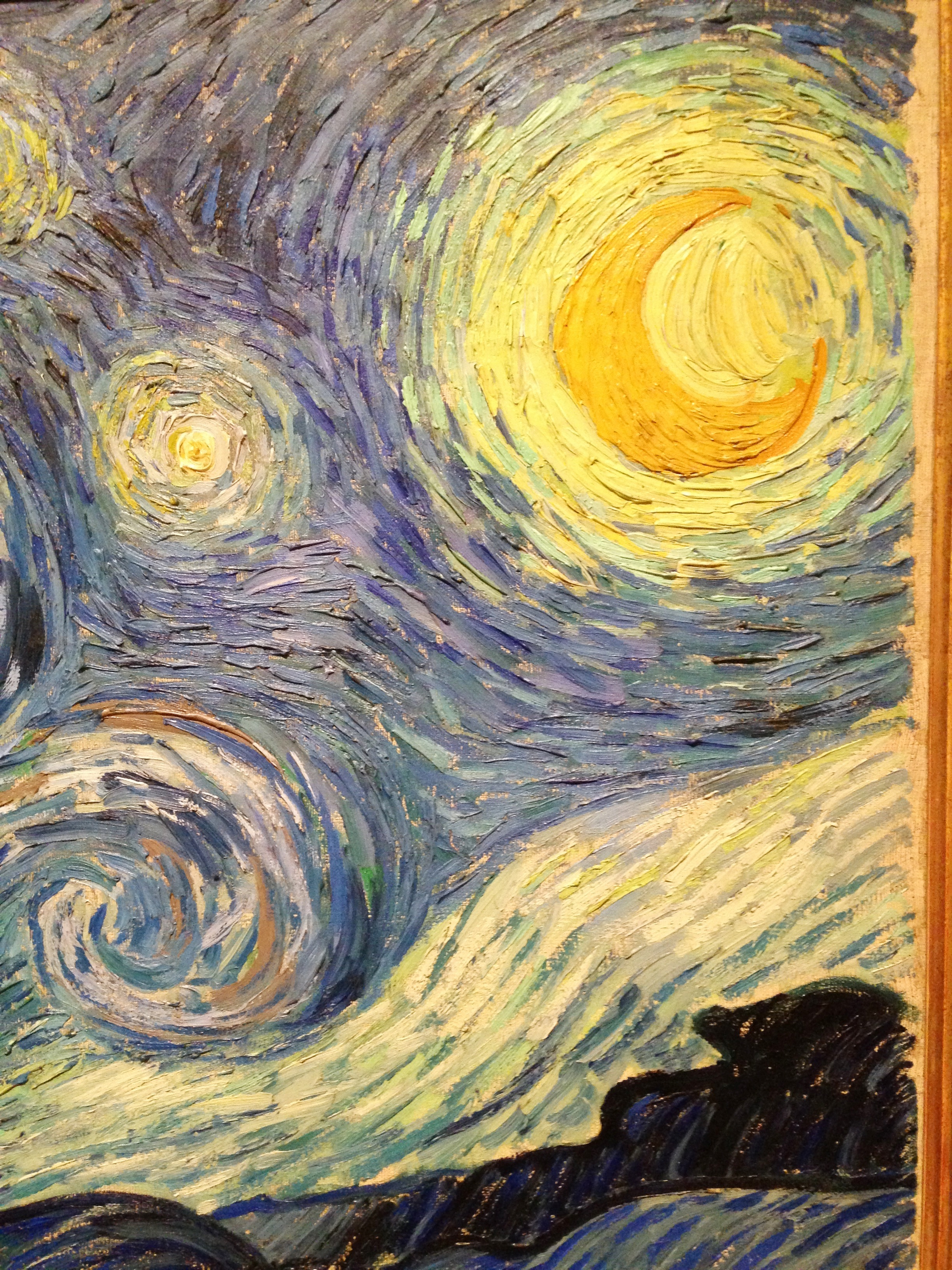
| Implied Movement | Suggested motion through visual cues | Directional lines, flowing shapes, dynamic compositions | Curiosity, narrative potential, emotional connection | Van Gogh's Starry Night swirling skies, flowing water paintings |
| Psychological Movement | Movement created through viewer perception | Color relationships, texture contrasts, optical illusions | Subtle emotional response, deeper engagement | Op art, color field paintings, optical illusions |
| Cultural Movement | Movement with cultural or symbolic meaning | Traditional patterns, symbolic gestures, cultural motifs | Cultural connection, shared meaning, depth | Native American sand paintings, Aboriginal dot art, mandalas |
| Personal Movement | Movement that reflects the artist's unique voice | Individual style, personal techniques, emotional expression | Authenticity, uniqueness, intimate connection | Jackson Pollock's drip paintings, signature brushwork styles |
Understanding the Interplay: These movement types rarely exist in isolation. A landscape painting might combine implied movement (flowing water) with psychological movement (atmospheric perspective) and personal movement (the artist's unique brush style). The magic happens when these different types work together to create a cohesive, dynamic experience.
Elements That Create Movement
Movement in art is created through the interaction of various visual elements. Think of these as the notes in your visual symphony—each element plays its part, but it's how they interact that creates the music:
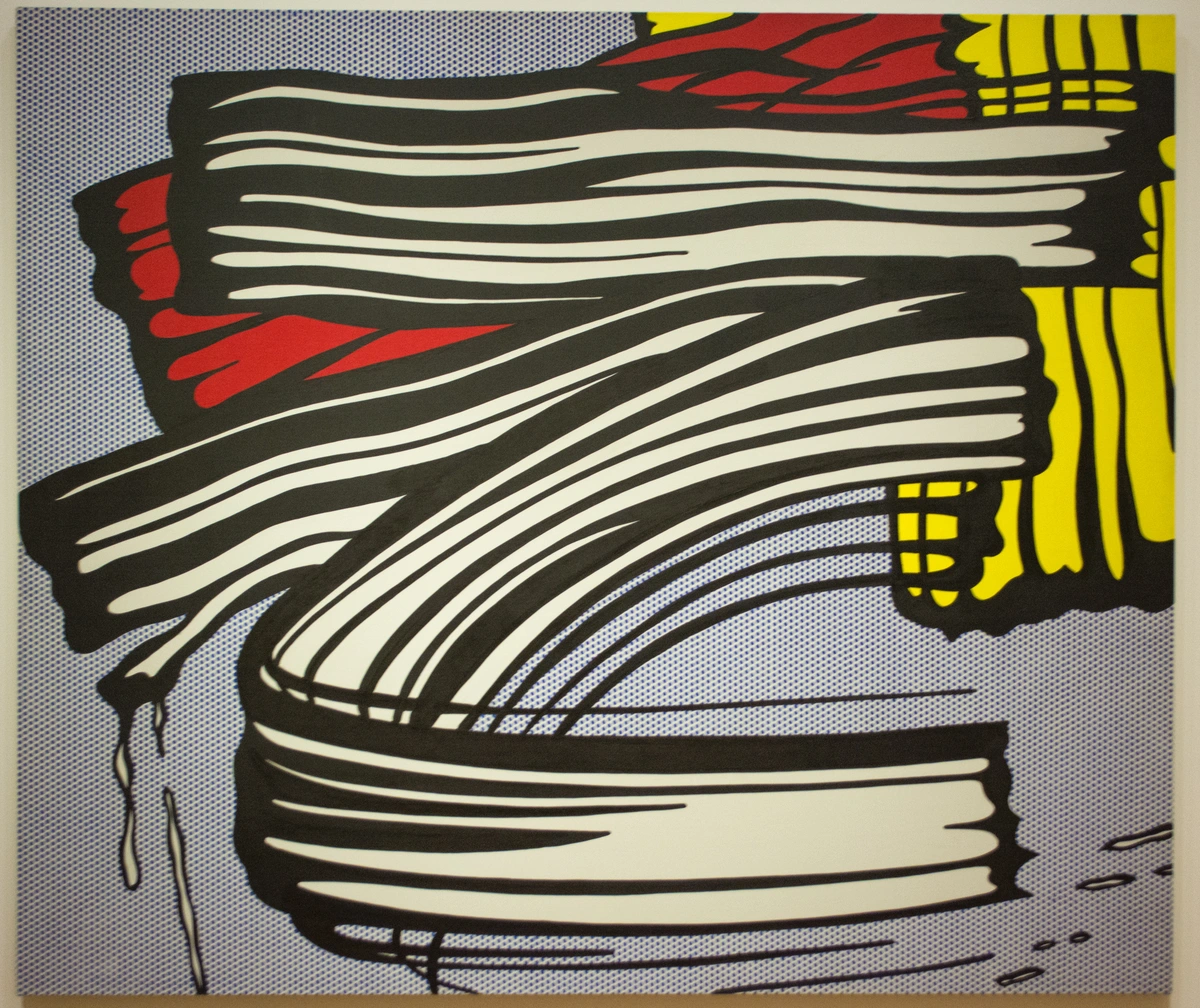
- Color: Temperature, saturation, and relationships between colors create movement. Warm colors advance while cool colors recede, creating automatic depth and energy.
- Shape: Organic vs. geometric, size relationships, and placement create movement. Organic shapes suggest natural movement, while geometric shapes can create more mechanical or structured motion.
- Texture: Surface quality, brushwork, and material properties create movement. Rough textures feel energetic, while smooth surfaces feel more calm and flowing.
- Space: Depth, perspective, and negative space create movement. The way empty spaces interact with filled areas guides the viewer's eye and creates dynamic tension.
- Value: Light and dark relationships create movement through contrast. Strong value contrasts create dramatic movement, while subtle gradations create smoother, more flowing motion.
- Scale: Size relationships and proportions create movement. Large elements near small ones create a sense of depth and movement through perspective.
- Time: Duration, sequence, and change over time create movement. This is especially important in time-based media and can be suggested through repetition, progression, and sequence.
The Science of Movement Perception
Our brains are wired to notice and respond to movement. This isn't just an artistic observation—it's neuroscience. When you look at art with dynamic movement, something fascinating happens in your brain:
- Motion detection: Specialized neurons in our visual cortex called "direction-selective cells" fire rapidly when detecting movement. This is why movement immediately captures your attention—it's hardwired into our survival instincts.
- Pattern recognition: Our brains are pattern-seeking machines. When we see movement, we instinctively try to find patterns, rhythms, and sequences. This is why flowing lines and repeated shapes feel satisfying—they match our brain's natural inclination to organize information.
- Emotional response: Movement doesn't just engage our eyes—it activates our emotional centers. Studies show that when people view art with dynamic movement, their amygdala (emotion center) lights up on brain scans. This is why powerful art can make you feel something visceral.
- Memory formation: Movement creates stronger memories than static images. The combination of visual stimulation and emotional engagement creates "multisensory memories" that stick with us longer. This is why you might remember the feeling of a dynamic painting years later.
- Attention capture: Movement naturally draws and holds our attention. In a world full of static content, movement acts like a spotlight, telling our brains "Pay attention—this is important."
Practical Application: Understanding this science can transform your artistic practice. When you know that movement triggers emotional centers, you can intentionally use it to convey specific feelings. When you realize movement creates stronger memories, you can design artworks that linger in viewers' minds long after they've left the gallery.
Why Visual Movement Matters
Let’s be honest: most wall art waits patiently. It decorates. It complements your sofa. But art with dynamic movement? It engages. It vibrates. It changes how you see a room. When you master this craft:
- Your work dances off walls without needing animation. Imagine a landscape where clouds race across the sky or an abstract where colors crash like waves. That’s magnetic.
- You manipulate the viewer’s eye. Like a conductor guiding an orchestra, you direct where someone looks first, where they linger, and what they feel.
- You transcend the stillness of paint. Watercolor washes feel fluid. Oily textures seem to ripple. Charcoal sketches sketch themselves into motion.
I once spent a month trying to paint a rain-streaked window, and every attempt looked stiff and lifeless. Until I realized: I wasn’t painting rain, I was painting the feeling of rain. That shift transformed everything.
Core Techniques: Tools for Motion
Creating motion isn’t one trick—it’s a symphony of techniques playing in harmony. Here’s how they fit together:

credit, licence
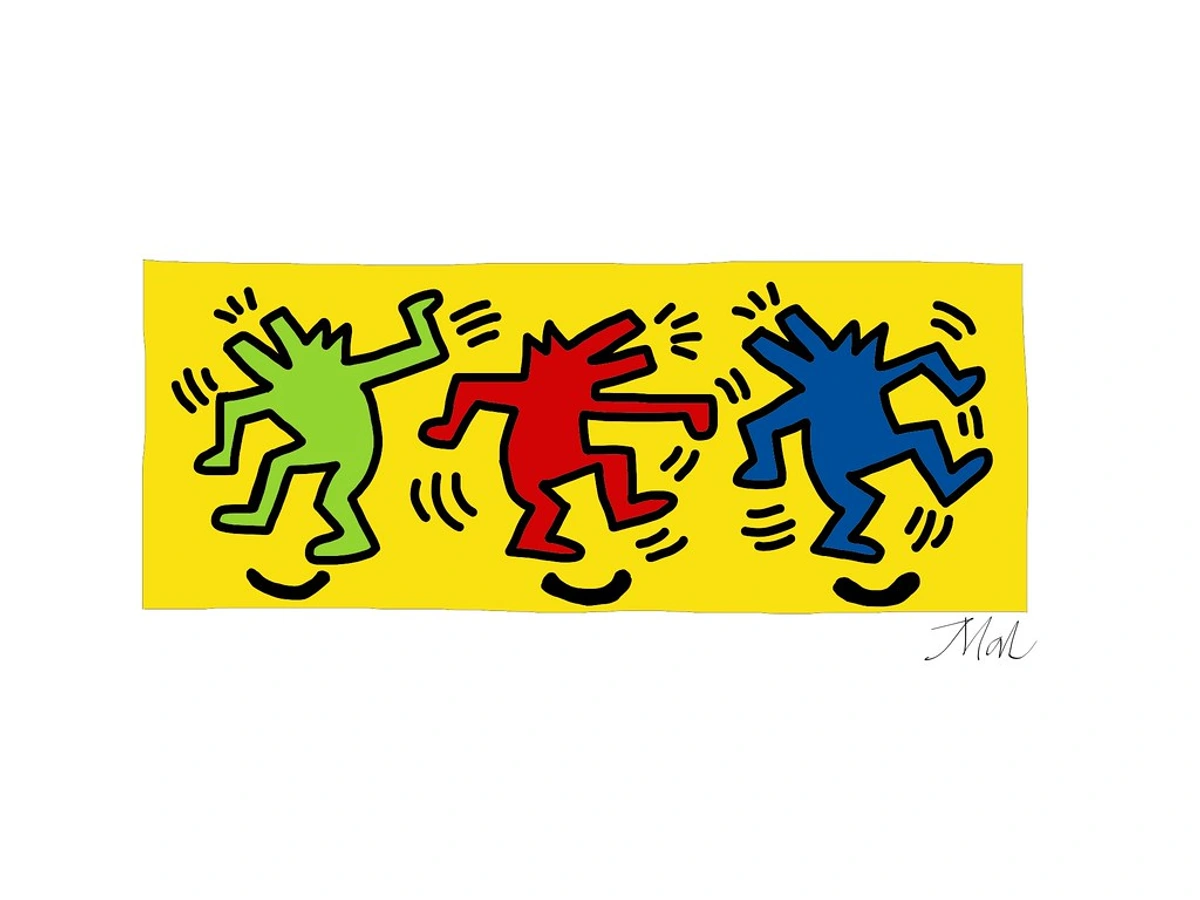
1. Brushwork: The Rhythm of Your Hand
Your brush is your heartbeat. It's not just a tool—it's an extension of your body, your energy, your very being. How you hold it, how you load it, how you move it—all dictates movement in ways you might not expect. I remember one afternoon when I was working on a storm painting and noticed that my brushstrokes were becoming progressively more chaotic. I realized I was mirroring my own frustration with the piece—my shoulders were tight, my breathing shallow. When I consciously relaxed and breathed deeply, the strokes became more controlled yet still energetic. The connection between body and brushwork is real, almost spiritual in its intensity.
The physical act of painting carries enormous potential for movement. Your posture, your breathing, the tension in your shoulders—all of this transfers to the canvas. I've found that when I'm tense, my strokes become rigid; when I'm relaxed and breathing deeply, the paint flows more naturally. It sounds woo-zy, I know, but there's real truth to it.
The Mind-Body Connection in Brushwork
What's happening here is fascinating from both an artistic and psychological perspective. When you're tense, your muscles are contracted, and this tension travels down your arm, through your wrist, and into your brush. The result? Stiff, controlled strokes that lack life. When you're relaxed, your body is in a state of flow, and this natural rhythm translates into brushwork that feels alive and organic.
The Practice: Before you start painting, take five minutes to breathe and center yourself. Notice where you're holding tension. Are your shoulders up around your ears? Is your jaw clenched? Release these areas consciously. As you paint, check in with your body regularly. Are you becoming tense again? Take a breath, relax, and continue.
This isn't just about relaxation—it's about creating a state of "flow" where your mind and body work together, and the painting becomes an extension of your being rather than something you're "making."
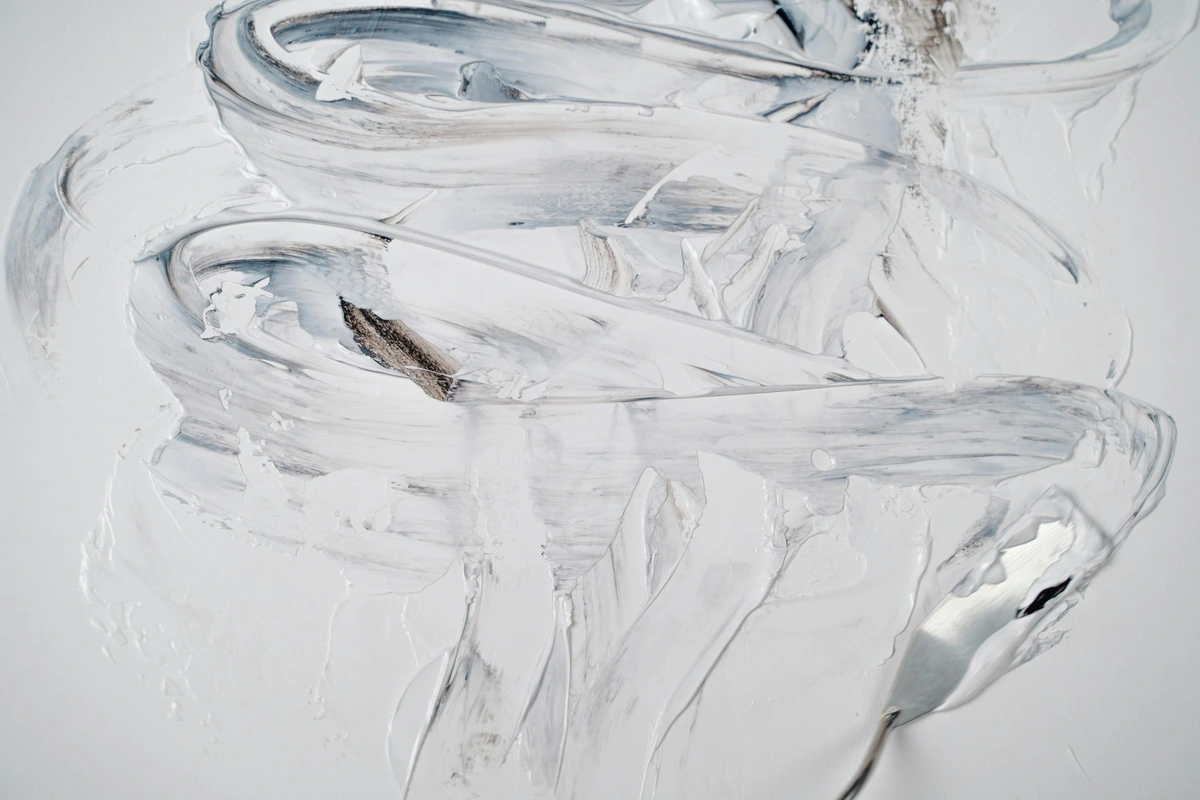
Brushwork Equipment and Tools
Your choice of brushes and painting tools dramatically affects the movement you can create. Different tools produce entirely different kinds of motion:
Brush Type | Movement Quality | Best For | Unique Characteristics |
|---|---|---|---|
| Round Brushes | Smooth, flowing strokes | Detail work, fine lines, curves | Natural tip allows for both thick and thin strokes in one movement |
| Flat Brushes | Bold, directional strokes | Broad strokes, architectural elements | Creates crisp edges and can be used on edge for fine lines |
| Filbert Brushes | Soft, rounded movement | Blending, organic shapes | Combines round and flat qualities for versatile movement |
| Fan Brushes | Textured, scattered movement | Hair, grass, atmospheric effects | Creates broken, directional texture perfect for natural movement |
| Palette Knives | Heavy, sculptural movement | Impasto textures, bold statements | Creates physical depth and dramatic three-dimensional effects |
| Sponges | Soft, diffused movement | Clouds, mist, atmospheric backgrounds | Creates soft, irregular edges perfect for subtle movement |
| Rags/Cloth | Smooth, blended movement | Gradations, soft transitions | Can create incredibly smooth, flowing color transitions |
| Toothbrushes | Fine, energetic movement | Star fields, texture, splatter effects | Creates controlled chaos and fine energetic bursts |
Pro Tip: Don't limit yourself to brushes alone. I've used everything from credit cards to my own fingers to create movement. Sometimes the most unexpected tools produce the most interesting results. My favorite "secret weapon" is actually a small piece of cardboard—tearing it across wet paint creates incredibly dynamic, textured movement that brushes simply can't replicate.
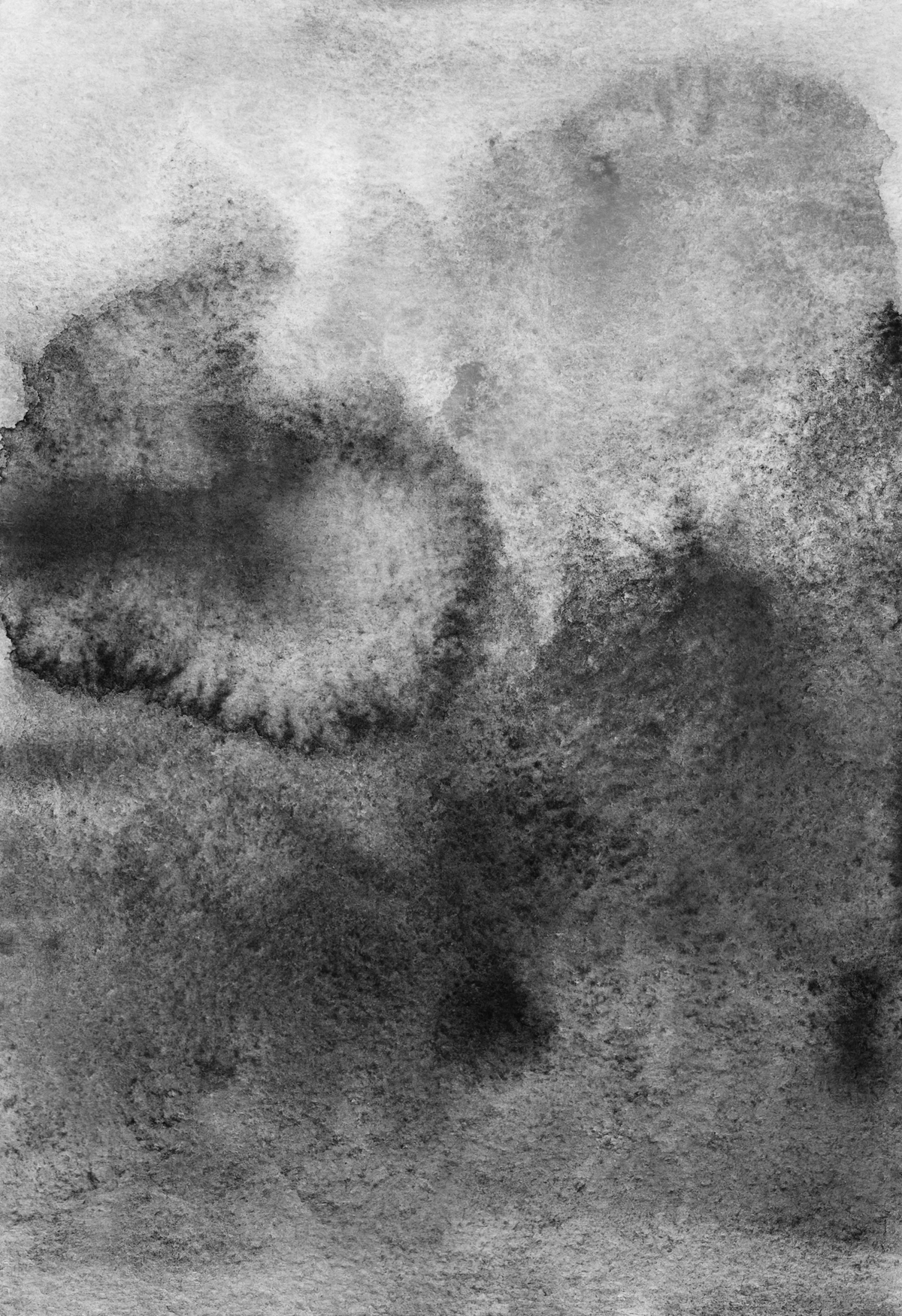
Understanding Brush Pressure and Stroke Quality
The way you apply pressure to your brush creates different movement effects. But pressure isn't just about—it's about how you apply it. Think of pressure as the volume control for your visual symphony:
Pressure Type | Stroke Quality | Movement Effect | Best For | Advanced Techniques |
|---|---|---|---|---|
| Light Pressure | Delicate, thin lines | Subtle, precise movement | Fine details, atmospheric elements, gentle transitions | Feather strokes, distant clouds, fine hair |
| Medium Pressure | Balanced, controlled strokes | Natural, flowing movement | Most applications, general painting | S-curves, flowing water, fabric folds |
| Heavy Pressure | Thick, textured marks | Bold, energetic movement | Impasto effects, dramatic elements, focal points | Heavy impasto, textured surfaces, bold statements |
| Variable Pressure | Dynamic, expressive strokes | Organic, lively movement | Natural forms, expressive work, energy bursts | Gesture drawing, expressive landscapes, abstract energy |
The Pressure Dance: The most interesting movement often comes from varying pressure within a single stroke. Start light, increase pressure in the middle, then lighten again at the end. This creates a sense of direction and energy flow. Try it—make a stroke where you consciously vary the pressure. Notice how it creates a more dynamic line than one with consistent pressure.
The Rhythm Factor: Movement isn't just about direction—it's about rhythm. Think of your brushstrokes like music—some are quick and staccato, others are slow and legato. Varying the rhythm of your strokes creates a more engaging visual experience. I often paint by "hearing" the rhythm in my head and translating it to brushwork.
Brush Technique | Energy Level | When to Use It | Visual Effect | Best Mediums |
|---|---|---|---|---|
| Dry brushing | Delicate, scratchy | Feathers, distant clouds, textures | Creates subtle airiness | Acrylic, oils, pastels |
| Wet-on-wet blending | Fluid, seamless | Sky backgrounds, water reflections | Natural, effortless flow | Watercolor, oils, digital |
| Impasto texturing | Heavy, textured | Storm clouds, rocky cliffs, thick fur | Physical depth and intensity | Oils, heavy acrylics |
| Splatter flicks | Chaotic, energetic | Fireworks, rain, abstract energy bursts | Explosive, organic movement | All mediums, varies by viscosity |
| S-grue strokes | Flowing, rhythmical | Hair, flowing water, fabric movement | Gentle, winding directionality | All mediums, requires control |
| Scumbling | Soft, broken | Atmospheric haze, distant mountains | Creates depth and mystery | Oils, pastels, chalk |
| Glazing | Luminous, layered | Sunlight effects, rich color depth | Creates luminous, glowing effects | Oils, acrylics, watercolor |
| Palette knife work | Bold, sculptural | Rocky surfaces, thick impasto textures | Creates dramatic 3D effects | Oils, heavy acrylics |
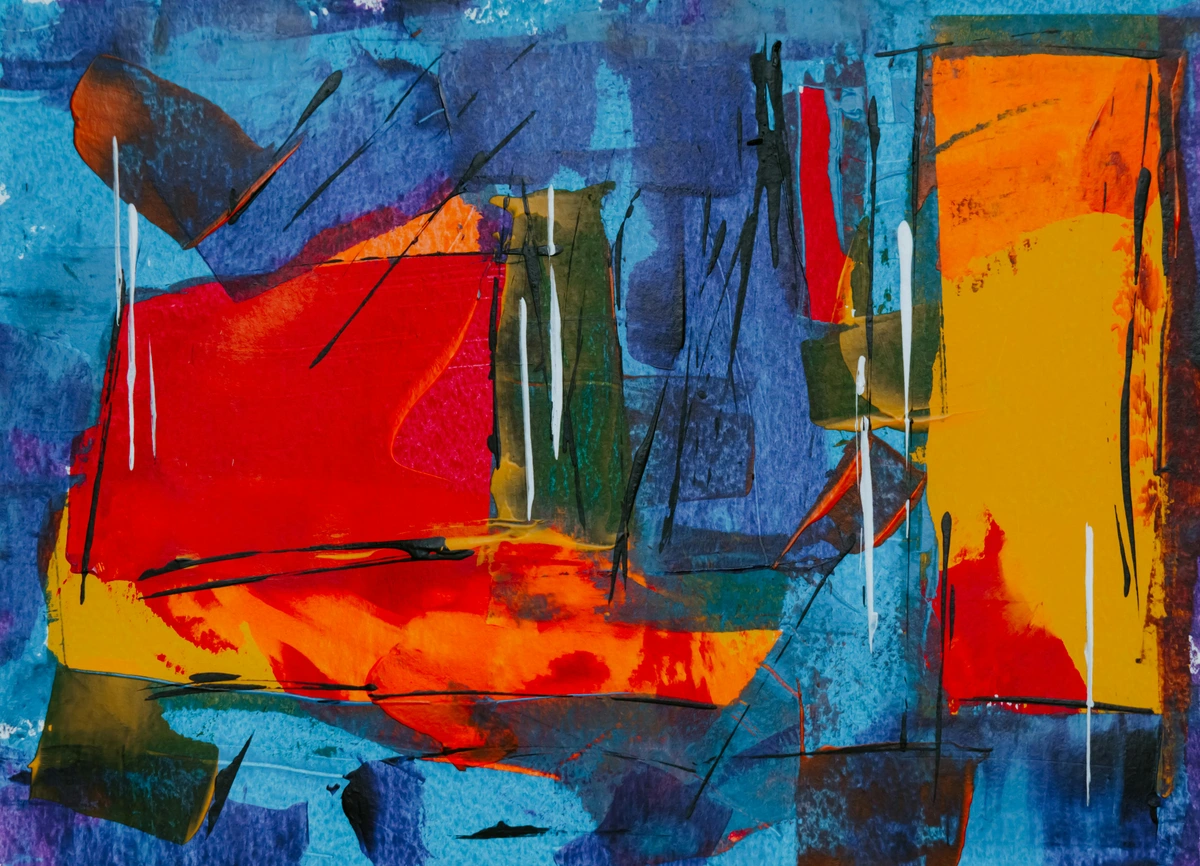
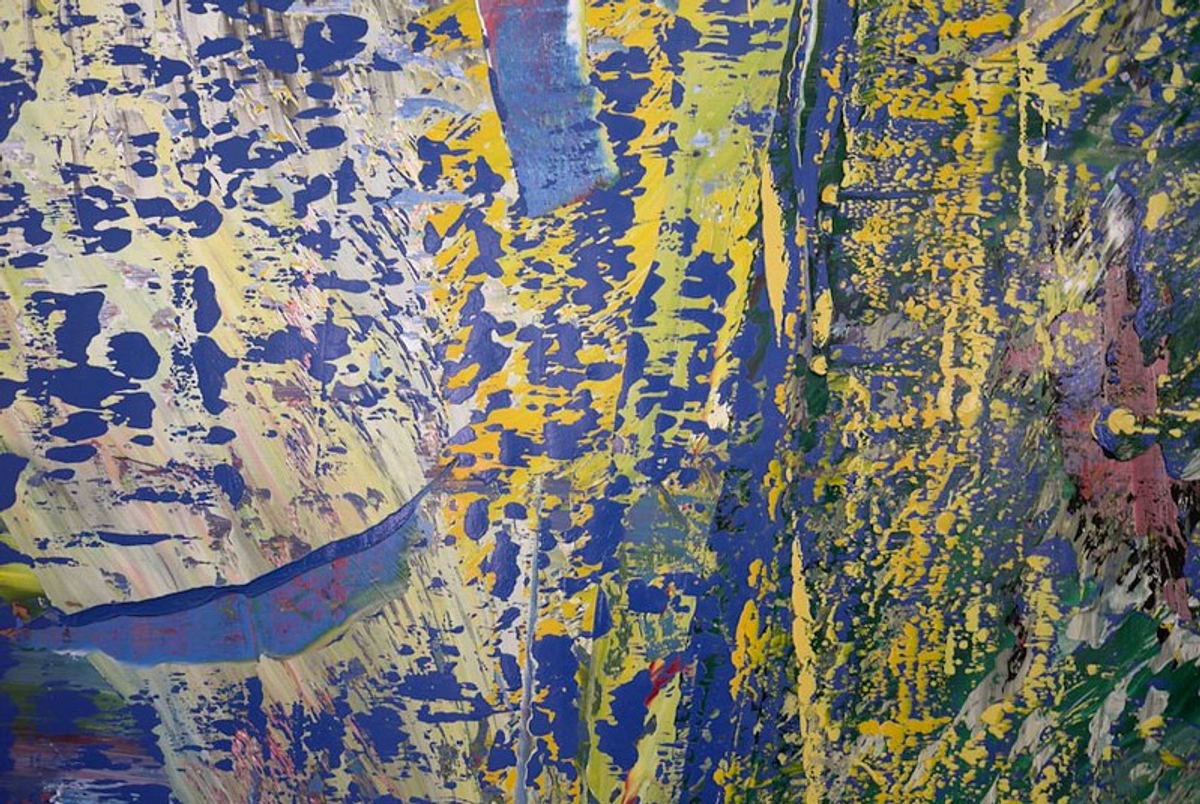
Pro Tip: Stand while painting. Use your whole arm, not just your wrist when you want bold movement. It feels awkward at first—trust me, I nearly knocked over my coffee jar a dozen times—but the results sing.
Your posture and physical connection to your work directly impacts the movement in your art. When you paint standing up, using your full arm, you transfer more of your body's energy into the brush and onto the canvas. This physical connection often results in more dynamic, alive-looking strokes than when you're hunched over a table, painting with just your wrist.
Advanced Brushwork Strategies
Beyond the basic techniques, consider these advanced approaches for enhanced movement. These are the techniques that separate good movement from great movement—they add sophistication, depth, and intentionality to your brushwork.
Strategy | Description | Best For | Implementation Tips | Advanced Variations |
|---|---|---|---|---|
| Rhythmic repetition | Creating patterns of similar strokes that build momentum | Abstract backgrounds, flowing hair, water textures | Vary pressure slightly while maintaining stroke direction | Add slight color variations, change spacing rhythmically |
| Contrast in scale | Mixing large, bold strokes with small, delicate ones | Dynamic landscapes, mixed media pieces | Place large strokes first, then add detail with smaller ones | Combine with texture contrast, vary brush types |
| Directional focus | Leading strokes in a specific direction to create flow | Paths, rivers, movement toward focal points | Use overlapping strokes to create a sense of journey | Add counter-movement for tension, use curved paths |
| Layered opacity | Building up transparent layers to create depth and movement | Atmospheric effects, luminous skies | Allow each layer to dry partially before adding the next | Mix blending modes, vary opacity within layers |
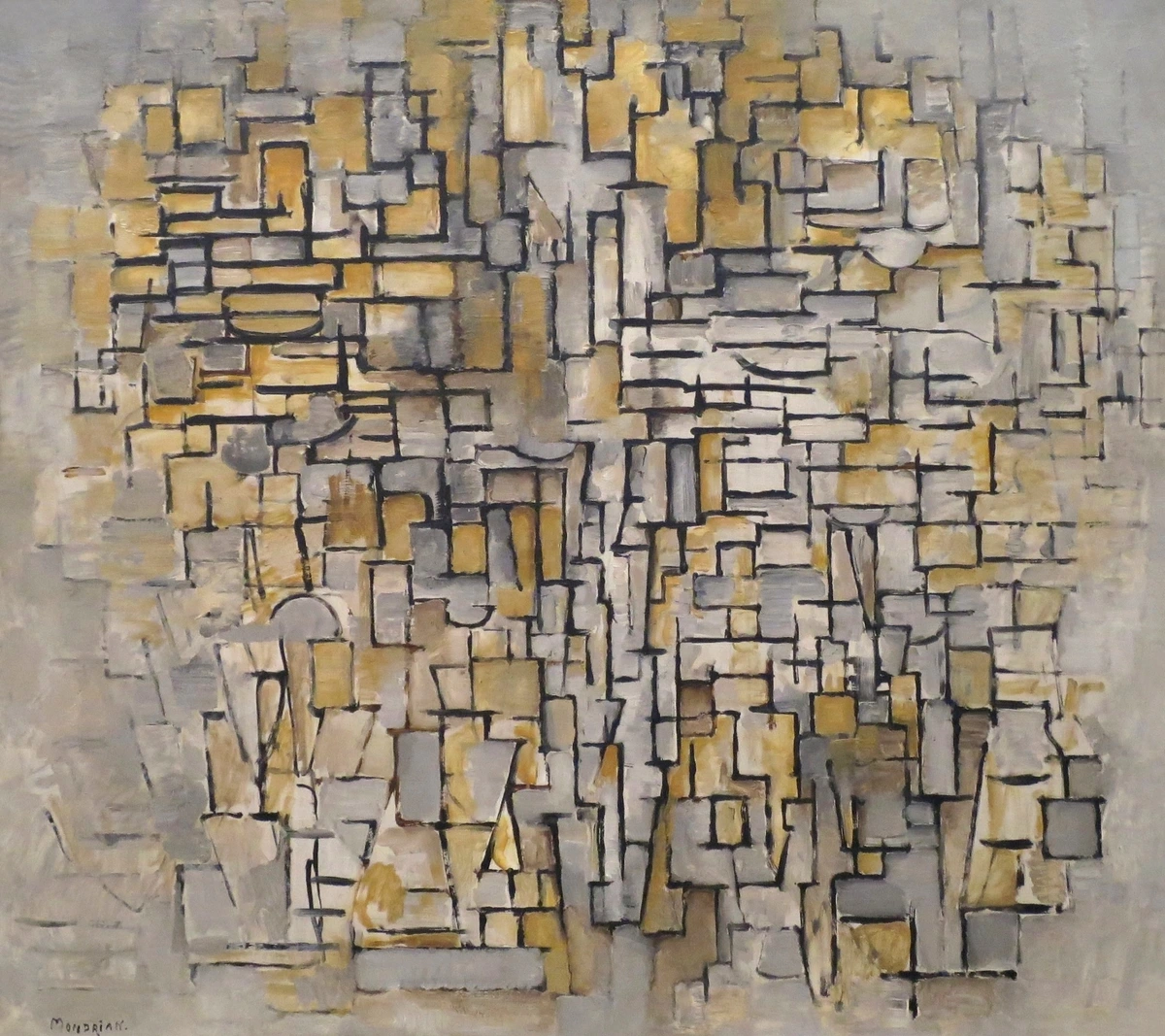
The Rhythmic Element: Movement isn't just about direction—it's about rhythm. Think of your brushstrokes like music—some are quick and staccato, others are slow and legato. Varying the rhythm of your strokes creates a more engaging visual experience.
Scale Dynamics: Mixing different scales of brushwork creates visual interest and movement. Large, bold strokes establish the main energy, while smaller, detailed strokes add complexity and draw the viewer in closer.
Directional Storytelling: Use your brushwork to tell a story. Leading strokes can guide the viewer's eye on a journey through your artwork, creating a narrative flow that keeps them engaged.
I once created a series of storm paintings using rhythmic repetition. I painted the rain in diagonal strokes that repeated across the canvas, each set slightly different in pressure and spacing. The result was a sense of ongoing motion that made viewers feel like they were standing in the middle of the storm.
2. Color Relationships: The Emotional Undercurrent
Motion isn’t just visual; it’s emotional. Colors whisper, scream, or hum.
- Warming colors (reds, oranges): Push forward. Use them for approaching motion—like a setting sun or a speeding car.
- Cooling colors (blues, greens): Pull back. Perfect for receding elements—like mountains fading into mist.
- Complementary pairs (red/green, blue/orange): Generate tension and vibration. Place them side-by-side where you want maximum energy (like overlapping storm clouds).
- Analogous palettes (neighbors on the color wheel): Create smooth transitions. Ideal for flowing water or soft wind currents.
Remember that time I painted a sunset that just... fell flat? Literally. After ditching my "safe" color choice and layering hot oranges against deep violets? Suddenly the sky had depth and movement. It was a breakthrough I still geek out about.
This experience taught me something crucial about color movement: it's not just about what colors you use, but how they relate to each other. The contrast between warm advancing colors and cool receding colors creates an automatic sense of depth and movement. When I finally embraced this relationship instead of fighting it, my skies started to breathe.
Color Temperature and Movement Physics
Understanding how colors interact physically can enhance your visual movement:
Technique | How It Creates Movement | Visual Result | Example Application |
|---|---|---|---|
| Simultaneous contrast | Colors make each other vibrate when placed together | Energy, pulsing effect | Complementary colors in abstract expressionism |
| Afterimage effect | The eye creates complementary colors where there are gaps | Subtle movement, optical illusions | Strategic use of negative space between colors |
| Temperature gradients | Gradual transition from warm to cool creates depth | Natural perspective, atmospheric movement | Sunset skies, distant landscapes |
| Saturation variations | High saturation advances, low saturation recedes | Depth, focus, energy | Focal point highlighting, background softening |
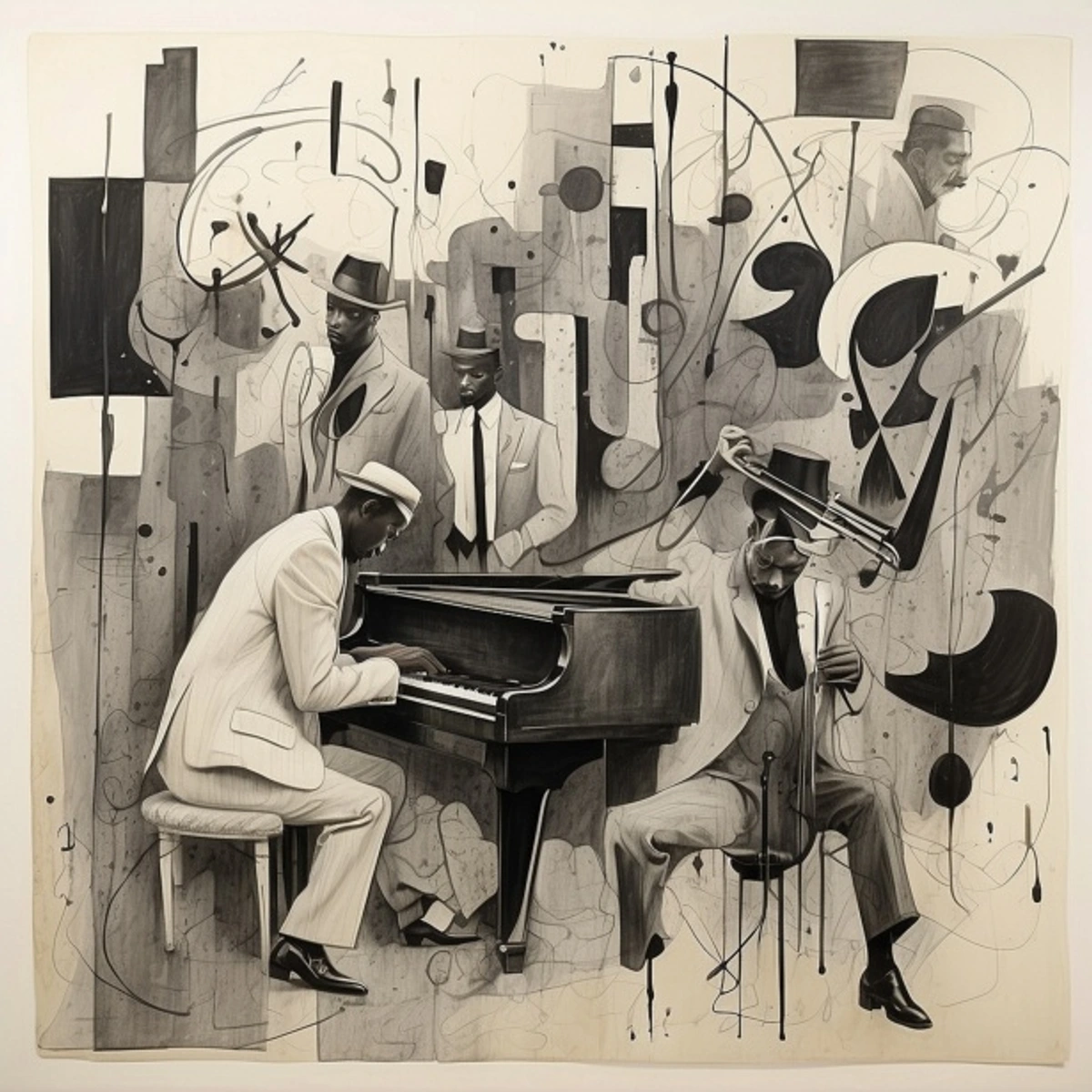
I once did an experiment where I painted the same abstract composition three times using different color temperature strategies. The warm-forward version felt like it was coming toward me, the cool-backward version felt like it was receding into distance, and the complementary version felt like it was vibrating with energy. Same shapes, completely different movement perception.
3. Composition: The Invisible Architecture of Movement
Composition isn’t just placement—it’s choreography. How you arrange elements dictates where energy flows.
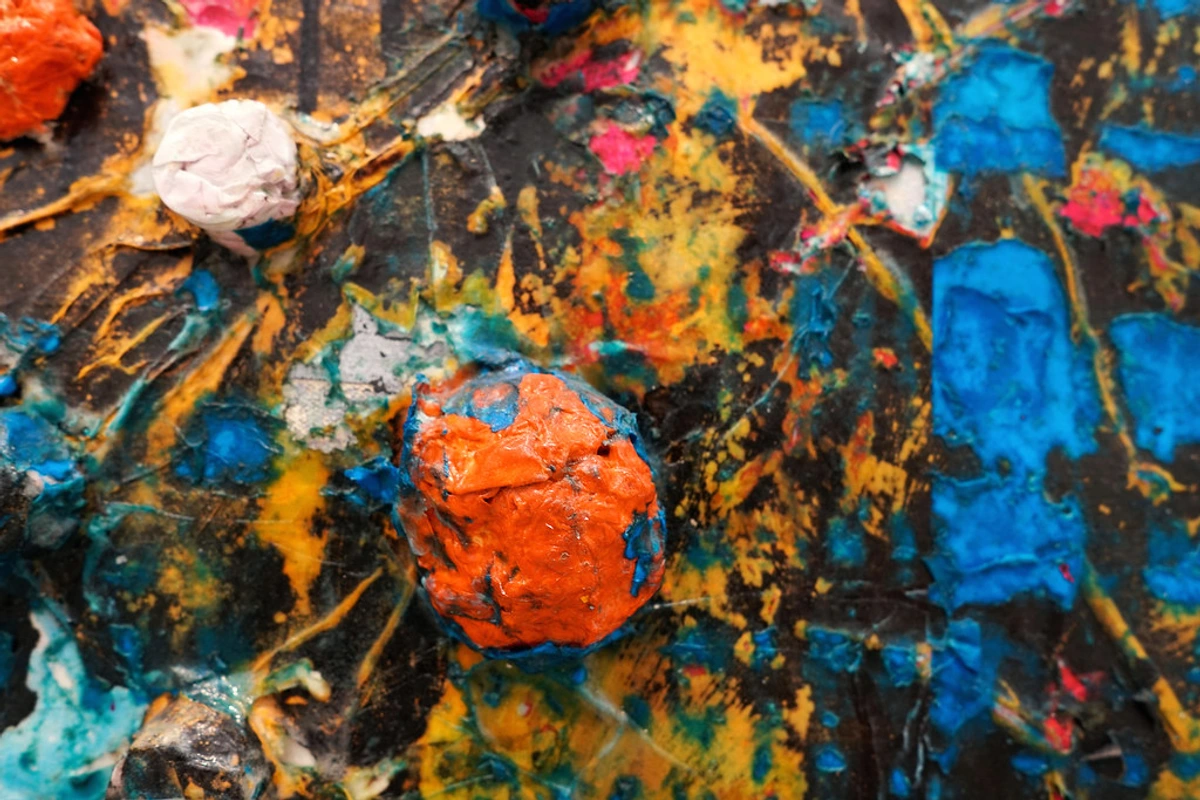
- Diagonal Lines: The sprinters of art. They create speed and direction. Even a subtly tilted horizon can imply motion.
- Curved Paths: Rivers, roads, S-curves. They guide the eye gently but insistently.
- Overlapping Elements: Stuff in front of other stuff. It creates depth, making the background feel like it’s moving through the foreground.
- Varied Sizes: Big shapes charging toward small shapes create a sense of perspective-based movement.
- Negative Space: Don’t overlook the quiet! Empty areas balance chaos and give your eye room to move into action.
Practical Application: Creating Movement in Different Mediums
What does this look like across art types? Let’s break it down:
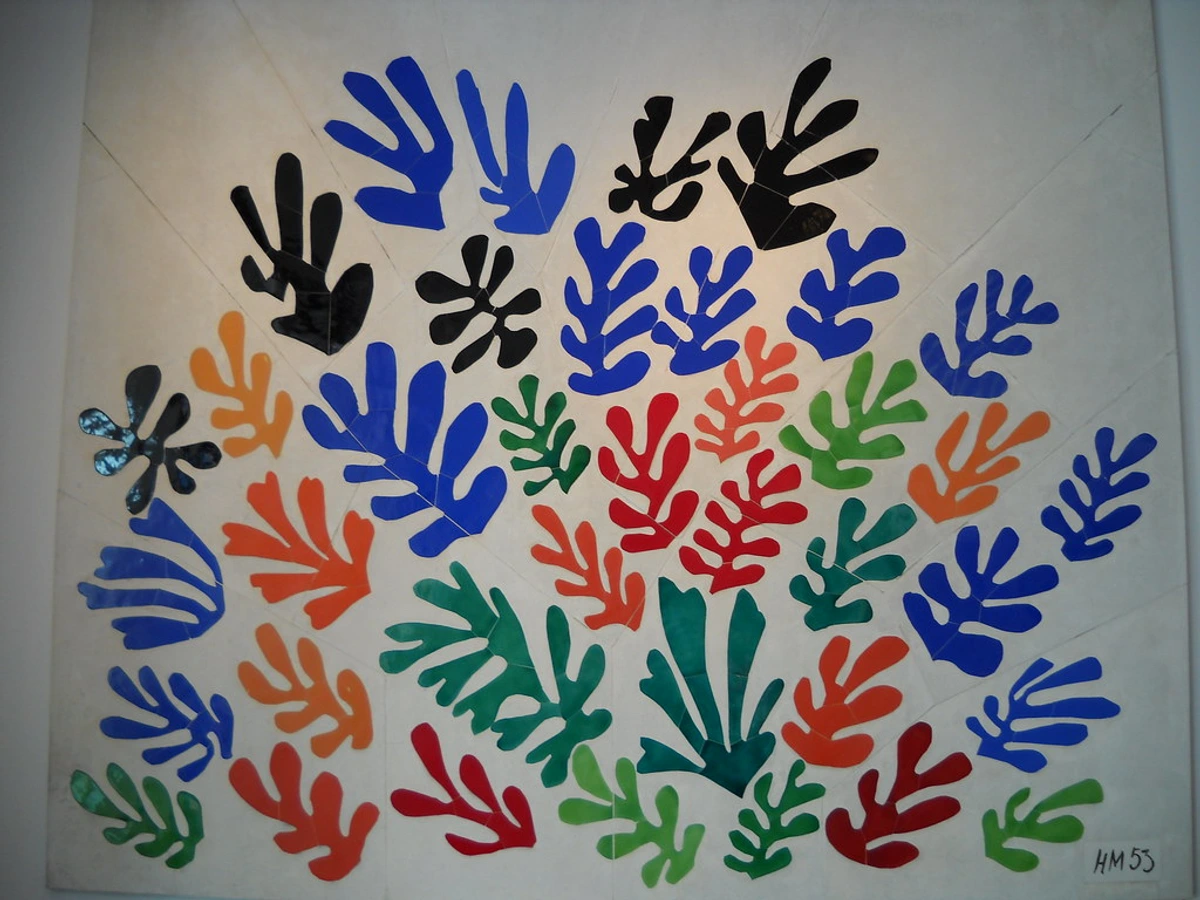
Abstract Expressionism
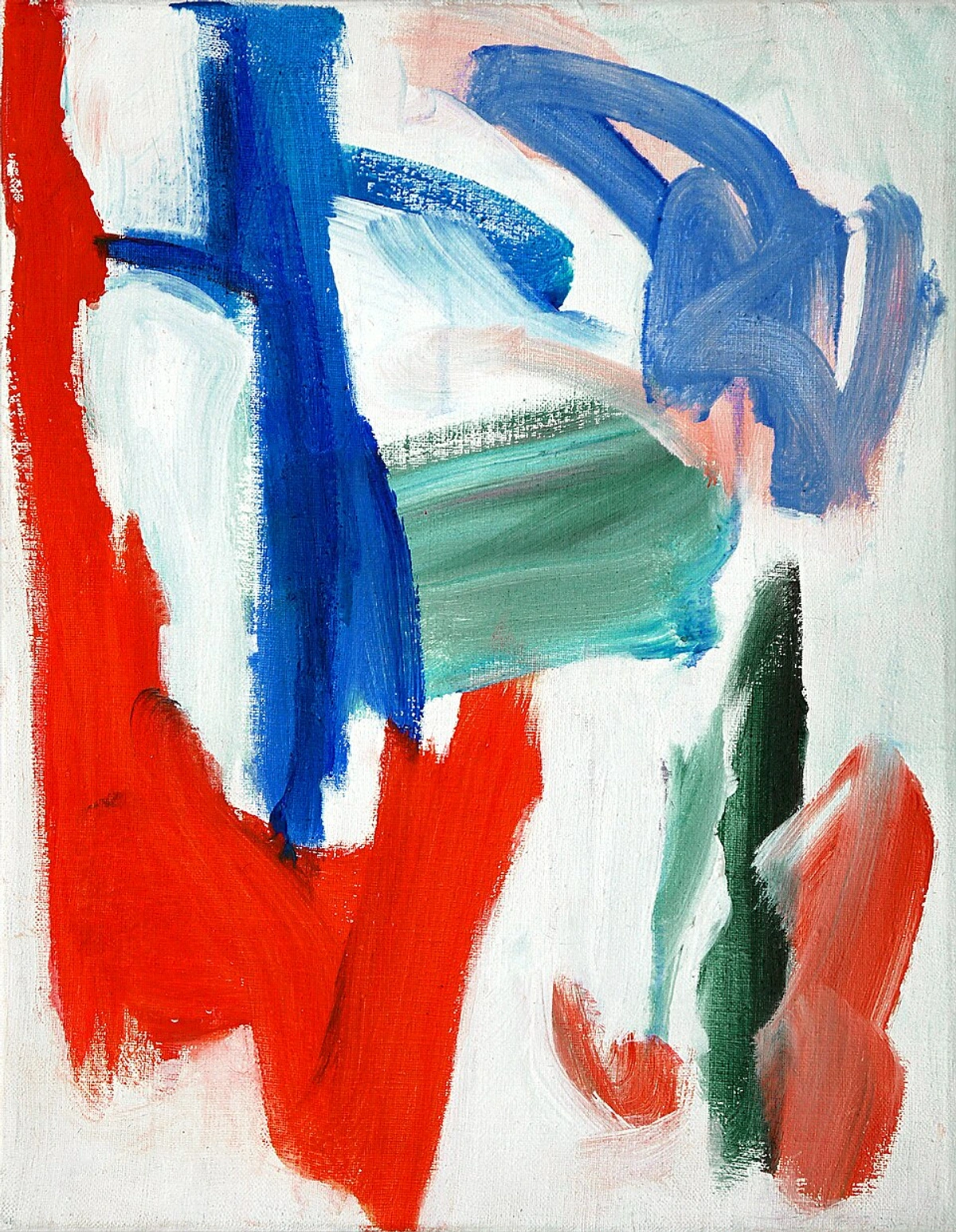
Here, movement is the star. Abstract expressionism is essentially about translating internal movement—emotion, energy, psychological states—into visual form. It's not just about making things "move" on canvas; it's about making the viewer feel movement in their own body.
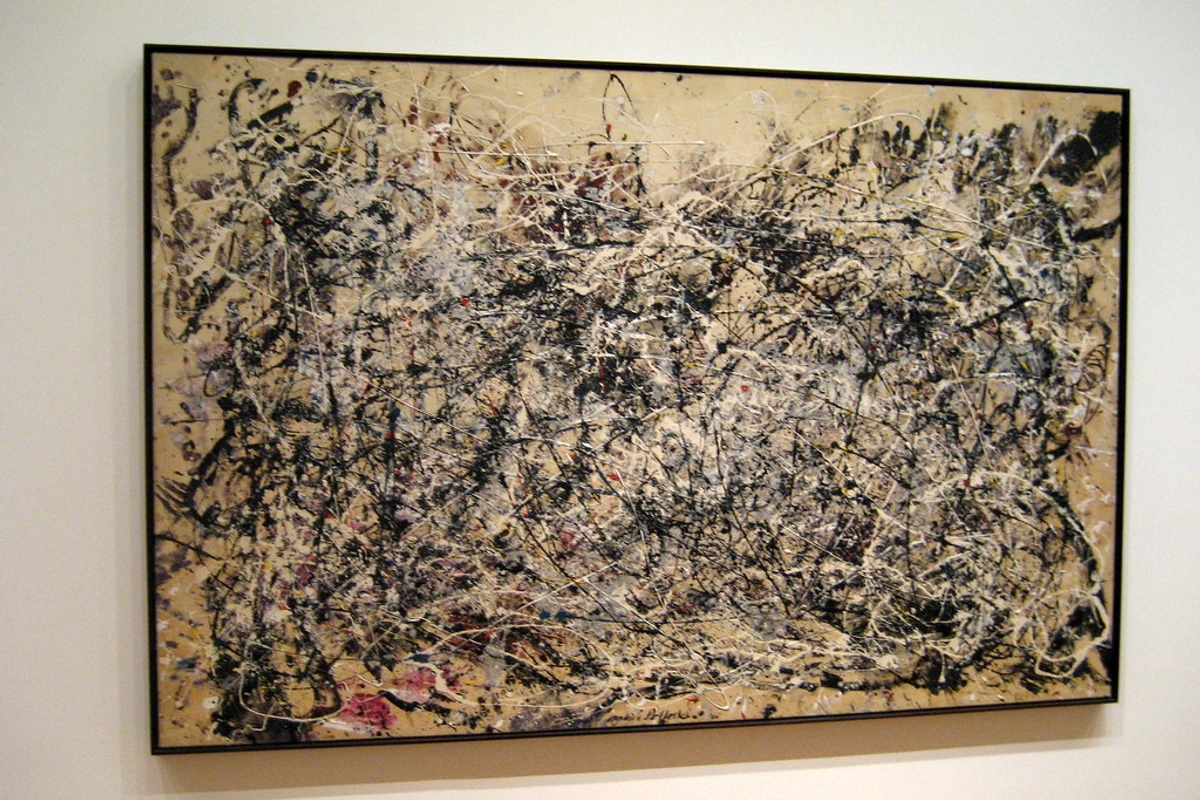
- Action Painting: Jackson Pollock style. Drip, fling, and pour directly onto canvas. Focus on gravity and momentum. The key here is trusting the process—let gravity, momentum, and chance become your collaborators. I've found that when I try to control action painting too much, it loses its energy. The best pieces come when I get out of the way and let the materials and physics do their thing.
- Color Mixing: Don’t pre-mix! Let colors blend on the canvas for unexpected, alive textures.
- Textural Contrasts: Pair smooth washes with chunky impasto. The jolt creates vitality.
Representational Landscapes
Realistic art needs movement too—otherwise it looks like a photograph. The challenge is creating dynamic movement while maintaining realism and believability. This is where technical skill meets artistic vision. I think this is one of the most difficult aspects of landscape painting—capturing not just what something looks like, but how it feels to experience it.
The Photography vs. Painting Dilemma
Photography captures a single moment in time. Painting can capture the essence of time itself. This is your superpower as a painter. You're not limited to what a camera sees in 1/1000th of a second. You can show the movement of clouds across the sky, the flow of water over rocks, the changing light of a sunset—all in one composition.
The Strategy: Don't try to paint every blade of grass or every wave. Instead, focus on the feeling of movement. Suggest rather than specify. Use directional brushstrokes that follow the natural flow of your subject. For example, in a seascape, your brushstrokes should follow the direction of the waves, not fight against them.
Environmental Movement Techniques
Creating movement in environmental art requires understanding natural forces. Nature is the ultimate master of movement, and by studying it, we can learn some of the most profound lessons about creating dynamic art.
Wind Movement: The Invisible Force
Wind doesn't just move objects—it creates patterns of movement. Show this through bent grass, moving clouds, and rustling leaves. Use directional strokes that follow wind patterns rather than fighting against them.
Observation Tip: Next time you're outside, really watch how wind affects different elements. Grass doesn't just bend—it creates waves of movement. Clouds don't just drift—they flow and change shape. Trees don't just sway—they dance. Capture these patterns in your work.
Technical Application: Use curved, directional brushstrokes that follow the natural flow of wind movement. Vary the pressure and direction to show the complexity of wind patterns. For grass, use series of curved strokes that flow in the same general direction but with subtle variations.
Water Movement: Liquid Poetry
From gentle ripples to crashing waves, water creates some of the most beautiful movement in nature. Study how light reflects off moving water, how ripples interact, and how currents create patterns.
The Physics of Water: Water movement follows predictable patterns based on physics. Surface tension, gravity, and resistance all play a role. Understanding these principles helps you create believable water movement.
Technique: Use curved strokes that follow the natural curves of water movement. For still water, use smooth, flowing strokes. For turbulent water, use more chaotic, energetic strokes. Vary the length and direction of your strokes to show the complexity of water movement.
Weather Movement: Atmospheric Drama
Storm clouds, rain, snow, fog—each creates different kinds of movement and emotional impact. Weather isn't just background—it's a character in your landscape.
Storm Systems: Use dark, dramatic brushstrokes to show the energy of storm clouds. Mix cool and warm colors to create the tension of an approaching storm. Use directional strokes that show the movement of wind and rain.
Fog and Mist: Use soft, blended strokes with low opacity to create the ethereal quality of fog. Vary the edges of your shapes to show the way fog dissolves and re-forms.
Geological Movement: Timeless Power
The slow, powerful movement of mountains, erosion, and tectonic shifts creates a sense of timeless majesty. This is movement that happens over millennia, not moments.
Capturing the Essence: Don't try to show geological movement in real-time. Instead, show its effects—the way mountains erode, the way rivers carve canyons, the way coastlines change. Use layered brushstrokes and atmospheric perspective to show the depth and time involved.
Technique: Use cool colors for distant geological features and warm colors for foreground elements. Use soft edges for distant features and hard edges for foreground elements. This creates a sense of depth and the slow movement of geological time.
Biological Movement: Living Rhythm
The movement of animals, plants growing, seasons changing—all create dynamic living movement. This is the most organic, most natural movement of all.
Plants in Motion: Study how plants move in the wind. Use curved, flowing strokes that show the natural rhythm of plant movement. Don't paint every leaf—paint the feeling of leaves moving.
Animal Movement: Capture the essence of animal movement rather than every detail. A few well-placed strokes can suggest the energy of a running animal or the grace of a flying bird.
Seasonal Changes: Show the movement of seasons through color changes and the way plants respond. Spring growth, summer abundance, autumn decay, winter dormancy—each season has its own movement and energy.
I remember painting a waterfall once and struggling to capture its energy. No matter what I tried, it looked static and lifeless. Then I realized I was focusing on the water itself, not on the movement. I switched to painting the air around the waterfall—the spray, the mist, the way light danced through the droplets. Suddenly the piece came alive with movement that wasn't even directly visible in the subject.
Time-Based Movement in Landscapes
One powerful technique for landscapes is showing movement through time:
Landscape Element | Movement Technique | Visual Effect | Implementation Strategy |
|---|---|---|---|
| Water | Directional strokes, overlapping ripples | Flowing, liquid movement | Use curved strokes following water flow, vary pressure for wave intensity |
| Trees/Wind | Curved branches, directional leaves | Organic, swaying motion | Follow natural curves, use directional brushstrokes for foliage movement |
| Clouds | Soft blending, directional wisps | Atmospheric, drifting motion | Use soft edges, vary opacity, follow wind direction patterns |
| Mountains | Layered shapes, atmospheric perspective | Receding, majestic movement | Cool colors for distance, soft edges for atmosphere, layered shapes |
| Paths/Roads | Leading lines, perspective convergence | Journey, directional flow | Use perspective lines, vary detail level along the path |
| Weather | Mixed techniques based on conditions | Atmospheric, emotional movement | Combine water, wind, and cloud techniques for cohesive weather effects |
Advanced Technique: Create "movement through change" by showing the progression of time. For example, paint a landscape with morning mist burning off, showing movement through the dissipation of fog using gradual color shifts and edge softening.
Portraits
Even static figures can imply motion.
- Hair: Use flowing, directional strokes. Don’t paint every strand—imply direction with clustered groups of lines.
- Fabric: Fold it, crumple it, let shadows and highlights suggest movement in folds.
- Eyes: A slight gaze direction can create narrative motion. Where is this person looking? Draw the viewer with them.
Challenges & Real Talk
Motion seems glamorous until your painting looks like a blurry car crash or a chaotic mud puddle. Here’s what trips up most artists—and how to handle it:
- Overdoing It: More movement isn’t always better. Ask yourself: "Does this serve the mood?" A calm sea needs gentle S-curves, not tsunami splatters.
- Forgetting Restraint: Dynamic art needs anchors. Use a still element (a stable rock, a vertical tree trunk) to give the eye a place to regain balance.
- Technical Struggles: Is your paint too stiff? Add a medium (like flow improver for acrylics). Is it dripping? Control your brush load. Experimentation is messy—embrace it. My studio floor is proof.
FAQ: Navigating the Creative Current
This is where we tackle the real questions that come up when you're trying to create visual movement in your artwork. These are the things I wish someone had told me when I was starting out. I remember sitting in my early studio, staring at a blank canvas, wondering how on earth I was supposed to make paint "move" without actually making it physically move. It seemed like magic. Now I know it's not magic—it's a craft that anyone can learn with practice and patience.
Let's dive into the questions that keep artists up at night, the ones that pop up in their minds at 2 AM when they're staring at a painting that just isn't working. These are the real, honest questions about movement that don't get answered in art school textbooks.
The Most Asked Questions About Visual Movement
I've spent years talking with artists at all levels, and these are the questions that come up again and again:
1. "I use digital tools. Can I create movement digitally?"
Absolutely! In digital art, your brush settings are everything. Digital tools offer incredible precision and control that can make creating movement both easier and more challenging—you have to be deliberate about not over-relying on digital shortcuts.
I remember when I first started working digitally, I was amazed by the control I had. I could adjust brush pressure, opacity, flow, and countless other parameters with pixel-perfect precision. But I quickly realized that this control could be a double-edged sword. When I relied too much on digital perfection, my work felt sterile and lacking the organic energy of traditional mediums.
The Digital Dilemma: Digital tools can create movement that's too perfect, too smooth, too... digital. They can lack the happy accidents, the physical texture, the organic imperfections that make traditional art feel alive. The challenge is to use the precision of digital tools to enhance your movement, not replace the natural energy that comes from working with physical materials.
The Solution: Embrace "controlled imperfection." Use digital tools to create movement that has intention but also allows for happy accidents. Try these techniques:
- Vary your brush settings even within a single stroke
- Use texture brushes that add physical depth and variation
- Create layers with different blending modes to add complexity
- Don't over-smooth—some rough edges add energy and authenticity
- Use opacity flow rather than flat opacity for more natural variation
The key to successful digital movement is balancing control with organic feel. Use the precision of digital tools to enhance your movement, not replace the natural energy that comes from working with physical materials. Some of my best digital pieces come from embracing "imperfections"—slightly varied brush strokes, controlled "accidents," and the subtle inconsistencies that make movement feel alive.
Movement Effect | Best For | Implementation Tips | |
|---|---|---|---|
| Brush Stabilizers | Smooth, controlled lines | Precise movement, consistent strokes | Adjust sensitivity based on desired effect—lower for organic movement |
| Smudge/Blend Tools | Color diffusion, soft edges | Natural blending, atmospheric effects | Use subtle pressure, vary brush size for natural variation |
| Texture Brushes | Physical depth, tactile quality | Impasto effects, surface variation | Layer multiple textures, vary opacity for depth |
| Layer Blending Modes | Color interaction effects | Complex color relationships, energy | Experiment with multiply, overlay, and screen modes |
| Digital Gradients | Smooth color transitions | Atmospheric effects, depth | Use radial gradients for focal point emphasis, linear for directional flow |
| Brush Opacity Flow | Controlled application | Natural variation, edge control | Build up layers gradually, vary opacity for natural effects |
Digital vs Traditional Movement
Aspect | Digital Movement | Traditional Movement | Key Considerations |
|---|---|---|---|
| Control | Precise, adjustable | Physical, immediate | Digital offers more control but can feel less organic |
| Undo Capability | Unlimited, non-destructive | Limited, permanent | Digital allows experimentation without fear |
| Texture | Simulated, customizable | Physical, unique | Traditional has authentic tactile quality |
| Speed | Fast once set up | Variable, hands-on | Digital can be faster for complex effects |
| Learning Curve | Steeper technical learning | Steeper physical learning | Both require significant practice |
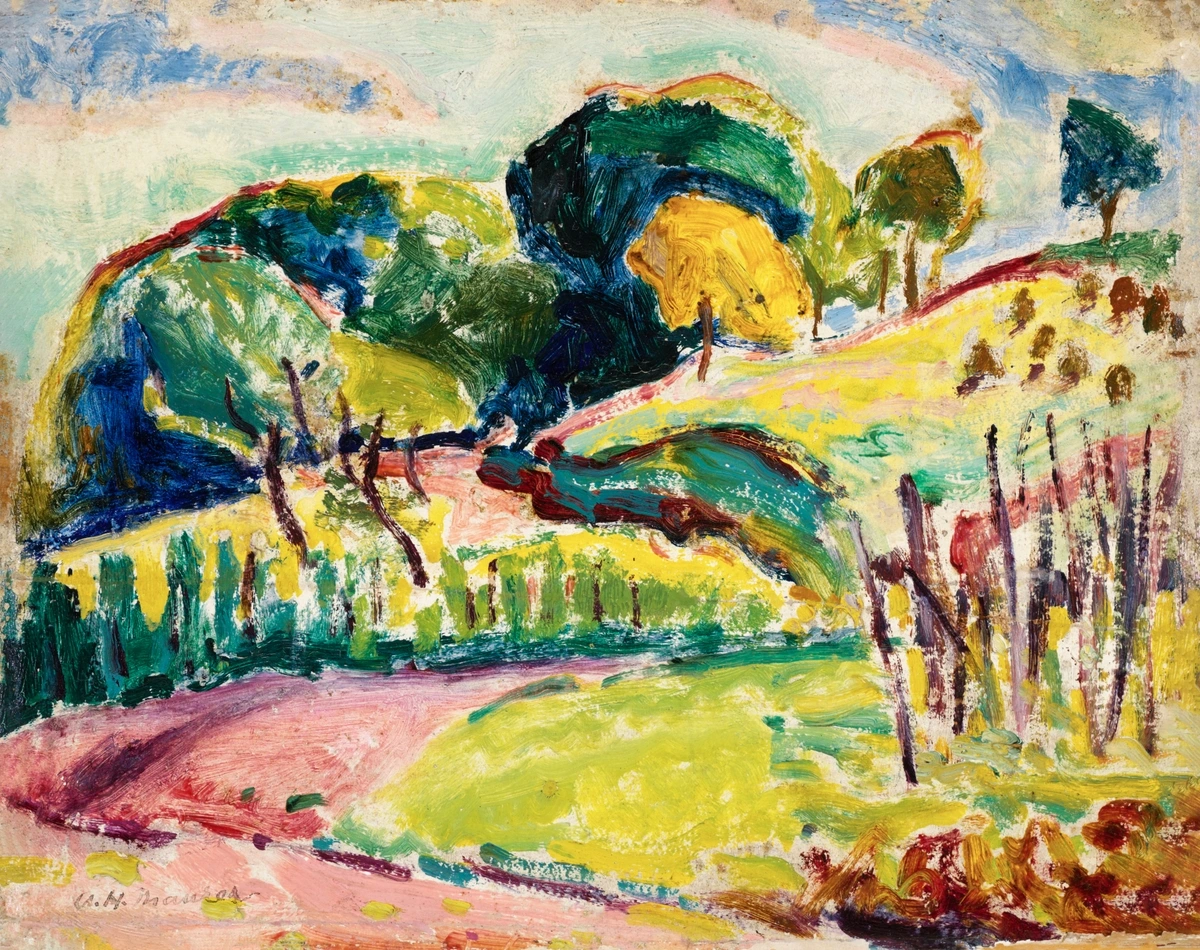
The Hybrid Approach: Many artists now combine digital and traditional techniques. They might create movement digitally and then enhance it with traditional elements, or use digital tools to plan movement before executing traditionally. This hybrid approach can give you the best of both worlds.
Digital vs Traditional: Digital tools can sometimes create movement that feels too perfect or smooth. Embrace some "imperfection"—slightly varied brush strokes, natural inconsistencies, and controlled "accidents" can make digital movement feel more organic and alive.
2. "How do I know if my movement feels forced?"
Step away. Literally. Stand 10 feet back. Does it flow naturally? Does your eye get stuck? If a composition feels jarring, simplify. Remove one "busy" element. Less often is more.
The Forced Movement Test: Ask yourself these questions about your artwork:
- Does the movement feel natural or mechanical?
- Does my eye follow a logical path, or does it bounce around chaotically?
- Are there areas where movement stops abruptly or feels disconnected?
- Does the movement serve the emotional tone I'm trying to achieve?
- Would someone else understand the direction of movement without me explaining it?
Getting Fresh Perspective
When you're too close to your work, it's hard to judge movement objectively. Here are some techniques to get better perspective:
Technique | How It Helps | When to Use It | What to Look For |
|---|---|---|---|
| Physical Distance | Changes visual perception, reveals overall flow | After completing major sections | Does the composition read well from afar? |
| Mirrored View | Reveals asymmetry and directional issues | During composition phase | Are movement directions balanced? |
| Upside Down | Focuses on shapes rather than content | When stuck on details | Do the shapes create good movement? |
| Time Away | Fresh eyes, emotional distance | After working for extended periods | Does the movement still feel authentic? |
| Multiple Viewers | External perspective, varied interpretations | Before finalizing | Do others perceive the movement you intended? |
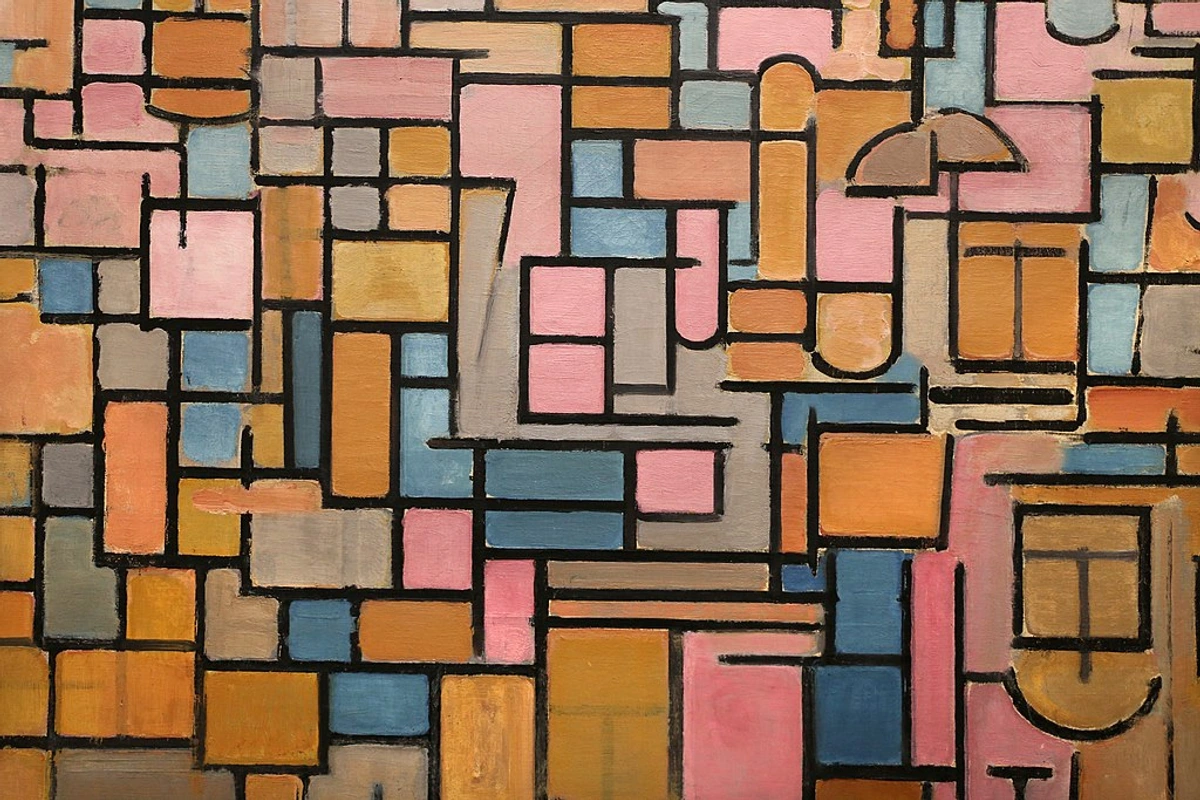
The Honest Critique: The hardest part is being honest with yourself about whether your movement works. It's painful to admit that something you worked hard on isn't working, but it's necessary for growth. I've had to scrap entire paintings because the movement felt forced, even after hours of work. It's better to start fresh than to force something that isn't working.
Forced movement often happens when we're too focused on technique and not focused enough on the natural flow of energy. When I catch myself forcing movement, I step back and ask: "What's the story here?" Movement should tell a story, not just exist for its own sake.
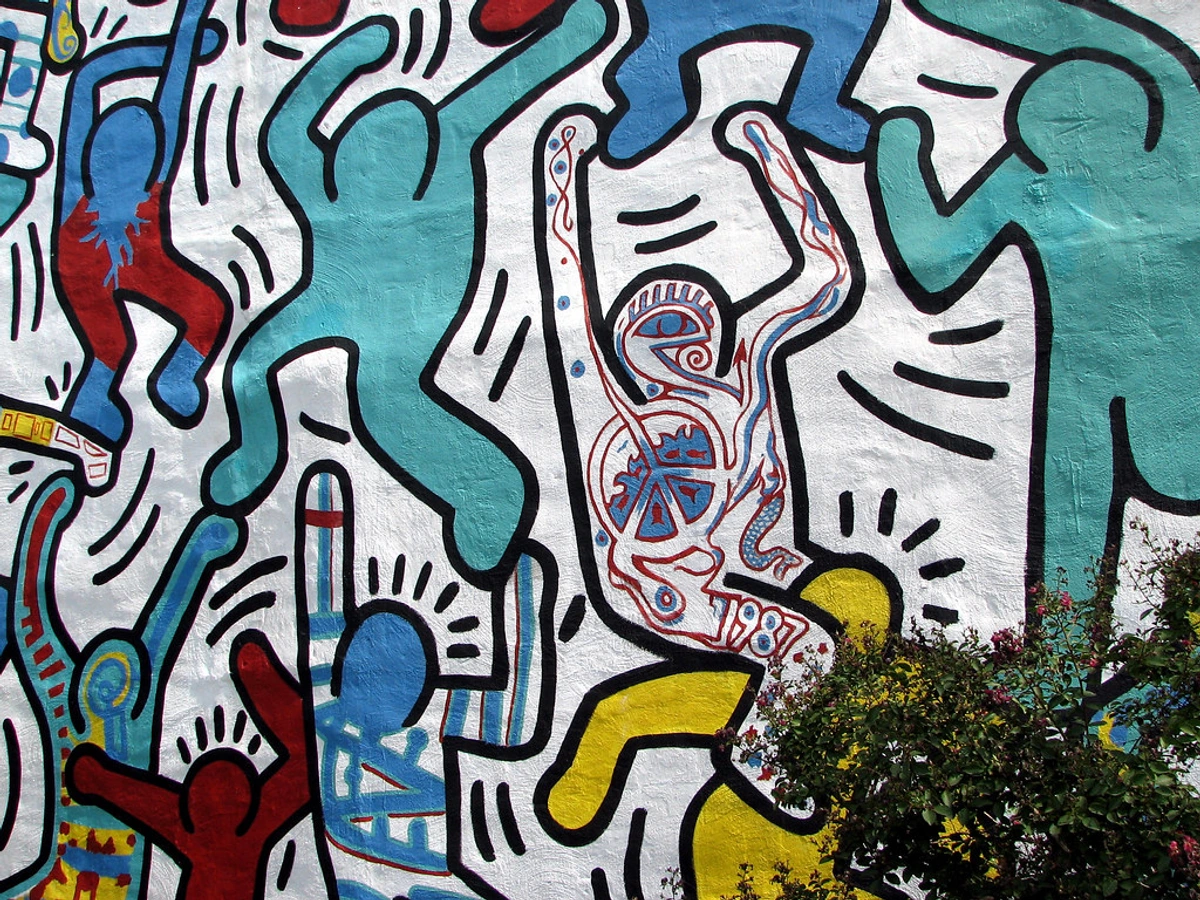
3. "What about NFTs for selling dynamic art?"
Look, I'm a traditional painter with paint stains on my worn-in apron. The blockchain buzz feels worlds away. While digital files can be tokenized, remember: this craft is about human connection. A physical print you hang where you wake up? That's timeless. Tech can amplify, but it can't replace the soulful energy you put into each stroke. I'll leave the NFT speculating to others and stick to what I know: making art that moves bodies and hearts.
Look, I’m a traditional painter with paint stains on my worn-in apron. The blockchain buzz feels worlds away. While digital files can be tokenized, remember: this craft is about human connection. A physical print you hang where you wake up? That’s timeless. Tech can amplify, but it can’t replace the soulful energy you put into each stroke. I’ll leave the NFT speculating to others and stick to what I know: making art that moves bodies and hearts.
4. "Can movement be subtle?"
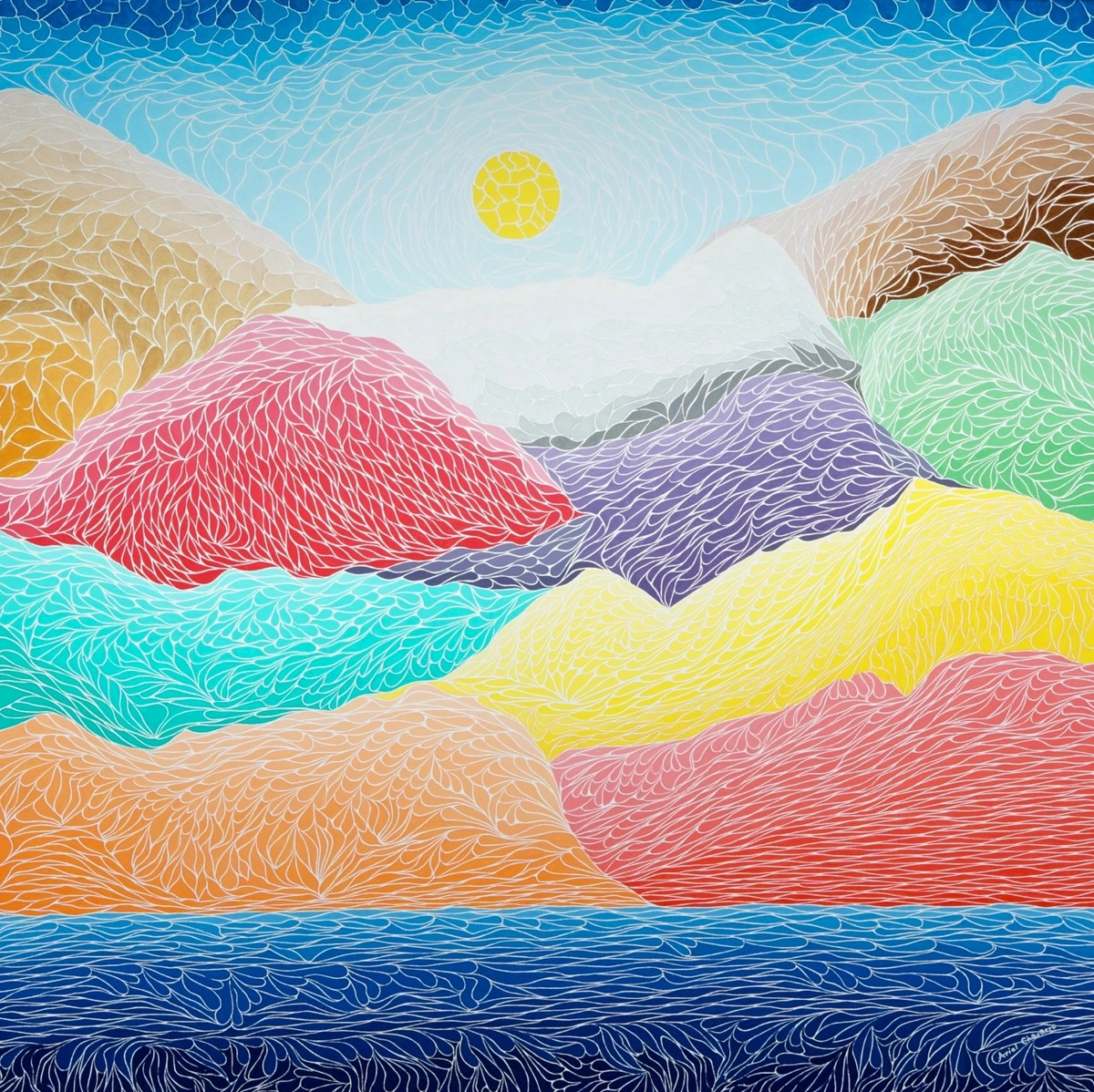
Absolutely. This is one of the most important questions about movement, and the answer is a resounding YES. Not every piece needs to be a visual tornado. Sometimes the most powerful motion is a single, graceful curve or a soft color gradient transition. Think of a dandelion seed drifting—gentle but undeniable motion.
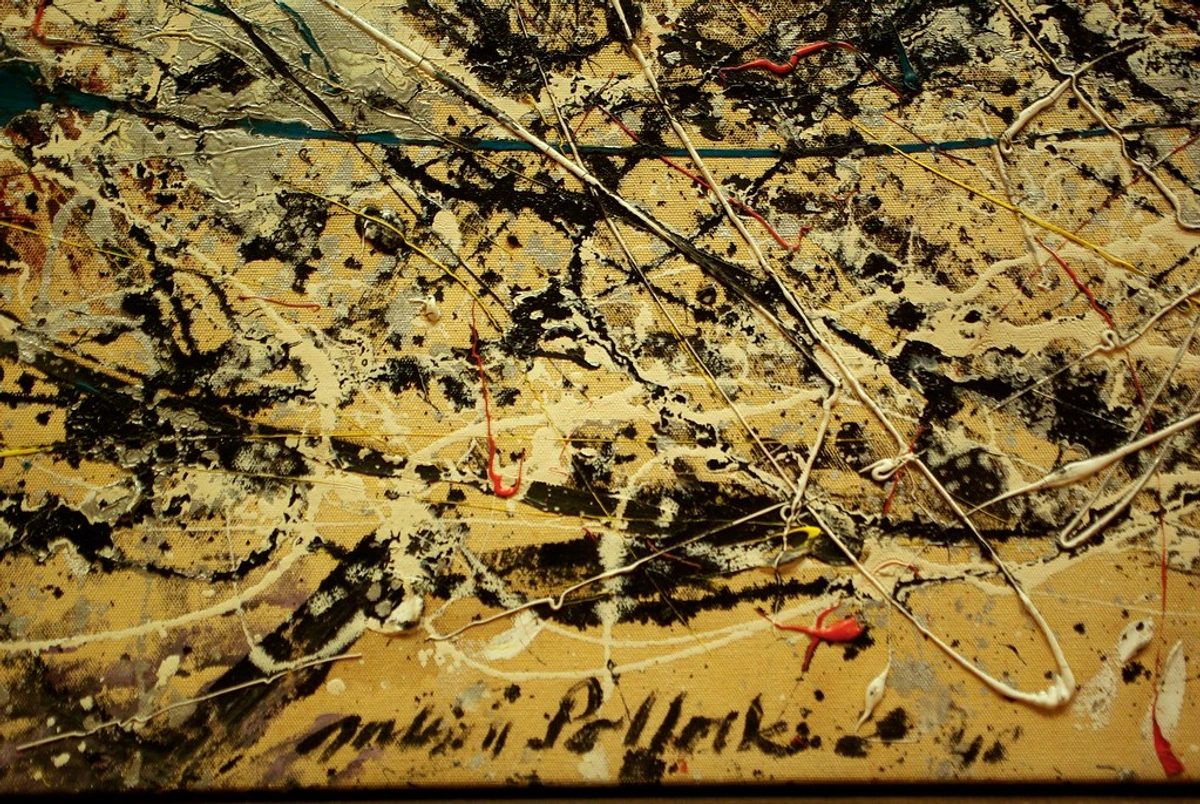
The Power of Subtlety: Subtle movement requires more skill than overt movement because it relies on nuance and suggestion rather than explicit direction. It's like the difference between shouting and whispering—both can be powerful, but they convey different kinds of energy.
When to Use Subtle Movement:
- Meditative or contemplative pieces that invite quiet viewing
- Minimalist compositions where every element counts
- Atmospheric effects like mist, fog, or gentle breezes
- Emotional subtlety where you want to suggest rather than state
- Sophisticated viewers who appreciate nuance and detail
Techniques for Subtle Movement:
Technique | Effect | Example |
|---|---|---|
| Gentle curves | Soft, flowing direction | A single curved line in a minimalist landscape |
| Gradual color transitions | Smooth, fluid movement | Sunset gradients, misty morning scenes |
| Directional texture | Subtle tactile movement | Soft directional brushwork in sky or water |
| Implied direction | Suggested movement without explicit lines | A subject looking off-canvas, pointing gesture |
| Atmospheric perspective | Depth-based movement | Gradual softening and color shift in distance |
The Challenge of Subtlety: The biggest challenge with subtle movement is that it's easy to miss. Viewers might not consciously notice the movement, but they'll feel it. This creates a more intimate, subconscious connection with the artwork. I find that subtle movement often creates a sense of mystery and invites viewers to spend more time with a piece, discovering new details as they look.

The Art of Subtle Movement
Subtle movement requires more skill than overt movement because it relies on nuance and suggestion rather than explicit direction:
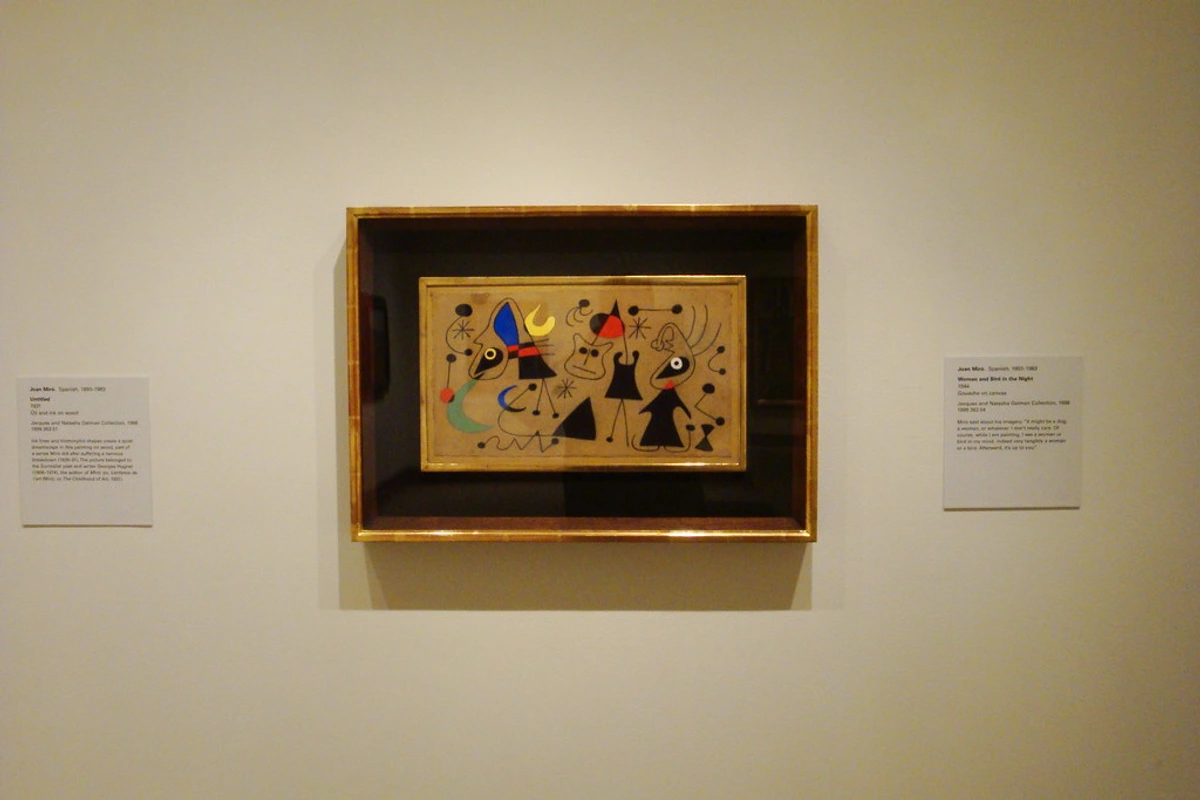
Subtle Movement Techniques:
Technique | Subtle Movement Effect | When to Use It | Example |
|---|---|---|---|
| Gentle Curves | Soft, flowing direction | Calm, peaceful compositions | A single curved line in a minimalist landscape |
| Gradual Color Transitions | Smooth, fluid movement | Atmospheric depth, mood | Sunset gradients, misty morning scenes |
| Directional Texture | Subtle tactile movement | Background elements, atmospheric effects | Soft directional brushwork in sky or water |
| Implied Direction | Suggested movement without explicit lines | Narrative compositions, storytelling | A subject looking off-canvas, pointing gesture |
| Atmospheric Perspective | Depth-based movement | Landscapes, expansive scenes | Gradual softening and color shift in distance |
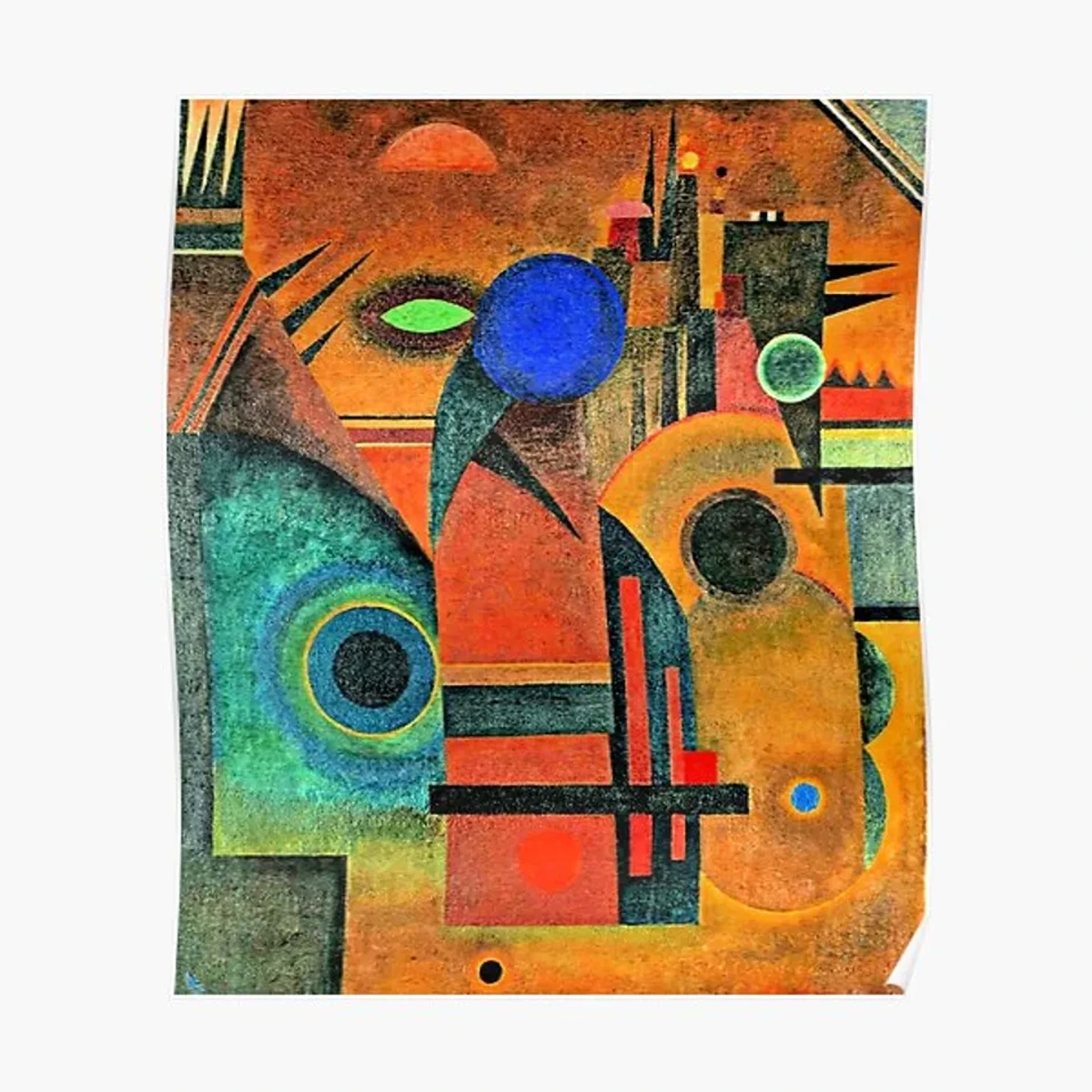
The Power of Restraint: Subtle movement can be more powerful than overt movement precisely because it requires more attention from the viewer. When movement is subtle, viewers have to engage more deeply to perceive it, creating a more intimate connection with the artwork. I find that subtle movement often creates a sense of mystery and invites viewers to spend more time with a piece, discovering new details as they look.
The Final Brushstroke
Creating dynamic visual movement isn’t about nailing it perfectly. It’s about playing. Experimenting with thick paint strokes that catch light. Testing how red against green vibrates. Giving your arm room to dance while you work. It’s messy, it’s joyful, and sometimes it involves swearing at a canvas at midnight. But when you see that flat surface come alive? When colors flow like they have their own current? That’s the magic we chase as artists.
Now go make something move. Your voice is waiting to be seen in motion.
Further Learning Resources
Recommended Reading on Visual Movement
Resource | Focus Level | Best For | Why It's Useful | Where to Find It |
|---|---|---|---|---|
| "The Art of Movement" by Sarah Chen | Intermediate | Understanding movement theory | Excellent breakdown of movement principles across mediums | Major bookstores, Amazon |
| "Dynamic Composition" by Marcus Rodriguez | Advanced | Professional techniques | In-depth analysis of movement in contemporary art | Art bookstores, publisher's website |
| "Movement in Art: A Practical Guide" by Emma Wilson | Beginner | Getting started | Hands-on exercises and beginner-friendly explanations | Online retailers, library |
| "The Psychology of Visual Perception" by Dr. Lisa Park | Advanced | Understanding viewer response | Scientific basis for how movement affects viewers | Academic bookstores, online |
| "Color and Movement: A Painter's Guide" by James Mitchell | Intermediate | Color-based movement | Explores how color relationships create movement | Art supply stores, Amazon |
| "Gesture: The Language of Movement in Drawing" by Rachel Green | Beginner | Gesture drawing | Teaches capturing movement through quick, expressive drawing | Drawing book sections, online |
| "Contemporary Approaches to Movement in Art" by Various Artists | Advanced | Modern techniques | Collection of essays from contemporary artists about movement | Contemporary art galleries, specialty publishers |
| "The Artist's Body: Movement and Expression" by Maria Santos | Intermediate | Physical movement | Explores how body movement affects artistic expression | Performance art books, online retailers |
| "Digital Movement: Tools and Techniques" by Tech Collective | Beginner | Digital mediums | Comprehensive guide to creating movement in digital art | Digital art communities, tech bookstores |
| "Movement Across Cultures: Global Perspectives" by International Art Council | Advanced | Cultural movement | Examines how different cultures approach visual movement | Cultural studies sections, university presses |
| "Movement in Photography: Capturing Motion" by David Chen | Intermediate | Photography movement | Specialized guide for photographers working with movement | Photography bookstores, online retailers |
| "Therapeutic Approaches to Movement Art" by Art Therapy Association | Beginner | Healing through movement | Using movement art for emotional and psychological healing | Therapy bookstores, special interest publishers |
| "Movement and Mindfulness: Creating with Presence" by Meditation Arts Collective | All levels | Mindful creation | Combining mindfulness practices with movement creation | Wellness sections, online retailers |
| "The Business of Movement Art: Marketing and Selling Dynamic Work" by Gallery Association | Intermediate | Professional practice | Practical advice for artists working with movement | Business art books, professional development resources |
| "Contemporary Approaches to Movement in Art" by Various Artists | Advanced | Modern techniques | Collection of essays from contemporary artists about movement | |
| "The Artist's Body: Movement and Expression" by Maria Santos | Intermediate | Physical movement | Explores how body movement affects artistic expression | |
| "Digital Movement: Tools and Techniques" by Tech Collective | Beginner | Digital mediums | Comprehensive guide to creating movement in digital art | |
| "Movement Across Cultures: Global Perspectives" by International Art Council | Advanced | Cultural movement | Examines how different cultures approach visual movement | |
| "Movement in Photography: Capturing Motion" by David Chen | Intermediate | Photography movement | Specialized guide for photographers working with movement | |
| "Therapeutic Approaches to Movement Art" by Art Therapy Association | Beginner | Healing through movement | Using movement art for emotional and psychological healing | |
| "Movement and Mindfulness: Creating with Presence" by Meditation Arts Collective | All levels | Mindful creation | Combining mindfulness practices with movement creation | |
| "The Business of Movement Art: Marketing and Selling Dynamic Work" by Gallery Association | Intermediate | Professional practice | Practical advice for artists working with movement |
Online Courses and Workshops
If you prefer structured learning, consider these options:
Comprehensive Online Courses
- "Mastering Visual Movement" (Online course covering all mediums) - This intensive 8-week course covers everything from basic brushwork to advanced compositional techniques. Includes video demonstrations, downloadable exercises, and personalized feedback.
- "Dynamic Landscape Painting" (Focus on natural movement in landscapes) - Learn how to capture the energy of natural elements like wind, water, and weather. Perfect for landscape painters who want to add more dynamism to their work.
- "Abstract Expressionism Workshop" (Learn action painting techniques) - Dive into the world of Jackson Pollock and Willem de Kooning. Learn drip painting, gesture work, and how to create movement through physical action.
- "Digital Movement Techniques" (For digital artists) - Master the digital tools that create dynamic movement. Covers brush settings, layering, blending modes, and specialized techniques for digital artists.
Specialized Workshops
- "Color Dynamics for Movement" - Focus specifically on how color creates movement and energy. Learn color theory, temperature relationships, and how to use color to guide the viewer's eye.
- "Brushwork Mastery Series" - A multi-part workshop series focusing on different brush techniques. Each session covers a specific brush type and movement style.
- "Composition for Dynamic Art" - Learn the compositional principles that support movement. How to arrange elements to create flow, rhythm, and energy.
- "From Static to Dynamic: Transformation Workshop" - Bring your static paintings to life. Learn how to analyze existing work and add movement elements that enhance rather than overwhelm.
Advanced Practice Exercises
Here are some specific exercises to help you develop your movement skills. I recommend doing these in order, as they build on each other:
Exercise 1: Texture Movement Study
Focus: How different textures create different kinds of movement What to Do: Create a series exploring how different textures create different kinds of movement. Work with various mediums to see how surface quality affects the perception of motion. Materials Needed: Different brushes, palette knives, sponges, rags, various mediums Duration: 1-2 weeks Goal: Understand how texture affects movement perception
Exercise 2: Scale Variation Exercise
Focus: How scale affects movement perception What to Do: Paint the same composition using different scales of brushwork to see how scale affects movement perception. Try everything from tiny, precise strokes to bold, sweeping gestures. Materials Needed: Various brush sizes, same composition reference Duration: 1 week Goal: Master the relationship between scale and movement
Exercise 3: Limited Palette Movement
Focus: Creating movement through technique rather than color What to Do: Work with only three colors to force yourself to create movement through technique rather than color variety. This exercise helps develop technical skill. Materials Needed: Three colors of your choice, various brushes Duration: 1 week Goal: Develop technical skill and understand movement fundamentals
Exercise 4: Negative Space Movement
Focus: Creating movement through emptiness What to Do: Create movement primarily through the use of negative space rather than positive elements. This is a more advanced technique that requires understanding how emptiness can create motion. Materials Needed: Any medium, focus on composition Duration: 1-2 weeks Goal: Master advanced compositional techniques for movement
Exercise 5: Rhythm and Repetition Study
Focus: Creating movement through pattern and rhythm What to Do: Create a series using rhythmic repetition. Focus on how repeated elements create movement and energy. Materials Needed: Any medium, focus on pattern creation Duration: 1 week Goal: Understand the relationship between rhythm and movement
Exercise 6: Directional Flow Exercise
Focus: Creating directional movement What to Do: Create compositions that guide the viewer's eye in specific directions. Use lines, shapes, and color to create clear pathways. Materials Needed: Any medium, focus on directional elements Duration: 1 week Goal: Master directional movement techniques
Exercise 7: Emotional Movement Study
Focus: Creating movement that conveys specific emotions What to Do: Create a series where each piece represents a different emotion through movement alone. Use techniques appropriate for each emotion. Materials Needed: Any medium, focus on emotional expression Duration: 2-3 weeks Goal: Understand how movement conveys emotion
Exercise 8: Medium-Specific Movement Mastery
Focus: Mastering movement in specific mediums What to Do: Spend time mastering movement in each of your primary mediums separately. Create pieces that highlight the unique movement possibilities of each medium. Materials Needed: Your primary mediums Duration: Ongoing (2-4 weeks per medium) Goal: Become versatile in different mediums
Seasonal Movement Exercises
Connect with the natural rhythms of the year by exploring movement in different seasons. Each season has its own energy and movement qualities that can inspire your art:
Exercise 9: Spring Movement
Focus: Growth, renewal, and gentle awakening What to Do: Create work that captures the energy of spring. Use soft greens, flowing lines, and upward directional movement. Think of new growth, delicate blooms, and the gentle movement of spring breezes. Movement Qualities: Upward, gentle, hopeful, fresh Color Palette: Soft greens, pastels, light blues Brushwork: Light, flowing, upward strokes Duration: 1 week
Exercise 10: Summer Movement
Focus: Energy, intensity, and abundance What to Do: Capture the vibrant energy of summer. Use bold colors, strong contrasts, and dynamic compositions. Think of intense sunlight, dramatic storms, and the abundance of summer growth. Movement Qualities: Bold, energetic, intense, vibrant Color Palette: Bold primaries, strong contrasts, warm tones Brushwork: Bold, energetic, varied pressure Duration: 1 week
Exercise 11: Autumn Movement
Focus: Transition, change, and harvest What to Do: Explore the transitional energy of autumn. Use warm color transitions, falling elements, and directional movement. Think of falling leaves, harvest scenes, and the beautiful chaos of autumn wind. Movement Qualities: Downward, transitional, warm, complex Color Palette: Warm oranges, reds, yellows, browns Brushwork: Varied, directional, textural Duration: 1 week
Exercise 12: Winter Movement
Focus: Stillness, quiet, and introspection What to Do: Contemplate the quiet energy of winter. Use cool colors, subtle textures, and minimal movement. Think of snowfall, frozen landscapes, and the quiet beauty of winter stillness. Movement Qualities: Subtle, quiet, introspective, minimal Color Palette: Cool blues, whites, grays Brushwork: Soft, subtle, minimal variation Duration: 1 week
Cultural and Historical Movement Studies
Study how different cultures and art movements have approached visual movement throughout history. This will give you a deeper understanding of movement and inspire your own work:
Exercise 13: Impressionist Movement Study
Focus: Broken color and loose brushwork What to Do: Explore how impressionists captured movement through broken color and loose brushwork. Study artists like Monet, Renoir, and Degas. Create work inspired by their techniques. Key Techniques: Broken color, loose brushwork, capturing light and atmosphere Artists to Study: Claude Monet, Pierre-Auguste Renoir, Edgar Degas Duration: 2 weeks
Exercise 14: Abstract Expressionist Study
Focus: Gesture and color What to Do: Analyze how abstract expressionists created psychological movement through gesture and color. Study artists like Jackson Pollock, Willem de Kooning, and Franz Kline. Create work inspired by their energy and spontaneity. Key Techniques: Action painting, gesture, emotional color use Artists to Study: Jackson Pollock, Willem de Kooning, Franz Kline Duration: 2 weeks
Exercise 15: Traditional Asian Movement Study
Focus: Traditional Asian movement principles What to Do: Research movement principles from traditional Asian art forms. Study Chinese brush painting, Japanese ink painting, and other traditional Asian techniques. Create work that incorporates these principles. Key Techniques: Brush control, negative space, flowing lines Art Forms to Study: Chinese brush painting, sumi-e, Japanese woodblock prints Duration: 2-3 weeks
Exercise 16: Modern Digital Movement
Focus: Contemporary digital techniques What to Do: Explore how contemporary artists use digital tools to create new kinds of movement. Study digital artists who push the boundaries of visual movement. Create work using digital techniques. Key Techniques: Digital brush settings, layering, blending modes Artists to Study: Contemporary digital artists, motion graphics designers Duration: 2 weeks
Collaborative Movement Projects
Collaboration can be one of the best ways to learn about movement. Working with other artists exposes you to different approaches and techniques that you might not discover on your own:
Exercise 17: Group Movement Canvas
Focus: Collaborative creation and style interaction What to Do: Work with other artists on the same canvas to see how different movement styles interact. This can be done in person or digitally. How to Organize: Find 3-5 artists with different movement styles. Work on the same canvas, each adding their own movement elements. Learning Goals: Understand how different movement styles complement or contrast with each other Duration: 1-2 sessions
Exercise 18: Movement Exchange
Focus: Completing others' concepts What to Do: Trade unfinished works with other artists and complete each other's movement concepts. This helps you understand someone else's artistic vision and movement style. How to Organize: Find 1-2 artists to exchange work with. Each person completes the other's piece, focusing on movement. Learning Goals: Learn to interpret and build on someone else's movement ideas Duration: 1-2 weeks
Exercise 19: Movement Chain
Focus: Sequential creation and flow What to Do: Start a piece, then pass it to another artist who adds movement, and continue the chain. This creates a collaborative piece with multiple movement influences. How to Organize: Create a chain of 3-5 artists. Each person adds to the piece for a set time period. Learning Goals: Understand how movement can be built upon and developed over time Duration: Ongoing (as long as the chain continues)
Exercise 20: Movement Response
Focus: Interpretation and personal response What to Do: Create a piece in response to someone else's movement-focused artwork. This helps you understand how movement affects you and how you can translate that into your own work. How to Organize: Choose a piece of art with strong movement elements. Create your own response piece that captures your emotional and visual reaction to the original. Learning Goals: Develop your ability to interpret and respond to movement in others' work Duration: 1-2 weeks
Technical Mastery Exercises
These exercises focus on developing specific technical skills that are essential for creating movement:
Exercise 21: Brush Control Mastery
Focus: Precise brush control for specific movement effects What to Do: Practice controlling your brush to create specific kinds of movement—perfect curves, sharp angles, gradual transitions. This is about developing muscle memory and precision. Practice Routine: Spend 15-30 minutes daily practicing specific stroke types. Focus on consistency and control. Key Skills to Develop: Perfect curves, sharp angles, gradual transitions, varied pressure Duration: 2-3 weeks
Exercise 22: Color Mixing for Movement
Focus: Color specifically for movement effects What to Do: Master mixing colors specifically to create movement effects rather than just color harmony. This involves understanding color temperature, saturation, and how they interact to create energy. Practice Routine: Create color swatches and test how different color combinations create movement. Focus on complementary, analogous, and triadic color schemes. Key Skills to Develop: Color temperature relationships, saturation control, color interaction Duration: 2 weeks
Exercise 23: Medium-Specific Movement
Focus: Mastering movement in specific mediums What to Do: Spend time mastering movement in each of your primary mediums separately. Each medium has unique properties that affect how movement is created. Practice Routine: Dedicate 1-2 weeks to each medium. Focus on the unique movement possibilities of that medium. Key Skills to Develop: Medium-specific techniques, material properties, tool mastery Duration: Ongoing (2-4 weeks per medium)
Exercise 24: Movement Through Time
Focus: Temporal movement and change What to Do: Create a series showing how movement changes over time in the same subject. This could be a plant growing, light changing, or weather patterns shifting. Practice Routine: Document the same subject over time. Create pieces that capture different moments and the movement between them. Key Skills to Develop: Temporal awareness, sequence creation, change visualization Duration: 3-4 weeks
Conceptual Movement Exercises
These exercises focus on the conceptual aspects of movement—how movement can convey ideas, emotions, and narratives:
Exercise 25: Movement as Emotion
Focus: Using movement to convey specific emotions What to Do: Create a series where each piece represents a different emotion through movement alone. Focus on how different movement qualities correspond to different emotions. Emotions to Explore: Joy, anger, sadness, fear, love, peace, excitement, calm How to Approach: For each emotion, identify the movement qualities that best represent it (e.g., joy might be light, upward, energetic; sadness might be downward, slow, heavy) Duration: 3-4 weeks
Exercise 26: Movement as Story
Focus: Narrative through movement What to Do: Use movement to tell a story without using figurative elements. This forces you to rely purely on movement, composition, and color to convey narrative. Story Elements: Beginning, middle, end; character development; conflict resolution How to Approach: Think of the story arc and how movement can represent each stage. Use directional flow, rhythm, and energy changes to tell the story Duration: 2-3 weeks
Exercise 27: Movement as Music
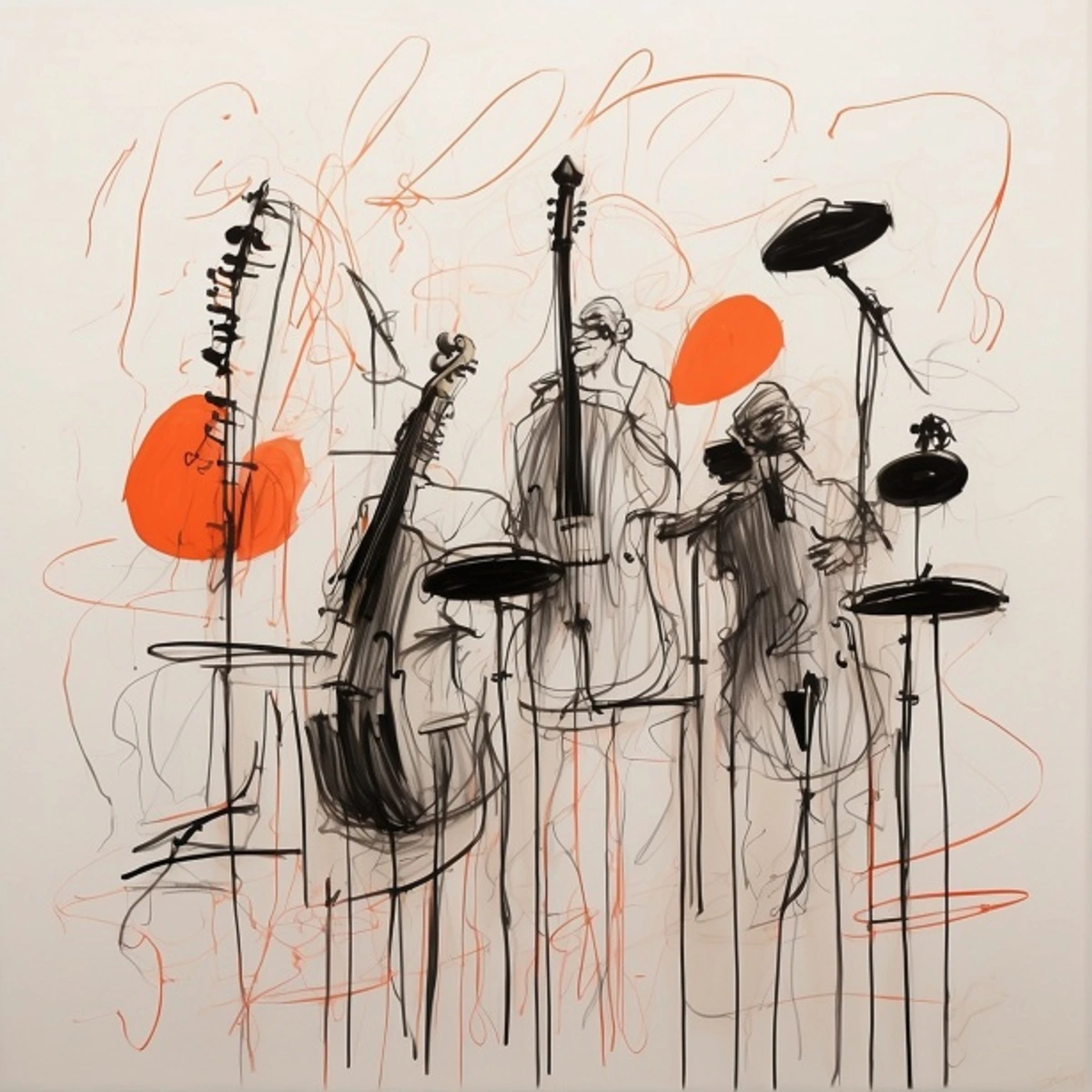
Focus: Translating musical concepts to visual movement What to Do: Translate musical rhythms and patterns into visual movement. Choose different musical pieces and create visual equivalents of their rhythm, tempo, and mood. Musical Elements: Rhythm, tempo, dynamics, harmony, melody How to Approach: Listen to music and visualize the movement it creates. Use brushstrokes, color, and composition to translate musical concepts into visual language Duration: 2 weeks
Exercise 28: Movement as Poetry
Focus: Visual equivalents of poetic flow What to Do: Create visual equivalents of poetic movement and flow. Choose poems with strong movement imagery and translate them into visual art. Poetic Elements: Rhythm, flow, imagery, emotional tone, narrative arc How to Approach: Read poetry and identify the movement qualities. Use visual elements to capture the same feeling and flow as the poetry Duration: 2-3 weeks
Exhibition and Presentation Exercises
These exercises focus on the practical aspects of presenting and sharing your movement-oriented artwork:
Exercise 29: Movement Gallery Layout
Focus: Spatial arrangement for maximum impact What to Do: Practice arranging your movement-focused artwork for maximum impact. Consider how movement pieces interact with each other and the space. Key Considerations: Viewing distance, sight lines, wall color, lighting, spacing between pieces How to Practice: Create mock layouts using photos of your work. Visit galleries and analyze how movement pieces are hung Duration: 1 week
Exercise 30: Movement Documentation
Focus: Effective photography of dynamic work What to Do: Learn to photograph and document your movement artwork effectively. Dynamic work requires special consideration for photography. Key Skills: Proper lighting, camera settings, post-processing, multiple angles How to Practice: Experiment with different lighting setups and camera angles. Compare results and learn what works best for your specific work Duration: 1-2 weeks
Exercise 31: Movement Artist Statement
Focus: Clear communication of movement concepts What to Do: Practice writing about your movement concepts clearly and compellingly. Learn to articulate your intentions and techniques. Key Elements: Conceptual basis, technical approach, emotional content, artistic influences How to Practice: Write statements for existing pieces and for new work. Share them with others for feedback Duration: Ongoing
Exercise 32: Movement Demonstration
Focus: Teaching movement techniques What to Do: Prepare to demonstrate your movement techniques to others. Teaching is one of the best ways to deepen your own understanding. Key Elements: Clear explanation, step-by-step demonstration, answering questions, troubleshooting How to Practice: Practice demonstrating techniques to friends or record yourself. Focus on making complex concepts accessible Duration: 2-3 weeks
I recommend picking 2-3 exercises from different categories and working through them systematically. The key is consistency—regular practice will develop your movement skills far more than occasional intense bursts of activity.
Community and Feedback
Movement art benefits greatly from community input:
- Join online art communities focused on dynamic work
- Participate in movement-themed challenges and exhibitions
- Share your work and ask specific questions about movement perception
- Study how viewers describe the movement in your work
The Lifelong Journey of Movement Art
Remember, creating visual movement is a lifelong journey. There's always more to learn, new techniques to master, and deeper levels of expression to explore. The most important thing is to keep creating, keep experimenting, and keep letting your unique artistic voice shine through in every stroke.






The Evolution of Your Movement Skills:
- Beginning: Focus on understanding the basics and developing fundamental techniques
- Developing: Start combining techniques and developing your personal style
- Mastery: Focus on refinement and creating work with deep emotional resonance
- Mentorship: Share your knowledge and help others develop their movement skills
The Cycle of Growth:
- Learn: Study techniques, observe masters, practice fundamentals
- Experiment: Try new approaches, combine techniques, take risks
- Create: Apply what you've learned to make meaningful artwork
- Share: Show your work, get feedback, teach others
- Repeat: The cycle continues, with each iteration bringing deeper understanding
This cycle is how all great artists develop their skills. They never stop learning, never stop experimenting, and never stop creating work that matters to them.
Your Unique Path:
Every artist's journey with movement is unique. Some will focus on abstract expressionism, others on representational landscapes. Some will work primarily in traditional mediums, others will explore digital techniques. The common thread is the pursuit of authentic expression through movement.
Your path will be different from others', and that's exactly as it should be. The world doesn't need another copy of an existing style—it needs your unique way of seeing and creating movement.
So embrace your journey, celebrate your progress, and keep moving forward—both in your art and in your life. After all, that's what movement is all about: progress, growth, and the beautiful, messy process of becoming.