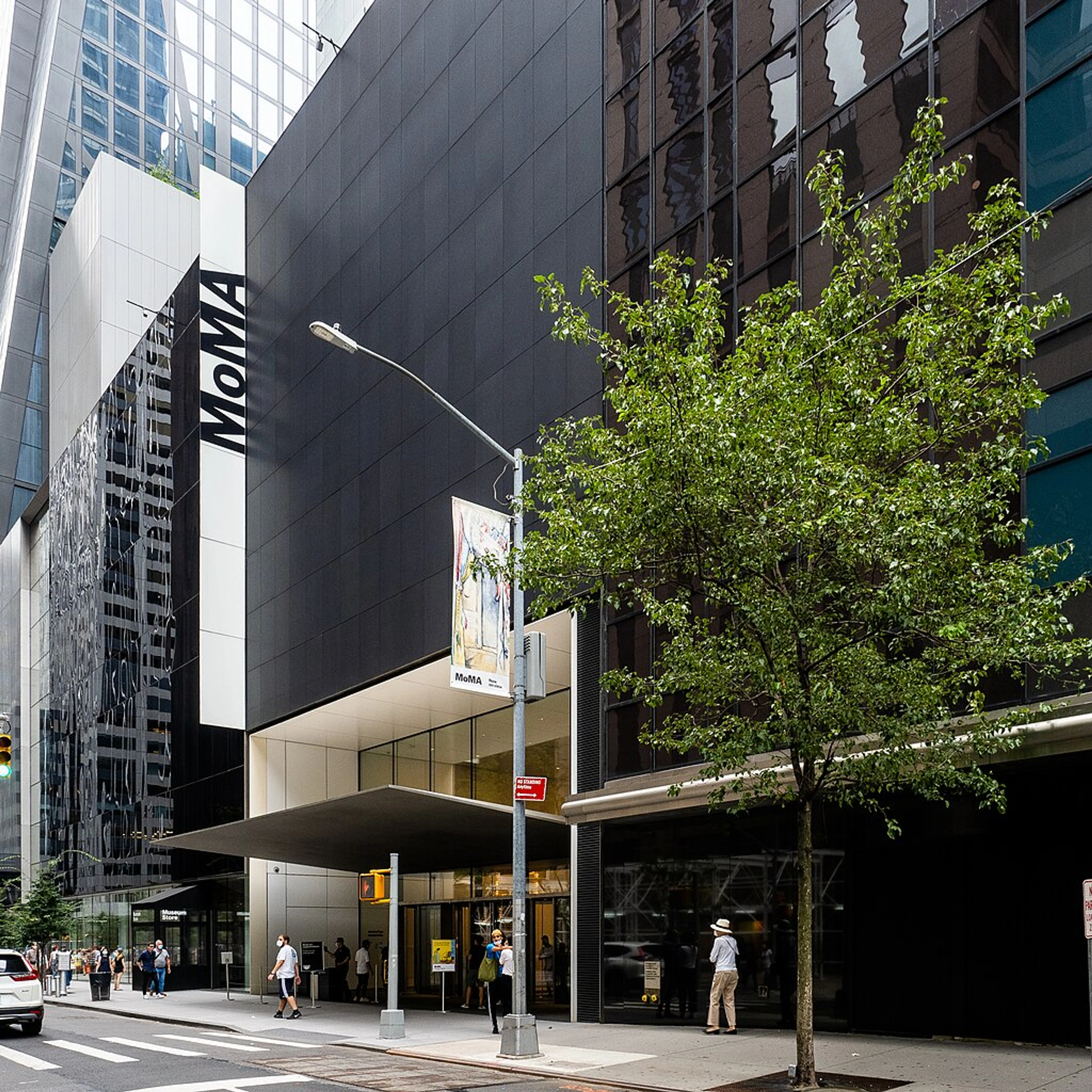
The Status Quo of Contemporary Art: A Critical Exploration
Dive into the evolving landscape of contemporary art, its market trends, and the institutional frameworks shaping today's art world.

The Status Quo of Contemporary Art: A Critical Exploration
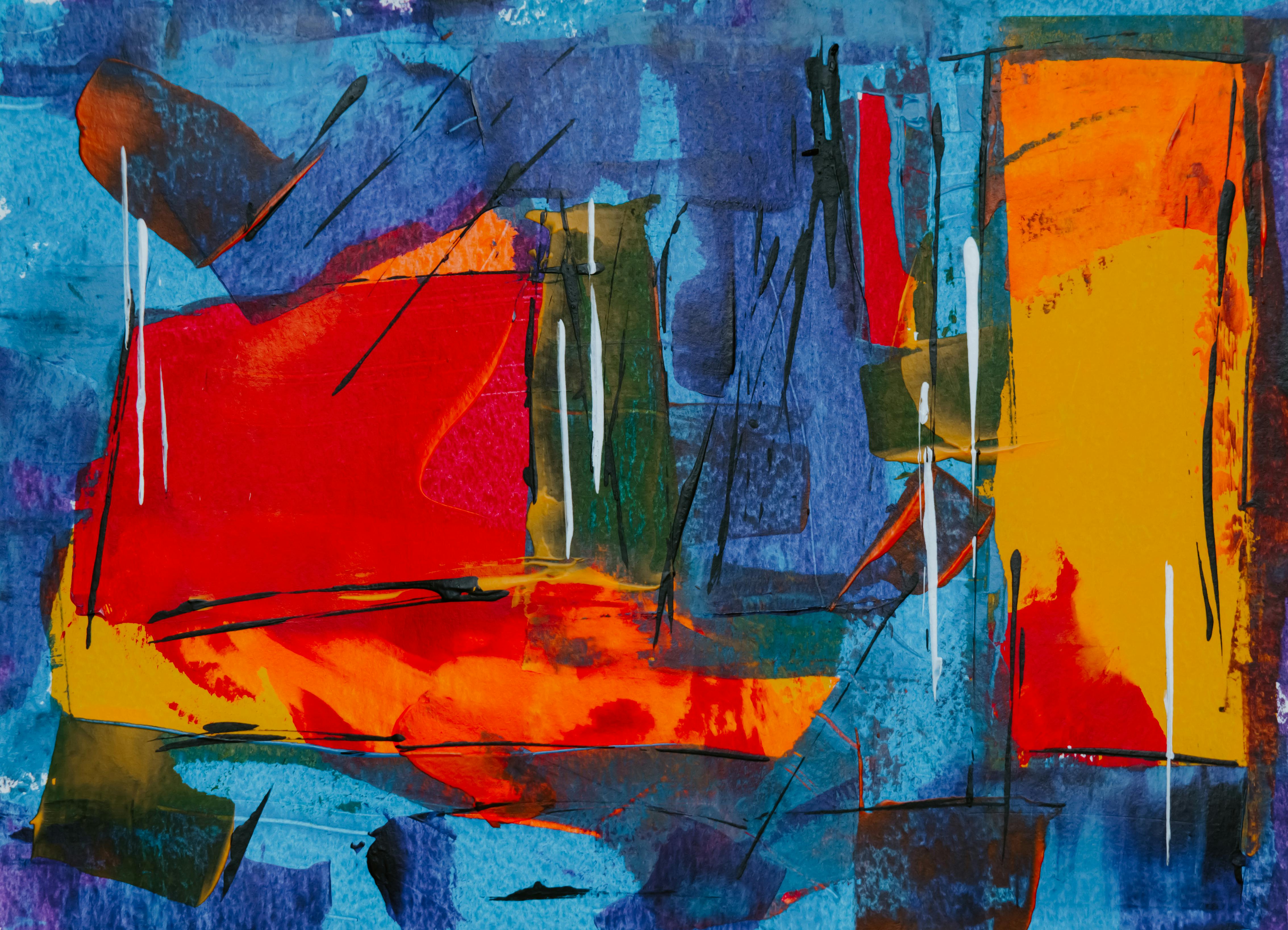
I remember the first time I walked into a contemporary art gallery. The walls were adorned with vibrant, abstract pieces that seemed to defy any conventional interpretation. I stood there, slightly overwhelmed, wondering what it all meant. That experience sparked a journey of exploration into the world of contemporary art, a realm that is as dynamic as it is enigmatic.
Contemporary art is not just about aesthetics; it's a reflection of our society, culture, and individual experiences. It challenges us to think beyond the obvious and question the norms. But what makes it so captivating, and why does it evoke such strong reactions?
Perhaps it's the way contemporary art refuses to be confined to a single definition or style. It's a living, breathing entity that evolves with the times, constantly pushing boundaries and redefining what art can be. For some, this fluidity is exhilarating, while for others, it can be perplexing. Either way, it's undeniable that contemporary art has a unique ability to provoke thought, emotion, and conversation.
Understanding Contemporary Art
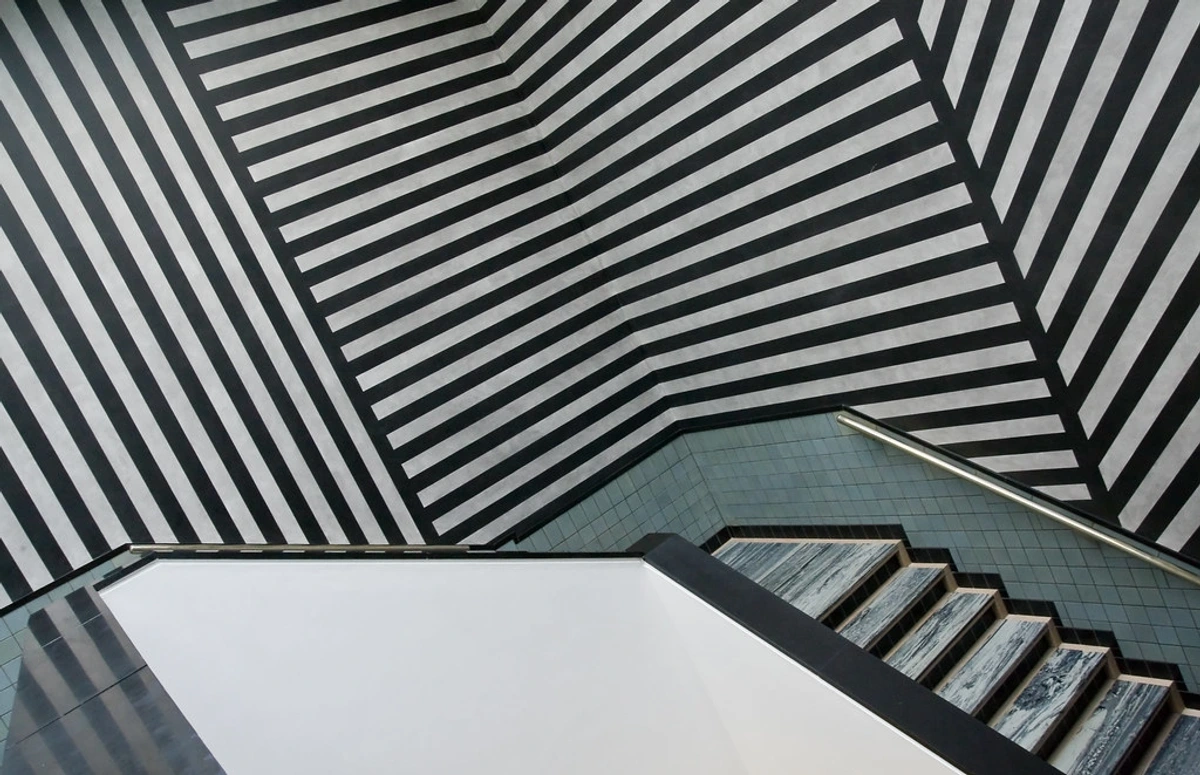
Contemporary art is often defined as the art of today, produced by artists who are living in our time. It encompasses a wide range of styles, mediums, and concepts, reflecting the diversity and complexity of the modern world. But what does it really mean to be contemporary?
To understand contemporary art, we must first recognize its fluidity. Unlike traditional art forms that adhere to established norms, contemporary art is constantly evolving. It is shaped by the cultural, political, and technological changes of our time, making it a dynamic and ever-changing field.
The Evolution of Contemporary Art
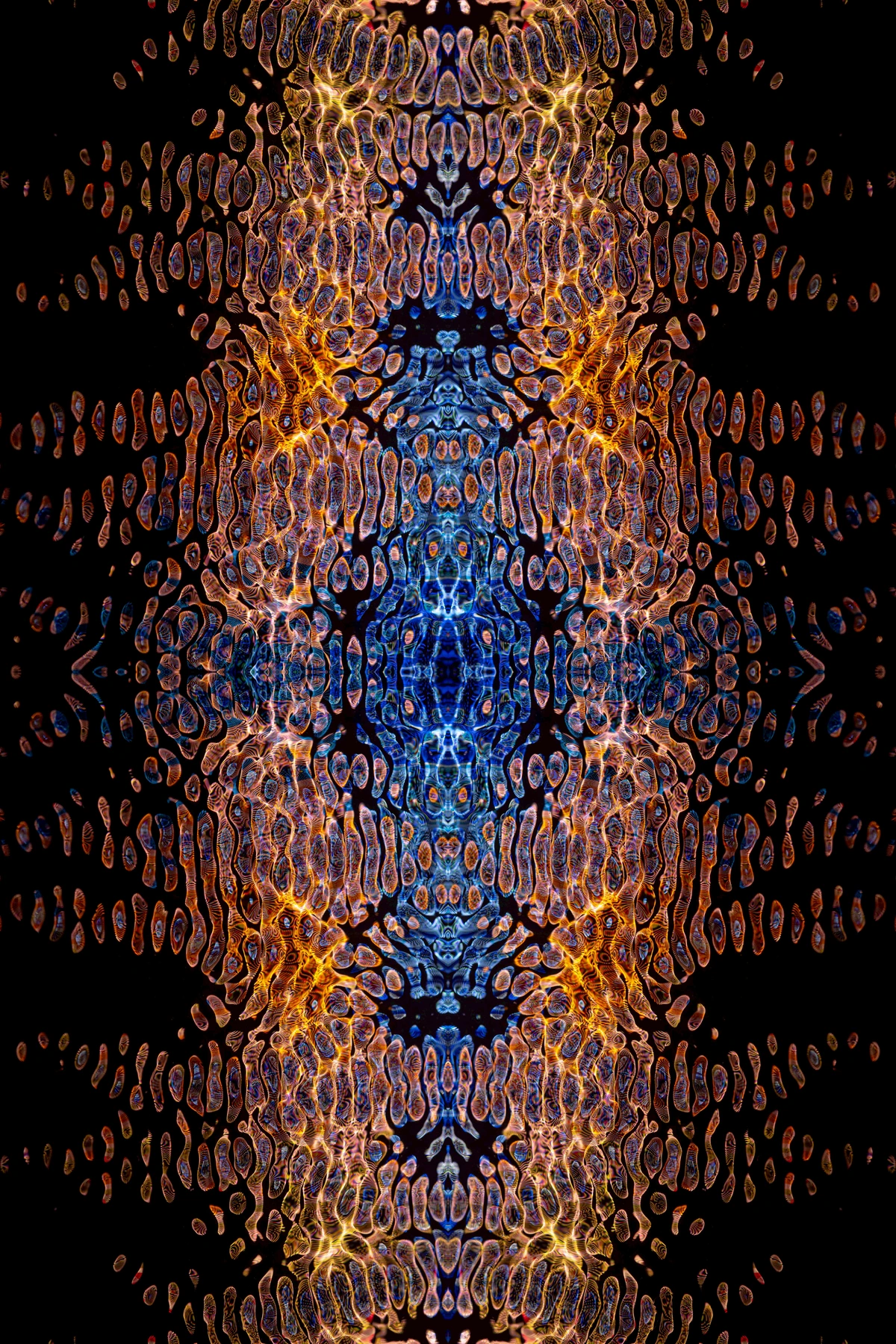
Contemporary art didn't emerge in a vacuum. It's the result of a long evolution, influenced by movements like modernism, postmodernism, and avant-garde art. Each of these movements contributed to the breaking down of traditional boundaries, paving the way for the experimental and eclectic nature of contemporary art.
- Modernism: Focused on innovation and the rejection of historical forms.
- Postmodernism: Embraced pluralism and challenged the notion of a single artistic truth.
- Avant-Garde: Pushed the boundaries of what was considered acceptable in art.
Key Movements and Their Influence
Movement  | Key Characteristics | Notable Artists |
|---|---|---|
| Modernism | Innovation, rejection of historical forms | Pablo Picasso, Henri Matisse |
| Postmodernism | Pluralism, challenging artistic truths | Andy Warhol, Jean-Michel Basquiat |
| Avant-Garde | Experimental, boundary-pushing | Marcel Duchamp, Salvador Dalí |
The Role of Technology
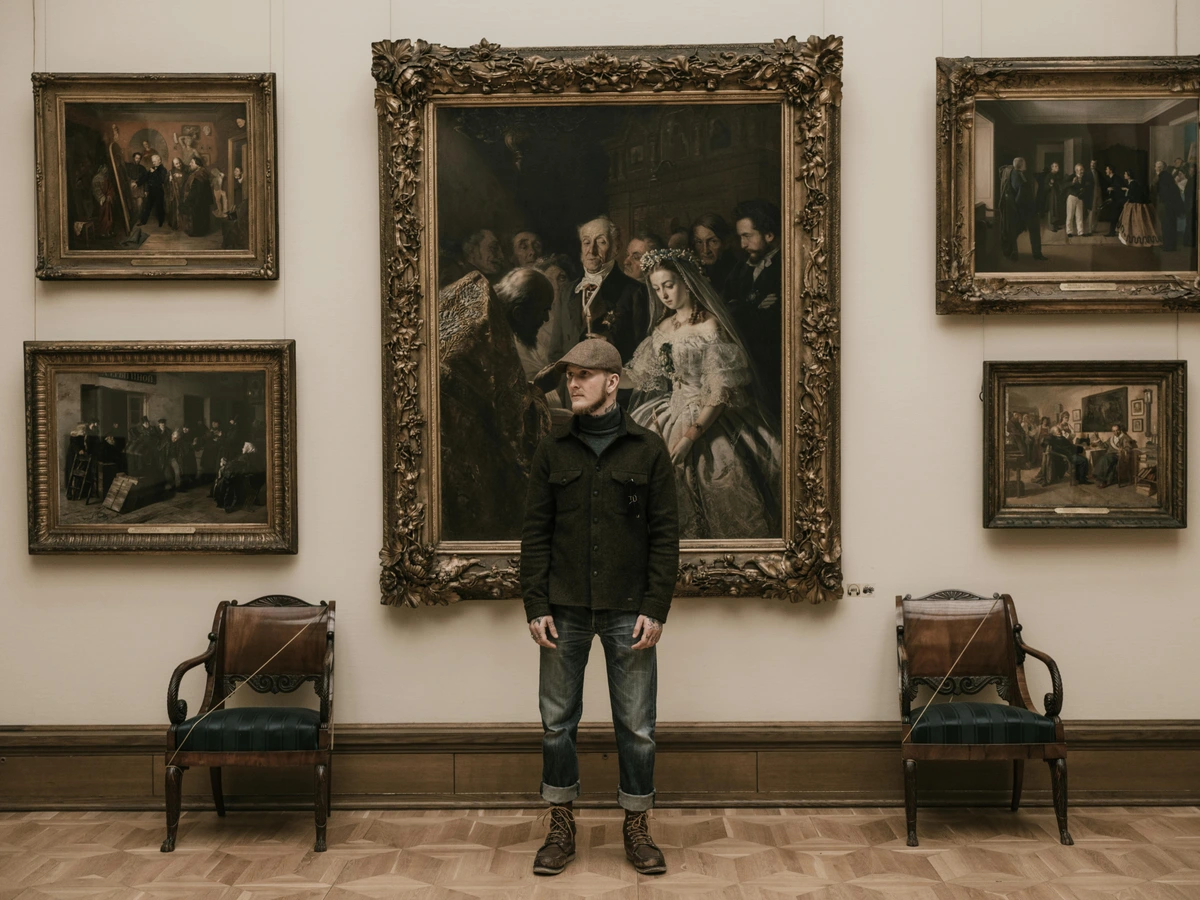
Technology has played a pivotal role in shaping contemporary art. From digital art to virtual reality installations, artists are leveraging technology to create immersive and interactive experiences. This fusion of art and technology has opened up new possibilities for artistic expression and audience engagement.
Emerging Technologies in Art
Technology | Impact on Art | Examples |
|---|---|---|
| Virtual Reality | Immersive experiences | VR art galleries, interactive installations |
| Augmented Reality | Blending digital and physical | AR-enhanced exhibitions |
| Artificial Intelligence | Generative art, new creative tools | AI-generated paintings, algorithmic sculptures |
Key Characteristics
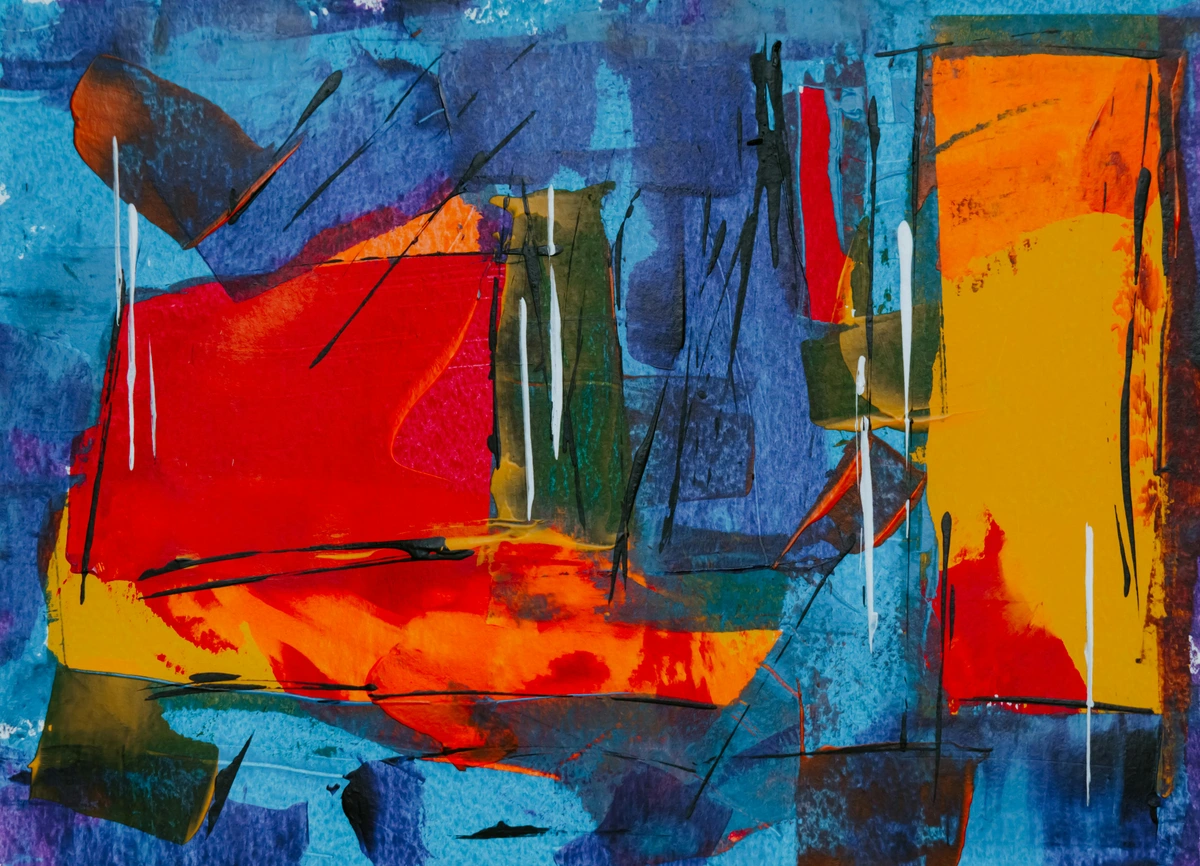
- Diversity: Contemporary art is not confined to a single style or medium. It includes painting, sculpture, photography, performance art, and even digital art.
- Conceptual Focus: The idea or concept behind the work is often as important as the work itself.
- Global Influence: Artists draw inspiration from a variety of cultures and traditions, creating a rich tapestry of global influences.
- Interdisciplinary: Contemporary art often blurs the boundaries between different disciplines, incorporating elements from science, technology, and social sciences.
- Innovation: Artists are constantly experimenting with new techniques, materials, and forms of expression.
The Role of Conceptual Art
Conceptual art emphasizes the idea or concept behind the work over its aesthetic or material form. This movement challenges traditional notions of art and encourages viewers to engage with the underlying message or philosophy of the artwork.
The Impact of Globalization
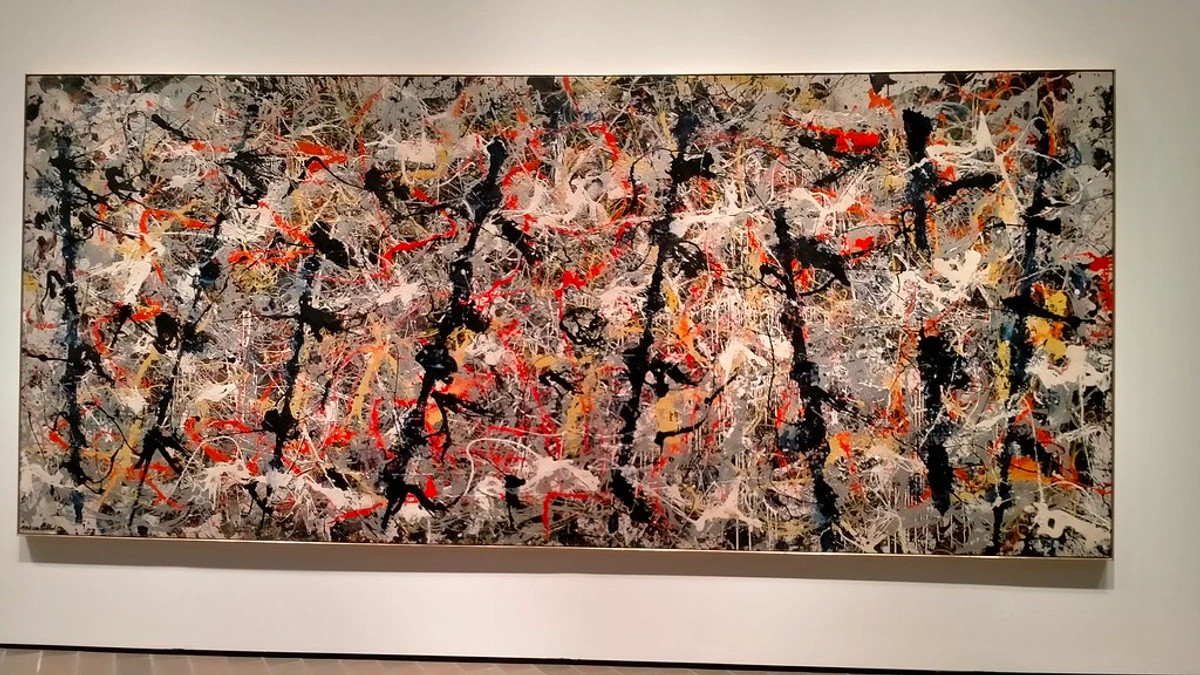
Globalization has had a profound impact on contemporary art. Artists are no longer limited by geographical boundaries; they can draw inspiration from and collaborate with artists from around the world. This has led to a rich exchange of ideas and techniques, resulting in a more diverse and inclusive art world.
Globalization and Cultural Exchange
Aspect | Impact on Art | Examples |
|---|---|---|
| Cultural Diversity | Broader range of artistic styles | Fusion of traditional and modern techniques |
| Collaboration | Cross-cultural artistic projects | International art residencies |
| Accessibility | Global reach of artworks | Online exhibitions, virtual galleries |
The Rise of Performance Art
Performance art has gained significant traction in the contemporary art scene. It challenges traditional notions of art by emphasizing the process and experience over the final product. Performance art often involves the artist's body and can include elements of theater, dance, and music.
Notable Performance Artists
Key Contributions | Notable Works | |
|---|---|---|
| Marina Abramović | Pioneered endurance-based performances | "The Artist is Present" |
| Yoko Ono | Conceptual and participatory performances | "Cut Piece" |
| Joseph Beuys | Blended performance with political activism | "I Like America and America Likes Me" |
Market Trends in Contemporary Art
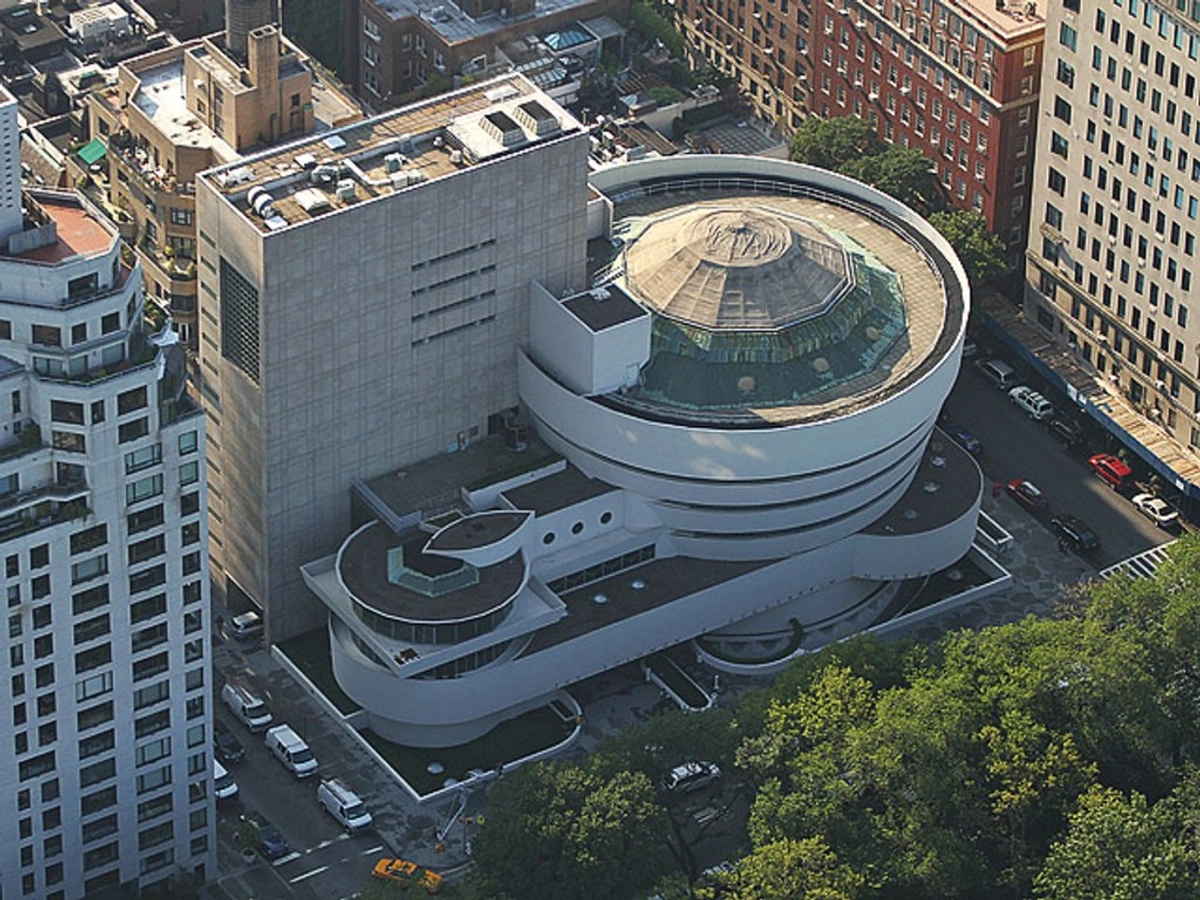
The contemporary art market is a fascinating and complex ecosystem. It's driven by a variety of factors, including economic trends, cultural shifts, and the influence of key players like galleries, collectors, and auction houses.
Understanding the market trends is crucial for anyone looking to navigate the world of contemporary art. Whether you're an artist, collector, or enthusiast, staying informed about these trends can provide valuable insights into the evolving landscape of the art world.
Key Market Players
Player | Role in the Market | Influence |
|---|---|---|
| Galleries | Represent artists, organize exhibitions | Shape trends, connect artists with collectors |
| Collectors | Purchase and commission artworks | Drive demand, influence market trends |
| Auction Houses | Facilitate sales of artworks | Set price benchmarks, validate artistic value |
The Role of Auction Houses
Auction houses like Sotheby's and Christie's play a significant role in shaping the contemporary art market. They set trends, influence prices, and provide a platform for artists to reach a global audience. However, their influence has also been criticized for contributing to the commercialization of art.
Major Auction Houses and Their Impact
Notable Sales | Market Influence | |
|---|---|---|
| Sotheby's | High-profile contemporary art auctions | Sets price records, validates artists |
| Christie's | Iconic art sales, charity auctions | Shapes market trends, global reach |
| Phillips | Focus on emerging artists | Promotes new talent, innovative sales |
The Impact of Social Media
Social media has democratized the art world, allowing artists to showcase their work to a global audience without the need for traditional gatekeepers. Platforms like Instagram and TikTok have become powerful tools for artists to build their brands and connect with collectors and enthusiasts.
Social Media Platforms and Their Role
Platform | Role in Art | Examples |
|---|---|---|
| Visual storytelling, artist branding | Artistic portfolios, behind-the-scenes content | |
| TikTok | Short-form video, viral trends | Art tutorials, performance art clips |
| Art discourse, networking | Art criticism, community engagement |
Current Trends
- Rise of Digital Art: With the advent of digital technology, artists are exploring new mediums and techniques. Digital art, including NFTs, has gained significant traction, although it remains a contentious topic.
- Increased Diversity: There's a growing emphasis on diversity and inclusion, with more artists from underrepresented backgrounds gaining recognition.
- Sustainability: Environmental concerns are influencing artistic practices, with many artists focusing on sustainable materials and processes.
- Art as Activism: Many contemporary artists use their work to address social and political issues, making art a powerful tool for activism and change.
- Collaboration: There is a growing trend of collaboration between artists, as well as between artists and other disciplines such as science and technology.
Sustainability in Contemporary Art
Practice | Description | Examples |
|---|---|---|
| Eco-friendly Materials | Use of recycled or sustainable materials | Sculptures from recycled plastics |
| Green Exhibitions | Energy-efficient galleries, carbon-neutral events | Solar-powered art installations |
| Environmental Themes | Artworks addressing climate change | Installations highlighting pollution |
The Role of Art Fairs
Art fairs like Art Basel and Frieze have become major events in the contemporary art calendar. They provide a platform for artists to showcase their work, for galleries to connect with collectors, and for enthusiasts to discover new talent.
Major Art Fairs and Their Significance
Location | Focus | |
|---|---|---|
| Art Basel | Basel, Miami, Hong Kong | Global contemporary art, high-profile galleries |
| Frieze | London, New York, Los Angeles | Emerging artists, innovative exhibitions |
| Venice Biennale | Venice | National pavilions, cutting-edge art |
The Influence of Collectors
Collectors play a crucial role in shaping the contemporary art market. Their tastes and preferences can influence trends and drive demand for certain artists or styles. However, the role of collectors has also been criticized for contributing to the commercialization of art and the exclusion of emerging artists.
Notable Collectors and Their Impact
Collector | Collection Focus | Influence |
|---|---|---|
| Charles Saatchi | Contemporary British art | Shaped the Young British Artists movement |
| François Pinault | Global contemporary art | Supports emerging artists, major exhibitions |
| Eli Broad | Post-war and contemporary art | Founded The Broad museum, philanthropy |
Institutional Frameworks
Institutions play a crucial role in shaping the contemporary art world. Museums, galleries, and art fairs are not just spaces for displaying art; they are active participants in the art ecosystem.
These institutions serve as gatekeepers, influencers, and platforms for artists to showcase their work. They also play a significant role in shaping public perception and understanding of contemporary art.
The Role of Art Institutions
Institution | Role | Examples |
|---|---|---|
| Museums | Curate exhibitions, preserve artworks | MoMA, Tate Modern |
| Galleries | Represent artists, organize exhibitions | Gagosian, Hauser & Wirth |
| Art Schools | Educate artists, foster innovation | Royal Academy of Arts, Parsons |
The Role of Museums
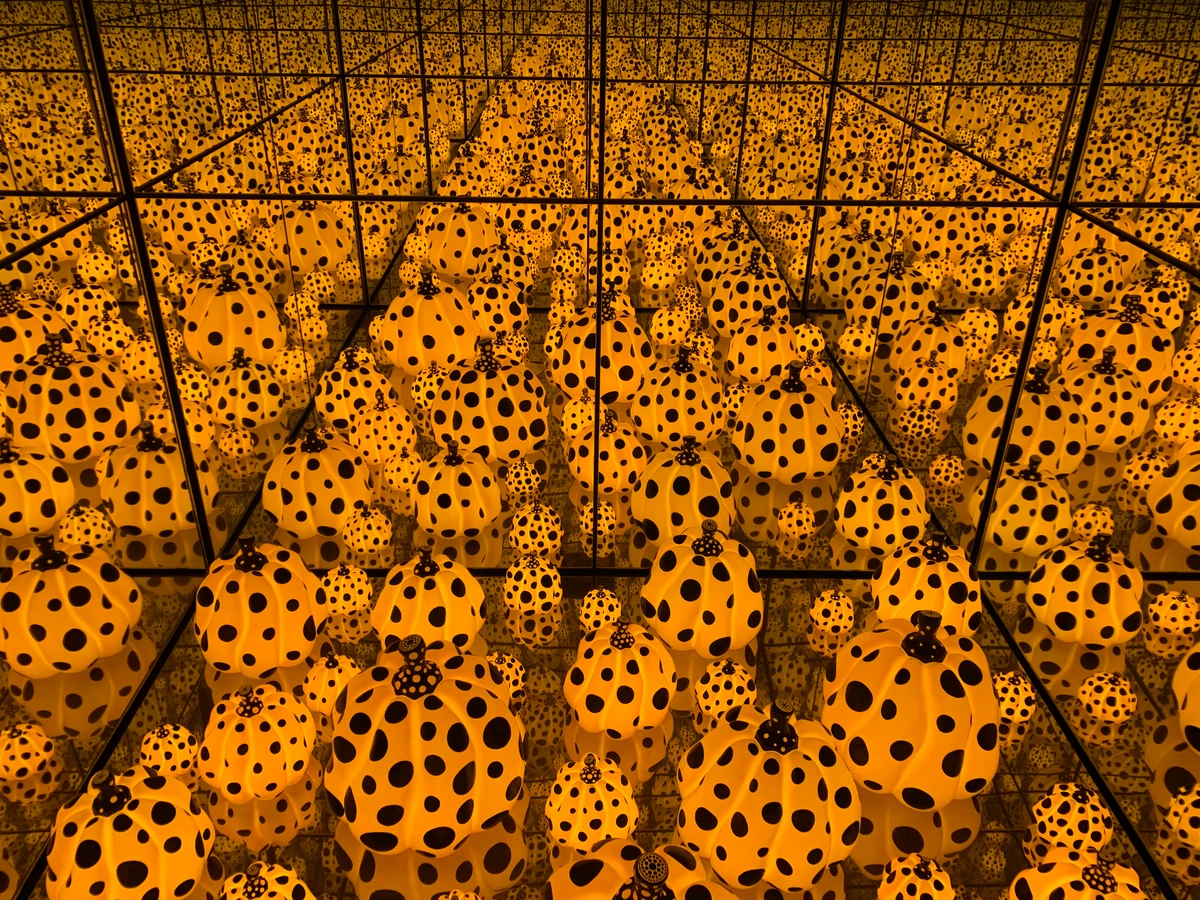
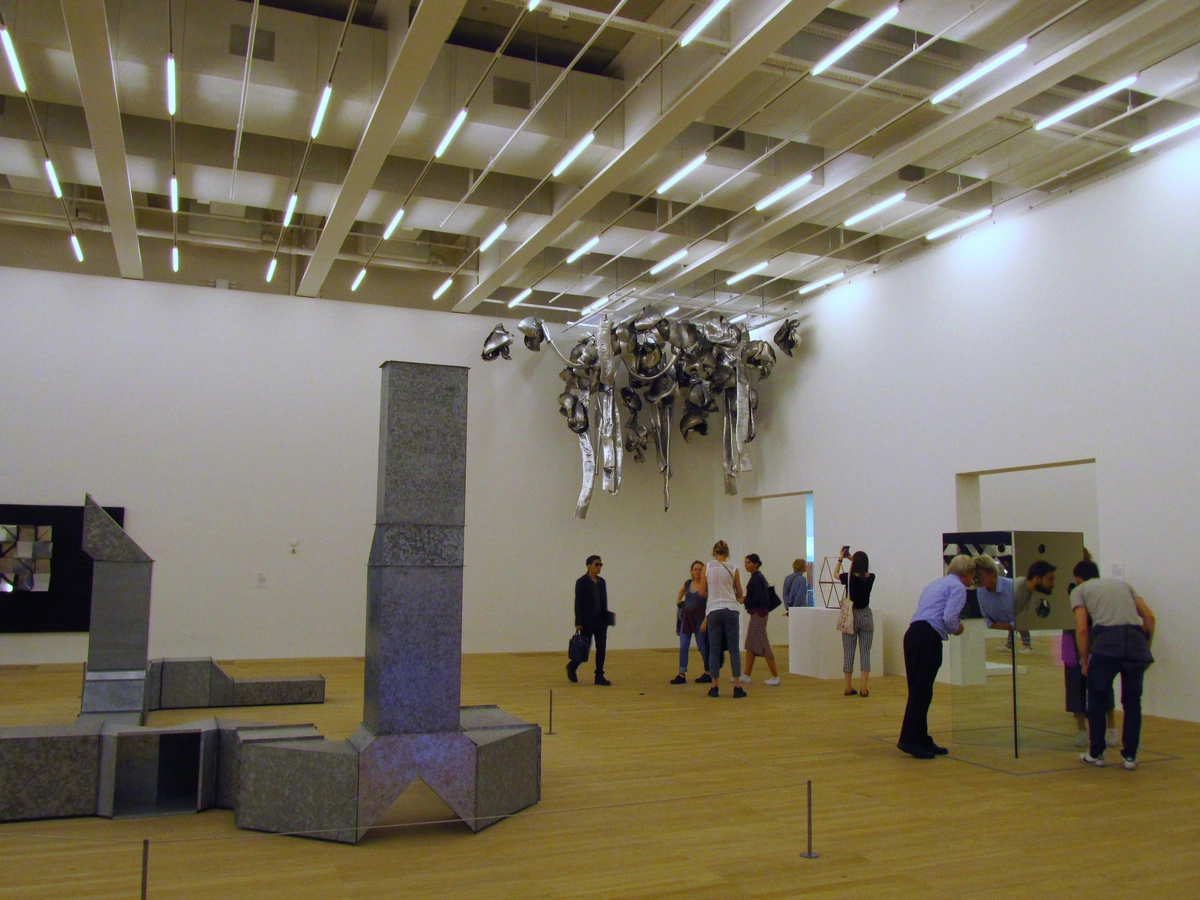
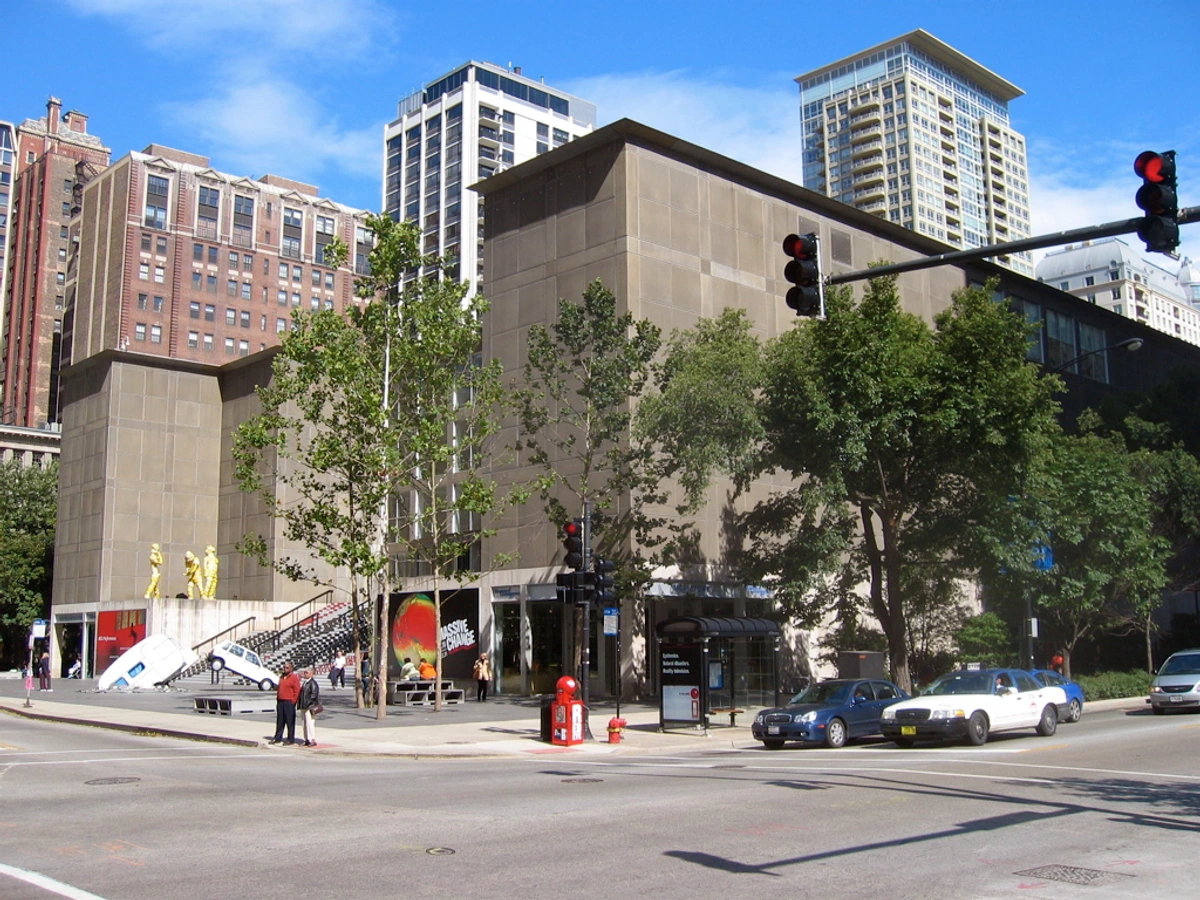
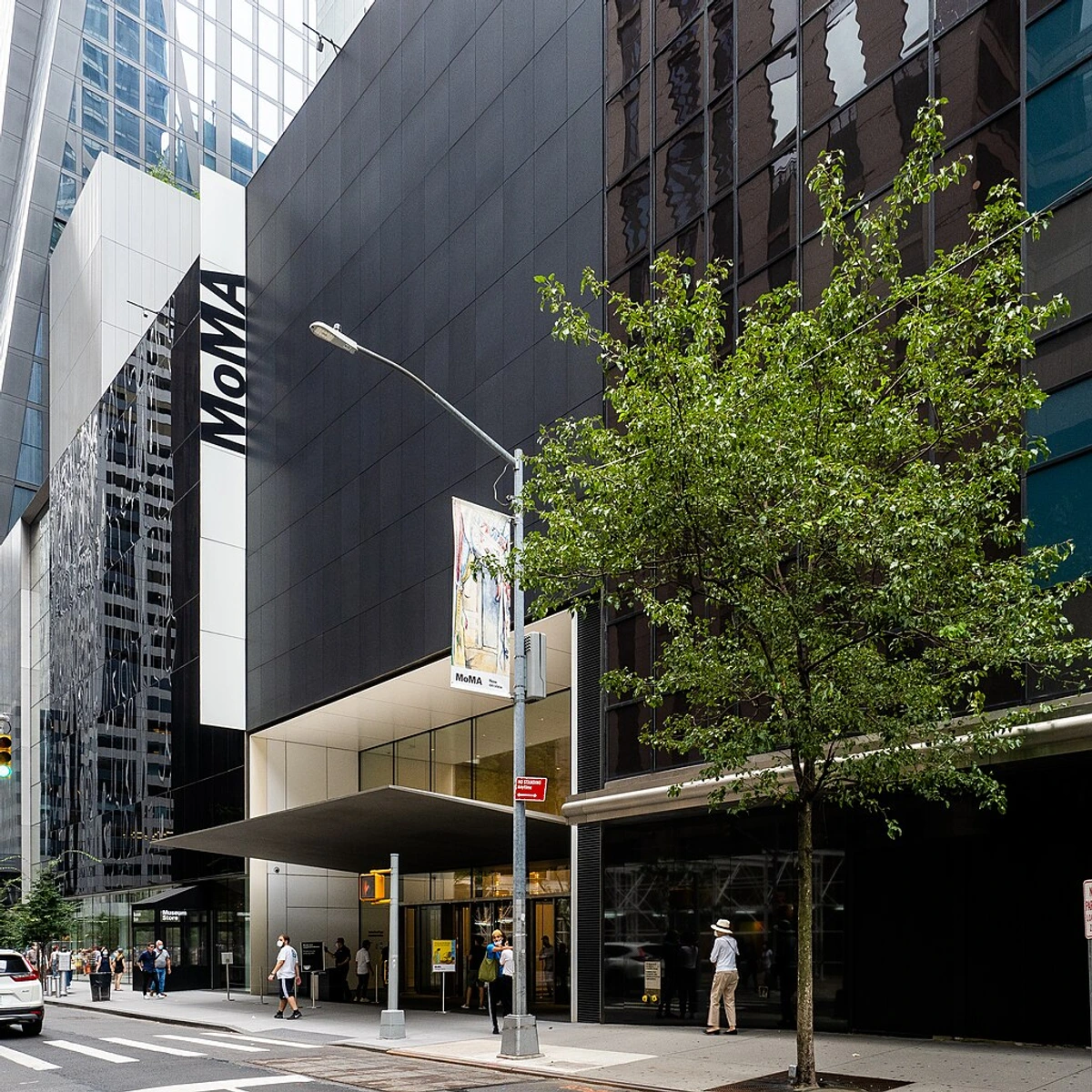
Museums like the Museum of Modern Art (MoMA) and the Tate Modern are pivotal in defining what is considered contemporary art. They curate exhibitions, acquire works, and provide educational programs that shape the discourse around contemporary art.
Notable Museums and Their Contributions
Museum | Location | Key Exhibitions |
|---|---|---|
| MoMA | New York | "The Persistence of Memory" by Dalí |
| Tate Modern | London | "The Unilever Series" installations |
| Centre Pompidou | Paris | Modern and contemporary art collections |
The Role of Galleries
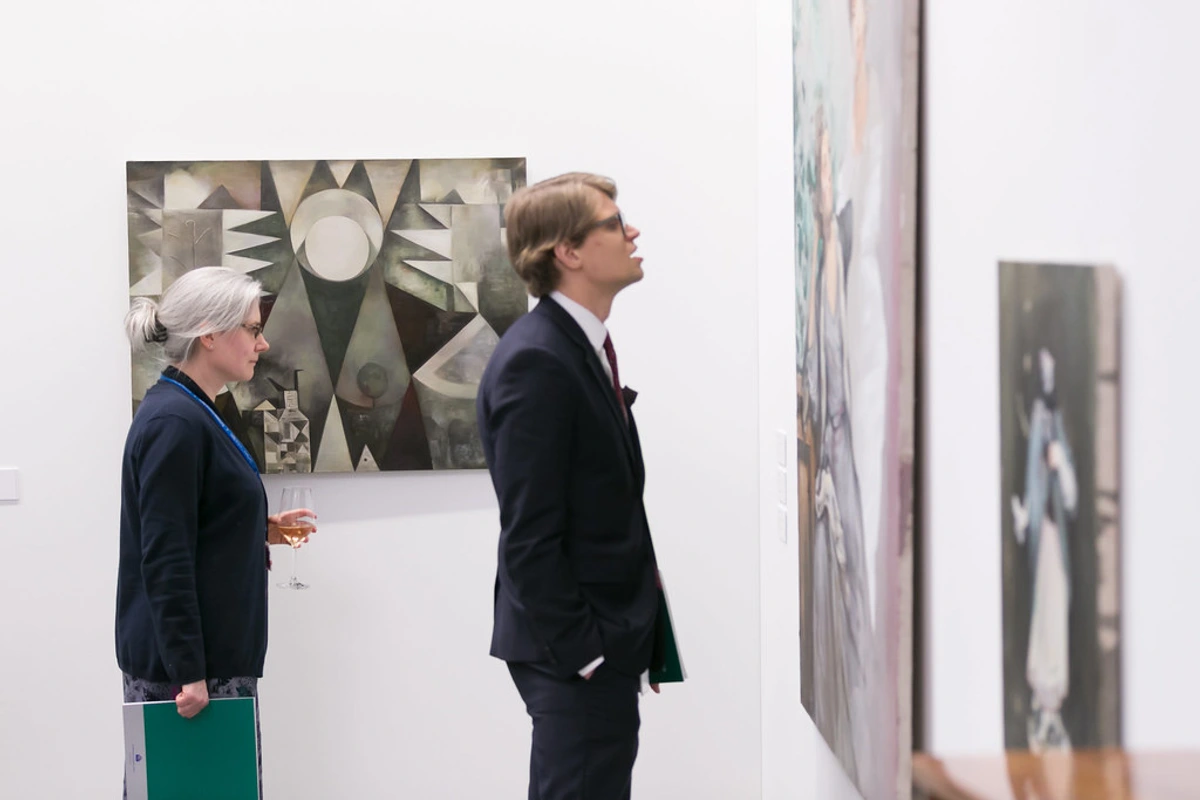
Commercial galleries like Gagosian and Hauser & Wirth have significant influence on market trends. They represent artists, organize exhibitions, and connect artists with collectors and institutions. However, their role has also been criticized for contributing to the commercialization of art and the exclusion of emerging artists.
Leading Galleries and Their Influence
Gallery | Location | Notable Artists |
|---|---|---|
| Gagosian | Global | Jeff Koons, Damien Hirst |
| Hauser & Wirth | Global | Louise Bourgeois, Mark Bradford |
| White Cube | London | Tracey Emin, Gilbert & George |

Key Institutions
- Museums: Institutions like the Museum of Modern Art (MoMA) and the Tate Modern are pivotal in defining what is considered contemporary art.
- Galleries: Commercial galleries like Gagosian and Hauser & Wirth have significant influence on market trends.
- Art Fairs: Events like Art Basel and Frieze provide platforms for artists to showcase their work and for collectors to discover new talent.
- Art Schools and Residencies: Educational institutions and artist residencies play a crucial role in nurturing emerging talent and fostering innovation.
- Online Platforms: The rise of online galleries and virtual exhibitions has democratized access to contemporary art, making it more accessible to a global audience.
The Role of Art Schools and Residencies
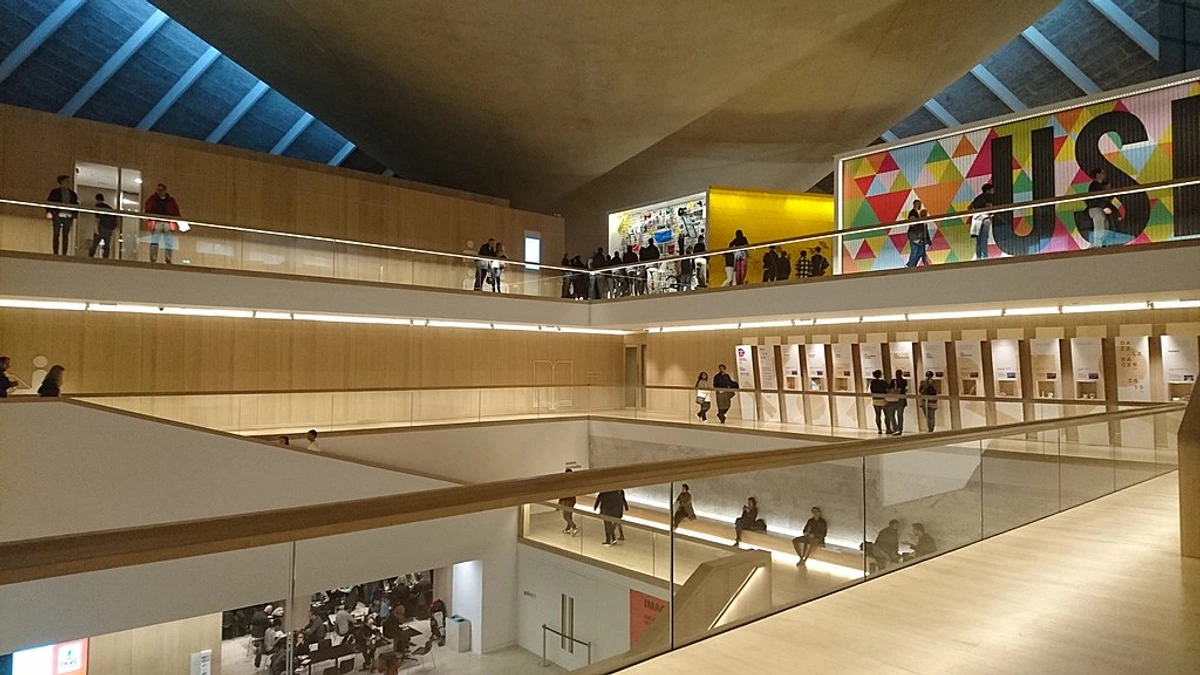
Art schools and residencies provide artists with the space, resources, and mentorship to develop their practice. They foster experimentation and innovation, and often serve as incubators for new ideas and movements in contemporary art.
Notable Art Schools and Residencies
Institution | Location | Programs |
|---|---|---|
| Royal Academy of Arts | London | Fine arts, sculpture |
| Parsons School of Design | New York | Design, contemporary art |
| Skowhegan School of Painting & Sculpture | Maine | Residency programs, workshops |

The Impact of Online Platforms
Online platforms have revolutionized the way we access and engage with contemporary art. They have made it possible for artists to reach a global audience, for collectors to discover new talent, and for enthusiasts to explore the art world from the comfort of their homes.
The Future of Online Art Platforms
The future of online art platforms is bright, with advancements in virtual reality and augmented reality set to further transform how we experience art. These platforms will continue to break down geographical barriers and make art more accessible to a global audience.
Challenges and Criticisms
While contemporary art is celebrated for its innovation and diversity, it is not without its challenges and criticisms.
These challenges highlight the complexities and contradictions within the contemporary art world. Addressing them requires a nuanced understanding of the various factors at play, from market dynamics to cultural perceptions.
Key Challenges in Contemporary Art
Challenge | Description | Impact |
|---|---|---|
| Accessibility | Limited access to galleries and museums | Exclusion of broader audiences |
| Commercialization | Focus on financial value over artistic merit | Market-driven art trends |
| Cultural Appropriation | Use of cultural symbols without context | Ethical debates, cultural tensions |
The Issue of Accessibility
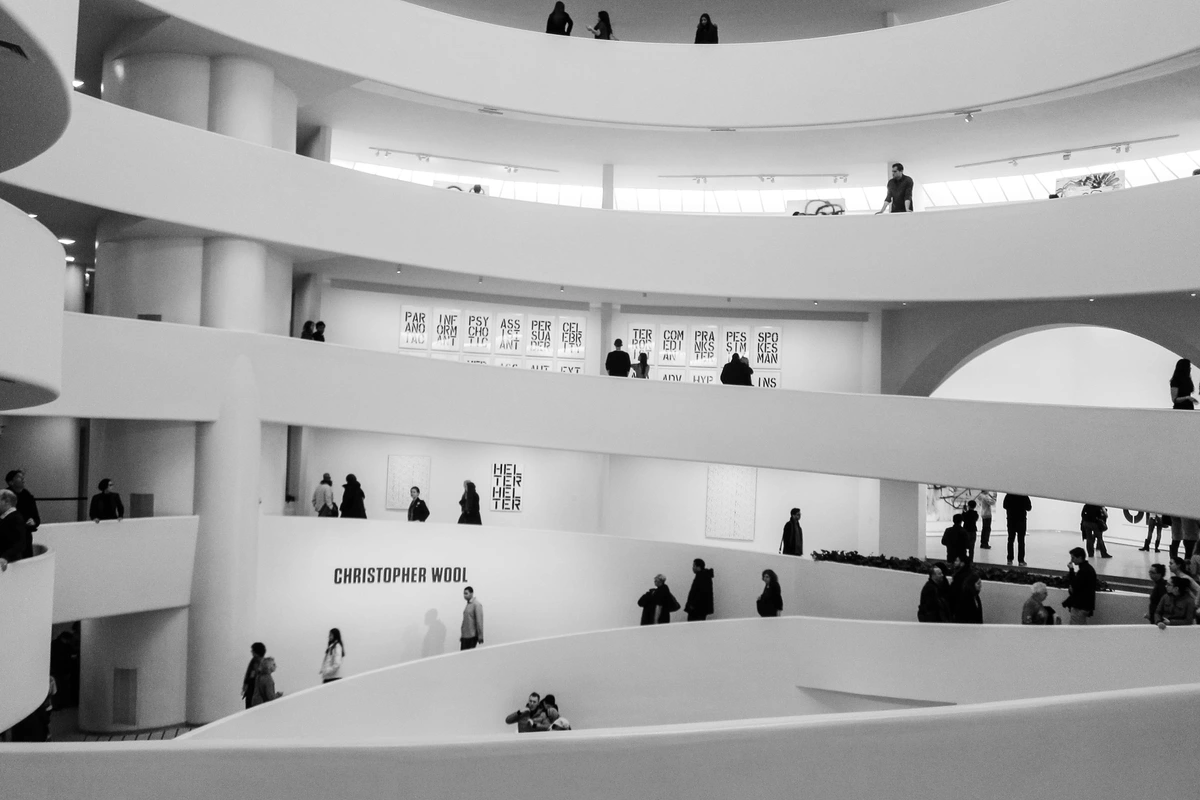
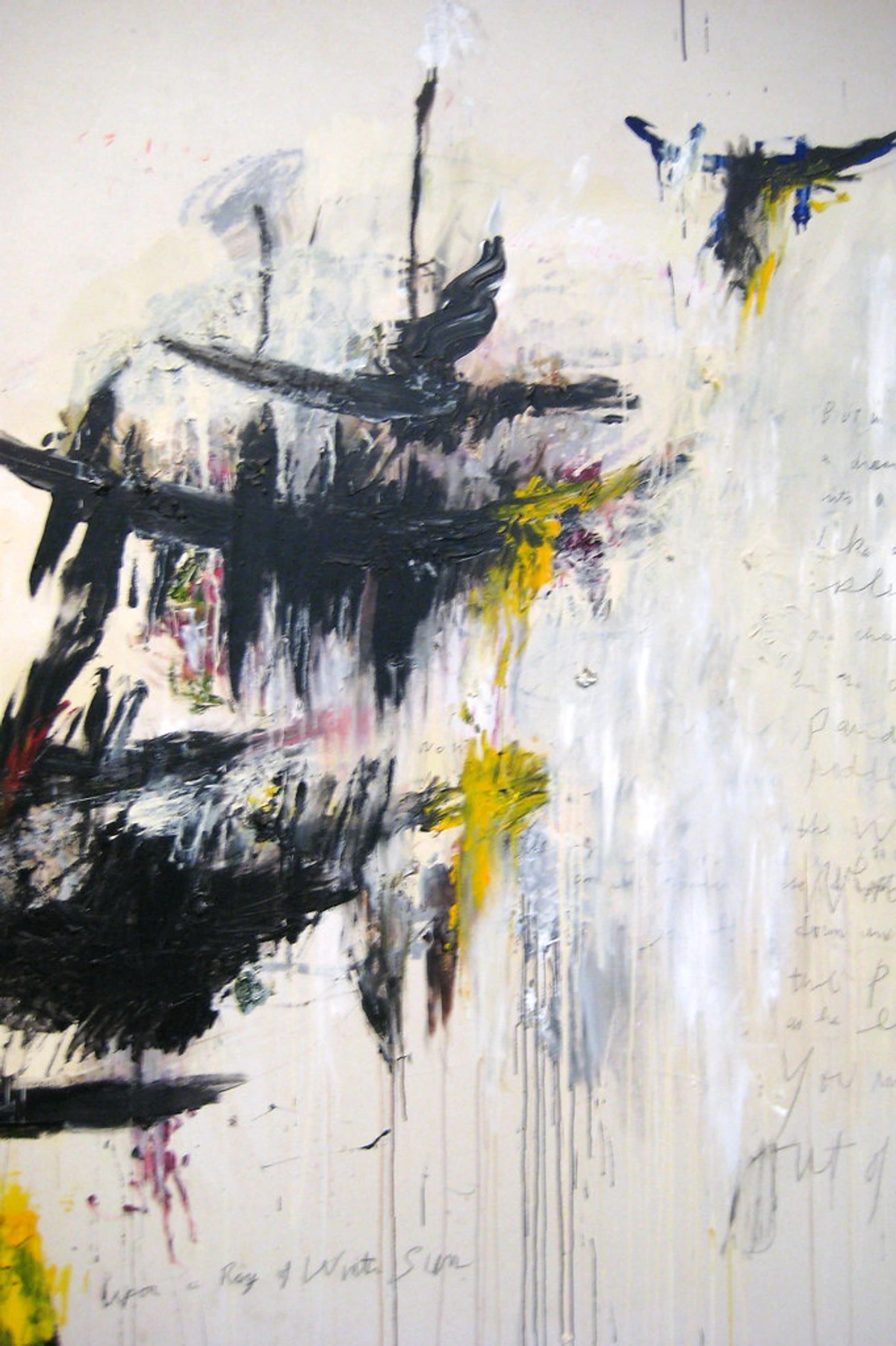
One of the biggest challenges facing contemporary art is accessibility. Many people find contemporary art inaccessible, both in terms of understanding and physical access to galleries and museums. This can be attributed to a variety of factors, including the elitism of the art world, the complexity of contemporary art, and the lack of education and outreach programs.
Strategies for Improving Accessibility
Strategy | Description | Examples |
|---|---|---|
| Education Programs | Workshops, lectures, guided tours | Museum outreach programs |
| Digital Access | Online exhibitions, virtual tours | Google Arts & Culture |
| Community Engagement | Local art initiatives, public installations | Street art projects, community galleries |
The Role of Education
Education plays a crucial role in making contemporary art more accessible. By providing people with the tools and knowledge to understand and appreciate contemporary art, we can help to break down barriers and foster a more inclusive and diverse art world.
Educational Initiatives in Contemporary Art
Initiative | Description | Impact |
|---|---|---|
| Art History Courses | Online and offline courses on art history | Increased public knowledge |
| Artist Talks | Lectures and discussions with artists | Direct engagement with creators |
| School Programs | Art education in schools | Early exposure to art |

Common Criticisms
- Elitism: The contemporary art world is often criticized for being elitist, with high prices and exclusive events that cater to a wealthy elite.
- Lack of Accessibility: Many people find contemporary art inaccessible, both in terms of understanding and physical access to galleries and museums.
- Commercialization: There's a growing concern that the art market is becoming too commercialized, with the focus shifting from artistic merit to financial value.
- Cultural Appropriation: The use of cultural symbols and traditions by artists outside of those cultures has sparked debates about appropriation and respect.
- Subjectivity: The subjective nature of contemporary art can lead to disagreements about its value and significance, making it a polarizing topic.
Addressing Criticisms
Criticism | Potential Solutions | Examples |
|---|---|---|
| Elitism | Inclusive pricing, public exhibitions | Free museum days |
| Commercialization | Focus on artistic merit, ethical sales | Non-profit galleries |
| Cultural Appropriation | Cultural sensitivity training, collaboration | Artist residencies with cultural exchange |
The Debate Over Cultural Appropriation
Cultural appropriation is a complex and contentious issue in the contemporary art world. While some argue that artists should be free to draw inspiration from any culture, others believe that certain cultural symbols and traditions should be off-limits to artists outside of those cultures. This debate highlights the need for greater sensitivity and awareness in the art world.
Cultural Appropriation vs. Appreciation
Aspect | Appropriation | Appreciation |
|---|---|---|
| Intent | Exploitation, lack of context | Respect, understanding |
| Impact | Harmful stereotypes, cultural erosion | Cultural exchange, mutual respect |
| Examples | Misuse of sacred symbols | Collaborative cultural projects |
The Role of Subjectivity
The subjective nature of contemporary art is both its strength and its weakness. On the one hand, it allows for a diversity of voices and perspectives. On the other hand, it can lead to disagreements and conflicts over the value and significance of certain works. This subjectivity is what makes contemporary art so dynamic and challenging.
Embracing Subjectivity in Art
Perspective | Strengths | Challenges |
|---|---|---|
| Artist | Creative freedom, personal expression | Criticism, varying interpretations |
| Viewer | Diverse interpretations, personal connection | Misunderstanding, conflicting opinions |
| Critic | Nuanced analysis, deeper understanding | Subjective bias, differing viewpoints |
FAQ
What is contemporary art?
Contemporary art is the art of today, produced by artists who are living in our time. It encompasses a wide range of styles, mediums, and concepts, reflecting the diversity and complexity of the modern world.
Key Characteristics of Contemporary Art
Characteristic | Description | Examples |
|---|---|---|
| Diversity | Multiple styles and mediums | Painting, sculpture, digital art |
| Conceptual Focus | Emphasis on ideas and concepts | Conceptual art, performance art |
| Global Influence | Cross-cultural inspiration | Fusion of traditional and modern techniques |
How does contemporary art differ from modern art?
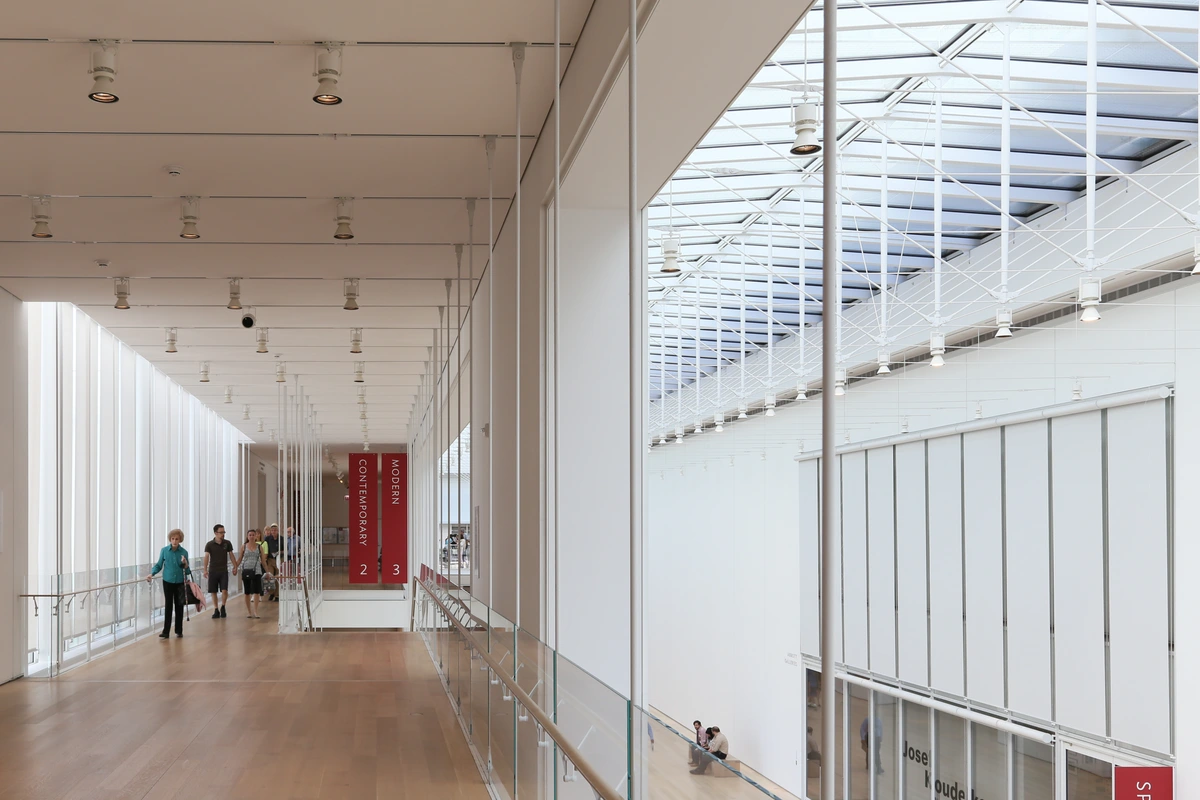
While modern art refers to the period from the late 19th century to the mid-20th century, contemporary art refers to the art produced from the mid-20th century to the present day. Contemporary art is characterized by its diversity and the use of new technologies and mediums.
Modern Art vs. Contemporary Art
Aspect | Modern Art | Contemporary Art |
|---|---|---|
| Period | Late 19th to mid-20th century | Mid-20th century to present |
| Characteristics | Innovation, rejection of tradition | Diversity, technological integration |
| Notable Artists | Pablo Picasso, Wassily Kandinsky | Yayoi Kusama, Banksy |
What are the key themes in contemporary art?
Key themes in contemporary art include identity, globalization, technology, and social justice. Artists often explore these themes through innovative and experimental approaches.
Exploring Key Themes
Theme | Description | Examples |
|---|---|---|
| Identity | Exploration of personal and cultural identity | Self-portraits, autobiographical works |
| Globalization | Impact of global interconnectedness | Cross-cultural collaborations |
| Technology | Integration of digital and technological elements | Digital art, VR installations |
| Social Justice | Addressing societal issues and inequalities | Activist art, protest art |
How can I start collecting contemporary art?
Starting a collection involves researching artists, visiting galleries and art fairs, and understanding the market trends. It's also important to consider your personal taste and budget.
Steps to Start Collecting
Step | Description | Tips |
|---|---|---|
| Research | Learn about artists and art movements | Read art books, follow art blogs |
| Visit Galleries | Explore exhibitions and art fairs | Attend local art events |
| Set a Budget | Determine your spending limit | Start with affordable pieces |
| Build Relationships | Connect with artists and dealers | Join art communities, attend talks |
What role do institutions play in contemporary art?
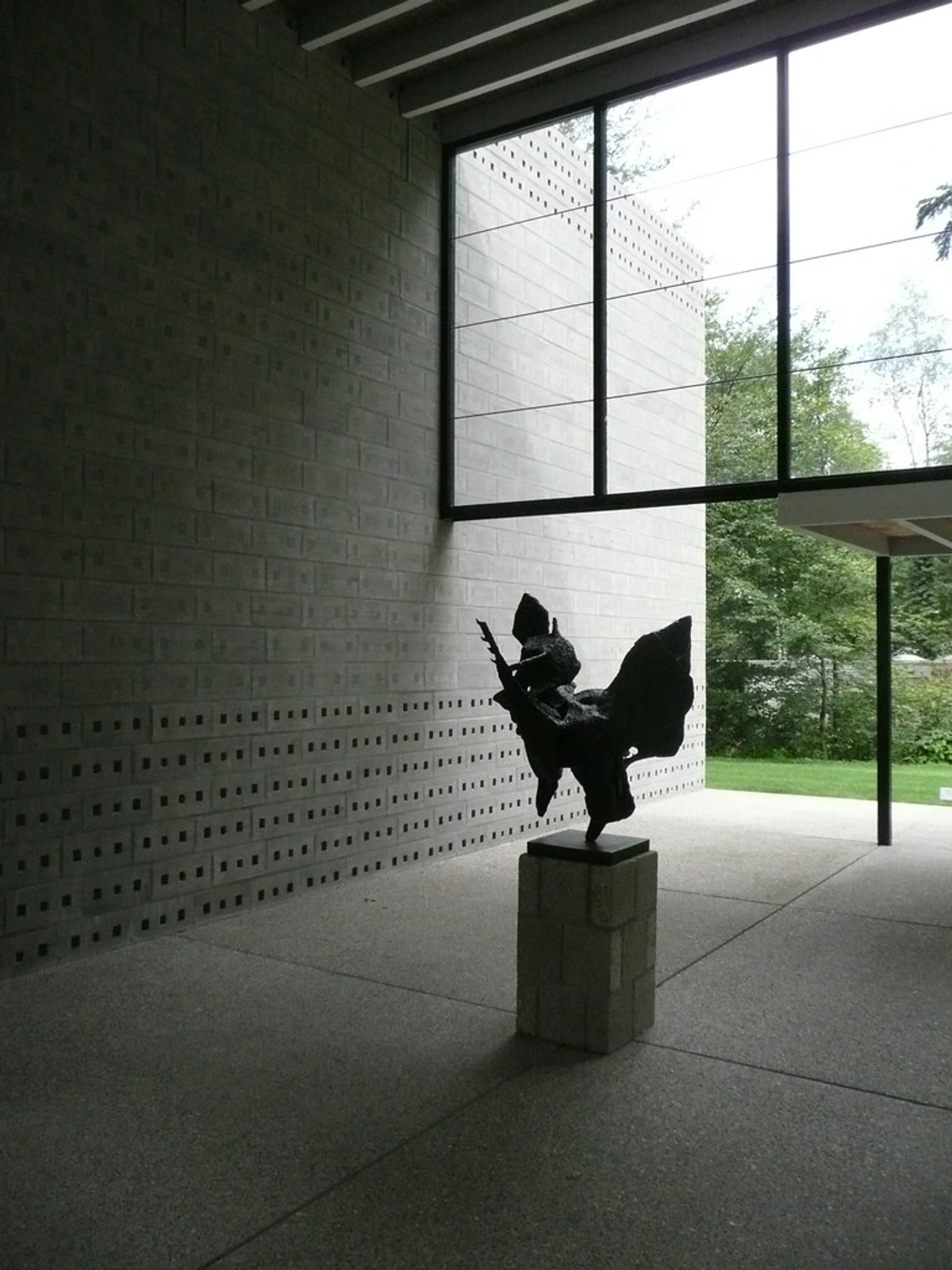
Institutions like museums, galleries, and art fairs play a crucial role in shaping the contemporary art world. They provide platforms for artists to showcase their work and influence public perception and understanding of contemporary art.
The Impact of Institutions
Institution | Role | Examples |
|---|---|---|
| Museums | Preserve and exhibit artworks | MoMA, Louvre |
| Galleries | Represent and sell artworks | Gagosian, White Cube |
| Art Fairs | Showcase emerging and established artists | Art Basel, Frieze |

Why is contemporary art important?
Contemporary art is important because it reflects the current cultural, social, and political landscape. It challenges our perceptions, sparks conversations, and pushes the boundaries of what art can be.
The Significance of Contemporary Art
Aspect | Importance | Examples |
|---|---|---|
| Cultural Reflection | Mirrors societal issues and trends | Art addressing climate change |
| Innovation | Introduces new techniques and ideas | Experimental art forms |
| Dialogue | Encourages discussions and debates | Controversial artworks |
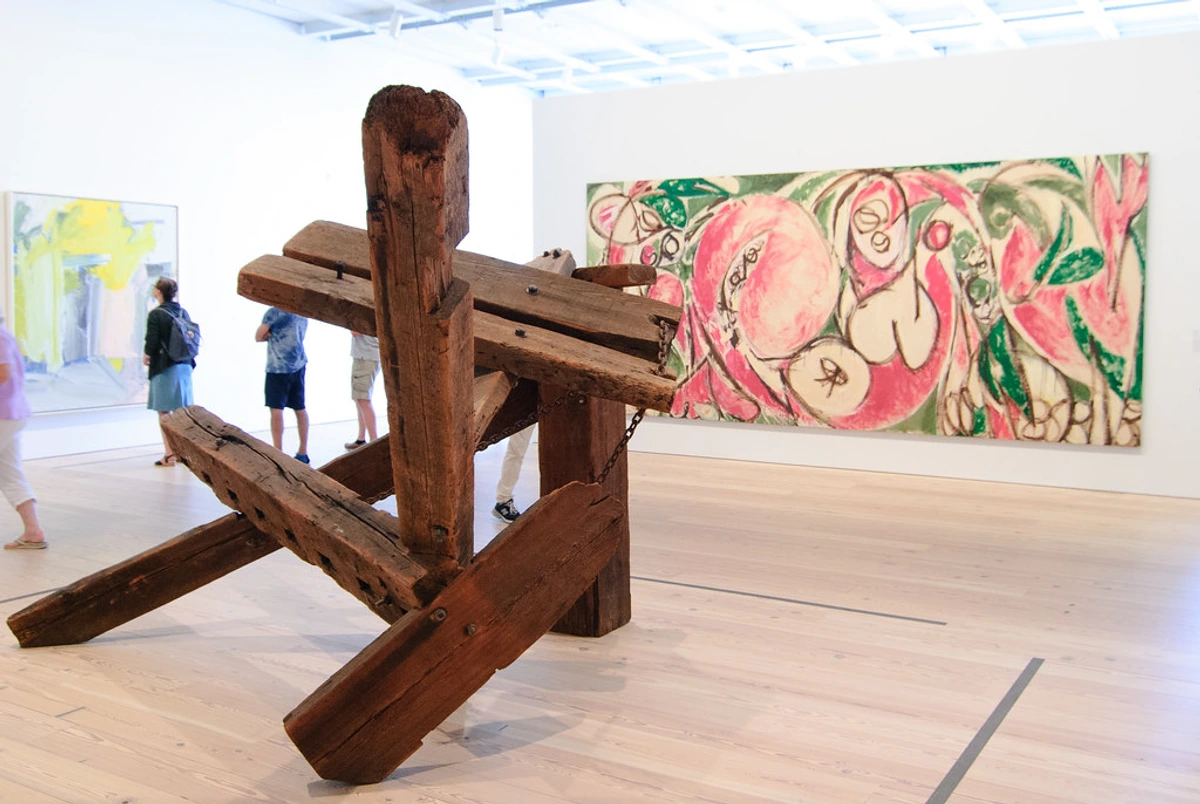
How can I understand contemporary art better?
Understanding contemporary art can be a journey of exploration. Visit galleries and museums, read about different artists and movements, and engage with the art community. The more you immerse yourself, the more you'll appreciate the nuances and complexities of contemporary art.
Tips for Understanding Contemporary Art
Tip | Description | Resources |
|---|---|---|
| Visit Exhibitions | Explore galleries and museums | Local art events, online tours |
| Read About Art | Books, articles, and blogs on art | Art history books, online articles |
| Engage with Artists | Attend talks, workshops, and discussions | Artist residencies, community events |
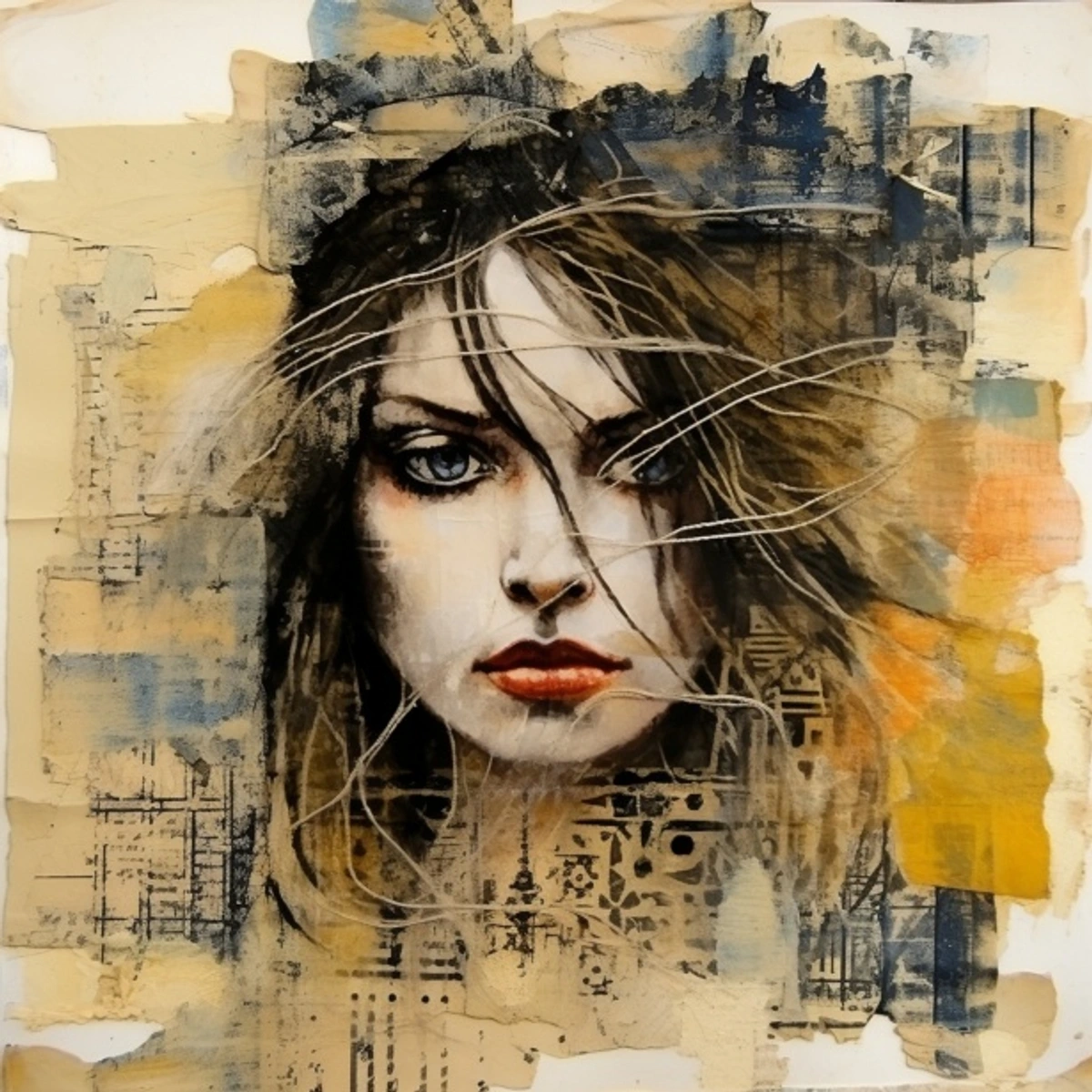
What are some notable contemporary artists?
There are many notable contemporary artists, each with their unique style and contribution to the art world. Some well-known names include Yayoi Kusama, Banksy, and Ai Weiwei.
Notable Contemporary Artists
Artist | Style | Notable Works |
|---|---|---|
| Yayoi Kusama | Polka dots, infinity rooms | "Infinity Mirrored Room" |
| Banksy | Street art, political commentary | "Girl with Balloon" |
| Ai Weiwei | Conceptual art, activism | "Sunflower Seeds" |

How does the contemporary art market work?
The contemporary art market is driven by a variety of factors, including economic trends, cultural shifts, and the influence of key players like galleries, collectors, and auction houses. It's a complex ecosystem that involves buying, selling, and trading artworks.
Understanding the Art Market
Factor | Description | Impact |
|---|---|---|
| Economic Trends | Market fluctuations, investment trends | Price volatility, demand shifts |
| Cultural Shifts | Changing societal values and tastes | Emergence of new art forms |
| Key Players | Galleries, collectors, auction houses | Market influence, trendsetting |
Conclusion
Contemporary art is a vibrant and ever-evolving field that reflects the complexities of our modern world. It challenges us to think differently, to question our assumptions, and to see the world through new eyes. Whether you're an artist, a collector, or simply an art enthusiast, there's always something new to discover in the world of contemporary art.
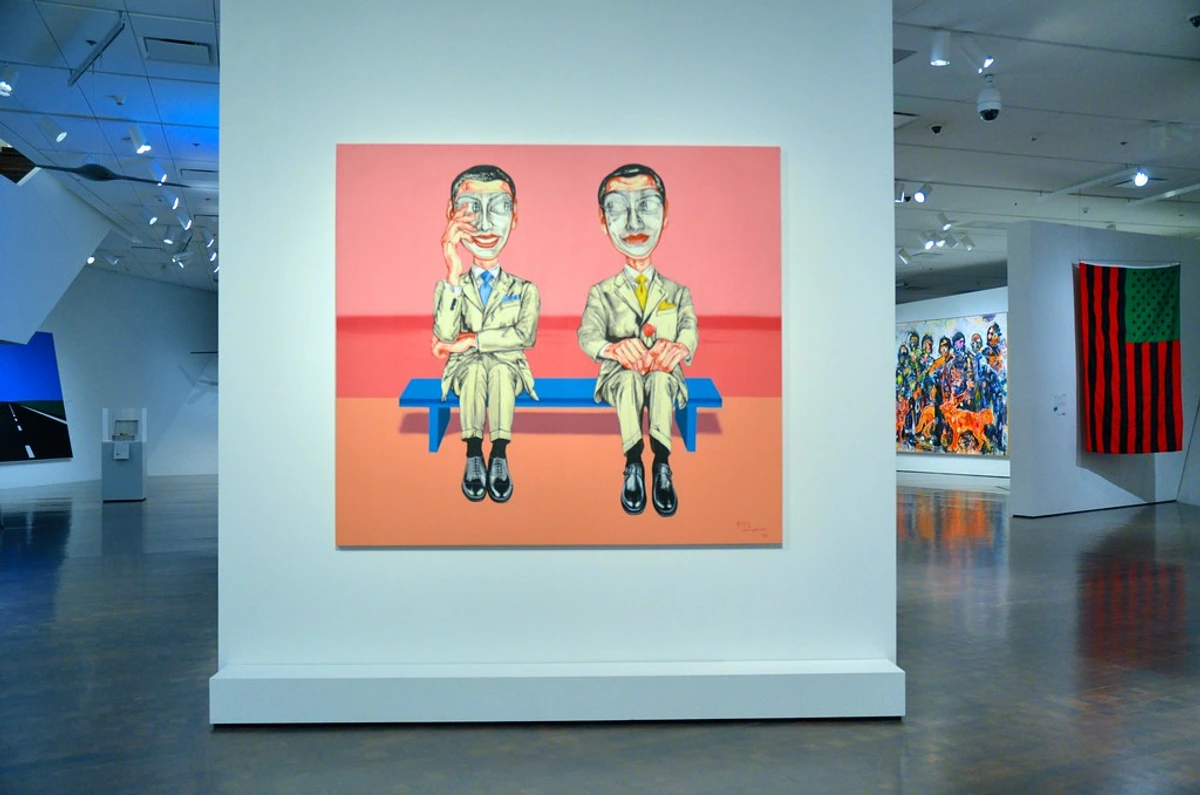




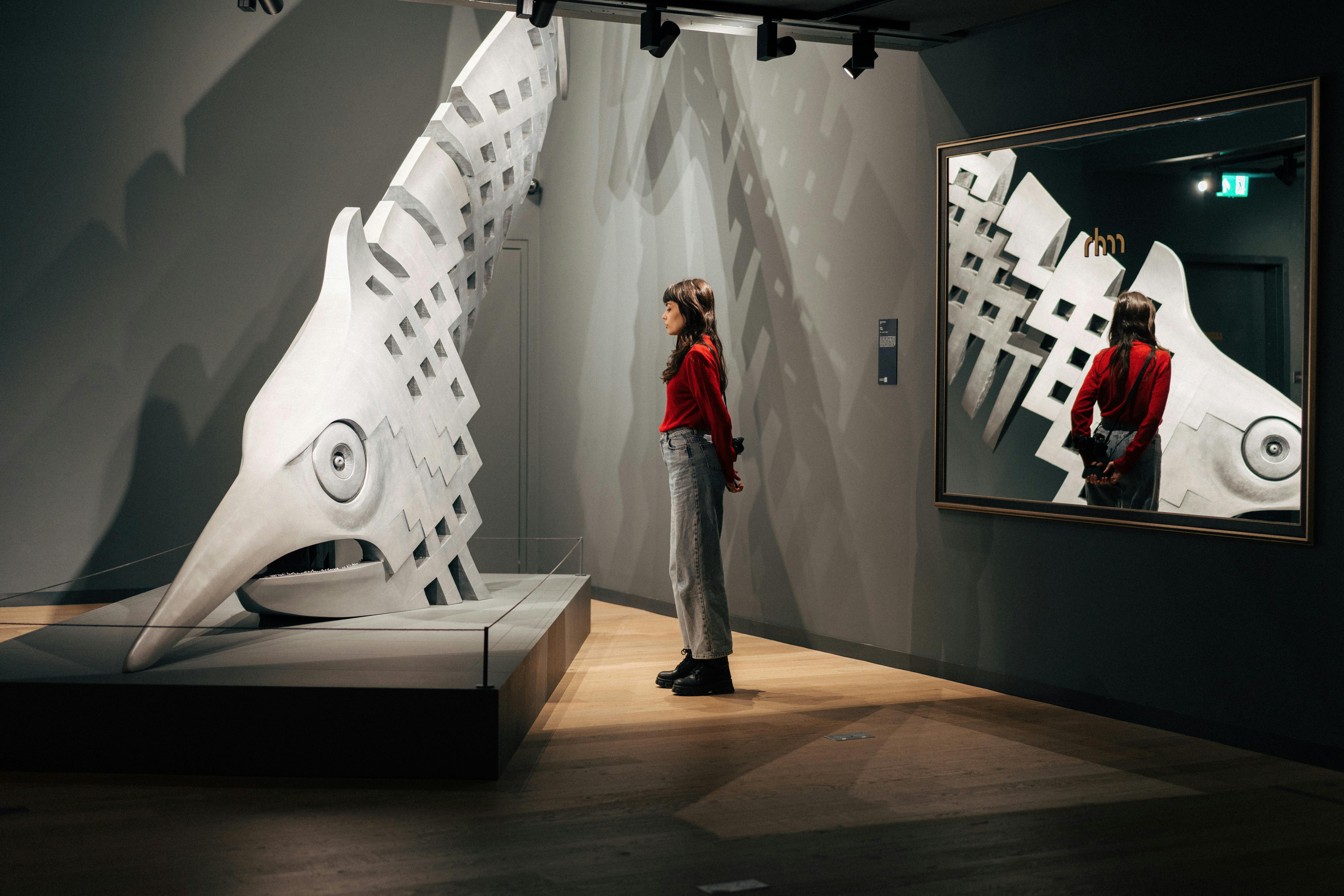





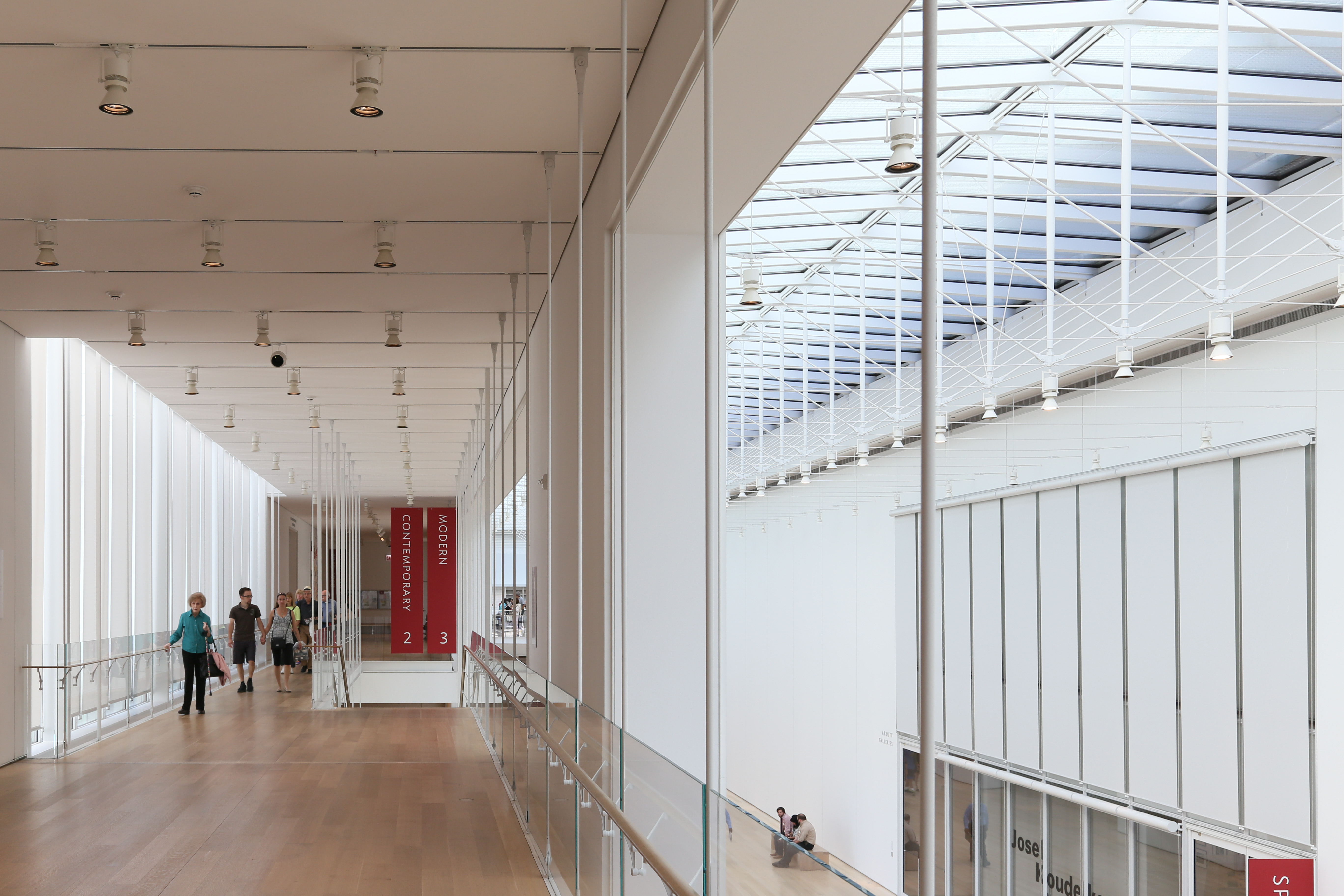


As we continue to navigate the challenges and opportunities of the contemporary art world, it's important to stay informed, engaged, and open to new ideas. The future of contemporary art is bright, and it's up to all of us to shape it.
And if you're inspired to explore more, consider visiting [/den-bosch-museum] or checking out the [/timeline] to see how contemporary art has evolved over time. Who knows, you might even find a piece that speaks to you and decide to [/buy] it for your own collection.
The Future of Contemporary Art
The future of contemporary art is full of possibilities. As technology continues to evolve, we can expect to see even more innovative and experimental forms of artistic expression. The art world is also becoming more inclusive and diverse, with artists from underrepresented backgrounds gaining recognition and visibility.
How You Can Get Involved
There are many ways to get involved in the contemporary art world. You can visit galleries and museums, attend art fairs and exhibitions, and engage with the art community. You can also support emerging artists by buying their work, promoting their work on social media, and providing feedback and encouragement.