Carl Jung and Art: Unraveling the Psychology Behind Symbols
Explore Carl Jung's profound influence on art and psychology, diving into archetypes, symbols, and the collective unconscious.

Carl Jung and Art: Unraveling the Psychology Behind Symbols
I remember the first time I stumbled upon Carl Jung’s work. It was in a dusty old bookstore, tucked away in a corner where the light barely reached. The book was Man and His Symbols, and as I flipped through its pages, I felt like I was uncovering secrets about myself I didn’t even know existed. That’s the thing about Jung—his ideas don’t just explain the world; they make you feel like you’re part of something much bigger.
Jung’s work is not just a theoretical exploration; it’s a journey into the depths of the human psyche. His ideas resonate because they touch on universal truths about who we are and how we perceive the world around us. Whether you're an artist, a psychologist, or simply someone curious about the human mind, Jung’s insights offer a unique lens through which to view art and creativity.
Jung’s relationship with art isn’t just academic; it’s deeply personal. He didn’t just study symbols—he lived them, painted them, and dreamed them. And that’s what makes his perspective on art so compelling. It’s not about dry theory; it’s about the raw, messy, beautiful process of creation and what it reveals about the human psyche.
For Jung, art was a bridge between the conscious and unconscious mind. It was a way to explore the hidden layers of the self and to connect with the universal symbols that shape our experiences. His approach to art was holistic, blending psychology, philosophy, and personal introspection into a cohesive understanding of creativity.
So, let’s dive in. Let’s explore how Jung’s theories on psychology and art intertwine, why symbols matter so much, and how understanding his ideas can change the way you see art forever.
Who Was Carl Jung?
Carl Jung was a Swiss psychiatrist and psychoanalyst who founded analytical psychology. He was a contemporary of Freud but broke away to develop his own theories, which emphasized the importance of the unconscious mind, archetypes, and the process of individuation—the journey to become your true self.
Jung believed that the unconscious isn’t just a repository of repressed memories but a wellspring of creativity and wisdom. He saw it as a place where universal symbols and myths reside, waiting to be discovered and interpreted.
Key Concepts in Jungian Psychology
Jung’s theories are built on several key concepts that are essential to understanding his approach to art and psychology:
Concept  | Description |
|---|---|
| The Unconscious Mind | Jung divided the unconscious into the personal unconscious, which contains repressed memories and experiences, and the collective unconscious, which holds universal symbols and archetypes. |
| Archetypes | Universal patterns or images that emerge from the collective unconscious, such as the Hero, the Shadow, and the Wise Old Man. |
| Individuation | The process of integrating the conscious and unconscious mind to achieve self-realization and wholeness. |
| Symbols | The language of the unconscious, which communicates through images, dreams, and art. |
| Active Imagination | A technique developed by Jung to engage with the unconscious through art and creativity, allowing spontaneous images and symbols to emerge. |
| Shadow | The repressed, darker side of the personality that individuals often deny or ignore. |
| Anima/Animus | The feminine side of a man (anima) and the masculine side of a woman (animus), representing the contrasexual aspects of the psyche. |
Jung’s Connection to Art
Jung’s fascination with art wasn’t just theoretical. He was an artist himself, filling notebooks with intricate mandalas and vivid paintings. For Jung, art wasn’t just a hobby; it was a tool for self-discovery. He used it to explore his own unconscious, to make sense of his dreams, and to connect with the deeper layers of his psyche.
Art as a Tool for Self-Discovery
Jung’s personal engagement with art was a form of active imagination, a technique he developed to explore the unconscious. Through painting and drawing, he was able to externalize his inner experiences and gain insights into his own psyche. This process was not just therapeutic but transformative, allowing him to integrate aspects of his unconscious into his conscious life.
Art as a Window to the Unconscious
Jung saw art as a direct line to the unconscious. He believed that when artists create, they tap into a collective well of symbols and archetypes that are shared across cultures and time. These symbols aren’t just random; they’re universal expressions of human experiences—love, fear, birth, death, transformation.
For example, think about the image of a snake. In many cultures, it symbolizes rebirth (shedding its skin) or temptation (the Garden of Eden). Jung would argue that these aren’t just cultural quirks; they’re part of a shared human language of symbols.
The Role of Symbols in Art
Symbols are the heart of Jung’s theory. He believed that symbols are the language of the unconscious, a way for it to communicate with the conscious mind. In art, symbols can be obvious or hidden, literal or abstract. But they’re always there, waiting to be decoded.
Jung categorized symbols into two types:
- Personal Symbols: These are unique to the individual. They might come from personal experiences, dreams, or memories. For example, a particular color might remind you of a childhood memory, and that color could become a symbol in your art.
- Collective Symbols (Archetypes): These are universal symbols that appear across cultures and history. They’re part of what Jung called the collective unconscious—a shared layer of the unconscious mind that all humans inherit.
Archetypes in Art
Archetypes are perhaps Jung’s most famous contribution to psychology. They’re universal patterns or images that emerge from the collective unconscious. Some common archetypes include:
- The Hero: The figure who overcomes challenges and saves the day.
- The Shadow: The darker, repressed side of the personality.
- The Anima/Animus: The feminine side of a man (anima) and the masculine side of a woman (animus).
- The Wise Old Man/Woman: The figure who offers guidance and wisdom.
These archetypes appear in myths, dreams, and, of course, art. Think about how many paintings, sculptures, or even modern films feature these universal characters. They resonate with us because they’re part of our shared human experience.
Archetypes in Modern Media
Archetypes are not confined to ancient myths or classical art. They appear in modern media, from literature to films and video games. For example, the Hero’s Journey is a common narrative structure in many blockbuster films, reflecting the universal appeal of these archetypal patterns.
Jung’s Influence on Modern Art
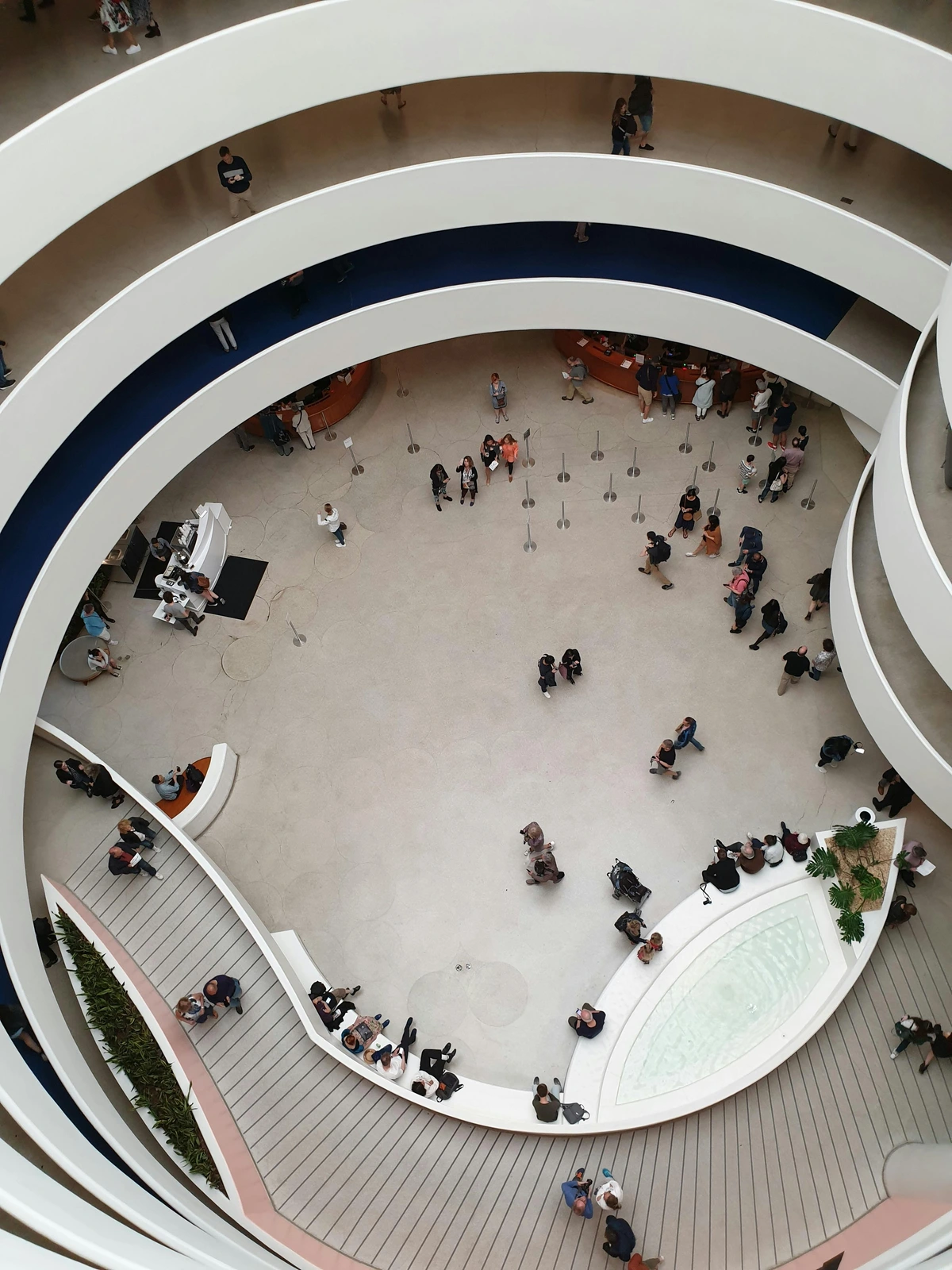
Jung’s ideas didn’t just stay in the realm of psychology; they seeped into the art world, influencing movements and individual artists alike. His theories provided a framework for understanding why certain images and themes recur in art across cultures and centuries.
Surrealism and Jung
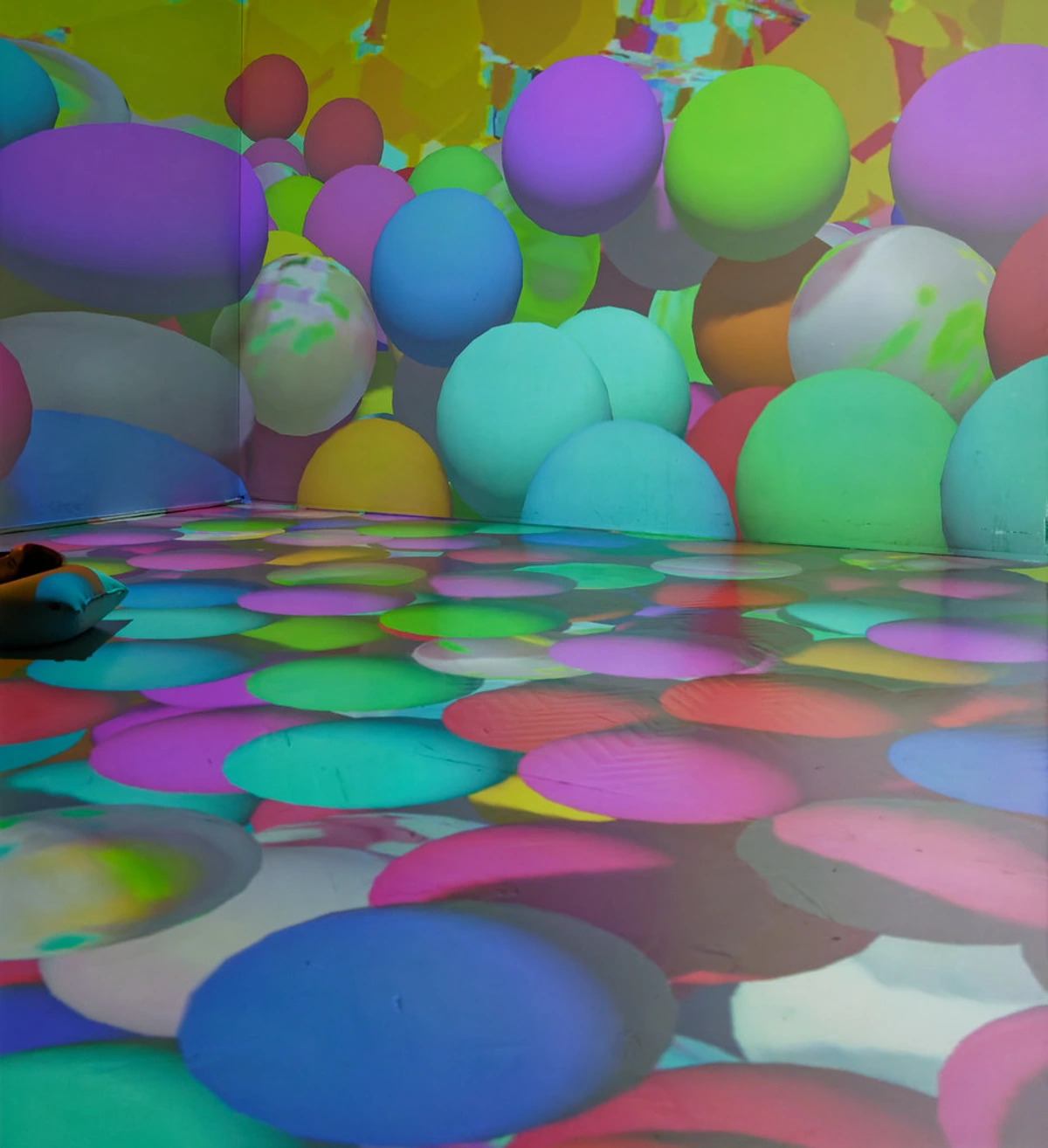
The Surrealist movement, with its focus on dreams and the unconscious, was deeply influenced by Jung’s ideas. Artists like Salvador Dalí and Max Ernst explored the symbolic language of dreams, creating works that feel like visual representations of the unconscious mind.
Dalí, in particular, was fascinated by Jung’s theories. His paintings are filled with symbolic imagery—melting clocks, elephants with spider legs, and landscapes that defy logic. These aren’t just random images; they’re expressions of the unconscious, brought to life on canvas.
Abstract Expressionism
Abstract Expressionism, with its emphasis on emotion and spontaneity, also owes a debt to Jung. Artists like Jackson Pollock and Mark Rothko weren’t just creating abstract shapes and colors; they were tapping into something deeper, something universal.
Pollock’s drip paintings, for example, can be seen as a visual representation of the unconscious mind at work. There’s no planned composition, no conscious control—just pure, unfiltered expression.
How Jung’s Theories Can Change the Way You See Art
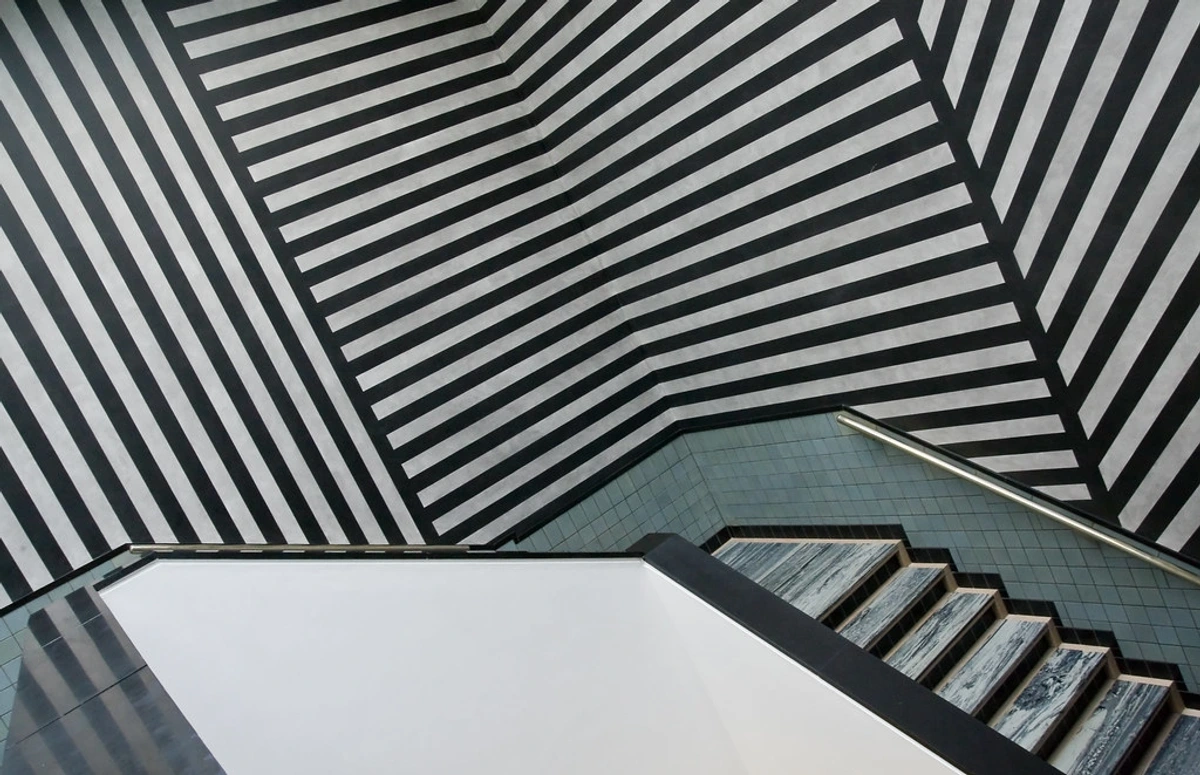
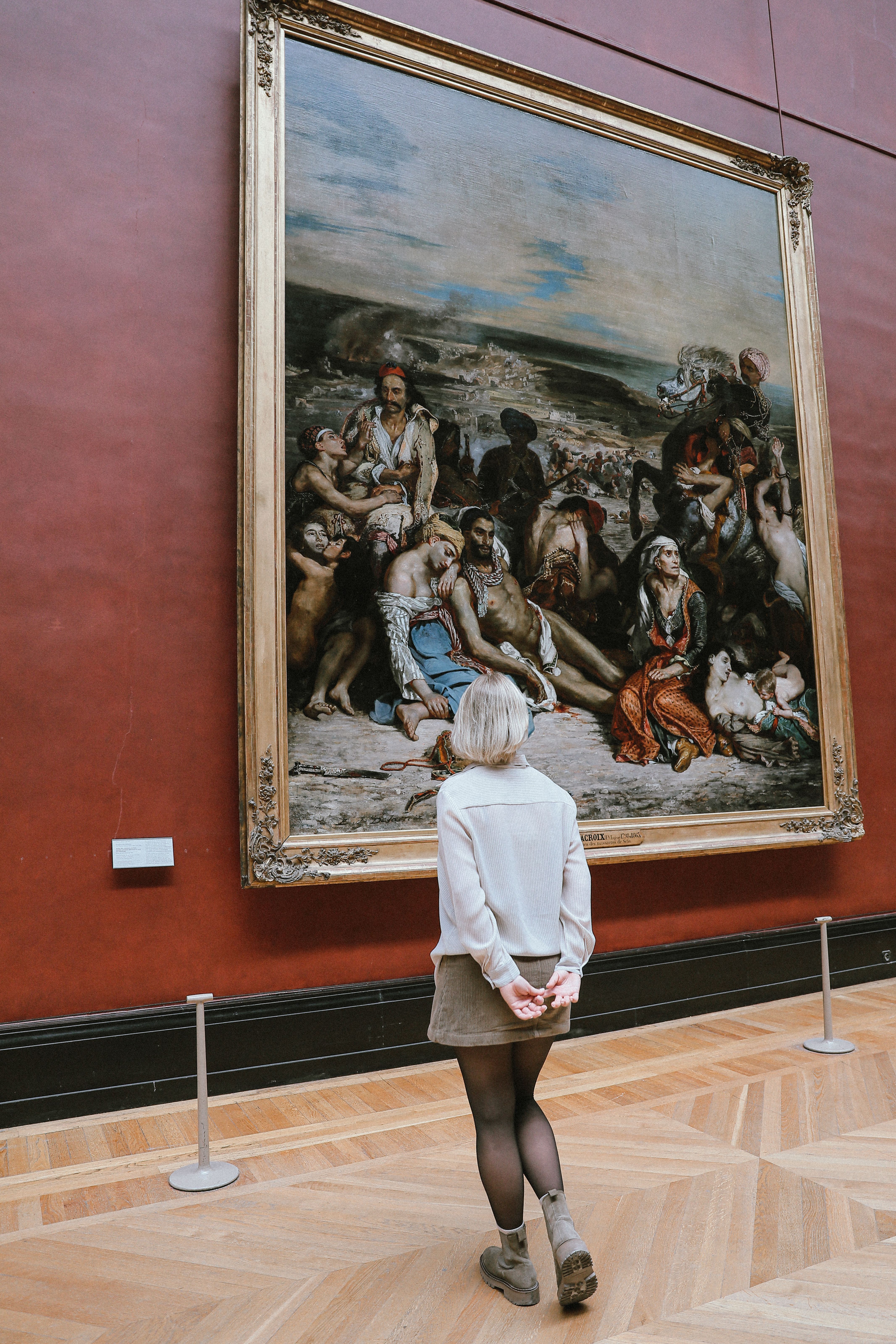
Understanding Jung’s ideas can transform your experience of art. It’s not just about aesthetics or technique; it’s about connecting with the deeper layers of meaning that art can convey.
The Role of the Viewer
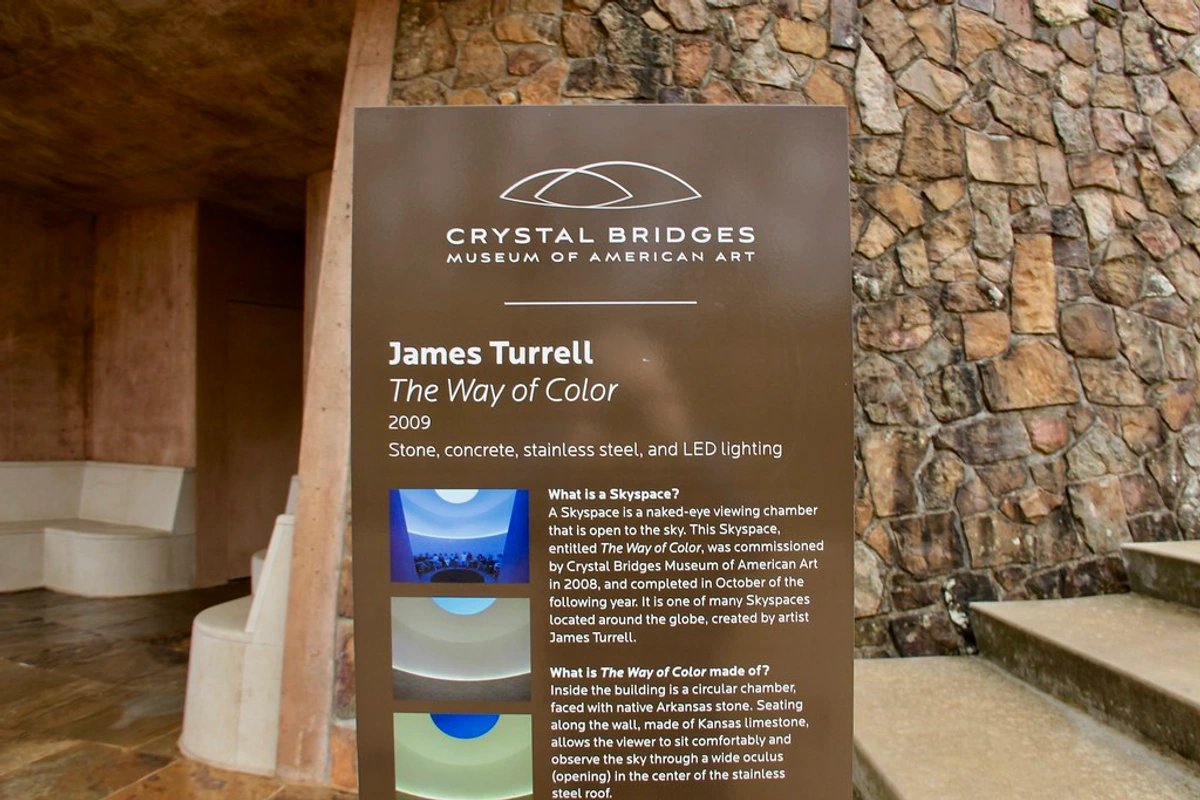
Jung’s theories emphasize the importance of the viewer’s personal experience with art. Each individual brings their own unconscious mind to the interpretation of symbols and archetypes in art. This personal engagement makes the experience of art unique and deeply meaningful.
Step 1: Look for Symbols
Next time you’re looking at a piece of art, ask yourself: What symbols are present? Are there recurring themes or images? What might they represent?
For example, if you see a lot of circles in a painting, think about what circles symbolize—wholeness, infinity, cycles of life. These aren’t just shapes; they’re messages from the unconscious.
Step 2: Consider the Artist’s Journey
Jung believed that creating art is a form of individuation—the process of becoming your true self. When you look at an artist’s body of work, consider how it reflects their personal journey. Are there themes of transformation, struggle, or self-discovery?
Step 3: Connect with Your Own Unconscious
Art isn’t just about the artist; it’s about you, the viewer. Allow yourself to react emotionally to a piece. What feelings does it evoke? What memories or dreams does it bring to mind? Your reactions are part of the dialogue between the art and your own unconscious.
Step 4: Explore the Collective Unconscious
Consider how the symbols and themes in the artwork connect to universal human experiences. Are there archetypes or motifs that appear across cultures and time periods? Exploring these connections can provide insights into the collective unconscious and the shared human experience.
FAQ
What is the collective unconscious?
The collective unconscious is a concept introduced by Carl Jung. It’s the part of the unconscious mind that is shared by all humans, containing universal symbols, myths, and archetypes. Think of it as a mental inheritance that we all have access to.
How did Jung use art in his own life?
Jung used art as a tool for self-exploration. He painted mandalas, which he saw as representations of the self and the process of individuation. He also encouraged his patients to engage in creative activities as a way to access their unconscious minds.
What is active imagination?
Active imagination is a technique developed by Jung to engage with the unconscious through art and creativity. It involves allowing images and symbols to emerge spontaneously, providing insights into the psyche and facilitating the process of individuation.
Can anyone interpret symbols in art, or do you need special training?
Anyone can interpret symbols in art! While training in psychology or art history can provide deeper insights, your personal reactions and associations are just as valid. The key is to approach art with an open mind and a willingness to explore your own unconscious.
How can symbols in art vary across cultures?
While some symbols are universal, others may have different meanings across cultures. For example, the color white may symbolize purity in one culture and mourning in another. Understanding these cultural variations can enrich your interpretation of art and its symbols.
Are Jung’s ideas still relevant today?
Absolutely. Jung’s theories continue to influence psychology, art, literature, and even popular culture. His ideas about archetypes and the collective unconscious are widely studied and applied in various fields.
How have Jung’s ideas influenced modern psychology?
Jung’s ideas have had a profound impact on modern psychology, particularly in the fields of art therapy, dream analysis, and the study of the unconscious mind. His concepts of archetypes and the collective unconscious remain central to many therapeutic approaches and psychological theories.
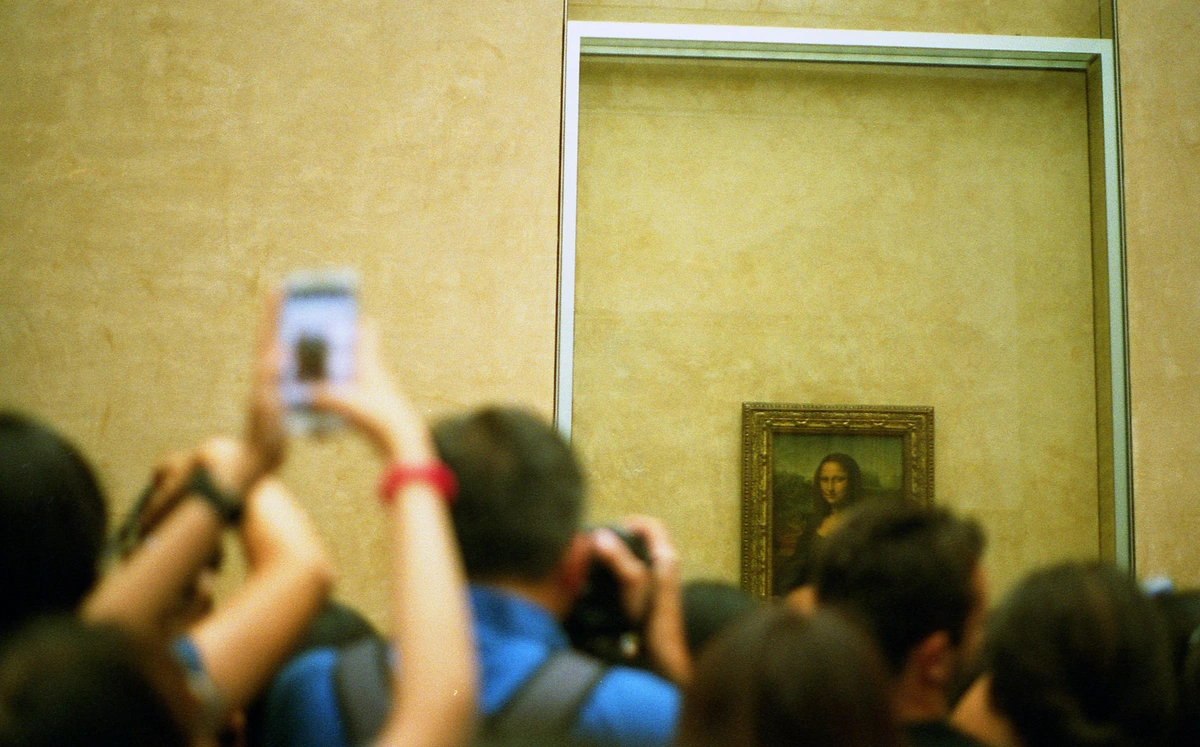
How can I apply Jung’s ideas to my own art?
Start by exploring your own dreams, memories, and emotions. Use symbols that resonate with you personally. Don’t worry about creating something that makes sense to everyone else; focus on what feels meaningful to you. The process of creation itself can be a journey of self-discovery.
What are some practical techniques for using art as self-exploration?
Some practical techniques include keeping a visual journal, creating mandalas, and engaging in free-form drawing or painting. These activities can help you access your unconscious mind and explore your inner world through art.
How can I use Jung’s theories to interpret abstract art?
Abstract art often relies on symbols and emotions rather than literal representations. Use Jung’s theories to look for recurring shapes, colors, and patterns. Consider what these elements might represent in your own psyche or in the collective unconscious. The ambiguity of abstract art makes it a perfect medium for exploring Jungian concepts.
Conclusion
Carl Jung’s ideas about art and psychology offer a profound way to understand not just the art we see but also ourselves. Art isn’t just decoration or entertainment; it’s a mirror to the soul, a bridge between the conscious and unconscious mind.
Next time you look at a painting, a sculpture, or even a piece of abstract art, remember Jung’s words: "Who looks outside, dreams; who looks inside, awakes." Art is an invitation to look inside, to explore the depths of your own psyche, and to connect with the universal symbols that bind us all together.
The Legacy of Jung’s Ideas
Jung’s legacy continues to inspire artists, psychologists, and thinkers around the world. His ideas about the unconscious, archetypes, and the power of symbols have shaped our understanding of art and creativity. By engaging with his theories, we can deepen our appreciation of art and its role in the human experience.






And if you’re feeling inspired, why not explore some art that speaks to you? Check out our collection here and see if any pieces resonate with your own journey of self-discovery.
Further Reading and Resources
For those interested in diving deeper into Jung’s theories and their application to art, here are some recommended resources:
- Books: Man and His Symbols by Carl Jung, The Archetypes and The Collective Unconscious by Carl Jung
- Art Movements: Explore Surrealism and Abstract Expressionism to see Jung’s influence in action.
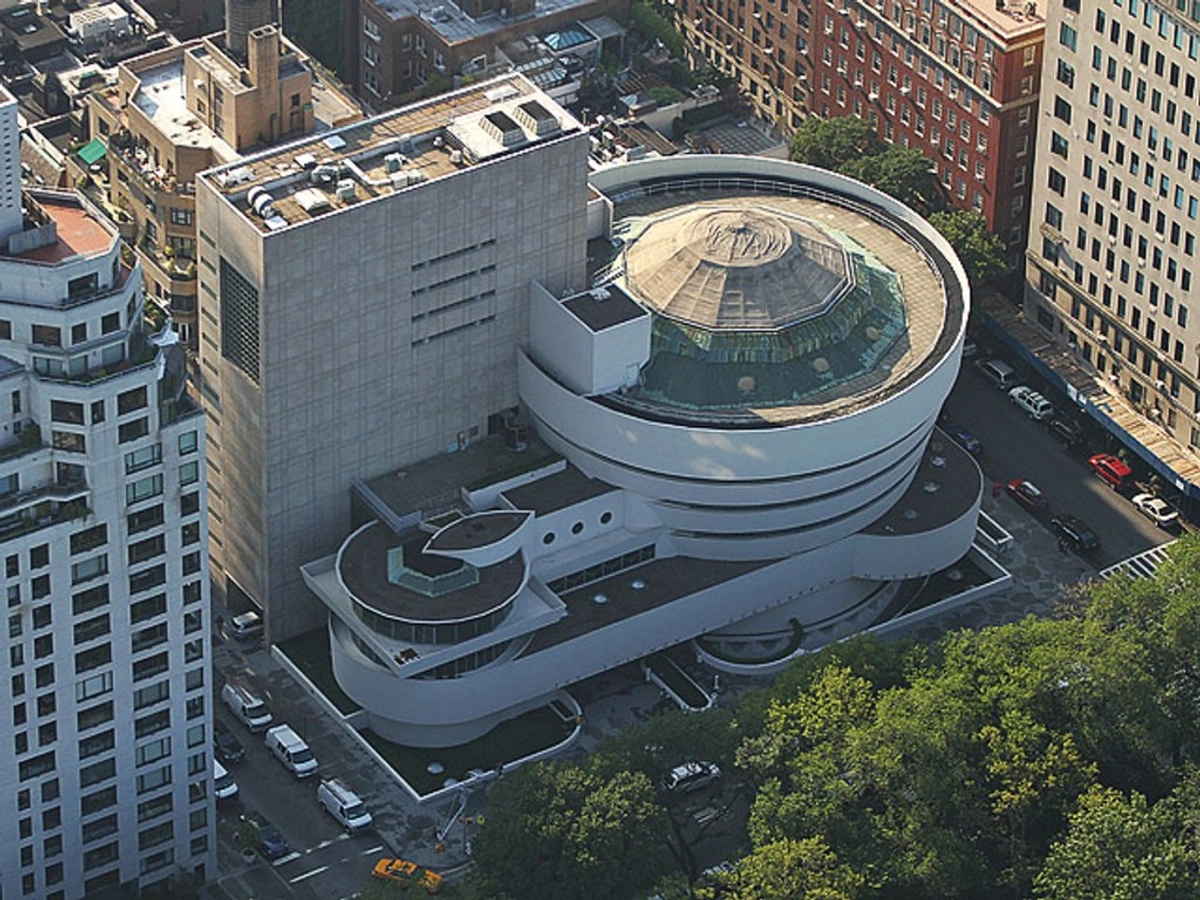
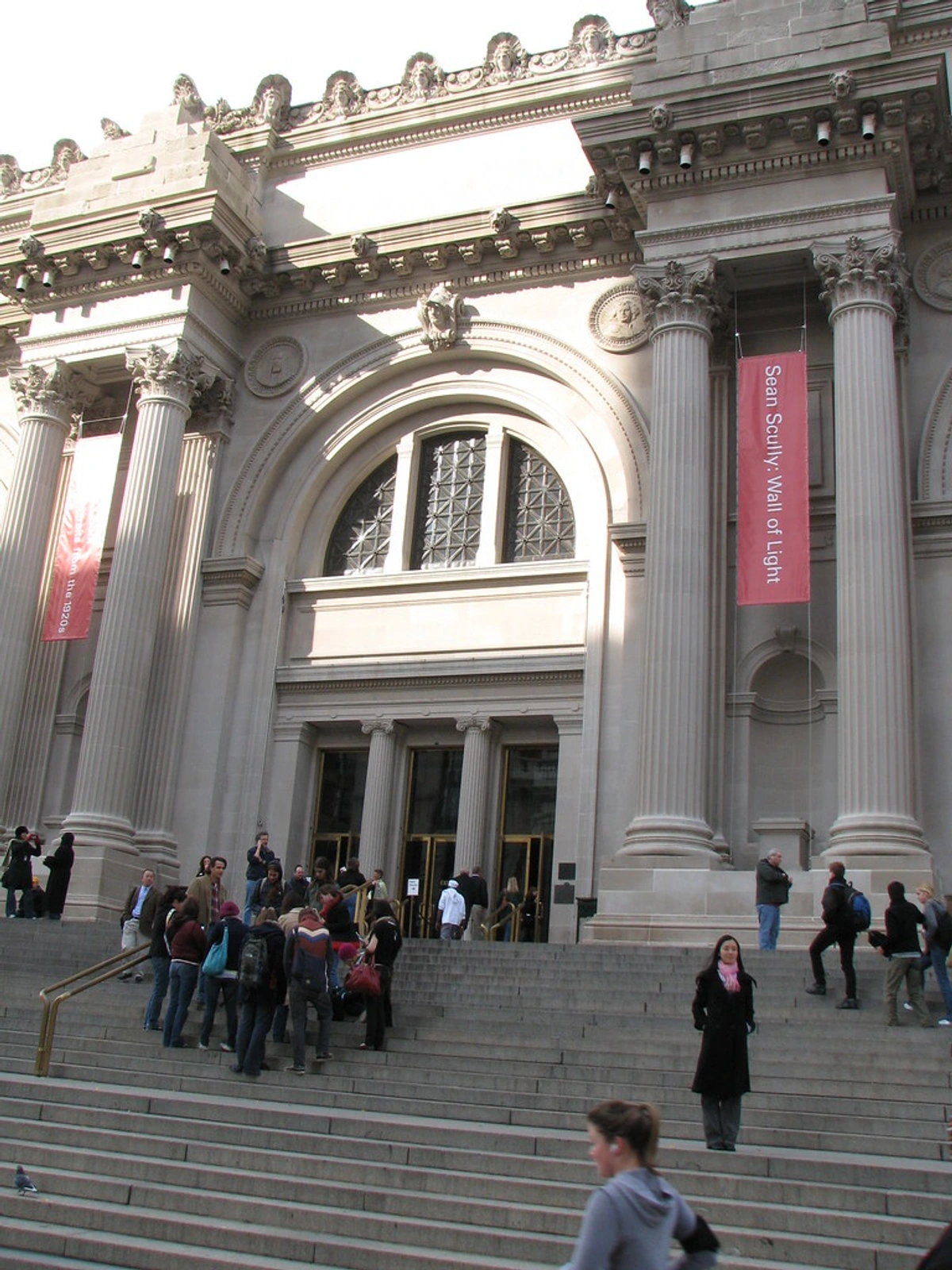
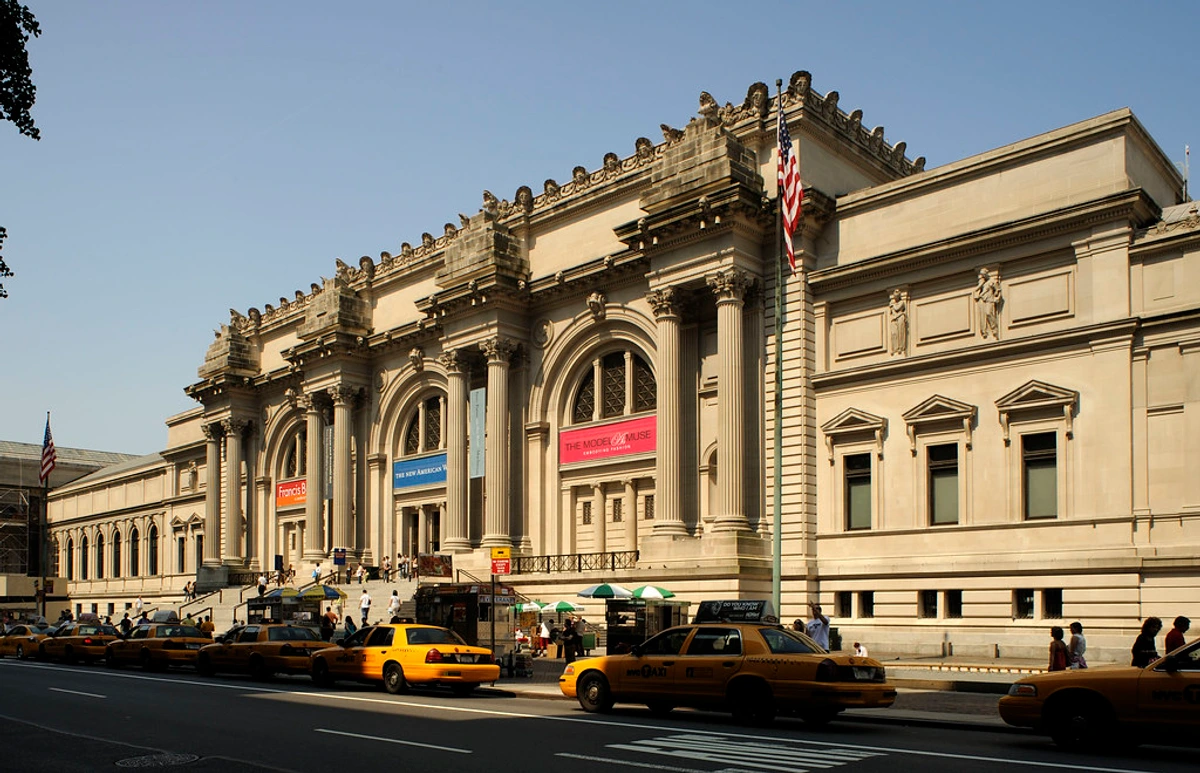
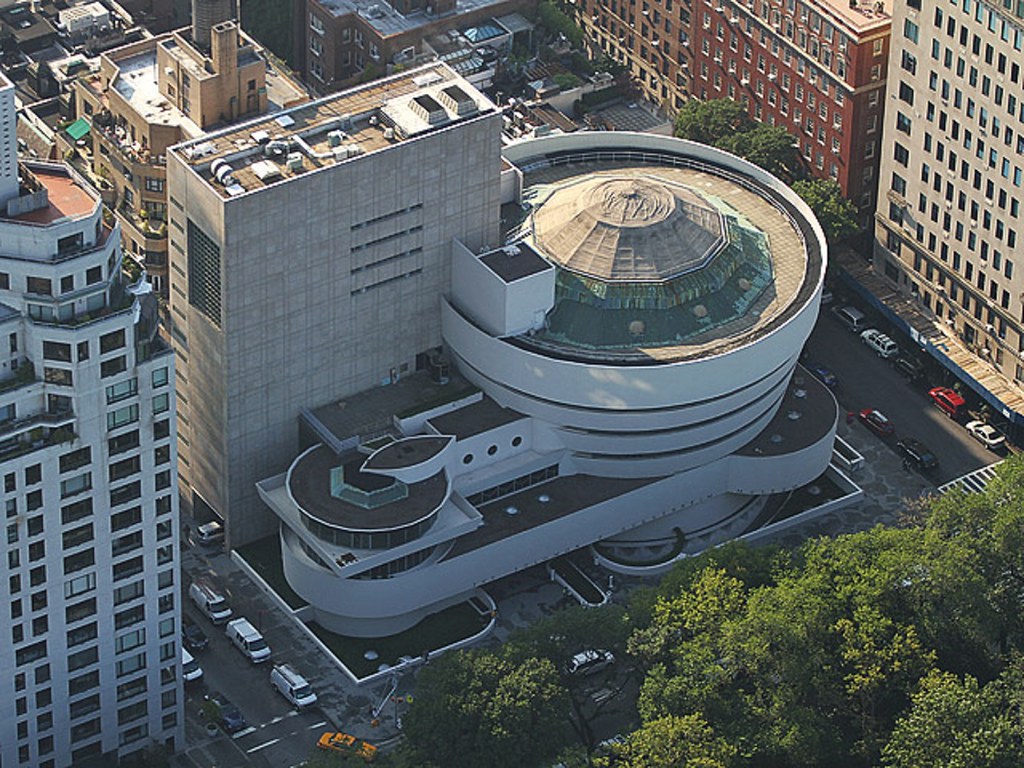
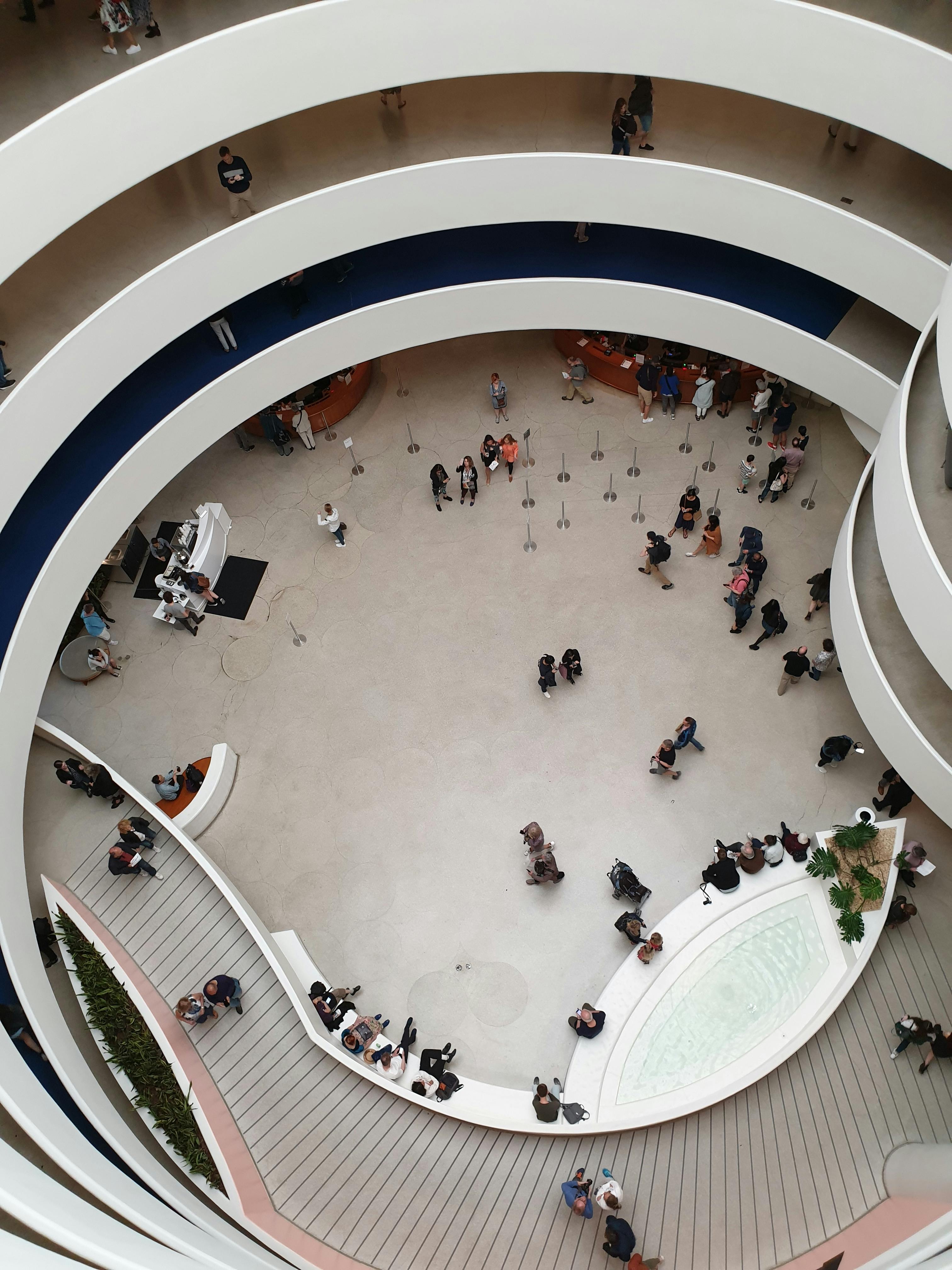
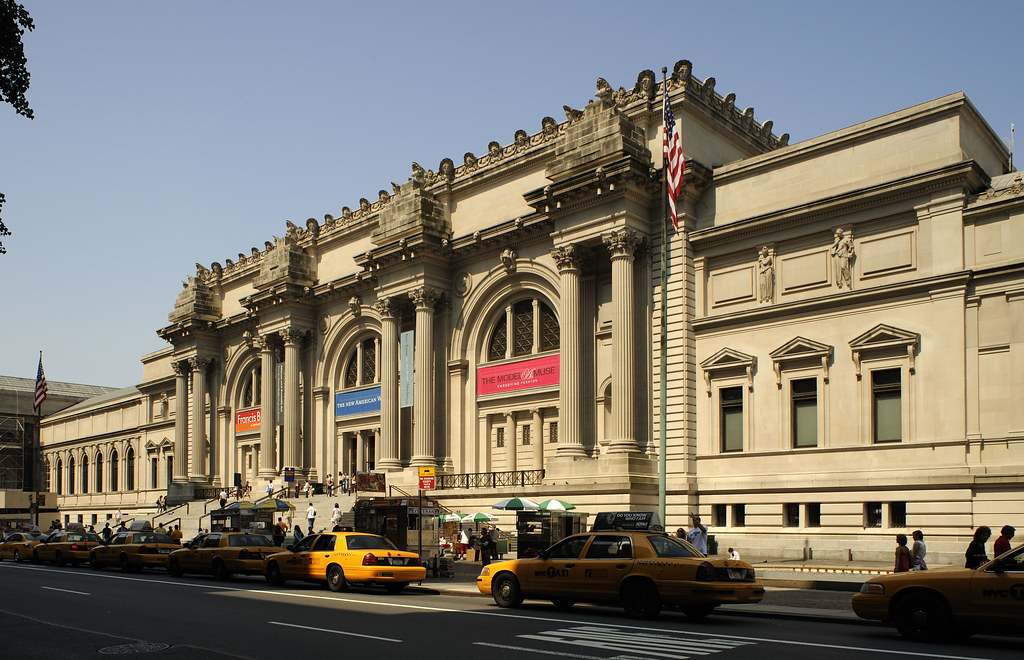
- Museums: Visit institutions like the Guggenheim Museum or the Metropolitan Museum of Art to experience art through a Jungian lens.
By engaging with these resources, you can further explore the intersection of psychology and art, and perhaps even uncover new insights about yourself along the way.