Canvas Choice: Linen vs. Cotton for Enduring Art & Lasting Legacy
Unravel the canvas debate: linen vs. cotton. This definitive guide, rich with artist insights, explores history, fiber properties, archival longevity, and practical prep. Make the informed choice for your art's lasting impact.

Linen vs. Cotton Canvas: The Artist's Definitive Guide to Longevity & Impact
Every artist knows that quiet dread: the subtle shift, the creeping crack, the yellowing white that betrays the vibrancy you poured onto the canvas. It's more than just a surface; it's the silent promise of your legacy, or, if chosen poorly, a premature artistic obituary. I've been there, staring at those two rolls – one whispering economy, the other shouting permanence. In my early days, I grabbed whatever was cheapest, not thinking beyond 'it holds paint.' But after countless paintings, a few frustratingly saggy canvases (that felt like a betrayal!), and some delightful surprises, I've developed a profound respect – and a very strong opinion – for both.
The moment I really got it was when I revisited a cotton piece from my student days; it had softened, lost its drum-tight tension, and the whites had developed a subtle, unwelcome warmth. Next to it, an early linen study, abused with heavy impasto, still felt as robust as the day I finished it. That gut-wrenching realization? It’s why the choice between linen and cotton isn't just about price; it's about legacy. In this guide, we'll delve into the historical roots of canvas, dissect the unique properties of cotton and linen, explore the crucial aspects of weave, weight, and preparation, and finally, help you make the most informed choice for your artistic journey and lasting impact. So, pull up a chair, let's get into the nitty-gritty of this canvas showdown.
A Brief History of Canvas: Why These Two Reign Supreme
Before we dive too deep into the now, it's worth understanding where this crucial artistic element came from. For centuries, artists primarily worked on wood panels. They offered a rigid, stable support, but had significant drawbacks: they were heavy, prone to warping and cracking with humidity changes, and severely limited the scale of works artists could create. Imagine trying to transport a monumental altarpiece on a thick slab of wood – a logistical nightmare! Then came canvas, a true game-changer born largely from the ship sails of the Venetian Republic during the Renaissance. It offered lightness, portability, and the unprecedented ability to work on monumental scales. This innovation wasn't just practical; it fundamentally shifted what was possible in art, allowing for larger narratives, grander visions, and even new patronage as art moved beyond solely church commissions. The dynamism of the Baroque period, for instance, with its soaring ceilings and dramatic narratives, would have been almost impossible without the flexibility and scale canvas provided.
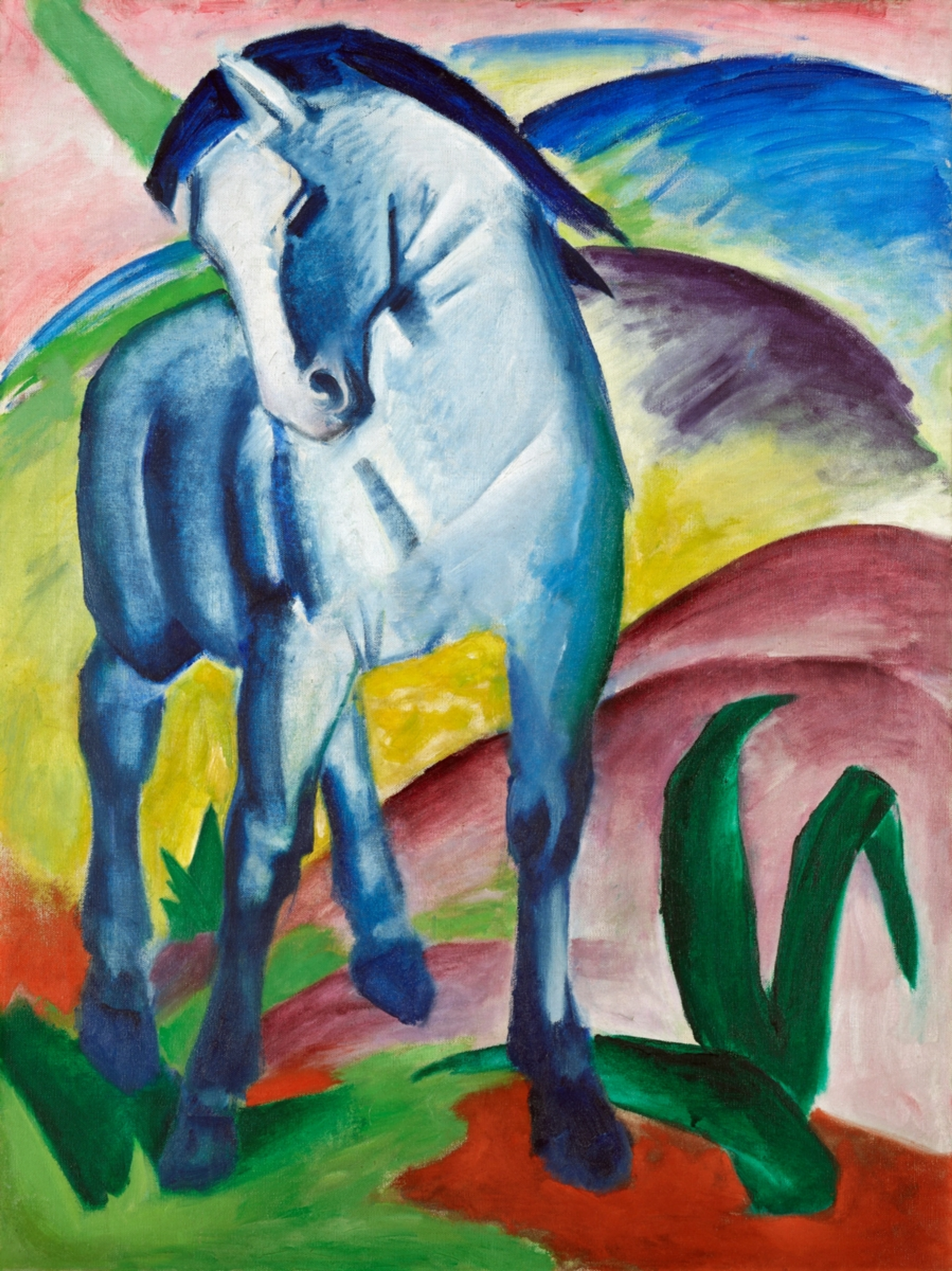
While various fabrics were experimented with, linen quickly became the gold standard across Europe. Its inherent strength and stability, combined with its resistance to environmental fluctuations, made it the preferred support for the Old Masters. Consider Titian, whose monumental works like 'Bacchus and Ariadne' (c. 1523) still stun with their vibrancy and rich, multi-layered glazes – a testament to linen's stable, less absorbent surface allowing for meticulous layering without the paint sinking in. Rubens, with his dynamic narratives and energetic brushwork, relied on linen's robust nature and consistent tension to support his often heavy impasto. Even the meticulous detail of Veronese and Tintoretto, whose large-scale narrative paintings demanded linen’s consistent, enduring surface to maintain sharp edges and vibrant colors over centuries, chose linen. Their art, centuries later, still graces museum walls, a powerful testament to linen's enduring quality.
This evolution paved the way for the accessible fabrics we know today, with cotton quickly becoming the ubiquitous choice for many artists starting out. A more plentiful and affordable fiber, cotton rose to prominence much later, particularly in the 19th and 20th centuries. As art became more accessible through burgeoning art schools and a wider market seeking economical options, cotton truly found its stride. Movements like Impressionism and Post-Impressionism, where artists often embraced a more rapid, experimental approach and frequent plein air painting, greatly benefited from cotton's availability and relative affordability for their numerous studies and quick works. It democratized the artistic process, allowing for prolific output and broader artistic exploration.
Cotton Canvas: The Humble Workhorse
Cotton canvas, often referred to as cotton duck, is probably where most of us begin our artistic journey. And no, 'duck' here doesn't refer to the animal; it signifies a tightly woven, plain-weave fabric known for its durability, much like the robust ship sails of old. This weave is graded by numbers like #10 or #12, which directly denote its weight in ounces per square yard and thread count – a lower number meaning a heavier, denser, and generally stronger weave, while a higher number indicates a lighter, finer weave. This grading system is primarily used for cotton canvases. For instance, a #10 cotton duck offers a robust, relatively coarse surface that can handle heavy paint types and aggressive brushwork, while a #12 might be finer, suitable for lighter applications. It's wonderfully affordable, readily available, and frankly, it just works.
For a long time, it was my absolute go-to. It’s easy to stretch, accepts gesso beautifully (and if you're ever lost on how to apply gesso effectively, I’ve shared all my secrets), and provides a nice, consistent surface that's forgiving for initial strokes. I've churned out so many vibrant abstract pieces on cotton; it truly is a reliable friend for experimentation and prolific output. The surface, though, can sometimes feel a bit like painting on thick paper, absorbing your energy rather than giving it back.
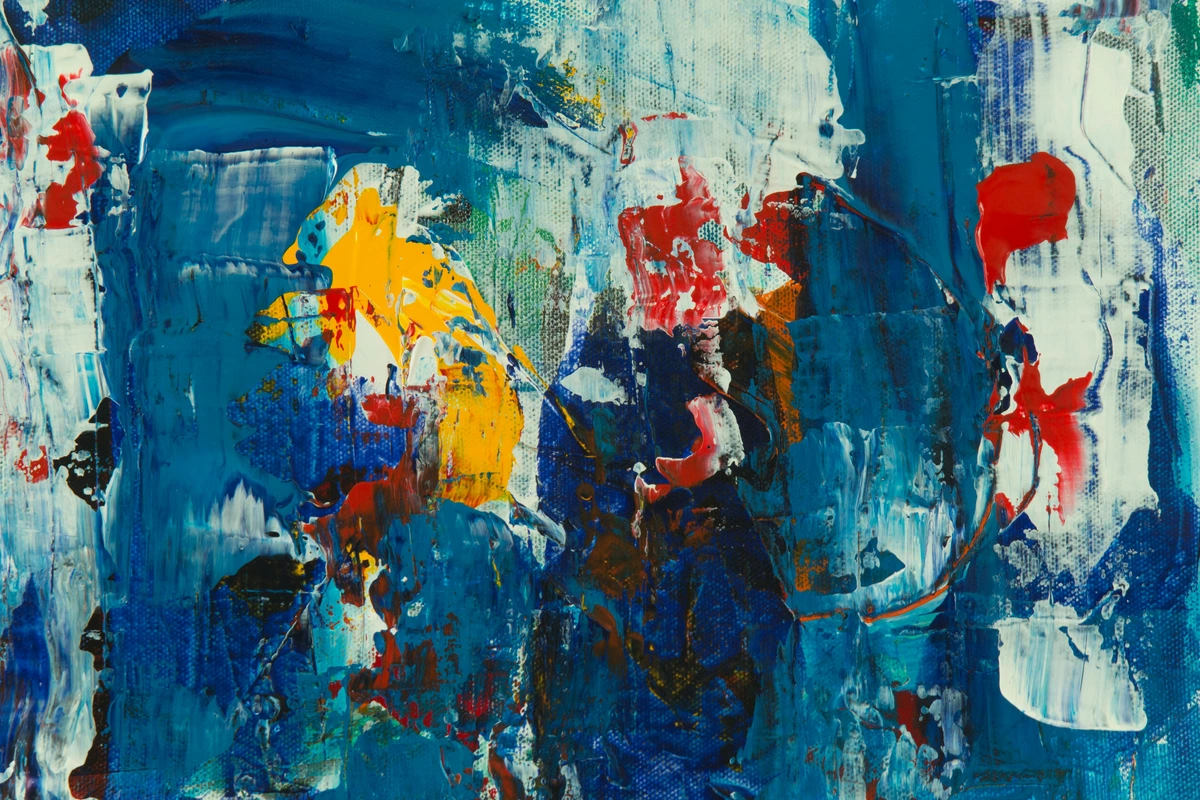
But here’s the rub, and it’s a big one for longevity: cotton has a natural acidity due to its cellulose content. Cellulose, a complex carbohydrate, naturally degrades over time, particularly when exposed to acidic conditions. This makes cotton more susceptible to environmental factors and potential breakdown over decades, especially if not meticulously sized and primed. This phenomenon, known as acid migration, is like a slowly spreading rust, invisibly corroding the very backbone of your art from the inside out. It’s an oxidative process where the inherent acids begin to degrade the cellulose fibers themselves, weakening the molecular structure. Over time, this can lead to the canvas becoming brittle, losing its structural integrity, and even causing a subtle, creeping yellowing that can affect the true color stability of your paints. Think of it as your artwork’s foundation slowly dissolving from within, becoming fragile and prone to tears.
This process is particularly pronounced in unprimed cotton or if the sizing and gesso layers are insufficient; inconsistent priming, for example, leaves vulnerable spots. Professional conservators often face significant challenges with older, poorly prepared cotton canvases, noting difficulties with paint adhesion on degraded grounds, the propensity for embrittlement and tears, and the fragility encountered during handling, often seeing paint flake off or small tears appear. And because its fibers are less dense, cotton can also tend to absorb and retain odors more readily over time from certain paints, solvents, or environments. So, while fantastic for quick studies, experimental works, or prolific output where immediate impact outweighs multi-century longevity (though I always strive for both!), for those truly archival pieces, my mind starts wandering to its more robust and historically significant counterpart...
Linen Canvas: The Enduring Aristocrat
Ah, linen. Just the word 'linen' feels a bit luxurious, doesn't it? It has this timeless quality, echoing centuries of art history. This fabric, meticulously crafted from flax fibers, is renowned for being incredibly strong and durable. Flax fibers are significantly longer and naturally stronger than cotton, with a more complex cellular structure. They also contain more lignin, a remarkable natural polymer that acts like an internal, reinforcing glue or stiffener. Lignin's rigid structure within the flax fiber helps it resist expansion and contraction when humidity changes, leading to superior dimensional stability and natural protection against the oils in your paints. This translates to significantly less sagging – a huge win for larger, long-term pieces where you want that drum-tight tension to last for generations. It’s the same reliable foundation that supported the very works that defined artistic eras.
I remember the first time I splurged on a really nice Belgian linen canvas. The weave was so tight, so consistent, often with subtle, charming slubs (those slight irregularities – thicker parts of the fiber – that are actually a hallmark of authentic flax fiber, inherent to its natural length and processing). While high-end linen manufacturers often minimize slubs for a smoother surface, they add character to the weave and are certainly not a flaw. It had this subtle, responsive springiness under the brush that cotton simply doesn't offer. It feels like the canvas pushes back, actively participating in your stroke and giving vital feedback. For my abstract art, where texture and layering are so crucial, linen provides a phenomenal, stable foundation. Its dimensional stability means I can achieve perfectly flat horizons in landscapes or maintain incredibly sharp edges in geometric abstracts without worrying about the surface shifting over time.
It truly holds up to aggressive brushstrokes, heavy impasto (thick application of paint, often with a palette knife), and palette knife work, allowing the paint to "sit up" more on the surface, which can lead to brighter, sharper color, especially with oils, because less binder is absorbed by the canvas. Even with heavy acrylic applications, it maintains its integrity beautifully. And because its fibers are denser and contain natural oils, linen is less prone to absorbing and retaining odors compared to cotton. It’s not just a surface; it’s an active participant in your brushstrokes, almost like it’s whispering encouragement back to you.
The downside? Well, its price tag can be a bit of a shocker. It's definitely an investment, which makes me think twice about using it for every experimental piece (unless I'm feeling particularly flush, which, let's be honest, isn't every day!). But for something I envision lasting generations, something that might end up in a beautiful home or even a museum someday (one can dream, right? Maybe even in my little museum in 's-Hertogenbosch!)... linen is simply unmatched. It’s a commitment to the permanence of your vision.
How to Tell Linen from Cotton: A Practical Guide
Sometimes, the label is gone, or you're just curious. Learning to distinguish between linen and cotton canvas by sight and touch can be incredibly useful:
- Visual Cues (Weave & Texture):
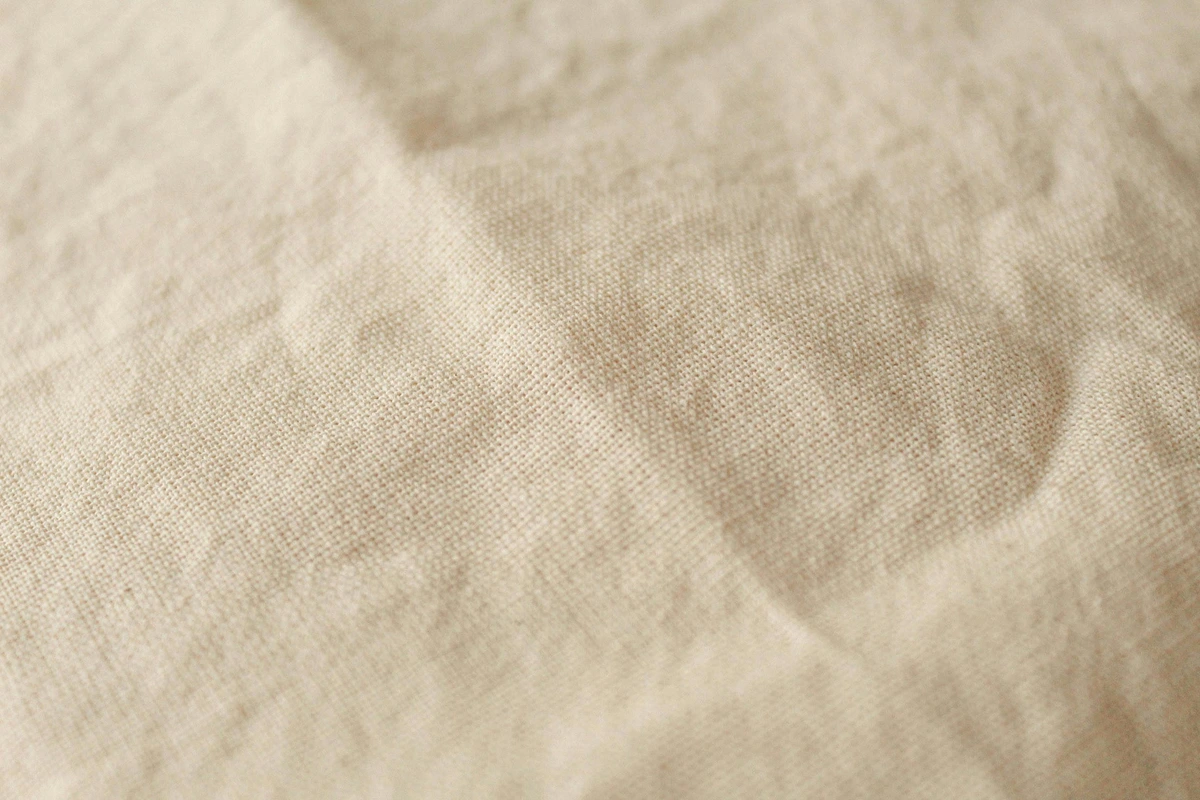
- Cotton: Generally has a more uniform, even weave. The threads often appear softer and less defined. While it can vary from fine to coarse, it typically lacks the distinct irregularities of flax. When held up to light, the fibers appear consistent.
- Linen: Often exhibits subtle, charming slubs – those slight, natural thickenings in the yarn that appear as small, elongated lumps or variations in the weave. These are a hallmark of flax fibers and give linen a slightly more organic, textured appearance. Even very fine linen can have subtle slubs. Its weave can appear crisper and more structured. The fibers themselves often look longer and have a noticeable sheen.
- Tactile Cues (Touch & Feel):
- Cotton: Tends to feel softer, perhaps a little fuzzy, and generally less crisp. When stretched, it can feel more yielding under pressure. It doesn't have the same "snap" or inherent tension.
- Linen: Feels remarkably strong, crisp, and often has a subtle, almost papery coolness. When stretched tightly, it has a distinct, responsive springiness – a lively "thrum" when lightly tapped – that cotton simply can't replicate. Its fibers are denser and feel more substantial.
- Flexibility & Drape:
- Cotton: Often has more drape and flexibility when raw, feeling less stiff.
- Linen: Even in raw form, it tends to be stiffer and less prone to casual creasing due to its lignin content and longer fibers.
Of course, the best way to be sure is always to check the packaging or product description when purchasing. But with practice, your hands and eyes will become excellent guides.
The Great Canvas Showdown: A Head-to-Head
Choosing between linen and cotton is just the first layer of decision-making. The real magic (and sometimes the real headache!) comes down to the canvas's weave, weight, and, crucially, its preparation. These factors dramatically influence how your paint behaves and the final character of your artwork.
To clearly illustrate the key differences between these two foundational materials, let's lay them out side-by-side:
Feature  | Cotton Canvas | Linen Canvas |
|---|---|---|
| Material | Cotton plant fibers (often 'duck canvas' weave, shorter cellulose fibers) | Flax plant fibers (longer, stronger, naturally resistant due to lignin) |
| Strength | Moderate, prone to sagging with heavy paint or humidity changes; can overstretch | Excellent, highly durable, resists sagging and holds tension better |
| Durability | Moderate durability, archival potential highly dependent on meticulous preparation; susceptible to acid migration over time leading to embrittlement and tears | Superior, highly archival, resists chemical breakdown over centuries; maintain structural integrity far longer |
| Texture | Varies (smooth to coarse), often less consistent; paint tends to sink in and colors can dull | Varies (fine to medium-coarse), often more consistent, with natural "slubs" (subtle fiber irregularities); paint sits on surface, leading to brighter colors |
| Surface Feel/Response to Brush | Softer, less responsive, can feel somewhat inert and absorbent | Taut, subtle springiness, more active "give" and feedback under the brush; offers greater resistance |
| Ease of Stretching | Stretches easily, but can be more prone to overstretching or tearing under high tension; inconsistent tension possible | Less inherent stretch, making it naturally more resistant to overstretching and better at holding tension for longer periods |
| Cost | More affordable, widely available, ideal for studies and experiments | Significantly more expensive, a long-term investment for serious work; higher cultivation/processing costs |
| Stretch | Stretches easily, can overstretch or sag if not properly maintained; less dimensional stability | Less stretch, holds tension exceptionally well over time; superior dimensional stability |
| Absorbency | More absorbent, requires thorough sizing and multiple gesso layers to prevent paint sinkage and dullness and protect fibers | Less absorbent, still requires proper sizing and priming for effective barrier, but loses less paint to the substrate initially and offers inherent protection |
| Odor Absorption | Can retain odors (e.g., from certain paints, solvents, or environments) more readily over time due to less dense fiber structure | Less prone to absorbing and retaining odors due to denser, more structured fibers and natural oils |
| Moisture Resistance | Less inherent resistance to moisture; susceptible to mildew in humid conditions if not properly prepped | Natural oils in flax fibers offer some inherent resistance to moisture and fungal growth |
| Sustainability | Requires more water and pesticides in cultivation; processing can be chemical-intensive | Requires less water and pesticides, often thrives in poorer soils with less irrigation; generally more sustainable |
| Best For | Student work, studies, quick projects, less demanding styles, prolific output, experimentation | Professional work, archival pieces, large formats, heavy paint application, detailed work, legacy pieces |
| Weight | Typically graded by 'duck' numbers (#10, #12), indicating ounces per square yard (oz/sq yd). Lower numbers = heavier. | Often specified by thread count or weave names (e.g., 'fine portrait,' 'medium texture'), also in oz/sq yd. Generally heavier overall for comparable density. |
| Weave Type | Primarily plain weave (like 'duck canvas'), some twill weaves available. | Diverse range of plain weaves, often with specific names (e.g., 'Belgian weave,' 'Hogarth,' 'Osnaburg'), twill weaves also common. |
Beyond the Fibers: Weave, Weight, and the Art of Preparation
Once you've decided on linen or cotton, there are still layers to peel back. The interplay of weave, weight, and your preparatory steps will fundamentally shape your painting experience and the final artwork's character.
Canvas Weaves and Weights: The Subtleties of Surface
Both linen and cotton come in a spectrum of textures, from very fine and smooth (think delicate portraiture or luminous glazes) to wonderfully coarse and open (perfect for expressive, textured work with thick impasto, where the paint stands proudly off the surface). You'll encounter weave types like:
- Plain Weave: The most basic and balanced, where warp and weft threads alternate evenly. Visually, it's like a simple checkerboard pattern. Offers a consistent, often smooth surface.
- Duck Weave: Primarily for cotton, a tightly woven plain weave with parallel warp and weft, known for its robustness and durability. It looks and feels denser than standard plain weave. Remember, a lower 'duck' number (e.g., #10) denotes a heavier, denser cotton canvas, while a higher number (e.g., #12, #15) indicates a lighter, finer weave. This inverse relationship can be a bit counter-intuitive at first!
- Twill Weave: Recognizable by its diagonal ribs or lines, offering a distinct visual texture and often greater flexibility and tear resistance, similar to denim.
The thread count (how many threads per inch) and the thickness of those threads contribute to the canvas's overall weight, typically measured in ounces per square yard (oz/sq yd). For linen, rather than a duck number, you'll often see it specified by thread count or descriptive weave names (e.g., 'fine portrait' or 'medium texture'), but it can also be measured in oz/sq yd. Generally, a heavier, denser weave translates to more stability, less flexibility, and a firmer surface that can confidently withstand more aggressive application of paint types and rigorous techniques. Remember that a higher weight doesn't always mean a finer surface; a very heavy canvas can still have a coarse, open weave if the individual threads are thick. Thread count and fiber thickness are the primary determinants of both weight and surface texture.
Blended Canvases: Seeking a Middle Ground?
You might occasionally encounter canvases that are a blend of cotton and linen. These are designed to offer a compromise between the cost-effectiveness of cotton and some of the strength and stability benefits of linen. While they can be a viable option for certain applications, it’s worth noting that they often don't fully embody the superior archival qualities of pure linen or the consistent characteristics of pure cotton. They are a good option for artists looking to experiment with a more robust surface than pure cotton without the full investment of pure linen, but perhaps not for your ultimate legacy pieces.
Pre-stretched vs. Raw Canvas: Your Foundation, Your Rules
Then there's the decision between a convenient pre-stretched canvas and raw canvas on a roll. While pre-stretched options are fantastic for beginners or quick studies, offering instant gratification, they can sometimes suffer from inconsistent tension or staples that might rust over decades, potentially affecting archival quality. If opting for pre-stretched, look for manufacturers who use non-corrosive, stainless steel staples for better longevity. Buying raw canvas, on the other hand, allows you to custom-size your work to any dimension your artistic vision demands. It also ensures you get the exact tension you desire, that satisfying drum-tight 'thrum' that makes painting a joy. Raw canvas itself comes in two main forms:
- Unprimed Raw Canvas: This is the bare fabric, offering you complete control over every layer of preparation. It's the choice for true archival quality and specific surface effects, allowing artists to tailor the ground precisely to their needs and chosen medium.
- Primed Raw Canvas: This raw fabric has already been sized and gessoed by the manufacturer. It offers some convenience, cutting down on initial preparation steps, but sacrifices some control compared to unprimed options. You might find its absorbency or tooth isn't quite what you'd ideally create yourself.
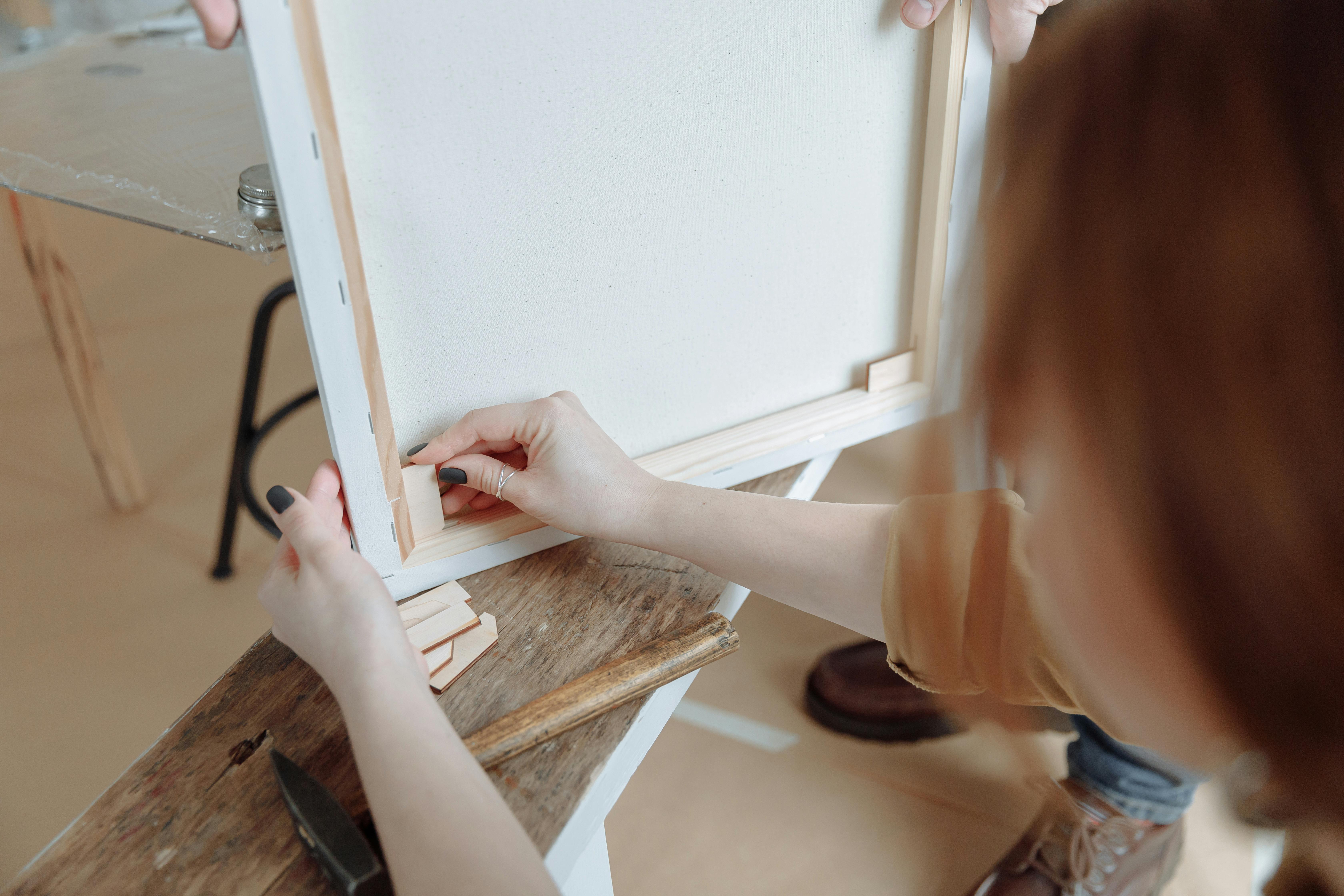
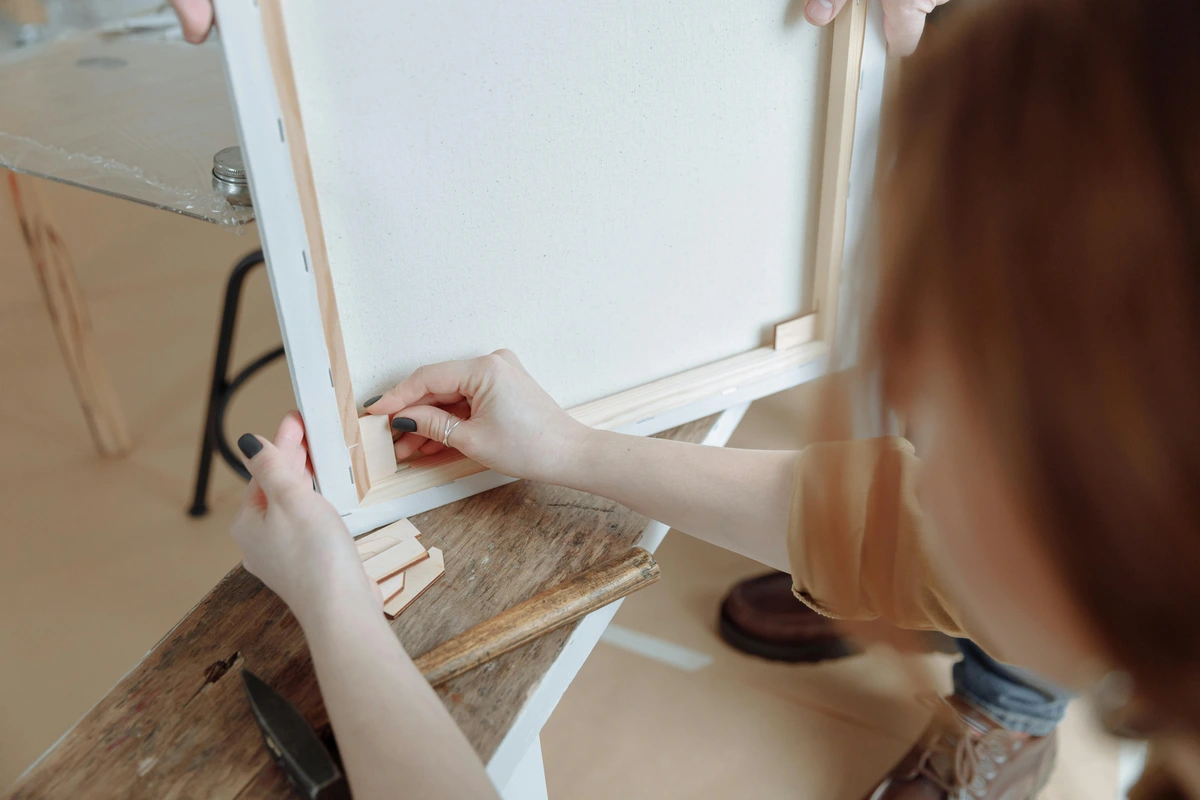
Stretching your own canvas might sound daunting, but it's a deeply satisfying skill – a true connection to the craft. There’s nothing quite like the taut thrum of a perfectly stretched canvas – it just sings under your hands (and yes, I have a guide on how to stretch a canvas if you're feeling adventurous!). You can even find specialized tools like canvas pliers and stretching wedges to make the process smoother, especially for larger pieces.
The Art of Preparation: Sizing and Priming for Longevity
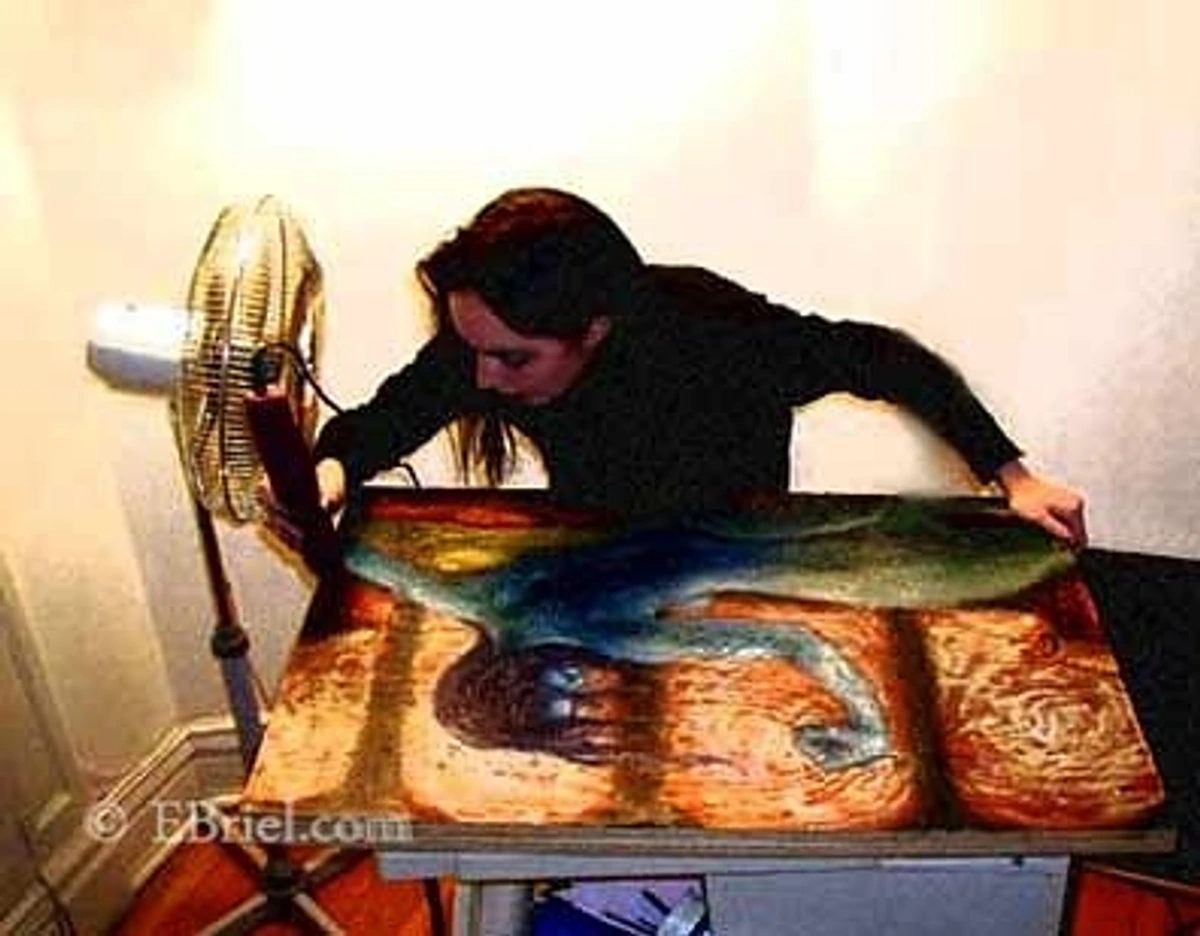
Once you've got your surface, proper preparation is non-negotiable, especially for oil painters. This isn't just a suggestion; it's a fundamental step for the longevity of your artwork. Think of it as laying a solid foundation before building a house.
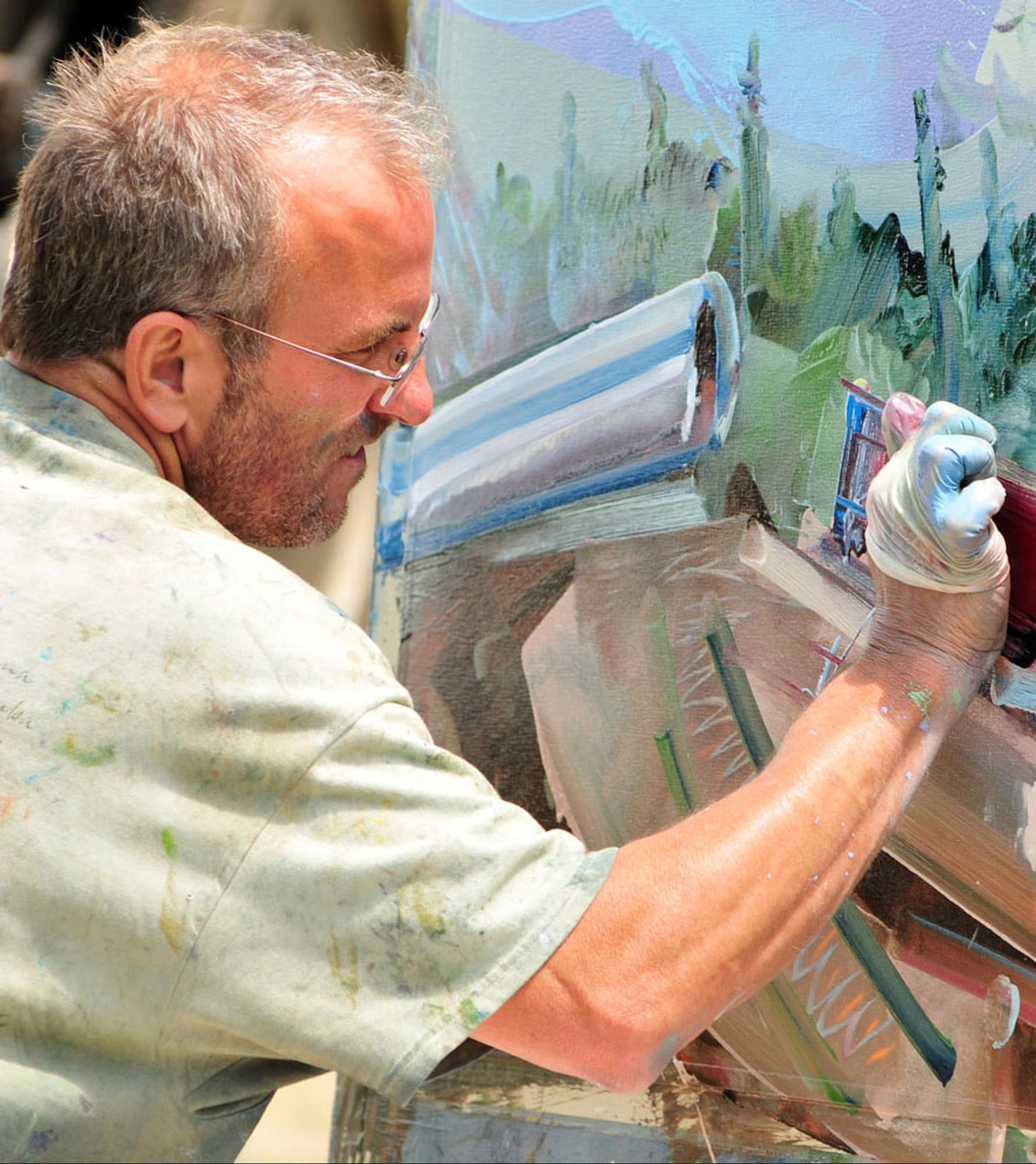
The very first crucial layer is sizing. This is your canvas's protective shield, sealing the fibers and preventing the acidic oils from your paints from directly contacting and eventually rotting the fabric. It’s like waterproofing a foundation. You'll often use traditional rabbit skin glue (a protein-based glue that creates a strong, taut barrier, primarily for oil painting, but sensitive to temperature and humidity fluctuations and thus less favored by modern conservators for oils due to its hygroscopic nature) or a modern acrylic polymer medium (offering greater flexibility, ease of use, and water resistance, suitable for both oil and acrylic). Each offers distinct properties, but both achieve the crucial barrier. For cotton, given its higher absorbency and inherent acidity, you'll typically need 2-3 coats of sizing to create a truly robust, protective shield. For oils, this barrier is paramount; for acrylics, while less critical to prevent rotting (as acrylics are water-based and non-acidic), sizing still improves adhesion and prevents 'sink-in'.
After sizing, a good layer of gesso (or several, if you're dealing with absorbent cotton, for instance – which often needs 3-4 layers to build a sufficient, non-absorbent barrier and further protect against acid migration) acts as your painting ground. This consistent, less absorbent surface enhances paint adhesion, prevents dullness from paint sinking into the fibers, and can even influence color luminosity. Gesso also provides the necessary tooth – that subtle abrasive quality, or slight roughness, that gives paint something to grip onto. The level of tooth can vary between gesso brands and types. Historically, many Old Masters used traditional oil grounds, like lead white or titanium white mixed with oil, often bound with resins, which offered a distinct tooth, absorbency, and subtle luminosity compared to modern acrylic gesso. This choice of ground can profoundly impact the painting process and the final look, with oil grounds often offering a richer, more 'open' feel. Need help choosing? Check out my guide to gesso in painting.
Ground Type | Primary Medium | Key Characteristics | Advantages | Disadvantages |
|---|---|---|---|---|
| Rabbit Skin Glue (Sizing) | Oil | Protein-based, creates strong taut surface | Excellent sealing, traditional choice, creates very taut surface | Sensitive to humidity/temperature, not suitable for acrylics, can become brittle over time |
| Acrylic Polymer Medium (Sizing) | Oil, Acrylic | Flexible, water-resistant, synthetic | Versatile, easy to use, stable, less prone to environmental shifts | |
| Acrylic Gesso | Oil, Acrylic | Acrylic polymer & chalk/pigment | Quick drying, versatile, durable, good tooth for adhesion | Can be less absorbent than traditional grounds, sometimes too slick, can feel 'dead' compared to oil grounds |
| Oil Ground | Oil | Pigment (e.g., lead/titanium white) & oil | Rich luminosity, excellent tooth, traditional feel, 'sinks' less paint | Slow drying, requires careful application, specific for oils, can yellow slightly over time |
| Tempera Ground | Tempera, Oil (under specific conditions) | Made from chalk (gesso) and animal glue (e.g., rabbit skin glue), hard and bright | Extremely smooth, bright white surface, ideal for fine detail and luminous effects with tempera | Very brittle, susceptible to cracking if flexed, not suitable for canvas unless rigid support |
The Final Shield: Varnishing
Once your painting is complete and thoroughly dry (especially critical for oils, which can take months or even a year to fully cure), the final act of preservation is varnishing. An archival varnish provides a crucial protective layer against dust, dirt, moisture, and most importantly, UV radiation, which can cause pigments to fade or yellow. It also unifies the sheen of the painting and can saturate colors, making them appear richer. Just as choosing the right canvas and preparing it meticulously is vital, applying a high-quality, removable varnish ensures your finished artwork is shielded for future generations.
Matching Your Canvas to Your Artistic Vision
The weave and weight of your canvas are silent collaborators, profoundly affecting the outcome of your work. For delicate portraiture, fine detail, or subtle glazes (especially in oils), a very smooth, tightly woven linen or fine cotton duck offers a precise surface that allows pigments to truly sing without interruption. On the other hand, if you're delving into expressive, textured work with heavy impasto or bold, sweeping brushstrokes, a coarser, more open weave (like a #10 cotton duck or a robust 'rough' linen) can provide the crucial grip and textural foundation, allowing the paint to build up proudly from the surface. Think about how much paint you’ll be pushing around; a tauter, heavier canvas handles aggressive applications and palette knife work without complaint, while a lighter weave might start to sag or feel less responsive.
Archival Quality: Your Commitment to Future Generations
What truly separates a fleeting artwork from one that echoes through the ages, admired by future generations? For me, it's the ultimate goal, and this is where the archival differences between linen and cotton truly come into stark relief.
As I touched on earlier, cotton’s inherent acidity from its cellulose content, if not meticulously sealed with sufficient sizing and multiple, generous layers of gesso, is a ticking time bomb. This "acid migration" isn't just theoretical; it's a very real chemical process that leads to the canvas fibers becoming brittle, losing their structural integrity, and even accelerating the deterioration and color shifts of your precious pigments. Imagine your beautiful, vibrant blues slowly dulling or your rich reds subtly shifting over decades because of a chemical reaction happening deep within the canvas fibers. The paint might start to flake off from areas where the canvas has become brittle and is flexing, or small tears might appear at the edges where the canvas is under stress. Professional conservators frequently grapple with the challenges of older cotton canvases, noting their propensity for embrittlement, tears, difficulty holding tension, issues with paint adhesion on degraded grounds, and the fragility encountered when attempting to remove aged varnish. It's a sobering thought for any artist aiming for permanence.
Linen, with its longer, stronger, and naturally more stable flax fibers, stands as the champion of archival quality. Its natural lignin content provides a built-in resistance to chemical breakdown and maintains its structural integrity far longer. Lignin acts like a natural, almost biological armor against time, making it less prone to the environmental and chemical stresses that can plague cotton, making it the preferred choice for a legacy piece. It has a natural resilience, making it truly capable of an enduring impact that speaks across the ages.
And on a different note, if you're thinking about the environmental impact, flax cultivation (for linen) generally requires significantly less water and fewer pesticides than cotton, and often thrives in poorer soils with less irrigation, making it a more sustainable and resilient choice for the eco-conscious artist. While both involve processing, flax also typically requires less intensive chemical treatment to convert to fiber compared to cotton. This economic reality – that flax cultivation and processing are often more labor-intensive and yield less fiber per acre – also contributes to linen's higher cost, adding another layer to consider in your material selection. For wood panels, ensuring they come from sustainably managed forests (e.g., FSC certified) is also crucial. It's important to remember that responsible sourcing and production practices are key for all materials if sustainability is a primary concern.
Making Your Choice: Your Vision, Your Canvas
So, after diving deep into fibers, weaves, and archival promises, what's the verdict? The honest, art-world truth is, there's no single 'best' canvas. It truly boils down to your personal needs, your budget, and the specific piece you're bringing to life. It's about knowing your materials, warts and all.
If you're in exploration mode – experimenting, trying out new paint types, or just letting ideas pour out without inhibition – cotton is a fantastic, no-pressure option. It's the forgiving friend that lets you focus purely on the creative act, freeing you from concerns about the substrate's cost. I've certainly enjoyed the boundless freedom cotton offers for quick gestural work, testing new color palettes, and exploring new palette knife techniques. I remember one time a whole concept for a painting came from a happy accident on a cheap cotton canvas – something I might have overthought or abandoned if I'd been working on a pricey linen. It's where I allow myself to fail gloriously and learn voraciously.
But if you're embarking on a significant piece, something you pour your soul into, a vision you desperately want to endure – to become a legacy, an artwork that speaks across centuries – then linen is absolutely, unequivocally worth the investment. It’s about more than just aesthetics; it’s a profound act of respect for the longevity of your work, a silent commitment to future viewers. As my own artistic journey has progressed, I find myself gravitating towards linen for the pieces that feel truly monumental or deeply personal. I want those pieces to last, to be passed down, to connect with people decades, even centuries, from now. Perhaps even in my own little museum in 's-Hertogenbosch? Choosing durable materials like linen for these artworks directly enables that dream. One can dream, right? It took me a few too many prematurely sagging paintings to truly appreciate the wisdom of those who championed linen from the beginning.
I encourage you to try both. Feel the difference. Paint on them. See how they react to your medium and your touch. Sometimes, the right canvas just feels right, almost like it's guiding your hand, whispering its suitability for the story you're about to tell. And hey, no matter what you choose, the most important thing is to keep creating, to experiment, and to let your artistic vision guide your material choices! If you're curious about how these surfaces translate into finished works, my own art for sale collection often features pieces born from these very considerations. Ultimately, your canvas isn't just a support; it's a silent partner in the unfolding narrative of your art.
Frequently Asked Questions (FAQ):
Q: Is cotton canvas good for oil painting long term? A: While cotton canvas is a perfectly viable and popular surface for oil painting, its archival longevity for oils is highly dependent on meticulous preparation. It must be properly sized (with rabbit skin glue or acrylic polymer medium – typically 2-3 coats) and primed with several coats of gesso (3-4 layers are often recommended for cotton) to create a robust barrier and protect the fibers from the oil's acidity. Without sufficient preparation, cotton's inherent acidic nature can lead to acid migration and eventual degradation, causing the canvas to become brittle and the paint to flake. For true multi-century permanence, linen is generally considered superior due to its natural stability and resistance.
Q: Is cotton canvas suitable for acrylic paints? A: Absolutely, cotton canvas is an excellent and popular choice for acrylic paints. Since acrylics are water-based and don't contain acidic oils that can degrade fabric fibers, the concern about 'rotting' the canvas is significantly reduced compared to oil paints. However, proper sizing (usually with an acrylic polymer medium) and gessoing are still highly recommended. This prevents the acrylic binder from 'sinking' into the fabric, ensures vibrant colors, improves paint adhesion, and creates a consistent, receptive surface for your brushstrokes. It also contributes to the overall stability and presentation of the finished artwork.
Q: What about alkyd paints on canvas? A: Alkyd paints, like traditional oil paints, use an oil-based binder (synthetic alkyd resin), so the considerations for canvas preparation are very similar to those for traditional oils. Sizing and gessoing are crucial to protect the canvas fibers from the oil and ensure the longevity of the artwork. Alkyds generally dry faster than traditional oils and offer good durability, but a properly prepared ground is still essential for optimal adhesion and to prevent the slow degradation of the canvas.
Q: What is the best canvas for beginners? A: For beginners, cotton canvas is generally the best choice. It is significantly more affordable and widely available, making it ideal for learning, experimentation, and prolific output without financial pressure. It's also easier to stretch and offers a forgiving surface. As you gain experience and begin to create more significant, long-term pieces, you might then consider investing in linen.
Q: Is linen canvas worth the extra cost? A: For professional artists, large-scale works, or pieces intended for longevity and archival quality, many artists (myself included) find the investment in linen well worth it. Its superior strength, durability, dimensional stability, and resistance to sagging and chemical breakdown make it unmatched for preserving your art for generations. The higher cost reflects the labor-intensive cultivation and processing of flax fibers, which are naturally longer and stronger, and its inherent resilience. For studies or quick works, cotton is usually more economical and perfectly acceptable.
Q: How can I tell if my canvas is linen or cotton by looking? A: Linen fibers are generally longer and stronger, often resulting in a slightly irregular, almost "knotty" texture with visible slubs (a thicker part of the fiber that appears as a small lump or variation in the weave). Even when smooth, linen often feels slightly coarser or more robust due to its longer, stronger fibers. You can often feel a subtle "give" or springiness in linen that cotton lacks. Cotton tends to have a more uniform, softer texture without prominent slubs. Holding them up to light can also reveal the weave pattern and fiber characteristics more clearly. The best way to tell is usually indicated on the packaging, but experience will teach you to differentiate by touch and appearance. If the packaging isn't clear, look for the subtle irregularities of flax.
Q: What are 'slubs' in linen and are they bad? A: Slubs are small, thicker parts or irregularities in the weave of linen fabric. They occur naturally due to the variable length and thickness of flax fibers. Far from being a flaw, slubs are actually a hallmark of authentic linen and contribute to its unique, organic texture and character. While high-end linen manufacturers may minimize them for a smoother surface, their presence is not indicative of poor quality and can add visual interest to your painting surface.
Q: Can I paint on unprimed canvas? A: You can paint on unprimed canvas, but it's generally not recommended for most mediums, especially for oil paints or for artworks intended for longevity. Unprimed canvas is highly absorbent, which can lead to paint sinking into the fibers, resulting in dull colors and poor adhesion. More importantly, for oil paints, the direct contact of acidic oils with the fabric fibers (whether cotton or linen) will cause the canvas to rot over time. Proper sizing (to seal the fibers) and gessoing (to create an optimal painting ground) are crucial steps for protecting your canvas and ensuring the archival quality of your artwork.
Q: What is canvas 'sizing' and why is it important? A: Sizing is the very first protective layer applied to raw canvas before priming with gesso. Its primary purpose is to seal the canvas fibers, creating a barrier that prevents the oils from your paints (or the binder in acrylics, to a lesser extent) from directly contacting and eventually degrading the fabric. This process is essential for the longevity and archival quality of your artwork, protecting the canvas from rotting and preventing paint from sinking in. Common sizing materials include traditional rabbit skin glue (for oils) or modern acrylic polymer mediums (for both oils and acrylics).
Q: What about other supports besides canvas? A: While canvas reigns supreme for its versatility and tactile qualities, artists also experiment with wood panels, paper, and even metal or glass. Each offers unique challenges and opportunities, profoundly influencing how paint behaves and the overall aesthetic. For example:
- Wood Panels: Offer extreme rigidity and stability, ideal for very detailed work, heavy impasto, or preventing any movement. They are particularly suited for mediums like encaustic or very thick acrylic applications. Types include solid wood panels (prone to warping with humidity) and cradled panels (more stable plywood or MDF, often with a wooden frame). Archival quality is excellent if properly sealed and prepared, especially if sourced from sustainably managed forests (look for FSC certification).
- Paper: High-quality paper (like heavy watercolor or mixed media rag paper that is acid-free) is excellent for studies, quick sketches, or specific techniques with fluid media such as ink, watercolor, or gouache. While not typically associated with large-scale fine art, some artists mount finished works on paper to panels for stability and display. Its archival nature depends entirely on its acid-free quality and proper handling.
- Metal/Glass: Less common, these supports offer extremely smooth, non-absorbent surfaces. Metal can be ideal for fine detail and unique luminosity, while glass can offer interesting translucency. Both require specialized primers and techniques to ensure paint adhesion and longevity. They present unique challenges for display and handling due to weight and fragility. They can also be fantastic for mixed media experiments, allowing unique layering and adhesion properties.
And sometimes, artists even incorporate elements like metal leaf (gold, silver, copper) directly onto their canvas or panel supports to add decorative flair or luminosity, which requires careful application and sealing to ensure longevity. But that's a deep dive for another article entirely!
It's important to remember that for any support, a final layer of archival varnish is crucial to protect the finished artwork from dust, UV light, and environmental pollutants, ensuring its longevity.