How Boccioni Shattered the Statue and Captured Pure Speed
Dive into the whirlwind of Umberto Boccioni's sculpture techniques. I explore his radical methods for capturing motion, uniting materials, and shattering form to redefine art.

The Futurist's Hand: Unraveling Umberto Boccioni's Revolutionary Sculpture Techniques
Have you ever tried to capture a gust of wind in your fist? That’s what it feels like to be a sculptor chasing motion, to hold an idea that is fundamentally fluid in a stubbornly solid medium. Most artists resign themselves to a single moment, a frozen snapshot. But Umberto Boccioni? He refused. He didn't want to just depict motion; he wanted to make motion itself the sculpture.
I find this challenge deeply personal. As an artist constantly exploring how energy and chaos can exist within a static image—how a single stroke can imply an entire trajectory—Boccioni's work is like a mechanic revealing the gears behind a magic trick. It’s chaotic, brilliant, and it forever changes how you see the world. So what I want to unpack with you here is exactly how he built these whirlwind visions out of plaster, bronze, and sheer audacity.

We often talk about breaking the rules in art, but Boccioni's approach feels more like he was writing a new language from scratch, one where a figure walking is no longer just a figure, but a chart of its own velocity. It’s deeply personal for me, as someone who is fascinated by the energy and chaos that can exist within a static image—the way a single stroke can imply an entire trajectory, much like the dynamic lines you might see in a contemporary abstract piece. Looking at his work is like a mechanic revealing the gears and levers behind a magic trick—it’s chaotic, brilliant, and forever changes how you see the world.
The Mindset: A Feverish Vision for a New World
Before we even touch the chisels and plaster, we have to step into the mind of a Futurist. In the early 20th century, the world was a cacophony of new sensations. There were cars, there were factories, there was a speed of life that had never existed before. The Futurist manifestos, which Boccioni co-signed, were screams of rebellion against the past. They wanted to burn the museums (a bit dramatic, I know) and embrace the beautiful, violent chaos of the modern machine age.
Boccioni was the chief theorist for this in the visual arts. For him, the old goal of a statue—to be a serene, self-contained object on a pedestal—was a total failure. It was a lie. A person isn’t stationary. They move, they think, they exist within an environment that acts upon them. The air flows around them, time passes. His goal, radical at its core, was to cram all of that—the object, its movement, the space it occupied, and the time it took to move—into a single, exploding form. He called this concept “plastic dynamism.” It was his big idea, his core innovation. It wasn't about art imitating life; it was about art becoming a new kind of reality.
The Battle Cry of Futurism: The 1910 Manifesto
Before a single sculpture was made, there was a shout. The Manifesto of Futurist Painters (1910), which Boccioni helped write, wasn't just an artistic statement; it was a declaration of war on the past. They wrote, "We will fight with all our might the fanatical, senseless and snobbish religion of the past..." This wasn't about gentle evolution; it was a violent break, a conscious severing of ties with centuries of artistic tradition. It called for an art that was aggressive, dynamic, and unafraid of the new realities of a mechanized world.
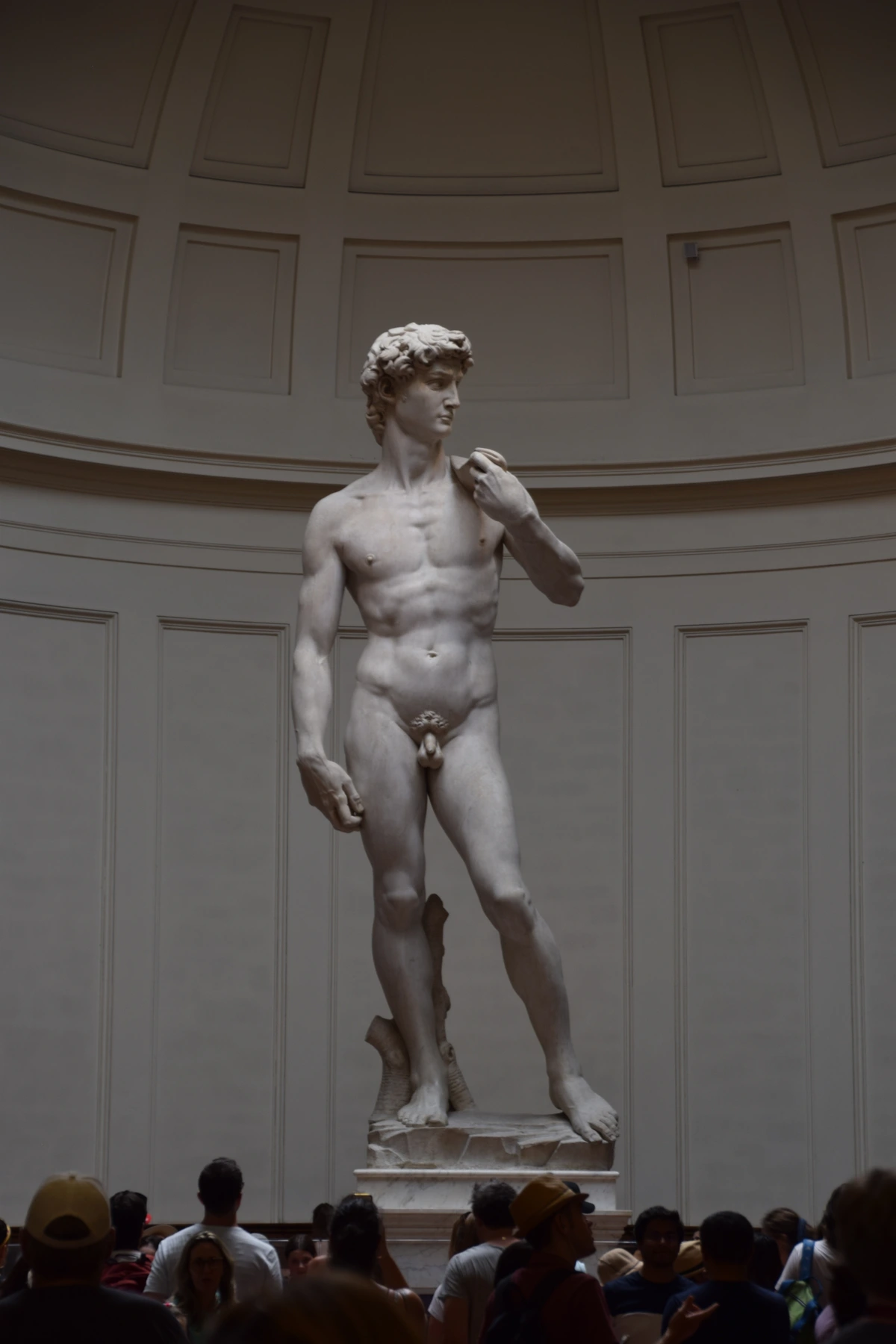
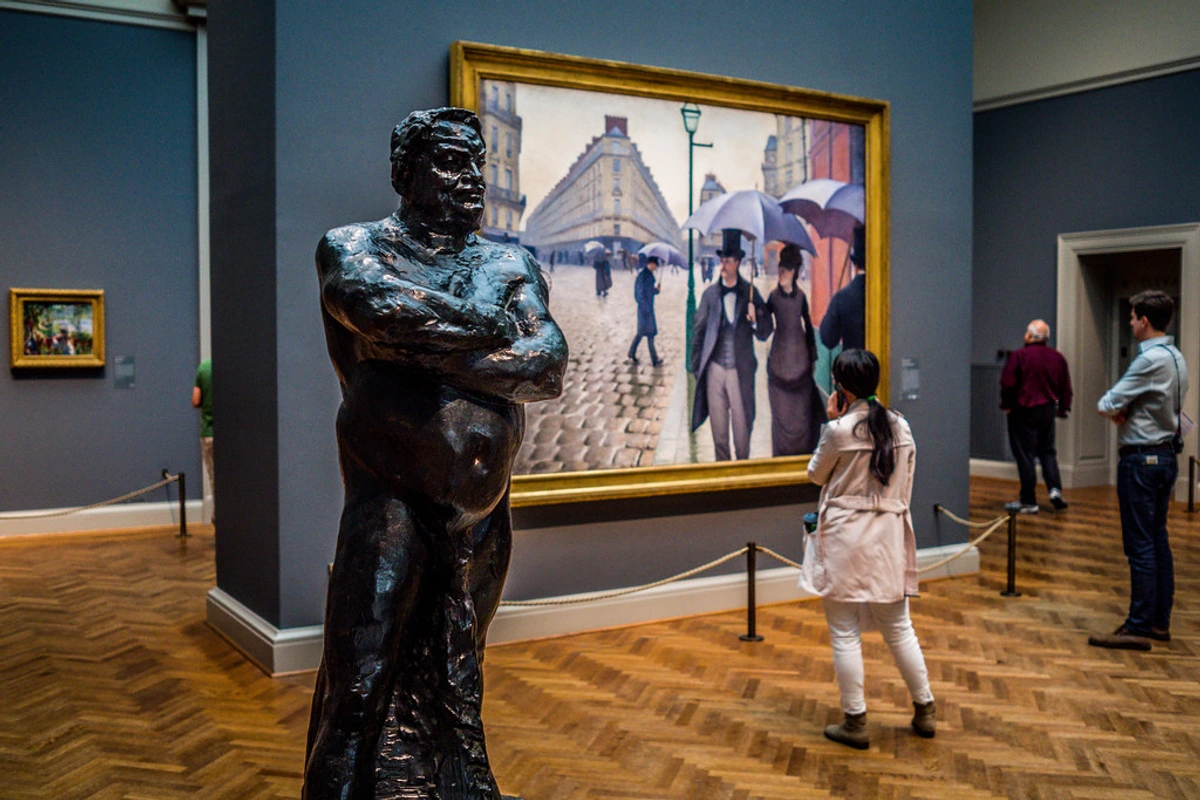
Boccioni channeled this visceral energy directly into his work with sculpture. For centuries, the discipline had been about permanence, stability, and idealized form—just look at classical nudes or heroic monuments. Boccioni wanted the opposite: impermanence and instability as a new form of beauty. He saw traditional statues as "numb and naked... motionless," corpses of an old world. He wanted to inject them with the frantic pulse of the modern world, to make them vibrate with the energy of a roaring engine or a speeding train. This philosophical rebellion wasn't just background noise; it is the very soil from which his sculptural techniques grew.
Core Technique 1: Sculpting with Force-Lines
So, how do you sculpt a moving car without it just looking like a blurry car? Boccioni's genius was a simple, profound realization: movement isn't something that happens to an object, it's something that defines the object. He tore the body apart, breaking it down into its essential planes and vectors of force. It's like he took a high-speed photograph and then translated its blur into solid form. This approach was a radical departure from even his immediate predecessors and had a profound influence on the trajectory of 20th-century art.
Look at his undeniable masterpiece, Unique Forms of Continuity in Space. The figure is almost unrecognizable as a man in the traditional sense. It's a dynamic succession of rippling, wind-sculpted surfaces that seem to push through the very air. The legs are powerful, piston-like structures. The torso swells and stretches as if molded by the wind. It's not a man walking; it's the sculptural embodiment of the act of walking—a monument to velocity itself.
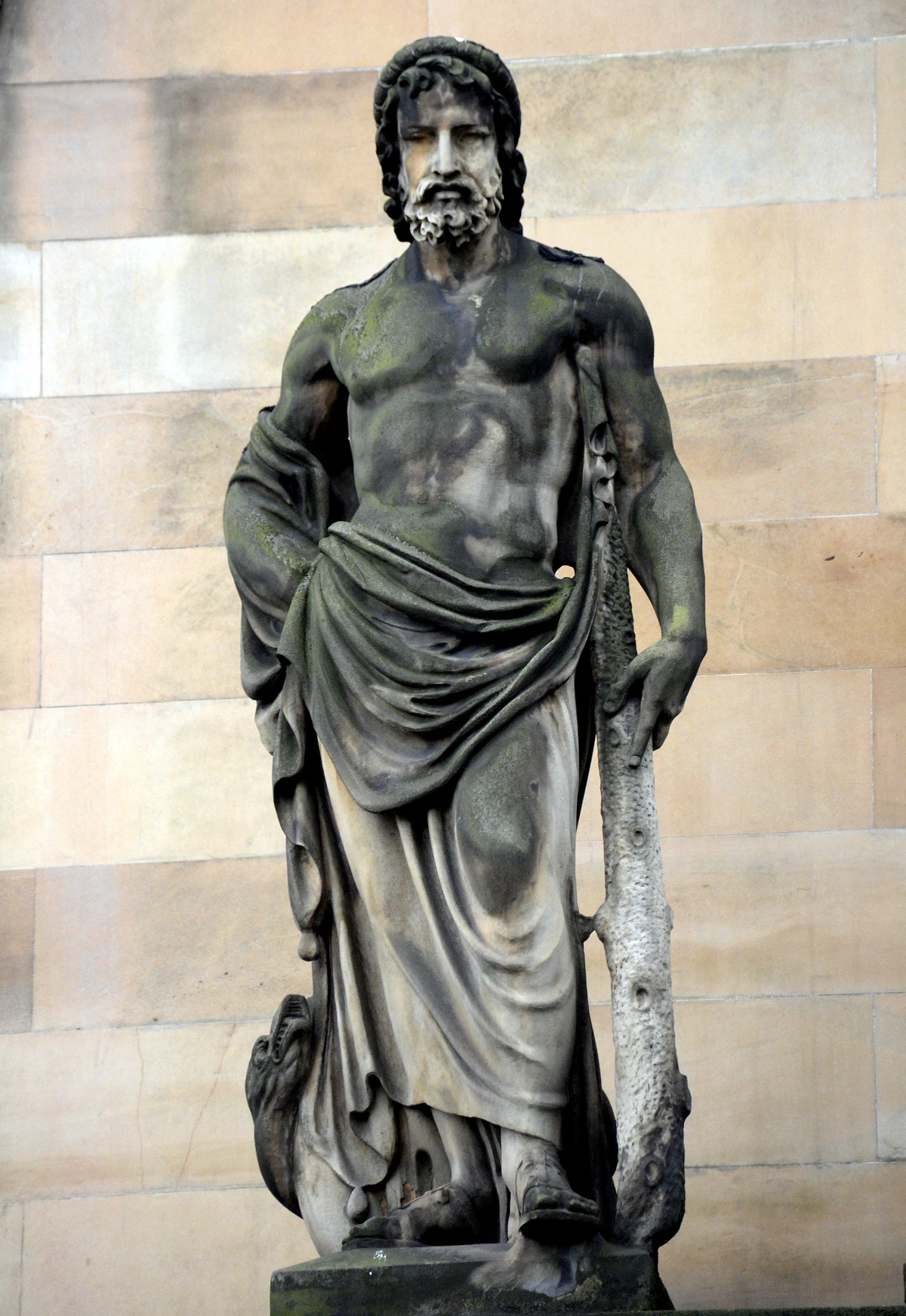
Let's break down what makes it tick. He employed a principle he called "force-lines" (linee-forza). Imagine drawing the path of a fist as it punches through the air, or the trajectory of a diver cutting into the water. That's a force-line. Boccioni didn't just draw these lines; he built them in three dimensions, letting them define the entire surface of the sculpture. Every curve, every ripple, is a record of a directional energy passing through the form. It's a sculpture of the invisible physics of motion—the wake an object leaves in the fabric of space itself.
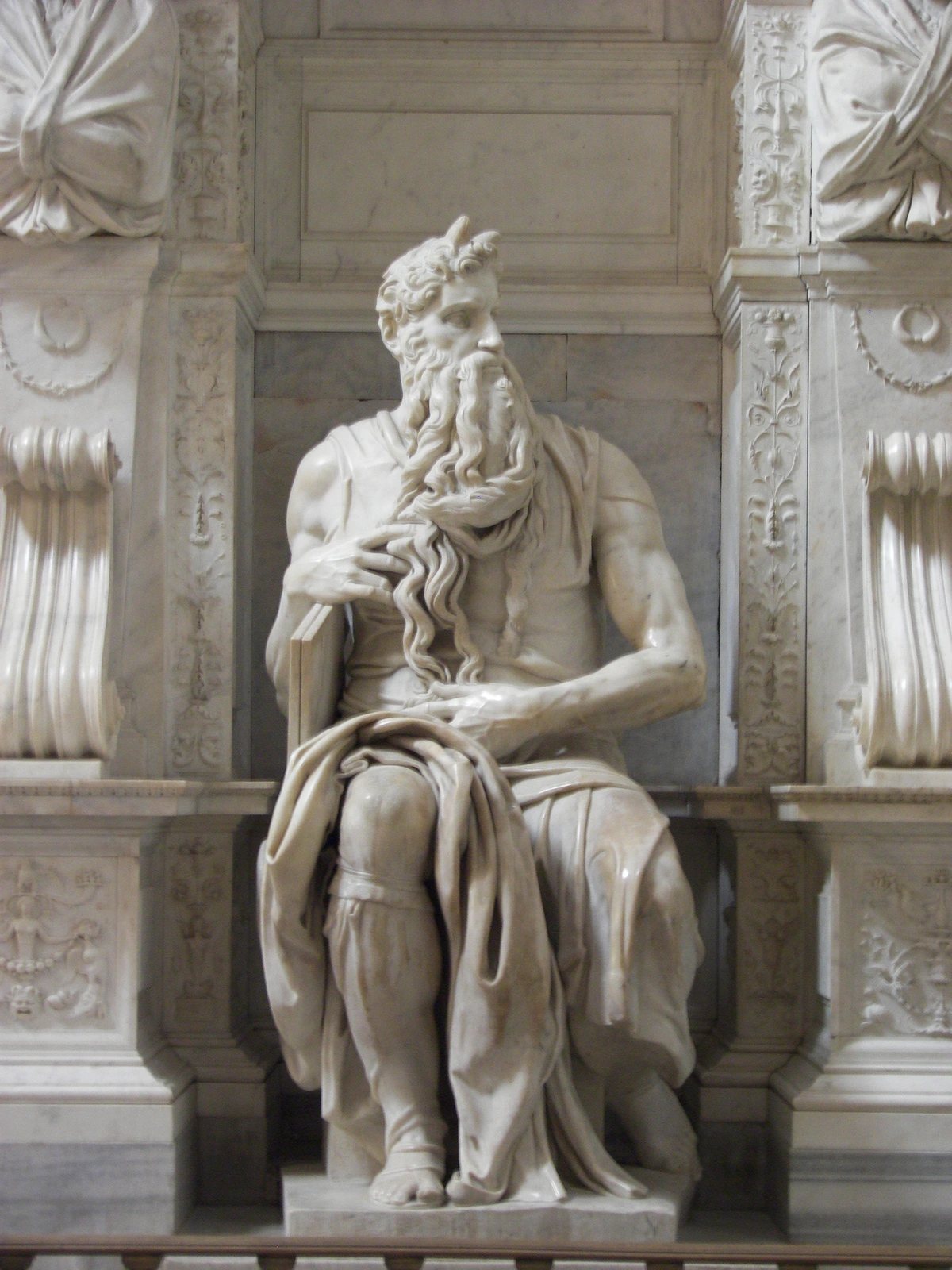
But it wasn't just about a single object. Boccioni was obsessed with "the interpenetration of planes." He believed that an object and its environment were in constant dialogue, mutually shaping one another. In his sculptures, you see this as forms that seem to merge with the surrounding space, as if the air itself has a tangible viscosity and is shaping the figure as it moves. This idea—that form and space are not separate but one continuous, dynamic interaction—is perhaps Boccioni's most profound contribution to the language of sculpture.
Deconstructing a Masterpiece: Unique Forms of Continuity in Space
To truly grasp Boccioni's technique, we need to dissect his most [famous work](/finder/page/famous abstract art). He created Unique Forms of Continuity in Space in 1913, originally in plaster. The bronze casts we see in museums worldwide were made after his death.
Even the medium tells a story. Boccioni modeled it in plaster, a material that can be built up quickly, allowing for the kind of spontaneous, dynamic shaping that a slow, reductive process like carving stone would never permit. It was about capturing an idea in a flash. But what are we actually seeing when we look at this icon?
First, the deconstruction of the body. Boccioni abandoned anatomical accuracy. The head is a smooth, aerodynamic bullet. The torso is a series of overlapping, wing-like planes. The legs are powerful thrusts of form. He's not showing you a body; he's showing you the body's aerodynamic envelope as it moves.
Second, the synthesis of motion. This isn't a figure frozen mid-stride. It's the compression of multiple moments in time. You can feel the leg pushing off, the body leaning into the future, the wind resistance shaping the form. It's a single object that contains a duration of time.
Third, the illusion of self-propulsion. This blew my mind when I first realized it. The base isn't a static plinth; it's a dynamic platform of flowing forms that the figure seems to both push against and glide over. It's like the shockwave a jet creates as it breaks the sound barrier, rendered in bronze. The figure isn't just moving; it's generating its own path through sheer kinetic force. There's no need for a human narrative or emotional expression. The motion is the emotion. It's a portrait of pure, relentless forward momentum.
This sculpture was Boccioni's definitive answer to philosophies like Henri Bergson's “élan vital,” or vital impulse. Where Bergson theorized about the continuous, flowing nature of time and consciousness, Boccioni built a physical manifestation of it. He took this abstract concept of a life force and made it something you could almost feel with your hands. The solid bronze paradoxically seems to flow like water, held in a state of permanent, urgent flux. It’s a visual metaphor for the relentless energy of the modern age, a modern Winged Victory for the age of the automobile, with its sense of triumphant, unstoppable drive.
Case Study: Development of a Bottle in Space
While Unique Forms is the icon, another sculpture, Development of a Bottle in Space (1912), is perhaps the purest example of Boccioni's fusionist philosophy. Here, he takes a simple, everyday object—a wine bottle—and subjects it to a full Futurist analysis.
He doesn't just show you the bottle. He explodes it. It's an exercise in re-imagining the very nature of an object, willing it to reveal its hidden dimensions. I love this piece because it proves his ideas could be applied to anything, not just the heroic human form. It democratizes dynamism.
The key technique here is "the continuity of form in space." Boccioni wanted to show the bottle not as a standalone object, but as a series of relationships. He unrolls it, revealing its profile (the iconic bottle shape) and its cross-sections simultaneously. Imagine holding a bottle and then seeing the silhouette it casts on the wall merge with the bottle itself, while the empty space inside it becomes as tangible as the glass. That's what he's sculpting.
This forces the viewer to move around the object. The sculpture reveals itself through a sequence of views, unfolding over time. The bottle's interior (the negative space) and exterior (the positive form) interpenetrate, becoming a single entity. The solid bronze and the surrounding emptiness become equal partners in the composition. This relationship, where solid and void are locked in a dynamic embrace, has influenced countless sculptors who came after, from Henry Moore to Richard Serra.
It's a Cubist idea pushed into three dimensions—showing multiple viewpoints at once—but with a uniquely Futurist obsession. The Cubists, like Picasso and Braque, were often more analytical, breaking down form to understand its underlying geometry. Boccioni was synthetic; he wanted to reveal the object's history, its trajectory, its very essence of being-through-time. He isn't depicting a static bottle; he's depicting the thought of a bottle, the memory of a bottle, the act of perceiving a bottle from all angles over a duration. It’s sculpture as a verb, not a noun.
Core Technique 2: The Sculptor as Fusionist
If you want to sculpt a galloping horse, do you have to use marble? Boccioni would have said absolutely not—that's an arbitrary limitation, a self-imposed cage. In his Technical Manifesto of Futurist Sculpture, he declared: "Let's split open our figures and place the environment inside them!" It was a radical call to arms against the monolithic, single-medium tradition of carving stone or casting bronze.
The core idea was that the materials should serve the emotion and the concept, not the other way around. The idea of using different elements for different effects, choosing a "brushstroke" for its specific expressive quality, is a principle that continues to drive modern abstract art. It’s a lesson that a sculptor is a constructor, an assembler of meaning, not just a carver of a single block. ### The Manifesto of Materials: A Riot of Substance
A single material was a dead end, a tradition-bound cul-de-sac for Boccioni. He saw a deep hypocrisy in sculptors who would paint their marble statues to mimic reality. Why cling to the purity of the material if you're just going to disguise it? He argued that if you need color, or glass, or wood, or even electric lights, you should use them. This wasn't just about material choice; it was about rejecting an arbitrary division between artistic disciplines.


In his 1912 Technical Manifesto of Futurist Sculpture, he laid out a new material reality: "Sculptors must make objects live by showing their extensions in space... To achieve this, we will make use of every means, every technique, every material, whether glass, wood, cardboard, cement, iron, leather, cloth, mirrors, electric lights, etc., etc." This was his palette. Not just clay or bronze, but the stuff of the modern world itself—the same materials you'd find in a factory or on a busy street.
His idea was to create a sculpture that wasn't an isolated object, but a center of force that interacted with its environment. To do this, he proposed combining materials to suggest different sensations. He wrote about using:
- Translucent materials like glass or celluloid to represent planes of atmosphere and light.
- Metals of different tones and lusters to suggest speed, mechanical power, and the industrial age.
- Textiles to bring a sense of the familiar, the domestic, into the realm of the dynamic, blurring the lines between public and private.
There's a direct line to be drawn from this manifesto to the assemblage and mixed-media works of later artists like Kurt Schwitters and Robert Rauschenberg. Boccioni saw that a sculpture made from a single block of marble was a lie about the interconnected, chaotic reality of the 20th century. This wasn't just a formal exercise. It was an attempt to break down the barrier between the art object and the living world, creating a form that felt less like a precious artifact and more like a concentrated burst of environmental energy. He was a sculptor trying to capture the fourth dimension—time—by any means necessary.