The Ultimate Travel Sketchbook Guide: Master Your Creative Journey
Unlock your travel art potential with this comprehensive guide to choosing the perfect sketchbook. Dive into durability, portability, paper types, and binding, with expert tips and personal recommendations for your next adventure.

The Traveling Artist's Quest: Unlocking the Ultimate Travel Sketchbook Guide, or How I Learned to Stop Worrying and Love the Right Book
I have a confession: my studio has a graveyard of half-used travel sketchbooks. There's the one whose cheap, brittle glue gave out in a bustling Lisbon hostel, its pages, once filled with tentative sketches of tiled facades, spilling an ink-stained mess all over my backpack. Lisbon, a city whose vibrant street art demanded a permanent record in my sketchbook. Instead, its pages became a blotchy disaster, a testament to a binding that simply surrendered to the humidity and the weight of my enthusiasm (and perhaps a slightly overstuffed bag). Then there's the one with beautiful, thick 300 GSM watercolor paper that felt so luxurious but was so heavy I ended up leaving it behind in a Parisian Airbnb to save on baggage fees. Imagine sketching the delicate ironwork of the Eiffel Tower, only to realize the sheer weight of your art supplies is preventing you from actually reaching it. And let's not forget the softcover whose 80 GSM pages bled through so badly with a simple fineliner (a standard 0.3mm pigmented ink pen, to be precise) that every drawing had a ghost of its predecessor on the back – imagine a delicate architectural line on the front making a faint, unwanted shadow on the back, obscuring a later, more detailed pencil study. This quest for the right creative companion? It's been a journey, often fraught with material betrayal and a lot of creative exasperation.
The romance of travel sketching is potent, isn't it? You picture yourself as a modern-day Delacroix or a pioneering Leonardo, effortlessly whipping out a leather-bound volume to capture a fleeting moment in a bustling market. The reality, for many of us, is a bit more chaotic: fumbling with a book that won’t stay open while trying not to drop your favorite pen in a puddle, battling an unexpected gust of wind, or realizing your paper simply isn't up to the task. The "perfect" travel sketchbook often feels like a myth, and many of us have faced the indignity of a beautiful idea ruined by a poor choice of materials. But after years of trial and (a lot of) error, I've realized the goal isn't to find the one perfect book, but the right book for the trip you're on. This comprehensive guide will unravel the mysteries of paper weights, binding styles, and cover materials, equipping you with the practical wisdom to select your ideal creative companion, ensuring your travels are filled with inspired, effortless creation.
By the end of this guide, you'll be equipped to choose a sketchbook that perfectly complements your travel style, your chosen media, and your artistic ambitions. My hope is that it prevents you from having your own graveyard of unused or prematurely ruined sketchbooks. This is your ultimate guide to finding the best travel sketchbooks.
The Sketchbook Through Time: A Brief History of Portable Creativity
Before we dive into the nitty-gritty of modern choices, it's worth remembering that artists have been carrying portable companions for centuries. From Leonardo da Vinci's notebooks, filled with everything from anatomical studies to engineering marvels, to Delacroix's travel journals capturing the vibrant scenes of North Africa, sketchbooks have always been vital tools. Think also of Renaissance scientists and explorers who meticulously documented new discoveries in portable volumes. Beyond the famous names, consider the countless anonymous artists and scholars of the Grand Tour who filled bespoke volumes with topographical sketches of European landscapes, or military cartographers who meticulously mapped battlefields in durable, often hand-bound field journals. Even J.M.W. Turner, known for his atmospheric landscapes, carried small sketchbooks to capture fleeting light and weather conditions, while Vincent van Gogh filled dozens with rapid studies, using them as laboratories for his vibrant ideas.
These weren't always the slick, mass-produced items we see today. Imagine a time when an artist might bind their own paper, perhaps even tanning the leather for a cover, tailoring it precisely to their grand journeys or their secret studies. Early artists often used precious materials like parchment (animal skin, durable but expensive) or vellum (finer calfskin), which could withstand extensive erasure and rework. The advent of more affordable rag paper and later, wood pulp paper, along with advancements in printing and binding, gradually democratized the sketchbook, transforming it from a treasured, often handcrafted, object to the diverse range of options we have today, all informing our pursuit of the perfect portable studio.
Yet, this romantic ideal often clashes with the practical realities of modern travel. To bridge that gap, we need to get brutally honest about what we really need from our portable studios.
What We Really Need: Understanding Your Artistic Ecosystem on the Road
Before you even look at brands or paper weights, you have to be honest with yourself about how you'll actually use this thing. It's less about ticking off a spec sheet and more about understanding your particular needs, your 'artistic ecosystem' on the road. Think of it like a gardener choosing tools and soil for specific plants: a delicate orchid needing precise humidity is different from a hardy cactus thriving in arid conditions. For an artist, this means considering your typical travel style – are you a fast-paced hiker needing something incredibly lightweight and compact, perhaps for quick ink sketches, or a city explorer who can afford a bit more bulk for more elaborate plein air painting pieces? What's your intent for this particular sketchbook? Is it a quick visual diary, a dedicated study book, or a repository for detailed architectural drawings? And don't forget the climate: extreme humidity or desert dryness can drastically impact paper performance and binding integrity, much like how weather influences a gardener's choice of plants. A succulent can brave a drought, but a water lily needs a pond; similarly, your sketching habit dictates your book.
Before you dive into the options, take a quick "Media Inventory." What are the 3-5 art supplies you always pack for a trip? List them out. Fineliners? Watercolor pans? Charcoal pencils? Alcohol markers? This immediate, practical assessment will directly inform your sketchbook requirements.
To build the foundation of your decision-making for your next best sketchbooks for traveling choice, let's explore three core pillars: portability, durability, and the crucial element of paper.
1. Portability: The Size vs. Space Trade-Off
This is a constant battle for the traveling artist. You want enough space to feel free in your drawing, but not so much that you feel like you're carrying a paving slab or struggling to sketch discreetly in a crowded cafe. My advice: imagine yourself drawing with it in a cramped train compartment, on a bustling market street, or standing up at a museum. Will it feel unwieldy? Will it fit in your art supplies bag? How many times have you found yourself wrestling with a book that's just a little too big for your bag, or too awkward to hold while standing? The "perfect" size is the one that allows you to create without hesitation. Also, consider the overall weight of the sketchbook – a small book with heavy paper can still be a burden. And don't forget the feel in hand; a well-balanced sketchbook that feels comfortable to hold for extended periods can make a huge difference in your creative flow.
| Size (Approx.) | Nickname | Approx. Weight | Pros | Cons | Best For (Media & Purpose) | |---िजन |---िजन |---िजन |---िजन |---िजन |---िजन | | A6 (4x6") | The Pocket Rocket | Very Light | Fits anywhere, discreet, great for quick notes and urban sketching | Can feel cramped, not ideal for larger compositions or complex scenes | Quick urban sketches, pen & ink, pencil journaling, discreet observation, minimalist packers | | A5 (6x8") | The Goldilocks | Light | The sweet spot: portable but with enough space for detailed studies | Can be too large for very confined spaces like airplane tray tables; some might find it a bit predictable | All-around mixed media (light washes, ink, pencil), detailed studies, balanced portability, versatile use for most trips | | B5 (7x10") | The Studio-Lite | Medium | Glorious amounts of space, feels luxurious for detailed work | Noticeably heavier and bulkier, harder to whip out on a whim; might require a dedicated bag | Larger compositions, more detailed mixed-media or watercolor studies, studio-like feel on the go, ideal for longer stays or specific projects | | A4 (8.3x11.7") | The Grand Canvas | Heavy | Maximum space for ambitious pieces, great for multi-day studies | Significant weight and bulk, very conspicuous; requires a large bag | Dedicated watercolor or acrylic projects, studio-quality work on location, multi-day studies, artists prioritizing space over all else | | Square (various) | The Instagrammer | Varies (Light-Medium) | Looks great in photos, breaks up the usual format, dynamic compositions | Can be an awkward shape for some compositions (like wide landscapes or tall portraits); less common accessories | Dynamic compositions, social media sharing, unique perspective, great for abstract or graphic work, mixed media | | Other/Custom | The Bespoke Beauty | Varies | Tailored to your exact needs, unique aesthetic, specific media | Can be harder to find, potentially more expensive or requires DIY effort | Highly specialized media, unique travel scenarios, specific artistic projects, DIY sketchbooks |
2. Durability: Will It Survive You (and Your Travels)?
Your sketchbook is going to get beat up. It'll be shoved in bags, sat on, perhaps even used as a makeshift fan or coaster. I remember one disastrous trip where my softcover sketchbook met an angry downpour in a tiny Italian village; the entire book warped, and my spontaneous sketches of ancient stone looked like they'd been drawn underwater. Extreme humidity or dryness can also affect paper, causing it to warp or become brittle over time. A good travel sketchbook is a durable sketchbook. Because let's face it, your sketchbook is going to have a tougher life than a pampered house cat.
Cover Materials: Your First Line of Defense
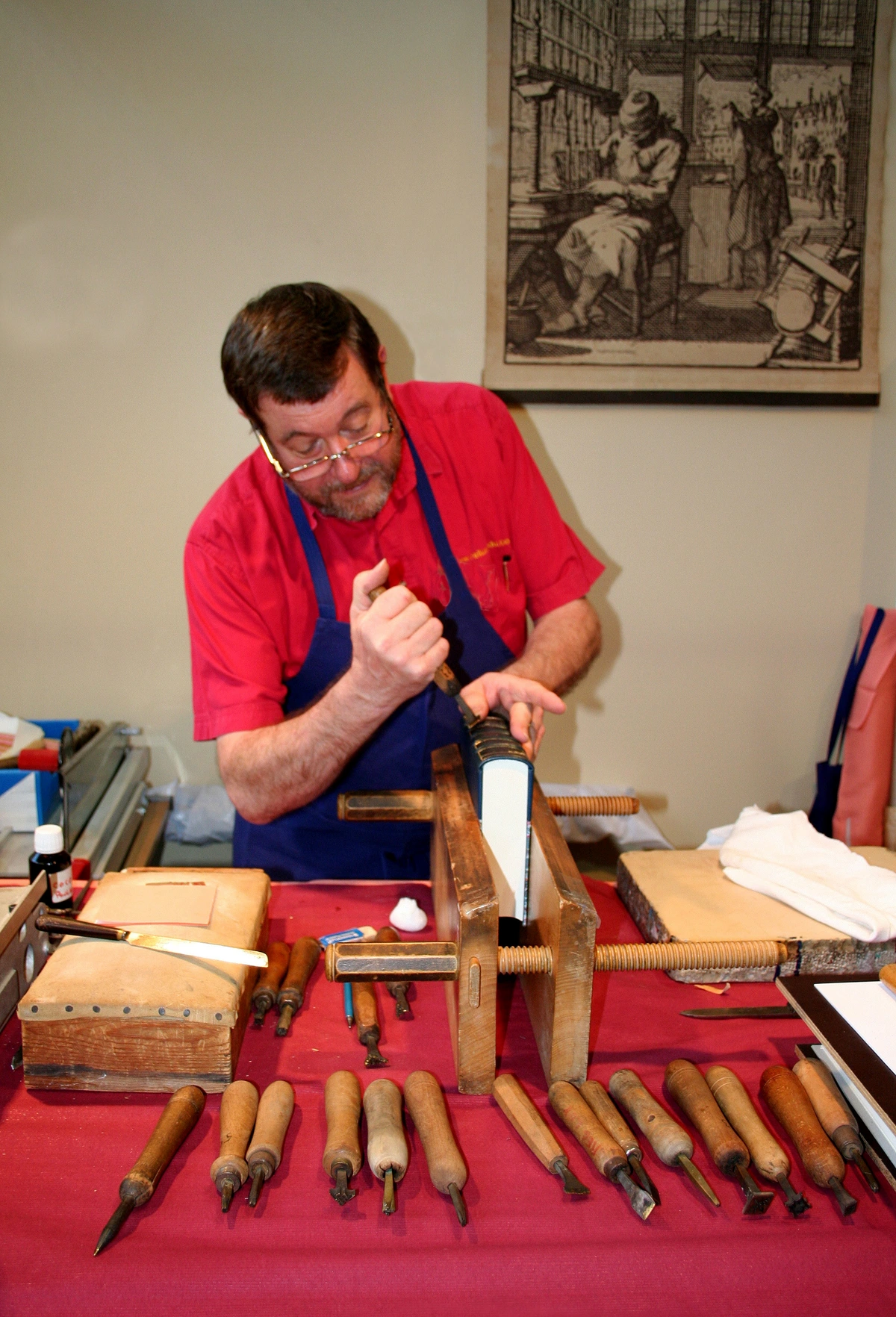
When considering durability, the cover material goes beyond a simple hard or soft classification. It's your sketchbook's armor against the world. Beyond basic protection, consider how different materials will hold up to UV exposure (prolonged sun can fade or degrade some plastics/cloth), salt spray (for coastal trips, some materials resist corrosion better), or extreme temperature fluctuations (which can make some plastics brittle in cold or soften glues in heat). These factors can be as brutal as a rogue coffee spill.
- Hardcover (Paperboard/Cloth-bound): My personal default. These offer the best protection for the pages inside and give you a solid, stable surface to draw on, even on a wobbly bus or a crowded park bench. They're the sturdy friend who always has your back. Many are covered in cloth (like robust linen or more flexible canvas, often treated with buckram for added abrasion resistance, which holds up well to scuffs) or leatherette (a durable faux leather that can be surprisingly tough but may eventually show signs of cracking with heavy use, especially if exposed to extreme bending). For maximum ruggedness, some even feature water-resistant coated paperboard (like greyboard or binders board for structure, often laminated with a plastic film like polypropylene or PVC) or synthetic materials, providing an extra layer of defense against unexpected splashes. Treated canvas, for example, will repel light rain far better than untreated paperboard.
- Softcover (Flexible Card/Leatherette): Lighter and more flexible, which is a big plus for minimalist packers. But the corners will get dinged, and if you’re not careful, the whole thing can get bent out of shape. Look for thicker, high-quality card stock or flexible plastic covers for better resilience, especially if you're out in the elements like an artist using a portable easel. A coated cardstock will offer more protection than a simple uncoated one, especially against moisture or light abrasion. Untreated flexible card can easily absorb humidity and warp or soften.
- Plastic/Waterproof Covers: Less common, but fantastic for truly rugged adventures where rain or dampness is a constant threat. Brands like Rite in the Rain make sketchbooks designed for extreme conditions, using synthetic paper (like Yupo) that can withstand getting soaked. This material, often polymer-based, repels water and prevents absorption, making it ideal for ink or pencil sketches in the wet, though it has a unique, non-absorbent feel that some artists find challenging for traditional wet media. The ultimate protection, though often less aesthetic.
Binding Styles: How Your Book Opens (and Stays Open)
This is a critical, often overlooked aspect of durability and usability. A binding's integrity can make or break your travel art experience.
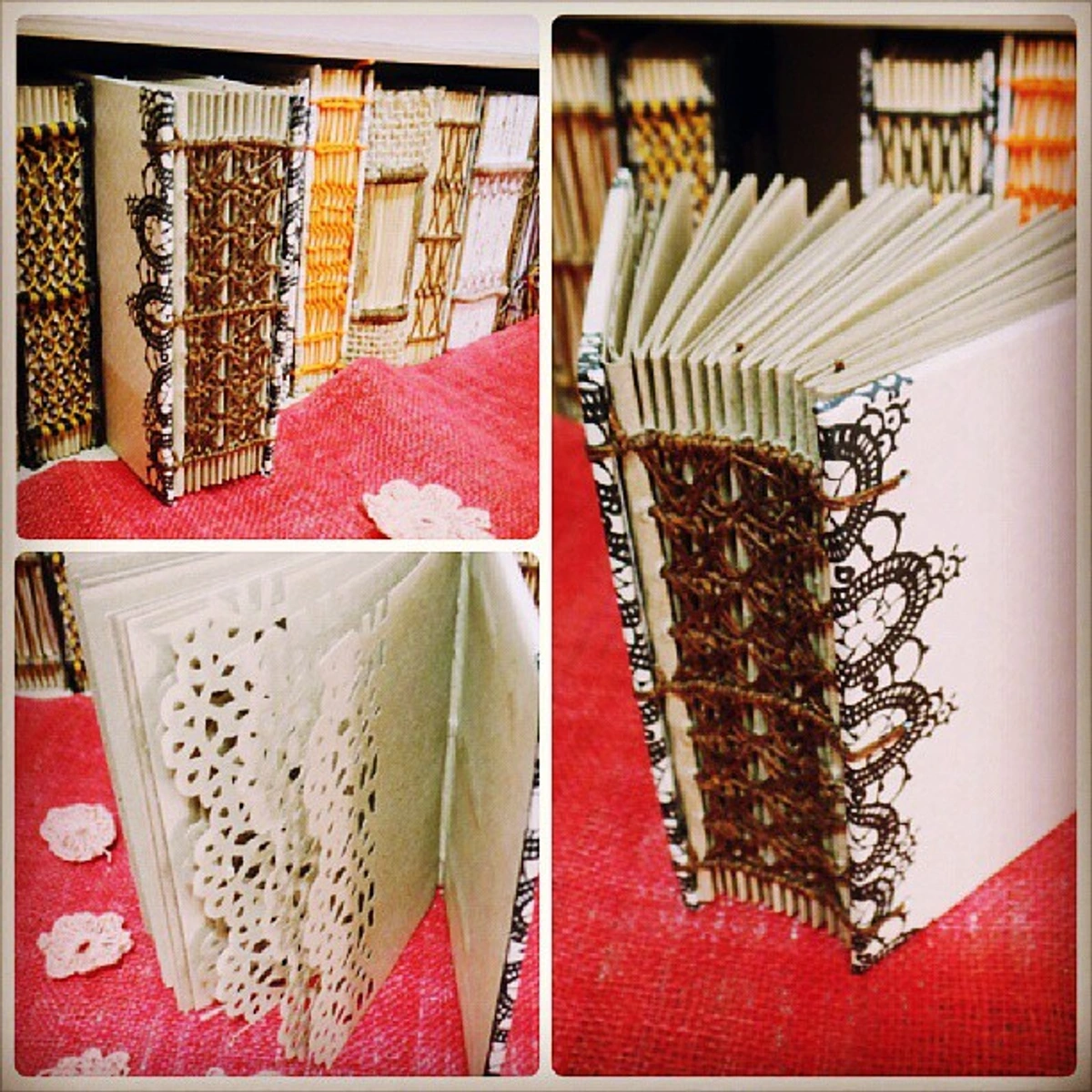
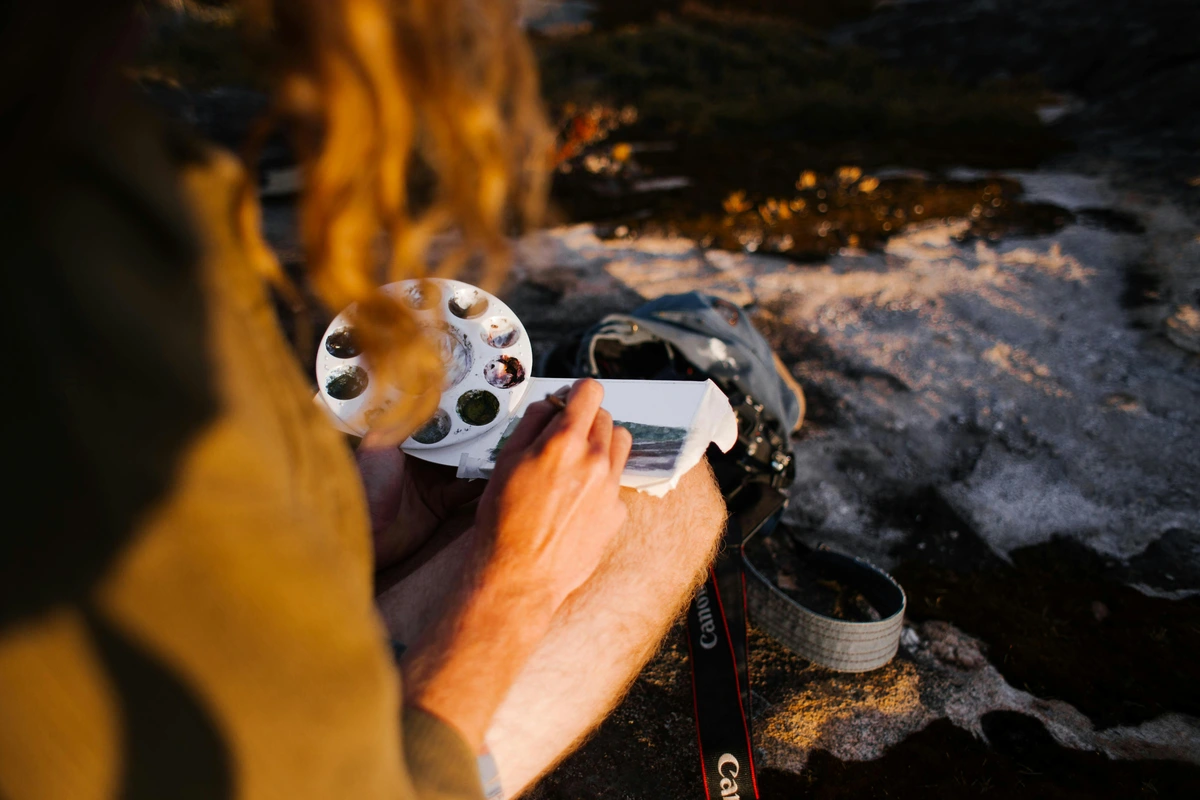
- Case-Bound (Sewn/Glued Hardcover): This is the classic, durable binding for hardcovers, where pages are sewn together in signatures (sections of folded paper) and then glued into a stiff cover. They offer longevity, but don't always lie perfectly flat without some breaking-in. Moleskine is a prime example of this robust binding style, as are many of the hardback offerings from Stillman & Birn. For superior lay-flat ability, especially for expansive two-page spreads, look for Coptic binding, which allows the book to open completely flat from day one. While less common in mass-produced travel sketchbooks, brands like Etchr offer variants that get close, or you might find them in artisan-made books.
- Stitched (Softcover): Often found in softcover books, these bindings are surprisingly robust and frequently lie flatter than simple glued softcovers. This can refer to saddle-stitching (pages stapled through the fold, common for thin books) or more elaborate sewn softcover bindings where signatures are sewn before being attached to a flexible cover. They're a good compromise between flexibility and usability, and brands like Leuchtturm1917 use them effectively, making them a durable choice for a portable art journal.
- Glued (Softcover): The most common and often cheapest option. Pages are simply glued at the spine. While fine for light use, they can lose pages or refuse to lie flat, especially after repeated opening. My Lisbon incident was a prime example of a cheap glued softcover failing spectacularly. However, not all glued bindings are equal; look for higher quality brands that use more flexible, stronger glues or a specific "layflat" glued binding technique (also known as perfect binding if done well, where the spine is roughened and a strong, flexible adhesive is applied). Still, even the best glued binding will eventually succumb to wear and tear if not handled with care, particularly in extreme climates where glues can harden and become brittle (dry heat) or soften (high humidity).
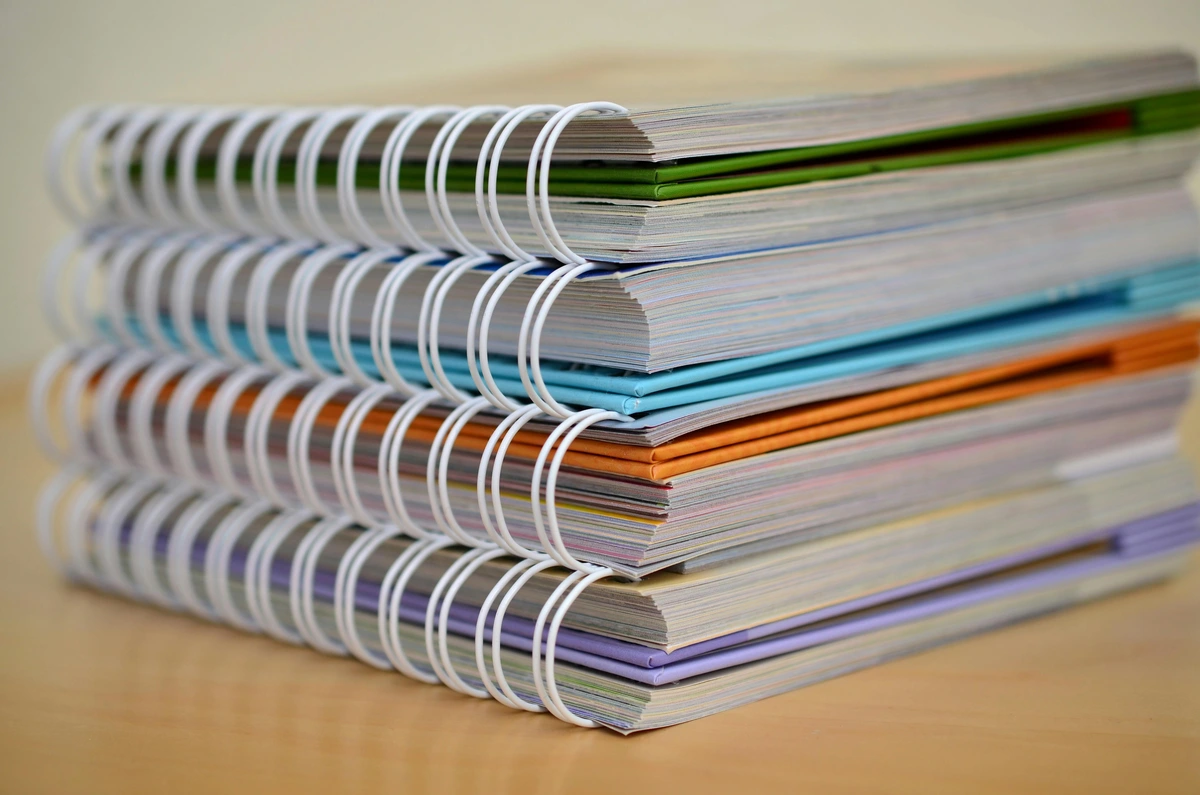
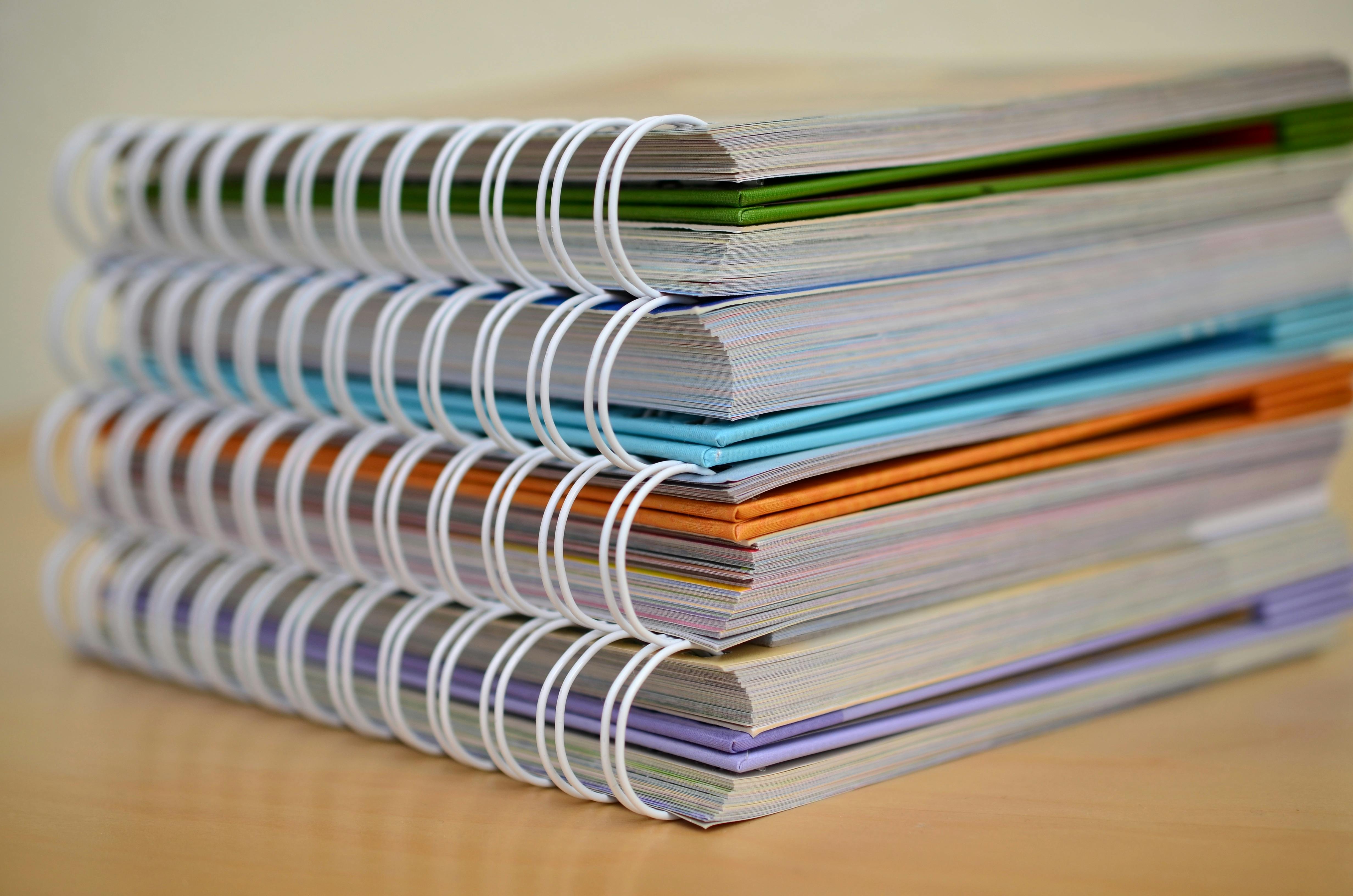
- Spiral-Bound: Oh, the spiral. It lets the book lie perfectly flat, which is a dream for expansive landscapes or two-page spreads. The nightmare begins when that wire coil gets snagged on something – like a rogue backpack zipper – and bent into a metallic pretzel. It's a high-risk, high-reward situation; I've had more than one spiral-bound book become unusable mid-trip. If you go spiral, look for sturdy double-wire binding (also known as Wire-O binding) and perhaps a protective elastic band or a cover that extends beyond the spiral. Alternatives like Japanese stab binding or Concertina binding can also offer a unique, lay-flat experience with better durability, though they are often custom or DIY.
3. The Soul of the Book: Paper
This is where it gets deeply personal. The paper determines what you can do, what media it will tolerate, and how your art will ultimately look. It's the true foundation of your work, and choosing the right one is paramount for any best sketchbooks for artists quest. Think of paper as the canvas for your journey; its properties will dictate the very texture and vibrancy of your memories. Understanding the arcane language of paper manufacturers is the key to unlocking your creative potential.
Paper Properties: GSM, Tooth, and Sizing
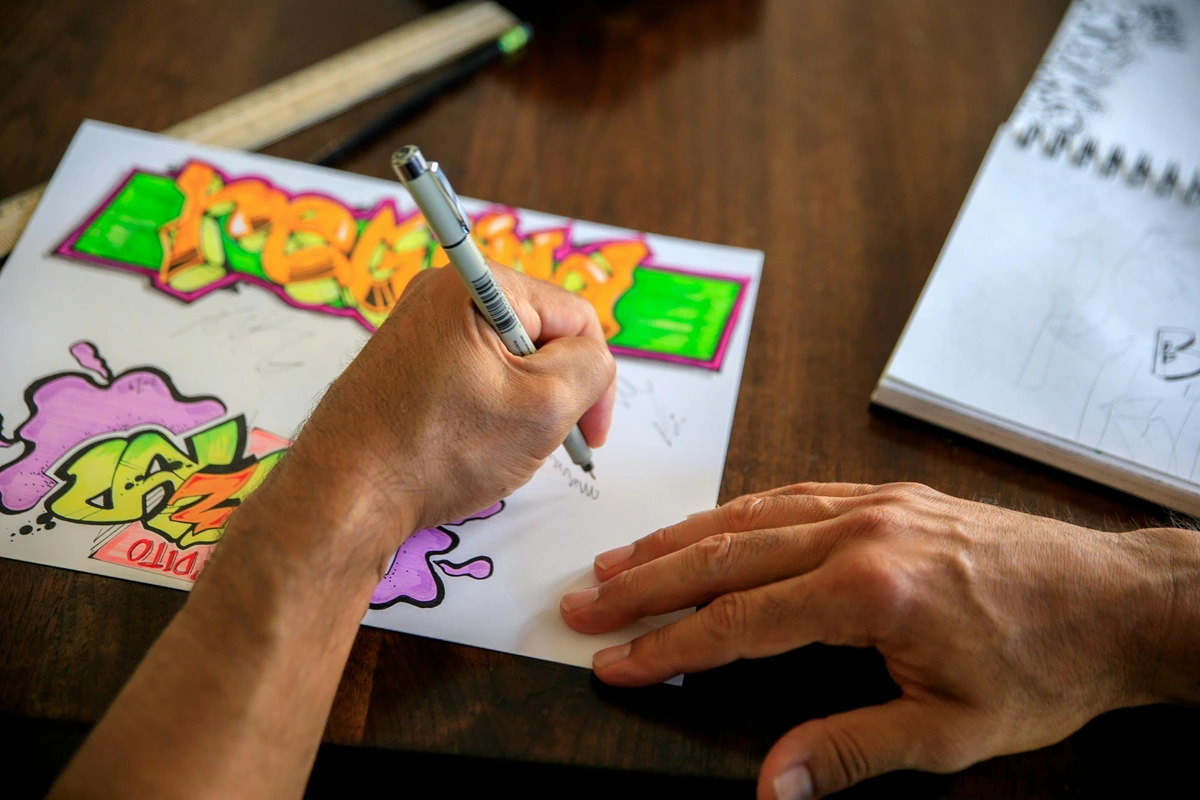
The key metric is GSM (Grams per Square Meter), which is essentially how thick and robust the paper is. Think of it like the thread count for fabric, or the density of a high-quality bath towel; higher GSM generally means a sturdier, more robust paper that can take more abuse and more wet media without complaint. My 300 GSM watercolor paper in Paris, for instance, could hold a flood, but its weight was its downfall. Beyond simple thickness, consider that paper density can vary based on manufacturing; a higher GSM doesn't always guarantee superior rigidity if the pulp isn't compressed well. For example, some lightweight but highly absorbent papers might feel thicker for their GSM due to less compression. Also, for larger pieces or heavy wet media, the grain direction of the paper (either long grain or short grain) can impact how much it buckles or lies flat, especially when wet. If you wet paper against its grain, it tends to curl and buckle more dramatically. You can often test the grain by gently bending the paper in both directions; it will bend more easily along the grain.
Beyond thickness, there's tooth – the paper's texture. Imagine running your hand over different surfaces: smooth glass (hot press or very smooth paper, great for precise lines, fine pens, minimal texture), fine sandpaper (cold press or medium tooth, grabs pigment for charcoal, pastel, watercolor washes), versus a piece of linen (rough tooth, builds texture, great for broad washes and expressive marks). A smoother paper (less tooth) is wonderful for fine lines, detailed ink work, and precise pencil drawings, allowing your pen to glide effortlessly. A rougher paper (more tooth) grabs pigment more readily, making it ideal for charcoal, pastels, and broad watercolor washes. Each offers a different experience for water media, dictating how your brushstrokes will interact with the surface and how much visual texture your drawing will have.
Finally, there's sizing. This often-overlooked factor refers to chemicals added to the paper pulp (internal sizing) or applied to the surface (external sizing) to reduce its absorbency. For ink, fountain pens, markers, and particularly watercolor, good sizing prevents the liquid from soaking in too quickly and bleeding, keeping the pigment on the surface where you want it. Poorly sized paper will act like a sponge, leading to dull colors, dreaded bleed-through (when the pigment soaks through to the other side, often due to poor sizing or insufficient paper weight) and less archival longevity as pigments aren't properly secured. This differs from ghosting, where a faint image is merely visible on the reverse side due to the paper's translucency rather than actual penetration. Good sizing also affects how colors blend and layer, making a significant difference in the vibrancy and control of your wet media. With poor sizing, watercolor can look overworked and muddy, as if the paper is drinking the color before it has a chance to dance. Different sizing agents (like gelatin for traditional watercolor or synthetic polymers like AKD for modern papers) have distinct effects on drying time and pigment adhesion.
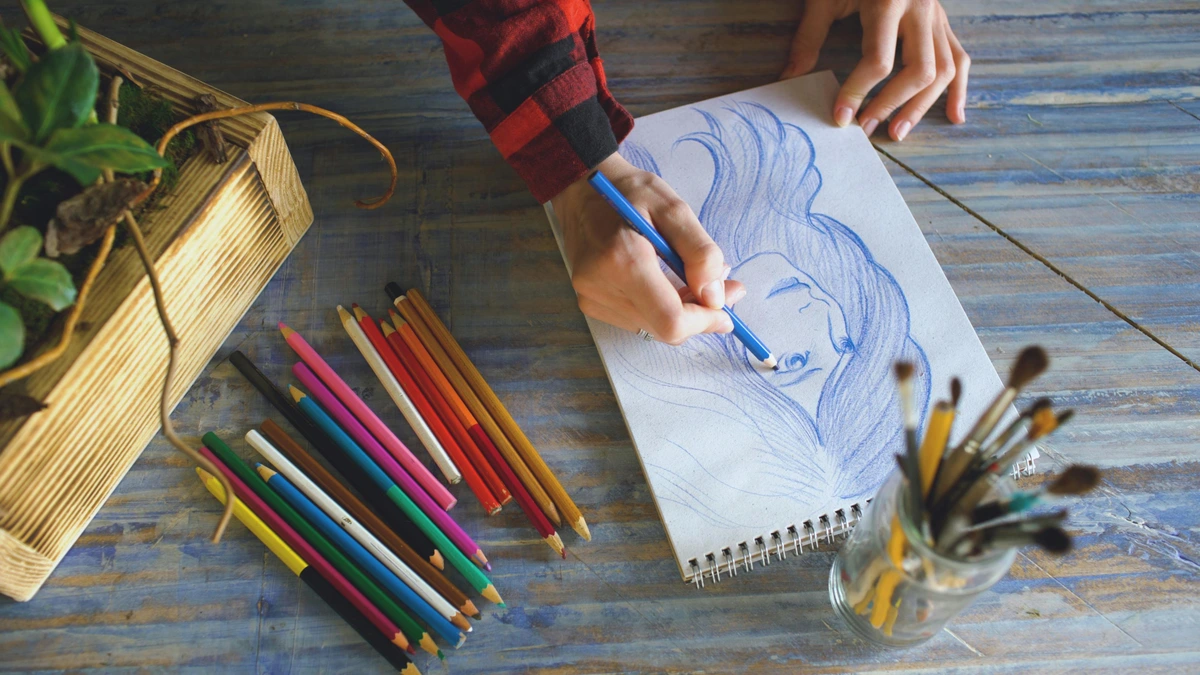
Understanding these three core pillars – GSM, tooth, and sizing – is like learning the secret language of paper. They are the fundamental variables that will dictate how your chosen media performs and, ultimately, how your travel art comes to life. Which of these textures or properties speaks most to your current artistic mood?
Paper Finish: Beyond the Tooth
While paper tooth describes the texture, paper finish refers to the overall surface quality, which can be smooth, matte, satin, or glossy. This often impacts how colors appear and how different dry media lay down.
- Smooth (Vellum/Plate/Hot Press): Ideal for fine lines, detailed drawing pens, colored pencils, and markers. Colors appear crisp and vibrant. No tooth means less pigment grab for pastels/charcoal.
- Matte: A slightly textured, non-reflective surface. Good for most dry media and light washes. Offers a softer appearance than smooth paper.
- Satin/Eggshell: A subtle sheen, often slightly smoother than matte. A good all-rounder, popular in mixed-media papers, offering a balance between detail and absorbency.
- Glossy: Highly reflective, usually coated. Best for specific inks or photographic prints. Rarely found in sketchbooks for traditional art as it repels most drawing media.
Paper Types by Media: What Can Your Pages Handle?
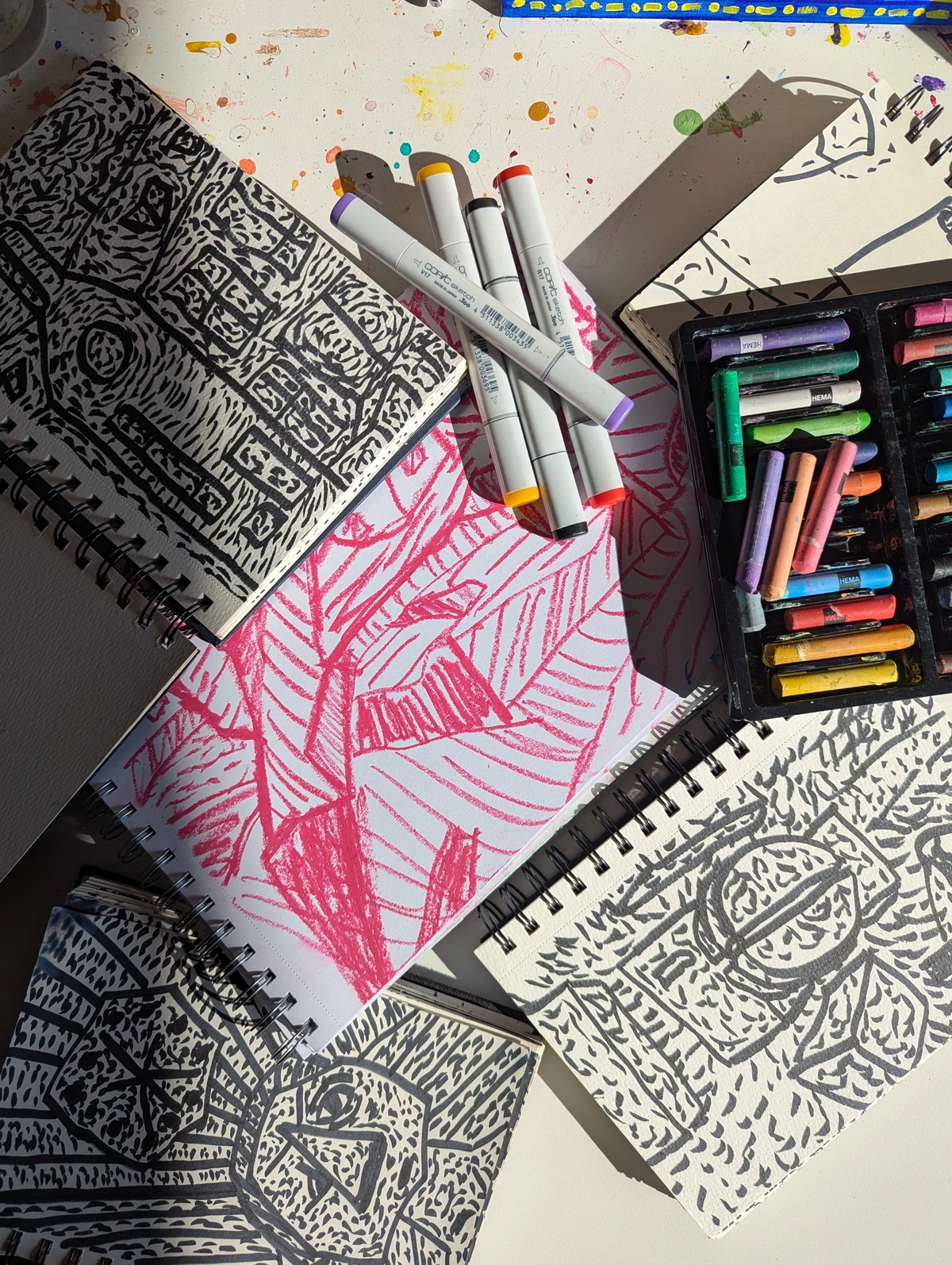
- Dry Media Dominant ( < 100 GSM): This is primarily for graphite, charcoal, and some very light ink work. This is the territory of many cheap sketchbooks (e.g., standard school sketchbooks), and they will absolutely betray you with wet media. That dreaded bleed-through (or 'ghosting') often happens with lower GSM paper or highly saturated inks, as the fibers aren't dense enough to hold the pigment on the surface. Imagine drawing a detailed ink sketch of a city skyline on one page, only to have the ink visibly ghost through, ruining the delicate pencil portrait you planned for the reverse side. For artists primarily focused on graphite and sketching pencils, or building up layers with charcoal, a paper with good tooth in this weight range is often sufficient and even preferred. But don't even think about a marker or a wash.
- Mixed Media All-Rounder (120-160 GSM): Your versatile companion. This paper can handle most inks, many markers (though always test first, as some alcohol-based markers will still ghost!), and a very light watercolor wash without significant buckling (that's when the paper wrinkles, warps, or forms ripples like a tiny, unwelcome ocean when wet). Brands like Moleskine Art Sketchbooks, Stillman & Birn Alpha Series, or Strathmore 400 Series are excellent in this range. For superior bleed-through resistance even at this GSM, consider Midori MD Notebooks or Leuchtturm1917, often favored for drawing pens and alcohol-based markers. While excellent for pens and light washes, they will buckle and absorb heavier watercolor applications more readily than a dedicated watercolor paper. Most of my favorite all-purpose travel sketchbooks live in this range because they're so versatile – the perfect compromise between robust paper and manageable weight. This is often an excellent choice for a best sketchbooks for traveling option.
- Serious Wet Media (200+ GSM): Now we're talking. This is serious watercolor paper territory. It can take a beating with multiple washes, heavy ink, and even some gouache or acrylics. If you’re serious about plein air painting or dedicated watercolor studies on the go, even on a small scale, you need this robustness. You can execute wet-on-wet techniques, build vibrant layers, and lift color without destroying the paper surface. Look for specific watercolor paper qualities here, focusing on cold press for texture or hot press for detail. Brands like Stillman & Birn Beta/Gamma/Delta Series, Hahnemühle Watercolor Books, or Etchr Sketchbooks are top contenders. Some of these are truly the best sketchbooks for watercolor artists.
Sketchbooks for Specific Art Styles: Matching Your Book to Your Vision
Beyond media, consider how your preferred artistic style aligns with sketchbook characteristics:
- For Loose, Expressive Washes (Impressionistic Landscapes, Urban Scenes): Prioritize thicker paper (200+ GSM) with a cold-press (medium) tooth and excellent sizing. This allows for wet-on-wet techniques, vibrant color blending, and minimal buckling, capturing the fleeting light and atmosphere you desire.
- For Detailed Architectural Renderings or Botanical Illustrations: Opt for smooth (hot-press) paper (120-160 GSM) that lies perfectly flat (case-bound or spiral) and resists feathering with fine liners. This ensures crisp lines, precise detail, and easy scanning for digital refinement.
- For Dynamic Gesture Drawings or Rapid Figure Studies: Choose a lightweight sketchbook with moderate GSM (90-120 GSM) and a fine tooth, ideally with a durable softcover for quick access. This encourages speed and fluidity, allowing you to capture movement without resistance.
- For Atmospheric Mood Pieces (Charcoal, Pastel, Toned Media): Select a toned paper sketchbook (120-160 GSM) with a medium tooth. The inherent mid-tone of the paper makes it easier to build deep shadows and striking highlights, creating a rich sense of depth and drama.
My Go-To Sketchbooks: The Hall of Fame
Having navigated a graveyard of unsuitable sketchbooks, I've distilled my experiences into a personal 'Hall of Fame' – the champions that consistently deliver. These aren't just recommendations; they're illustrations of how carefully aligning a sketchbook with your artistic needs can transform your travel art experience. Each of these has earned a permanent spot in my travel bag for a slightly different purpose, embodying the principles we've just discussed, and solving real-world artistic dilemmas.
The Workhorse: Moleskine Art Sketchbook ($$)
Yes, it's a cliché, but for a reason. These are tough as nails. The hardcover (case-bound), elastic band, and back pocket are just perfectly designed for travel. I remember a Moleskine saving my bacon in a Lisbon downpour once, the hardcover taking the brunt of a sudden splash and keeping the precious pages relatively dry. The paper (a robust 165 GSM, usually cream-colored, with a smooth surface) is beautiful for ink and pencil, offering a lovely surface under the pen and allowing for crisp lines. I typically grab this for rapid ink and wash sketches of bustling urban scenes, capturing architectural details with fineliners, or quick gesture drawings of people on the go. Be warned: it does not love heavy watercolor. It will reluctantly tolerate a very light wash, but if you push it, the paper will get weirdly mottled, buckle significantly, and generally make your colors appear dull due to poor sizing for heavy water applications. It's the reliable friend who's always there, even if they're not a fan of getting too wet.
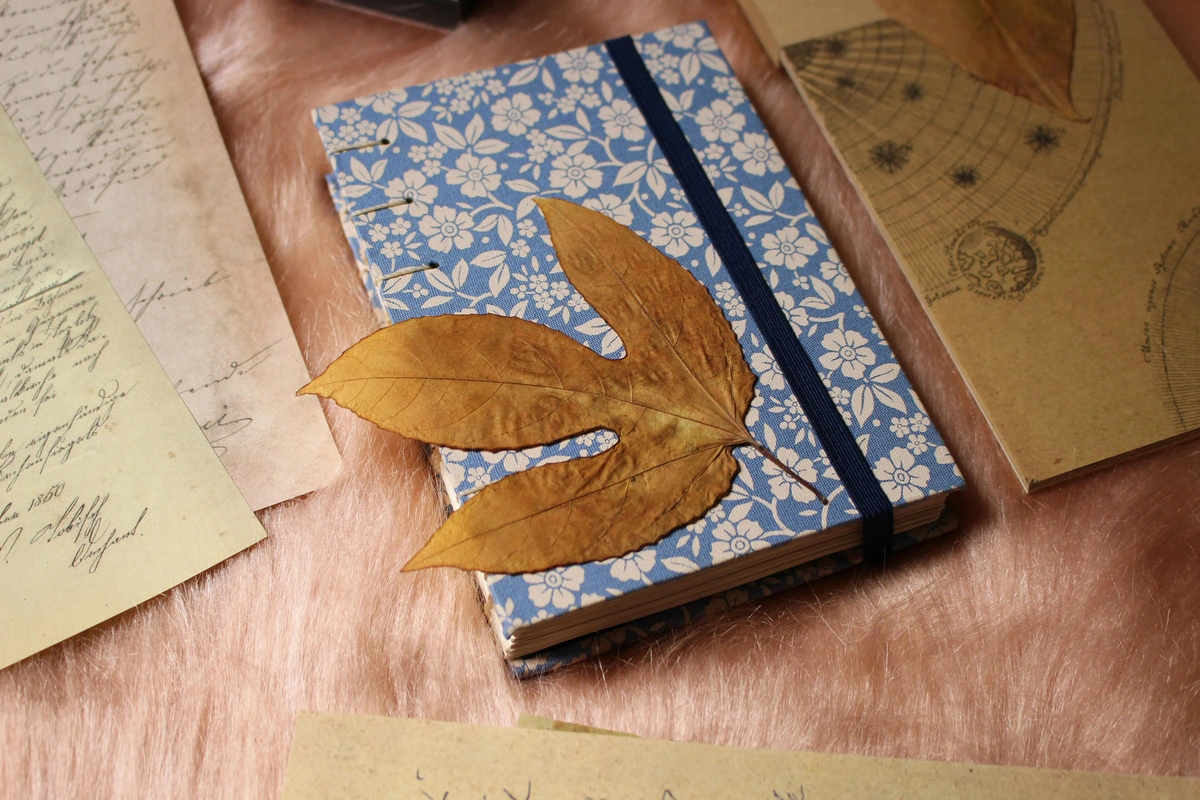
The Watercolor Warrior: Stillman & Birn (Alpha & Beta Series) ($$-$$$)
When I know I'm going to be truly painting, particularly with water media, I bring one of these. Stillman & Birn is all about the paper, and they are champions of versatility for artists who love working with paint types. The Alpha Series (150 GSM, white, medium-tooth paper, usually stitched softcover or case-bound hardcover) is a fantastic mixed-media book that can handle washes significantly better than the Moleskine – I’ve done some vibrant ink and wash studies in these that really shine, with minimal buckling. It's often the best compromise for a traveling artist who doesn't want to carry a dedicated watercolor block, providing enough robustness for light markers and multiple ink layers too. I use the Alpha for dynamic ink and watercolor studies of landscapes or detailed botanical illustrations that require light layering, sometimes even employing wet-on-wet techniques for atmospheric effects. The Beta Series (270 GSM, white, cold-press watercolor paper, typically case-bound hardcover) is a proper watercolor book. The paper is brilliant, designed to withstand multiple washes and heavy layering without buckling, and it lets you get serious with your paints without carrying a massive, heavy block. This is what I turn to when I want to fully embrace best watercolor paper qualities on the go, conducting intensive plein air watercolor studies, layered gouache pieces, or multi-day atmospheric studies that demand substantial water. If you're also working with gouache or even light acrylics, their heavier Gamma (270 GSM, natural white) and Delta (270 GSM, ivory) series are also fantastic, offering different paper tints to play with. This series truly allows you to paint with confidence, no matter how ambitious your wet media plans. It's the steadfast companion for any serious watercolor artist on the road.
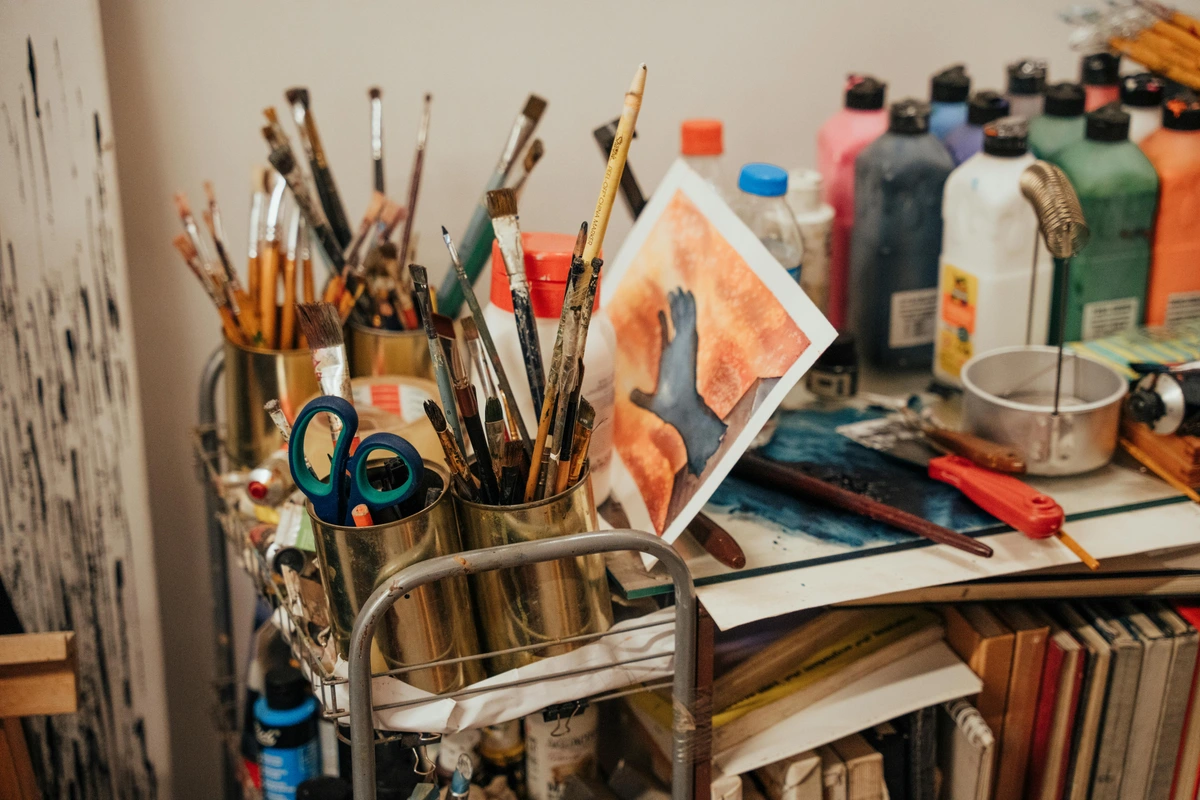
The Eco-Conscious & Inspirational Choice: Hahnemühle Toned Paper Sketchbooks ($$)
Sometimes, working on pure white paper is intimidating, almost too precious. That stark white surface can make you overthink every mark. Hahnemühle makes beautiful sketchbooks with toned paper (grey or tan, typically 120 GSM, smooth to fine-grain texture, often stitched softcover or glued hardcover) from 100% recycled materials. The toned background makes your highlights pop and feels less intimidating, encouraging you to jump right in. It forces you to think about values differently, using the paper itself as a mid-tone, which can lead to surprisingly dynamic compositions, especially when working with charcoal for drawing, white pastel, or opaque media like gouache. I find these perfect for capturing dramatic light and shadow with white charcoal on grey paper, or rich, earthy landscapes with sepia tones and opaque media like gouache on tan paper. It's a fantastic way to be more sustainable in your practice, a topic I think about a lot when choosing the best eco-friendly art supplies for conscious artists. Plus, working on toned paper can push your compositions in new, exciting directions – it's like a built-in mid-tone for your values, making it easier to achieve atmospheric depth quickly. This choice embodies how selecting a sketchbook based on mood and a desire for sustainability can lead to equally inspired artistic outcomes, proving the "perfect" book is truly personal.
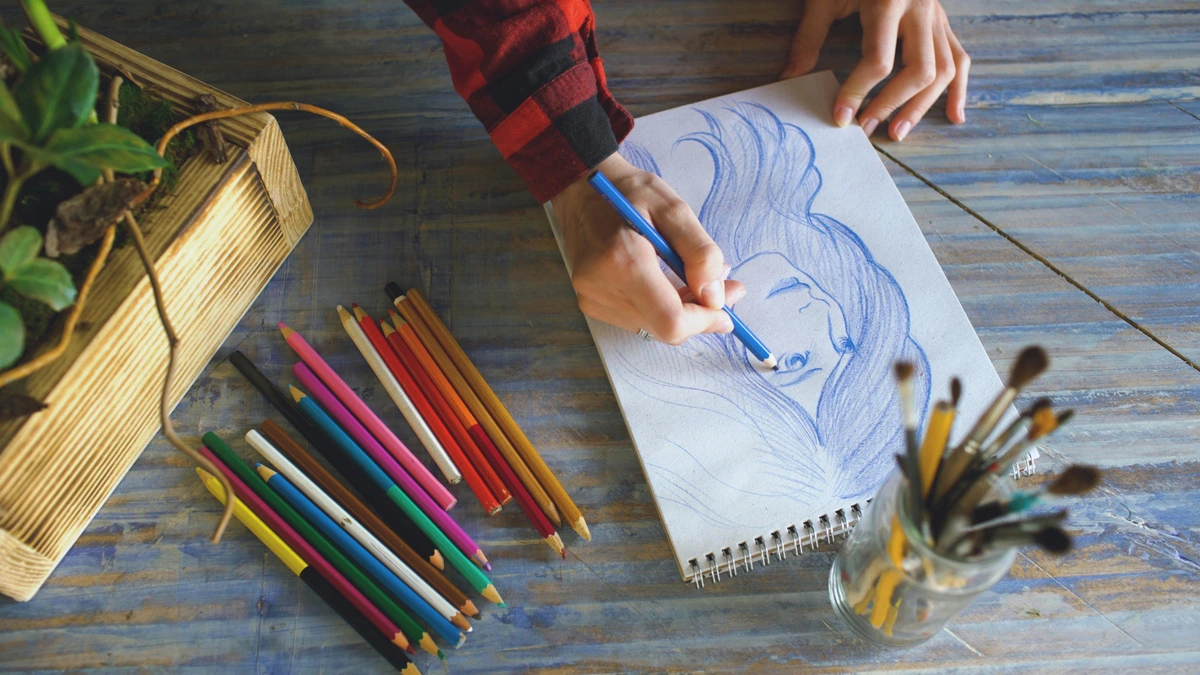
Beyond the Book Itself: Practical Tips for Your Creative Journey
Owning the perfect travel sketchbook is only the first step; learning to live with it on the road transforms it from a tool into a true companion. These are the little habits and tricks I've picked up that make a huge difference to the longevity and usability of my creative companions, ensuring they become a part of your travel story, not just a receptacle for ink. The relationship between artist and sketchbook is a symbiotic one, evolving with every journey.
Clipping & Stability: Taming the Wild Pages
Bring bulldog clips. Two big, sturdy ones, always. Use them to clamp the pages down so they don't flap around in the wind or curl up. They provide a stable anchor and prevent pages from being caught by unexpected gusts, a game-changer when you’re battling the elements, working in a breezy cafe, or trying to manage a two-page spread. This also helps immensely with softcover books trying to curl up after being bent, forcing them to lie flatter. You can even use them to secure a small pen or brush case to the outside of your book.
The First Page: Your Personal Test Zone
Don't be precious about it; it’s a tool, not a display piece. Use it to swatch your pens, markers, and paints. See how they behave on that specific paper – does the ink feather? Does the watercolor bleed or buckle? Does that Prismacolor pencil layer smoothly, or do your alcohol markers ghost through? Test different types of ink (fountain pen, fineliner, brush pen), varying intensities of watercolor washes, and layering with colored pencils or pastels. It saves heartbreak later. For long-term pieces, you might even test for lightfastness by exposing a swatch to sunlight for a few weeks.
The Sketchbook as a Time Capsule: More Than Just Drawings
It's a journal, not just a sketchbook. Glue in ticket stubs, receipts, interesting packaging, dried leaves from a memorable park, a tiny map from a forgotten village, or snippets of overheard conversations. Write notes, thoughts, and feelings. A travel sketchbook becomes a truly unique time capsule, capturing the experience of your trip, not just the visual. Some of my most treasured sketches are surrounded by scribbles about the weird sandwich I ate that day, or a snippet of a conversation I overheard. These elements often inform future artistic decisions and make the entire book a richer artifact. You can see some of these experiments and their evolution on my /timeline.
Sketchbook Storage & Longevity: Protecting Your Art
When not in use, especially in humid or wet climates, consider a simple plastic sleeve or a small waterproof bag. A bent corner is character; a waterlogged journal is heartbreak. If your sketchbook does get damp, gently press it between clean, absorbent sheets of paper under a heavy, flat object (like other books) to help it dry evenly and minimize warping. For high humidity, consider including a few silica gel packets in its protective sleeve or even an airtight container. For dry climates, a more robust cover or a slightly flexible binding can help prevent pages from becoming brittle, as glue can dry out and crack, leading to pages falling out. Once a trip is done, give your travel companion a little love. If you've used loose media like pastels or charcoal, a light fixative spray can prevent smudging, though I often just accept the 'character' the smudges impart, seeing it as part of the book's unique story. Store them upright in a cool, dry place to prevent warping over time, perhaps in a dedicated art portfolio or archival box.
Protecting Your Work from the Elements: Climate Considerations
Your sketchbook isn't just battling backpack zippers; it's also facing nature's whims. In high heat (like a desert or a car left in the sun), glues can soften and become gummy, leading to pages detaching, while paper can curl excessively. In extreme cold, some paper can become brittle, and ink might freeze or perform poorly. For coastal travel, prolonged exposure to salt spray can degrade bindings and paper over time. Always keep your sketchbook out of direct sun and extreme temperatures when not in use, ideally in a protective, sealed bag. In humid environments, consider using a drawing glove to prevent hand oils from smudging delicate pencil or pastel work.
Embrace Imperfection: The Power of 'Bad' Drawings
This is perhaps the most important tip. Your travel sketchbook isn't for masterpieces; it's for exploration, observation, and capturing the fleeting. Don't be afraid to make "bad" drawings. They are essential practice, and often, the most important insights come from these less-than-perfect attempts. The constraints of travel – limited time, new environments, unexpected challenges – can actually foster incredible creativity and problem-solving. Every "mistake" or "failed" sketch is a lesson learned, a stepping stone to future growth. Sometimes, a "bad" travel sketch sparks an idea for a larger, more refined piece you might find on my /buy page, or it might inspire a new direction for a collection. It's a catalyst for creation, not just a record of perfection. Remember, the journey of making art is often more valuable than the destination of a flawless finished piece.
The Ultimate Customization: Consider a DIY Sketchbook
Perhaps the ultimate customization comes from making your own. If you're someone who loves to choose specific papers for specific needs, or you want to align perfectly with your best eco-friendly art supplies for conscious artists philosophy, constructing your own sketchbook can be incredibly rewarding. It’s not just about saving a few bucks; it’s about crafting a tool that is truly an extension of your artistic hand, choosing everything from the binding style (e.g., a simple pamphlet stitch, a more robust Coptic binding, or an elegant Japanese stab binding) to the very 'tooth' of the paper. For travel, a simple Coptic-bound book filled with lightweight, yet durable, watercolor paper can be an ideal bespoke companion. There are countless online tutorials, or you can explore local workshops on how to make your own sketchbook to guide you.
Ethical Sketching in Public: A Mindful Approach
When sketching people or public spaces, always be mindful and respectful. Be discreet, avoid drawing people without their consent if possible, and be aware of local cultural norms around photography and artistic depiction. Your art should enhance, not intrude upon, the experience of those around you. In some religious or sensitive sites, drawing might be restricted, so always check signs or ask if unsure. In crowded markets or cafes, a smaller A5 or A6 sketchbook can feel less intrusive than a large A4 book. Be aware of your surroundings, and if someone seems uncomfortable, respectfully put your sketchbook away. Your artistic freedom should not come at the cost of another's comfort or privacy.
FAQ: Your Burning Travel Sketchbook Questions Answered
To further demystify your choices and ensure your creative journey is as smooth as possible, here are answers to some of the most common questions we encounter about travel sketchbooks, drawn from years of ink-stained fingers and artistic adventures:






What's the best all-in-one sketchbook for watercolor and ink? I'd point you towards the Stillman & Birn Alpha series. Its 150 GSM paper is incredibly versatile, handling both ink and moderate watercolor washes really well without being overly thick or heavy. It's a true mixed-media workhorse, robust enough for the rigors of travel. For excellent bleed-through resistance specifically with drawing pens and lighter washes, consider the Midori MD Notebook or Leuchtturm1917, though they will buckle and absorb heavier watercolor applications more readily than the Alpha series or dedicated watercolor paper. Remember, no single sketchbook is perfect for heavy, layered watercolor; for that, a dedicated watercolor block or a specialist watercolor sketchbook with 200 GSM+ paper will always offer superior performance, albeit with increased bulk.
Hardcover or softcover for backpacking? Hardcover, 100%. Your backpack is not a gentle companion; it's a black hole of shifting weight and potential damage. A softcover will almost certainly get destroyed – pages bent, corners dinged, and the integrity compromised. The hardcover's rigidity also prevents the sketchbook from being easily bent or creased in a packed bag, providing crucial protection for your precious artwork and memories. The extra few grams of weight are absolutely worth the protection for the longevity of your creative journey. Unless you're a true ultra-light minimalist where every gram counts, and you're willing to sacrifice durability for extreme compactness, stick with a hardcover.
How do I stop my pencil drawings from smudging? Three options, ranging from practical to philosophical:
- Fixative Spray: Effective, but can be annoying to travel with due to its bulk and often strong odor. Best used sparingly or when you have a dedicated workspace. Test it on a spare page first, as some fixatives can alter colors slightly. Look for non-aerosol pump sprays for easier travel.
- Glassine Paper: A thin, smooth, translucent paper placed over the finished drawing acts as a physical barrier. It’s lightweight and effective, easily slipped between pages. You can buy it in sheets or rolls and cut it to size. It's an archival-safe way to protect delicate pencil or pastel work.
- Embrace the Character: My lazy but honest method: just be careful, and accept that a little bit of smudging gives it character and tells a story of its journey alongside you. It adds a unique texture and depth, transforming a pristine drawing into a living artifact of your travels, much like the subtle patina on an old leather journal.
Is an expensive sketchbook worth it? It depends entirely on your mindset. A really nice, high-quality book can inspire you to do your best work and make you feel like a serious artist. However, if it's so expensive you're terrified to mess it up, it becomes a shrine instead of a tool. The best sketchbook is the one you're not afraid to fill – with bad drawings on the way to the good ones. Value isn't just about price; it's about the usability, the freedom it gives you to experiment and create without hesitation, and the experience it provides. Think of it as an investment in your artistic process, a catalyst for creation, not just a commodity.
What if I'm a beginner and don't know what I need? Don't overthink it! Start with something in the A5 'Goldilocks' size, around 120-160 GSM, perhaps a reliable Moleskine Art Sketchbook, a Canson One Art Book, or a Strathmore 400 Series. For beginners, a medium-tooth paper is often very forgiving for both pencil and ink. This gives you a great balance of portability and paper versatility without committing to a niche. Focus on the joy of making marks, on observing the world, and on filling the pages without fear of imperfection. As you draw more, you'll naturally discover what you like, what your preferred media demand, and what truly works for your unique artistic flow.
How does climate affect my sketchbook choice? Climate is a huge, often overlooked factor! In high humidity (e.g., tropical regions), paper can swell, warp, and become more prone to buckling and mold. Glue bindings can also become less reliable, leading to pages sticking together or detaching. Look for sketchbooks with stiffer covers, higher GSM paper (200+ GSM), and consider using a plastic, waterproof bag with a few silica gel packets or an airtight container for storage. In very dry climates (e.g., deserts), paper can become brittle and crack more easily, and glue bindings can become extremely fragile, leading to pages falling out. Opt for flexible bindings like stitched or spiral, or, for case-bound books, prefer sewn signatures with a robust, flexible glue. A protective sleeve can also help maintain moisture levels. For any extreme, durable covers and thicker paper are always a safer bet. For temperate climates with persistent dampness, ensuring good airflow and periodic drying can prevent mold.
What if I create something 'too good' for a travel sketchbook? This is a common thought! My advice is to embrace your travel sketchbook as a space for exploration and capture, not perfection. If you create a sketch you truly adore and want to preserve, consider taking a high-quality photo of it or scanning it. For very refined work, you might want a separate "studio" sketchbook at home that's dedicated to more finished pieces, keeping your travel book for raw, immediate creativity. The freedom to 'mess up' is essential for growth, and a travel sketchbook is the perfect place for that journey of discovery. The true value lies in the authentic record of your creative process on the go, and even your "masterpieces" within it contribute to that richer story.
Your Creative Quest Continues
So there you have it: a deep dive into the sometimes-overwhelming world of travel sketchbooks. Remember, the ultimate choice isn't about finding a single, universally "best" option, but about embarking on your own personal quest to find the right companion for your unique artistic ecosystem and your next adventure. Just as a seasoned explorer chooses their tools carefully, you now have the wisdom to select a sketchbook that will not only survive the journey but also inspire a lifetime of cherished memories. May your pages be filled with boundless creativity and your travels be forever captured, beautifully. Now go forth and create! Perhaps your next masterpiece awaits to be discovered, and recorded, in a special piece from my collection, or perhaps the inspiration will be found right here in Den Bosch.