Choosing Your Canvas Paint: Acrylics, Oils, & More for Lasting Art
Overwhelmed by paint choices? This ultimate guide cuts through the noise, comparing acrylics vs. oils, exploring other mediums, and covering essential canvas prep to help you create vibrant, lasting art.

Choosing Your Perfect Canvas Paint: Acrylics, Oils, and Beyond, For Lasting Art
Okay, let's be real. The first time you stand in front of a blank canvas, the wall of paint tubes at the art store can be more intimidating than the canvas itself. Acrylics, oils, watercolors, gouache, tempera, pastels… it feels like a pop quiz you didn't study for. I’ve been there, staring at the rainbow of options, feeling completely paralyzed, wondering which types of paint for canvas are truly the best, or if there's even a "best paint for beginners canvas." The goal, after all, is vibrant, lasting art.
The truth is, there isn't one single "best" paint for canvas. I know, that's not the easy answer you were hoping for. But the best paint for you depends entirely on what you want to create, how much time you have, and frankly, how much mess you're willing to tolerate. While the art world offers a vast array of mediums – from the delicate whispers of pastels to the bold statements of spray paints – for traditional stretched canvas, most artists gravitate towards two powerhouses: acrylics and oils. This guide will cut through the noise, focusing on these two giants, exploring other canvas-compatible mediums, and equipping you with everything you need to choose, prepare, and create your next masterpiece.
So, let's break it down together. No jargon, no gatekeeping. Just a real conversation about what it's like to work with these different mediums. We'll figure out which one is your perfect match.
Essential Preparations: Understanding Your Canvas Foundation
Before we even get to the paint, let's talk about the canvas itself. Think of it as your painting's foundation – if it's not solid, your masterpiece might just crumble (or at least, your paint won't behave as you'd like). This isn't just a suggestion; it's a fundamental step that greatly impacts your painting experience and the longevity of your artwork. A well-prepared canvas isn't just a surface; it's the first step in a dialogue with your chosen paint.
Most store-bought canvases come pre-primed with gesso, a type of acrylic polymer primer that creates a fantastic, slightly absorbent surface for both acrylics and oils to stick to. It's like preparing the perfect handshake between your paint and the canvas. But gesso isn't a one-size-fits-all product! I remember the first time I realized how much difference a colored ground could make; it completely changed my approach to building up layers. You can find traditional white gesso, but also clear gesso (perfect for when you want the canvas texture or natural tone to show through, perhaps for a mixed media piece), or colored gesso (which provides a mid-tone ground, subtly influencing your color choices and adding depth from the very first stroke). This crucial step makes painting so much more enjoyable, trust me. You can learn all about gesso in this beginner's guide on how to apply gesso to canvas and explore the best gesso for canvas preparation. Understand the difference between gesso and primer for artists, or dive into what gesso is in painting.
If you're buying an unprimed canvas or making your own (you can learn how to stretch canvas for painting here), you'll absolutely need to apply a few coats. The history of canvas as a painting support is quite interesting, evolving from early linen to modern cotton duck, each with its own characteristics. And don't forget, the type of canvas you choose matters too! Whether it's cotton or linen, and whether it has a fine or coarse weave, these factors will influence how your paint behaves and the overall texture of your finished piece. For instance, a very smooth, fine-weave canvas is often preferred for detailed portraiture, while a coarse weave can add wonderful natural texture to abstract or impasto works. Beyond these, you might encounter treated wood panels (excellent for rigid support and specific textural effects, especially with oils) or synthetic canvases (offering extreme durability and consistent texture). You can learn how to choose the right canvas for acrylic vs oil.
The Main Contenders: A Friendly Showdown
For painting on a standard stretched canvas, you're mostly looking at two heavyweights: acrylics and oils. They have a long-standing rivalry, kind of like cats and dogs, if both cats and dogs could be used to make beautiful, lasting art. Picture this: with acrylics, it’s a high-energy sprint, a rapid dialogue between you and the canvas. With oils, it’s a slow dance, a patient build-up where every stroke has time to breathe and evolve. Let's dive into the unique characteristics of each.
Acrylic Paint: The Versatile Workhorse
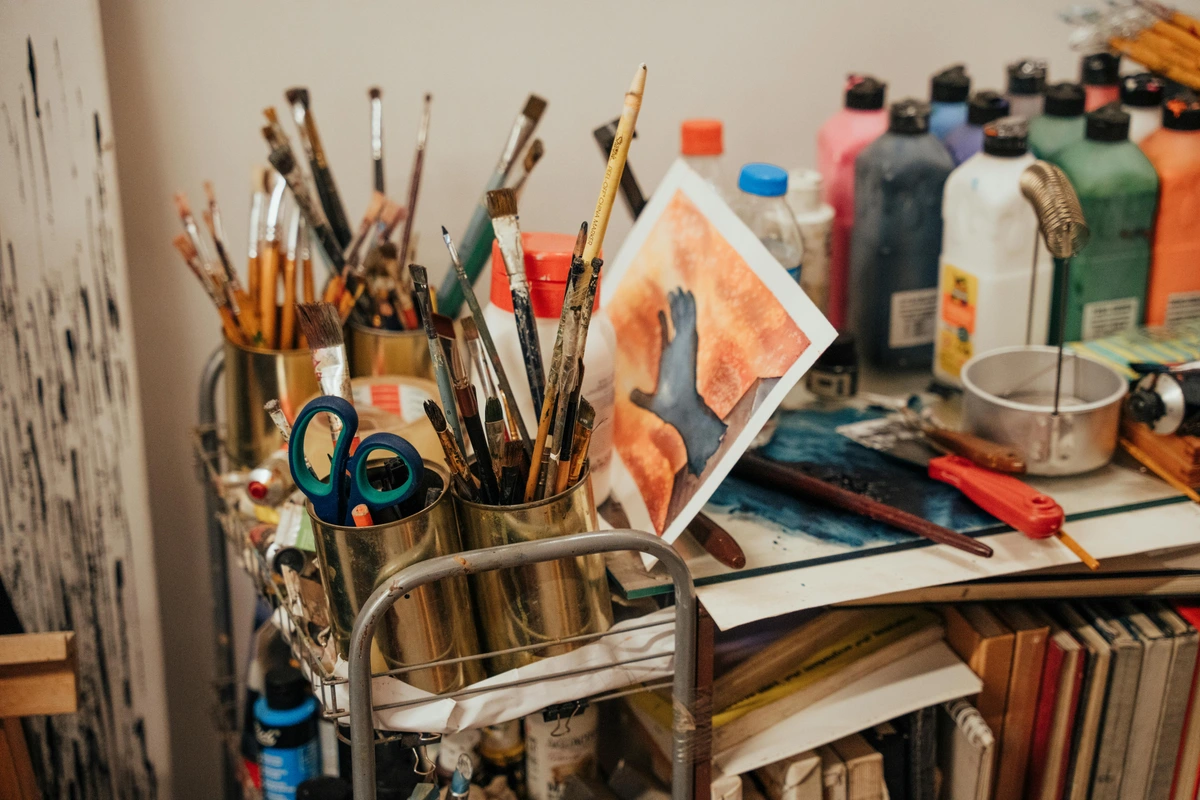
I like to think of acrylic paint as that reliable, energetic friend who's up for anything. It’s a water-based polymer, which in normal-person-speak means it dries fast and you can clean it up with just soap and water. This is a game-changer, especially if your studio is also your kitchen table. Acrylics are often considered the best paint for canvas beginners due to their forgiving nature.
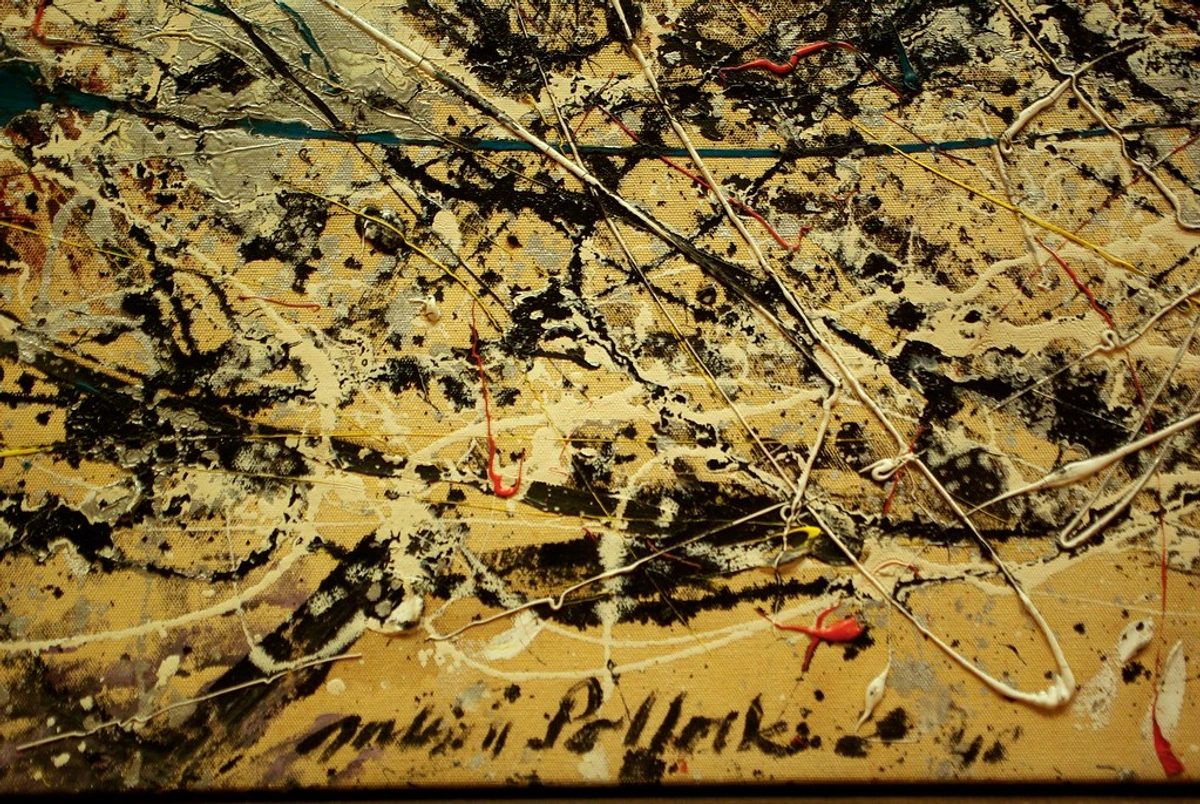
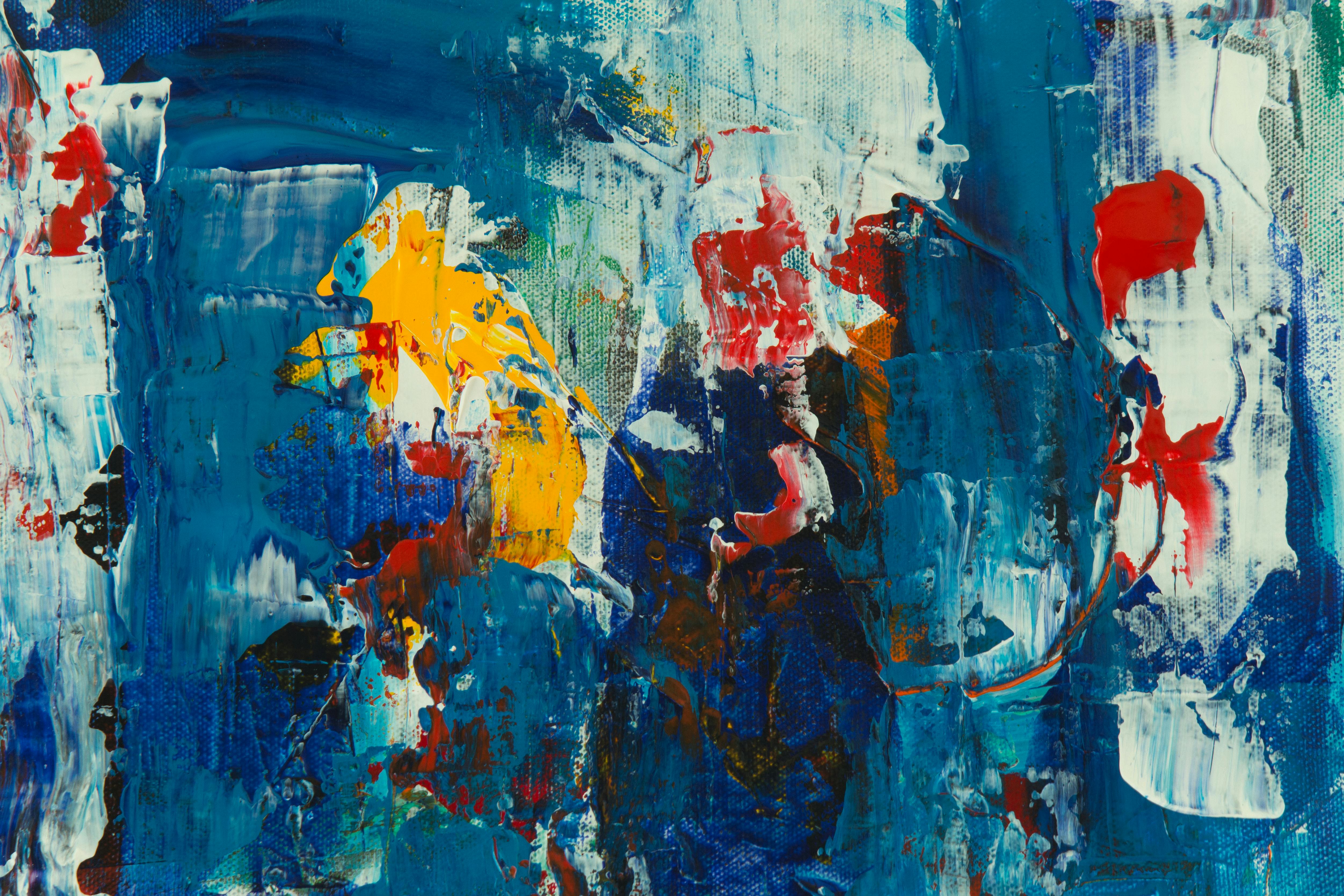
Because it dries quickly, you can layer colors without turning everything into a muddy brown mess. This is fantastic for abstract art where you might be building up textures and layers. I remember my first attempts at impasto (using paint so thick it's almost sculptural); acrylics allowed me to build those buttery layers quickly without worrying about slump or endless drying. You can use it thick like butter or thin it down with water to act like watercolor, or even use fluid acrylics or acrylic inks for incredibly smooth washes or precise lines, offering a similar feel to traditional inks but with acrylic's fast-drying durability. Fluid acrylics have a more liquid consistency right from the tube, ideal for pouring or staining, while acrylic inks are even thinner, behaving much like traditional drawing inks but permanent when dry. Its versatility is its superpower, especially when you start exploring various acrylic mediums like gloss, matte, flow improver, or retarder to achieve different effects. You might also want to check out basic brushstrokes for acrylic painting to get started.
Different brands and lines also offer varying viscosities – from heavy body (thick, sculptural, great for impasto) to soft body (smoother, good for blends and washes). Understanding this consistency helps you match the paint to your intended effect. For those who crave more blending time without switching to oils, some brands offer open acrylics that dry significantly slower, extending your working window to hours or even days, almost mimicking the feel of traditional oils for a short period. Born from industrial innovation in the mid-20th century, acrylics quickly rose to prominence, offering artists a fast-drying, versatile alternative to traditional oils, especially appealing to movements like Pop Art and Abstract Expressionism (you can dive deeper into the history of acrylic painting).
However, that fast drying time can be a double-edged sword. If you love to spend hours delicately blending colors for a soft, seamless gradient, acrylics will fight you every step of the way. You have a very short window to work with the paint before it sets. There are mediums you can add to slow the drying time, but it's not the same as the luxurious, long blending time of oils. Also, when choosing your paints, remember that pigment quality really matters. Student-grade acrylics are more affordable but contain more filler and less intense pigment, which can affect lightfastness and vibrancy over time, while professional-grade paints offer superior color saturation and archival stability. Professional-grade paints often boast higher lightfastness (resistance to fading over time due to light exposure), indicated by ASTM ratings (e.g., ASTM I for excellent lightfastness), ensuring your colors remain true for generations. Also, colors can darken slightly as they dry, making value judgment tricky. They can look a bit 'plastic-y'—sometimes feeling more like colored plastic than organic pigment if not varnished or applied with care. It's like the difference between a high-gloss photo print and a rich oil painting; both beautiful, but distinct in their tactile and visual depth. While generally safer, some acrylic mediums and additives can still contain VOCs (volatile organic compounds), so always check product labels and ensure good ventilation when using them. Proper disposal of paint water and leftover paint is also a responsible practice to protect our environment.
Pros of Acrylics  | Cons of Acrylics |
|---|---|
| Dries very quickly (great for layering and fast workflows!) | Dries very quickly (can be a challenge for blending and seamless gradients!) |
| Easy cleanup with water (no harsh solvents needed) | Blending colors smoothly can be difficult due to short open time |
| Highly versatile (thick, thin, mixed media, fluid inks) | Colors can darken slightly as they dry, making value judgment tricky |
| Generally more affordable (especially student-grade options) | Can look a bit 'plastic-y' if not varnished or if using lower pigment quality |
| No toxic fumes (safer for unventilated spaces) | Can be tough on brushes if not cleaned immediately; brushes dry stiff |
| Good archival quality with proper care (varnishing, UV protection) | Limited open time compared to oils (even with retarders) |
For a deeper dive into the acrylic world, check out this definitive guide to paint types for artists or a comparison between two popular brands in Golden vs. Liquitex. And don't forget to learn about the best acrylic paint brushes to make sure your tools are up to the task.
Oil Paint: The Luminous Old Master
And then there are oils. Ah, oils. They are the romantic, brooding poets of the paint world, with a history stretching back centuries. Used by the Old Masters for their incredible depth and luminosity, oil paint is made from pigment suspended in, you guessed it, oil (usually linseed oil). This is what gives oil paintings their characteristic rich, glowing quality and vibrant colors, a quality unmatched by other canvas painting mediums. Think of a Rembrandt portrait or Van Gogh's swirling skies – that timeless glow is the magic of oil.
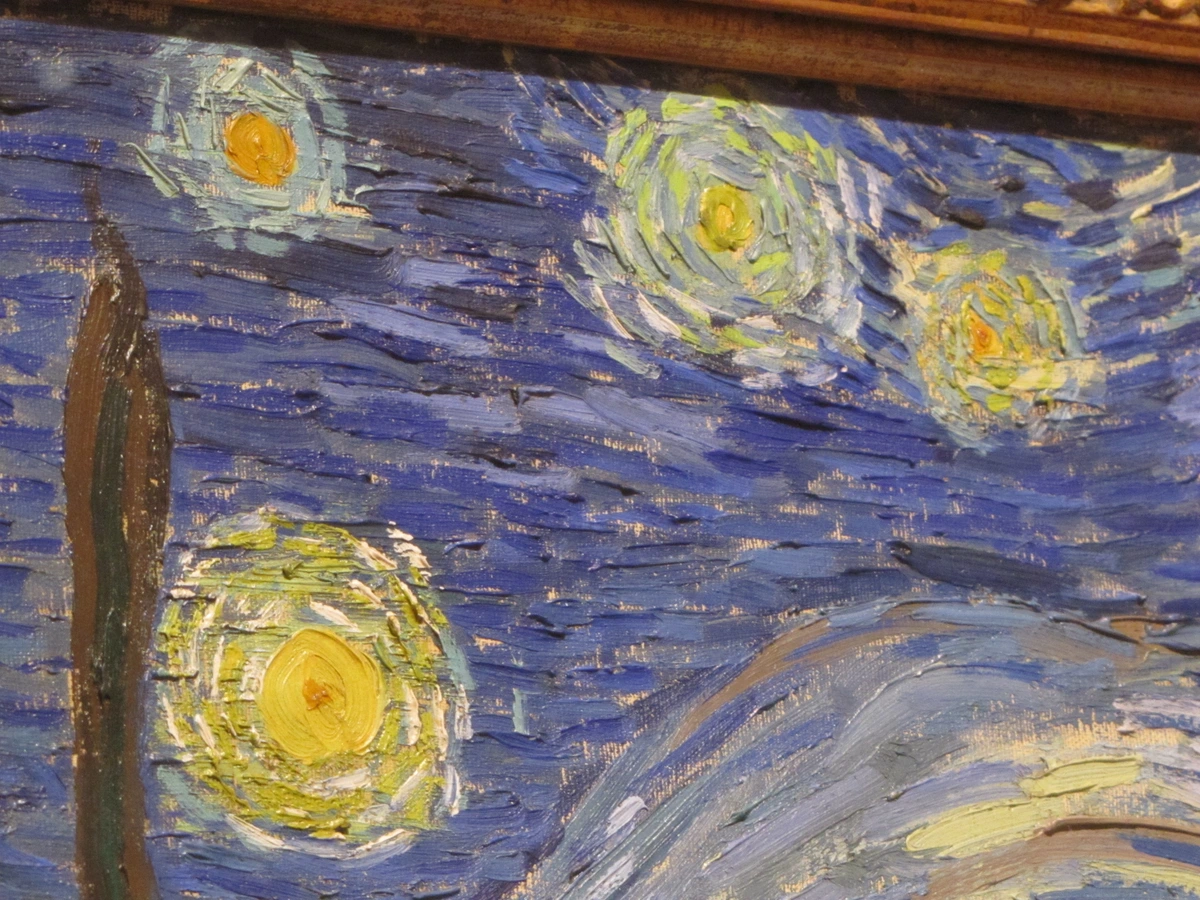
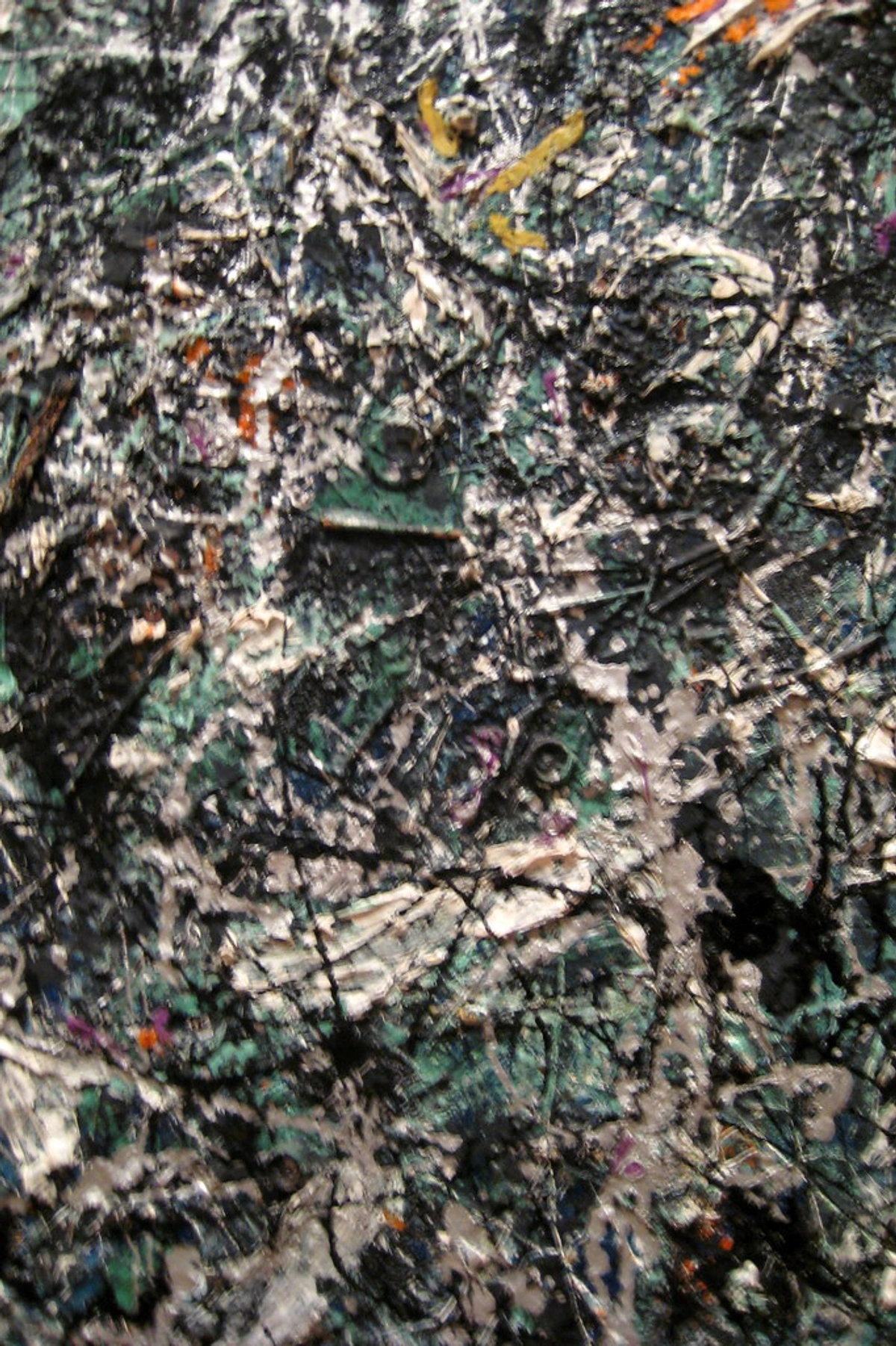
The number one reason artists fall in love with oils is the drying time. It can take days, or even weeks, for a layer to fully dry. This sounds crazy, I know, but it gives you an almost infinite amount of time to blend colors directly on the canvas. You can create the softest transitions, the most subtle shifts in value, and achieve a depth of color that truly sings. The process is slower, more meditative. It forces you to take your time and build your painting thoughtfully – a true waiting game where the paint is allowed to breathe and evolve. Oil paints also vary in their viscosity. Heavy body oils are thick and hold brushstrokes beautifully, while smoother formulations or those mixed with additional mediums like refined linseed oil, stand oil, or alkyd mediums can create more fluid applications, transparent glazes, or speed up drying. These mediums, distinct from solvents, allow artists to manipulate the paint's texture, flow, and sheen.
This long open time is also why experienced artists rigorously follow the "fat over lean" principle: always applying paint with more oil (fat) over layers with less oil (lean). Neglect this, and your beautiful oil painting might, over time, develop cracks that look like an old, parched riverbed. For instance, an initial layer thinned with mineral spirits (lean) must be completely dry before applying a layer with more oil or a richer medium (fat). Building thin, quick-drying layers first, and progressively thicker, slower-drying layers on top prevents the surface layer from drying and cracking over a still-wet, contracting underlayer, leading to costly repairs or even irreparable damage over time. This principle ensures that underlying layers dry faster and are more flexible than subsequent layers, preventing future cracking.
Of course, there's a catch. Oil paint traditionally requires solvents like turpentine or mineral spirits for thinning the paint and cleaning your brushes. These can have strong fumes, so you absolutely need a well-ventilated space to work. When using traditional oils and solvents, remember that correct ventilation isn't just about personal comfort; it's about minimizing exposure to potentially harmful fumes. Proper disposal of solvent-soaked rags and waste paint is crucial; never pour solvents down the drain. The slow drying time also means you have to be patient between layers to avoid making mud; this isn't a medium for a quick, one-afternoon project (unless you're going for an alla prima painting approach). It's also less suitable for plein air painting in rapidly changing conditions or in outdoor environments with significant temperature fluctuations, as drying times become unpredictable and smudging is a constant risk.
Modern innovations have introduced water-miscible oils and alkyd oils. Water-miscible oils can be thinned and cleaned with water, removing the need for harsh solvents, while alkyd oils incorporate alkyd resins to significantly speed up drying times, offering a middle ground between traditional oils and acrylics. These can be great for beginners or those with limited studio space. Just like acrylics, pigment quality in oils varies significantly. Professional-grade oils use higher concentrations of pure pigment, resulting in more vibrant, lightfast, and stable colors compared to student-grade options, which may rely more on fillers. For a full breakdown, this guide on the difference between acrylic and oil paint is a great resource, and if you're just starting, check out best oil paints for beginners.
Pros of Oils | Cons of Oils |
|---|---|
| Extremely slow drying time (unparalleled for blending and subtle gradients) | Traditional oils require solvents for cleanup (can have strong fumes, ventilation needed) |
| Rich, luminous, deep colors (a depth unmatched by other mediums) | Slow drying time (requires significant patience between layers, not for quick projects) |
| Colors remain true when dry (no color shift) | Can be more expensive (especially professional-grade pigments and necessary solvents) |
| Creates beautiful textures and glazes with incredible depth | Can yellow or become brittle over time if not handled correctly (e.g., "fat over lean" rule ignored) |
| A traditional, time-tested medium with centuries of masterpieces | Steeper learning curve for beginners (especially managing drying and mediums) |
| Excellent archival properties when applied correctly and varnished | Difficult for outdoor painting/fluctuating temperatures (unpredictable drying, smudging risk) |
Beyond Acrylics & Oils: Other Canvas Explorations
While acrylics and oils dominate the canvas world, other mediums can also find a home there with the right approach. It’s all about understanding their unique properties and how to best prepare your surface, especially for mixed media explorations. If you're curious about my own journey, you can read about blending materials for abstract expression.
Water-Based Wonders (with a Twist)
You might think of watercolors or gouache as strictly paper-based, and for traditional application, you'd be right. Apply them to a standard gesso-primed canvas, and they'll just bead up and resist, like water on a freshly waxed car. However, modern art supplies have a solution: watercolor ground. This is a specialty primer that you apply to a gessoed canvas (or even unprimed if you prefer) to create a highly absorbent, papery texture. This works by creating a porous, finely granular surface that traps and absorbs the water and pigment, preventing the characteristic beading on gessoed canvas. Once cured, you can paint on it with watercolors or gouache, achieving similar effects to painting on paper, but with the durability of canvas. It's a fantastic way to blend the luminous quality of watercolors with the robust support of canvas. For those looking to dive into this medium, check out reviewing the best gouache sets for beginners.
Tempera, Pastels, and Spray Paints
Egg tempera, a historical medium, can be used on canvas, but typically requires a very rigid, traditional gesso made with rabbit skin glue and chalk, and is rarely seen on flexible stretched canvases today due to its brittle nature. For most modern artists, it's a specialty choice.
Pastels (both soft and oil) can also be used on canvas, especially if the canvas is prepared with a grittier primer (often marketed as "pastel ground" or simply a textured gesso). The texture helps the pastel particles adhere. However, pastels on canvas can be delicate and require careful framing and fixation to prevent smudging or loss of pigment. If you're interested in pastels, check out a beginner's guide to using oil pastels and a review of the best oil pastels for artists.
Beyond these, with the right preparation, even drawing mediums like charcoal or graphite, or inks (non-acrylic specific ones, applied with a suitable absorbent ground) can be incorporated. They often require a specific absorbent, textured ground to grip the dry pigments or prevent the liquid inks from bleeding too much.
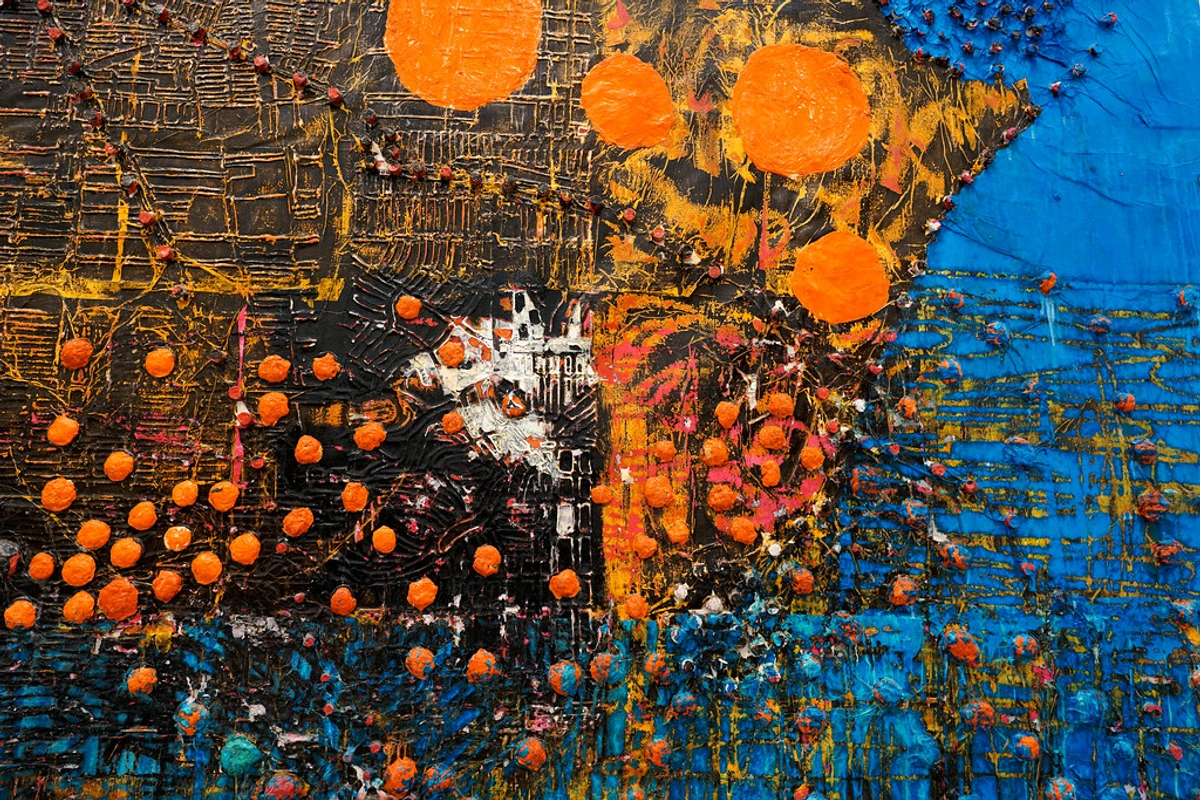
On the more unconventional side, spray paints and enamel paints offer different properties entirely. Spray paints (think artist-grade aerosols) dry extremely fast and can create sharp lines, smooth gradients, or urban-inspired textures, often used in street art translated to canvas. Enamel paints (typically oil-based, high-gloss) can provide a very hard, durable, and shiny finish, though they often require good ventilation and specialized cleanup. These are less common for traditional fine art but open up exciting possibilities for mixed media or specific aesthetic goals. You could even explore oil sticks for expressive mark-making.
So, How Do You Choose? It's All About You
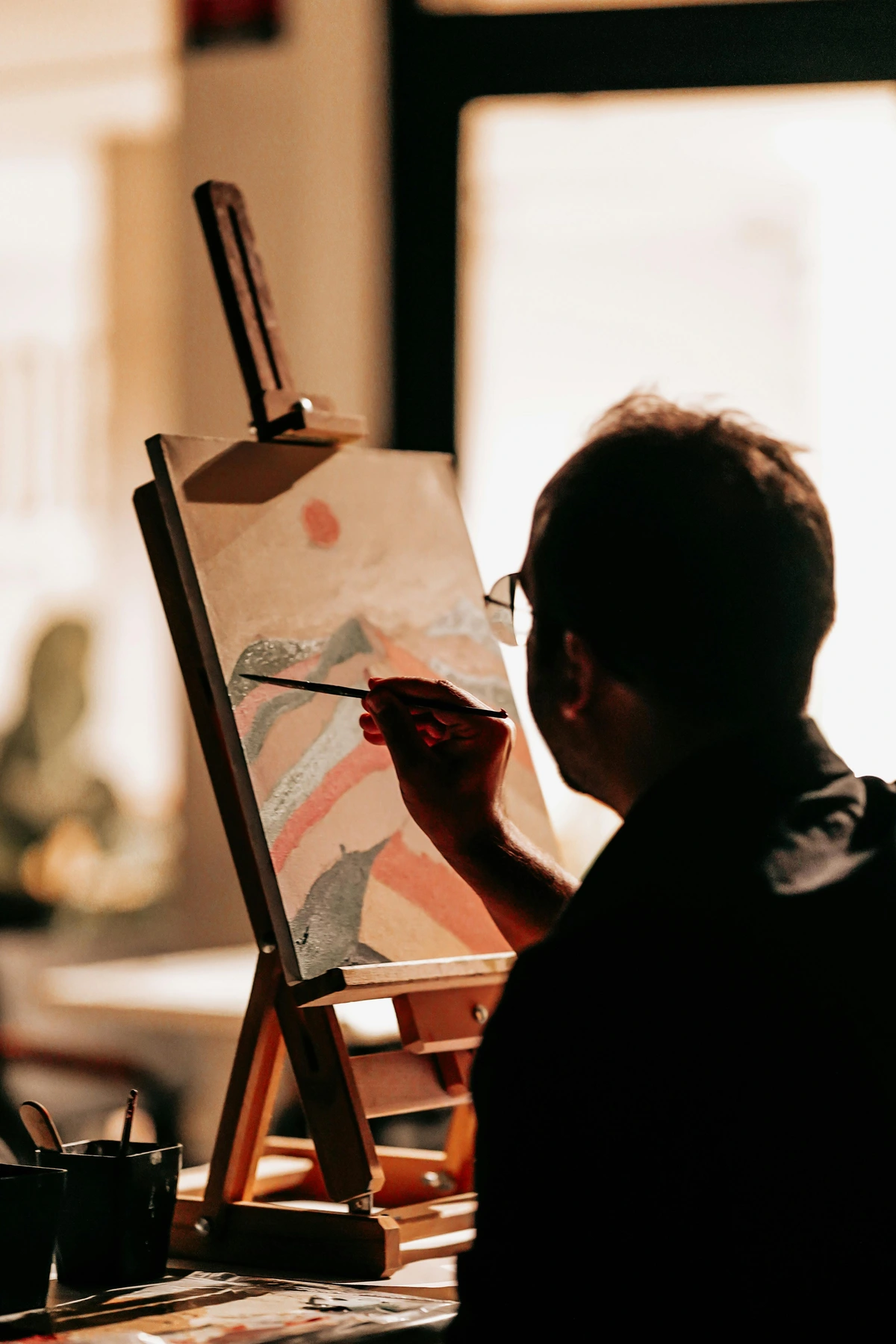
Forget what you think you should be using. The best paint for canvas is the one that fits your life and your creative process. Ask yourself these questions:
- What's my budget? While you can find student-grade versions of both, acrylics are generally a bit more budget-friendly to get started with, especially since you don't need to buy solvents. Prices for professional-grade options, however, can be comparable.
- What's my workspace like? Painting in a small, unventilated apartment? Acrylics are the safe and smell-free choice. Have a dedicated studio or garage with open windows? You can handle oils (or consider water-miscible oils!).
- What's my patience level? If you want to finish a painting in one sitting, go with acrylics. If you enjoy a slow, deliberate process and can leave a painting to dry for a week, oils might be your soulmate.
- What style am I drawn to? Love sharp lines, bold graphic shapes, and heavy texture? Acrylics excel, perfect for modern abstracts or pop art. Dream of soft, smoky portraits, glowing landscapes, or classic still life? Oils will capture that luminous depth. Want the transparent washes of watercolor but on canvas? That special watercolor ground opens up a new realm.
- What kind of finish do I want? Acrylics can range from matte to glossy depending on the mediums and varnishes used, offering a lot of control. Oils naturally possess a luminous depth, and while they can be varnished, their inherent glow is part of their appeal.
- What canvas texture do I prefer? A smooth, finely woven canvas might be ideal for detailed work with thin glazes, while a coarser, more open weave can add natural character to impasto or abstract work. Consider how your chosen paint interacts with this surface.
Many artists don't stick to just one medium. The world of mixed media on canvas is vast and exciting! You can layer oils over fully dried acrylics (never the other way around!), or incorporate materials like pastels, charcoal, or tempera for unique textural and visual effects. The canvas truly is a playground for artistic exploration, offering endless possibilities for creative expression. Don't forget, if you're working with texture, understanding what a palette knife is and how to use it can be a game-changer.
Practical Matters: Storing Your Paints & Ensuring Longevity
Keeping your paints in good condition is vital for both their performance and your budget. For acrylics, always ensure lids are tightly sealed to prevent drying. If a tube starts to stiffen, try adding a few drops of acrylic medium or distilled water and mixing. Store them at room temperature, away from extreme heat or cold. For oils, similarly, keep caps tightly sealed. Tubes can sometimes separate, so gently knead them before use. Store oil paints in a cool, dark place, away from direct sunlight, to prolong their shelf life and prevent premature skinning or hardening. Proper storage ensures your tools are ready when inspiration strikes.

Frequently Asked Questions (FAQ)
Still have questions swirling around? Let's clear some things up.
Q: What's the most beginner-friendly paint for canvas?
A: Hands down, acrylics. The easy cleanup, fast drying time, and lower cost make them the perfect entry point for anyone new to painting on canvas. Many consider them the best paint for canvas beginners.
Q: Can I use watercolor or gouache on canvas?
A: You can, but not on a standard gesso-primed canvas. The paint will just bead up and not absorb properly. You need to either buy a special "watercolor canvas" or apply a product called watercolor ground (available from brands like Daniel Smith or Golden) to a regular canvas first, which gives it a papery, absorbent texture. Without this, these water-based paints aren't suitable canvas painting mediums.

Q: Do I really need to prime my canvas?
A: Yes, 100%. An unprimed canvas will just soak up your paint like a sponge, making the colors look dull and costing you a fortune in wasted paint. Priming with gesso gives you a non-absorbent, bright surface to work on, ensuring better adhesion and longevity.
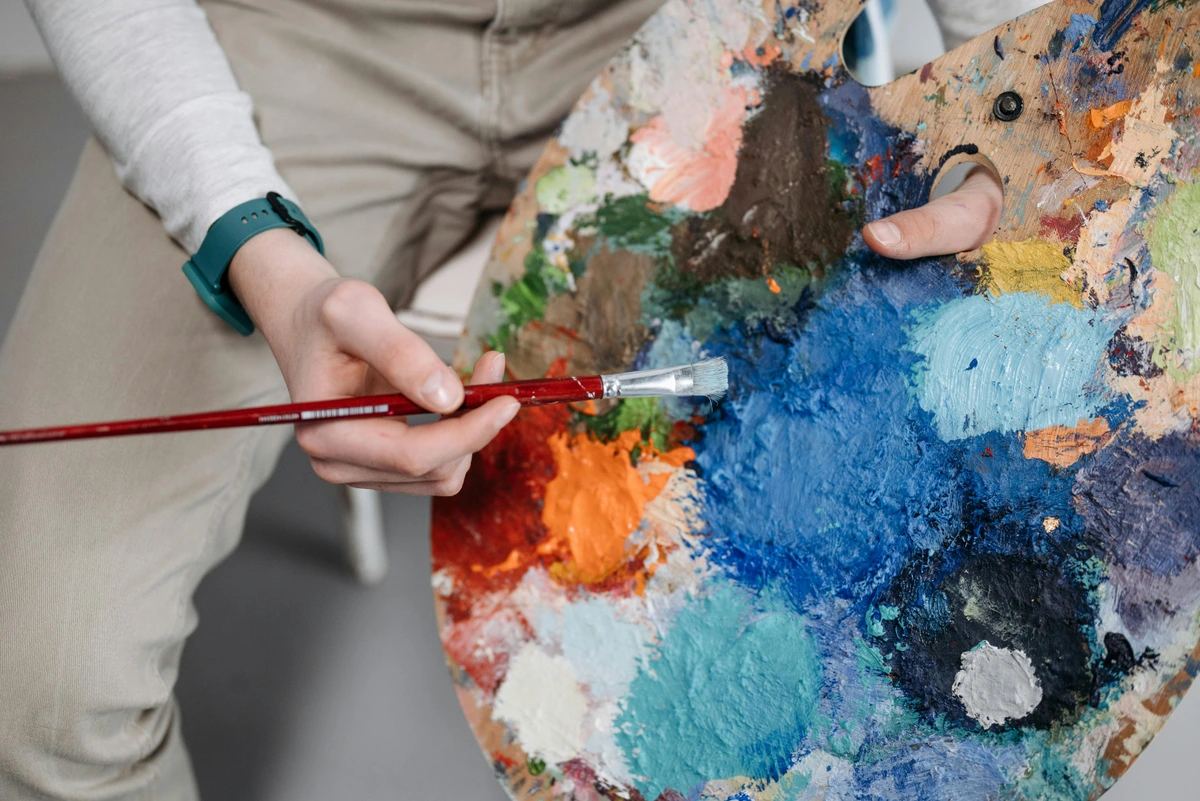
Q: Can I mix acrylics and oils together?
A: No, never mix them in their wet state. They are chemically incompatible (remember, oil and water don't mix). You can, however, paint oils on top of a fully dried acrylic painting. But you can never paint acrylics on top of an oil painting. It's a crucial rule for artists exploring mixed media.
Q: Can I paint acrylics on top of dried oil paint?
A: Generally, no. This is a crucial rule for archival quality. While you can paint oils over fully dried acrylics (because oils are more flexible and dry slower), painting acrylics over oils is problematic. Acrylics are less flexible than oils and dry faster. If the oil layer beneath is still curing or expands/contracts differently, the acrylic layer on top can crack or delaminate over time. It compromises the long-term stability and archival integrity of your artwork.
Q: What are painting mediums, and how do they change paint properties?
A: Painting mediums are substances added to paint to alter its consistency, drying time, texture, transparency, or finish. For acrylics, common mediums include:
- Gel mediums: Add body, extend paint, create texture.
- Flow improvers: Reduce viscosity for smooth washes, reduce brushstrokes.
- Retarders: Slow drying time, allowing more blending.
- Gloss/Matte mediums: Adjust the final sheen. For oils, mediums often include:
- Linseed oil/Poppy oil/Walnut oil: Thin paint, increase gloss, extend drying time (fat mediums).
- Alkyd mediums: Speed up drying time, increase transparency and flexibility.
- Solvent-based mediums (like Galkyd, Liquin): Offer various effects, often speeding drying and reducing tackiness. Mediums are essential tools for artists to achieve specific visual and textural effects beyond the paint straight from the tube.
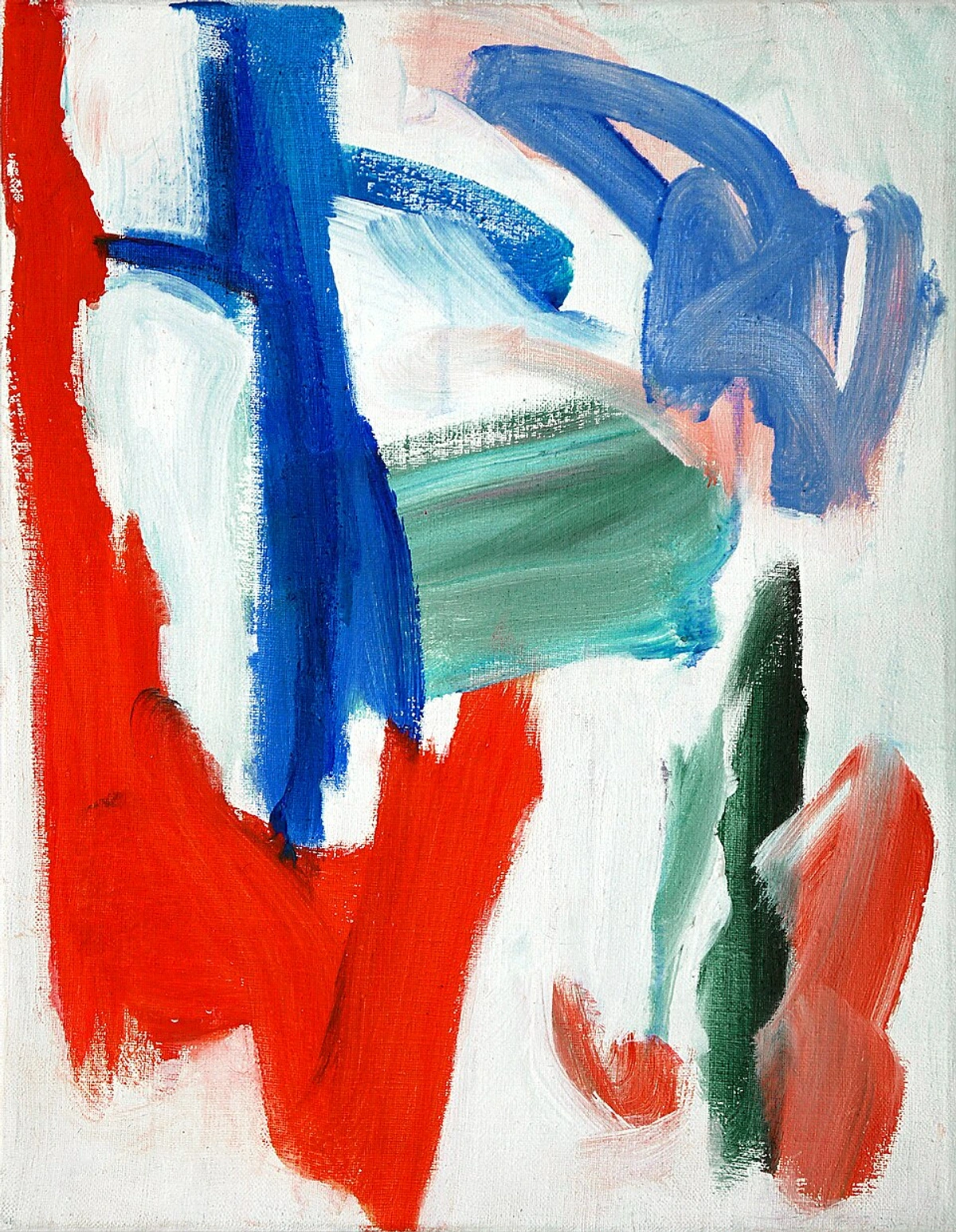
Q: How long will my acrylic or oil painting last?
A: Both acrylic and oil paints, when applied correctly on a properly prepared canvas and protected with a good varnish, are highly archival and can last for centuries. "Archival quality" means the artwork is resistant to degradation over time. Factors like using professional-grade paints (which have higher pigment loads and lightfastness), proper layering (especially "fat over lean" for oils to prevent cracking), avoiding direct sunlight (UV protection), and maintaining stable humidity play a significant role in their longevity and archival quality. Varnishing provides an essential protective layer.
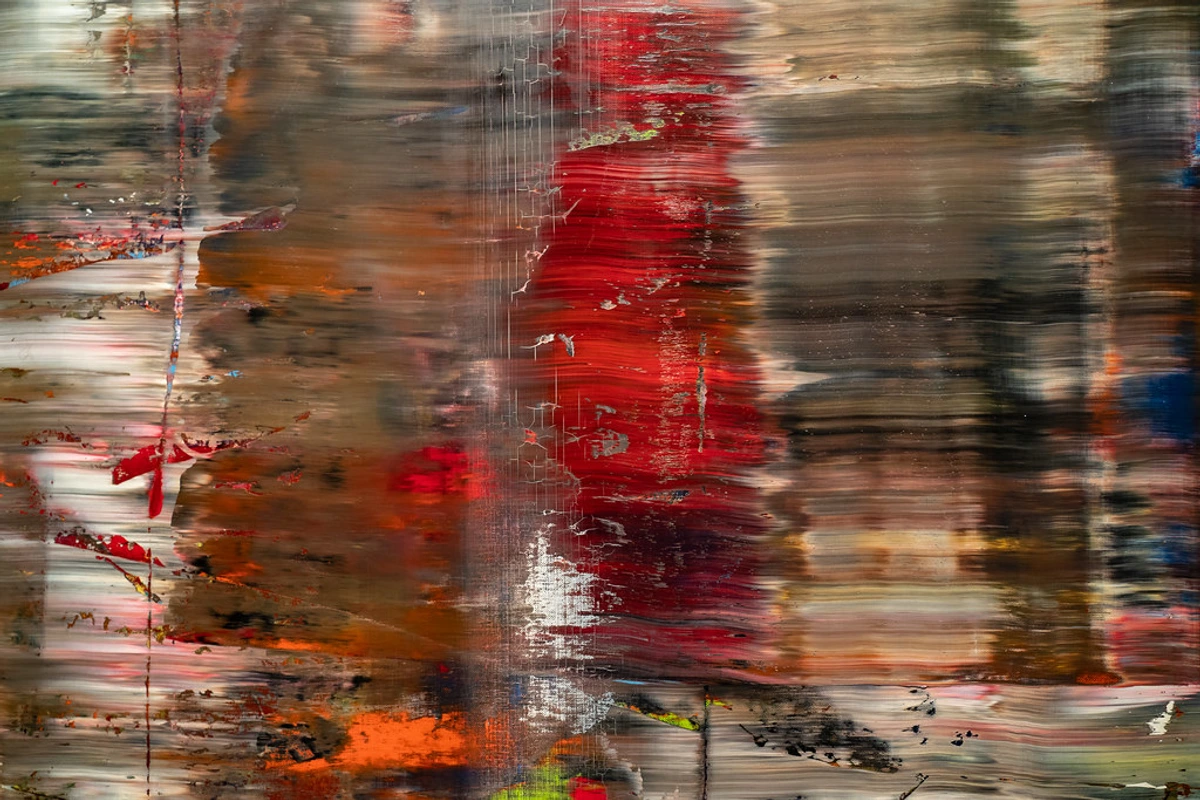
The Final Verdict
Look, there’s no secret password or magic formula when it comes to choosing the best paint for canvas. I started with acrylics because they were accessible, forgiving, and less intimidating for my initial creative outbursts. Over time, I fell in love with the slow, rich, meditative process of oils, savoring the extended blending time. Many artists use both, depending on the project or even within the same mixed-media piece. The journey of finding your ideal canvas painting mediums is deeply personal and ever-evolving. So, remember, acrylics are your speedy, versatile friend, forgiving and vibrant. Oils are your patient, luminous companion, offering unparalleled depth and blending. And don't forget the niche delights of watercolor grounds or mixed media explorations.
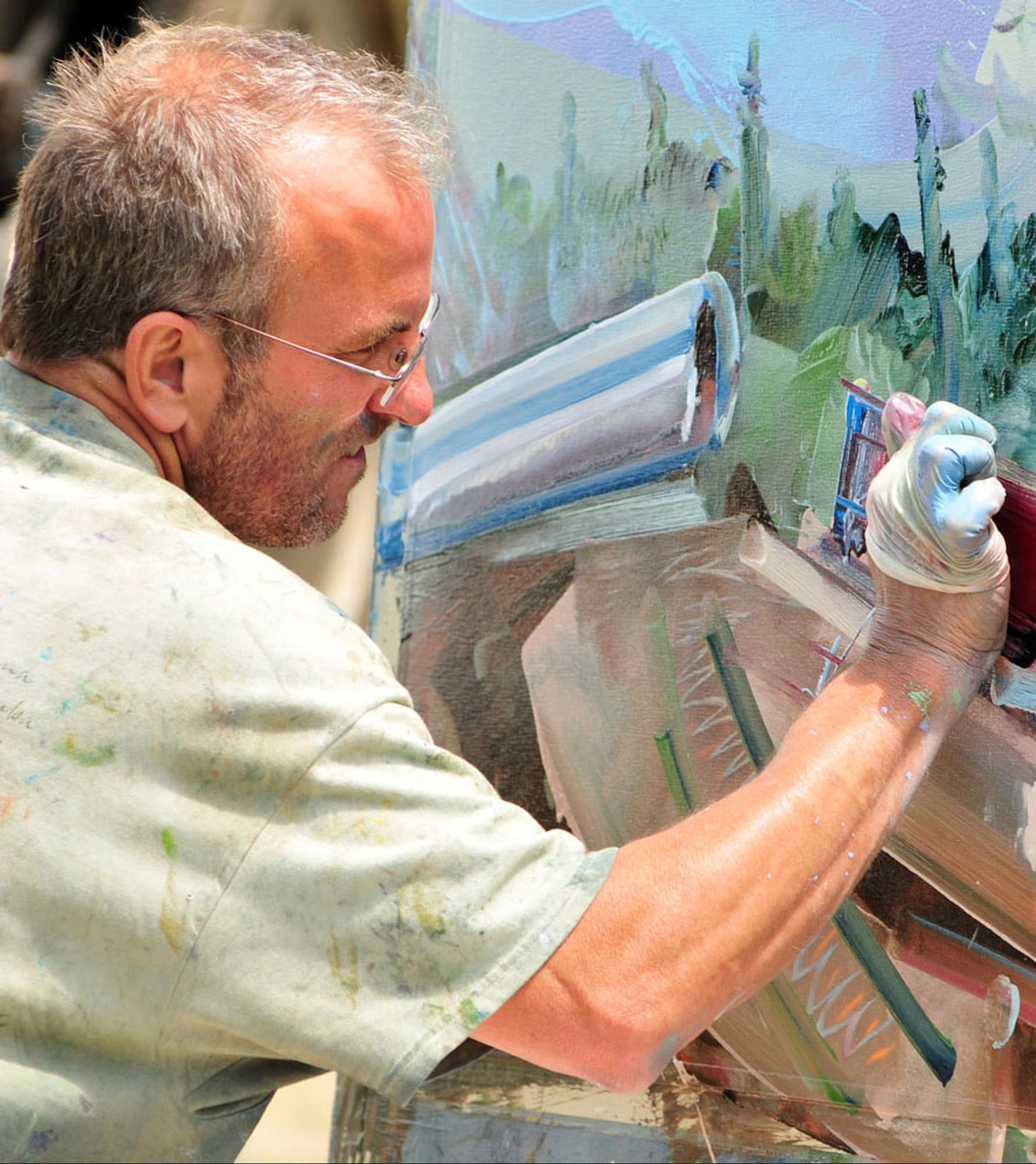



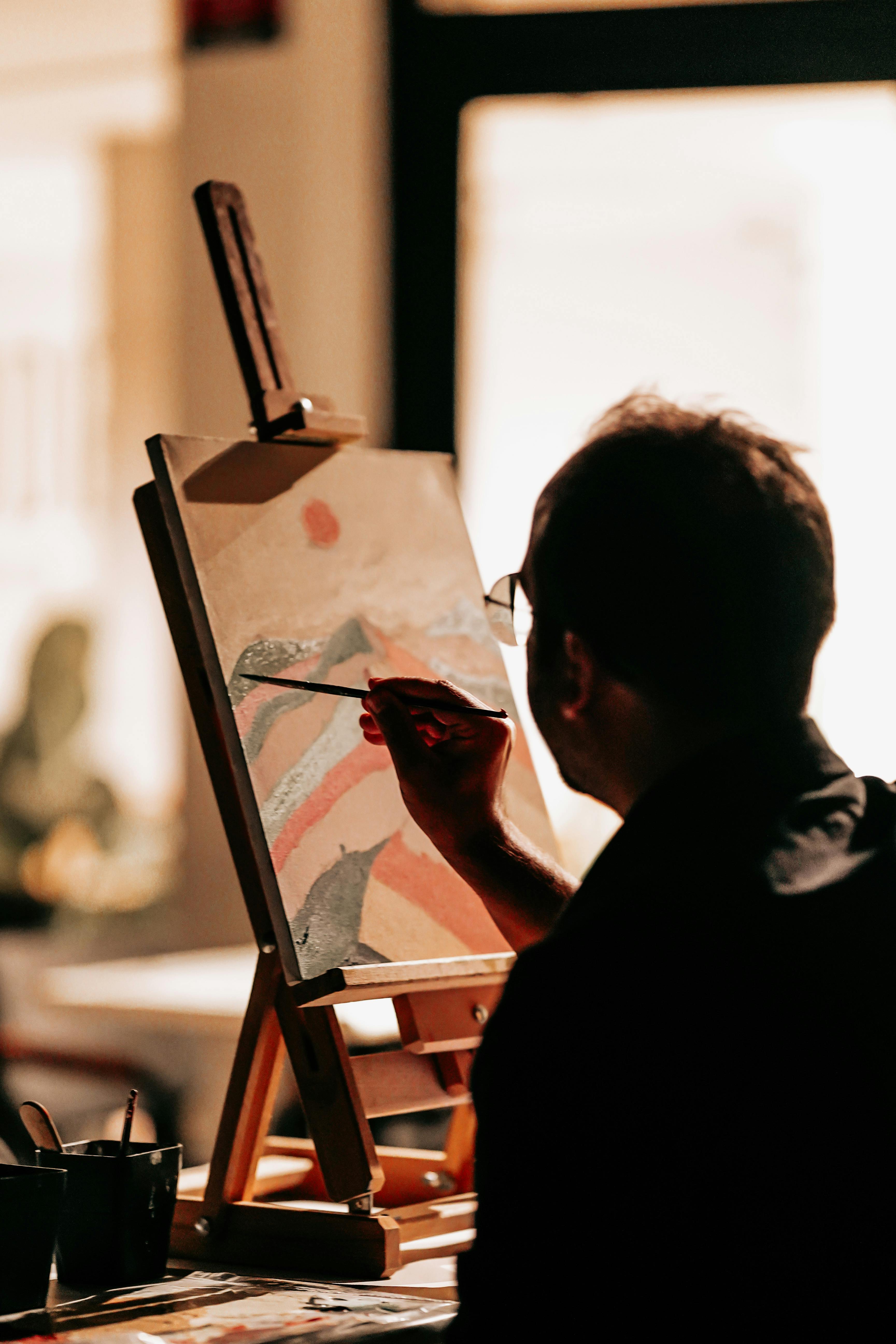





My advice? Don't overthink it. Pick the one that sounds the most fun to you right now. Buy a small, inexpensive starter set and a couple of canvases. The most important thing is to get some paint on that canvas. Make a mess. See what happens. Ultimately, the best paint isn't a pre-ordained choice; it's a discovery. So grab a brush, choose a color, and make that blank canvas sing with your unique vision. The canvas awaits your story, ready to transform into your next vibrant statement! Dive in and discover the joy of creating!