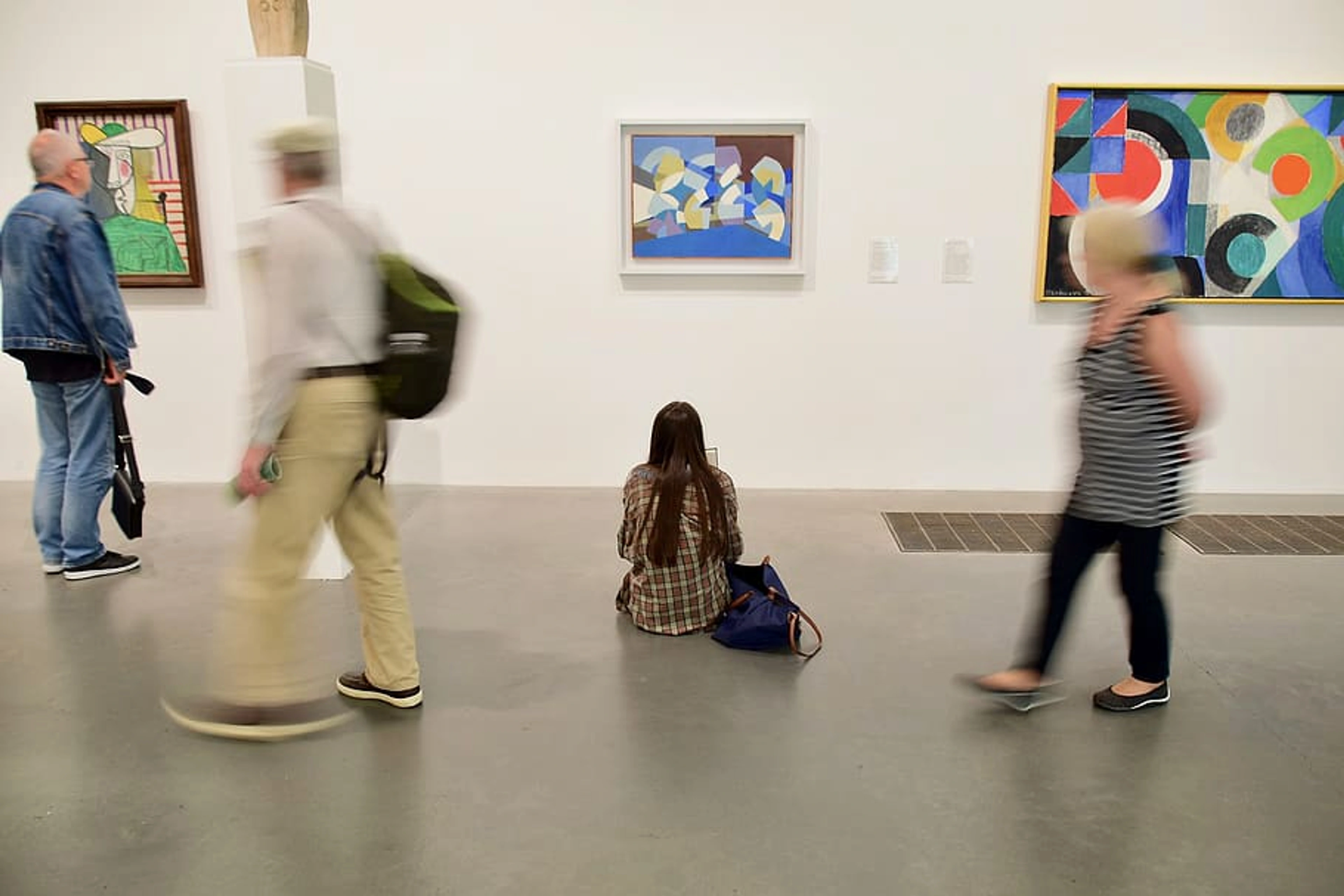
Best Museums in Australia: An Art Lover's Unofficial Guide
Forget boring lists. Discover Australia's best museums, from Sydney's grand galleries to Tasmania's wild MONA. An opinionated, practical guide for art lovers.

My Unofficial, Utterly Biased, and Deeply Personal Expedition: Australia's Art Museums, A Curator's Love Letter
I remember my first trip to Australia like it was yesterday—a sensory overload of expansive landscapes, a sun that painted the sky in colours I’d never seen, and a wild spirit that, to my delight, permeates every corner of its art scene. But here's the thing: while the natural beauty grabs you instantly, Australia's art scene offers a profound, often raw, reflection of its soul. If you're anything like me, you're not content with just scratching the surface of a place. You want to dive deep, to feel the cultural heartbeat of a nation. Australia is vast, a continent of hidden depths, and for an art enthusiast, knowing where to begin this grand adventure can feel like staring at a blank canvas. That's where I come in.
Forget the sterile, encyclopedic lists; this isn't that. This is my journey, my personal, unashamedly opinionated, and always passionate guide to the Australian museums that have truly resonated with my soul. These aren't just buildings housing artifacts; they are vibrant conversations, windows into identity, and spaces where history and innovation dance. I’ve wandered countless galleries, found unexpected treasures in forgotten corners, and had my perceptions challenged in the most exhilarating ways. Come with me, and let's explore the places that have genuinely stuck, enriching my understanding of art and what it means to be Australian.
The Australian art world is a conversation between ancient traditions and bold new ideas. It's a dialogue that shapes and defines the national identity, challenging us to look deeper.
For me, as someone who breathes art, it's never just about stumbling upon a dusty Rembrandt (though, let's be honest, that's a delightful bonus). The truly great Australian museums do something profoundly unique: they fearlessly grapple with the country's complex, multi-layered identity, acknowledging both its ancient past and its dynamic present. They don't shy away from history; instead, they seamlessly weave together ancient Indigenous art—some of the oldest continuous art practices on Earth, rich with spiritual and cultural significance—with the often confronting narratives of colonial history, and the provocative statements of cutting-edge contemporary works. This isn't just about display; it's about dialogue, healing, and forward momentum.
It’s not just a collection; it’s a dynamic, ongoing conversation happening on the walls, a dialogue between past and present, tradition and innovation, all presented in a way that feels remarkably honest and deeply moving. This blend is what makes these institutions stand out. When you consider the vast tapestry of stories—from the intricate symbolism of the Dreamtime to the gritty realities of modern urban life—you really get a sense of the immense curatorial challenge, and indeed the art, involved in how museums decide on exhibitions with such a diverse and powerful story to tell. They become vital spaces for understanding a nation still defining itself, always asking, 'Who are we, and where are we going?' It's this continuous evolution that fascinates me, especially when I think about how a museum might approach collecting emerging abstract art a guide to discovering tomorrows masters. These are not just places to see art, but places to feel the pulse of a nation in constant conversation with itself.
The Diverse Landscape of Australian Art: From Ancient Roots to Contemporary Visions
To truly grasp the magic of Australian museums, you have to appreciate the incredible breadth of art they showcase. We're talking about a spectrum that starts with Ancient Indigenous Art, an unbroken artistic tradition stretching back tens of thousands of years. These works, often rooted in spiritual narratives and deep connections to land, offer profound insights into the continent's first peoples. Then, there's the art reflecting Colonial History, often grappling with themes of settlement, conflict, and the formation of a new society. And finally, the vibrant, often provocative world of Contemporary Australian Art, which tackles everything from identity and environment to global politics. This rich tapestry is what makes exploring these institutions such a powerful, almost transformative, experience.
The Big Two: Sydney vs. Melbourne
The classic rivalry. Choosing between them is like choosing a favorite child. Both are undeniable art capitals of the world, but they have distinctly different flavors. Sydney feels like the dazzling extrovert, bold and on display. Melbourne, by contrast, often feels like the thoughtful intellectual, with its treasures tucked away in elegant corners, waiting to be discovered. This contrast is part of the charm, isn't it?
Sydney's Harbourfront Wonders
Sydney is all about the spectacle, and its major galleries are no exception.
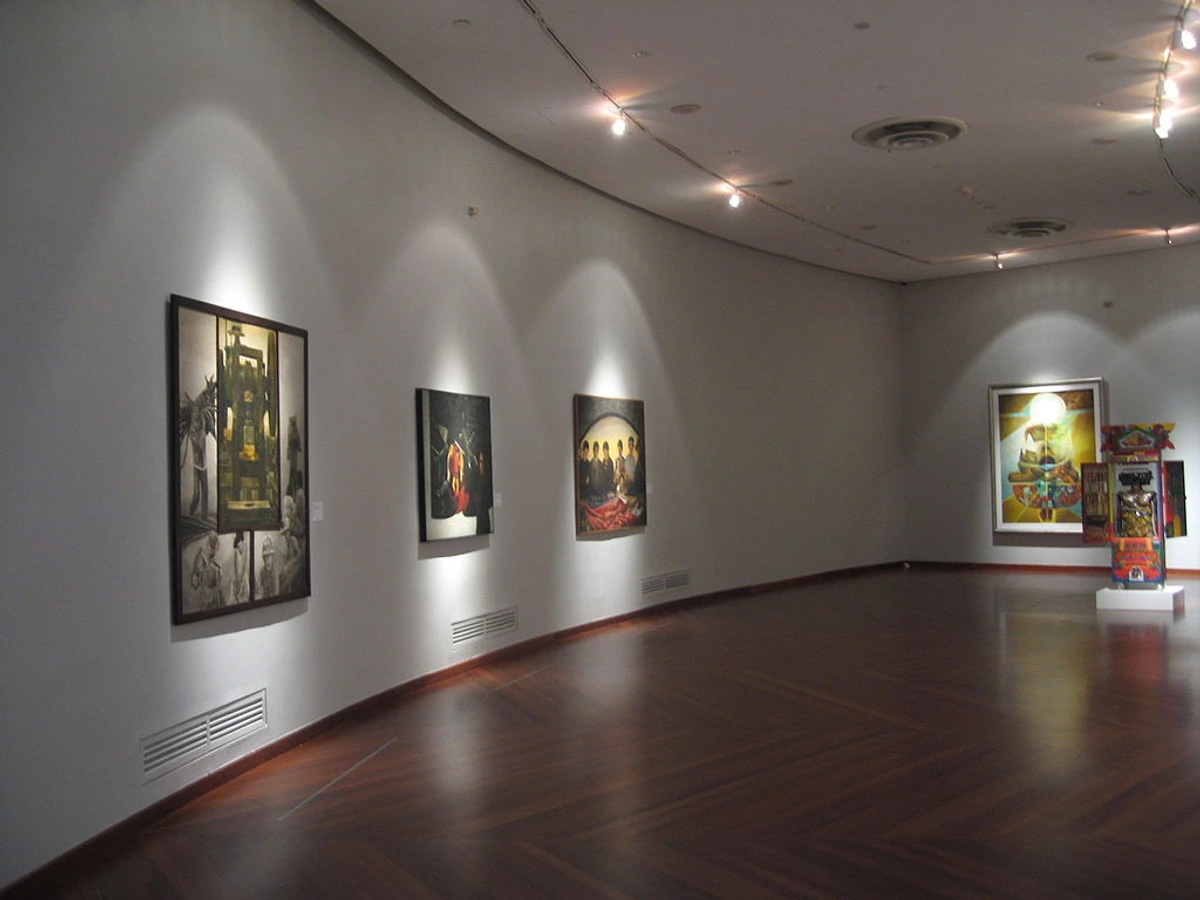
- Art Gallery of New South Wales (AGNSW): This is your grand, classical institution, but don't let the stately facade fool you; it's constantly evolving. One moment you're in a serene hall of European Old Masters (I often get lost in their Dutch Golden Age pieces!), the next you're in the stunning modern wing, the 'Sydney Modern Project,' overlooking Woolloomooloo and the harbour. This architectural marvel, opened in 2022, doubles the gallery's exhibition space and perfectly blends with the natural landscape, offering a contemporary counterpoint to the historic building. Their collection of Aboriginal and Torres Strait Islander art is phenomenal and foundational, showcasing powerful works that truly anchor the institution and often exploring vital contemporary issues. It’s a place that feels both historic and vibrantly alive, a testament to thoughtful expansion and a commitment to showcasing diverse voices.
- Museum of Contemporary Art Australia (MCA): Perfectly positioned on Circular Quay, the MCA feels like Sydney's cool, younger sibling – always pushing boundaries and sparking conversations. It's dedicated to the now, showcasing living artists from across Australia and the world, often tackling pressing social and cultural issues through a diverse range of media, from painting and sculpture to video and performance art. I particularly appreciate its commitment to showcasing experimental art and new media, making it a crucial hub for anyone interested in what is modern art and art movements of the 21st century. Their exhibitions are consistently thought-provoking, often requiring you to engage on a deeper level. They also have fantastic public programs and artist talks that really open up the work, making contemporary art accessible and exciting for everyone. Oh, and the rooftop café, with its unparalleled view of the Opera House and Harbour Bridge, is quite possibly the best spot in the city to have a flat white and contemplate, or debate, modern art – an essential part of the experience, if you ask me.
Beyond the Big Two: Sydney's Hidden Gems
While AGNSW and MCA are essential for any Sydney art itinerary, the city's artistic landscape stretches far beyond these major institutions. If you have time and a penchant for discovery, venture a little further to uncover some truly remarkable and often surprising art spaces. These are the places where the city's pulse beats a little differently, offering unique perspectives and deeper dives into specific artistic narratives. I always say, the real gems often require a little digging.
- White Rabbit Gallery: A phenomenal private collection of contemporary Chinese art, often edgy and always thought-provoking. Located in Chippendale, away from the immediate harbourfront dazzle, it's completely worth the trip for its unique perspective and consistently brilliant, often challenging, exhibitions. From ink paintings to video installations, the works here frequently explore complex social and political themes with a distinctive blend of tradition and modernity. I always leave feeling both bewildered and inspired, which is a rare feat and exactly what I crave from art.
- Carriageworks: A dynamic multi-arts centre housed in a stunningly converted 19th-century railway workshop. Its industrial scale lends itself to ambitious, large-scale contemporary art exhibitions, immersive performances, and vibrant markets, creating a truly unique atmosphere. I've seen some incredible site-specific installations here that wouldn't be possible in a traditional gallery space. It's a place where art truly lives and breathes, often blurring the lines between disciplines and inviting active participation from the audience. Think beyond static paintings; think movement, sound, and vast canvases.
- 4A Centre for Contemporary Asian Art: Tucked away in Chinatown, 4A is a vital independent organisation dedicated to promoting engagement with Asian and Asian Australian contemporary art. Their exhibitions are consistently challenging, insightful, and offer a crucial platform for voices often underrepresented in mainstream institutions, giving you a fresh perspective on contemporary global art dialogues. They're not afraid to tackle complex themes, and their programs often extend beyond the gallery walls into public spaces. It's a smaller space but punches well above its weight, making a significant impact on the cultural landscape.
Melbourne's Cultural Precinct
Melbourne feels a bit more concentrated, a bit more intense. The art is woven into the city's laneways and grand boulevards, lurking around every corner and demanding your attention. It’s a city that takes its culture seriously, and you can feel that commitment in its institutions.

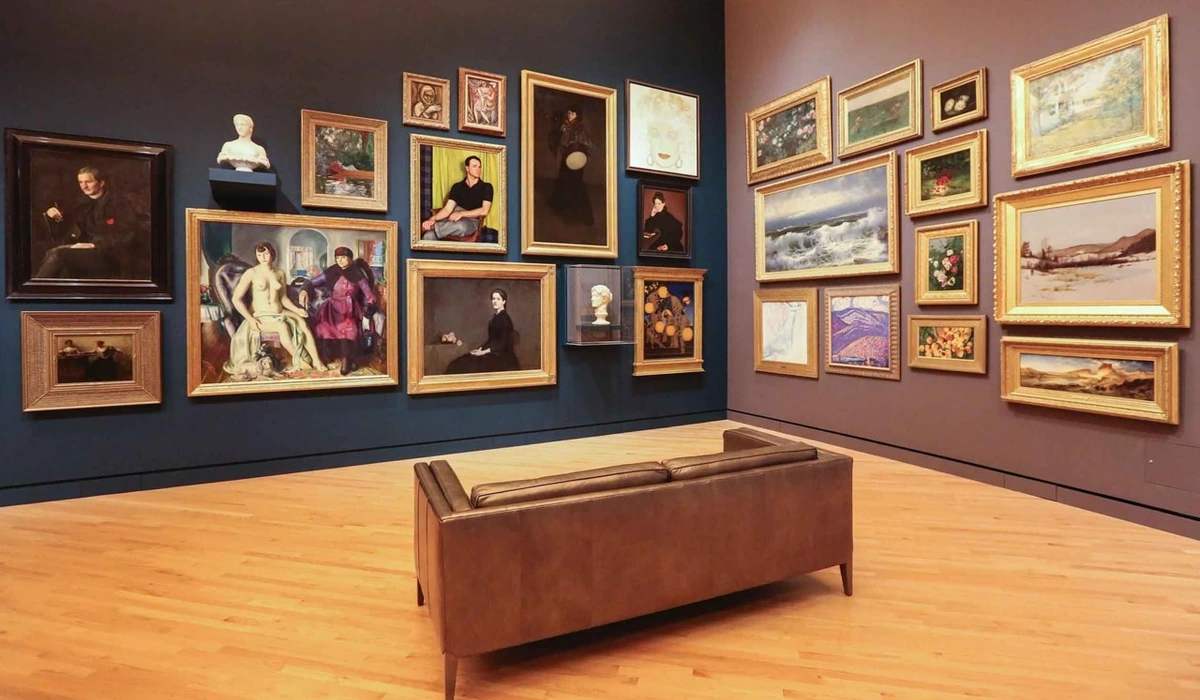
- National Gallery of Victoria (NGV): The oldest and most visited gallery in Australia, the NGV is a sprawling powerhouse of art, embodying a truly global perspective alongside a deep commitment to Australian narratives. It’s actually split into two magnificent, yet distinct, buildings: NGV International, with its famous water wall entrance, houses a globe-spanning collection that takes you from ancient Egypt to contemporary design, European masters, and cutting-edge fashion. Then there's The Ian Potter Centre at Fed Square, dedicated solely to Australian art—from Indigenous masterpieces that speak of ancient lands to Heidelberg School luminaries and bold modern conceptual works. It’s an absolute must-do, and you could easily spend days exploring both, witnessing the incredible diversity under one institutional umbrella.
- ACMI (Australian Centre for the Moving Image): Don't you dare dismiss this as just a 'movie museum'! ACMI is, in my humble opinion, an incredible, interactive exploration of film, television, video games, and digital culture as a legitimate art form. Its permanent exhibition, 'The Story of the Moving Image,' is a masterclass in engaging storytelling and interactive displays that literally invite you to play and experiment. It’s loud, it’s fun, and it genuinely makes you think differently about the screen-based stories we consume every day, highlighting how artists constantly push the boundaries of narrative and visual communication and even explore uncharted territories like AI as co-creator. It’s a brilliant palate cleanser after a day of quiet contemplation in other galleries, reminding us how diverse artistic expression can be, and how it constantly evolves. It really gets you thinking about how art lives beyond the canvas, sometimes existing purely in pixels and light.
Beyond the Laneways: Melbourne's Diverse Art Spaces
Melbourne, ever the cultural heart, offers more than just its major players. For me, the real joy often lies in digging a little deeper. Consider these for a more diverse and often challenging dive:
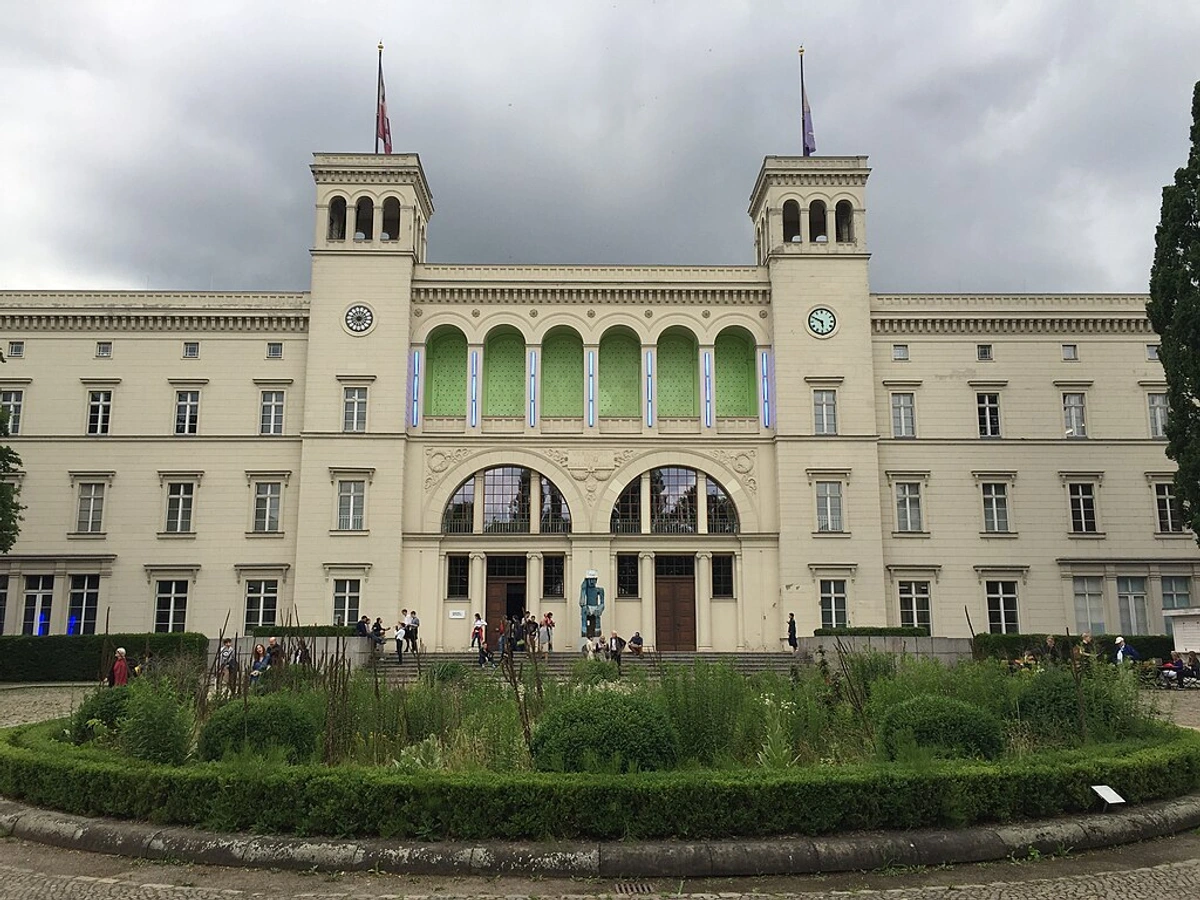
- Heide Museum of Modern Art: Located in Bulleen, a short, scenic drive from the city, Heide is a truly magical place—a sanctuary where art, nature, and history intertwine. It combines a significant collection of modern and contemporary Australian art with beautiful sculpture gardens and the historical homes of artists John and Sunday Reed. These visionary patrons were instrumental in shaping Australian modernism, nurturing artists like Sidney Nolan and Albert Tucker. Exploring their former residences, you can almost feel the creative energy that once pulsed through these walls. It’s a wonderful escape that feels like stepping into a pivotal moment in art history, offering a rare glimpse into the lives and inspirations of some of Australia's most influential figures.
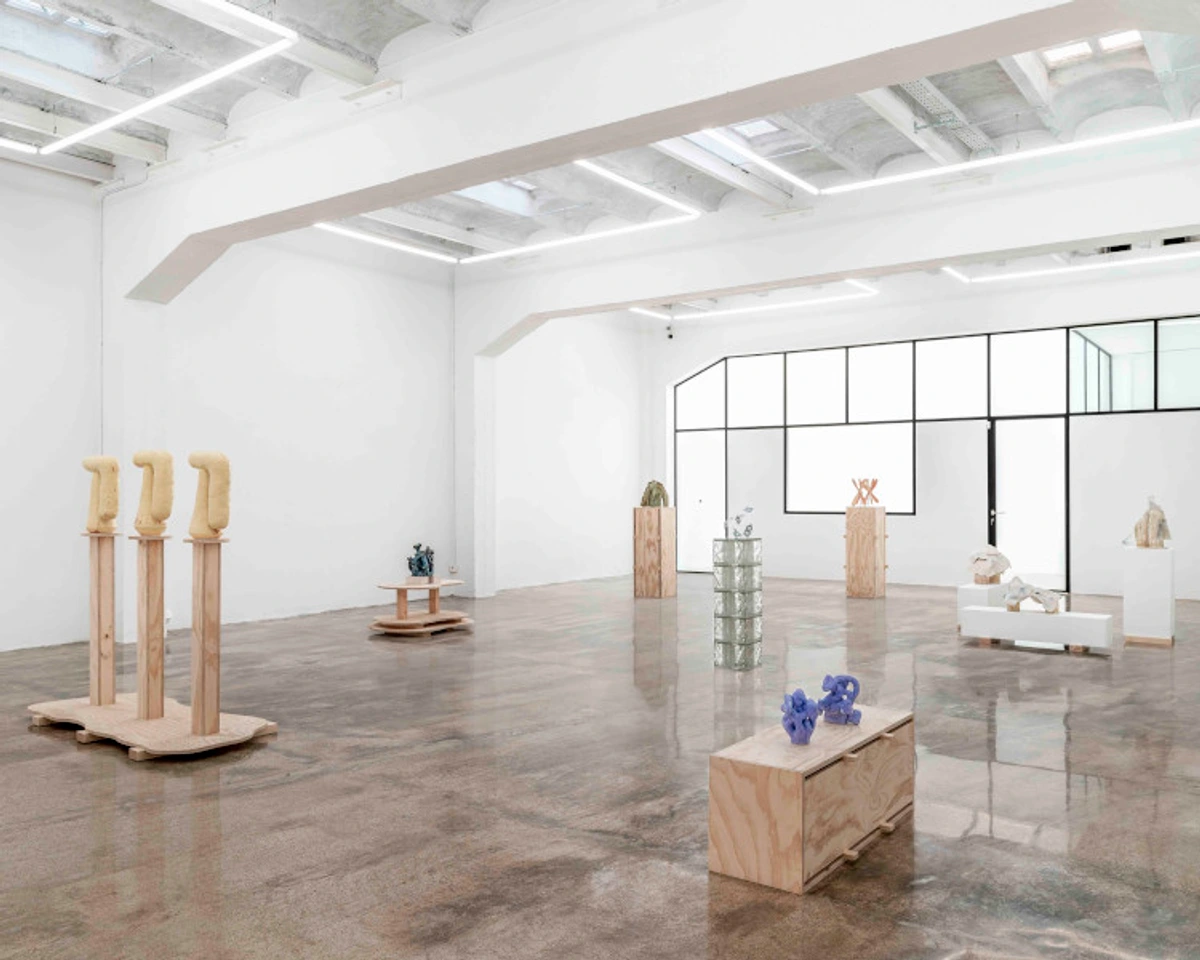
- Australian Centre for Contemporary Art (ACCA): Known for its striking, angular rusted steel facade (which is an artwork in itself!), ACCA is a non-collecting institution dedicated to commissioning and presenting the most ambitious and experimental contemporary art. Its exhibitions are always challenging, often provocative, and consistently cutting-edge, pushing the boundaries of what art can be and engaging with urgent social and political themes. This is not a place for passive viewing; it demands engagement and often sparks intense discussion. It's where you go to see what's truly new and unsettling in the art world, where artists are given the freedom to explore bold ideas without the constraints of a permanent collection, making it a vital force in shaping the future of Australian art.
- Centre for Contemporary Photography (CCP): If photography is your passion, the CCP in Fitzroy is an absolute must-visit. It's entirely dedicated to exhibiting and promoting contemporary Australian photography, offering a vital platform for both established masters and emerging lens-based artists. From documentary to experimental, portraiture to landscape, their rotating exhibitions provide deep engagement with the medium and often spark fascinating conversations about visual culture, probing at how we see and interpret the world through a lens. It’s a smaller, focused space, but its impact on the Australian photography scene is immense, nurturing talent and challenging perceptions.
- TarraWarra Museum of Art: Located amidst the rolling vineyards of the beautiful Yarra Valley wine region, TarraWarra is an architecturally stunning museum housing a significant collection of modern and contemporary Australian art, primarily focusing on works from the 1960s to the present day. Its minimalist design, with its elegant concrete and glass forms, perfectly complements the natural landscape, creating a serene and thoughtful environment for art appreciation that feels truly integrated with its surroundings. It’s a perfect combination of cultural enrichment and a scenic day trip, proving that exceptional art isn't confined to the city limits – sometimes, the best experiences are a little further afield, inviting a reflective journey into both art and nature.
The Art of South Australia: Adelaide's Offerings
While the East Coast often dominates the conversation, don't overlook Adelaide's vibrant art scene. The capital of South Australia punches above its weight, particularly with its national gallery, offering a compelling blend of historical depth and contemporary flair. Adelaide might be a smaller city, but its cultural institutions speak volumes.
Art Gallery of South Australia (AGSA), Adelaide
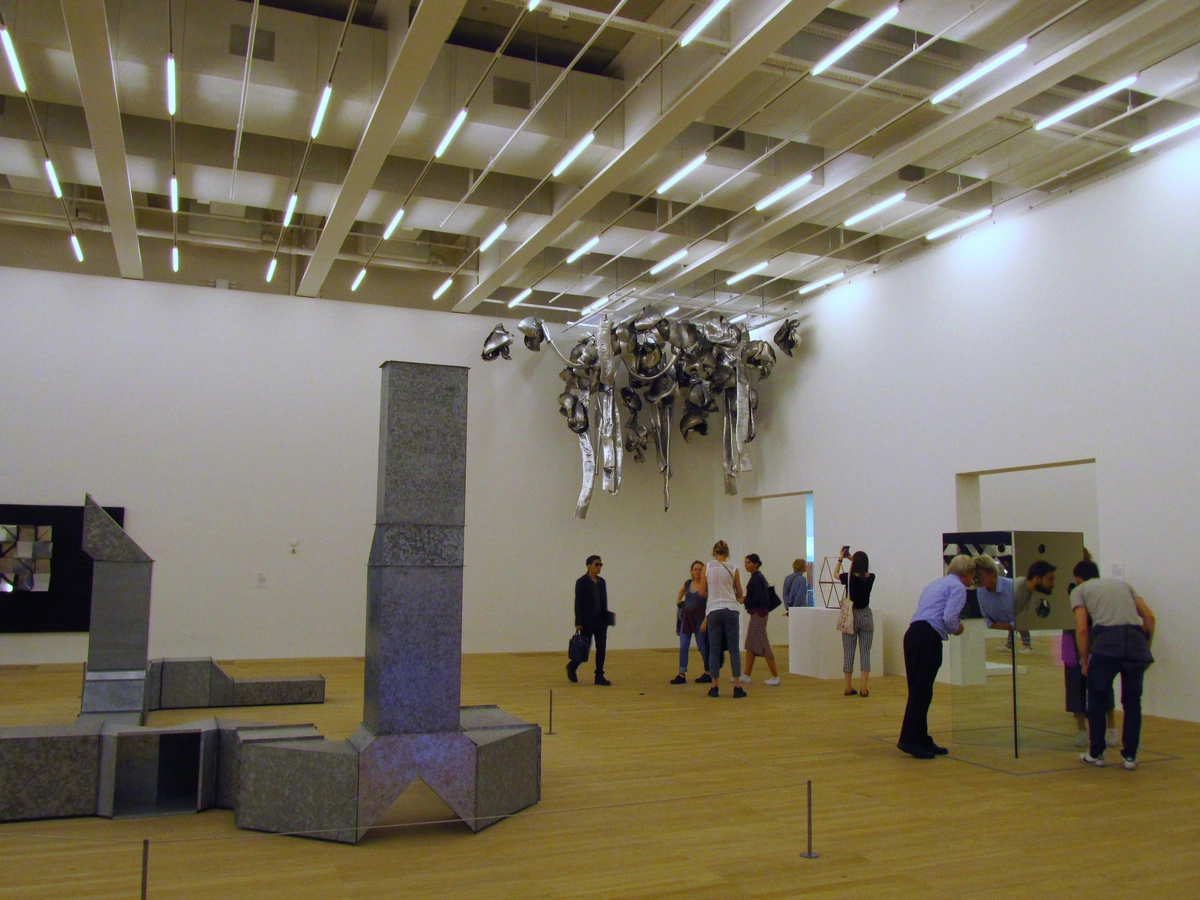
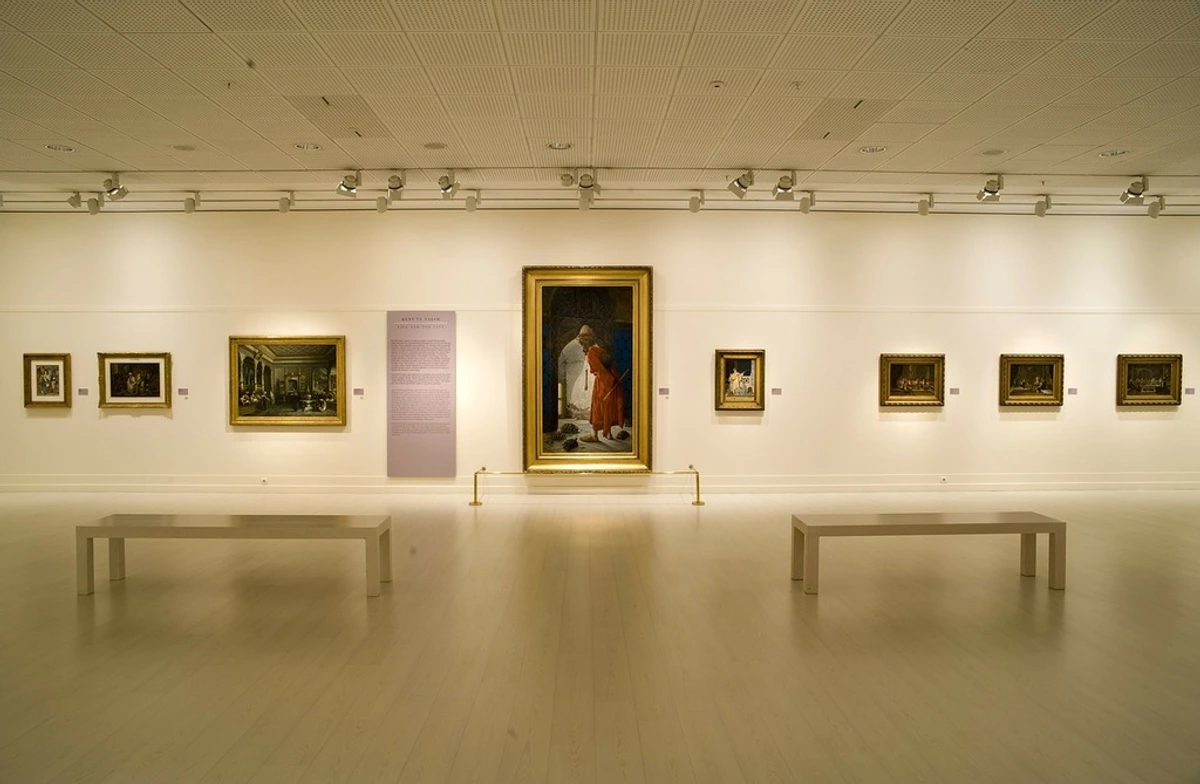
The Art Gallery of South Australia (AGSA) is one of Australia’s leading art museums, holding a magnificent collection that spans Australian, European, North American, and Asian art. What truly sets AGSA apart, for me, is its extraordinary collection of Indigenous Australian art, one of the most significant in the country. This collection is a profound narrative of deep time and enduring culture. They also have a fantastic range of colonial art and contemporary works, often presented with a thoughtful, inclusive approach that encourages dialogue across different periods and cultures. It’s a space that feels deeply connected to its place and its people, a welcoming hub for reflection and discovery, where the past and present gracefully converge. I always find their biennial Ramsay Art Prize for contemporary Australian artists particularly compelling—it’s a great barometer of what’s new and exciting, showcasing the dynamism of the national art scene.
Beyond the Metropolises: Museums Worth the Pilgrimage
Some of Australia's most exciting art isn't in its biggest cities. You have to earn it, venture off the well-worn path, and the reward is always worth it. These are the places that truly reveal the breadth and depth of Australia’s artistic soul.
Western Wonders: Perth's Artistic Landscape
Venturing west, Perth offers its own distinct artistic perspective, deeply influenced by its unique geography and cultural connections to Southeast Asia.
Art Gallery of Western Australia (AGWA), Perth
The Art Gallery of Western Australia (AGWA) holds a comprehensive collection of Western Australian art, alongside significant Aboriginal and Torres Strait Islander art, and Australian and international works. I particularly appreciate AGWA's focus on connecting with its regional identity, often showcasing art that responds to the vast landscapes and unique stories of Western Australia, from ancient rock art interpretations to contemporary reflections on the environment. Its rooftop bar offers stunning city views, blending art appreciation with a fantastic social experience—a detail I always appreciate after a day of intense viewing! They also have a strong commitment to contemporary art, making it a dynamic place to explore, often featuring artists who challenge conventions and push boundaries in unexpected ways.
National Gallery of Australia (NGA), Canberra
Okay, Canberra might feel like a detour (and let's be honest, it often is!), but the NGA is, without question, essential. This is the nation's collection, a sprawling testament to Australia's artistic heritage and its place in the global art world. It's home to iconic, and sometimes deliciously controversial, pieces like Jackson Pollock's Blue Poles (a must-see for anyone interested in ultimate guide to jackson pollock or what is abstract art) and the profoundly powerful Aboriginal Memorial, an installation of 200 hollow log coffins that will genuinely stop you in your tracks. This singular work, commemorating the Indigenous lives lost since European settlement, is one of the most moving art experiences you can have in Australia, a truly humbling and essential encounter. Beyond these, you'll find comprehensive collections of European, American, and Asian art, photography, and decorative arts, all carefully curated to tell a broader story of human creativity and artistic endeavour across continents and centuries. Understanding how museums acquire art at this national level adds another profound layer to the visit, revealing the careful stewardship of a nation's cultural identity and its ongoing dialogue about the definitive guide to the history of abstract art key movements artists and evolution.
MONA (Museum of Old and New Art), Tasmania
Let's be clear: MONA is not just a museum; it's a phenomenon, a pilgrimage, and frankly, a glorious slap in the face. Carved into a cliffside near Hobart, David Walsh's 'subversive adult Disneyland' is a heady, intoxicating mix of sex, death, and mind-bending art that challenges every preconception you might have about what a museum should be. You arrive by ferry, often with a glass of local wine in hand, are handed a custom device called 'The O' instead of traditional wall labels (which is genius, by the way, allowing for a truly personal journey), and are then sent into a subterranean labyrinth of confronting, brilliant, and often hilariously irreverent works. From ancient Egyptian sarcophagi to challenging contemporary installations, the collection is designed to provoke thought and conversation. It’s a place that strips away the pretension and demands you engage, often leaving you bewildered, delighted, and utterly changed. It's an absolute, non-negotiable must-do. Trust me, there is nothing else quite like it on Earth, and it will redefine your understanding of contemporary art, perhaps even making you question is art subjective in the most profound way.
QAGOMA (Queensland Art Gallery | Gallery of Modern Art), Brisbane
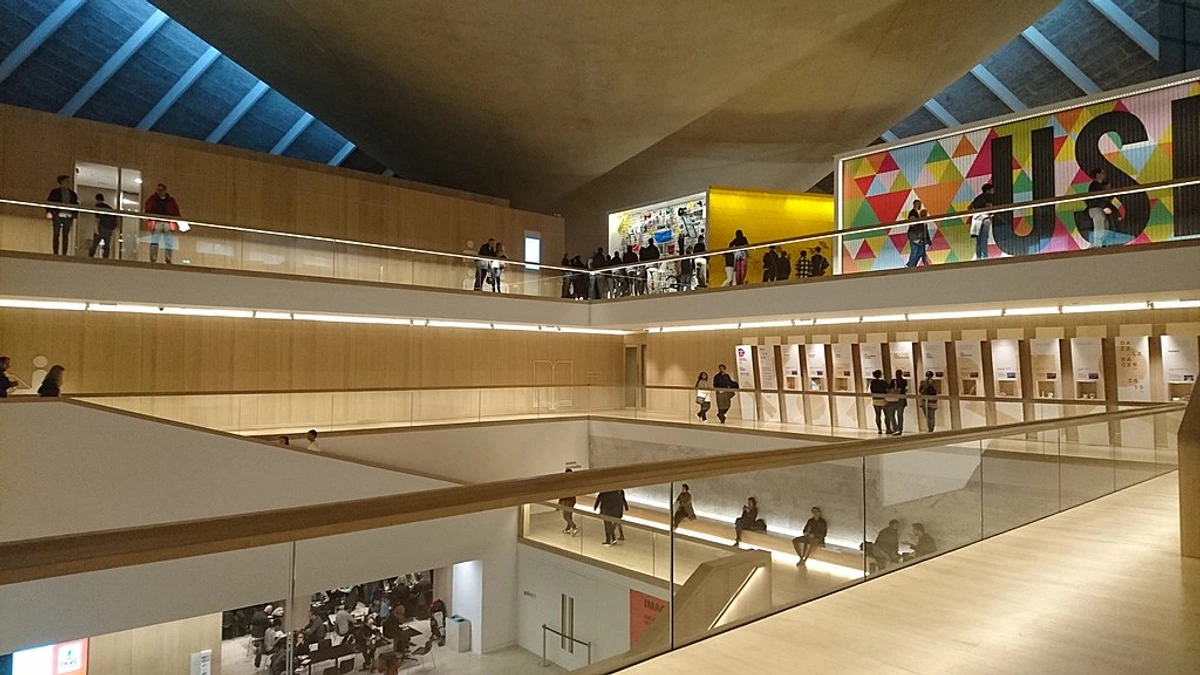
In Brisbane, these two waterfront galleries—the Queensland Art Gallery (QAG) and the Gallery of Modern Art (GOMA)—are conveniently located next to each other, like siblings sharing a backyard. They offer a breath of fresh, subtropical air, embodying the relaxed yet forward-thinking spirit of Queensland. QAGOMA has a special focus on the art of Australia, Asia, and the Pacific, making it a crucial institution for understanding regional and cross-cultural art forms, bridging continents with compelling exhibitions. The architecture is open, light-filled, and perfectly suited to the Queensland climate, reflecting a kind of optimistic and forward-looking spirit. Its Asia Pacific Triennial of Contemporary Art (APT) is not just a major international event but a fantastic opportunity to see cutting-edge work from across our diverse region, often introducing me to artists I wouldn't encounter anywhere else and opening my eyes to new perspectives. I always leave feeling inspired by the vibrant cultural exchange and the bold statements being made, which is exactly what I want from a world-class institution.
Planning Your Australian Art Odyssey: Practical Pointers
So, you're convinced and ready to embark on your Australian art adventure? Excellent! As someone who's planned (and sometimes completely botched) a fair few trips, I've gathered some practical wisdom to make your journey smoother and more enriching. Navigating a country the size of Australia while trying to hit all the best cultural spots requires a little strategy, and I'm here to share my hard-won lessons.
Best Time to Visit & Events
Australia is vast, so 'best time' really depends on where you're going and what kind of weather you prefer. Generally, spring (September-November) and autumn (March-May) offer pleasant weather across most major cities, perfect for wandering in and out of galleries without succumbing to extreme heat or cold. Crucially, keep an eagle eye on major art events, as these can transform a regular trip into an unforgettable cultural immersion. My personal calendar is always marked for these, as they're often where you'll find the most cutting-edge and important works, and the most vibrant atmosphere!
- Biennales and Triennials: Cities like Sydney (Biennale of Sydney) and Brisbane (Asia Pacific Triennial at QAGOMA) host large-scale international contemporary art exhibitions that are absolute must-sees. These often draw huge crowds and are fantastic opportunities to see global and regional art at its best, often pushing the boundaries of what art can be and introducing you to truly ground-breaking work from across the world. They're a curator's dream, a chance to see major trends and new talent emerging on the international stage.
- Regional Festivals: Many smaller towns and regions have their own vibrant art festivals, especially those celebrating Indigenous art. The Desert Mob exhibition in Alice Springs, for example, is an extraordinary annual event showcasing the strength and diversity of Aboriginal art from across the Central Desert. It's a powerful experience of community and artistic vitality, a direct connection to living culture. The Cairns Indigenous Art Fair (CIAF) is another incredible event in far north Queensland, offering a rich tapestry of art, performance, and cultural exchange. A quick online search for your travel dates and region can reveal some incredible, unique experiences that connect you deeply to local culture and provide an authentic, unforgettable art encounter away from the big city lights.
- White Night (Melbourne/Ballarat): This all-night cultural event, while not exclusively art-focused, transforms city streets and buildings with dazzling light installations, projections, and performances. It's an incredible, almost dreamlike, way to experience public art and see familiar urban spaces reimagined through a creative lens, often featuring truly ambitious and immersive pieces.
- Tarnanthi (Adelaide): Hosted by the Art Gallery of South Australia, Tarnanthi is a biennial festival of contemporary Aboriginal and Torres Strait Islander art. It's a must-attend for its scale, ambition, and the crucial platform it provides for Indigenous artists from across the country.
Getting Around: From City Hopping to Regional Roads
Australia is a big country, and getting around needs a bit of planning. Trust me, I've learned this the hard way, often underestimating the distances!
- Domestic Flights: For hopping between the major cities—Sydney, Melbourne, Brisbane, Adelaide, and Perth—domestic flights are absolutely your best friend. They're frequent, and if booked in advance, can be surprisingly affordable. Look out for sales from airlines like Qantas, Virgin Australia, and Jetstar, and sign up for their newsletters for early bird specials. Consider flying into one city and out of another to maximize your time and avoid backtracking, creating a more efficient and diverse itinerary. Trust me, the distances are deceptive, and flying saves precious art-viewing time!
- Public Transport: Once in the major cities, you'll find excellent public transport networks (trains, trams, buses) that make getting to most museums a breeze. Definitely consider buying a rechargeable travel card (like Opal in Sydney, Myki in Melbourne, or Translink in Brisbane) for convenience and often cheaper fares—it saves so much fumbling for cash, and who wants to be distracted by logistics when there's art to see! Google Maps is your friend here, making navigation simple and real-time updates invaluable, allowing you to focus on your cultural explorations.
- Road Trips: If you're venturing to places like Canberra (for the NGA), the Yarra Valley (for TarraWarra), or particularly MONA in Tasmania, considering a road trip is highly recommended. The drive itself can be part of the art experience, offering stunning scenery, charming regional towns, and unexpected detours that reveal another layer of Australia's beauty. For Tasmania, taking the MONA Roma ferry from Hobart isn't just transport; it’s an immersive, theatrical prelude to the museum itself, setting the tone perfectly and building anticipation for the unconventional journey ahead!
Budgeting for Art: Free vs. Ticketed
Let's talk money, because nobody wants a masterpiece-induced budget crisis! As I mentioned in the FAQ, most major public galleries—like the NGV, AGNSW, and NGA—offer free entry to their permanent collections. This is a fantastic resource, allowing you to soak up world-class art without spending a cent. However, for those blockbuster temporary exhibitions, you'll almost always need to buy a ticket. These can sometimes be a bit pricey, but often include exclusive content or shorter queues, making them well worth the investment. My pro tip? Check museum websites well in advance for any special deals, student/concession discounts, membership options (if you plan to visit many over time, these can save you a fortune and often come with perks like members-only viewings or discounts at the gift shop!), or free public programs and events. Many galleries also have free days or evenings, so keep an eye out for those, as they can be a fantastic way to experience art on a budget! Some smaller, private galleries or artist-run initiatives might also have entry fees, so always check ahead to avoid surprises.
Essential Museum Visitor Tips
After countless museum visits (and a few mishaps), I've distilled my wisdom into these essential pointers. Think of them as my personal cheat sheet for a flawless art day:
Aspect  | My Personal Recommendation |
|---|---|
| Booking | For major temporary exhibitions or popular times (weekends/holidays), always book online in advance. Seriously, don't risk disappointment! Many popular shows sell out fast. |
| Time Allocation | For major institutions (NGV, AGNSW, NGA), plan for at least 3-4 hours, or even a full day if you want to truly savour it. For a MONA experience, clear your entire day – it's an immersive journey you don't want to rush. Smaller galleries usually take 1-2 hours. |
| Accessibility | Most major Australian museums are commendably wheelchair accessible and offer a range of facilities for diverse needs. Always check their websites for specific information on access, programs, and companion card acceptance, and don't hesitate to call ahead with particular requirements – they're usually incredibly helpful. |
| Photography | Generally allowed for personal use in permanent collections (no flash, please!). Always, always check signage for temporary exhibitions, as rights can vary wildly, and you don't want to accidentally violate an artist's wishes. |
| Food & Drink | Many museums boast excellent cafes and restaurants, often with stunning views. I usually factor in a coffee or lunch break as part of the experience – it's a great way to digest what you've seen and prevent 'art fatigue.' |
| Bags & Lockers | Large bags and backpacks are often not allowed in gallery spaces and will need to be checked into lockers for security and to protect the art. Plan for this, especially if you're carrying camera gear or day-trip essentials, and know that sometimes smaller lockers fill up quickly. |
| Engage! | Don't just passively look. Read the labels (or use 'The O' at MONA!), listen to audio guides, join a free tour. The more you engage, the richer the experience will be. Ask yourself why the artist made this, or how it makes you feel – let the art speak to you. |
| Dress Comfortably | You’ll be doing a lot of standing and walking! Wear comfortable shoes and dress in layers, as gallery temperatures can vary and you'll be moving between different environments. |
| Gift Shop | I know, I know, but often the museum shop has unique items, books, and prints that are works of art in themselves, allowing you to take a piece of the experience home. It's a great place for souvenirs or to deepen your knowledge after a visit, and I've found some real treasures there over the years! |
A Quick Cheat Sheet for Your Travels
To make things easier, here’s a quick breakdown. No nuance, just my gut feeling.
Museum | City | Best For... | My Pro Tip |
|---|---|---|---|
| NGV | Melbourne | A bit of everything, from global masterpieces to local heroes. | Don't miss the Australian art collection at the Ian Potter Centre. |
| AGNSW | Sydney | A beautiful blend of classical and modern in a stunning setting. | Go on a Wednesday for 'Art After Hours' for a different vibe. |
| MONA | Hobart, Tas | Having your mind blown and your assumptions challenged. | Take the ferry, clear your schedule for the day, and just give in to it. |
| NGA | Canberra | Understanding the 'official' story of Australian art. | Spend time with the Aboriginal Memorial. It’s unforgettable. |
| MCA | Sydney | Seeing what's happening right now in contemporary art. | The rooftop. Seriously. Go to the rooftop. |
| QAGOMA | Brisbane | Discovering incredible art from the Asia-Pacific region. | Check their cinema schedule; they have fantastic film programs – a hidden gem for film lovers! |
Other Notable Art Destinations and Regional Powerhouses
While the main cities offer a wealth of art, Australia is a vast country, and some truly remarkable art experiences await beyond the major urban hubs. These often offer a different scale, a more intimate connection to local narratives, or a surprising international reach.
- Tasmanian Museum and Art Gallery (TMAG), Hobart: Often overshadowed by its eccentric neighbour MONA, TMAG is a gem in its own right. As Tasmania's leading natural and cultural heritage institution, it seamlessly weaves together the island's unique history, Aboriginal culture, and a significant collection of Tasmanian art. It provides crucial context for understanding the island's identity, with exhibitions ranging from colonial masterpieces to contemporary works by local artists. It's a fantastic counterpoint to MONA, offering a more traditional yet deeply engaging museum experience that tells the story of Tasmania in a profound way.
- Bendigo Art Gallery, Victoria: This regional gallery consistently punches above its weight, particularly renowned for its ambitious and often exclusive international fashion exhibitions. Bringing world-class couture and design to regional Victoria, Bendigo Art Gallery has carved out a unique niche, attracting visitors from across the country and beyond. Beyond fashion, it boasts an impressive collection of 19th-century European art and a strong focus on Australian art, making it a surprisingly diverse and engaging cultural stop.
- Newcastle Art Gallery, New South Wales: Located just a couple of hours north of Sydney, Newcastle Art Gallery holds one of Australia's most significant public collections outside the state capitals. Its strengths lie in Australian art from the colonial period to the present day, with a particular focus on works by artists from the Hunter region. It's a testament to the thriving cultural scene beyond the big smoke and a great example of a regional gallery making a national impact.
- The Samstag Museum of Art, Adelaide: Part of the University of South Australia, the Samstag Museum is a non-collecting institution dedicated to presenting contemporary visual art. It's known for its intellectually rigorous and often experimental exhibitions, providing a vital platform for both Australian and international artists to explore new ideas and push artistic boundaries. If you're looking for cutting-edge contemporary art and a focus on critical dialogue, this is an excellent choice.
Beyond the Canvas: Unique Art Experiences Across Australia
While the grand institutions are undeniably magnificent, Australia's art pulse beats in many unexpected places. For me, seeking out these unique experiences is where the real magic happens, adding layers to your understanding of the country's creative spirit. It's about getting off the beaten path and seeing how art intertwines with daily life and the unique Australian landscape.

Street Art and Urban Galleries
Melbourne's laneways are legendary for their constantly evolving street art. Areas like Hosier Lane, AC/DC Lane, and Centre Place are outdoor galleries, vibrant and ephemeral, where murals can change weekly, sometimes daily! It’s a dynamic, living canvas that truly captures the city's artistic energy. But it’s not just Melbourne. Look out for public art installations, murals, and small, independent galleries popping up in unexpected urban pockets in Sydney (like the creative hubs of Newtown and Marrickville, or even hidden laneways in the CBD), Brisbane (Fortitude Valley's street art scene is burgeoning), and beyond. These spaces often showcase emerging talent and offer a raw, unfiltered glimpse into contemporary urban culture, blurring the lines between art and everyday life. They're a stark contrast to the quiet, hallowed halls of a national gallery, but equally vital for understanding a thriving art scene and the voices that emerge from the fringes, telling stories in bold, public strokes.
Indigenous Cultural Centres & Community Art
To truly grasp the depth of Australian art, I believe direct engagement with Indigenous cultural centres and community art spaces is crucial. Places like the Araluen Arts Centre in Alice Springs (home to the Central Australian Aboriginal Art Primary Collection) or the various art centres in remote communities across the Northern Territory, Western Australia, and Queensland (many of which are open to visitors, often by appointment) offer direct insight into the living traditions and contemporary practices of Aboriginal and Torres Strait Islander artists. This isn't just about viewing art; it's about understanding storytelling, connection to country, ceremony, and cultural continuity through millennia, a testament to an enduring cultural resilience. These experiences are often profoundly moving and deeply educational, providing an essential, living context for the Indigenous collections you’ll see in the larger national galleries, showing you how art breathes and evolves within communities. It's where the history of abstract art and its deep cultural roots truly come alive, demonstrating an artistic lineage that stretches back tens of thousands of years, far predating Western notions of art movements.
Frequently Asked Questions (FAQ)
I get a lot of questions about planning art trips to Australia, so I've compiled some of the most common ones here, along with my candid answers. Think of it as a quick chat over coffee, without the spilled flat white.
Let's get some common questions out of the way.

What is the most famous museum in Australia?
This is a fun debate! By sheer visitor numbers, it's typically the National Gallery of Victoria (NGV) in Melbourne, consistently drawing huge crowds for its diverse collections and blockbuster exhibitions. It offers a broad appeal, catering to many tastes. In terms of international buzz, critical acclaim, and sheer notoriety, however, it's undeniably MONA (Museum of Old and New Art) in Tasmania. MONA is less a museum and more an immersive, provocative experience that has put Hobart firmly on the global art map, challenging every preconception of what a gallery can be. So, 'most famous' depends on your definition!
Are museums in Australia free?
Yes, and this is one of my favourite things about the Australian art scene! Most of the large public galleries, like the NGV, AGNSW, and NGA, have free entry to their permanent collections. This means you can wander through incredible works without spending a cent, which is fantastic for budget-conscious travellers or those who want to make multiple, shorter visits to truly absorb the art. However, you'll almost always need to buy a ticket for major temporary exhibitions—these are often internationally touring shows or significant retrospectives and are well worth the investment if the artist or theme appeals to you. My advice is to always check the gallery's website for specifics, as many also offer free public programs, talks, and events that can enhance your visit without an extra cost.
What is the best museum for Aboriginal and Torres Strait Islander art?
This is tough because so many have incredible collections, and each offers a unique focus! The National Gallery of Australia (NGA) in Canberra has one of the most comprehensive national collections, including the monumental Aboriginal Memorial, which is a truly transformative experience. The collections at the AGNSW in Sydney and QAGOMA in Brisbane are also world-class, often with strong regional focuses and contemporary acquisitions that reflect the diversity of Indigenous art from their respective states. But for me, the most powerful experiences often come from direct engagement with Indigenous cultural centres and community art spaces in regional and remote areas; this is where you connect with living traditions and artists directly, gaining a deeper, more authentic understanding of these profound practices.
Is MONA really worth the trip to Tasmania?
Yes. A thousand times, yes. I cannot stress this enough! It's not just a museum; it's a destination in itself, a cultural phenomenon that will challenge your perceptions of what art can be, and what a museum should be, and stay with you long after you leave. The journey there, the architecture, the sheer audacity of the collection—it all adds up to an unforgettable, immersive experience that will either delight or deeply provoke you (and often both!). Go. It’s an essential experience for any true art lover, especially if you appreciate the unconventional, the provocative, and a good dose of intellectual mischief that dares to poke fun at the art world itself. You won't regret it.
Do I need a visa to visit Australian museums?
While museums don't require a special visa, you will need a valid Australian visa to enter the country as an international visitor. For most tourists, this means applying for an Electronic Travel Authority (ETA) or a Visitor Visa. It’s a crucial first step, so always check the latest requirements on the official Australian Department of Home Affairs website well before your trip. Don't let bureaucracy get in the way of your art odyssey!
What are some lesser-known art gems in Australia?
Ah, this is where the real fun begins! Beyond the major cities, look for regional galleries that often have incredibly strong collections and unique programming. The Bendigo Art Gallery (Victoria), for example, is renowned for its ambitious international fashion exhibitions, bringing global style to regional Australia in a truly unexpected way. The Tandanya National Aboriginal Cultural Institute in Adelaide is another vital space, entirely owned and governed by Aboriginal people, offering a profound insight into contemporary Indigenous cultures through a diverse program of exhibitions and performances. In Newcastle, the Newcastle Art Gallery has an impressive collection focusing on Australian art. There are also countless smaller artist-run initiatives and independent galleries in vibrant cultural precincts (like Gertrude Street in Melbourne or Chippendale in Sydney) that offer surprising and intimate encounters with emerging art and often host fascinating discussions. My best advice: ask locals! They always know the truly hidden treasures, and sometimes the most profound art experiences are found in the most unassuming places.
How accessible are Australian museums for people with disabilities?
I'm pleased to say that generally, Australia's major museums and galleries are very good with accessibility, and this is something I truly appreciate. They typically offer ramp access, lifts to all levels, accessible restrooms, and often provide wheelchairs for loan. Many also have specific programs or resources for visitors with vision or hearing impairments, such as audio descriptions, tactile tours, and Auslan (Australian Sign Language) interpreted events. However, it's always best practice to check the individual museum's website for specific accessibility information and to contact them in advance if you have particular needs or require any special assistance—they are usually incredibly helpful.




My Final Word: Your Australian Art Odyssey Awaits
Look, the 'best' museum is always going to be the one that speaks most profoundly to you. The one that sparks a new idea, challenges an old perception, or simply lingers in your mind days, weeks, even years later, prompting new thoughts and questions. Australia, in its magnificent, sprawling diversity, offers a gallery for every mood, every preference—from the grand and stately to the weird, the wonderful, and the truly provocative. My advice? Start with one of the big city institutions to get your bearings, but please, try to make a pilgrimage to at least one of the others—especially a regional gallery or an Indigenous art centre. The physical journey to get there will often change how you see the art, providing a deeper context, and maybe, just maybe, a little bit of how you see yourself and this incredible, artistic country.
It’s that diversity of experience that I find so exciting, this constant interplay between landscape, history, and human creativity, and it’s something I think about constantly when I’m working on my own pieces, which you can explore in my /timeline or even consider adding to your own collection by visiting my /buy page. These personal explorations often draw inspiration from the very themes you’ll encounter in Australian galleries: the interplay of nature and culture, the dialogue between past and present, and the endless possibilities of abstract expression. So go forth, happy explorer! May your Australian art odyssey be filled with wonder, challenge, and countless moments of profound connection. It's a journey you won't soon forget, one that might just change the way you see art, and even yourself.