My Unfiltered Guide to the Best Gouache Paint Brands (2024)
An artist's honest, in-depth review of the best gouache paints. I compare top professional and student brands like Winsor & Newton, Holbein, and Himi to help you choose.

My Unfiltered Guide to the Best Gouache Brands for Artists
I remember the first time I used gouache. I'd bought a cheap, chalky set from a craft store, expecting it to behave like a magical, opaque watercolor. Instead, I got a streaky, frustrating mess. The colors dried three shades lighter than they looked wet, and layering them was a nightmare. I almost gave up on the medium entirely, convinced it was just another tricky art supply designed to separate me from my money. Sound familiar? If so, you're absolutely in the right place. Trust me, I've been there. The good news? It turns out, the paint really matters – perhaps even more than with some other mediums. A good gouache can feel like pure magic, a bad one, an absolute chore.
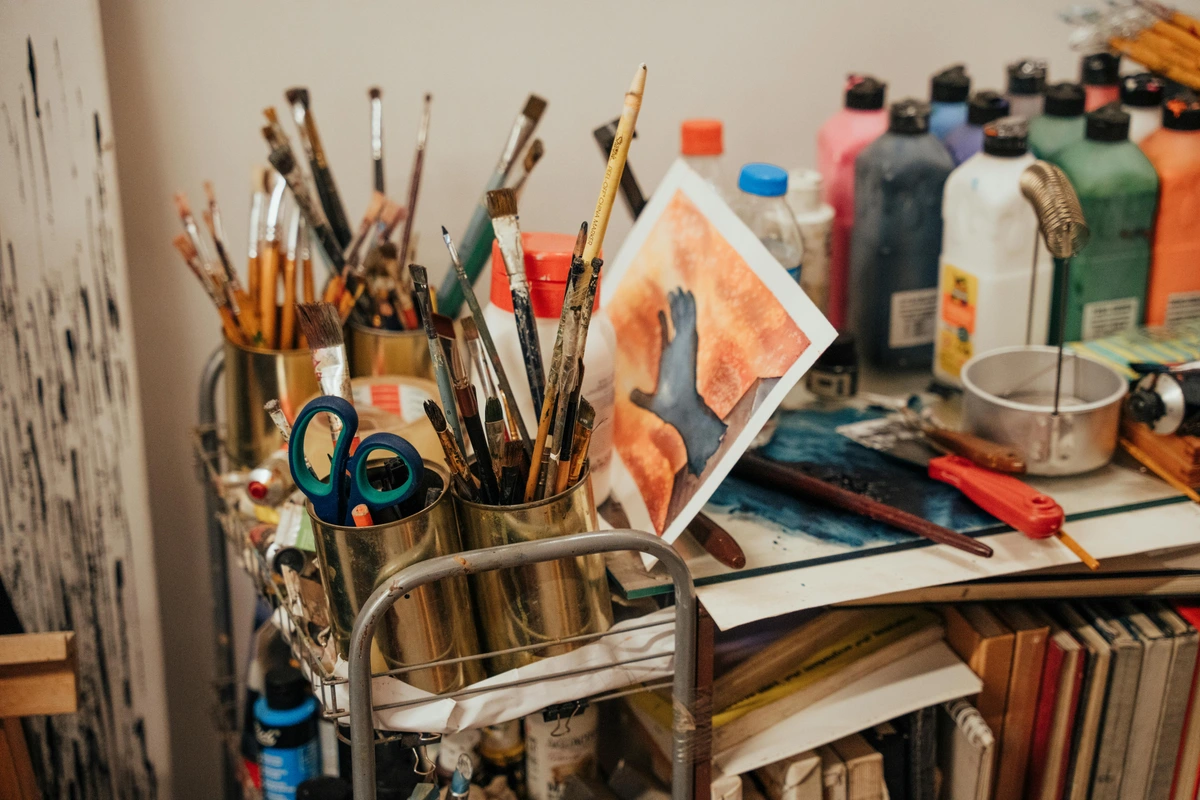
Over the years, through a lot of trial, error, and spending more money than I'd like to admit (my studio shelves are a testament to many a failed experiment), I've found my absolute favorites. This isn't going to be a dry, technical list of pigment numbers and binders you could get anywhere. This is my personal, opinionated deep-dive into the vibrant world of gouache, seen through the lens of a working artist. We'll talk about the legendary professional brands that deliver every time, the surprisingly good student-grade options that won't break the bank, and everything in between. My goal, truly, is to help you skip the frustration I went through and find the perfect paint for your unique style and budget, letting you focus on the joy of creation. Because let's be honest, life's too short for bad paint. But first, before we dive headfirst into tubes and pans, let's briefly touch on what gouache painting actually is and why it stands apart. I'll even guide you through some essential gouache painting supplies for beginners to get you started on the right foot. We'll also unpack the nuanced differences between traditional gouache and its acrylic counterpart, Acryla Gouache, explore various formats like pan, tube, and jelly, and arm you with essential techniques, troubleshooting tips, and even advice on caring for your brushes and choosing the perfect palette. By the end of this guide, you'll be ready to confidently embark on your own vibrant gouache journey. It's time to find your magic!
Why Gouache? The Magic of Opaque Watercolors
So, what is it about gouache that makes it so captivating? For me, it's the beautiful paradox of an opaque water-based medium. You get the immediacy and clean-up of watercolor, but with the bold, covering power of acrylics. It dries to a stunning, velvety matte finish that absorbs light, giving your artwork a quiet sophistication that I absolutely adore. It's incredibly versatile, allowing for everything from delicate washes to bold, graphic illustrations, and it's wonderfully forgiving because you can reactivate and rework it, even days later! This unique combination makes it an indispensable tool in my studio, offering a flexibility that few other mediums can match. Think about it: a medium that lets you layer light over dark, correct mistakes, and still maintain that beautiful matte finish? It's a game-changer for many artists, myself included.
A Brief History of Gouache
Gouache isn't a new kid on the block; its roots stretch back centuries, far deeper than many modern mediums. Artists in ancient Egypt used a primitive form of opaque water media, laying down strong, flat colors that have survived millennia on tomb paintings and papyrus scrolls. Then, during the European Middle Ages, it became a staple for intricate illuminated manuscripts, where its vibrant, flat colors and ability to stand out on parchment were absolutely prized. Imagine the painstaking detail and the luminosity these artists achieved! The term "gouache" itself, derived from the Italian word "guazzo" (meaning "mud" or "puddle" – a rather unglamorous origin for such a beautiful medium, wouldn't you say?), only formally emerged in the 18th century in France. It was coined precisely to distinguish this opaque watercolor from its more transparent counterpart. I always find it fascinating how a medium can have such a long, evolving story, adapting to the needs and aesthetics of different eras.
Throughout its history, gouache has been embraced by an incredible array of art movements and masters. From J.M.W. Turner's expressive, atmospheric landscapes, where he used it for dazzling highlights and opaque passages, to Henri Matisse's iconic, joyful paper cut-outs (where the paper was painted with gouache before cutting), artists have continually rediscovered its unique properties. It truly experienced a major resurgence in the 20th century, particularly among commercial artists, illustrators, and poster designers. They absolutely valued its ability to produce bold, graphic imagery that reproduced exceptionally well in the burgeoning world of print media. Think of those vibrant travel posters or striking book covers. It's a medium with a rich lineage, constantly adapting to new artistic needs, which I find incredibly inspiring – a testament to its enduring versatility.
Gouache vs. Watercolor: What's the Real Difference?
This is perhaps the most common question I get about gouache, and it's a completely fair one! Both are water-based, use a similar binder (usually gum arabic), and are applied with brushes. But they diverge significantly in their optical properties and handling characteristics. Understanding this fundamental distinction is key to choosing the right medium for your artistic vision.
In short: Watercolor is transparent; gouache is opaque.
Think of it like this: if watercolor is a sheer silk scarf, allowing light to pass through and reveal layers beneath, then gouache is a rich, velvet curtain, absorbing light and providing solid, block-like coverage. This opacity in gouache comes from a higher pigment load and often the addition of inert white pigments (like chalk or titanium white) or other fillers, which give it its characteristic velvety, matte finish. This allows you to paint light colors over dark, achieve vibrant flat areas, and easily correct mistakes – things that are much harder, if not impossible, with traditional transparent watercolor. I often describe gouache as having the best qualities of watercolor (ease of cleanup, re-wettability) combined with the covering power you'd expect from something like acrylics, but with a unique matte aesthetic. For a deeper dive into its transparent cousin, you might want to check out my definitive guide to paint types for artists.
Feature  | Gouache | Watercolor |
|---|---|---|
| Opacity | Opaque (light over dark possible) | Transparent (light reveals layers) |
| Finish | Velvety matte | Luminous, often glossy when varnished |
| Pigment Load | High (often with fillers) | High (pure pigment) |
| Re-wettability | Excellent | Excellent |
| Drying Time | Fast | Fast |
| Layering | Opaque layers, light over dark | Transparent glazes, dark over light |
| Corrections | Easy (can lift/rework) | Challenging (staining pigments) |
| Texture | Can build subtle texture | Generally flat, washes |
| Uses | Illustration, graphic design, fine art, bold color | Landscapes, portraits, delicate washes, journaling |
What I Look For in a Gouache Paint
Before I even open a tube, I have a mental checklist. It's not about finding a "perfect" paint, because frankly, that doesn't exist. Instead, it's about finding the right tool for the job – and knowing what to expect from it. These are the qualities that truly make a gouache sing (or make me want to throw it across the room):
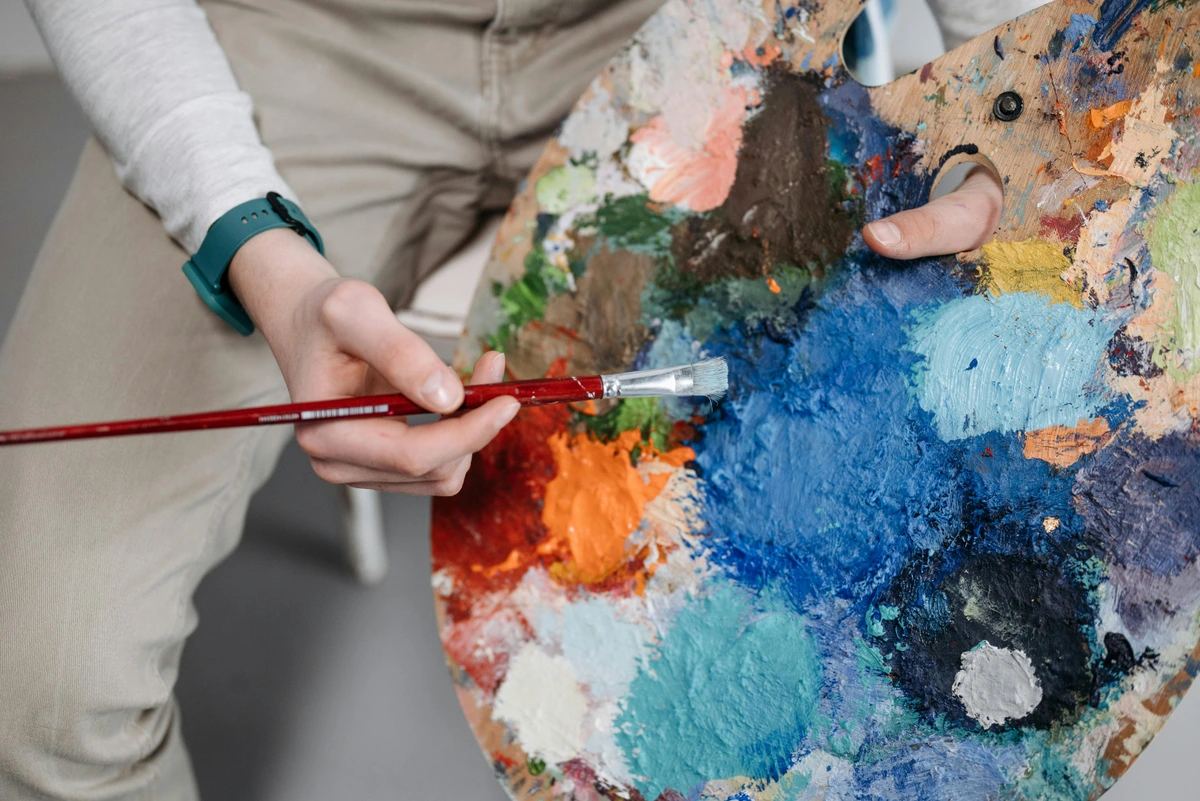
- Opacity: This is the big one, the defining characteristic of gouache. I'm looking for a paint that can truly cover a black line in one pass without looking flimsy, chalky, or streaky. It's the difference between a confident block of color and a muddy semi-transparent wash. If it can't achieve that, in my book, it's just opaque watercolor, not true gouache. This is crucial for layering and creating crisp, defined shapes.
- Pigment Load & Vibrancy: How much pure color is packed into that binder? A high pigment load means incredibly vibrant, rich colors that retain their intensity and don't look washed out or dull when they dry. This also translates to better mixing, superior coverage, and less paint needed per application. It’s the difference between a whisper and a shout, and I always want a shout! This is especially noticeable in bright, saturated hues.
- Consistency: Straight out of the tube, I want a creamy, smooth consistency – like soft butter or melted ice cream, not thick toothpaste or watery milk. This makes it a dream to mix on the palette, apply evenly to the paper, and ensures smooth transitions without fighting your medium or getting frustrating brush marks. The ideal consistency allows for both thin washes and thick, opaque strokes with minimal fuss, a true marker of quality.
- Finish: Does it dry to that hallmark, beautiful, velvety matte finish? Or does it look chalky, dull, or even slightly glossy in places? The finish is a huge part of gouache's unique charm and crucial for the aesthetic it's known for. A truly matte finish absorbs light and gives your artwork a quiet, sophisticated presence, which is often what draws artists to the medium in the first place. Nobody wants a shiny, reflective surface when they're aiming for that classic gouache look!
- Re-wettability: Can I easily lift the color, rework an area after it's dry, or activate dried paint in my palette? This is a key feature of traditional gouache and a lifesaver for making adjustments, blending on the paper, and minimizing waste. It means those dried puddles on your palette aren't trash, they're potential! This characteristic also contributes to its forgiving nature, allowing you to refine compositions without starting from scratch.
- Drying Shift: This is a sneaky one! Gouache is notorious for its "drying shift," meaning colors often appear different wet versus dry. Generally, lighter colors tend to dry slightly darker, and darker colors often dry a bit lighter. This happens because as the water evaporates, the binder and pigment particles become more concentrated, and light reflects differently off the dry surface. I look for brands where this shift is consistent and predictable, so I can learn to anticipate it and not get surprised. It's a quirk you learn to love (or at least manage!) with practice.
- Mixing Properties: How well do the colors interact when mixed? Do they retain their vibrancy, or do they quickly become dull or muddy? Good gouache colors should mix cleanly and predictably, allowing for an endless array of custom hues without losing their punch. This is where a high pigment load really pays off, as weak pigments tend to 'muddy' quickly when combined.
- Lightfastness: While not always paramount for sketchbook studies or ephemeral works, for professional pieces that I intend to sell or exhibit (especially prints on my
/buypage!), I absolutely need to know the colors won't fade or shift over time. I actively look for ratings (ASTM, typically) if archival quality is important, as nobody wants their artwork to disappear into the ether. This is a critical factor for professional artists and collectors alike, ensuring the longevity of your creations.
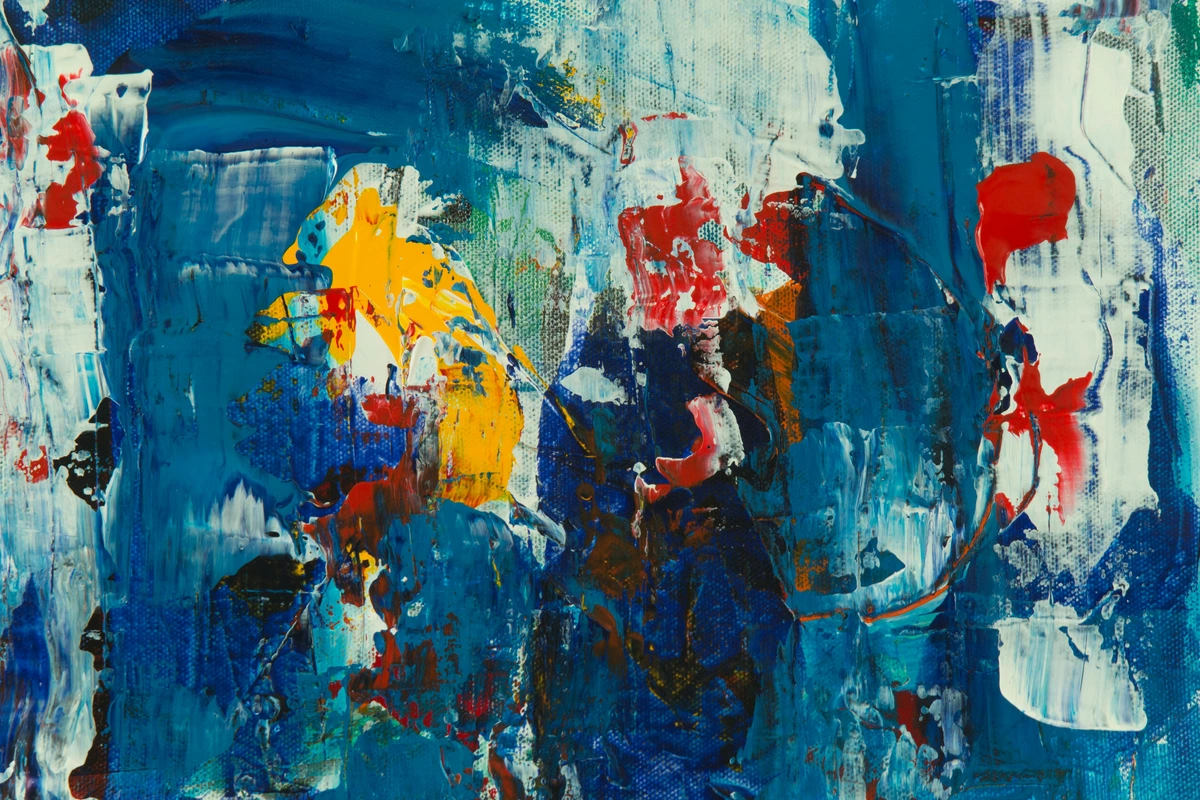
Gouache Quality Checklist: A Quick Reference
This table is my shorthand, a quick glance at what truly matters when I'm evaluating a new brand or even just re-familiarizing myself with an old favorite. Keep it in mind as we delve into specific brands!
Characteristic | What I Look For | Why It Matters |
|---|---|---|
| Opacity | Strong, single-pass coverage | Confident blocks of color, effective layering |
| Pigment Load | Intense, rich colors | Vibrant artwork, less paint needed, better mixing |
| Consistency | Smooth, creamy (like soft butter) | Easy mixing, even application, no fighting the medium |
| Finish | Velvety matte, non-chalky | Hallmark gouache aesthetic, absorbs light beautifully |
| Re-wettability | Reactivates easily when dry | Reworking, blending, minimal paint waste |
| Drying Shift | Predictable change from wet to dry | Avoids surprises, helps with color matching |
| Mixing Properties | Clean, vibrant mixes | Expansive custom color palette without muddiness |
| Lightfastness | High ASTM ratings (for pro work) | Archival quality, colors won't fade over time |
The Titans: My Go-To Professional Gouache Brands – An Investment in Your Art
These are the paints I trust implicitly for my professional work, the pieces I proudly sell as prints on my /buy page, and the ones that consistently deliver stunning results. Yes, they are an investment – let's not pretend otherwise. But in my opinion, they're worth every single penny for their reliability, the sheer joy they bring to the painting process, and the archival quality that ensures your art will stand the test of time. Think of it less as an expense and more as fueling your artistic journey and respecting your craft.
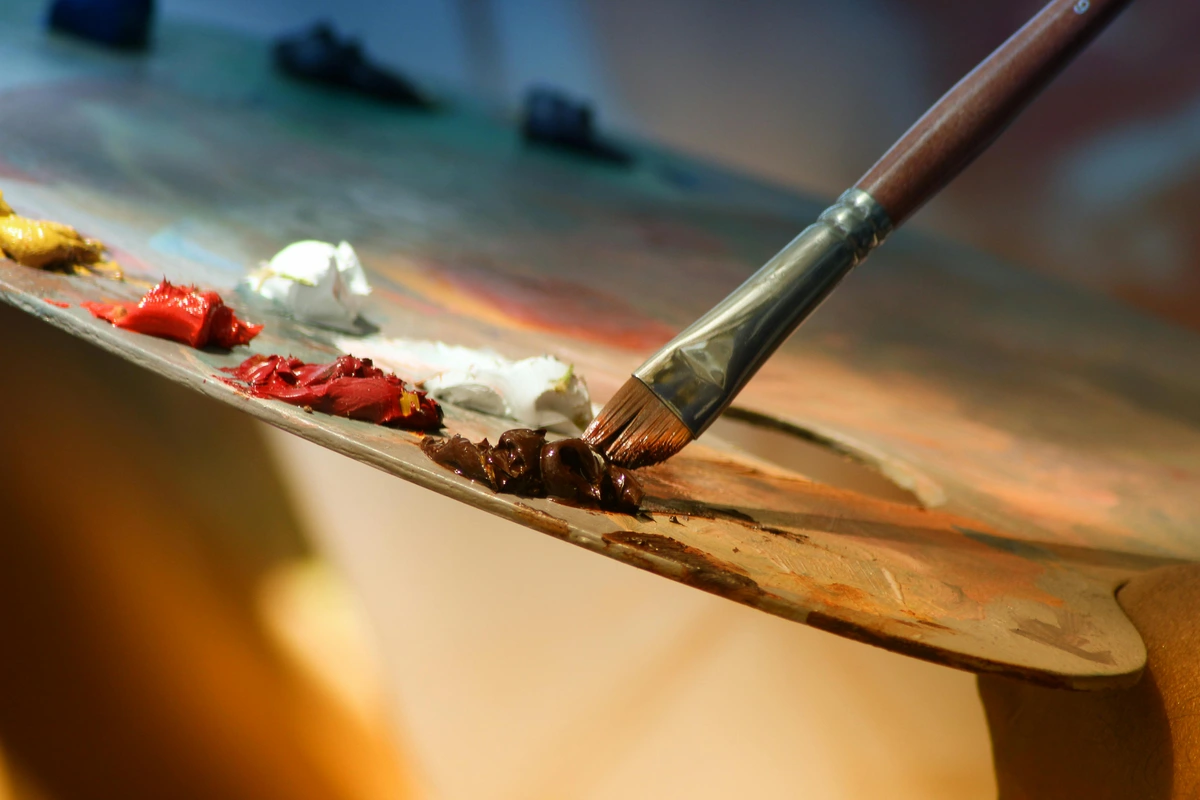
Winsor & Newton Designers Gouache
This is, unequivocally, the industry standard for a reason, and often the first professional gouache many artists, including myself, encounter. It's the brand we started with, and it's often the brand we return to for its sheer dependability, much like a steadfast friend. The color range is immense, almost overwhelmingly comprehensive in its breadth, and the consistency right out of the tube is just... reliably perfect. It truly is the workhorse of the gouache world.
- My Take: W&N is like an old, trusted friend in my studio. It's predictable in the best possible way, allowing me to focus entirely on the artwork, not the quirks or surprises of the paint. The colors are incredibly opaque, giving you strong, clean coverage that just sings, and they consistently dry to that quintessential, velvety matte finish that makes gouache so distinctive. This makes them absolutely perfect for illustration, graphic design work, or any project where you need flat, even swaths of color without distracting brushstrokes showing through. They layer beautifully too, provided you're mindful of application thickness – which is a general rule for gouache anyway. Their reliability across the entire spectrum of colors is what truly sets them apart; you rarely get a dud color in a W&N tube, which is reassuring when you're on a deadline.
- Pros: An almost unmatched color selection means you'll always find the exact hue you need, excellent and incredibly consistent opacity across the entire range, and a quality you can always count on. Their Permanent White is legendary for its intense covering power, an absolute staple in my palette for highlights and mixing opaque pastels.
- Cons: If you apply it too thickly, especially in larger, solid areas, it can be a bit prone to cracking as it dries, which can be frustrating. A little gum arabic can help, but it's something to be aware of. And, as with any professional-grade paint, building a full, extensive set can certainly add up financially – but it's an investment that lasts and truly performs.
- Ideal For: Commercial illustration, graphic design, precise layering, artists seeking a vast and dependable color palette, detailed botanical work, or anyone who values consistency and a true workhorse medium. I've found it indispensable for my more graphic, stylized abstract pieces.
Holbein Artists' Gouache
Holbein is a revered Japanese brand that artists absolutely rave about, and I am definitely among its ardent admirers. From the moment you squeeze it onto your palette, it immediately feels a little different from its European counterparts – a subtlety in its fluidity and milling that quickly becomes a significant advantage in practice.
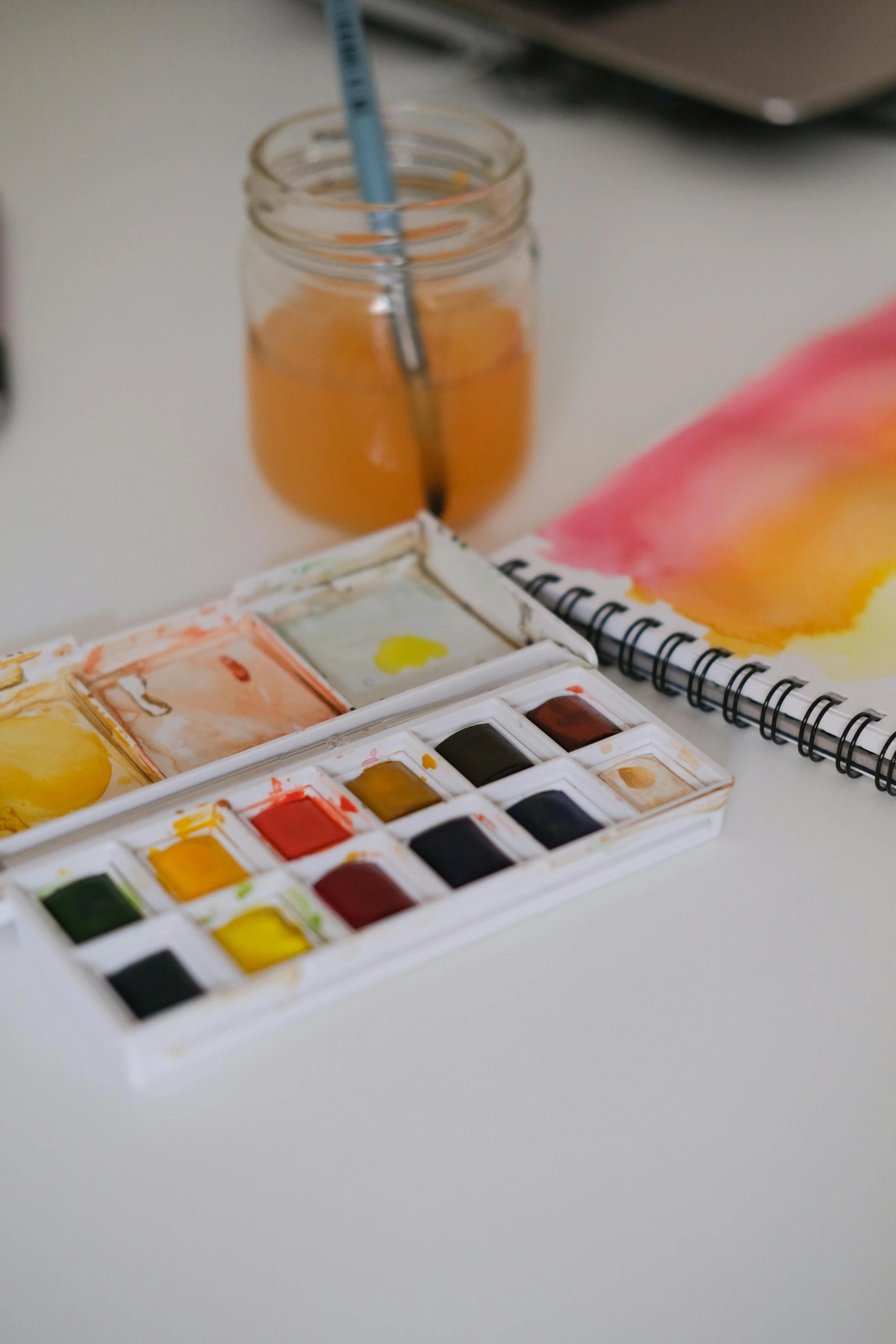
- My Take: To me, Holbein gouache feels exquisitely finely milled and boasts a slightly more fluid, almost buttery consistency. This makes it glide across the paper effortlessly, allowing for delicate washes or bold, seamless swaths of color. The colors are exceptionally vibrant, clean, and incredibly pure; they pride themselves on using no whitening agents in many of their hues, meaning you're getting straight-up pigment and binder. This purity leads to unparalleled mixing possibilities, allowing you to create nuanced, custom colors without them quickly becoming dull or muddy. They truly glow on the page with an almost jewel-like intensity. I often find myself reaching for Holbein when I want punchy, saturated colors that truly sing, especially for abstract pieces where color is paramount, or when I'm working on something I plan to sell as a print, where that vibrancy really shines.
- Pros: An insanely high pigment load ensures brilliant, luminous color, beautiful fluidity makes for exquisitely smooth application and effortless blending, and their re-wetting capabilities are truly fantastic, making dried palette paint perfectly usable again without any fuss. They also offer a unique 'Luminous' series, which I adore for special effects and adding an extra pop to my work, and their opaque whites are surprisingly strong despite the 'no whitening agent' philosophy in their colors.
- Cons: It is a bit more expensive per tube, which is to be expected for such quality – a premium product for a premium experience. And precisely because of their pure pigment approach, some individual colors might be slightly less opaque than a W&N equivalent that incorporates a filler for enhanced opacity. It's a subtle trade-off, but one worth considering if absolute, single-pass opacity is your primary concern. You might need an extra thin layer to achieve full coverage with some hues.
- Ideal For: Fine art painting, vibrant color studies, artists who prioritize pure pigment and nuanced mixing, expressive techniques where rich, saturated color is key, and abstract work. I'd especially recommend them for artists exploring color theory and wanting to see pure pigment in action.
Schmincke Horadam Gouache
If you want true luxury in a tube, an experience that feels like pure indulgence, then Schmincke Horadam Gouache is undeniably it. This German brand is renowned for its uncompromising commitment to quality across all its art materials, something that's evident from their exquisite watercolors to their stunning gouache. You can even get a sense of their dedication to excellence in my review of Schmincke Horadam watercolors, which share a similar pedigree and high standard of pigment quality.
- My Take: Using Schmincke gouache feels like painting with liquid velvet. The consistency is absolutely perfect – so smooth and finely ground it glides effortlessly across the paper, almost melting into the surface. The pigment load is incredibly dense, resulting in deeply saturated, luminous colors that practically glow from the page, maintaining their vibrancy even after drying. They also have exceptional lightfastness ratings across the board, which is a non-negotiable for me when it comes to commissioned works and pieces intended for sale. The way they re-wet is simply divine, transforming from a dried puddle on your palette back to creamy perfection with just a touch of water, minimizing waste and maximizing creative flow. It’s a pure joy to work with, a paint that truly elevates the artistic experience from start to finish.
- Pros: Unmatched quality and craftsmanship, a uniquely luxurious texture and flow that makes every brushstroke a pleasure, fantastic lightfastness for archival work, and truly beautiful re-wettability that makes working from a dried palette a genuine pleasure. The colors are incredibly rich, deep, and beautifully blendable.
- Cons: The price point. Let's not sugarcoat it: this is definitely a top-shelf, premium choice, an investment in your art that you'll feel in your wallet. But, if your budget allows and you demand the absolute best, it's worth every single penny for the unparalleled experience.
- Ideal For: Professional artists, archival fine art painting, those who prioritize a sublime painting experience and the highest quality materials, artists who appreciate exquisite color purity and handling.
M. Graham & Co. Artists' Gouache
This American brand distinguishes itself with a truly unique approach: they incorporate natural honey as a binder in their gouache. This isn't just a marketing gimmick; it has some profoundly interesting and beneficial effects on the paint's performance, fundamentally changing how it behaves both on the palette and on the paper. The honey acts as a humectant, meaning it helps the paint retain moisture, which is where its unique properties stem from.
- My Take: The honey binder is a true game-changer, especially for artists like me who sometimes get lost in longer, more intricate painting sessions. It dramatically extends the paint's open time on the palette, preventing it from drying out prematurely. This means less wasted paint and significantly more fluid working time, allowing for leisurely blending and thoughtful adjustments, without that frantic rush you sometimes get with other fast-drying mediums. An added bonus? It significantly resists cracking, even when applied quite thickly, which is a common and incredibly frustrating issue with many other gouaches. The colors themselves are wonderfully rich, highly pigmented, and possess a creamy, luscious consistency that is an absolute dream to work with. The only real downside I've encountered is that in extremely humid environments, the honey can cause the paint to remain a bit tacky even after drying. It's something to be aware of depending on your climate, as it can affect how you handle and store your finished work – perhaps not ideal for framing under glass in a tropical environment, but fantastic elsewhere.
- Pros: Exceptional resistance to cracking, remarkably long working time on the palette (a lifesaver!), incredibly high pigment load delivering vibrant, saturated colors, and a wonderfully creamy, almost liquid-like texture that feels luxurious under the brush. This brand also boasts excellent lightfastness ratings across its range.
- Cons: The honey can sometimes lead to a slightly sticky or tacky finish, especially in humid conditions, which might not be ideal for certain delicate layering techniques or for pieces that require handling frequently. It also means they might attract dust slightly more easily during the drying process. These are minor considerations, but worth noting.
- Ideal For: Artists in dry climates, those who enjoy long, uninterrupted painting sessions, impasto techniques where you build up thick layers (hello, texture!), or anyone prone to cracking issues with other brands. They're also fantastic for artists who like to work slowly and deliberately, or those who might step away from their palette for a bit and return to paint that's still perfectly workable.
Sennelier Artists' Gouache
Hailing from France, Sennelier is another name synonymous with fine art materials, known for their rich history and commitment to quality. Their gouache, while perhaps less universally known than W&N, is a strong contender for artists seeking a sophisticated palette and excellent performance.
- My Take: Sennelier gouache has a lovely, smooth consistency that falls somewhere between Winsor & Newton's dependability and Holbein's fluidity. The colors are deeply saturated and possess a beautiful, natural luminosity. I particularly appreciate their earthy tones and muted shades, which feel very sophisticated and allow for a nuanced, understated palette. They re-wet beautifully, much like the other professional brands, making them efficient to work with. For those looking to expand beyond the most common brands and explore a slightly different color aesthetic, Sennelier is a fantastic choice that won't disappoint.
- Pros: Beautifully balanced consistency, rich and sophisticated color palette, excellent re-wettability, good lightfastness ratings, and a lovely matte finish.
- Cons: The color range isn't as expansive as Winsor & Newton, and it can be a bit harder to find in some local art stores. The price point is comparable to other premium brands.
- Ideal For: Fine art painters, artists seeking a sophisticated color palette (especially earth tones and muted shades), those who appreciate balanced performance, and artists exploring subtle color mixing.
Brand Comparison: The Professional Line-up
To make it easier, here's a quick breakdown of my thoughts on the top contenders.
Brand | Key Feature | Best For... | Texture/Flow | Lightfastness (General) | My Personal Nickname |
|---|---|---|---|---|---|
| Winsor & Newton | Industry Standard | Flat, opaque illustration & design | Creamy, consistent | Good to Excellent | Old Reliable |
| Holbein | Pure Pigment Punch | Vibrant color mixing & expressive work | Finely milled, fluid | Very Good | The Purist |
| Schmincke Horadam | Liquid Velvet Luxury | Archival, professional fine art | Velvety, effortless | Excellent | The Splurge |
| M. Graham & Co. | Honey-Based Smoothness | Long sessions, avoiding cracking | Luscious, resistant to drying | Very Good | The Marathon Runner |
| Sennelier | Sophisticated Palette | Nuanced fine art, earthy tones | Smooth, balanced | Good to Very Good | The Connoisseur |
The Rising Stars: Great Value Gouache That Truly Delivers
Here's the beautiful truth: you absolutely don't need to spend a fortune to get surprisingly good results with gouache. These "rising star" brands are fantastic for students, beginners, or even seasoned professionals on a tighter budget who still demand quality and a satisfying painting experience. They offer an accessible entry point into the medium without sacrificing too much performance, proving that great art isn't just for the wealthy. For a full breakdown of getting started affordably, check out my comprehensive guide on the best gouache sets for beginners.
Himi/Miya Jelly Gouache
Ah, the ubiquitous jelly gouache! You've almost certainly seen these pop up across Instagram, TikTok, and YouTube – those unique little jelly cups nestled inside a vibrant, often pastel-colored plastic case. The question I get most often is: are they actually any good, or just a social media trend? My honest answer: both, but with a pretty significant caveat.
- My Take: They are ridiculously fun to use, I'll give them that! And the sheer value for the amount of paint you get is, frankly, insane. They offer a surprisingly vibrant and opaque color palette for a very low price point, making them incredibly appealing for beginners who want to dive in without a huge financial commitment. For quick sketches, playful color studies, or just plain experimental fun in a sketchbook, they are absolutely unbeatable. The highly saturated, wet paint straight from the pot is a joy to work with, and the fun factor alone is often worth the price of admission. The main downside, however, is that they can indeed dry out in their cups if you're not diligent about keeping the case sealed (a little spritz of water goes a long way!). More critically, their lightfastness ratings are often non-existent or questionable, meaning they're generally not suitable for professional, archival work that needs to last generations.
- Pros: Incredible value for money, a truly enjoyable and tactile painting experience, vibrant and opaque colors that perform surprisingly well for practice and casual work, and they're very portable for on-the-go creativity.
- Cons: Definitely prone to drying out if not properly maintained (remember that spritz of water!), lightfastness is generally not professional grade, so don't expect them to be archival, and the plastic packaging isn't the most eco-friendly choice, which is something to consider.
- Ideal For: Beginners, art students, sketchbook artists, playful color exploration, casual painting, artists on a strict budget who prioritize volume and immediate satisfaction.
Arteza Gouache
Arteza has truly made a name for itself in the art supply world by consistently offering surprisingly decent quality materials at exceptionally affordable prices. Their gouache line is certainly no exception to this ethos, providing a very accessible and reliable entry point into the medium. They've democratized art supplies in a way that truly benefits budding artists.
- My Take: I consider Arteza gouache a very solid, reliable student-grade paint that punches well above its weight class. The fact that it comes in tubes is a huge plus for longevity and convenience, as it's far less prone to drying out and wastage than the open jelly gouache cups. The consistency is generally creamy and workable right out of the tube, and the colors, while not always hyper-pigmented, are bright and cheerful, making them a joy for experimentation. For anyone serious about learning gouache without having to break the bank, this is a significant step up from generic craft-store paints and a genuinely great starting point. It allows you to practice techniques, truly explore color mixing, and develop your unique style without the immense pressure of wasting expensive professional paints.
- Pros: Extremely affordable and widely available, good and consistent creamy texture right from the tube, excellent for travel and studio work due to its tube format, and a wide enough color selection to get you started and keep you experimenting for a long time.
- Cons: While exceptionally good for its price point, the overall opacity and pigment load aren't going to be on par with the professional brands we discussed earlier. You might find you need more layers for complete, streak-free coverage, and colors might experience a more noticeable drying shift or appear slightly less vibrant upon drying.
- Ideal For: Absolute beginners, art students, artists needing practice paint for large-scale studies, experimentation, or any project where budget is a primary concern. It’s a fantastic learning tool.
Reeves Gouache
Reeves is another brand that has been a staple in art education for generations, known for its commitment to providing affordable and reliable art supplies. Their gouache sets are often among the first choices for students and hobbyists, offering a straightforward introduction to the medium.
- My Take: Reeves gouache sits firmly in the student-grade category, offering a decent entry point for those just exploring opaque watercolor. The consistency is generally smooth, though perhaps not as finely milled as Arteza. The colors are bright and mix reasonably well, making them perfectly adequate for learning color theory and basic gouache techniques. You'll find that their opacity is moderate, meaning you might need a few layers to get truly solid coverage, but for the price, it's a very fair trade-off. It’s a no-frills option that gets the job done for practice and experimentation.
- Pros: Very economical, easily accessible in most art and craft stores, good for initial experimentation and learning foundational techniques, and comes in convenient tube sets.
- Cons: Lower pigment load compared to higher-grade options, leading to less intense colors and potentially a chalkier finish. Opacity may require multiple layers.
- Ideal For: Absolute beginners, elementary art students, classroom use, quick studies, or anyone looking for the most budget-friendly option to try gouache.
Understanding Different Grades: Student vs. Artist Quality Gouache
This is a question that comes up endlessly across all paint mediums, and gouache is no different. The distinction between student-grade and artist-grade (or professional-grade) paints isn't just about the price tag; it's about what's inside the tube – or pan, or jelly cup.
- Artist-Grade Gouache: These paints boast a much higher pigment load and use finer, purer pigments. This translates directly to more vibrant, intense, and significantly more lightfast colors. They often have fewer inexpensive fillers (like chalk or dextrin), resulting in a consistently smoother consistency and superior opacity. While undeniably more expensive per tube, a little often goes a very long way, and the results are generally superior, especially for archival work where longevity is key. Think of brands like Winsor & Newton, Holbein, and Schmincke.
- Student-Grade Gouache: Designed primarily to be more affordable and accessible, these paints often contain less pure pigment and incorporate more fillers. This can lead to slightly less intense colors, reduced opacity (meaning you might need more layers), and sometimes a chalkier finish upon drying. However, it's important to note that modern student-grade gouaches (like Arteza or Himi/Miya) have improved significantly in recent years, offering excellent value for practice, learning, and playful experimentation without the high cost barrier.
My general advice? Start your gouache journey with a good, reputable student-grade set. This allows you to learn the ropes, experiment with techniques, and discover your preferences without the pressure of wasting expensive materials. Then, as your skills grow and you develop a deeper understanding of the medium, gradually invest in a few tubes of professional-grade primaries (a good warm red, a cool blue, a vibrant yellow, and a truly excellent white) from brands you like. You'll instantly feel and see the difference, and it will be a rewarding upgrade. For a deeper dive into this topic across various mediums, check out my article on what is the difference between student and artist-grade paint.

Student vs. Artist-Grade Gouache: At a Glance
To consolidate our thoughts, here’s a quick comparative overview:
Feature | Artist-Grade Gouache | Student-Grade Gouache |
|---|---|---|
| Pigment Load | High, pure pigments | Lower, more fillers |
| Vibrancy | Intense, luminous | Less intense, can be duller |
| Opacity | Superior, often one-pass | Moderate, may require multiple layers |
| Consistency | Very smooth, finely milled | Generally smooth, sometimes coarser |
| Lightfastness | Excellent (archival) | Variable, often not archival |
| Price | Higher per tube | Lower, great value for sets |
| Best For | Professional work, archival pieces, artists who prioritize quality | Practice, learning, beginners, sketches, non-archival work |
The Special Case: What is Acryla Gouache?
This is a perennial point of confusion in the art world, and it's important to clarify from the outset: Acryla Gouache is technically not traditional gouache. Instead, it's a unique type of acrylic paint that has been engineered to dry to a matte, opaque finish remarkably similar to traditional gouache. I often think of it as a brilliant hybrid, borrowing the best of both worlds – the vibrancy and opacity of gouache with the permanence of acrylics. For a broader overview of various mediums, my definitive guide to paint types for artists is an excellent resource that puts this distinction into context.
The fundamental difference, and it's a massive one, is its permanence. Once Acryla Gouache is dry, it's absolutely permanent and waterproof. This means you absolutely cannot re-wet it, lift it, or blend into previous dry layers in the way you can with traditional gouache. Holbein makes arguably the most famous and widely respected line of Acryla Gouache, renowned for its incredible flatness, vibrant colors, and smooth application. Liquitex also offers a popular version, known for its consistency.
- When I use it: I primarily reach for Acryla Gouache when I need to execute crisp, clean layers without any risk of disturbing the underlying paint. It's truly fantastic for graphic styles, hard-edge painting, animation cels, or creating multi-layered illustrations where you need absolute control, no bleed-through, and a durable finish. However, you do sacrifice the beautiful blendability, the soft edges, and the forgiving, re-wettable nature of traditional gouache. It demands a different approach, more akin to working with regular acrylics but with that coveted matte gouache finish. Think about your workflow and desired outcome before choosing between the two.
Beyond the Tube: Pan vs. Tube vs. Jelly Gouache – Which Format is Right for You?
While tubes are the most common format for gouache, especially for professional grades, you'll also encounter pan sets and the increasingly popular jelly cups we discussed earlier. Each format has its own rhythm, benefits, and quirks, and choosing the "best" one often comes down to your personal workflow and painting habits.
- Tube Gouache: This is generally my preference for most studio work and for achieving maximum opacity. Tubes offer the freshest, most concentrated paint, which is ideal for achieving that vibrant, intense color and solid coverage. They're also easier to squeeze out exactly how much you need, minimizing waste if you're careful (a little goes a long way with professional grades!). The main "downside," if you can call it that, is that once you squeeze it out onto a palette and it dries, you'll need to re-activate it with water. But as we've seen, good quality gouache re-wets beautifully, so it's not a true limitation, more of a natural characteristic. This format is ideal for larger projects or when you need consistent, full-strength color.
- Pan Gouache: More common in student sets or specific travel kits, pan gouache behaves more like traditional watercolor. You activate it by adding water directly to the dry pan. This is incredibly convenient for sketching on the go, for quick color studies, and for building up transparent washes or subtle layers. However, achieving truly thick, opaque layers directly from a pan can be more challenging and often requires building up several passes, which can sometimes lead to a slightly scrubby application. They're fantastic for portability, akin to a compact watercolor palette, and excellent for subtle blending and transparent effects.
- Jelly Gouache: As discussed with Himi/Miya, these offer a huge volume of moist paint in small, individual cups. They combine some of the immediate convenience of pans (no squeezing needed for small amounts, just dip your brush in!) with the wetness you expect from fresh tube paint. Their main challenge is preventing them from drying out entirely if the case isn't sealed properly, but with a little care (and perhaps a damp sponge in the lid, as I mentioned!), they can last for a good while. This format is particularly popular for beginners and casual artists due to its accessibility and ready-to-use nature.
Ultimately, the best format depends entirely on your workflow. I typically keep tubes for my more demanding studio pieces, especially for large areas of flat color, and might grab a pan set or my jelly gouache for quick outdoor sketches, travel, or if I'm just playing around in my sketchbook. There's no single right answer, just what works best for your creative process.
Gouache Formats Compared
To sum up the different formats and help you choose, here's a quick comparison:
| Feature | Tube Gouache | Pan Gouache | Jelly Gouache | | :--- | :--- | :--- | | Freshness/Concentration | Highest, straight from tube | Reactivated from dry cake | High, moist in cups | | Opacity | Easiest to achieve maximum | More challenging for thick opaque layers | Good, often vibrant | | Portability | Good (tubes can be messy if not careful) | Excellent, self-contained | Excellent, often comes in travel cases | | Re-wettability | Excellent on palette | Excellent in pan | Good, but cups can dry out | | Studio Use | Ideal for most applications | Good for lighter washes, sketching | Great for practice, color studies | | Value | Can be higher initial cost, but long-lasting | Affordable sets for beginners | Excellent value for volume of paint | | Key Advantage | Max pigment, fresh consistency | Convenience, portability | Ready-to-use wet paint, fun factor |
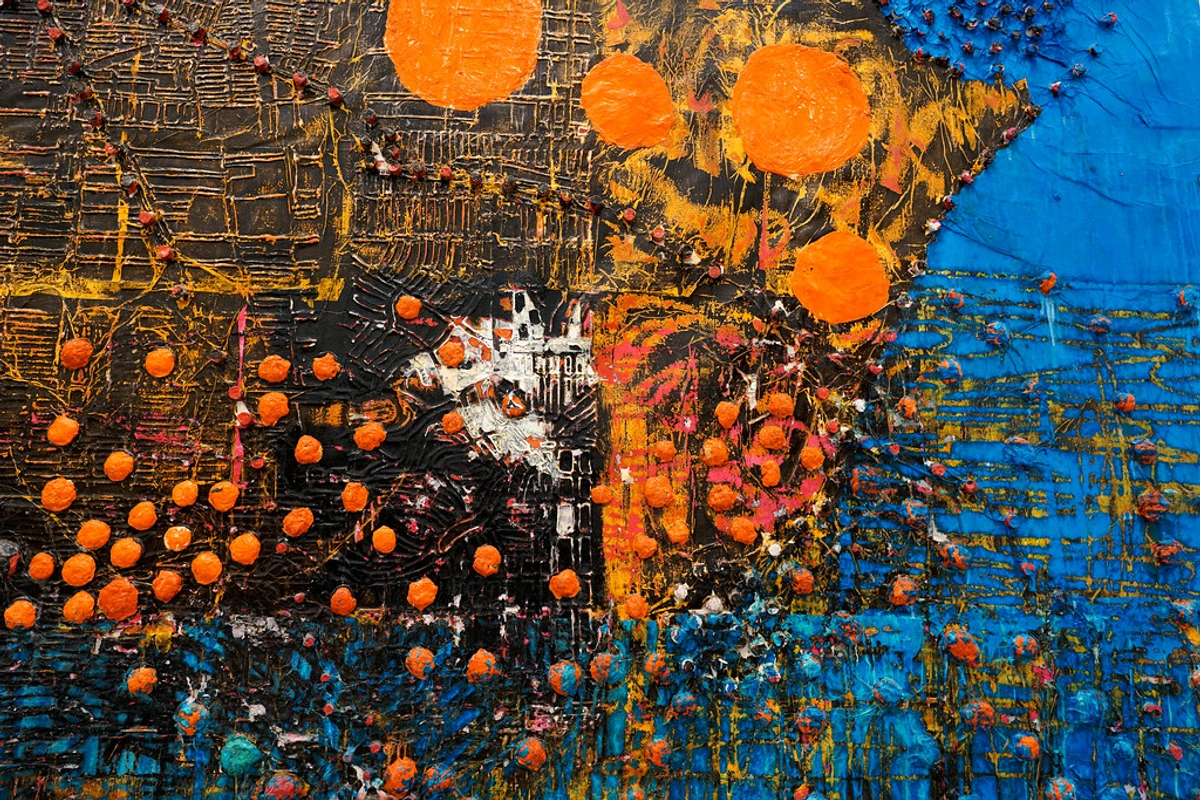
Essential Gouache Painting Techniques – Unlocking the Medium's Potential
Gouache, with its unique properties, lends itself to a fascinating variety of techniques that truly unlock its potential. Mastering these will allow you to create stunning effects, from crisp, graphic illustrations to soft, painterly landscapes. Don't be afraid to experiment; that's where the magic truly happens! For me, a new technique often feels like unlocking a new superpower in my studio. Let's explore some fundamental approaches.

- Flat Washes: Due to its inherent opacity, gouache absolutely excels at creating perfectly flat, even washes of color. This is ideal for graphic design, illustration, and areas where you need a consistent, solid block of color without streaks or visible brush marks. The trick is to mix your paint with just enough water to allow it to flow smoothly (think cream consistency), but not so much that it loses its characteristic opacity. Then, apply it with a broad, even stroke, working swiftly and confidently across the desired area. This is a foundational technique for many illustrative styles.
- Layering (Opaque over Opaque): This is where gouache truly shines and sets itself apart from transparent watercolor. Once a layer is completely dry, you can confidently paint another opaque layer directly on top without disturbing the one beneath (if using traditional gouache, this requires a light touch and not overworking the surface). This allows for incredible detail work, crisp edges, and effective corrections – a true superpower of the medium! Imagine fixing a misplaced highlight or adding intricate patterns on top of a solid background; gouache makes it possible.
- Dry Brushing: Using a brush with very little paint and minimal water, you can create lovely textured effects. This technique allows the paper or underlying color to show through slightly, adding visual interest, grit, or subtle details like grass, wood grain, or hazy atmospheric effects. It's fantastic for adding expressive marks and creating a sense of organic texture in your work.
- Wet-on-Wet: Similar to watercolor, applying wet gouache to a wet surface (either wet paper or a wet underlying gouache layer) allows colors to blend softly and organically. This creates beautiful, diffused effects and seamless gradients, perfect for skies or soft backgrounds. It's a more challenging technique with gouache due to its fast-drying nature and opacity, requiring swiftness, but incredibly rewarding when you master those soft, dreamy transitions.
- Blending: You can blend colors directly on the paper by working quickly before the paint dries, creating smooth transitions. Alternatively, and this is where gouache really shines, you can use the inherent re-wettability of traditional gouache to soften edges and transitions even after layers have set, which is a massive advantage for making adjustments and achieving seamless gradients without the frantic pace. A lightly damp brush is your best friend here.
- Scumbling: A light, scrubbing or dragging motion with a semi-dry brush to create a broken, textured layer of color over another. This adds visual interest, depth, and can create a beautiful atmospheric haze, subtle shifts in tone, or even mimic rough textures like stone or foliage. It's a wonderfully expressive technique for adding visual complexity.
- Sgraffito: While the paint is still wet (especially thicker applications), you can scratch into it with a tool (like the back of your brush, a palette knife, or even a toothpick) to reveal the paper or underlying layers. This creates sharp, engraved lines and textures, perfect for fine details, graphic elements, or even creating a sense of etched relief. It's a surprisingly satisfying technique for adding crisp lines.
- Glazing: While gouache is primarily opaque, you can thin it down significantly with water to create transparent glazes. These glazes can be layered over dry opaque layers to subtly shift hues, add luminosity, or create delicate veils of color, much like transparent watercolors. This requires a delicate hand and patience, as overworking can disturb the underlying layer, but the effects can be breathtakingly subtle and rich.
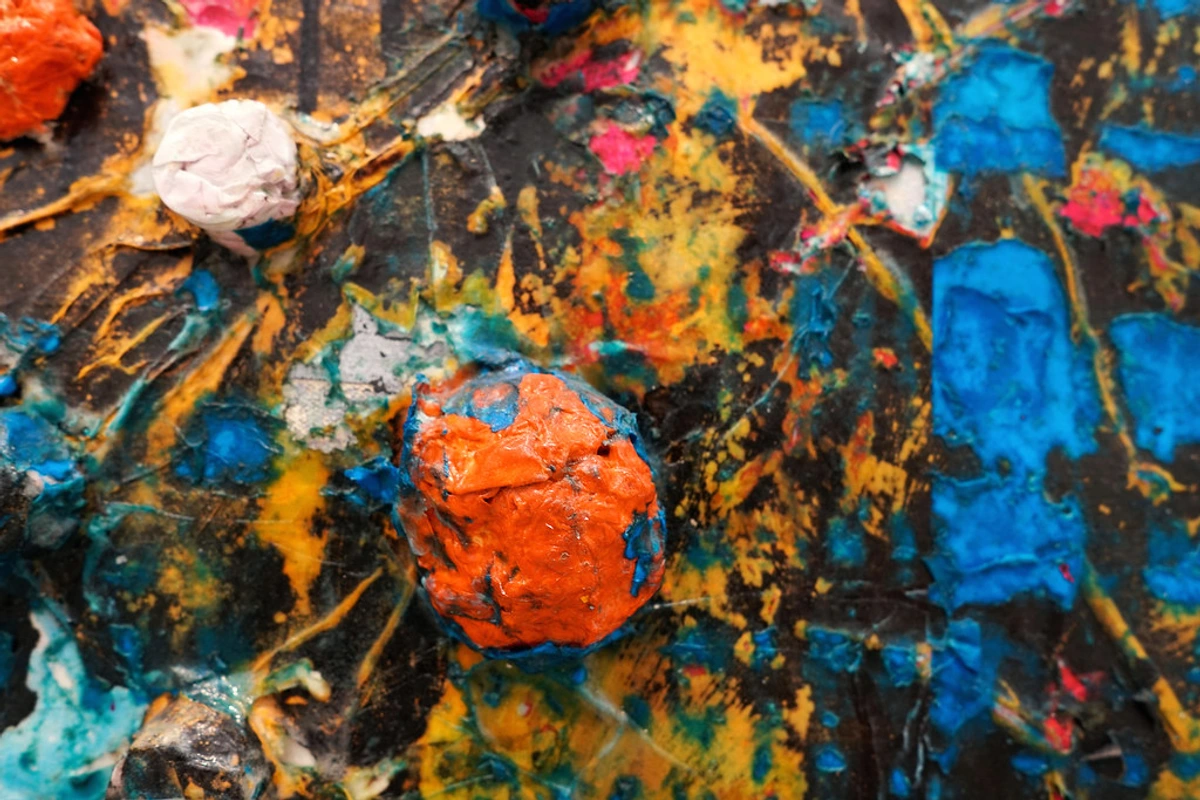
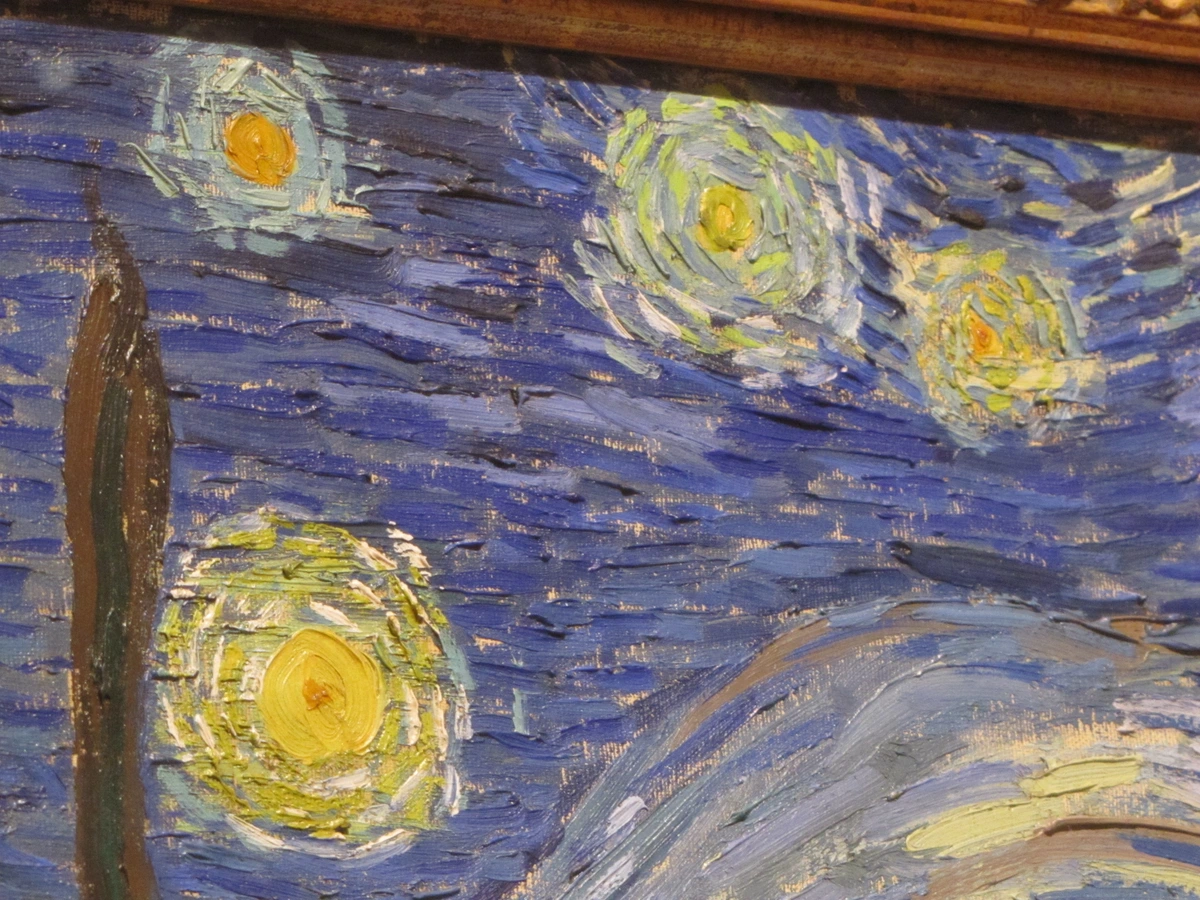
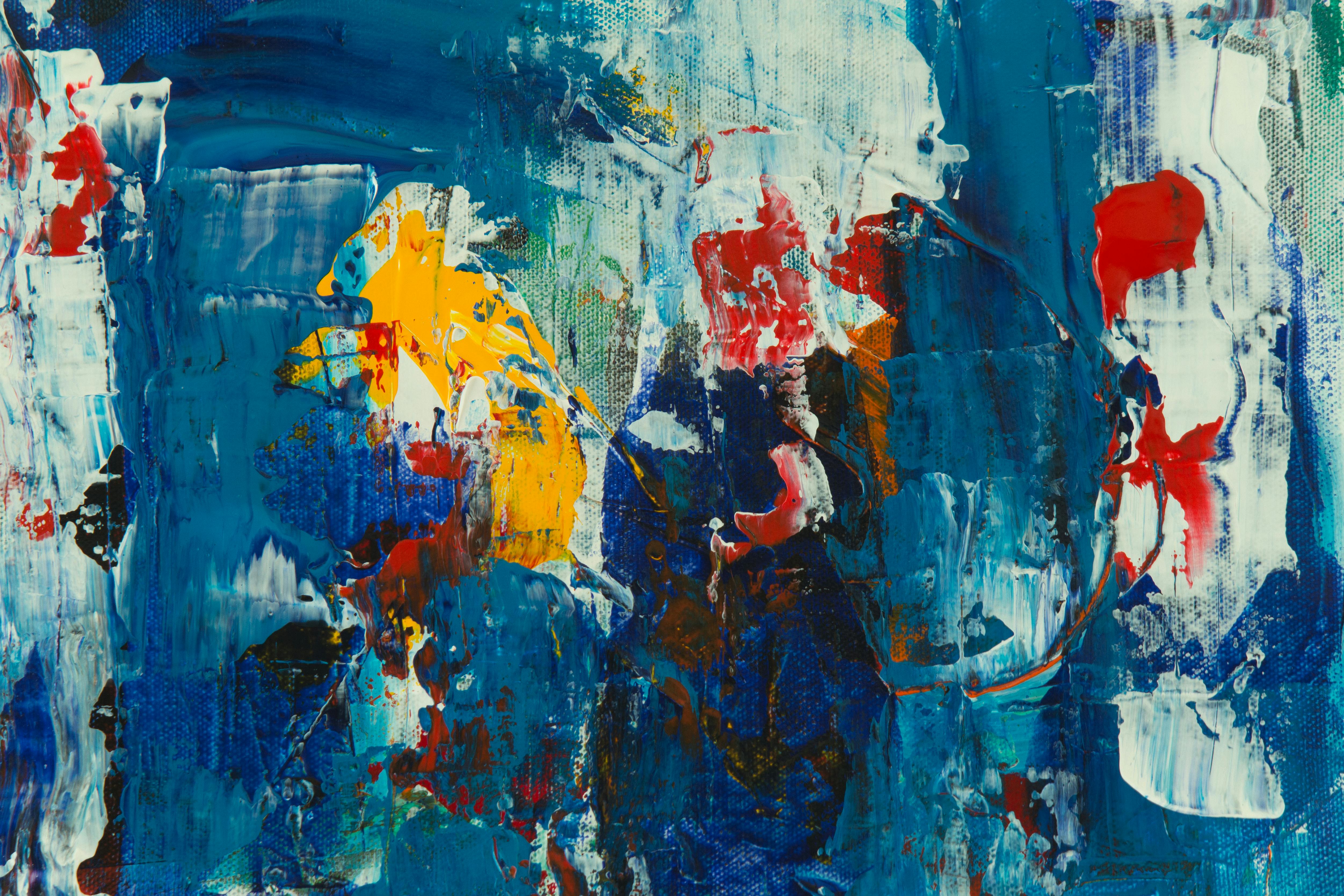
- Impasto: For those who love texture, applying gouache thickly, straight from the tube (or with minimal water), can create a beautiful, almost sculptural impasto effect. While gouache isn't as inherently flexible as acrylic or oil for extreme impasto (it will eventually crack if too thick), good quality gouache, especially honey-based brands like M. Graham, can handle thicker applications without excessive cracking. This is wonderful for adding dimensional highlights or tactile elements to your work.
These techniques are just the tip of the iceberg! For a more in-depth exploration and visual demonstrations, I highly recommend checking out my guide on essential gouache painting techniques for beginners.
The Art of Lifting: A Gouache-Specific Technique
One technique I haven't explicitly mentioned yet, but is incredibly valuable with traditional gouache, is lifting. Because gouache remains re-wettable even after drying, you can use a clean, damp brush (or even a damp cloth or sponge for larger areas) to gently lift dried paint from the paper. This is fantastic for creating soft highlights, correcting mistakes, or carving out shapes from a dried wash. It's a forgiving process that allows for a lot of flexibility and adjustment, which is a major advantage over mediums like acrylics that dry permanently. Think of it as a painter's eraser, but one that can be used artfully to shape your composition.
Caring for Your Gouache Brushes
Just as important as choosing the right paint is taking care of your tools. Good brushes are an investment, and proper care ensures their longevity and performance, especially with a medium like gouache, which can be quite dense and sticky if allowed to dry on bristles. Trust me, I've ruined enough brushes to know the pain of neglect! For more general brush care tips, you can explore my guide on what is the best way to clean paint brushes.
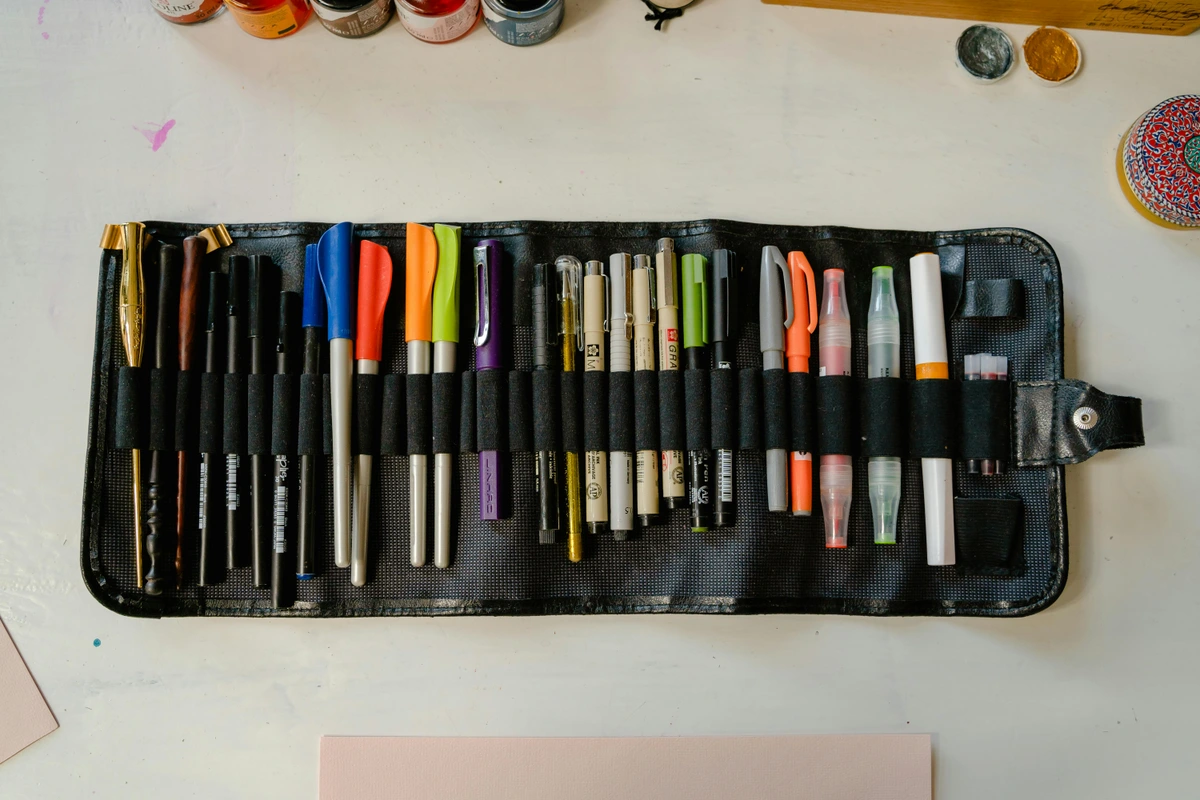
- Clean Immediately: Gouache dries relatively quickly, and its opacity means it can really cling to bristles. So, don't let paint dry in the ferrule (the metal part that holds the bristles to the handle) of your brush. Clean your brushes thoroughly with water immediately after each painting session, even if you just step away for a few minutes. Dried gouache in the ferrule is a brush killer!
- Warm Water & Mild Soap: Use warm (not hot, as heat can damage the glue!) water and a mild soap, like a dedicated brush cleaner soap or even gentle hand soap. Work the lather into the bristles gently to remove all pigment, pushing the soap up into the ferrule area with your fingers. Rinse thoroughly under running water until the water runs completely clear from the bristles. Repeat if necessary.
- Reshape & Dry Flat: After cleaning, gently reshape the bristles to their original point or chisel edge with your fingers. Store brushes flat or head-up (never resting on their bristles!) to prevent them from bending, losing their shape, or retaining moisture in the ferrule, which can cause damage to the glue and lead to bristles falling out over time. Air drying is always best.
- Avoid Soaking: Don't leave your brushes soaking in water for extended periods, especially bristle-down. This can damage the glue that holds the bristles to the handle (called the 'ferrule cement') and cause the handles to swell, crack, or even separate entirely. Prolonged soaking can also warp the bristles. A quick rinse is fine, but sustained soaking is a no-go.
A well-maintained brush is a happy brush, and a happy brush makes for a much happier artist! For even more detailed advice on brush care for all mediums, my guide on essential paint brush types for artists covers this extensively.
What are the Best Brushes for Gouache?
While you don't need specialized gouache brushes, certain types tend to perform better with its unique consistency. My go-to choices include:
- Synthetic Brushes: These are often my first recommendation. They're durable, hold their shape well, offer good spring, and clean up easily. Look for synthetic rounds for detail and washes, and synthetic flats or brights for broad, even strokes.
- Sable or Sable Blends: For finer detail work, a good quality sable watercolor brush can be exquisite. They hold a lot of paint and come to a beautiful point. Just be extra diligent about cleaning them immediately!
- Hog Bristle (for texture): While typically used for oils or acrylics, a stiff hog bristle brush can be surprisingly effective for dry brushing or creating impasto textures with thicker gouache, adding a different dimension to your work. Don't use your most precious ones, though!
- Flat Washes Brushes: For those perfectly even flat washes, a wide, soft flat brush (synthetic or a blend) can be invaluable. It allows you to cover large areas quickly and smoothly.
Choosing Your Palette: Keeping Gouache Workable and Your Colors Fresh
The right palette can truly make a world of difference when working with gouache, largely due to its wonderfully forgiving re-wettable nature. Unlike acrylics, where a dry palette often means wasted paint, gouache offers much more flexibility and a second chance!
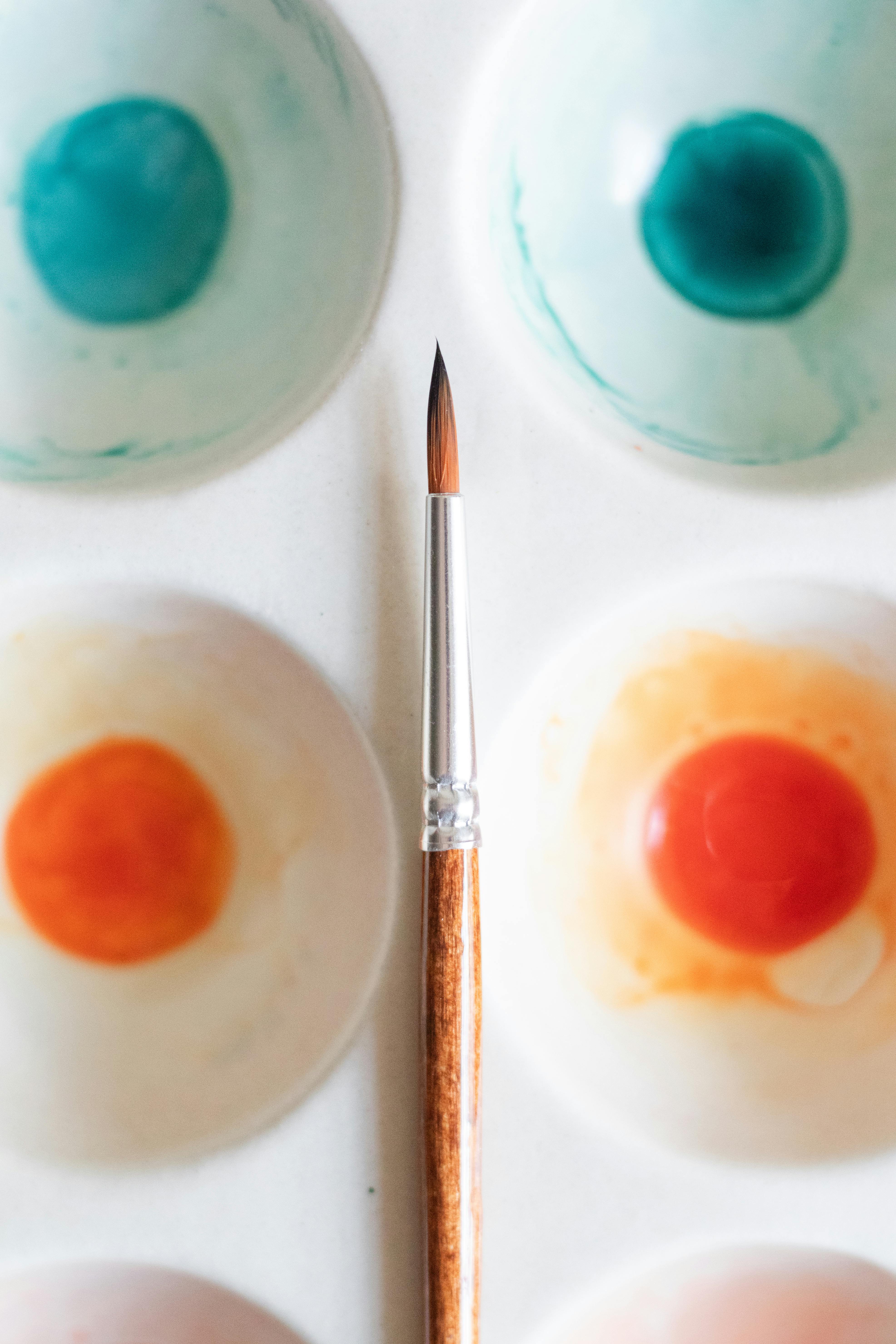
- Stay-Wet Palettes: These are absolutely fantastic for gouache, especially if you work in longer sessions or want to keep your paint fresh over several days, minimizing waste. They typically feature a sponge layer and a special paper membrane that keeps your paint moist for extended periods, making it easy to return to a painting session days later without having to squeeze out fresh paint. A simpler, DIY version can be made with a ceramic plate, a damp paper towel, and a lid – truly a budget artist's best friend! This is a game-changer for preserving your gouache.
- Ceramic or Porcelain Palettes: These are my go-to for general mixing in the studio. Their smooth, non-absorbent surfaces are ideal for gouache; the paint won't stain them, and dried paint can easily be re-activated with a spritz of water or a wet brush. They're heavy, making them stable on your workspace, but less portable than plastic. Look for dedicated ceramic mixing dishes or even repurposed old dinner plates – they work just as well and add a rustic charm to your studio! The smooth surface allows for incredibly clean color mixing.
- Plastic Palettes: Lightweight and affordable, plastic palettes are a common choice, particularly in student sets or for plein air painting. However, be aware that some highly staining pigments (like phthalos or quinacridones) can stain plastic over time, and dried paint can be a bit harder to scrape off compared to ceramic. They're great for travel due to their light weight and often come with lids, but consider their long-term cleanability.
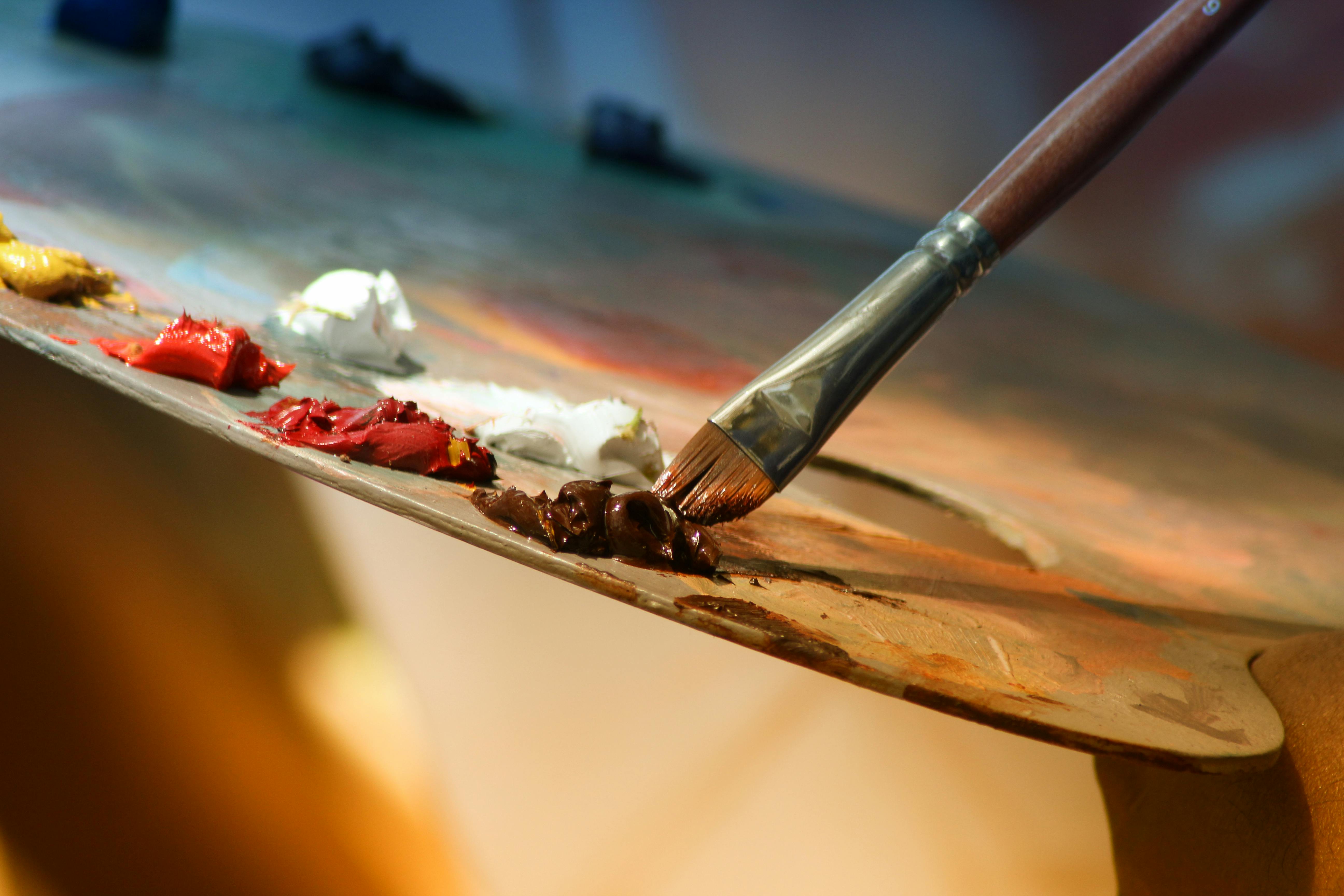
- Waxed Paper or Disposable Palettes: These are fantastic for quick sessions, for travel when you don't want to carry a wet palette, or if you're dealing with very sticky, honey-based gouaches that you don't necessarily want to save for later. Just mix, paint, and toss – no cleanup required! They're also great for messy mixing experiments where you don't want to dedicate a reusable palette, or for when you're working with very specific, limited palettes for a single project.
My personal preference swings between a stay-wet palette for complex studio pieces that might span a few days and a simple ceramic plate or small plastic travel palette for smaller, more spontaneous work. The key is to find what supports your unique painting rhythm and minimizes frustration. There's no one-size-fits-all answer here, just what works best for your creative flow. Experiment and see what truly makes your gouache sing!

FAQ: Your Gouache Questions Answered
Troubleshooting Common Gouache Problems – Don't Let Frustration Steal Your Joy!
Even with the best gouache, you might encounter a few common frustrations. Don't worry, most of them have easy fixes and are part of the learning curve! Remember, every artist faces these.









- Cracking: This is a very common issue and often happens when paint is applied too thickly, especially in large, unbroken areas. The paint shrinks as it dries, and if there's too much of it, it pulls apart.
- Fixes: Try building up layers more thinly instead of one thick application. You can also add a tiny bit of gum arabic (a traditional binder available at art stores) to your paint mixture to increase its flexibility. M. Graham gouache, with its honey binder, is also naturally more resistant to cracking, so that might be a good choice if this is a persistent problem for you.
- Streaking/Uneven Washes: This can be incredibly frustrating for flat areas of color. It's often due to not enough paint, too much water, or working too slowly, allowing edges to dry before you can blend into them.
- Fixes: Aim for a creamy, consistent paint mixture (think the consistency of single cream or melted soft-serve ice cream). Load your brush generously and work swiftly and evenly across the entire area you're trying to cover. Using a softer, wider flat brush can also help minimize brushstrokes and create smoother transitions.
- Chalky Finish: If your beautiful colors look dull, desaturated, or noticeably chalky when dry, it often points to a lower pigment load in the paint (which is common in many student grades) or using too much white pigment mixed into your colors.
- Fixes: Invest in higher-quality, artist-grade paints with a strong pigment load. Also, be more judicious with your white; try mixing with other light colors or using the luminosity of the paper itself rather than relying solely on white to lighten.
- Drying Out on the Palette: This is an inherent characteristic of gouache, as it's a fast-drying water-based medium. It's not a flaw, but something to manage.
- Fixes: Your best friends here are a stay-wet palette (either store-bought or DIY with a damp sponge), a simple palette with a lid, or a small spray bottle for spritzing your paint with water during a session. Remember, good quality gouache re-wets beautifully, so don't fret if it dries between sessions – just reactivate it!
- Colors Drying Lighter/Darker (The "Drying Shift"): Gouache is truly notorious for its "shift" in value from wet to dry. Generally, lighter colors often dry a bit darker, and darker colors can sometimes dry lighter. It's a quirk of the medium, not a mistake!
- Fixes: The absolute best way to combat this is practice, practice, practice! Create small color swatches for each of your paints that show both the wet and dry states. Eventually, you'll develop an intuition for how your specific brands behave. Always make test swatches if color accuracy is critical.
- Muddy Colors: If your mixtures consistently turn out dull, greyish, or simply "muddy," it's usually a sign of overmixing too many pigments together or using a brush that isn't clean.
- Fixes: Work with a limited palette to better understand how colors interact. Try to stick to 2-3 pigments per mix. Always clean your brush thoroughly between colors, especially when moving from dark to light. Embrace the purity of fewer pigments.
FAQ: Your Gouache Questions Answered
I get a lot of questions about gouache – it's a medium that sparks a lot of curiosity! Here are some of the most common inquiries I receive, with my honest answers based on years of experience:
Can you mix different brands of gouache?
Absolutely! I do it all the time in my studio. As long as you're mixing traditional gouache with traditional gouache, you'll be perfectly fine. The binders are generally compatible. Just be sure you're not trying to mix traditional gouache with Acryla Gouache and expecting the result to be re-wettable – that's a recipe for disappointment!
Is expensive gouache worth it for a beginner?
I'd say start with a good student brand like Arteza. The biggest jump in quality is from cheap craft paint to decent student-grade paint. If you find you love the medium, then upgrading to a few professional tubes (like a primary set) will make a world of difference.
How do you store gouache paint?
For tube paints, just make sure the caps are on tight. For jelly gouache, I recommend spritzing them with a little water before closing the case to help them stay moist. Store all paints out of direct sunlight in a stable temperature.
Is expensive gouache worth it for a beginner?
This is a classic question across all art mediums! My honest take? I'd say start with a good student brand like Arteza or Himi/Miya. The biggest jump in quality and enjoyment comes from moving away from truly cheap craft paint to decent student-grade paint. This allows you to learn the ropes, experiment freely, and find your style without the pressure of wasting expensive materials. If you find you truly love the medium, then upgrading to a few professional tubes (like a primary set or a fantastic white, which really makes a difference!) will make a world of difference in your experience and results. Think of it as investing in your passion and honing your craft, gradually building your collection as your skills and understanding grow.
How do you store gouache paint?
For tube paints, just make absolutely sure the caps are on tight – air is their ultimate enemy, causing them to dry out and harden! For jelly gouache, I highly recommend spritzing them with a little water and even placing a damp paper towel or sponge inside the lid before closing the case to help them stay moist and workable. Store all paints out of direct sunlight and in a stable, moderate temperature to prevent them from drying out or degrading too quickly. Proper storage is key to extending the life of your precious paints.
Do I need special brushes for gouache?
Not necessarily, but you'll certainly want brushes that can stand up to the thicker consistency of gouache. Many artists, myself included, use the same brushes for gouache and watercolor. Synthetic brushes are generally excellent for gouache as they're durable, hold their shape well, and clean up easily. Natural hair brushes (like sables) can also be wonderful for finer detail work. For more insights on choosing the right tools, check out my comprehensive guide on essential paint brush types for artists.
Can I use gouache like watercolor?
Yes, absolutely! Gouache is often referred to as "opaque watercolor" because it shares the same binder (gum arabic) and is water-soluble. You can thin gouache with plenty of water to create beautiful, transparent washes much like watercolor, allowing for soft gradients and layered effects. The key difference is that gouache also allows you to build up opaque layers, giving you much more control and flexibility for corrections and highlights. This versatility is one of its greatest strengths, essentially giving you two mediums in one!
How do I choose colors for a beginner gouache palette?
For beginners, I always recommend starting with a limited palette. A good foundation would include a warm and cool primary (e.g., Cadmium Red Hue, Alizarin Crimson; Lemon Yellow, Cadmium Yellow Hue; Ultramarine Blue, Phthalo Blue), a reliable white (like Titanium White, which is indispensable for opacity and mixing tints), and a black (like Ivory Black). This forces you to learn color mixing, which is an invaluable skill that will serve you across all mediums. From there, you can gradually expand with your favorite earth tones, vibrant secondaries, or specialty colors that catch your eye. For a deeper dive into my philosophy on color, you might enjoy my article on my approach to color mixing: creating vibrant palettes in abstract painting and also how artists use color to evoke emotion and create impact.
What kind of paper should I use for gouache?
Gouache is incredibly versatile with surfaces! My personal preference is generally a heavy watercolor paper (140 lb / 300 gsm or more) with a cold press finish, as it handles moisture well without buckling and provides a nice tooth for the paint. Smooth hot press papers are excellent for fine detail and illustration, giving crisp edges. You can also use Bristol board, illustration board, or even good quality mixed media paper. The key is to avoid thin, absorbent papers that will cause buckling or dull the colors. Experiment with different textures to see what you prefer – each offers a unique feel.
Can I use gouache on canvas?
While you can technically use gouache on canvas, it's not its primary surface and often requires a bit of preparation. Traditional gouache can be prone to cracking and can be easily reactivated on a flexible surface like canvas, making it vulnerable to damage. If you want a gouache-like look on canvas, I highly recommend using Acryla Gouache. Because it's an acrylic-based paint that dries permanently, it adheres beautifully to primed canvas and offers the same opaque, matte finish without the cracking or re-wettability issues. If you insist on traditional gouache on canvas, make sure the canvas is well-primed with gesso, and consider adding a flexible medium like gum arabic to your paint to minimize cracking. For more on canvas prep, check out my guide on how to apply gesso to canvas a beginners guide.
How do I make gouache more opaque or transparent?
Making gouache more opaque is usually straightforward: use less water! Squeeze the paint directly from the tube or use paint that's dried on your palette with minimal water to re-activate it to a creamy, thick consistency. For a truly intense opaque application, you can also mix in a tiny bit of titanium white (from a good professional brand like Winsor & Newton's Permanent White) to boost its covering power without significantly changing the hue. To make gouache more transparent, simply add more water, just like you would with watercolor! This will create beautiful, translucent glazes that can be layered for luminous effects. It's all about controlling your water-to-paint ratio.
Final Thoughts: Embrace the Journey, Trust Your Instincts
Ultimately, choosing the "best" gouache brand is a surprisingly personal and evolving journey, much like finding your unique artistic voice. What I might absolutely adore, you might find just okay, and vice versa – and that's perfectly fine! My steadfast advice remains: begin your gouache adventure with a good, affordable student-grade set. This allows you to explore the medium, make mistakes, and discover its quirks without financial pressure.
Then, as your skills grow and your curiosity deepens, gradually invest in individual tubes of the professional brands that truly pique your interest. Pick up Winsor & Newton's legendary Permanent White, try a vibrant red from Holbein, experience the liquid velvet of a Schmincke tube, or explore the nuanced tones of Sennelier. See how they feel under your brush, how they mix, how they dry. Every tube tells a story, and you're the one writing yours.
Remember, painting is so much more than just the final image you create; it's profoundly about the process, the tactile experience, and the sheer joy of expression. Finding tools that truly resonate with you and bring you delight in that process is, in my opinion, half the battle won. The continuous evolution of my own abstract work, which you can explore on my /timeline, is as much a narrative of my evolving taste in materials and techniques as it is anything else. So, armed with this guide, go forth, experiment boldly, and most importantly – get some glorious gouache paint on your hands! Happy painting.