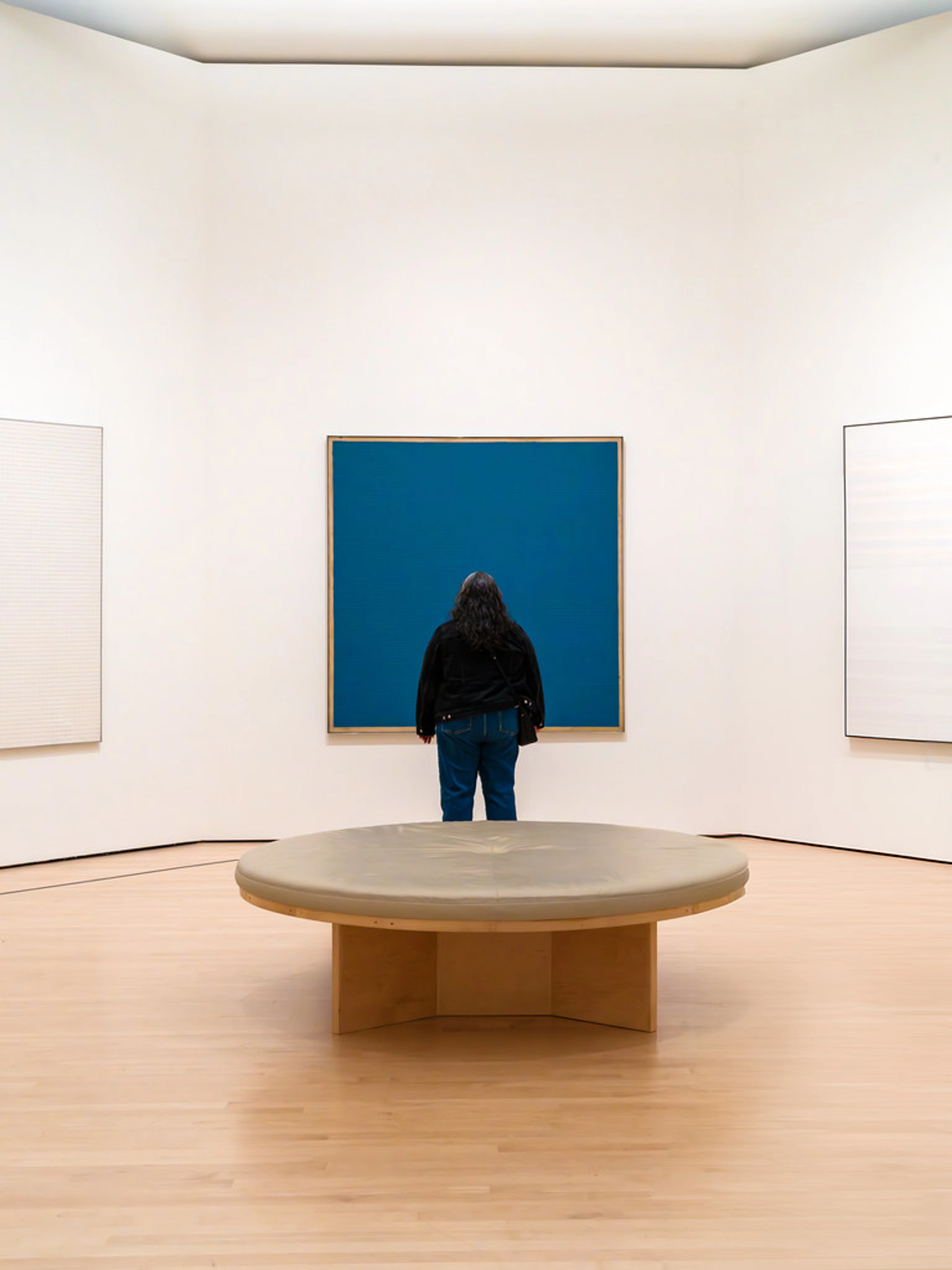
How Art Surroundings Shape Creative Expression
Explore how environmental and contextual factors influence artistic creation, from geographical surroundings to cultural environments shaping artistic expression.

How Art Surroundings Shape Creative Expression
I remember the first time I walked into a studio bathed in natural light, the walls lined with half-finished canvases, each one whispering a different story. It struck me then—how much the space around an artist seeps into their work. The hum of the city outside, the quiet rustle of leaves in a rural setting, even the chaotic clutter of a shared workspace—all of it leaves its mark. This isn’t just about aesthetics; it’s about how our surroundings shape the very essence of what we create.
Art is not created in a vacuum. It is a dialogue between the artist and their environment, a conversation that influences every brushstroke, every color choice, and every creative decision. Whether it’s the light filtering through a studio window, the sounds of a busy street, or the cultural traditions passed down through generations, every element plays a role in shaping the final piece.
The Historical Context of Artistic Environments
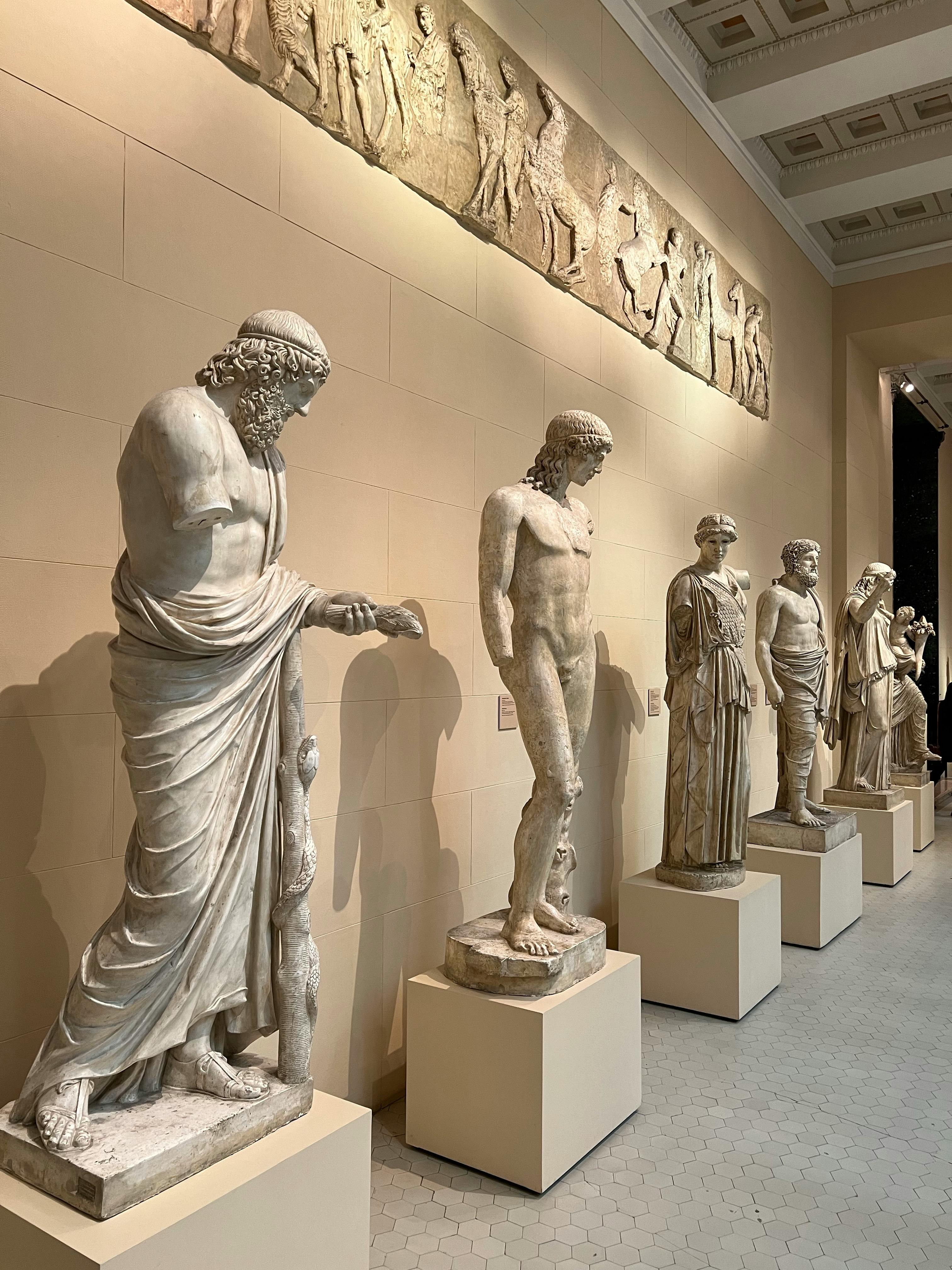
Throughout history, artists have been deeply influenced by their surroundings. From the Renaissance studios of Florence to the bohemian cafes of Paris, the environment has always played a pivotal role in shaping artistic movements. Understanding this historical context can provide valuable insights into how contemporary artists continue to be influenced by their surroundings.
The Psychological Impact of Artistic Spaces
The environment in which an artist works can have a profound psychological impact. Studies have shown that spaces with ample natural light can enhance mood and productivity, while cluttered spaces might stimulate creativity by encouraging divergent thinking. Understanding these psychological dynamics can help artists curate their workspaces to better align with their creative goals.
The Role of Sensory Stimulation
Artists are often influenced by sensory experiences in their environment. The smell of paint, the texture of materials, and even the ambient sounds can evoke emotions and memories that shape their creative process. For example, the scent of turpentine might transport a painter back to their early days in art school, influencing their current work.
The Power of Place: How Geography Influences Art
Natural Light and Color Palettes
Have you ever noticed how artists in sun-drenched regions like Provence or the Mediterranean tend to use brighter, warmer colors? It’s not a coincidence. The quality of natural light in a place can dictate an artist’s palette. For example, the soft, diffused light of the Netherlands might inspire muted tones, while the harsh, golden light of the desert could lead to bold, contrasting hues.
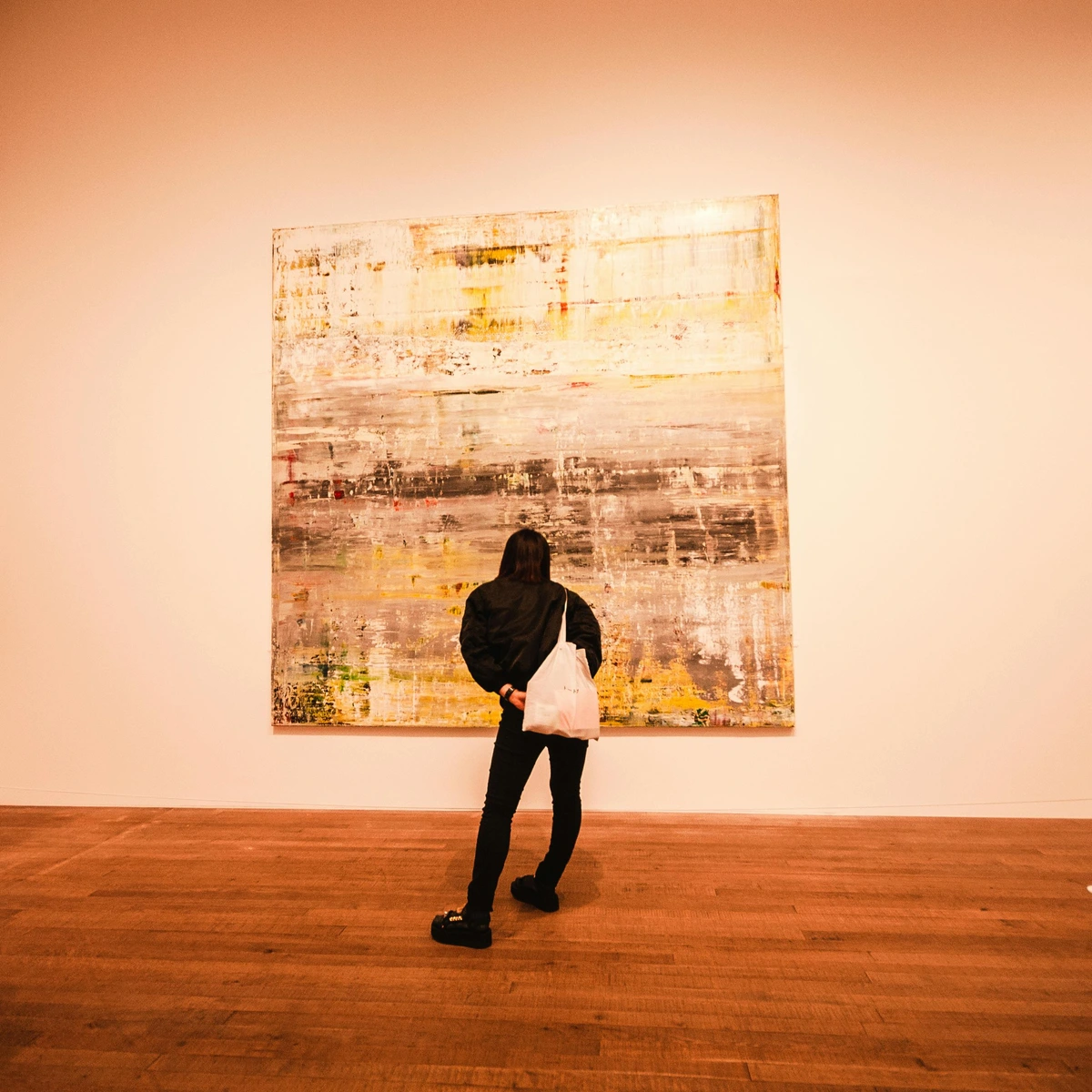
The relationship between light and color is deeply rooted in the psychology of perception. Artists often subconsciously absorb the hues and tones of their surroundings, translating them into their work. This phenomenon is not limited to painters; photographers, sculptors, and even digital artists are influenced by the ambient light of their environment.
credit, licence
Urban vs. Rural: The Pulse of the Environment
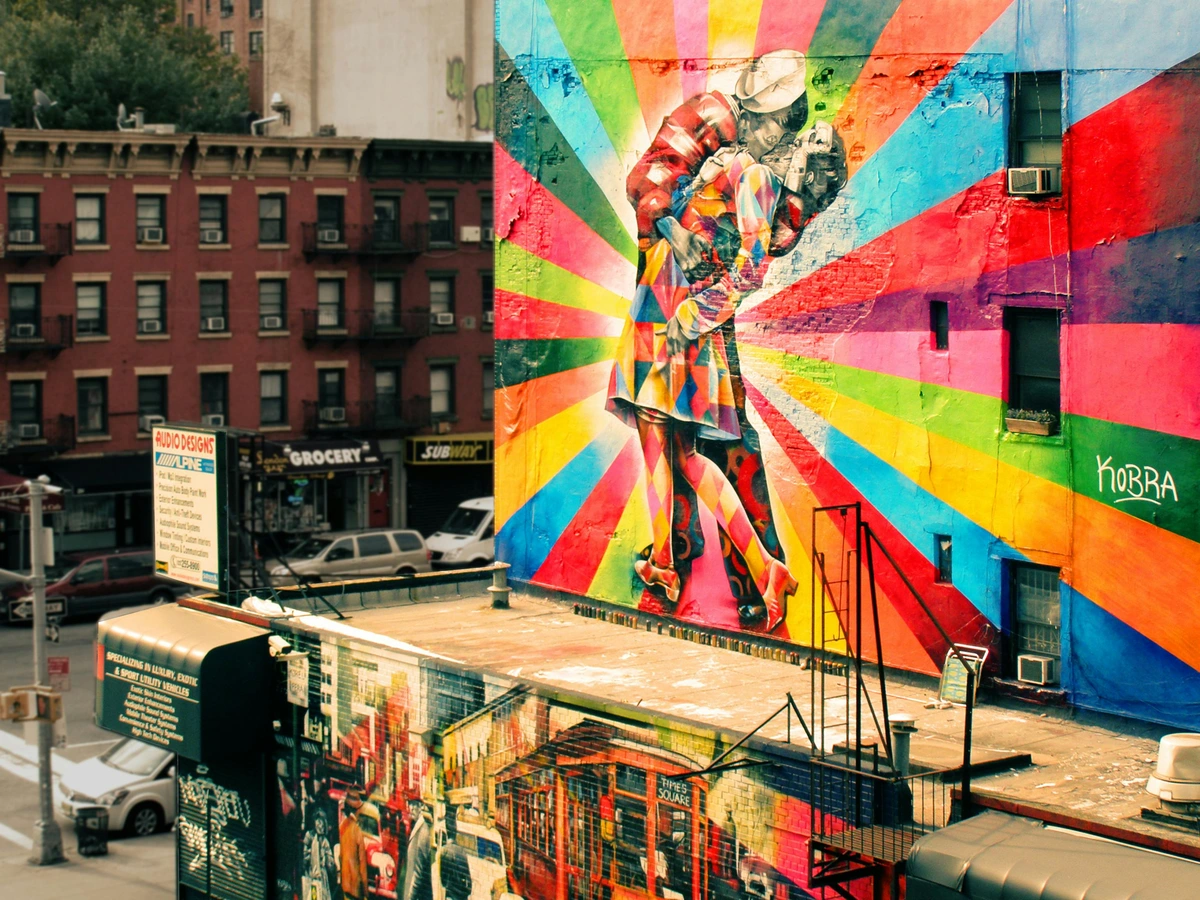
The energy of a bustling city is different from the stillness of a countryside retreat. Urban artists often reflect the dynamism of their surroundings—think of the sharp lines and vibrant chaos of street art. In contrast, rural settings might inspire more organic forms, softer edges, and a focus on nature’s rhythms.
Urban environments are often characterized by their fast pace, diversity, and constant stimulation. This can lead to art that is bold, experimental, and reflective of the city’s multicultural influences. Rural environments, on the other hand, offer a sense of tranquility and connection to nature, which can inspire art that is more contemplative and grounded in natural themes.
Cultural Context: The Invisible Hand Guiding the Brush
Traditions and Techniques
Art doesn’t exist in a vacuum. The techniques and traditions passed down through generations shape how artists approach their work. For instance, the intricate brushwork of East Asian ink painting is deeply tied to centuries of cultural practice. Even in contemporary art, these influences linger, whether consciously or subconsciously.
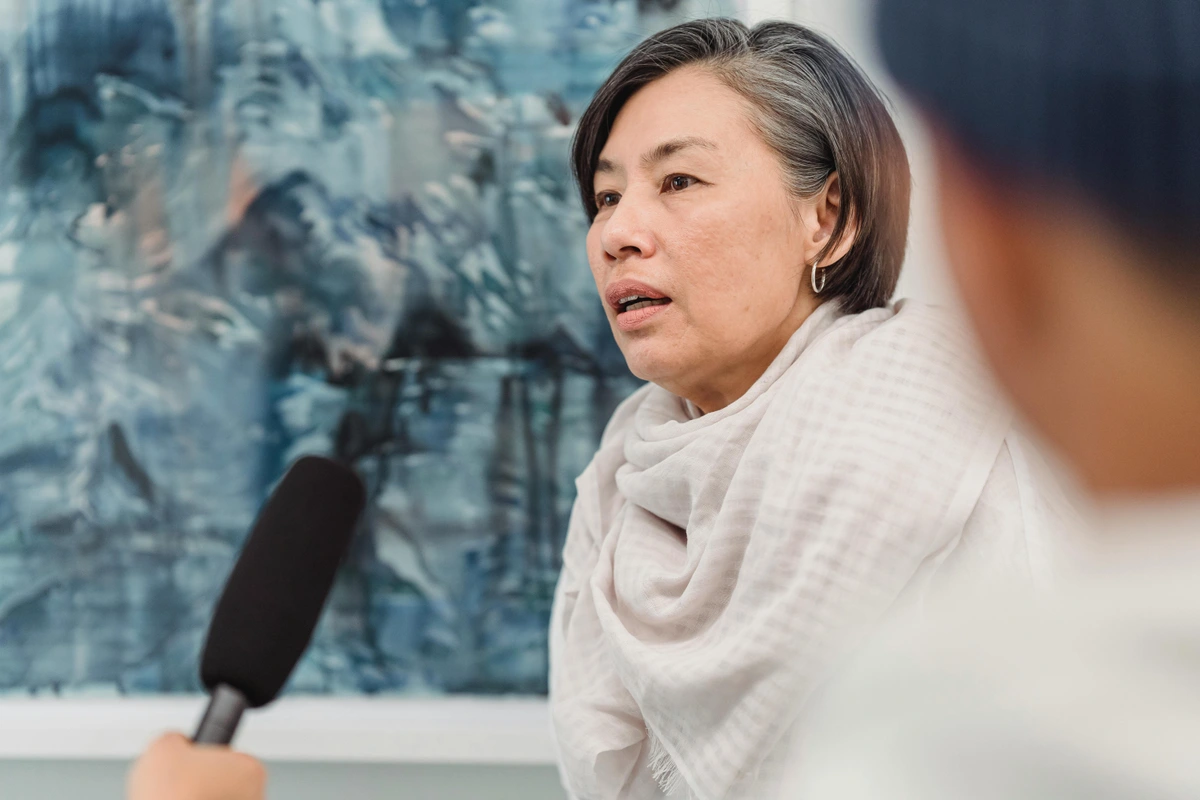
Cultural traditions often dictate the materials, methods, and even the subject matter of art. For example, the use of specific pigments in traditional Japanese art or the symbolic motifs in Indigenous Australian art are deeply rooted in cultural heritage. These traditions provide a framework that artists can either adhere to or rebel against, but they are always present in some form.
Community and Collaboration
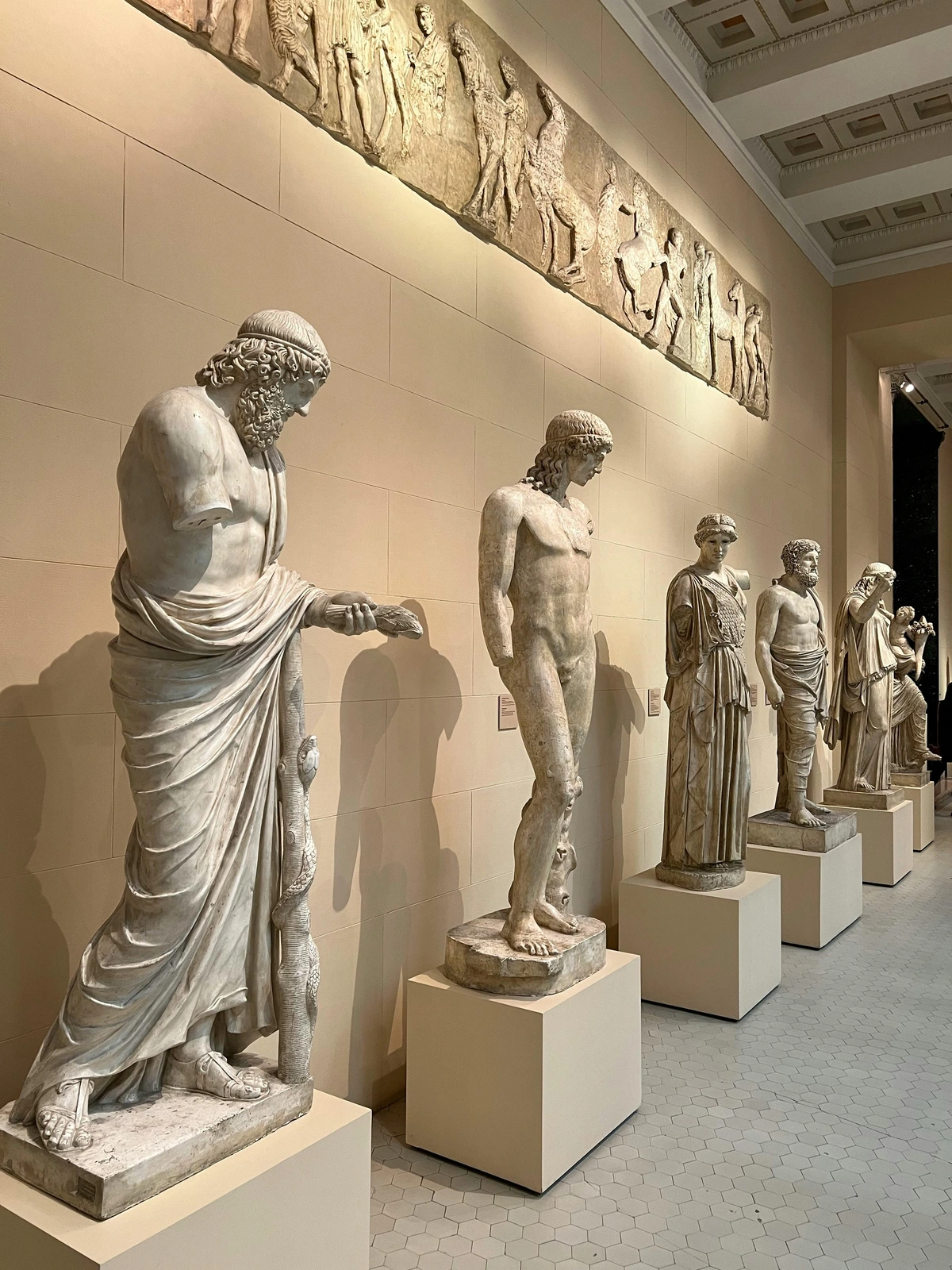
Ever heard the saying, "You’re the average of the five people you spend the most time with"? The same applies to artists. Being part of a creative community—whether it’s a local collective or an online group—can push you to experiment, refine, or even completely shift your style. Collaboration often leads to unexpected breakthroughs.
Creative communities provide a platform for artists to share ideas, receive feedback, and challenge each other’s perspectives. This collaborative environment can foster innovation and lead to the development of new artistic movements. For example, the Impressionist movement in the 19th century was largely driven by a group of artists who worked closely together and shared similar ideals.
The Studio: A Microcosm of Influence
Space and Creativity
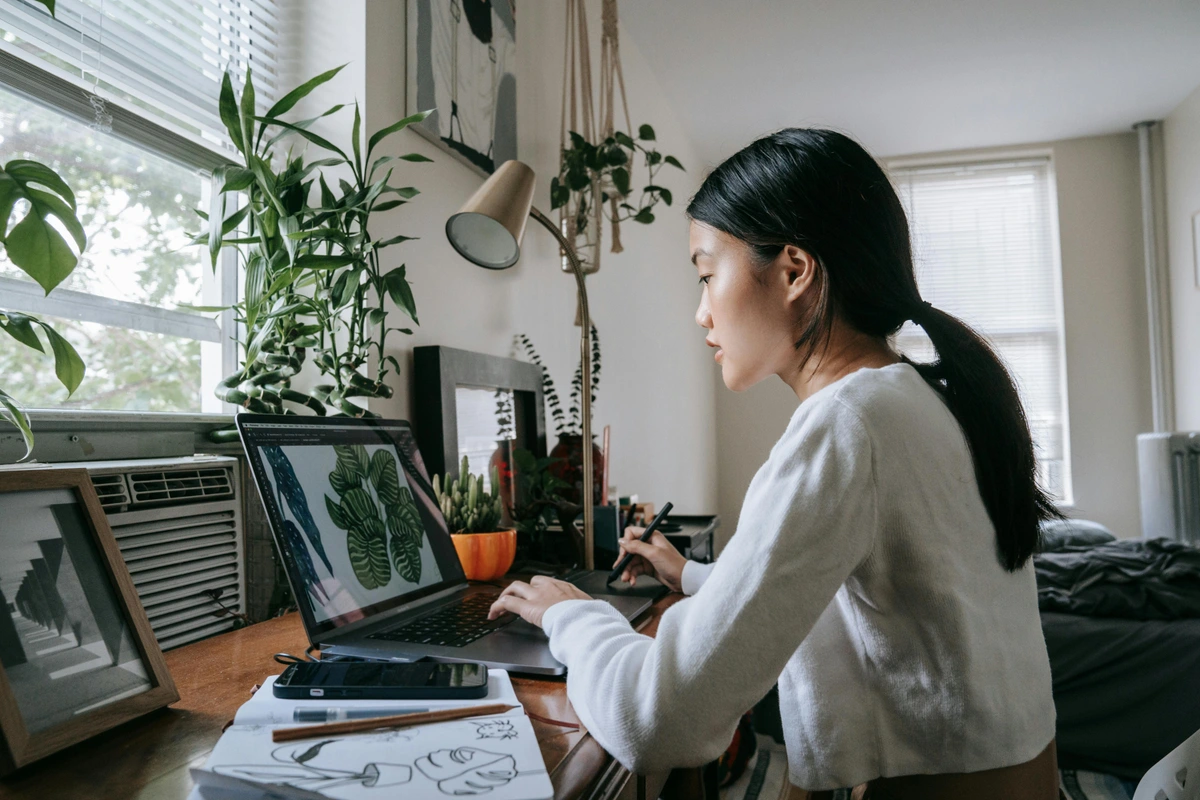
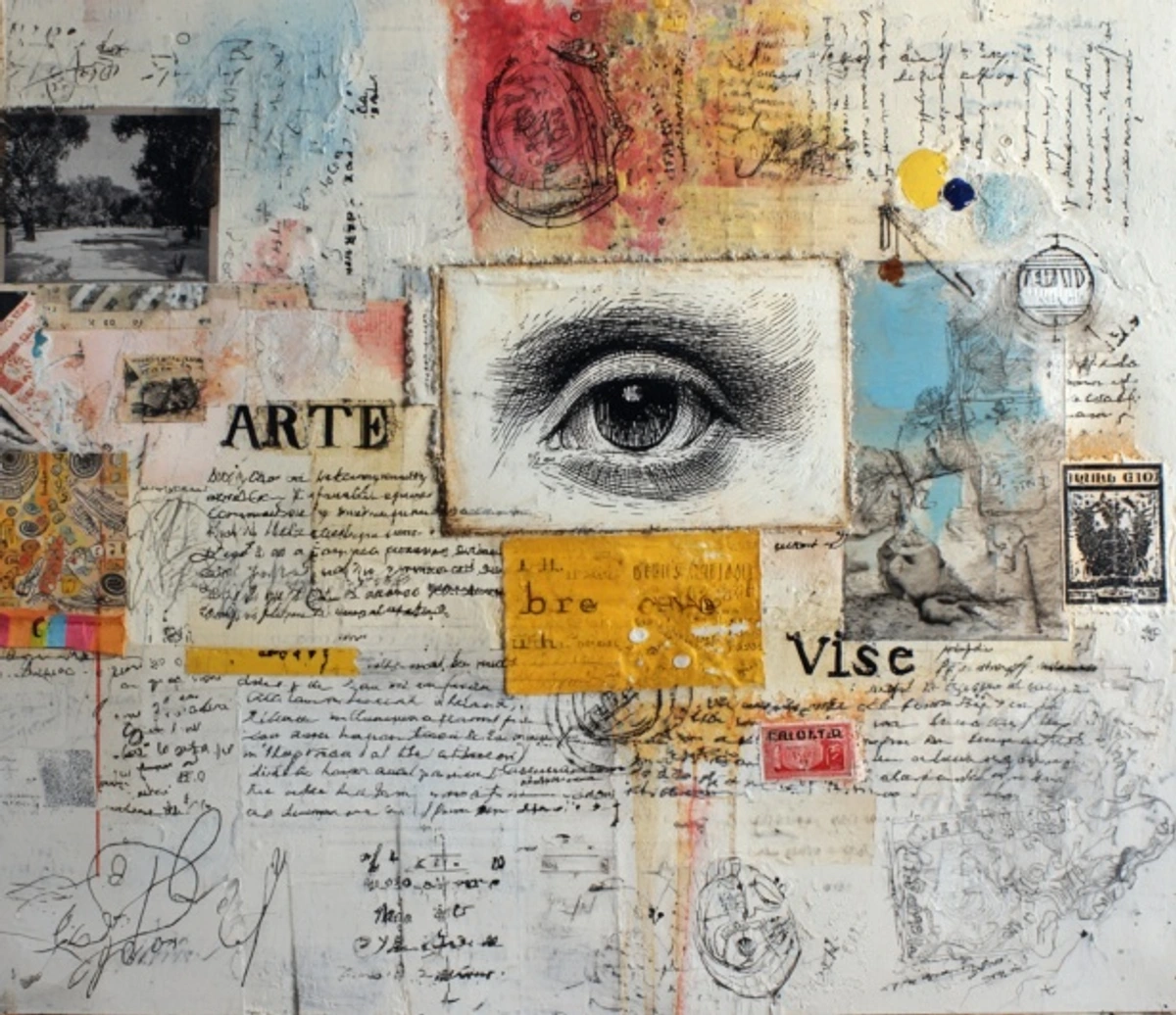
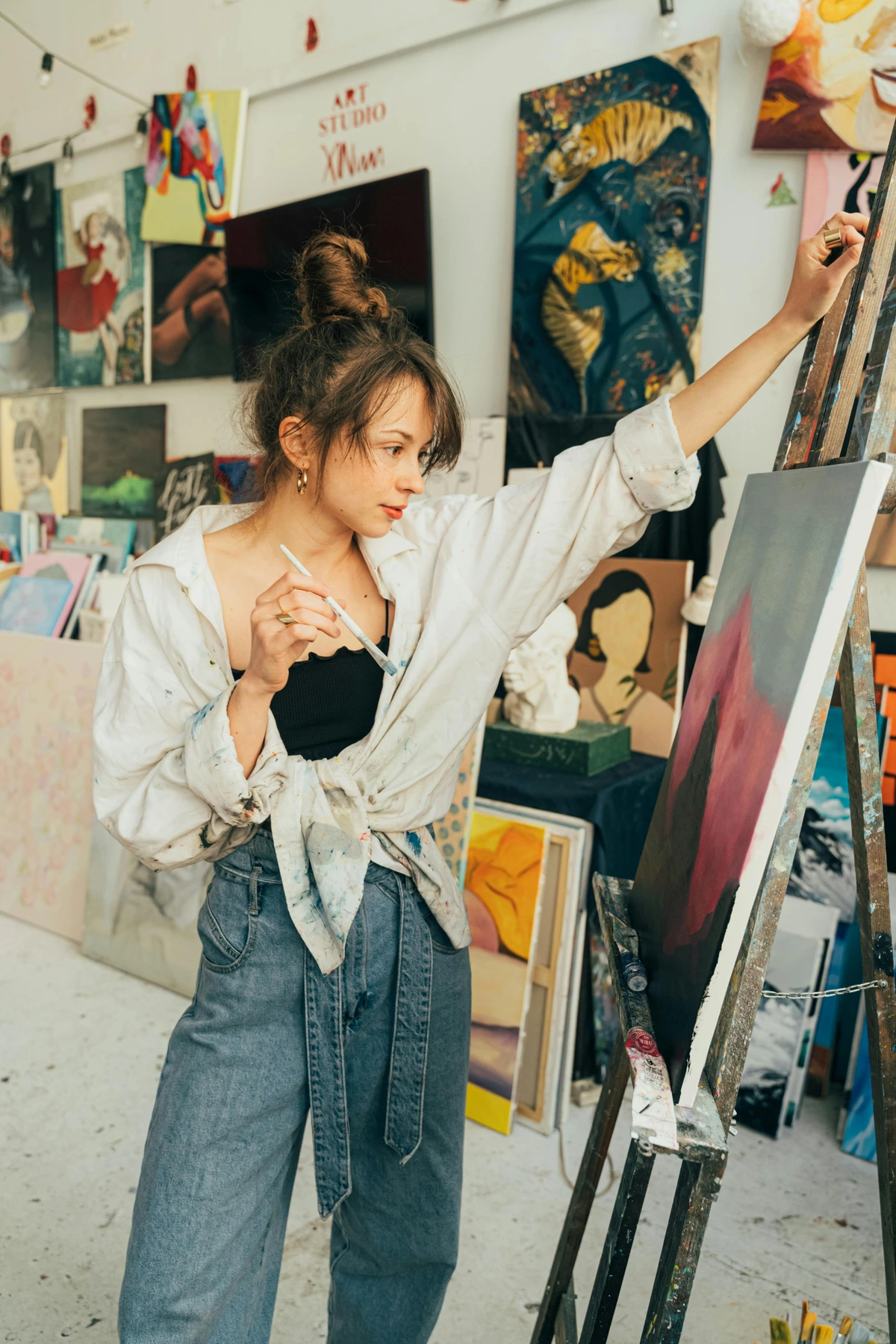
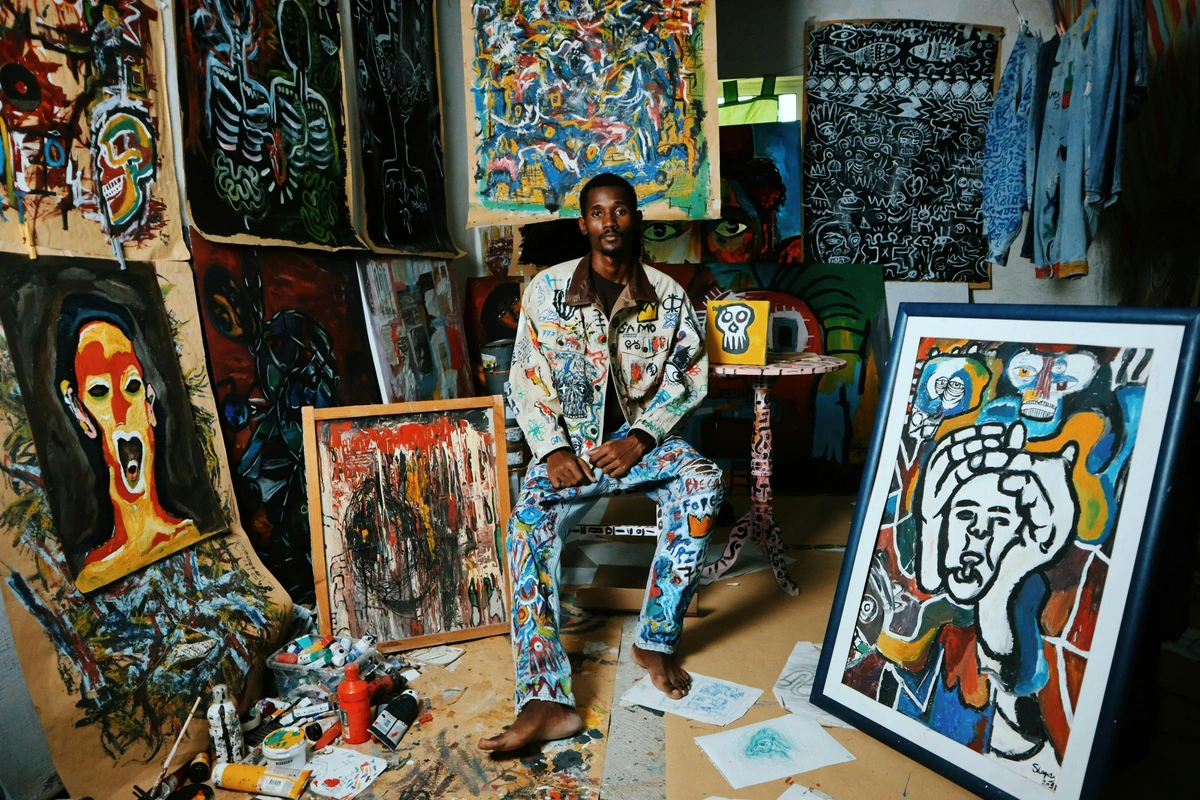
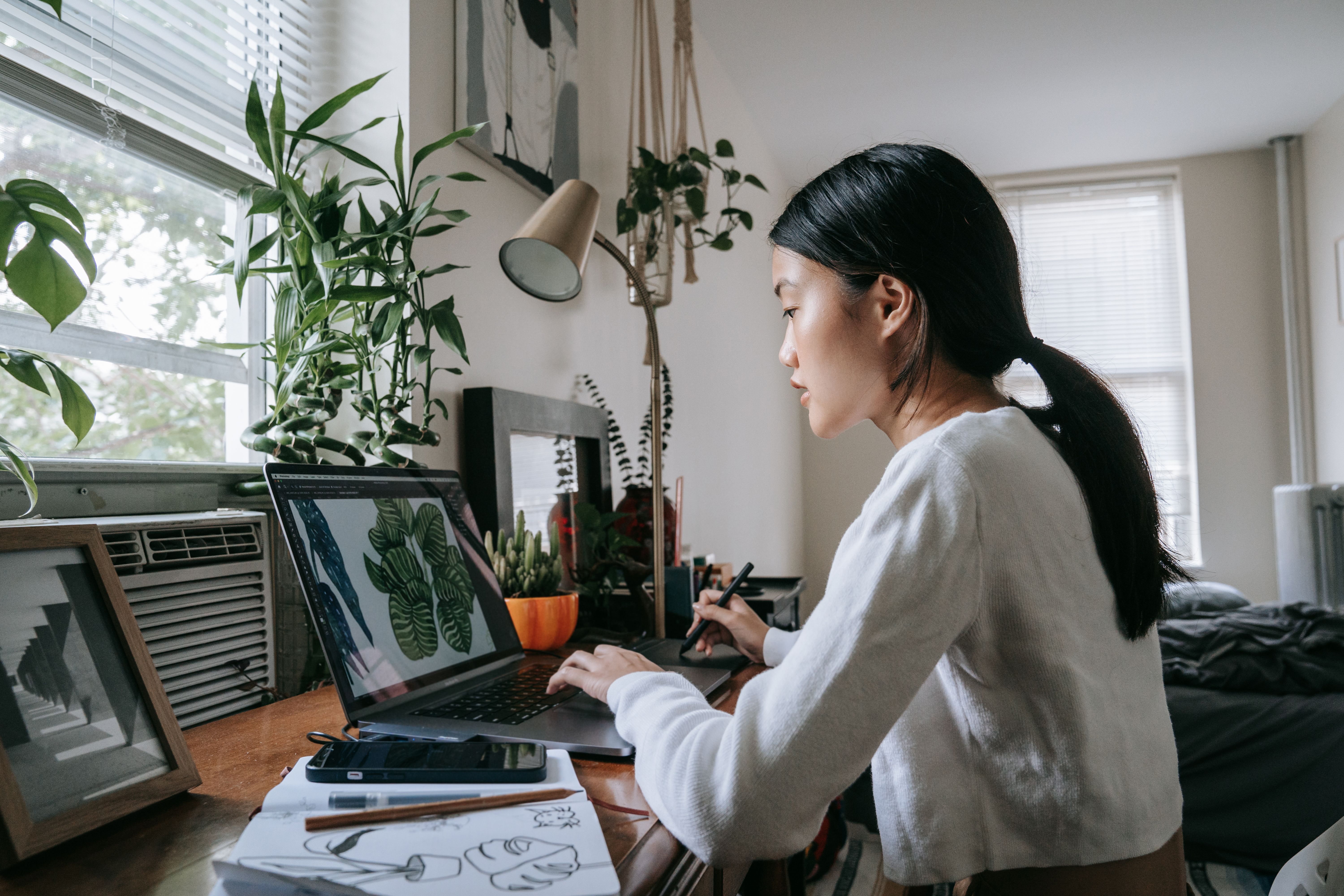
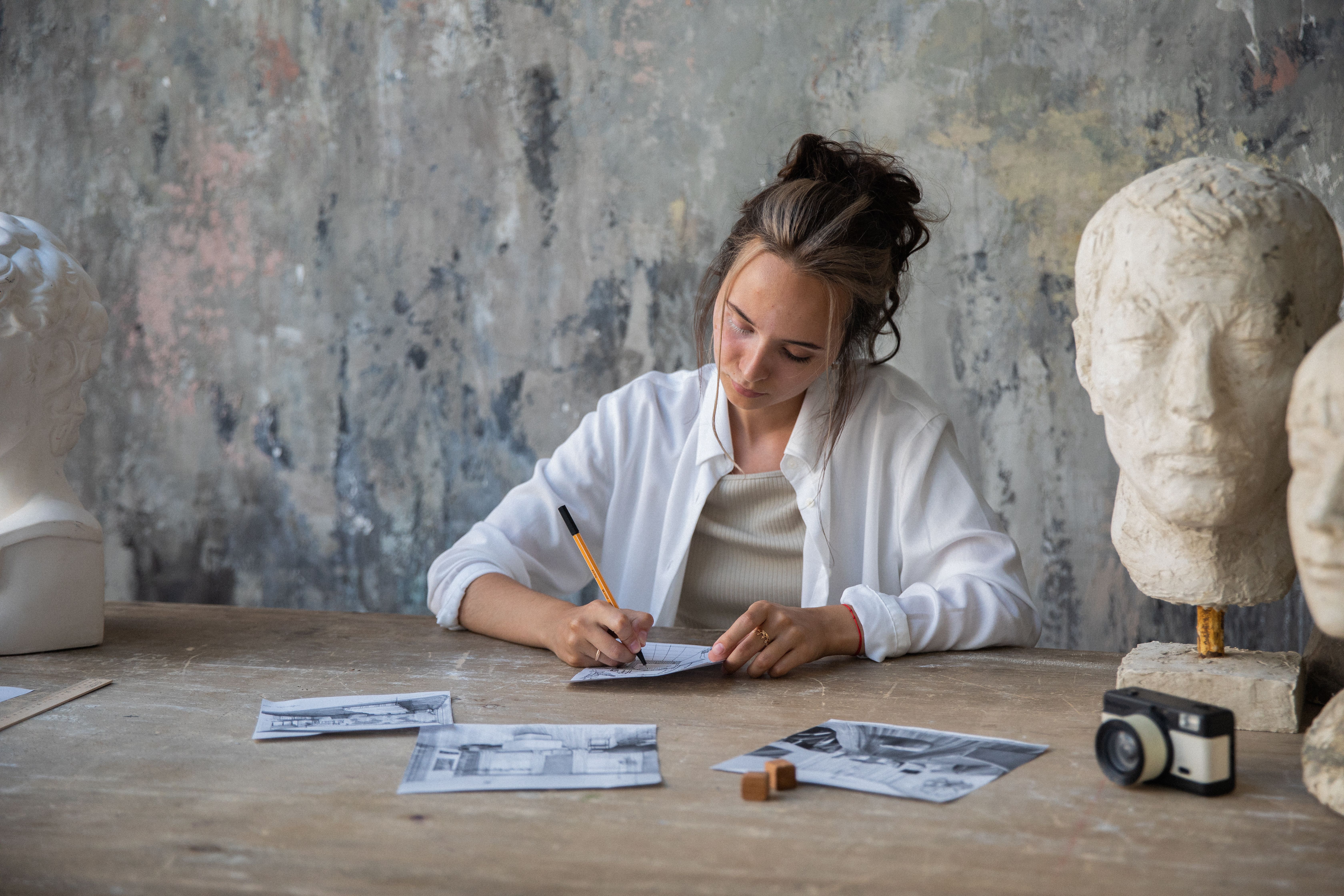
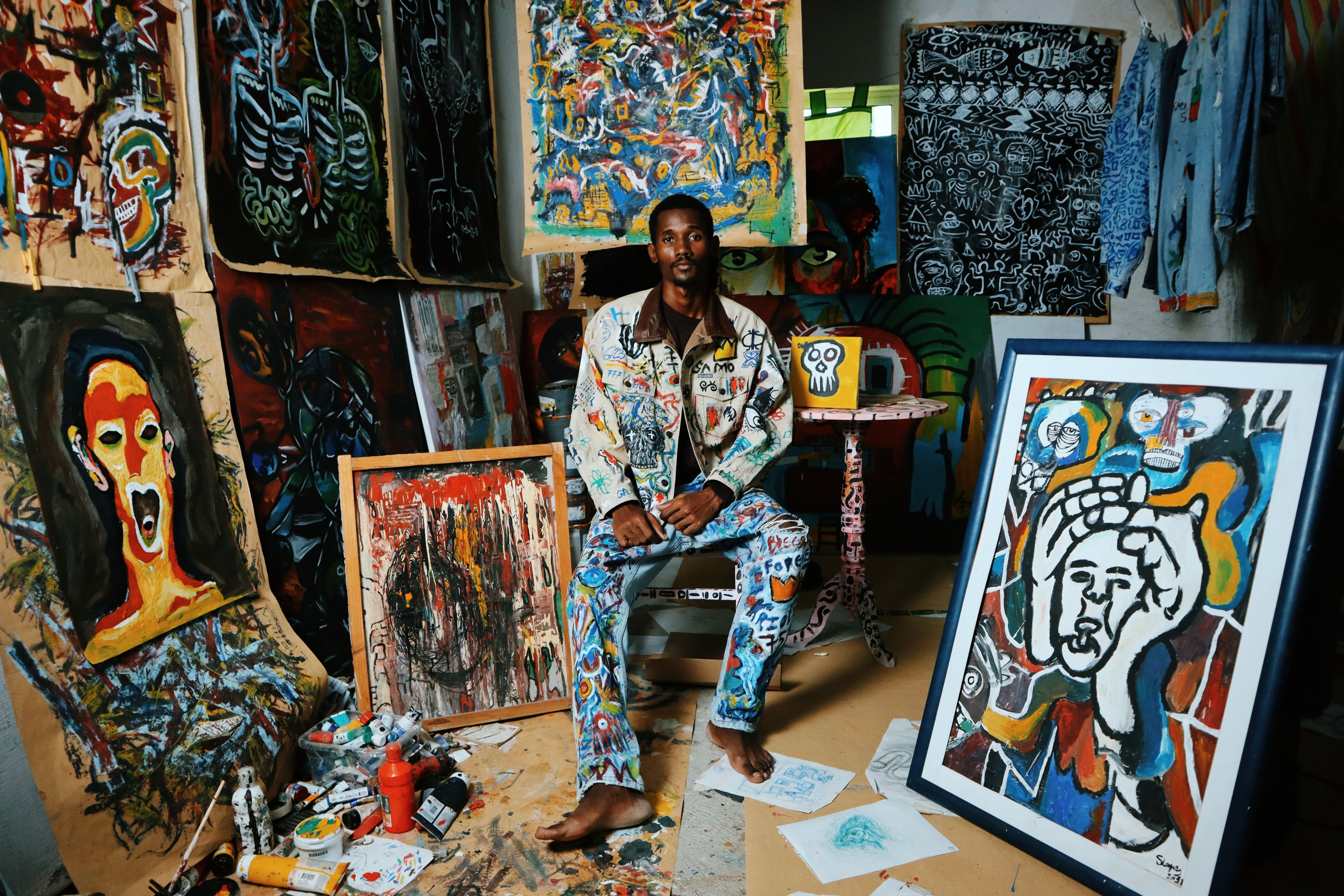
The physical space where an artist works can either stifle or liberate creativity. A cluttered studio might feel overwhelming, but it can also spark ideas through the sheer chaos of materials and half-finished projects. On the other hand, a minimalist, organized space might help focus the mind but could also feel too sterile.
The layout and organization of a studio can significantly impact an artist’s workflow and creative process. Some artists thrive in environments that are filled with inspiration, such as books, sketches, and art supplies, while others prefer a clean and uncluttered space that allows them to focus solely on their work. The key is to find a balance that supports the artist’s unique creative process.
Tools and Materials
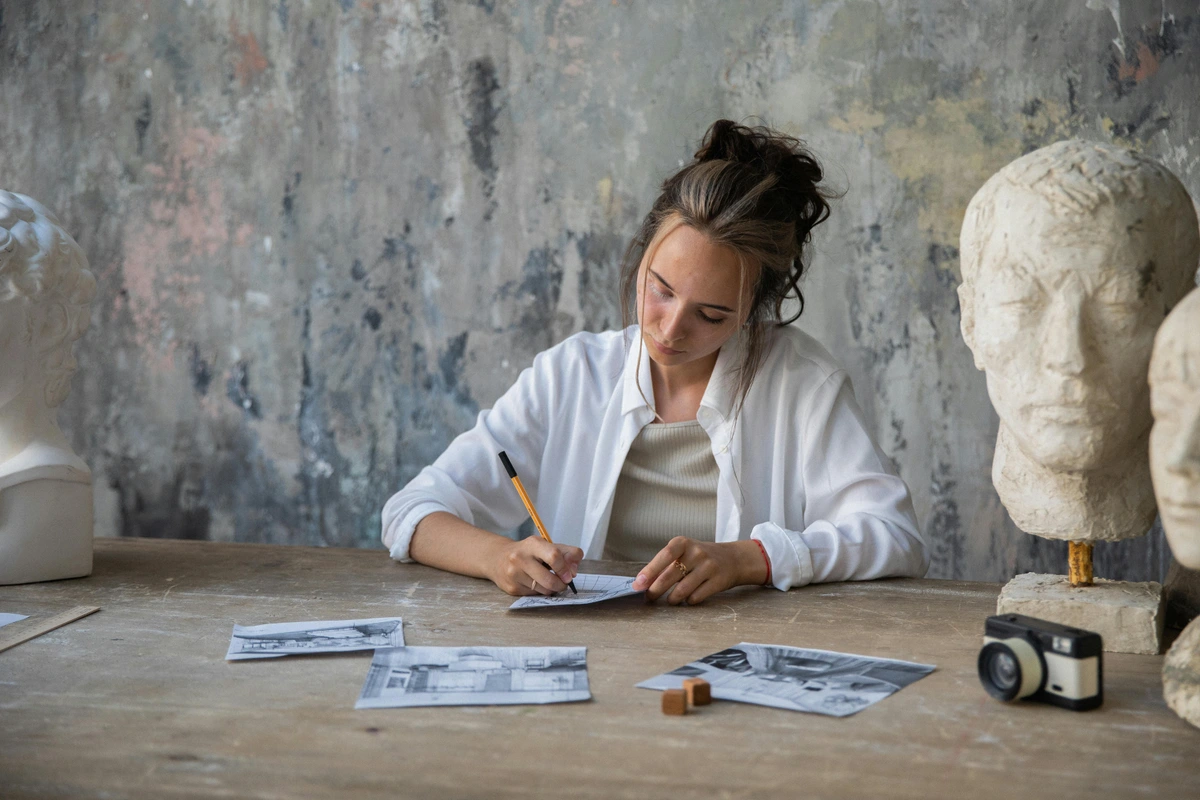
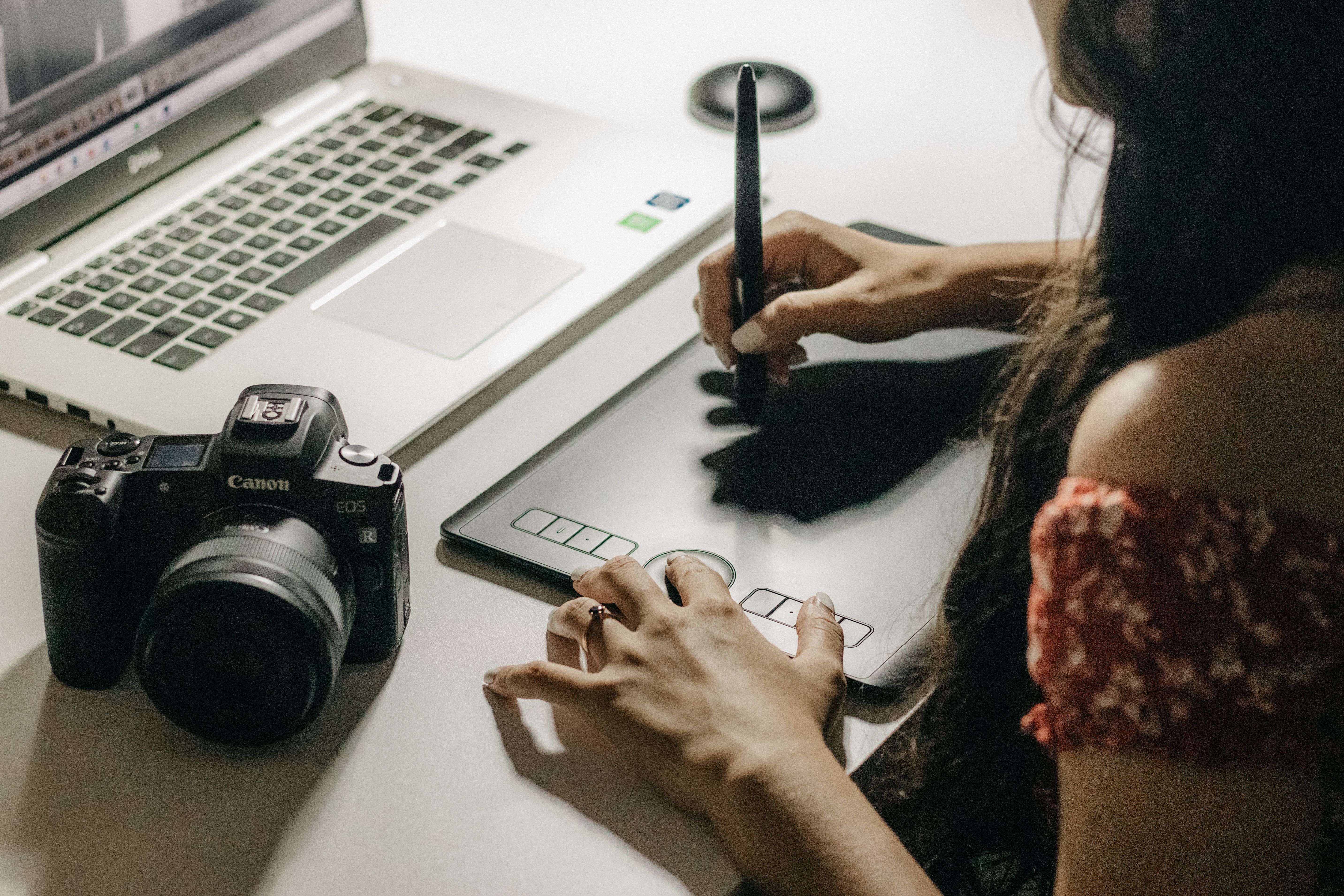
The tools an artist uses are an extension of their environment. The type of paint, the texture of the canvas, even the brushes—all of these are influenced by what’s available and what’s been traditionally used in a particular region or culture.
The choice of materials can also be a reflection of an artist’s personal connection to their environment. For example, an artist living near the ocean might incorporate driftwood or seashells into their sculptures, while an artist in an urban setting might use recycled materials found in the city. These choices not only influence the aesthetic of the artwork but also its conceptual depth.
FAQ: Your Questions About Art and Environment
How does travel influence an artist’s work?
Travel exposes artists to new landscapes, cultures, and ways of seeing the world. It can lead to a shift in style, subject matter, or even the medium they work in. For example, an artist who moves from a city to a coastal town might start incorporating more blues and greens into their palette.
Travel can also introduce artists to new techniques and materials. For instance, an artist visiting a foreign country might discover traditional art forms that inspire them to experiment with new methods or incorporate unfamiliar materials into their work.
Can an artist’s surroundings change their creative process?
Absolutely. A change in environment can disrupt old habits and force an artist to adapt. This can be as simple as adjusting to a new studio layout or as profound as being inspired by a completely different cultural aesthetic.
A new environment can challenge an artist to step out of their comfort zone and explore new ideas. For example, moving to a different city might expose an artist to a vibrant arts scene that encourages them to experiment with new styles or collaborate with other artists.
How do seasons affect artistic expression?
Seasons bring changes in light, color, and even mood. An artist might feel more energetic and use brighter colors in the spring, while winter could lead to more introspective, muted tones.

The changing seasons can also influence the themes and subjects of an artist’s work. For example, an artist might focus on landscapes and outdoor scenes during the summer, while winter might inspire them to explore indoor settings or more abstract concepts.
Is it possible to recreate the influence of a specific environment?
While you can’t fully replicate the experience of being in a place, you can mimic certain aspects. For example, using photographs, music, or even specific scents can help evoke the feeling of a particular environment.
Artists often use sensory cues to recreate the atmosphere of a specific place. For instance, playing music from a particular region or using scents associated with a location can help an artist tap into the emotions and memories tied to that environment, even if they are physically elsewhere.
Conclusion: Embracing the Environment
Art isn’t created in isolation. It’s a dialogue between the artist and their surroundings. Whether it’s the light filtering through a studio window, the sounds of a busy street, or the cultural traditions passed down through generations, every element plays a role. As an artist, embracing these influences can lead to richer, more authentic work. And as a viewer, understanding them adds layers of meaning to the art you experience.
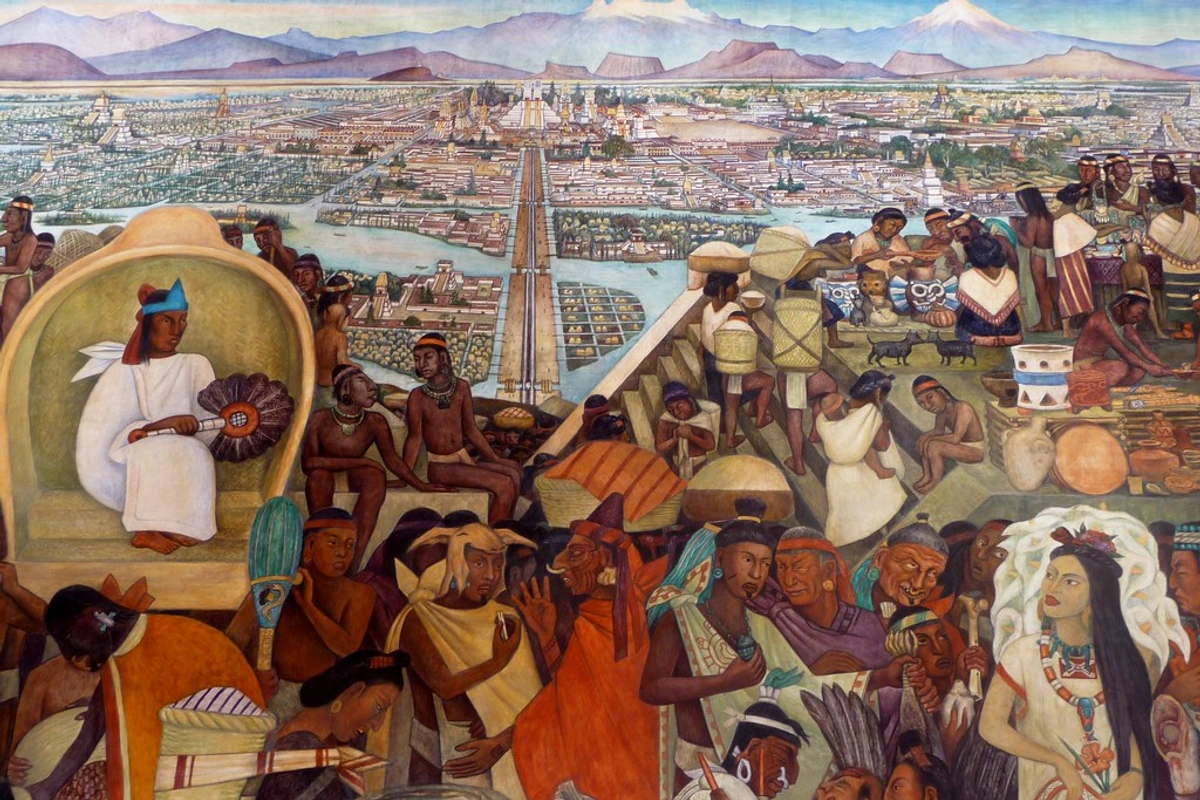
The relationship between art and environment is a dynamic and ever-evolving process. By recognizing and embracing the influences of their surroundings, artists can create work that is not only visually compelling but also deeply meaningful. For viewers, this understanding enriches the experience of art, allowing them to connect with the artist’s journey and the world that shaped their creations.
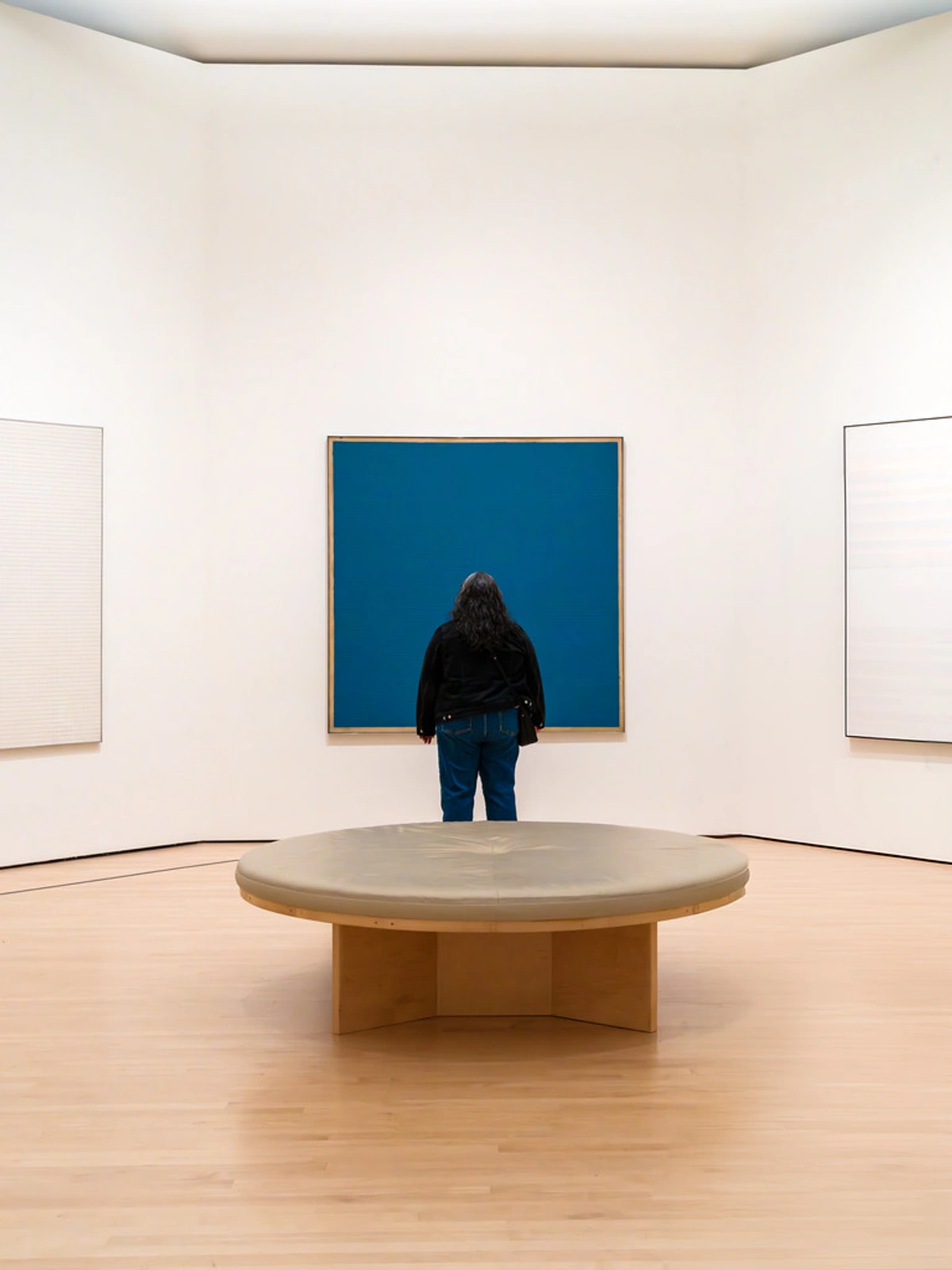

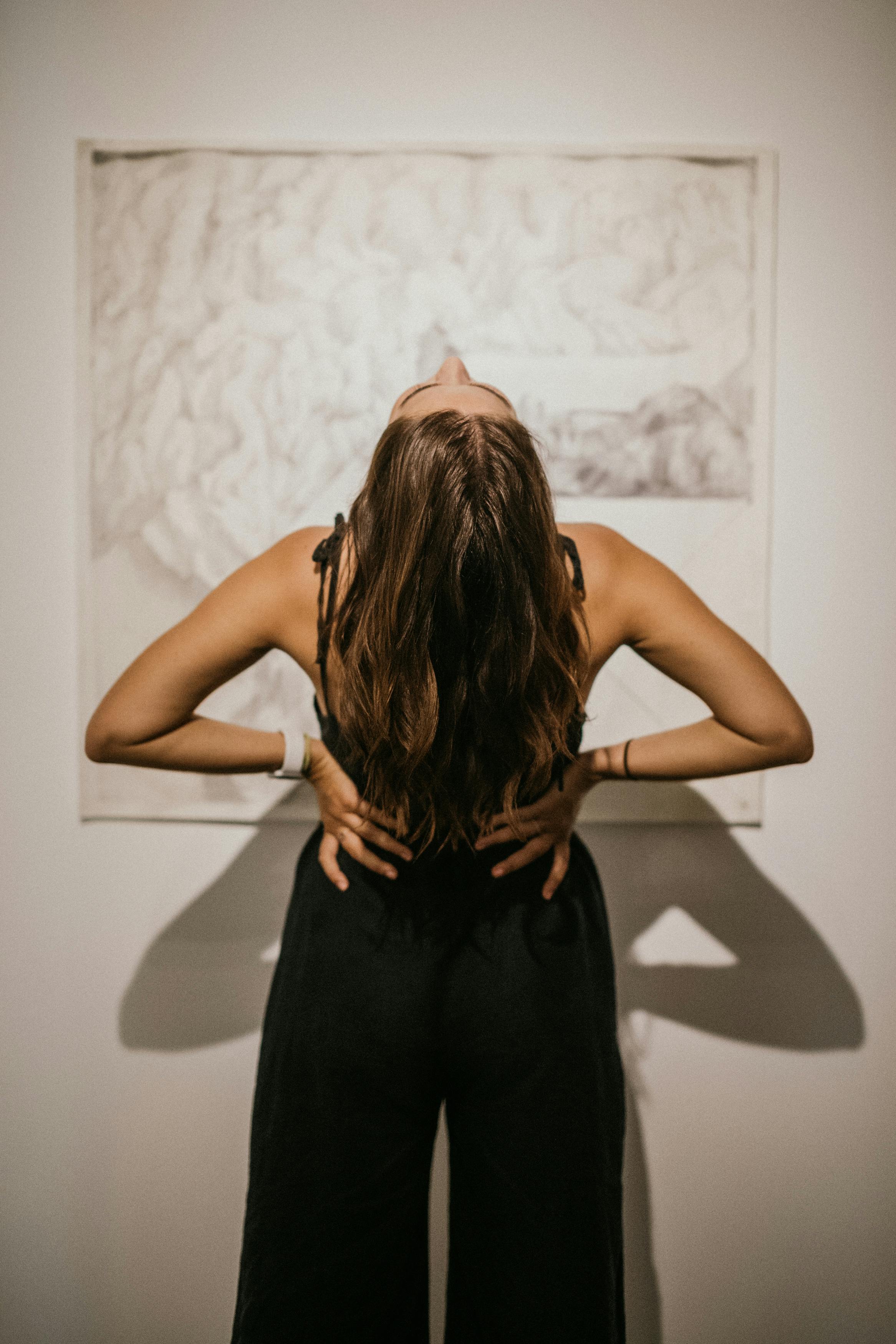
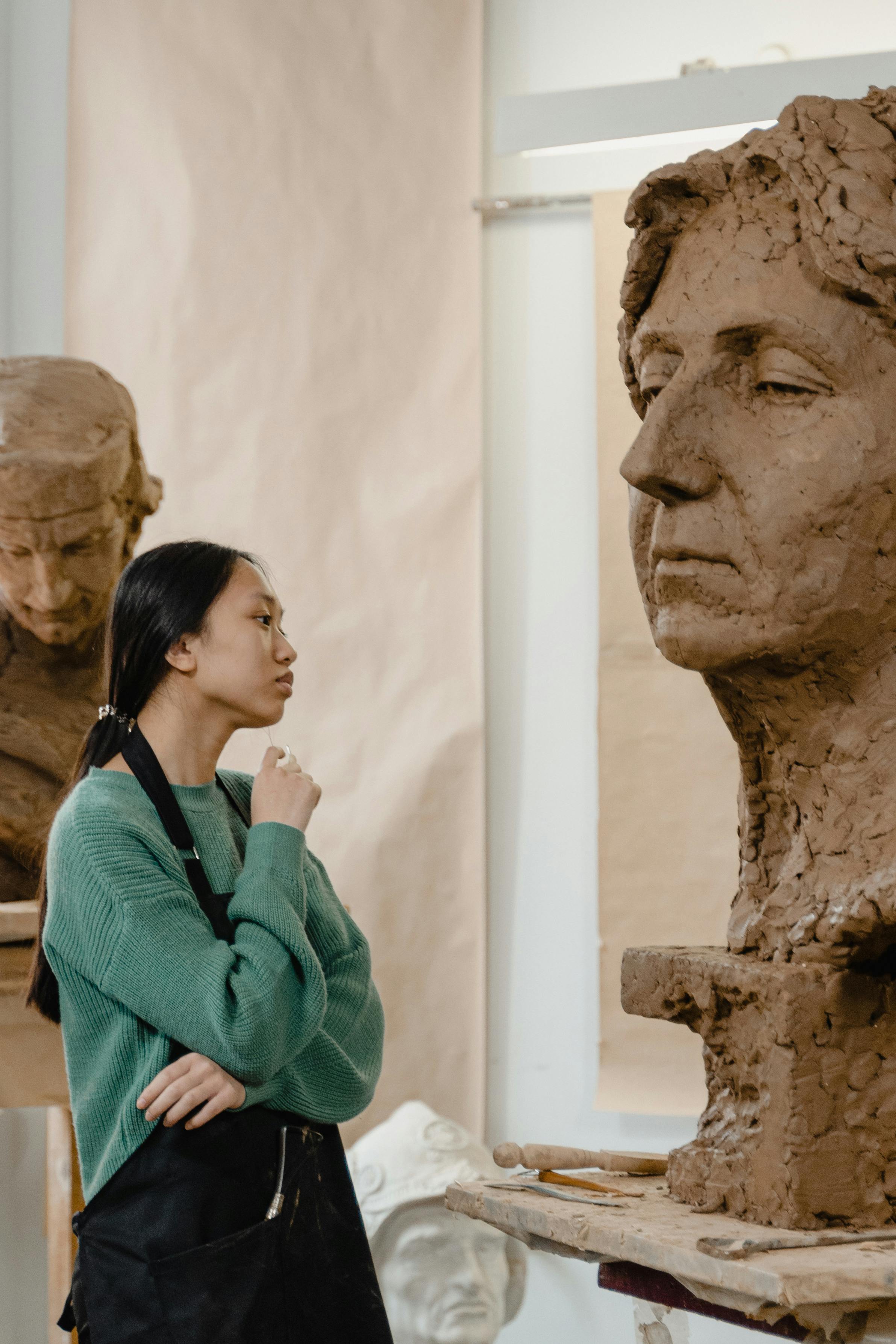





If you’re curious about how different environments have shaped art throughout history, check out our timeline. Or, if you’re inspired to bring some of this energy into your own space, explore our collection of contemporary art here.