Your Ultimate Guide to Art Restoration Schools and Programs
Ever dreamed of saving masterpieces? I dive into the world of art restoration, from the top schools and programs to what it really takes to become a conservator.

So, You Want to Be an Art Doctor? Your Ultimate Guide to Art Restoration Schools and Programs
I’ve always been fascinated by stories, not just the ones written in books, but the narratives held within objects. And few objects tell richer, more complex tales than works of art. I used to walk through museums and galleries, captivated but also, I admit, a little naive. I thought of paintings and sculptures as permanent, almost magical objects that just existed, untouched by the relentless march of time. It’s a lovely, comforting thought, isn't it? But it’s pure fantasy. The truth, as I’ve come to learn, is that every single piece of art—from ancient relics to vibrant contemporary works—is engaged in a slow, constant, often brutal battle with decay, entropy, and the wear and tear of existence. Their stories, much like our own, are vulnerable. Have you ever wondered what happens when a masterpiece starts to crack, fade, or crumble? What hidden battles are fought to keep these treasures alive for centuries? That's the world of the art doctor, and it's far more captivating than I ever imagined.
And in the very heart of that fight are the art restorers and conservators. These individuals are part scientist, part meticulous historian, and, in their own right, part artist themselves. They are the quiet, unsung heroes working tirelessly behind the scenes, dedicated to keeping our shared cultural heritage, our collective visual memory, from quite literally turning to dust. It's a job that blends profound respect for the past with cutting-edge scientific innovation, demanding a unique intellectual and manual dexterity. I often think of them as the true guardians of history, wielding brushes and microscopes with equal reverence, not just restoring beauty but preserving the very essence of human experience. It's a delicate balance, an almost spiritual communion with objects that whisper stories across millennia.
Maybe you've felt that pull to connect with art on a deeper level, not just admiring it from a distance but actively participating in its survival. The desire not just to look at art, but to care for it, to understand its physical life, its vulnerabilities, and its resilience. If you’re nodding along, thinking, "Yes, that's me!" then you've definitely come to the right place. This isn't just a superficial guide; it's a deep dive into what it truly means to pursue a career in art restoration and conservation, offering you the ultimate roadmap to learning this intricate and profoundly rewarding craft. We'll explore the essential skills, the rigorous academic paths, and the unique challenges and rewards that come with being an "art doctor." It’s a calling, I assure you, not just a job. This comprehensive guide, compiled from years of observation and conversation with leading professionals, aims to be the definitive resource for anyone considering this crucial and fascinating profession. Here, you'll find everything you need to know to embark on your journey as a guardian of our world's artistic legacy, answering your deepest questions about how to become an art restorer and the best art conservation programs available.
Why Art Needs Doctors: The Relentless March of Time and Decay
It’s easy to admire a masterpiece and assume its permanence. But I’ve learned that every brushstroke, every carved detail, every woven thread is constantly battling invisible (and sometimes visible!) adversaries. Think about it: light, humidity, temperature fluctuations, dust, pollution, insects, even human touch – all conspire to degrade, fade, crack, or dismantle art. Without the dedicated work of conservators, our shared cultural heritage would quite literally crumble. They are the unsung heroes stemming the tide of entropy, ensuring that future generations can still experience the profound stories held within these vulnerable objects. It’s a constant vigilance, a silent war against the forces of decay, and it underscores why the role of an "art doctor" is not just important, but absolutely vital.
The specific threats vary dramatically by material, making each conservation challenge a unique puzzle. A delicate paper drawing might suffer from acidification and embrittlement, leading to tears and fragility, while an oil painting could face cracking due to canvas tension or pigment degradation from light exposure, altering its original vibrancy. Stone sculptures are vulnerable to erosion from environmental factors and biological growth like lichen, and textiles might succumb to insect damage or fiber weakening, threatening their structural integrity. Even seemingly robust metals can corrode, slowly eroding intricate details. Beyond the physical, there's the subtle loss of meaning, the fading of an artist's original intent, or the obscuring of historical interventions—all aspects that the conservator's work seeks to clarify and preserve. Sometimes, the "damage" isn't even visible to the untrained eye, requiring the keen observation of a conservator, often aided by scientific analysis, to detect early signs of deterioration. It’s this deep understanding of material vulnerability that elevates the conservator from a mere repair person to a true diagnostician and guardian of our collective memory.
First Things First: Conservation and Restoration: More Than Just Semantics
Before we pack your bags for university, let's clear up a common, yet critical, distinction. People often use art restoration and art conservation interchangeably, almost as if they're synonyms. Yet, understanding the nuanced differences between these two practices is fundamental to appreciating the modern approach to safeguarding our cultural heritage. Historically, the focus of art restoration was often on returning an artwork to a perceived original aesthetic state, sometimes with less regard for the integrity of the original materials. Think of a vivid, almost aggressive re-painting of an old master that might obscure the artist's subtle brushstrokes or the natural patina of age. I've often seen examples where historical interventions, though well-intentioned, ended up altering the artist's original vision or making it difficult to discern the artwork's true age and journey. This earlier approach often prioritized a visually perfect, 'as new' appearance over the preservation of the original fabric of the object, which, as you can imagine, led to some thorny ethical debates. This approach, while aiming for visual perfection, often risked losing crucial historical information and sometimes even compromised the long-term stability of the artwork. Early restorers, while skilled, often worked without the benefit of modern material science, sometimes applying irreversible varnishes or using incompatible pigments that caused more harm in the long run. The idea was often to make the object look new, rather than preserve its historical evidence.
Over time, and especially in the 20th century, the field evolved dramatically. Influenced by scientific advancements and the rise of ethical codes (like the Venice Charter or the ICOM-CC principles), a growing scientific understanding of materials and a more rigorous ethical framework led to the rise of "conservation." This approach prioritizes minimal intervention, reversibility, and the long-term stability of the artwork, focusing on preventing further decay rather than purely aesthetic concerns. It’s about being a steward, a guardian of the object's entire history, not just a repair person. This shift emphasized understanding the artwork's original materials, its aging process, and the chemical interactions of various treatments.
But the truth is, the most effective approach today isn't one or the other in isolation. The modern methodology, which you'll absolutely find taught in all the top art conservation programs, is conservation-restoration. This seamless blend recognizes that sometimes active intervention (restoration) is necessary, but it must always be guided by the preventative and ethical principles of conservation. You can't truly 'fix' something without first understanding how to keep it stable, how to prevent its further deterioration, and respecting its journey through time. It's a holistic philosophy, treating the artwork as a living document with a complex history, acknowledging both its original creation and its subsequent life. This integrated approach ensures that any treatment is carefully considered, scientifically sound, and ethically responsible, safeguarding the artwork for generations to come. It's about finding that delicate balance: addressing immediate damage while always upholding the long-term health and historical authenticity of the object. For instance, an old master painting might need structural stabilization (conservation) and the careful removal of discolored varnish followed by minimal inpainting (restoration), all guided by scientific analysis and ethical considerations. It's a recognition that every intervention leaves a trace, and our responsibility is to ensure that trace is respectful, minimal, and reversible where possible, prioritizing the object's long-term health over immediate aesthetic gratification.
Here's how I think about the core differences and their modern synthesis:
Aspect  | Art Restoration | Modern Conservation-Restoration | |
|---|---|---|---|
| Primary Goal | Prevention of decay; long-term stability and preservation | Reversal or mitigation of existing damage; aesthetic reintegration | Holistic approach blending prevention, treatment, and ethical stewardship |
| Intervention | Minimal; non-invasive methods; indirect control of environment | Active; direct intervention with the artwork; often visible, sometimes irreversible | Minimal necessary intervention, guided by ethics, reversibility, and documentation |
| Focus | Environment, storage, preventive care, documentation, risk assessment | Cleaning, repair, consolidation, inpainting, structural stabilization | Material science, art history, ethics, hands-on treatment, long-term stability, risk management |
| Ethos | "Do no harm"; respect for original materials and artist's intent; slowing degradation | Reversibility; visual coherence; historical accuracy; returning to a perceived original state | "The least intervention possible, the most necessary done"; respect for object's entire life cycle; transparency, interdisciplinary collaboration |
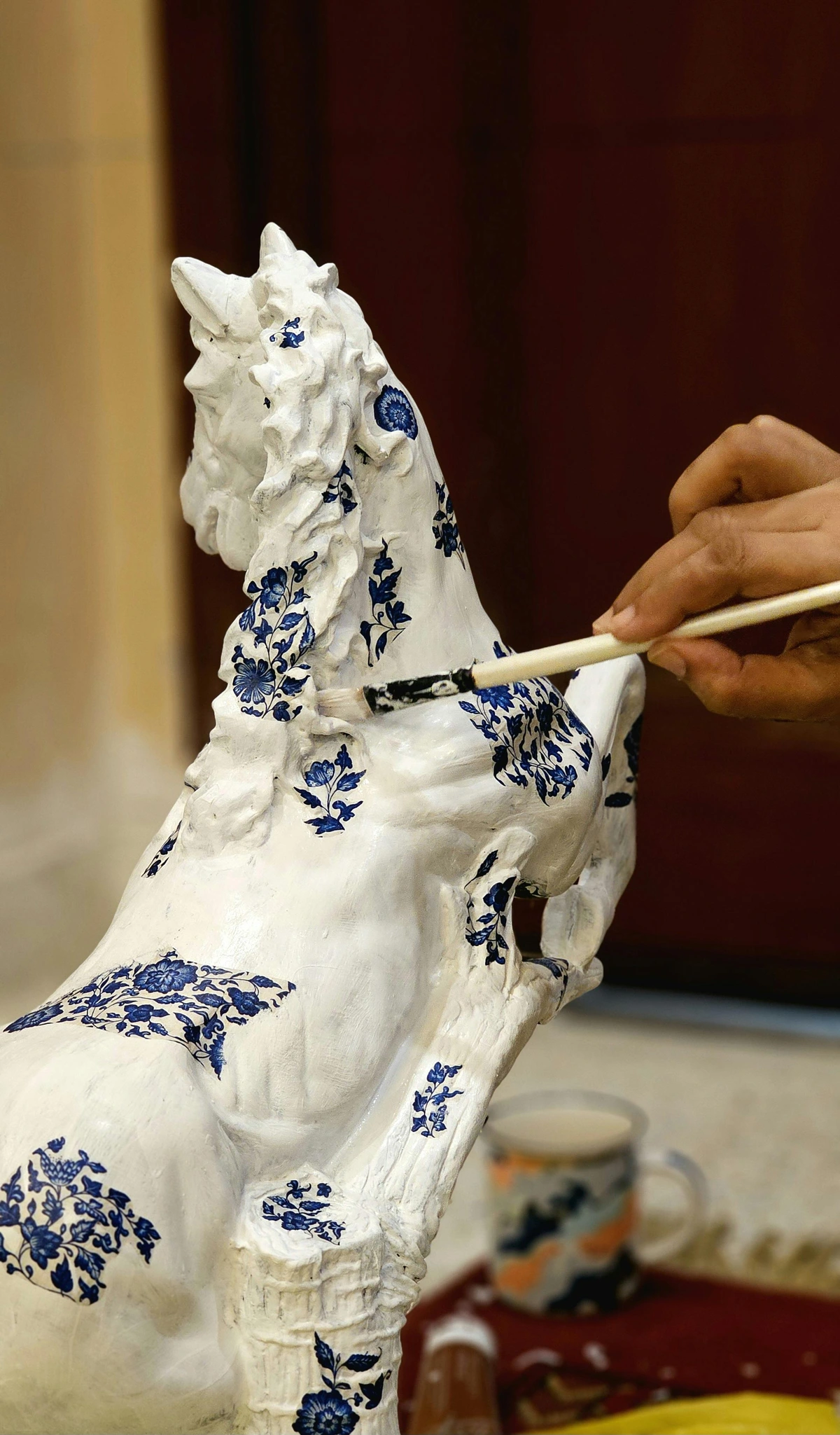
The Rise of Preventive Conservation
Within the broader field, preventive conservation has truly come into its own, shifting the paradigm from 'cure' to 'prevention'. This isn't about fixing a tear but stopping it from happening in the first place. It involves meticulous environmental control (think precise humidity, temperature, and light levels, carefully monitoring for damaging UV light that can fade pigments over time, and even filtering out harmful airborne pollutants, which can cause chemical degradation or abrasion). Beyond climate, it includes secure art storage solutions for collectors and institutions alike, using inert, archival-grade materials, and establishing stringent handling protocols for every object, from a delicate drawing to a monumental sculpture. It’s the long-term health plan for an artwork, a kind of proactive medicine, ensuring its environment is as stable and protective as possible, allowing future generations to enjoy it without invasive intervention. I like to think of it as the art world's best defense against the relentless march of time, subtly safeguarding treasures before any visible damage even begins, truly living up to the "do no harm" ethos and ensuring enduring accessibility.
For instance, consider the challenges of displaying delicate textiles or historical documents. Without precise control over humidity, they could become brittle and crack, or conversely, attract mold and accelerate degradation. Light levels, especially UV and even visible light, are meticulously managed to prevent fading, a silent killer of vibrant colors and structural integrity for light-sensitive materials. This involves not only specialized filters but often strict limits on display duration and intensity, sometimes even rotating objects off display. And secure storage isn't just about preventing theft; it's about protecting objects from dust, pests (like insects or rodents that can cause irreparable damage), and accidental physical damage from vibrations or improper handling. It’s often the 'invisible' work of conservation, but it's arguably the most impactful for long-term preservation, ensuring the future of our cultural treasures. This proactive approach, sometimes called "prophylactic conservation," aims to prevent the need for more invasive, and potentially risky, remedial treatments later on. It’s like ensuring a healthy diet and regular check-ups for an artwork, rather than waiting for a major illness to strike. I often find myself explaining that an ounce of prevention is worth a pound of cure, and in conservation, it's worth entire centuries of cultural legacy.
Environmental Factors in Preventive Conservation
To give you a clearer picture, here are the key environmental factors that preventive conservators meticulously monitor and control:
Factor | Impact on Artworks | Conservation Strategy |
|---|---|---|
| Temperature | Accelerates chemical reactions, causes material stress, leads to embrittlement or softening | Maintain stable, moderate temperatures (e.g., 68-72°F / 20-22°C) with minimal fluctuations; utilize HVAC systems with precise climate control. |
| Relative Humidity | Causes expansion/contraction in organic materials, promotes mold growth and insect activity, leads to embrittlement or delamination | Maintain stable RH (e.g., 45-55%) with minimal fluctuations; use humidifiers/dehumidifiers, desiccant materials, and sealed microclimates. |
| Light | Fading of pigments, embrittlement and weakening of organic materials (e.g., paper, textiles), discoloration, and physical degradation from UV radiation | Minimize exposure duration and intensity, filter UV and IR radiation from all light sources, use low-UV/LED lighting, implement strict lux level guidelines, and rotate light-sensitive exhibits off display. |
| Pollutants | Chemical degradation (acidification, oxidation), surface soiling, corrosion of metals, abrasive damage, and biological attack from airborne particles | Implement advanced air filtration systems (HEPA, activated charcoal), use sealed showcases and inert storage materials, and maintain positive air pressure in storage areas to prevent infiltration. |
| Pests | Physical damage (eating, boring, nesting), staining, fungal growth, introduction of biological contaminants, and irreversible loss of material | Integrated Pest Management (IPM): Employ traps, environmental monitoring (temp/RH), quarantine procedures for new acquisitions, regular inspections, careful sealing of buildings to prevent entry, and non-toxic treatments prioritizing prevention over chemical intervention. |
| Physical Forces | Cracks, breaks, abrasions, deformation from improper handling, vibrations, shock, or inadequate support. Leads to irreversible structural damage | Design and use stable mounts, archival storage boxes, and custom enclosures; establish careful handling protocols, implement vibration isolation, earthquake mitigation, specialized packing for transport, and controlled installation procedures. |
| Disasters | Irreversible loss or severe damage from fires, floods, earthquakes, vandalism, war, or other catastrophic events. | Develop comprehensive disaster preparedness plans, establish emergency response teams, prioritize salvage efforts, implement robust recovery protocols, and maintain secure off-site storage for vital records and collections, including digital backups. |
The Unseen Ethical Backbone of Conservation: Navigating the Complexities of Preservation
Before we even consider touching an object, or even setting up its ideal environment, there’s an unspoken, yet foundational, element at play: ethics. I sometimes imagine conservators carrying a little ethical compass in their minds, constantly calibrating. Every decision, from a minor cleaning to a major structural repair, is filtered through a rigorous ethical framework. This framework demands respect for the artist's original intent, the historical integrity of the object (including the marks of time and previous interventions), and the principle of reversibility (can a treatment be undone without further damage?). It also involves acknowledging the cultural significance of the object and the diverse values it holds for different communities. This isn't just about 'rules'; it's about a deep philosophical engagement with what it means to preserve the past responsibly, ensuring that our interventions are always in the best, long-term interest of the artwork itself. It's a heavy responsibility, but one that truly defines the profession. For instance, consider a sacred object from an indigenous culture: a conservator must understand its spiritual significance, its intended use, and consult with community elders before any intervention, ensuring that scientific treatment aligns with cultural protocols. This kind of deep empathy and respect is non-negotiable. Another common ethical dilemma revolves around reversibility. Modern conservation dictates that any treatment should ideally be reversible without causing further damage to the original material. But what if a highly effective, albeit irreversible, treatment could save an artwork from complete degradation? These are the types of tough questions conservators constantly grapple with, guided by international charters (like the Venice Charter or the Nara Document on Authenticity) and national professional codes of ethics (e.g., those from the American Institute for Conservation or the Institute of Conservation in the UK). It's a continuous philosophical and practical negotiation with the past and the future.
The Path to Becoming a Conservator-Restorer: Skills, Mindset, and the Academic Journey
Let me be clear: this isn't a career you just stumble into (though I sometimes wish it were that simple!). It's a profoundly demanding path, one that requires a unique, almost alchemical, blend of intellectual rigor, scientific curiosity, artistic sensibility, and unwavering dedication. You'll need more than just a love for art; you'll need a specific toolkit of innate qualities and honed skills. Here’s what I’ve observed to be truly essential:
The Foundational Mindset: Curiosity, Resilience, and Responsibility
Before we dive into the specific skills, it's crucial to acknowledge the underlying mindset that sets successful conservators apart. It's an insatiable curiosity about how things are made and why they degrade. It's resilience in the face of complex problems and long, painstaking treatments. And perhaps most importantly, it's a profound sense of responsibility to the artwork, the artist, and to future generations. Without these intrinsic drivers, even the most skilled individual might struggle with the ethical weight and persistent challenges of the profession.
- Patience & a Steady Hand (and Eye): I've seen conservators spend literal weeks, sometimes months, meticulously cleaning a tiny square inch of a painting with a micro-scalpel or a cotton swab dipped in a precisely mixed solvent. This isn't just about manual dexterity; it's about an almost meditative patience, an ability to focus intensely for extended periods. It's the kind of precision that makes my own abstract painting process feel like finger painting sometimes, but the underlying dedication to detail is profoundly similar. You're not just moving your hand; you're orchestrating a delicate dance between preservation and potential damage, a conversation with the object's fragility. And your eye? It needs to be trained to spot the most minute changes, the slightest shift in color or texture—a truly forensic level of visual acuity. It's about seeing the story of damage and knowing how to respectfully intervene. You'll often be working under magnification, where every tremor or misstep could have irreversible consequences, highlighting the need for extreme calm and controlled movements. This physical and mental stamina is often underestimated. I've heard stories of conservators training themselves with meditation techniques to achieve the necessary focus and stillness, truly transforming their work into a form of active mindfulness. This isn't just about fine motor skills; it's about developing a profound sensitivity to materials and an almost intuitive understanding of their breaking points, knowing when to push and when to hold back. You might be asked to reattach a microscopic paint flake, repair a delicate tear in paper with Japanese tissue, or meticulously remove corrosion from an ancient metal artifact—all requiring the utmost control and unwavering patience. It's a slow dance of precision, a conversation with fragility that demands your full presence.
- A Deep-Seated Love for Science (Especially Chemistry and Physics): If chemistry gives you flashbacks to boring high school labs, this might not be your calling! Conservators are, in many ways, applied scientists, and honestly, some of the most fascinating ones I've met. You'll need to understand the molecular structure of pigments, binders, varnishes, and supports. Knowing how different polymers react to light or humidity, selecting the correct solvent to remove grime without damaging original paint layers—that's all chemistry. Think about the delicate balance of cleaning a centuries-old oil painting: too strong a solvent, and you could dissolve the original paint; too weak, and the grime remains. You'll delve into the fascinating world of organic and inorganic chemistry, understanding material stability, degradation pathways, and the efficacy of various treatment agents. Physics comes into play with structural analysis, understanding stress points, and the mechanics of materials – especially vital when you're dealing with a large-scale sculpture or a fragile architectural element. You'll use cutting-edge analytical tools like X-radiography (to peer beneath paint layers or examine internal structures or to reveal earlier compositions), infrared reflectography (to reveal underdrawings or previous alterations, providing insight into the artist's creative process), ultraviolet fluorescence (to identify different varnishes or restorations, often highlighting non-original materials), and advanced techniques like gas chromatography-mass spectrometry (GC-MS) to analyze organic binders or varnishes, and Fourier-transform infrared spectroscopy (FTIR) to identify organic and inorganic components by their unique spectral fingerprints. Beyond these, you might employ X-ray fluorescence (XRF) for non-destructive elemental analysis of pigments and metal alloys, or even scanning electron microscopy (SEM) with energy-dispersive X-ray spectroscopy (EDS) for ultra-high resolution surface analysis and elemental mapping. These aren't just gadgets; they're vital for not just identifying materials but to understand their degradation pathways, the efficacy of past treatments, and to plan precise, targeted interventions. It's truly detective work at the molecular level, peeling back the layers of time with scientific precision, and constantly evaluating the long-term impact of your actions. And the science isn't static; new analytical methods and material understandings emerge constantly, meaning a conservator's scientific education is truly a lifelong pursuit. For instance, understanding the pH of a paper document, the crystalline structure of a pigment, or the polymerization of a varnish all fall under the conservator’s scientific purview. This deep knowledge allows for targeted, effective, and minimally invasive treatments that respect the inherent properties of the artwork. I sometimes think of it as giving art a full medical work-up, from a physical exam to a molecular biopsy, all without causing any harm. It's a continuous quest for knowledge, ensuring every action is grounded in scientific understanding and ethical foresight.
- An Art History Buff's Brain (and a Cultural Anthropologist's Heart): This might seem obvious, but I can't stress it enough: you simply cannot properly conserve or restore a piece of art without a profound understanding of its historical, cultural, and artistic context. Knowing the difference between pigments used by Rembrandt van Rijn in the Dutch Golden Age versus those favored by famous Renaissance artists isn't just academic trivia; it's absolutely crucial to inform your treatment choices. You need to understand the artist's original intent, the techniques of their time (from ancient encaustic painting to contemporary mixed media and even performance art), and the life story of the object itself, including its provenance and any previous alterations. Every brushstroke, every repair, has to be informed by this deep historical empathy. It’s about listening to the silent voices of the past, understanding why something was made and what it meant to its creators and original audience, and how it has functioned throughout its existence. This deep dive into cultural significance guides your ethical framework, ensuring that treatment decisions are not just scientifically sound but also culturally sensitive and historically informed. Without this profound empathy for the object's 'life story,' interventions risk being purely technical rather than genuinely preservative. It’s about recognizing that every object, from a devotional icon to a propaganda poster, carries layers of meaning that must be respected through careful treatment choices. I remember a colleague once saying, "You can't treat the surface without understanding the soul," and it perfectly encapsulates this aspect of the job. This also involves understanding iconography, the artist’s workshop practices, and the philosophical movements that shaped artistic production across different eras, offering a holistic perspective on the object's journey.
- Ingenious Problem-Solving Skills: I love a good puzzle, and in this field, every single artwork presents a unique, often infuriating, mystery. There's rarely a one-size-fits-all solution, which, for a problem-solver like me, is actually half the fun. You'll often find yourself having to invent new techniques, adapt existing tools, or devise entirely novel approaches to address a specific, unprecedented problem—like how to reattach a microscopic fragment of a centuries-old manuscript without altering its delicate fibers, or stabilizing a contemporary sculpture made from inherently unstable plastics. This requires not just intellect but a creative, 'out-of-the-box' mindset, a willingness to experiment and iterate safely within an ethical framework. For instance, how do you stabilize a contemporary artwork made of found, inherently unstable plastics, or reassemble a ceramic vessel shattered into hundreds of fragments without losing crucial aesthetic or structural information? Each artwork presents a unique, often infuriating, mystery that demands a truly bespoke solution. It's about being a detective, diagnostician, and innovator, all rolled into one, constantly asking "How do I do this without doing harm?" and considering both immediate and long-term consequences of your actions, often inventing new approaches on the fly. This might involve devising a custom suction device to remove ingrained dirt from a porous sculpture, or engineering a micro-support system for a shattered ceramic. The absence of a pre-defined solution is often the norm, not the exception, making this skill absolutely indispensable. It's a bit like being MacGyver, but with far higher stakes and ethical guidelines. You might find yourself designing custom jigs, adapting medical tools for micro-interventions, or developing entirely new cleaning methodologies tailored to a unique material combination. This constant need for innovation is what keeps the field so exciting and intellectually stimulating, ensuring no two days are ever quite the same.
- Exceptional Communication Skills: You might be working in solitary concentration, but conservation is a profoundly collaborative field. You'll need to clearly articulate your proposed treatments, document every step with scientific precision, and explain complex material science to curators, art historians, donors, and even the public. Imagine trying to convince a skeptical patron that a subtle, nearly invisible repair is actually the best option for their beloved painting, explaining the long-term benefits of minimal intervention over an invasive aesthetic overhaul. Effective communication, both written and verbal, is critical for ethical practice and for fostering trust in your expertise. Imagine trying to explain the subtle nuances of material degradation to a museum donor who simply wants their beloved painting to "look new again," or outlining a complex anoxic storage plan to a skeptical curator. You'll need to clearly articulate your proposed treatments, document every step with scientific precision, explain complex material science to curators, art historians, registrars, donors, and even the public. It's about ensuring everyone understands the 'why' behind the 'what' of conservation decisions and the delicate balance between preservation and presentation, requiring not just clarity but also diplomacy and empathy. Your ability to translate highly technical information into accessible language, while maintaining accuracy and respect for all stakeholders, is a cornerstone of responsible practice. This includes writing detailed treatment proposals, crafting clear condition reports, and sometimes even contributing to exhibition labels or public talks, making the invisible work of conservation visible and understandable. This skill also extends to engaging with artists themselves, especially for contemporary works, to ensure their vision and intent are respected throughout the conservation process.
- Unwavering Ethical Acumen: Perhaps the most crucial 'skill' isn't a skill at all, but a moral compass. You'll constantly face ethical dilemmas: how much to intervene, what defines 'authenticity,' how to balance aesthetic appearance with historical integrity, or even the difficult decision of whether to treat an object at all, especially if the treatment itself poses a risk. For instance, should you 'restore' a faded painting to its presumed original vibrancy, potentially losing the patina of age and altering the artist's historical narrative, or should you preserve its current state as a testament to its journey through time? A strong ethical framework, coupled with empathy and critical thinking, is paramount in safeguarding cultural heritage responsibly, adhering to international guidelines and best practices. It’s about being a steward, not just a technician, always prioritizing the long-term well-being of the artwork. This might mean making difficult decisions, like whether to treat an object at all if the intervention poses too great a risk, or how to address a previous, poorly executed restoration without further compromising the original material. It also involves navigating the sometimes conflicting desires of stakeholders—artists, collectors, curators, and the public—all while adhering to a strict professional code of ethics. This moral compass is, in my opinion, the single most important tool in a conservator's kit. It’s about being a tireless advocate for the artwork itself, sometimes against the tide of aesthetic desires or financial pressures, always prioritizing its long-term health and historical authenticity. For instance, what do you do with a contemporary artwork designed to slowly degrade, or one where the artist explicitly requests no intervention? These aren't just technical questions; they're deep philosophical debates about authorship, authenticity, and the very definition of art, requiring immense ethical fortitude. It's a constant test of judgment, ensuring that every decision serves the artwork's long-term integrity and cultural significance.
Top Schools and Programs for Art Conservation
Let's be frank: securing a specialized graduate degree is pretty much non-negotiable if you're serious about this field. These art restoration schools and programs are, without exaggeration, incredibly competitive. I often compare it to trying to get into a top medical school—the bar is set exceptionally high, demanding not just intellectual brilliance but a truly unique blend of scientific aptitude, artistic sensibility, and unwavering dedication. Most programs are at the Master's (MA or MSc) or PhD level, and successful applicants typically need a very strong undergraduate background, often a double major or a major/minor combination in art history and a hard science like chemistry. Beyond academics, a compelling portfolio demonstrating your manual dexterity (think drawing, painting, sculpture, or even fine craft skills) and significant pre-program experience are usually critical. This isn't a shortcut path; it's a marathon for the truly dedicated, a commitment to mastering an intricate and profoundly rewarding craft. It's a commitment that blends rigorous academic study with extensive hands-on training, preparing you for a career that is both intellectually stimulating and deeply practical. This section aims to be your definitive guide to navigating the complex landscape of art conservation education.
The Importance of Undergraduate Preparation: Building Your Foundation
Before even thinking about graduate programs, your undergraduate years are crucial for building the foundational knowledge and skills. A bachelor's degree in art history, chemistry, studio art, archaeology, or a closely related field is typically required. Many successful applicants pursue a double major or a major and minor combination that blends a humanities discipline (like art history or classics) with a hard science (like chemistry, biology, or materials science). This interdisciplinary background is essential for understanding both the cultural context and the material science of artworks. Specifically, courses in organic chemistry, analytical chemistry, physics, art history survey courses, and specialized art history modules focusing on materials and techniques are highly recommended. Seek out opportunities for undergraduate research, especially in analytical chemistry or art historical topics, and start looking for volunteer or internship opportunities in conservation labs early on. This isn't just about padding your resume; it's about gaining real-world exposure and confirming your passion for the work. This foundational experience is invaluable not only for understanding the daily realities of the profession but also for building a network of mentors who can guide your journey and provide crucial letters of recommendation. Consider it your first foray into the collaborative world of conservation, where learning from experienced professionals is paramount. Don't underestimate the power of showing genuine initiative; even a few weeks of shadowing a conservator in a local museum or private practice can provide invaluable insight and demonstrate your commitment.
Prerequisites for Application: A Holistic View of What Programs Seek
To give you a clearer picture, here's a breakdown of what most top-tier conservation programs will expect—and what I've seen truly sets successful applicants apart:
- Academic Excellence: A strong GPA, particularly in science (chemistry, physics, biology, and sometimes even geology or materials science) and art history courses. Many programs require specific science courses, sometimes even multiple semesters of organic chemistry, analytical chemistry, physical chemistry, or advanced physics. Some also look for biology, geology, or materials science. It's crucial to plan your undergraduate curriculum meticulously and consult program websites for precise, up-to-date requirements. This isn't just about grades; it's about demonstrating a rigorous intellectual foundation for the scientific and humanistic aspects of the field, proving your capacity for complex analytical thinking and scholarly engagement necessary for the demanding curriculum of art conservation programs. Expect a heavy emphasis on advanced organic chemistry, analytical chemistry, and physical chemistry, often supplemented by courses in materials science, crystallography, and even biology for understanding organic degradation. I've seen successful applicants who also took courses in archaeological methods, foreign languages, or even specialized studio art techniques, further showcasing a broad, interdisciplinary curiosity. This academic rigor proves you can handle the demanding theoretical components before diving into practical work.
- Pre-Program Experience: This is huge, probably the most critical factor. Most successful applicants have hundreds, if not thousands, of hours of supervised experience in a conservation lab, museum, or private practice. This isn't just about shadowing; it's about active involvement, demonstrating commitment, a foundational understanding of the work, and the ability to thrive in a lab environment. Seek out volunteer positions, internships, and even paid technician roles. The more hands-on experience you get, the better prepared you'll be, and the more seriously your application will be considered. This foundational practical experience proves your dedication, helps you develop a discerning eye, and provides invaluable insights into the daily realities of the profession, making you a much stronger candidate for competitive art restoration schools. These hundreds, if not thousands, of hours show admissions committees that you truly understand what you're getting into and are prepared for its demands. Think of it as your apprenticeship—learning the rhythm of the lab, the safety protocols, and the sheer patience required, long before you get to touch a masterpiece. It's about demonstrating that you know what you're signing up for, and you still love it, even the less glamorous aspects, like cleaning equipment or organizing supplies.
- Manual Dexterity Portfolio: This goes beyond just being 'good at art' or knowing how to apply gesso to canvas. They're looking for evidence of fine motor control, attention to detail, precision, and a deep understanding of materials. Your portfolio might include meticulous drawings, watercolors, small sculptures, intricate craft projects, examples of precision woodworking, scientific illustration, or even precision stitching for textiles. Think of it as demonstrating your 'hands-on intelligence' and your ability to work carefully and skillfully with materials, proving your aptitude for delicate and controlled interventions. This isn't just being "good at art"; it's about understanding material properties, tool control, and meticulous execution. For instance, detailed scientific illustrations showcase precision, small-scale models demonstrate structural understanding, or intricate weaving projects highlight fine motor control. The portfolio serves as tangible evidence of your innate ability to work with objects and your potential to excel in the practical demands of conservation. Think about including examples of precision woodworking, intricate needlework, careful model making, scientific illustration, or even detailed photography that highlights your observational skills. It's about showcasing your 'hands-on intelligence' and your ability to execute delicate tasks with control and understanding of materials. It's about showing that your hands aren't just for looking, but for doing, with precision and understanding. I've even seen impressive portfolios include detailed records of archaeological fieldwork or meticulous craft projects, all demonstrating that innate ability to work with materials. It's about proving that you have the patience and skill for the minute details that conservation often demands.
- Letters of Recommendation: Strong endorsements from both academic (science and art history professors who know your work well and can attest to your intellectual curiosity and analytical skills) and professional (conservation supervisors who can speak to your aptitude, work ethic, and hands-on experience) mentors are absolutely essential. Choose recommenders who can speak to specific qualities and achievements that highlight your potential as a conservator, ideally detailing instances of your scientific curiosity, analytical skills, meticulousness, problem-solving abilities, and ethical awareness. A generic letter, no matter how glowing, is far less impactful than one that provides specific anecdotes and observations of your work in a lab, studio, or academic setting. These endorsements are absolutely essential for standing out in competitive art conservation programs. A strong letter will detail specific projects you worked on, challenges you overcame, and your unique contributions, providing concrete evidence of your potential. Think of these letters as character witnesses for your intellectual and practical capabilities; they should paint a vivid picture of your potential, showcasing not just what you've done, but how you think and approach challenges.
- Statement of Purpose/Personal Essay: This is your chance to articulate your passion, your understanding of the field, your intellectual curiosity, and your long-term career goals. It needs to be deeply personal, well-researched, and reflect a mature understanding of the challenges and rewards of conservation. Avoid generic statements; tell your unique story, including formative experiences and intellectual questions that led you to this path, and why this field calls to you above all others. This is where your voice truly shines, allowing you to articulate your unique journey, intellectual curiosity, and long-term goals. It needs to be deeply personal, well-researched, and reflect a mature understanding of the challenges and rewards of conservation. Avoid generic statements; instead, tell your unique story, including formative experiences, intellectual questions, and specific moments that led you to this path, and why this field—preserving our shared cultural heritage—calls to you above all others. A compelling essay can truly differentiate you in a pool of highly qualified applicants. Highlight any interdisciplinary experiences, travels, or personal discoveries that ignited your passion for the preservation of cultural heritage. Don't just tell them you love art; tell them why you're uniquely suited to care for it. This is where you connect your personal narrative to the grander mission of conservation.
- Interviews: Many programs include a multi-day interview process, often involving practical assessments (like a dexterity test or a problem-solving scenario where you articulate your approach) and in-depth conversations with faculty, current students, and sometimes even alumni. This is their opportunity to assess your critical thinking, communication skills, and overall fit for their demanding program. Expect practical assessments, which might include a dexterity test (like carving a small object, precisely cutting paper, or performing a mock-up cleaning), a problem-solving scenario where you articulate your approach to a hypothetical conservation challenge, or an in-depth discussion of your portfolio. They are looking for signs of genuine intellectual curiosity, ethical grounding, resilience, and an authentic commitment to the field—not just academic prowess. This is your chance to show not just what you know, but how you think under pressure and how you approach ethical considerations in real-time. I've heard stories of applicants being asked to perform a micro-collage, create a mock-up tear repair, or analyze a simulated artifact – all designed to assess your practical aptitude and problem-solving under pressure. It's a holistic evaluation, looking for the complete package of skills and mindset essential for success.
The Role of Mentorship and Networking: Your Essential Support System
I cannot overstate the importance of mentorship and networking in the highly specialized field of art conservation. It’s not just about what you know, but often, who you know and who is willing to guide you. Finding experienced conservators who are willing to take you under their wing, even for short periods, can provide invaluable insights that no textbook can offer. These relationships can lead to shadowing opportunities, volunteer positions, paid internships, and eventually, job recommendations. Attending professional conferences, workshops, and even local museum events can help you meet professionals in the field. Don't be afraid to reach out to conservators whose work you admire; a polite, well-researched inquiry (perhaps through professional organizations or university departments) can open doors you never expected. Offer to volunteer, intern, or even just shadow for a day. These initial connections can lead to crucial insights, recommendations, and even job opportunities. Think of it as building your own personal board of advisors for your conservation journey, a network of support essential for navigating this specialized and profoundly collaborative field. Professional organizations like AIC, ICON, and IIC are excellent starting points for finding mentors, attending conferences, and learning about emerging opportunities.
The highly specialized nature of art conservation means that formal, graduate-level training is almost universally required. These programs, often housed within universities or specialized institutes, provide the rigorous blend of art historical scholarship, scientific methodology, and hands-on studio practice necessary to excel. Here are some of the world's most renowned institutions, offering exceptional art restoration schools and conservation programs. This isn't an exhaustive list, but it represents the gold standard, the places where I'd send my own aspiring art doctor friends. These institutions are at the forefront of conservation education, blending traditional techniques with cutting-edge scientific research, preparing students to be the ethical and skilled guardians of our shared cultural heritage.
Specialized Conservation Training Institutions
Institution | Location | Noteworthy For | Specializations Offered |
|---|---|---|---|
| The Institute of Fine Arts, NYU | New York, USA | Renowned for its rigorous dual MA/MS degree curriculum, strong ties to The Metropolitan Museum of Art, and balanced approach to art history and conservation science. | Paintings, Objects, Paper, Photographs, Textiles, Time-Based Media, Contemporary Art |
| The Courtauld Institute of Art | London, UK | World-class for art history, offering specialized conservation programs with a deep academic foundation, particularly strong in European easel and wall paintings. Emphasizes theoretical understanding alongside hands-on practice. | Easel Paintings, Wall Painting, Sculpture, Modern Materials |
| University of Amsterdam | Amsterdam, NL | Known for its highly scientific and research-intensive approach to conservation, with strong partnerships at the Rijksmuseum and other major Dutch institutions. Focuses on fundamental science of degradation and treatment. | Paintings, Paper, Textiles, Glass & Ceramics, Metals, Wood & Furniture, Stone, Archaeological Objects |
| Winterthur/University of Delaware Program | Delaware, USA | A leading program with exceptional facilities and a strong focus on American material culture, leveraging extensive collections for hands-on experience. Renowned for its comprehensive objects specialization. | Objects, Paintings, Paper, Photographs, Textiles, Furniture, Books, Archaeological Materials, Preventative Conservation |
| Queen's University | Kingston, Canada | Canada's only Master of Art Conservation program, recognized for comprehensive training, strong scientific emphasis, and research opportunities, often collaborating with Canadian museum and heritage institutions. Offers a generalist foundation with opportunities for specialized research. | Paintings, Paper, Objects, Research, Archaeological Materials, Contemporary Art, Textiles |
| Institut National du Patrimoine (INP) | Paris, France | Premier training institution for state-employed conservators in France, known for highly selective admissions and comprehensive curriculum covering a wide range of European heritage specialties. Strong emphasis on practical work and cultural context. | Easel Painting, Sculpture, Paper, Textiles, Furniture, Photography, Graphic Arts, Archaeological Materials, Metals |
| Getty Conservation Institute (GCI) | Los Angeles, USA | A world leader in conservation research, training, and field projects, particularly known for advanced scientific facilities and international collaborations. Offers fellowships and professional development, rather than traditional degrees. | Architectural Conservation, Archaeological Conservation, Collections Care, Conservation Science (fellowships and training), Modern and Contemporary Art, Training & Capacity Building |
| West Dean College of Arts and Conservation | Chichester, UK | Offers unique postgraduate diplomas and Master's degrees with a strong emphasis on practical, workshop-based learning across traditional craft and conservation. Known for its hands-on approach and specialized crafts. | Books & Library Materials, Ceramics & Glass, Clocks, Furniture, Metalwork, Textiles, Gilding, Stone, Wall Paintings, Musical Instruments |
| Royal College of Art (RCA) / Victoria and Albert Museum (V&A) | London, UK | Prestigious joint program leveraging vast V&A collections and expertise, focusing on diverse cultural heritage objects with a strong research component. Emphasizes theory, science, and practical application within a museum context. | Ceramics & Glass, Furniture & Wood, Metals, Textiles, Stone & Wall Paintings, Contemporary Design, Plastics |
| University College London (UCL) - Institute of Archaeology | London, UK | Renowned for its focus on archaeological and ethnographic conservation, integrating scientific analysis with deep understanding of anthropological and cultural contexts, often involving fieldwork. Strong links to active archaeological digs. | Archaeological Conservation, Ethnographic Conservation, Conservation Science, Built Heritage, Materials Analysis |
| Conservation Center, Institute of Fine Arts, NYU | New York, USA | A highly respected program offering a dual MA/MS degree, providing intensive training that seamlessly integrates art history, conservation theory, and hands-on conservation science, with extensive lab experience and strong museum partnerships. Known for its comprehensive training across multiple specializations. | Paintings, Objects, Paper, Photographs, Textiles, Modern & Contemporary Art, Time-Based Media |
| Columbia University, Graduate School of Architecture, Planning and Preservation | New York, USA | Focuses specifically on architectural conservation, preservation planning, and historic preservation. Ideal for those interested in the built environment and urban heritage. | Architectural Conservation, Historic Preservation, Urban Planning, Heritage Management |
| Hochschule für Technik und Wirtschaft (HTW) Berlin | Berlin, Germany | Offers specialized Master's programs in conservation-restoration, particularly strong in objects of modern and contemporary art, as well as photographic and archival materials. | Objects (Modern & Contemporary Art), Photographic Materials, Archival Materials, Easel Paintings |
Choosing the Right Program for You: A Strategic Decision
Given the intensity and specialization, choosing the right program is a huge decision. It's not just about the prestige of the institution, but about finding the best fit for your specific interests and career aspirations. Here are some factors I'd consider:
Factor | Considerations |
|---|---|
| Specialization | Does the program align with your material interests (e.g., paintings, objects, textiles, paper, time-based media, archaeological artifacts, architectural elements, books, or photographic materials)? A program strong in paintings might not be the best fit if you dream of conserving ancient manuscripts; thoroughly research the faculty's expertise. Consider what types of objects truly ignite your passion and where you see yourself making the most impact. |
| Faculty & Research | Do faculty members' research interests and publications resonate with yours? Are they actively publishing, presenting at international conferences, and involved in major field projects? Research-active faculty often means access to cutting-edge projects, grant opportunities, and deeper learning experiences that push the boundaries of the field. A mentor whose work you admire can be invaluable. |
| Facilities & Labs | Are the labs state-of-the-art, well-maintained, and equipped for a range of conservation treatments and scientific analysis? What kind of analytical equipment do they have (e.g., SEM for surface morphology, FTIR for organic material identification, XRF for elemental analysis, micro-CT for internal structures, environmental chambers)? Access to advanced scientific instrumentation is crucial for modern, evidence-based conservation practice and research, allowing you to conduct cutting-edge diagnostics. |
| Internship/Practicum Opportunities | What access do they provide to major collections and working conservators (e.g., in a Canadian museum, a European one, or private practices)? These structured practical experiences, often culminating in an intensive pre-program or post-program internship, are often the most valuable part of your training, offering real-world application of classroom knowledge. Look for programs with strong, established partnerships and a track record of placing students in prestigious institutions globally. |
| Program Length & Cost | How long is the program (typically 2-4 years for a Master's, plus pre-program experience and post-graduate fellowships), and what's the total financial commitment for tuition, living expenses, and materials? Are comprehensive fellowships, scholarships, or stipends available to offset these significant costs? Conservation education is expensive, so understanding the financial aid landscape, including teaching assistantships or research grants, is vital. Don't let cost deter you without fully exploring all funding options. |
| Location & Culture | Does the city/region offer additional opportunities (e.g., a high concentration of museums, private practices, conservation research centers, or heritage organizations) or a supportive environment for your studies and networking? Sometimes, being near major cultural institutions can open doors you didn't even know existed, offering exposure to diverse collections and conservation challenges, and enriching your overall experience. |
| Program Philosophy | Does the program lean more towards interventionist restoration (with a focus on aesthetic reintegration) or minimal intervention conservation (prioritizing preservation of original material)? Understanding their core philosophy, ethical guidelines, and approach to issues like reversibility and re-treatment is important for aligning with your own developing ethical stance and professional values. This will shape your entire approach to the field. |
| Alumni Network | What are graduates doing, and where are they working (e.g., in national museums, private practices, or international organizations)? A strong and active alumni network can be invaluable for job prospects, professional mentorship, and ongoing learning opportunities after you graduate, offering a lifetime of collegial support and a ready-made professional community. |
| Accreditation | Is the program recognized by relevant professional bodies in your desired country of practice (e.g., AIC in the US, IIC internationally, ICON in the UK)? This ensures the quality and legitimacy of your training, which is crucial for professional recognition and employment opportunities. Accreditation signifies that the program meets rigorous standards. |
| Financial Aid & Funding | What comprehensive fellowships, scholarships, teaching assistantships, or stipends are available to offset the significant costs of tuition, living expenses, and materials? Understanding the financial aid landscape is vital, as conservation education is a substantial investment, and securing funding can make or break your ability to attend a top-tier program. Many programs offer various forms of financial assistance, so research thoroughly. |
Choosing a conservation program is a bit like choosing a life partner—you need to find a deep, intellectual connection and a shared set of values. Do your homework, visit institutions if you can, and talk to current students and alumni. It's a significant investment, so make it an informed one.
What to Expect in a Program: A Deep Dive into the Curriculum
These programs are intense, I won't lie. They demand a truly holistic engagement with your subject. You’ll typically split your time between three core areas:
- Art History & Curatorial Studies: This isn't just memorizing dates or artists. It's about deep dives into specific periods, cultural contexts, artistic movements, and materials, understanding artistic intent, patronage, cultural significance, and the provenance of objects. You'll learn to 'read' an artwork as a multifaceted historical document, gaining crucial context for any intervention. For example, understanding how famous Renaissance artists prepared their panels or canvases, the specific pigments they used (and their degradation properties), or the symbolic meaning of colors and materials in a particular culture, is vital for treating their works today and making ethically sound decisions. You'll delve into the social history of art, patronage, collecting practices, and exhibition histories, all of which inform the object's life and our approach to its care. This also extends to understanding iconography, the artist’s workshop practices, and the philosophical movements that shaped artistic production across different eras. I've heard conservators describe it as becoming fluent in the visual language of different cultures and eras—you need to understand what the artwork is trying to say before you can help it continue speaking.
- Conservation Science: This is where the detective work really kicks in. Expect lab work. Lots and lots of lab work. You'll be using cutting-edge instruments like Fourier-transform infrared spectroscopy (FTIR) to identify organic binders and varnishes, X-ray fluorescence (XRF) for elemental analysis of pigments and metal alloys, infrared reflectography to reveal underdrawings or previous alterations, and X-radiography to peer beneath paint layers or examine internal structures. Techniques like gas chromatography-mass spectrometry (GC-MS) might even become like a second language for analyzing complex organic mixtures found in binders or varnishes. You'll also explore non-invasive imaging techniques like multispectral imaging to reveal hidden details or 3D scanning for documentation and virtual reconstruction. Techniques such as X-ray diffraction (XRD) for identifying crystalline components in pigments, or scanning electron microscopy (SEM) with energy-dispersive X-ray spectroscopy (EDS) for ultra-high resolution surface analysis and elemental mapping, become standard tools. This isn't just about using tools; it's about understanding the underlying scientific principles of material degradation, the chemical and physical properties of artworks, and how different materials react to various environmental factors and conservation treatments. It’s a dynamic interplay between art and hard science, constantly seeking to unravel the material secrets of the past and present. You'll learn to interpret data from these instruments to build a comprehensive 'diagnosis' for the artwork, informing your treatment decisions with scientific precision. It's truly detective work at the molecular level, uncovering the hidden life of objects. You'll become proficient in interpreting complex scientific data, transforming raw numbers into actionable conservation strategies.
- Studio Practice: This is the hands-on part, where all that theory meets reality. You'll work on actual objects from university collections or partner museums under strict supervision, learning techniques from meticulous cleaning with micro-scalpels and custom solvents, to consolidation of flaking paint, to reversible inpainting that seamlessly integrates areas of loss using carefully selected conservation-grade pigments. You'll also learn structural treatments (like panel cradling for warped wooden supports or re-lining for fragile canvases), tear repairs using microscopic threads, precision loss compensation (filling gaps with stable, reversible materials), and the application of protective surface coatings. Beyond these, you might engage with object-specific techniques such as consolidation of friable surfaces, desalination of archaeological finds, or precise paper mending. You'll learn to handle rare books with meticulous care, reassemble shattered ceramics, stabilize fragile textiles, and even address the unique challenges of modern plastics and digital media. It's a continuous process of refining your manual dexterity, developing critical judgment, and honing your ethical decision-making in real-world scenarios, often working on truly unique and invaluable pieces of cultural heritage. This immersive, hands-on training is where theory truly becomes practice, and you learn to trust your eyes, your hands, and your ethical compass, often under the watchful eye of a seasoned conservator. It's an intense, but incredibly rewarding, part of the journey. You'll also gain experience in creating custom housing and display solutions, learning to protect objects both during and after treatment.
It’s a long journey of learning, much like watching an artist's style evolve over their personal timeline, a continuous unfolding of discovery. Each object you treat teaches you something new, not just about history and material science, but about the very essence of human creativity and its enduring fragility. It’s a truly humbling experience, connecting you directly to the hands and minds of artists long past, making you a vital link in their story. This profound connection is a constant reminder of the immense privilege and responsibility that comes with being a conservator. It's a career where the past speaks through the materials, and you are its careful, thoughtful interpreter.
A Day in the Life: Beyond the Lab Coat and Studio – The Multifaceted Role of a Conservator
If you're picturing a conservator as someone perpetually tucked away in a dusty lab, head down, meticulously cleaning, you're only seeing a fraction of the picture. (Though, to be fair, there's definitely a lot of that, and it's often the most satisfying part!). The reality of the job is incredibly varied and dynamic, demanding a holistic engagement with art, science, and the wider cultural world. It truly is a field that requires lifelong learning, constant adaptation, and a willingness to step beyond the confines of the studio. A typical day can be a fascinating blend of diverse responsibilities, including:
Career Paths and Professional Life
- Meticulous Documentation: This isn't optional; it's fundamental to ethical practice, forming the very backbone of responsible conservation. Every single step of a treatment—from initial examination, condition assessment, and diagnosis to every minute intervention, material used, and final outcome—must be meticulously documented. This involves not only detailed written reports (often accompanied by extensive photographic records—before, during, and after treatment, sometimes even using specialized imaging techniques like raking light, transmitted light, or even infrared and ultraviolet photography), but also technical drawings, analytical results from scientific instruments, and comprehensive condition reports. This creates an invaluable, comprehensive archive for future conservators, researchers, and art historians, ensuring transparency and accountability, and providing a historical record of the artwork's physical journey. It's about leaving a clear trail for the future, respecting the object's past, and guiding its preservation for generations. This digital and physical archive is not merely administrative; it's a vital research tool, allowing future scholars and conservators to understand an object's treatment history and material evolution, preventing future missteps and ensuring long-term accountability. Think of the painstaking details involved in documenting the exact shade of an inpainting, the type of adhesive used for a tear repair, or the environmental conditions during a structural stabilization – every piece of information is critical for future reference. Think of it as creating a permanent medical record for an artwork, essential for its ongoing care. This level of detail is crucial for both accountability and for enabling future conservators to understand the object’s journey and past interventions. A well-documented intervention is a responsible intervention.
- In-Depth Research: A significant portion of a conservator's time is spent as a detective, digging deep into archives, consulting historical documents, reading scientific literature, and even interviewing artists or their families (when dealing with contemporary art). This research aims to uncover an object's provenance (its history of ownership), its original materials and techniques (was this oil paint or encaustic painting? Did the artist use standard pigments or experimental ones?), previous restoration attempts, and its cultural significance. This historical and scientific context is vital for making informed and ethical treatment decisions, ensuring that interventions are respectful of the artwork's integrity and narrative. It's about understanding the entire life story of an object—its creation, its journey through owners and exhibitions, any previous repairs or alterations, and the specific materials and techniques used by the artist. This deep dive into historical and scientific context is vital for making informed and ethical treatment decisions, ensuring that interventions are respectful of the artwork's integrity and narrative. It's about becoming a detective of history, seeking out every clue before you even consider touching it. For instance, understanding a particular artist's use of unstable pigments can inform a decision to limit light exposure, or discovering a previous restoration attempt can explain unexpected material interactions. This often involves cross-referencing auction records, artist inventories, scientific studies, and historical treatises to build a comprehensive 'biography' of the artwork. This could also mean exploring the social and political contexts in which an artwork was created, as these can profoundly influence its meaning and thus its preservation strategy. This meticulous investigative work ensures treatments are not just technically sound, but historically and culturally appropriate.
- Extensive Collaboration: You're rarely an island in this field, and honestly, that's one of its strengths. Conservators constantly collaborate with a wide array of specialists: curators provide art historical context and help with interpretation, registrars manage collections and logistics, scientists offer specialized analytical insights, and other conservators offer different perspectives and expertise on challenging treatments or ethical dilemmas. In a broader sense, you might also work with artists themselves (especially in contemporary art, where their intent is paramount), art historians, exhibition designers to ensure safe display, facilities management for environmental control, and even structural engineers for complex installations or large-scale sculptures. It's a truly interdisciplinary team effort, always, all focused on the holistic well-being of the artwork. Beyond the internal museum team, you might collaborate with external scientists for advanced material analysis, structural engineers for large-scale installations, or even contemporary artists themselves to understand their intent for their evolving works. This constant exchange of knowledge and expertise is not just beneficial; it's essential for navigating the complex challenges of modern conservation. Imagine the intricate discussions between a textile conservator and a fashion historian on the structural integrity of a delicate historical costume for a major exhibition – collaboration is key. From multi-disciplinary teams working on large-scale museum exhibitions to small groups collaborating on a private collection, teamwork is at the core of effective conservation. It's about bringing together diverse expertise to solve complex problems, always with the artwork at the center. This synergy ensures a more complete and ethical approach to preservation.
- Dynamic Field Work & Emergency Response: The lab isn't always where the action is, though some days you might wish it were! You might find yourself on-site, perhaps carefully conserving a fragile fresco in an ancient church, stabilizing a large-scale outdoor sculpture that's been battered by the elements, or working on an archaeological dig to preserve newly excavated artifacts the moment they emerge from the earth, performing first aid on delicate objects. Conservators are also often on the front lines of emergency response, acting quickly to salvage artworks damaged by floods, fires, earthquakes, or other disasters, racing against time to prevent further deterioration. Imagine being called to a museum after a burst pipe, working frantically to stabilize water-damaged paintings, or carefully recovering objects from a collapsed structure—it's high-stakes, adrenaline-fueled preservation work that requires quick thinking and resourcefulness. This also extends to preparing collections for natural disasters, developing comprehensive emergency response plans, and participating in recovery missions globally, sometimes working in challenging conditions to salvage irreplaceable heritage. This aspect of the job can be incredibly demanding but also profoundly rewarding, seeing your skills directly save cultural treasures from imminent destruction. It's a reminder that cultural heritage is vulnerable, and conservators are its immediate protectors when disaster strikes.
- Public Engagement and Education: Increasingly, conservators are stepping out of the lab to engage with the public. This might involve giving talks, leading workshops, contributing to exhibition labels (explaining treatment decisions and the 'life' of an artwork), participating in online educational initiatives, or even maintaining blogs or social media presence. I've seen conservators demonstrate their techniques in galleries, allowing the public to witness the meticulous process firsthand. Explaining the importance of conservation helps foster appreciation for cultural heritage and highlights the critical work being done to preserve it, demystifying a field that often remains behind closed doors. It's about sharing the passion and the 'why' with a wider audience, demystifying a field that often remains behind closed doors. By actively engaging with the public—through talks, workshops, digital content, or even live demonstrations—conservators inspire future generations of art guardians, foster greater appreciation for cultural heritage, and build crucial public support for funding and ethical practices. This outreach helps bridge the gap between the specialist and the general art lover, making conservation more accessible and understood. This can be as simple as an Instagram post about a fascinating treatment, or as involved as a major documentary about saving a national treasure. It's about sharing the incredible stories of preservation and the scientific marvels behind keeping art alive. I sometimes think of it as being an interpreter for the past, translating complex material narratives into engaging stories for today’s audience. This advocacy is crucial for securing the future of cultural heritage in an increasingly digitized and fast-paced world.
- Professional Development and Research: The field of conservation is constantly evolving with new materials, technologies, and ethical considerations. A significant part of a conservator's career involves continuous professional development: attending workshops, conferences, and specialized training programs to stay current with best practices. Many conservators also engage in independent research, contributing to the body of knowledge through publications and presentations, solving complex conservation problems, and advancing the scientific understanding of art materials and their degradation. This commitment to lifelong learning ensures that conservation practices remain at the forefront of scientific and ethical standards. Many conservators actively engage in independent research, contributing to the body of knowledge through publications in peer-reviewed journals, presenting at international conferences, or developing new treatment methodologies. This active participation in research and development is crucial for solving complex conservation problems and advancing the scientific and ethical understanding of art materials and their degradation, truly shaping the future of the field. This commitment ensures that conservation practices are always evidence-based, innovative, and aligned with international best practices. This might involve developing new analytical methodologies, testing innovative treatment materials, or publishing case studies that contribute to the collective knowledge of the profession. This pursuit of knowledge is not just about personal growth; it directly contributes to the global effort of cultural heritage preservation. It’s a dynamic, intellectual adventure that never truly ends.
This is truly a field that demands lifelong learning and adaptation. The materials artists use are constantly evolving, from traditional oils and pigments to plastics, digital media, and even performance art. Consequently, the techniques and ethical considerations to preserve them are also in a perpetual state of flux. The challenges of conserving a Renaissance fresco are completely different from those of preserving a piece of video art or a complex contemporary installation (where, I confess, I sometimes find myself scratching my head, wondering what on earth is 'the art' and what's just 'the stuff'). You'll find yourself delving into new areas like preventive conservation of digital assets or the ethical re-performance of ephemeral works. This constant evolution makes the field exciting, challenging, and endlessly stimulating, demanding continuous adaptation and intellectual flexibility from every practitioner. It’s a continuous conversation with innovation, constantly pushing the boundaries of what is possible in preservation.
FAQ: Your Questions Answered
Q: What legal and international frameworks govern art conservation? A: Art conservation isn't just about science and ethics; it's also governed by a complex web of national and international laws, treaties, and professional guidelines. Organizations like UNESCO, ICCROM (International Centre for the Study of the Preservation and Restoration of Cultural Property), and ICOM (International Council of Museums) establish charters and recommendations that guide ethical practice, particularly for cultural heritage at risk or objects with complex provenance (history of ownership). National professional organizations, such as the American Institute for Conservation (AIC) in the US or the Institute of Conservation (ICON) in the UK, also publish comprehensive codes of ethics and professional practice that conservators are expected to adhere to. Understanding these legal and ethical frameworks is crucial for responsible and globally aware conservation, especially when dealing with archaeological finds, stolen art, or international collaborations.
Q: What is the typical salary range for an art conservator? A: This is a tricky one, as salaries vary widely based on experience, specialization, location, and the type of institution (museum, private practice, government, academic). Entry-level positions in institutions might start around $35,000 - $50,000 USD, while mid-career conservators with specialized expertise and significant experience can earn $60,000 - $90,000+. Senior conservators, heads of departments, or those in private practice with an established reputation and client base can command upwards of $100,000+. It's generally not a field for getting rich quickly, but it offers immense intellectual and personal rewards. The true compensation, I believe, is the profound satisfaction of preserving history and contributing to cultural heritage. It's also worth noting that salaries in the private sector can be higher, particularly for highly specialized conservators with an established client base and expertise in niche areas (e.g., modern art insurance claims, rare book restoration, or even working as an art appraiser). However, these roles often come with the responsibilities of running a business, whereas institutional roles may offer more stability and benefits. It's a career driven by passion and dedication, more than pure financial gain.
Q: How does climate change impact art conservation? A: Climate change presents an unprecedented and escalating challenge for art conservation, impacting cultural heritage worldwide. Rising temperatures and fluctuating humidity levels exacerbate material degradation, increasing risks of mold growth, insect infestations, and structural instability for organic materials like wood, paper, and textiles. More frequent and intense extreme weather events (floods, fires, hurricanes) pose immediate threats, requiring rapid emergency response and recovery efforts for damaged collections. Conservators are now actively engaged in researching climate vulnerabilities of collections, developing more resilient storage and display solutions, implementing sustainable conservation practices, and advocating for policies to protect heritage from these profound environmental shifts. It's a critical new frontier in preventive conservation.
Q: How long does it take to become an art restorer? A: Typically, it involves a 4-year undergraduate degree (often with a double major in humanities and science) followed by a 2-4 year Master's degree in conservation, which is highly competitive. After that, you'll often do a post-graduate fellowship or internship for another 1-3 years, essentially a supervised residency, to gain specialized experience and refine your skills. All in, you're looking at 7-11 years of dedicated study, pre-program experience, and practical training. This extensive period of preparation includes not just formal academic study but also countless hours of volunteering, internships, and often a post-graduate fellowship—essentially a supervised residency—to gain specialized experience and refine your skills in a particular material or discipline. It's a significant commitment, but the depth of expertise and ethical grounding required to safeguard our global cultural heritage truly justifies every year.
Q: What are the different specializations within art conservation? A: The field is incredibly diverse, and conservators often specialize in particular types of materials or objects. Common specializations include:
- Paintings Conservation: Easel paintings (oil, acrylic, tempera), wall paintings, murals, and even modern abstract art. This specialization requires a deep understanding of paint chemistry, stratigraphy, and structural supports, including how different pigments react to light and environment over time. You might work on anything from a Renaissance portrait to a large-scale contemporary mural.
- Objects Conservation: Sculpture (stone, metal, wood, mixed media, contemporary installations), archaeological artifacts, ethnographic objects, decorative arts. This is a broad category requiring diverse material knowledge (from metals and stone to plastics and mixed media) and technical skills, often involving structural repairs, surface cleaning, and complex reassembly of fragments. Think of stabilizing ancient bronzes, re-attaching limbs to a wooden sculpture, or conserving contemporary installations made of ephemeral materials. It requires a truly inventive approach to problem-solving, as each object presents a unique puzzle.
- Paper Conservation: Prints, drawings, manuscripts, maps, photographs, archival materials. Think about preserving delicate historical maps, rare botanical illustrations, valuable documents, or architectural drawings. This involves highly specialized treatments like washing to reduce acidity, deacidification to prevent further degradation, microscopic tear repair using Japanese tissues, loss compensation, and meticulous flattening and housing. Paper conservators are masters of microscopic precision and delicate chemistry.
- Textile Conservation: Tapestries, costumes, flags, upholstered furniture, archaeological textiles. This involves understanding complex weaves, historical dyes, and delicate fibers, often requiring specialized stitching techniques, custom-made structural supports, wet cleaning, dry cleaning, and stabilization for display or storage. From monumental tapestries to fragile historical costumes, textile conservators are masters of the needle and fabric science, often working with a keen eye for historical context and cultural significance.
- Books and Library Materials Conservation: Rare books, bindings, historical documents, parchments, photographic albums. It's a blend of paper conservation and the intricate structural repair of covers, spines, and sewing structures. This specialization requires a deep understanding of historical bookbinding techniques, paper chemistry, and the careful handling of fragile media like parchment and vellum. It's about ensuring rare books remain accessible while preserving their physical form. This often involves intricate work on fragile paper, leather, and parchment, requiring specialized knowledge of historical binding structures and materials. Think of them as surgeons for literary and archival treasures.
- Time-Based Media Conservation: Video art, digital installations, performance art (a rapidly growing and complex area that challenges traditional notions of a physical object). This rapidly growing and complex area challenges traditional notions of a physical object. It might involve migrating video art to new digital formats, re-enacting performance art pieces with the artist's or estate's guidance, preserving obsolete hardware and software, or managing complex digital installations. It requires a unique blend of technical IT skills, art historical understanding, and ethical negotiation with artists and institutions regarding authenticity and evolution. It’s a fascinating frontier where the "object" is often an experience or information, not a static physical thing.
- Architectural Conservation: Historic buildings, decorative architectural elements, monuments, frescoes in situ. This often involves working on a much larger scale, directly on historic structures like ancient temples, medieval churches, or monumental public sculptures. It addresses material degradation (stone, masonry, wood, metal) and environmental factors in situ, requiring knowledge of building pathology, engineering, and cultural landscape management. Architectural conservators are stewards of built heritage, often working outdoors in challenging conditions, blending traditional craft skills with modern engineering principles.
- Photographic Conservation: Specific to the unique chemical and physical properties of photographic processes, from early daguerreotypes and albumen prints to gelatin silver prints, color slides, and modern digital prints. This specialization requires a deep understanding of photochemical degradation, emulsion stability, and proper storage environments to prevent fading, discoloration, and physical damage. It’s a delicate balance of chemistry and art history, constantly evolving with new photographic technologies. They often act as both scientists and historians of light and image.
Many conservators also develop cross-specialization expertise or focus on specific periods (e.g., modern and contemporary art, ancient Egyptian artifacts) or analytical techniques (e.g., dendrochronology for wood analysis, stable isotope analysis). It's a vast and fascinating landscape of specialization, constantly expanding to meet the needs of diverse cultural heritage. I sometimes think it's like an ever-growing menu of intellectual and manual challenges, each one demanding a unique blend of expertise.
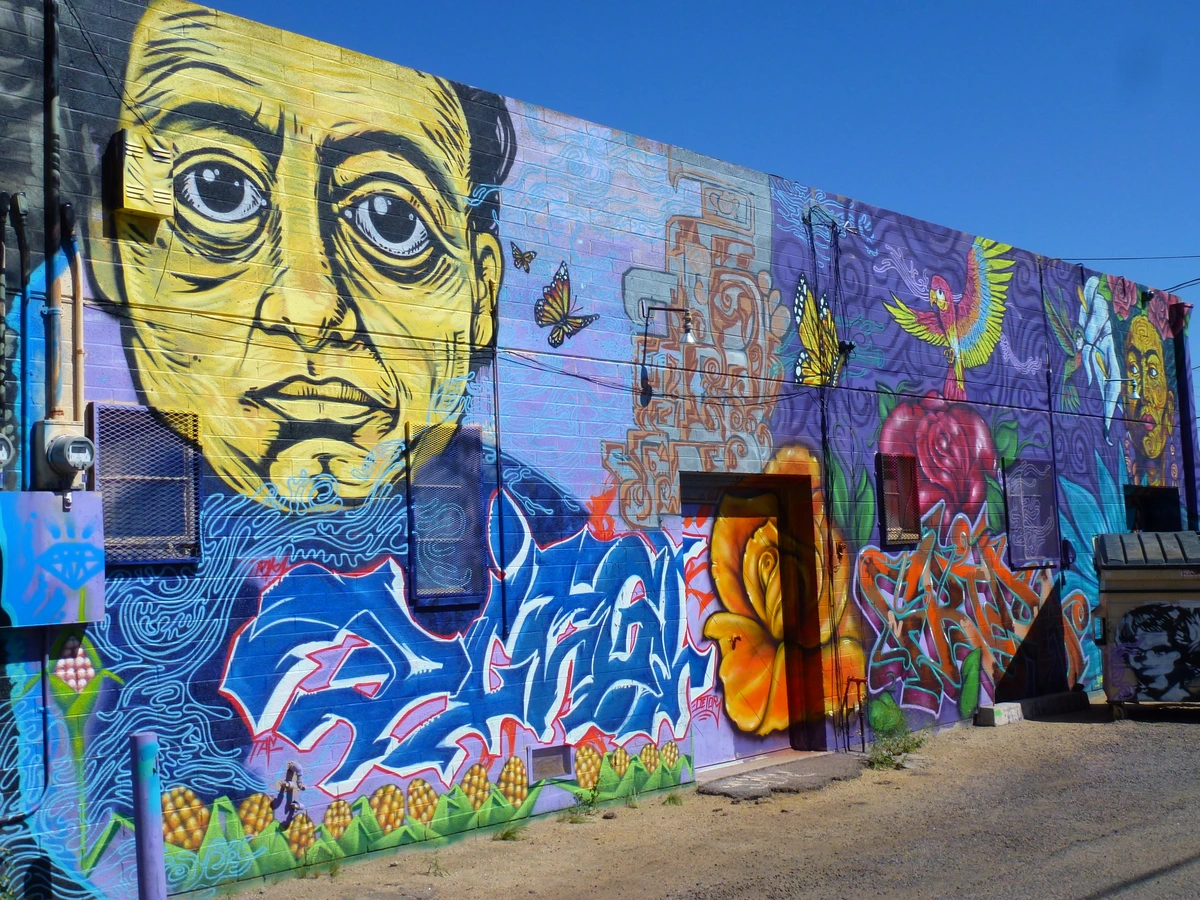
Q: What kind of personality traits are best suited for art conservation? A: Beyond the skills we've discussed, certain personality traits really thrive in this field. You'll need to be meticulous, patient, and highly organized. A strong sense of responsibility and ethical integrity is paramount. You should be curious and analytical, with a knack for problem-solving. Resilience is also key, as treatments can be long and challenging, and sometimes things don't go as planned. Lastly, a deep reverence for history and cultural heritage is the underlying passion that will fuel your dedication. You'll also need adaptability, as every object presents unique challenges, and the field itself is constantly evolving. And above all, insatiable curiosity—a drive to understand why materials degrade, how artists created, and what stories objects silently tell—is what will truly keep you engaged and thriving.
Q: Do I need to be a great artist to be a conservator? A: You need excellent manual dexterity and a deep understanding of artistic materials and techniques, but you don't need to be a producing artist in the traditional sense. Your job is to respect the original artist's intent and craftsmanship, not to impose your own style. Skills in drawing, painting, or sculpture are primarily to train your hands and eyes, to understand the mechanics of creation, and to develop the fine motor control necessary for delicate interventions. It's about empathy for the making process, not personal expression. Your artistic skills are tools for understanding and precision, allowing you to accurately match colors for inpainting, understand the structural integrity of a sculpture, or meticulously repair a torn canvas. It's a different kind of artistry, one focused on preserving the original rather than creating anew, requiring profound respect for the artist's hand.
Q: How do art conservators approach modern and contemporary art? A: This is one of the most exciting, and sometimes perplexing, challenges in the field! Modern and contemporary art often uses unconventional, unstable, or even ephemeral materials (plastics, mixed media, digital components, performance art, found objects, even food). This forces conservators to be incredibly innovative, relying heavily on material science, engaging directly with living artists (if possible) to understand their intent, and grappling with profound ethical questions about authenticity, intent, and preservation for works that might be designed to degrade or change. It's less about restoring to a past, idealized state and more about managing change, documenting evolving intentions, and sometimes even collaborating with the artist on re-fabrication or re-installation. What a puzzle! Or, as I sometimes think when I'm wrestling with a particularly complex abstract piece, it's just a different kind of challenge, like trying to categorize what is collage art, where the boundaries are constantly shifting. This might even involve direct engagement with living artists themselves to understand their original intent, their philosophy behind material choices (even if inherently unstable), and their acceptable parameters for intervention or re-fabrication. It's a field demanding a flexible, innovative, and forward-thinking approach, constantly redefining what "preservation" means. This can involve complex ethical negotiations around the artist's original vision versus the long-term stability of the artwork, sometimes even requiring the creation of new protocols for documentation and display. This is where the ethical framework becomes especially dynamic, balancing preservation with the artist's evolving vision and the inherent impermanence of certain modern materials.
Q: What is the job market like? A: It's competitive, a bit like the art market itself, but incredibly rewarding for those who persevere and are dedicated. Most jobs are in established institutions: national and regional museums (like the Prado Museum or even smaller regional ones), university collections, libraries, archives, or regional conservation centers. Some conservators work in private practice, which can be lucrative but requires building a strong reputation, business acumen, and client base. Government agencies and international organizations also employ conservators for cultural heritage projects. It’s a small, specialized field, but one with increasing demand for skilled professionals. Networking, mentorship, continuous professional development, and geographical flexibility are absolutely key to finding opportunities. Beyond traditional museum roles, conservators also find careers in government agencies, universities (teaching and research), private practices (often specializing in specific materials or clients), auction houses, and even cultural heritage organizations working internationally. There's a surprising amount of flexibility once you gain expertise and build a reputation. Whether you dream of working in a grand institution, a specialized private lab, or on international archaeological digs, the opportunities are vast for dedicated professionals.
Q: How is technology transforming art conservation? A: Technology is revolutionizing the field in astonishing ways! Advanced imaging techniques (like multispectral imaging, X-ray fluorescence, 3D scanning, infrared reflectography, and even drone-based surveys for architectural sites) allow for non-invasive analysis, virtual reconstruction, and condition monitoring. Robotics and AI are being explored for delicate, repetitive tasks that require ultra-precision or for analyzing vast datasets. New materials science innovations are creating more stable, reversible, and targeted conservation treatments. Databases and digital tools enhance documentation, information sharing, and even predictive modeling for environmental control within museums and storage facilities. This means today's conservators need to be profoundly tech-savvy, continuously adapting to new tools and methodologies. Imagine using hyperspectral imaging to map hidden pigments, laser ablation for ultra-precise cleaning, or augmented reality for virtual reconstructions of damaged artifacts. Robotics and AI are being explored for delicate, repetitive tasks or for analyzing vast datasets to predict degradation. Digital humanities tools enhance documentation, information sharing, and even predictive modeling for environmental control within museums and storage facilities. It's truly a fusion of ancient art and cutting-edge science, demanding a conservator who is both a scholar and a technologist, constantly pushing the boundaries of what's possible in preservation. Imagine hyperspectral imaging to map hidden pigments, laser ablation for ultra-precise cleaning, or augmented reality for virtual reconstructions of damaged artifacts. Robotics and AI are being explored for delicate, repetitive tasks or for analyzing vast datasets to predict degradation. Digital humanities tools enhance documentation, information sharing, and even predictive modeling for environmental control within museums and storage facilities. It's truly a fusion of ancient art and cutting-edge science, demanding a conservator who is both a scholar and a technologist, constantly pushing the boundaries of what's possible in preservation.
Q: Can I learn art restoration online? A: You can certainly learn a great deal of the theory—art history, chemistry fundamentals, ethical frameworks, and even an introduction to certain analytical techniques—online. There are fantastic courses, webinars, and resources available that can build your foundational knowledge. However, the hands-on practice is absolutely, unequivocally essential and cannot be replicated virtually. There is no substitute for working on real objects under the guidance of an experienced supervisor, developing that tactile understanding, manual dexterity, and critical decision-making in a practical setting. Think of it like learning surgery; you wouldn't want a surgeon who only read the books. While theoretical knowledge can be acquired online, the nuances of material touch, the tactile understanding of degradation, the precision required for interventions, and the critical ethical decision-making in real-time can only be developed through extensive, supervised practical experience in a conservation lab. This hands-on training is absolutely non-negotiable for becoming a competent, ethical, and employable art conservator.
Q: What is preventive conservation in practice? A: Preventive conservation is all about proactive measures to avoid damage and decay before it starts. In practice, this means strict climate control (maintaining stable temperature and humidity levels to prevent material expansion/contraction, embrittlement, or mold growth), controlling light exposure (especially harmful UV and visible light levels, using specialized filters and dimmers), minimizing pollutants (dust, acidic gases, aerosols that can corrode or degrade materials), robust integrated pest management (to prevent infestations by insects or rodents), secure storage and display systems (using archival materials and earthquake mitigation), safe handling protocols for moving and installing artworks, and comprehensive disaster preparedness plans. It's often the 'invisible' work of conservation, but it's arguably the most impactful for long-term preservation, securing an artwork's future without ever touching it directly and extending its lifespan significantly. As highlighted in the 'Rise of Preventive Conservation' section, this proactive approach is key to the long-term health plan for any artwork.
Q: What's the biggest challenge in the field? A: I think it's the ethical dilemmas, hands down. Deciding how much to intervene, what a piece should look like (its 'ideal' state versus its historical journey, acknowledging the 'patina of age'), and how to balance aesthetic appearance with historical integrity is a constant debate with no easy answers. Then there's the challenge of preserving contemporary art made with inherently unstable materials, or even digital and performance art where the 'object' itself is ephemeral or designed to change over time. Resource allocation, especially in smaller institutions, and the need to advocate for conservation's importance are also significant hurdles. There's rarely a single right answer, and conservators must navigate these complex decisions with immense thought, critical thinking, and collaboration with a wide array of stakeholders. Beyond the intellectual challenges, resource allocation, especially in smaller institutions or for less "glamorous" collections (like archaeological artifacts or ethnographic materials), and the need to constantly advocate for conservation's importance to funders and the public are also significant hurdles. It’s a field that demands constant intellectual rigor, ethical fortitude, and persuasive communication. Navigating these constraints while upholding the highest standards of care is a continuous balancing act.
Q: What is the difference between an art conservator and an art restorer? A: While the terms are often used interchangeably by the public, in professional circles, there's a nuanced but important distinction. As discussed earlier in this article, historically, a "restorer" focused more on the aesthetic repair and visual reintegration of an artwork, sometimes prioritizing appearance over material integrity. A "conservator," particularly in the modern sense, adopts a more holistic approach of "conservation-restoration." They combine in-depth scientific analysis, historical research, and ethical decision-making to not only treat existing damage but also to prevent future deterioration. The emphasis is on minimal intervention, reversibility, and long-term preservation of the object's physical and historical integrity. So, while both aim to safeguard art, the modern conservator's approach is broader, deeply scientific, and ethically driven, ensuring that any intervention is reversible, well-documented, and prioritizes the long-term well-being and historical integrity of the object over mere aesthetic appeal. It's a vital distinction for understanding the professionalism and scholarly depth of contemporary conservation, emphasizing a scientific, research-based, and ethically informed approach over mere aesthetic remediation.
Q: What are the biggest technological innovations impacting conservation today? A: Technology is rapidly advancing the field! Beyond the analytical tools mentioned earlier (like FTIR, XRF, 3D scanning, which you can read about in more detail in the 'Conservation Science' section), we're seeing huge leaps in non-invasive imaging (e.g., multispectral imaging revealing hidden layers), micro-robotics for ultra-delicate tasks, and advanced material science for developing more stable and compatible conservation materials. Digital platforms are transforming documentation and collection management, and AI is starting to play a role in predictive modeling for environmental control and even identifying degradation patterns. It's an exciting time to be in conservation, as these tools enhance our ability to understand, treat, and protect artworks like never before. We're seeing innovations like laser cleaning for delicate surfaces, nanotechnology for developing new protective coatings or consolidation agents, and virtual reality for training, public engagement, and even simulating complex conservation treatments. These advancements are not just incremental; they are fundamentally reshaping the methodologies and capabilities of the field, pushing conservators to be lifelong learners in science and technology. From micro-CT scans revealing internal structures to AI-powered image analysis for identifying degradation patterns, technology is rapidly expanding the conservator's toolkit and understanding. The integration of augmented reality for training and planning complex treatments, and advanced spectroscopy for non-invasive material identification, are further examples of how technology is revolutionizing the field.
Q: How important is drawing and artistic skill for a conservator? A: While you don't need to be a famous artist, developing strong drawing and artistic skills is incredibly beneficial. It's not about creating your own masterpieces, but about training your eye and hand. Drawing enhances your observational skills, helping you to notice subtle details of form, color, and texture. It also develops your fine motor control, which is crucial for delicate treatments. Understanding artistic techniques through practice gives you empathy for the original artist's process, informing your conservation decisions and enabling you to better anticipate material behaviors. Think of it as developing a deeper visual and tactile literacy in the language of art. It hones your hand-eye coordination to an exquisite degree, which is crucial for tasks like inpainting a tiny area of loss on a Renaissance portrait, carefully detaching a fragile document from a support, or sculpting a missing fragment of a ceramic vessel. It’s about building a profound physical and intellectual empathy with the original artist's creative process and materials.
Q: What is the role of preventive conservation in art storage? A: In art storage, preventive conservation is absolutely critical. It's the first line of defense! This involves maintaining precise climate control (temperature and relative humidity) to prevent warping, cracking, or mold growth. Light levels are kept at a minimum or excluded entirely, especially for light-sensitive materials. Robust pest management systems are in place, and all storage materials (boxes, folders, wraps) are archival-grade and inert to prevent chemical reactions. Objects are housed in stable, secure systems, often elevated off the floor, and handling protocols ensure staff move artworks safely. It's about creating a perfectly controlled, passive environment that minimizes any risk of deterioration, ensuring the artwork waits safely for its next display or study. This involves maintaining extremely stable temperature (often 68-72°F or 20-22°C) and relative humidity levels (typically 45-55% RH) to prevent material expansion/contraction, embrittlement, or mold growth. Light levels are kept at an absolute minimum or excluded entirely, especially for light-sensitive materials, and all storage materials (boxes, folders, wraps) are archival-grade and inert to prevent chemical reactions. Objects are housed in stable, secure systems, often elevated off the floor, and strict handling protocols ensure staff move artworks safely. It's a meticulously engineered ecosystem designed for long-term survival. This includes designing earthquake-resistant display cases, implementing sophisticated fire suppression systems that won't damage artworks, and meticulously documenting the condition of objects upon acquisition and before/after any movement. It's a holistic, proactive approach that treats every aspect of an artwork's environment as a potential factor in its long-term survival, securing its future without ever touching it directly and extending its lifespan significantly. The goal is to create a buffered, stable, and protective microenvironment around each object, minimizing all potential risks from the macroscopic (building infrastructure) to the microscopic (dust and pollutants). It's the silent, often invisible, work that guarantees the future of our most cherished artworks. For more on this, check out our guide on art storage solutions for collectors.
Q: Are there opportunities for international work in art conservation? A: Absolutely! Art conservation is a global field, and many conservators work internationally. Major museums often have international collaborations, and organizations like UNESCO or the International Centre for the Study of the Preservation and Restoration of Cultural Property (ICCROM) lead heritage projects worldwide. Fellowships, internships, and even permanent positions can be found in various countries, especially in cultural heritage-rich regions or those facing specific conservation challenges. Fluency in other languages, an understanding of diverse cultural contexts, and a willingness to travel are often advantageous for those seeking international careers. It's a fantastic way to experience different approaches to conservation and engage with a broader range of cultural materials. Beyond UNESCO and ICCROM, organizations like ICOM-CC (International Council of Museums - Conservation Committee) and specific national heritage bodies in Europe, Asia, or South America regularly offer opportunities. Fluency in other languages, an understanding of diverse cultural contexts, and a willingness to travel are often significant advantages for those seeking international careers, allowing for truly global impact. This is particularly relevant for conservators interested in archaeological heritage, post-conflict recovery efforts, or working with collections from diverse cultural backgrounds.
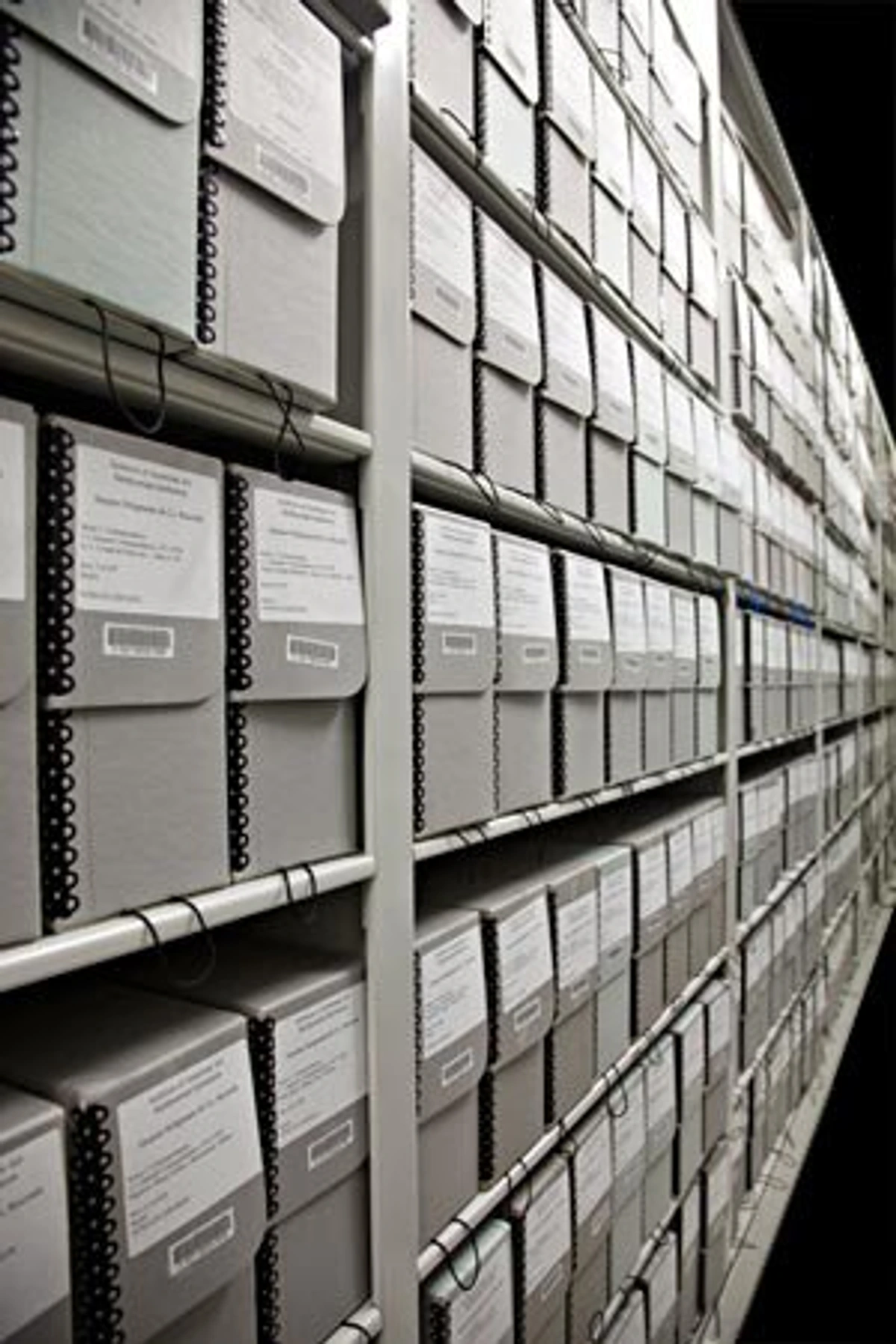
The Heart of the Matter
Choosing to become an art conservator is, I believe, choosing a life of quiet, profound dedication. It’s a career for people who truly believe that objects have invaluable stories to tell, and that those stories are utterly worth preserving for future generations. It’s about being a guardian of our collective memory, one delicate brushstroke, one scientific analysis, one painstaking repair at a time. It’s a calling that aligns so well with the idea of art as a catalyst for social change, because by preserving our past, we empower our future. It’s a quiet activism, a testament to the enduring power of human creativity. Every object saved is a piece of human story salvaged, a dialogue across time maintained, and a foundation for future understanding secured.
It’s a profound responsibility, yes, but what an incredible privilege. As an art doctor, you literally get to have a conversation with the past, directly through the materials left behind by the artist—their hopes, their struggles, their genius. And in a world that often feels disposable, fleeting, and increasingly digital (though even digital art needs its own unique form of conservation!), you get to spend your days saving things that deeply matter, ensuring they endure. If this sounds like your path, then I encourage you to explore it with all the passion and rigor you can muster. Perhaps one day, I'll even see your work in a museum, or better yet, you'll be teaching me something new about the incredible power of preservation and what it means to truly care for art. For those inspired to begin their own journey as guardians of art, perhaps by starting a personal collection (and understanding its care from the outset!), you might even be inspired to explore how to buy original art and become a patron of living artists, contributing to the cultural heritage of tomorrow! It's all part of the continuous, vibrant story of art, a story you could play a vital role in preserving. After all, the art of yesterday informs the abstract art of today, and both need their diligent guardians. Your journey to become an art doctor is a journey into the heart of human creativity itself, ensuring its heartbeat continues for generations to come. It's a legacy you help build, one carefully preserved artifact at a time.
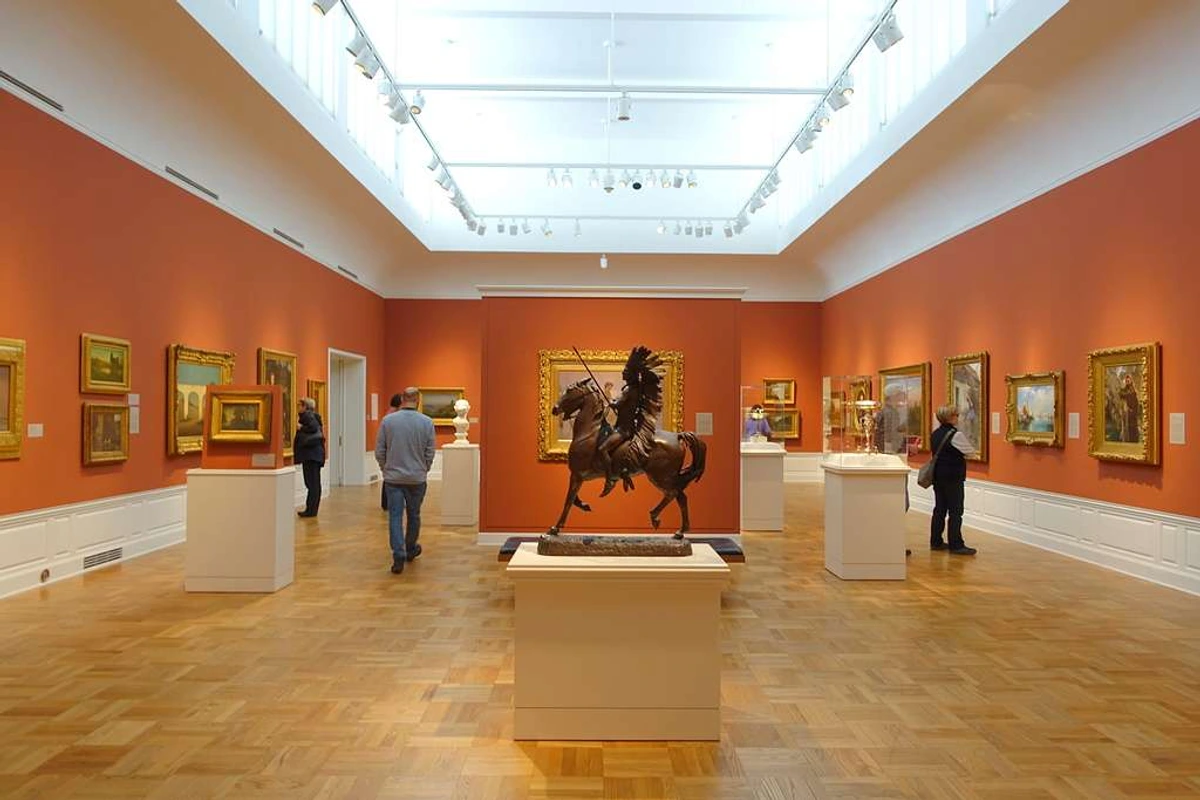

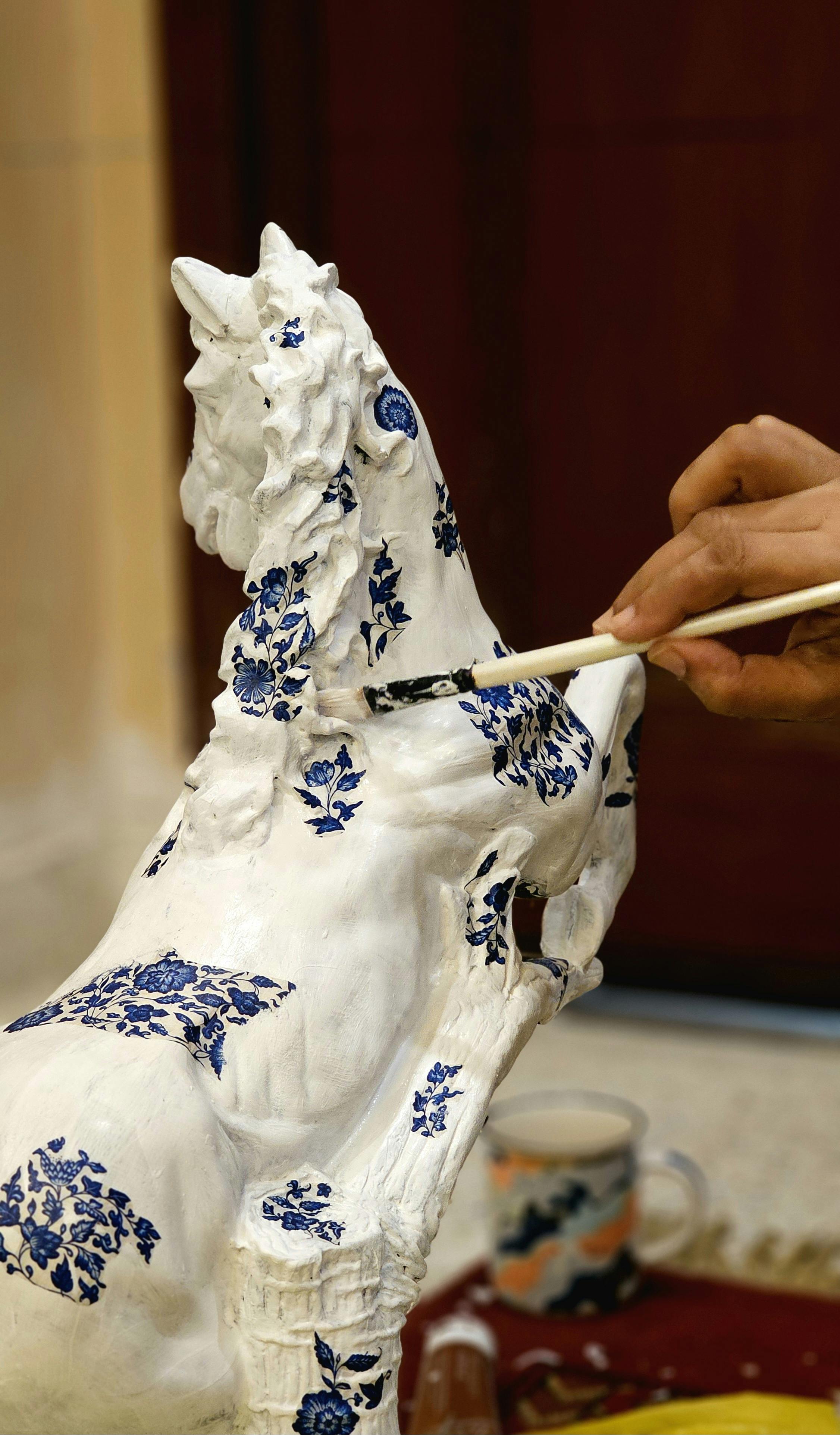


Additional Resources for Aspiring Conservators
To further aid your journey, here are some invaluable resources and next steps:
- Professional Organizations: Join student memberships with organizations like the American Institute for Conservation (AIC), the Institute of Conservation (ICON) in the UK, or the International Institute for Conservation of Historic and Artistic Works (IIC). These offer journals, conferences, and networking opportunities.
- Online Courses and Webinars: While not a substitute for hands-on, platforms like Coursera, edX, or even specialized museum portals offer introductory courses in art history, material science, or general conservation principles.
- Volunteer at Local Institutions: Even small museums, historical societies, or private conservation labs might offer volunteer opportunities that provide essential exposure to the field.
- Read Scholarly Journals: Immerse yourself in the research. Publications like the Journal of the American Institute for Conservation or Studies in Conservation provide insights into current research and ethical debates.
- Visit Conservation Labs: Many museums offer tours or open houses for their conservation departments. This is an unparalleled opportunity to see the work firsthand and speak with practicing conservators.
Embracing these avenues will not only deepen your understanding but also demonstrate your commitment to this incredibly rewarding profession.