
A Guide to the Best Museums in Canada for Art Lovers
From Toronto's AGO to Montreal's MMFA, discover Canada's must-see art museums. A personal, comprehensive guide to collections, tips, and hidden gems.

My Unofficial, Highly Opinionated Guide to the Best Museums in Canada
Let's be honest, the word "best" is tricky. The 'best' museum for you might be the one you stumble into on a rainy afternoon that has a single painting that just completely changes your day. It's personal. But you're here for a guide, not a philosophical debate, so I'll give you my take. I've spent a fair bit of time wandering through galleries across this vast country, and some places just stick with you. They're more than buildings; they're experiences. They are, in a very real sense, the vibrant heart of our cultural dialogue, offering windows into history, identity, and the boundless human imagination.
This is my highly personal, yet thoroughly researched, list of the Canadian institutions that have, at one point or another, completely floored me. Think of this less as a definitive ranking and more as a conversation with a friend who just really loves art and wants you to love it too, or perhaps even discover a piece that radically shifts your perspective on the world.
Before You Go: A Deeper Dive into the Canadian Art Scene
What I find so compelling about art in Canada is its profound connection to the land and its remarkably diverse history. You absolutely can't talk about it without mentioning the Group of Seven, whose members painted the Canadian wilderness with such raw energy it basically defined a national style—think vast, untamed landscapes, bold strokes, and a deep appreciation for the country's natural grandeur. But that's just one chapter, a significant one, yes, but far from the whole story. The narrative of Canadian art is also deeply rooted in the incredible, diverse, and continuous traditions of Indigenous artists, from First Nations, Inuit, and Métis communities. Their work, often rich in symbolism and storytelling, represents the foundational aesthetic of this land, spanning millennia and continuing to evolve with stunning contemporary expressions. This enduring influence is a fascinating area to explore, and you can delve even deeper into it by understanding the enduring influence of Indigenous art on modern abstract movements.
Then you have the vibrant contemporary scene, which is this incredible mix of global influences and hyper-local stories. It's a dynamic dialogue between the vast, empty spaces of our geography and our bustling, multicultural cities. It's a testament to a country constantly figuring itself out, expressed in paint, stone, video, textiles, and new media. Keep that in mind as you walk through these halls—you're seeing a reflection of Canada's soul, its challenges, and its triumphs, constantly being written and re-written.
The Titans: My Must-See Museums Across Canada
These are the heavy hitters, the places you plan a trip around. Each has its own distinct personality.
Art Gallery of Ontario (AGO), Toronto
The first time I walked into the AGO after its redesign by Frank Gehry, I remember thinking it felt less like a building and more like a living thing. You move through these flowing, light-filled corridors of wood and glass, and it feels organic, like you're inside a giant, art-filled whale. It’s the ultimate place to understand the Group of Seven, but its collection is vast and impressively diverse, ranging from the stunning Thomson Collection of European art, medieval masterpieces, and a world-class photography center, to significant collections of African and Oceanic art. There's a real energy here, a blend of historical weight and contemporary buzz, constantly showcasing exciting new exhibitions.
- My "Don't You Dare Miss This" List: Peter Paul Rubens's The Massacre of the Innocents is shockingly powerful and emotionally resonant in person—a true Old Masterpiece. And you absolutely must spend time in the Henry Moore Sculpture Centre; it's so beautifully integrated into the building's organic flow, making it an experience rather than just a display. Don't skip the contemporary Canadian galleries; they're always full of surprises and fresh perspectives.
- The Vibe: Expansive and airy, yet capable of feeling wonderfully intimate in its smaller galleries. It encourages you to wander, get lost, and discover art on your own terms.
- Practical Tidbit: Admission is free on Wednesday nights from 6 to 9 p.m. It gets busy, but the price is definitely right for such an incredible cultural institution. Consider arriving early to beat some of the crowds.
Montreal Museum of Fine Arts (MMFA), Montreal
Montreal is a city of elegant contrasts, and its leading art museum is no different. The MMFA isn't just one building; it's a sprawling campus of five pavilions across Sherbrooke Street, seamlessly connected by underground passages. One minute you're immersed with the Old Masters, the next you're in a cutting-edge exhibit on industrial design, or a vibrant contemporary installation. This expansive setup perfectly reflects the city's own blend of old-world European charm and North American modernity. It houses an incredible encyclopedic collection of Canadian and international art, but also boasts exceptional decorative arts and design, world cultures, and an impressive collection of Quebecois art, playing a vital role in preserving and promoting the province's artistic heritage. It's a place that truly understands that how we decorate a house is a form of art itself, and that creativity permeates every aspect of human endeavor.
- My "Don't You Dare Miss This" List: The Napoleonic collection is surprisingly rich and offers a fascinating glimpse into a pivotal historical era. Also, actively seek out the Inuit art collection—it’s one of the best in the world, showcasing incredible skill, storytelling, and cultural depth. Don't forget the contemporary Quebecois art for a taste of local innovation.
- The Vibe: A sprawling, encyclopedic journey that feels less like a museum and more like a small city entirely dedicated to creativity. There's an undeniable intellectual energy here.
- Practical Tidbit: Wear comfortable shoes. Seriously. You'll be doing a lot of walking across its extensive campus. My pro tip: pick two or three pavilions that most interest you and truly enjoy them, rather than trying to conquer all five in one ambitious go.
National Gallery of Canada, Ottawa
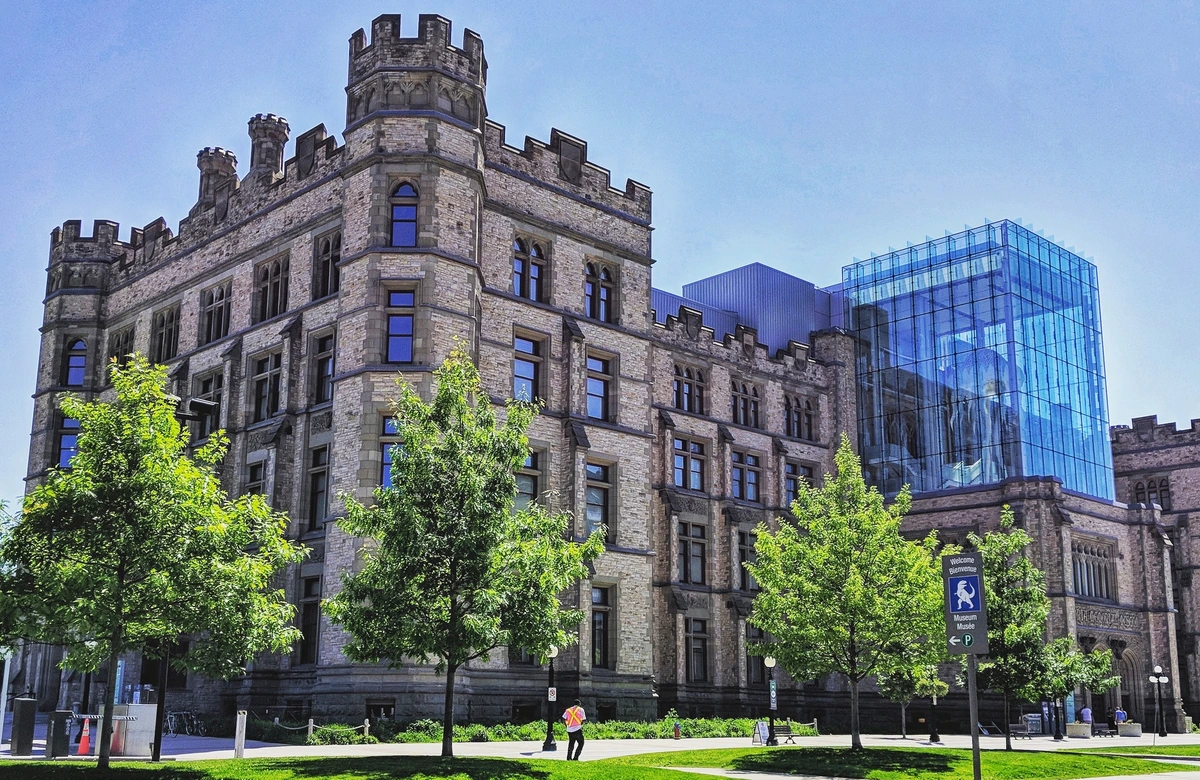
Located in the nation's capital, the National Gallery feels... important. The striking glass-and-granite building by Moshe Safdie is a landmark in itself, and its collection is arguably the definitive story of Canadian art. But for all its gravitas, it’s also wonderfully weird. You're greeted by a giant bronze spider, Maman by Louise Bourgeois, before you even step inside, setting a tone of playful confrontation. It's the place for a deep, chronological dive into Canadian art history, from its earliest forms to its most contemporary expressions. Beyond the expected, it also boasts a fantastic collection of European and American works, alongside a truly stellar array of contemporary and Indigenous pieces that constantly challenge and redefine the national narrative. It’s a testament to the fact that a nation's artistic timeline is always being written, and sometimes, spectacularly re-imagined.
- My "Don't You Dare Miss This" List: The breathtaking Rideau Street Chapel, a stunning 19th-century chapel that was meticulously dismantled and rebuilt piece-by-piece inside the gallery, is an architectural and spiritual marvel. And of course, the collection of Tom Thomson and the Group of Seven is unparalleled, offering a truly immersive experience with these iconic works. Don't overlook the Indigenous and contemporary galleries, which are often pushing boundaries and sparking important conversations.
- The Vibe: Majestic, thoughtful, and comprehensive. It's where you go to understand the big picture of Canadian art, but also to be surprised by global masterpieces and challenging contemporary voices.
- Practical Tidbit: The views of Parliament Hill from the Great Hall are absolutely worth the price of admission alone, offering a moment of quiet reflection amidst the artistic wonders. They also often have excellent guided tours that can illuminate deeper meanings in the collection.
Canadian Museum of History, Gatineau

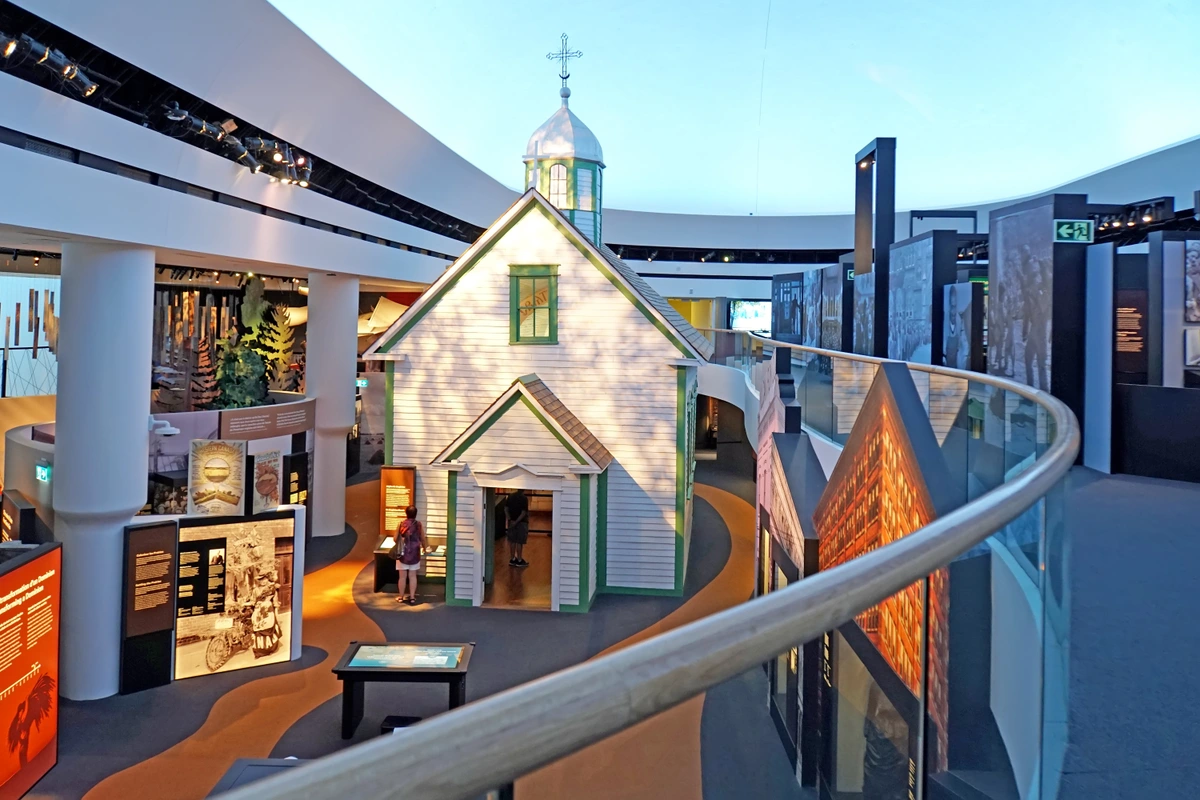
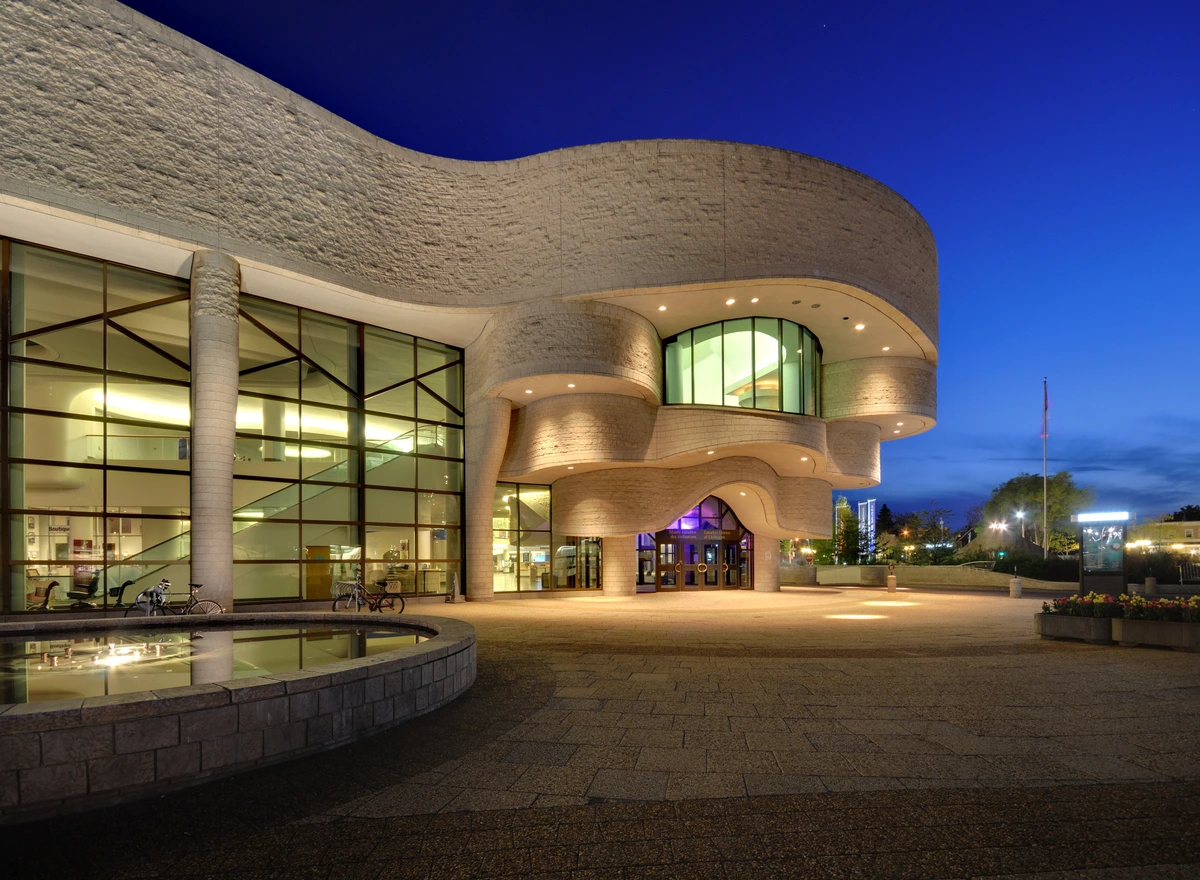
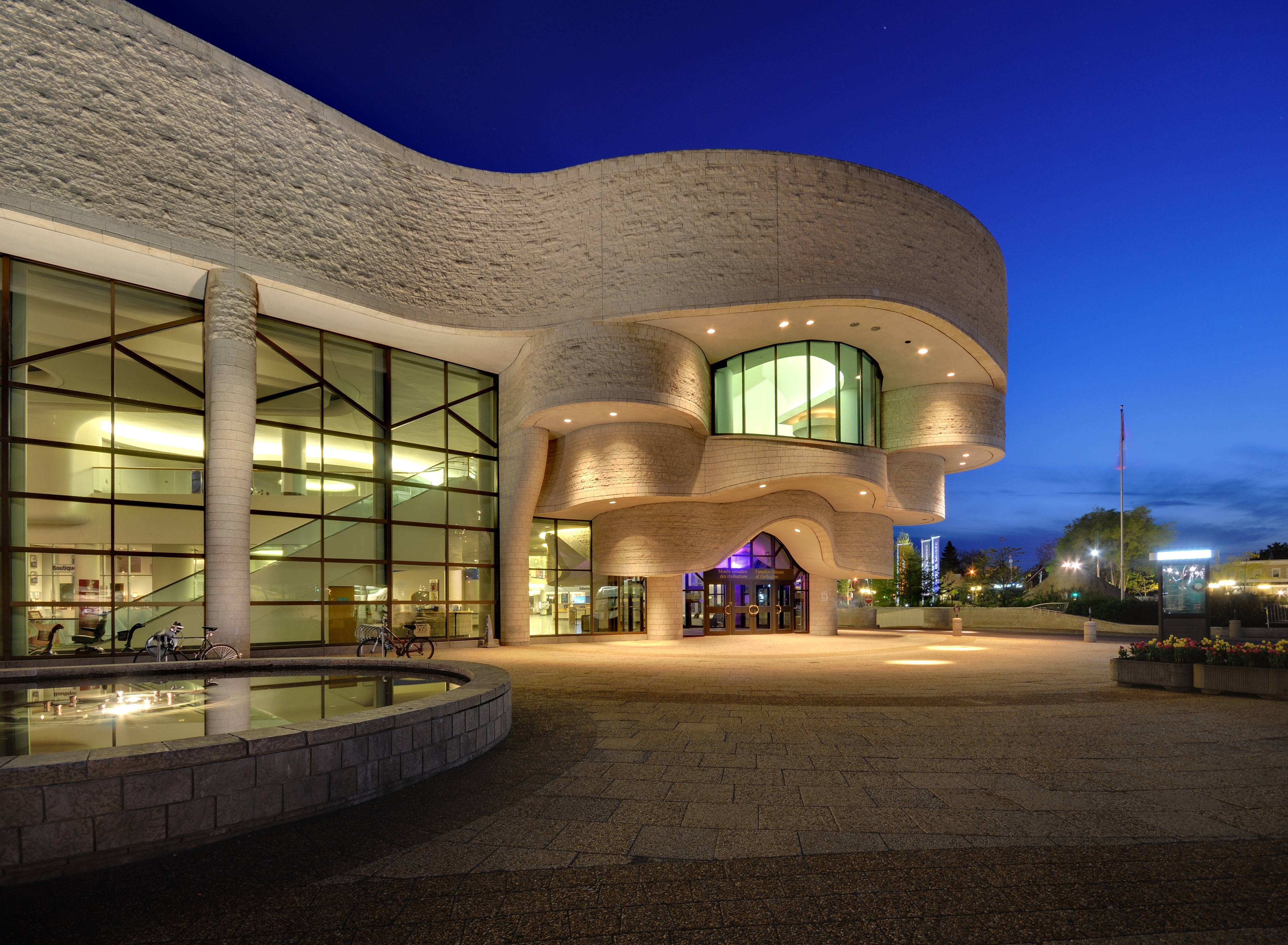
Just across the Ottawa River in Gatineau, Quebec, the Canadian Museum of History is an absolute must-visit, especially if you're keen to understand the intricate tapestry of human history that has unfolded on this land. Its architectural design, inspired by the Canadian landscape, is a flowing, organic masterpiece by Douglas Cardinal. This museum isn't just about art, but art and history are inextricably linked here. It offers a profound journey through 20,000 years of human history in Canada, with incredible exhibits on Indigenous peoples, early explorers, and the diverse communities that have shaped the nation. The Grand Hall, with its towering totem poles and spectacular river views, is one of the most magnificent indoor spaces I've ever experienced.
- My "Don't You Dare Miss This" List: The First Peoples Hall is a powerful, moving, and beautifully presented exploration of Indigenous cultures and histories, a true highlight. And, of course, the Canadian History Hall, a sprawling, immersive narrative of the country's past.
- The Vibe: Educational, expansive, and deeply respectful. It’s where history comes alive through meticulous curation and innovative storytelling.
- Practical Tidbit: Allow a full day, or even two half-days, to truly absorb the depth of the exhibits. It's easily accessible from Ottawa via public transport or a scenic walk across the Alexandra Bridge.
Beyond the Titans: Regional Gems & Unique Collections
While the major institutions in Toronto, Montreal, and Ottawa are undeniable heavy hitters, Canada's artistic landscape is far richer and more diverse than just its biggest cities. Venture off the main routes, and you'll discover a wealth of regional gems, each with its own character, story, and specialized collections that are every bit as compelling. These are the places that often reflect the unique histories and cultural fabric of their communities, offering a more intimate and often deeply moving experience.
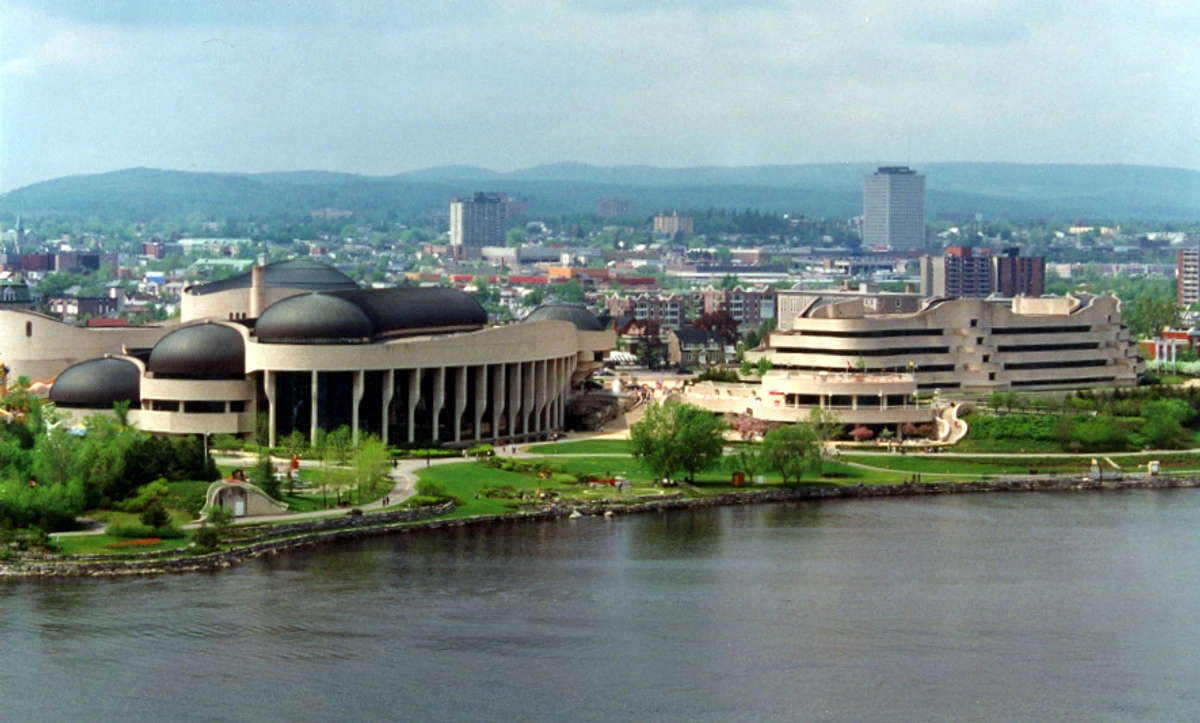
Royal Ontario Museum (ROM), Toronto
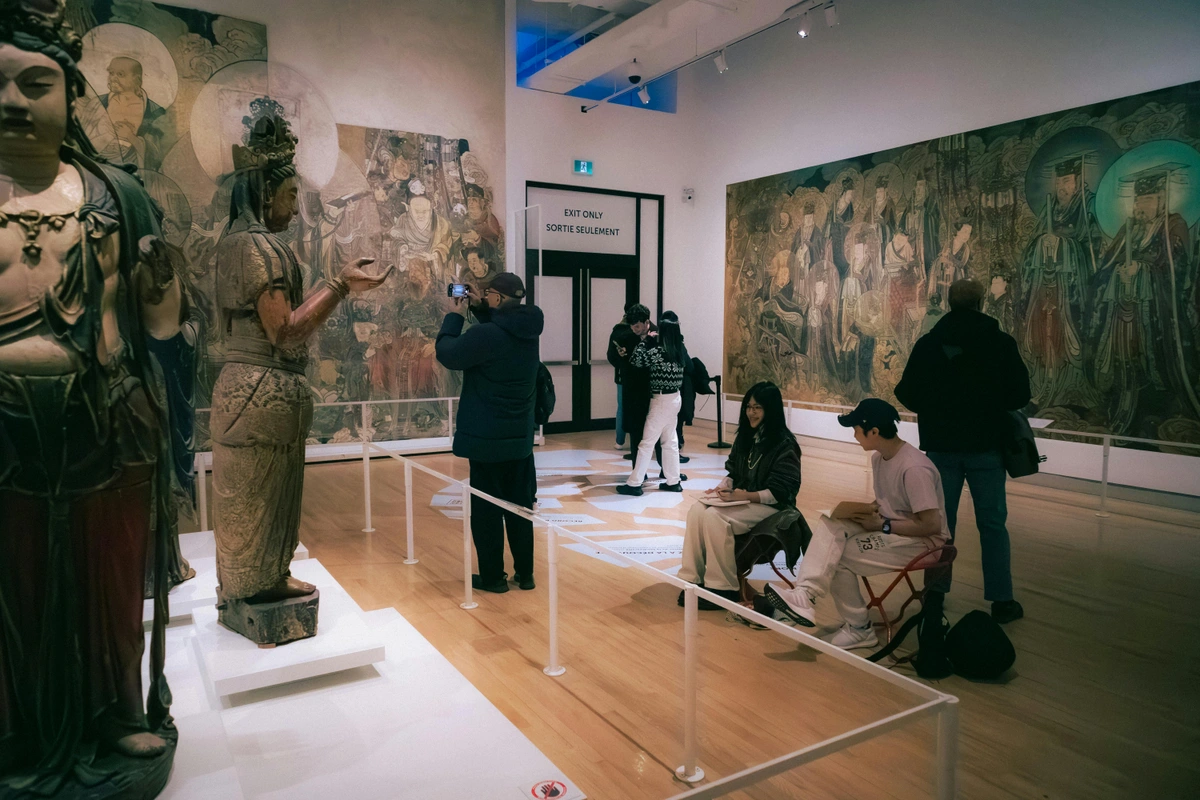
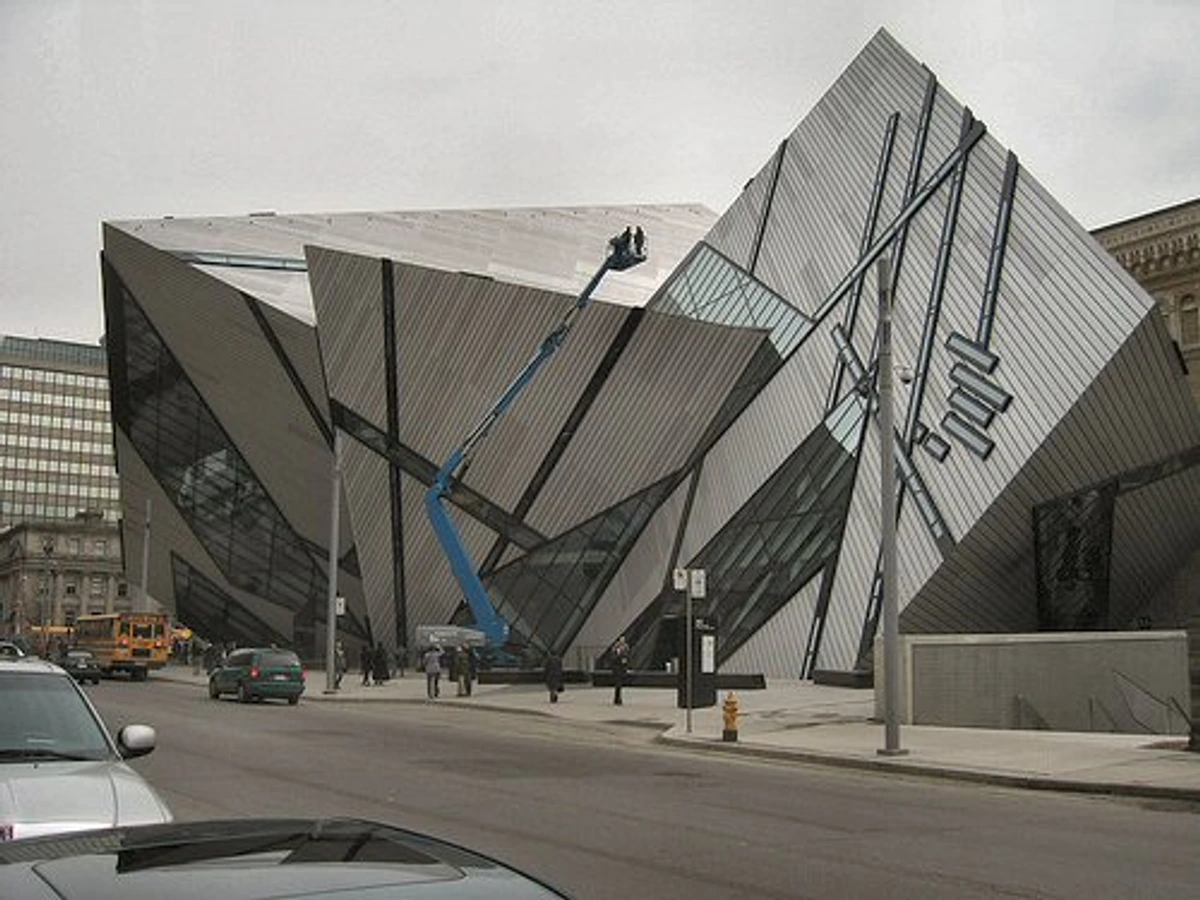
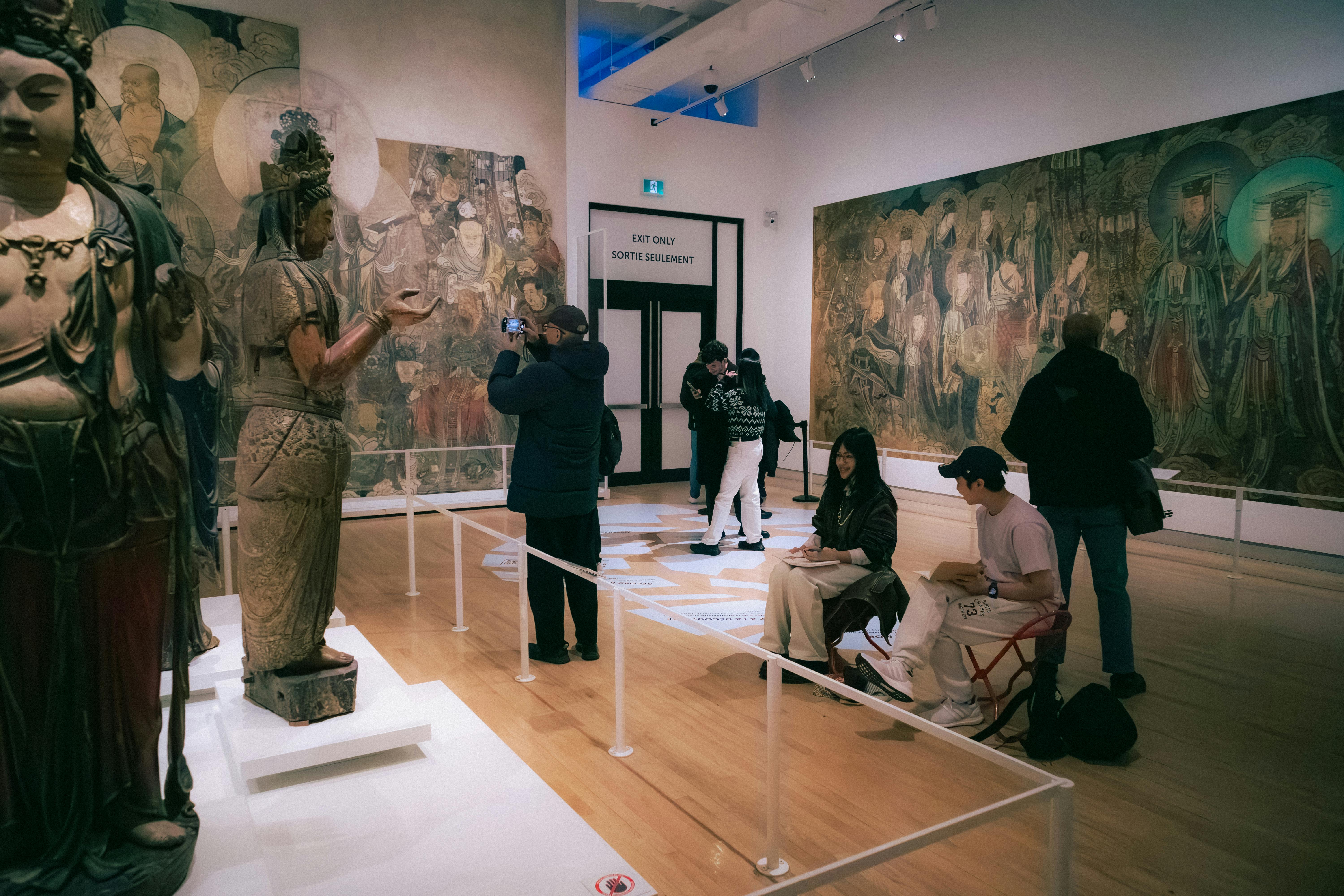
The Royal Ontario Museum in Toronto is, quite simply, an institution of epic proportions. It's not just an art museum; it's Canada's largest museum of art, culture, and natural history, making it a truly encyclopedic experience. You can go from contemplating ancient Egyptian mummies to marveling at intricate Chinese temple art, then suddenly find yourself face-to-face with a dinosaur skeleton, all under one roof. The building itself is a fascinating blend of old and new, with the original stately architecture dramatically juxtaposed by the controversial but undeniably striking "Michael Lee-Chin Crystal" addition by Daniel Libeskind, which juts out in a series of angular, deconstructivist forms.
- My "Don't You Dare Miss This" List: The dinosaur exhibits are genuinely world-class and thrilling for all ages. For art lovers, the extensive collections of Asian art, particularly Chinese and Korean, are breathtaking. And don't miss the First Peoples gallery, which offers profound insights into Indigenous cultures.
- The Vibe: Vast, educational, and constantly surprising. It’s where curiosity knows no bounds.
- Practical Tidbit: It's enormous. Plan your visit with a focus on a few key galleries, or you'll quickly experience "museum fatigue." Check their website for special exhibitions, as they often host significant international shows.
Canadian Museum for Human Rights (CMHR), Winnipeg
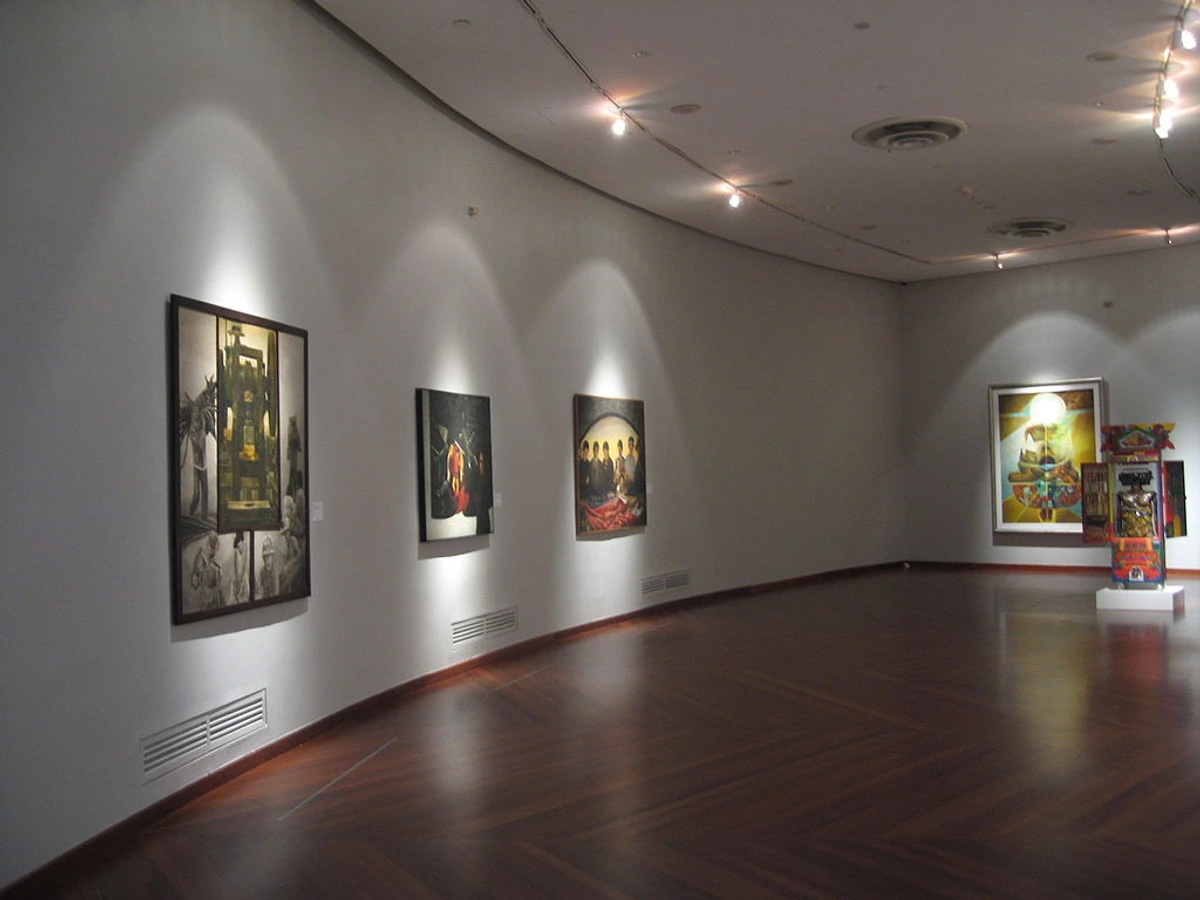
A truly unique institution on this list, the Canadian Museum for Human Rights in Winnipeg is not your traditional art museum, yet it is one of the most artistically conceived and emotionally powerful buildings in the country. Its architecture, designed by Antoine Predock, is a staggering, symbolic masterpiece, guiding visitors on a journey from darkness to light through winding ramps and luminous spaces. While not focused on traditional art, the museum uses immersive exhibits, powerful narratives, and artistic installations to explore human rights issues, both globally and within Canada. It's a place that challenges, educates, and inspires, often prompting deep introspection.
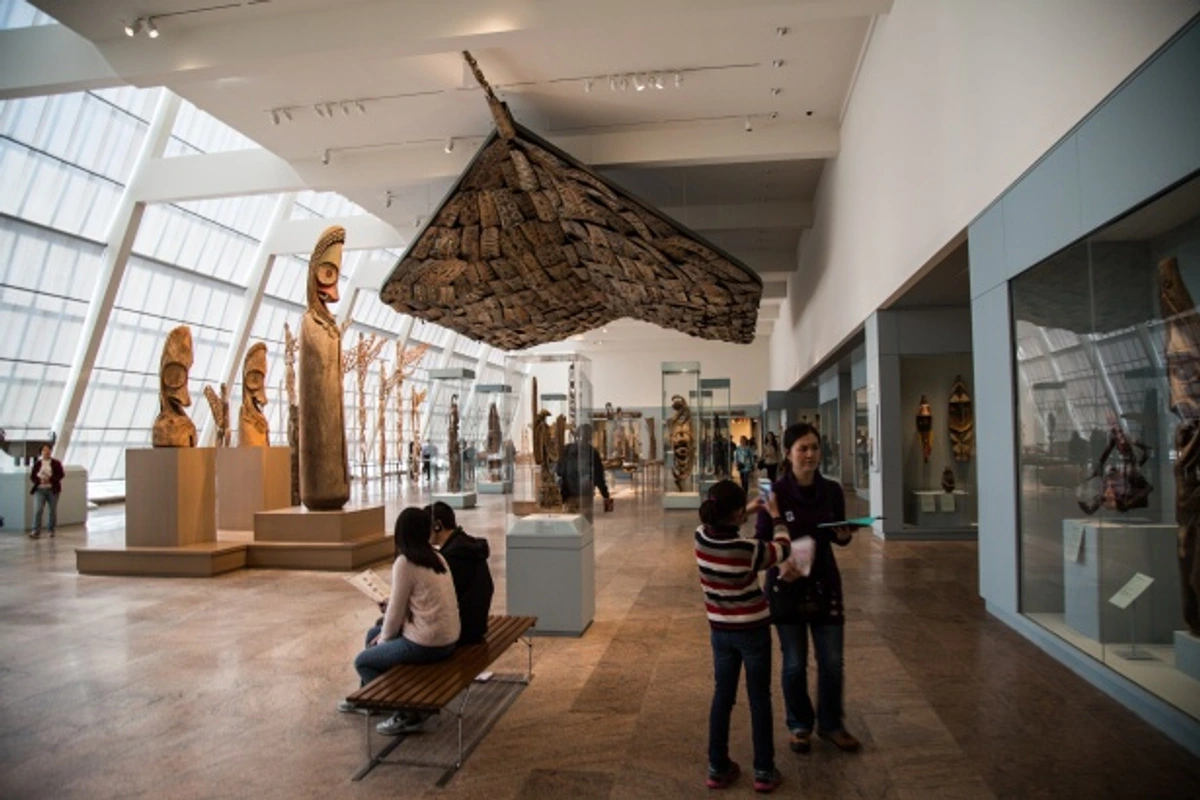
- My "Don't You Dare Miss This" List: The Garden of Contemplation, a serene space for reflection, is a must-experience. The winding, alabaster-clad ramps that ascend through the building are an architectural marvel in themselves. And the Indigenous Perspectives gallery offers vital insights.
- The Vibe: Moving, thought-provoking, and deeply immersive. It’s an experience that transcends a typical museum visit.
- Practical Tidbit: Be prepared for an emotional journey. This isn't a lighthearted visit, but an incredibly rewarding one. Give yourself ample time to absorb the stories and reflect.
Vancouver Art Gallery (VAG), Vancouver
The Vancouver Art Gallery, housed in a magnificent neoclassical former courthouse in the heart of downtown, is the leading visual arts institution in Western Canada. It holds a particular significance for anyone interested in West Coast art, boasting the largest collection of works by the iconic British Columbia artist Emily Carr. Her powerful, spiritual landscapes and portrayals of Indigenous villages are a cornerstone of Canadian art. Beyond Carr, the VAG has a strong emphasis on historical and contemporary art from British Columbia and international photography. It's a vibrant hub that reflects Vancouver's dynamic artistic community and its connection to the Pacific Rim.
- My "Don't You Dare Miss This" List: The Emily Carr collection is unparalleled and a profound experience in understanding the spirit of the West Coast. Also, keep an eye out for their photography exhibitions, which are often cutting-edge and thought-provoking.
- The Vibe: Elegant and accessible, with a strong regional focus that also embraces international dialogues. It’s a true cultural anchor for Vancouver.
- Practical Tidbit: Its central location makes it easy to combine with other downtown explorations. They often host engaging talks and events, so check their schedule before you go.
Art Gallery of Nova Scotia (AGNS), Halifax
Stepping into the Art Gallery of Nova Scotia in Halifax feels like connecting with the creative heart of the Maritimes. While it features national and international art, its true strength lies in showcasing the rich artistic heritage of Nova Scotia and the Atlantic region. The gallery is probably most famous for its permanent exhibition dedicated to the beloved folk artist Maud Lewis, with her tiny, vibrantly painted house relocated piece-by-piece inside the museum – it's an incredibly intimate and moving experience. Beyond Lewis, you'll find a strong emphasis on contemporary Atlantic Canadian artists, historical works, and a growing collection of Indigenous art from the region.
- My "Don't You Dare Miss This" List: Maud Lewis's Painted House is an absolute, non-negotiable must-see. It's charming, poignant, and truly unique. Also, explore the contemporary Indigenous art for powerful local voices.
- The Vibe: Approachable, intimate, and deeply connected to its regional identity. It's a place where you can feel the pulse of East Coast creativity.
- Practical Tidbit: It's located right on the waterfront, making it an easy addition to a day exploring downtown Halifax and the boardwalk.
Musée national des beaux-arts du Québec (MNBAQ), Quebec City
Nestled within the historic Plains of Abraham, the Musée national des beaux-arts du Québec (MNBAQ) is a jewel of Quebec City, dedicated to promoting and preserving Quebec art from all periods. It's a fascinating complex of four pavilions, including a stunning modernist building, a former prison, and a majestic church, all connected by underground passages. This architectural diversity mirrors the rich history of Quebec art itself, from religious and colonial works to the radical Automatistes of the mid-20th century, and a vibrant contemporary scene. If you want to understand the unique cultural identity of Quebec through its visual arts, this is the place.
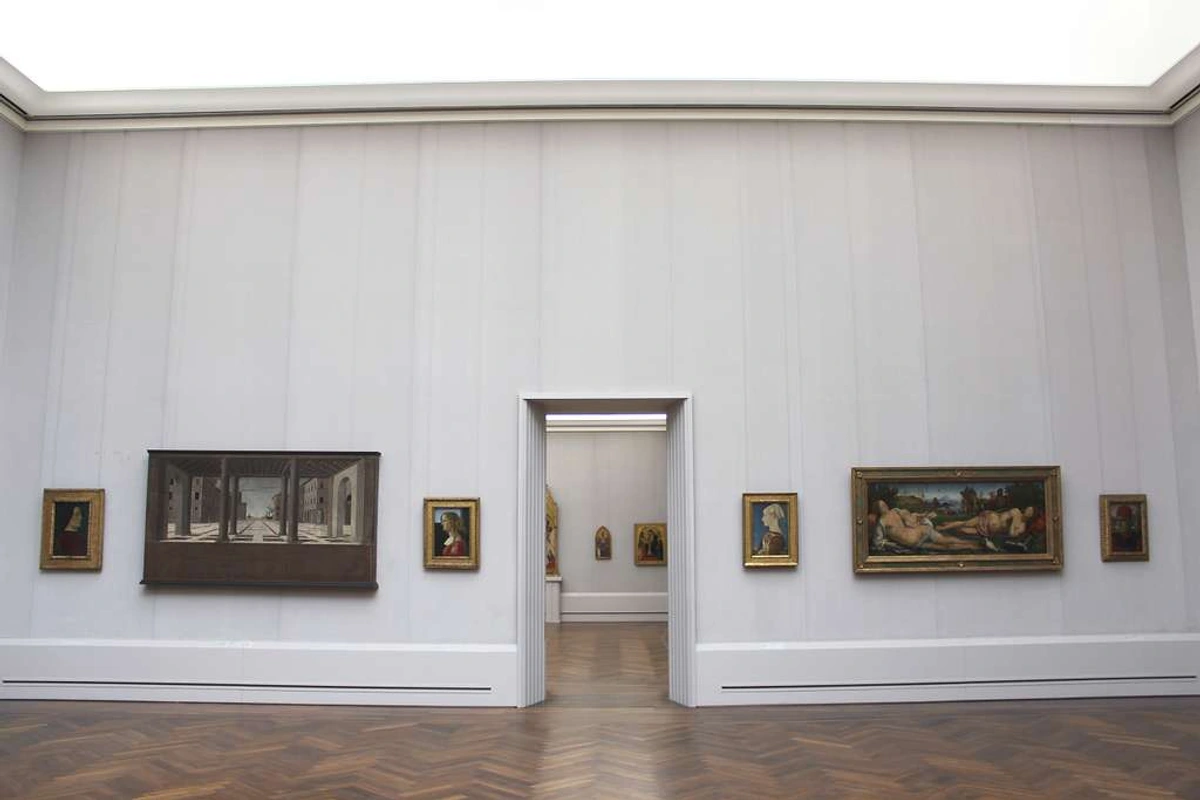
- My "Don't You Dare Miss This" List: Explore the collections of the Automatistes, a group of Quebec artists who embraced automatism and abstraction, offering a powerful contrast to other Canadian art movements. The impressive collection of Inuit art is also a highlight.
- The Vibe: Culturally rich, historically significant, and architecturally compelling. It’s a deep dive into Quebec's distinct artistic voice.
- Practical Tidbit: The pavilions are spread out, so allocate enough time to explore each one. The setting within the Plains of Abraham also allows for a lovely walk before or after your visit.
Art Gallery of Alberta (AGA), Edmonton
The Art Gallery of Alberta in Edmonton stands as a striking architectural landmark in the city's Arts District. Designed by Randall Stout, its shimmering, curvilinear stainless steel and glass exterior is an artwork in itself, evoking the aurora borealis and the flow of the North Saskatchewan River. Inside, the AGA is dedicated to the visual arts, with a particular focus on art from Alberta and Western Canada, alongside national and international exhibitions. It's a dynamic space that fosters artistic dialogue and presents a diverse range of artistic practices, from historical paintings to contemporary installations.
- My "Don't You Dare Miss This" List: Pay close attention to the contemporary Alberta art; it's a window into the province's unique perspectives and creative energy. The building's interior, with its dramatic curves and natural light, is also a constant source of visual interest.
- The Vibe: Modern, ambitious, and deeply engaged with both local and global art scenes. It’s a cultural beacon in the heart of the prairies.
- Practical Tidbit: Take some time to simply appreciate the building's architecture from both inside and out. It's a photographer's dream.
More Than Just Paintings: Diverse Collections Across Canada
When we think of art museums, our minds often jump straight to paintings. And while canvases certainly make up a significant portion of many collections, Canadian museums, both large and small, offer a much broader spectrum of artistic expression. From ancient artifacts to cutting-edge digital installations, the diversity of mediums on display is truly astounding.
The Power of Sculpture
Sculpture, with its three-dimensional form and tangible presence, offers a unique interaction with art. Many Canadian museums house impressive sculptural collections, from classical busts to monumental contemporary installations. These works engage with space, light, and perspective in ways a flat canvas cannot, inviting you to walk around them, observe them from different angles, and experience their physical presence.
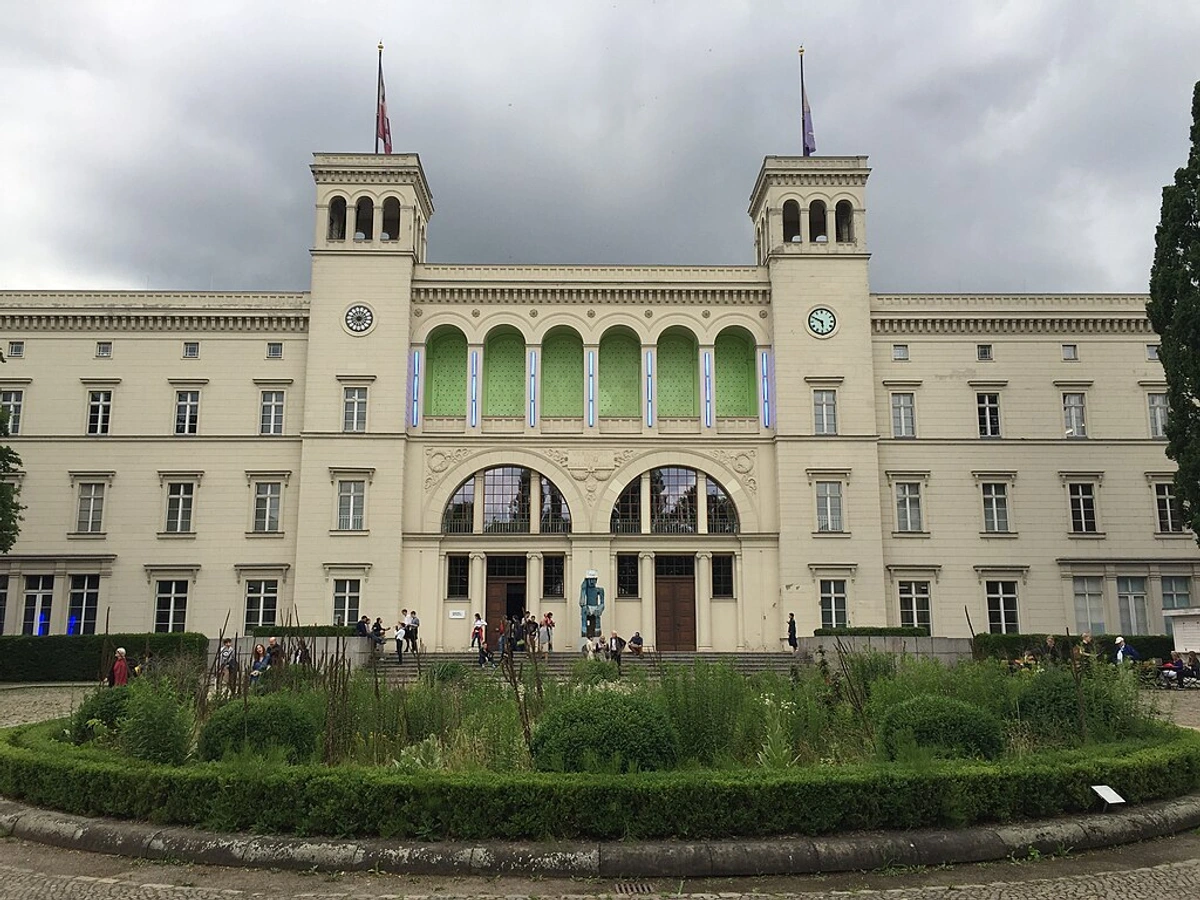
Consider iconic pieces like Rodin's The Thinker, which, even in reproduction, conveys immense intellectual and emotional weight. Seeing such works in person allows you to appreciate the artist's mastery of form, material, and expression. Similarly, the Henry Moore Sculpture Centre at the AGO, with its beautifully integrated pieces, demonstrates how sculpture can shape and be shaped by its architectural environment.
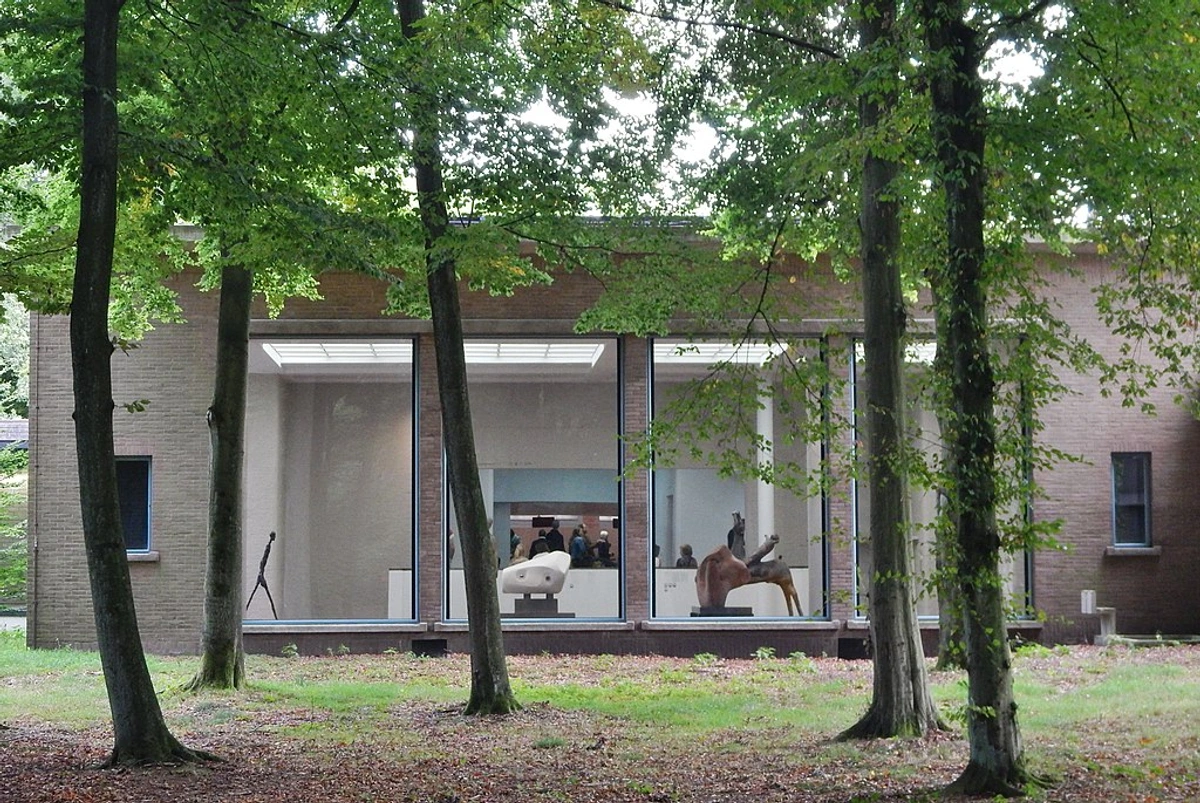
Capturing Moments: Photography and Digital Art
Photography has a relatively short but incredibly impactful history in art, and Canadian galleries are increasingly dedicating significant space to this medium. From early photographic processes documenting the landscape and people, to contemporary conceptual photography and digital art, these collections offer crucial insights into evolving visual cultures. Digital art, in particular, pushes boundaries, often creating immersive, interactive experiences that challenge traditional notions of what art can be.
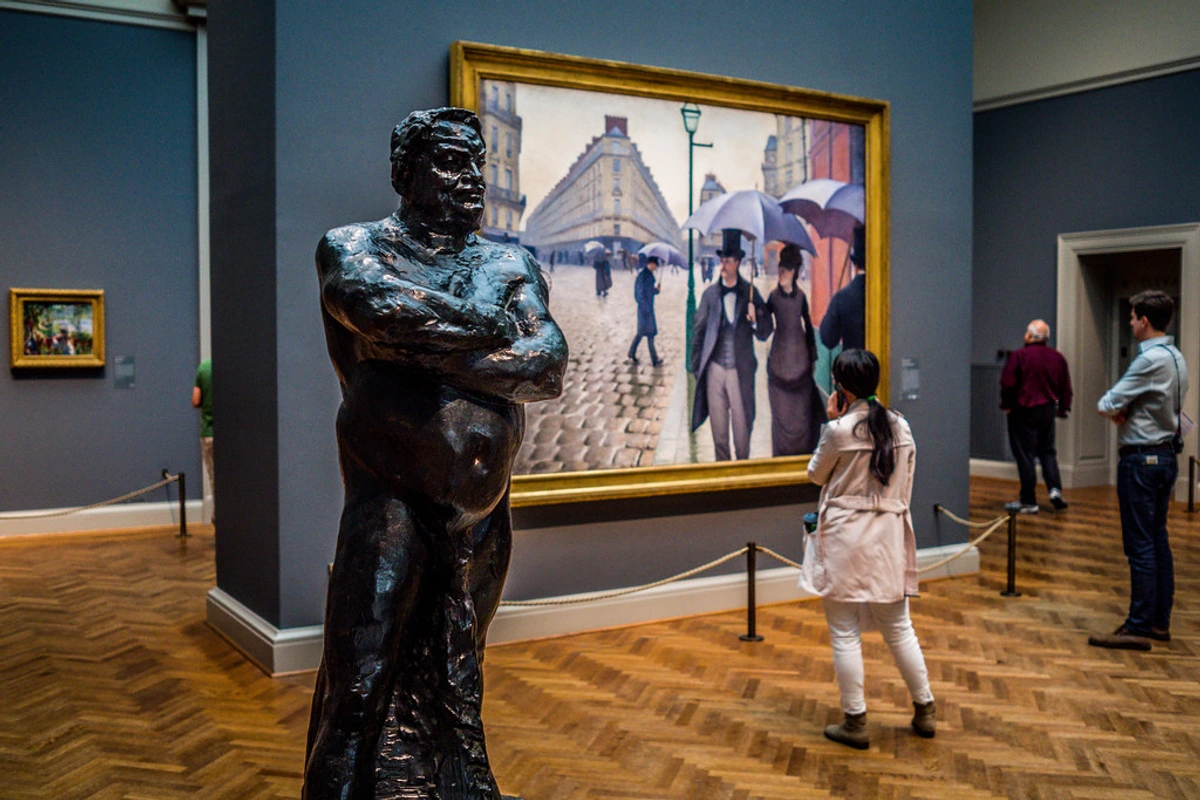
Exploring a dedicated photography exhibit, like those often found at the VAG or the AGO's photography center, can be a revelation, showing how a single frame can tell an entire story or encapsulate a complex emotion. The way light and shadow play in a photograph, or the dynamic interaction in a digital installation, can be just as profound as any painted masterpiece.
The Art of the Everyday: Decorative Arts and Indigenous Craft
Beyond the fine arts, many museums, especially the MMFA and ROM, have extensive collections of decorative arts and design. This includes everything from historical furniture and textiles to intricate ceramics and contemporary industrial design. These collections remind us that art isn't confined to galleries; it permeates our daily lives, influencing the objects we use and the spaces we inhabit.
Perhaps even more foundational to Canadian culture are the incredible traditions of Indigenous craft. From intricate beadwork and quillwork to stunning basketry, weaving, and carving, these art forms are rich in cultural significance, storytelling, and exceptional skill. They are not merely "crafts" but sophisticated artistic expressions that embody generations of knowledge and aesthetic principles, often with deep spiritual meaning. Seeking out these collections is a vital part of understanding Canada's artistic heritage.
The Evolution of Canadian Art: A Broader Stroke
We’ve touched on the Group of Seven and the foundational importance of Indigenous art, but the story of Canadian art is a winding river with many tributaries, reflecting centuries of diverse influences and unique local developments. Understanding this broader narrative enriches any museum visit.
From Colonial Roots to Modern Voices
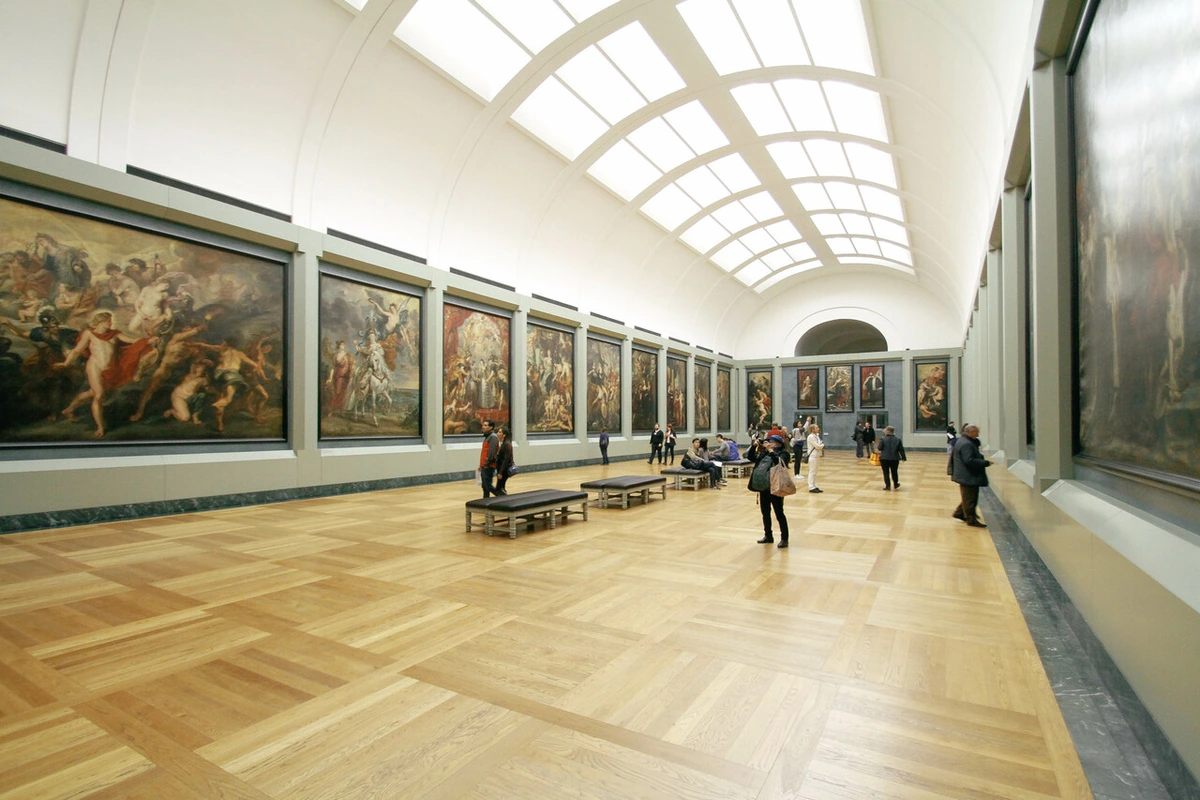
Early Canadian art was heavily influenced by European traditions, often depicting the colonial experience, portraiture, and nascent landscape painting. Artists were typically trained abroad or by European émigrés, bringing established styles to a new, vast, and often challenging environment. As the country grew, so too did its artistic self-awareness. The late 19th and early 20th centuries saw a burgeoning sense of national identity reflected in art, leading to movements like the Group of Seven.
However, modernism arrived in Canada in its own unique ways. In Quebec, for instance, artists like the Automatistes (a mid-20th-century group inspired by surrealism and automatism) pushed boundaries, creating abstract, spontaneous works that were fiercely independent of European or American trends. Across the country, post-war art saw a rise in abstract expressionism, conceptual art, and diverse contemporary practices that engaged with everything from national identity to global social issues.
Contemporary Indigenous Art: A Living Legacy
While rooted in ancient traditions, contemporary Indigenous art in Canada is a vibrant and powerful force. Artists are reclaiming narratives, experimenting with new mediums, and addressing pressing social and political issues through their work. This isn't just a continuation of tradition; it's a dynamic, evolving dialogue that challenges perceptions, celebrates resilience, and offers profound insights into diverse worldviews. You'll find these contemporary works thoughtfully integrated into many major galleries, and increasingly, in dedicated Indigenous art spaces.

This rich tapestry of history, innovation, and diverse voices ensures that a trip to a Canadian art museum is never just about looking at old paintings; it’s about engaging with a continuous, living story.
Planning Your Art-Fueled Canadian Trip: Beyond the Compass Points
It’s a big country, so you’ll likely focus on one or two cities at a time. But beyond just picking a destination, there are always a few pro tips that can elevate your museum experience from good to absolutely unforgettable. Here’s a more in-depth breakdown to help you not just decide where to point your compass, but also how to get the most out of every artistic encounter.
Best Time to Visit & Accessibility
- Avoid Peak Hours: Generally, weekdays (especially Tuesday through Thursday) are less crowded than weekends. Early mornings right after opening or late afternoons before closing can also offer a more serene viewing experience.
- Free Admission Days/Nights: As mentioned with the AGO, many museums offer free admission during specific hours or on certain days. Check each museum's website in advance! This can be a fantastic way to experience world-class art on a budget, though expect larger crowds.
- Accessibility: Canadian museums generally strive for excellent accessibility, with ramps, elevators, and accessible washrooms. Many also offer programs for visitors with diverse needs, including sensory-friendly hours or guided tours for individuals with visual impairments. Always check the individual museum's website for specific details and to arrange any necessary accommodations.
Making the Most of Your Visit: Tours and Resources
- Guided Tours: Don't underestimate the power of a good guided tour! Museum docents are often passionate volunteers with deep knowledge, offering insights you'd never get from just reading labels. Many tours are included with admission and can truly bring the art to life.
- Audio Guides: If you prefer to explore at your own pace, an audio guide can be an excellent companion, providing context and stories for key artworks.
- Museum Apps & Websites: Before you even leave home, check the museum's website or download their app. You can often find floor plans, highlights of the collection, information on current exhibitions, and even pre-purchase tickets to save time. This can help you plan your route and prioritize what you want to see.
- Gift Shops & Cafes: Factor in time for the museum gift shop (often full of unique art-inspired items, books, and prints) and a cafe break. A moment to reflect and refresh is crucial for absorbing all that artistic stimulation.
- Pace Yourself: It's impossible to see everything in a major museum in one go. Decide on your priorities, take breaks, and don't be afraid to skip sections that don't deeply interest you. Remember, quality over quantity!
Museum  | City | Best For... | My Pro Tip |
|---|---|---|---|
| Art Gallery of Ontario (AGO) | Toronto | Group of Seven, Contemporary, African & Oceanic Art, Gehry Architecture | Go on a Wednesday night for free admission. |
| Montreal Museum of Fine Arts (MMFA) | Montreal | Encyclopedic, Decorative Arts & Design, Quebecois Art, World Cultures | Pick two pavilions; don't try to see it all at once. |
| National Gallery of Canada (NGC) | Ottawa | Definitive Canadian Art, Indigenous & Contemporary, European Masters | Don't miss the reconstructed chapel inside; check out Louise Bourgeois' Maman. |
| Canadian Museum of History (CMH) | Gatineau | 20,000 Years of Canadian History, Indigenous Cultures, Grand Hall | Allow a full day; explore the First Peoples Hall in depth. |
| Royal Ontario Museum (ROM) | Toronto | Art, Culture, AND Natural History, Asian Art, Dinosaurs | The modern 'Crystal' entrance is a wild architectural statement; focus on a few key galleries. |
| Canadian Museum for Human Rights (CMHR) | Winnipeg | Thought-Provoking, Immersive Exhibits, Symbolic Architecture | Be prepared for an emotional and introspective journey. |
| Vancouver Art Gallery (VAG) | Vancouver | B.C. Artists (especially Emily Carr), Photography, Pacific Rim Connections | Housed in a beautiful former courthouse downtown; check for contemporary shows. |
| Art Gallery of Nova Scotia (AGNS) | Halifax | Maud Lewis's House, Atlantic Canadian Art, Folk Art | Maud Lewis's house is an absolute must-see for its charm and poignancy. |
| Musée national des beaux-arts du Québec (MNBAQ) | Quebec City | Quebec Art (all periods), Automatistes, Inuit Art, Architectural Blend | Explore the diverse pavilions, especially the contemporary ones. |
| Art Gallery of Alberta (AGA) | Edmonton | Alberta & Western Canadian Art, Modern Architecture, Contemporary Exhibitions | Appreciate the building's striking architecture as an artwork itself. |
Frequently Asked Questions (FAQ)
What is the most famous museum in Canada?
This is highly debatable, as "famous" can mean different things to different people. However, the Royal Ontario Museum (ROM) in Toronto is arguably the most famous and most visited due to its broad appeal across art, culture, and natural history. For fine art specifically, the Art Gallery of Ontario (AGO) and the National Gallery of Canada are top contenders, each holding iconic national collections.
Are museums in Canada free?
Generally, no, most of the major museums charge an admission fee. However, many institutions are making efforts to increase accessibility. Many have free admission hours on a specific day of the week (like the AGO's Wednesday nights) or are free for Indigenous peoples, students, or youth. Always, always check the specific museum's website before you go for the most up-to-date information on admission fees, free days, and special discounts.
Which Canadian city is best for art lovers?
Oh, this could definitely start a passionate debate among Canadian art enthusiasts! Toronto certainly has the highest concentration of major museums and galleries (AGO, ROM, Museum of Contemporary Art MOCA, among others), offering an immense variety. Montreal, however, has a uniquely artsy vibe with the MMFA, a fantastic commercial gallery scene, and incredible street art. Ottawa, as the nation's capital, hosts the national collections, which are indispensable for understanding Canadian art history. Vancouver and Quebec City also offer distinct regional strengths. Honestly, you really can't go wrong, but I have a soft spot for Montreal's creative, bilingual energy and its blend of old and new.
What is a must-see piece of Canadian art?
If you have to pick just one piece or artist, I'd say seeing a painting by Tom Thomson or a member of the Group of Seven, like Lawren Harris's North Shore, Lake Superior or Emily Carr's powerful depictions of BC landscapes. These works are so iconic they've fundamentally shaped how Canadians see their own country and its wild beauty. Seeing one in person is a truly powerful, almost spiritual, experience. Beyond that, a work of contemporary Indigenous art offers a vital, evolving perspective on this land.
What are some unique Canadian art forms or movements to explore?
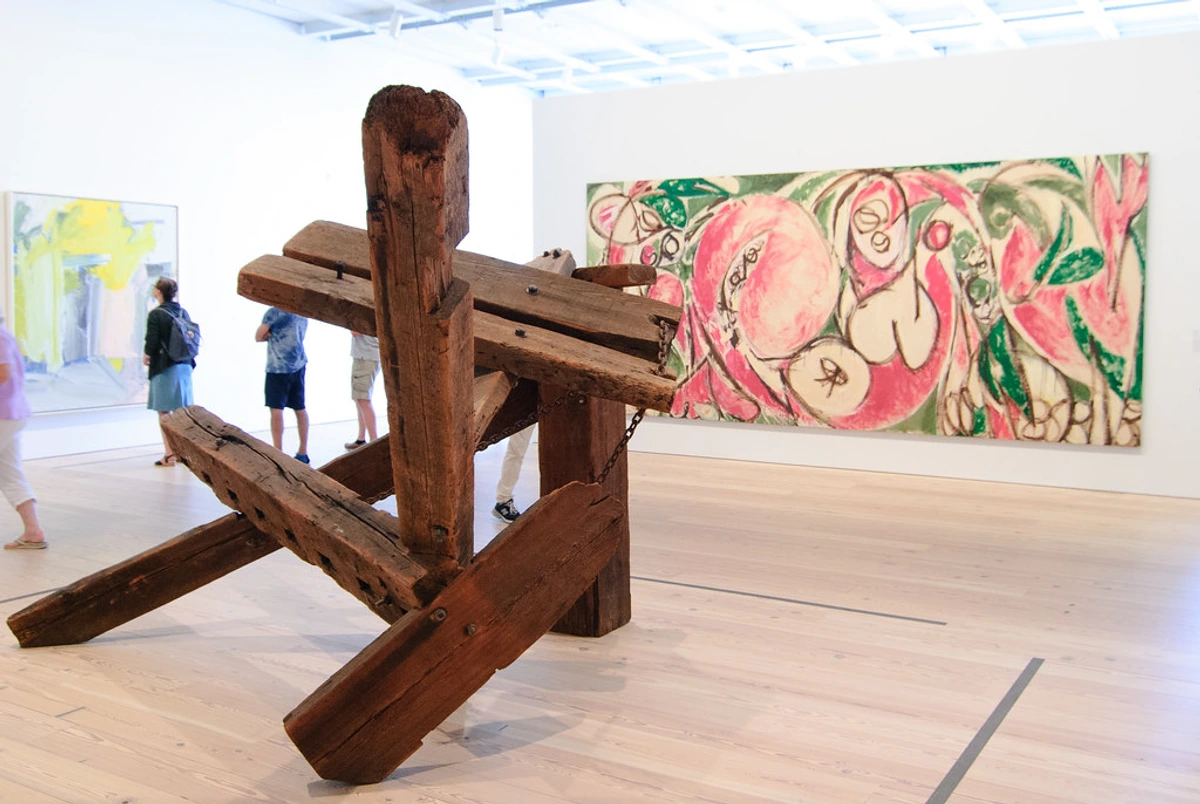
Beyond the Group of Seven, keep an eye out for Inuit art (especially carvings and prints), West Coast Indigenous art (totem poles, masks, cedar carvings), and the Automatistes movement from Quebec. Also, contemporary Canadian artists are constantly pushing boundaries, exploring themes of identity, land, and global issues through diverse mediums.
Are there any museums dedicated specifically to photography or contemporary art?
Yes! While many larger museums have strong photography and contemporary art departments (like the AGO and VAG), Canada also boasts dedicated institutions. The Museum of Contemporary Art Toronto (MOCA) is entirely focused on cutting-Edge contemporary art, while various smaller galleries across the country specialize in photography. Check local listings in major cities for current exhibitions.
How can I support Canadian artists and cultural institutions?
There are many ways! Visiting museums and purchasing tickets directly supports their operations. Becoming a museum member often provides benefits like free entry and special access, while also offering crucial financial support. If you're inspired by what you see, consider buying a print or an original work from Canadian artists, whether directly from a gallery or through online platforms. Even sharing your positive museum experiences on social media helps spread the word!




A Final Thought: Your Canadian Art Odyssey Awaits
In the end, this guide, comprehensive as I've tried to make it, is truly just a starting point. The real magic of exploring Canada's art museums happens when you turn a corner in a quiet gallery and find a piece you've never heard of that speaks directly to your soul, or when an immersive exhibit radically shifts your perspective. Canada is an enormous, diverse place, and it's filled with these quiet, powerful moments waiting to be discovered within its incredible museums, from coast to coast.
So, go find yours. Let yourself wander, be curious, and embrace the unexpected. And maybe, if you're truly inspired by the creativity and stories you encounter, consider bringing a piece of that feeling home by buying a print or an original work from a Canadian artist. It’s how we keep the conversation going, how we support the creators who enrich our lives, and how we make art a vibrant, living part of our own homes and experiences, not just something we visit behind glass. Each visit, each purchase, each shared conversation, helps to weave the next chapter in Canada's rich and ongoing artistic journey.