
Ancient Greek Sculpture Techniques: A Timeless Guide for Modern Artists
Discover the enduring techniques of ancient Greek sculpture and learn how contemporary artists can integrate these methods into their abstract and figurative art.

Ancient Greek Sculpture Techniques: A Timeless Guide for Modern Artists
Ancient Greek sculpture is a testament to the enduring power of art. The techniques developed by Greek sculptors have influenced countless artists across centuries, and their principles continue to resonate in modern art practices. This guide explores the materials, techniques, and philosophies that defined ancient Greek sculpture, offering insights into how modern artists can adapt these methods to their own work.
I remember the first time I stood in front of an ancient Greek sculpture. It was a marble statue of Apollo, and I was struck by how alive it felt—how the artist had captured not just the form, but the essence of movement and emotion. That moment changed how I thought about sculpture, and it’s why I’m so passionate about sharing these techniques with you today.
Sculpture, in its purest form, is a dialogue between the artist and the material. The Greeks understood this better than anyone, and their techniques continue to inspire artists across the globe. Whether you're a seasoned sculptor or a curious beginner, there's something timeless about the way they approached their craft.
Sculpture, in its purest form, is a dialogue between the artist and the material. The Greeks understood this better than anyone, and their techniques continue to inspire artists across the globe. Whether you're a seasoned sculptor or a curious beginner, there's something timeless about the way they approached their craft.
But what makes these techniques so enduring? Why do they still resonate with artists and art lovers today? The answer lies in their ability to transcend time and medium, offering insights into the human form, emotion, and storytelling that remain relevant even in contemporary art practices.
In this guide, we’ll explore the materials, techniques, and philosophies that defined ancient Greek sculpture. We’ll also delve into how modern artists can adapt these methods to their own work, whether they’re working with traditional materials or digital tools. By the end, you’ll have a deeper appreciation for the craftsmanship of the past and practical ideas for incorporating it into your artistic journey.
Introduction
Ancient Greek sculpture is more than just historical artifacts; it’s a testament to human creativity and craftsmanship. From the Archaic period to the Hellenistic era, Greek sculptors developed techniques that have influenced art for centuries. Whether you’re a seasoned artist or just starting out, understanding these methods can add depth and authenticity to your work.
But why should modern artists care about techniques that are thousands of years old? The answer lies in the universality of the principles they mastered—balance, realism, and emotional expression. These are not just relics of the past; they are the foundation of great art, regardless of the era or medium.
Key Concepts
1. Materials and Tools
Greek sculptors primarily used marble and bronze, each offering unique advantages. Marble was favored for its durability and the ability to capture fine details, while bronze allowed for more dynamic poses and expressions.
- Marble: Often sourced from quarries in Paros and Pentelicus, marble was carved using chisels, mallets, and abrasives. The process was labor-intensive but resulted in stunning, lifelike forms.
- Bronze: Sculptors used the lost-wax casting method, where a wax model was coated in clay, heated to remove the wax, and then filled with molten bronze. This technique allowed for intricate details and fluidity.
Additionally, tools like the point chisel, flat chisel, and rasp were essential for achieving the fine details that Greek sculptures are known for. The choice of material often dictated the tools and techniques used, making the sculptor's skill in adapting to these constraints a hallmark of their craft.
2. Techniques
Contrapposto
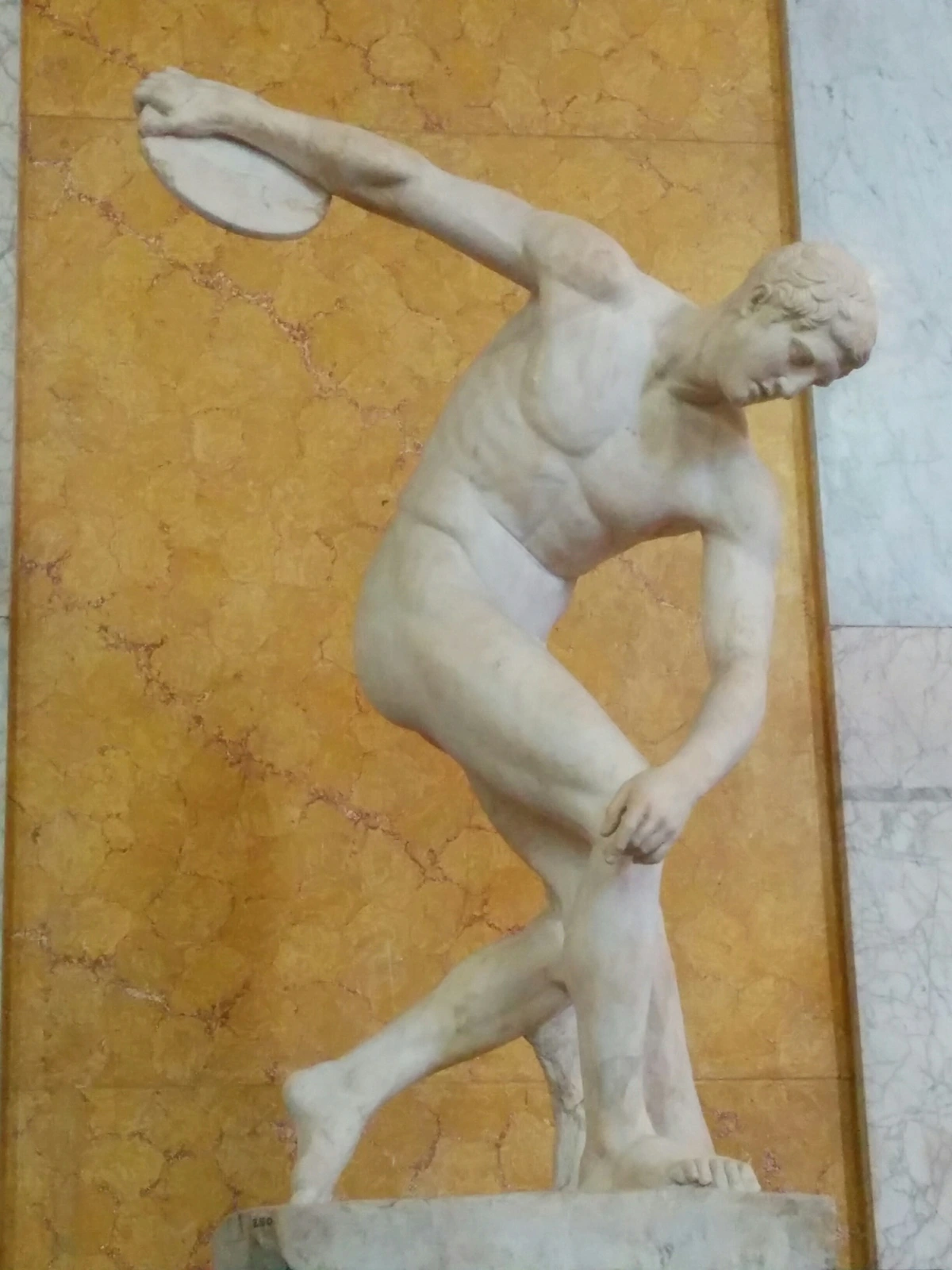
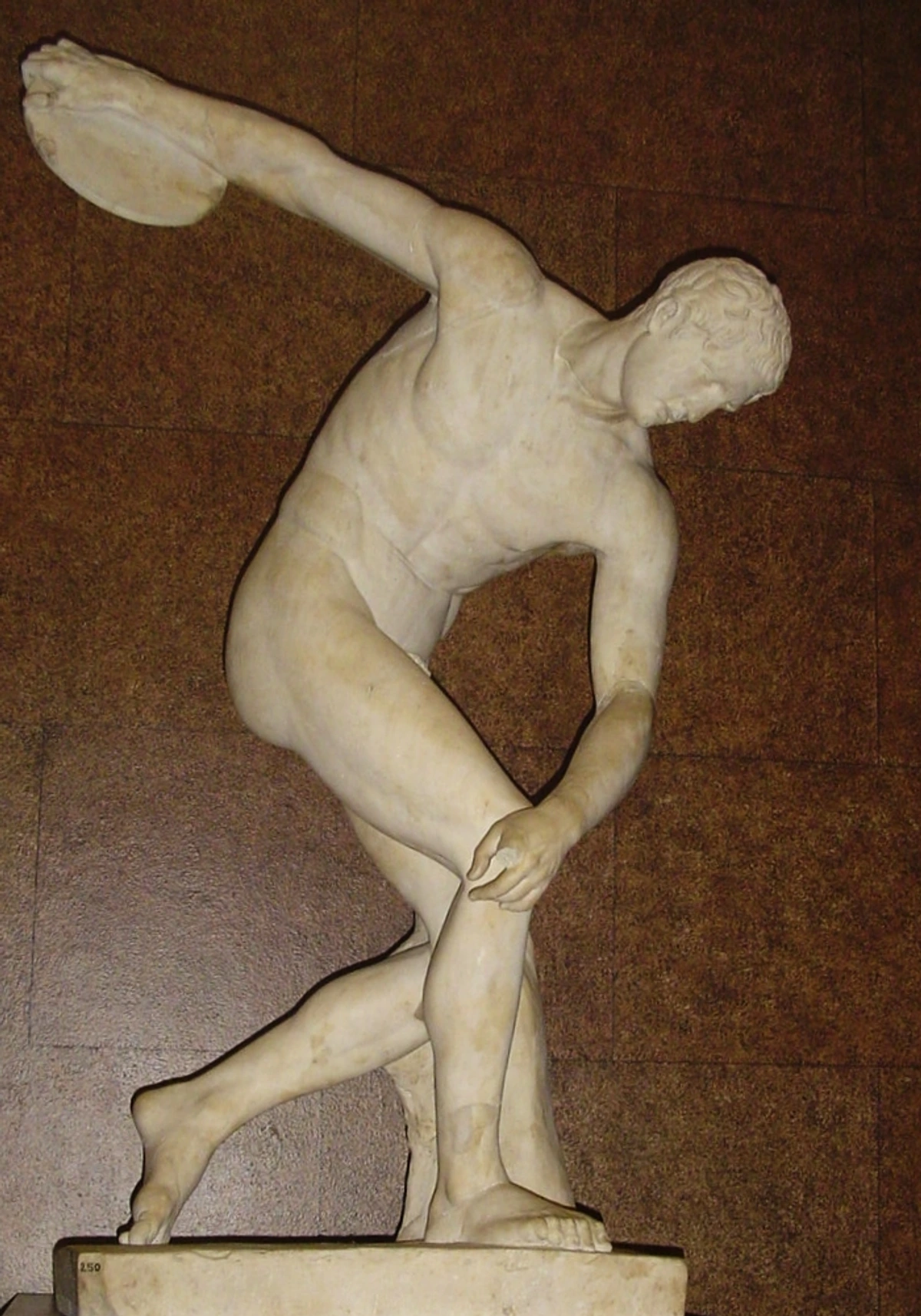
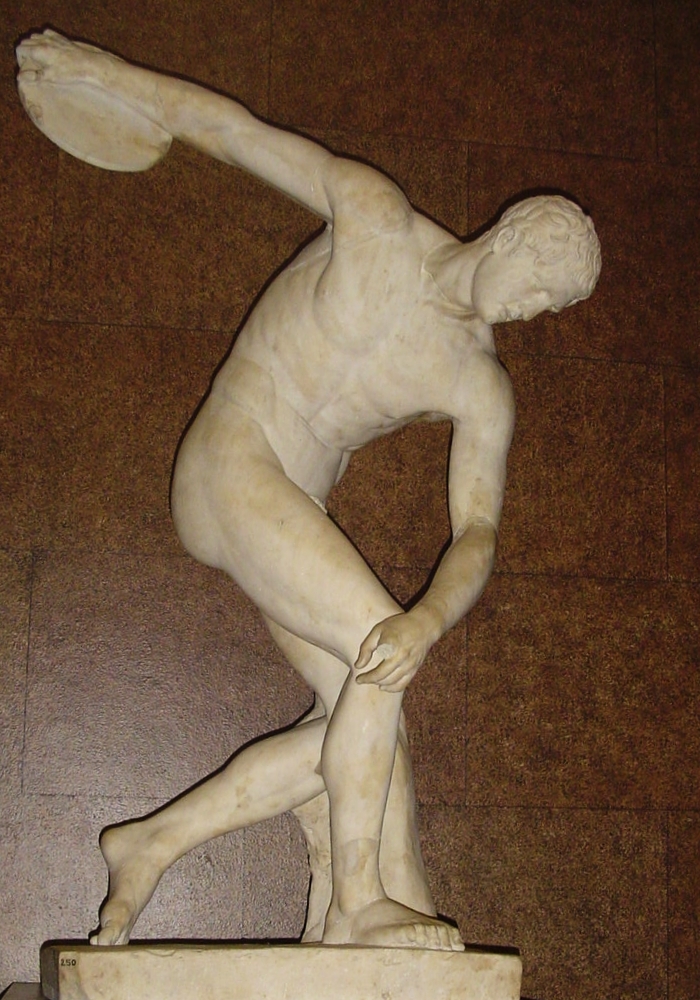
One of the most revolutionary techniques in Greek sculpture is contrapposto, a pose where the weight of the body is shifted onto one leg, creating a naturalistic and dynamic stance. This technique was pioneered by sculptors like Polykleitos and became a hallmark of classical Greek art.
Contrapposto wasn't just about aesthetics; it was a way to convey movement and life. By shifting the weight, the sculptor could create a sense of balance and tension that made the figure appear almost alive. This technique is still used today, not just in sculpture but in painting and digital art as well.
Chiaroscuro
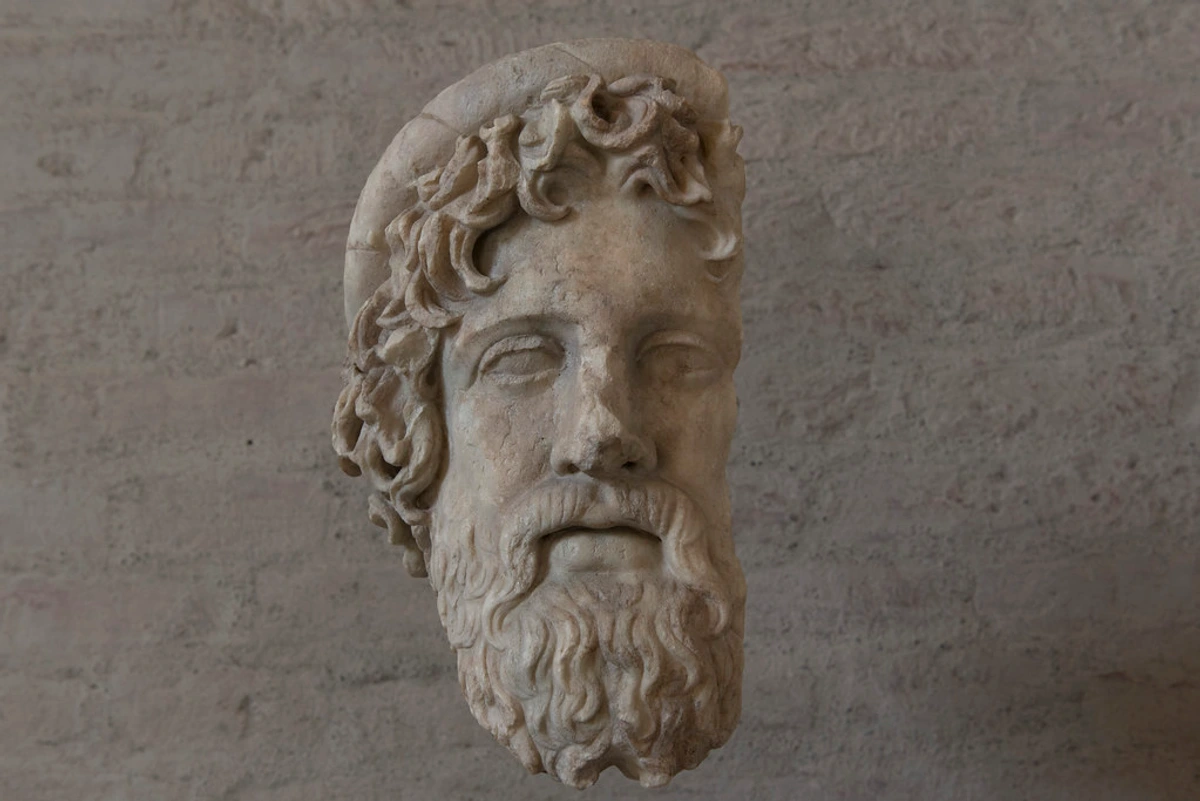
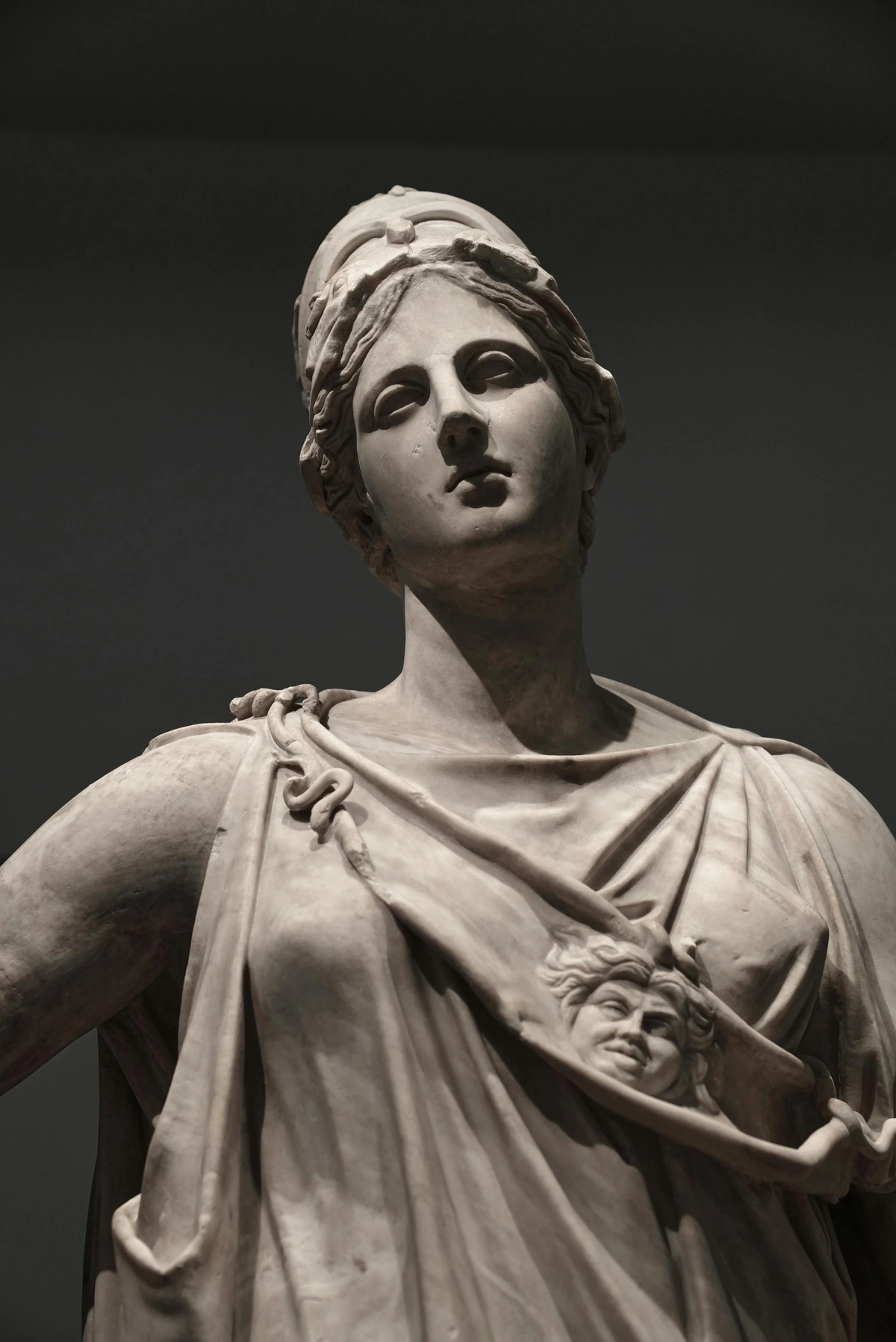
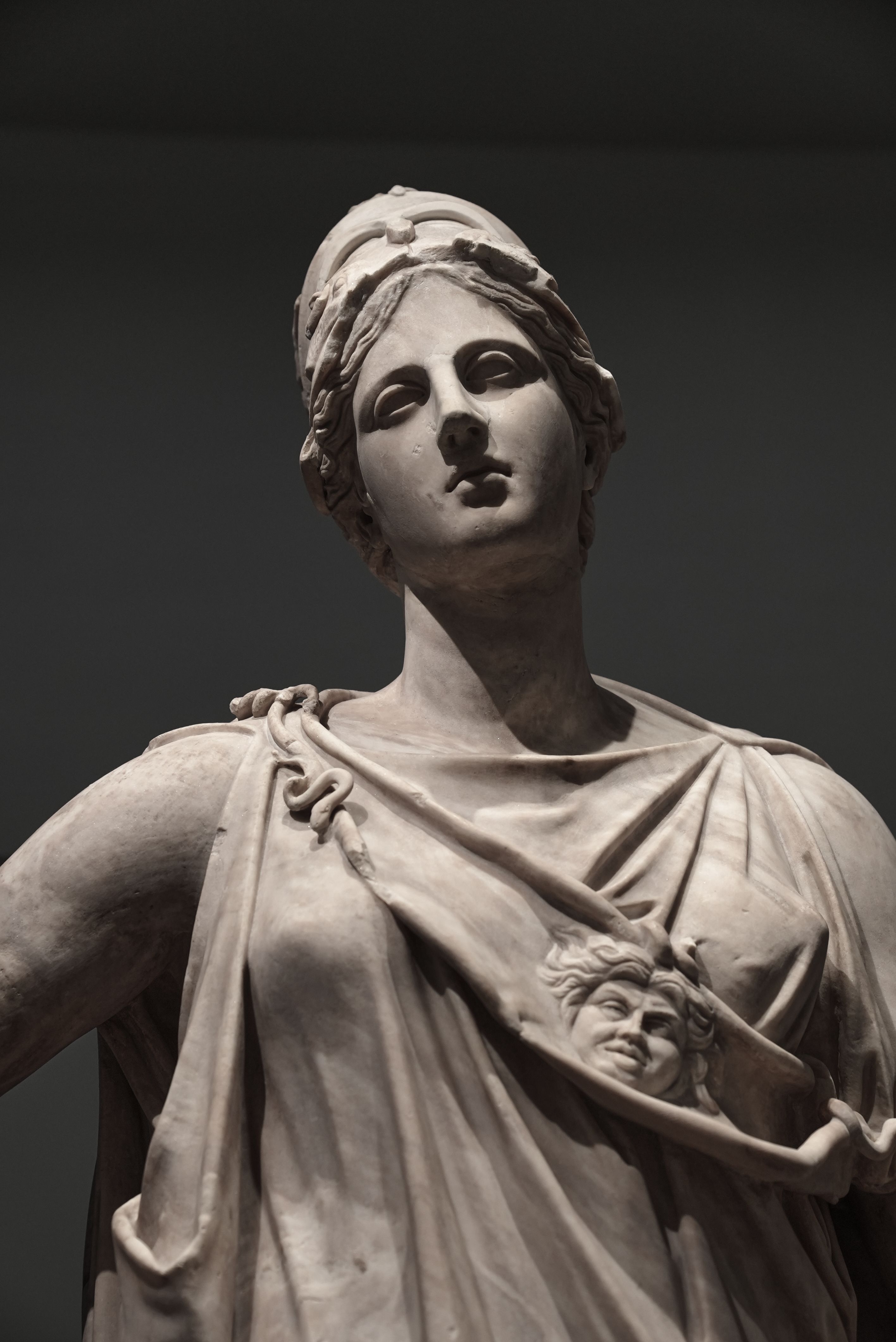
Greek sculptors mastered the use of light and shadow to create depth and realism. By carefully carving the surface of the marble, they could manipulate how light interacted with the sculpture, enhancing its three-dimensional effect.
This technique, known as chiaroscuro, is about more than just visual appeal. It’s about creating an emotional response. The interplay of light and shadow can evoke drama, mystery, and even a sense of the divine. Modern artists can learn from this by experimenting with lighting in their own work, whether it's through physical lighting setups or digital rendering.
Draping and Textures
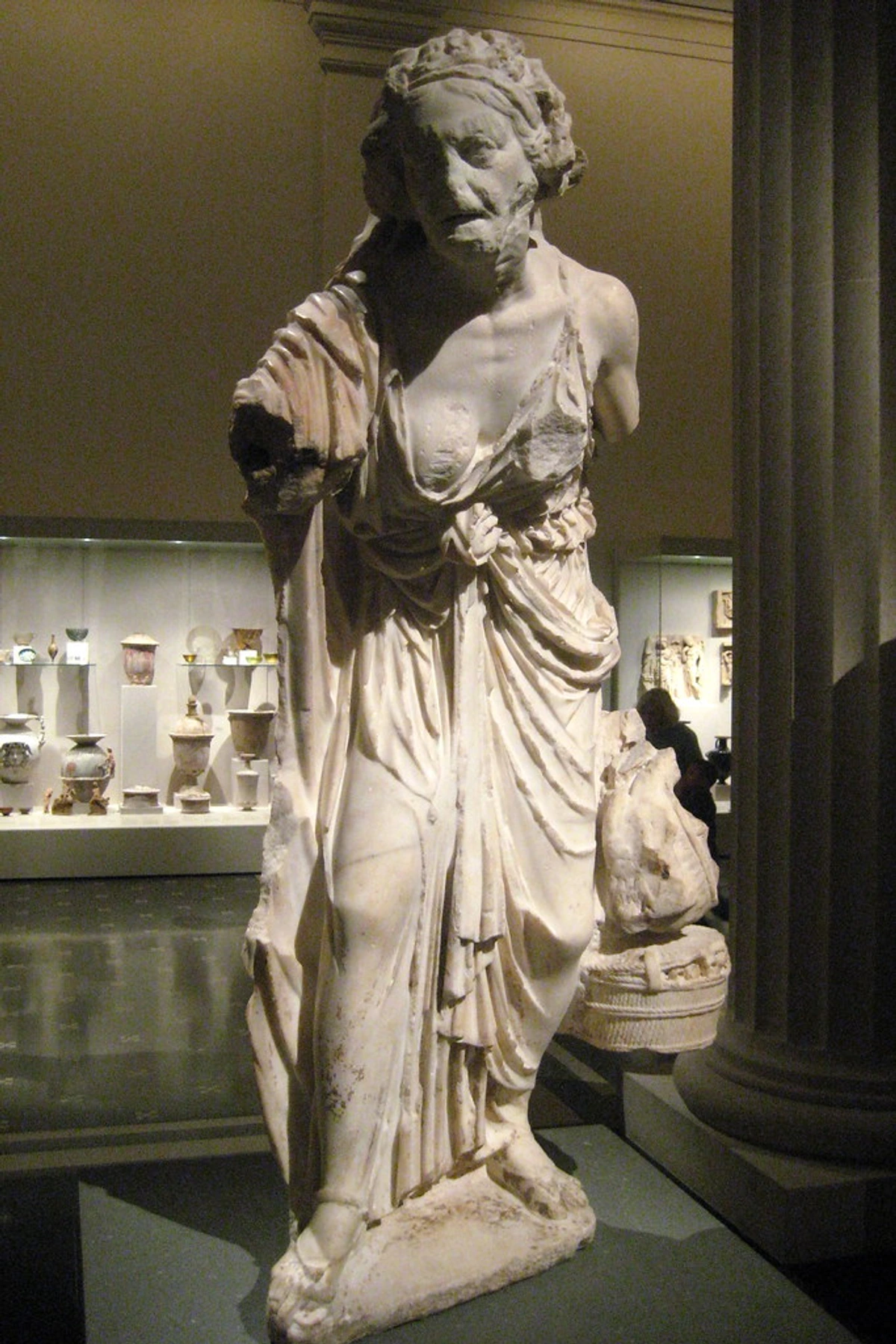
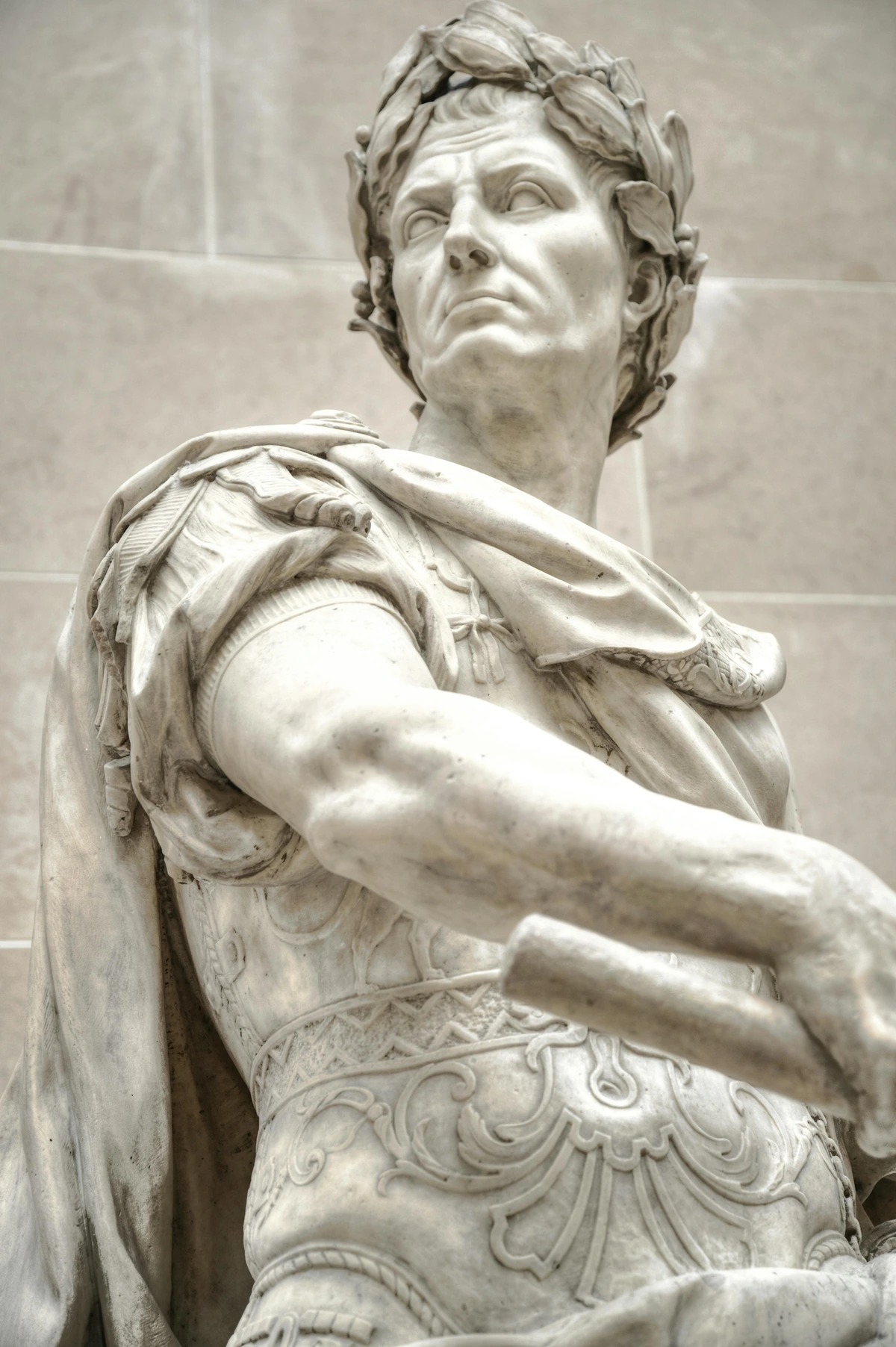
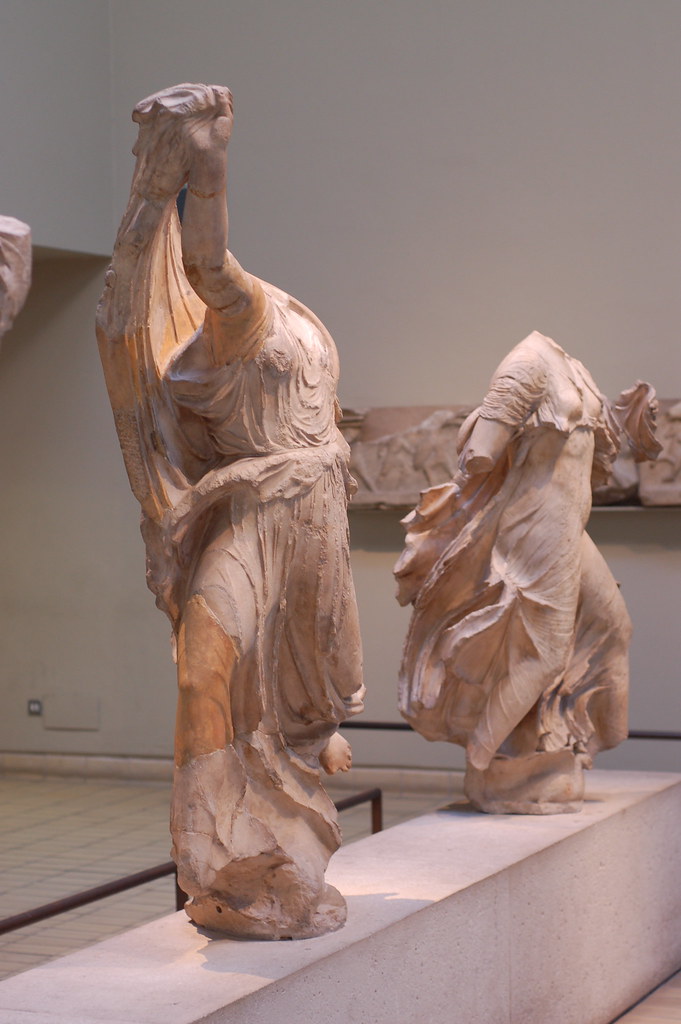
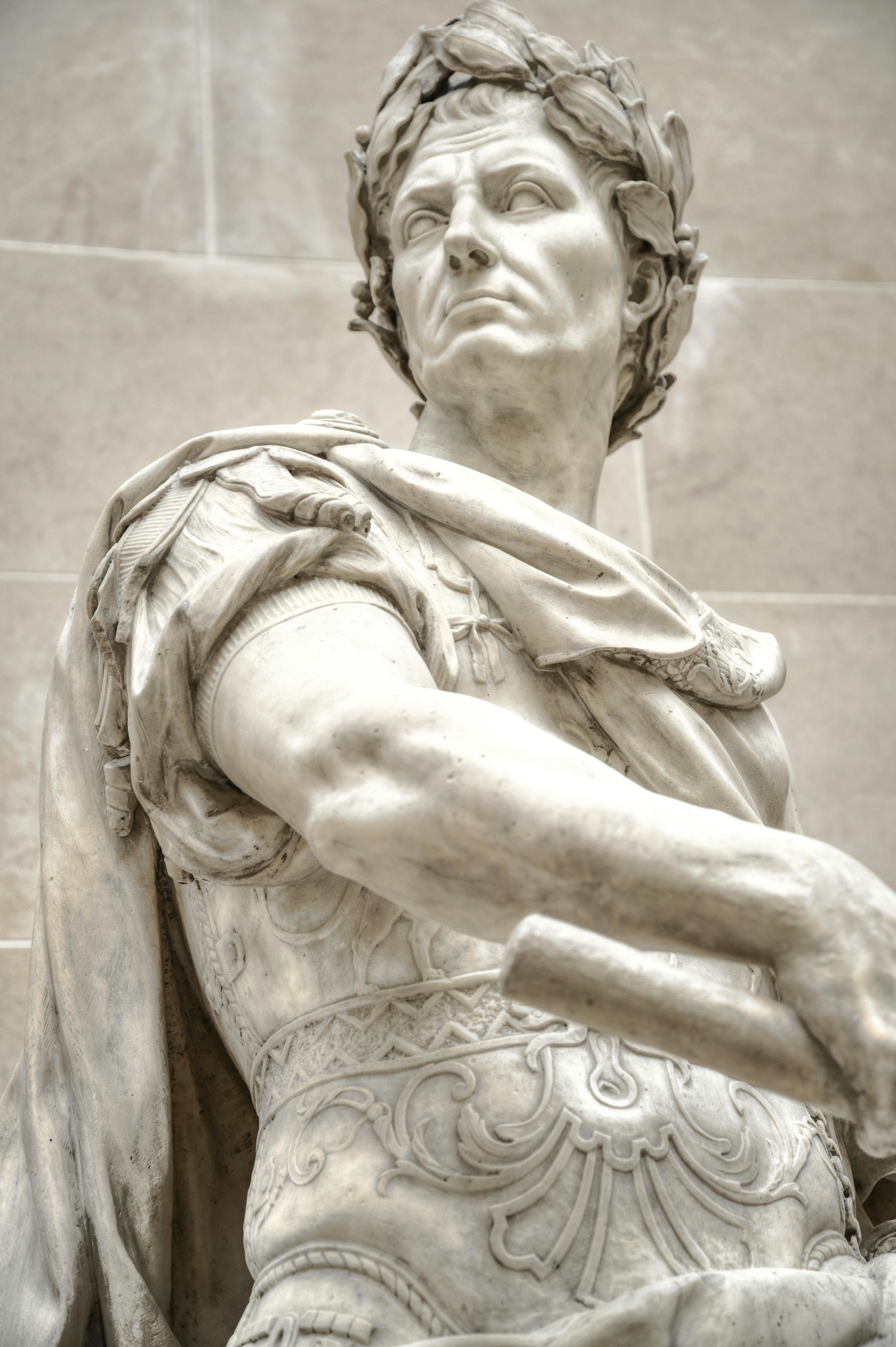
The way fabric was depicted in Greek sculpture is nothing short of remarkable. Sculptors like Phidias and Praxiteles could make marble look like flowing cloth, adding a sense of movement and realism to their works.
Draping wasn't just about realism; it was also a way to convey status and emotion. The folds and textures of fabric could tell a story about the figure—whether they were a god, a hero, or an everyday person. Modern artists can experiment with textures in their own work, using materials like clay, fabric, or even digital brushes to achieve similar effects.

Examples
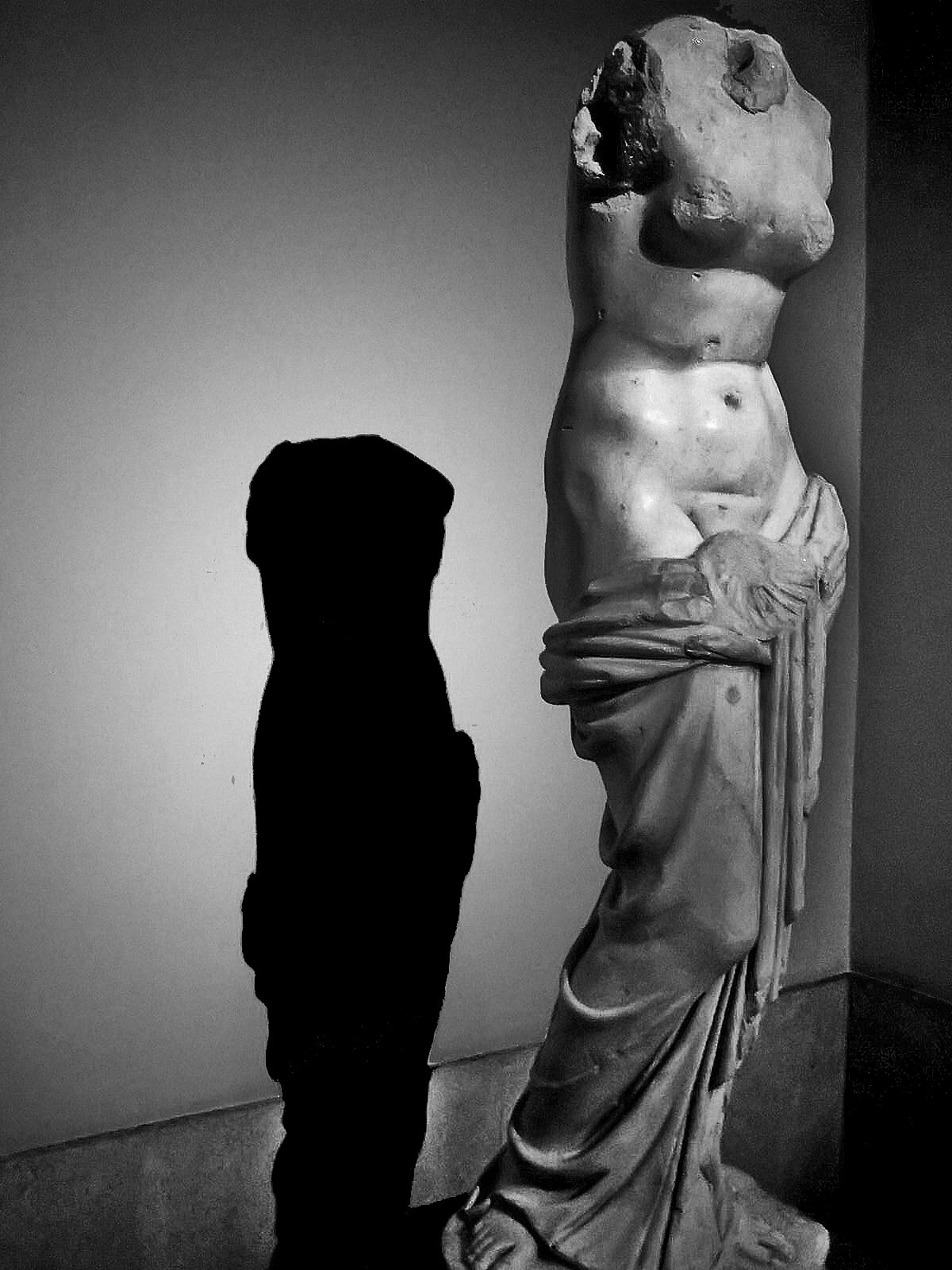
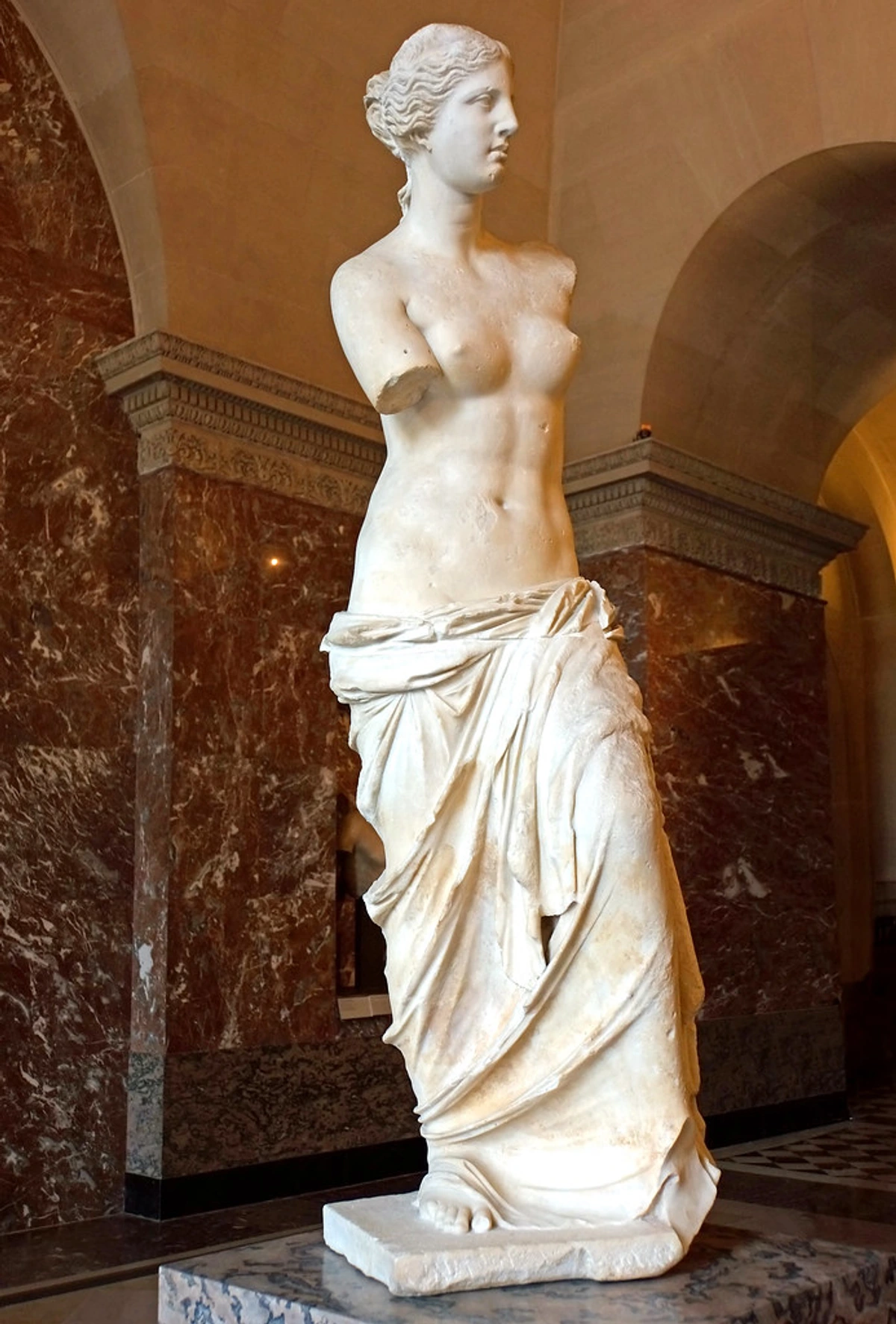
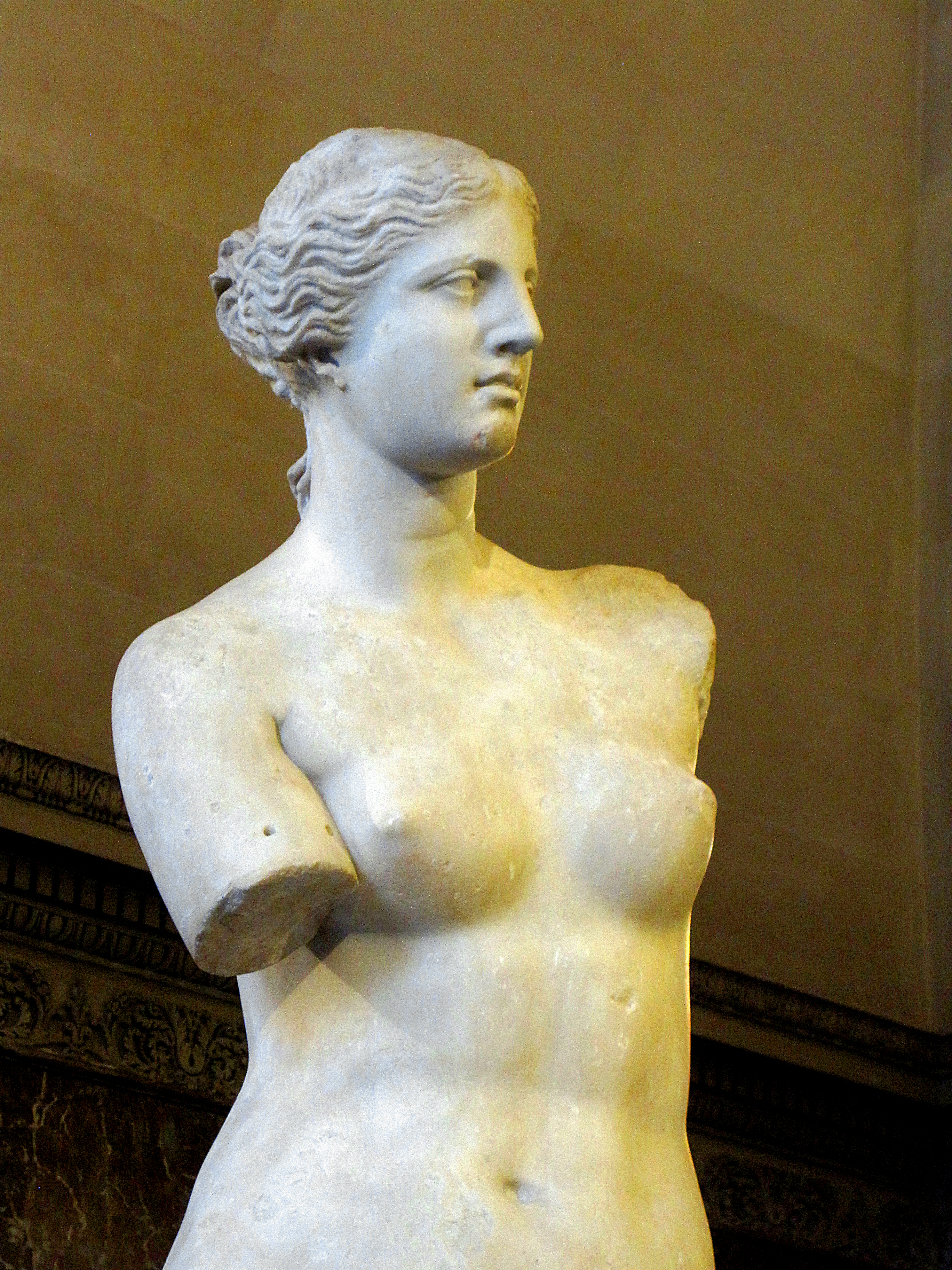
The Venus de Milo
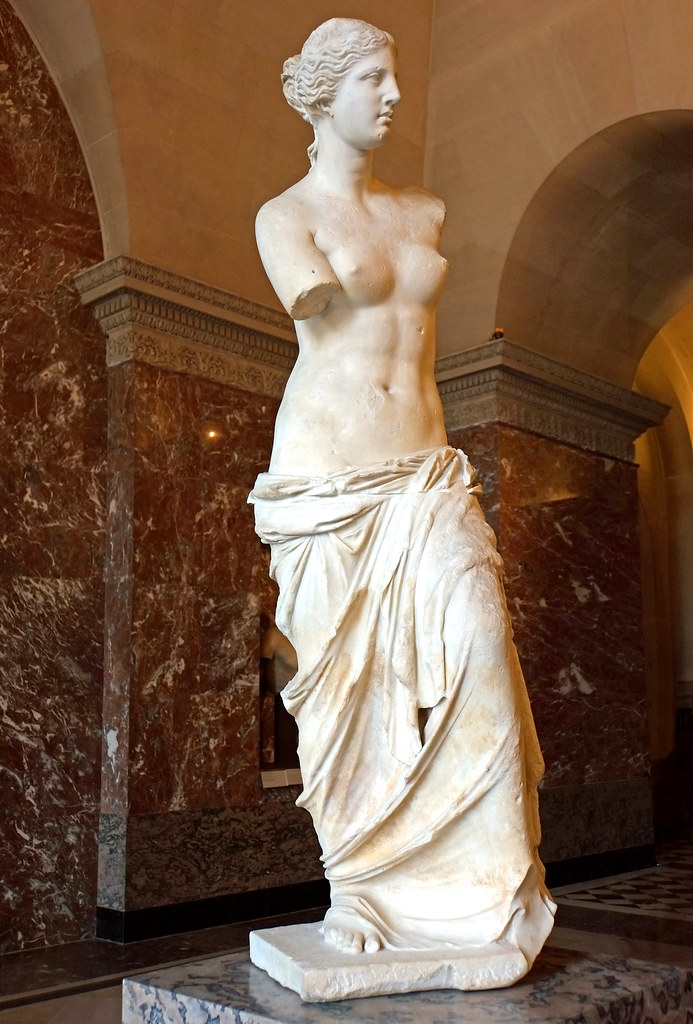
This iconic sculpture from the Hellenistic period showcases the mastery of marble carving. The delicate folds of the drapery and the lifelike pose are testaments to the sculptor’s skill.

The Venus de Milo is more than just a beautiful statue; it’s a symbol of the Hellenistic era’s focus on realism and emotional expression. The missing arms have sparked countless debates and interpretations, adding to its mystique.
credit, licence
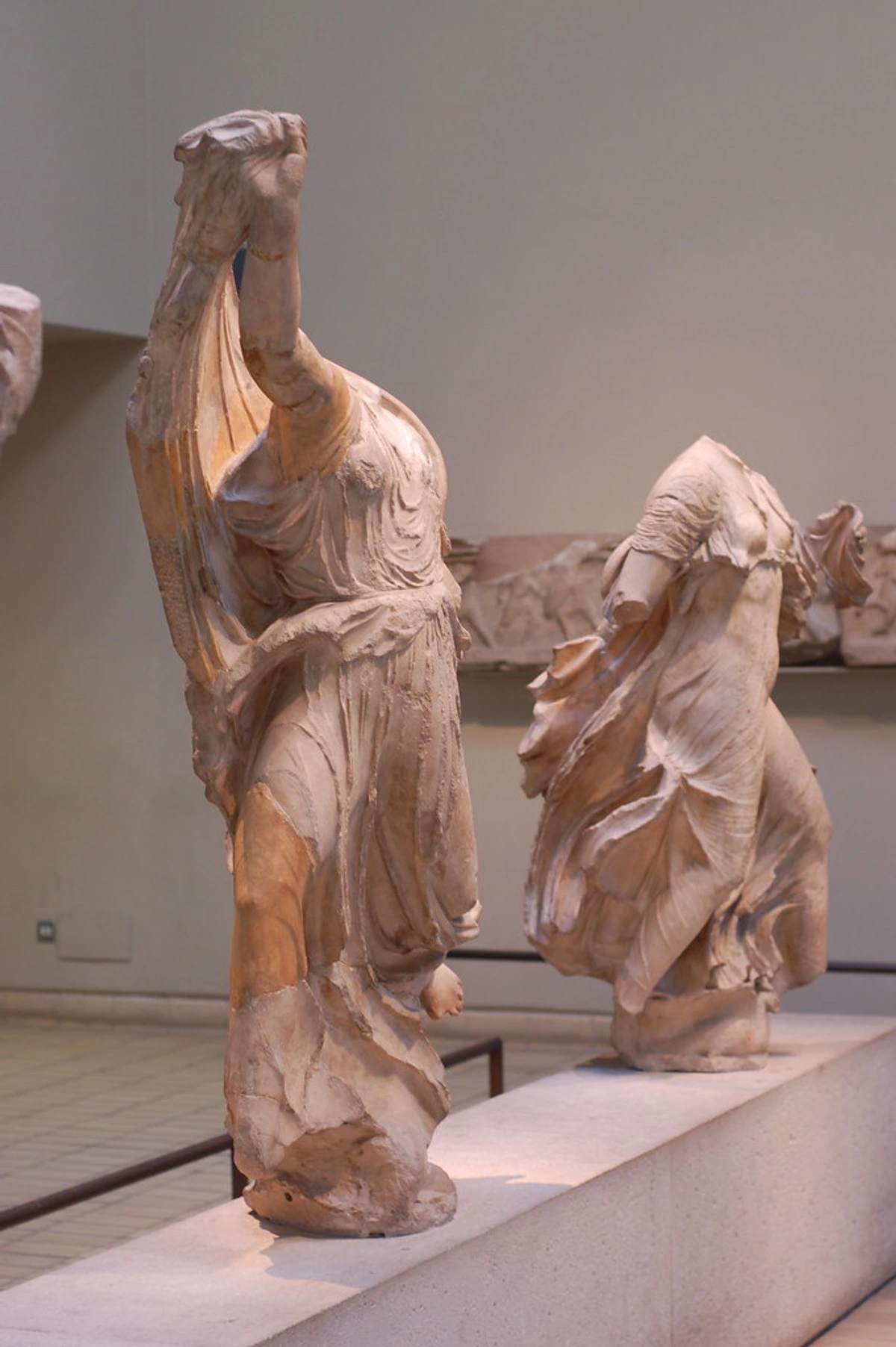
The Dying Gaul
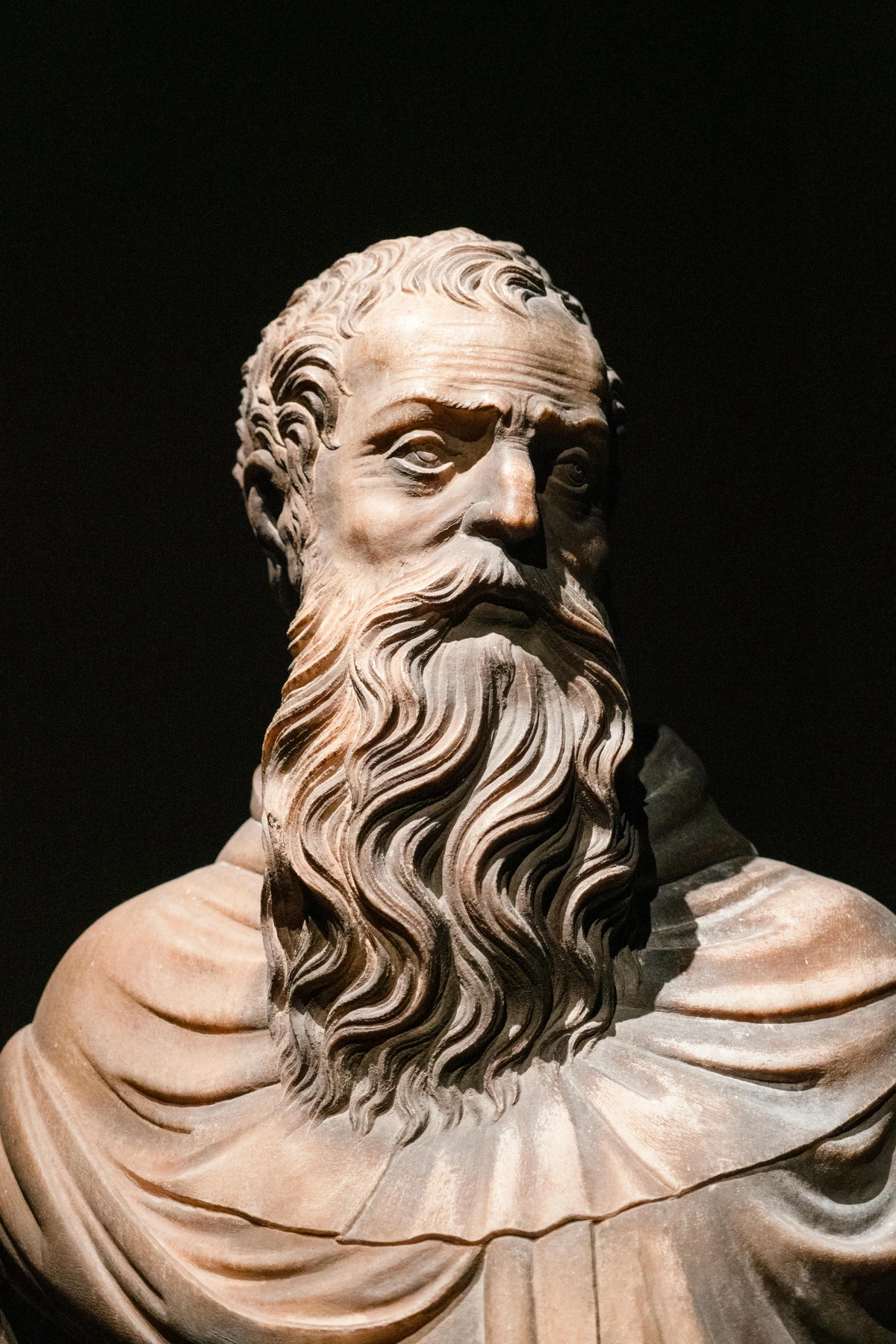
A bronze masterpiece, this sculpture captures the agony and emotion of a wounded warrior. The use of bronze allowed for a level of detail and expression that would be difficult to achieve in marble.
!The Dying Gaul

credit, licence
How-To: Incorporating Ancient Techniques into Modern Art
1. Study the Masters
Spend time analyzing ancient Greek sculptures. Notice how they use light and shadow, how they depict movement, and how they capture emotion. Take notes and sketch what you observe.
Studying the masters isn’t just about copying their techniques; it’s about understanding their thought process. What choices did they make, and why? How did they balance realism with idealism? These are questions that can deepen your own artistic practice.
Recommended Sculptures to Study
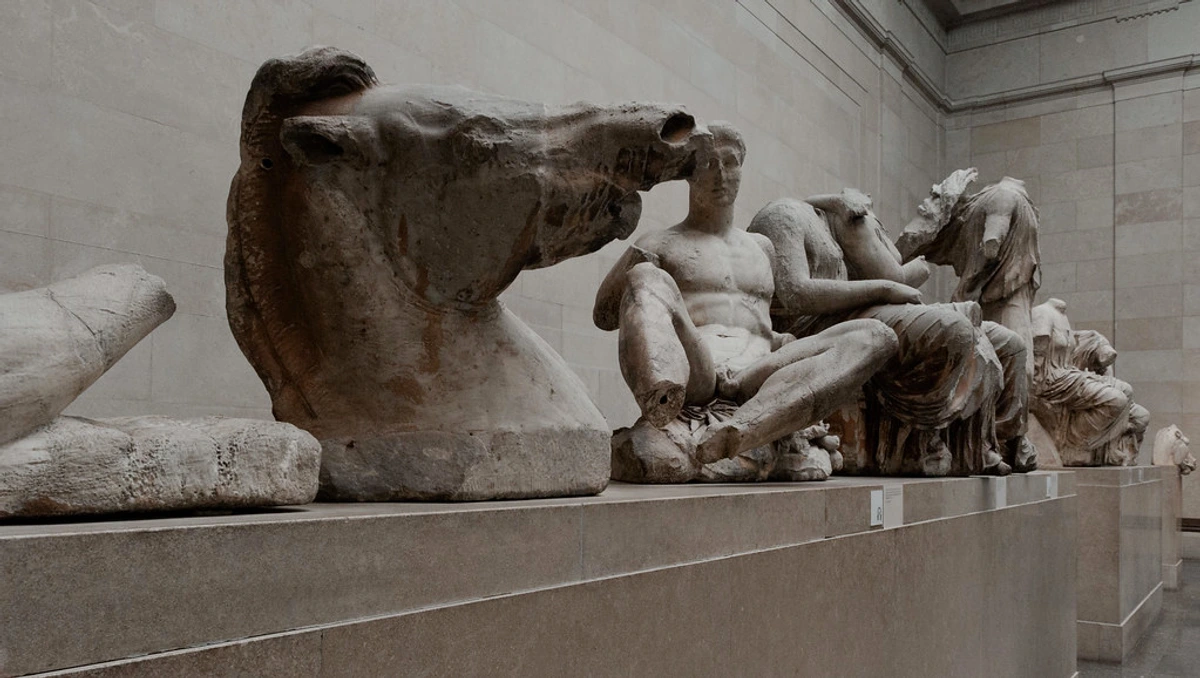
- The Parthenon Marbles: These sculptures offer a glimpse into the grandeur of ancient Greek art and the techniques used to create them.
- The Winged Victory of Samothrace: This sculpture is a masterclass in capturing movement and emotion, making it a valuable study for modern artists.
2. Experiment with Materials
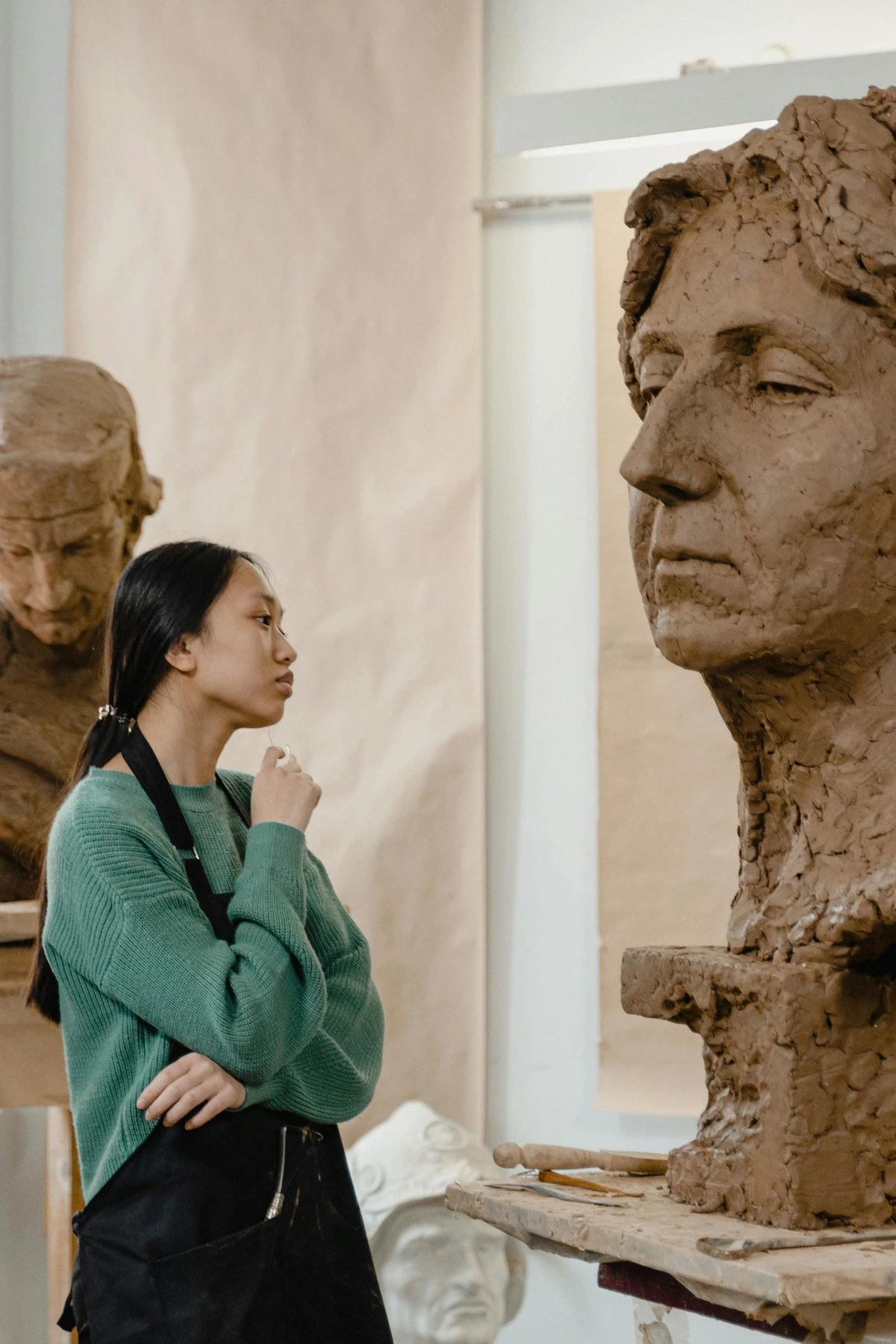
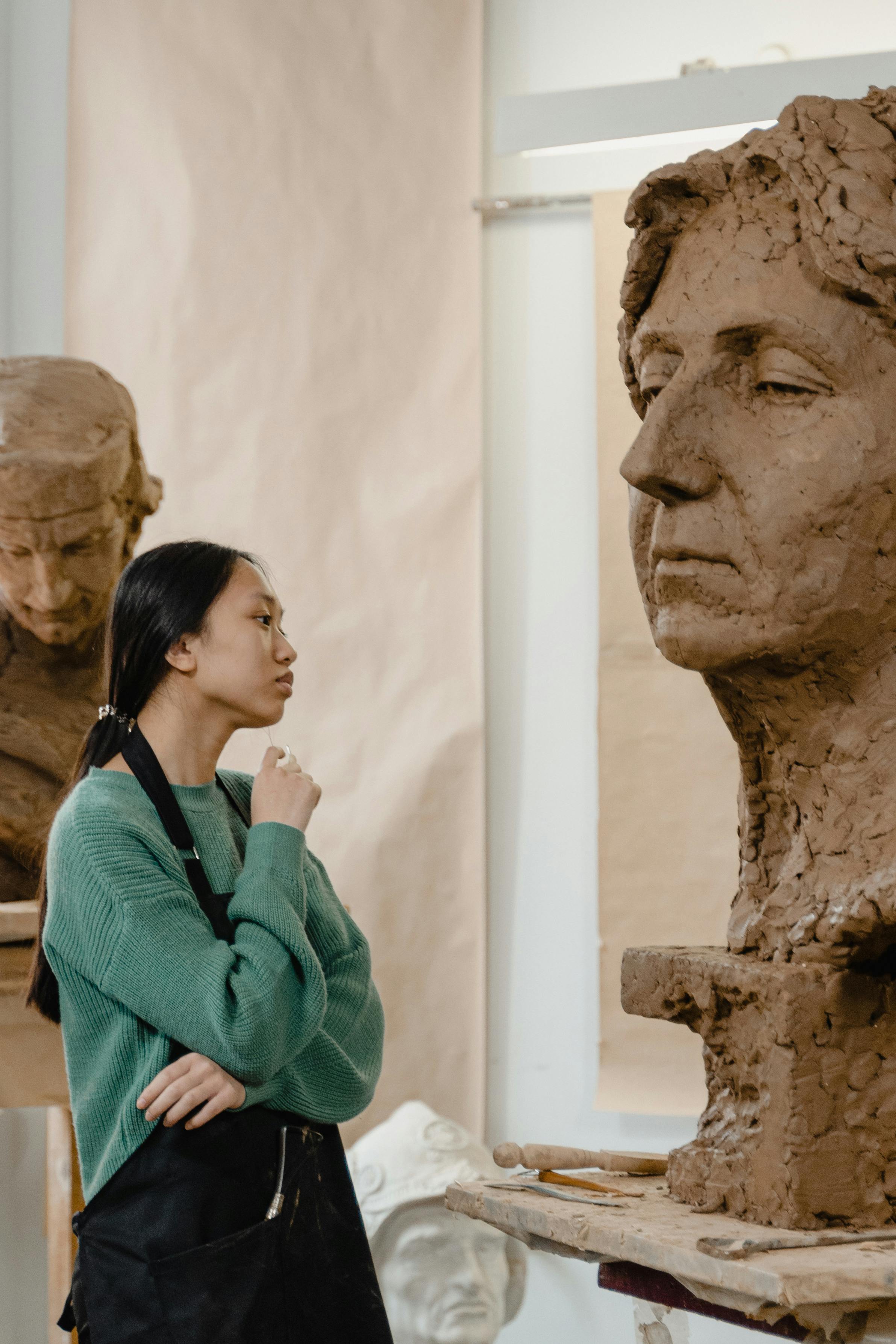
While you might not have access to marble or bronze, you can experiment with modern materials like clay, plaster, or even digital tools. The key is to understand the principles behind the techniques and adapt them to your medium.
Don’t be afraid to push the boundaries of what your materials can do. For example, if you’re working with clay, try to mimic the smoothness of marble or the fluidity of bronze. If you’re using digital tools, experiment with textures and lighting to achieve similar effects.
3. Practice Contrapposto
Try incorporating the contrapposto pose into your figurative work. It’s a simple yet powerful way to add dynamism and realism to your sculptures.
Contrapposto isn’t just for sculptures; it can be applied to paintings, digital art, and even photography. The key is to understand the principles of balance and movement and adapt them to your chosen medium.
4. Play with Light and Shadow
Experiment with different lighting techniques to see how they affect the perception of your work. Use shading and texture to create depth and realism.
Lighting can completely transform a piece of art. Try experimenting with different angles and intensities to see how they change the mood and perception of your work. Whether you’re working with physical materials or digital tools, mastering light and shadow is essential for creating depth and realism.
Lighting Techniques to Try
- Natural Light: Observe how natural light interacts with your sculpture at different times of the day.
- Artificial Light: Use lamps or studio lights to create dramatic effects and highlight specific features of your work.
- Digital Lighting: If working digitally, experiment with virtual lighting setups to achieve the desired mood and atmosphere.

Considerations
1. Ethical Sourcing
If you’re working with materials like marble or bronze, make sure they are ethically sourced. The environmental and ethical implications of material sourcing are important considerations for modern artists.
Ethical sourcing isn’t just about doing the right thing; it’s about ensuring the longevity and integrity of your work. By choosing sustainable and ethically sourced materials, you’re contributing to a more responsible and conscious art community.

2. Preservation
Ancient Greek sculptures have survived for thousands of years, but modern art faces its own challenges. Consider how you can preserve your work for future generations, whether through proper storage, documentation, or digital archiving.
Preservation is about more than just keeping your work in good condition; it’s about ensuring that it can be appreciated by future generations. Whether it’s through physical conservation or digital archiving, taking steps to preserve your art is an investment in its legacy.
FAQ
What materials did ancient Greek sculptors use?
Ancient Greek sculptors primarily used marble and bronze. Marble was favored for its durability and ability to capture fine details, while bronze allowed for more dynamic poses and expressions.
In addition to these materials, they also used tools like chisels, mallets, and abrasives to achieve the intricate details that their sculptures are known for. The choice of material often dictated the techniques and tools used, making the sculptor's skill in adapting to these constraints a hallmark of their craft.
Other Materials Used
While marble and bronze were the most common, Greek sculptors also experimented with terracotta, ivory, and gold. Each material offered unique opportunities for artistic expression and experimentation.

What is contrapposto?
Contrapposto is a pose where the weight of the body is shifted onto one leg, creating a naturalistic and dynamic stance. This technique was pioneered by sculptors like Polykleitos and became a hallmark of classical Greek art.
Contrapposto wasn’t just about aesthetics; it was a way to convey movement and life. By shifting the weight, the sculptor could create a sense of balance and tension that made the figure appear almost alive. This technique is still used today, not just in sculpture but in painting and digital art as well.
How can I incorporate ancient Greek techniques into my modern art?
Start by studying the masters and experimenting with materials. Practice techniques like contrapposto and play with light and shadow to add depth and realism to your work.
Incorporating ancient techniques into modern art is about more than just copying the past; it’s about understanding the principles behind these techniques and adapting them to your own practice. Whether you’re working with traditional materials or exploring new mediums, the principles of ancient Greek sculpture can guide and enhance your artistic journey.
What are some famous examples of ancient Greek sculpture?
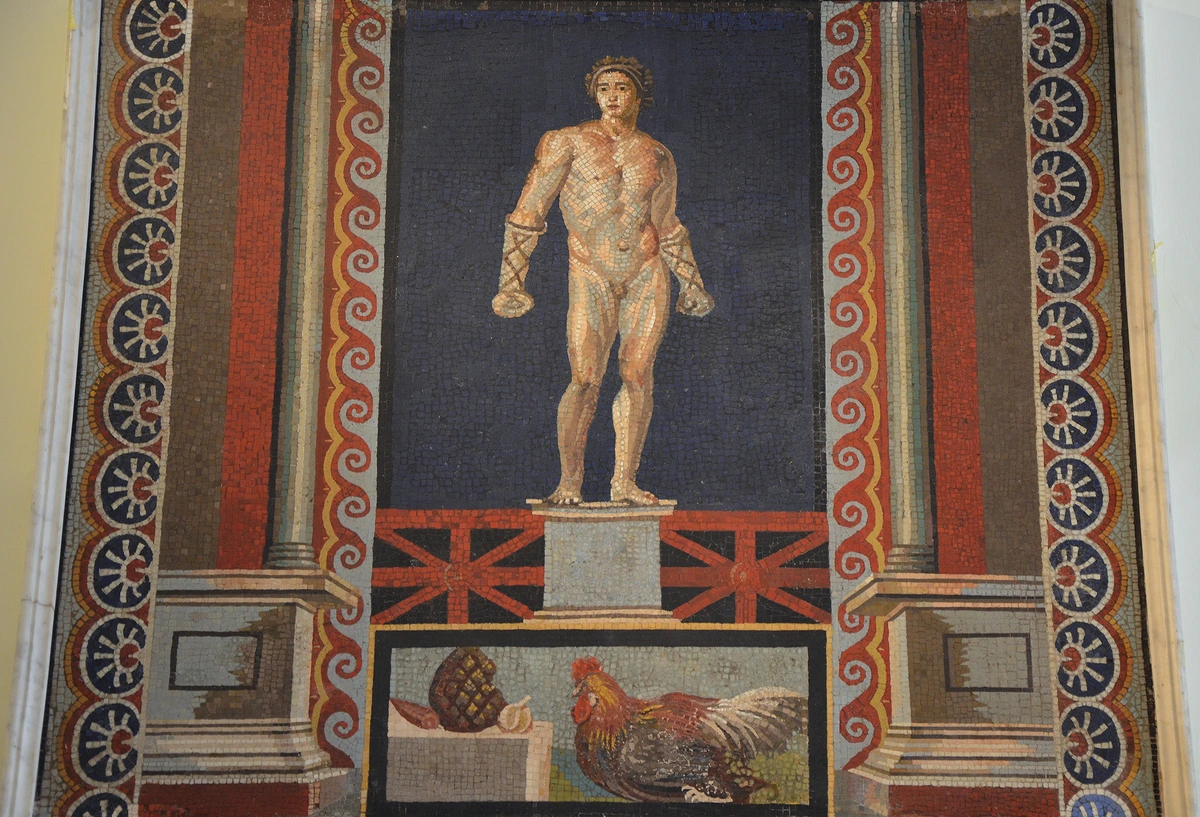
Some famous examples include the Venus de Milo, the Dying Gaul, and the Statue of Zeus at Olympia. These sculptures showcase the mastery of ancient Greek sculptors and their innovative techniques.
Each of these sculptures tells a story, not just about the subject they depict, but about the techniques and materials used to create them. They are a testament to the skill and creativity of ancient Greek sculptors and continue to inspire artists today.
Conclusion
Ancient Greek sculpture techniques offer a wealth of knowledge and inspiration for modern artists. By understanding and incorporating these methods, you can add depth, realism, and a timeless quality to your work. Whether you’re working with traditional materials or exploring new mediums, the principles of ancient Greek sculpture can guide and enhance your artistic journey.
Art is a journey, not a destination. It’s about experimentation, personal expression, and pushing the boundaries of what’s possible. Don’t be afraid to make these techniques your own and explore new ways to incorporate them into your work. The past is a rich source of inspiration, but the future of art is in your hands.
Final Thoughts
As you embark on your artistic journey, remember that the techniques and principles of ancient Greek sculpture are not just relics of the past. They are living, breathing tools that can help you create meaningful and impactful art. Embrace the lessons of the past, but don’t be afraid to innovate and make them your own. The world of art is ever-evolving, and your unique perspective is what will shape its future.









For more inspiration, check out our timeline of artistic techniques and explore our collection of contemporary art at buy.
Additional Resources
- Books: Explore books on ancient Greek art and sculpture to deepen your understanding of the techniques and history.
- Workshops: Attend workshops and classes to learn from experienced artists and gain hands-on experience with sculpting techniques.
- Online Communities: Join online forums and communities to connect with other artists, share your work, and gain feedback and inspiration.