Art Auction Guide: Personal Journey & Expert Tips for Aspiring Collectors
Demystify art auctions with my personal, artist-led guide. Learn essential research, bidding psychology, payment logistics, and ethical collecting for new and aspiring art collectors.

Navigating the Art Auction World: My Personal Guide to Collecting Art
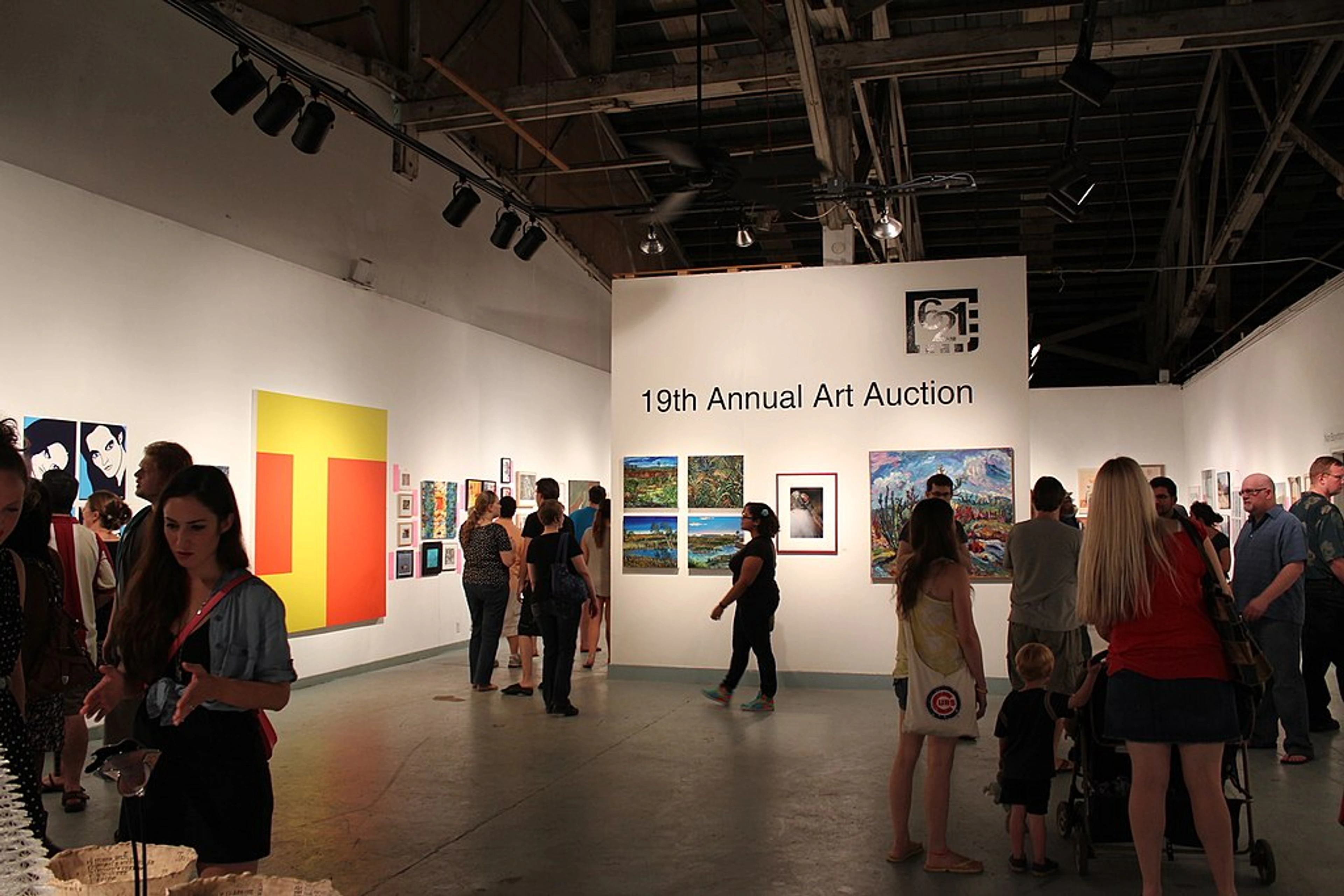
You know, the world of art auctions always felt a bit like a secret society to me, a place whispered about in hushed tones, full of discerning eyes and pockets deeper than my wildest dreams. For years, I just watched from the sidelines, fascinated but utterly intimidated. But then, a little voice inside me, the one that whispers "what if?", pushed me forward. And let me tell you, stepping into that world, whether virtually or physically, was an experience. It's not just about the gavel falling; it's about the hunt, the thrill, and that incredible moment when you connect with a piece that simply has to be yours. This isn't your average dry guide; think of it more as me sharing a cup of coffee with you in my studio, recounting my own often-bumpy, sometimes exhilarating, journey through the auction house doors. So, grab a mug, settle in, and let's demystify this fascinating corner of the art world together. We'll be dissecting everything from the initial research and pre-auction prep to the auction day thrill and the all-important post-purchase practicalities, covering the entire lifecycle of acquiring art at auction.
Before You Even Think About Raising a Paddle: The Indispensable Homework
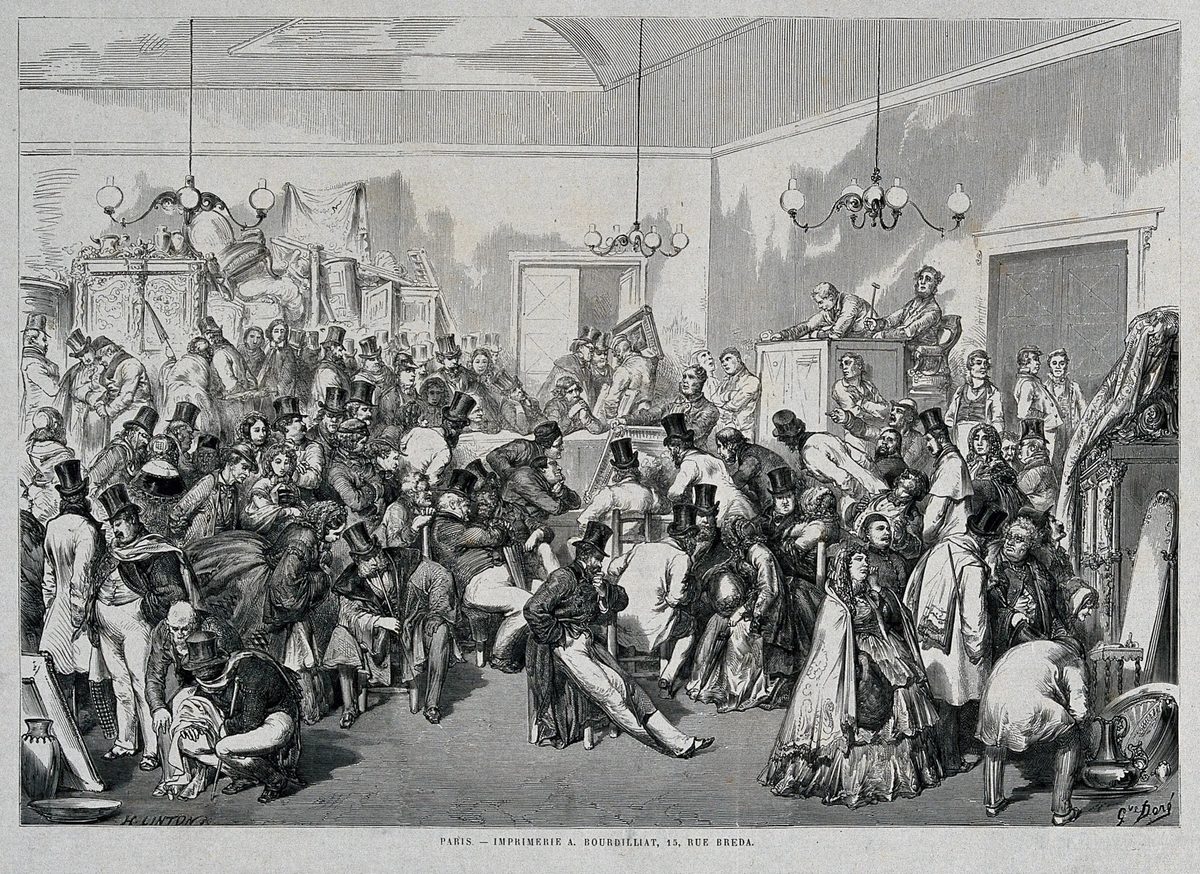
The art auction as we know it today, with its structured bidding and specialized catalogues, has a surprisingly long and rich history. From the bustling marketplaces of ancient Rome where slaves and spoils of war were sold, to the refined salerooms of 17th-century Amsterdam where Dutch Masters found new homes, auctions have long served as vital hubs for commerce and cultural exchange. They've evolved, certainly, but that core human desire to acquire something unique, to participate in the thrilling chase, remains unchanged. So, before any of the modern excitement, before the dramatic bids and the "sold!" calls, there's the homework. And look, I'm not going to lie, sometimes "homework" sounds like the enemy of "fun." But trust me on this one – a little prep goes a long, long way in avoiding buyer's remorse (been there, done that, got the slightly-too-expensive souvenir). This is where you become the art detective, the savvy strategist, and the informed collector.
1. Research, Research, Research (Seriously!)
This is probably the most crucial step, and honestly, the most fun once you get into it. You're not just buying a piece of art; you're adopting a piece of someone's vision and story, a fragment of human expression. Knowing what you're getting into is empowering. I always dive deep into the artist, the specific work, and its journey. Has it been exhibited? Who owned it before? These details, often called provenance, can significantly impact a piece's value and authenticity. It’s like being an art detective! Tracing an artwork’s past ownership isn't always easy, but auction house catalogues, exhibition records, and specialized art databases are your best friends here. You’re looking for a clear, documented chain of ownership that leaves no gaps. For a truly deep dive into understanding this fascinating detective work, check out our guide on understanding art provenance.
Unpacking Provenance and Authentication
Provenance, as I said, is the documented history of ownership. Think of it as the artwork's family tree. A solid provenance adds to both value and authenticity because it provides certainty about the artwork's legitimate journey and history. For example, two identical artworks might exist, but if one can prove a direct lineage from a royal collection, its value will almost certainly eclipse the one with a vague or undocumented past. But how do you really check it? Beyond auction catalogues, you might delve into academic art historical resources, museum archives, or even general art market databases that track sales. It's about piecing together a puzzle, making sure there are no missing parts that could hide a questionable past. I once spent hours tracing a faded signature on a small landscape, only to discover it was by an artist's lesser-known cousin who shared their studio – fascinating, but not quite the 'big find' I'd hoped for! When I'm working on my own pieces, I think about this constantly; how will future collectors trace my journey, my influences, or even my signature as it evolves? That's why I'm always meticulous about documenting my process and exhibitions. Anyway, on that note, what about authentication itself? This is where an independent expert opinion can be invaluable, especially for significant pieces. Authentication can involve technical analysis like X-rays, infrared reflectography, or pigment analysis, as well as stylistic analysis and historical research. Warning signs of a potential forgery can include inconsistencies in an artist's signature, unusual materials for their period, or a provenance that suddenly appears out of nowhere. If you have serious doubts, always get an expert opinion before you bid. Even after a purchase, if a suspicion arises, consulting with an art conservator can provide clarity by assessing the physical history of the artwork, detailing past repairs, and the materials used, which is distinct from provenance but equally vital. Don't underestimate the power of an artist's own voice either; a well-crafted artist statement or an exhibition catalogue can provide invaluable insights into the creator's intent, philosophy, and materials, which can be crucial for understanding contemporary art, though it's important to remember these are supporting documents, not primary authentication methods themselves.

credit, licence
And speaking of value, understanding how art is appraised is an absolute game-changer. It helps you distinguish between hype and genuine market value. Sometimes, a piece is stunning but the price is inflated; other times, a hidden gem is just waiting for an astute eye. I’ve learned that a formal appraisal considers several factors:
- Condition: The physical state of the artwork.
- Market Demand: Current interest in the artist and their style.
- Artist Reputation: The artist's standing, exhibition history, and critical reception.
- Rarity: How unique or scarce the piece is (e.g., unique painting vs. an editioned print).
- Provenance: The documented ownership history.
While an auction house's estimate is a guide, it differs from a formal appraisal and can sometimes be influenced by the desire to attract bidders. An estimate is often a marketing tool, a hopeful projection, whereas a formal appraisal is a more objective, documented assessment of value. While passion is paramount for me, a gentle nod to market trends and the broader art market analysis can also be illuminating, though I find it best not to get too bogged down in them when I'm truly captivated by a piece. Understanding the basics of appraisal gives you a significant edge in the market – for a deeper dive, check out our guide on understanding art appraisals.
Beyond history and value, I also make sure to scour for any condition reports. These detailed documents, provided by the auction house, describe the physical state of the artwork, noting any damages, repairs, or restoration. You might think a little chip adds character, but it could drastically affect resale value, and you definitely don't want any nasty surprises after the hammer falls. I once fell head over heels for an antique sculpture, only to later find a tiny, almost invisible hairline crack in the base that, according to the condition report, required specialized (and expensive!) structural reinforcement. It wasn't a deal-breaker, but it taught me to budget for the unexpected! To give you a better idea, here's a quick look at common condition issues:
Issue  | Description | Impact on Value/Care | Notes for Contemporary Collectors |
|---|---|---|---|
| Cracquelure | Fine network of cracks on the paint surface, often natural aging. | Minor if stable and natural; severe if flaking. | For modern oil paintings, this is often a sign of natural aging, but if paints were applied too thickly or with incompatible layers, it might appear sooner. Always check stability. |
| Tears/Punctures | Physical damage to canvas or paper. | Significant, requires professional restoration. | While some contemporary artists might intentionally distress materials, any accidental tears require expert assessment. Look for clean edges or signs of repair. |
| Fading | Pigment loss due to light exposure. | Irreversible, often greatly reduces value. | Crucial for vibrant contemporary works. I use professional-grade, lightfast pigments, but even then, direct sunlight is art's worst enemy. Always inquire about pigment stability if not specified in the condition report. |
| Restoration | Areas of repair, overpainting, or structural work. | Can be minor or major; good restoration is documented. | Transparent, well-documented restoration by reputable conservators can maintain value. Undocumented or amateur repairs can be red flags. |
| Patina/Wear | Surface changes due to age/use (esp. sculptures, furniture). | Often desirable for antiques; can be damage for art. | For contemporary sculptures or mixed media, 'patina' might be an intentional part of the artist's process (e.g., weathering). Differentiate between intentional artistic effect and accidental damage. |
Understanding Key Auction Terminology
As you delve deeper, you’ll encounter terms that sound like a secret code. Don’t worry, they’re just signposts! When I first saw these, I felt like I needed a decoder ring, but they're surprisingly straightforward once you get the hang of them.
- Lot: This is the individual item or group of items being sold as a single unit. It'll have a unique number in the catalogue, making it easy to track – a bit like your grocery cart number at a very fancy store.
- Estimate: The auction house's projected price range for a lot, usually based on previous sales of similar works. It's a guide, not a guarantee, and definitely not an appraisal – think of it as a well-educated guess to get the ball rolling, and sometimes, a little nudge to attract bidders.
- Reserve Price: This is the confidential minimum price that the seller is willing to accept. If bidding doesn't reach the reserve, the item won't sell. I learned this the hard way once, bidding excitedly only to find out the piece was "passed in" – a bit of a deflator! It's the seller's secret "bottom line."
- Hammer Price: The final winning bid price announced by the auctioneer when the gavel falls – the moment of truth! This is the raw price before all the extras.
- Buyer's Premium: An additional percentage charged by the auction house on top of the hammer price. It's how they make their money, and it can significantly increase your final cost. Never forget this one, it’s like the service charge on top of your restaurant bill!
- Condition Report: As mentioned, a detailed written assessment of an artwork’s physical state. Essential reading! It’s like a medical record for the art.
- In-Gallery Bidding: This refers to physically present bidders raising their paddles in the auction room.
- Absentee Bid: A bid left with the auction house before the live sale, where the auctioneer bids on your behalf up to your specified maximum.
- Chandelier Bidding: A controversial (and generally disallowed) practice where an auctioneer pretends to take bids from the chandelier or an imaginary bidder to drive up prices or reach the reserve. A sign of a less reputable house, so watch out!
2. Set Your Budget (and Maybe Add a Little Buffer)
This one's a classic for a reason. Auctions have a way of making you feel like "just one more bid" is perfectly fine. It's not. Decide on your absolute maximum before you even log in or walk through the door. And remember to factor in the buyer's premium (that extra fee on top of the hammer price), taxes, and potential shipping or transport costs. That "little buffer" I mentioned? Let's call it a contingency fund for the inevitable surprise, because let's be real, life loves throwing those at us. My bank account still sends me passive-aggressive notifications about that one time I 'forgot' about the shipping fee for a larger piece, and boy, was that a lesson learned! Stick to your guns, even if your heart is screaming otherwise. Remember, collecting doesn't have to break the bank; my own art for sale demonstrates that beautiful, meaningful pieces can be accessible. A practical exercise I suggest for new collectors is to create a 'wish list' of a few dream pieces, research their past auction results, and establish a realistic price range for each. This helps manage expectations and guides your focus.
3. The All-Important Preview
I cannot stress this enough: always go to the preview if you can. Looking at high-resolution images online is great, but art is meant to be experienced in person. Colors can differ, textures can be revealed, and scale can be truly understood. Is that abstract piece really going to fit above your sofa? Does the light hit it just right? During a preview, I meticulously check the canvas or surface for any damage – tears, cracks, fading, or evidence of repair. I also examine the frame for stability and the hanging mechanism for security. A beautiful painting can be undermined by a flimsy or damaged frame, and you might need to budget for professional reframing to truly do the artwork justice, especially if you're bringing a contemporary piece into your home. And don't forget the artist's signature – is it consistent with other known works? Plus, it's your chance to check for any damage, restoration, or just how it makes you feel. That gut feeling is surprisingly important when you're collecting art.
A Spectrum of Artistic Offerings
Before we dive into the how of auctions, let's briefly acknowledge the sheer what – the vast array of artistic mediums you'll encounter. While paintings often grab headlines, auctions are treasure troves for everything from exquisite sculptures (check for chips, cracks, and stability) and rare prints (edition numbers and signatures are key) to stunning photography (consider print quality and provenance) and diverse decorative arts (furniture, ceramics, glass – where condition and historical context are paramount). Each medium has its own specific inspection points, making that preview even more critical. You might even discover unique conceptual or installation art, where the artist's intent and documentation often supersede traditional notions of 'condition'.
Types of Art Auctions: Finding Your Scene
The auction world isn't a monolith; it's a vibrant ecosystem with different formats for different needs. Understanding these can help you choose where to focus your energy and budget. Before we dive into the how of auctions, it’s worth noting that a good auction house will also have specialists who can guide you. An auction house specialist is your go-to expert; they're responsible for curating sales, researching artworks, and providing advice to both sellers and buyers. Don't be shy about reaching out to them with questions – they’re there to help demystify the process, especially for new collectors. For those considering substantial acquisitions, an art consultant or advisor can offer invaluable guidance, helping navigate market trends, authentication, and collection development. They often work on a fee basis (flat fee, hourly, or commission), so clarify this upfront when choosing an advisor.
Who's Bidding? A Look at Auction Participants
It's useful to remember that you're rarely alone in the auction room. Different types of buyers populate the art market, each with their own motivations:
- Private Collectors: Like us, driven by passion, aesthetics, and sometimes investment.
- Art Dealers: Buying to resell, often with deep market knowledge and a keen eye for value.
- Institutions/Museums: Acquiring works to fill gaps in their collections or for specific exhibitions, often with substantial budgets.
- Investors: Purely focused on the financial appreciation of art, often relying on market analytics.
Knowing who you might be bidding against can sometimes influence your own strategy, though it's always best to stick to your limits.
Auction Type | Accessibility | Typical Price Range | Atmosphere | Notes for the Contemporary Art Collector |
|---|---|---|---|---|
| Live Auctions | Moderate | High | Formal, energetic, dramatic | Major houses like Sotheby's and Christie's often feature established contemporary artists like Gerhard Richter or Yayoi Kusama, but usually at the higher end. For emerging talent, look to smaller, regional live auctions or specialized contemporary art sales. |
| Online-Only Auctions | High | Low to Moderate | Convenient, accessible, less pressure | Excellent for discovering emerging contemporary artists and entry-level pieces. Platforms like Artsy, Paddle8, and the online extensions of major houses are prime hunting grounds. Lower overheads mean a wider variety of items at more accessible price points, perfect for starting a collection. |
| Timed Online Auctions | High | Low to Moderate | Fast-paced, intense, competitive | Similar to online-only but with a strict deadline, creating competitive tension. Good for building collection momentum, but don't get swept away! Many platforms specialize in contemporary art, making them prime hunting grounds. |
| Silent Auctions | High | Low | Relaxed, often charity-focused | Often feature works by local or emerging artists, sometimes directly donated. A supportive way to acquire art and contribute to a cause. Prices reflect accessibility. |
| Estate Auctions | High | Low to Moderate | Casual, treasure hunt, diverse | Can yield unexpected contemporary finds from private collections. Less curated, so independent research is even more critical. These are also often where works from artist estates – the collection of an artist's unsold works after their passing, managed by their heirs or foundation – come to market, offering unique insights and opportunities. Prices often reflect a quick sale, offering unique opportunities for discoveries. |
| Gallery/Benefit Auctions | Moderate | Moderate | Supportive, community-focused | These are ideal for discovering and supporting emerging contemporary artists. Often direct from the artist or supporting collectors, providing a great way to acquire fresh work and connect with the local art scene. My own art for sale showcases a similar philosophy of accessible, meaningful art. Attending these is also a fantastic way to connect directly with artists and learn about their work before it hits major markets. |
- Live Auctions: The classic scene, often held in grand auction rooms with an auctioneer, bidders raising paddles, and sometimes phone bidders. There's an undeniable energy, a dramatic flair that makes you feel part of history. Major international players like Sotheby's and Christie's dominate this space for high-value items and established contemporary masters, though local houses offer their own charm, often focusing on regional talent. Can be intimidating for newcomers, but a fantastic learning experience. It's not uncommon to see works from established figures like Jeff Koons or Damien Hirst here.
- Online-Only Auctions: Increasingly popular, these are purely digital, allowing bidding over several days. They're accessible from anywhere and often feature a broader range of price points, including fantastic entry-level pieces. Platforms like Artsy, Paddle8, and the dedicated online platforms of major auction houses (e.g., Sotheby's Online) are great starting points. This is where I started my journey, finding it less pressure-filled and a great way to discover emerging artists working today.
- Timed Online Auctions: Similar to online-only but with a strict closing time for each lot. Bidding ramps up dramatically in the final minutes, often with extensions if new bids come in at the last second. It’s a nail-biter, let me tell you! Many platforms specialize in contemporary art, making them prime hunting grounds for fresh talent.
- Silent Auctions: Often for charity events, bidders write their offers on a sheet next to the item. The highest bid at the close wins. Usually, for more accessible items and a relaxed atmosphere, providing a supportive way to acquire art and contribute to a cause.
- Estate Auctions: When an individual's possessions are sold, often including art. Can be treasure troves for unique finds, often without the high-gloss presentation of a major auction house. These often present opportunities for unexpected contemporary pieces from private collections, and are a common channel for art from artist estates – which refers to the collective body of work and property left by an artist after their death, often managed by their heirs or a foundation. This can be a goldmine for unique works.
- Gallery Auctions / Benefit Auctions: Sometimes galleries or non-profits hold their own auctions, which can be a great way to support emerging artists and discover local talent. My own art is designed to be accessible, showing that beautiful, meaningful art doesn't always come with a hefty price tag, and you can find similar philosophies at these smaller venues. Attending these is also a fantastic way to connect directly with artists and learn about their work before it hits major markets.
Choosing the right auction type is the first step in tailoring your hunt to your personal style and budget. And if you're feeling overwhelmed, remember that specialized art consultants can also guide you through this labyrinth, offering expertise for a fee, especially for significant acquisitions. Before diving in, it's also smart to research the auction houses themselves – checking their reputation, past auction results, and specialist departments can give you a clear advantage. If you're looking for more tips on starting your auction journey, you might find our guide on a beginner's guide to attending art auctions helpful. It’s also worth considering art fairs as an alternative or complementary way to discover new art; while not auctions, they provide direct access to galleries and artists, offering a different buying experience with immediate acquisition.
Auction Day: The Thrill and the Strategy of the Hunt
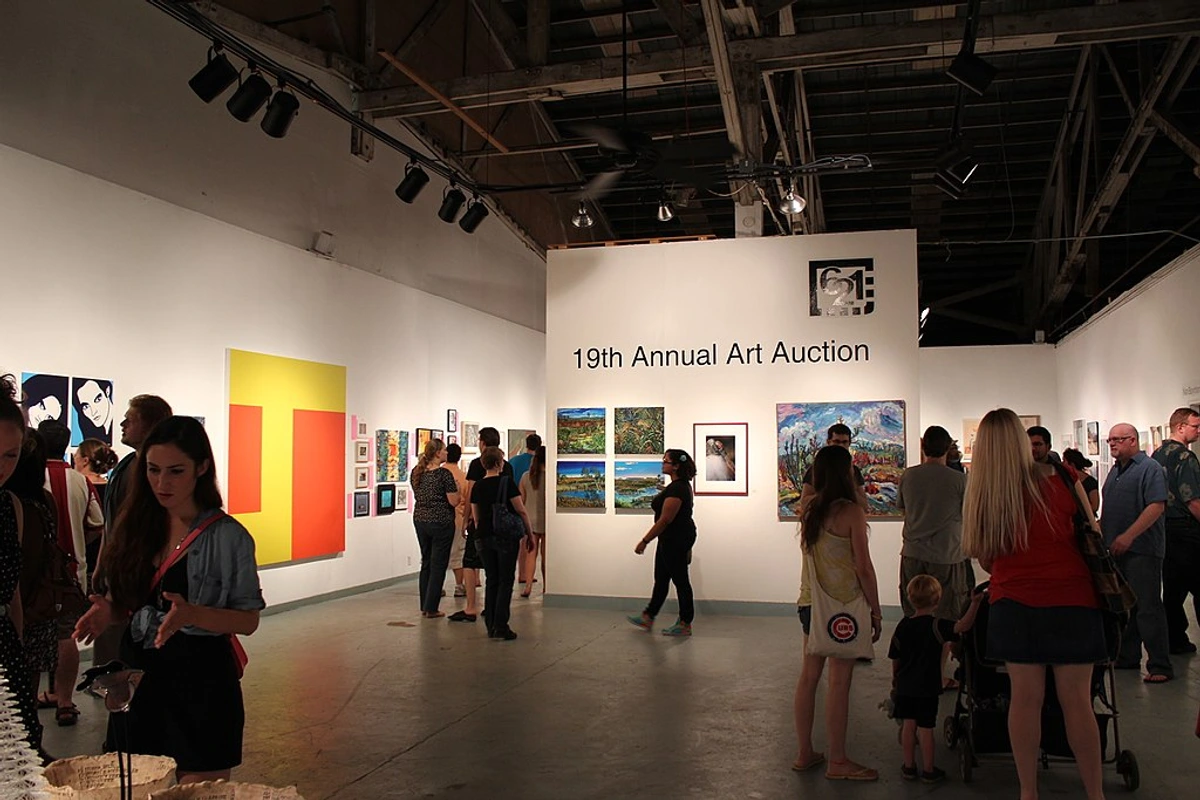
So, you’ve done your homework, diligently set your limits, and explored all the previews. Why does strategy matter so much now? Because at this point, all that careful planning meets the unpredictable energy of the auction room, and without a solid plan, emotions can easily take over. Now, for the main event! You've researched, set your limits, and you're ready. Stepping into that auction room, or logging into an online auction, feels like a different world. The air crackles with anticipation, and suddenly, all that homework feels like it's about to pay off. The atmosphere in an auction room (or the digital equivalent) is electric. It's a fascinating dance of intent and bluff, where a raised eyebrow can mean thousands.
1. Get Registered
This is the boring but essential part. You'll need to register with the auction house, usually providing ID and sometimes financial references. They'll give you a bidding paddle (or a digital equivalent). Don't skip this; you can't bid without it! And make sure to understand their specific terms and conditions – they vary between houses.
2. Your Bidding Strategy: Play it Cool (or Aggressively Smart)
This is where the psychology comes in. My personal strategy? I try to stay calm. Easier said than done when your heart is pounding, I know! But avoiding impulse bids is key. Sometimes, I'll wait until the last possible second, trying to sneak in a winning bid and avoid a drawn-out battle. Other times, for a piece I truly covet, I might bid strongly early to show strength and deter others – a psychological play, if you will. The auctioneer themselves is a master of this psychological game, using rhythm, pacing, and eye contact to build excitement and, yes, subtly encourage more bids. They're looking for that primal fear of missing out (FOMO) and the competitive drive that makes us push just a little bit further than we intended. It's a subtle dance of herd mentality, where one strong bidder can spur others, and conversely, a hesitation can kill momentum – this is the escalation of bidding in action. Recognizing these dynamics can empower you to stay focused on your limit, not the room's energy.
I remember one particularly intense auction. I had my eye on a vibrant abstract painting, a piece that just hummed with energy. The bidding started lower than the estimate, lulling me into a false sense of security. Then, another bidder, cool as ice, jumped in. We went back and forth, slowly inching up. My heart was thumping. I could feel the auctioneer's gaze, almost a silent dare. I was just one bid away from my absolute maximum when I saw the other bidder hesitate, just for a split second. I took a deep breath, raised my paddle, and that glorious gavel fell. It was exhilarating, terrifying, and in the end, I won, but only by sticking strictly to my pre-set limit. It was a close call, and a stark reminder of the auctioneer's almost hypnotic charm! It's a wild ride, and sometimes, the best win is knowing when to walk away.
Remember that reserve price we talked about? It significantly influences the bidding. The auctioneer will often try to "fish" for bids up to the reserve, sometimes with a wry glance that seems to say, "Come on, someone out there wants this, right?" If you're the first to hit the reserve, you're in a good position, but also potentially paying more than needed if others drop out. It’s a battle of wits, but your budget is your unwavering commander, and sometimes, the best win is knowing when to walk away.
3. Knowing When to Walk Away
This is perhaps the hardest lesson to learn. You've researched, you've previewed, you've dreamed. You've imagined that piece on your wall. But if the bidding goes beyond your set limit, you must walk away. There will always be another beautiful piece, another auction. Overpaying, especially early in your collecting art journey, can sour the experience and leave a bitter taste. It takes discipline, but your future self (and your wallet) will thank you. Trust me, I've walked away from pieces I adored, and while it stings for a moment, the relief of sticking to my plan always comes later. It's a wild ride, but that's what makes it so addictive!
After the Gavel Falls: The Practicalities of Your New Acquisition
Once the adrenaline subsides and the deal is done, a new phase begins – the crucial steps that ensure your hard-won treasure makes it home safely and stays protected. Congratulations! Or perhaps, congratulations on holding firm to your budget! Either way, the journey continues, and there are a few important steps after the excitement subsides.
1. Payment and Collection (No Delays!)
If you're the lucky bidder, you'll arrange payment and collection with the auction house. This usually involves a wire transfer, bank check, or sometimes credit card (though be aware that credit card payments often incur a surcharge of 2-3%, which can add up!). Be prompt! Many auction houses have strict timelines for payment and collection, typically a few days. Delaying payment or collection can incur steep storage fees, quickly diminishing your bargain. I remember one time, I was so excited about my new acquisition, a large canvas, that I completely forgot about collection logistics. Made for a complicated and expensive weekend, learning firsthand the importance of their deadlines! If you're acquiring one of my larger abstract pieces, for example, always factor in the cost and logistics of transporting it – a good art mover is worth their weight in gold, and I can connect you with trusted professionals. Always request a detailed receipt that clearly itemizes the hammer price, buyer's premium, taxes, and any other fees.
2. Safe Passage: Shipping and Transport
Once paid, your artwork needs to get from the auction house to your home. This isn't just about throwing it in the back of your car! For valuable or delicate pieces, especially if you're shipping internationally, you'll need specialized art movers. These professionals understand the nuances of packing, crating (often custom wooden crates), and climate control to ensure your treasure arrives safely. The packing materials can vary significantly too, from specialized archival boxes for local transport to custom-built, climate-controlled wooden crates for international journeys. Always factor in these costs when budgeting. And just as importantly, ensure your art is fully insured during transit. This might be covered by your specialized mover's policy or require a rider on your own art insurance. A little upfront planning here can save a lot of heartache (and expense) later.
3. Protecting Your New Treasure: Insurance and Storage
Now that it's yours, how do you keep it safe? First off, consider art insurance. Seriously. Accidents happen – from transport mishaps to accidental spills at home – and the peace of mind is invaluable. Don't assume your homeowner's insurance will cover it adequately; standard policies often have "appraisal gaps" or low limits for valuable art. Art often requires specialized policies from art insurance specialists who understand the unique needs of collectors. Then, think about how you're going to display or store it. Not all art is meant for direct sunlight or fluctuating temperatures, which can cause irreversible damage. For my vibrant abstract pieces, for instance, be especially mindful of direct sunlight, as even the most lightfast pigments can eventually fade. Consider a spot with diffused natural light, or excellent artificial lighting that highlights the texture and depth of the paint. Proper art storage solutions are vital for long-term preservation, especially for pieces not immediately going on display. Always keep detailed records of all your acquisitions – including photographs, condition reports, and receipts – for insurance purposes and future reference. I always think of it as being a temporary custodian of history, and it's our job to ensure it survives for future generations.



4. Investment or Passion? Finding Your Balance
Many people approach art collecting with a dual mindset: is it an investment or simply a passion? For me, the heart of collecting has always been that inexplicable pull towards a piece, that sense of "this is it!" – any financial appreciation is a happy, albeit unexpected, consequence. The joy of creating art lies in that raw emotional connection, and I strive to imbue my paintings with that same energy. When a collector feels that spark, that's the true value I aim for. Financial appreciation is a wonderful bonus, of course, but the primary reward is bringing that piece of passion into someone's life. Of course, some approach the art market with a keen eye on investment potential from day one, and their research and bidding strategies might look quite different, often requiring advice from financial art advisors who closely track market trends and artist trajectories. But if, like me, you're driven by the sheer joy of living with art, then trust your eye, your gut, and your emotional response. To assess your own motivations, ask yourself: What truly brings me joy in collecting? Is it the chase, the aesthetics, the community, or the potential for financial gain? Remember, even the most astute investors started with a passion for art itself.
5. Ethical Collecting: More Than Just the Price Tag
Finally, a brief but crucial point: ethical considerations. As collectors, we have a responsibility to ensure the art we acquire has a clean provenance, free from any association with cultural looting, illegal excavation, illicit trade, or even questionable wartime acquisitions. Always be wary of pieces with vague origins or suspiciously low prices that don't align with market value. Resources like the Art Loss Register can help check for stolen art, and reputable auction houses generally adhere to strict ethical guidelines, often part of an "art market blacklist" if found to be dealing in illicit goods. It's also vital to check for export restrictions on art from certain countries, as acquiring such a piece, even legitimately, could lead to significant legal complications if you ever wish to move it across borders. Supporting the legitimate art market protects our shared cultural heritage and helps prevent the exploitation of artists and historical sites. From my perspective as an artist, this extends to my own practice: I ensure my materials are sourced ethically, and I meticulously document the provenance of my works, creating a transparent history for future collectors. This also means respecting copyright and artist rights, especially when showcasing or reproducing contemporary works. Lastly, with growing awareness of climate change, considering the environmental impact of shipping, conservation methods, and even the materials used in art (if directly purchasing from an artist) is becoming an increasingly important ethical consideration.
FAQ: Your Burning Questions Answered (My Way, From Experience)
I've learned a lot through trial and error, so let me share some answers to the questions I often hear (or asked myself!) along the way.
Q: Are art auctions only for super-rich people?
A: Absolutely not! While the headlines might feature multi-million dollar sales, there are plenty of auctions with pieces starting at very accessible price points – sometimes even a few hundred dollars. Local auction houses, online-only sales (like those on Artsy or Paddle8), estate auctions, and specialist smaller auctions often have fantastic finds for new collectors. You might discover limited edition prints by emerging artists, unique ceramic pieces, or smaller abstract paintings that fit both your budget and your burgeoning collection. My own art is designed to be accessible, showing that beautiful, meaningful art doesn't always come with a hefty price tag, and that philosophy extends to the wider art market.
Q: How do I know if a piece is authentic?
A: This goes back to the research! Auction houses do their due diligence and provide details, but it's ultimately your responsibility to verify. Check the provenance (the ownership history), look for exhibition history, and scrutinize any condition reports. If in serious doubt about a significant investment, consider getting an independent appraisal or expert opinion before you bid. Remember, my personal timeline shows how much work goes into creating and validating art, and that holds true for historical pieces too. Don't be shy about asking the auction house for more information.
Q: How do I determine if an artwork is signed or attributed to an artist?
A: This is a nuanced area. For modern and contemporary art, a clear signature is usually expected. Examine the signature carefully – its placement, style, and medium – and compare it to known examples of the artist's work. Are there variations? Many artists change their signature over time or for different mediums. For my own art, I typically sign in a consistent place, but the style might evolve slightly with my artistic journey. For older works, an "attribution" often means the auction house believes it's likely by that artist, but there might not be a definitive signature or ironclad provenance. This assessment typically relies on stylistic similarities, historical research, and expert consensus, carrying less certainty than a direct signature; think of it as an educated guess. Always ask for clarification on the precise wording used ("signed by," "attributed to," "circle of," "after"), as these phrases have very different implications for value and certainty. It’s also important to remember that for some conceptual or installation art, a traditional signature might not even be relevant; the artist's intent and documentation are paramount.
Q: What happens if a piece doesn't sell? (It's "Passed In")
A: If bidding doesn't reach the reserve price (the minimum the seller will accept), the item is "passed in" or "bought in," meaning it goes unsold. The auctioneer will usually announce this. Sometimes, the auction house might try to negotiate a private sale between the highest bidder and the seller shortly after the auction, so it's not always the absolute end of the road. I've heard stories of pieces being passed in, only to be snapped up the next day through a discreet negotiation. From an artist's perspective, an unsold piece is never a failure; sometimes, it just hasn't found its right home yet. Many of my works that didn't sell initially have gone on to find wonderful homes later, sometimes through private sale or even directly from my studio. The journey of a piece is rarely linear.
Q: What if I win a bid but then can't pay?
A: This is a serious situation! When your bid is confirmed, you've entered a legally binding contract. If you default on payment, you could face penalties, including late fees, interest charges, legal action from the auction house, or even being barred from future auctions. Always, always stick to your budget and ensure you have the funds before you bid. It's better to walk away from a piece than to face financial and reputational repercussions.
Q: Can I bid anonymously?
A: Generally, yes. When you register, you're assigned a bidder number or a unique online ID. Your actual name isn't usually announced publicly during the auction itself. Major auction houses prioritize client confidentiality.
Q: How do I research auction houses themselves?
A: This is a smart question! Before committing, look into the auction house's reputation – check reviews, news articles, and any industry accreditations. Examine their past auction results, especially for the type of art you're interested in, to see if they achieve good prices and attract serious bidders. Also, note if they have specialist departments in your area of interest, as this indicates expertise. A reputable auction house provides clear terms and conditions and transparent communication.
Q: What are the risks of buying art online vs. in person?
A: Both have their charms and challenges! Online auctions offer unparalleled accessibility and often lower price points, making them great for discovering emerging artists. However, you lose the crucial physical preview – you can't see the texture, feel the scale, or truly inspect the condition with your own eyes, which increases the risk of surprises. In-person auctions offer that tactile experience and the thrill of the room, but can be geographically limiting and often feature higher-value works. To mitigate online risks, rely heavily on detailed condition reports, high-resolution images, and don't hesitate to ask for video calls or extra photos from the auction house.
Q: How do I handle shipping an artwork I've purchased from an auction house to another country?
A: This requires careful planning! First, check if the artwork has any export restrictions from its origin country or import restrictions for your destination country – this is crucial and can lead to legal issues if overlooked. You'll definitely need specialized art shippers who handle international logistics, customs documentation, and proper crating for overseas transit. They'll also be able to advise on necessary insurance coverage for the journey. It's an added expense, but absolutely essential for protecting your acquisition.
Final Thoughts: It's Your Journey, Your Story
Collecting art through auctions is a journey, not a destination. It's about developing your eye, learning about history, and connecting with pieces that resonate deeply with you. Don't be afraid to start small, to make mistakes (they're the best teachers, after all), and to trust your own taste. To truly hone your eye and deepen your understanding, I wholeheartedly encourage you to visit local galleries and museums regularly – there's no substitute for seeing art in person, allowing you to build that innate visual vocabulary. Whether you're hunting for an investment or simply something beautiful to adorn your walls, the auction world holds endless possibilities. So, armed with this guide, I encourage you to explore the world of art auctions with curiosity and a dash of daring. And if you find yourself drawn to the vibrant narratives and textures that fill my own collection, remember that each piece is a conversation waiting to happen. Feel free to reach out with any questions – after all, guiding collectors to their perfect piece is as much a part of my artistic journey as putting paint to canvas. And just as I pour my own journey and emotion into my paintings, the art you acquire will carry its own unique story, waiting to become part of yours. If you're ever in 's-Hertogenbosch, drop by my museum to see how my journey has evolved and continues to unfold!