Why Did Artists Start Signing Their Work? A Deep Dive into Art's Quest for Identity
Ever wondered why artists sign their masterpieces? Join me on a personal journey through art history, from anonymous medieval crafts to the Renaissance quest for individual recognition, and discover the profound meaning behind an artist's signature.

Why Did Artists Start Signing Their Work? A Deep Dive into Art's Quest for Identity
The act of signing an artwork is a practice deeply ingrained in the art world today. But have you ever wondered why artists started signing their work? This seemingly simple act carries profound implications about identity, ownership, and the evolution of art itself. Join me as we explore the fascinating journey of how and why artists began to sign their creations.
I was just looking at one of my own pieces, a vibrant abstract, and my eyes naturally landed on the small, almost discreet signature in the corner. It's a habit, a ritual, really. I sign my work, and you, as a viewer, probably expect it. It's almost a given, isn't it? But have you ever paused to think why? Why do artists sign their work? It hasn't always been this way, not by a long shot. This little act, this final flourish, tells a much larger story about identity, ownership, and the very evolution of what it means to be an artist.
To understand this, we need to delve into the history of art, exploring how the role of the artist has transformed over centuries. From anonymous craftsmen to celebrated geniuses, the journey of the artist's signature is a reflection of broader cultural shifts.
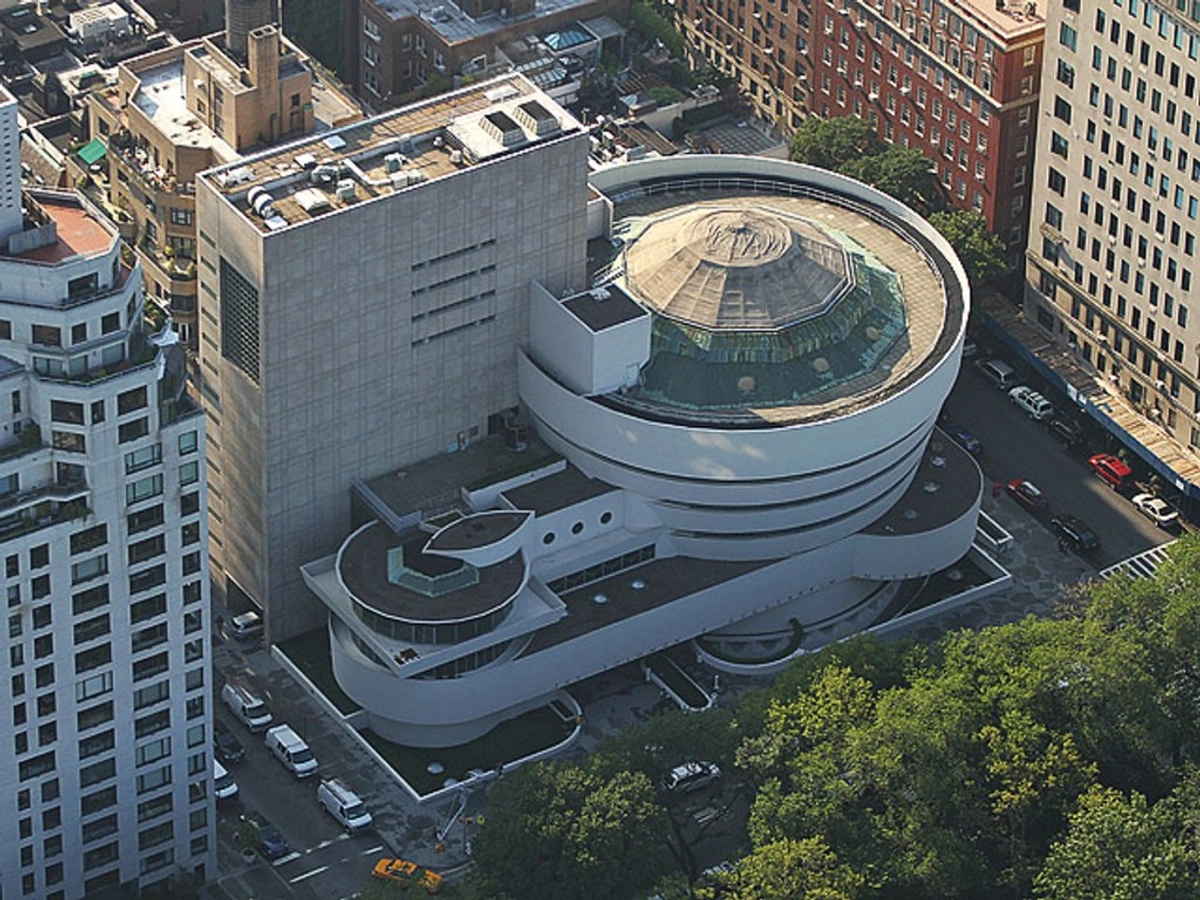
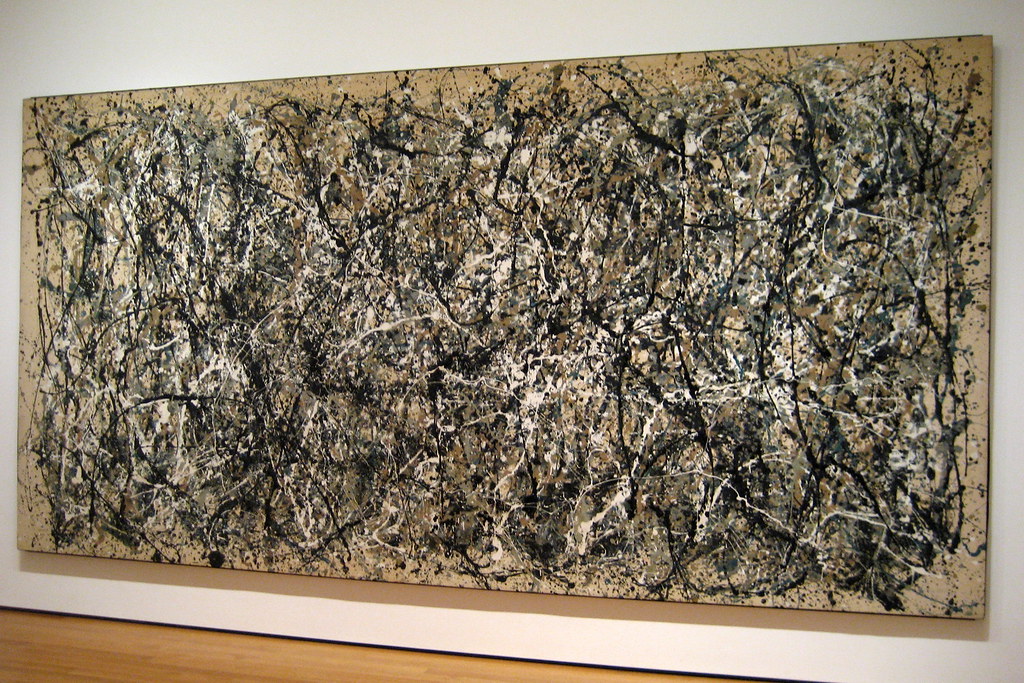
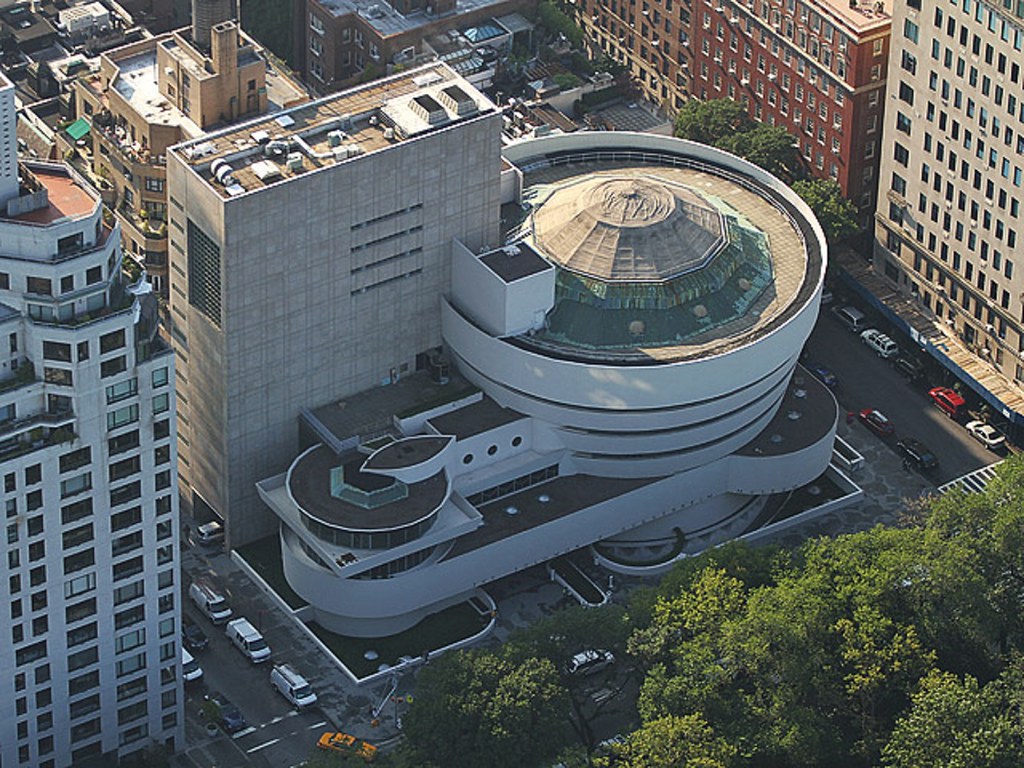
This image of the Gemeentemuseum Den Haag serves as a reminder of how art institutions have evolved to celebrate individual artists and their contributions to the art world.
Before the Signature: Art for God, Not for Glory
To truly appreciate the significance of the artist's signature, we must first understand the context in which art was created before this practice became commonplace. In the medieval period, art was not about individual recognition but about collective devotion and storytelling.
Take a mental trip back with me, way back to the medieval ages. Imagine a grand cathedral, its walls adorned with stunning frescoes and intricate stained-glass windows. Beautiful, awe-inspiring, right? But now, try to find a name attached to that masterpiece. You'd be searching a long, long time. In fact, you wouldn't find one.
Art during this period was a communal effort, often performed by skilled artisans working within workshops. These artisans were not celebrated as individuals but as part of a collective effort to glorify God and convey religious narratives.
Art during this period wasn't about individual glory. It was a communal effort, often performed by skilled artisans working within workshops, all under the patronage of the Church or powerful nobles. The focus was on the message, the religious narrative, and the glory of God, not the human hands that created it. The craftsman was a vessel, not a celebrity. Their skill was appreciated, certainly, but their personal identity was largely irrelevant. It's a stark contrast to what we expect today, almost unsettling to think about, isn't it? An entire era of breathtaking beauty, largely anonymous.
The Renaissance Awakening: When Ego Met Genius
The Renaissance marked a turning point in the history of art. It was a period of rebirth, not just in terms of classical ideals but also in the way artists perceived themselves and their role in society. This era laid the foundation for the practice of signing art as we know it today.
The Renaissance was not just a rebirth of classical ideals; it was a revolution in the way artists perceived themselves and their role in society. This period marked the beginning of a profound shift in the relationship between the artist and their work, a shift that would eventually lead to the widespread practice of signing art.
During the Renaissance, the focus shifted from collective devotion to individual expression. Artists began to see themselves as creators with unique voices and styles, rather than mere craftsmen. This newfound sense of individuality was reflected in their desire to claim ownership of their creations.

Then came the Renaissance, and, oh boy, did things change! Suddenly, humanity was at the center of the universe, and with it, the individual. Think of the great thinkers, the explorers, and, yes, the artists. This wasn't just about making beautiful things anymore; it was about innovation, about pushing boundaries, about proving intellectual prowess.
Artists like Leonardo da Vinci, Michelangelo, and Botticelli were not just skilled laborers; they were visionaries who challenged the status quo and redefined the boundaries of art.

Artists like Leonardo da Vinci, Michelangelo, and Botticelli weren't just skilled laborers; they were geniuses, thinkers, almost rock stars of their time. Their individual styles became recognizable, their techniques revolutionary. And with this newfound status came the desire, or perhaps even the necessity, to claim their creations. A signature became a badge of honor, a declaration of authorship. It was a bold statement: "I, this specific, brilliant human, made this!"
This shift was not just about ego; it was about establishing a legacy. Artists wanted their contributions to be remembered and celebrated, and the signature was a tangible way to ensure that their work would be attributed to them for generations to come.

It was a gradual shift, of course. For a while, some artists might have used a subtle symbol, a small initial, or even embedded their likeness into the crowd of a painting (a sneaky self-portrait!). But the idea of direct, undeniable attribution began to take root. This era truly laid the groundwork for the modern art world as we know it, where the artist's name is often as famous as the work itself. If you're curious about this fascinating period, you might want to explore our ultimate-guide-to-botticelli-master-of-the-early-renaissance for more insights.
The Renaissance also saw the rise of art academies and guilds, which further emphasized the importance of individual skill and creativity. These institutions provided a platform for artists to showcase their unique talents and to distinguish themselves from their peers. The signature, in this context, became a symbol of membership in an elite group of creators, a mark of distinction that set them apart from the anonymous artisans of the past.
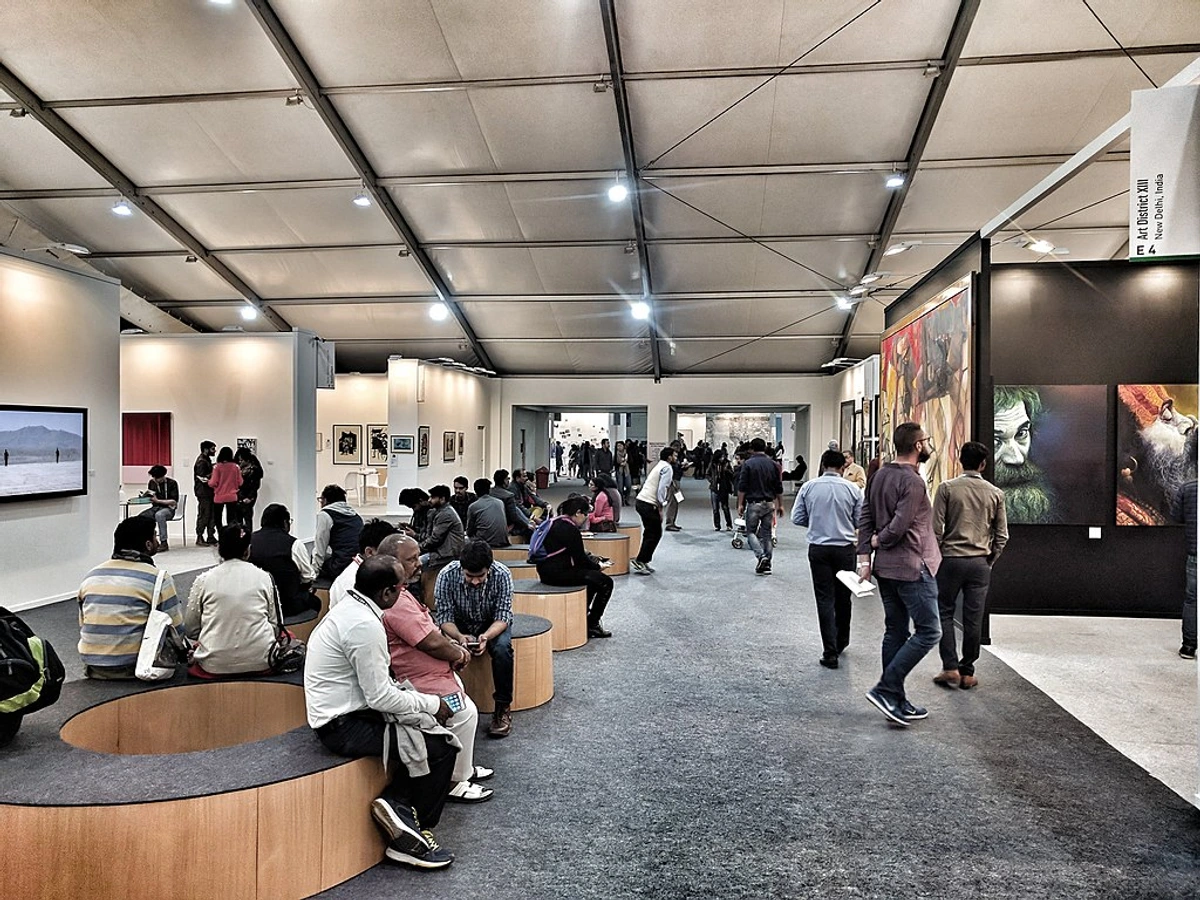
These academies and guilds played a crucial role in shaping the art world as we know it today. They not only provided training and support for artists but also helped to establish standards of quality and authenticity that are still relevant in the art market.
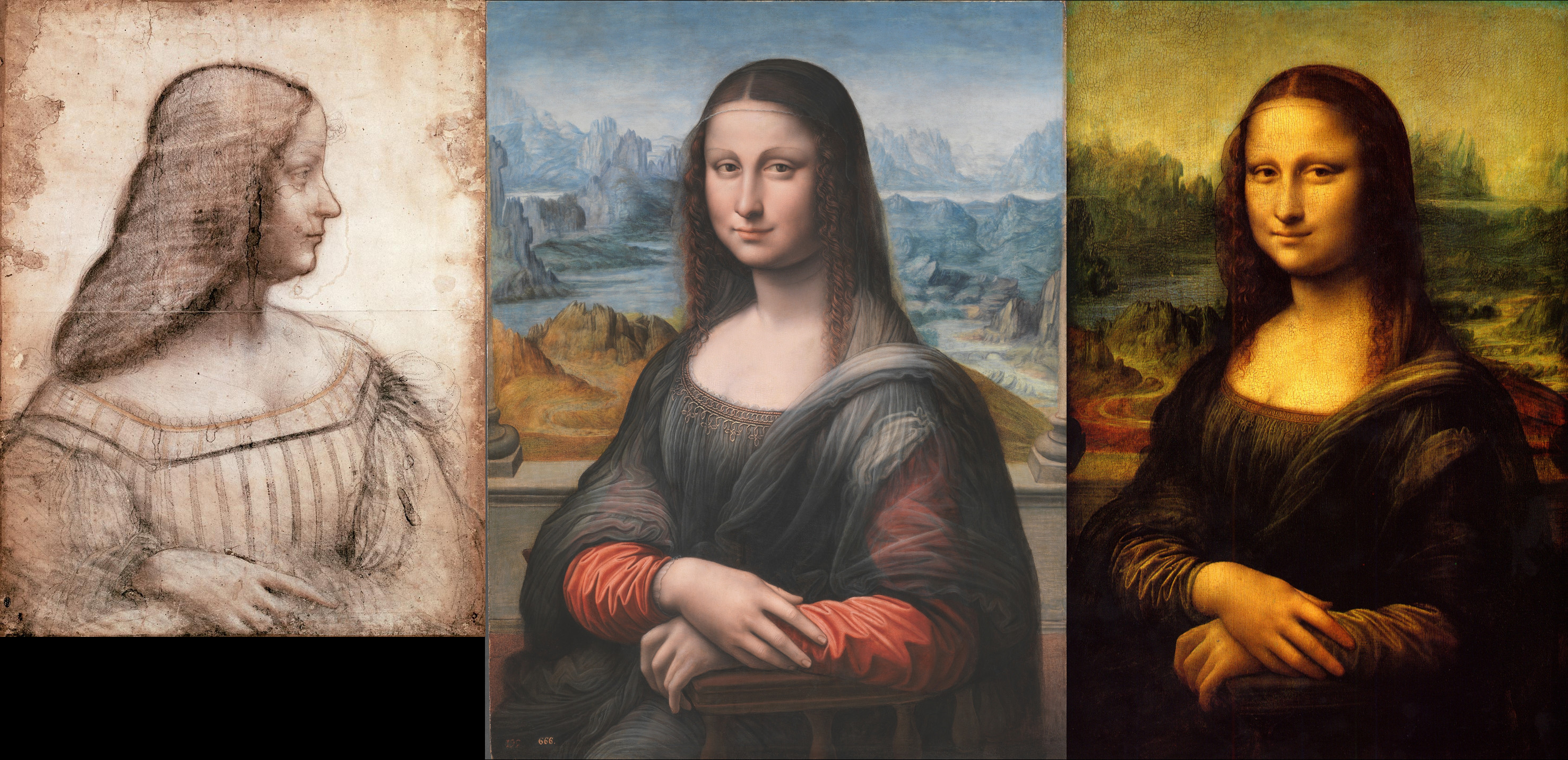
https://upload.wikimedia.org/wikipedia/commons/9/99/Leonarda_da_Vinci_-_Isabella_d%27Este_und_Mona_Lisa_II.jpg, https://creativecommons.org/licenses/by-sa/4.0
More Than Just a Name: The Multifaceted Reasons for Signing
The act of signing a work of art is not merely a formality; it is a complex and multifaceted practice that serves a variety of purposes. From establishing identity to ensuring authenticity, the signature plays a crucial role in the world of art. Let's explore some of the key reasons why artists sign their work.
So, what exactly drove artists to pick up that brush or chisel and mark their territory? It wasn't just ego, although a healthy dose of that certainly helped. It was a complex blend of factors that are still relevant today.

Understanding these reasons can give us a deeper appreciation for the art we see and the artists who create it. It's not just about putting a name on a piece; it's about establishing a connection between the artist and their audience.
Recognition and Fame
One of the most obvious reasons for signing a work of art is to gain recognition. Artists, like all creators, want their work to be acknowledged and appreciated. A signature provides a direct link between the artwork and its creator, allowing the artist to build a reputation and establish a name for themselves. This is particularly important in a competitive field where standing out can make all the difference.
Let's be honest: who doesn't want their hard work acknowledged? For artists, a signature was (and is) a direct claim to their creation. It allows for attribution, for building a reputation. Imagine Johannes Vermeer, meticulously crafting light and shadow in his quiet studio. His signature, though often understated, was his personal stamp on a world of domestic beauty. You can see this dedication in works like 'The Lacemaker,' where every detail speaks of his singular vision. Discover more about masters like him in our ultimate-guide-to-rembrandt-van-rijn, another artist whose personal brand became inextricably linked to his output.
Recognition is not just about fame; it's about validation. It's about knowing that your work has touched someone, that it has made an impact. For many artists, this validation is what drives them to continue creating, to push the boundaries of their craft, and to leave a lasting legacy.
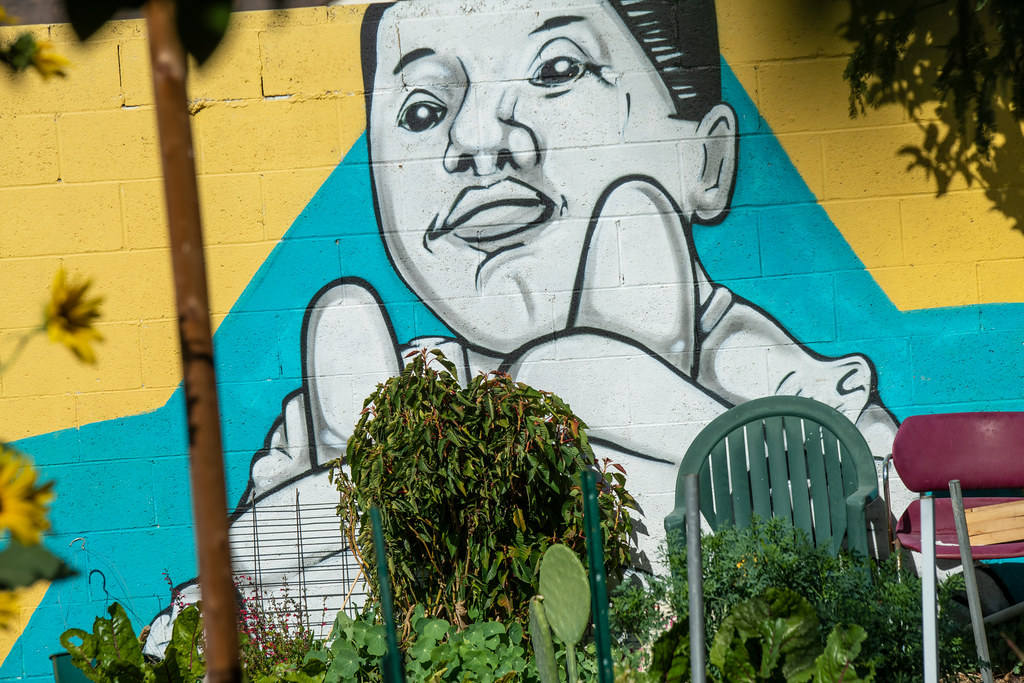
A detailed mural of a woman's face integrated into a wall art design, showcasing creative interior decoration techniques and artistic wall panels. Ideal for modern wall decor inspiration.

Keywords: wall art mural, interior decor, artistic wall panels, wall art ideas, home decoration.](https://images.zenmuseum.com/article/decorating-large-walls-with-art/7790d1e0-eac2-11f0-b4b8-49b29ea43f10.jpg) credit, licence
https://upload.wikimedia.org/wikipedia/commons/6/61/Johannes_vermeer%2C_la_merlettaia_%28dentelli%C3%A8re%29%2C_1669-70_ca._01.jpg, https://creativecommons.org/licenses/by/3.0
Authorship and Ownership
In a world where ideas can be easily copied and reproduced, the concept of authorship is more important than ever. A signature serves as a declaration of ownership, a way for the artist to stake their claim on their creation. It is a statement that says, "This is mine; I created it." This is especially crucial in the digital age, where images can be shared and replicated with ease.
This is a big one. Before signatures, how could you prove a work was yours? The signature cemented the idea of intellectual property. It protected an artist's unique style and vision from being easily copied or claimed by others. In a world without copyright laws, a signature was often the best defense against plagiarism or misattribution. It said, quite simply, "This idea, this execution, this vision – it originated with me."
Ownership is not just about legal rights; it's about creative integrity. It's about ensuring that the artist's vision is preserved and that their work is not misrepresented or misused. This is why the concept of authorship is so deeply ingrained in the art world.
A Mark of Quality and Trust
A signature can also serve as a mark of quality. When a piece of art bears the signature of a renowned artist, it carries with it a certain level of prestige and trust. Collectors and patrons know that they are investing in a piece that meets a high standard of craftsmanship and artistic excellence. This trust is built over time, as the artist's reputation grows and their work becomes more sought after.
Think of it like a brand label today. A master's signature implied a certain standard of craftsmanship and artistic excellence. Patrons knew that if a piece bore the mark of a renowned artist, they were getting top-tier quality. It built trust and became a crucial factor in the burgeoning art market, distinguishing a master's original from a workshop copy.
This trust is not just about the artist's skill; it's about their commitment to their craft. It's about knowing that the artist has put their heart and soul into their work, and that they stand behind it with their name.

Commercial Value and Authenticity
The commercial value of a piece of art is often tied to its authenticity. A signature provides a tangible link to the artist, serving as proof of the artwork's origin and history. This is particularly important in the art market, where the provenance of a piece can significantly impact its value. Collectors are willing to pay a premium for works that come with a verified signature, as it guarantees the piece's authenticity and adds to its historical significance.
As art became a commodity, the signature's role in determining value became paramount. An authenticated signature drastically increases an artwork's market worth. It's the proof of provenance, the stamp of authenticity. Without it, a piece's origin can be debated, its value diminished. This is why forensic art analysis often dedicates so much effort to verifying signatures – they're the key to unlocking a work's history and monetary worth.
Authenticity is not just about money; it's about preserving the artist's legacy. It's about ensuring that their work is remembered and celebrated for what it truly is, and that their contributions to the art world are recognized and valued.
Personal Expression and Legacy
Beyond the practical considerations, signing a work of art is also a deeply personal act. It is the artist's final touch, a moment of connection between the creator and their creation. For many artists, the signature is a way to leave a lasting mark, a legacy that will endure long after they are gone. It is a statement of pride, a declaration of their contribution to the world of art, and a way to ensure that their voice is heard for generations to come.
Beyond all the practicalities, a signature is a deeply personal act. It's the artist's final interaction with the piece, a last touch that says, "It's complete." For some, it's a subtle part of the composition; for others, it's a bold statement. It's also a way to secure a legacy, to ensure their contribution to the vast tapestry of art history is remembered. It's about leaving a permanent mark, literally, that echoes through time.
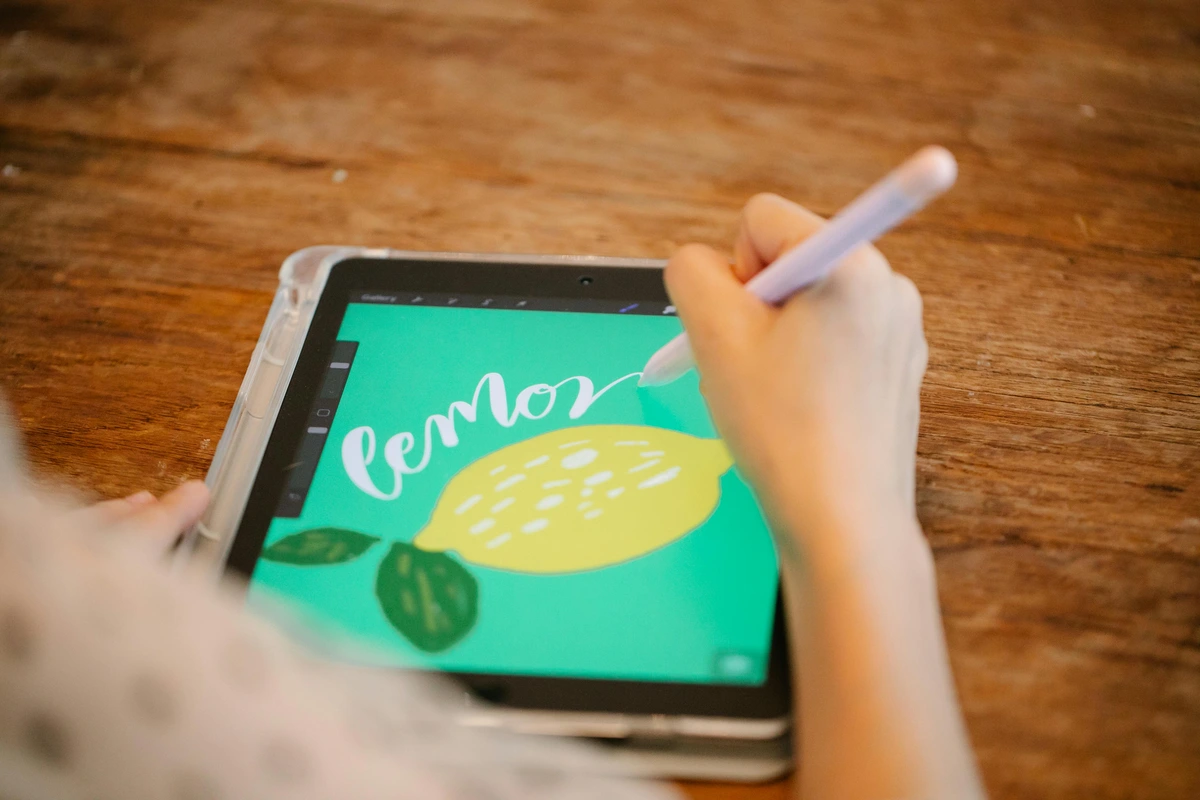
This personal expression is what makes art so powerful. It's not just about the visual impact; it's about the connection between the artist and their audience. It's about knowing that the artist has poured their heart and soul into their work, and that they are sharing a piece of themselves with the world.

The Evolving Signature: From Workshop Monograms to Modern Statements
The practice of signing art has evolved significantly over the centuries. From the subtle monograms of the Renaissance to the bold signatures of contemporary artists, the way artists mark their work reflects the changing attitudes towards authorship and identity. Let's take a closer look at how the signature has transformed over time.
Signatures haven't always looked the same. Early on, you might find subtle monograms or unique symbols. Over time, as literacy increased and individual identity gained prominence, full names became more common. Then, in the modern era, things got interesting.
The evolution of the signature is a reflection of the broader cultural shifts that have shaped the art world. From the anonymity of the medieval period to the individualism of the Renaissance, and from the bold statements of modern artists to the digital signatures of today, the signature has always been a powerful symbol of the artist's identity and their place in the world.
The 20th century saw a dramatic shift in the way artists approached the concept of authorship. With the rise of movements like Dada and Surrealism, artists began to challenge traditional notions of what it meant to be an artist. Some chose to sign their work in unconventional ways, using pseudonyms or even anonymous signatures to make a statement about the nature of art and identity. Others, like Marcel Duchamp, used their signatures as part of their artistic practice, blurring the lines between the artwork and the artist's identity.
These unconventional approaches to signing art were not just about rebellion; they were about redefining the role of the artist in society. They were about challenging the status quo and pushing the boundaries of what art could be.
Some artists deliberately chose not to sign, or to sign anonymously, making a statement about authorship itself. Think of performance art or collaborative projects where the individual hand takes a back seat. A fascinating example is Judy Chicago's monumental installation, "The Dinner Party." This work, celebrating hundreds of women from history, isn't signed by Chicago in the traditional sense. Instead, it's a collective effort, with the names of the honored women taking center stage. It challenges the very notion of a single artist's signature, highlighting the contributions of many and shifting focus from individual authorship to collective impact. It's a powerful statement, and if you haven't seen it, I highly recommend looking up the ultimate-guide-to-judy-chicago to truly appreciate its scope.
These collective efforts remind us that art is not just about individual expression; it's about community, collaboration, and the shared human experience. They challenge us to think differently about what it means to be an artist and what it means to create art.
In the digital age, the concept of the signature has taken on new dimensions. With the rise of digital art and NFTs, artists are exploring new ways to mark their work and establish ownership. While the traditional signature remains a powerful symbol of authorship, the digital signature is becoming increasingly important in a world where art is often created and shared online. This shift raises new questions about the nature of authorship and the role of the signature in the digital realm.
The digital signature is not just about ownership; it's about authenticity and trust. It's about ensuring that the artist's work is recognized and valued in a world where digital reproductions are ubiquitous. It's about preserving the artist's legacy in a rapidly changing technological landscape.

https://live.staticflickr.com/7162/6411955077_621da5106a_b.jpg, https://creativecommons.org/licenses/by/2.0/
The Signature Today: My Personal Mark, Your Connection
For contemporary artists like myself, the signature still holds immense meaning. In a world overflowing with digital reproductions, where images can be copied endlessly, that physical mark on an original artwork is more important than ever. It's a tangible link between creator and collector, a whisper across time and space. When you invest in a piece of art, that signature is a promise, a personal invitation into the artist's world.
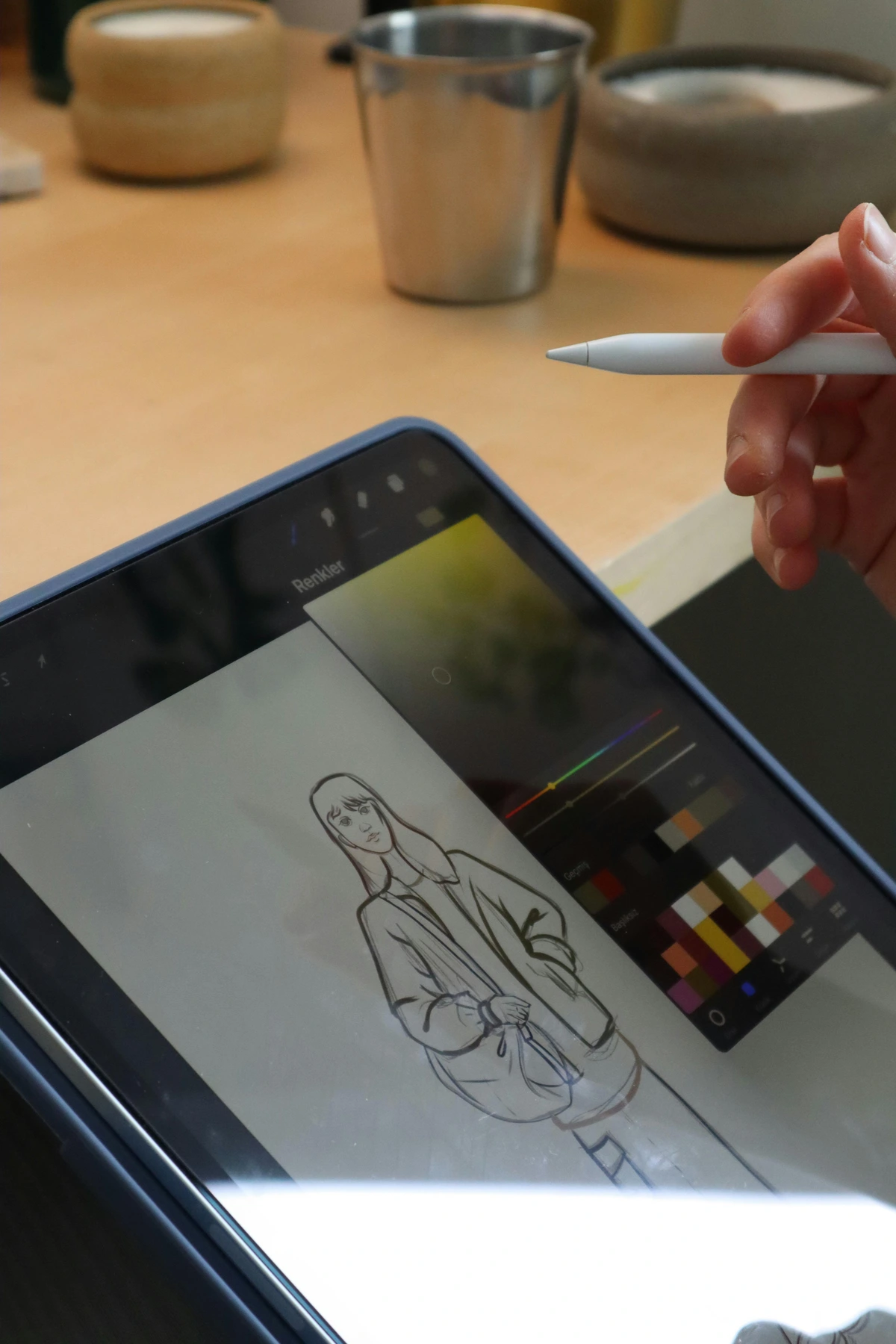
It's why, when I finish a piece, I take a moment before that final stroke. It's not just putting my name on it; it's a confirmation, a blessing, a release. It’s my way of saying, "This is complete, this is me, and now it's ready for you." If you're curious to see how I incorporate my signature into my contemporary pieces, you can always explore my work here, or perhaps even visit the den-bosch-museum someday to experience art in person. The journey of art, from anonymous craftsmanship to celebrated authorship, is truly remarkable, and it's a story that continues to unfold on a timeline we're all still writing.
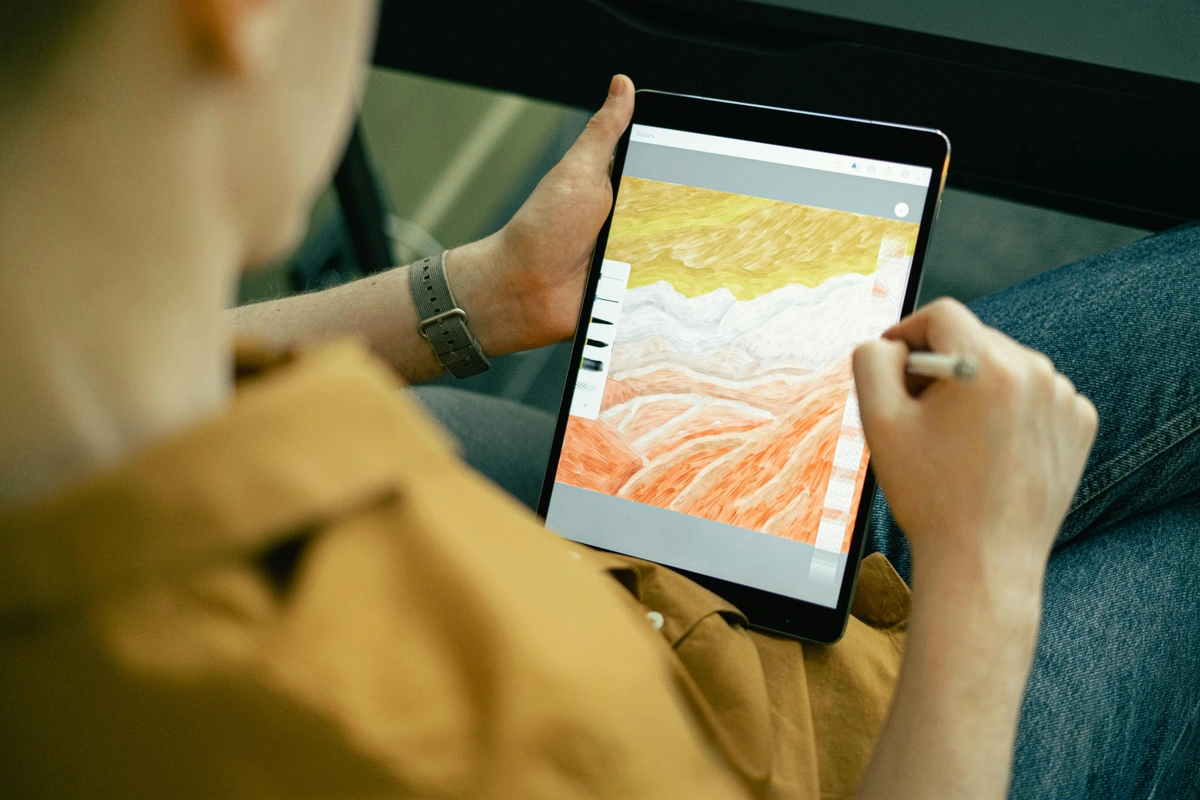
The signature is more than just a name; it's a connection. It's a way for the artist to reach out to their audience, to share a piece of themselves, and to invite them into their world. It's a reminder that art is not just about the visual impact; it's about the human experience, the shared journey, and the enduring legacy of creativity.
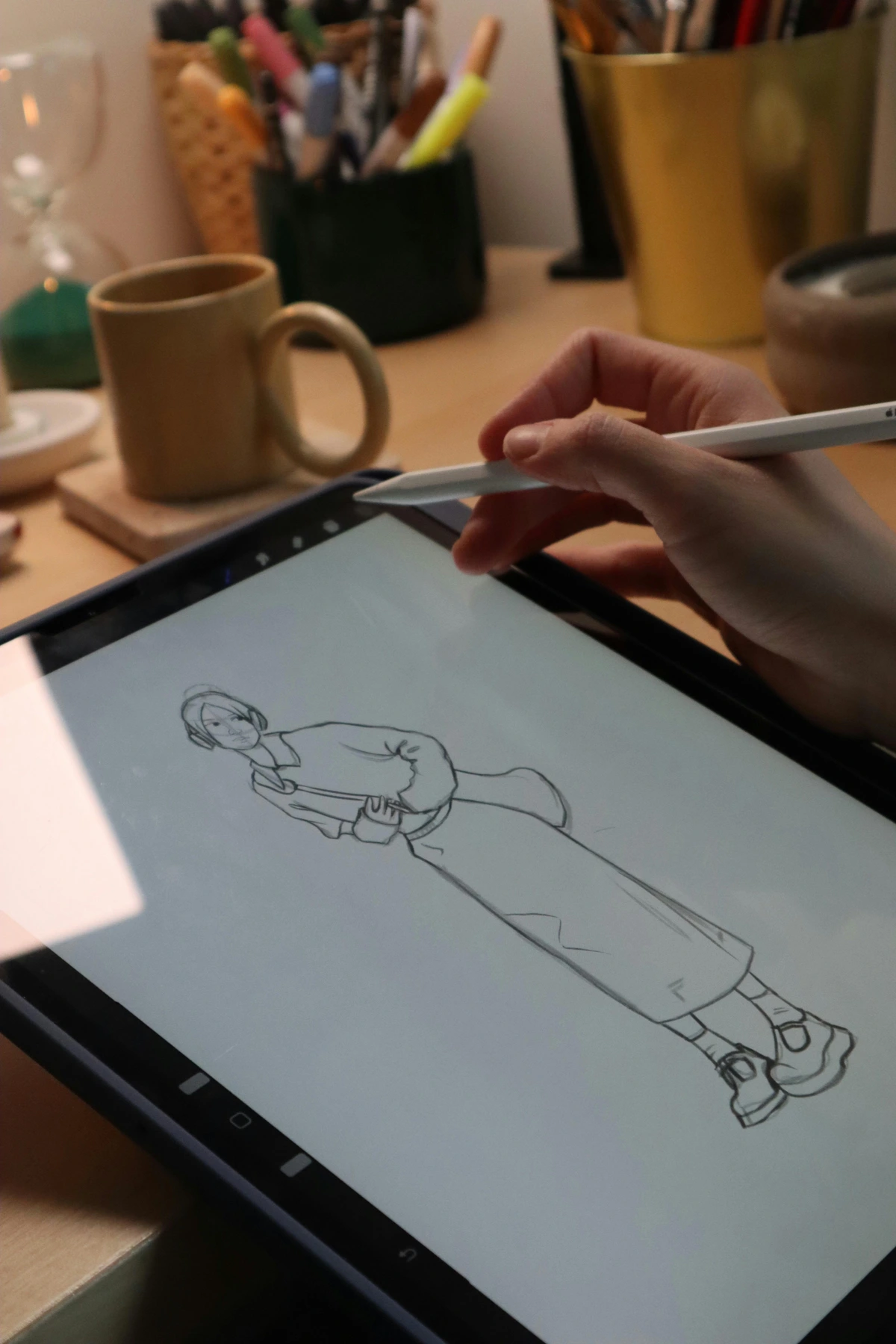
Frequently Asked Questions (FAQ)
Why Did Artists Start Signing Their Work?
The practice of signing artwork began as a way for artists to claim ownership and establish their identity. During the Renaissance, artists started to see themselves as individuals with unique voices and styles, and signing their work became a way to assert their authorship and build a reputation.
What Does an Artist's Signature Represent?
An artist's signature represents more than just their name. It is a symbol of their identity, their creative vision, and their legacy. It serves as a declaration of ownership, a mark of quality, and a connection between the artist and their audience.
How Has the Concept of the Signature Evolved Over Time?
The concept of the signature has evolved significantly over the centuries. From the subtle monograms of the Renaissance to the bold signatures of contemporary artists, the way artists mark their work reflects the changing attitudes towards authorship and identity. In the digital age, the signature has taken on new dimensions, with artists exploring digital signatures and new ways to establish ownership and authenticity.
Why Is the Signature Important in the Art Market?
The signature is crucial in the art market because it serves as proof of the artwork's origin and history. An authenticated signature can significantly increase an artwork's market worth, as it guarantees the piece's authenticity and adds to its historical significance. Collectors are willing to pay a premium for works that come with a verified signature.
How Do Artists Use Signatures to Express Themselves?
For many artists, the signature is a deeply personal act. It is their final interaction with the piece, a last touch that says, "It's complete." The signature can be a subtle part of the composition or a bold statement, reflecting the artist's unique style and creative vision. It is a way for the artist to leave a lasting mark and ensure that their contribution to the world of art is remembered.
Why Did Artists Start Signing Their Work? A Journey Through Art's Quest for Identity
I was just looking at one of my own pieces, a vibrant abstract, and my eyes naturally landed on the small, almost discreet signature in the corner. It's a habit, a ritual, really. I sign my work, and you, as a viewer, probably expect it. It's almost a given, isn't it? But have you ever paused to think why? Why do artists sign their work? It hasn't always been this way, not by a long shot. This little act, this final flourish, tells a much larger story about identity, ownership, and the very evolution of what it means to be an artist.

Before the Mark: When Art Was a Collective Act of Devotion
Take a mental trip back with me, way back to the medieval ages. Imagine a grand cathedral, its walls adorned with stunning frescoes and intricate stained-glass windows. Beautiful, awe-inspiring, right? But now, try to find a name attached to that masterpiece. You'd be searching a long, long time. In fact, you likely wouldn't find one. I mean, my own discipline is often a mess, but even I can appreciate the sheer organizational effort that must have gone into these massive, anonymous projects.


















Art during this period wasn't about individual glory. It was a communal effort, often performed by skilled artisans working within workshops, all under the patronage of the Church or powerful nobles. The focus was squarely on the message, the religious narrative, and the glory of God, not the human hands that created it. The craftsman was a vessel, not a celebrity. Their skill was appreciated, certainly, but their personal identity was largely irrelevant. It's a stark contrast to what we expect today, almost unsettling to think about, isn't it? An entire era of breathtaking beauty, largely anonymous. It's almost like they were saying,