What Is Cadmium Red Paint? The Artist's Secret Weapon
Discover the vibrant, permanent magic of cadmium red - its history, chemistry, artistic impact, and why it remains essential for serious painters.

What Is Cadmium Red Paint? The Artist's Secret Weapon
Cadmium red paint is more than just a color—it's a statement. For artists, it represents a blend of chemistry and creativity that has stood the test of time. Whether you're a seasoned painter or just starting, understanding the unique properties and history of cadmium red can elevate your work to new heights. Let's explore why this pigment is a must-have in any artist's toolkit.
Cadmium red paint is more than just a color—it's a statement. For artists, it represents a blend of chemistry and creativity that has stood the test of time. Whether you're a seasoned painter or just starting, understanding the unique properties and history of cadmium red can elevate your work to new heights. Let's explore why this pigment is a must-have in any artist's toolkit.
I remember the first time I truly understood why cadmium red wasn't just any red. It was during a brutal sunset painting expedition, where every other crimson I owned turned muddy as the light faded. Cadmium red alone held its ground, intense and unapologetic against the dying light. That moment sparked a lifelong obsession with this pigment—a fiery marriage of chemistry and creativity that’s still burning bright. Let’s break down why cadmium red deserves a permanent place in your artistic arsenal.
I remember the first time I truly understood why cadmium red wasn't just any red. It was during a brutal sunset painting expedition, where every other crimson I owned turned muddy as the light faded. Cadmium red alone held its ground, intense and unapologetic against the dying light. That moment sparked a lifelong obsession with this pigment—a fiery marriage of chemistry and creativity that’s still burning bright. Let’s break down why cadmium red deserves a permanent place in your artistic arsenal.
Cadmium red isn't just about its vibrant hue; it's about the confidence it brings to your work. Whether you're capturing the warmth of a sunset or the intensity of a storm, this pigment ensures your art remains as vivid as the day it was created.
The Fiery Birth of a Pigment

The Fiery Birth of a Pigment
Cadmium red didn't emerge from an artist’s studio but from a 19th-century chemistry lab. After its discovery in 1817, scientists soon realized cadmium sulfide could create pigments that made earlier reds (like madder lakes) look pale by comparison. The first commercial cadmium yellows appeared around 1820, but red variants required a brilliant innovation: adding selenium to the mix. This seemingly small tweak birthed cadmium red as we know it—a pigment that exploded onto the art scene around 1840s. Suddenly, artists could achieve reds with unmatched saturation and permanence.
The introduction of cadmium red marked a turning point in the art world. It allowed artists to experiment with bold, vibrant colors that were previously unattainable. This pigment wasn't just a new color; it was a revolution in how artists could express themselves.
Imagine Vermeer drooling over this. His famous scarlets? Likely fugitive pigments that would have faded to pinks over centuries. With cadmium red, your work could look as vibrant in 2250 as it does today—that's a revolutionary promise.
Imagine Vermeer drooling over this. His famous scarlets? Likely fugitive pigments that would have faded to pinks over centuries. With cadmium red, your work could look as vibrant in 2250 as it does today—that's a revolutionary promise.

This permanence is one of the reasons why cadmium red has remained a staple in the art world. Unlike other pigments that fade or change over time, cadmium red retains its brilliance, ensuring that your artwork stands the test of time.
The Chemistry Behind the Magic
What gives cadmium red its legendary punch? It’s all about cadmium selenide (CdSe) or cadmium sulfide-selenide solid solutions. Unlike organic pigments (like many red food dyes) that break down under UV light, cadmium’s inorganic crystal structure laughs at sunlight. This makes it:

- Lightfastness: Resists fading for centuries (often rated ASTM I).
- Opacity: Hides layers aggressively—no ghosting through canvases.
- Hue Range: From cool scarlets to warm vermilions depending on selenium content.
- Tinting Strength: A tiny bit dominates other colors.
Here’s how different cadmium reds compare:
Pigment Name  | Selenium Content | Hue Temperature | Transparency | Typical Cost |
|---|---|---|---|---|
| Cadmium Scarlet | High | Warm | Semi-opaque | High |
| Cadmium Red | Moderate | Neutral | Opaque | High |
| Cadmium Deep Red | Low | Cool | Semi-opaque | Very High |
| Cadmium Red Light | Very High | Very Warm | Semi-transparent | High |
| Cadmium Red Medium | High-Moderate | Warm-Neutral | Semi-opaque | High |
| Cadmium Maroon | Very Low | Very Cool | Opaque | Premium |
Each variant of cadmium red offers unique properties that cater to different artistic needs. Whether you're looking for a warm, vibrant hue or a cool, deep tone, there's a cadmium red pigment that's perfect for your project.
Why Artists Love It (and Why You Should Too)
Cadmium red solves problems that haunt painters:

- Permanence Wars: No more reds turning to sad pinks in 30 years. Your descendants will appreciate it.
- Color Dominance: Need a focal point? Cadmium red screams "LOOK HERE" without being garish.
I had a purist phase where I banned "toxic pigments" from my palette. Let’s just say my sunsets looked like they’d been sneezed on. Cadmium red isn’t just about color—it’s about confidence. It holds its own in bold abstract expressions and subtle glazing alike. For contemporary artists like those featured in our museum exhibitions, cadmium red offers versatility across styles. One stroke can be a bold statement; the next, a whisper in a sunset gradation.
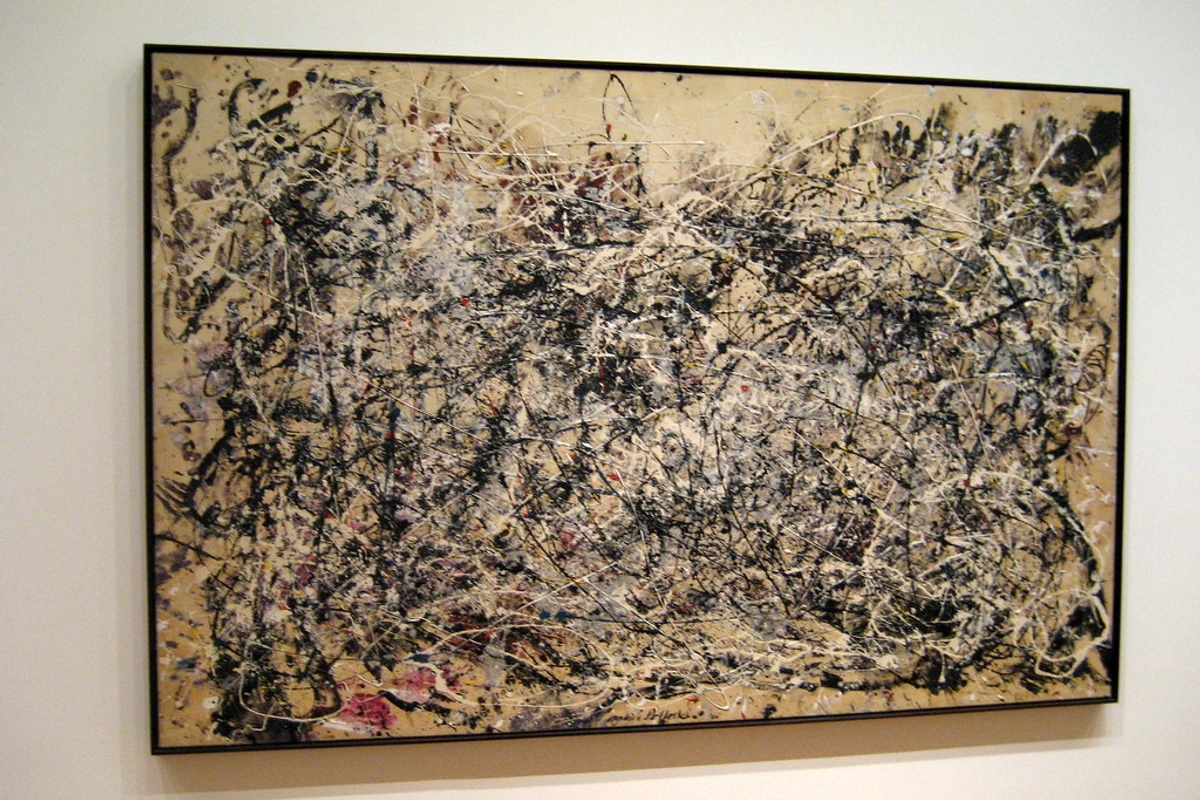
The confidence that cadmium red brings to your work is unmatched. It's not just a pigment; it's a tool that empowers you to create art that resonates with viewers on a deep emotional level.
Practical Realities: Handling and Choosing
Safety Note: Cadmium is toxic. Modern artists often avoid it due to regulations, but with proper handling (gloves, ventilation, not licking brushes), it’s safe. If toxicity worries you, consider modern alternatives like pyrrole reds, though they lack the same punch.
When to Splurge: Cadmium red is pricy for good reason. Reserve it for moments where its unique qualities are non-negotiable. For underpaintings or muted palettes? Cheaper alternatives work fine.
Application Tips:
- Overuse it? It can dominate a painting. Balance with blues/greens.
- Mix it carefully with white—Cadmium Red Light + white creates baby-pink perfection.
- Layer thinly initially; its opacity means you don’t need much.
Storage Tips:
- Store cadmium red paints in a cool, dry place away from direct sunlight.
- Keep tubes tightly sealed to prevent drying out.
- Avoid storing near food or areas where children and pets can access them.
By following these tips, you can ensure that your cadmium red paints remain in optimal condition and continue to deliver the vibrant colors you love.
Cadmium Red in Different Painting Mediums
While cadmium red is most famous in oil paints, it's available in various mediums with some important differences:
Oil Paints
- Pros: Maximum pigment concentration, excellent lightfastness, versatile application techniques
- Cons: Slow drying time, requires solvents for cleanup
- Best for: Traditional oil painting, glazing, impasto work
Acrylic Paints
- Pros: Fast drying, water cleanup, good lightfastness
- Cons: Can be less opaque than oil versions, may dry out faster in tubes
- Best for: Contemporary painting, mural work, artists sensitive to solvents
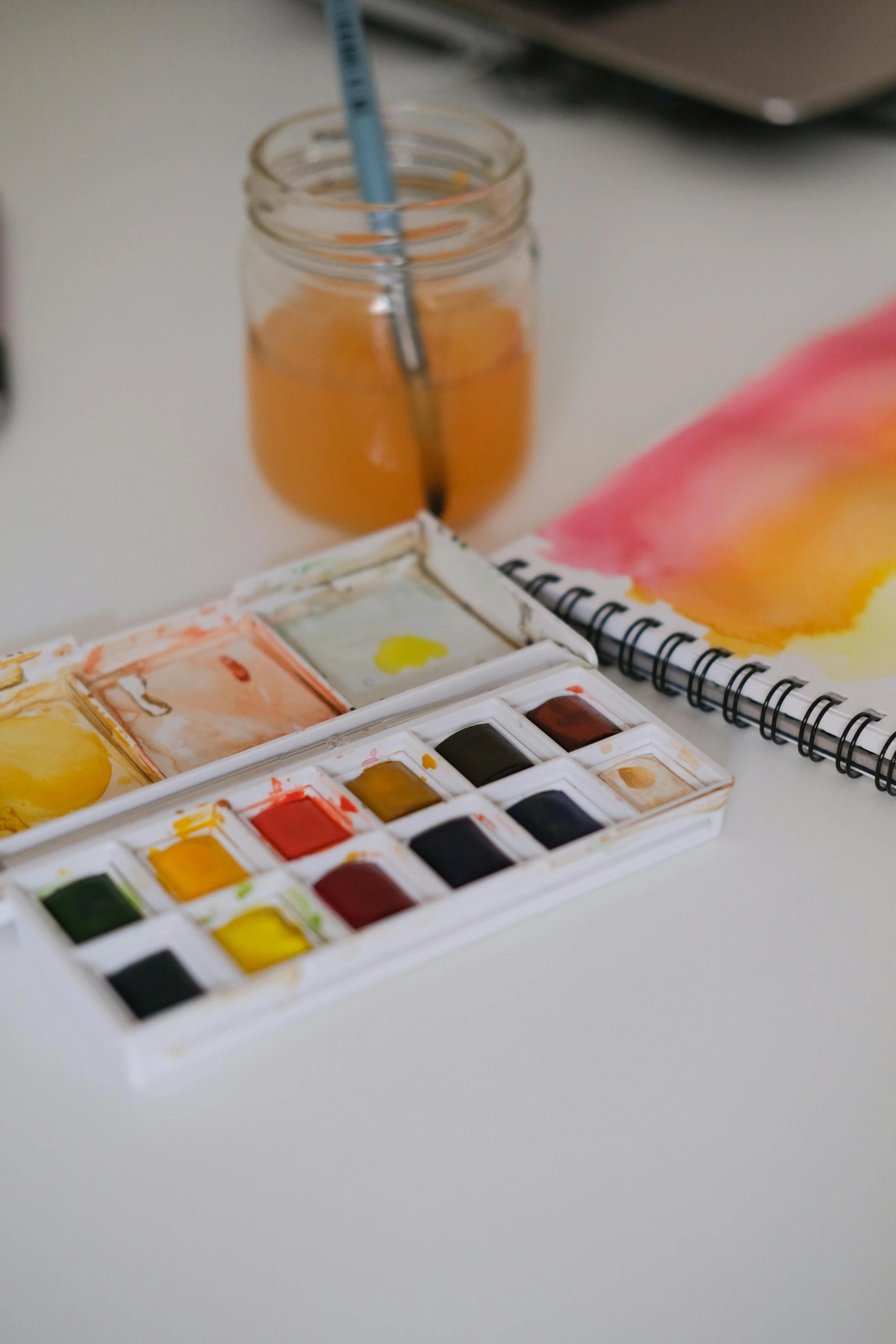
Watercolors
- Pros: Transparent effects, easy cleanup, portable
- Cons: Lower pigment concentration, can appear less vibrant than other mediums
- Best for: Landscape painting, illustration, travel sketching
Gouache
- Pros: Opaque watercolor effects, rewettable
- Cons: Can be less permanent than other mediums
- Best for: Illustration, design work, opaque watercolor techniques
Pastels
- Pros: Pure pigment, immediate application, no drying time
- Cons: Dust can be hazardous, requires careful handling
- Best for: Quick studies, expressive work, plein air painting
Each medium offers unique advantages and challenges when using cadmium red. Understanding these differences can help you choose the right medium for your artistic vision.
Cadmium Red in Art History and Cultural Context
Cadmium red arrived at a fascinating moment in art history. When it became widely available in the mid-19th century, artists were moving away from traditional techniques and embracing new ways of seeing and representing the world. Cadmium red:

- Coincided with Impressionism: Perfect for capturing the fleeting effects of light
- Supported Modernism: Bold enough for abstract expressionist works
- Enabled Photography: Rich reds complemented early color photography
- Influenced Design: From Victorian interiors to Art Deco posters
- Defined Iconic Works: From Van Gogh's sunflowers to Rothko's color fields
The pigment didn't just change how artists painted—it changed how red could be used in visual communication.
Cadmium red's impact on art history is undeniable. It allowed artists to explore new creative possibilities and push the boundaries of traditional techniques. Its vibrant hue and permanence made it a favorite among some of the most influential artists of the 19th and 20th centuries.
Psychological Impact and Color Theory
In color psychology, red is associated with:
- Energy and Passion: The lifeblood color
- Danger and Warning: Natural alert signal
- Love and Romance: Heart-centered emotion
- Power and Authority: Leadership and confidence
- Excitement and Urgency: Action-oriented motivation
Cadmium red delivers all these psychological effects with sophistication. Unlike some synthetic reds that can appear harsh or artificial, cadmium red carries emotional weight while maintaining visual elegance. This makes it uniquely valuable for artists who want to create emotionally resonant work without resorting to cliché.

The emotional impact of cadmium red is one of its most compelling qualities. It allows artists to convey a wide range of emotions, from passion and love to power and urgency, in a way that feels authentic and sophisticated.

FAQs About Cadmium Red
Is cadmium red toxic?
Yes—but in tube form, risks are low with proper precautions (no eating near it, wash hands after use). Sanding dried paint dust is dangerous though. Always wear a mask if sanding.

Why is cadmium red so expensive?
Rare elements + complex manufacturing = high cost. It’s an investment in permanence.
Can modern reds replace it?
Pyrrole reds mimic hue but lack opacity and lightfastness. For true archival work, nothing quite beats cadmium.

Why does cadmium red look different in stores?
Pigment concentration and brand formulas vary. Some add extenders to reduce cost, muting brilliance.
How do I test cadmium red for authenticity?
Authentic cadmium red should:
- Have a distinctive weight in the tube (heavier than most pigments)
- Mix to create clean, bright colors without excessive mudding
- Dry to a consistent, non-gritty texture
- Show excellent lightfastness when exposed to sunlight
What's the best way to mix cadmium red with other colors?
Cadmium red mixes beautifully with:
- Cadmium Yellow: Creates vibrant oranges
- Ultramarine Blue: Makes rich purples
- Viridian Green: Produces earthy browns
- Titanium White: Creates pinks and light reds
- Burnt Sienna: Produces realistic flesh tones
Avoid mixing with:
- Lead-based pigments (can cause darkening)
- Sulfide-based pigments (can react over time)
- Copper-based pigments (can create unwanted chemical reactions)
Where can I buy authentic cadmium red?
Reputable art stores stock it. You can explore our timeline of pigment innovations and find options in our online shop.










What should I look for when buying cadmium red?
When purchasing cadmium red, consider:
- Pigment Information: Look for genuine pigment names (PR108, PR109)
- Lightfastness Rating: Should be ASTM I or excellent
- Opacity Level: Varies by formulation—check product descriptions
- Manufacturer Reputation: Established brands generally offer consistent quality
- Price Point: Very low prices may indicate lower pigment concentration
- Tube Size: Professional artists typically prefer 37ml or larger tubes
- Medium Compatibility: Ensure it's appropriate for your painting medium
How do I store cadmium red paints long-term?
For optimal storage:
- Keep tubes upright to prevent pigment separation
- Store in a cool, dark place away from direct sunlight
- Avoid extreme temperature fluctuations
- For opened tubes, consider transferring to airtight containers
- Add a layer of oil on top of oil-based paints to prevent skinning
- Check periodically for any signs of degradation
What's the shelf life of cadmium red paint?
Properly stored:
- Oil Paints: Can last 10-20 years or more
- Acrylic Paints: 2-5 years once opened, longer if unopened
- Watercolors: Indefinite if kept moist, but may dry out over time
- Gouache: 1-3 years depending on binder quality
How can I tell if my cadmium red has gone bad?
Signs of degraded paint include:
- Unpleasant odor or rancid smell
- Separation that doesn't remix properly
- Mold growth in water-based mediums
- Thick, unusable consistency
- Color that appears dull or muddy
- Cracking or peeling when dry
The Bottom Line
Cadmium red isn’t just a paint—it’s a statement. It’s the difference between a painting that whispers and one that sings. Yes, it demands respect (and wallet space), but in the hands of an artist who understands its power? It’s transformative. Whether you’re capturing the fire in a dancer’s cheek or the fury of a storm, cadmium red gives you a voice that time and light can’t silence. Embrace the legacy, wield the responsibly, and watch your art blaze trails.
Incorporating cadmium red into your artistic practice is more than just adding a color to your palette. It's about embracing a tool that has shaped the course of art history and continues to inspire artists today. With its unmatched vibrancy, permanence, and versatility, cadmium red is truly the artist's secret weapon.