What Is Pigment Load in Painting? A Comprehensive Guide
An essential guide to understanding pigment load in painting, explaining how it affects color intensity, transparency, and the overall visual impact of artworks across different mediums.

What Is Pigment Load in Painting? A Comprehensive Guide
I remember the first time I squeezed a tube of paint and wondered why some colors looked so vibrant straight from the tube, while others seemed almost transparent. That’s when I stumbled upon the concept of pigment load. It’s one of those terms that sounds technical but is actually fundamental to how paint behaves—whether you’re working with oils, acrylics, or watercolors.
Pigment load is more than just a technical detail; it’s the heart of what makes paint behave the way it does. Understanding it can transform your approach to painting, whether you're a beginner or a seasoned artist. In this guide, we’ll explore everything you need to know about pigment load, from its basic definition to its practical implications in your artwork.
But what exactly is pigment load, and why does it matter so much? Let’s dive in and uncover the secrets behind this essential aspect of painting.
Why Understanding Pigment Load Matters
Pigment load is a concept that bridges the gap between the technical and the artistic. It’s not just about the science of paint; it’s about how that science translates into the art you create. Whether you're aiming for bold, dramatic strokes or soft, layered effects, pigment load plays a crucial role in achieving your artistic vision. This guide will help you understand how to harness the power of pigment load to elevate your artwork.

What Is Pigment Load?
At its core, pigment load refers to the concentration of pigment particles in a paint. Pigments are the finely ground powders that give paint its color. The "load" is essentially how much of that pigment is packed into the paint compared to the binder (the liquid that holds the pigment together and allows it to adhere to a surface).
The Science Behind Pigment Load
Pigments are derived from a variety of sources, including minerals, plants, and synthetic compounds. The binder, on the other hand, can be made from oils, acrylics, or gum arabic, depending on the type of paint. The ratio of pigment to binder determines the paint's properties, such as its opacity, vibrancy, and texture.
Types of Pigments
- Natural Pigments: Derived from minerals and plants, these pigments have been used for centuries and are known for their earthy tones and durability.
- Synthetic Pigments: Created in laboratories, these pigments offer a wider range of vibrant colors and are often more consistent in quality.
- Organic Pigments: Derived from carbon-based compounds, these pigments are known for their bright, vivid colors but can be less lightfast than inorganic pigments.
- High pigment load: More pigment, less binder. This results in richer, more opaque colors.
- Low pigment load: Less pigment, more binder. This creates more transparent, sometimes watery colors.
Think of it like making coffee. A high pigment load is like a strong espresso—intense and bold. A low pigment load is like a light americano—subtle and see-through.
This analogy helps illustrate how pigment load affects not just the appearance of your paint but also its behavior on the canvas. Whether you're aiming for bold, dramatic strokes or soft, layered effects, pigment load plays a crucial role.
Practical Implications of Pigment Load
Understanding pigment load can help you make informed decisions about the type of paint you use for different techniques. For example, high pigment load paints are ideal for creating bold, opaque layers, while low pigment load paints are perfect for glazing and creating subtle, translucent effects.

Why Does Pigment Load Matter?
Pigment load isn’t just a technical detail; it directly impacts how your artwork looks and feels. Here’s why it’s so important:
The Role of Pigment Load in Artistic Expression
Pigment load is a fundamental aspect of paint that influences the visual and tactile qualities of your artwork. It affects everything from the intensity of your colors to the texture of your brushstrokes. By understanding pigment load, you can better control the outcome of your artistic endeavors and achieve the effects you desire.

1. Color Intensity and Vibrancy
High pigment load paints are more vibrant because there’s simply more color in them. If you’ve ever used a professional-grade paint and noticed how much more vivid it is compared to student-grade, that’s often due to the pigment load. Student-grade paints tend to have more fillers and less pigment, which dilutes the color.
This difference in vibrancy can be the deciding factor in whether your artwork stands out or blends into the background. For artists who want their colors to pop, investing in high-pigment paints is a must.
2. Opacity vs. Transparency
- High pigment load: Opaque. Covers underlying layers well. Great for bold, solid colors.
- Low pigment load: Transparent. Lets underlying layers show through. Ideal for glazing and layering techniques.
The choice between opacity and transparency can drastically alter the mood and style of your artwork. Whether you're aiming for a bold, graphic look or a soft, ethereal effect, understanding pigment load helps you achieve your artistic vision.

3. Texture and Consistency
Paints with a high pigment load tend to be thicker and more buttery, while those with a low pigment load are often runnier. This affects how the paint handles—whether it’s smooth and easy to blend or thick and textured.
Texture is not just about aesthetics; it’s about the tactile experience of painting. High-pigment paints offer a richness that can make your brushstrokes feel more dynamic and expressive, while low-pigment paints can be perfect for smooth, seamless blends.
4. Durability and Longevity
Pigments are what make paint last. A higher pigment load generally means better lightfastness (resistance to fading) and longevity. This is why professional artists often invest in high-pigment paints—they want their work to stand the test of time.
Durability is especially important for artists who want their work to be displayed or sold. High-pigment paints ensure that your artwork remains vibrant and true to your original vision for years to come.

Pigment Load Across Different Mediums
Not all paints are created equal, and pigment load varies significantly depending on the medium. Let’s break it down:
Each medium has its own unique characteristics when it comes to pigment load. Understanding these differences can help you choose the right paint for your artistic goals.
Comparing Pigment Load in Different Mediums
Medium  | Pigment Load | Characteristics |
|---|---|---|
| Oil Paints | High | Rich, buttery, and vibrant |
| Acrylic Paints | Varies | Professional-grade has high pigment load, student-grade has lower |
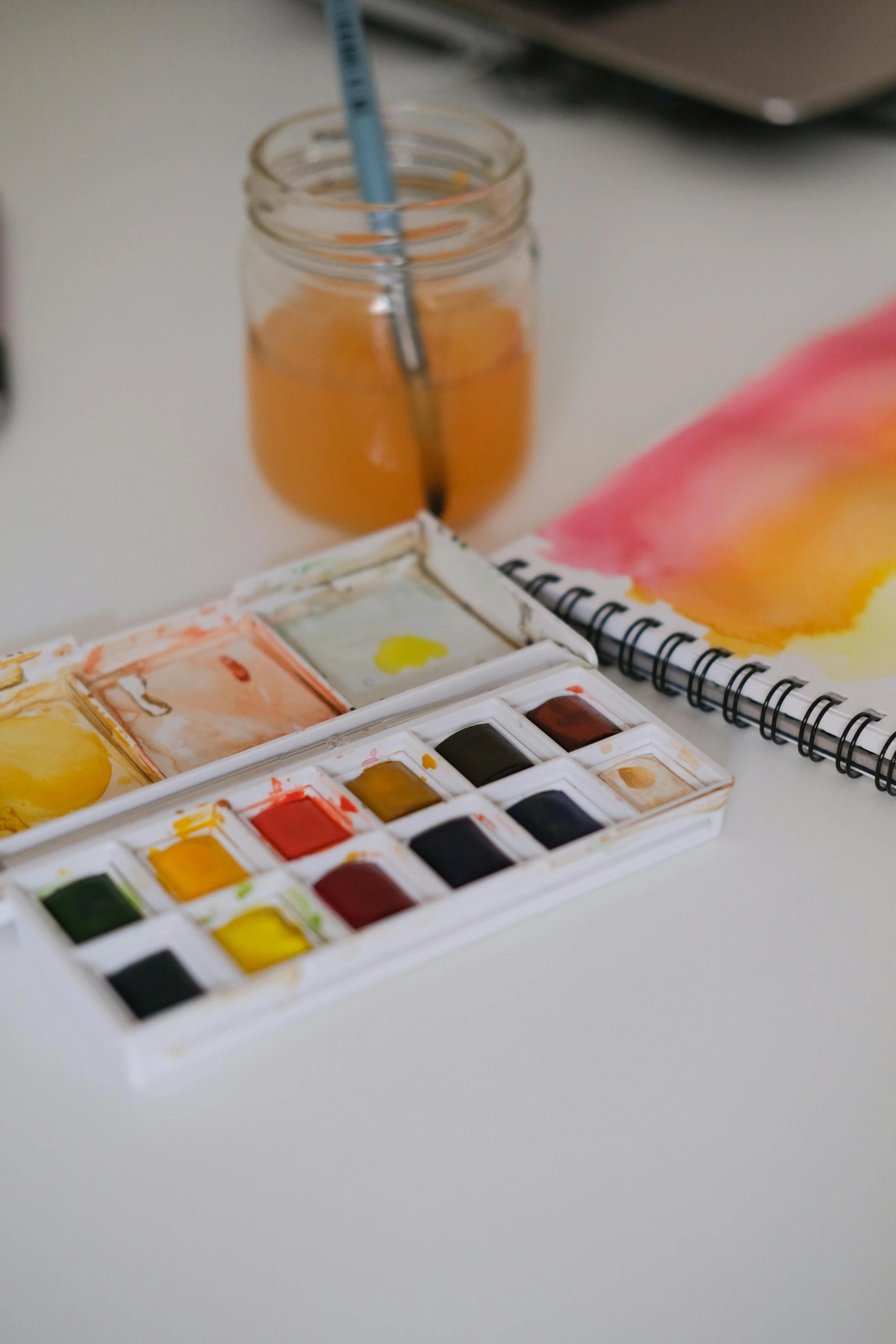
| Watercolors | Low | Transparent and delicate |
| Gouache | High | Opaque and matte |
Oil Paints
Oil paints typically have a high pigment load, which is why they’re so rich and buttery. The binder is linseed oil (or another drying oil), and the pigment is suspended in it. High-quality oil paints can have up to 80% pigment, making them incredibly vibrant and long-lasting.
Oil paints are favored by many professional artists for their depth and richness. The high pigment load in oils allows for a level of detail and vibrancy that is hard to achieve with other mediums.
Acrylic Paints
Acrylics can vary widely. Professional-grade acrylics (like Golden or Liquitex Heavy Body) have a high pigment load, while student-grade or craft paints often have fillers that dilute the pigment. This is why some acrylics feel chalky or weak in color.
Acrylics are known for their versatility, but the pigment load can make a big difference in the final result. Professional-grade acrylics offer the vibrancy and durability that artists need for their most important works.

Watercolors
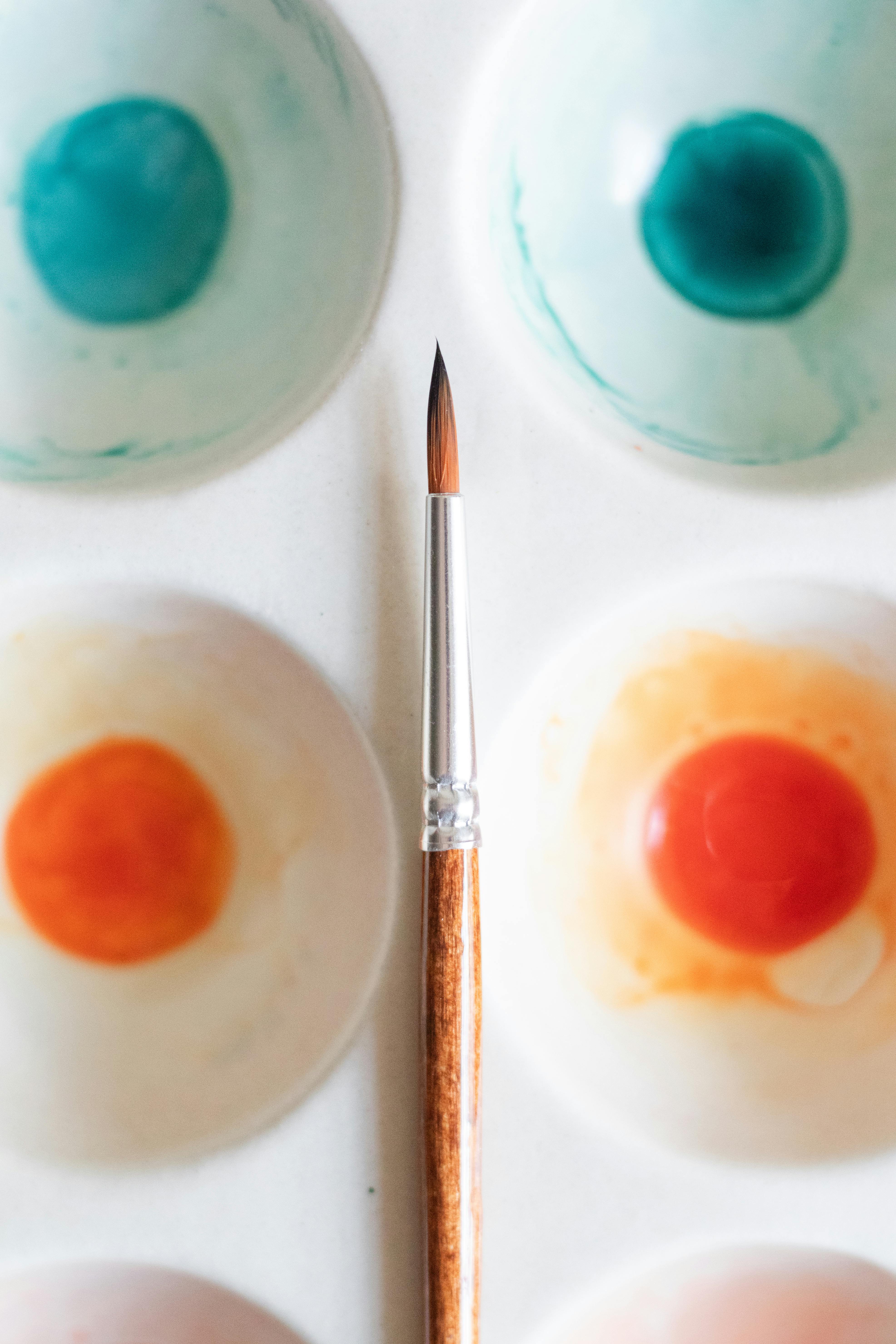
Watercolors naturally have a lower pigment load because they’re designed to be transparent. The pigment is suspended in a gum arabic binder, which is water-soluble. Even so, professional watercolors have more pigment than student-grade, which affects their vibrancy and layering capabilities.
Watercolors are beloved for their delicate, translucent effects. The pigment load in watercolors is carefully balanced to allow for layering and blending, making them ideal for creating soft, ethereal artwork.
Gouache
Gouache is like a hybrid of watercolor and acrylic. It has a high pigment load but is mixed with a white pigment (like chalk) to make it opaque. This gives gouache its unique, matte finish.
Gouache is perfect for artists who want the opacity of acrylics with the fluidity of watercolors. Its high pigment load ensures vibrant colors, while the added white pigment provides a matte finish that is ideal for illustration and design work.
How to Identify Pigment Load in Paints
Not all paint tubes are labeled with their pigment load, but there are clues you can look for:
Identifying pigment load can be tricky, but with a little knowledge, you can make informed choices about the paints you use. Here are some tips to help you determine the pigment load of your paints.

- Price: Higher pigment load usually means a higher price. Professional-grade paints cost more because they contain more pigment and fewer fillers.
- Labeling: Some brands indicate pigment concentration. For example:
- "Artist Grade" or "Professional": Typically higher pigment load.
- "Student Grade" or "Hobby": Lower pigment load, more fillers.
- Consistency: Thicker, creamier paints often indicate a higher pigment load. Runny or watery paints usually have less pigment.
- Brand Reputation: Brands like Winsor & Newton, Golden, and Schmincke are known for high pigment loads. Craft brands (like Apple Barrel or FolkArt) tend to have lower pigment loads.
By paying attention to these factors, you can make better decisions about the paints you use and ensure that your artwork has the vibrancy and durability you desire.
Practical Tips for Working with Pigment Load
Choosing the Right Paint
- If you want bold, opaque colors, go for high pigment load paints.
- If you’re working with glazing or transparent layers, a lower pigment load might be better.
- For textured work, thicker, high-pigment paints are ideal.
Mixing and Layering
- High pigment load paints mix well but can overpower lighter colors. Use them sparingly when mixing.
- Low pigment load paints are great for glazing. They let underlying layers show through, creating depth.
Budget Considerations
- If you’re on a budget, invest in high pigment load paints for the colors you use most. Use student-grade for less critical areas.
- Some colors (like cadmium red or cobalt blue) are naturally more expensive due to their pigment. Be mindful of this when shopping.
Experimenting with Mediums
- Don’t be afraid to experiment with different mediums to see how they affect pigment load. Adding a medium can change the consistency and transparency of your paint, allowing for new creative possibilities.
Testing Before Committing
- Always test your paints on a small area before committing to a large project. This will help you understand how the pigment load affects the final result and ensure that you achieve the desired effect.
Storing and Preserving Paints
- Proper storage can help maintain the pigment load and quality of your paints. Keep them in a cool, dry place and ensure that the lids are tightly sealed to prevent drying out.
Understanding Pigment Ratings
- Many professional paint brands provide pigment ratings or information on their labels. Understanding these ratings can help you make informed decisions about the paints you use and how they will perform in your artwork.
Creating Custom Pigment Loads
- While you can't easily increase the pigment load of a paint, you can experiment with mixing different paints to achieve custom effects. For example, mixing a high-pigment paint with a transparent medium can create a unique, semi-transparent effect that is perfect for layering.
Common Misconceptions About Pigment Load
"More Pigment Always Means Better Paint"
Not necessarily. Some techniques require transparency, and a lower pigment load can be advantageous. It’s about matching the paint to your artistic goals.
"All Professional Paints Have High Pigment Loads"
While most do, some professional paints are formulated for specific effects (like transparency) and may have a lower pigment load intentionally.
"Student-Grade Paints Are Useless"
They’re not useless—they’re just different. Student-grade paints are great for practice, large areas, or when you need a more affordable option. They just won’t have the same vibrancy or longevity as professional grades.
"Pigment Load is the Same Across All Brands"
This is far from true. Different brands have different formulations, and even within the same brand, pigment loads can vary between colors and product lines. Always check the label and do your research.
"Pigment Load Doesn’t Affect Drying Time"
While the binder plays a significant role in drying time, pigment load can also have an effect. High-pigment paints tend to be thicker, which can slow down the drying process.
"Pigment Load is Only Important for Professional Artists"
Pigment load is important for artists of all levels. Whether you're a beginner or a seasoned professional, understanding pigment load can help you achieve the desired effects in your artwork and make informed decisions about the materials you use.
"All Pigments Are Created Equal"
Pigments vary widely in their properties, including their opacity, lightfastness, and toxicity. Understanding these differences can help you choose the right pigments for your artistic goals and ensure the longevity and safety of your artwork.
"Pigment Load is Only About Color"
Pigment load affects more than just the color of your paint. It also influences the texture, consistency, and durability of the paint, making it a crucial factor in the overall quality and appearance of your artwork.
FAQ
What’s the difference between pigment load and pigment concentration?
Pigment load and pigment concentration are often used interchangeably, but technically, pigment load refers to the ratio of pigment to binder, while concentration might refer to the overall amount of pigment in the paint (including fillers).
Can I increase the pigment load of my paint?
Not easily. Once the paint is made, you can’t add more pigment without altering its chemistry. However, you can mix high-pigment paints with mediums to adjust consistency without losing too much vibrancy.
Does pigment load affect drying time?
Indirectly, yes. High pigment load paints tend to be thicker, which can slow drying. However, the binder (like oil or acrylic polymer) has a bigger impact on drying time.
Why do some colors have higher pigment loads than others?
It depends on the pigment itself. Some pigments (like titanium white) are naturally more opaque and require less to achieve high coverage. Others (like quinacridone) are more transparent and need a higher load to be vibrant.
Is pigment load the same as lightfastness?
No, but they’re related. Lightfastness refers to how resistant a pigment is to fading when exposed to light. A high pigment load can contribute to better lightfastness, but it’s not the only factor.
How does pigment load affect the cost of paint?
Paints with a higher pigment load are generally more expensive because they contain more pigment and fewer fillers. This is why professional-grade paints often come with a higher price tag.
Can I use high-pigment paints for all my artwork?
While high-pigment paints offer many benefits, they may not be suitable for every technique or style. For example, if you're working on a project that requires transparency or subtle layering, a lower pigment load might be more appropriate.
Are there any health concerns associated with high-pigment paints?
Some pigments, especially those used in high-pigment paints, can be toxic if ingested or inhaled. Always follow safety guidelines when working with paints, and ensure proper ventilation in your workspace.
How can I test the pigment load of my paints?
You can test the pigment load of your paints by applying a small amount to a surface and observing its opacity, vibrancy, and texture. This hands-on approach can give you a better understanding of how the paint will perform in your artwork.
What are some common fillers used in paints?
Common fillers used in paints include chalk, clay, and talc. These fillers are used to bulk up the paint and reduce costs, but they can also affect the paint's performance and longevity.
How does pigment load affect the texture of the paint?
Paints with a high pigment load tend to be thicker and more buttery, while those with a low pigment load are often runnier. This affects how the paint handles and the tactile experience of painting.
Can I mix paints with different pigment loads?
Yes, you can mix paints with different pigment loads. However, it's important to be mindful of how the different pigment loads will affect the final mixture. High-pigment paints can dominate a mixture, making it difficult to achieve subtle variations in color.
What is the best way to store paints to maintain their pigment load?
To maintain the pigment load and quality of your paints, store them in a cool, dry place and ensure that the lids are tightly sealed to prevent drying out. Proper storage can help preserve the vibrancy and consistency of your paints over time.
How does pigment load affect the longevity of my artwork?
A higher pigment load generally means better lightfastness and longevity. This is why professional artists often invest in high-pigment paints—they want their work to stand the test of time and remain vibrant for years to come.
Conclusion
Understanding pigment load is like unlocking a secret language of paint. It explains why some colors pop off the canvas while others whisper. It’s not just about spending more money on professional paints—it’s about knowing how to use the right tool for the effect you want.
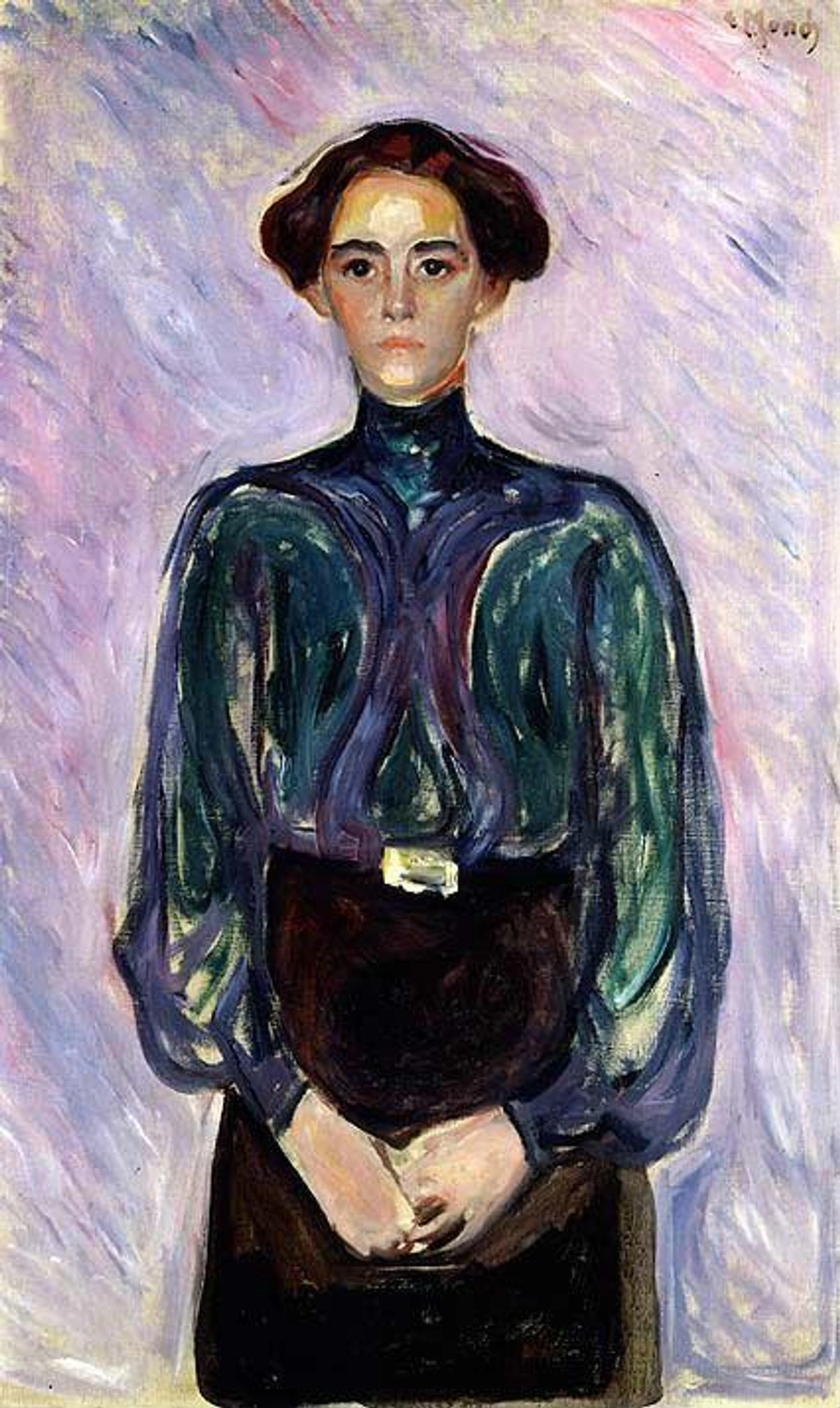
Next time you’re in the art supply store, pick up a tube of professional-grade paint and compare it to a student-grade version. Feel the difference in texture, see the difference in vibrancy. That’s pigment load in action.
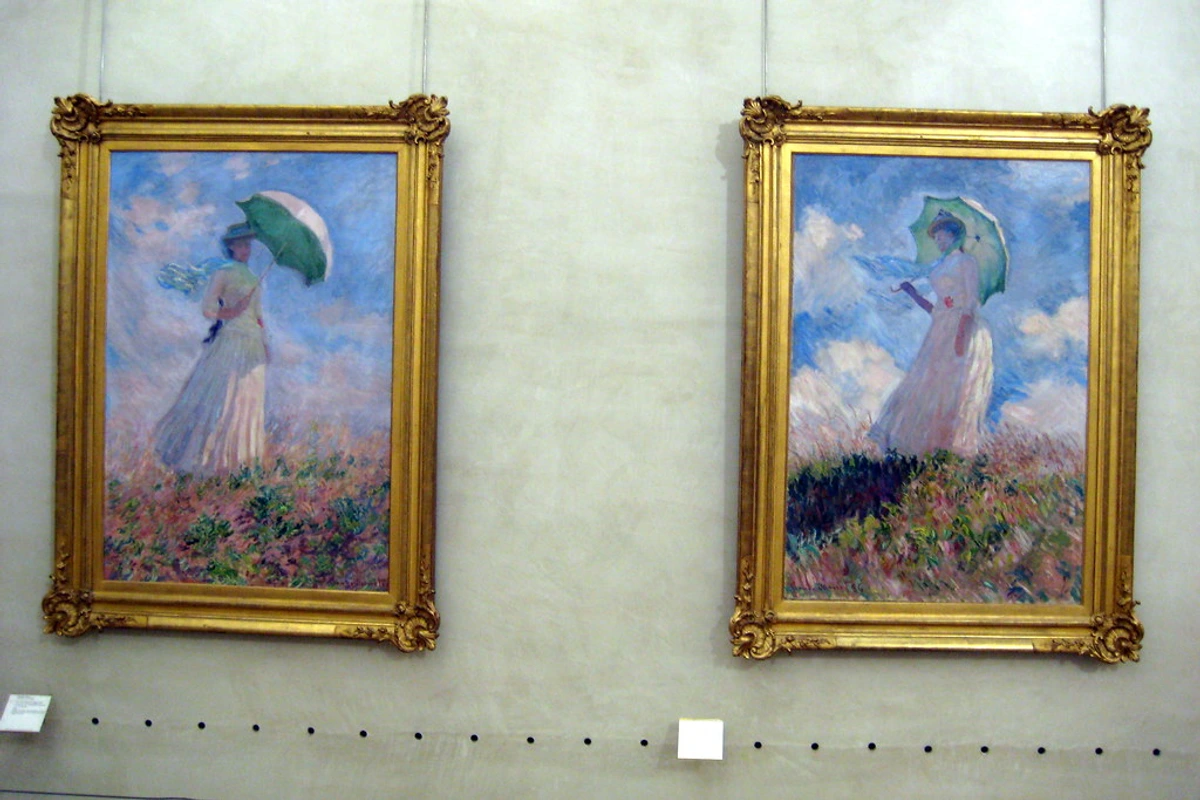









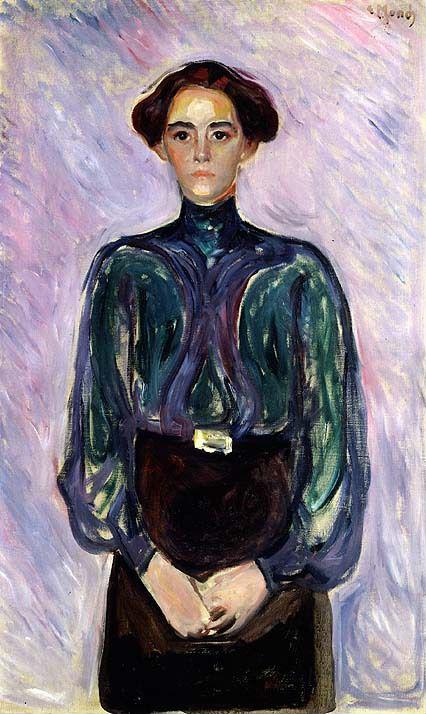

And if you’re curious about how pigment load plays into the art you see in museums or galleries, take a closer look at the works. The richness of a Rembrandt or the transparency of a watercolor landscape—it’s all there, in the pigment.
For more insights into the world of art and painting techniques, explore our timeline or check out the latest works in our museum in Den Bosch. And if you're inspired to create your own masterpiece, visit our shop for high-quality art supplies.