
How to Increase Pigment Load: A Comprehensive Guide
Discover practical techniques for increasing pigment load in your paintings. Learn how to achieve vibrant colors, avoid muddy mixtures, and maximize paint saturation.

How to Increase Pigment Load: A Comprehensive Guide
I remember the first time I tried to mix the perfect shade of purple. I had this vision in my head—a deep, rich, almost velvety hue that would make my painting pop. But no matter how much I stirred, the color on my palette looked flat and lifeless. It was like trying to capture lightning in a bottle, and I was failing miserably. That’s when I realized the issue wasn’t just my technique—it was the pigment load.
If you’ve ever struggled with colors that don’t quite live up to your expectations, you’re not alone. Increasing pigment load is one of those subtle yet game-changing skills that can transform your artwork from dull to dynamic. But what exactly is pigment load, and how can you maximize it? Let’s dive in.
Why Pigment Load Matters for Artists
Pigment load is not just a technical detail; it’s the backbone of vibrant, long-lasting artwork. Whether you're a beginner or a seasoned artist, understanding and mastering pigment load can elevate your work to new heights. This guide will explore the science behind pigment load, practical techniques to increase it, and common mistakes to avoid.
Understanding the Basics of Pigment Load
Before we delve into techniques, it's essential to understand what pigment load is and why it matters. Pigment load refers to the concentration of pigment particles in your paint. The higher the concentration, the more vibrant and opaque the color. This concept is fundamental to achieving the depth and intensity you desire in your artwork.
The Science Behind Pigment Load
Pigment particles are the tiny, insoluble components that give paint its color. The higher the concentration of these particles, the more vibrant and opaque the paint becomes. However, achieving the right balance is key. Too much pigment can make the paint thick and difficult to work with, while too little can result in weak, translucent colors.
Why Pigment Load Matters in Art
Understanding pigment load is crucial for artists who want to achieve vibrant, long-lasting colors in their work. Whether you're a beginner or a seasoned professional, mastering pigment load can elevate your art to new heights. In this guide, we'll explore the science behind pigment load, practical techniques to increase it, and common mistakes to avoid.
The Role of Pigment Load in Artistic Expression
Pigment load is not just a technical aspect of painting; it’s a tool for artistic expression. By controlling the pigment load, you can create a wide range of effects, from subtle, translucent washes to bold, opaque strokes. This versatility allows you to experiment with different styles and techniques, making your artwork more dynamic and engaging.
What Is Pigment Load?
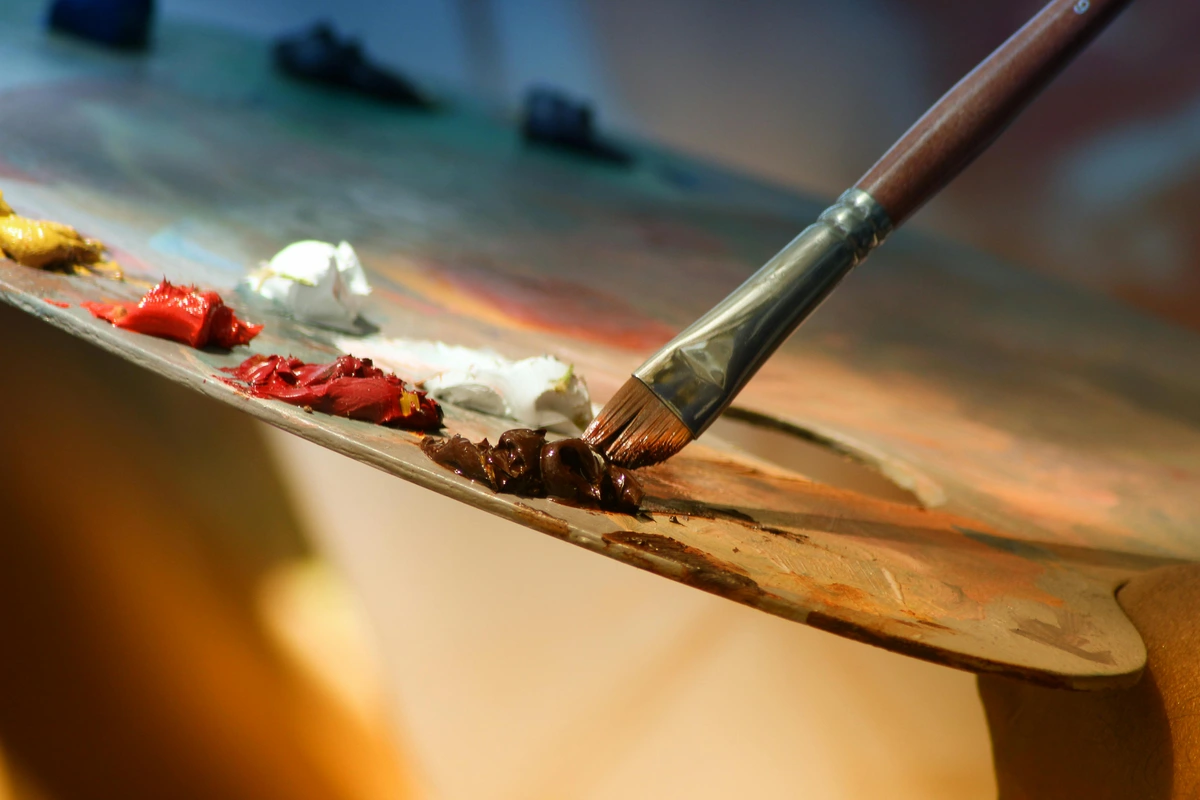
Pigment load refers to the concentration of pigment particles in your paint. Think of it like the difference between a weak cup of tea and a strong, robust brew. The more pigment, the more intense and vibrant the color. But it’s not just about adding more pigment—it’s about how you handle it.
The Role of Pigment Load in Art
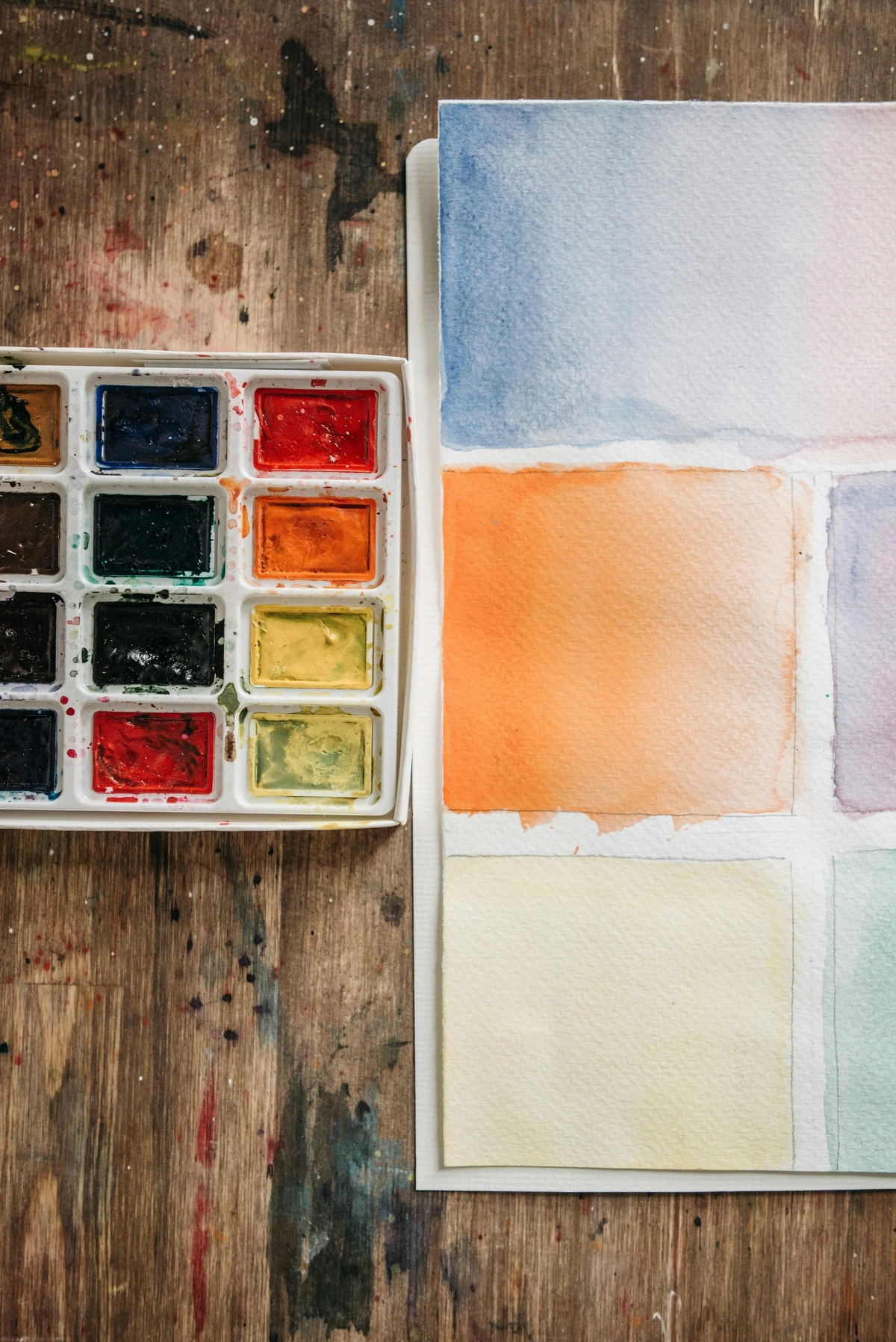
Pigment load is a fundamental concept in art that directly impacts the vibrancy, opacity, and longevity of your colors. It’s the difference between a painting that looks flat and one that bursts with life. Understanding pigment load allows you to make informed decisions about the materials and techniques you use in your artwork.
The Science Behind Pigment Load
Pigment particles are the tiny, insoluble components that give paint its color. The higher the concentration of these particles, the more vibrant and opaque the paint becomes. However, achieving the right balance is key. Too much pigment can make the paint thick and difficult to work with, while too little can result in weak, translucent colors.
How Pigment Load Affects Paint Performance
The performance of your paint is heavily influenced by its pigment load. High pigment loads can enhance the vibrancy and opacity of your colors, making them more suitable for covering layers and creating bold, striking effects. On the other hand, low pigment loads can result in colors that appear washed out or lack depth. Understanding this balance is essential for achieving the desired effects in your artwork.

Why Does Pigment Load Matter?
- Vibrancy: Higher pigment load means richer, more saturated colors.
- Opacity: More pigment can make your paint more opaque, which is great for covering layers.
- Mixing: A higher pigment load gives you more control when mixing colors, reducing the risk of muddy tones.
- Longevity: Paints with higher pigment loads tend to retain their vibrancy over time, resisting fading and discoloration.
The Impact of Pigment Load on Artistic Expression
Pigment load is not just a technical aspect of painting; it’s a tool for artistic expression. By controlling the pigment load, you can create a wide range of effects, from subtle, translucent washes to bold, opaque strokes. This versatility allows you to experiment with different styles and techniques, making your artwork more dynamic and engaging.

How to Increase Pigment Load
1. Choose the Right Paint
Not all paints are created equal. Some brands are known for their high pigment concentration. For example, professional-grade paints like Winsor & Newton Professional Acrylics or Golden Heavy Body Acrylics tend to have a higher pigment load compared to student-grade options.
If you’re serious about vibrant colors, invest in quality paints. I know it’s tempting to save money, but trust me, the difference is night and day.
Understanding Paint Grades
Paint grades are categorized based on their pigment load and quality. Professional-grade paints are formulated with higher pigment concentrations, making them ideal for artists who demand the best performance from their materials. While they may be more expensive, the investment is worth it for the vibrancy and longevity they provide.
Comparing Paint Grades
Paint Grade  | Pigment Load | Cost | Best For |
|---|---|---|---|
| Student-Grade | Low | Low | Beginners, practice work |
| Artist-Grade | Medium | Medium | Intermediate artists |
| Professional-Grade | High | High | Advanced artists, professional work |
Selecting the Right Paint for Your Needs
Choosing the right paint grade depends on your skill level and the type of artwork you create. Beginners may find student-grade paints suitable for practice, while professional artists will benefit from the higher pigment loads and superior performance of professional-grade paints. Consider your budget and artistic goals when selecting your paints.
2. Avoid Over-Diluting Your Paint
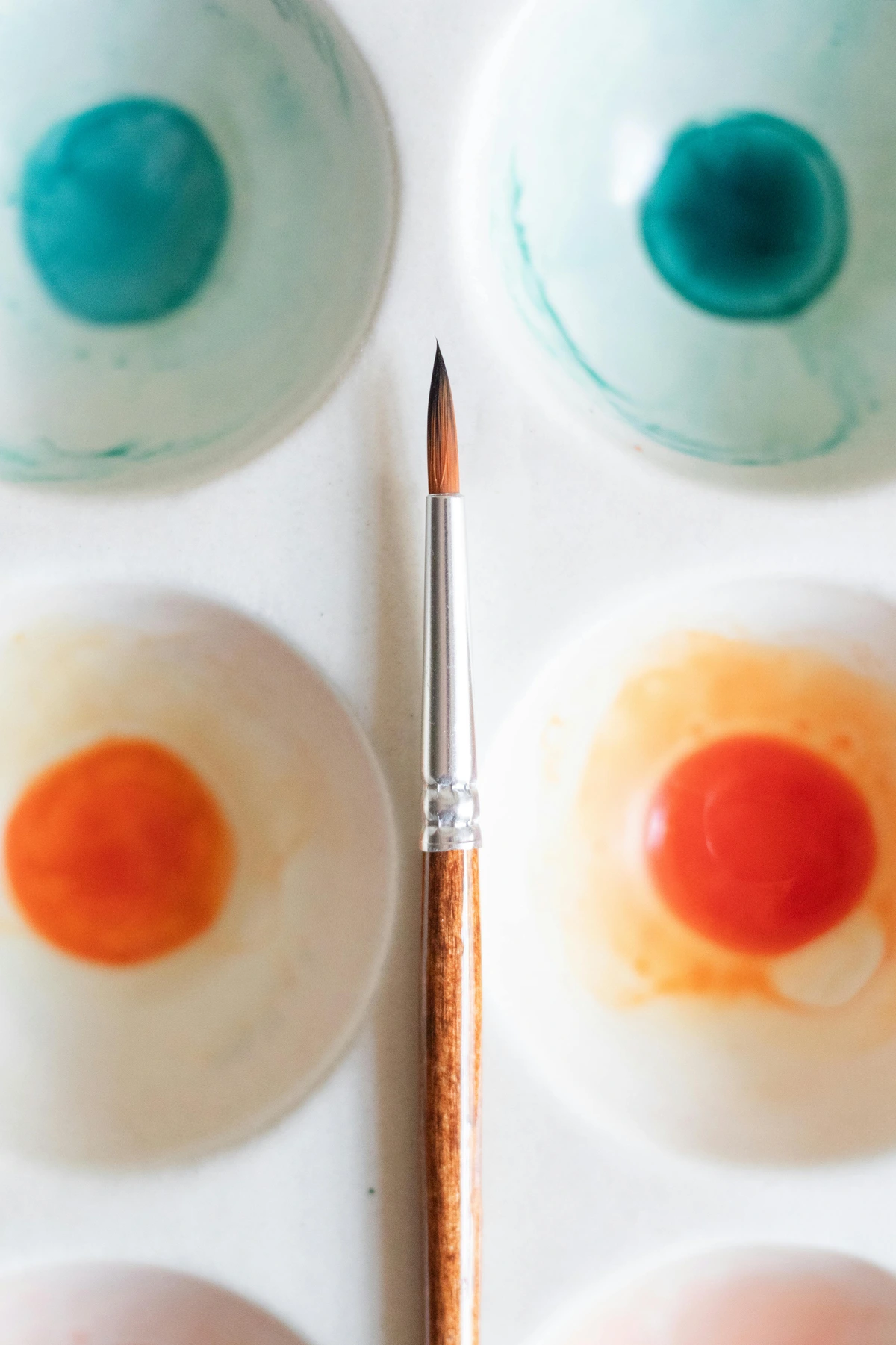
Water is the enemy of pigment load. The more you dilute your paint, the weaker the color becomes. If you’re working with acrylics, try using a medium instead of water. Mediums like Golden Acrylic Glazing Liquid or Liquitex Professional Glazing Medium can help maintain pigment density while keeping the paint workable.
The Role of Mediums in Preserving Pigment Load
Mediums are essential for maintaining the integrity of your pigment load. They allow you to thin your paint without sacrificing vibrancy, making it easier to achieve the desired consistency and flow. Experiment with different mediums to find the one that works best for your artistic style and techniques.
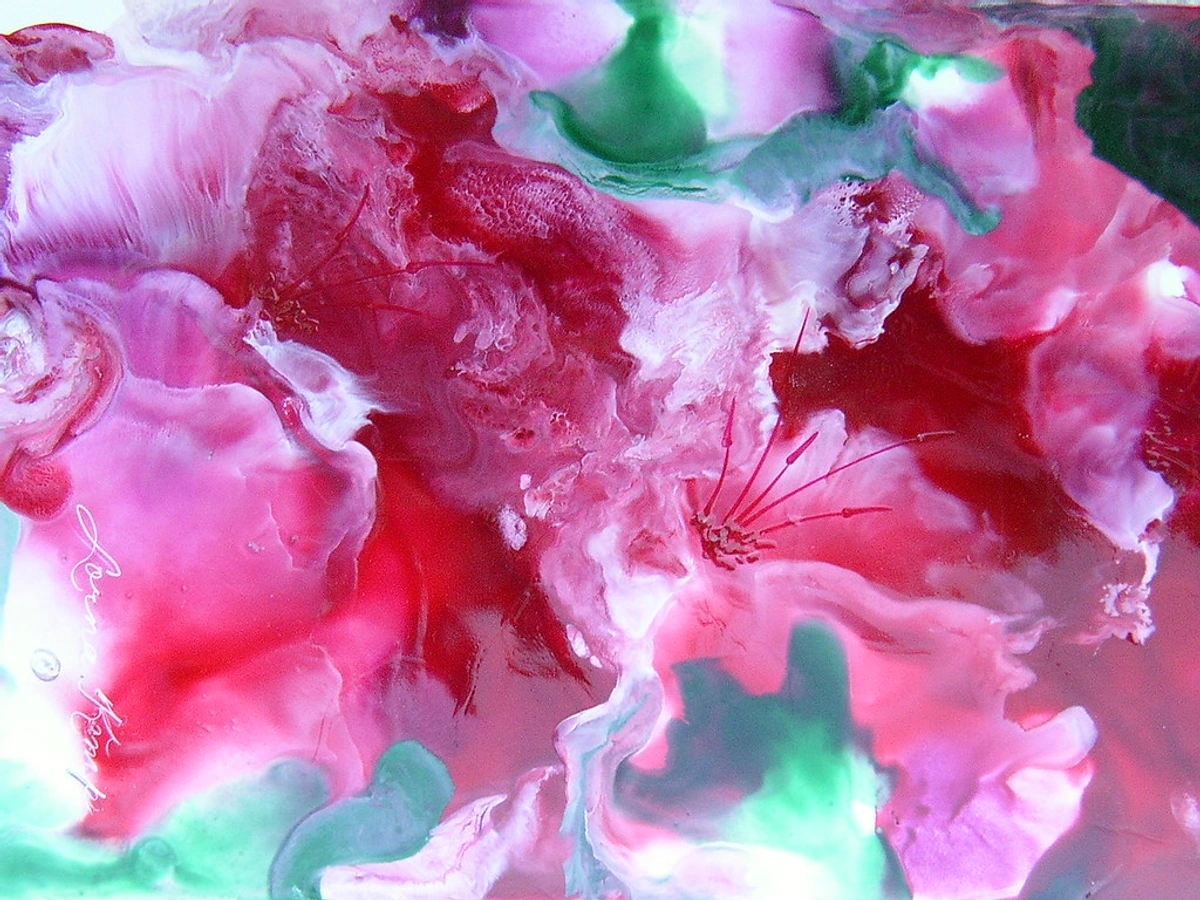
Recommended Mediums for Acrylics
- Golden Acrylic Glazing Liquid: Ideal for thin, transparent layers.
- Liquitex Professional Glazing Medium: Enhances transparency and flow.
- Matte Medium: Reduces shine while maintaining pigment integrity.
Exploring Different Mediums
Each medium offers unique properties that can enhance your painting experience. For example, glazing liquids are perfect for creating smooth, transparent layers, while matte mediums can help you achieve a more subdued, non-reflective finish. Understanding the characteristics of each medium will allow you to make informed decisions about which one to use for your specific project.
3. Layer Your Colors
Layering is a powerful technique for building up pigment load. Start with a thin, transparent layer (a wash) and gradually add more opaque layers on top. This method not only increases vibrancy but also adds depth to your artwork.
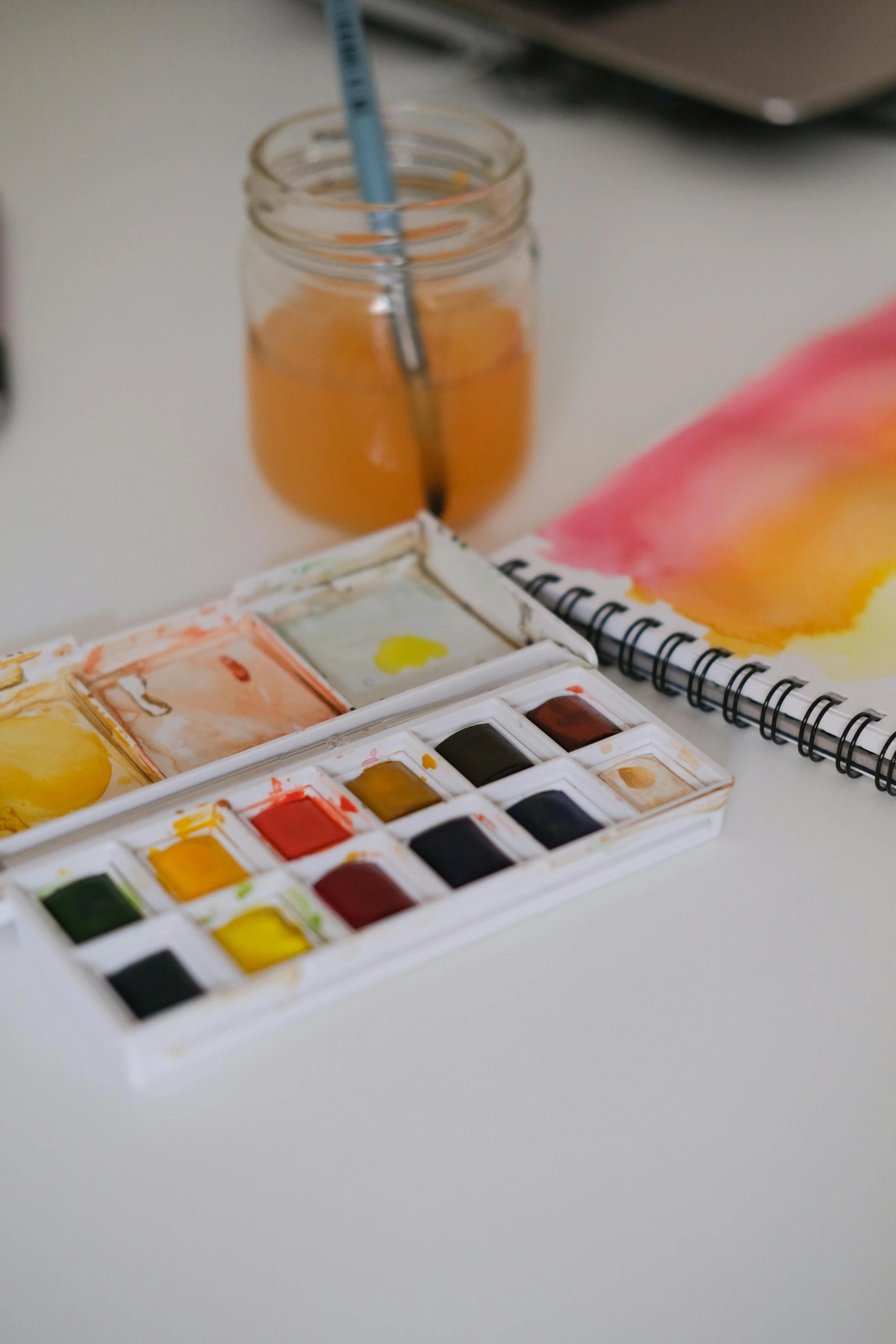
The Art of Layering
Layering is a fundamental technique in painting that allows you to build up color and texture gradually. By starting with a transparent base layer and adding more opaque layers on top, you can create a sense of depth and dimension in your artwork. This technique is particularly effective for achieving vibrant, dynamic colors that capture the viewer's attention.
Step-by-Step Layering Technique
- Base Layer: Apply a thin, transparent wash to establish the foundation.
- Mid-Tones: Add semi-transparent layers to build up the color.
- Highlights: Use opaque layers to emphasize light and texture.
- Final Touches: Add details and refine edges for a polished finish.
Mastering the Layering Process
Mastering the layering process requires patience and practice. Each layer should be allowed to dry completely before adding the next, ensuring that the colors remain vibrant and true to your vision. Experiment with different techniques and materials to find the layering method that works best for your artistic style.
4. Use a Limited Palette
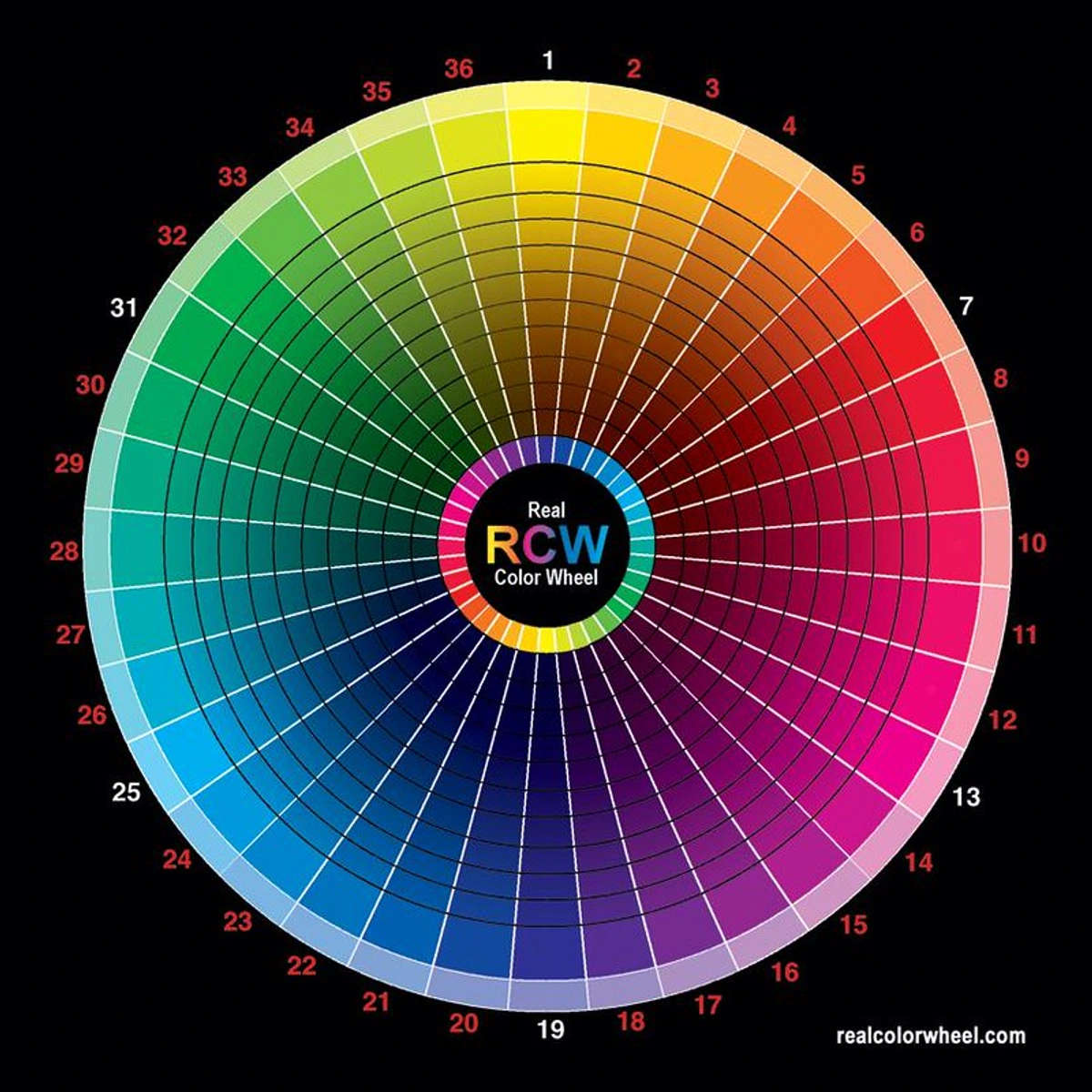
This might sound counterintuitive, but using fewer colors can actually help you achieve more vibrant results. When you mix too many colors, you risk creating muddy, desaturated tones. Stick to a limited palette of high-pigment colors and mix them carefully.

The Benefits of a Limited Palette
A limited palette encourages creativity and helps you achieve a cohesive color scheme in your artwork. By focusing on a select few colors, you can explore the full range of tones and shades they offer, creating a harmonious and visually appealing composition. This approach also simplifies the mixing process, making it easier to achieve the desired effects.
Benefits of a Limited Palette
- Harmony: Fewer colors create a cohesive and balanced artwork.
- Simplicity: Easier to manage and mix colors effectively.
- Focus: Encourages creativity within constraints.
Exploring the Creative Potential of a Limited Palette
A limited palette challenges you to think creatively about how you use color. By working within constraints, you can discover new ways to mix and layer colors, creating unique and unexpected effects. This approach can lead to breakthroughs in your artistic practice, helping you develop a signature style that sets your work apart.

5. Experiment with Additives
There are additives designed to enhance pigment load. For example, Golden Open Acrylics are formulated to stay wet longer, giving you more time to work with the pigment. Other additives like retarders or flow improvers can also help maintain pigment integrity.
The Role of Additives in Enhancing Pigment Load
Additives are valuable tools for artists looking to enhance the performance of their paints. They can help you achieve specific effects, such as extending drying time or improving flow, without compromising the integrity of your pigment load. Experiment with different additives to find the ones that best suit your artistic needs and techniques.

Common Additives and Their Uses
Additive | Purpose | Best For |
|---|---|---|
| Retarders | Slow drying time | Detailed work, blending |
| Flow Improvers | Enhance paint flow | Smooth application, glazing |
| Texture Gels | Add texture | Impasto techniques, dimensional effects |

Choosing the Right Additives for Your Artwork
Selecting the right additives depends on the specific effects you want to achieve in your artwork. Retarders are ideal for detailed work and blending, while flow improvers can help you achieve smooth, even application. Texture gels are perfect for creating dimensional effects and adding depth to your paintings. Experiment with different additives to find the ones that work best for your artistic style.
Common Mistakes to Avoid
Over-Mixing
The more you mix your paint, the more you break down the pigment particles, which can lead to a loss of vibrancy. Mix just enough to blend the colors, then stop.
The Pitfalls of Over-Mixing
Over-mixing is a common mistake that can result in colors that appear dull and lifeless. By mixing your paint just enough to blend the colors, you can preserve the integrity of the pigment particles and achieve more vibrant, dynamic results. Practice restraint and patience when mixing your paints to avoid this pitfall.

The Pitfalls of Over-Mixing
Over-mixing is a common mistake that can result in colors that appear dull and lifeless. By mixing your paint just enough to blend the colors, you can preserve the integrity of the pigment particles and achieve more vibrant, dynamic results. Practice restraint and patience when mixing your paints to avoid this pitfall.
Using Low-Quality Brushes
Cheap brushes can shed bristles and absorb too much paint, reducing the pigment load on your canvas. Invest in good-quality brushes that hold their shape and distribute paint evenly.
The Importance of Quality Brushes
Quality brushes are essential for achieving the best results in your artwork. They allow you to apply paint more precisely and evenly, ensuring that the pigment load is distributed effectively across your canvas. Investing in high-quality brushes can make a significant difference in the overall quality and vibrancy of your paintings.
Ignoring the Underpainting
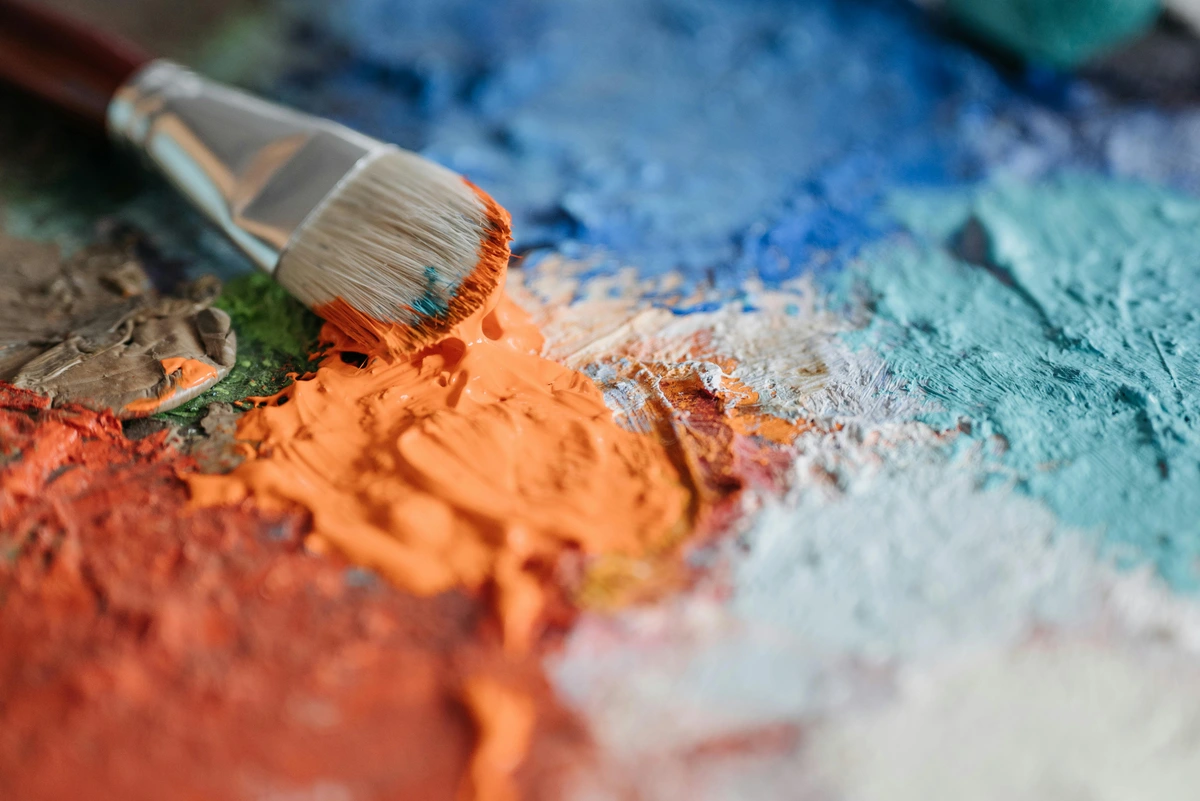
The layer beneath your final color can affect how vibrant it appears. A white or light-colored underpainting can make your colors pop, while a dark underpainting can mute them.
The Role of Underpainting in Enhancing Pigment Load
Underpainting is a crucial step in the painting process that can significantly impact the vibrancy of your final colors. By carefully selecting the color and tone of your underpainting, you can create a foundation that enhances the overall effect of your artwork. Experiment with different underpainting techniques to find the one that works best for your artistic style.

Overworking the Paint
Continuously reworking an area can lead to over-blending and a loss of pigment intensity. Know when to step back and let the paint dry.
The Dangers of Overworking Your Paint
Overworking your paint is a common mistake that can result in a loss of vibrancy and clarity in your artwork. By knowing when to step back and allow the paint to dry, you can preserve the integrity of your colors and achieve more dynamic, engaging results. Practice patience and restraint to avoid overworking your paintings.
The Dangers of Overworking Your Paint
Overworking your paint is a common mistake that can result in a loss of vibrancy and clarity in your artwork. By knowing when to step back and allow the paint to dry, you can preserve the integrity of your colors and achieve more dynamic, engaging results. Practice patience and restraint to avoid overworking your paintings.
FAQ
What’s the difference between pigment load and paint consistency?
Pigment load refers to the concentration of pigment particles, while paint consistency is about how thick or thin the paint is. You can have a thick paint with low pigment load or a thin paint with high pigment load.
How Does Pigment Load Affect Drying Time?
While pigment load does not directly affect drying time, higher pigment loads can make the paint thicker, which might slow down drying slightly. If you’re working with acrylics, consider using a retarder to extend your working time and achieve the desired effects.
Can I increase pigment load in student-grade paints?
Yes, but it’s challenging. Student-grade paints often contain fillers that dilute the pigment. You can try adding a small amount of high-pigment paint to boost the load, but the results may vary.
What Are the Best Techniques for Layering Colors?
Layering involves applying multiple thin layers of paint to build depth and vibrancy. Start with a transparent base layer, followed by semi-transparent mid-tones, and finish with opaque highlights. This technique allows you to achieve a wide range of effects and create dynamic, engaging artwork.
How do I know if my paint has a high pigment load?
Check the label. Professional-grade paints usually list the pigment concentration. You can also test it by painting a small swatch—high-pigment paints will appear more vibrant and opaque.

Can I Use Additives with All Types of Paint?
Additives are generally compatible with acrylics and oils, but always check the manufacturer’s recommendations. Some additives may not work well with watercolors or other mediums. Experiment with different additives to find the ones that best suit your artistic needs and techniques.
Does pigment load affect drying time?
Not directly, but higher pigment loads can make the paint thicker, which might slow down drying slightly. If you’re working with acrylics, consider using a retarder to extend your working time.

What are the best techniques for layering colors?
Layering involves applying multiple thin layers of paint to build depth and vibrancy. Start with a transparent base layer, followed by semi-transparent mid-tones, and finish with opaque highlights.
Can I use additives with all types of paint?
Additives are generally compatible with acrylics and oils, but always check the manufacturer’s recommendations. Some additives may not work well with watercolors or other mediums.

How does pigment load affect color mixing?
Higher pigment loads provide more control and precision when mixing colors. They reduce the risk of creating muddy or desaturated tones, resulting in cleaner and more vibrant mixtures.
Conclusion
Increasing pigment load isn’t just about making your colors brighter—it’s about giving your artwork the depth and intensity it deserves. Whether you’re layering colors, choosing the right paint, or avoiding common mistakes, every little adjustment can make a big difference.
And remember, art is as much about the process as it is about the result. Don’t be afraid to experiment, make mistakes, and learn along the way. After all, some of the best discoveries happen when things don’t go as planned.

If you’re eager to put these techniques into practice, why not explore some of my prints and originals? You’ll see how pigment load can transform a piece from ordinary to extraordinary.















Happy painting!