What Is Anamorphic Art? Your Guide to Mind-Bending Illusions
Discover the secrets of anamorphic art, from Renaissance masterpieces to mind-bending 3D street art. A deep dive into the techniques of optical illusion.

What Is Anamorphic Art? Your Ultimate Guide to Mind-Bending Illusions
The Curator's Gaze: An Exploration of Deception, Discovery, and the Art of Seeing
I'll be honest with you; few things in the art world captivate me quite like a really good illusion. And when it comes to visual trickery that genuinely makes you question reality, anamorphic art stands head and shoulders above the rest. It's not just a clever visual trick; it's a profound dialogue between the artist, the viewer, and the very act of seeing. It's a secret handshake, an invitation to a visual puzzle, and I find that absolutely irresistible.
Alright, let's talk about those moments when your brain does a double-take. Have you ever seen something that, from one angle, makes absolutely no sense—a smear, a squiggle, a chaotic explosion of color—only for it to snap into perfect, breathtaking focus the moment you shift your position? If you have, you've stumbled into the captivating world of anamorphic art. For me, as someone deeply immersed in the nuances of visual design and perception, it's one of the most thrilling forms of artistic expression. It's not just a clever visual trick; it's a profound dialogue between the artist, the viewer, and the very act of seeing. It's a secret handshake, an invitation to a visual puzzle, and I find that absolutely irresistible. It's a masterclass in how our brains construct reality from visual data, and it's a lesson in humility, reminding us that what we 'see' is often far more subjective than we imagine. This article isn't just a definition; it's my invitation to explore the rich history, intricate mechanics, and breathtaking modern marvels of this captivating art form that continually challenges our understanding of perception and, frankly, keeps me utterly mesmerized. It asks us to question our assumptions, to physically and intellectually engage, and in doing so, it unlocks a deeper appreciation for the constructed nature of our visual world. Come, let's peek behind the curtain of this delightful deception.
At its core, anamorphic art is a deliberately distorted image that, from nearly all angles, appears nonsensical, fractured, or abstract. It challenges our default mode of passive observation, much like a cryptic riddle challenges our intellect. But here's the magic: when viewed from one precise vantage point—that elusive 'sweet spot' often located at a very oblique angle—or when reflected in a specially designed curved mirror or lens, the seemingly chaotic forms miraculously coalesce into a coherent, recognizable image. It's a delightful, almost magical, trick of the eye that doesn't just ask you to look, but demands your active participation. You have to physically move, to engage your mind, and to solve the visual puzzle. It's a profound experience, prompting us to consider how easily our perception can be manipulated, and how much power an artist can wield by understanding these fundamental visual principles. I find this aspect particularly potent; it's a masterclass in visual storytelling and a compelling demonstration of how artists can engineer a deeply personal and interactive viewing experience. It's more than just a visual gag; it's a profound exploration of human sight, inviting us to question the very fabric of our perceived reality. The moment an anamorphic image resolves is often accompanied by a gasp, a chuckle, or a thoughtful nod – a testament to its immediate and powerful effect on our senses. It's this unique blend of playful deception and profound revelation that makes anamorphic art such an enduring and captivating subject for both creators and viewers. It’s a testament to the fact that our visual system, while incredibly sophisticated, can be delightfully fooled, and that our brains are constantly working to construct a coherent reality from the information our eyes gather.
Key Characteristics of Anamorphic Art
Anamorphic art isn't just a singular phenomenon; it's a category defined by a unique set of qualities that distinguish it from other forms of visual art. These characteristics are precisely what give it its power to surprise, delight, and provoke thought. Understanding these core elements is key to appreciating the ingenuity behind every illusion:
- Deliberate Distortion: The image is intentionally warped, stretched, or fragmented across the canvas or surface. This isn't accidental, nor is it random; every curve, every elongation, every seemingly chaotic brushstroke is meticulously calculated. This precise manipulation is the artist's secret language, designed to be unscrambled from a particular perspective. It's a purposeful act of bending reality, where the artist is not trying to hide the distortion, but rather use it as the very mechanism of the illusion.
- Specific Viewing Point: The magic only resolves from a precise, predetermined angle or location. Stray even slightly, and the image reverts to its chaotic, abstract state. This 'sweet spot' is the key to unlocking the artwork's true identity, a singular perspective that transforms visual noise into coherent meaning. It's a delightful game of hide-and-seek played between the artist's intention and the viewer's gaze. Without this specific vantage point, the artwork remains an enigma, a testament to the artist's control over perception.
- Active Viewer Participation: Unlike a traditional painting that you can appreciate from various distances, anamorphic art demands action. The audience must physically move, often shifting their body or head, to 'unlock' its true form. It's an interactive puzzle, making the viewer an essential part of the artistic process. I find this incredibly compelling – you become a co-conspirator in the illusion, a detective solving a visual riddle. This active engagement transcends passive observation, creating a memorable, almost performative experience.
- Optical Illusion: At its heart, it's a sophisticated play directly with the mechanics of human vision and perspective. Artists exploit how our eyes and brain process visual information to create a convincing, yet ultimately deceptive, reality. It's a masterclass in bending the rules of visual perception, showing us how easily our senses can be delightfully fooled. This manipulation isn't just for shock value; it's often a profound commentary on the subjective nature of what we perceive as 'real'.
- Hidden or Revealed Meaning: Beyond mere visual trickery, anamorphic art is often used to conceal messages, symbols, or narratives that are only revealed to the engaged observer. This creates a dramatic 'aha!' moment, transforming a jumble into a profound statement, or simply a delightful surprise. This dual nature—the hidden and the revealed—is what often gives these works their lasting impact, inviting contemplation long after the initial gasp. It's the intellectual puzzle embedded within the visual one that truly elevates the art form.
A Quick Jaunt Through a Distorted History
Origins and Early Fascination with Perspective
You might think this is a modern invention, born from the clever minds of today's street artists, a product of our digital age. But artists have been playing these perceptive games for centuries, long before Photoshop or projectors. I mean, who doesn't love a good illusion, especially one that hints at a hidden secret? The earliest known examples pop up during the Renaissance, a time when artists were utterly obsessed with mastering the rules of perspective—an obsession that frankly, I share deeply. This wasn't just about making things look "real" on a canvas; it was about understanding the mechanics of vision itself, unraveling the very fabric of how we perceive the world. This era, brimming with intellectual curiosity and a fervent drive to understand the natural world, saw scholars and famous Renaissance artists alike experimenting with optics, geometry, and the fundamental nature of sight. Figures like Piero della Francesca and Leon Battista Alberti, while not creating full-blown anamorphic works as we know them today, laid crucial groundwork with their rigorous studies of linear perspective, unwittingly setting the stage for these sophisticated visual deceptions. Their investigations into the mathematical representation of three-dimensional space on a two-dimensional surface provided the theoretical blueprint for distorting images in a controlled, predictable way. It was a time of immense intellectual ferment, where art and science intertwined, laying the bedrock for future optical marvels. Consider how, in 1509, Leonardo da Vinci explored concepts related to anamorphosis in his notebooks, demonstrating an early fascination with how distortions could be made to appear regular from certain viewpoints. His sketches of eyes and faces, distorted on the page, hinted at the profound understanding of optics he was developing. It's a testament to his endlessly curious mind, always pushing the boundaries of observation and invention. Artists like Jean-François Nicéron in the 17th century would later codify many of these principles in his seminal work Thaumaturgus Opticus, turning artistic intuition into scientific method and providing practical guides for creating these illusions.
Even Leonardo da Vinci himself, that restless genius, dabbled in it, sketching distorted faces and geometric puzzles in his notebooks, exploring the outer limits of visual perception. He was, after all, a curious soul, always pushing boundaries and questioning the obvious. His studies in optics and light laid theoretical foundations that would be explored for centuries, including his detailed observations on how perspective affects the perception of objects from different viewpoints. It's a reminder that true innovation often starts with a playful curiosity, a willingness to look at the world from a slightly different angle. But the most famous early example—the one that gets pulled out in every art history class, and for good reason—is Hans Holbein the Younger’s painting, The Ambassadors (1533). At first glance, it's a stunningly detailed double portrait of two wealthy, influential men, surrounded by symbols of their worldly achievements – globes, scientific instruments, rich textiles, all painted with breathtaking realism. But then you notice it: a strange, smeared shape floating enigmatically in the foreground, at the bottom of the canvas. It’s unsettling, isn't it? That distortion just screams for attention, a visual anomaly in an otherwise perfectly rendered scene. Walk to the side of the painting, however, perhaps as you might leave a grand hall, and the smear miraculously resolves itself into a perfectly rendered human skull, a memento mori (a reminder of death) hidden in plain sight. This wasn't just some casual flourish; it was a deliberate, almost defiant way for Holbein to embed a secret message in his work, forcing viewers to physically move and engage with the artwork's deeper meaning. It's a powerful and subtle counterpoint to the earthly grandeur, a stark reminder of mortality that challenges the viewer's passive role and adds layers of philosophical depth to a portrait, a poignant commentary on the fleeting nature of life and worldly possessions. It really makes you think about the artist's intention beyond mere representation, doesn't it? It’s almost as if Holbein is inviting us into a hidden intellectual game, a dialogue between overt display and secret meaning, which is what makes The Ambassadors an enduring touchstone for anamorphic art and a testament to its power to embed profound messages within visual puzzles. I've heard some art historians muse that the skull serves as a subtle, yet undeniable, assertion of the artist's intellectual prowess over the sitters' worldly power—a silent but potent message from Holbein himself. The placement of the skull, distorted and almost abstract until the precise viewing angle, forces a re-evaluation of the entire composition, revealing the ephemeral nature of worldly achievements.
This tradition of using distorted perspective didn't end with the Renaissance; it merely evolved, finding new canvases and contexts. I've always been fascinated by how artistic principles adapt across eras, constantly reinventing themselves and finding new expressive power. During the opulent Baroque period, for instance, artists like Andrea Pozzo became true masters of architectural anamorphosis. His breathtaking ceiling frescoes, like those in the Church of Sant'Ignazio in Rome, don't just depict architectural elements; they become them, creating illusions of soaring domes and infinitely receding architectural spaces that completely defied the physical confines of the chapel. Think of the sheer grandeur and theatricality – anamorphosis was absolutely perfect for that era's dramatic flair, transforming flat surfaces into three-dimensional wonders! This grand-scale deception, often known as quadratura (a term for illusionistic ceiling painting), blurs the line between architecture and painting in a truly breathtaking way, making you question the very solidity of the building itself. It’s a sophisticated cousin to trompe l'oeil, but with that crucial element of requiring a specific viewpoint to complete the illusion. Pozzo's work, like the awe-inspiring Apotheosis of St. Ignatius, is a testament to how anamorphosis could serve grand spiritual and political narratives, making the heavens seem to open above the viewer. If you're intrigued by how art shapes interior spaces, you might find my thoughts on the evolution of art in interior design quite interesting, as it touches on how artists have historically manipulated space and perception.
Anamorphosis Beyond Europe: A Global Glimpse
While European examples often dominate the historical narrative, similar principles of manipulated perception and perspective can be found in various cultures across the globe. For instance, some traditional Japanese garden designs subtly use shakkei (borrowed scenery) or forced perspective to make small spaces appear vast, a kind of environmental anamorphosis. Think of how a carefully placed tree or rock can make a compact garden feel like an expansive natural landscape, blurring the lines between artifice and nature. Similarly, certain ancient architectural sites and sacred spaces, from pre-Columbian temples to ancient Egyptian constructions, incorporate alignments that reveal symbolic images or celestial events only from specific vantage points during particular times, demonstrating an early understanding of visual manipulation for profound effect. Even some Islamic art, with its intricate geometric patterns, occasionally plays with optical shifts to reveal hidden forms or calligraphy from specific angles. These global parallels highlight a universal human fascination with hidden meanings and the power of altered perception, proving that the human mind has always delighted in visual puzzles. This cross-cultural phenomenon suggests an innate human curiosity about hidden information and the power of visual riddles, predating formal theories of perspective.
Later centuries saw anamorphosis appear in even more unexpected places: it moved from grand religious commissions to become a staple of parlor games and intellectual amusements, where distorted portraits would snap into focus with a cylindrical mirror, becoming delightful conversation starters among the educated elite. I can just imagine the gasps and chuckles in those grand salons! It was also widely used in scientific curiosities, demonstrating optical principles to an eager public and serving as a fascinating tool for early experiments in visual perception, often found in philosophical cabinets and early museums. Even more subtly, it appeared in cartography to embed hidden messages, correct distortions for specific viewing projections, or adjust for particular viewing needs on maps—a practical application that speaks to the underlying mathematical rigor of the technique. This incredible journey from sacred spaces to playful diversions and rigorous scientific demonstrations highlights the technique's astonishing versatility, doesn't it? It proves that a good trick, especially a visual one that engages the mind, never really goes out of style, constantly adapting to new cultural and technological contexts. For me, it's a constant source of wonder to see how these fundamental principles of perception find new expression, from ancient murals to modern interactive exhibits. These diverse applications underscore the enduring appeal of visual puzzles and the human desire to uncover hidden meanings.
The Enduring Evolution: Anamorphic Art in the Modern Era
While its roots are ancient, anamorphic art has never been more vibrant or diverse than it is today. I find it fascinating how readily these age-old principles adapt to new technologies and contexts, proving that the human desire for illusion and discovery is truly timeless.
The Modern Revival: Street Art's Grand Illusions
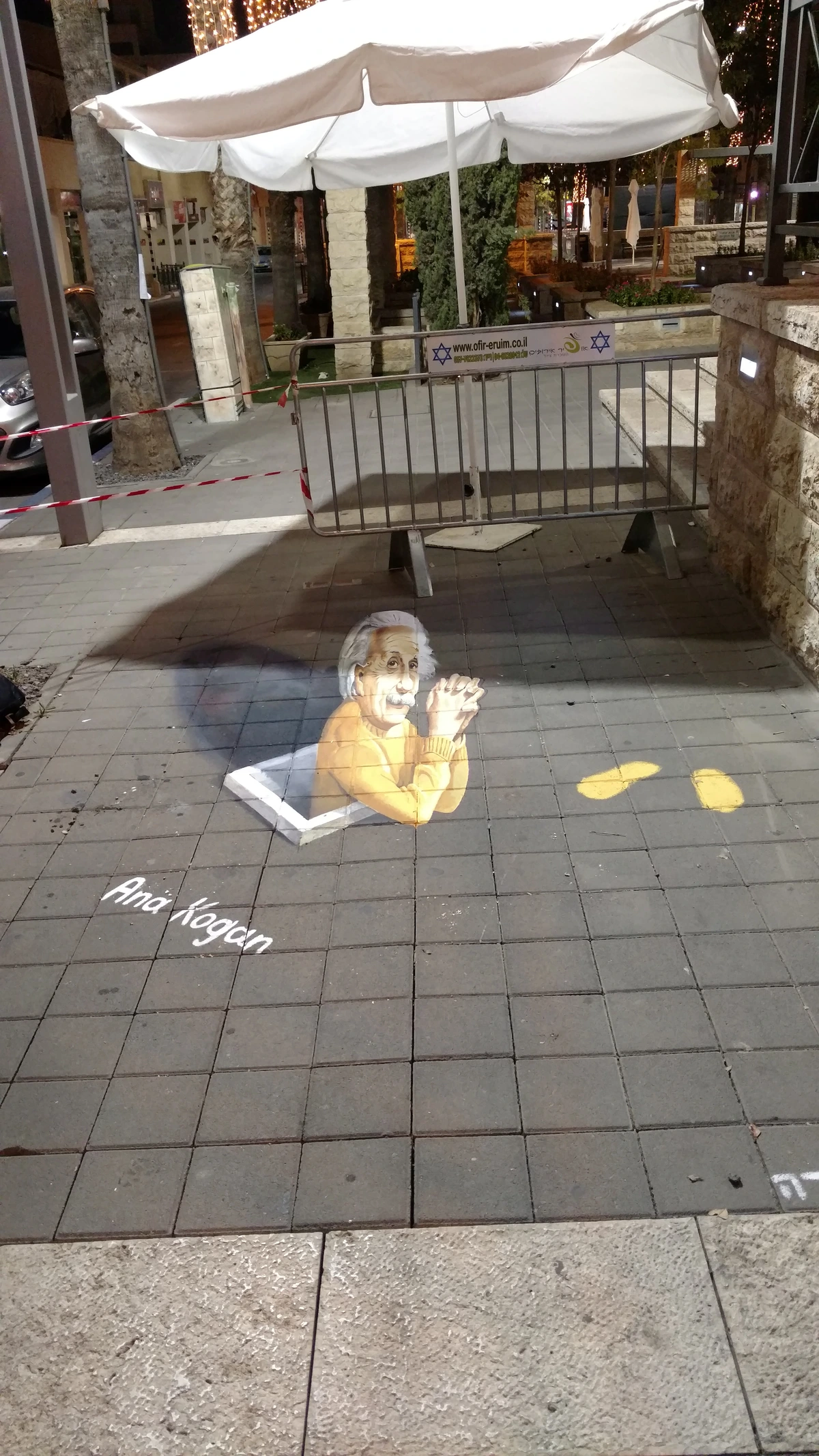
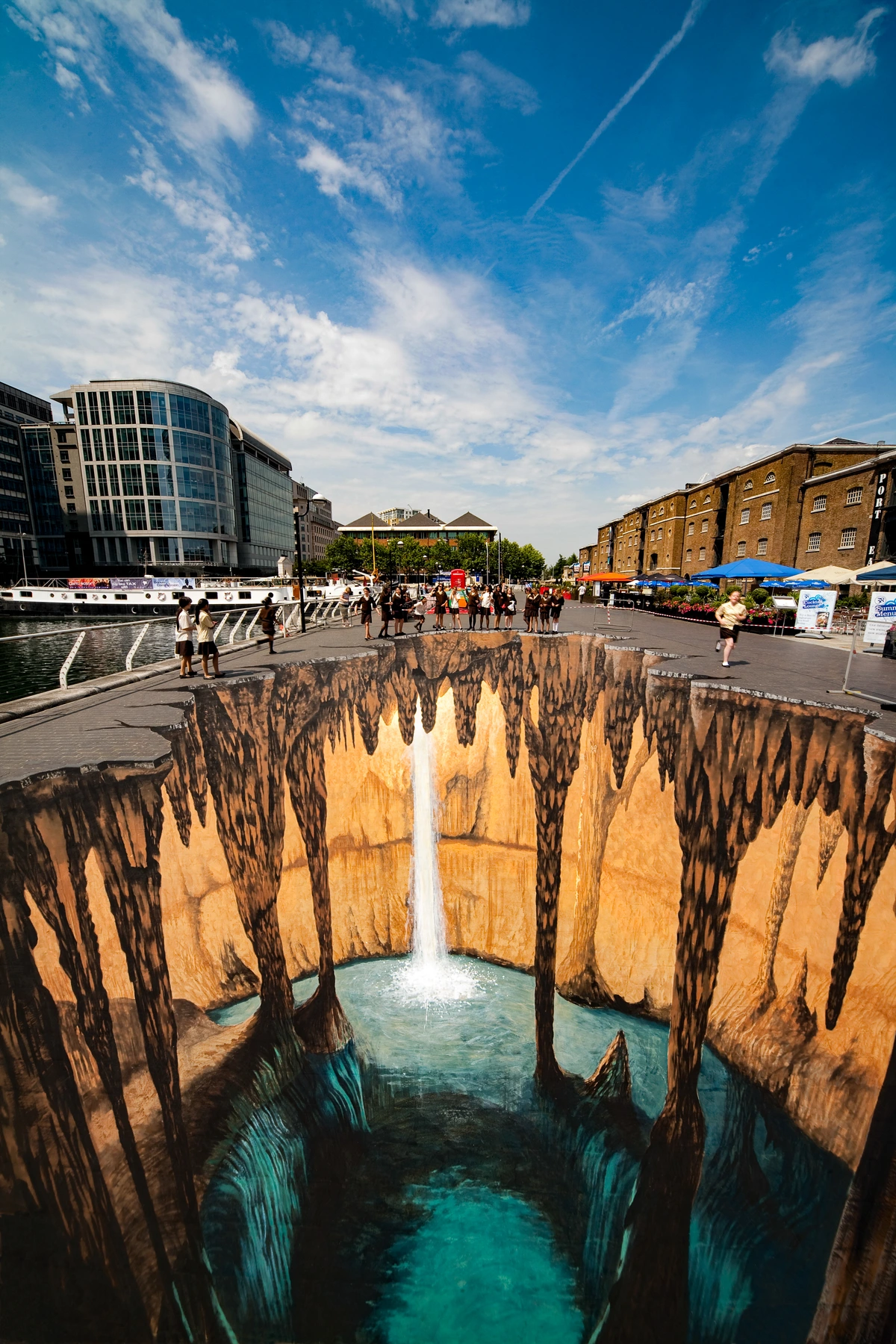
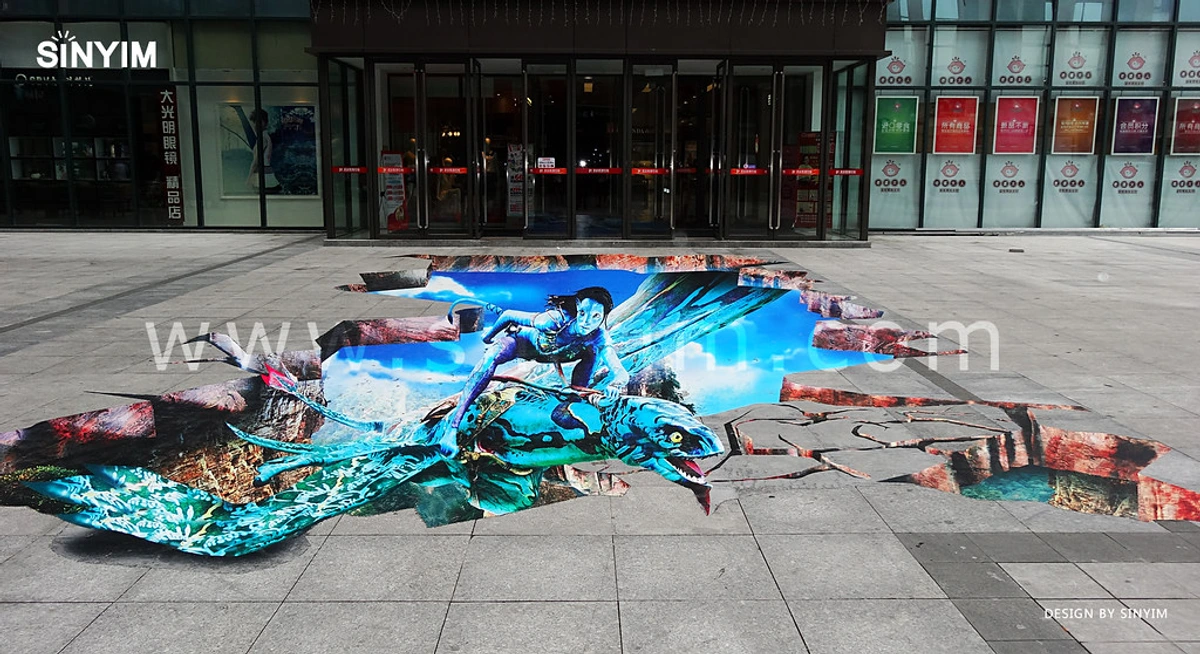
Perhaps the most visible and democratic face of modern anamorphosis is 3D street art, also known as pavement art or chalk art. It truly exploded into the public consciousness with the rise of artists in the 1980s, gaining immense popularity through viral images and public festivals. Figures like Kurt Wenner and Julian Beever, often considered pioneers, took these centuries-old Renaissance principles – the careful manipulation of perspective – and applied them to the most public of canvases: the pavement. They turned mundane city sidewalks into gaping chasms, fantasy worlds, and subterranean caves, inviting passersby into a shared, fleeting illusion that often appears to leap off the ground or recede into impossible depths. It's truly incredible how an ancient technique can feel so fresh, immediate, and universally appealing in a completely new context, proving that good ideas, especially those that engage our perception, are truly timeless. The temporary nature of these works adds to their charm, making each viewing a unique and memorable event, a fleeting spectacle of visual magic. Other notable contemporary street artists like Edgar Müller also push the boundaries, often integrating existing urban elements like steps or walls into their monumental illusions, turning the city itself into part of the artwork. The genius of these artists lies not only in their technical skill but also in their ability to transform everyday urban spaces into interactive, engaging art experiences that are accessible to everyone.
The Magic Revealed: How Does It Work?
So how do artists pull off this incredible visual sleight of hand, turning chaos into order with a mere shift in viewpoint? It all comes down to a clever manipulation of optics and perspective, often leveraging the very same principles that create realistic imagery. Think of it as knowing the rules so well, you can break them to spectacular effect, like a master magician who reveals a trick, but in an even more dazzling, intellectually engaging way. Fundamentally, anamorphic art plays with how light enters your eye and how your brain processes that information, a complex dance between physics and perception. It's all about precise geometry, rigorous optical science, and an uncanny ability to anticipate the viewer's position. This intricate interplay between mathematics, physics, and psychology is what makes the illusion so compelling, a true testament to the artist's multi-faceted mastery. It's a sophisticated intellectual game that demands both artistic vision and a keen understanding of how our visual system functions.
The Science of Perception: More Than Meets the Eye
Beyond the mathematics, anamorphic art deeply engages with the science of human perception. Our brains are constantly working to make sense of the visual data our eyes collect, often filling in gaps or correcting for distortions without us even realizing it. Anamorphosis deliberately exploits these innate tendencies. When confronted with a distorted image, our perceptual system initially struggles, experiencing a mild form of cognitive dissonance, that unsettling feeling of 'something is off.' But once the correct viewpoint is found, our brain readily "snaps" the image into coherence, providing that satisfying "aha!" moment. This process highlights the active, constructive nature of vision, reminding us that what we "see" is often a sophisticated interpretation rather than a simple recording of reality. It's a wonderful demonstration of how powerful and adaptable our visual system truly is, constantly trying to create order from perceived chaos. This engagement with Gestalt principles of perception, where our brain seeks to form a meaningful whole from fragmented parts, is central to the magic of anamorphosis.
The Mathematical Foundations of Illusion
At its heart, anamorphosis is a deeply mathematical art form. It's not just guesswork or intuition; it's the precise application of geometric transformations. Artists use advanced principles of projective geometry to calculate exactly how an image must be distorted on a two-dimensional plane (or even a curved surface) so that when viewed from a specific, predetermined point, or reflected in a particular way, the light rays converge to form a coherent image on the viewer's retina. It's essentially reverse engineering perception – starting with the desired, undistorted outcome and meticulously working backward to create the distorted input. This reliance on mathematical rigor, I think, is what elevates it beyond a mere trick to a profound intellectual pursuit. It’s a testament to the artist's deep understanding of how vision works, transforming complex equations and geometric theories into captivating visual experiences that challenge our inherent assumptions about flatness and depth. Techniques involve meticulously mapping points from the desired image onto a distorted grid, often utilizing historical tools like the camera obscura, which allowed artists to project and trace images, or, more commonly today, specialized digital software like Adobe Illustrator or Blender to achieve perfect accuracy. It's an elegant dance between abstract numbers and concrete visual effects, a true intellectual feast, where every pixel or brushstroke is a calculated part of the grand deception.
Understanding the Core Principle: Perceptual Compression
At its heart, anamorphosis works by taking a normal image and deliberately distorting it – stretching, warping, or elongating it – in such a way that when viewed from a specific, non-standard angle, or through a special reflective surface, the distortion appears to 'compress' or 'decompress' back into a recognizable form. It's like unwinding a tightly coiled spring, where the chaotic tangle suddenly reveals an organized structure, or like decoding a secret message that only makes sense with the right key. This 'perceptual compression' is the magic trick, and it relies heavily on the viewer's active participation. Without that specific viewpoint or device, the illusion remains just a chaotic pattern. I find this interaction, this necessity for the viewer to do something, to physically or intellectually engage, utterly compelling. It's not just a painting on a wall; it's an experience waiting to be unlocked, a conversation between the artwork and your mind. It's a profound demonstration of how our brain constantly constructs and interprets visual data, filling in the gaps to create a coherent reality. This active participation elevates the art form beyond passive observation, transforming the viewer into an essential component of the illusion itself, a co-conspirator in the visual deception. It's this unique demand for intellectual and physical engagement that truly sets anamorphic art apart and makes it so incredibly memorable. The distortion is not arbitrary; it's a meticulously calculated visual puzzle designed to be solved from a particular perspective.
Anamorphic art can be broadly categorized into several distinct types, each employing different optical principles to achieve its illusion:
1. Perspective Anamorphosis: The Geometric Illusion
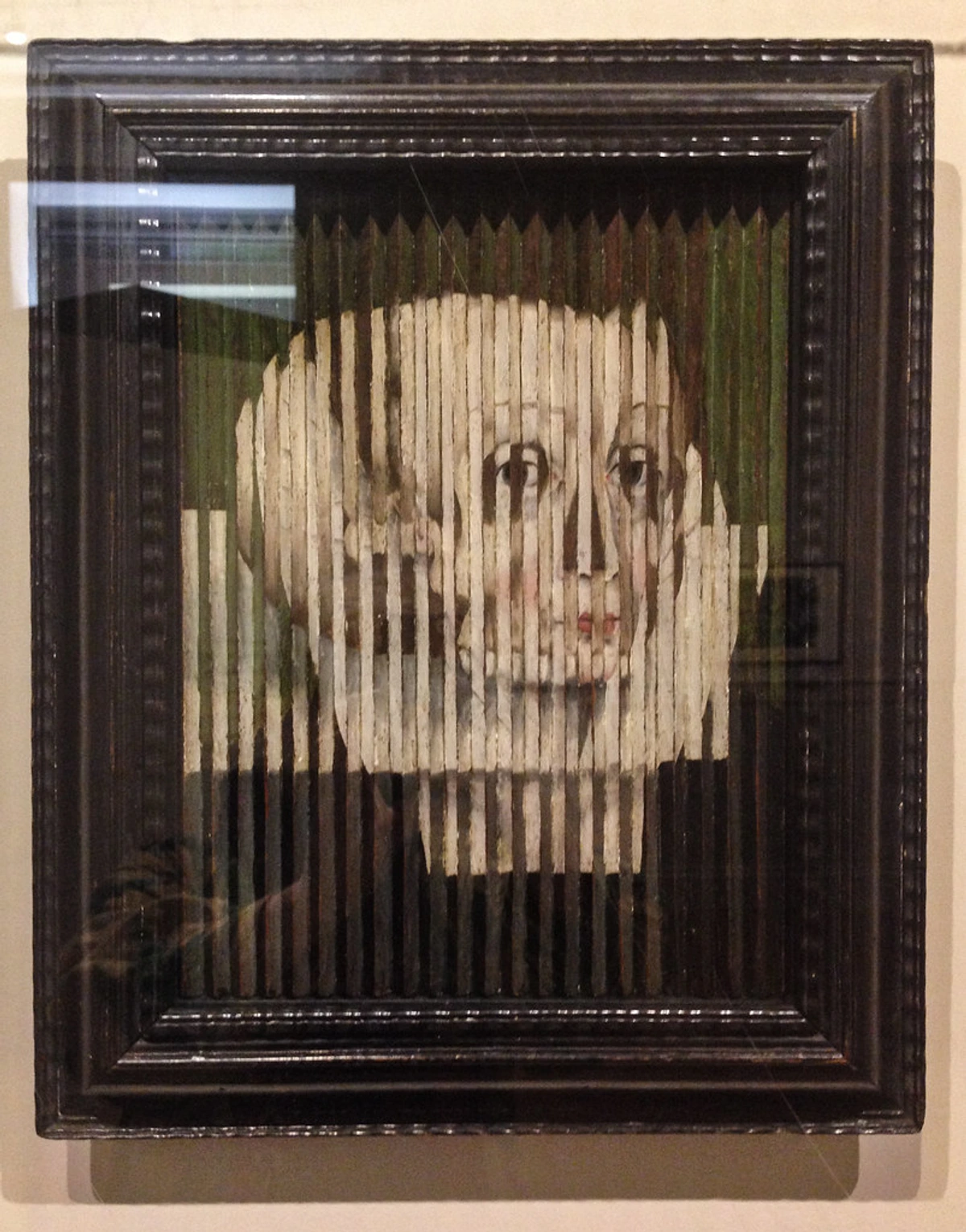
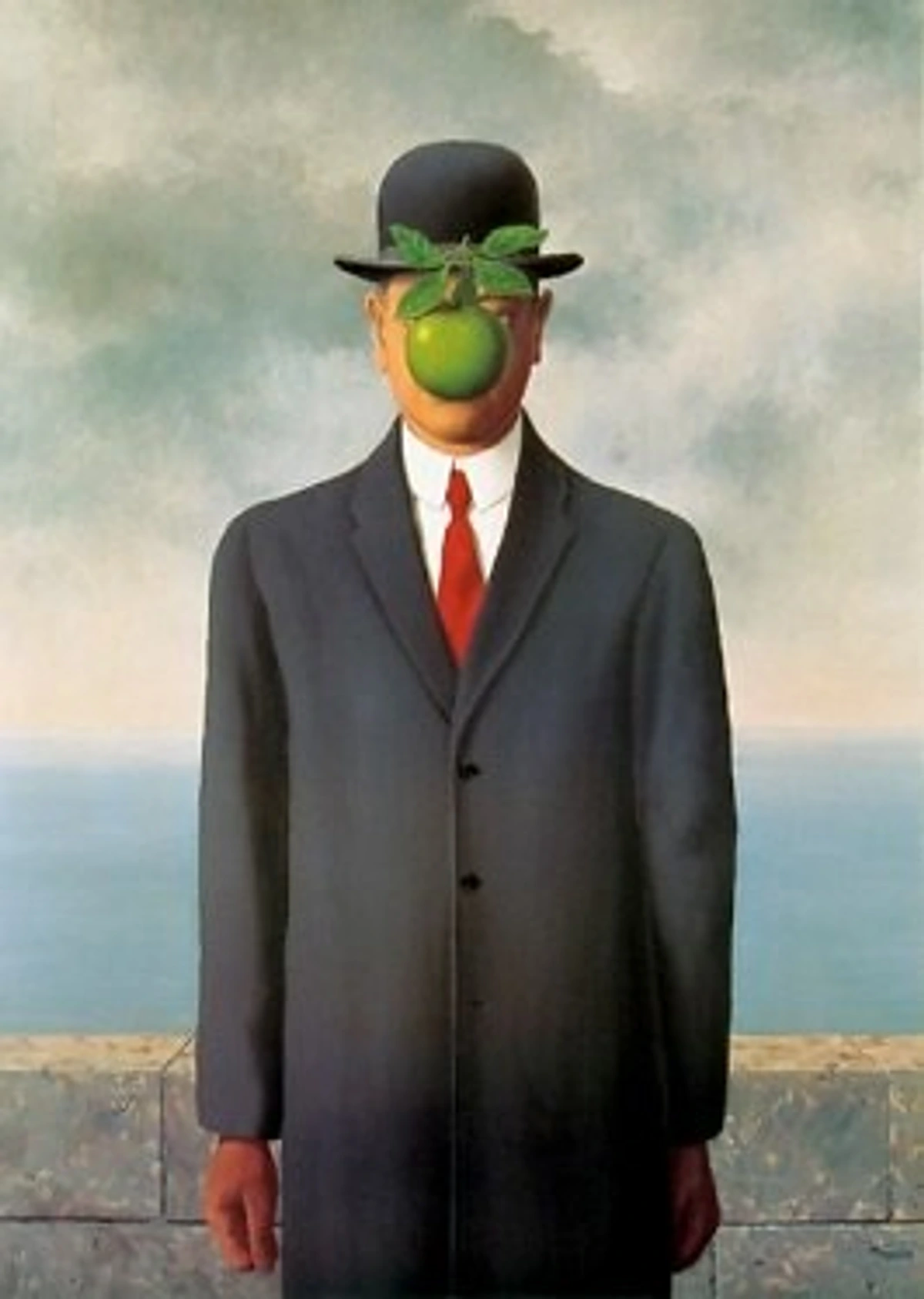
This is often called the Holbein method, or sometimes simply 'linear anamorphosis', and it's the kind that really makes you feel like you're unlocking a secret. The artist starts with a regular image and projects it, mathematically, onto a skewed or oblique grid. Imagine taking a perfectly square image and stretching it diagonally across a canvas – it looks utterly distorted, right? That's the core idea. The image is stretched to an extreme degree, precisely calculated so that when viewed from one specific point (often very low and to the side), your line of sight 're-compresses' the image, making it appear normal. It's all about manipulating the laws of perspective that artists have studied for centuries, but with a deliberate, mind-bending twist. The magic is in the geometry, in anticipating how the eye and brain will re-interpret the stretched reality. This method requires a deep understanding of vanishing points, sightlines, and how parallel lines appear to converge – essentially, the artist is designing a trick for your visual cortex, a wonderfully complex puzzle. It's common in large-scale murals and street art, where the viewing angle is often determined by the surrounding architecture or audience flow. And if you're interested in the mind-bending world of artists like René Magritte, whose work often plays with perception, you might enjoy learning more about him. This type is perhaps the most direct descendant of Renaissance investigations into perspective, extending its rules to create intentional deception rather than pure realism.
Mirror Anamorphosis (Catoptric): The Reflective Revelation
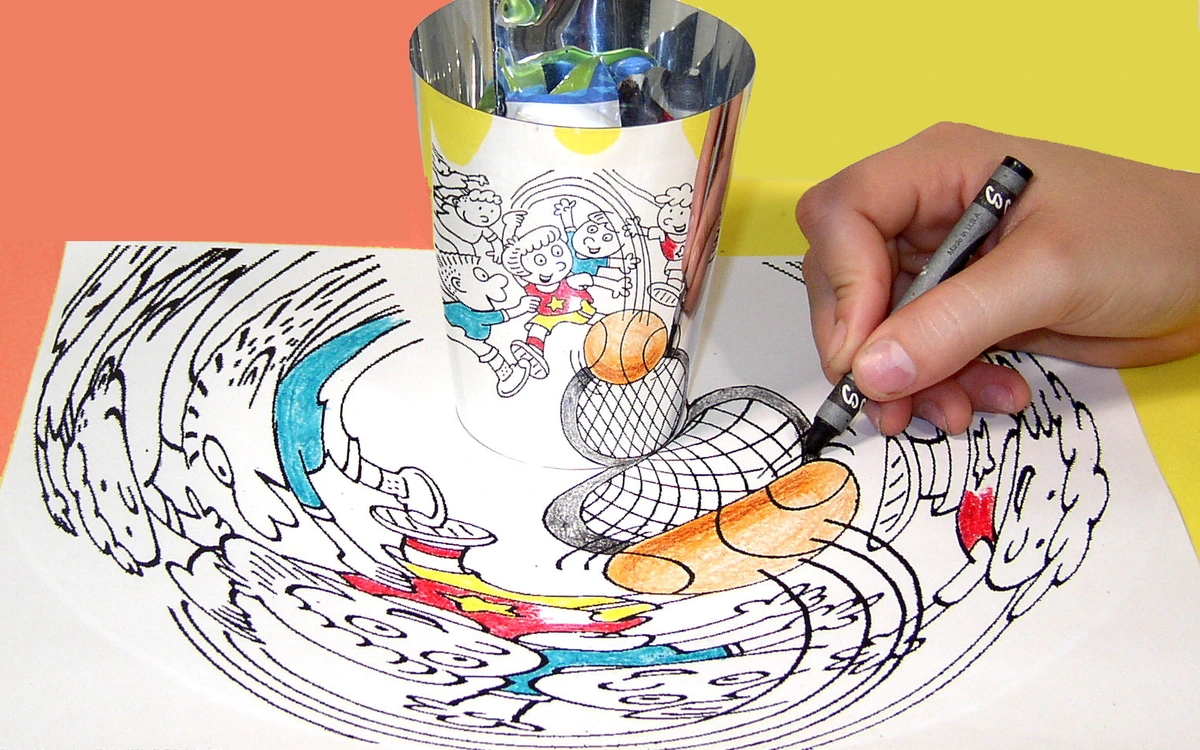
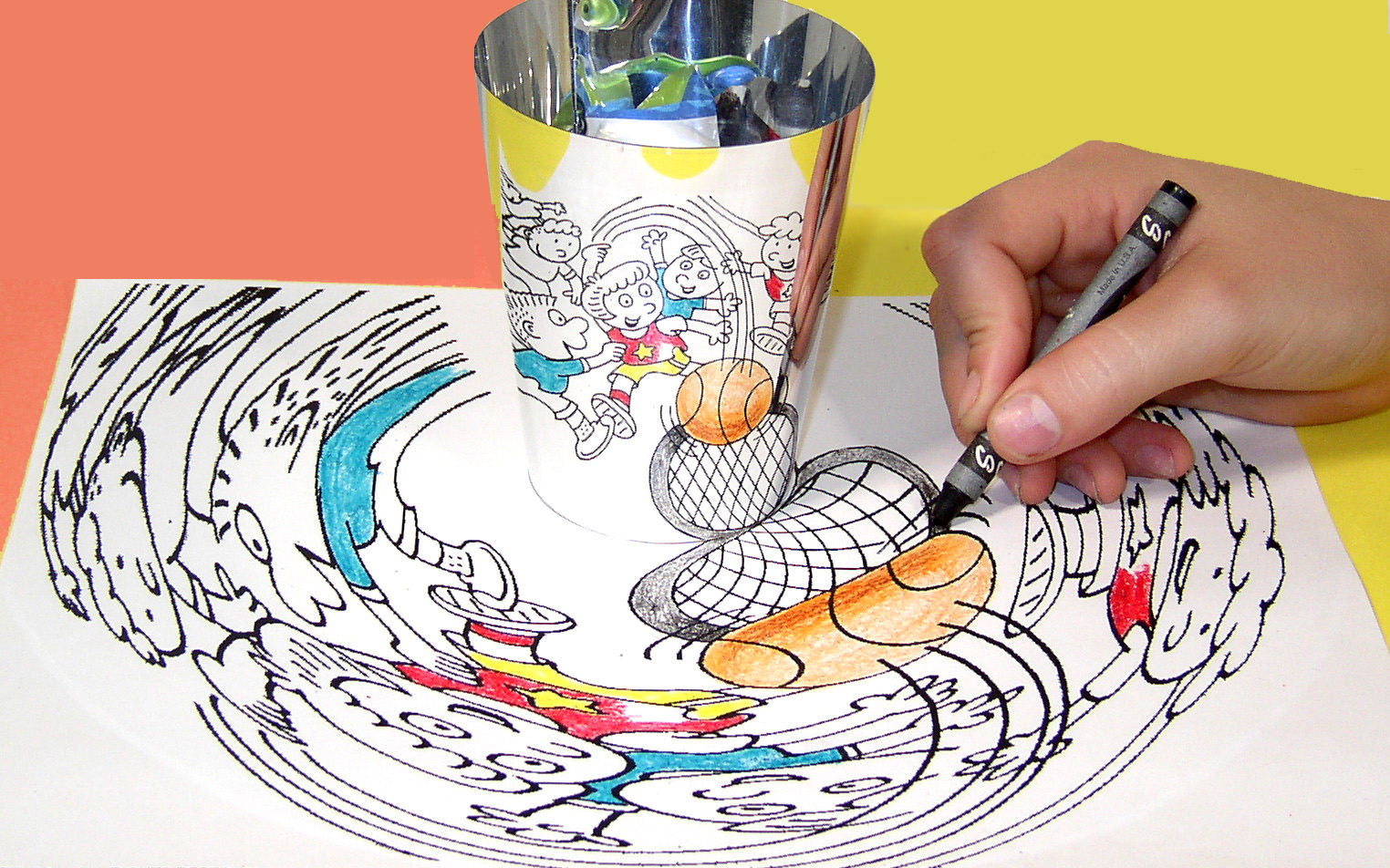
This one feels a bit more like a parlor trick, and I mean that in the best way possible – it's pure, unadulterated visual delight. Instead of viewing the distorted image from an angle, you place a cylindrical or conical mirror on a specific spot. The warped, often unrecognizable image on the flat surface reflects onto the curved mirror, and voila, the image appears corrected and undistorted in the reflection. It’s an incredibly clever way to hide an image in what looks like an abstract pattern, almost like a visual cipher. The distortion applied to the flat image is precisely calculated to counteract the way the curved mirror distorts reflections. When the light hits the curved surface and then bounces to your eye, the image appears perfectly formed, as if by magic. This technique has a fascinating history, often appearing in 17th and 18th-century European salons as a source of intellectual amusement and artistic wonder for the aristocratic elite. I can just imagine the delight on people's faces as they solved these visual riddles, perhaps over a glass of wine! It's a particularly playful form of anamorphosis, relying on an external aid to complete the illusion, which makes it feel incredibly interactive and almost like a magic trick being performed just for you. Artists meticulously calculate the curvature of the mirror and the corresponding distortion required on the flat surface to ensure a perfect resolution of the image in the reflection. You'll often see this with cylindrical or conical mirrors, each creating a distinct type of radial distortion. It's a compelling demonstration of how optics can be harnessed for artistic expression, creating a dialogue between a hidden image and its reflective revelation.

To solidify our understanding, here’s a breakdown of the main types of anamorphosis, each a unique approach to bending reality:
The Craft Behind the Illusion: Anamorphic Creation Process
So, with these magical effects in mind, how exactly do artists bring these illusions to life? It's not just a happy accident; it involves a blend of artistic vision, mathematical precision, and often, a lot of elbow grease. Understanding the process sheds even more light on the genius behind the distortion.

Traditional Methods: Grids, Geometry, and Manual Precision
For centuries, predating digital aids, the creation of anamorphic art relied heavily on painstaking manual techniques and a deep, intuitive understanding of geometry and perspective. Artists would meticulously draw grids over their original, undistorted image and then translate those points onto a distorted grid drawn directly on their canvas or wall. This could involve using taut strings and pins to establish precise vanishing points and sightlines, or employing more elaborate optical devices like the camera obscura to project the image, or even specially constructed viewing funnels, sometimes called anamorphoscopes, to project the image and trace its distorted outline. Imagine the patience, the sheer intellectual stamina, and the steady hand required for that! It was a painstaking process, demanding both keen artistic vision and rigorous mathematical understanding, a true blend of intuition and calculation. The sheer dedication involved in manually calculating and transferring these complex distortions, often on immense surfaces, is truly impressive, a testament to the artists' unwavering commitment to their craft. Interestingly, many contemporary street artists, despite the availability of modern technology, often still employ these fundamental principles, using chalk, tape, and careful measurement to map out their vast, temporary illusions on pavements and walls. It's a beautiful, direct link to artistic traditions of the past, demonstrating the enduring power of foundational geometric understanding and manual skill. I often think of these traditional artists as the original 'hackers' of perception, using nothing but their intellect and skill to bend reality. This manual dexterity, combined with a deep theoretical knowledge, is what makes these early works so remarkable.
Digital Tools and Software: The Modern Edge
The advent of computers and sophisticated digital art tools has truly revolutionized the creation of anamorphic art, making it both more accessible to a wider range of artists and allowing for breathtaking new levels of complexity and scale. Artists now routinely use graphic design software like Adobe Photoshop or Illustrator to design the initial, undistorted image, then move to powerful 3D modeling programs such as Blender, Maya, or even custom parametric design software like Grasshopper, to create virtual environments where they can precisely simulate the viewer's perspective and distort the image accordingly. Some pioneering artists, much to my admiration, even write their own custom algorithms or leverage AI-powered tools to generate intricate anamorphic patterns with astounding precision. High-powered digital projectors are then often used on site to accurately transfer these calculated distortions onto vast physical canvases or environments, ensuring an accuracy that would be incredibly difficult, if not impossible, to achieve by hand. This blend of traditional artistic sensibility with cutting-edge technology opens up entirely new possibilities for what anamorphic art can be, allowing for rapid prototyping, complex designs, and large-scale, dynamic installations that were once unimaginable. It's a perfect example of how technology can powerfully augment, rather than diminish, artistic expression, pushing the boundaries of what's visually possible. However, the reliance on technology also introduces new challenges, such as the need for specialized software expertise, the high cost of advanced equipment, and the potential for technical glitches that can disrupt the delicate illusion. It's a constant dance between artistic vision and technological mastery, demanding a unique skill set. I've heard tales of artists battling software crashes just hours before an exhibition opening – the glamour of digital art isn't always what it seems! The rapid evolution of these tools means that the possibilities for anamorphic art are constantly expanding, allowing for greater intricacy and larger scale than ever before.

Challenges in Anamorphic Creation
Creating effective anamorphic art, whether through traditional or digital means, is not a simple feat; it's rife with significant challenges that push artists to their limits. The most critical hurdle is absolute precision. Any slight miscalculation in perspective, reflection, or projection can completely ruin the illusion, transforming a coherent image into a confusing jumble of lines and colors. For street artists, environmental factors add another layer of immense complexity: uneven surfaces (cracks, bumps, slopes), fluctuating natural light that changes throughout the day, and unpredictable weather (rain, wind) can all conspire to disrupt the delicate balance required for the illusion to hold. The ephemeral nature of much public anamorphic art also presents a unique challenge, as these works are often temporary, designed to be experienced and then fade, requiring rapid execution and the philosophical acceptance of impermanence. Studio artists, while perhaps less affected by weather, face the intellectual rigor of mastering complex geometry and optical calculations, often demanding advanced software skills or painstaking manual effort. It truly takes a unique blend of artistic eye, scientific mind, and often, an immense amount of patience and problem-solving prowess to consistently pull off these visual feats.
Beyond technical hurdles, the intentionality of the illusion also presents a profound challenge. The artist must anticipate not just how the viewer will look, but where they will be positioned (the 'sweet spot'), and even what emotional journey the revelation should take them on. This requires a deep understanding of human perception and psychology, adding a layer of conceptual complexity to the already demanding technical execution. It's not enough to just make it work; it has to resonate. I've often heard artists speak of the hours spent on site, constantly checking the perspective, adjusting for sunlight, and even dealing with curious passersby – it's a monumental undertaking for what might appear to be a fleeting piece. Another subtle challenge is perceptual fatigue; while the 'aha!' moment is delightful, prolonged viewing of highly distorted images can actually be tiring for the brain, something artists must consider for sustained installations. The very act of resolving a distorted image requires mental effort, and too much of it can detract from the aesthetic enjoyment.
Anamorphic Art in the Modern World
Today, anamorphosis is everywhere if you know where to look. It has moved far beyond chalk drawings and gallery walls, weaving itself into our digital and physical landscapes in exciting new ways. I always tell people, once you understand the principle, you start seeing the world through anamorphic eyes. It's like unlocking a new perceptual filter, where the mundane suddenly holds the potential for hidden magic. This era, in particular, is witnessing an explosion of anamorphic creativity, fueled by both technological advancements and a renewed appreciation for art that actively engages the viewer.
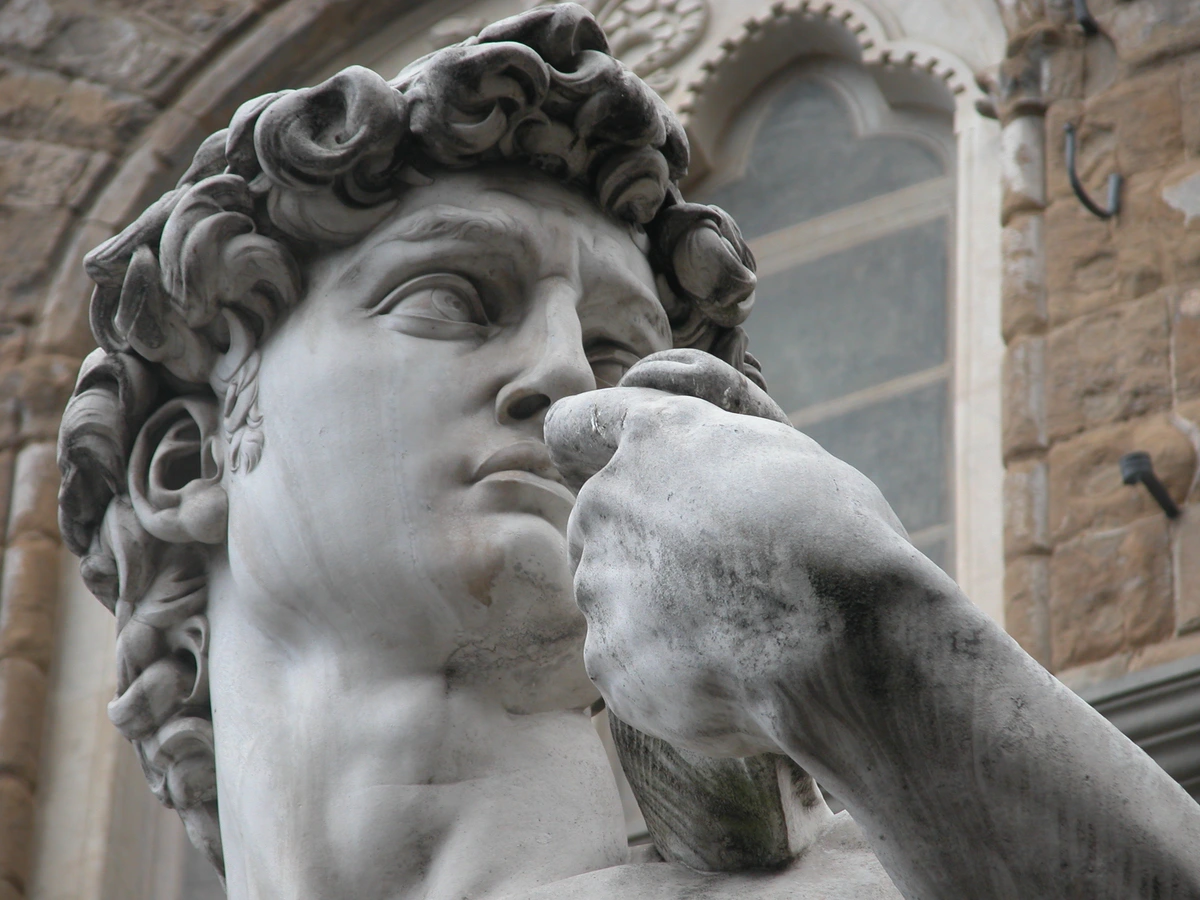
The Digital Frontier: VR, AR, and Immersive Experiences
In our increasingly digital world, anamorphic art has found a vibrant new playground, pushing the boundaries of what's possible with perception. Think about virtual reality (VR) and augmented reality (AR) experiences where digital objects appear perfectly formed only from specific in-app viewpoints, creating a seamless blend of the digital and physical. Or consider interactive video installations that change shape and meaning as you move through a space, perhaps revealing a hidden message or an evolving narrative. Even in video games, developers subtly utilize anamorphic principles to create expansive environments that look correct only from the player's intended camera angle, controlling their gaze and enhancing immersion without them even realizing it. I've seen some truly mind-bending digital installations that make you question what's real and what's rendered, pulling you into alternate realities with simple shifts in viewing angle. The potential here, especially with real-time rendering and advancements in AI that can dynamically adjust distortions, is truly limitless, opening up new avenues for artistic expression and user engagement. Imagine interactive installations where the distortion adapts to your movement, or VR experiences that dynamically reshape environments based on your gaze, creating truly personalized illusions. This frontier also raises fascinating questions about the nature of authorship and control in art, as algorithms become co-creators in the dance of perception. We're seeing artists like Can Büyükberber and Refik Anadol explore these digital dimensions, crafting experiences that are as intellectually stimulating as they are visually breathtaking. While there's been discussion about how NFTs and blockchain technology could be used to certify unique viewing experiences or ownership of digital anamorphic works, I remain cautiously skeptical about the practical artistic value beyond pure speculation. Perhaps one day, virtual museums will be filled with anamorphic art that only reveals itself to those who explore from the 'right' virtual angle. This seamless integration of art and technology is creating entirely new sensory experiences for the viewer.
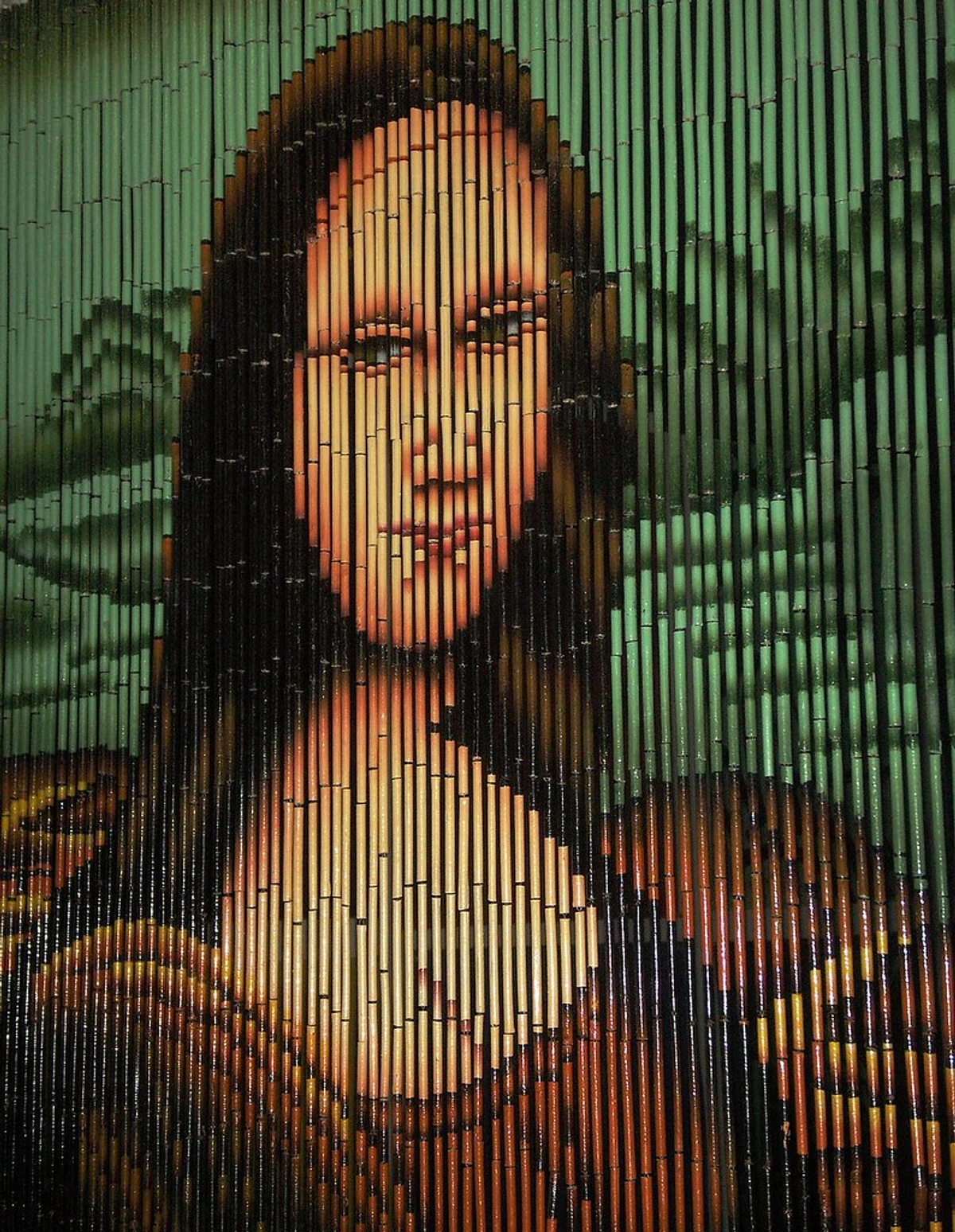
One particularly compelling aspect of street anamorphosis is its ability to blend seamlessly with existing urban elements. A crack in the pavement might become the edge of a precipice, or a drain cover might transform into the entrance to a subterranean world. This interaction with the environment is key to its magic, making the city itself a canvas for illusion and unexpected discovery. The way artists integrate existing topography into their illusions is, to me, a testament to their profound understanding of space and perception.
Projection Mapping and Immersive Environments
Taking the digital frontier into large-scale public spaces, anamorphic projection mapping is another breathtaking modern application. Here, powerful digital projectors cast distorted images onto buildings, monuments, or complex three-dimensional objects. When viewed from a specific, predetermined vantage point, these projections miraculously resolve into coherent images, often creating stunning illusions that interact with the architecture itself. I've personally witnessed entire city blocks transform into cascading waterfalls, ancient ruins, or futuristic landscapes with this technique – it's truly a spectacle of light and illusion. It’s a dynamic, temporary art form that commands attention and offers truly immersive experiences, especially during festivals or public events. It's the ultimate 'wow' factor, turning passive viewing into an active search for the perfect perspective, making the audience an integral part of the unveiling. These installations often leverage advanced mapping software to precisely fit the projected distortions onto complex architectural facades, creating a truly jaw-dropping spectacle. During festivals, these can transform entire city squares into dynamic art pieces, blurring the lines between static architecture and ephemeral digital art. Consider the spectacle of light festivals in cities like Lyon or Amsterdam, where anamorphic projections bring historical buildings to life with shifting, interactive narratives, making history itself come alive. The ephemeral nature of these installations adds to their allure, a transient moment of magic in the urban landscape.
Taking the digital frontier into large-scale public spaces, anamorphic projection mapping is another breathtaking modern application. Here, powerful digital projectors cast distorted images onto buildings, monuments, or complex three-dimensional objects. When viewed from a specific, predetermined vantage point, these projections miraculously resolve into coherent images, often creating stunning illusions that interact with the architecture itself. I've personally witnessed entire city blocks transform into cascading waterfalls, ancient ruins, or futuristic landscapes with this technique – it's truly a spectacle of light and illusion. It’s a dynamic, temporary art form that commands attention and offers truly immersive experiences, especially during festivals or public events. It's the ultimate 'wow' factor, turning passive viewing into an active search for the perfect perspective, making the audience an integral part of the unveiling. These installations often leverage advanced mapping software to precisely fit the projected distortions onto complex architectural facades, creating a truly jaw-dropping spectacle. During festivals, these can transform entire city squares into dynamic art pieces, blurring the lines between static architecture and ephemeral digital art. Consider the spectacle of light festivals in cities like Lyon or Amsterdam, where anamorphic projections bring historical buildings to life with shifting, interactive narratives, making history itself come alive.
Advertising and Marketing: Capturing Attention
Brands have certainly caught on to the viral potential of anamorphic art illusions, recognizing their immense power to cut through the relentless noise of traditional advertising. You’ll increasingly see them used in sophisticated marketing campaigns to create unforgettable, shareable experiences, whether on billboards, bus stops, in shopping malls, or even within virtual spaces. It's a brilliant way to make an audience stop and actively engage with a promotion instead of just passively walking by, transforming a fleeting glance into an active, delightful puzzle. The undeniable 'wow' factor of anamorphosis translates directly into increased engagement and memorability for a brand, creating a deeper, more emotional connection than a static ad ever could. It masterfully leverages our innate human desire for discovery and the profound satisfaction of solving a visual riddle. Imagine a billboard that, from a distance, looks like a jumbled mess, but as you approach a specific spot, a product or a brand message snaps into perfect focus – that's the compelling power of anamorphic advertising. It creates a memorable, interactive experience that goes far beyond a static image, often leading to viral social media sharing and significantly increased brand recall. It's about turning a passive glance into an active engagement, making the audience a participant in the marketing narrative. I've seen brands successfully use temporary anamorphic installations at sporting events or product launches, creating a buzz that spreads far beyond the immediate audience, thanks to social media sharing. It's an ingenious way to make an advertisement feel like an event, something to be experienced and shared. It truly makes the audience part of the 'reveal,' fostering a sense of shared discovery and positive association with the brand. This active participation creates a strong, positive brand association, making the advertising not just seen, but experienced.
Fine Art and Sculpture: Pushing Boundaries
Beyond the public realm and commercial applications, anamorphic art continues to profoundly inspire fine artists and sculptors, offering a rich conceptual framework that delves into the nature of reality and perception. Artists like Jonty Hurwitz, whom I find particularly fascinating, use complex mathematics and advanced 3D printing techniques to create mind-bending catoptric sculptures. What, at first glance, looks like an abstract squiggle of polished metal, seemingly random and chaotic, suddenly resolves into a perfect human hand, a recognizable face, or an intricate figure when reflected in a cylindrical mirror. It's a high-tech evolution of a centuries-old idea, blurring the lines between art, science, and technology in the most exquisite way. Contemporary artists also explore anamorphic principles in large-scale installations, challenging the viewer's physical interaction with the artwork and exploring themes of perception, reality, and deception in profound new ways. These works often invite a slower, more contemplative engagement, patiently revealing their secrets to those who take the time to move and observe, rewarding active curiosity and intellectual engagement. Beyond Jonty Hurwitz, artists like Patrick Hughes have dedicated their careers to exploring reverse perspective and other optical illusions within painting, creating works that appear to shift and move as the viewer changes position, further blurring the lines between static art and dynamic experience. Sculptors, too, embrace anamorphosis, often crafting seemingly abstract forms that only reveal a recognizable subject when viewed from a very particular angle or with the aid of a reflective surface. This fusion of conceptual rigor and technical mastery pushes the boundaries of traditional art forms, inviting a deeper consideration of perception itself. I've even seen artists incorporating light and shadow as integral anamorphic elements, where the distortion is only resolved when a specific light source casts a coherent shadow, adding another layer of ephemeral magic. Artists like István Orosz also consistently produce incredible anamorphic etchings and paintings, often embedding philosophical puzzles within his intricate distortions, inviting viewers to truly 'see' beyond the obvious. These works underscore that anamorphosis isn't just about the 'trick,' but about the profound intellectual and emotional impact of revealing hidden truths. The conceptual depth here transforms a mere illusion into a powerful statement on the nature of existence and observation.
Educational & Therapeutic Applications: Learning Through Illusion
Beyond pure aesthetic enjoyment, anamorphic art has surprising utility in education and even therapy. In classrooms, it’s a fantastic way to teach principles of geometry, optics, and perspective in a highly engaging, hands-on manner. For younger learners, the 'aha!' moment of solving the visual puzzle is a powerful tool for developing critical thinking, problem-solving skills, and spatial reasoning. It makes abstract concepts tangible and fun, which is a teacher's dream, really. I've also seen discussions about its potential in therapeutic settings, where the act of resolving distorted images can aid in cognitive rehabilitation, improve visual processing, or simply offer a unique form of mindfulness and focus, encouraging a playful yet challenging engagement with perception. It truly demonstrates the versatility and profound impact of this art form. For example, therapists might use anamorphic puzzles to stimulate visual processing in patients recovering from neurological conditions, while educators could employ them to make abstract concepts in geometry and physics more tangible and exciting for students of all ages. The inherent 'game-like' quality makes learning engaging, transforming challenging subjects into delightful discoveries. It’s a truly interdisciplinary tool, bridging art and science in a way that fosters deep understanding and active learning. It's a testament to how art can be a powerful vehicle for not just aesthetic pleasure, but also profound intellectual and developmental growth. The multisensory engagement required to solve these visual puzzles can be incredibly beneficial for cognitive development.

Why We Love Being Fooled: The Psychology and Philosophy of Anamorphosis
So, what is it about anamorphic art that so powerfully captures our imagination and refuses to let go? I think, at its core, it’s the profound, almost visceral satisfaction of the “aha!” moment. It’s that sudden, delightful click when chaos resolves into perfect order, a moment of genuine cognitive triumph that feels incredibly rewarding. In a world where we’re constantly bombarded with passive images, content that asks nothing of us, anamorphic art demands something more: our active, physical, and intellectual participation. You can’t just scroll past it; you have to physically align yourself with the artist’s precise vision, actively engaging your perception to unlock the hidden reality. This active engagement creates a deeper, far more memorable experience, a true reward for our curiosity and effort. It’s a powerful antidote to passive consumption, forcing us to become co-creators in the artistic experience.
From a psychological standpoint, anamorphic art taps into several powerful cognitive phenomena. It beautifully illustrates our Gestalt principles – our brain's innate, often unconscious, tendency to organize fragmented visual information into coherent wholes. When we encounter the initially distorted image, our brain struggles, experiencing a mild form of cognitive dissonance, a sense of "something is off." But when we find that 'sweet spot,' the brain effortlessly resolves the puzzle, and that release is incredibly rewarding, a brief, delightful hack of our perceptual system. More profoundly, it reminds us, quite powerfully, that perception is never truly absolute or objective. How we see the world depends entirely on our point of view, both literally and metaphorically. Shifting your physical position by just a few inches can change everything, transforming a jumble into a coherent image, and vice-versa. This isn't just a playful trick; it's a potent metaphor for life itself, a reminder that our perspective truly shapes our reality. It encourages us to question our initial assumptions, to consider alternative viewpoints, and to understand that there's often more to reality than meets the eye at first glance. It's a subtle, yet powerful, nudge towards critical thinking and intellectual humility, all wrapped up in a visually stunning package. And frankly, who doesn't love a good secret, especially one that unveils itself right before your very eyes? It's a profound, yet playful, reminder that true understanding often requires a willingness to shift our perspective, both literally and figuratively. This engagement with anamorphic art leaves us not just entertained, but subtly transformed, having been part of a unique dialogue between art, science, and the very act of human perception. This interplay between expectation and revelation is a powerful cognitive tool that artists have wielded for centuries to engage, educate, and even provoke their audiences. It truly is a testament to the boundless creativity of the human mind and its enduring fascination with illusion and the deeper truths it can reveal. Perhaps it's because deep down, we all love a good mystery, especially one we can solve ourselves.
The Philosophical Implications of Seeing
Beyond the psychological 'aha!', anamorphic art also invites profound philosophical reflection. It forces us to confront the constructed nature of reality itself. Is what we 'see' truly objective, or is it merely an interpretation shaped by our position, our beliefs, and our cognitive biases? By intentionally manipulating perception, artists using anamorphosis challenge the very foundation of empiricism, suggesting that truth might be relative to one's perspective. It’s a powerful artistic tool for exploring themes of deception, revelation, the subjective nature of truth, and the constant negotiation between appearance and reality. It can serve as a compelling reminder that to truly understand, we often need to step outside our comfort zone and embrace alternative viewpoints. In a way, anamorphic art acts as a visual metaphor for the idea that profound insights often come from stepping back, or to the side, and looking at things differently. It teaches us a subtle form of intellectual agility. This subtle questioning of objective reality makes anamorphic art a potent tool for philosophical inquiry, pushing us to consider the filters through which we perceive the world.
Frequently Asked Questions (FAQ)
What is an Anamorphoscope and how does it work?
An anamorphoscope is a specific optical device, often a cone or cylinder, designed to be placed on a distorted anamorphic image, revealing its true, undistorted form in its reflection. These devices were particularly popular in the 17th and 18th centuries as parlor curiosities and scientific instruments, demonstrating principles of optics and perspective. The image painted on a flat surface is precisely calculated to appear as a chaotic, abstract swirl or stretch, but when viewed through the anamorphoscope, the reflected light rays converge to create a clear, recognizable image. It's a fascinating example of how external aids can complete the artistic illusion, turning a seemingly nonsensical pattern into a moment of pure visual delight. Think of it as a decoder ring for a visual puzzle, transforming visual chaos into coherence through precise optical engineering. These devices were not merely toys; they were sophisticated tools that demonstrated advanced optical understanding, bridging the gap between art and early scientific inquiry. The precise curvature of the anamorphoscope is key, as it must perfectly reverse the distortion applied to the original flat artwork to create a clear, coherent image in its reflection. It's a testament to the ingenuity of early optical scientists and artists working in concert. The interactive nature of these devices made them incredibly popular, fostering a sense of wonder and intellectual engagement.
What are some lesser-known historical examples of anamorphosis?
Beyond Holbein and Pozzo, anamorphosis appeared in various contexts, proving its enduring appeal. In the 16th century, German artist Erhard Schön created fascinating woodcuts with distorted figures that would resolve from a specific oblique angle, often for satirical or political commentary – I always appreciate art that makes you work for the punchline! Many anonymous artists throughout the 17th and 18th centuries produced small, hand-painted anamorphic portraits and landscapes designed to be viewed with cylindrical mirrors, often as novelties for aristocratic salons – imagine the delight and conversation these sparked! Scientific treatises on optics from figures like Gaspard Monge in the late 18th century also included detailed geometric instructions for creating anamorphic images, demonstrating its appeal to both artists and scientists who sought to understand the mechanics of vision. There are even instances of anamorphic calligraphy where distorted letters resolve into legible text from a specific viewpoint, showcasing the technique's versatility even in written forms. These less-celebrated examples highlight the widespread intellectual curiosity and playful experimentation that has always surrounded anamorphic art, transcending its more famous masterpieces and revealing a continuous human fascination with optical puzzles. These historical footnotes remind us that human ingenuity in manipulating perception is a timeless endeavor.
How does anamorphosis apply to 3D printing and digital fabrication?
The precision offered by 3D printing and digital fabrication has opened up exciting new frontiers for anamorphic art, particularly in sculpture and interactive installations. Artists can now design complex, seemingly abstract forms digitally, which are then 3D printed with incredible accuracy. These sculptures are meticulously engineered so that from a specific vantage point, or when reflected in a specially curved surface, they reveal a coherent image, object, or even a portrait. This allows for intricate geometries and complex distortions that would be nearly impossible to achieve by hand, pushing the boundaries of what is physically possible. It's a blend of high-tech manufacturing with age-old optical principles, creating truly mind-bending physical objects that challenge our perception of solid form and space. Artists like Jonty Hurwitz are pioneers in this contemporary application, crafting pieces that demand interaction and reward patient observation, transforming seemingly random forms into moments of stunning clarity. This also extends to larger-scale architectural installations where digitally fabricated elements contribute to the overall anamorphic effect, integrating physical and illusory spaces. It's a fascinating testament to how ancient optical wisdom can be amplified and reimagined through cutting-edge technology. Imagine a sculpture that looks like abstract chaos from most angles, but from one specific spot, it perfectly spells out a word or reveals a portrait – that's the magic of digital fabrication meeting anamorphosis. This technological synergy allows for an unparalleled degree of control over the illusion, making it even more convincing.
What are some common misconceptions about anamorphic art?
One common misconception is that anamorphic art is always about hidden messages. While many historical examples did use it for this purpose, modern anamorphic art often focuses purely on the aesthetic delight of the illusion and the intellectual challenge of its resolution. Another misconception is that it's merely a 'trick' without artistic merit; however, the profound skill, mathematical understanding, and conceptual depth required elevate it far beyond simple trickery. Finally, some might confuse all optical illusions with anamorphosis, but anamorphic art specifically requires a change in viewpoint or an external device to resolve the distortion, which sets it apart from other visual deceptions. It's not just a visual puzzle; it's a testament to the artist's deep understanding of perception and space, often conveying profound messages about how we see and interpret the world. For me, the 'trick' is precisely what makes it so artful – it's a deliberate, intelligent deception designed to reveal a deeper truth about vision itself. I think dismissing it as 'just a trick' is like saying a master magician's act isn't art; it misses the immense skill, planning, and understanding of human psychology involved. Understanding these distinctions is crucial to appreciating the true sophistication of anamorphic art.
What are the different types of anamorphic projection?
Anamorphic projection primarily refers to the use of powerful digital projectors to display distorted images onto irregular surfaces, which then appear correct from a specific viewpoint. While the underlying principles are rooted in perspective anamorphosis, modern projection mapping expands this dramatically. We see static projection mapping, where the image is fixed for a singular 'sweet spot' for viewing, often on building facades or public squares during events. Then there's interactive projection mapping, which can adapt the distortion in real-time based on viewer movement, environmental data, or even audience input, creating highly dynamic and personalized illusions. There are also specialized applications like dome projection for immersive cinematic experiences or 3D object mapping where complex sculptures or architectural elements become intricate canvases for light. Each type leverages high-precision projectors and sophisticated software to calculate and display the exact distortion needed to resolve the image from the intended perspective, transforming static environments into living, breathing artworks. These advanced techniques are a testament to how technology continues to push the boundaries of what's possible in visual illusion, creating public spectacles that blur the lines between architecture and art. The flexibility of projection mapping allows for grand scale ephemeral art, constantly reinventing public spaces. I've always found it remarkable how artists can turn an entire building into a canvas, making static concrete seem to ripple and flow with light. The interplay of light, architecture, and audience movement makes projection mapping a truly engaging and dynamic art form.
What are some ethical considerations in anamorphic art?
While largely celebrated for its ingenuity, anamorphic art, especially in public or commercial contexts, can sometimes raise ethical questions. In advertising, for instance, anamorphosis might be used to subtly manipulate perception, creating a 'wow' factor that distracts from critical evaluation, or even to obscure parts of a message until the viewer reaches a specific, controlled vantage point. The temporary nature of much street art also brings up questions of artistic permanence and intellectual property, as works can be removed or altered without the artist's consent. Furthermore, in educational or therapeutic settings, while beneficial, care must be taken to ensure that the illusions are not disorienting or anxiety-inducing for sensitive individuals. Ultimately, like any powerful tool, its ethical implications depend largely on the intent and transparency of its use. It forces us to ask: is the illusion for delight, or for manipulation? This is particularly relevant in the digital age, where algorithms can generate highly persuasive anamorphic content, blurring the lines between art, advertisement, and potential misinformation. It's a conversation artists and audiences should actively engage in. As with any powerful form of communication, the responsibility lies with both the creator and the interpreter to question the message and its method. The power to manipulate perception carries a significant ethical weight, prompting a need for transparency and critical engagement from both artists and viewers.
How has anamorphosis influenced other art forms and disciplines?
The influence of anamorphosis stretches far beyond its immediate artistic applications, subtly shaping how we perceive and create in various fields. In filmmaking and photography, anamorphic lenses are used to create wide-screen cinematic effects, compressing a broad scene onto a standard sensor, which is then 'de-squeezed' in projection to achieve a wide aspect ratio. This technique itself is a form of anamorphosis, fundamentally impacting the visual language and immersive quality of cinema. Its principles are also evident in stage design and theatrical illusions, where distorted backdrops or props appear correct only from specific audience seats, enhancing immersion and dramatic effect without the audience realizing the clever trickery involved. In architecture, the deliberate manipulation of perspective to create illusions of greater height or depth (a close cousin to trompe l'oeil) clearly draws from anamorphic understanding, shaping our experience of built environments. Even in product design and branding, the idea of creating a unique visual experience that requires a specific interaction or viewpoint finds its roots in anamorphic thinking, making products more engaging. It's a reminder that the deliberate manipulation of perception is a potent tool across many creative and scientific disciplines. Consider also its subtle presence in cartography, where map projections distort geographical features to maintain accuracy from a specific viewing angle or for a particular purpose, solving complex spatial problems through calculated distortion. This cross-disciplinary reach truly underscores the universal power of optical manipulation. It reminds us that artists and scientists have always shared a common ground in exploring how we see and understand the world. From distorting lines to shaping narratives, anamorphic principles are more pervasive than we often realize.
What's the difference between linear and oblique perspective anamorphosis?
While often used interchangeably or as part of the broader category of 'perspective anamorphosis', there's a subtle distinction between linear and oblique methods, largely pertaining to the chosen viewpoint and the resulting distortion. Linear perspective anamorphosis, often associated with the 'Holbein method', refers to an image that appears normal when viewed from a specific, often extreme, oblique angle relative to the picture plane. The distortion primarily involves stretching the image along one axis, making it appear elongated and compressed when seen from a frontal view, but resolving when the eye aligns with the artist's calculated vanishing point. Oblique perspective anamorphosis (and the distinction here can sometimes be quite academic, or even merge) often encompasses a wider range of distortions where the viewer's 'sweet spot' isn't just obliquely angled, but also potentially requires a specific distance, height, or even a combination of these. Essentially, linear typically implies a straight-on oblique view, while 'oblique' can be a more general term for any non-frontal, often more complex, perspective point. Both rely on the fundamental principles of projective geometry to achieve their mind-bending effects. The precision required for both is staggering, but the 'oblique' method often allows for more complex and multi-faceted illusions, integrating more environmental factors into the overall design. Ultimately, they are two sides of the same geometric coin, each demanding a deep understanding of visual mechanics. For me, it's like the difference between a simple knot and a complex maritime hitch—both serve a purpose, but one offers far more intricate possibilities. This nuanced understanding of viewing angles is key to mastering the creation of compelling anamorphic illusions.
What is the etymology of 'Anamorphosis'?
The word 'anamorphosis' is a beautiful blend of Greek words: ana-, meaning 'back' or 'again' (or even 'up' or 'through'), and morphe, meaning 'form' or 'shape'. So, literally, it means 'to form again' or 'to reshape'. I find this etymology wonderfully precise, as it perfectly encapsulates the very essence of this art form: taking a deliberately distorted shape and reforming it into something recognizable through a specific act of viewing. It’s almost like a linguistic clue embedded in the art itself, a hint at the visual transformation that awaits the keen observer! This linguistic precision highlights the intellectual roots of the art form, suggesting a deliberate and scientific approach to visual trickery and the revelation of hidden forms. It’s a word that perfectly captures the magic and cerebral engagement of the art itself, embodying the very process of optical transformation. This linguistic journey reflects the intellectual and artistic journey embedded in the creation and viewing of anamorphic art.
Are there specific types of anamorphic mirrors or viewing devices?
While cylindrical and conical mirrors are certainly the most common for catoptric anamorphosis, artists and designers throughout history have been incredibly inventive, experimenting with a wider array of reflective surfaces. Sometimes, the distortion is so subtle that a polished sphere, a curved metal sheet, or even a carefully angled sheet of reflective material can act as the viewing device. Historically, specialized viewing boxes, elaborate peep-show devices, or even curved lenses were created to enhance or facilitate the illusion, often designed to be portable parlor curiosities. The most famous of these historical viewing aids is arguably the anamorphoscope, a device that was specifically designed to reveal the hidden image within a distorted painting. The key, no matter the device, is that the reflective surface's curvature must precisely counteract the distortion applied to the original image, creating that harmonious dance between optics and artistic design that I find so captivating. Modern artists continue this tradition, sometimes even using custom-fabricated reflective objects that seamlessly integrate into their larger installations, pushing the boundaries of interactive art. It's truly a testament to how creative minds can transform everyday objects into tools for extraordinary visual magic. The diversity of these viewing devices underscores the constant innovation in the field, from antique curiosities to cutting-edge interactive installations.
How does lighting affect anamorphic illusions?
Lighting is absolutely crucial, often serving as an invisible collaborator in the illusion, especially for perspective anamorphosis! Since these illusions rely on a specific viewpoint and the precise way light falls on a surface, inconsistent or shifting light can easily break the spell, like a magician revealing their trick too soon. For street art, artists must meticulously consider the sun's path throughout the day to ensure their illusion holds up, often timing their work or factoring in artificial lighting for night installations. Strong, misplaced shadows cast by elements not part of the intended illusion can also tragically interfere. For mirror anamorphosis, controlled, even lighting helps ensure the reflection is clear and undistorted, allowing the hidden image to emerge perfectly. In essence, light is not just illumination; it's an active, dynamic ingredient in the anamorphic recipe, capable of either enhancing or destroying the magic. The interplay of light and shadow can also be intentionally integrated into the anamorphic design, where the illusion only fully resolves when a particular shadow is cast across the distorted image. This makes lighting design almost as important as the artwork itself, a truly theatrical element in the artistic production. I've heard artists speak of waiting for the perfect moment of sunlight to capture their street art, knowing that just an hour later, the magic might be lost. Mastering lighting is as much a part of the anamorphic artist's skill set as mastering perspective and geometry.

Can anamorphic art be used for social or political commentary?
Absolutely, and I find this aspect particularly compelling! While much anamorphic art is indeed about playful illusion, its inherent ability to hide messages and reveal truths only to discerning viewers makes it an incredibly powerful tool for social and political commentary. Holbein's The Ambassadors is a classic historical example, with its hidden memento mori serving as a profound critique of earthly vanity. In modern street art, artists frequently embed critiques of consumerism, urgent environmental warnings, or messages of hope that become clear only from a specific stance – often one that requires the viewer to literally shift their perspective and engage more deeply, demanding a conscious effort to understand. This forces an active engagement with the message, making it far more impactful and memorable than a straightforward statement. It's a subtle, yet potent, form of visual activism that truly empowers the message. By making the viewer work to uncover the message, it creates a deeper sense of personal discovery and conviction, fostering critical thinking and a deeper connection to the artwork's purpose. It’s art that doesn't just display a message, but activates it in the mind of the viewer. It's a powerful way to make an audience truly feel a message, rather than just passively observing it. This makes anamorphic art a uniquely powerful medium for nuanced and thought-provoking social commentary.
Is anamorphic art considered 'serious' art?
That's a fantastic question, and one I've pondered myself, as the line between 'trick' and 'art' is often debated. Historically, anamorphosis was often seen as a clever novelty, a parlor game, or simply a demonstration of technical skill rather than profound artistic expression. However, as with many art forms that challenge traditional boundaries and established norms, its perception has significantly evolved. Today, particularly with contemporary artists like Jonty Hurwitz pushing its conceptual boundaries, or the grand, thought-provoking scale of street art, anamorphic works are increasingly recognized for their intellectual rigor, their conceptual depth, their unique ability to engage audiences, and their potent commentary on perception, illusion, and the very nature of reality. So, yes, I believe it absolutely deserves to be considered 'serious' art, precisely because it forces us to re-evaluate our visual assumptions and interact with art in a fundamentally different way. It’s an art form that demands intellectual engagement, and that, to me, is always serious business. It challenges us to look deeper, to question our initial impressions, and to appreciate the artistry in deliberate deception. It's an art form that refuses passive viewing, demanding a conscious effort that rewards the intellectually curious. The shift in perception reflects a growing appreciation for art that actively engages the viewer's mind and body.
What is the most famous anamorphic artwork?
Hands down, it's the hidden skull in Hans Holbein the Younger's The Ambassadors (1533). It’s the textbook example of perspective anamorphosis and a profound masterpiece of the Northern Renaissance. Its enduring fame comes from not only its astonishing technical brilliance but also the powerful philosophical message (a memento mori, a reminder of death) it cleverly embeds, urging viewers to reflect on mortality while gazing upon earthly riches and intellectual pursuits. It's a truly unforgettable, thought-provoking piece of art history that continues to intrigue audiences centuries later. The sheer audacity of hiding such a stark reminder of mortality within a portrait celebrating worldly power makes it endlessly fascinating, a true artistic puzzle with layers of meaning. While other examples are remarkable, Holbein's piece truly cemented anamorphic art's place in the canon. It's one of those artworks that forever changes how you look at paintings, making you wonder what other secrets might be lurking just beyond your initial gaze. Its enduring power lies in its ability to challenge both visual perception and intellectual complacency.
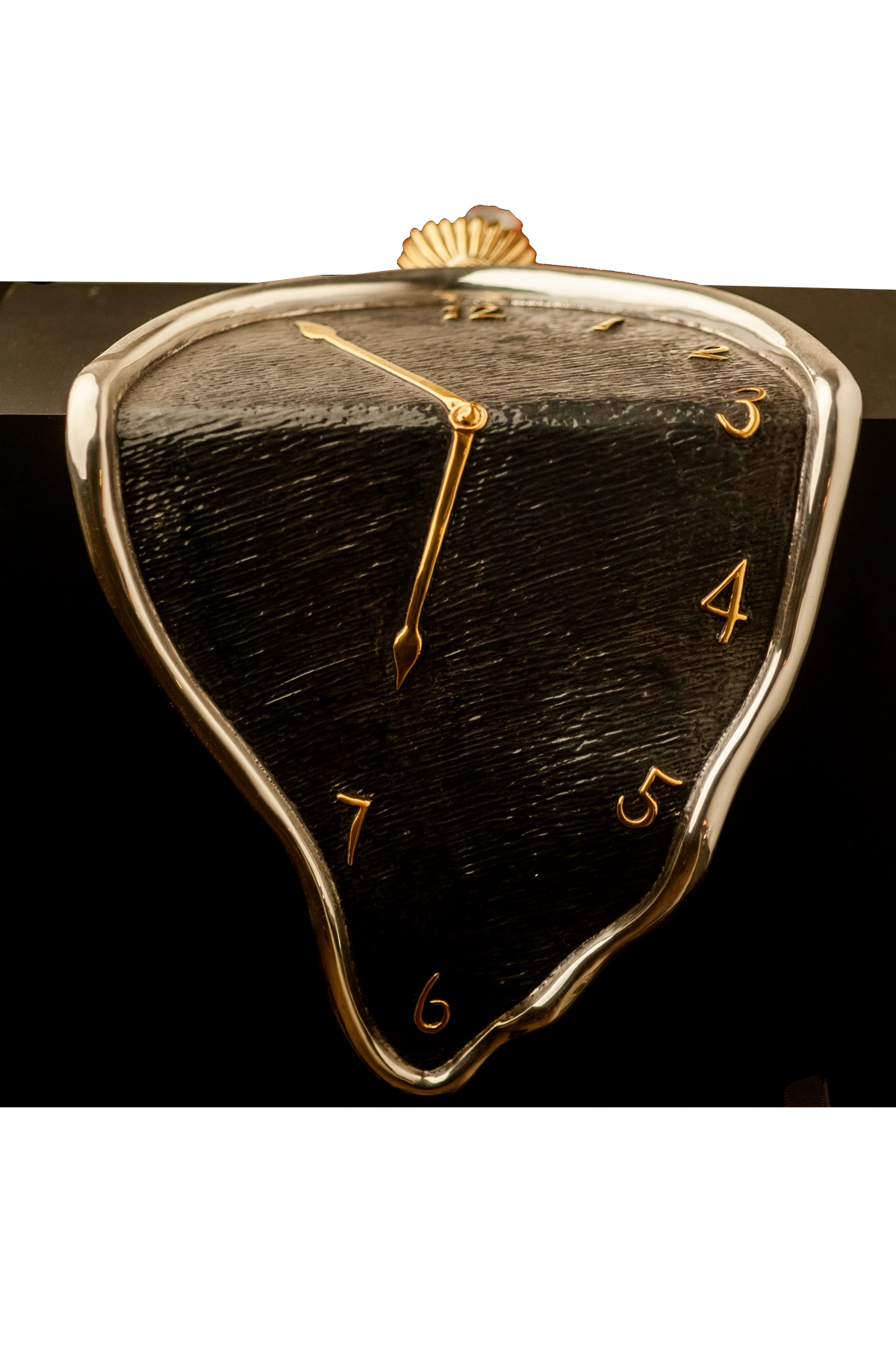
What tools and materials do anamorphic artists use?
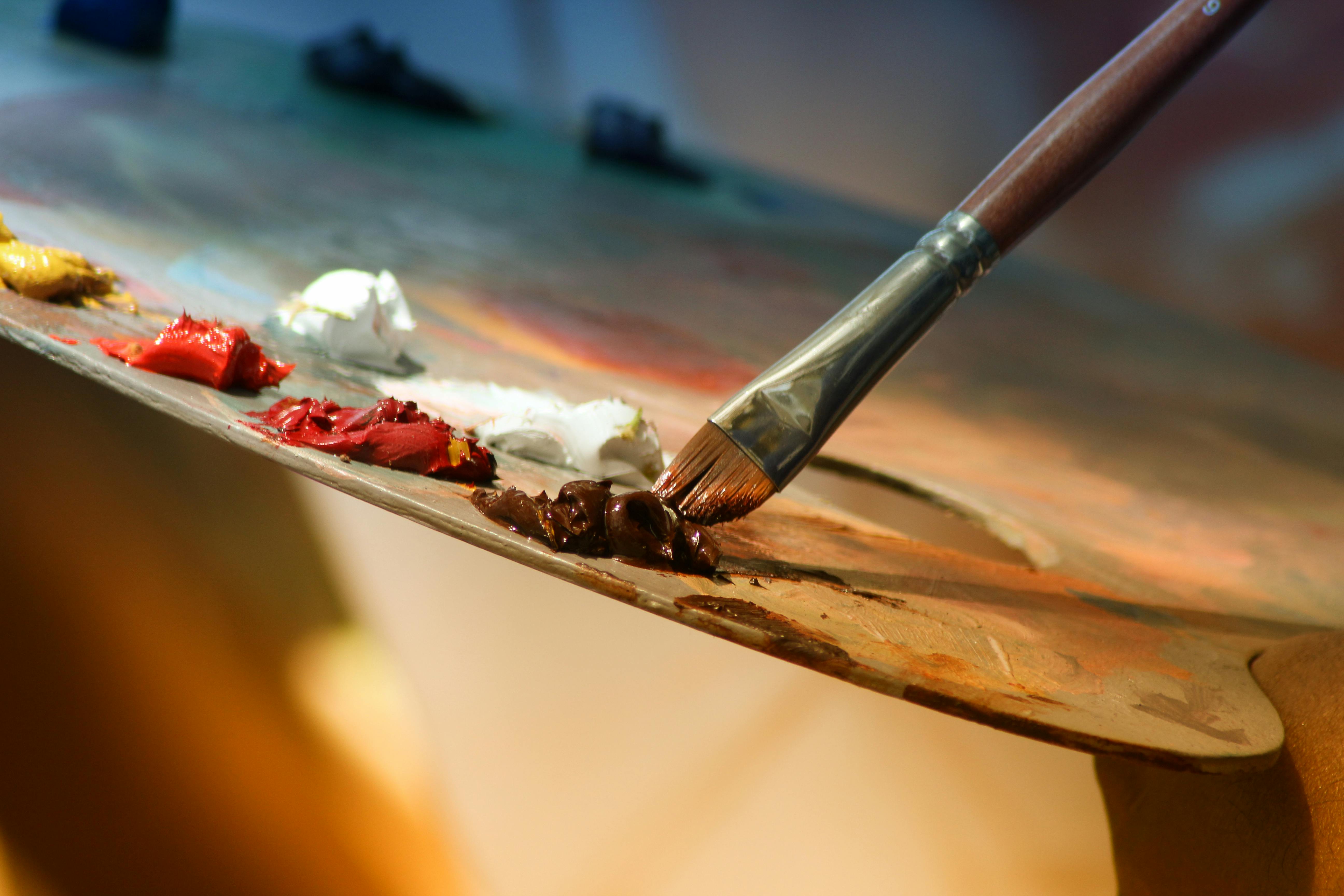
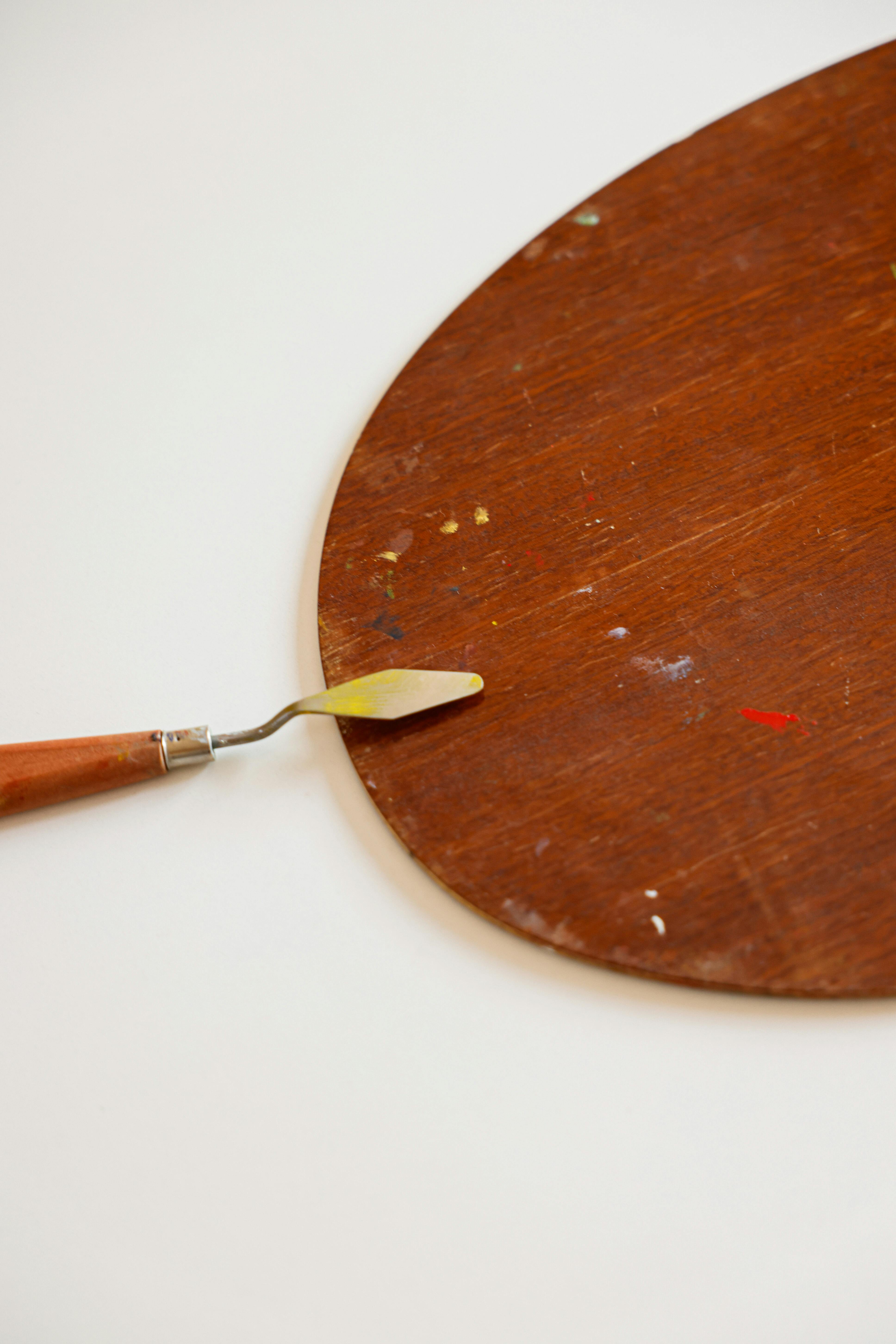
It really depends on the scale, style, and era! For large-scale street artists, you'll see a fascinating array of tools: giant chalks, temporary spray paints, large rulers, strings, plumb lines, and increasingly, digital projection equipment for precision. Traditional artists working in studios might use oils or acrylics on canvas, often working with meticulously gridded surfaces, sometimes even employing optical devices or specialized viewing funnels like anamorphoscopes. In the modern era, digital artists leverage sophisticated software like Adobe Illustrator, Photoshop, 3D modeling programs (like Blender or Maya), and even custom-coded algorithms to generate the initial distorted images with incredible accuracy. High-powered digital projectors are then often used on site to accurately transfer these digital designs onto vast physical canvases or environments. It's a wonderful, dynamic blend of old-school craft and cutting-edge technology, chosen to best achieve the artist's specific illusion. From the ancient camera obscura to modern AI-powered rendering, the evolution of tools has consistently pushed the boundaries of what's possible in anamorphic art, making it a truly interdisciplinary field. It’s a testament to human ingenuity and our endless fascination with bending reality to our will. I often think of these artists as part scientist, part illusionist, and part master craftsman. This blend of technical and artistic skills is what makes the creation of anamorphic art so challenging and rewarding.
















How is Anamorphic Art related to Trompe l'Oeil and Quadratura?
That's a great question, and a common point of confusion, as they are indeed related, like clever cousins in the vast family of visual trickery, but distinct. Trompe l'oeil (French for 'deceive the eye') aims to create an illusion of reality so convincing that it tricks the viewer into thinking a 2D object is actually 3D, regardless of their viewing angle. Imagine a painting of a fly on a picture frame that looks so real you're tempted to swat it away – the illusion holds from almost anywhere. Anamorphic art, on the other hand, presents a deliberately distorted image that only resolves into its realistic or intended form from one specific viewpoint or with a special device. So, while both cunningly deceive the eye and play with our perception of reality, anamorphic art adds that crucial, interactive element of positional dependency, demanding your active participation to complete the illusion. This active role of the viewer is what fundamentally differentiates the two. It's the difference between a static surprise and an active puzzle you have to solve.

Quadratura, a technique prevalent during the Baroque period, especially in ceiling painting, is a form of trompe l'oeil that aims to extend architectural elements into painted illusions, creating the impression of greater space or monumental structures. While quadratura shares anamorphic art's interest in manipulating perspective for illusionistic effect, it differs in that its primary goal is to seamlessly integrate painted architecture with real architecture, and the illusion is generally intended to be viewed from a central, rather than an extreme oblique, vantage point. However, the advanced understanding of perspective required for both certainly links them philosophically. If you want to dive deeper into the art of convincing illusion, you can read more about it in my article What is Trompe l'oeil. These three art forms, while distinct, collectively showcase the incredible ingenuity of artists throughout history to play with human perception and reshape reality on their canvases and walls. The subtle but significant differences in their approach to illusion make them fascinating subjects for comparison.
What are the common challenges in creating anamorphic art?
The primary challenge lies in the precision required. Any slight miscalculation in perspective or reflection can ruin the illusion, transforming a coherent image into a confusing jumble. For street artists, environmental factors like weather, shifting natural light, and uneven urban surfaces add another layer of complexity, demanding constant adaptation and often rapid execution. They also have to contend with the ephemeral nature of their work, knowing it will eventually fade or be cleaned away. For studio artists, mastering the complex geometry and optical calculations, often requiring advanced software or painstaking manual work, is a significant hurdle. Furthermore, maintaining the illusion across different viewer positions (for public art) or anticipating minor shifts in mirror placement (for catoptric works) adds a considerable degree of difficulty. It truly takes a unique blend of artistic eye, scientific mind, and an extraordinary amount of patience and problem-solving prowess. Another challenge is the perceptual fatigue some viewers might experience, as the brain works harder to resolve the image. Balancing the intellectual reward with an enjoyable viewing experience is a fine art in itself. I've heard stories of artists working through the night to complete a piece before the morning light changes their carefully calculated shadows – it's a race against time and nature. These challenges, for me, are part of what elevates the art form; overcoming such hurdles makes the final 'reveal' all the more satisfying. The sheer complexity demands not just artistic talent, but also a scientific rigor that is truly impressive.

Can I make my own anamorphic art? A Beginner's Guide
Absolutely, and I highly encourage you to try – it's incredibly rewarding to unlock these visual secrets for yourself! The easiest way to start is with grid paper, especially for perspective anamorphosis. Draw a simple image on a standard grid (I often start with something simple like a face or a geometric shape). Then, create a second, elongated or skewed grid, and meticulously transfer the image square by square onto it, distorting each section proportionally. You'll be surprised, and delighted, at the seemingly distorted results that snap into place from the right angle! For mirror anamorphosis, you can find templates online that show how to distort an image so it appears correct in a cylindrical or conical reflection – printing these out and coloring them around a reflective object is a fantastic entry point. There are also plenty of user-friendly apps and software (even some basic drawing programs) that can help you create digital anamorphic images, making the mathematical heavy lifting a bit easier. Don't be afraid to experiment; that's where the real magic, and the deepest understanding, happens! It's a wonderful way to play with your own perception. You can also explore online tutorials or even use basic photo editing software to stretch and distort images, then experiment with viewing them from extreme angles on your screen. The journey of discovery is part of the art! Start simple, be patient, and let your curiosity guide you – the 'aha!' moment is truly worth the effort. There are numerous online communities and resources dedicated to anamorphic art, so you're never truly alone in your exploration. Perhaps, after mastering a few simple illusions, you'll be inspired to explore more complex anamorphic concepts or even create your own signature style. Who knows, maybe you'll discover a hidden artistic talent! The joy of creating anamorphic art lies in both the intellectual challenge and the delightful visual payoff.
Where can I see anamorphic art? A Global Hunt for Illusion
Keep a keen eye out! Once you know what to look for, you'll be amazed at how often you start spotting it everywhere. Street art festivals in major cities around the globe are fantastic places, as they often feature anamorphic artists creating large-scale illusions live – watching them work is an education in itself, a true masterclass in perspective. Major museums with strong Renaissance or Baroque collections might surprise you with historical examples hidden within paintings or architectural elements (Holbein's The Ambassadors is, of course, a must-see, often found in the National Gallery in London!). Beyond that, public art installations are increasingly incorporating anamorphic elements, turning everyday spaces into interactive experiences. And, of course, the internet remains a vast, accessible gallery, a treasure trove of contemporary anamorphic illusions created by artists all over the world, from intricate digital animations to breathtaking urban murals. Social media platforms, in particular, have become a new stage for anamorphic artists to share their work globally, allowing for rapid dissemination and appreciation of these visual puzzles. The beauty is, once you know what to look for, you start seeing the world through anamorphic eyes, transforming mundane environments into potential canvases for optical wonder. Don't forget to check out specialized exhibitions on optical illusions or contemporary art museums, which often feature works that push the boundaries of perception. It's a global phenomenon, so whether you're traveling or just browsing online, the next mind-bending illusion is likely just a click or a turn of the head away! I always find it thrilling to stumble upon an unexpected piece, a secret waiting to be unlocked in plain sight. If you're inspired to bring a little bit of this mind-bending magic into your own space, why not explore contemporary abstract art that plays with perception? You can find unique pieces that challenge the eye and spark conversation right here in our online gallery. The global reach of anamorphic art, facilitated by both physical installations and digital platforms, means that new and exciting examples are constantly emerging, waiting to be discovered.