Vija Celmin's Remarkable Career Journey: From Eastern European Refugee to Master of Detailed Realism
Explore the extraordinary path of Vija Celmin – from escaping war-torn Europe to becoming a global star of hyper-detailed realism. Her journey through abstraction and back to precision reshaped contemporary art.

Vija Celmin's Remarkable Career Journey: From Eastern European Refugee to Master of Detailed Realism
There's something almost magical about standing before a Vija Celmin drawing. I remember this one time when I was at MoMA, completely alone with her "Ocean" piece, and I could have sworn I could hear the waves. That's the thing about her work – it doesn't just show you something, it pulls you into a state of deep contemplation. You might be looking at art history timelines and wondering how a Latvian refugee became one of the 20th century's most influential figures? Let me tell you, it's not your typical art school success story. It's a winding, quiet path that challenges everything we think about how an artist "makes it." We're diving deep into the journey that transformed Vija Celmin into the meticulous master we know today.
The Weight of History: Understanding Celmin's Context
To truly appreciate Vija Celmin's art, we need to understand the historical weight she carried. Born in 1938 Riga, Latvia was a world teetering on the brink. The artistic community she was born into wasn't just about painting pretty pictures – it was a society grappling with identity, tradition, and the very definition of art itself. Latvia had a rich cultural heritage, but like many Eastern European nations, it was caught between Germanic, Slavic, and Nordic influences, creating a unique artistic language that would later resurface in Celmin's work.
The invasion of Latvia by the Soviet Union in 1940 wasn't just a political event – it was a cultural catastrophe that erased decades of artistic development. Then came the Nazi occupation, which brought its own form of destruction. Celmin's family decision to flee in 1944 wasn't just about survival; it was about preserving something intangible – a connection to a culture and artistic sensibility that was being systematically erased.
What I find most compelling is how this trauma didn't break her – it forged her. The displacement didn't create fragmented work; it created work that sought wholeness in the infinite. Every wave she drew, every star she mapped, every grain of sand she rendered was, in some way, an attempt to reconstruct a sense of belonging in a world that had tried so hard to take it away.
A Chronological Journey Through Celmin's Evolution
To truly appreciate Vija Celmin's genius, we need to understand the remarkable arc of her career. But this isn't just about dates and locations – it's about the psychological and artistic evolution that transformed a refugee child into one of the most significant artists of the 20th century.
The Psychological Landscape of Displacement
Imagine being seven years old, uprooted from everything you know, and dropped into a completely foreign culture. That was Celmin's reality when her family arrived in Indiana in 1948. The psychological impact of this displacement is something we can barely comprehend today, with our relatively stable lives and ease of global connection.
Art therapists often talk about how trauma finds expression through imagery, and Celmin's case is a profound example. Instead of depicting the violence and chaos she experienced directly, she created entire universes where the viewer could get lost in detail. It's like her mind built safe spaces within the work itself, places where you could exist without fear. That's why standing before one of her ocean drawings feels both overwhelming and calming at the same time – it's a visual representation of finding peace within chaos. This isn't a story of overnight success or following trends – it's about decades of patient, deliberate exploration that eventually coalesced into one of the most distinctive voices in contemporary art.
1938-1948: The Latvian Roots and Flight to Freedom
Vija Celmin was born in Riga, Latvia in 1938, into a world already on the brink of chaos. Her family was part of Latvia's vibrant artistic community – not directly artists themselves, but immersed in a culture that valued creativity and expression. This early exposure to artistic sensibility would later resurface in her work, even as she navigated trauma and displacement.
The invasion of Latvia by the Soviet Union in 1940, followed by Nazi occupation, meant Celmin's childhood was marked by uncertainty and fear. This wasn't just political upheaval – it was a complete disruption of daily life and cultural identity.
The Human Cost of Displacement
Between 1940 and 1944, Celmin experienced what countless Europeans endured during WWII:
- Food shortages and rationing that became part of daily life
- Curfews and restrictions on movement
- Cultural suppression as occupying powers sought to erase local identity
- Constant uncertainty about the future and the safety of family
The psychological impact of living under such conditions is something that most of us can barely imagine. For a child, it means developing survival mechanisms, learning to be observant and quiet, and creating internal worlds when the external world feels threatening. These formative experiences would later manifest in her art – the attention to detail, the preference for quiet contemplation over emotional outburst, and the search for stability in vast, seemingly chaotic natural phenomena. Her family's decision to flee in 1944 was literally a matter of life and death. For four years, they lived in displaced persons camps across Germany – places I can barely imagine, where families waited endlessly for permission to start somewhere new.
1948-1955: Arriving in America and Finding Footing
Finally, in 1948, the Celmin family arrived in the United States, settling in Indiana. This wasn't just a change of address – it was a complete cultural and psychological transformation. Imagine being seven years old, having experienced war and displacement, and suddenly finding yourself in the American Midwest in the post-war era.
Cultural Adaptation and Visual Learning
The cultural shift from Eastern Europe to Middle America was profound:
- Language barrier: Learning English while still processing the trauma of displacement
- Cultural dislocation: From ancient European cities to the vast openness of Indiana
- Social adjustment: Navigating American childhood while carrying the weight of adult experiences
- Visual education: Learning to see America through the eyes of someone who had seen so much
This period wasn't just about survival – it was about observation. Celmin later said that she spent countless hours watching the prairie landscapes, the endless horizons, the way light changed across the sky. These early experiences of vast, empty space would become a recurring theme in her work, decades later. But there's something deeper here – the prairies reminded her of the Baltic coast she had left behind, creating an unconscious connection between her past and present. Can you imagine that cultural shift? From the ancient streets of Riga to the vast openness of the American Midwest – it must have felt like stepping onto another planet. At just seven years old, Vija had to rebuild her entire understanding of the world.
This period wasn't just about survival – it was about observation. Celmin later said that she spent countless hours watching the prairie landscapes, the endless horizons, the way light changed across the sky. These early experiences of vast, empty space would become a recurring theme in her work, decades later.
1955-1961: Commercial Art School in Los Angeles
By the time Celmin was 17, she was studying at the John Herron School of Art (later transferring to the California College of Arts and Crafts in Oakland). This was practical art training – illustration, design, the kind of work that pays the bills. But even here, you can see the foundations being laid for what would come later: attention to detail, technical precision, and the ability to translate three-dimensional space onto a two-dimensional surface.
I've always wondered what it must have felt like – studying commercial art when you have this intense, inner world of observation and contemplation. It reminds me of when I tried to learn graphic design but kept getting distracted by the texture of paper and the way light hit the screen. Some of us just can't help seeing the world in layers of detail.
The Unthinkable Beginning: Escape and Reinvention
Imagine this: you're seven years old. Your family has fled bombs and oppression, bouncing through displaced persons camps for years before finally settling in Indiana in 1948. That wasn't just a fresh start – it was cultural whiplash. From a European art lineage to the American Midwest? Culture shock doesn't even begin to cover it.
Psychological Impact and Artistic Formation
What does trauma do to a developing artist? Looking back at Celmin's work, you can see this constant tension between the vast and the intimate, between the infinite cosmos and the fragile human experience. Her childhood displacement created a psychological landscape that would fuel her art for decades.
Art therapists often talk about how trauma finds expression through imagery – and Celmin's case is fascinating. Instead of depicting violence or chaos directly, she created entire universes where the viewer gets lost in detail. It's like her mind built safe spaces within the work itself, places where you could exist without fear. That's why standing before one of her ocean drawings feels both overwhelming and calming at the same time.
The Language of Displacement in Early Work
In her earliest surviving works from the late 1950s, you can see this displacement theme emerging. There are pieces that show lone figures in vast landscapes, or structures that seem isolated and abandoned. She wasn't painting her experiences literally, but the feeling of displacement – that sense of being between worlds, not belonging completely anywhere.
I think about how this resonates today, with so many people experiencing displacement through migration, economic upheaval, or even digital disconnection. Celmin's work becomes this unexpected mirror for our own contemporary anxieties about belonging and finding meaning in an increasingly fragmented world.
© Vija Celmin Studio, All Rights Reserved
My first thought when I read this? How do you even process that? How does a kid become an artist when everything has been stripped away? Celmin didn't just adapt – she absorbed. She studied commercial art in Los Angeles, that practical survival route artists take, but you could feel the restlessness even then. This wasn't just work; it was reconnaissance for the real passion simmering beneath.
The Pull of New York and the Abstract Era
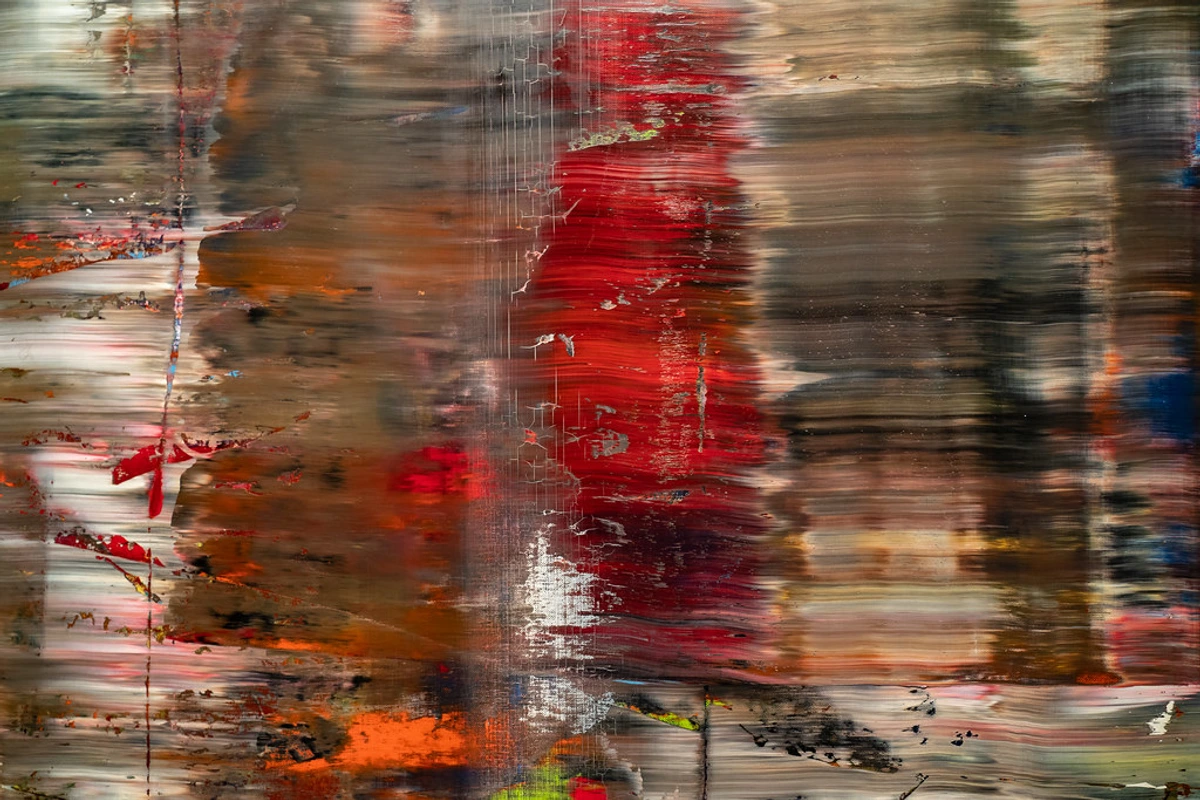
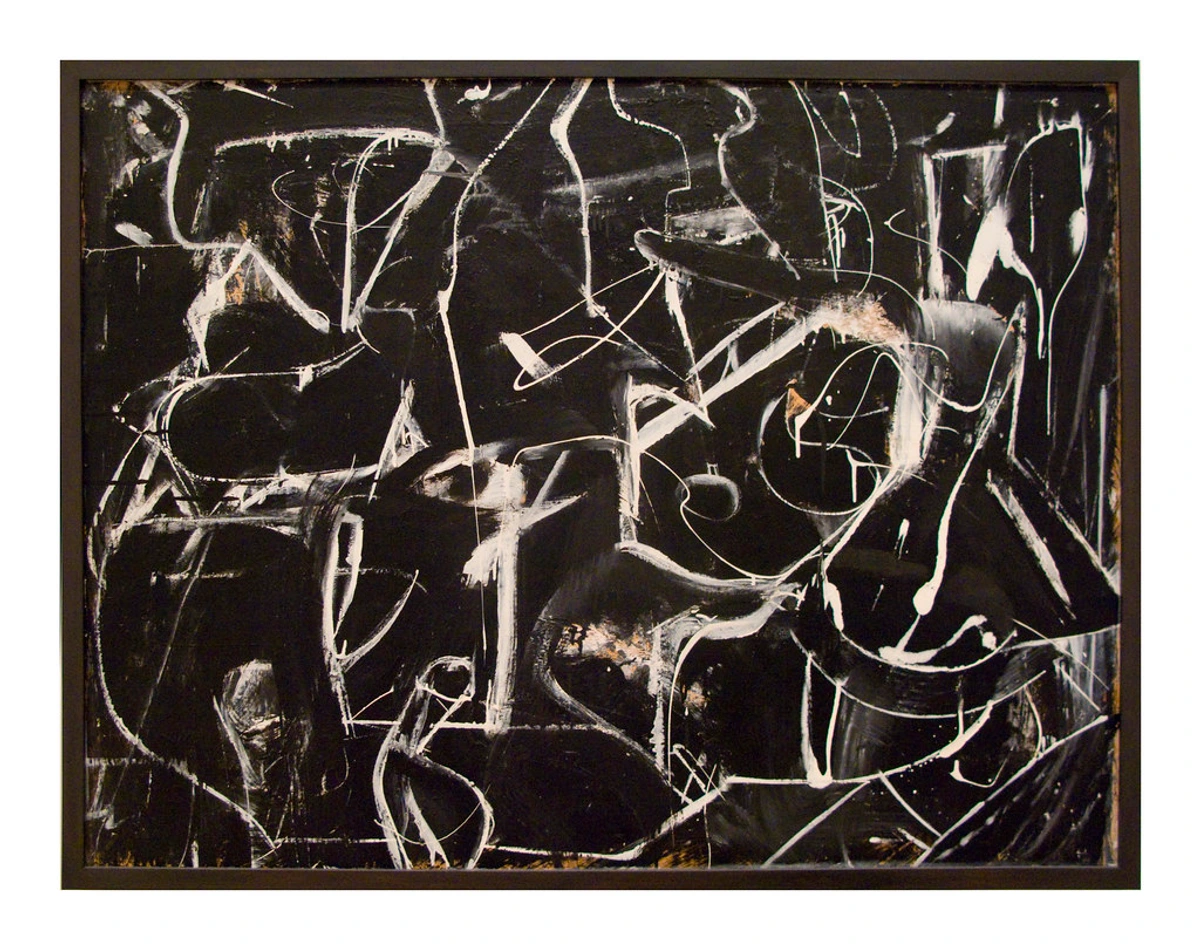
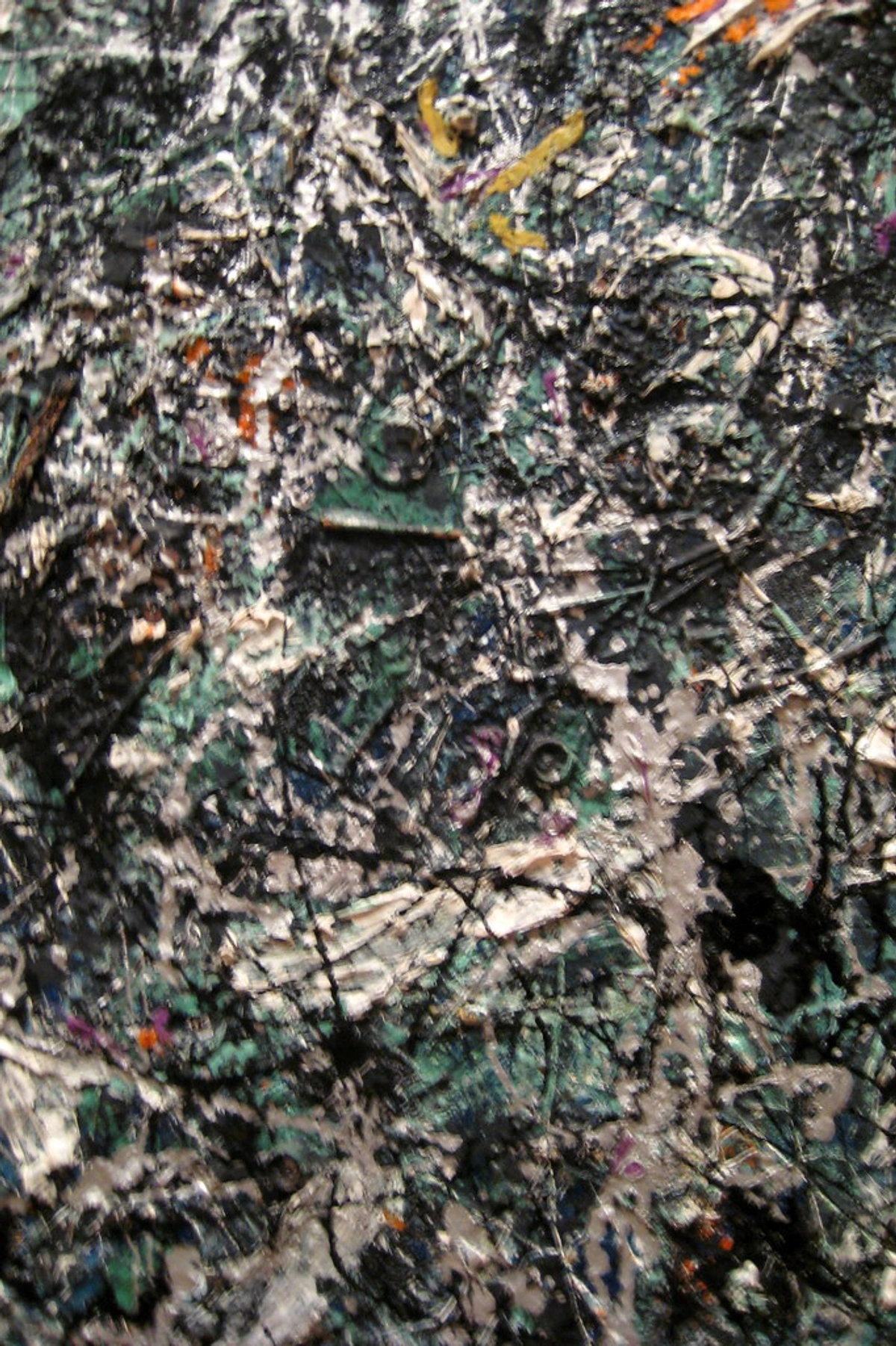
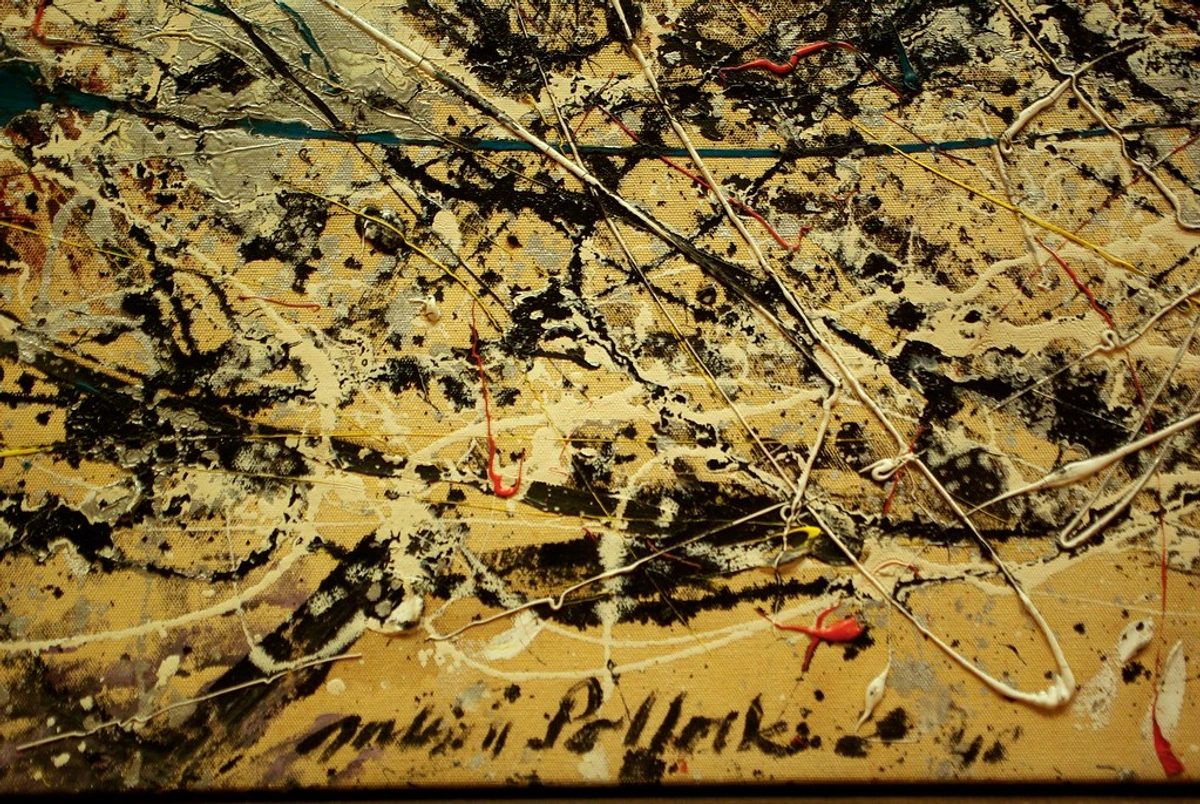
By the early 1960s, she was in New York. And oh, was New York something then. Everyone was throwing paint, Jackson Pollock was a superstar, and Abstract Expressionism was the holy grail. Being there felt like being on the edge of a volcanic explosion of creativity. So what did she do? She jumped right in. Huge, dramatic canvases covered in splattered paint and bold gestures. It was the language of the time, and she spoke it fluently.
The New York Art Scene: 1961-1967
This was the New York that legends are made of. Celmin arrived in 1961, just as Abstract Expressionism was reaching its peak but also beginning to fragment into new movements. The scene was electric – galleries lining 10th Street, artists living in lofts they could actually afford, endless debates about what art could and should be.
I've read accounts from people who were there then, and they describe this incredible energy where you could walk into a bar and find yourself talking to Jasper Johns, or visit an artist's studio where they were working on something completely revolutionary. Celmin was part of this world, exhibiting at places like the Tibor de Nagy Gallery and the Feigen Gallery – places that were defining the future of American art.

Abstract Works with Hidden Order
But here's where it gets fascinating. Look closer at her abstract works from this period. Yes, there's the energy and gesture you'd expect from someone immersed in Abstract Expressionism. But look for the underlying structure:
- Repeating patterns that suggest grids or systems
- Circular motifs that feel almost scientific
- Layered compositions that create depth rather than flatness
- A tension between chaos and control that's incredibly compelling
These weren't just random splatters. They were the fingerprints of her future precision beginning to show through. It's like you can see her mind already working on how to bring order to apparent chaos, even as she was supposedly embracing the chaos itself.
Influences and Peer Relationships
New York was also about connections. Celmin became friends with other artists who were exploring similar territory – people like Agnes Martin (whose精密 grids would influence countless artists), Ella Fitzgerald (the jazz singer whose sense of rhythm and space resonated with visual artists), and Jasper Johns (who was playing with similar ideas of perception and representation).
What's interesting is how these relationships influenced her work. Martin's emphasis on the meditative quality of line and pattern clearly had an impact, even if Celmin took it in a different direction. And the jazz scene – that improvisational yet structured approach to music – seems to echo in her later work's balance between spontaneity and precision.
© The Museum of Modern Art, Public Domain
But here's where it gets interesting. Look closer at those early pieces, the ones everyone calls abstract. See those repeating forms? That hidden grid structure? Those weren't mistakes. That was the engine of her abstraction revealing itself. It's like she was drawing a map in the noise, plotting her way back to something more fundamental. I've always wondered if she was quietly rebelling against the chaos, finding order in the very act of breaking with tradition.
The Method Behind the "Madness"
What most people don't realize about Celmin's abstract period is how methodical it actually was. Sure, there was gestural energy on the surface, but beneath it all was an incredibly systematic approach. She would often:
- Create detailed sketches before starting a canvas
- Use measuring tools to ensure compositional balance
- Apply paint in layers, building up texture gradually
- Keep meticulous records of her experiments with color and form
This is where you see the foundation for her later realism being laid. Even when everyone else was abandoning technique for raw expression, Celmin was quietly perfecting her craft, developing the skills that would allow her to create those hyper-realistic drawings years later.
Psychological Journey Through Abstraction
I think about what this period represented for her personally. Here's this refugee kid who's spent her life feeling displaced and uncertain, suddenly thrust into the center of the art world. Abstraction must have felt like this incredible release – a way to express all those complex emotions without having to be literal about it.
But abstraction has its own limitations. After a while, you start wondering: "Is this really me? Am I just following trends?" I suspect that's part of what drove her transition to realism. She needed to find her own voice, and that voice wasn't in the collective expression of Abstract Expressionism – it was in the quiet, individual observation of the world around her.
The Great Pivot: Finding Precision in the Crowd
Then came the late 1960s. Quietly. Almost secretly. While the art world was still shouting about the next big abstraction, Celmin was retreating inward. She stopped painting big canvases and started drawing… furniture. Yes, chairs. Tables. Ordinary things. But executed with a level of photographic realism that felt revolutionary in that context.
The Furniture Series: 1967-1969
This transition wasn't just stylistic – it was philosophical. Celmin's furniture drawings (including the famous Untitled (Table and Four Chairs) from 1967) represent a complete reversal of artistic priorities. Instead of emotional expression, she was pursuing visual truth. Instead of grand gestures, she was focusing on meticulous observation.
What's remarkable is how these ordinary objects become extraordinary in her hands. A simple chair isn't just a chair anymore – it becomes a study in form, texture, and the way light interacts with surfaces. She forces us to see these everyday objects with fresh eyes, to appreciate their design and craftsmanship in a way we rarely do in our busy lives.
Technical Breakthrough in Realism
The technical skill required for this work is staggering. Working primarily in graphite and charcoal, Celmin developed techniques that would become her signature:
- Layering multiple applications of media to build depth
- Erasing and reworking to achieve perfect tonal values
- Using different pencil grades for subtle gradations
- Working from photographs she took herself, ensuring complete control
This period was like her going to art school all over again, but this time she was teaching herself. Every chair, every table was an exercise in perfecting her craft, developing the skills that would allow her to tackle much more complex subjects later.
Cultural Context of the Pivot
To understand how revolutionary this was, you have to remember the art world of the late 1960s. Pop Art was big, Op Art was big, but realism? That was practically taboo. The art world had decided that "realistic" art was somehow less sophisticated, less "advanced" than abstraction.
Celmin's furniture series was an act of quiet rebellion against this thinking. She was saying, "You know what? There's beauty and complexity in the ordinary world too. And I can render it with as much skill and intelligence as any abstract painter." It was a bold statement that took years for the art establishment to fully appreciate.
The Return to Nature: Ocean, Stars, and Endless Deserts
And from there? The true signature emerged. Those incredible desert landscapes. The endless, wave-like oceanscapes. Her star maps. This wasn't just realism. It was a form of meditative devotion.
The Desert Landscapes: Finding Vastness in Small Format
Starting in 1969 with Desert (Indianapolis), Celmin began exploring these vast, empty spaces. What's fascinating is how she handles the scale – these are huge landscapes (physically and emotionally) rendered in relatively small formats. It's like she's compressing infinity onto a single sheet of paper.
I think about what deserts represent psychologically – emptiness, isolation, the sublime feeling of confronting something so vast it makes you feel both insignificant and connected to something larger. Celmin captures this perfectly. Her deserts aren't just sand and rocks; they're landscapes of the mind, places where you can get lost in your own thoughts.
The technical challenge here is immense. How do you render the subtle variations of sand, the way heat creates visual distortion, the feeling of endless space? Celmin solved this by using incredibly fine marks and building up layers of tone, creating a sense of depth that goes far beyond simple representation.
The Ocean Series: An Obsession in Detail
If the deserts represent vastness and emptiness, the oceans (which she started working on seriously in the mid-1970s) represent movement and energy. Her famous Ocean series, especially the monumental 1979-1982 etching, shows thousands upon thousands of wave-like forms, each one carefully rendered.
What I find most compelling about these ocean pieces is how they manage to be both realistic and abstract at the same time. Up close, you see the individual marks, the technical virtuosity. Step back, and you see the whole, the rhythm and flow that suggests water without literally depicting it.

Celmin has said that she's drawn to oceans because they represent the passage of time – the constant movement, the ebb and flow. There's something Buddhist about this approach – using the repetition of marks to enter a meditative state, to lose yourself in the process of creation.
The Star Maps: Memory Made Concrete
Perhaps the most personal of her series are the star maps. These date back to the early 1970s and continue to this day. They're based on childhood memories of watching the night sky from Latvia, memories that became even more precious after she and her family had to flee.
What's powerful about these pieces is how they blend personal memory with scientific accuracy. She's not just painting what she remembers seeing – she's creating maps of the sky as it actually was, often consulting with astronomers to ensure the positions are correct. It's like she's trying to recapture a lost world, to make those precious memories tangible.
The star maps also represent a connection between the personal and the universal. Her individual experience of watching the stars as a child becomes a meditation on humanity's relationship with the cosmos, on how we all look up at the same sky but from such different places in our lives.
© Vija Celmin Studio, All Rights Reserved
Look at one of her ocean drawings. Thousands of tiny marks, each wave a universe of detail. She didn't just copy what she saw. She felt the movement, the passage of time across the surface, and translated it into graphite or enamel. It's exhausting to even contemplate the patience required. And the star maps? They came from childhood memories of nights in Latvian forests, gazing up at the heavens while bombs fell far away – a connection to the vast, unchanging amidst chaos. That duality of vulnerability and infinity? That's the heart of her work.
Celmin became a master of making the infinite feel tangible. She scaled the immensity of deserts or the cosmos down to a single sheet of paper. It flips the script on monumental-scale art while feeling monumentally important.
The Psychological Journey Through Nature
I think about what this shift to nature themes represents psychologically. For someone who experienced such displacement and trauma early in life, creating these vast, stable landscapes must have been incredibly healing. The deserts don't change – they've been there for millennia. The oceans follow predictable rhythms. The stars are constant, even when everything else in her life was uncertain.
There's something deeply comforting about this focus on the unchanging. In a world that feels increasingly chaotic and unpredictable, Celmin's work offers a kind of anchor – a reminder that there are things larger and more constant than our individual troubles.
Comparative Analysis: Celmin vs. Contemporary Realists
To really appreciate what Celmin was doing, it helps to compare her work to other realists of the period. While artists like Chuck Close were also doing highly detailed work, their focus was very different:
Artist  | Subject Matter | Technique | Emotional Focus |
|---|---|---|---|
| Vija Celmin | Nature, cosmic phenomena | Meditative repetition, layering | Contemplation, transcendence |
| Chuck Close | Portraits, human faces | Grid-based abstraction, color theory | Identity, perception, vulnerability |
| Richard Estes | Urban landscapes, reflections | Photographic precision, optical effects | Alienation, modernity, observation |
| Audrey Flack | Still lifes, symbolic objects | Airbrush, vibrant color | Memory, mortality, femininity |
What sets Celmin apart is her meditative approach and her focus on the natural world rather than the human figure. While others were exploring identity and society, she was exploring our relationship with the cosmos itself.
The Spiderwebs: Microcosms of Perfection
If the oceans and deserts represent the macro, the spiderwebs represent the micro. These incredibly detailed drawings (often done in graphite or silverpoint) show Celmin's mastery at its finest. A single spiderweb might contain hundreds or thousands of individual strands, each rendered with perfect precision.
What's fascinating about these pieces is how they function as both scientific illustration and spiritual meditation. Up close, they're studies in engineering and biology – perfect examples of natural design. But they also evoke something mystical, like mandalas or sacred geometry.
I've spent hours looking at her spiderweb drawings, and what I keep coming back to is how they make you see the world differently. After studying a Celmin spiderweb, you start noticing the real ones in your garden, the way light catches them, the incredible delicacy of their structure. It's like she teaches you how to see.
Technique and Philosophy: Slowing Down to See More
What exactly is her process? It's less about speed, more about slowness. She works from photographs, but not in a "copy the photo" way. She takes them herself, often waiting for years to capture the perfect light. Then, she builds the image layer upon layer, using stippling (thousands of tiny dots) or precise hatchings. Each mark is a deliberate act.
The Photographic Process: Years in the Making
Unlike many artists who work from found images or quick snapshots, Celmin's relationship with photography is incredibly intimate and long-term. She might take reference photos for a single drawing over several years, waiting for just the right conditions – the perfect light, the right season, the ideal weather.
This patience is almost unheard of in our instant-gratification culture. I know I get frustrated if a photo doesn't turn out right immediately, but Celmin understands that great art takes time. She's willing to wait, to observe, to let the subject reveal itself in its own time.
The Studio Practice: Ritual and Routine
Celmin's studio routine is legendary for its discipline. She works regular hours, often starting early in the morning. There's something almost monastic about her approach – creating a sacred space where she can enter a state of deep concentration.
I've read accounts from people who have visited her studio, and they describe this incredibly focused environment. No distractions, no noise, just her and the work. This kind of discipline is rare in an art world that often celebrates spontaneity and rebellion.
Technical Mastery: The Science of Marks
Let's get into the nitty-gritty of how she actually creates these works. Celmin's technical approach is a masterclass in artistic control:
Celmin's Core Techniques | Key Characteristics | Emotional Effect |
|---|---|---|
| Photorealism Base | Meticulous reference shots taken over years | Grounds the chaotic in the recognizable |
| Stippling & Pointillism | Thousands of repeated marks creating tone and texture | Evokes patience, contemplation, the infinite |
| Monochromatic Palette | Primarily black, white, greys; occasionally muted blues or browns | Enhances focus on form, texture, light |
| Scale Manipulation | Huge subjects (oceans, deserts) rendered small; tiny subjects (spiders) drawn large | Challenges perception, emphasizes detail over size |
| Layer Building | Multiple applications of media, building up depth gradually | Creates richness and three-dimensionality |
| Erasure as Technique | Using erasers to create highlights and subtle variations | Adds control and precision to the drawing process |
| Printmaking Expertise | Masterful command of etching, aquatint, and screenprinting techniques | Allows for multiple variations and editions |
The Philosophy of Repetition
What I find most fascinating about Celmin's work is her relationship with repetition. She'll make the same mark thousands of times, and yet each one is slightly different. It's not mindless repetition – it's a meditation on process.
This ties into Buddhist ideas about mindfulness – being fully present in each moment, each action. When you're making the 5,000th tiny dot in an ocean drawing, you can't be thinking about the finished piece or what you're going to have for dinner. You have to be right there, in that moment, making that one mark.
I think this is why her work has such a calming effect on viewers. We're so used to multitasking, to doing ten things at once. Standing before a Celmin drawing forces you to slow down, to focus, to experience one thing deeply. In a way, she's teaching us how to be present again.

She avoids loud statements. Her quietude is her statement. In a world obsessed with headlines and instant fame, Celmin created a parallel universe built on profound stillness. She showed us that meaning isn't always about volume; sometimes it's about the microscopic attention paid to a single grain of sand. That philosophy? It feels countercultural today in ways it didn't even fifty years ago.
Contemporary Relevance: The Anti-Instagram Artist
In today's Instagram-obsessed art world, where artists are expected to constantly post studio shots, process videos, and engage with followers, Celmin's approach seems almost revolutionary. She doesn't do social media. She rarely gives interviews. She just works.
This resistance to the digital spectacle is incredibly refreshing. In a world where everyone's trying to go viral, she's creating work that demands slow, careful attention. It's the ultimate rebellion against our culture of distraction.
I think about how many artists feel pressured to be constantly visible, to build their personal brand, to market themselves 24/7. Celmin shows that there's another way – the way of craft, of patience, of letting the work speak for itself. In the long run, which do you think will be more valuable: the viral sensation or the timeless masterpiece?

The Economics of Slow Art
There's also an economic dimension to this. Celmin produces very few works each year – maybe a handful of drawings and prints. This scarcity is built into her process. You can't rush a drawing that takes 200 hours to complete.
In an art world where artists are often expected to produce large volumes of work to meet market demand, Celmin's approach is a radical statement about value. She's saying that true art can't be mass-produced, that each piece should be the result of countless hours of focused labor.
This has interesting implications for collectors and museums. When you acquire a Celmin piece, you're not just getting an object – you're acquiring a piece of someone's life, hundreds of hours of concentrated attention. That's very different from buying a piece that was quickly churned out to meet market demand.
Recognition: The Quiet Icon
Despite the intentional avoidance of the commercial art circus, recognition found her eventually. Major retrospectives at LA MoCA (2004), MoMA (2011), the Met (2018) – institutions that validate a career. But she never courted it. Even with prices in the millions, she maintained an almost reclusive existence, prioritizing the studio over the gallery opening.
The Timeline of Recognition
Celmin's career recognition came in distinct waves:
Decade | Major Recognition | Significance |
|---|---|---|
| 1960s | First solo exhibitions in NYC | Established presence in avant-garde scene |
| 1970s | Museum acquisitions begin | Critical appreciation grows |
| 1980s | International exhibitions | Recognition beyond US borders |
| 1990s | Major retrospectives | Career validation through comprehensive shows |
| 2000s | High market prices | Commercial success without compromising vision |
| 2010s | Lifetime achievement awards | Final recognition as a master |
The Power of Stillness in an Attention Economy
My take? She understood power and distraction. Fame wasn't her currency; her attention was. Protecting that creative space was everything. It's a lesson artists (and anyone trying to make meaningful things) need to hear again and again: sometimes, the most powerful career move is saying "not now" to the shiny things. recognition found her eventually. Major retrospectives at LA MoCA (2004), MoMA (2011), the Met (2018) – institutions that validate a career. But she never courted it. Even with prices in the millions, she maintained an almost reclusive existence, prioritizing the studio over the gallery opening.
My take? She understood power and distraction. Fame wasn't her currency; her attention was. Protecting that creative space was everything. It’s a lesson artists (and anyone trying to make meaningful things) need to hear again and again: sometimes, the most powerful career move is saying "not now" to the shiny things. You can see similar focus in the journey of other dedicated creators, tracked in this interactive timeline.
Where to Experience Celmin's Work
So where does one stand before these quiet giants? Her work is held by the world's most prestigious collections:
- Whitney Museum of American Art, New York
- Art Institute of Chicago
- Tate Modern, London
- Los Angeles County Museum of Art (LACMA)
- Museum Boijmans Van Beuningen, Rotterdam
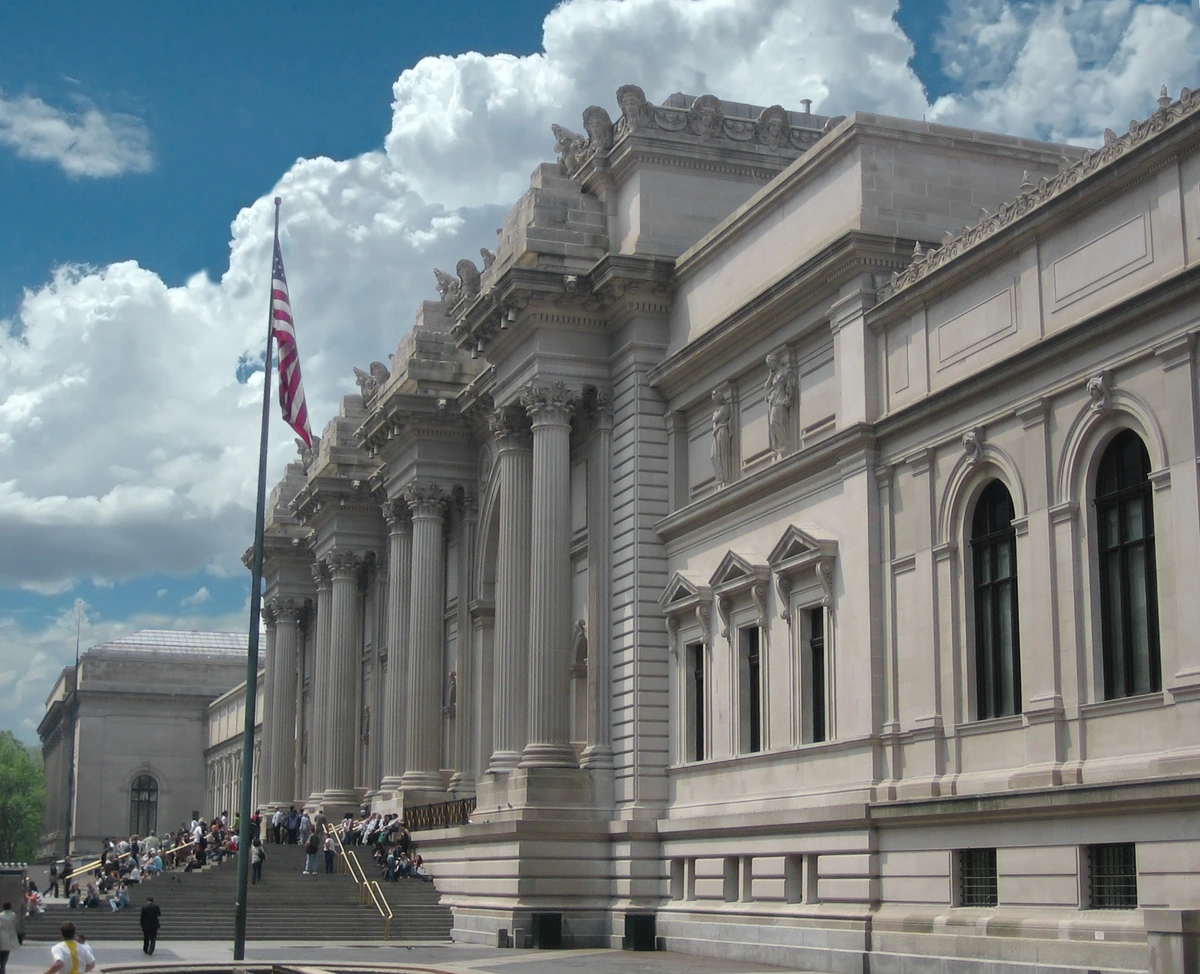
- The Metropolitan Museum of Art, New York
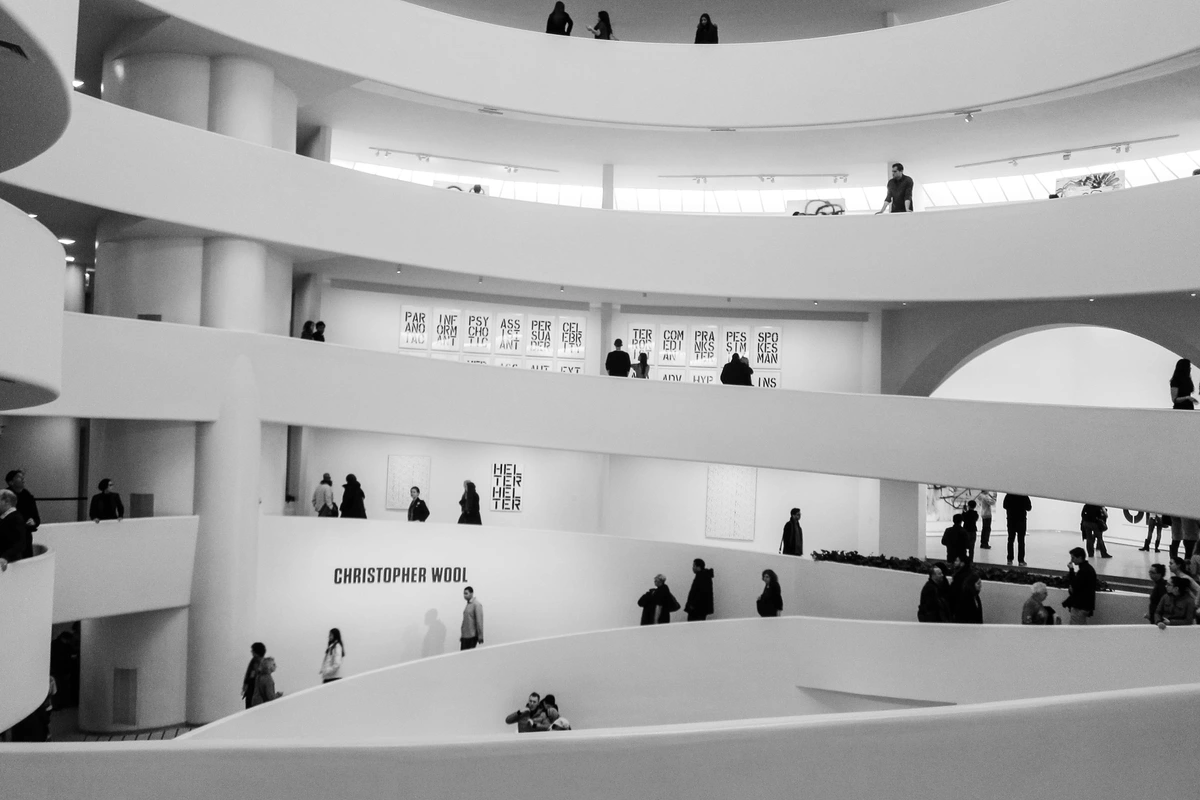
- The Solomon R. Guggenheim Museum, New York
- National Gallery of Art, Washington D.C.
- San Francisco Museum of Modern Art (SFMOMA)
- The Broad, Los Angeles
- Hirshhorn Museum and Sculpture Garden, Washington D.C.
- Museum of Contemporary Art, Los Angeles (MOCA)
- Walker Art Center, Minneapolis
- Carnegie Museum of Art, Pittsburgh
- The Baltimore Museum of Art
- Dallas Museum of Art
- High Museum of Art, Atlanta
- Philadelphia Museum of Art
- The Jewish Museum, New York
- Hammer Museum, Los Angeles
Major Permanent Installations
Some museums have particularly significant installations of her work that are worth seeking out specifically:
Museum | Notable Installation | What Makes It Special |
|---|---|---|
| MoMA, NYC | "Ocean" (1979-1982) etching series | Monumental 125-foot continuous frieze, immersive experience |
| The Met, NYC | Star Map drawings and desert landscapes | Deep collection across multiple periods, rotation shows evolution |
| LACMA | West Coast retrospective collection | Strong representation of early California period work |
| Tate Modern, London | Print collection and major drawings | European perspective on her career, international context |
| Whitney Museum | Abstract Expressionist period works | Focus on her NYC beginnings, showing transition to realism |
Special Exhibitions and Traveling Shows
Beyond permanent collections, Celmin's work is frequently featured in special exhibitions. These are opportunities to see works that are rarely shown together:
- "Vija Celmin: The Observable World" – Traveling show that examines her entire career
- "Stars, Deserts, Oceans" – Focus on her three major series
- "Prints and Drawings" – Highlights her mastery of multiple media
- "Early Works: 1960-1970" – Examines her transition from abstraction to realism
When planning a museum visit, it's always worth checking their current and upcoming exhibitions, as museums often rotate their Celmin pieces to preserve them and give visitors different experiences.
Smaller Museums and Regional Collections
Don't overlook smaller museums that may have excellent Celmin works:
- The Menil Collection, Houston – Features important desert landscapes
- The Phillips Collection, Washington D.C. – Strong examples of her drawing technique
- The Speed Art Museum, Louisville – Houses significant early abstract works
- The San Diego Museum of Art – Has important pieces from her California period
- The Portland Art Museum – Features diverse examples across her career
Private Viewings and Research Opportunities
For serious scholars or collectors, some institutions offer private viewings by appointment. The Center for Art and Visual Culture at the University of Maryland has an extensive Celmin archive that researchers can access with proper arrangements.
The Vija Celmin Studio in Los Angeles occasionally hosts small group visits for museum curators and serious collectors, though these are quite exclusive and require advance planning through gallery representatives.
Experiencing Her Work: Practical Tips
Standing before a Celmin drawing is a different experience from viewing most art. Here are some tips for getting the most out of your visit:

- Give yourself time – These works reward slow, sustained looking. Plan to spend at least 15-30 minutes with a single piece.
- Get close, then step back – Examine the individual marks up close, then take in the whole composition from a distance.
- Notice the light – Her work often changes dramatically depending on the lighting conditions in the gallery.
- Visit multiple times – The same piece can reveal new details on different visits.
- Take notes – Write down what you notice, what emotions come up, what questions you have.
Virtual and Digital Experiences
While nothing compares to seeing her work in person, there are some excellent digital resources:
- MoMA's online collection has high-resolution images of many works
- The Met's Timeline of Art History features contextual essays on her work
- Art Institute of Chicago's digital archives offer detailed research materials
- Tate Online provides comprehensive exhibition histories
- Various museum websites have virtual tours and educational materials
For those closer to the Netherlands, her often-deeply moving pieces are occasionally featured at Den Bosch Museum. It's worth checking their exhibitions – experiencing her scale and detail in person is transformative. Alternatively, collectors can find exceptional prints available through specialized platforms like our own gallery space, offering accessible entry points into her meticulous world.
Why Celmin Still Matters
In an age of AI-generated everything and instant digital saturation, Vija Celmin feels like a necessary anchor. She reminds us that:\n
- Depth over Distraction: True engagement comes from slowing down and looking closely.
- The Personal in the Universal: Childhood trauma and memory aren't just wounds; they're wells of profound creativity.
- Technique as a Form of Meditation: The obsessive, repetitive act of creation can be a transcendent practice.
- Stillness is Power: Quiet, focused work often resonates louder than the loudest gestures.
Her journey wasn't linear. It didn't follow the prescribed path. It was a slow, deliberate weaving together of survival, memory, observation, and relentless craft. Vija Celmin proved you don't need to shout to be heard; you just need to render a single, perfect wave with more care and attention than anyone thought possible.
Frequently Asked Questions (FAQ)
What is Vija Celmin best known for?
She's globally renowned for her hyper-detailed drawings and prints of natural subjects – vast oceans, endless deserts, star-filled skies, and intricate spiderwebs. She masterfully blends photographic realism with a profound sense of atmosphere and stillness.
How long does it take Celmin to complete a single drawing?
This varies greatly depending on the size and complexity of the work, but many of her major drawings take 200-400 hours to complete over several months or even years. Her famous "Ocean" series took over three years to complete. The smaller spiderweb drawings might take 50-100 hours, while larger desert landscapes can take 300+ hours.
Does Celmin use any digital tools in her process?
No, Celmin is famously analogue-only in her practice. She works entirely with traditional materials: graphite pencils, charcoal, silverpoint, ink, and traditional printmaking techniques like etching and aquatint. She doesn't use computers, digital cameras, or any digital tools in her creative process.
Why is Celmin so reclusive compared to other famous artists?
Celmin has chosen privacy as a core part of her artistic practice. She believes that attention and fame distract from the work itself. In interviews, she's stated that she wants viewers to focus on the art, not on her personality or biography. This reclusivity has actually become part of her mystique and contributes to the "power of stillness" in her work.
Is Vija Celmin still alive and working?
Yes, Vija Celmin (born 1938) is alive and continues to work in her Los Angeles studio. She maintains a very private life but actively produces new drawings and prints, though at a slow, deliberate pace.
What medium does Vija Celmin primarily use?
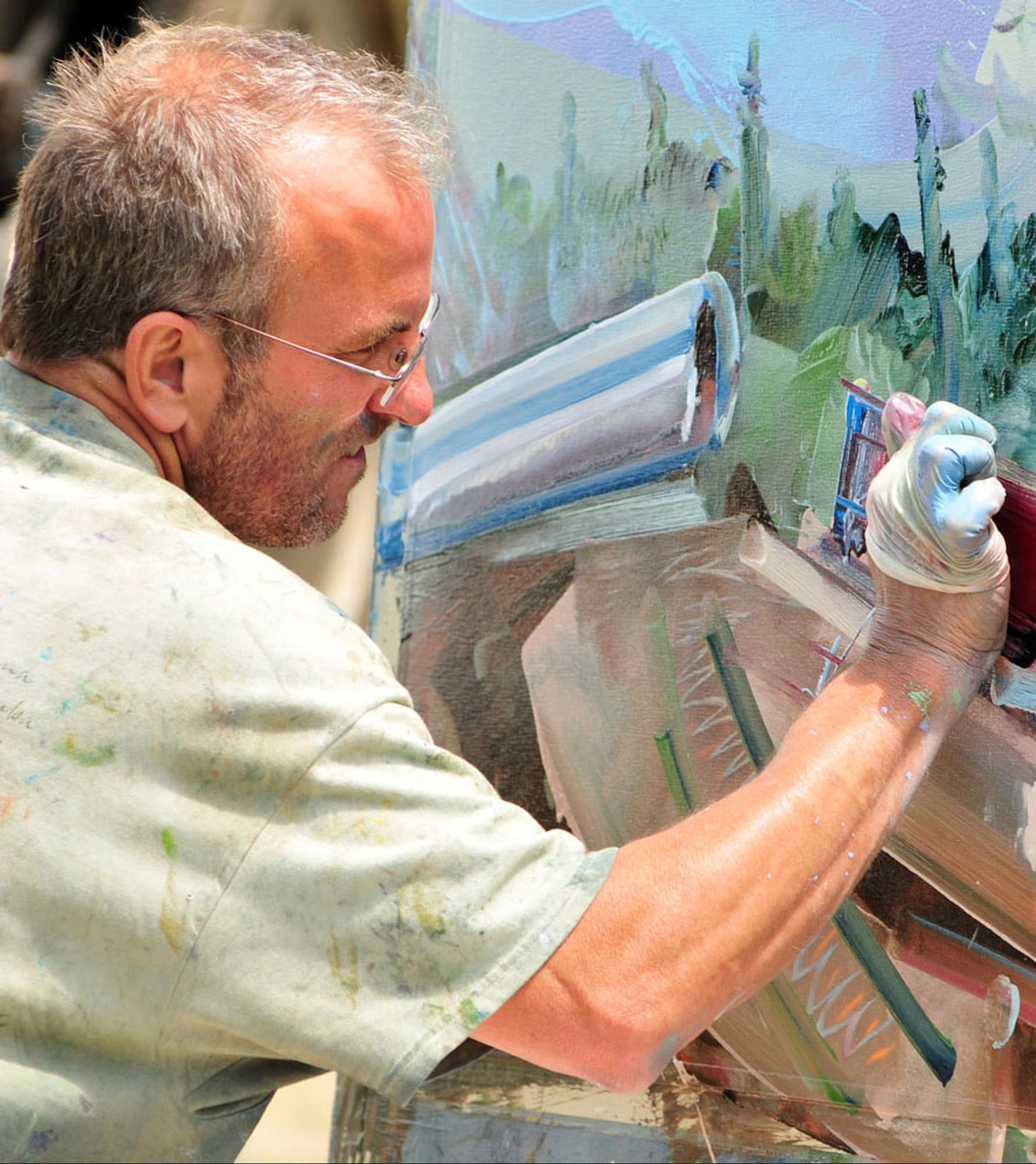
While she began as a painter, Celmin is most famous for her drawings using graphite, charcoal, and ink. She's also a master printmaker, creating complex etchings, aquatints, and screenprints. Her "Ocean" (1979-1982) series is a landmark in modern printmaking.
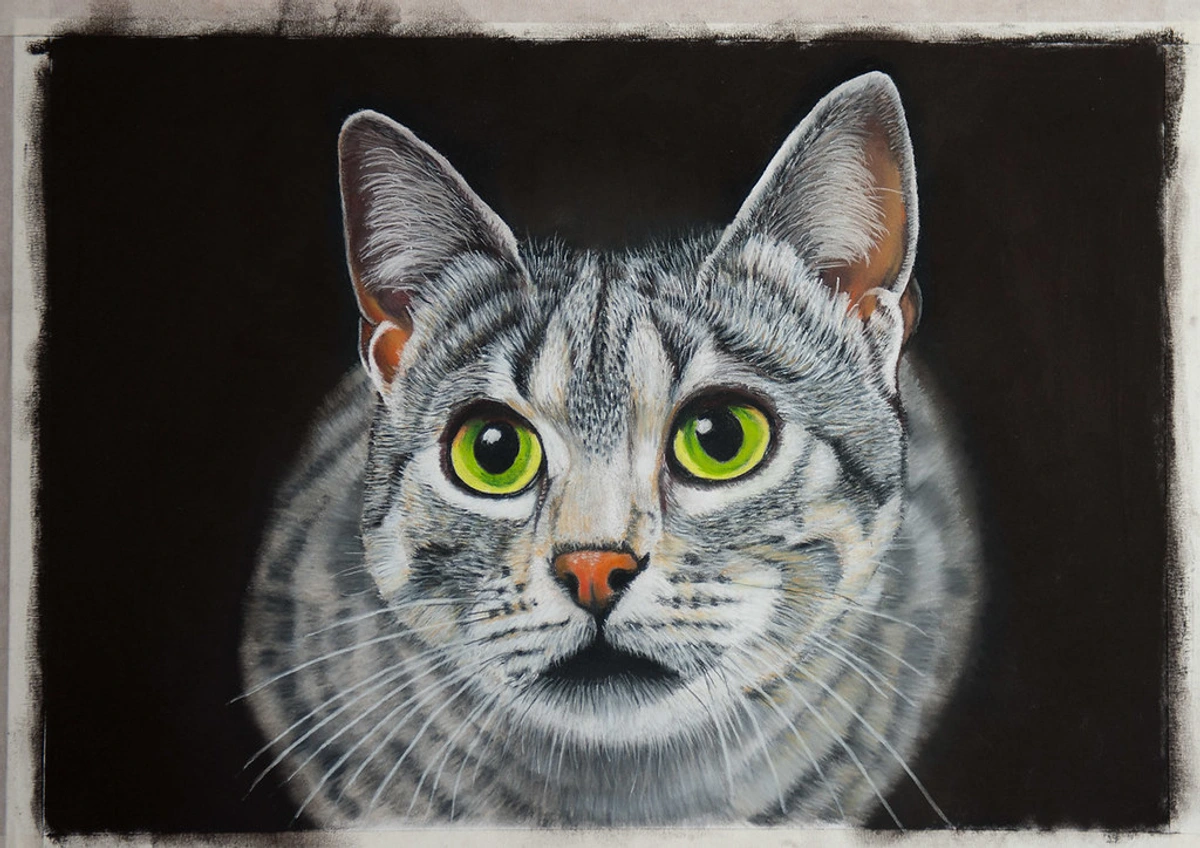
What are some of her most famous works?
Key works include:
- To Fix the Image in Memory (Various years, ongoing series) (Her star maps)
- Ocean (P.S. 1) (1979-1982) (A monumental etched frieze)
- Desert (Indianapolis) (1969) (Her first major desert landscape)
- Web (Various dates) (Exquisitely detailed spiderweb drawings)
- Untitled (Table and Four Chairs) (1967) (Her pivotal early realist work)
Has Vija Celmin won any major awards?
Yes, she's received significant honors including:
- The Governor's Award for the Arts (California)
- The American Academy of Arts and Letters Award in Art
- Honorary Doctorates from institutions like Rhode Island School of Design and Claremont Graduate University
Why are her drawings so expensive?
Several factors contribute to their high value:
- Exceptional Craftsmanship: Each piece requires hundreds of hours of meticulous work.
- Iconic Status: She's a highly respected pillar of 20th-century contemporary art.
- Rarity: She produces few works annually.
- Demand: Major museums and collectors actively seek her pieces.
- Timelessness: Her work resonates deeply across generations.
Where can I see Vija Celmin's art in person?
As mentioned, key museums like MoMA, the Met, Whitney, LACMA, and Tate Modern hold significant collections. Smaller museums and galleries also feature her regularly, especially in major art hubs like New York, Los Angeles, and London. Check exhibition schedules at Den Bosch Museum for potential showings.













Did Vija Celmin work in other styles besides realism?
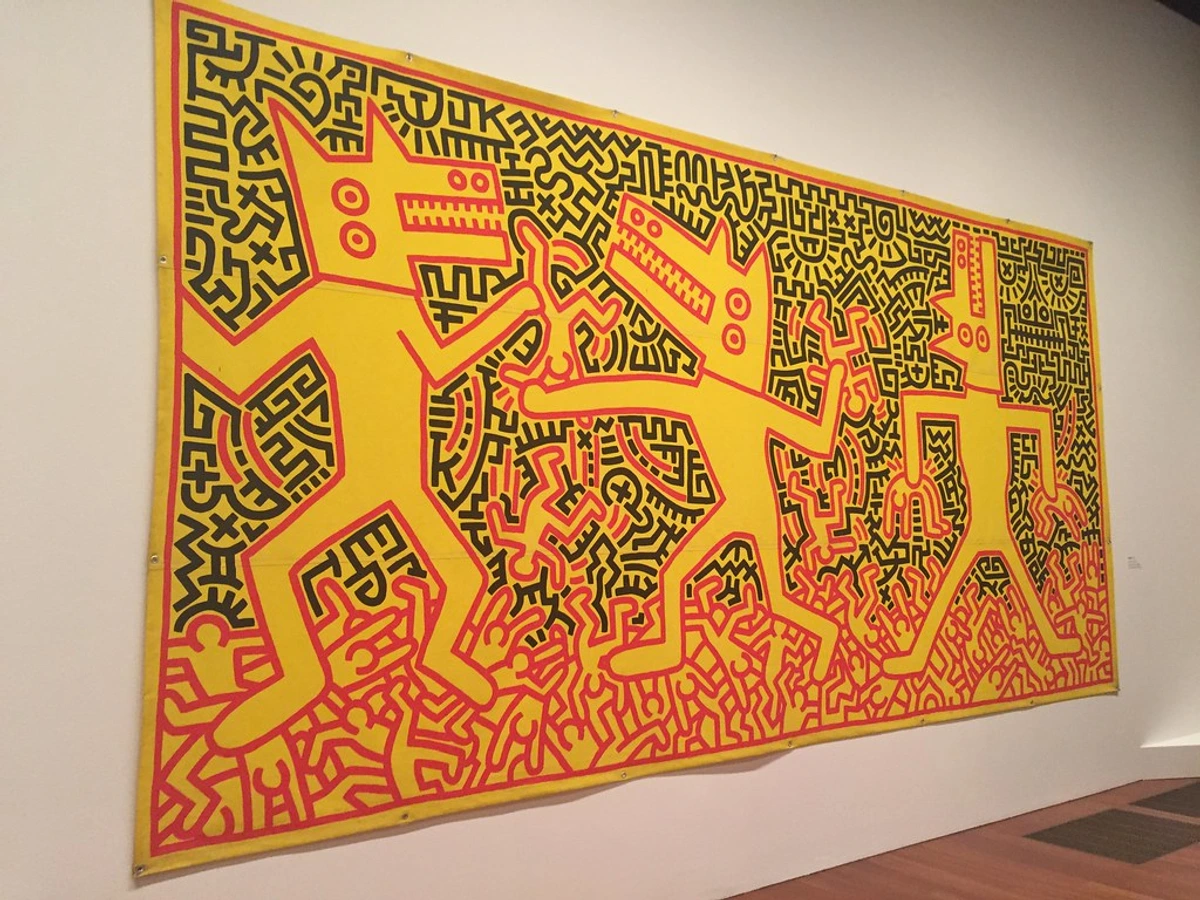
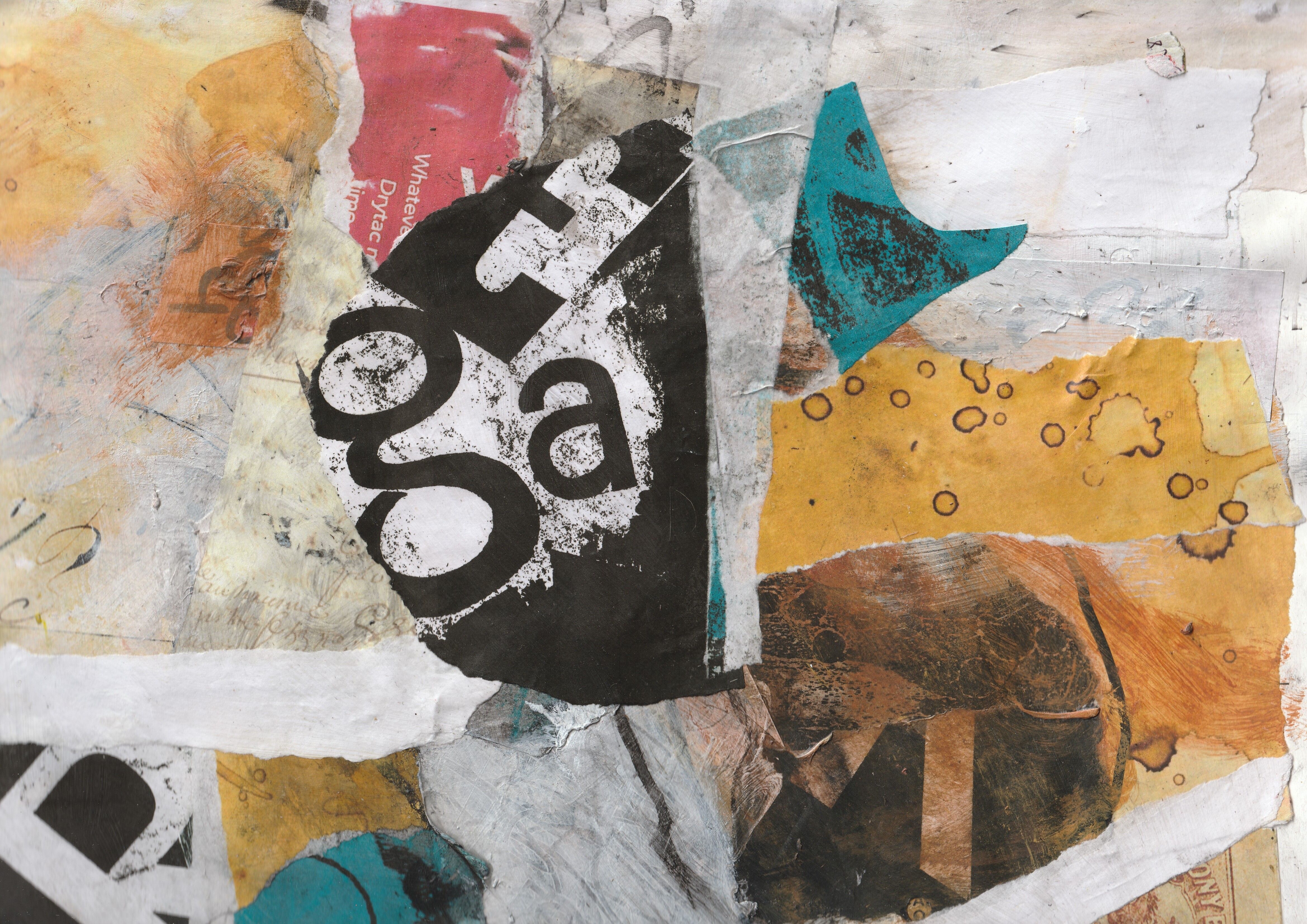
Yes! During the 1960s in New York, she was an active Abstract Expressionist, creating large gestural canvases. This period is crucial to understanding her evolution and the underlying structure and order she later brought to her realistic work. Her roots in abstraction inform the precision and composition of her later landscapes.
What themes are central to her work?
Recurring themes include:
- Memory and Time: How we perceive and record vast timescales.
- The Sublime: Finding awe in the immense scale of nature (ocean, desert, cosmos).
- Detail and Repetition: The meditative power of obsessive craftsmanship.
- Isolation and Stillness: Evoking quiet, contemplative states.
- Connecting Opposites: Fusing the micro (a single mark) with the macro (the entire ocean), or trauma with beauty.