
Craft Your Bedroom Sanctuary: The Ultimate Guide to Deep Rest & Well-being
Transform your bedroom into a personal sanctuary with this ultimate guide. Explore expert tips on calming colors, layered lighting, smart storage, biophilic design, and art for deep rest and well-being.

Craft Your Bedroom Sanctuary: The Ultimate Guide to a Personal Haven for Deep Rest and Well-being
My bedroom, for me, isn't just a room; it's the beating heart of my home, a private universe where I truly unwind, recharge, and process the messy, beautiful hum of daily life. I've come to believe that crafting this space into a personal sanctuary isn't a luxury item on some 'nice-to-have' list, but an absolute necessity for our well-being. And trust me, I've learned this the hard way. From battling an ever-growing laundry mountain with desperate attempts at decorative camouflage to falling head-over-heels for fleeting trends (that bold yellow accent wall was... an experience, let's just say), I've made my share of missteps. But through those trials, I've stumbled upon what truly works, what turns a mere sleeping space into a deeply restorative haven. In this comprehensive guide, we're going to dive deep, exploring every facet from the foundational elements and guiding principles to advanced sensory techniques and smart tech integration. We'll uncover the psychological power of color, the nuanced art of layered lighting, the inherent calm of biophilic design, and even the emotional resonance of the art you choose. What kind of sanctuary does your soul crave? Let's stop simply sleeping in our bedrooms and start living in them, fully, vibrantly, and deeply at peace.
The Silent Language of Your Sanctuary: Why Your Bedroom Matters More Than You Think
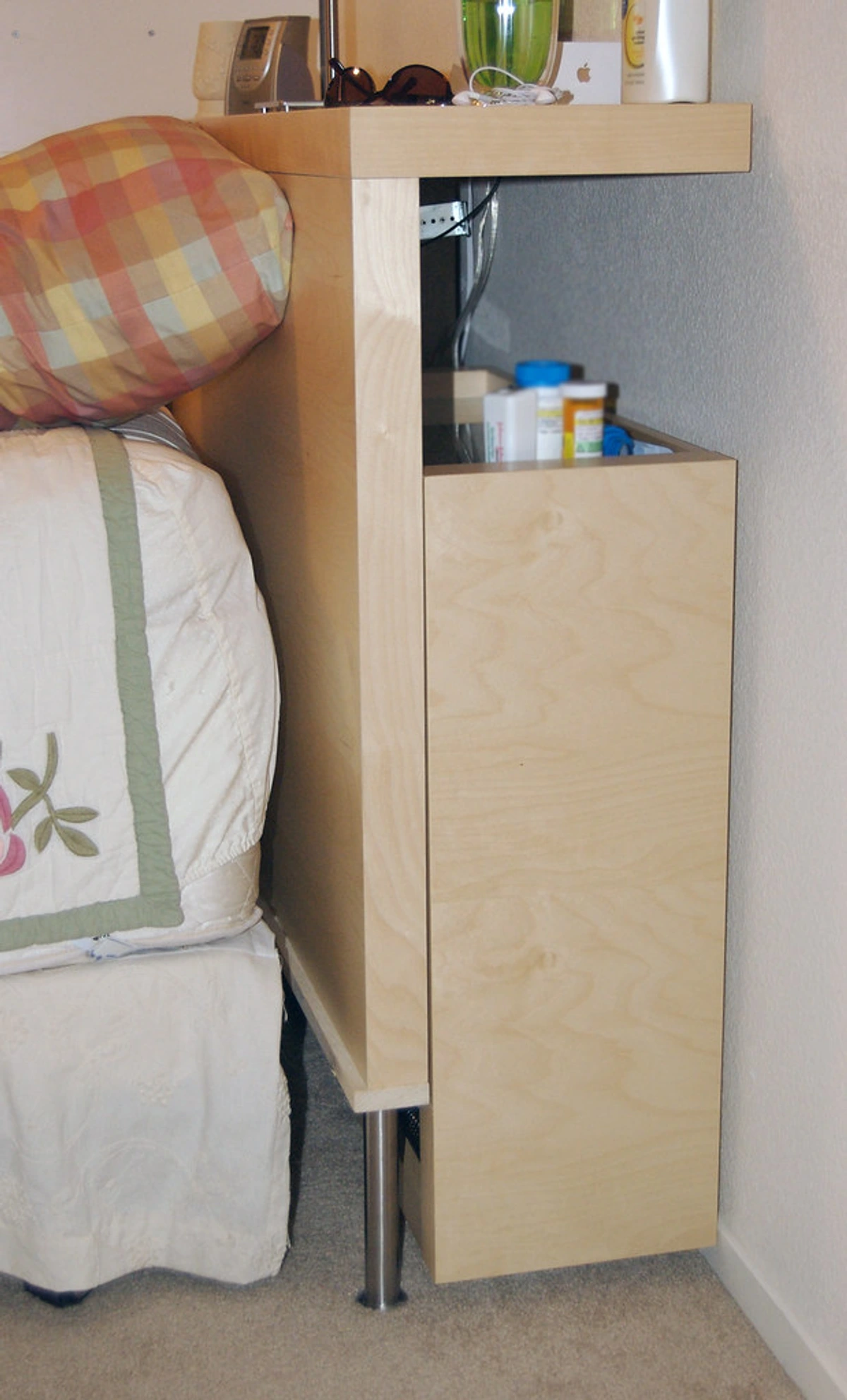
Before we get our hands dirty with the nitty-gritty of design, let's lean into the why. Why does this one room hold such disproportionate power over us? For me, it's simple: your bedroom is the emotional barometer of your home. It’s the first thing you greet (or sometimes flee from!) in the morning and the last thing you surrender to at night. This isn't just fluffy interior design talk; it’s fundamental. A chaotic, overwhelming room can become a silent amplifier of anxiety, leaving you feeling perpetually 'on' even when you desperately need to switch off. Conversely, a serene, thoughtfully curated space transforms into a potent tool for emotional regulation, a private haven where your subconscious can finally exhale. Environmental psychologists even have a term for it: a "restorative environment," a place specifically designed to help you recover from mental fatigue and stress. Think of it as your personal reset button. In a world of constant demands and relentless stimulation, your bedroom should stand as the ultimate counter-balance, a place of profound refuge.
Psychological Comfort: Designing for Your Inner Peace
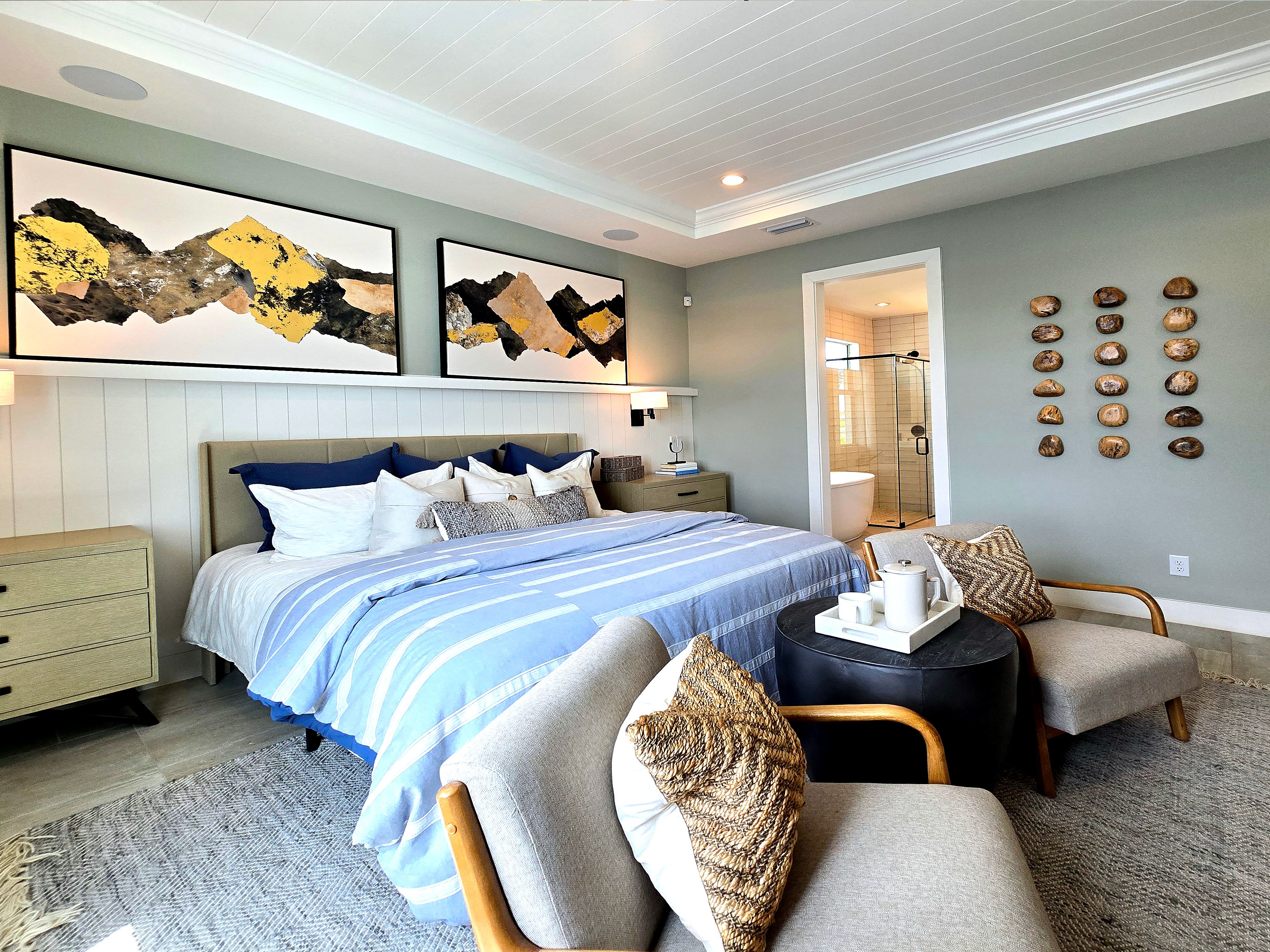
Have you ever walked into a room and instantly felt your shoulders drop? Or noticed how a specific color can either soothe your nerves or stir up a restless energy? Our environments are constantly whispering to us, shaping our moods and even our very physiology, whether we're consciously listening or not. This isn't mere aesthetics; it's a profound application of environmental psychology. The right design can profoundly influence everything from our circadian rhythms – our sophisticated internal body clock dictating our sleep-wake cycle, energy levels, and even hormone release – to our overall sense of peace. For instance, the renowned psychologist and color theorist, Angela Wright, emphasizes how calming blues and greens directly promote tranquility. Imagine dusty sage, muted teal, or a soft, expansive sky blue; these colors evoke nature, reduce visual stimulation, and can actually lower heart rates, making them ideal for bedroom walls. They belong to the 'cool' spectrum, which tend to 'recede,' visually expanding a room and fostering an airy, open feel. On the flip side, warm neutrals like soft grays or delicate beiges create a cozy, embracing atmosphere. They often 'advance,' making a space feel more intimate and enveloping, drawing the eye inward. My advice? Be cautious with vibrant reds or bright yellows on large surfaces. While they inject undeniable energy, they can quickly overwhelm a space dedicated to rest. I still remember the bold yellow accent wall I once painted – it was a beautiful shade, but it left me feeling perpetually 'on edge' in my own sanctuary! These bolder tones are best reserved for accents, perhaps in a vibrant piece of abstract art that offers a stimulating focal point without dominating the room's overall calming rhythm. Beyond color, consider the palpable impact of visual noise – that incessant, subtle stress created by clutter and too many competing elements. Smart, hidden storage is your best ally here, reducing the mental load. Even the tactile experience of textures, from the cool smoothness of polished stone to the soft, rustic embrace of linen, gently reminds us of nature's varied beauty, activating our innate connection to the natural world – a principle known as biophilia. This deep, subconscious connection is a foundational element for fostering profound calm. And don't underestimate natural light. Maximizing it during the day actively boosts mood and productivity, while ensuring absolute darkness at night is non-negotiable for optimal melatonin production and deep, restorative sleep. Even the subtle sounds absorbed by soft furnishings contribute to that quiet mind we all crave. It's a symphony of senses, really, all working in harmony to create your inner peace. If you're looking for art that can embody this tranquility, you know where to buy it!
Historical Perspective: The Evolution of Your Private Quarters
It’s genuinely fascinating, isn’t it, to consider how the very concept of a 'bedroom' has shape-shifted through history? For millennia, a truly private sleeping space was an unimaginable luxury, reserved for the absolute elite. Picture ancient Roman cubicula, which served not just for slumber, but also as reception rooms for close friends, essentially mini-living rooms. Move through the medieval period, and you'd find entire families, even entire households, sleeping communally in great halls or chambers, with grand beds sometimes doubling as symbolic seats of power where lords and ladies would receive guests. The notion of a distinct, personal sanctuary, solely dedicated to rest and intimacy, only truly began to solidify much later. The Renaissance brought with it a gradual increase in privacy, with designated bedchambers becoming more common among the wealthy, often adorned with elaborate frescoes or tapestries – not just for aesthetic appeal, but also for insulation and status. Fast forward to the Baroque and Rococo eras, and bedrooms often became opulent showcases, brimming with gilded furniture, intricate ceiling murals, and luxurious textiles, still serving a semi-public function for the aristocracy, as evidenced by the grandiosity we see in places like Versailles. It was really the seismic shift of the Industrial Revolution and the rise of a robust middle class in the Victorian era that cemented the bedroom’s transformation into the private, sacred space we largely recognize today. This wasn't just about evolving architectural styles; it was a profound cultural shift driven by a burgeoning emphasis on individual privacy and the changing structure of the nuclear family. What a privilege, then, we have today: to reclaim and optimize this space, not just as a functional area for sleep, but as a meticulously tailored restorative haven that nurtures our deepest well-being. We're not just decorating a room; we're consciously evolving its function from mere shelter to a bespoke, deeply personal sanctuary, a true testament to our individual journey.
Essential Bedroom Decoration Elements for a Perfect Retreat
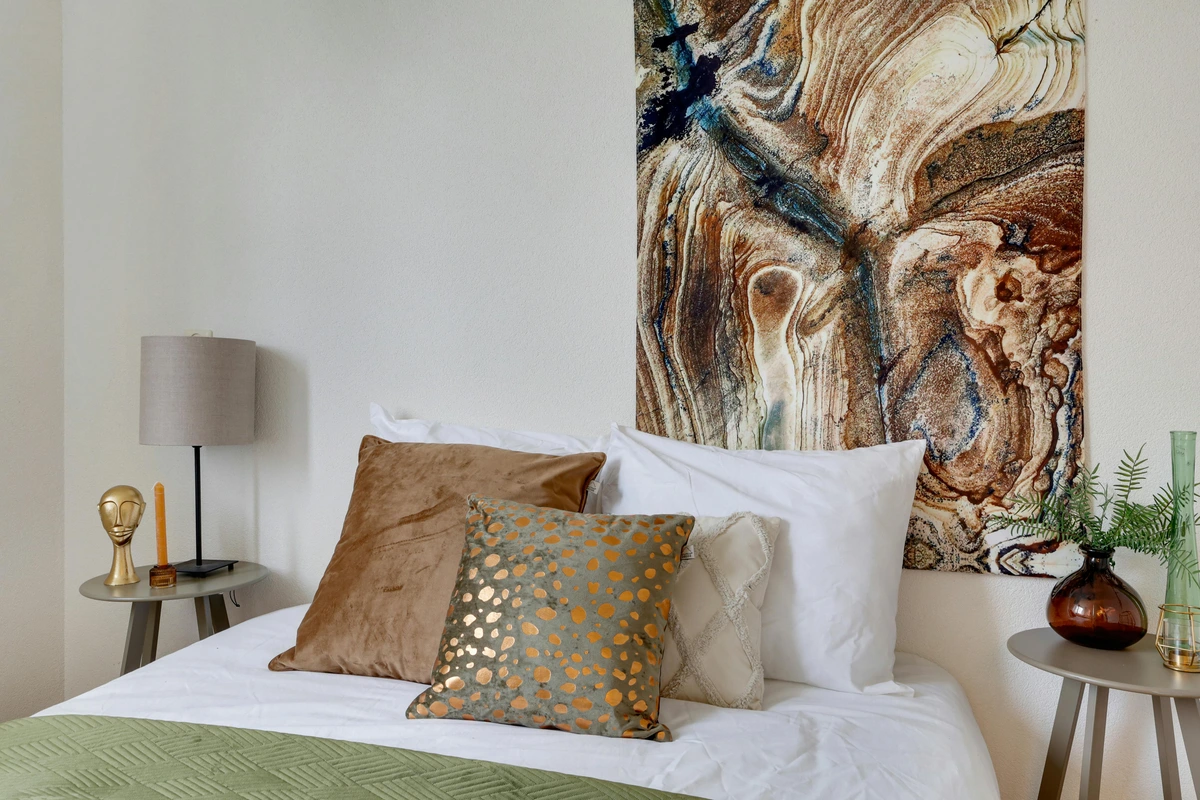
So, what are the building blocks of this personal oasis? When I approach a bedroom design, I break it down into these key components. It makes the whole process feel much less overwhelming, believe me. This is your foundation.
Element  | Purpose / Impact | Examples & Ideas | Maintenance / Durability |
|---|---|---|---|
| Color Palette | Influences emotional state, promoting relaxation, energy, or warmth; impacts perceived room size. | Choose 2-3 main colors (calming blues/greens like dusty sage, soft sky blue, warm neutrals like soft gray, delicate beige, or even muted purples for sophisticated calm); consider the 60-30-10 rule (60% dominant color on walls, 30% secondary in bedding/curtains, 10% accent in art/cushions). Use paint, bedding, rugs. Cool colors (blues/greens) tend to 'recede,' making a room feel larger and more airy, while warm colors (reds/yellows) can 'advance,' making it feel cozier but potentially smaller. Paint a test swatch on multiple walls before committing. | Paint requires occasional touch-ups (5-10 years); fabric colors may fade over time, especially with direct sun exposure. |
| Bed & Bedding | The undeniable focal point; paramount for comfort, sleep, and style. | Invest in a quality mattress (e.g., memory foam for pressure relief, innerspring for firm support, hybrid for a blend of both, latex for durability/hypoallergenic qualities, adjustable for customizable firmness levels); supportive pillows (down for softness, memory foam for contouring, buckwheat for firm support, ergonomic for specific sleep positions); choose breathable sheets (cotton percale for crispness/cooling, sateen for silky feel, linen/bamboo/Tencel for temperature regulation) and a duvet/comforter (down for warmth/lightness, synthetic for allergies). Add decorative throws/cushions. Consider a sleek platform bed for modern minimalism, an ornate canopy bed for drama, or a plush upholstered frame for comfort. Match duvet tog rating to season for optimal temperature (e.g., 4.5 tog for summer, 10.5+ for winter). | Mattresses last 7-10 years; bedding requires regular washing. Invest in mattress/pillow protectors for hygiene and longevity. Choose easy-to-clean fabrics. Rotate your mattress every 3-6 months. |
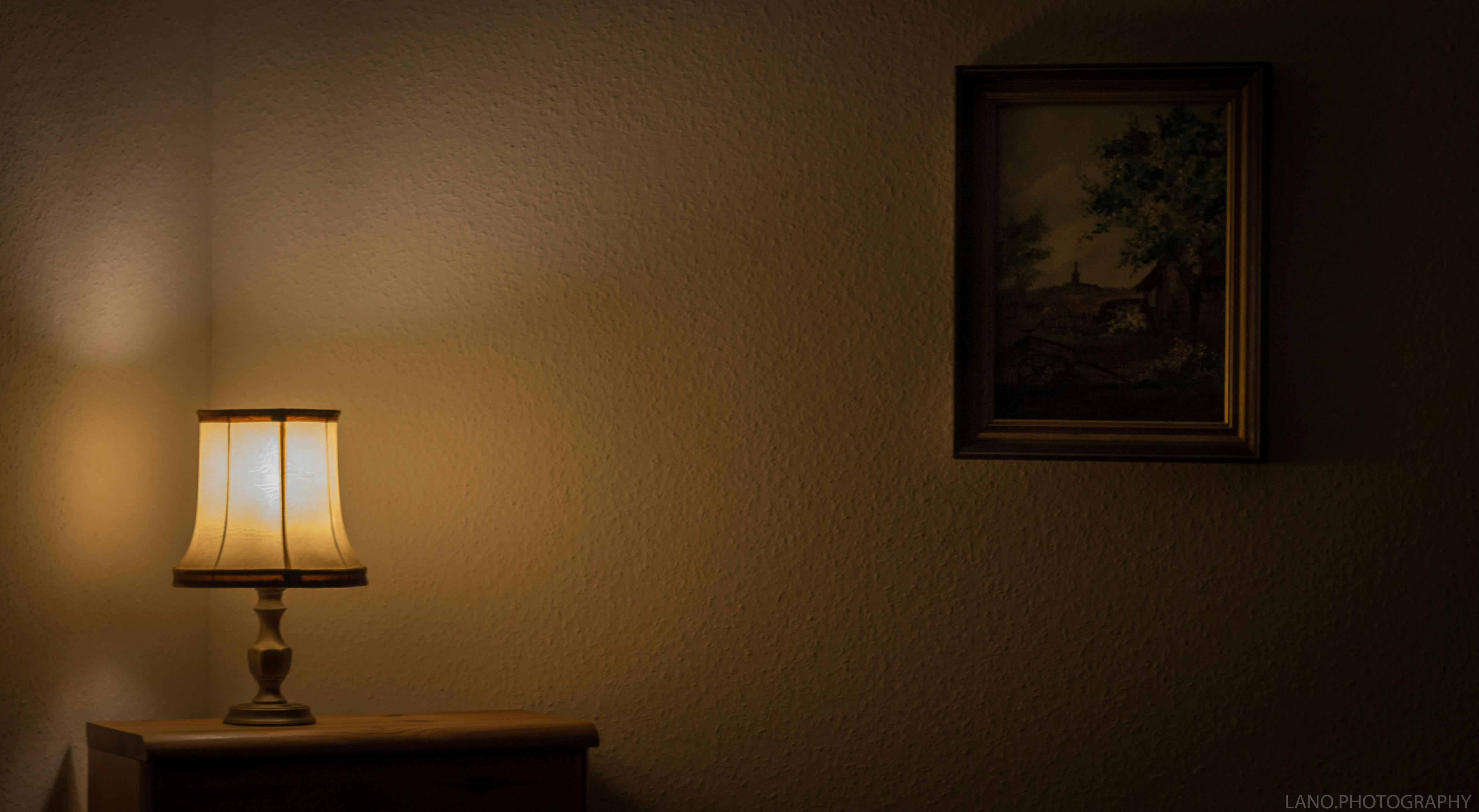
| Lighting | Creates ambiance, supports function (reading), and alters mood. | Layered lighting: ambient (dimmable ceiling fixture, warm white ~2700K-3000K for coziness, look for high CRI - Color Rendering Index for true color depiction, and appropriate lumens for brightness – think of lumens as the sheer amount of light the bulb produces), task (bedside lamps for reading, floor lamp for a seating area, sconces – aim for 3000K-3500K for reading clarity), accent (LED strips, string lights). Consider smart lighting for adjustable color temperature and brightness. Avoid harsh, cool-toned lighting (e.g., >4000K) in the evenings, as blue light can disrupt melatonin production. | LED bulbs last decades; fixtures are generally low maintenance. Clean shades regularly. |
| Furniture | Provides functionality, defines zones, and establishes the room's structure. | Bedside tables (ensure ample surface area and height relative to bed, ideally within 2-3 inches of mattress top), dresser, wardrobe/closet; consider a bench at the foot of the bed or a cozy reading chair. Ensure pieces are scaled appropriately for the room size and flow (e.g., leaving 30-36 inches for walking paths around the bed). Think natural wood for warmth and grounding, minimalist metal for a modern edge, or soft upholstered pieces for comfort. Look for pieces with hidden storage or dual functions (e.g., an ottoman with storage). Prioritize pieces that are easy to clean and maintain, especially upholstered items. Consider how different bed frame styles (e.g., platform, four-poster) impact the perceived size and aesthetic of the room. | Varies by material: solid wood is durable but can scratch; veneer/MDF are more budget-friendly but less durable. Upholstery needs occasional cleaning. |
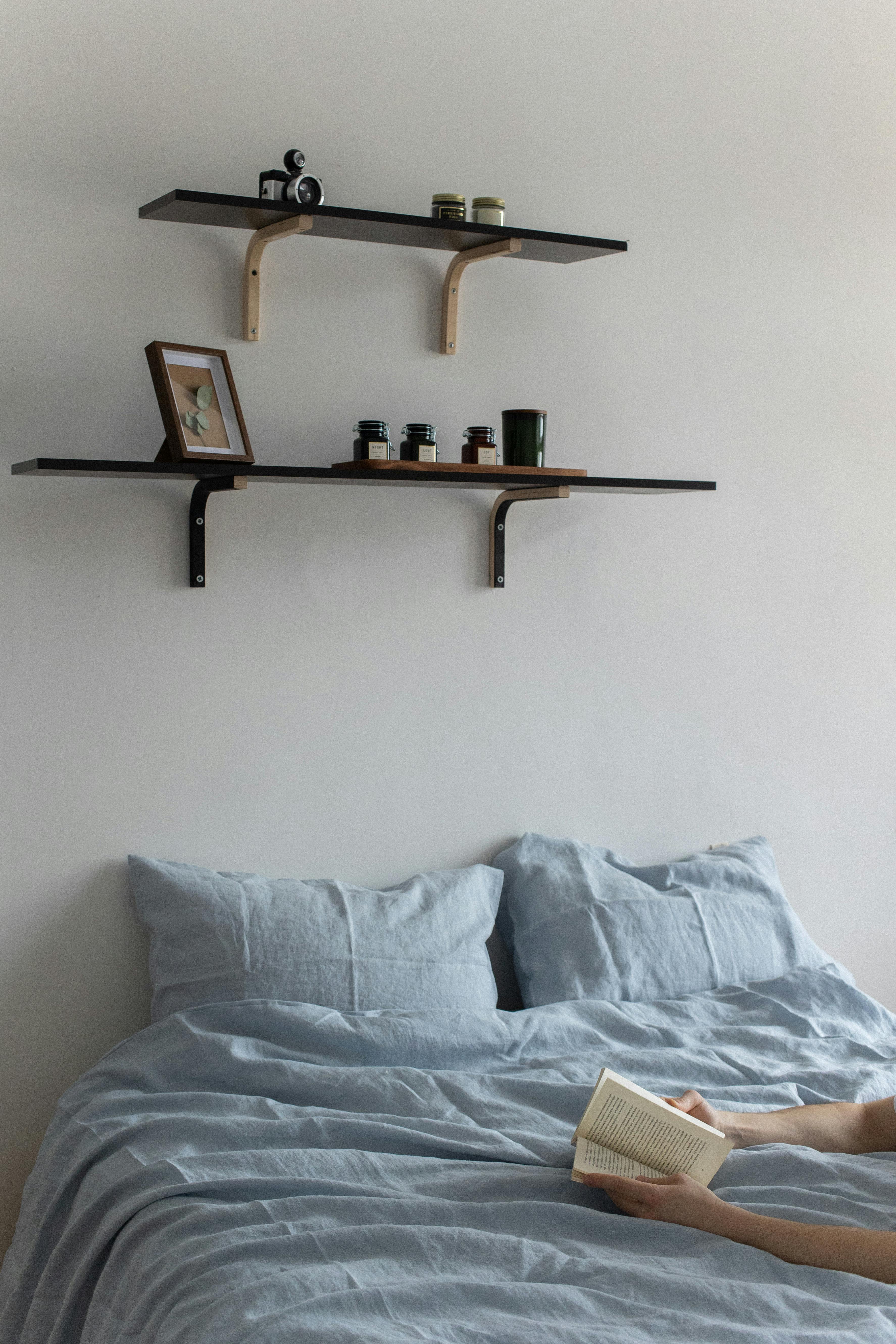
| Storage | Reduces visual clutter, promoting mental calm and efficient living. | Under-bed boxes (preferably with lids, especially breathable fabric ones for clothes), drawer organizers (for socks, ties, jewelry – organize clothing by season or type, books by genre), closet systems (modular shelving, hanging rods), decorative woven seagrass baskets for blankets (visible, curated), velvet-lined boxes for jewelry (visible, curated), wall-mounted or floating shelves for curated displays. Repurpose old furniture (like vintage suitcases or wooden crates) for unique, budget-friendly storage. Organize by category to reduce mental load. Consider both visible (aesthetically pleasing display) and hidden (functional, utilitarian) storage for different items to strike a balance between beauty and practicality. | Requires ongoing organization. Clean out periodically to prevent accumulation. |
| Flooring | Adds warmth, texture, absorbs sound, and visually defines the space. | Soft rugs (wool for warmth/durability, cotton for breathability, synthetic for affordability/stain resistance, silk for luxury, jute/sisal for natural texture) over hardwood/tile for warmth and defining zones. Ensure rugs are large enough to anchor the bed and nightstands (at least 2/3 of the bed under the rug, extending 18-24 inches beyond the sides). Wall-to-wall carpet for maximum sound absorption and coziness. Consider underfloor heating for ultimate comfort in colder climates. Add a quality rug underlayment to prevent slipping, add cushioning, and extend the rug's life. | Rugs need regular vacuuming and professional cleaning annually. Carpet needs deep cleaning every 12-18 months. Hardwood/tile require sweeping/mopping. |
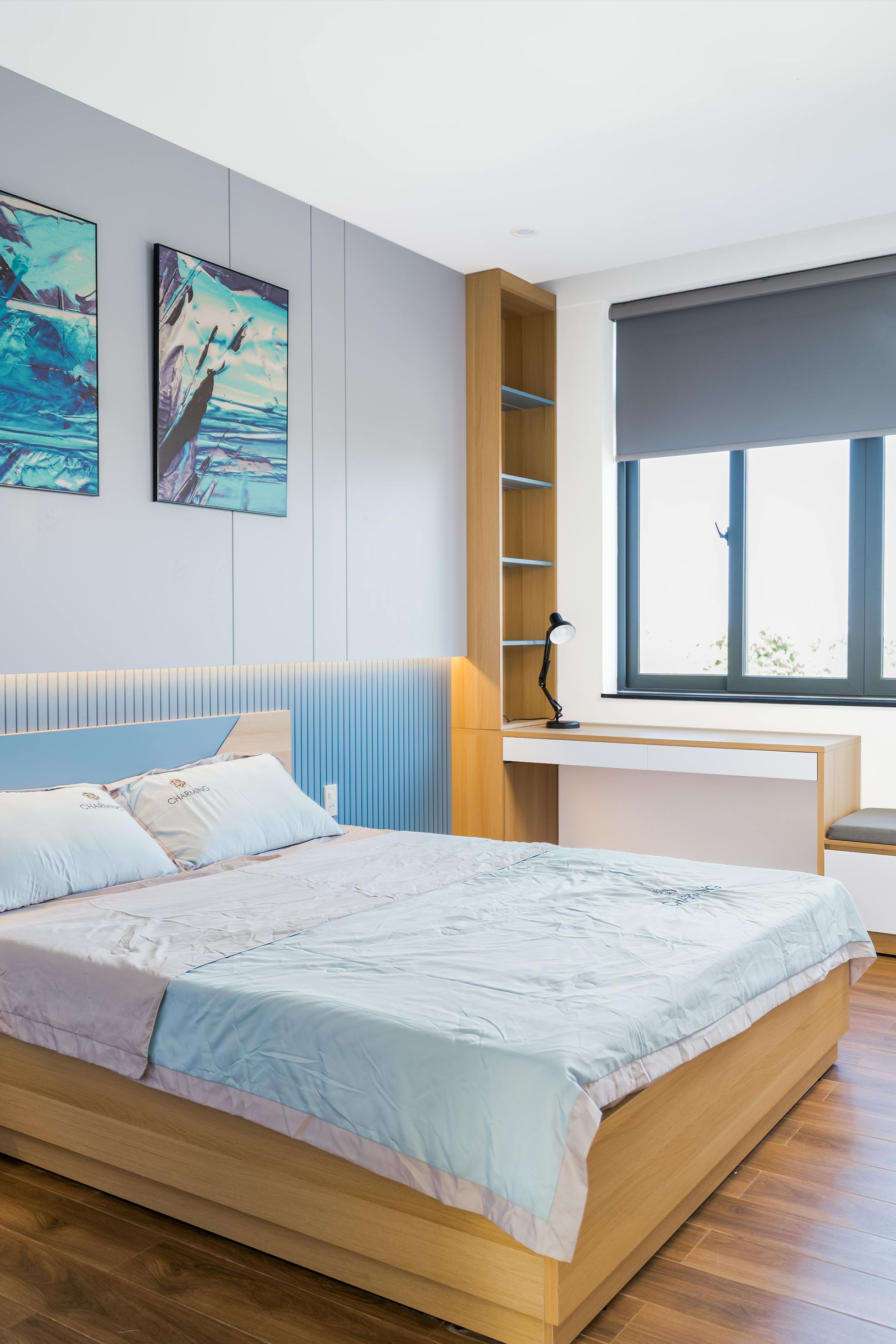
| Wall Decor | Expresses personality, adds visual interest, and completes the room's narrative. | Wall art (paintings prints, abstract pieces, commissioned art), photographs, gallery walls, mirrors (enhance light/space), shelves for displaying cherished objects, tapestries, or a large-scale mural or textured wallpaper. Explore diverse styles like serene landscapes, Impressionistic scenes with gentle light, the soft romanticism of Pre-Raphaelite art, the pure color immersion of a Color Field abstract, or even the dreamlike qualities of Surrealism or the clean lines of Minimalism. Art isn't just decoration; it's a visual narrative, a window into your soul. Consider how art can complement or subtly contrast with your room's color palette. Wall textures like plaster, wood paneling, or brick can also add depth. | Generally low maintenance, occasional dusting. Ensure secure hanging to prevent damage. |
| Window Treatments | Controls natural light, ensures privacy, softens room edges, and insulates. | Layered curtains (blackout options for sleep under sheer for light filtration, or decorative drapes), blinds (Venetian, vertical), shades (Roman, roller, cellular for insulation). Different fabric textures like thick velvet (good for insulation and sound absorption) or airy linen (breathable) affect sound absorption and coziness, contributing to insulation and light quality. Ensure they provide full privacy when needed. Consider automated blinds for smart control. Take into account the direction your windows face; east-facing windows, for instance, might require more robust light blocking for morning sleepers. | Regular dusting/vacuuming. Curtains may need occasional dry cleaning or washing per fabric instructions. |
| Personal Touches | Infuses the space with your unique story, making it truly yours. | Meaningful objects, cherished photos, favorite books, calming candles, lush plants (check light requirements), souvenirs, and heirlooms that resonate with you. Even small sketches or studies you love can add a unique, artistic flair. Curate these items rather than letting them accumulate as clutter, displaying sentimental objects thoughtfully in shadow boxes or on dedicated, uncluttered display shelves. Consider how these elements reflect your journey, evoke happy memories, or inspire future aspirations. | Occasional dusting and rearrangement. Plants require specific care (watering, light). |
Deep Dive: Engaging Your Senses and Nature
Once you've got the foundations down, these are the areas where you can truly transform a nice room into an exceptional personal retreat. This is where the magic happens, where it feels like it's been curated just for you, deeply attuned to your needs.
The Power of Art: Your Room's Emotional Core
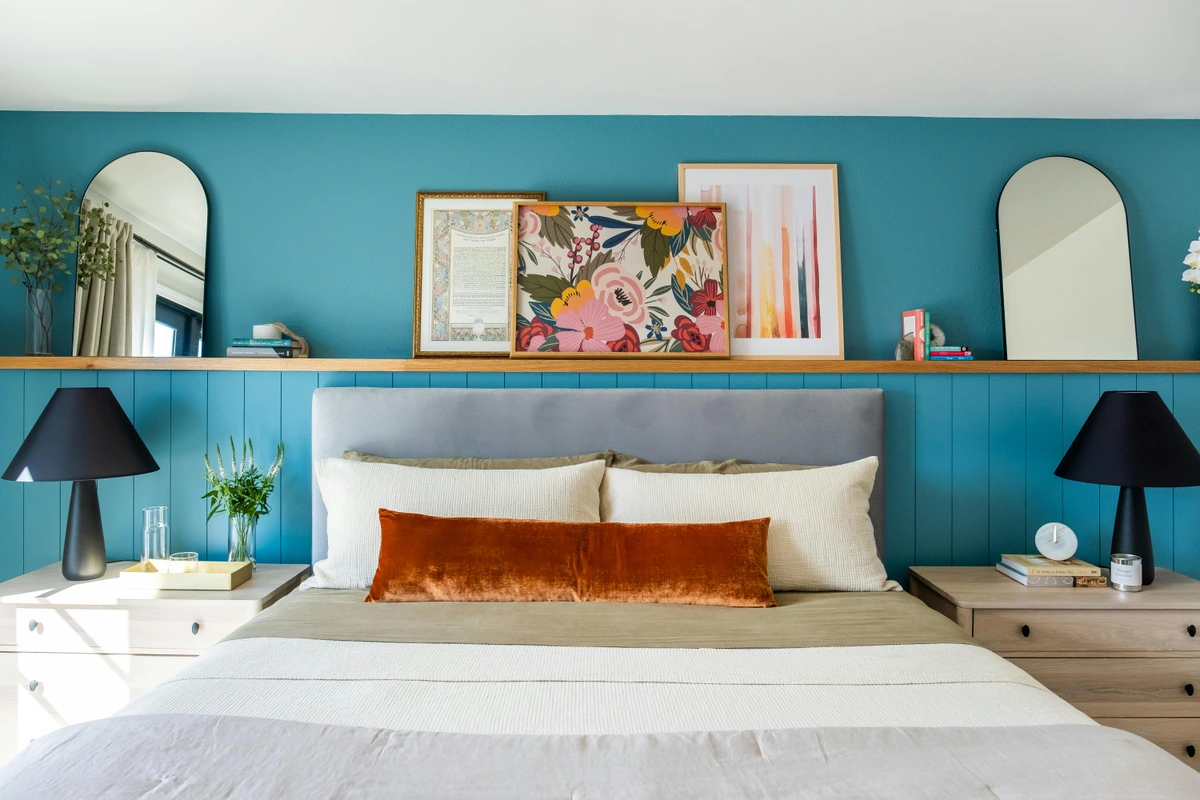
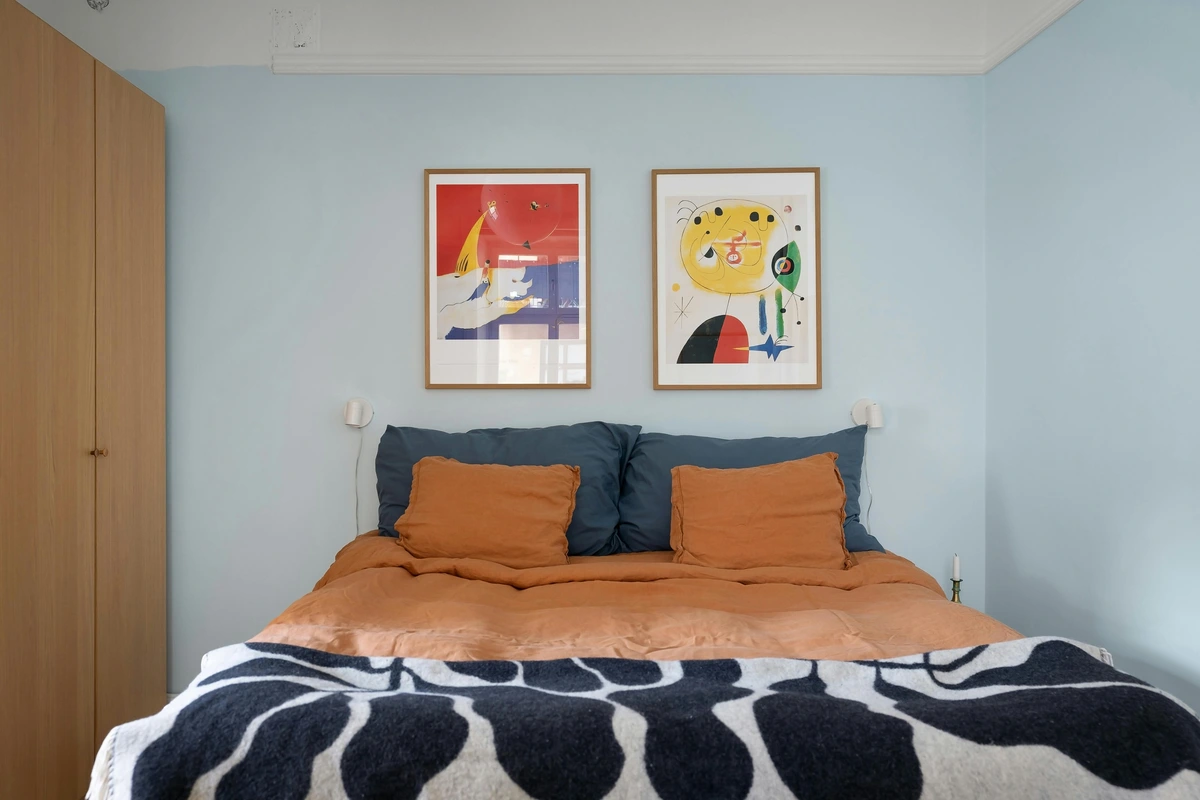
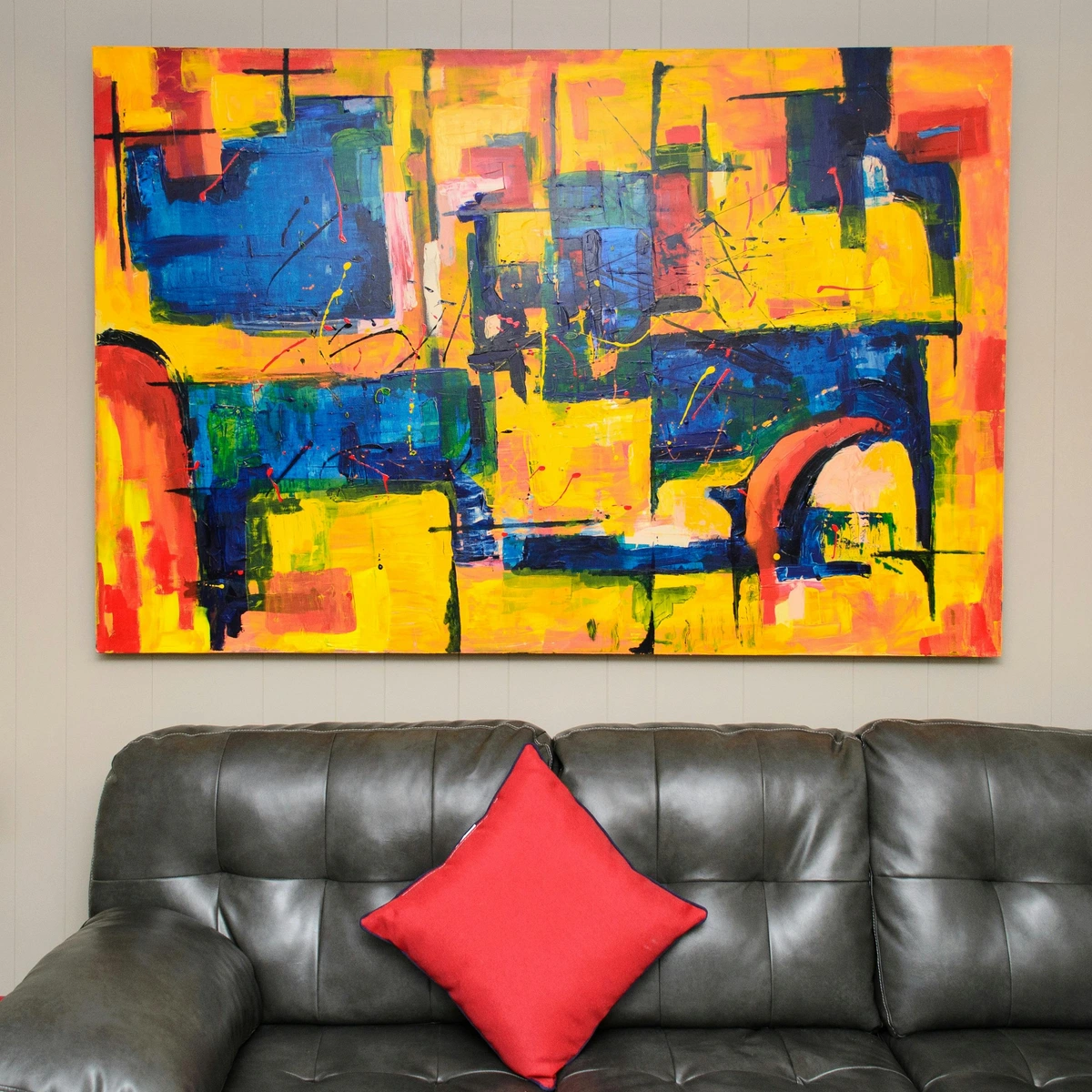
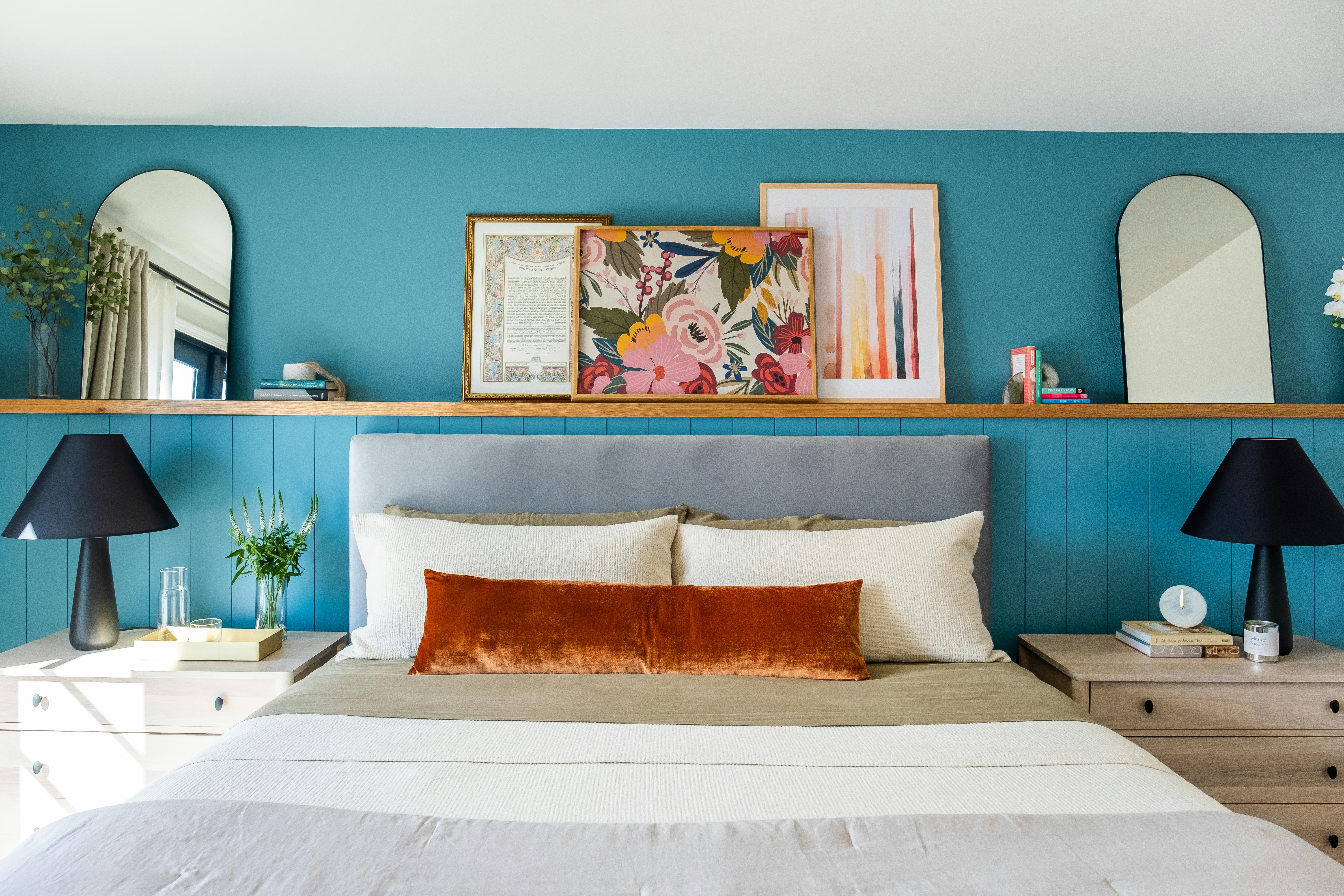
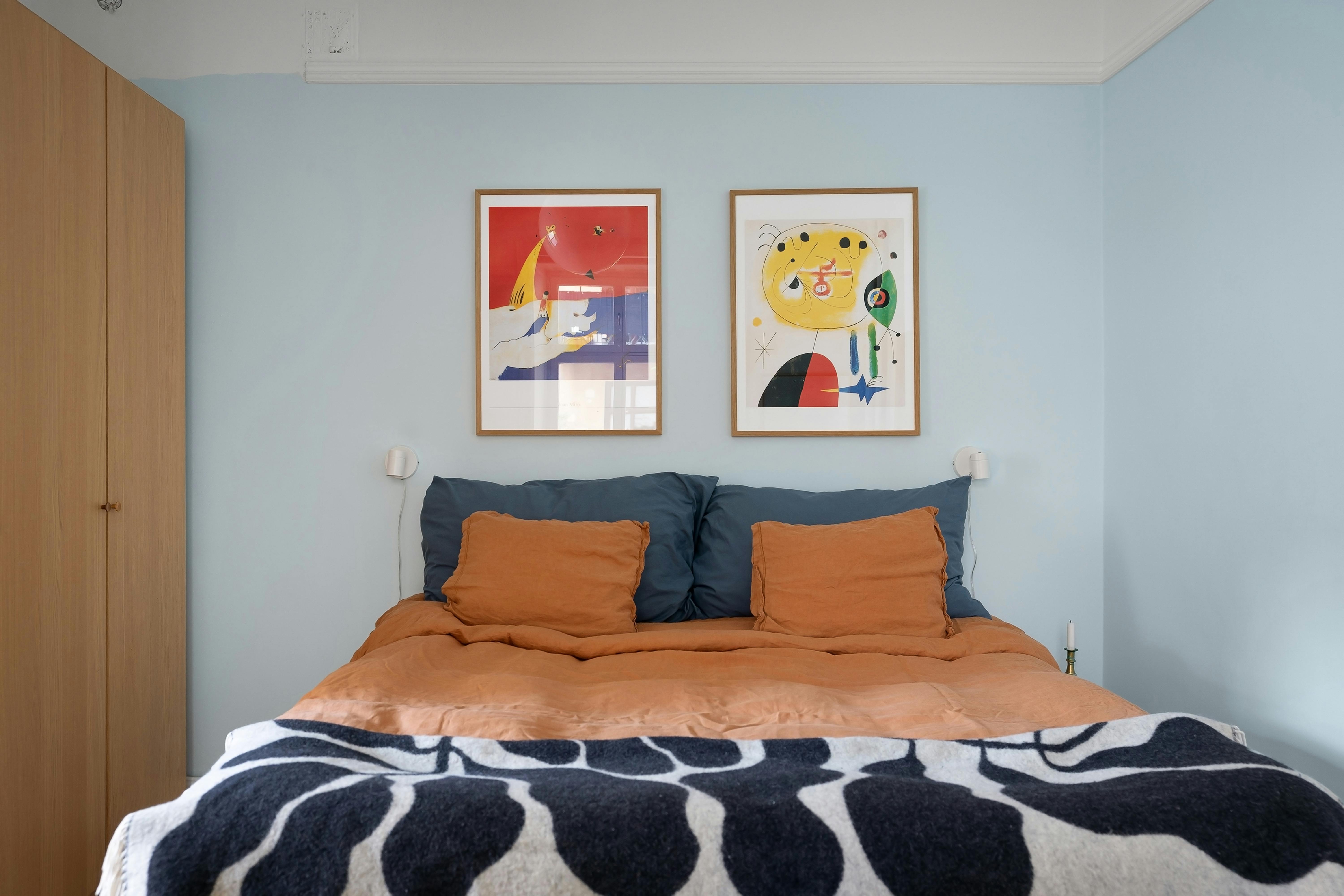
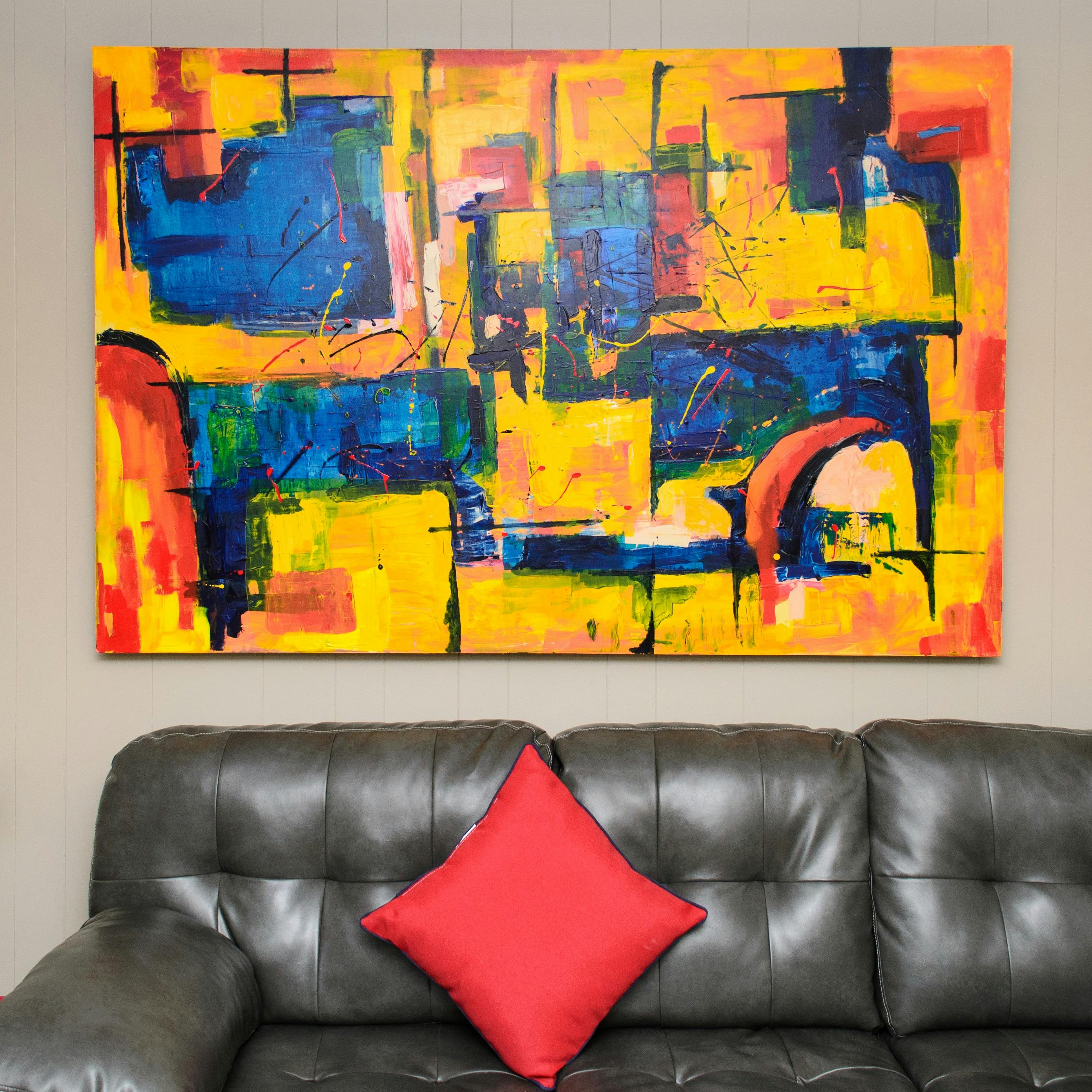
I really believe that art is the emotional core of any room, especially a bedroom. It's not just decoration; it's a window into your soul, a visual narrative of what brings you peace or joy. When choosing art for your bedroom, think about the feeling you want to evoke. Do you want calm serenity? Perhaps soft abstract forms, a peaceful landscape reminiscent of Impressionism with its gentle brushstrokes, the subtle realism of Dutch Masters capturing tranquil domestic scenes, or even the dreamlike quality of Surrealism creating a wonderfully contemplative, personal atmosphere without being jarring. Look for themes like quiet waters, misty forests, serene geometric patterns, or abstract pieces with flowing lines and harmonious color palettes. The art you choose can complement your existing color palette, drawing out subtle hues, or it can provide a deliberate splash of contrasting color to invigorate the space. Looking for a burst of morning energy? A vibrant, colorful abstract piece might be perfect, perhaps something with the bold expression of Abstract Expressionism or Color Field painting but scaled appropriately for a bedroom. I've found that contemporary, colorful abstract art can often introduce unexpected depth and a modern feel without overwhelming the space, especially if you opt for something that resonates with your color scheme or evokes happy memories. Remember, art doesn't just hang there; it speaks to you. It can literally shift the mood of the room and serve as a source of quiet contemplation or joyful inspiration. Art in a bedroom is less about making a financial investment and more about creating an emotional connection. As for placement, a large piece centered above the bed (roughly two-thirds the width of the headboard) creates a striking focal point, while a gallery wall can add personality and allow you to showcase multiple smaller pieces. Always aim for eye-level viewing when standing, and ensure the scale of the art complements both the wall and surrounding furniture. If you're looking for that perfect original or print, well, you know where to find it!
The Full Sensory Experience: Engaging All Your Senses
Your bedroom isn't just for your eyes. Engaging other senses can deepen the sanctuary feel, transforming it into a truly immersive retreat. Don't forget, these tiny details collectively make a massive difference:
The Hushed Symphony of Sound
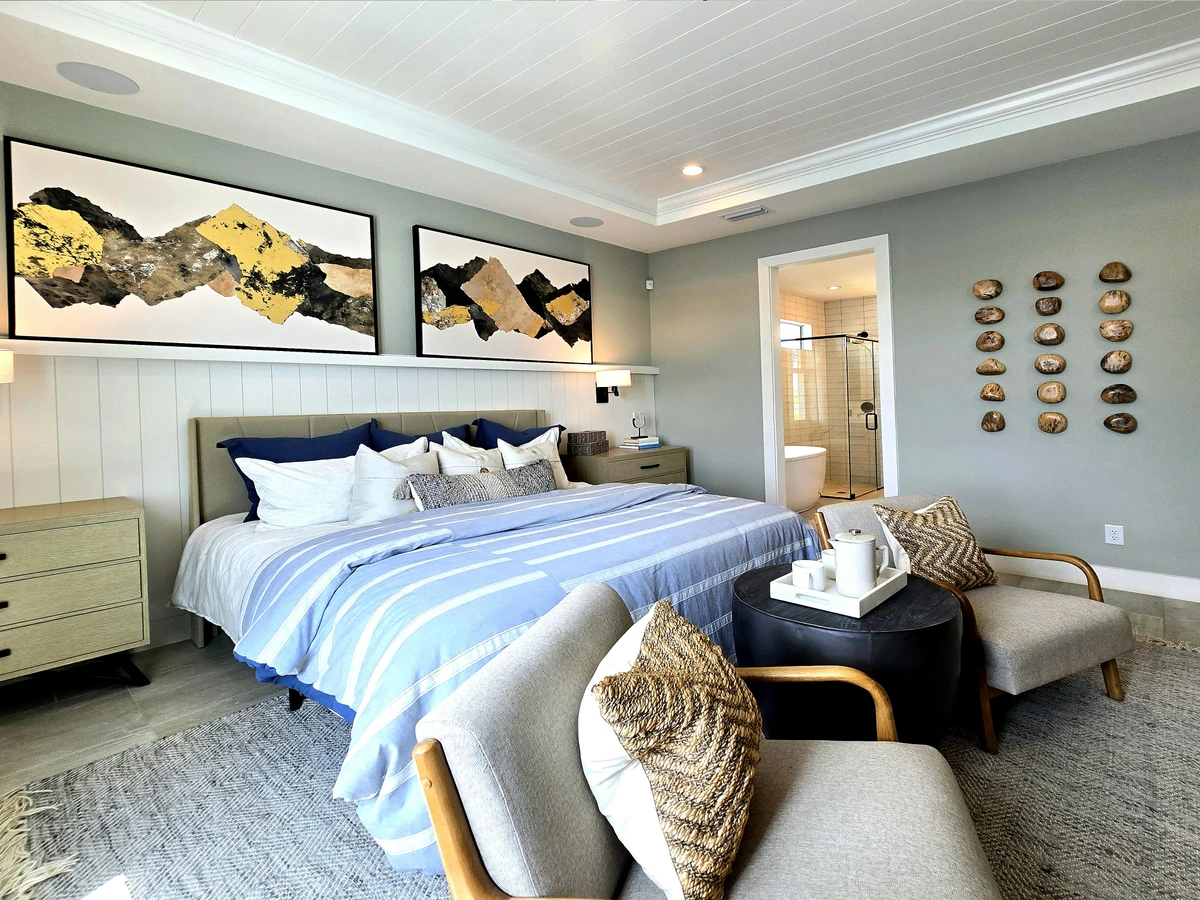
Soft furnishings like thick rugs, plush curtains (especially heavy drapes), and upholstered headboards aren't just pretty; they absorb sound, reducing echoes and external noise. This creates a quieter, more peaceful, cocoon-like environment. For those dealing with persistent external noise, consider subtle acoustic panels disguised as art, or even more robust solutions like dual-pane windows or DIY soundproofing measures for doors (e.g., weatherstripping, heavy draft stoppers, or mass-loaded vinyl). A white noise machine or a carefully curated calming playlist can also contribute to a serene soundscape. The goal is to minimize disruptive sounds and maximize the tranquility, letting your bedroom become a silent retreat from the world. How does the current sound environment in your bedroom make you feel? A truly serene bedroom should feel hushed and calm, a place where the outside world gently fades away.
The Invisible Ambiance of Scent
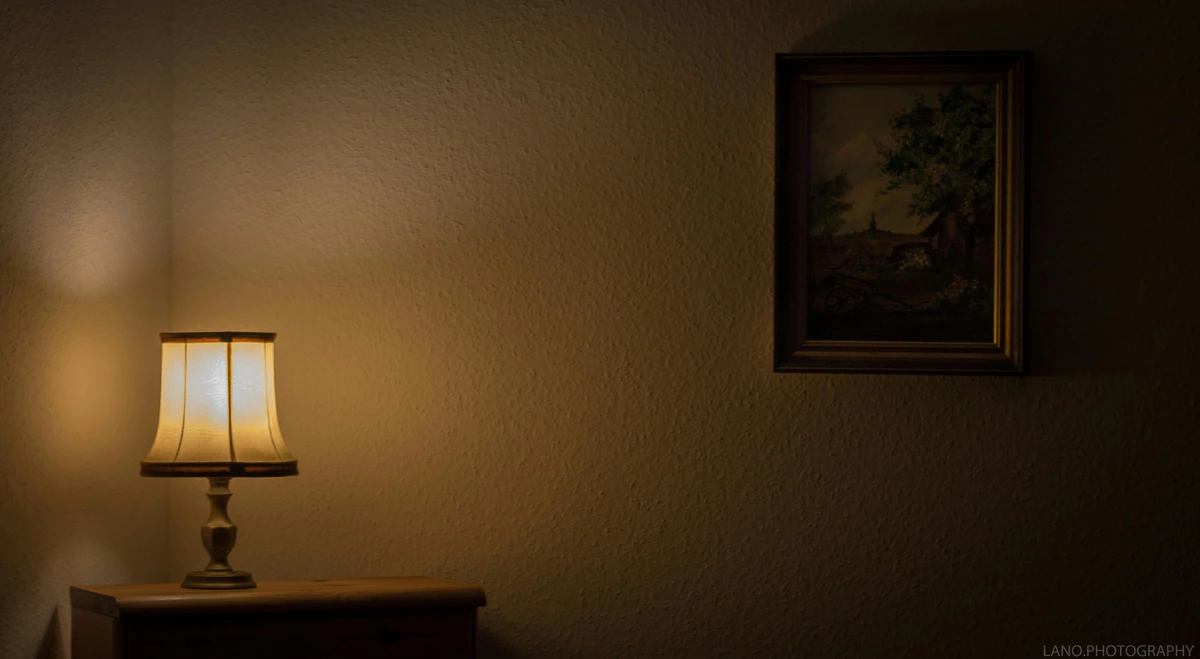
I'm a big believer in the power of scent. A subtle diffuser with essential oils like lavender (renowned for its calming properties, promoting sleep by reducing anxiety and lowering heart rate), sandalwood (for grounding and tranquility), bergamot (for uplifting calm and stress reduction), chamomile (for deep relaxation), ylang-ylang (to reduce stress), or frankincense (for meditation and peace) can instantly shift the mood of a room. A beautifully scented candle (safely placed, of course!), or a refreshing linen spray can instantly shift the mood of a room. Reed diffusers are a great, passive way to maintain a consistent, gentle aroma. Consider scent layering – a subtle room spray complementing a quiet diffuser. You can even try natural potpourri with dried herbs, flowers, and spices, or a simple stovetop simmer pot with orange peels and cinnamon for a fresh, natural scent. Just be mindful of overpowering fragrances, especially before sleep, and lean towards natural, high-quality essential oils over synthetic air fresheners; less is often more. You want a whisper, not a shout, of fragrance. Always check for any contraindications, especially if you have allergies, sensitivities, or pets. Ensure good ventilation when using any scent to prevent accumulation.
The Inviting Tapestry of Texture
Layering textures creates visual depth and a tactile richness, making a room feel more inviting and 'hug-like.' Combine the crispness of linen sheets with the cool smoothness of silk pillowcases, juxtapose that with the warmth of a chunky knit wool throw, or the rustic coolness of polished wood. Think a velvet-upholstered headboard against a raw plaster wall, or a faux fur rug grounding a minimalist nightstand. Don't shy away from contrasting textures like the softness of shearling with the sleekness of metal, or the rough weave of jute with the smoothness of polished stone. The impact of textiles on temperature regulation is also key: linen and cotton are breathable and cool, while wool and flannel offer warmth. It's about inviting touch and creating a diverse, interesting tactile landscape that begs to be experienced, contributing to a sense of cozy enclosure and luxury.
Optimal Temperature & Air Quality: The Foundation of Rest
While often overlooked in decor guides, ensuring a comfortable room temperature and high air quality is paramount for sleep and overall well-being. The ideal sleep temperature is typically between 18-20°C (65-68°F). Breathable bedding fabrics (cotton, linen, bamboo, Tencel) and layered window treatments provide excellent insulation. A well-placed ceiling fan or a small, quiet space heater can help maintain your ideal sleep environment. Don't forget the importance of proper ventilation and airflow; opening a window for a few minutes each day, using a silent air purifier (especially one with a HEPA filter for allergens and pollutants), or even considering smart ventilation systems can significantly improve air quality and the feeling of freshness, reducing stuffiness and supporting deeper rest. Managing humidity is also key; a humidifier in dry climates (to prevent dry skin/throat) or a dehumidifier in humid ones (to prevent mold/mildew and discomfort) can prevent discomfort and improve respiratory health. You want your body to feel just right, not too hot, not too cold.
Nature's Embrace: Biophilic Design for Restoration
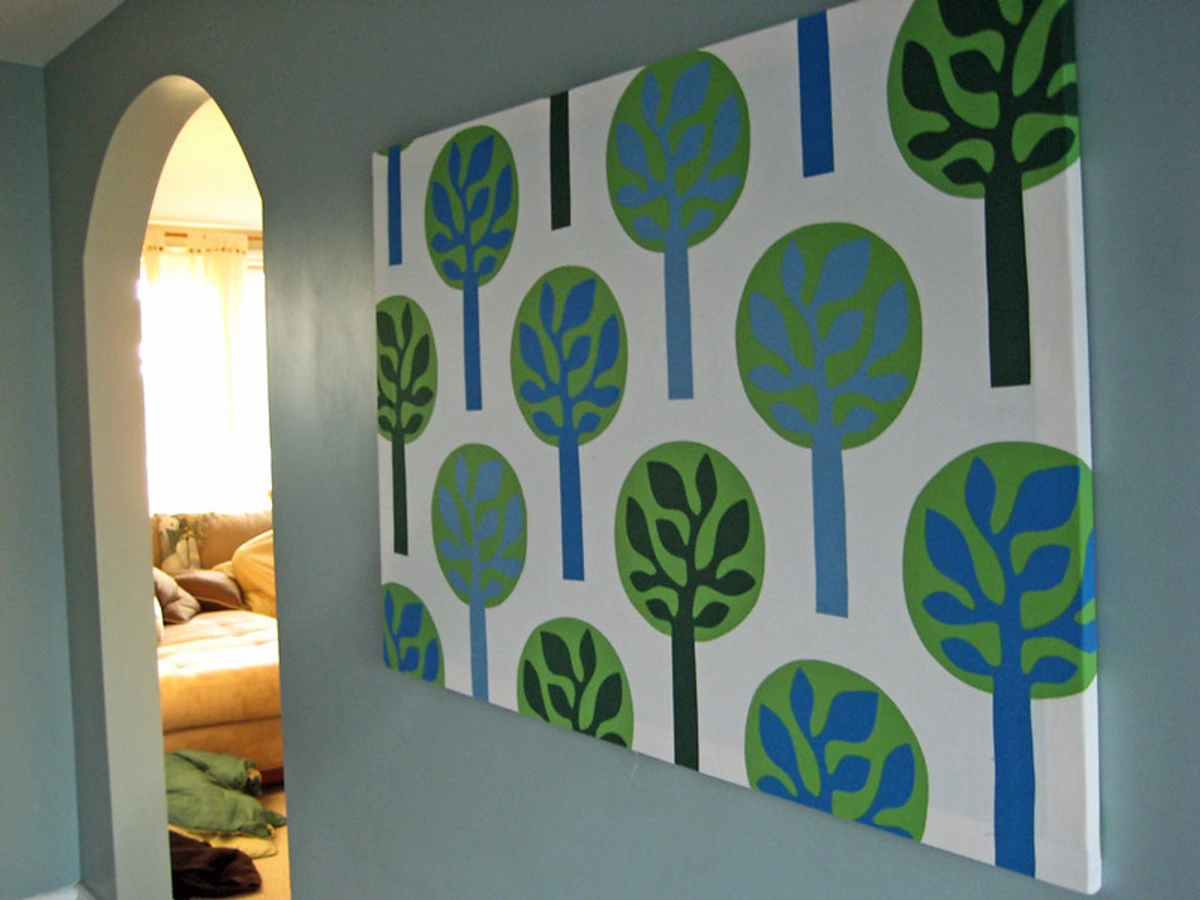
This is one of my favorite approaches, especially when I want a space to feel deeply restorative. Biophilic design is all about connecting with nature to enhance well-being, fostering a sense of innate calm that comes from being surrounded by life. It's a simple, yet profound way to foster calm. Think lush plants, natural wood textures, rough stone elements, small tabletop water features (the gentle sound of trickling water can be incredibly soothing), and even art that evokes natural forms or tranquil landscapes. It’s about creating a subtle, inherent sense of calm that comes from being surrounded by life. Even a simple potted plant on your nightstand can make a huge difference, not just aesthetically, but by purifying the air and adding a touch of living energy. When choosing plants, consider low-light tolerant, air-purifying options like Snake Plants (Sansevieria trifasciata), ZZ Plants (Zamioculcas zamiifolia), Peace Lilies (Spathiphyllum), Pothos, Spider Plants, or Philodendrons, which thrive in varied bedroom conditions and contribute to a healthier sleep environment. Remember to check their specific care requirements – how much light they need, how often to water – to ensure they flourish. Incorporate other natural materials like rattan furniture, bamboo blinds, cork accents, or textured linen and cotton textiles (perhaps even naturally dyed fabrics) to enhance this organic feel. Patterns that mimic natural forms, like leaves or flowing water, can also contribute to this calming connection. You can even frame pressed leaves or botanical prints (sometimes called "biophotography") to bring in nature's quiet beauty, or hang an abstract piece that evokes natural elements, like a gentle breeze or rolling hills. Maximizing natural light during the day also contributes significantly to a biophilic environment. This approach isn't just decor; it's a conscious decision to bring the restorative power of the natural world into your most intimate space.
Key Principles for Bedroom Decor: Guiding Your Choices Towards Serenity
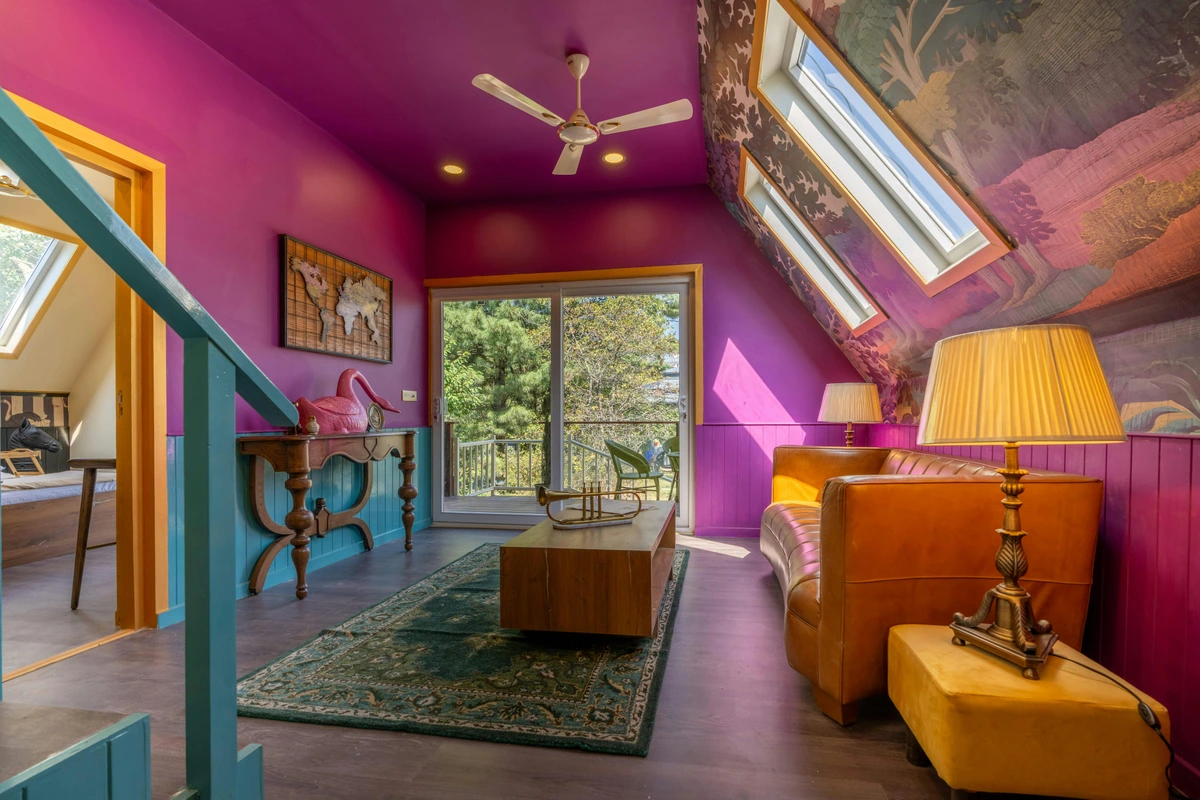
When I'm designing a bedroom, there are a few guiding stars I always navigate by. These overarching principles help keep the vision clear amidst all the choices, especially when I get overwhelmed by options (which happens more than I'd like to admit!). This is your blueprint for a space that truly supports you.
1. Prioritize Comfort Above All Else
Let's be honest, this is fundamentally a place for rest. Every decision – from the mattress to the thread count, the light temperature to the rug beneath your feet – should contribute to your comfort. If it's not comfortable, it simply doesn't belong. My mantra is always: choose comfort over trends every single time. Your sleep will thank you, and frankly, so will your mood. I once bought a gorgeous, visually striking chair that was utterly uncomfortable, and it became an expensive coat rack rather than a cherished seating spot – a costly lesson! It's about designing a space that physically and mentally embraces you, where every touch, every moment, feels right. This includes things like a soft, non-scratchy rug, or sheets that feel amazing against your skin, even if they aren't the latest 'it' fabric. Beyond the tactile, consider sensory comfort: avoiding jarring sounds (e.g., squeaky doors, loud thermostats, or shared bathroom walls), unpleasant smells, and ensuring soft transitions between different flooring types to prevent jarring sensations underfoot. Consider also the ergonomics of the space – are light switches and outlets easily reachable from the bed? Is your reading chair supportive and cozy for extended periods? These small details make a huge difference to daily comfort.
2. Reflect Your Unique Style
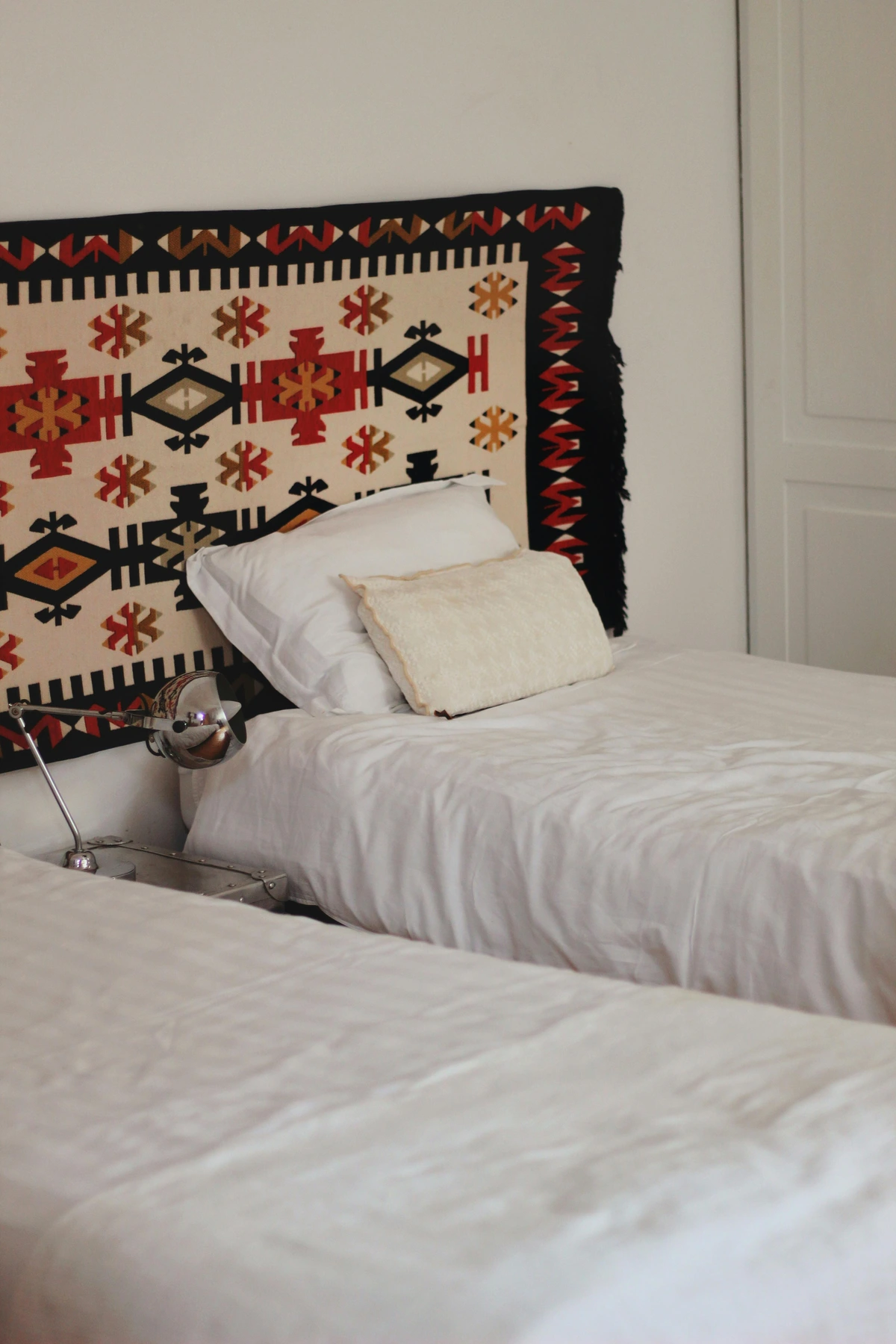
Your bedroom should feel like you. Don't just follow trends. Whether you lean minimalist (clean lines, neutral palette, less is more), bohemian (layered textures, global patterns, plants), modern (sleek, functional, often metallic accents), or utterly eclectic (a curated mix of periods and styles), let your personality shine through your choice of colors, textures, and especially the art you select. It's your story told in textiles and paint, a visual autobiography. My approach to art often emphasizes this: art isn't just decoration; it's an extension of your identity, a vibrant expression that can truly make a space feel like home. I've seen clients build entire bedroom aesthetics around a single piece of abstract art they fell in love with, drawing colors, moods, and themes directly from it. If you're unsure of your personal style, try looking at your existing wardrobe, your favorite vacation spots, or interiors you've saved on Pinterest – patterns will emerge! Finding art that speaks to your soul is a powerful way to make your bedroom uniquely yours, and if you're ever looking for that special piece, well, you know where to buy it!
3. Maximize Functionality Without Sacrificing Beauty
A beautiful room that doesn't work for you is just a pretty picture. Ensure good flow, adequate, smart storage solutions, and practical furniture placement. Every piece should earn its spot. I've seen countless stunning rooms that are a nightmare to live in because they lack practicality – drawers that can't open properly because they hit the bed frame, or a layout that makes simple movement awkward, or not enough accessible outlets for all your devices. Don't fall into that trap; beauty and utility can, and should, coexist seamlessly. When in doubt, always lean towards practicality; you can always add beauty, but fixing a functional flaw is much harder, and infinitely more frustrating. For example, ensure your closet door has enough clearance to open fully, and that light switches are easily reachable from the bed. A quick checklist for practicality might include: adequate walking paths (30-36 inches), reachable outlets, full door/drawer clearance, and sufficient, accessible storage. Even considering subtle soundproofing or acoustic treatments, especially if you live in a noisy area, falls under this principle, ensuring functional peace and quiet.
4. Create Calm and Serenity
This is the sanctuary aspect, the whole point, really. For me, this means ruthless clutter control, a soothing color palette, and elements that promote relaxation. Think quiet textures, soft, layered lighting, and perhaps some calming scents. It's about designing a space that invites you to breathe deeply and let go of the day's stresses. What makes you feel truly at peace? And how can you bring more of that feeling into this space? My own bedroom often feels like a refuge from the world, and I wouldn't have it any other way. Embrace the idea of negative space – areas that are intentionally left clear of visual stimulation – to foster a sense of openness and calm, much like a well-composed piece of abstract art uses blank space for balance and visual breathing room. A single, impactful piece of art on an otherwise clear wall, for instance, can feel much more serene than a crowded gallery.
Smart Living: Technology & Personalized Lighting
While we're focusing on creating a relaxing haven, it's important to acknowledge the reality of modern life and how technology fits into our bedrooms. Let's be real, most of us have technology in our bedrooms. But the goal is to minimize its impact on rest. Consider discreet storage for charging cables (perhaps a stylish wooden box with built-in charging ports, or a dedicated drawer in your nightstand), hide your TV behind a cabinet, or even opt for a projector that retracts when not in use. Some TVs can even double as art, blending seamlessly into your decor when off. The key is to keep bright screens out of sight at least an hour before bed. Your phone belongs on a nightstand (or better yet, a designated 'digital detox' zone outside the bedroom, perhaps a charging station in the living room or hallway), not under your pillow! I even recommend a no-phones-in-bed rule for myself, and while I sometimes fail, the intention itself helps immensely. The blue light from screens can seriously disrupt your natural sleep cycle by suppressing melatonin production, so be ruthless with your evening tech habits. Consider smart plugs or timers to automatically dim lights or turn off devices at a set time, creating a consistent wind-down routine. For ultimate digital detox, a simple charging station in another room can be a game-changer, ensuring your bedroom remains a tech-free sanctuary. Even an e-ink reader, with its lack of blue light, can be a great alternative for winding down with a book, offering a screen-free reading experience.
Personalized Lighting Scenarios: Crafting Your Mood
Beyond just layered lighting, think about creating specific "lighting scenes" for different moods or activities throughout your day. With smart lighting solutions (like smart bulbs or integrated LED strips), this is incredibly easy. Smart thermostats can also pre-set your ideal temperature, further enhancing comfort. Imagine a:

- "Reading Scene": Focused task lighting from your bedside lamp, slightly brighter and perhaps a touch cooler (but still warm white, around 3000K-3500K) for clarity and focus, with ambient lights dimmed low. Look for a high CRI (Color Rendering Index) so colors in your book or artwork look true, meaning colors appear more vibrant and accurate, as if under natural daylight.
- "Relaxation Scene": All lights dimmed to their lowest, warmest setting (~2200K-2400K, mimicking candlelight or a sunset glow), perhaps with accent lighting from LED strips or string lights creating a soft, ethereal glow. This is my go-to for unwinding before bed.
- "Morning Wake-Up Scene": Gradually increasing light that mimics natural sunrise, starting warm (~2200K) and slowly brightening to a slightly cooler warm white (~3000K), gently coaxing you awake. This can be a game-changer for your mornings, easing you into the day rather than shocking you awake.
- "Ambient Relaxation Scene": A soft, diffused glow from indirect lighting, perhaps LED strips behind a headboard or under furniture, coupled with floor lamps at their lowest setting, creating an embracing warmth. This is perfect for quiet conversation or simply decompressing after a long day.
This level of control allows you to instantly shift the entire mood and function of your room, making it truly adaptable to your needs throughout the day and night. Integrating with a smart home system can allow for scheduled lighting changes, further supporting your circadian rhythm and general well-being.
Curated Impact: The Art of the Statement Piece
Sometimes, less is truly more. Instead of filling your room with many small decorations, consider selecting one or two truly impactful "statement pieces" that draw the eye and anchor the room's design. This could be a grand piece of abstract art above the bed, a uniquely shaped or upholstered headboard, a sculptural floor lamp, a striking area rug with a bold pattern, an antique armoire, a custom-designed mirror with an intricate frame, or even a feature wall with textured wallpaper. The goal is not to overwhelm, but to create a focal point that expresses your personality and adds gravitas without clutter. A carefully chosen statement piece can tell a whole story on its own, reflecting a particular passion, a cherished memory, or an aesthetic ideal that genuinely speaks to you. It's about curation, not accumulation, allowing key elements to breathe and command attention.

Common Bedroom Decorating Mistakes to Avoid (Learn from Mine!)
I've made my share of mistakes, so learn from mine! Avoiding these common pitfalls can save you time, money, and a lot of frustration, trust me on this one. I once bought a rug that was so tiny it looked like a postage stamp in the middle of my room; the visual discomfort lasted for months. To help you avoid costly errors and save you time, let's learn from some common decorating pitfalls I've encountered.
- Poor Scale: Placing oversized furniture in a small room or tiny pieces in a grand space just looks off. Always measure, plan, and visualize. A bed that's too big, or a dresser that's too deep, can make a small bedroom feel cramped, blocking doorways and making movement difficult. Conversely, a single tiny picture on a huge wall can get lost and feel insignificant, like a lone dust bunny. When choosing art for a small bedroom, scale is especially important, aiming for pieces that complement rather than overwhelm. As a general rule, a rug should extend at least 18-24 inches beyond the sides of your bed, and artwork above a headboard should be roughly two-thirds its width, placed about 6-12 inches above the headboard. Achieving the right visual weight for furniture and art is crucial for balance.

- Insufficient or Single-Source Lighting: Relying on just one overhead light creates a flat, unwelcoming ambiance and casts harsh shadows. Remember the layers: ambient, task, and accent. Dimmers are your best friend here, allowing you to control the mood and functionality throughout the day and night. Ignoring task lighting for reading or getting ready can be a real pain, leaving you squinting or fumbling in the dark. Don't underestimate the power of multiple light sources to transform a room.
- Ignoring Privacy and Light Control: Pretty sheer curtains are lovely, but if you value your sleep or privacy, they're not enough. Always incorporate blackout options (blinds, roller shades, or even blackout liners behind decorative curtains), especially if you have street lights or early morning sun. Layering is key for versatility, allowing you to filter light during the day and block it completely at night, and it helps with insulation too. Consider smart blinds for automated control.
- Too Many Trends: While it's fun to incorporate current styles, a bedroom should be timeless and deeply personal. Don't let fleeting trends dictate your entire design, or your room will feel dated quickly and you'll tire of it. I once spent a small fortune on a 'trendy' velvet bed frame only to realize a year later I hated it. Mix classic, enduring elements with a few trendy accents you can easily swap out as your tastes evolve, like decorative pillows or seasonal art prints. Your sanctuary should transcend fads, reflecting your enduring comfort.
- Forgetting Practicality: A stunning room is useless if it's not practical. Are there enough accessible outlets for all your devices (and not hidden behind a heavy dresser)? Is there enough accessible storage, or do you have to move mountains to get to your socks? Can you easily navigate the space without bumping into furniture or struggling to open a closet door? Prioritize how you live in the room. I once designed a beautiful bedroom where the closet door couldn't fully open because of the bed; a rookie mistake that taught me a valuable lesson! Always ensure a clear pathway of at least 30-36 inches around the bed and main furniture.
- Neglecting the "Fifth Wall" (Ceiling): This is a huge missed opportunity! A plain white ceiling can make a room feel unfinished or even oppressive. Consider painting it a soft color (a shade lighter than your walls to add height, or a deep, cozy shade for intimacy), adding a subtle texture (like Venetian plaster), or even wallpapering it for a bold statement. Custom elements like a coffered ceiling, elegant crown molding, or strategic cove lighting (LED strips hidden in architectural features) can also create incredible depth and a luxurious feel. It's an often-overlooked canvas that can significantly impact the room's atmosphere.
- Poor Airflow and Ventilation: A beautiful room can still feel stifling without good air quality. Neglecting regular ventilation can lead to stuffiness, allergens, and an overall stale feeling. Ensure you have options for fresh air, whether it's regularly opening windows, using an air purifier (especially with a HEPA filter for allergies), incorporating plants known for their air-cleansing properties, or even a quiet ceiling fan. Your lungs will thank you, and better air quality will improve your sleep. Consider smart thermostats to maintain optimal temperature and air circulation automatically.
- Ignoring Cord Management: A tangled mess of charging cables and power cords can instantly detract from a serene space and even be a safety hazard. Invest in cable ties, cord organizers, cable sleeves, or nightstands with integrated charging solutions to keep your technology discreet and tidy. Little details make a big difference!
- Neglecting Mattress Quality and Duvet Tog Rating: This is arguably the most important piece of 'furniture' in your bedroom, yet it's often an afterthought. A poor-quality or old mattress can directly impact your sleep, leading to back pain, restless nights, and diminished well-being, negating all other decor efforts. Invest in the best mattress you can afford; it's an investment in your health and comfort. Similarly, using the wrong duvet tog rating for the season can lead to overheating or being too cold, ruining your sleep. Always ensure your bedding is appropriate for the climate.
Practical Decorating Tips from My Own Experience: Getting Started
Alright, so you've got the vision. Now, how do you actually get started without losing your mind? Here are some lessons I've learned along the way, often the hard way! These tips have saved me countless hours and prevented many design headaches.
Declutter Ruthlessly First
This is non-negotiable. Seriously. Before you buy a single new throw pillow, clear out the excess. I once spent weeks trying to "decorate around" a mountain of clothes and books, only to realize the core problem was the clutter itself. Start by removing everything that doesn't belong or isn't essential. Use the "four-box method" – keep, donate, trash, relocate – to systematically clear your space, or try the KonMari method to only keep items that "spark joy." You'll be amazed at the mental clarity a clutter-free room provides; it's like wiping the slate clean for new possibilities and reducing that subtle, nagging stress of visual noise. The trick is to then maintain these habits – a few minutes of tidying each day makes a huge difference.
Anchor Your Design: Start with the Bed
It's the undisputed focal point. Once you've chosen your bed frame and bedding, the rest of the room's elements will naturally fall into place around it. It's like finding the lead singer for your band; everything else harmonizes. This anchors your design decisions and gives you a strong starting point. Alternatively, a substantial area rug can also serve as a strong anchor, especially in a larger room, defining the sleep zone from the start and grounding the bed and nightstands.
Visualize Your Sanctuary: Create a Mood Board
Don't just buy things piecemeal. Collect images, fabric swatches, and color chips that inspire you. This visual guide will help you stay cohesive and avoid impulse buys that don't fit the overall aesthetic. Use digital tools like Pinterest or Milanote, or create a physical board with actual textures and paint samples. Include pictures of furniture styles, lighting fixtures, art pieces (even abstract art that inspires a mood or color palette!), and decorative objects. It's like having a cheat sheet for your design dreams, a blueprint for your personal sanctuary, allowing you to see how everything harmonizes before you commit.
Shop Smart, Not Hard (and Embrace DIY)
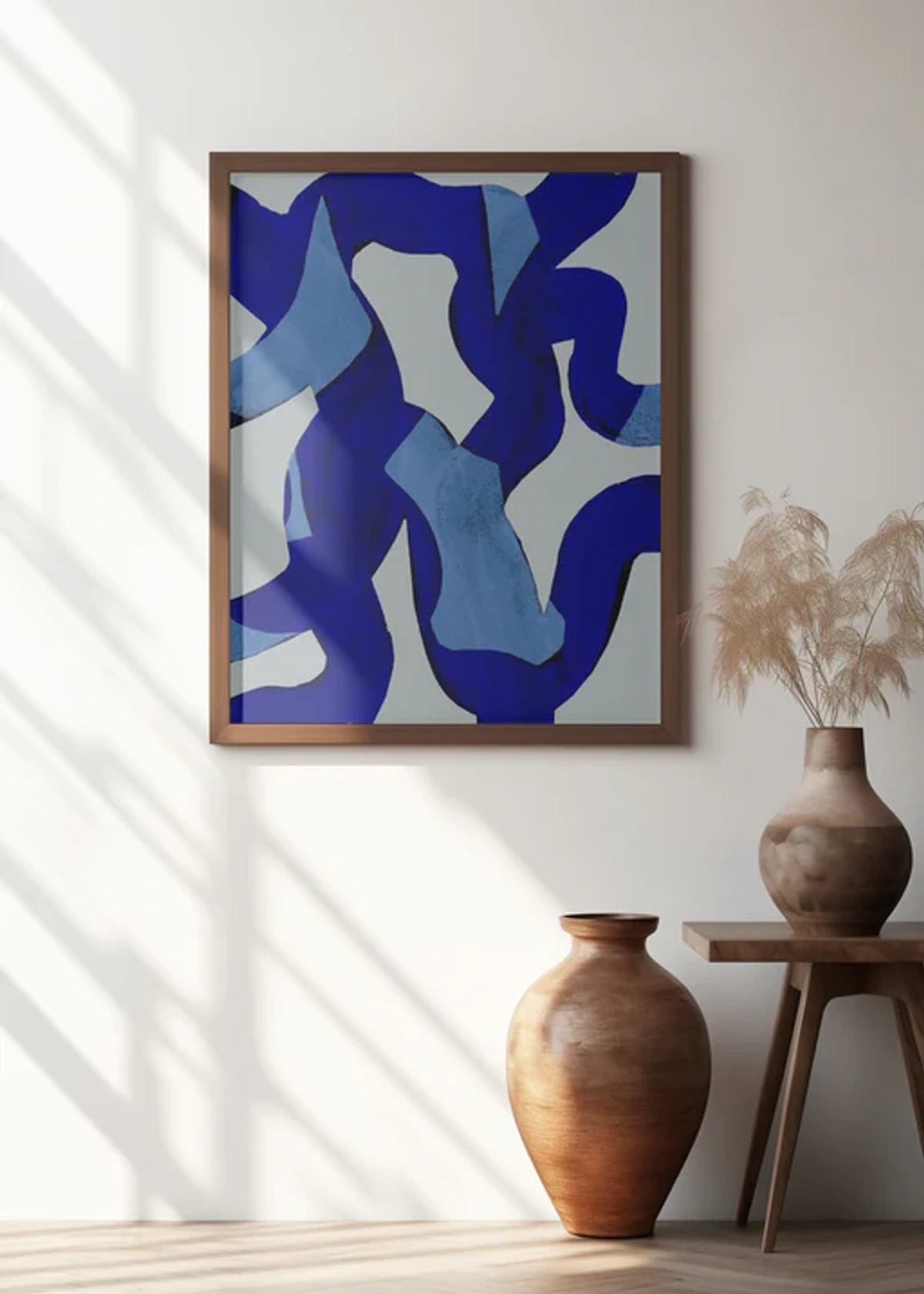
You don't need to break the bank. Mix high-end investment pieces (like a great mattress or a meaningful piece of abstract art) with budget-friendly finds from thrift stores, online marketplaces, or clever DIY projects. That unique vintage dresser refurbished with a fresh coat of paint and new hardware, or a simple DIY headboard from reclaimed wood, upholstered plywood, or even a large fabric tapestry, can add so much character for a fraction of the cost. Look for interesting lamps with good bones at second-hand shops, or affordable abstract art prints from emerging artists online. Get creative! Your room doesn't need to look like a showroom; it needs to look like you. A thrift store checklist might include: solid wood furniture, unique lamp bases, ornate mirrors, and interesting vases or baskets. When shopping budget-friendly, always consider the quality of the materials to ensure longevity and avoid items that will quickly fall apart. For DIY scent solutions, consider making your own potpourri with dried orange peels, cinnamon sticks, cloves, and dried flower petals, or simply simmer these ingredients on the stovetop for a natural, inviting aroma.
Don't Forget the Ceiling: Your Fifth Wall
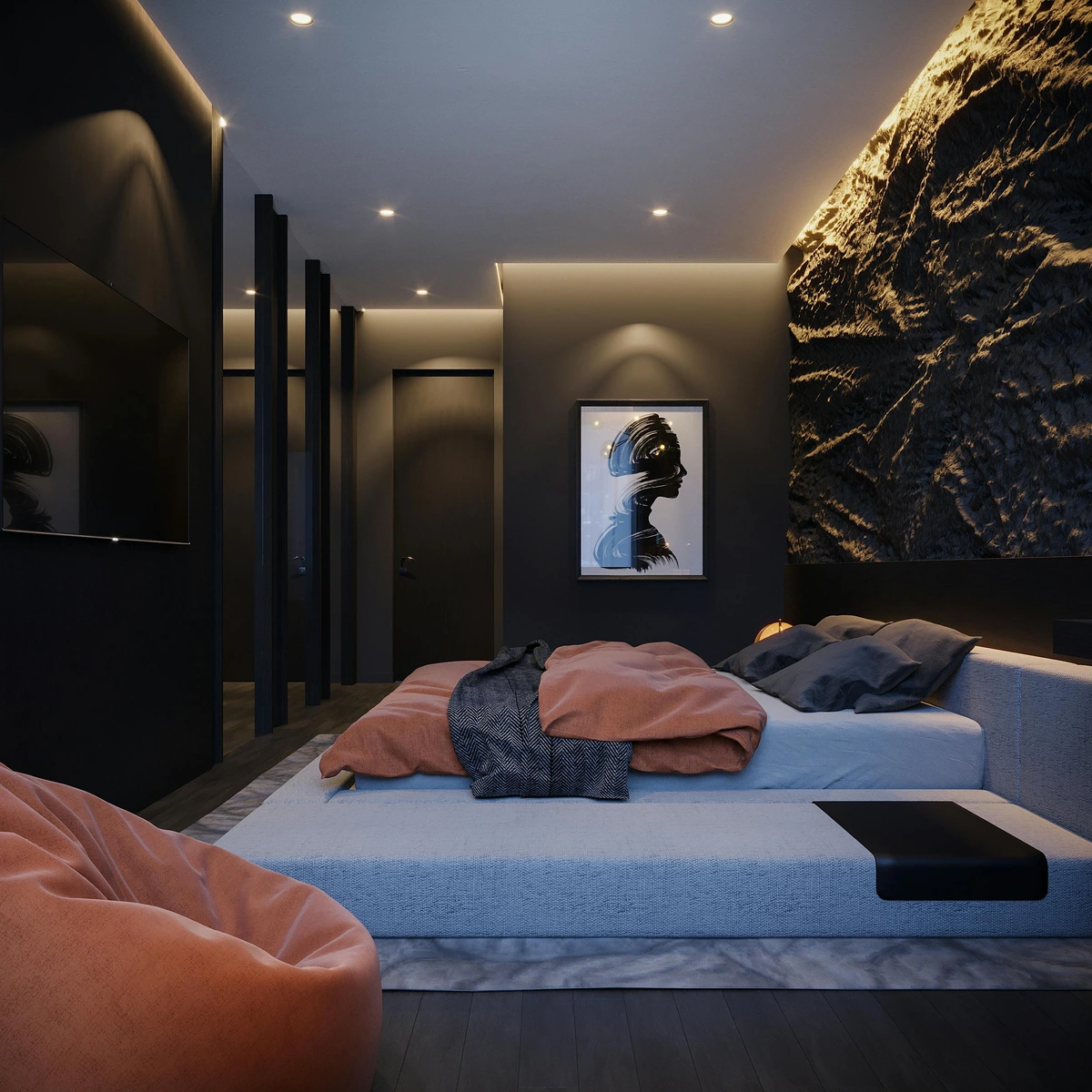
Often called the "fifth wall," the ceiling is frequently overlooked. A fresh coat of paint (perhaps a lighter shade of your wall color to add height, or a deep, cozy shade for intimacy), a subtle texture (like Venetian plaster or a textured paint technique), or even a statement light fixture can dramatically enhance the room's overall feel. Consider installing crown molding for architectural detail, or even a subtle, textured wallpaper. Custom elements like a coffered ceiling or strategic cove lighting (LED strips hidden along edges) can also create incredible depth and a luxurious atmosphere. It's not just for holding up the roof, you know! Think of it as a canvas for the entire room's atmosphere and a crucial element in completing the overall design.
Designing for Different Bedroom Sizes and Layouts
Every bedroom presents its own unique set of challenges, especially when it comes to size and layout. But don't despair – with a little strategic thinking, any space can become a sanctuary. I've worked with everything from tiny city apartments to sprawling suburban master bedrooms, and here are my go-to solutions:
Maximizing Space in Small Bedrooms
The key here is maximizing every inch and creating an illusion of space. Opt for multi-functional furniture like a bed with built-in storage drawers or a wall-mounted desk that folds away. Consider a Murphy bed if space is extremely limited. Use vertical space with tall, narrow bookshelves or floating shelves. A large mirror strategically placed can bounce light and make the room feel much larger – for instance, a full-length mirror leaning against a wall, or mirrored closet doors. Light, airy color palettes, especially on walls and large furniture, also help, as do furniture pieces with exposed legs or open designs that allow light to pass underneath, creating a sense of openness. Use clever lighting (like wall sconces or up-lighters) to create visual depth and define zones without taking up floor space. And remember, when choosing art for a small bedroom, scale is especially important; one larger, impactful piece often works better than many small ones which can create visual clutter. Folding chairs or nesting tables can also offer flexibility.

Embracing Awkward Layouts (e.g., sloped ceilings, odd corners)
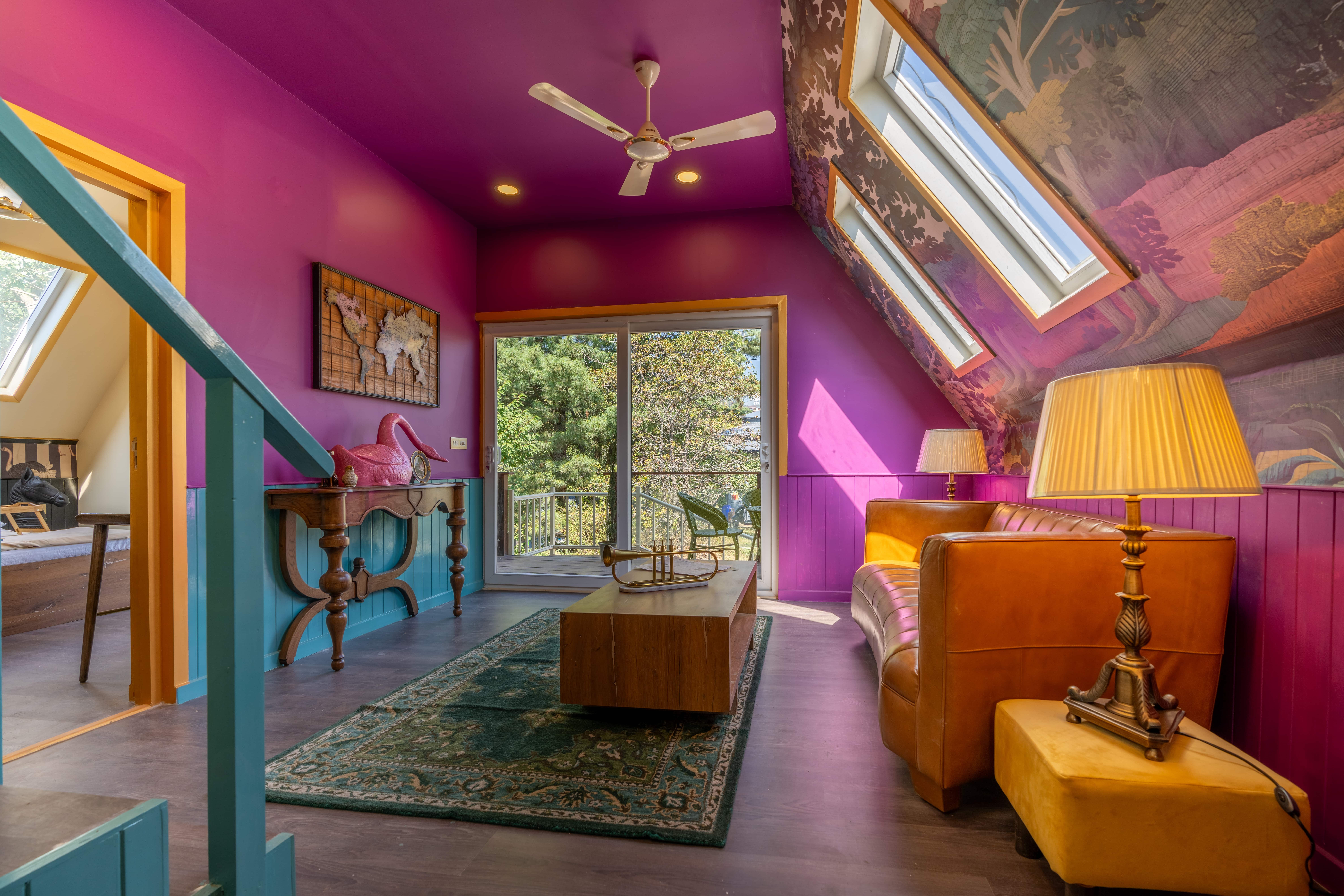
Embrace the quirks! Sloped ceilings can become cozy nooks with built-in storage, a low reading bench, or a charming window seat, transforming a challenge into a charming feature. Odd corners can be perfect for a small accent chair, a tall plant, a unique floor lamp, or even a custom-built triangular shelf unit. Think about custom-built solutions if your budget allows, or simply use clever furniture placement to define zones and create a sense of order despite the irregularities. For example, a cleverly designed wall unit can turn an alcove into a functional study nook, a vanity area, or a charming display area for cherished objects. Bay windows can become lovely seating areas with custom cushions; consider integrating them into the design rather than trying to hide their unique shape. Don't fight the space; work with it, finding beauty in its unique geometry.
Filling Large Bedrooms with Warmth and Definition
While seemingly easier, large bedrooms can sometimes feel cold or cavernous. Break the space into zones: a sleep zone, a reading nook with an armchair and floor lamp, a vanity area with a beautiful mirror, or even a small desk area for work. Use large area rugs to define these zones and add warmth. Consider a large, impactful headboard and substantial bedside tables to anchor the main sleeping area. Don't be afraid to go big with your wall art to fill the space without making it feel cluttered; a grand statement piece or a thoughtfully arranged gallery wall can truly pull a large room together. A large-scale pendant light or a striking chandelier can also help anchor the main sleeping zone and draw the eye upwards, adding definition. Varying ceiling heights or clever use of architectural elements can also be exploited to create intimate conversation areas. The goal is to make the expansive space feel inviting and intimately scaled, rather than overwhelming. Think about a chaise lounge or a small sofa at the foot of the bed to create another functional zone, or perhaps a vanity table and stool to carve out a beauty area.

Troubleshooting Common Design Dilemmas
Sometimes, you inherit a room with its own peculiarities. Here are quick fixes for some common challenges:
- Radiators: Paint them the same color as your wall to make them visually disappear. If space allows, a slim, open-backed console table can sit above it, offering a surface without blocking heat too much. You can also build a custom, decorative radiator cover, but ensure it allows heat to escape efficiently through ample vents or grilles (safety first!) and doesn't impede heat flow significantly. Always prioritize efficient heat distribution.
- Awkwardly Placed Windows: If windows are asymmetrical or off-center, use full-width curtain rods that extend well beyond the window frame. This allows curtains to cover the entire wall space, creating a balanced look when drawn, or letting maximum light in when open. This clever trick visually corrects the asymmetry. Alternatively, consider internal blinds, plantation shutters, or Roman blinds for a more tailored look that works with the existing window frame. Or, embrace the asymmetry as a unique feature, perhaps by pairing it with a single, impactful abstract art piece on the opposite wall to balance it, or by building a window seat that spans the entire wall.
- Integrating Existing Furniture: Not everything has to match perfectly. If you have a beloved piece that doesn't quite fit a new aesthetic, try painting it, changing the hardware, or re-upholstering it. Use art and accessories to tie different finishes and styles together, creating a curated, eclectic look rather than a mismatched one. Think about unifying elements like a consistent color palette in your accessories, similar metallic finishes across different pieces, or a common wood tone. It's about blending, not forcing. A new lamp shade or fresh cushions can transform an old chair.
- Visible Electrical Panels or Outlets: Hide unsightly electrical panels with a piece of hinged wall art, a decorative screen, or a shallow cabinet. For awkwardly placed outlets or light switches, consider painting them to match the wall color, or if you're undertaking a renovation, relocate them to a more discreet spot. Always prioritize safety when dealing with electricals! For visible outlets near furniture, consider placing a tall plant or a decorative basket in front, ensuring easy access when needed.
- Drafty Windows or Doors: Combat drafts by installing weatherstripping around doors and windows, or using heavy fabric draft stoppers at the base of doors. Layered, thermal curtains can also significantly reduce heat loss and block drafts, contributing to both comfort and energy efficiency.
- Exposed Pipes or Ductwork: If these can't be rerouted, integrate them into the design! Paint them the same color as the wall to help them blend in, or consider boxing them in with decorative wood or drywall. For a more industrial aesthetic, embrace them by painting them a contrasting color or applying a metallic finish, making them a design feature rather than an eyesore. This can be particularly effective in an eclectic or loft-style bedroom.
Designing with Flow: A Touch of Feng Shui for Harmony
While I don't follow Feng Shui strictly, I find many of its principles for bedrooms incredibly intuitive and beneficial for creating a harmonious, energy-positive space. It's all about balancing energy (Chi) and promoting calm, security, and rest. These aren't rigid rules, but rather gentle guidelines for a more peaceful environment:
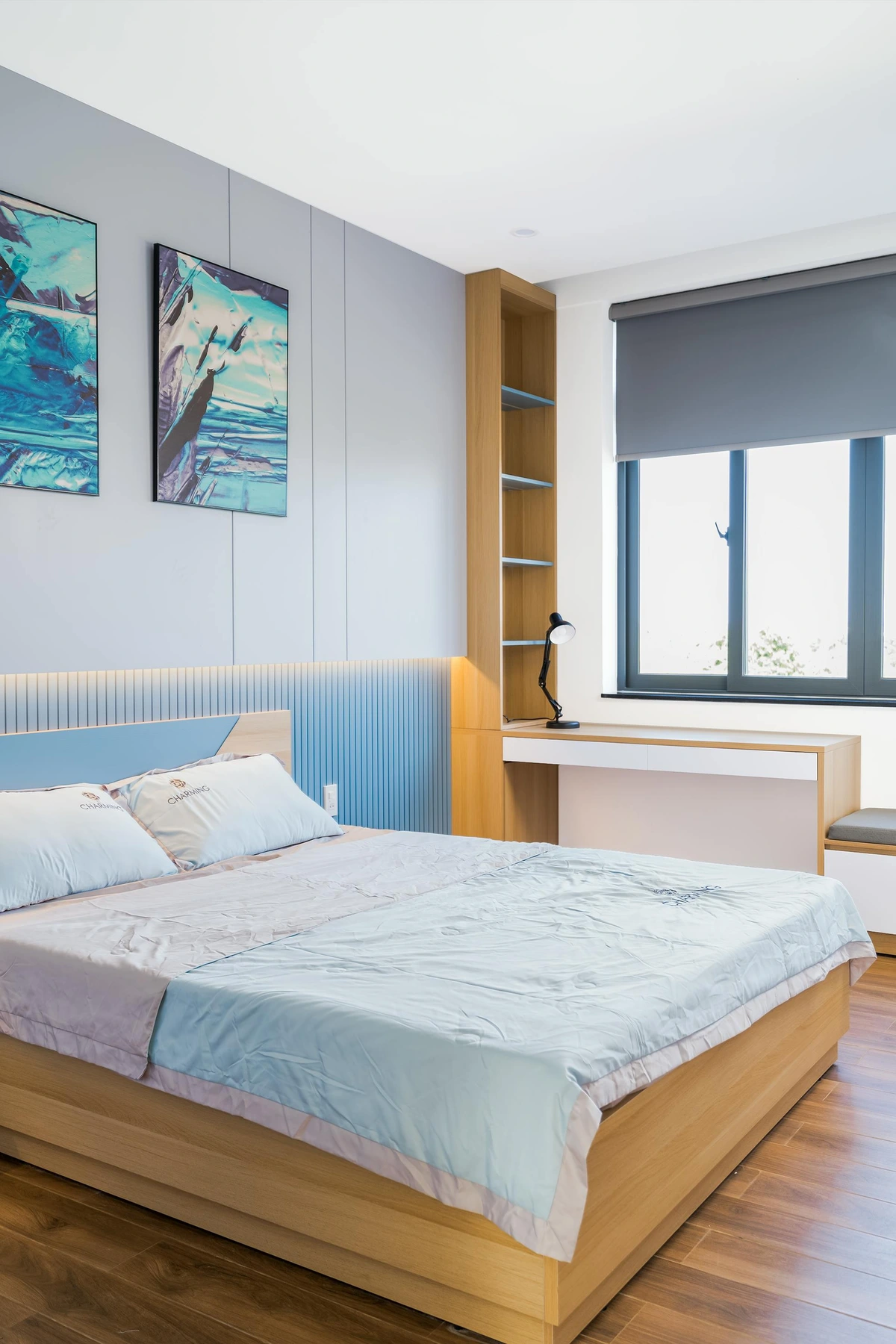
- Commanding Position: This is perhaps the most well-known principle. Your bed should ideally be in a "commanding position" – meaning you can see the door from your bed without being directly in line with it. This fosters a sense of security and control, as you can perceive who enters your space without feeling exposed or vulnerable. Psychologically, it taps into our primal need for safety. Placing your bed against a solid wall, away from shared bathroom walls (which can transmit disruptive energy/sounds), further enhances this feeling of support and stability in your life. If a commanding position isn't possible, a mirror angled to reflect the door can offer a workaround, but be mindful of direct mirror reflection on the bed itself. If a mirror isn't ideal, consider placing a tall piece of furniture or a large plant in the line of sight to the door as a symbolic barrier.
- Solid Headboard: Opt for a solid, sturdy headboard, ideally one that attaches to the bed frame, not just the wall. This symbolizes strong support in your life, providing a metaphorical backing. Materials like solid wood or a plush upholstered headboard (like a panel or tufted design) offer excellent energetic support. Avoid headboards with bars, open designs, or metal grilles, as they can represent fragmented energy and a lack of proper backing, potentially leading to restless sleep.
- Clear Under-Bed Space: Avoid storing clutter under your bed. Feng Shui believes that stagnant energy here can negatively impact your sleep and life, contributing to a restless mind, a feeling of being weighed down, or even affecting your health. If you must store things, keep them neatly organized in closed, natural material containers (like fabric boxes) and use them only for soft, natural items like bedding or off-season clothing, not old documents, photos of exes, or electronics. The goal is to allow energy to flow freely beneath you, promoting rejuvenation and a feeling of lightness.
- Mirror Placement: Mirrors are thought to amplify energy, and in a bedroom, this can be disruptive. Avoid placing mirrors directly facing your bed, as they can reflect restless energy and, some believe, even disturb your sleep by visually doubling activity. If you have a mirror, ensure it doesn't directly reflect you while you're sleeping. Mirrors that reflect natural light or beautiful wall art can be positive, but strategic placement is key to avoid unwanted energetic amplification. A mirror on the inside of a closet door, a full-length mirror angled away from the bed to reflect a calming view, or a mirror discreetly placed on a wall not visible from the bed can offer functionality without disrupting sleep.
- Balanced Nightstands: Two nightstands, one on each side of the bed, create balance and symbolize equality in a partnership (even if you sleep alone, it promotes a sense of wholeness, symmetry, and self-support). Keep them clear of clutter and ensure they are roughly the same height as your mattress for optimal flow and convenience, maintaining a serene visual balance. Asymmetrical nightstands or greatly differing heights can subtly create a feeling of imbalance.
Seasonal Sanctuary: Adapting Your Space Through the Year
Your bedroom's needs, and your desire for comfort, can shift with the seasons. A true sanctuary adapts. Here's how I think about subtle seasonal tweaks:
- Spring/Summer Refresh: Swap heavier duvets for lighter quilts or breathable linen/cotton percale sheets. Introduce fresh, airy scents like citrus, white tea, peppermint, or sea salt via diffusers. Bring in more vibrant, fresh greenery or seasonal flowers to invigorate the space. Lighter, sheer curtains can replace heavier drapes to maximize natural light and a breezy feel, connecting you more to the outdoors. Consider swapping out darker accent pillows for ones with lighter colors, natural patterns, or fresh floral designs. You could even paint a small piece of furniture a lighter, brighter color, or swap out a heavier abstract art piece for one with more vibrant, spring-like hues.
- Autumn/Winter Cozy Up: Layer your bedding with chunky knit throws, flannel sheets, and a warmer duvet (higher tog rating). Embrace richer, warmer scents like sandalwood, vanilla, spiced apple, cedarwood, or frankincense. Introduce moodier, deeper tones in accent pillows (velvet, faux fur), a luxurious velvet throw, or a dark, textured rug. Heavy drapes can provide extra insulation, sound absorption, and a feeling of warmth and enclosure against the colder outside world, creating a true cocoon. Adding ambient lighting from candles or string lights can further enhance the cozy atmosphere, creating a "hygge" feeling. Consider darker, moodier abstract art prints, or art with warmer earth tones, to match the season's contemplation.
These small changes can dramatically alter the ambiance and keep your sanctuary feeling perfectly attuned to the world outside, and your inner needs, ensuring comfort year-round.
The Evolution of Your Sanctuary: A Living Space
Your bedroom sanctuary isn't a static masterpiece, frozen in time. It's a living, breathing space that should evolve with you. As your tastes change, as you acquire new cherished objects, or as your life circumstances shift, so too should your bedroom. Don't be afraid to rearrange furniture, swap out textiles, or introduce new pieces of abstract art that speak to your current self. View it as an ongoing project, a delightful opportunity to continuously refine and personalize your most intimate space. This adaptive approach ensures your sanctuary remains a true reflection of you, always supporting your well-being, personal growth, and evolving aspirations. It's a dialogue, a dance between you and your haven, always becoming more truly yours. Consider taking photos along the way to document its evolution – it can be incredibly rewarding to see how your space grows with you.

Budget-Friendly Sanctuary: Creating Calm Without Breaking the Bank
Building your dream bedroom doesn't have to drain your savings. I've always been a proponent of smart shopping and creative solutions. Here's how to create a luxurious feel on a shoestring budget:
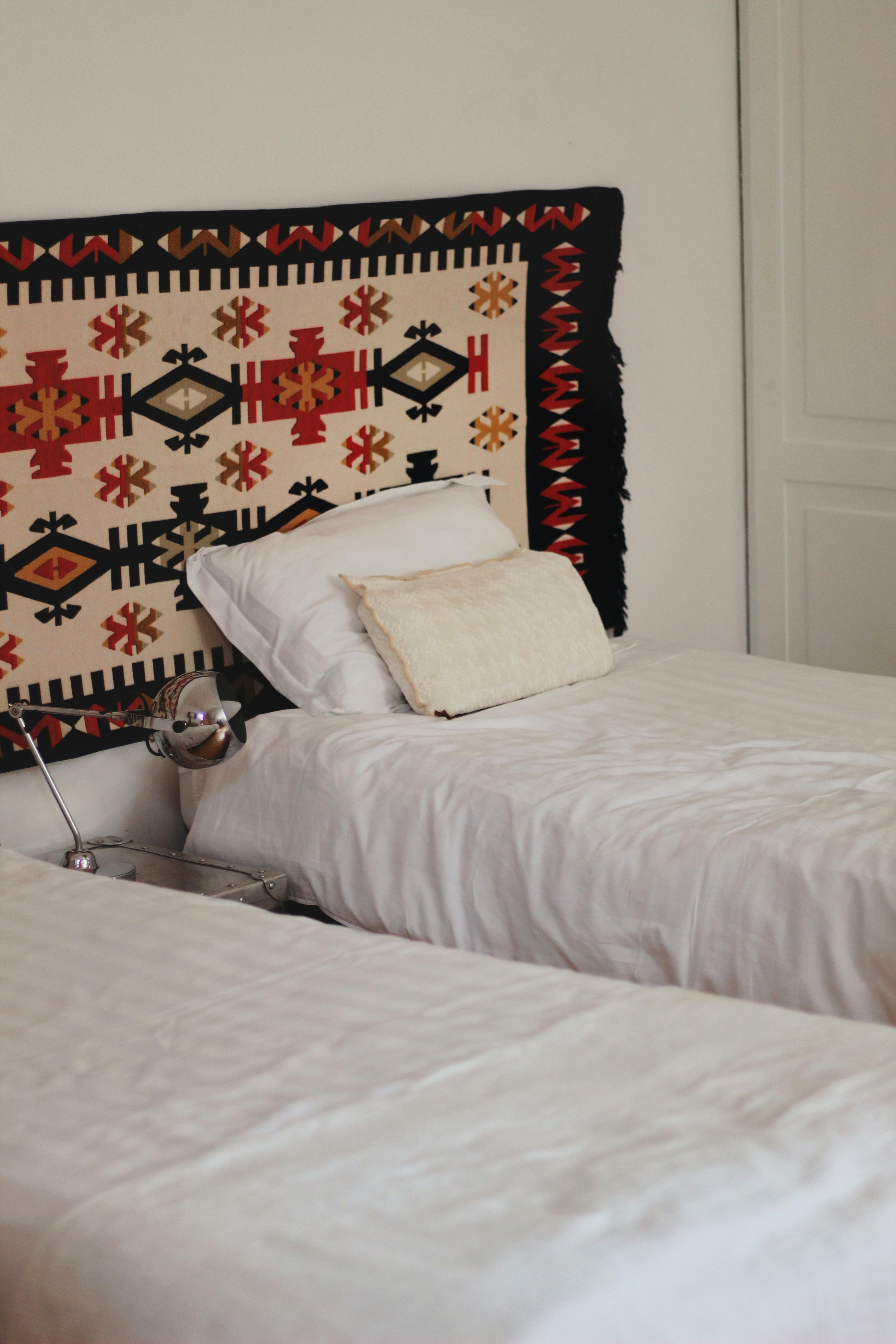
- DIY Headboard: Instead of buying an expensive one, create your own! Upholster a piece of plywood with your favorite fabric (velvet, linen), use reclaimed wood planks for a rustic feel, hang large floor cushions, or even drape a beautiful fabric tapestry or quilt behind your bed. The options are endless and often more unique. A simple pegboard headboard can even offer functional storage! Or try a DIY storage solution like transforming old wooden crates into stylish, mobile units with a few casters, or stacking vintage suitcases to create a unique nightstand.
- Thrift Store Treasures: Hunt for vintage dressers, nightstands, or lamps at second-hand stores. With a fresh coat of paint, new hardware, or a new lampshade, these pieces can look completely transformed and add unique character that mass-produced items can't. Look for solid wood pieces, interesting lamp bases, or ornate mirror frames. Plus, the thrill of the hunt is part of the fun! My checklist for thrift store finds: solid construction, unique shape, and potential for an easy facelift. Remember to check the quality of the materials to ensure longevity.
- Clever Lighting: Instead of costly built-in fixtures, opt for string lights, affordable LED strips (behind headboards or under beds), or stylish plug-in wall sconces. Even a collection of candles (safely placed, of course!) can create incredible ambiance for very little money. Dimmers for existing lamps are also a budget-friendly way to control mood, and smart plugs can turn any lamp into a 'smart' device for scheduling and remote control.
- Repurpose & Reimagine: Use old scarves as decorative throws, stack vintage suitcases as a unique nightstand, or turn a beautiful basket into a planter. Look at what you already own with fresh eyes and see its potential for a new life. An old wooden crate can become a stylish, mobile storage unit with a few casters, or stacked books can make a charming side table. An old ladder can become a blanket display.
- Art on a Budget: You don't need to spend a fortune on art for your bedroom. Consider printing high-resolution digital art (many free public domain options exist from museums like The Met or Rijksmuseum), framing postcards or beautiful magazine pages, or creating your own abstract pieces with simple paints. Try techniques like marbling with shaving cream and paint, stenciling geometric patterns, or creating textured abstracts using plaster or joint compound. Explore online marketplaces for emerging artists or local art school exhibitions for affordable originals. Remember, even a single meaningful print or an affordable abstract art print can elevate a space without a hefty price tag.
- Greenery on the Cheap: Plants are a fantastic way to add life and color. Look for plant cuttings from friends, buy small starter plants that will grow, or propagate your own (Pothos, Spider Plants, ZZ Plants are very easy). Many common houseplants are very easy to care for and propagate, giving you more green for less money. Terrariums are also a fun, budget-friendly DIY project.
Conclusion: Your Sanctuary Awaits
Creating your ultimate bedroom sanctuary is a journey, not a destination. It's an ongoing conversation between you and your most intimate space, a dynamic reflection of your well-being. By thoughtfully considering color, light, texture, and personal touches – especially the art that truly speaks to your soul – you can craft a haven that supports deep rest, fosters inner peace, and truly feels like you. Remember, these are guidelines, not rigid rules; the ultimate goal is a space that feels deeply personal and restorative to you, a seamless fusion of personal expression, well-being, and practical design. My own sanctuary has evolved so much over the years, a testament to how our spaces can grow with us. So, what's the first small step you'll take today to make your bedroom more of a sanctuary? Perhaps it's just a quick declutter, or maybe it's browsing for that perfect piece of art for your bedroom that makes your heart sing. Whatever it is, embrace the process, and enjoy the profound difference it will make to your daily life. Your haven awaits.
Frequently Asked Questions About Bedroom Decor
Still have questions? You're not alone! Here are some of the most common queries I get about transforming a bedroom into a personal sanctuary:
What are the best colors for a calming bedroom?
From my experience, the best colors for a calming bedroom are soft, muted hues. Think serene blues (like dusty sky blue or muted teal), tranquil greens (such as sage or olive), and warm neutrals (soft grays, beige, or off-white). These colors evoke nature and promote relaxation by reducing visual stimulation. You can even consider muted purples for a touch of sophisticated calm. These tones help lower heart rates and reduce anxiety, and they interact harmoniously with both natural daylight and warm artificial light. Avoid overly vibrant or dark, intense colors on large surfaces, as they can be stimulating rather than restful, and try to apply the 60-30-10 rule for a balanced palette.
How can I make my small bedroom feel bigger?
To make a small bedroom feel bigger, maximize every inch by using light color palettes on walls and furniture, opting for multi-functional furniture with hidden storage, and utilizing vertical space with wall-mounted shelves. A large mirror strategically placed can reflect light and create the illusion of more space. Furniture with exposed legs or open designs also helps create a sense of openness and allows light to flow. Keep clutter to a minimum, and when choosing wall art for a small bedroom, scale is especially important; one larger, impactful piece often works better than many small ones, which can create visual clutter. Folding chairs or nesting tables can also offer flexibility.

What's the best way to light a bedroom for relaxation and sleep?
The best way to light a bedroom for relaxation and sleep is through layered lighting. Combine a dimmable overhead ambient light (warm white, ~2700K-3000K, with a high CRI) with focused task lighting (bedside lamps for reading, ideally 3000K-3500K) and subtle accent lighting (LED strips, string lights) for mood. Use smart lighting to create personalized scenes, like a gradual "Morning Wake-Up" or a soft "Relaxation Scene." Crucially, avoid bright blue-toned lights (e.g., >4000K) in the evening, as they can seriously disrupt your natural sleep cycle by suppressing melatonin production. Always aim for a soft, inviting glow as you wind down, perhaps at 2200K-2400K for ultimate calm. Dimmers are essential for flexibility, allowing you to fine-tune the ambiance at any time.

How can I incorporate art into my bedroom without it feeling too busy?
To incorporate art into your bedroom without it feeling too busy, I always focus on scale, theme, and the concept of visual weight. Often, one large, impactful piece of abstract art centered above the bed creates a strong focal point without adding visual clutter, effectively utilizing negative space. Alternatively, a carefully curated gallery wall with a consistent color palette or a unifying theme can work well, ensuring pieces are thoughtfully spaced to prevent visual overwhelm. Choose art with calming subjects like peaceful landscapes, soft abstract forms, serene geometric patterns, or muted colors that evoke tranquility. Remember, art that speaks to your soul will always feel right and enhance the sanctuary's ambiance, rather than detracting from it, making it an emotional core of the room.

What is biophilic design, and how can I use it in my bedroom?
Biophilic design is an approach that connects humans with nature within built environments to enhance well-being. In your bedroom, you can use it by incorporating lush plants (especially air-purifying, low-light tolerant ones like Snake Plants, ZZ Plants, Peace Lilies, Pothos, Spider Plants, or Philodendrons), natural materials like wood and stone, and patterns that mimic natural forms. Even maximizing natural light, ensuring fresh air through ventilation, and choosing art depicting tranquil landscapes or natural elements contribute to a biophilic feel, fostering calm and restoration. Consider adding a small tabletop water feature for soothing sounds. The goal is to bring the outside in, creating an inherent sense of calm and boosting your mood and rest.
How to choose the right size rug for my bedroom?
For a harmonious look, your rug should typically be large enough to extend at least 18-24 inches beyond the sides of your bed. Ideally, the bed and both nightstands should sit entirely on the rug. If that's not possible in a smaller room, aim for at least the bottom two-thirds of the bed to be on the rug, with it extending out enough to feel substantial underfoot. Avoid a tiny rug that looks like a postage stamp in the middle of the room; it can make the space feel smaller and unbalanced. For areas like hallways leading to the bedroom or to define a specific reading nook within a larger bedroom, runner rugs can be an excellent choice.
What are the best blinds for a bedroom?
The best blinds for a bedroom combine light control, privacy, and insulation. Blackout roller blinds or cellular shades are excellent for maximum darkness and energy efficiency. Roman blinds offer a softer, more decorative look while still providing good light control. For versatility, layered blinds and curtains (e.g., blackout blinds under decorative drapes) allow you to filter light during the day and achieve total darkness at night. Consider motorization for convenience, especially for hard-to-reach windows, as well as integrating with smart home systems for scheduled control.
How to deal with a lack of natural light in a bedroom?
If your bedroom lacks natural light, focus on maximizing what little you have and supplementing effectively. Use light-colored paint on walls and ceiling to reflect light. Strategically place large mirrors opposite windows to bounce light deeper into the room. Employ a layered lighting scheme with plenty of ambient (dimmable ceiling lights), task (bedside lamps), and accent lighting (LED strips, string lights) – all with warm white bulbs (~2700K-3000K). Avoid heavy window treatments, and instead opt for sheer fabrics that let diffused light in. Even an abstract art piece with bright, uplifting colors or reflective finishes on furniture and decor can visually lighten the mood and add a sense of vibrancy.
What's the best way to arrange furniture in a long, narrow bedroom?
In a long, narrow bedroom, the key is to break up the length and create distinct zones. Place your bed against one of the longer walls to maximize floor space along the other side. Use a large area rug to visually define the sleeping zone. Consider a bench or a small sofa at the foot of the bed if space allows, creating a separate seating area. Use wall-mounted shelves or floating nightstands to save floor space. Avoid placing all furniture along one wall, as this can exaggerate the 'bowling alley' effect. An abstract art gallery wall can also help draw the eye across the width rather than just down the length, breaking up the visual flow. Incorporate accent lighting, such as a floor lamp or wall sconces, to highlight different zones and add depth.












How to create a reading nook in a bedroom?
Creating a reading nook in your bedroom is a delightful way to add functionality and charm. Look for an unused corner or a spot near a window. You'll need a comfortable armchair or a plush beanbag, a good task light (a floor lamp or wall sconce) to illuminate your book, and a small side table for your drink or current read. Add a soft throw blanket and a few pillows for extra coziness, and consider a textured rug to define the space and add warmth underfoot. A small bookshelf or floating shelves nearby for your favorite books, and perhaps a plant or a piece of art for your bedroom, will complete your inviting literary escape. Ensure it's separate enough from the main sleeping area to feel like its own distinct zone, perhaps using a screen or tall plant as a subtle divider.
What are the pros and cons of different types of curtains for a bedroom?
Curtain Type | Pros | Cons |
|---|---|---|
| Sheer Curtains | Allow natural light, provide daytime privacy (diffused view), add softness/airiness, decorative. | Offer minimal nighttime privacy, no light blocking, poor insulation. |
| Blackout Curtains | Excellent light blocking (crucial for sleep), superior privacy, good thermal insulation, sound dampening. | Can make a room feel heavy or dark, may not be as aesthetically pleasing on their own, often heavier fabrics. |
| Linen Curtains | Natural, breathable, relaxed/airy look, good for diffused light, available in many natural colors. | Can wrinkle easily, may not provide full blackout (unless lined), can be more expensive, less insulation than heavier fabrics. |
| Velvet Curtains | Luxurious, excellent insulation, good sound dampening, create a cozy/rich ambiance, durable. | Can be heavy and difficult to clean (often dry-clean only), may collect dust, can make a small room feel smaller, more expensive. |
| Thermal Curtains | Specifically designed for insulation (reduces heat loss/gain), energy-efficient, often blackout. | Can be bulky or less decorative, limited color/style options compared to standard curtains, often synthetic materials. |
Overall, layering (e.g., sheer curtains for day with blackout curtains or blinds for night) offers the best of all worlds for a bedroom.