
Art for Your Home Gym: Design an Inspiring Space for Consistent Workouts
Let's be honest, setting up a home gym often feels like a triumph. You've cleared a space, invested in equipment, and committed to a healthier you. But then, for many of us – and I'm definitely raising my hand here – it quickly becomes the room of good intentions. That neglected corner where the treadmill doubles as a clothes rack and your yoga mat is, well, somewhere under a pile of laundry. Sound familiar? I know that feeling all too well; I once found my resistance bands masquerading as a leash for my imaginary dog. All of this to say, a home gym starts with intention, but for that intention to stick, we need more than just equipment; we need an environment that actively pulls us in and transforms those good intentions into consistent, joyful action. So, how do we turn a mere workout space into a place that genuinely calls to us? The answer, I've discovered through my own winding fitness journey (and my timeline as an artist!), lies in something surprisingly simple: art. This guide is all about helping you choose art that doesn't just hang on the wall, but actively transforms your home gym into a truly inspiring sanctuary, fueling your fitness with focus, energy, and flow. We'll delve into the how and what of selecting art that resonates with your personal journey.
Art as a Reflection of Your Journey and Growth: A Visual Trophy
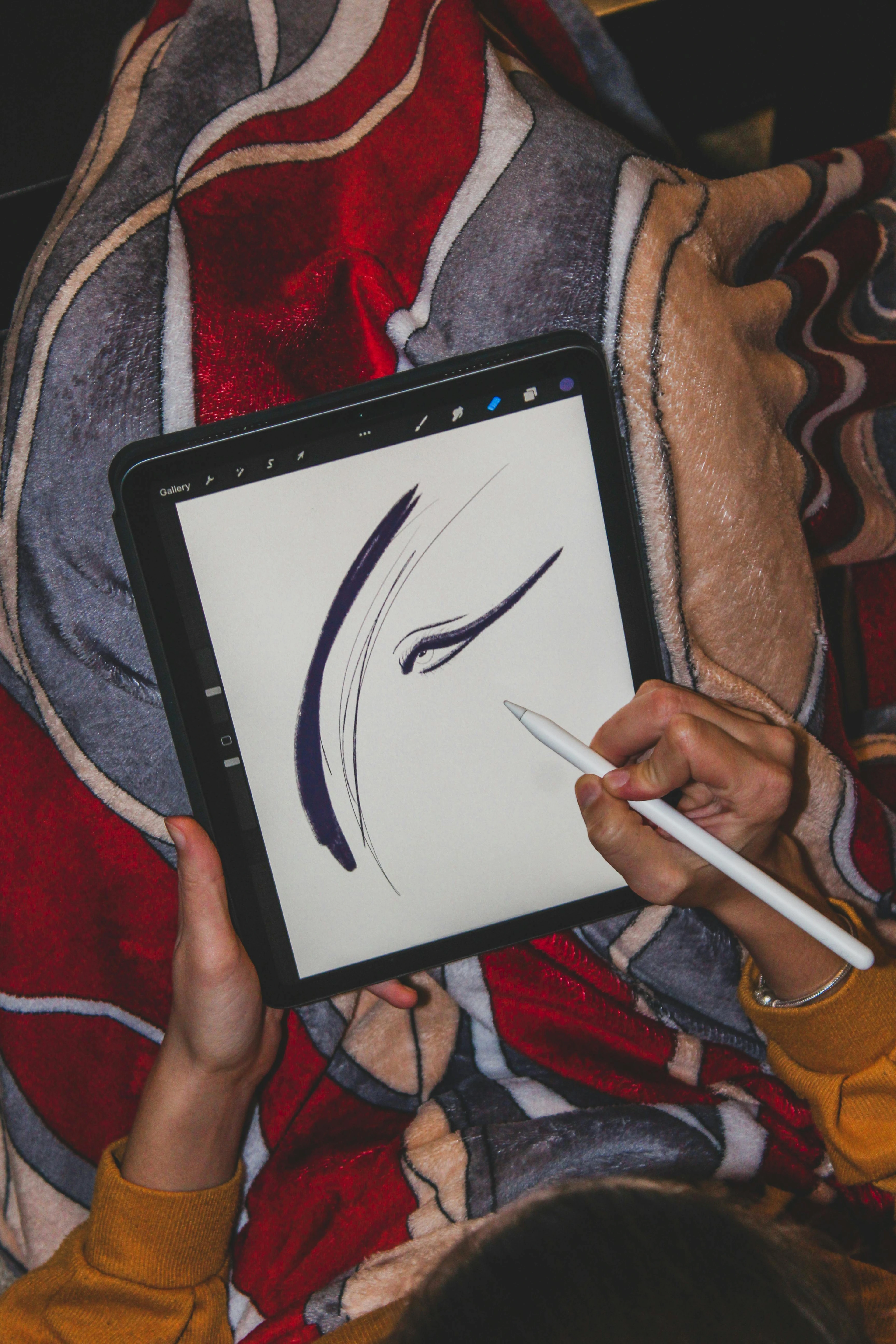
Beyond simply setting a mood, art can serve as a powerful symbol of your fitness journey itself. This is something I've come to appreciate deeply through my own creative process; every brushstroke, every challenge overcome in my studio, feels mirrored in the effort I put into my physical health. Consider pieces that visually represent progression, overcoming challenges, or the feeling of achievement. This could be anything from a layered abstract work that suggests depth and evolution – perhaps with textures building upwards – to a dynamic composition with sharp, ascending lines that evoke breaking through barriers. Look for visual metaphors: upward-trending lines symbolizing progress, layered textures representing obstacles overcome, or a central, evolving form signifying personal transformation. It’s about choosing art that resonates with your personal narrative of health and strength, reminding you of how far you’ve come, celebrating past successes, and inspiring where you’re going. Think of it as a visual testament to your consistent effort, a constant nudge towards your next goal, and, if you're like me, a quiet celebration of every small victory. It’s like having your biggest fans cheering you on from the walls! This idea of art as a personal symbol leads me to wonder, beyond just a reflection, what else is art doing for us in our workout spaces?
Why Bother with Art in a Sweat Zone? My Personal Revelation (and Scientific Nudges)
For the longest time, I thought gym décor meant posters of impossibly ripped people or generic motivational quotes. And look, there's nothing wrong with those if they work for you! But I found them… well, a bit too generic. I wanted my gym to feel like my space, an extension of my home, not just some sterile training facility. That's when I started experimenting, just like I do with art in other parts of my house (you can read more about generally decorating your home here). My first attempt involved a beautiful, calming watercolor of a misty forest, thinking 'nature is serene'. All it did was make me want to nap on the treadmill – definitely not ideal for a HIIT session, as you can imagine.
What I discovered was a complete game-changer: art in a home gym isn't just about making it pretty. It’s about creating a powerful psychological backdrop that subtly influences your mindset and performance. It’s about:
- Motivation Beyond Words: A dynamic abstract piece can stir energy more profoundly than any slogan. It's like a silent cheerleading squad, but far more stylish, and can even evoke a sense of kinesthetic empathy – where you visually perceive movement and energy in the art, which then prompts a similar physical response in yourself. Imagine a bold swirl or strong diagonal lines in a painting; your brain subconsciously interprets that visual motion, making your own body feel more ready to move. It's subtle, but incredibly potent – and yes, sometimes I even catch myself subconsciously twitching in sync with a particularly dynamic piece!
- Setting the Mood: Do you need calming focus for yoga or explosive energy for HIIT? Art helps dictate the vibe. This isn't just anecdotal; colors, for instance, have widely recognized psychological effects. Vibrant reds can ignite intensity, while cool blues promote tranquility – it's all part of the fascinating psychology of color in abstract art. And it's not just about hue; consider 'color temperature.' Warm colors like reds and yellows tend to feel more energetic and advancing, while cool colors like blues and greens recede and feel more calming, directly influencing the perceived energy of your workout space. For instance, I've personally found that bold reds can subtly push me through those last few reps in a high-intensity session, while soft greens and blues help me find my breath and center during a long yoga stretch. Of course, our personal experiences and cultural backgrounds also heavily influence how we perceive colors, making your personal connection to the art paramount.
- Dedicated Space Psychology: Art mentally separates your gym from being just another spare room or a temporary setup. It acts as a visual cue, a "transition zone" that signals to your brain: "This is where we work, where we focus, where we grow." It’s a powerful application of habit stacking, where the visual prompt of art in your gym subtly triggers the habit of working out, making it easier to start and stick to your routine. It's like a mental 'do not disturb' sign for your focus, telling your brain, 'This is gym time, leave the chores at the door.' It makes the space feel legitimate and purposeful, fostering a stronger commitment to self-improvement. Historically, people have used art and symbols in spaces dedicated to physical and mental discipline – think ancient Greek gymnasiums adorned with statues, meditative Zen gardens, or even the disciplined aesthetics of traditional martial arts dojos. It’s a tradition that speaks to our innate need for inspiring surroundings.
- Personal Connection: When you love what you see, you're more likely to engage with the space and, by extension, your workouts. It’s a subtle but powerful feedback loop where the art inspires you, you perform better, and that positive experience reinforces your appreciation for the art and the space. This fosters a deeper commitment.
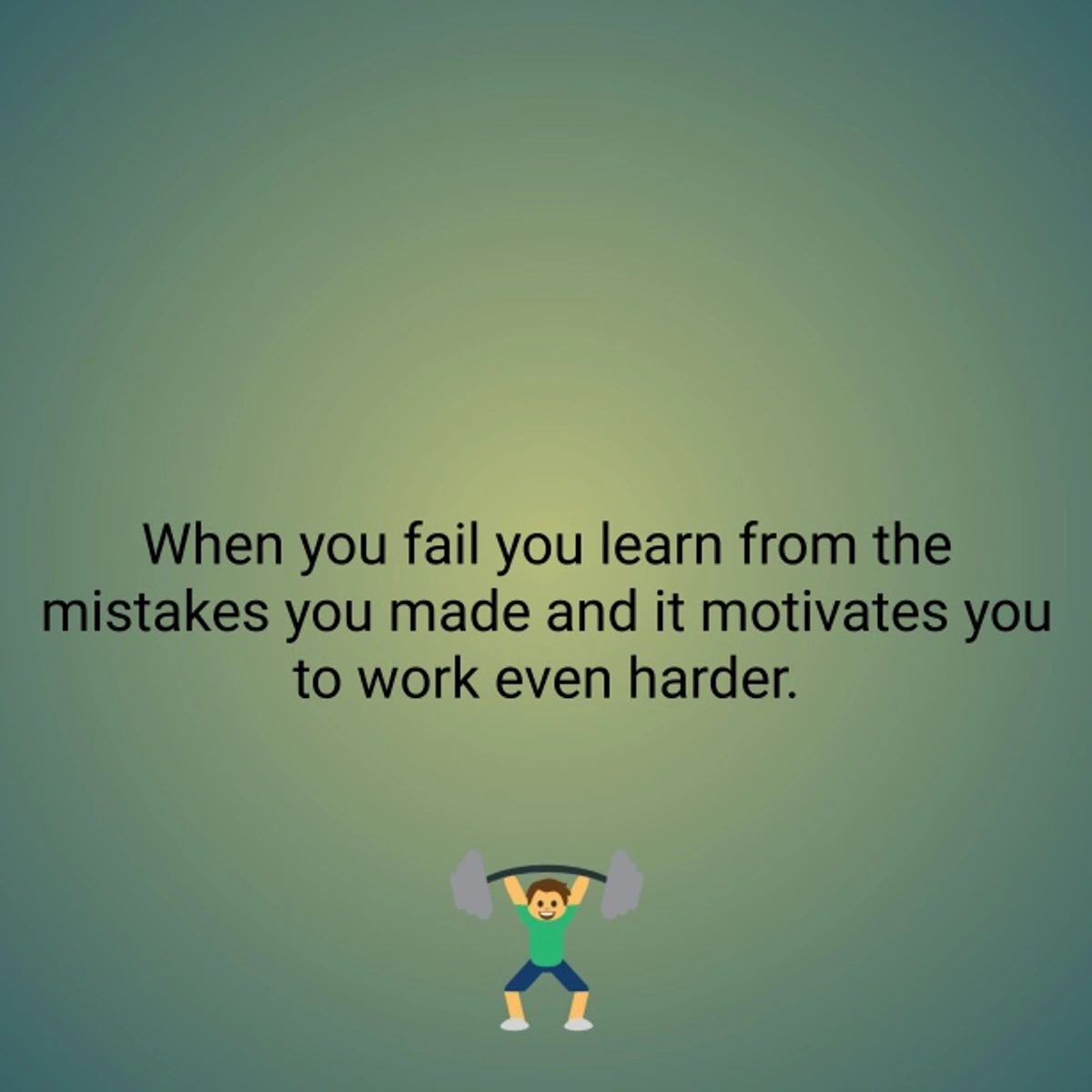
It might sound a bit "woo-woo," but trust me, walking into a space that visually excites or calms you, depending on your goal, makes all the difference. It's like my brain gets a little nudge, a subtle reminder of why I'm there. Think of it as a subconscious training partner.
https://live.staticflickr.com/65535/51907566658_1100dbeb2a_b.jpg, https://creativecommons.org/licenses/by-nc-sa/2.0/
What Kind of Art Fuels Your Fire? Exploring Themes for Your Home Gym
So, if art can have such a profound impact, what kind of art should we be looking for to truly ignite our fitness journey? This is where it gets fun and personal. We’re not just talking about decorating; we’re curating a collection of visual motivators. Think about your workout goals and what truly resonates with you. Different styles can evoke distinct energies, transforming your space into a dynamic, focused, or serene sanctuary.
1. The Energy Igniters: Abstract & Dynamic Pieces
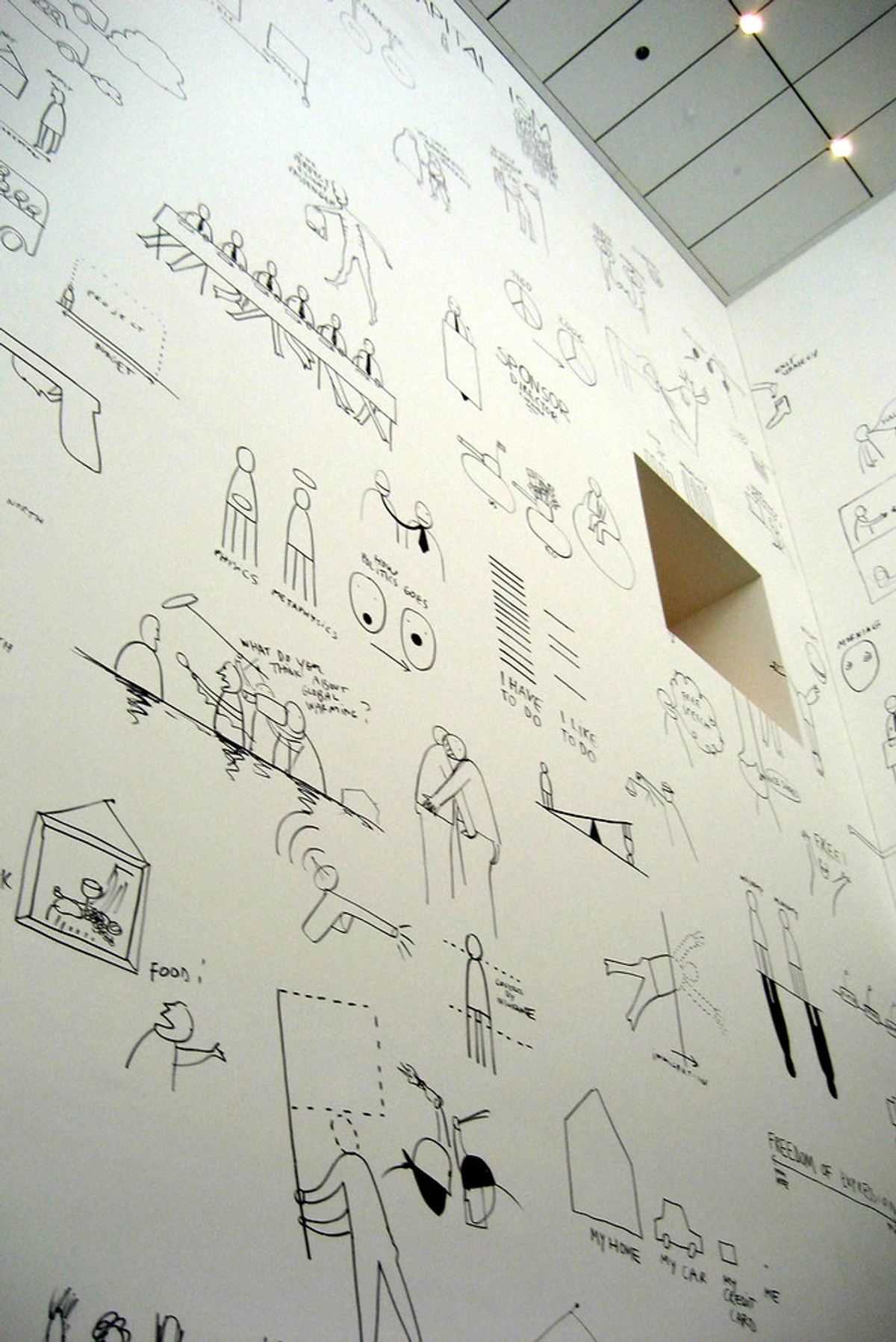
If your workouts are about pushing limits, breaking a sweat, or high-intensity bursts, you need art that mirrors that energy. I've found that abstract art is incredibly versatile here. It doesn't depict a literal scene, which means your mind can project its own interpretations of movement, power, and flow onto it. The sheer dynamism of lines and colors can create that kinesthetic empathy I mentioned earlier, where the art itself seems to vibrate with energy, encouraging you to move. For more on choosing this style, especially for specific functions, check out our guide on .
https://live.staticflickr.com/2875/8866942510_439379d853_b.jpg, https://creativecommons.org/licenses/by/2.0/
Look for pieces with:
- Bold Colors: Reds, oranges, vibrant blues, and greens can create a sense of vitality. Think about how a splash of crimson makes your heart race, or a burst of electric blue invigorates.
- Strong Lines & Shapes: Geometric forms or expressive, gestural brushstrokes that imply rapid movement, explosion, or dynamic tension. Artwork that visually depicts movement or dynamism can be far more motivating for active workouts than static imagery.
- Visual Depth: Layers and textures that invite a second look, keeping your mind engaged even when your body wants to quit.
This kind of art, for me, acts like a visual shot of adrenaline. Artists like Zeng Fanzhi often create works with such powerful, expressive lines and colors that they practically hum with energy, making them perfect for this vibe. So, for high-energy workouts, think bold, dynamic abstract pieces that mirror your intensity. What colors or shapes immediately make you feel energized?
2. The Focus Finders: Serene & Meditative Art
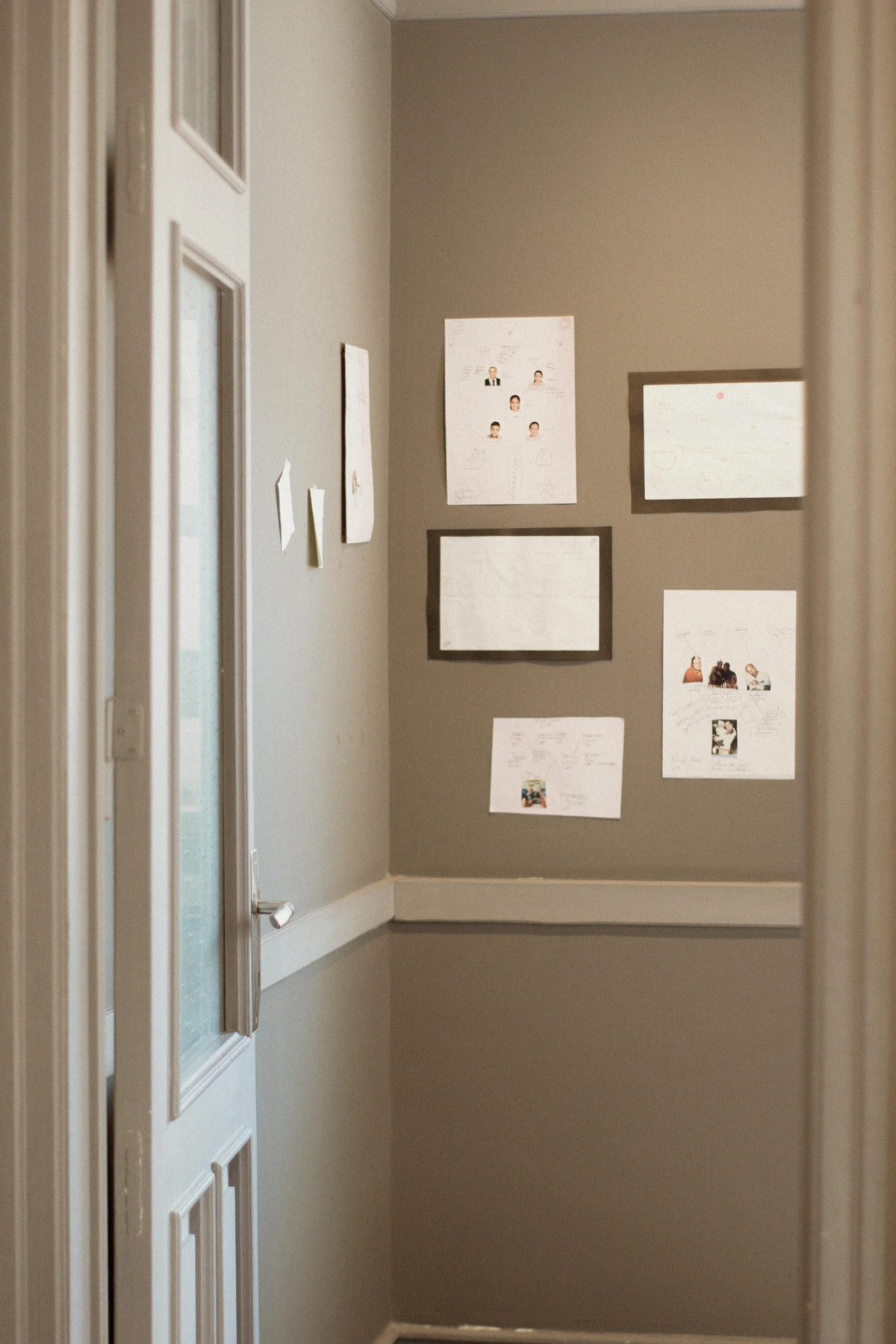
Not every workout is about smashing goals. Sometimes, it's about finding your center, stretching, or mindful movement. If your gym hosts yoga, Pilates, or meditation, you might want art that promotes calm and introspection. This also includes art that supports recovery and rest, reminding you of the importance of balance.
,
Think about:
- Soothing Colors: Blues, greens, muted earth tones, or soft pastels. These hues are inherently calming, helping to slow the mind and encourage deeper breathing. The incorporation of natural elements, even in abstract forms, can also tap into biophilic design principles, fostering a connection to nature that promotes well-being and tranquility.
- Organic Forms: Flowing lines, natural textures, or minimalist compositions that evoke a sense of peace and simplicity.
- Abstract Landscapes or Seascapes: These can evoke a sense of boundless space and tranquility without being overtly literal, allowing for personal reflection without distraction.
- The Power of Negative Space: Don't underestimate the role of negative space (the empty space around and between objects) in creating calm. Too much visual information can feel cluttered. Art that utilizes ample, intentional negative space can allow the mind to rest and promote a deeper sense of focus, which is crucial for meditative practices.
I like to think of these pieces as my visual breathers, a reminder to stay grounded even when the going gets tough. It’s a wonderful contrast to the high-octane pieces, offering a quiet counterpoint in a room designed for exertion. In essence, for workouts focused on mindfulness and calm, opt for serene, expansive pieces that invite introspection. What visual elements bring you a sense of calm and centeredness?
3. The Power of Pattern: Subtle Motivation and Endurance
Sometimes, the motivation doesn't need to shout; it can whisper through repetition and rhythm. While often abstract, patterned art here refers to works with more structured, repetitive elements. I've found that certain patterned or minimalist abstract works can create a subtle, steady energy. They're not overtly aggressive but have a persistent visual hum that can be very effective, especially for endurance training where consistency is key. The repeating forms can subtly mirror the repetitive nature of your workout, building a sense of mental endurance and focus – almost like a visual metronome or the steady rhythm of your own heartbeat during a long run. This consistency can also create a powerful sense of order and control, which can be incredibly grounding and beneficial for mental focus during demanding, sustained efforts. Imagine a grid of subtle, repeating forms; as you settle into a steady pace on the elliptical, your eyes might trace the patterns, creating a meditative focus that helps you push through.
Patterned art can include anything from organic repeating motifs and tessellations to more structured geometric fractals. The consistency in such art can serve as a visual anchor, helping to quiet the mind during long, repetitive tasks. This subtle visual stimulation can be particularly effective in maintaining mental fortitude during sustained efforts.
, https://creativecommons.org/licenses/by/2.0/
These pieces work well in smaller spaces or if you prefer a more understated aesthetic. They offer visual interest without overwhelming the senses, allowing you to focus on your reps while still feeling inspired by your surroundings. Artists like Christopher Wool often explore compelling patterns and repetitions that can be surprisingly impactful. When steady progress and consistency are your goals, patterned art can be your silent, rhythmic partner. It’s about creating a visual cadence for your movement. Do you find rhythm and repetition calming or energizing in your workout?
Practicalities: It's Still a Gym, After All
Now that we've explored the 'why' and 'what,' let's get down to the brass tacks. While we want beauty and inspiration, a home gym is still a functional space. My first attempt involved a beautiful, delicate framed print… which promptly got a dumbbell ding. Lesson learned! You can read more about dealing with these realities in our guide on choosing art for high-traffic areas.
- Durability is Key: Think canvas prints, metal prints, or art on sturdy wood panels. Acrylic or robust, non-shatterable glass framing can be an option, but avoid anything that could easily shatter or be damaged by sweat or accidental knocks. I mean, nobody wants glass shards in their workout zone, especially when you're mid-burpee. Trust me, I learned this the hard way.
- Placement Matters & Avoid Distraction: Where will your eyes naturally fall during your workout? Opposite the treadmill? Near your stretching zone? Consider the sightlines. Ensure art isn't where it can be easily hit or obstruct movement. More importantly, choose a piece that supports your focus, rather than breaking it. Overly busy or complex compositions can be distracting during a plank, but sometimes a dynamic piece can be engaging. The key is finding art that complements your activity, not competes with it. For general wall decorating tips, you might find our article on how to decorate a wall helpful, even if adapted for a gym context.
- Size & Scale: Don't overcrowd the walls. One or two impactful pieces are better than many small, busy ones. A good rule of thumb? Aim for a piece that occupies roughly 1/3 to 2/3 of the wall space it's on, or a curated grouping that feels balanced and intentional. Make sure the art fits the scale of the wall and the room, especially in relation to your equipment. A giant, imposing abstract piece might feel overwhelming if it's right next to a compact dumbbell rack, for example. You want to inspire, not overwhelm.
- Ventilation & Humidity: If your gym gets sweaty (and it should!), make sure the art materials can handle potential humidity fluctuations. High humidity can cause canvases to warp, paper to buckle, and even encourage mold growth, not to mention potentially fading colors over time. Archival quality prints and durable materials are your friends. Nobody wants warped canvases or faded colors after a few intense sessions.
- Lighting Your Art: The right lighting can dramatically enhance your artwork, making colors pop and textures come alive – it's like giving your art a spotlight. Consider adjustable spotlights or track lighting to illuminate your chosen pieces. It’s a small detail that can make a big difference in how the art influences the mood of the room. Want to dive deeper? Check out our guide on how to choose the right lighting to enhance your abstract art collection.
- Budget-Friendly Options: Transforming your gym doesn't have to break the bank. Look into high-quality art prints, or consider collecting emerging abstract artists. Emerging artists often offer unique, contemporary pieces that are more affordable than established names. To discover them, I recommend exploring online galleries, local art fairs, or even platforms like Instagram where many artists showcase their work. You could even explore digital art displays that can change with your mood, allowing you to curate a constantly evolving gallery. Or consider print-on-demand services for custom art, or high-quality digital photo frames that can display a rotating selection of inspiring visuals.


https://www.flickr.com/photos/abstract-art-fons/30634352376, https://creativecommons.org/licenses/by/2.0/
Curating Your Collection: A Journey, Not a Destination
Remember, your home gym, and the art within it, can evolve with you. Don't feel pressured to acquire all your art at once. Think of it as curating a collection over time, perhaps starting with a few key pieces and adding more as your fitness goals or aesthetic preferences shift. This approach allows your space to truly grow with your journey, making it a living, breathing extension of your self-improvement efforts.
Frequently Asked Questions About Home Gym Art
These personal reflections often lead to common questions, so let's dive into some of those that pop up when I chat about this with friends.
Q: What colors are best for a home gym? A: Ah, the color question! This is where it gets really interesting, and honestly, it truly depends on your goal! While vibrant reds and oranges are often energizing, and cool blues and greens are calming, these are guidelines, not rigid rules. Vibrant, saturated colors tend to be more stimulating, while muted tones can promote focus. The key is to think about the mood you want to create most often, and crucially, what personally resonates with you. Your connection to the art is paramount; it’s about how it feels to you, not just what a color chart says. For high-energy workouts, go bold. For yoga and mindfulness, lean towards serenity. Consider how different hues make feel – that's the real guide. Also, remember to consider the lighting in the room – natural light, artificial light, and even the time of day can significantly alter how colors are perceived and experienced in your space. Also, remember to consider the artist's intent or the story behind the artwork – knowing this can add another layer of personal connection and motivation.
Q: Should gym art be framed? A: For durability and safety, I often recommend unframed canvas prints, metal prints, or art mounted on rigid panels. If you do frame, opt for sturdy, lightweight frames and consider acrylic instead of glass for safety, especially if heavy weights are involved. This way, if something does happen (and let’s face it, accidents happen!), you avoid shattered glass and a potential trip to the emergency room.
Q: How many pieces of art should I hang? A: Less is often more in a gym. One or two large, impactful pieces are usually better than a busy gallery wall, which can feel cluttered and distracting. Focus on creating a clear focal point. The goal is inspiration, not visual noise that competes with your focus. You could also consider a single, large piece with a profound narrative or emotional depth; sometimes, one powerful statement is all you need.
Q: Can art be distracting in a gym? A: Absolutely, yes! While art is meant to inspire, a piece that is too complex, overly busy, or visually jarring can indeed become a distraction, especially during activities requiring deep concentration, like holding a balance pose or performing complex movements. It’s crucial to choose art that complements your workout focus rather than competes with it. Opt for compositions that either provide a dynamic energy or a calming backdrop, depending on your activity, and ensure the placement doesn't draw your eye away too often. However, it’s worth noting that a certain level of visual complexity can also be engaging rather than distracting, inviting a deeper, more meditative focus during sustained efforts – much like some find intricate mandalas calming for meditation.
Q: Can I use family photos or personal achievements? A: Absolutely! These can be incredibly motivating. Just ensure they are printed on durable materials (like metal or canvas prints) or securely framed to withstand the environment. Seeing your loved ones or personal bests can be a powerful psychological boost, a tangible reminder of why you're pushing yourself.
Final Rep: Art as Your Workout Partner
Choosing art for your home gym isn't just another decorating task; it's an investment in your well-being, consistency, and a profound act of self-care. It's about designing an environment that supports your goals, whether that's breaking a personal record or finding a moment of zen. Think of your art as a silent, ever-present workout partner, encouraging you, calming you, and inspiring you – ultimately contributing to more consistent and enjoyable workouts. After all, a home gym should be a room that feels just as intentional and inspiring as any other space in your home, deeply connected to your personal journey of growth.
Take your time, browse different styles, and choose pieces that genuinely speak to you and the energy you want to bring into your workouts. I recommend you start by looking around your current space, identifying what feelings it evokes, and then envisioning what kind of artistic energy is missing. You can often find pieces that speak to this duality, like the ones available for sale on our site, which can be a great starting point.
Because when your surroundings inspire you, those 'good intentions' start turning into consistent, joyful action. And who knows, maybe someday you'll even visit a physical art space, like our museum in 's-Hertogenbosch, to find inspiration for your next home project there. After all, inspiration can strike anywhere! Happy decorating, and happy sweating! What kind of art helps you stay motivated in your home gym? I'd love to hear your experiences.