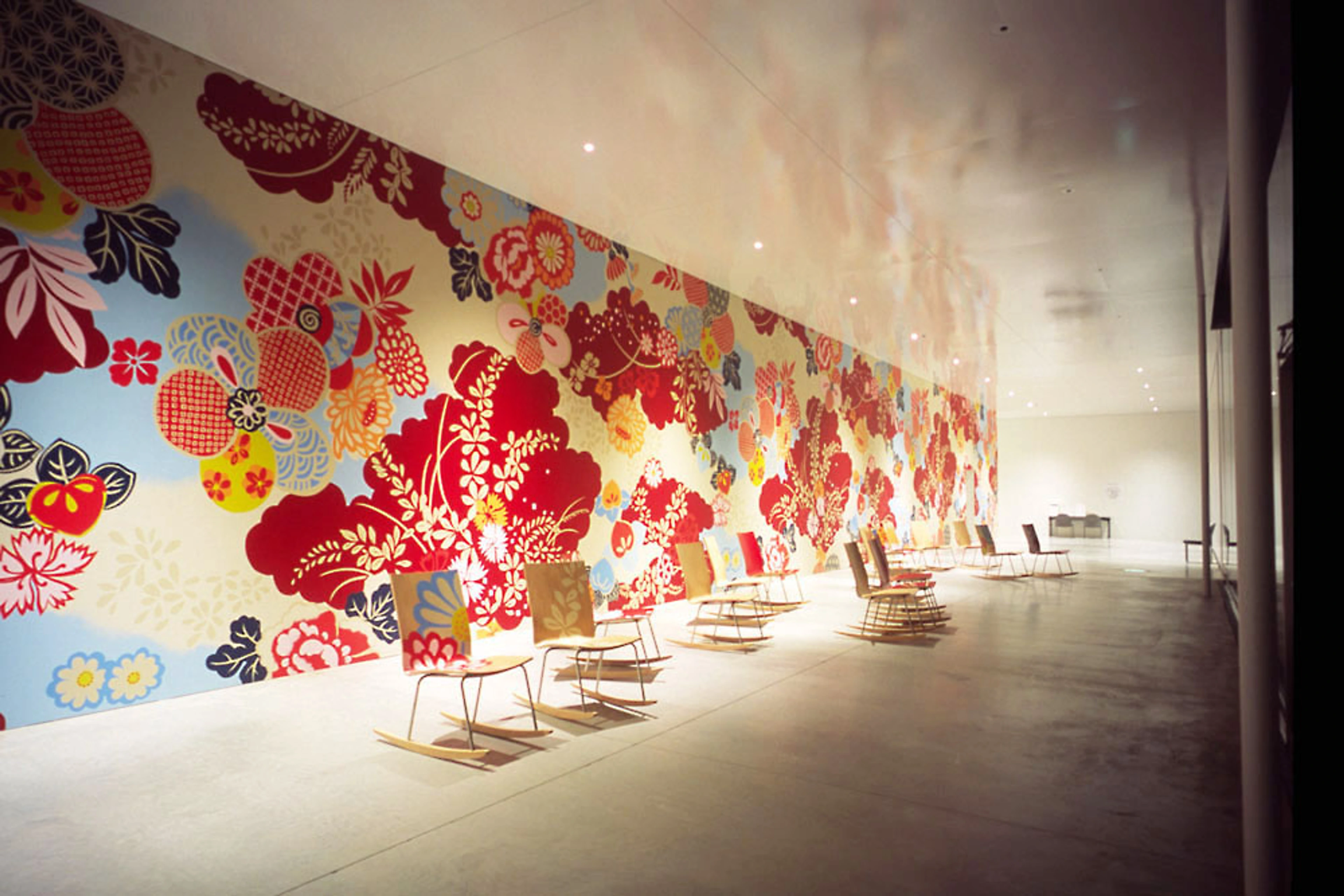
Gallery Corridor Lighting Layouts: A Comprehensive Guide
Explore the art and science of lighting gallery corridors. Learn about fixture placement, color temperature, and conservation lighting to enhance and protect your art collection.

Gallery Corridor Lighting Layouts: A Comprehensive Guide
I remember the first time I walked into a gallery and noticed how the lighting seemed to guide me through the space. It wasn’t just about seeing the art; it was about experiencing it. That’s when I realized the power of a well-designed lighting layout in gallery corridors. It’s not just about illumination; it’s about creating an atmosphere that enhances the art and the visitor’s journey.
Lighting in galleries is often an unsung hero. It subtly directs attention, evokes emotions, and even influences how long visitors linger in a space. Whether you're a curator, an artist, or simply an enthusiast, understanding the nuances of gallery corridor lighting can transform the way you perceive and design these spaces.
Lighting in galleries is often an unsung hero. It subtly directs attention, evokes emotions, and even influences how long visitors linger in a space. Whether you're a curator, an artist, or simply an enthusiast, understanding the nuances of gallery corridor lighting can transform the way you perceive and design these spaces.
In this guide, we’ll explore the intricacies of gallery corridor lighting, from the psychological impact of lighting to practical considerations like fixture placement and energy efficiency. By the end, you’ll have a comprehensive understanding of how to design a lighting layout that elevates the visitor experience and protects valuable art pieces.
We’ll also delve into the latest trends in gallery lighting, such as smart lighting systems and sustainable practices, to ensure your gallery remains at the forefront of innovation.
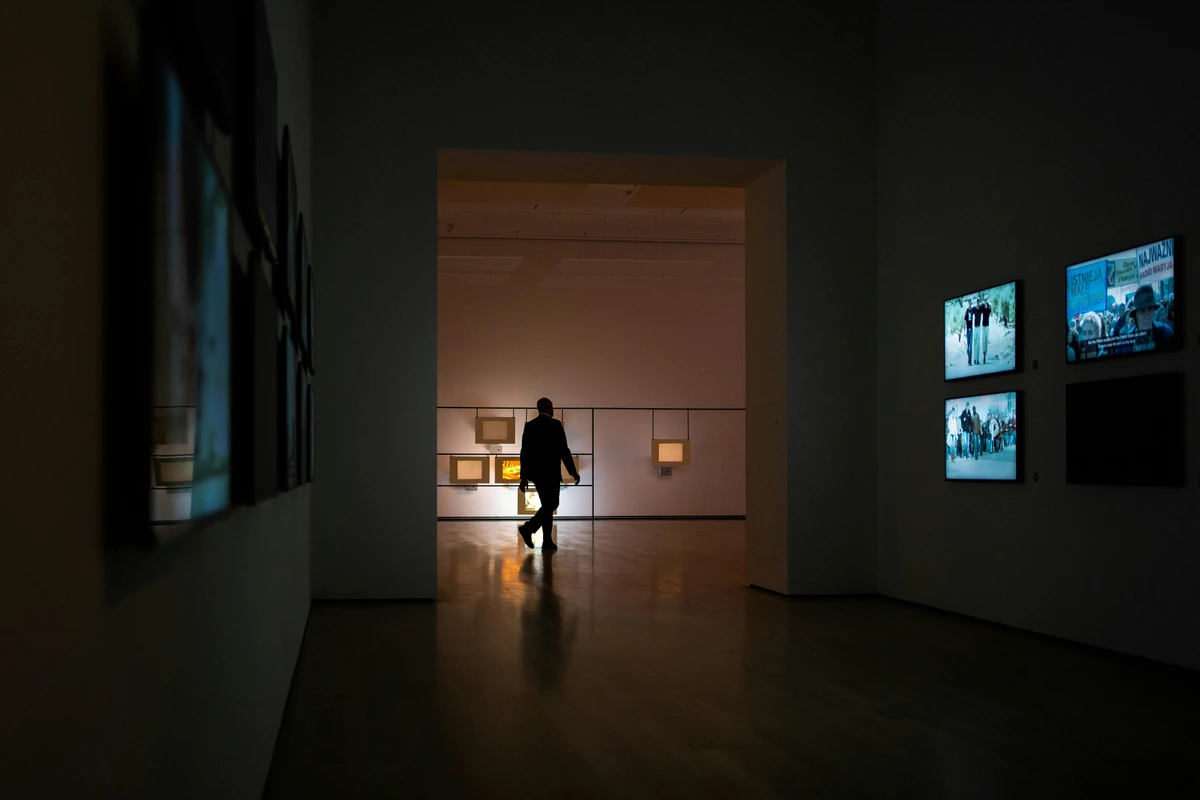
The Importance of Gallery Corridor Lighting
Gallery corridor lighting is often overlooked, but it plays a crucial role in shaping the visitor’s experience. It’s the first impression and the guiding path through the gallery. Poor lighting can make even the most stunning art pieces feel dull and uninviting. On the other hand, well-planned lighting can transform a simple corridor into a captivating journey.
Lighting is not just a functional necessity; it’s an art form in itself. It can highlight textures, emphasize colors, and create depth in ways that static elements cannot. The right lighting layout can make a gallery feel intimate or grand, modern or timeless, depending on the desired effect.
Lighting is not just a functional necessity; it’s an art form in itself. It can highlight textures, emphasize colors, and create depth in ways that static elements cannot. The right lighting layout can make a gallery feel intimate or grand, modern or timeless, depending on the desired effect.
The Role of Lighting in Storytelling
Lighting can also serve as a storytelling tool. By strategically illuminating certain pieces or areas, curators can guide visitors through a narrative, emphasizing themes or connections between artworks. This approach transforms the gallery into an immersive experience, where lighting becomes an integral part of the storytelling process.
For example, a dimly lit corridor leading to a brightly illuminated masterpiece can create a sense of anticipation and drama. Conversely, a softly lit space can evoke a sense of calm and contemplation, allowing visitors to connect more deeply with the art.
Why Lighting Matters
Lighting is more than just a tool for visibility. It sets the mood, directs attention, and even influences the emotional response of visitors. A well-lit gallery can evoke curiosity, awe, or contemplation, depending on the art and the intended experience. For example, softer lighting might encourage visitors to linger and reflect, while brighter, more dynamic lighting can energize the space and draw attention to specific pieces.
Additionally, lighting can influence the perceived value of the art. A piece illuminated thoughtfully can appear more significant and valuable, enhancing the overall experience for visitors.
Lighting and Art Preservation
Beyond aesthetics, lighting plays a critical role in preserving art. Improper lighting can cause irreversible damage to delicate artworks, such as fading colors or deteriorating materials. Conservation lighting techniques, such as UV filters and controlled light intensity, are essential for protecting valuable pieces while ensuring they are displayed in their best light.
It’s also important to consider the type of bulbs used. LED bulbs, for instance, produce minimal heat and UV radiation, making them ideal for conservation lighting. Regular maintenance and monitoring of lighting conditions can further ensure the longevity of the art.
The Psychology of Lighting
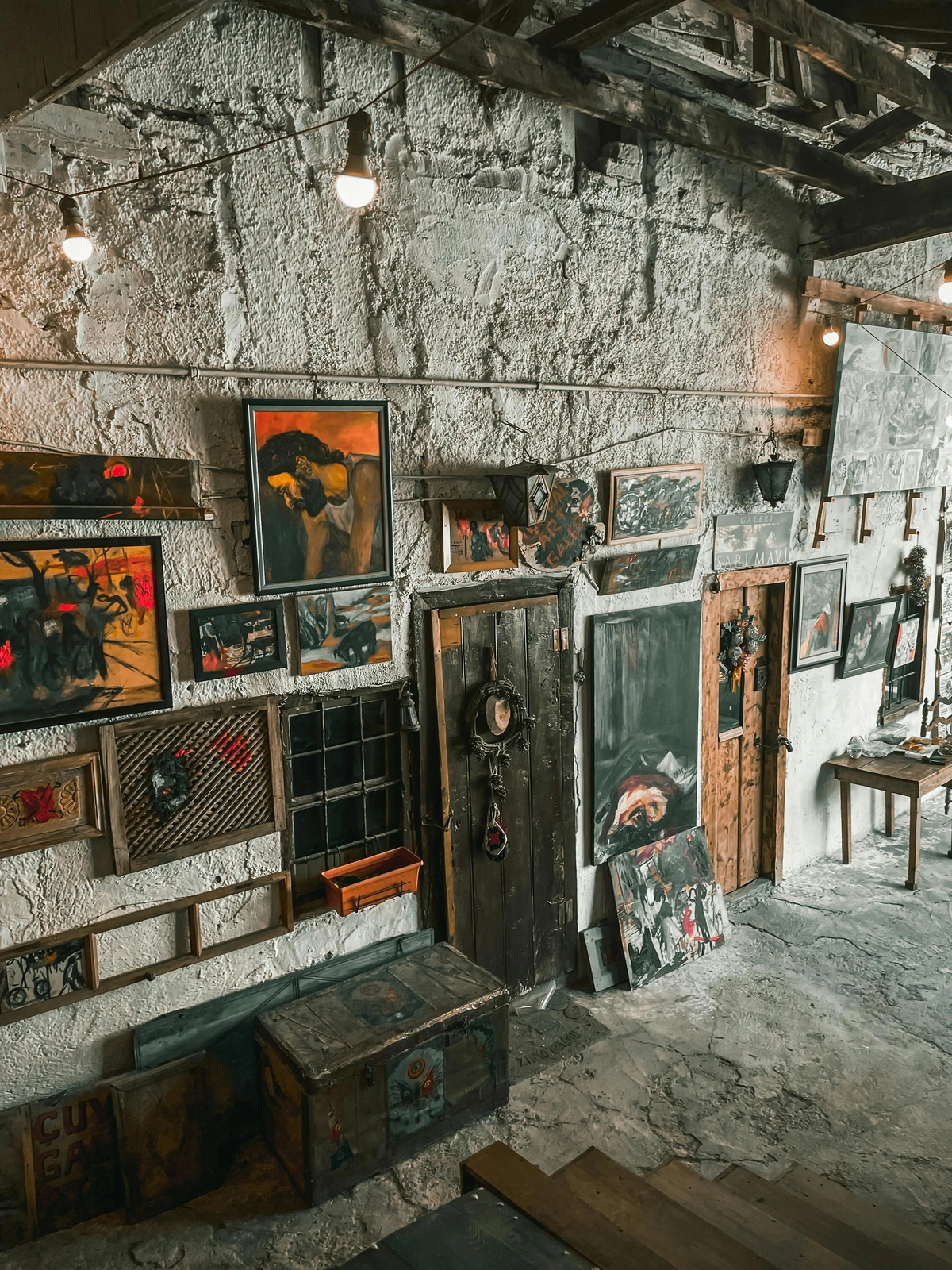
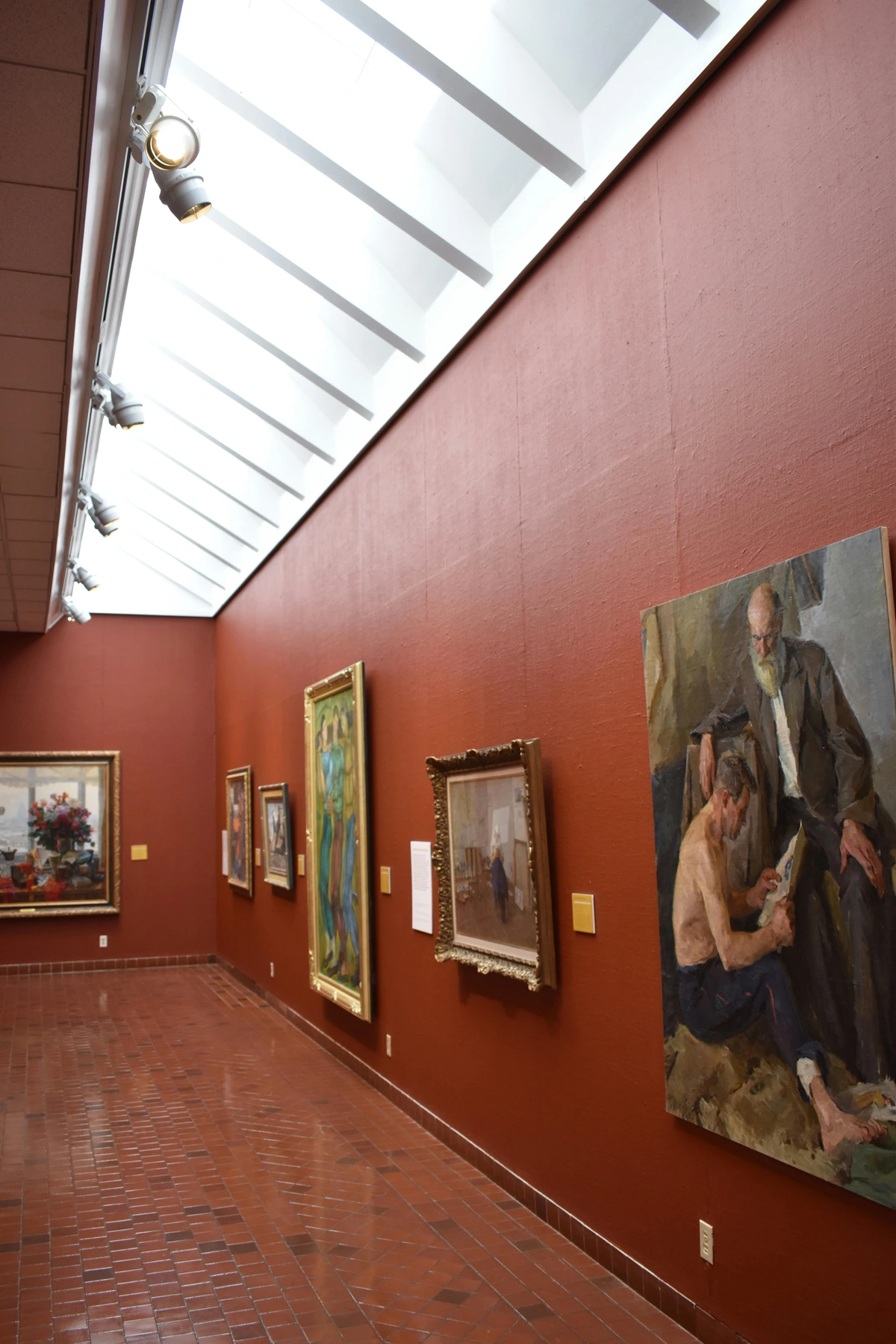
The psychological impact of lighting is profound. Studies have shown that lighting can affect mood, cognitive performance, and even social interactions. In a gallery setting, lighting can create a sense of intimacy or grandeur, depending on the desired atmosphere. For instance, warm lighting can evoke feelings of comfort and nostalgia, while cool lighting can create a sense of modernity and sophistication.
Lighting and Visitor Behavior
Lighting can also influence visitor behavior. For example, well-lit pathways can guide visitors through the gallery, while dimly lit areas can create a sense of mystery or encourage exploration. Understanding these psychological effects allows curators to design lighting layouts that enhance the visitor experience and create a memorable journey.
Key Concepts
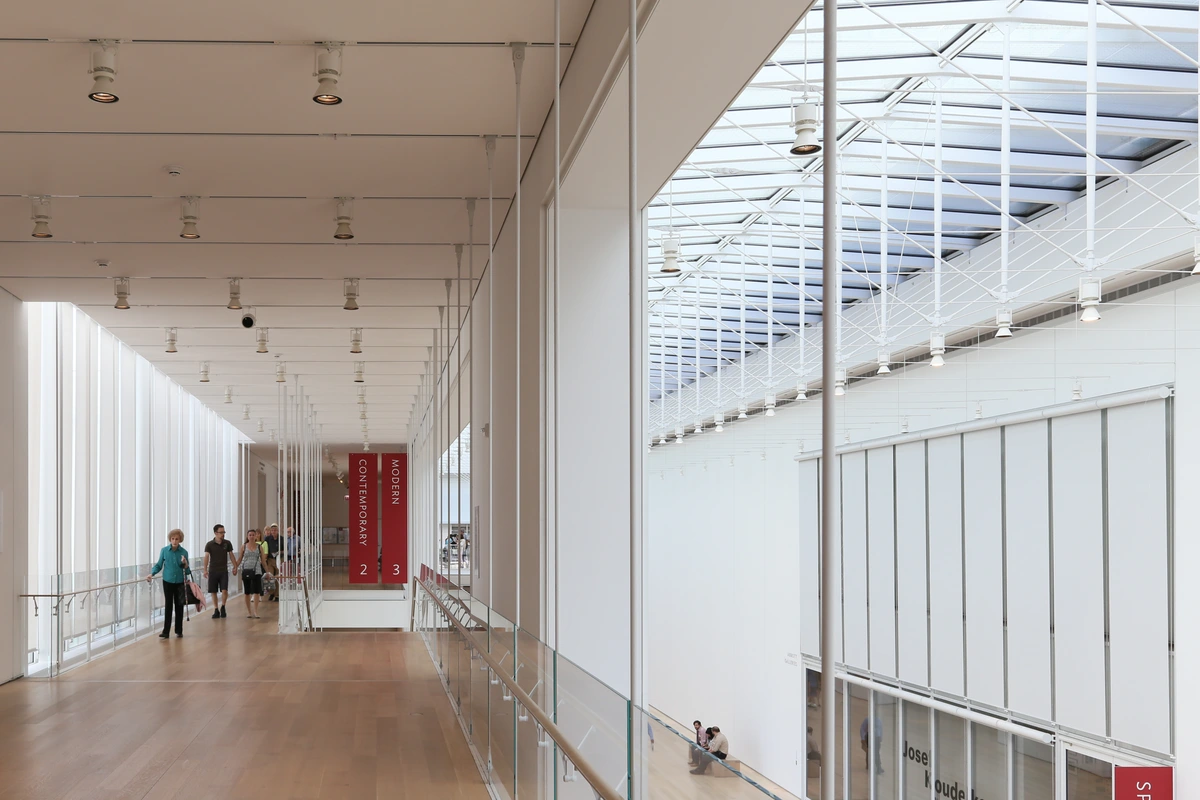
- Fixture Placement: The placement of lighting fixtures is essential. It’s not just about covering the space; it’s about creating a flow that guides visitors through the gallery. Consider the height, angle, and spacing of the fixtures to ensure even illumination without glare.
- Color Temperature: The color temperature of the lighting can significantly impact the perception of the art. Warmer tones can create a cozy, inviting atmosphere, while cooler tones can make the space feel more modern and clinical. It’s essential to choose a color temperature that complements the art and the overall aesthetic of the gallery.
- Conservation Lighting: Protecting valuable art pieces is paramount. Conservation lighting involves using fixtures and techniques that minimize damage to the art. This includes using UV filters, controlling light intensity, and choosing the right type of bulbs.
- Layered Lighting: Combining ambient, task, and accent lighting can create a dynamic and engaging environment. Ambient lighting provides general illumination, task lighting focuses on specific areas, and accent lighting highlights key artworks or architectural features.
- Lighting Control Systems: Modern galleries often use advanced lighting control systems to adjust brightness, color temperature, and even the direction of light. These systems allow for flexibility and can adapt to different exhibitions and events.
- Lighting and Space Perception: Lighting can alter the perception of space. For example, uplighting can make ceilings appear higher, while downlighting can create a more intimate atmosphere. Understanding how light interacts with space is crucial for designing an effective lighting layout.
- Energy Efficiency: Using energy-efficient lighting solutions, such as LED bulbs, can reduce operational costs and environmental impact. These solutions are not only cost-effective but also contribute to sustainability efforts.
- Flexibility and Adaptability: A flexible lighting system allows for adjustments based on the type of art or exhibition. This adaptability ensures that the lighting can be tailored to suit different artistic styles and themes.
- Lighting and Art Interaction: The interaction between lighting and art is a delicate balance. Different types of art require different lighting approaches. For example, sculptures may need directional lighting to highlight their three-dimensional aspects, while paintings may benefit from softer, diffused lighting.
- Visitor Experience: The ultimate goal of gallery lighting is to enhance the visitor experience. This involves creating a comfortable and engaging environment that encourages visitors to explore and appreciate the art.
- Lighting and Accessibility: Ensuring that lighting is accessible to all visitors, including those with visual impairments, is crucial. Avoid overly bright or flickering lights, and consider providing tactile or auditory guides for visitors who may need additional assistance.
- Natural Light Integration: While artificial lighting is essential, integrating natural light can enhance the gallery experience. Use UV-filtering windows and adjustable shades to control the amount of natural light entering the space. This can create a dynamic and inviting atmosphere.
Examples of Effective Lighting Layouts
Linear Layout
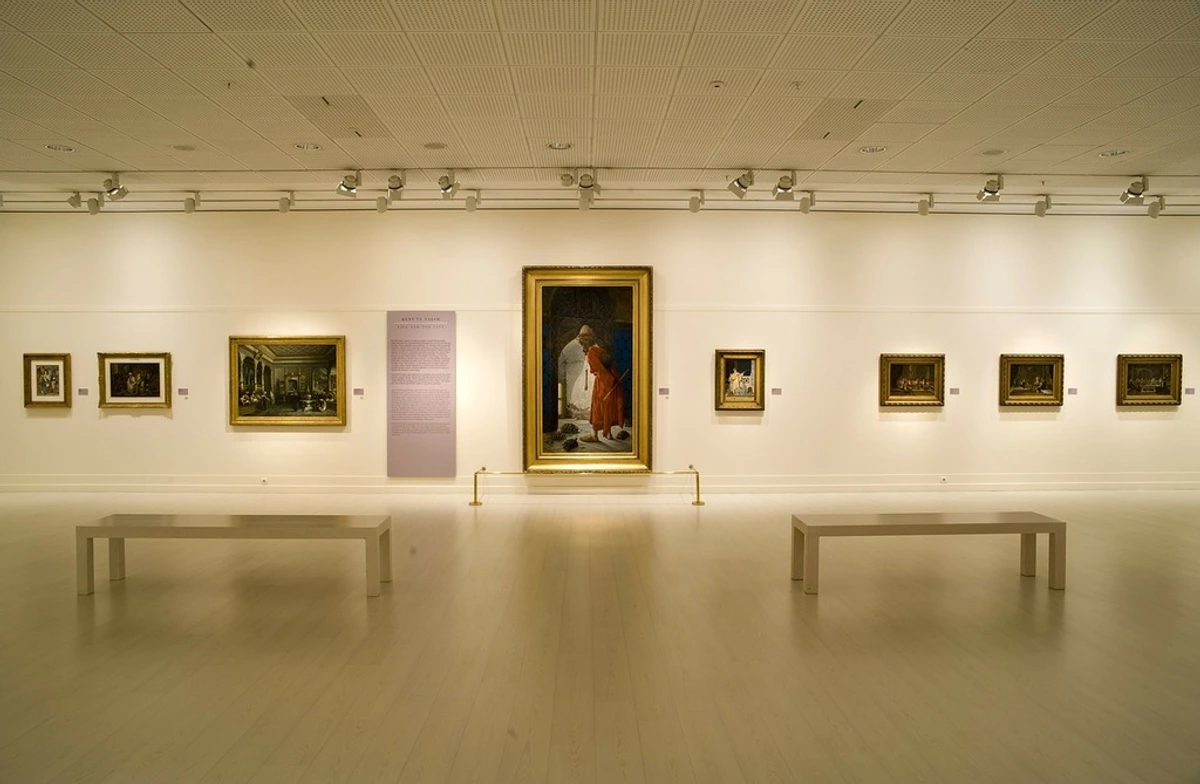
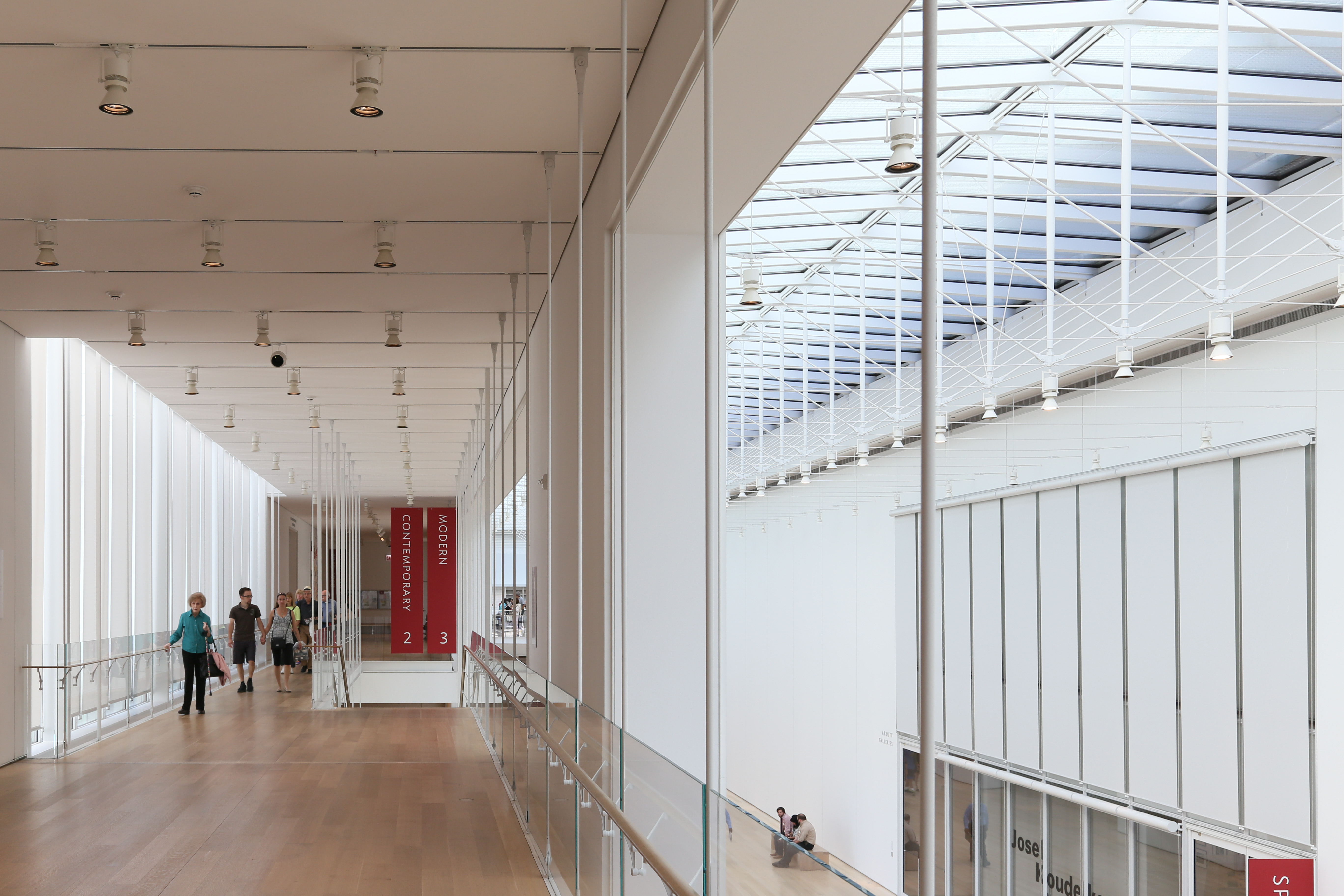
In a linear layout, fixtures are placed in a straight line along the corridor. This is ideal for long, narrow spaces and creates a sense of continuity. It’s essential to ensure that the lighting is even and that there are no dark spots.
This layout is particularly effective for guiding visitors through a narrative or chronological exhibition. By maintaining a consistent path of light, visitors are naturally drawn forward, creating a seamless journey through the gallery.
Grid Layout
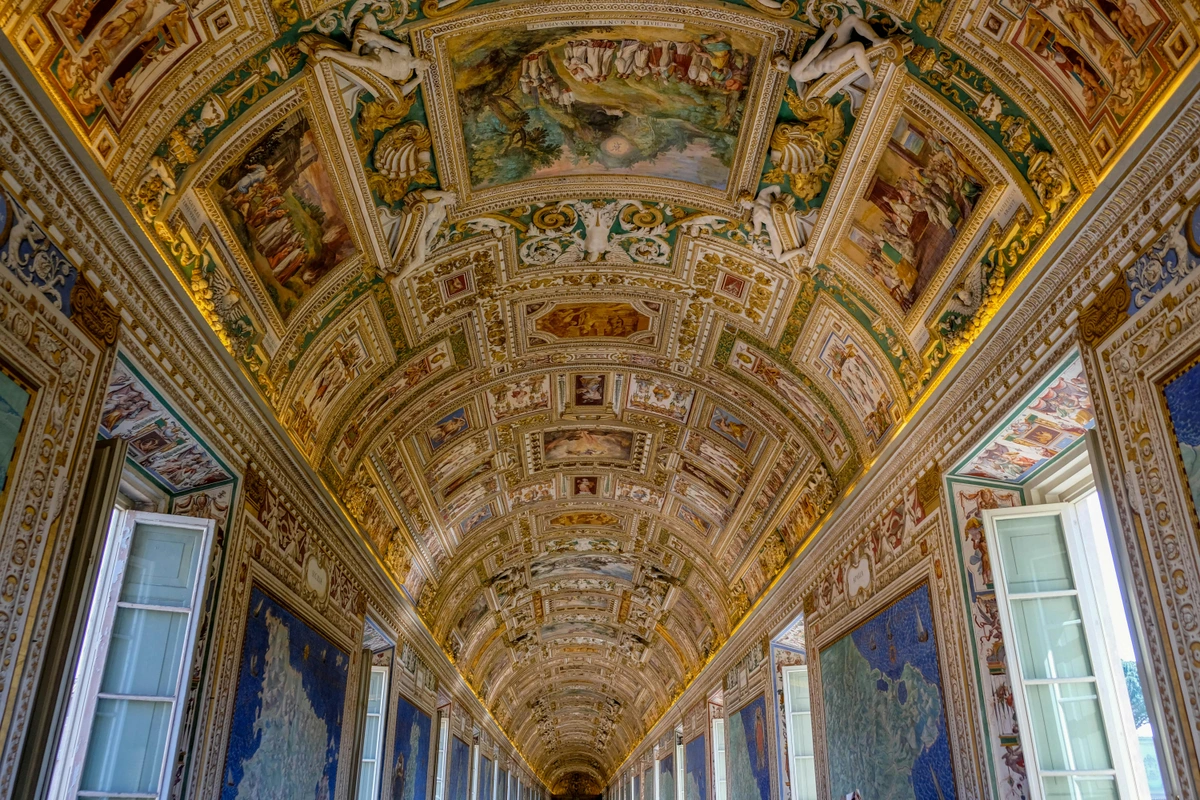
A grid layout involves placing fixtures in a grid pattern. This is suitable for larger spaces and provides even illumination. It’s crucial to consider the spacing between fixtures to avoid overlapping light and shadows.
This layout is ideal for galleries with a diverse collection of artworks, as it ensures that each piece receives adequate lighting. It also allows for flexibility in arranging and rearranging artworks without the need to adjust the lighting layout significantly.
Spotlight Layout
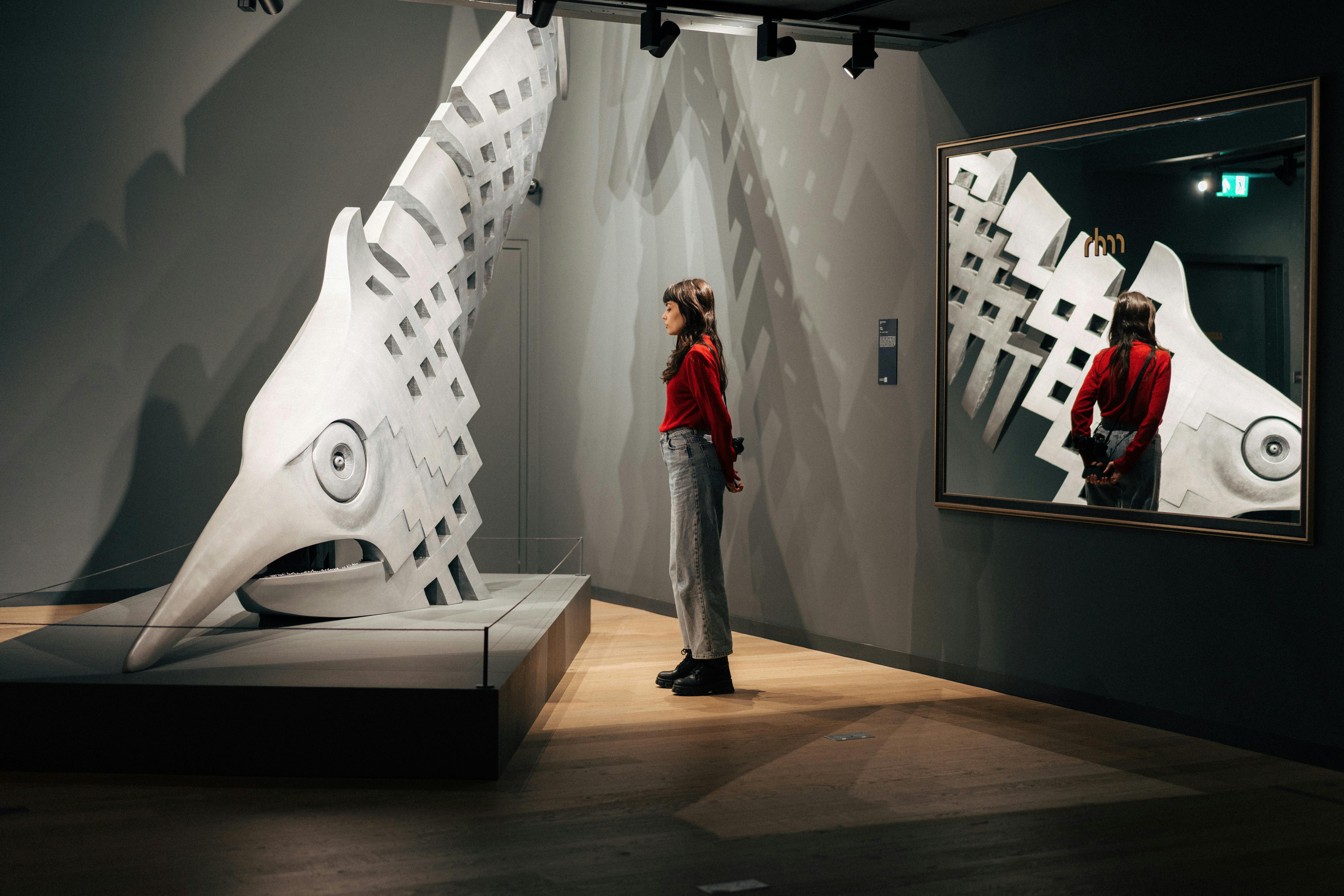
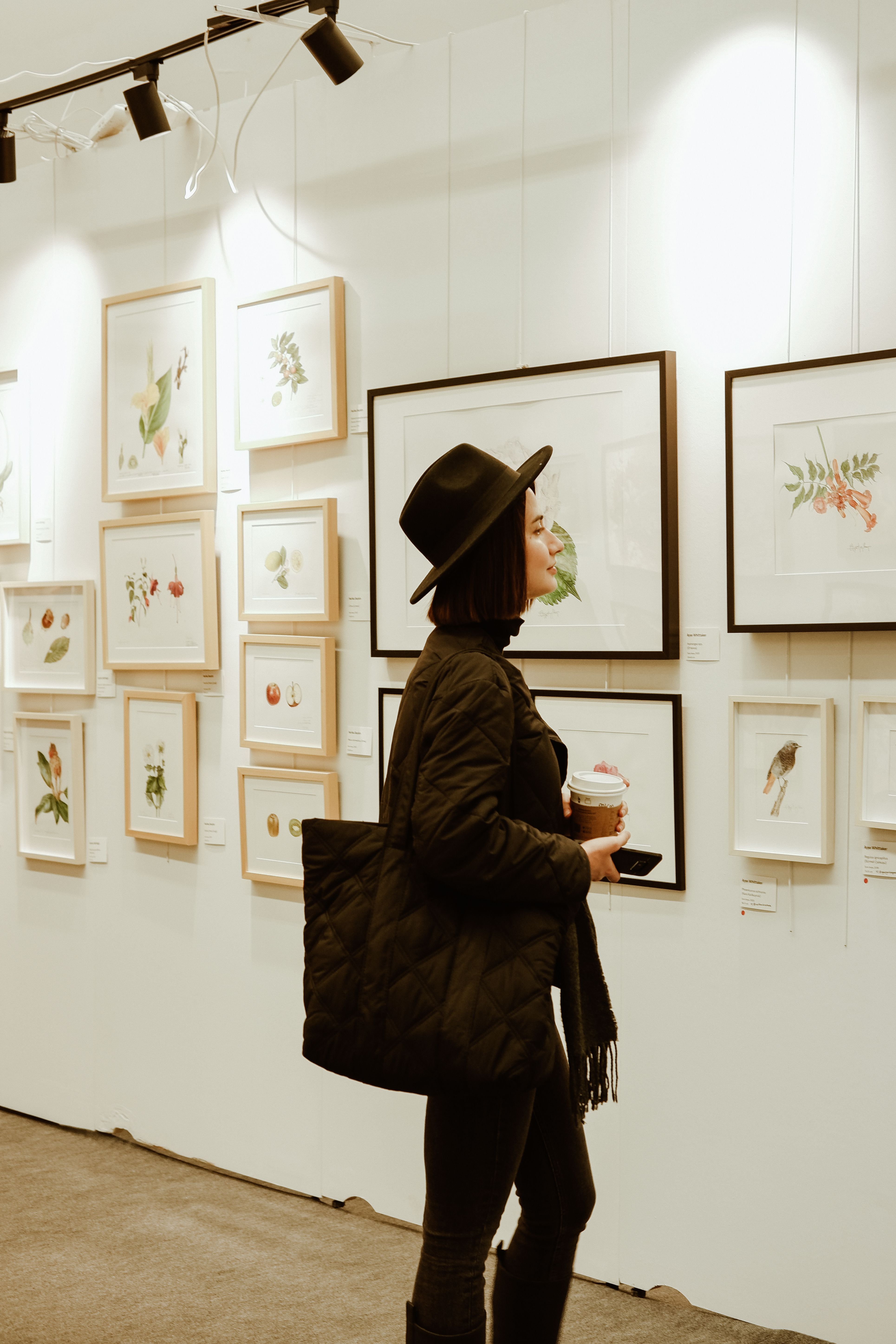
A spotlight layout focuses on specific art pieces or areas. This is ideal for highlighting key pieces and creating a dramatic effect. However, it’s essential to ensure that the surrounding areas are not too dark, which can create a disjointed experience.
This layout is particularly effective for galleries featuring a mix of large and small artworks. By using spotlights, curators can draw attention to specific pieces, creating focal points that guide visitors through the exhibition.
Wash Layout
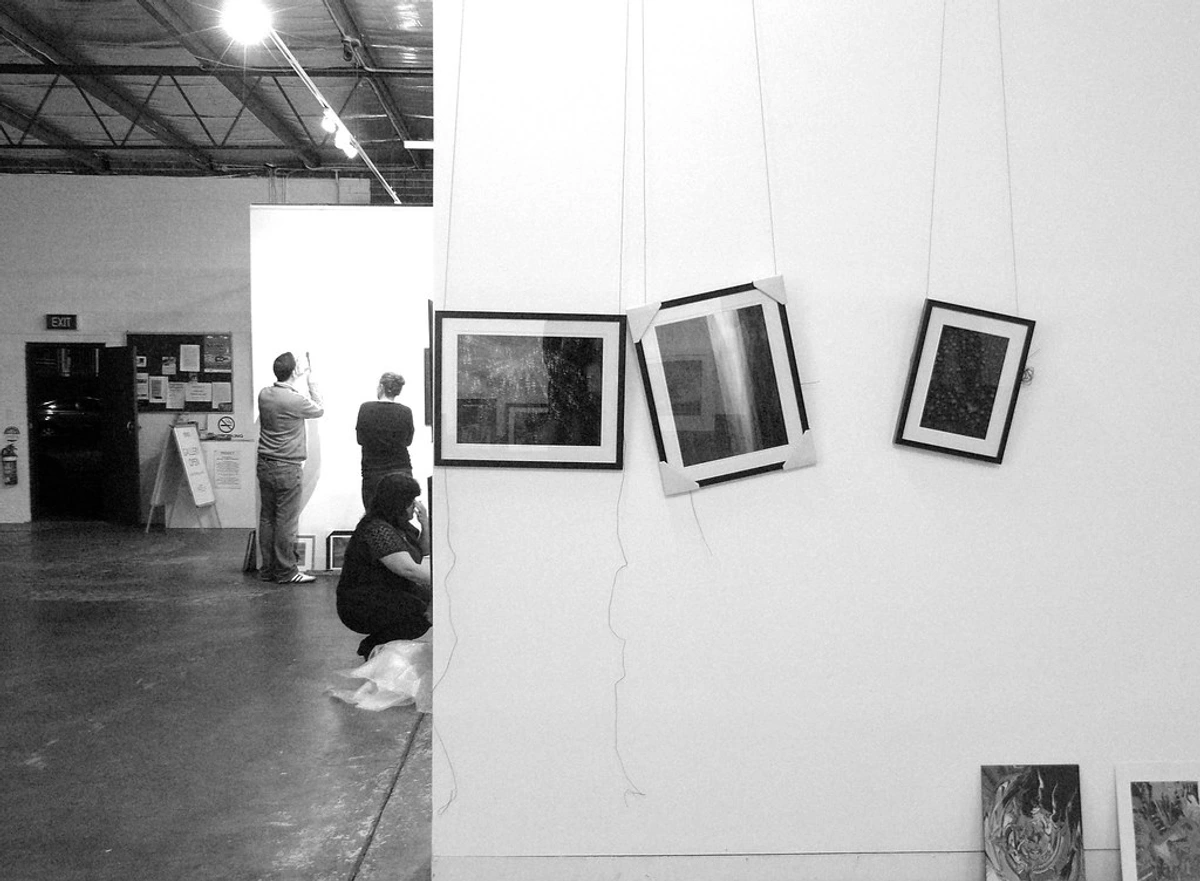
A wash layout uses broad, even lighting to cover large areas uniformly. This is particularly useful for galleries with minimalist or abstract art, where the focus is on the overall space rather than individual pieces.
This layout creates a sense of openness and uniformity, allowing visitors to appreciate the gallery as a whole. It is especially effective for contemporary art exhibitions, where the interplay of light and space is a key element of the artistic experience.
Dynamic Layout
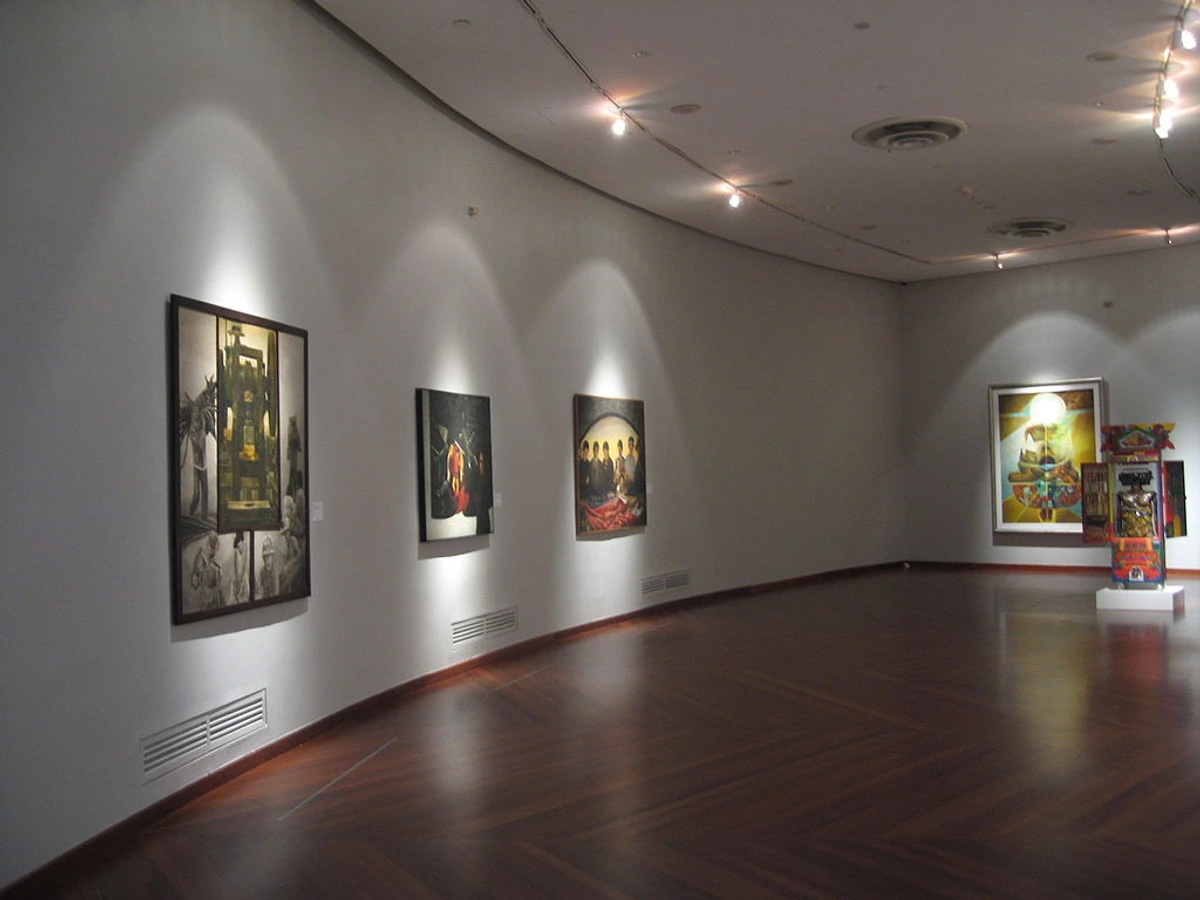
Dynamic layouts incorporate adjustable lighting systems that can change based on the time of day, the type of exhibition, or even the movement of visitors. This approach is ideal for interactive or immersive exhibitions.
This layout allows for a high degree of customization and adaptability. For example, lighting can be adjusted to create different moods or highlight specific artworks during different times of the day. It also enables galleries to create unique and engaging experiences for visitors.
Hybrid Layout
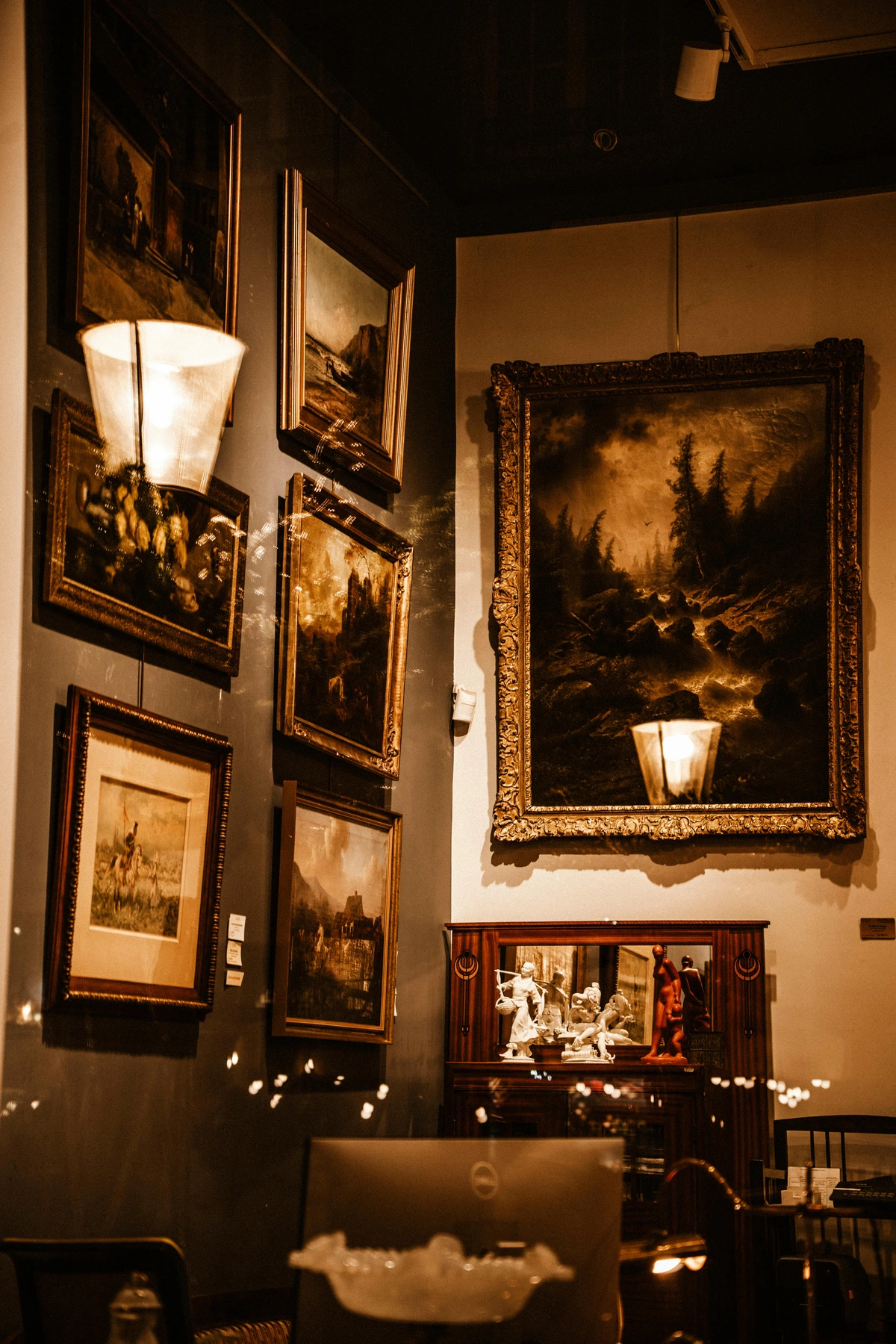
A hybrid layout combines elements of multiple layouts to create a customized lighting solution. For example, a gallery might use a grid layout for general illumination and spotlights to highlight specific artworks. This approach allows for flexibility and creativity in lighting design.
This layout is ideal for galleries with diverse collections or those that host a variety of exhibitions. By combining different lighting techniques, curators can create a unique and tailored experience that enhances the overall impact of the art.
How-To: Designing Your Lighting Layout
Step 1: Assess the Space
Start by assessing the space. Measure the length, width, and height of the corridor. Consider the type of art on display and the overall aesthetic of the gallery. Take note of any architectural features that could influence lighting, such as windows, columns, or alcoves.
It’s also important to consider the flow of visitors through the space. Identify key areas where visitors are likely to linger and ensure that these areas are well-lit and inviting.
Step 2: Choose the Right Fixtures
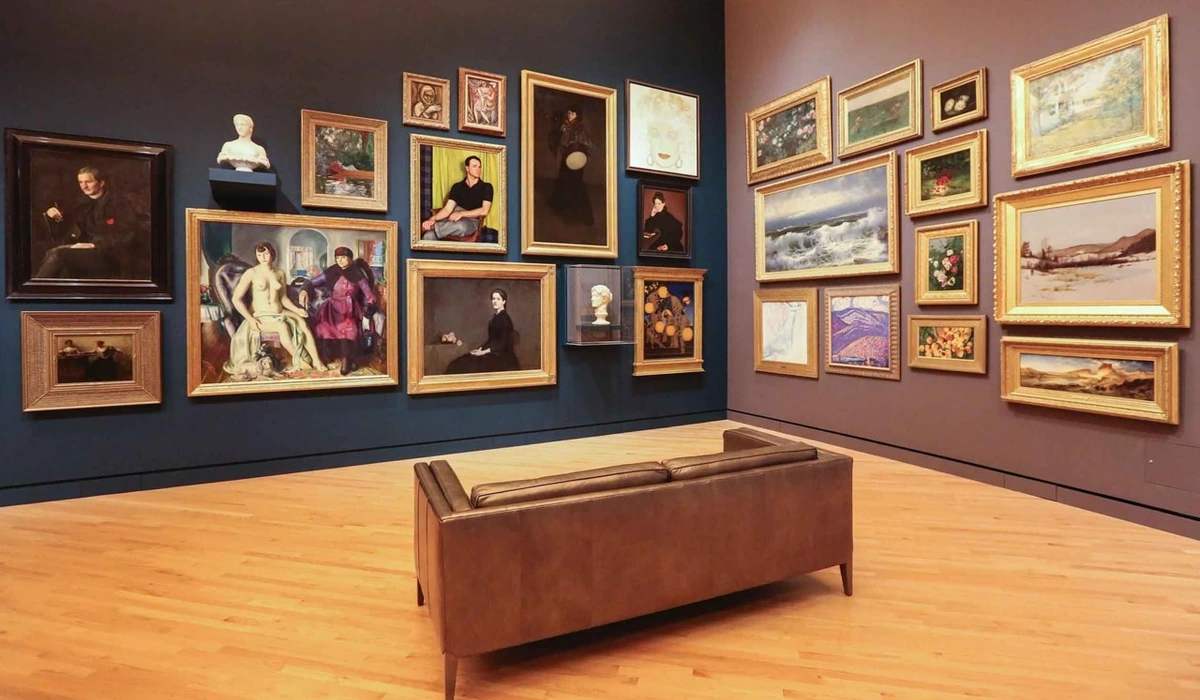
Select fixtures that complement the space and the art. Consider the type of bulbs, the color temperature, and the fixture’s design. It’s essential to choose fixtures that are both functional and aesthetically pleasing. LED fixtures are often preferred for their energy efficiency and versatility.
Additionally, consider the durability and maintenance requirements of the fixtures. Choose fixtures that are easy to clean and maintain, ensuring that they remain in optimal condition for years to come.
Step 3: Plan the Placement
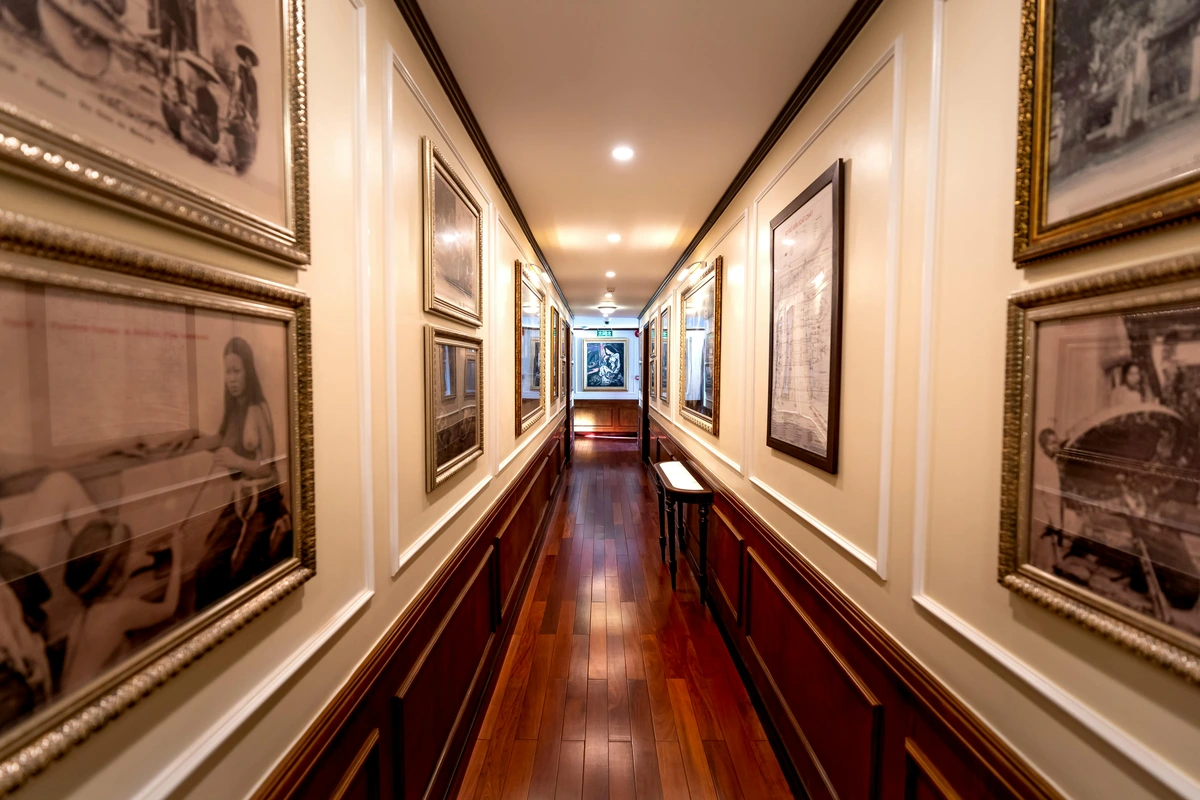
Plan the placement of the fixtures. Consider the height, angle, and spacing to ensure even illumination. Use a combination of ambient, task, and accent lighting to create a balanced and inviting atmosphere. Experiment with different layouts to find the one that best suits your space.
It’s also important to consider the interaction between natural and artificial light. Ensure that natural light sources are complemented by artificial lighting to create a seamless and inviting atmosphere.
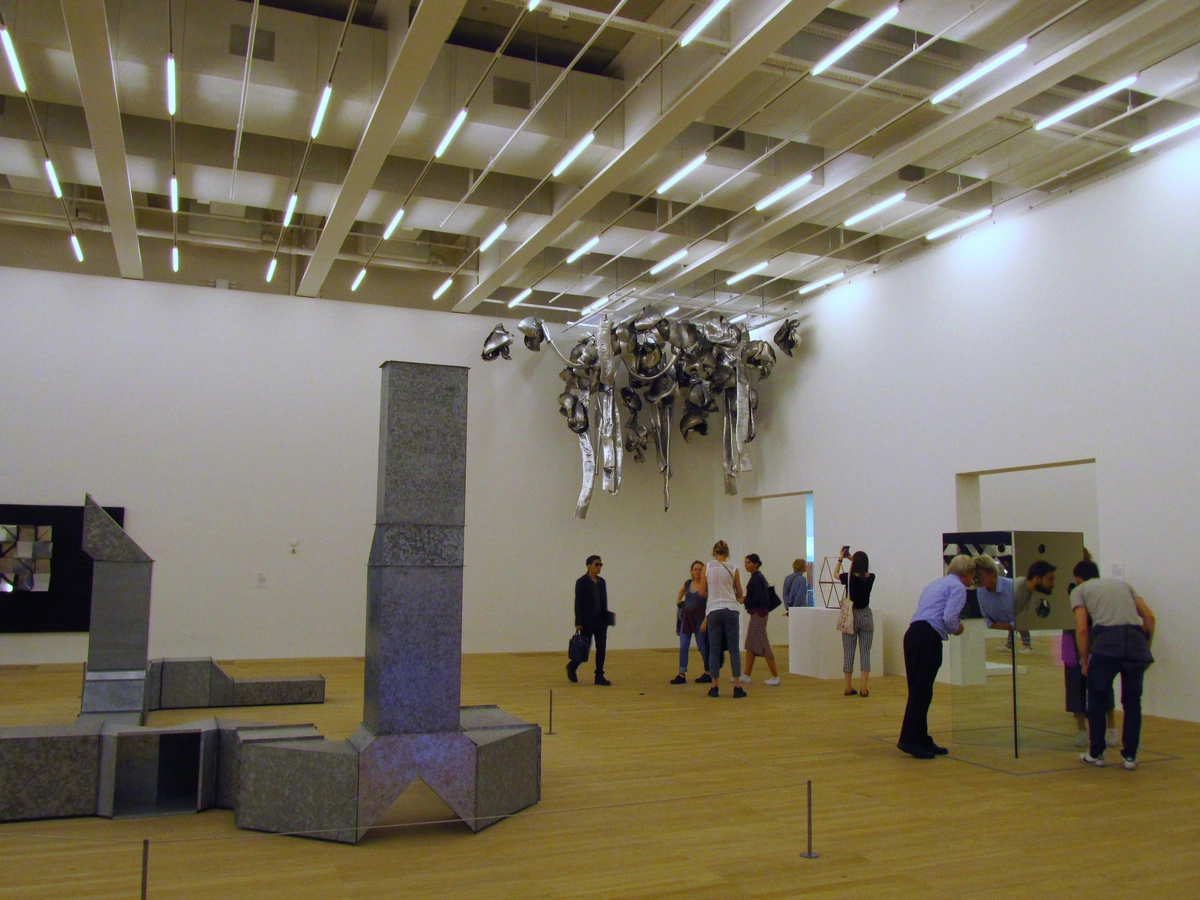
Step 4: Install and Test
Install the fixtures and test the lighting. Make adjustments as needed to ensure that the lighting is even and that there are no glare or dark spots. It’s essential to test the lighting at different times of the day to account for natural light changes. Consider using dimmers or smart lighting systems for added flexibility.
It’s also important to gather feedback from visitors and staff during the testing phase. This can provide valuable insights into the effectiveness of the lighting layout and highlight any areas for improvement.
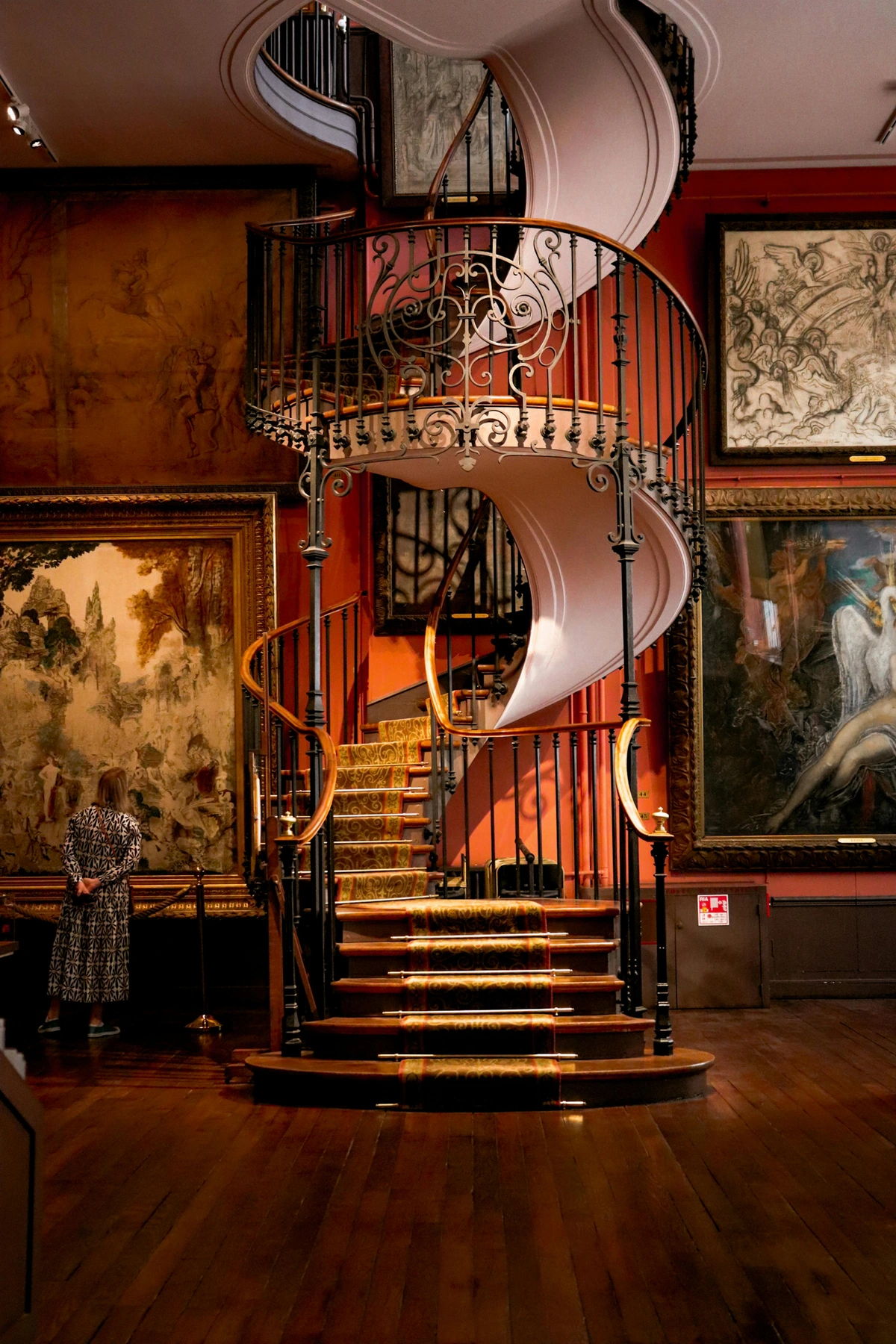
Step 5: Evaluate and Adjust
After installation, evaluate the lighting layout over time. Gather feedback from visitors and staff to identify any areas for improvement. Be prepared to make adjustments as the gallery evolves and new exhibitions are introduced.
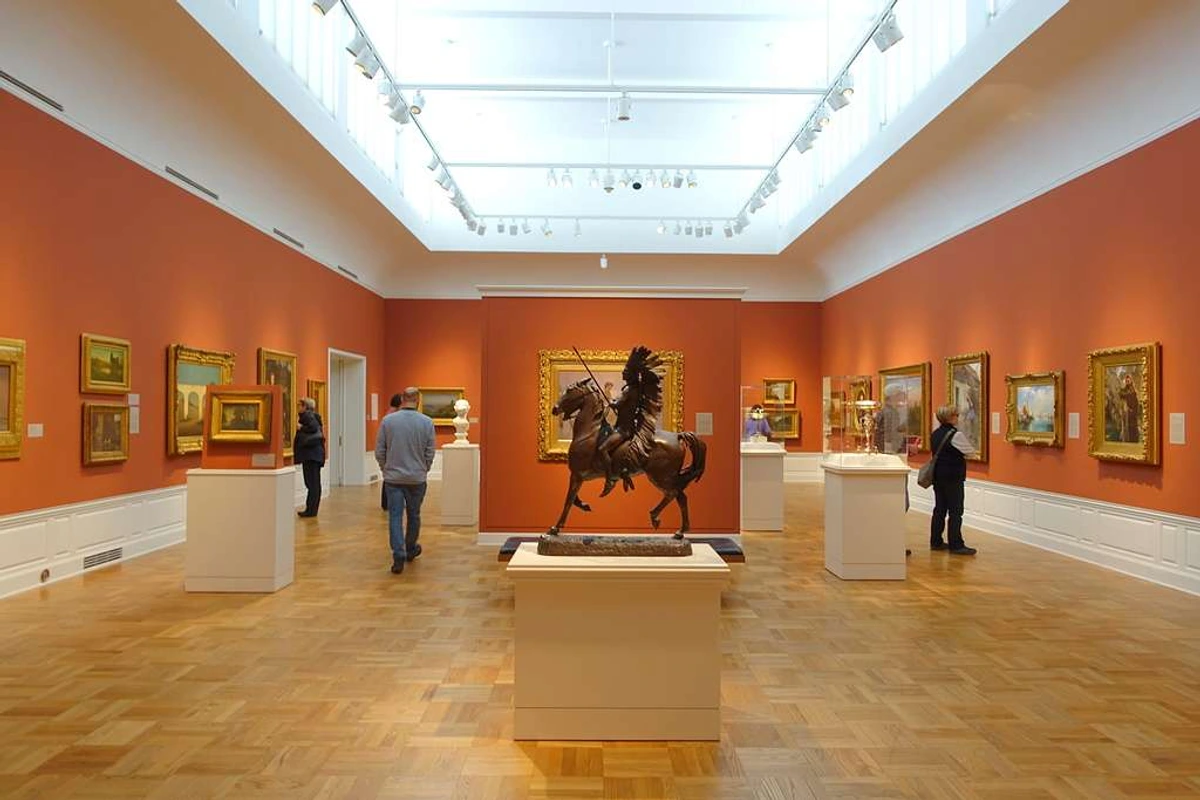
Regularly review the lighting layout to ensure that it continues to meet the needs of the gallery and its visitors. This may involve adjusting the placement of fixtures, updating the type of bulbs used, or incorporating new lighting technologies.
Step 6: Document and Maintain
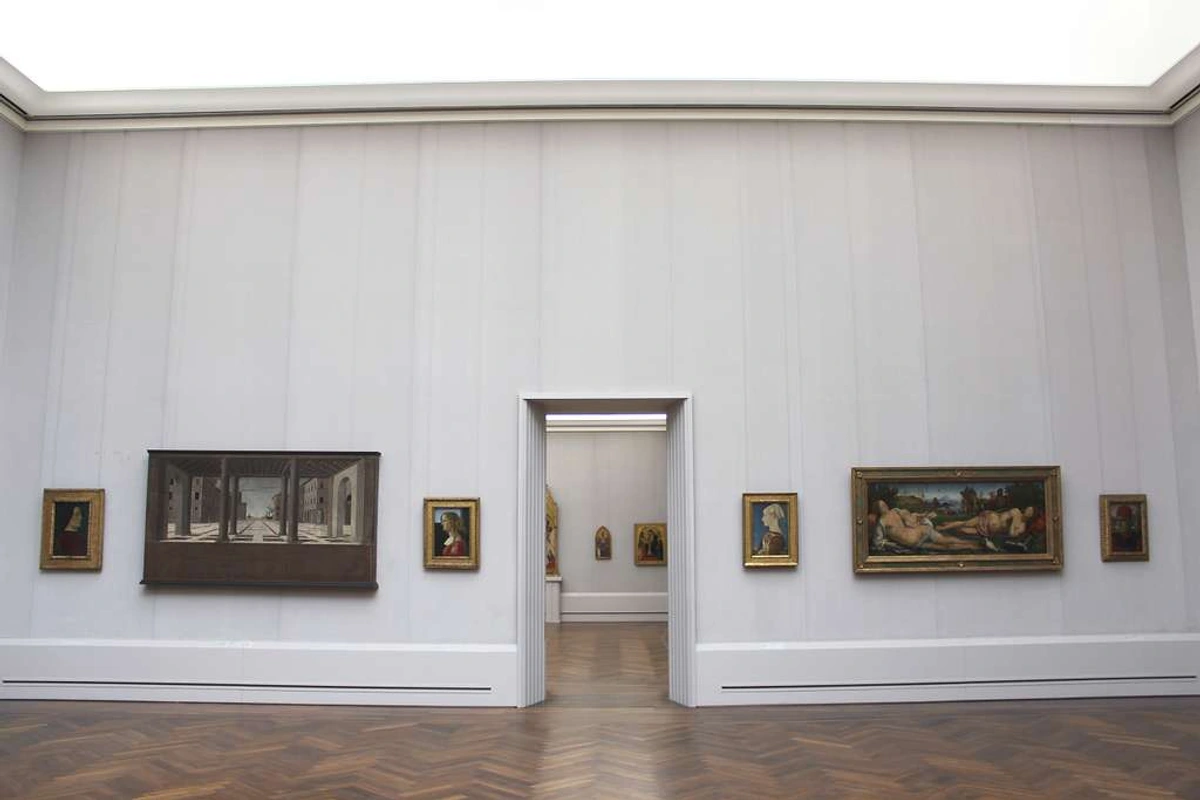
Document your lighting layout and maintenance schedule. Keep records of bulb replacements, adjustments, and any feedback received. This documentation will help you maintain consistency and make informed decisions for future exhibitions.
Considerations
Energy Efficiency
Consider using energy-efficient fixtures and bulbs. This not only reduces energy costs but also minimizes the environmental impact. LED bulbs are a popular choice for their energy efficiency and long lifespan. Additionally, consider using motion sensors or timers to further reduce energy consumption.
It’s also important to consider the overall energy footprint of the gallery. By incorporating energy-efficient lighting solutions, galleries can contribute to sustainability efforts and reduce their environmental impact.
Maintenance
Regular maintenance is crucial to ensure that the lighting remains effective. This includes cleaning fixtures, replacing bulbs, and checking for any issues. It’s essential to have a maintenance schedule to keep the lighting in optimal condition. Regularly inspect wiring and connections to prevent potential hazards.
It’s also important to keep detailed records of maintenance activities. This can help identify patterns or recurring issues, allowing for proactive maintenance and ensuring the longevity of the lighting system.
Flexibility
Consider the flexibility of the lighting layout. As the gallery evolves, the lighting needs may change. It’s essential to choose fixtures and a layout that can adapt to these changes. Modular lighting systems and adjustable fixtures can provide the versatility needed for different exhibitions.
It’s also important to consider the future needs of the gallery. By incorporating flexible lighting solutions, galleries can easily adapt to new exhibitions, changing visitor preferences, and evolving artistic trends.
Budget
Lighting can be a significant investment, so it’s important to plan your budget carefully. Consider the initial cost of fixtures and installation, as well as ongoing maintenance and energy costs. Look for cost-effective solutions that don’t compromise on quality.
It’s also important to consider the long-term benefits of investing in high-quality lighting solutions. While the initial cost may be higher, the long-term savings in energy and maintenance costs can make it a worthwhile investment.

Safety
Ensure that all lighting fixtures and wiring comply with safety standards. Avoid overloading circuits and ensure that fixtures are securely mounted. Consider consulting with a professional electrician to ensure that your lighting layout is safe and up to code.
It’s also important to regularly inspect the lighting system for any potential hazards. This includes checking for frayed wires, loose connections, and any signs of wear and tear. Ensuring the safety of the lighting system is crucial for the protection of both the art and the visitors.
Accessibility
Ensure that your lighting design is accessible to all visitors, including those with visual impairments. Avoid overly bright or flickering lights, and consider providing tactile or auditory guides for visitors who may need additional assistance.
It’s also important to consider the needs of visitors with mobility issues. Ensure that lighting fixtures are placed at a height and angle that is accessible to all visitors, and that pathways are well-lit and free from obstacles.
FAQ
What is the ideal color temperature for gallery lighting?
The ideal color temperature depends on the type of art and the overall aesthetic of the gallery. Generally, a color temperature between 2700K and 3000K is suitable for most galleries. This range provides a warm, inviting light that complements a wide range of art styles. However, cooler temperatures (3500K–4000K) may be preferred for modern or contemporary art.
It’s also important to consider the emotional impact of color temperature. Warmer tones can create a sense of comfort and intimacy, while cooler tones can evoke a sense of modernity and sophistication.
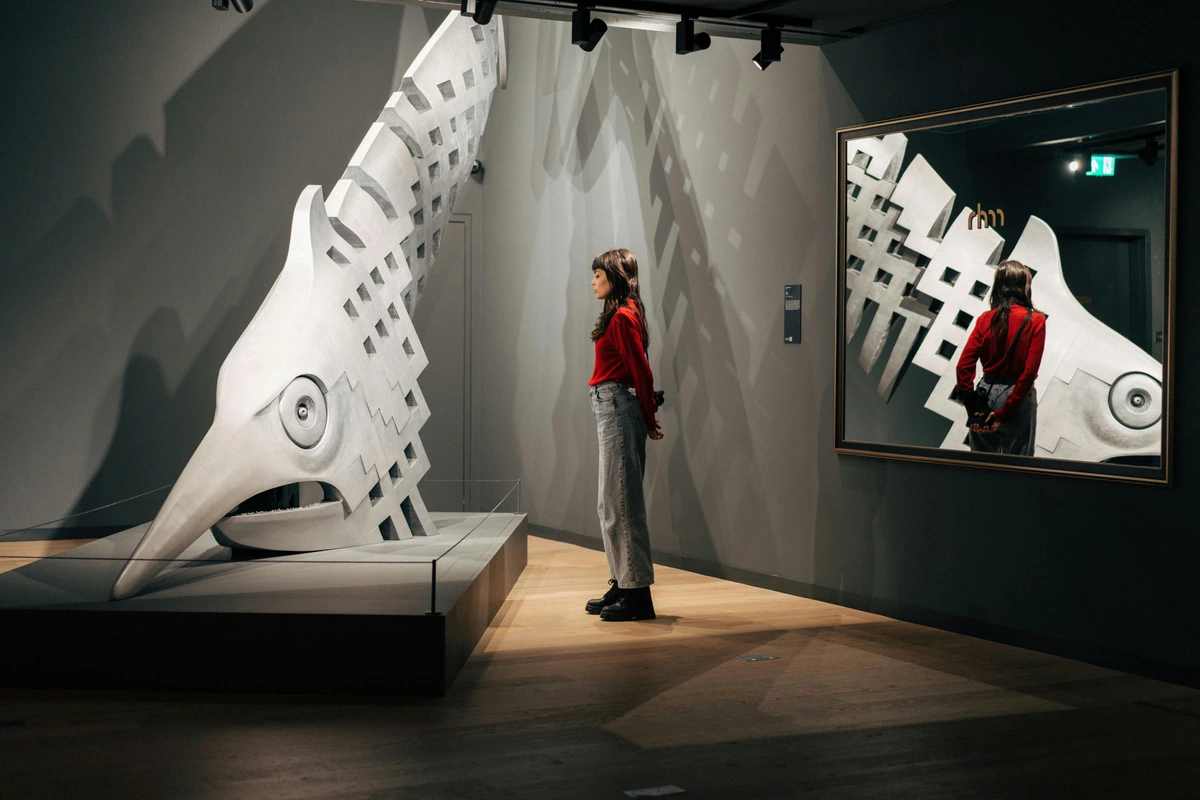
How can I minimize glare in gallery lighting?
To minimize glare, consider using fixtures with diffusers or louvers. Additionally, ensure that the fixtures are placed at the correct height and angle. It’s also essential to use bulbs with the right brightness level to avoid overwhelming the space. Anti-glare coatings and shields can also be effective.
It’s also important to consider the placement of artworks in relation to the lighting fixtures. Avoid placing artworks directly under or in front of lighting fixtures, as this can create glare and make it difficult for visitors to view the art.
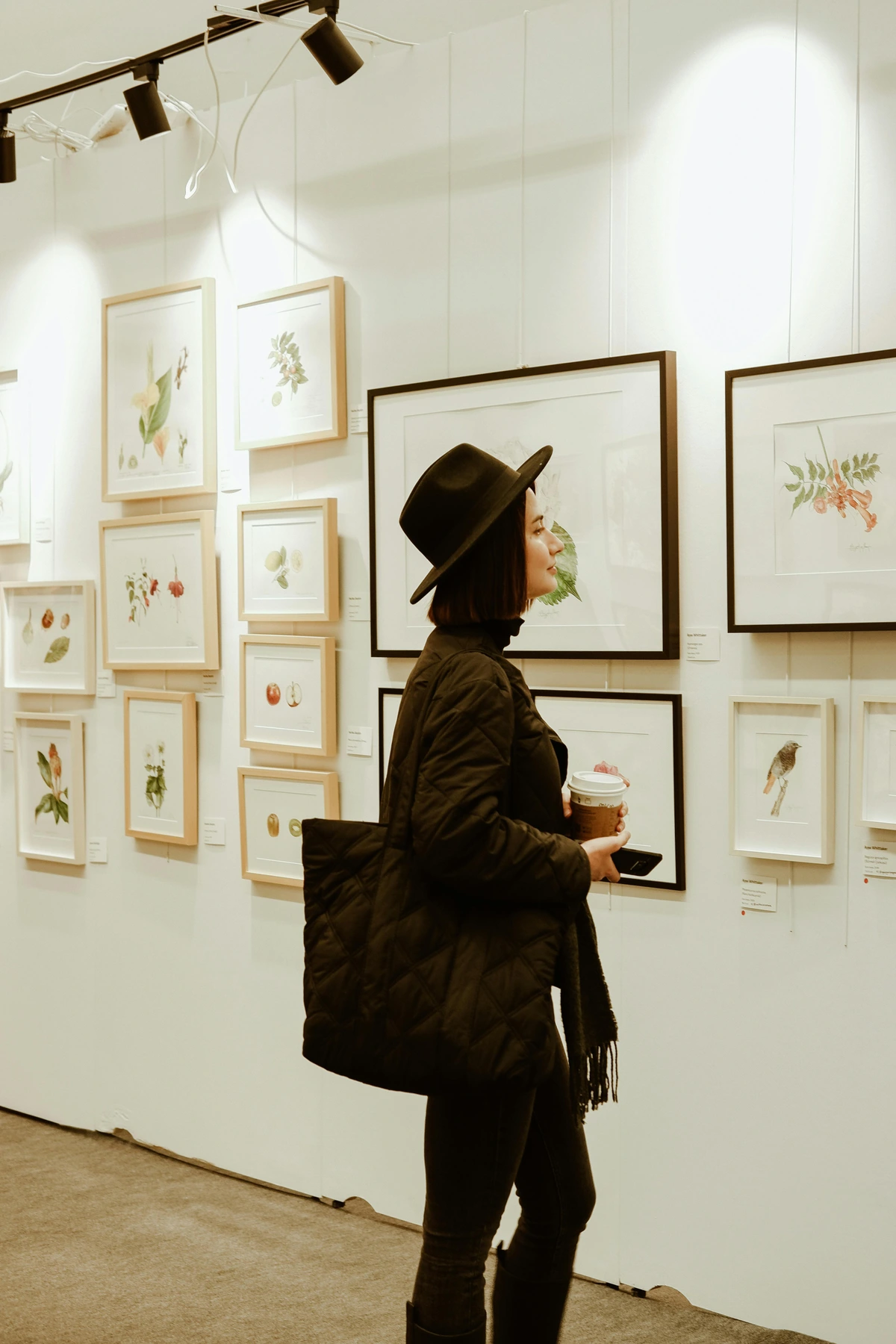
What are the best types of bulbs for conservation lighting?
LED bulbs are often the best choice for conservation lighting. They produce minimal UV radiation and heat, which helps protect valuable art pieces. Additionally, LED bulbs are energy-efficient and have a long lifespan. Halogen bulbs, while less efficient, can also be used with UV filters.
It’s also important to consider the color rendering index (CRI) of the bulbs. A higher CRI indicates that the bulb can more accurately render the colors of the art, enhancing the overall viewing experience.
How do I choose the right lighting layout for my gallery?
The right lighting layout depends on the size and shape of your gallery, the type of art on display, and the overall aesthetic you want to achieve. Consider consulting with a lighting designer or using software tools to simulate different layouts before making a final decision.
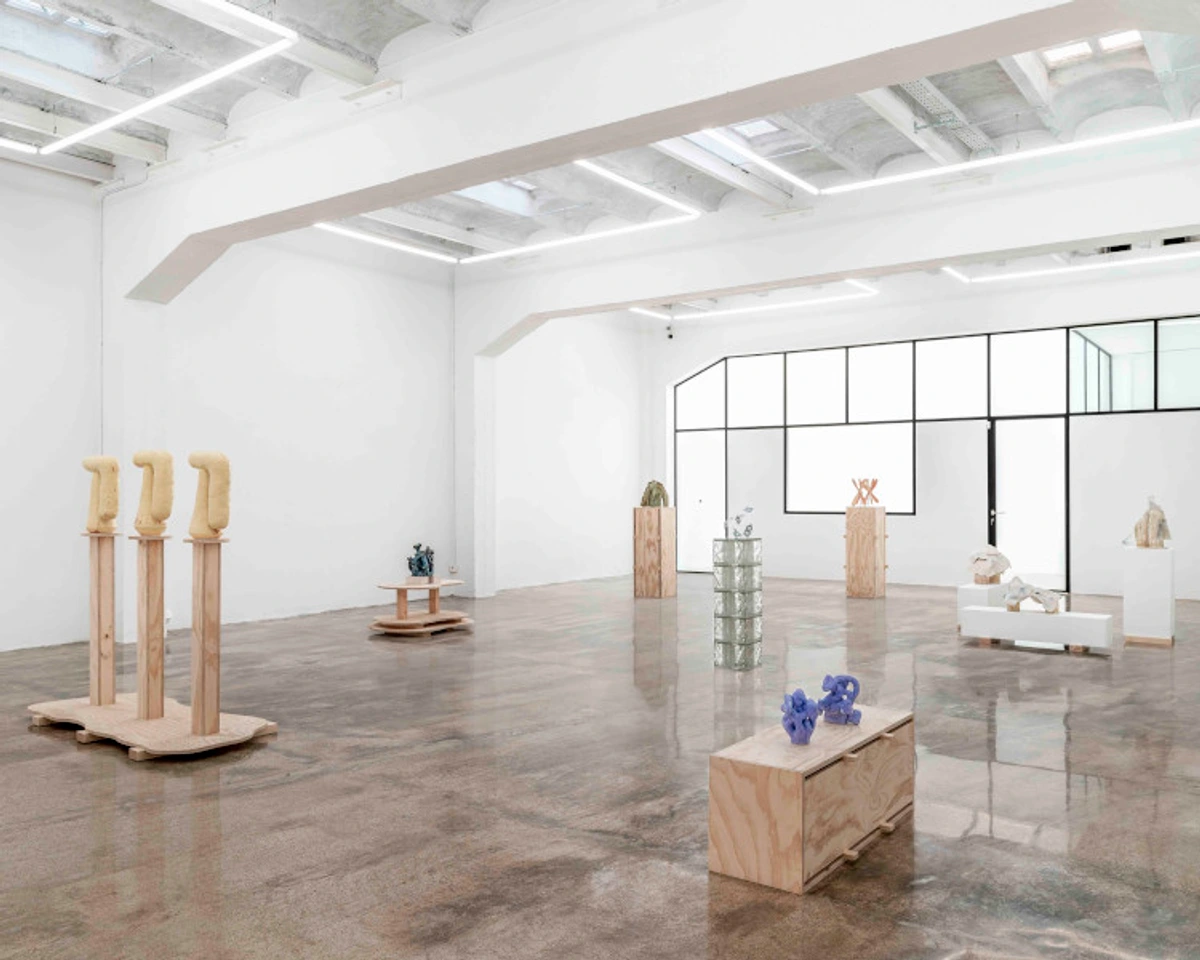
It’s also important to consider the flow of visitors through the gallery. Identify key areas where visitors are likely to linger and ensure that these areas are well-lit and inviting. Experiment with different layouts to find the one that best suits your space and enhances the overall visitor experience.
Can I use natural light in gallery corridors?
Natural light can be a beautiful addition to gallery lighting, but it must be carefully controlled. Use UV-filtering windows and adjustable shades to protect art from direct sunlight. Natural light can also be supplemented with artificial lighting to ensure consistent illumination throughout the day.
It’s also important to consider the orientation of the gallery and the position of windows. North-facing windows, for example, provide consistent, diffused light that is ideal for galleries. South-facing windows, on the other hand, may require additional shading to control the amount of direct sunlight entering the space.
What are the benefits of using smart lighting systems?
Smart lighting systems offer flexibility and control, allowing you to adjust brightness, color temperature, and even the direction of light remotely. They can also be programmed to adapt to different exhibitions or events, making them ideal for dynamic gallery spaces.
Additionally, smart lighting systems can be integrated with other gallery systems, such as security and climate control, to create a seamless and efficient management system. This can enhance the overall visitor experience and ensure the longevity of the art.
How often should I replace the bulbs in my gallery?
The lifespan of bulbs varies depending on the type. LED bulbs can last up to 50,000 hours, while halogen bulbs may need replacement every 2,000–4,000 hours. Regularly check bulbs for signs of dimming or flickering and replace them as needed to maintain optimal lighting conditions.
It’s also important to keep a record of bulb replacements. This can help identify patterns or recurring issues, allowing for proactive maintenance and ensuring the longevity of the lighting system.
What are the best practices for lighting in galleries with mixed media?
For galleries with mixed media, it’s essential to use a combination of lighting techniques. For example, sculptures may require directional lighting to highlight their three-dimensional aspects, while paintings may benefit from softer, diffused lighting. Experiment with different lighting combinations to find the best solution for your space.
It’s also important to consider the interaction between different types of art and lighting. For example, reflective surfaces may require specialized lighting to minimize glare, while textured surfaces may benefit from directional lighting to highlight their unique features.
How can I create a cohesive lighting design for a multi-room gallery?
To create a cohesive lighting design for a multi-room gallery, consider the flow of visitors and the overall aesthetic of the space. Use consistent lighting techniques and fixtures throughout the gallery to create a unified experience. However, be prepared to adjust the lighting for individual rooms based on the art and the desired atmosphere.
It’s also important to consider the transition between different rooms. Ensure that the lighting in each room complements the overall aesthetic of the gallery and creates a seamless and inviting experience for visitors.
What are the latest trends in gallery lighting?
The latest trends in gallery lighting include the use of smart lighting systems, interactive layouts, and sustainable practices. Smart lighting systems allow for remote control and customization, while interactive layouts create a personalized visitor experience. Sustainability is also a growing trend, with galleries incorporating energy-efficient bulbs and eco-friendly materials into their lighting designs.
Additionally, there is a growing emphasis on creating immersive and engaging experiences for visitors. This includes the use of dynamic lighting layouts, interactive installations, and innovative lighting technologies that enhance the overall impact of the art.
Conclusion
Designing an effective lighting layout for gallery corridors is both an art and a science. It’s about creating an atmosphere that enhances the art and the visitor’s experience. By considering fixture placement, color temperature, and conservation lighting, you can transform a simple corridor into a captivating journey.
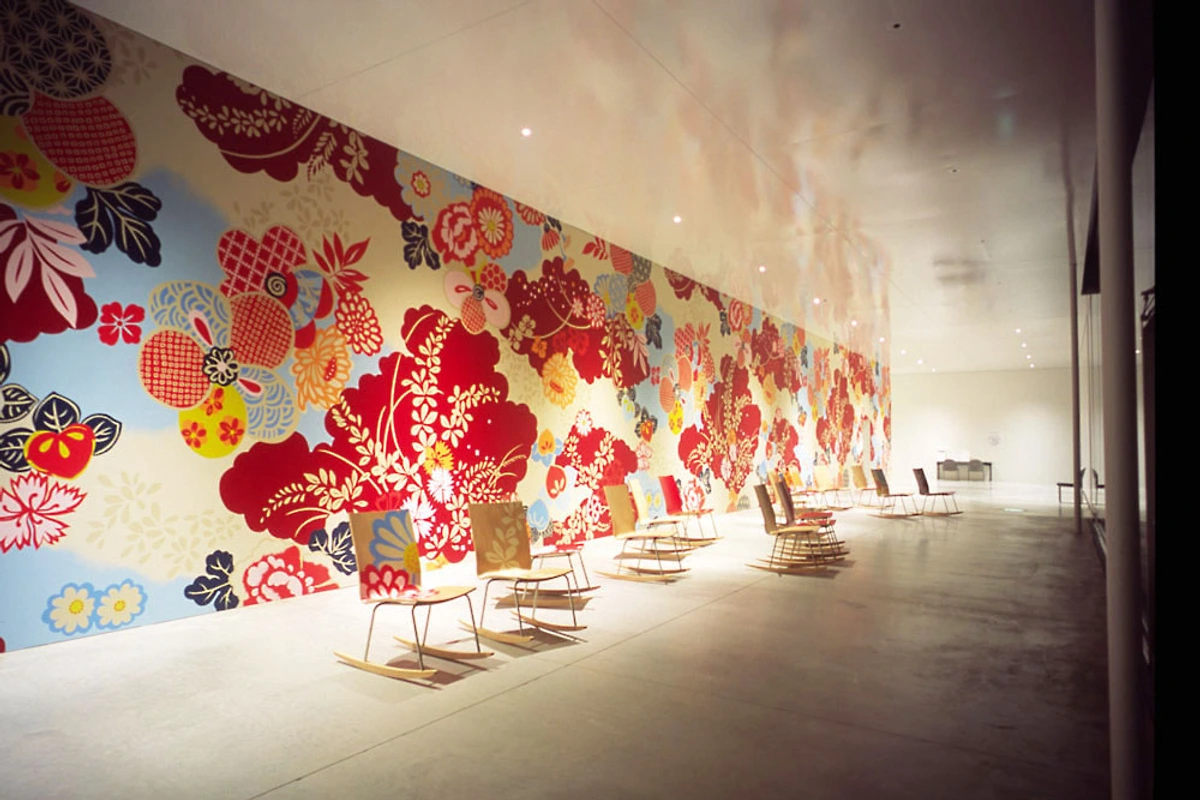
Remember, the goal is not just to illuminate the space but to create an experience that engages and inspires visitors. So, take the time to plan and design a lighting layout that truly reflects the essence of your gallery and the art it houses.
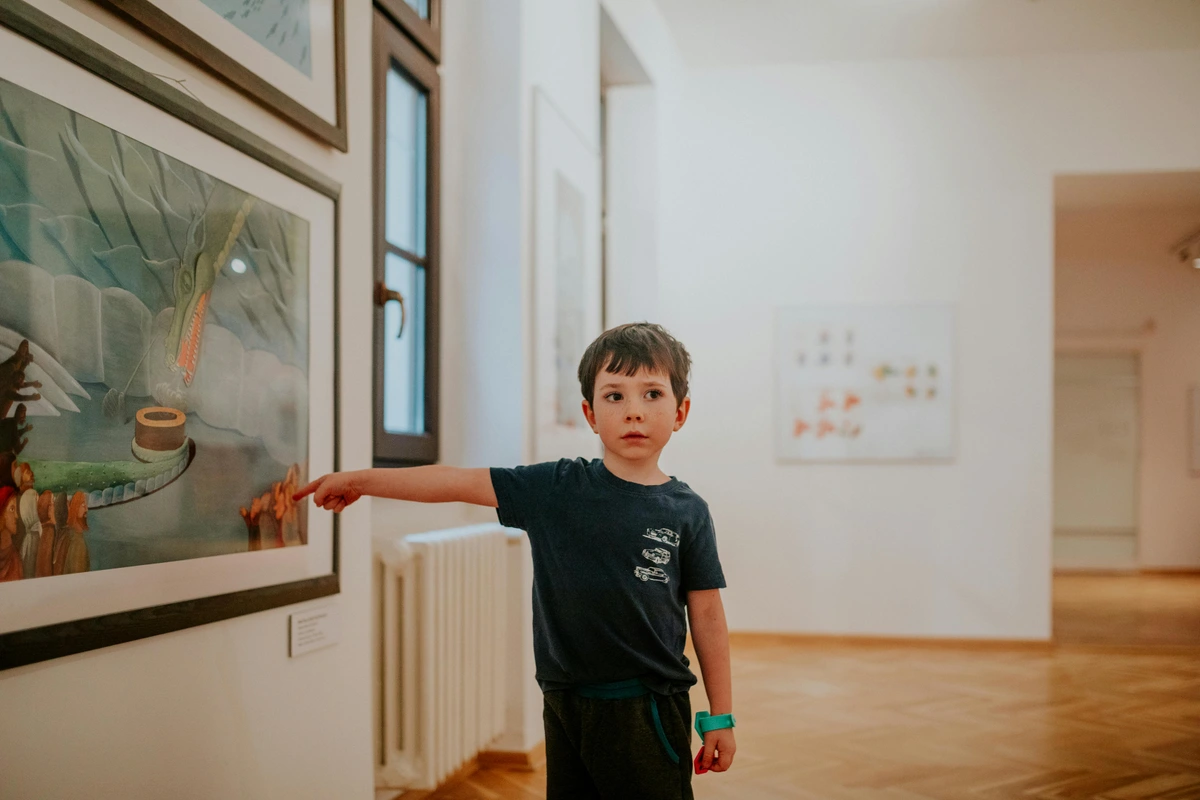
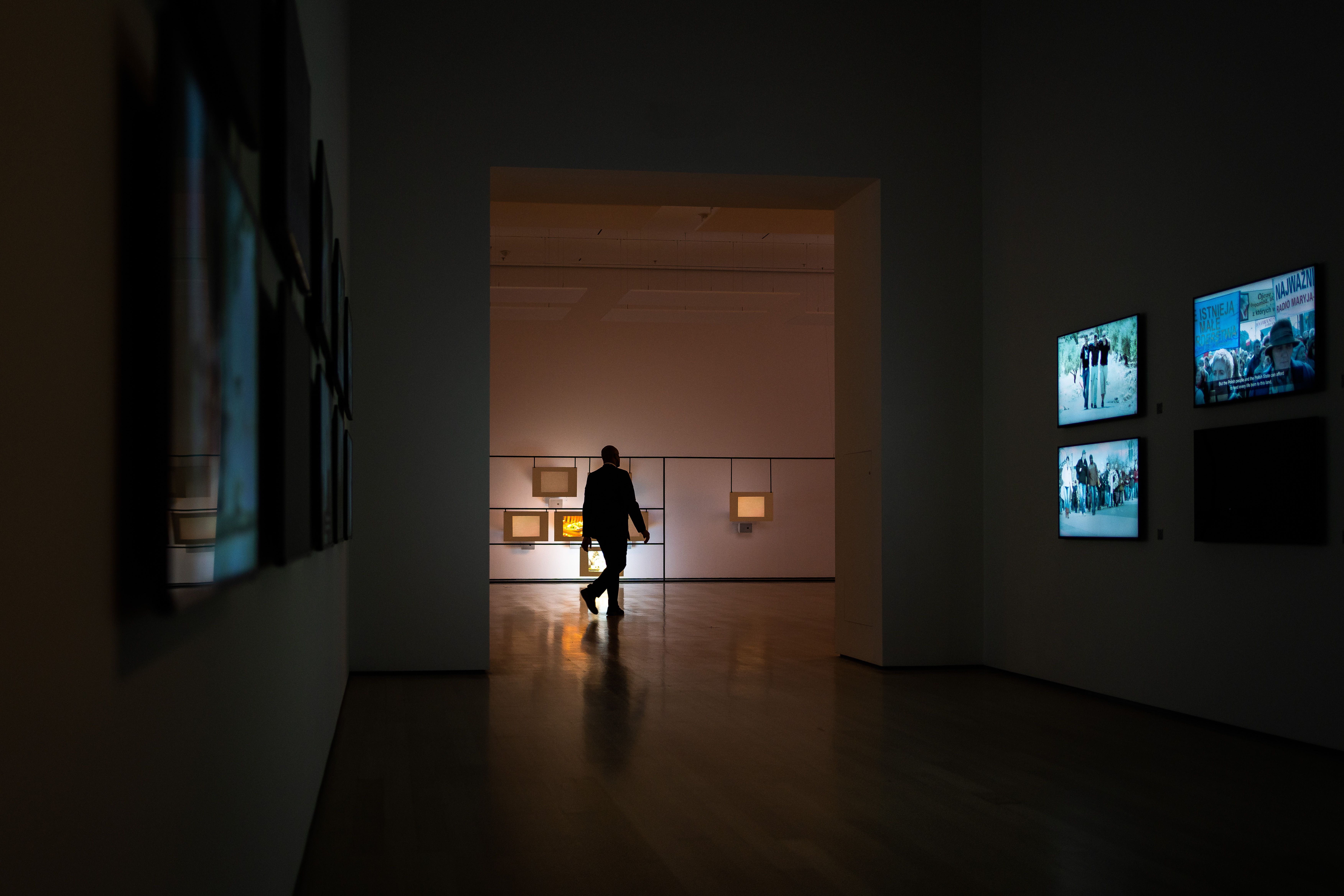
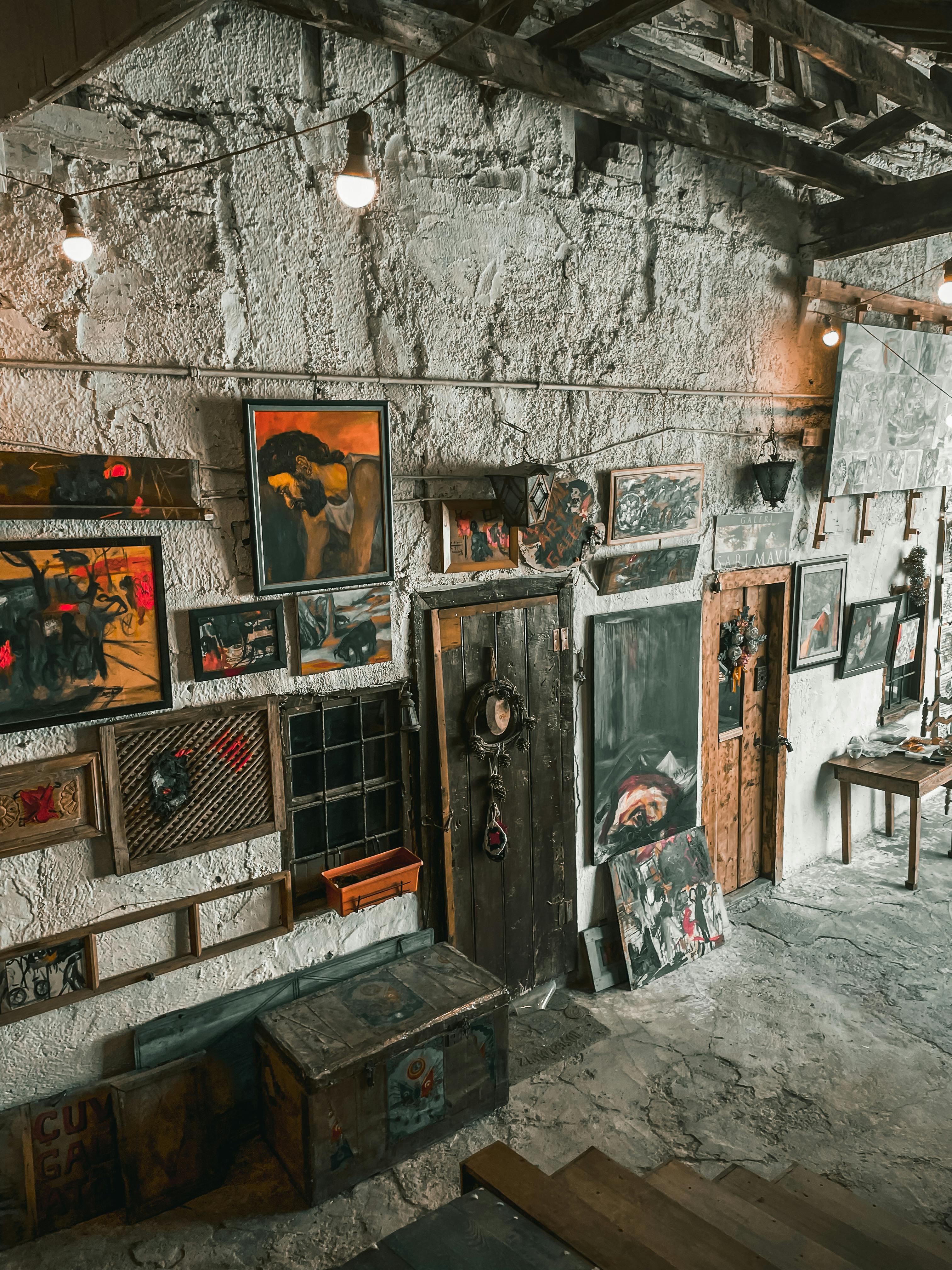



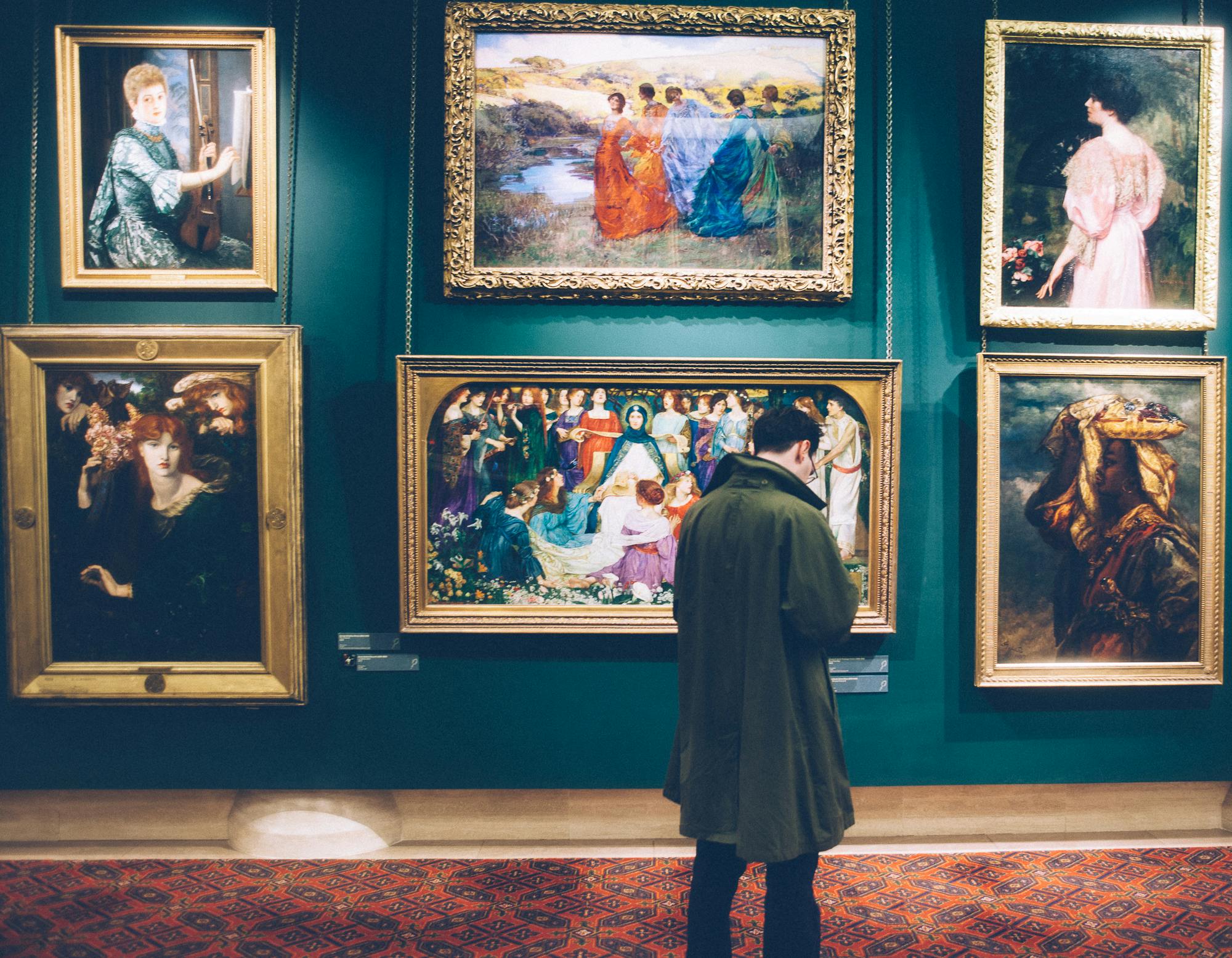


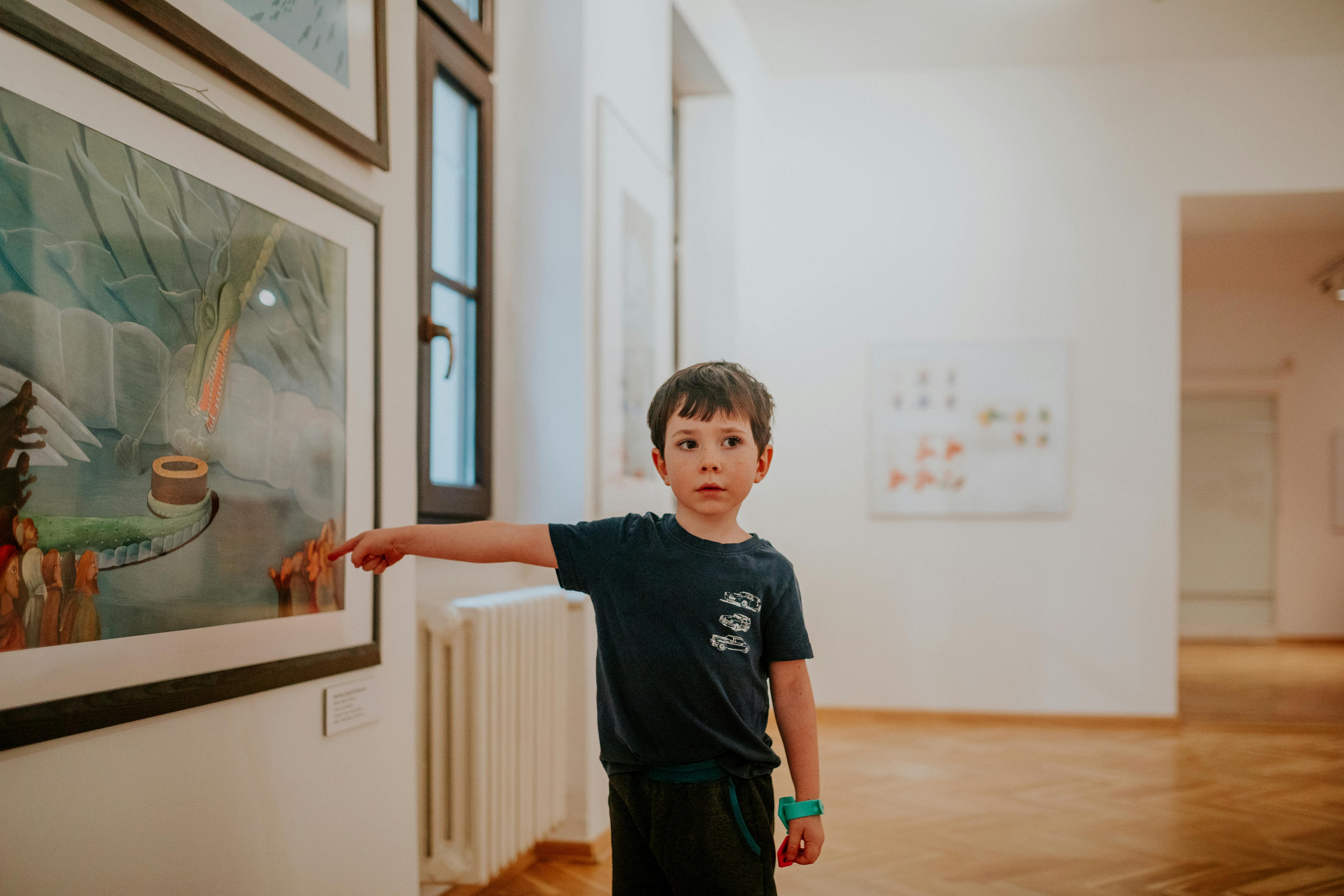
And if you're looking to enhance your gallery with stunning contemporary art, consider exploring our collection at Zen Museum. Our pieces are designed to captivate and inspire, just like the perfect lighting layout.
Lighting is more than just a technical requirement; it’s a storytelling tool. It shapes how visitors interact with art, how they feel in the space, and how they remember their experience. Whether you're designing a new gallery or revamping an existing one, thoughtful lighting can make all the difference.
Final Thoughts
As you embark on your lighting design journey, remember that there is no one-size-fits-all solution. Each gallery is unique, and the lighting layout should reflect the art, the space, and the vision of the curator. Don’t be afraid to experiment, seek feedback, and make adjustments along the way. The perfect lighting layout is a blend of creativity, technical expertise, and a deep understanding of the art it serves to illuminate.