The Best Art Galleries in Washington D.C.: A Curated Guide for the Curious Art Lover
Our guide covers the best art galleries in Washington DC—from hidden spots to iconic institutions. We explore what makes each gallery essential for art lovers.

The Best Art Galleries in Washington, D.C.: A Curated Guide for the Curious Art Lover
I'll be honest with you – the first time I walked into a major D.C. gallery, I felt like I'd crashed a party where everyone had a secret password except me. The polished floors, the quiet conversations, the way people seemed to sniff out meaning from canvas strokes that just looked like... well, canvas strokes to me.
But here's the thing I've learned after countless hours exploring D.C.'s art scene: every gallery has its own heartbeat. Some whisper their secrets. Others practically grab you by the collar and demand your attention. And finding the ones that speak to you? That's where the magic happens.
Washington isn't just about politics and cherry blossoms. This city pulses with contemporary energy, housing some of the most dynamic, provocative, and downright gorgeous art spaces in the country. Whether you're hunting for the next big thing or simply want to spend a rainy afternoon surrounded by beauty, D.C.'s gallery district has something to make your soul lean forward and take notice.
This guide isn't just another list. It's a deep dive into the ecosystems that make D.C. a world-class art destination, from the Smithsonian's hallowed halls to raw artist-run collectives where creativity bleeds right through the walls.
[ credit,
licence](https://unsplash.com/photos/a-building-with-a-fountain-in-front-of-it-c1h-E7JHoBY)
credit,
licence](https://unsplash.com/photos/a-building-with-a-fountain-in-front-of-it-c1h-E7JHoBY)
Steve Bromley, Unsplash License
The Sleeping Giants: D.C.'s Major Art Institutions
Let's talk about the heavy hitters first – the names you probably already know. These institutions form the bedrock of D.C.'s art ecosystem, and they're absolutely worth your time, even if they feel intimidating. They're essentially the pillars holding up the city's cultural skyline.
National Gallery of Art: More Than Just Old Masters
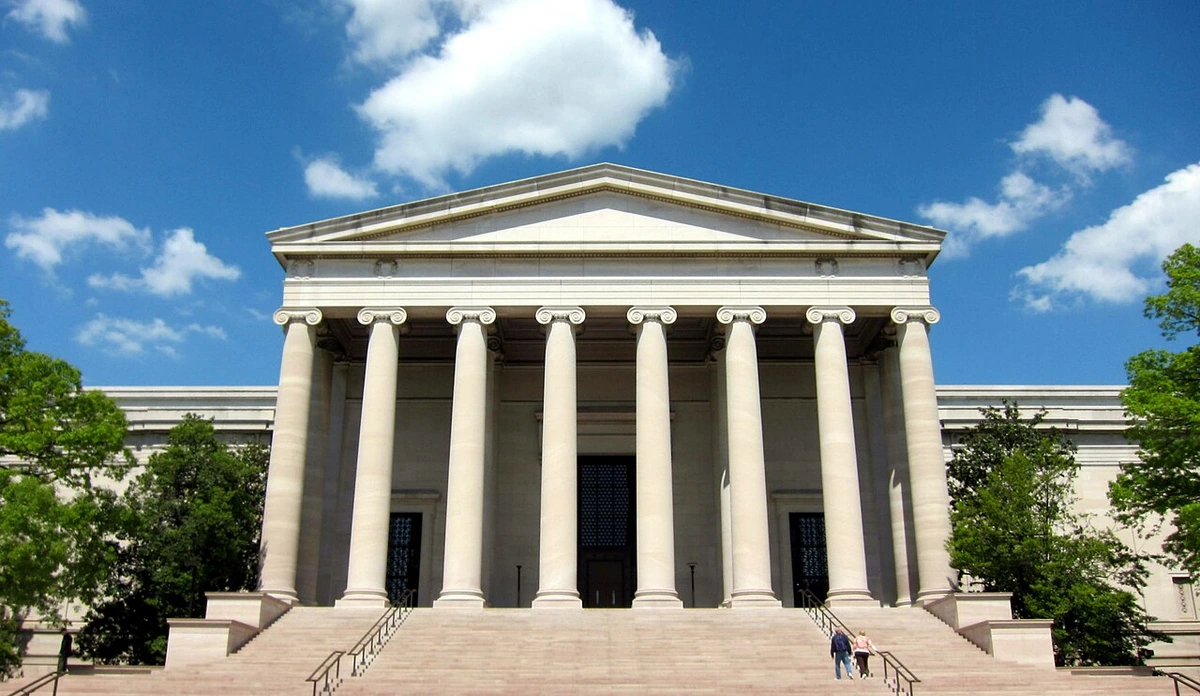
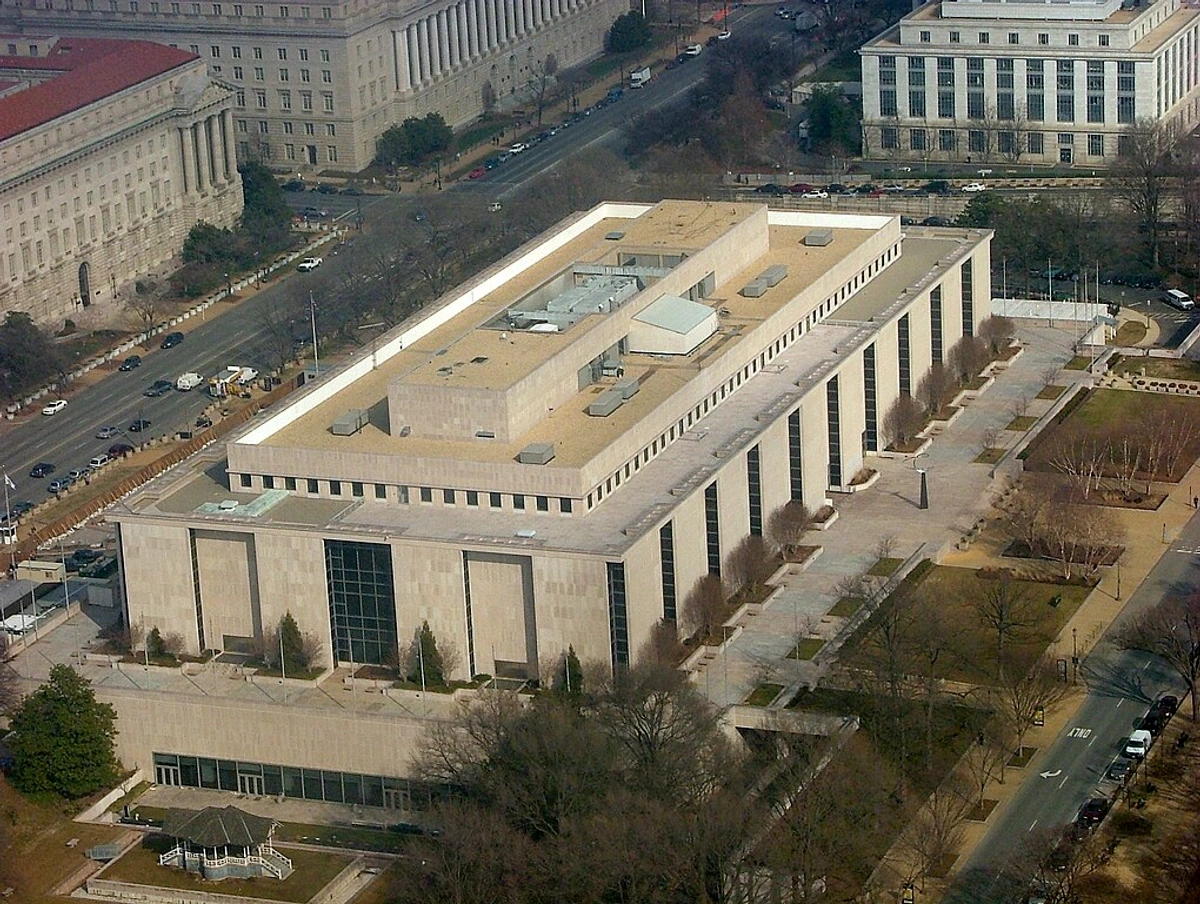
The National Gallery feels like walking into a vast cathedral dedicated to human creativity. Here's my confession: for years, I'd breeze through the West Building's European galleries, glance at the Monets, and call it a day. What a mistake.
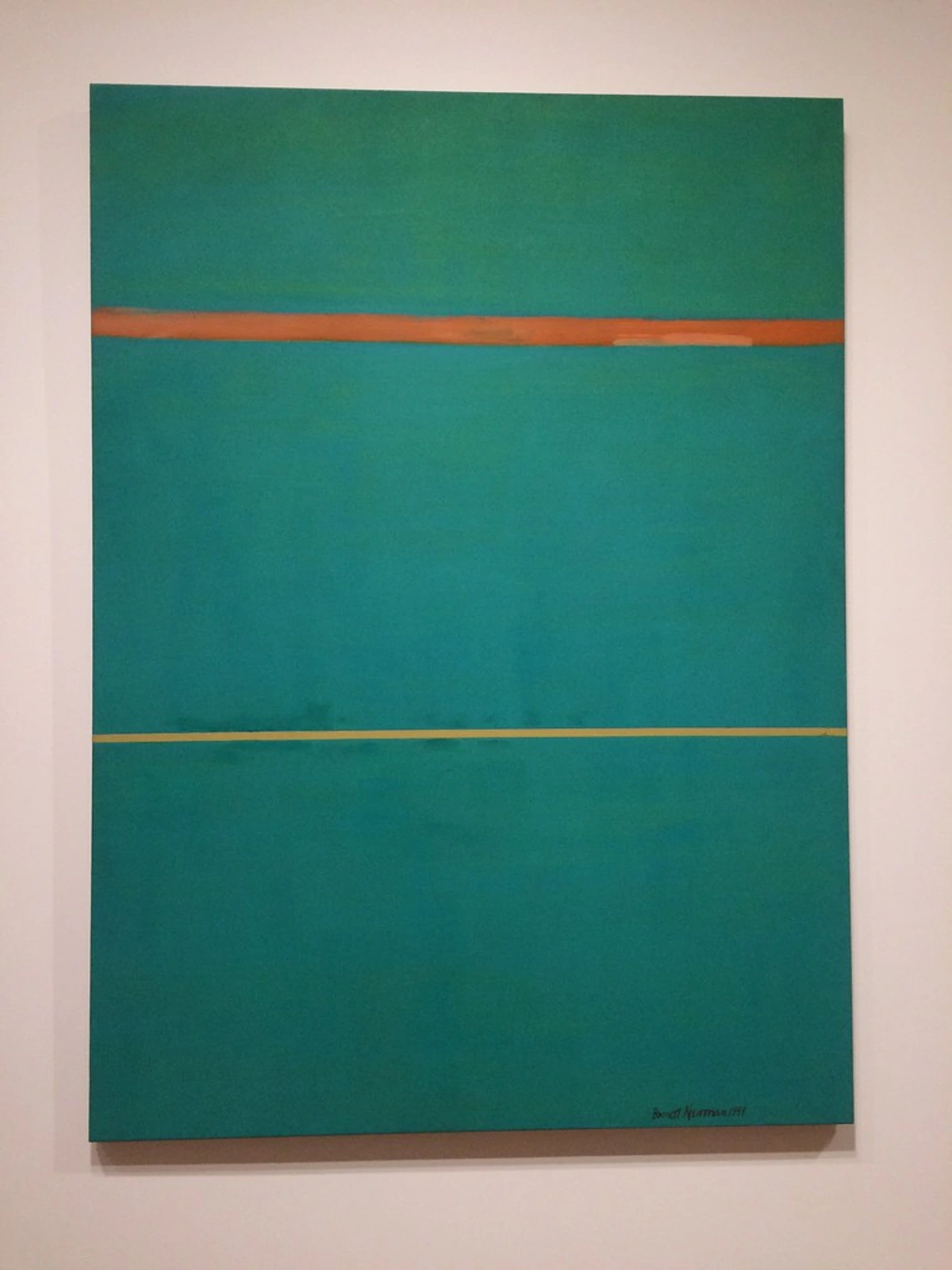
The East Building, designed by I.M. Pei, houses some of the most boundary-pushing contemporary and modern art you'll encounter anywhere. I remember standing in front of Mark Rothko's massive color fields once – the kind of abstract color works I paint myself – and feeling that quiet hum of recognition. The juxtaposition between the classical and the contemporary across these two buildings creates this gorgeous tension.
What makes it special? The collection spans seven centuries, but the curation feels surprisingly current. They're not afraid to show how historical works echo in today's art.
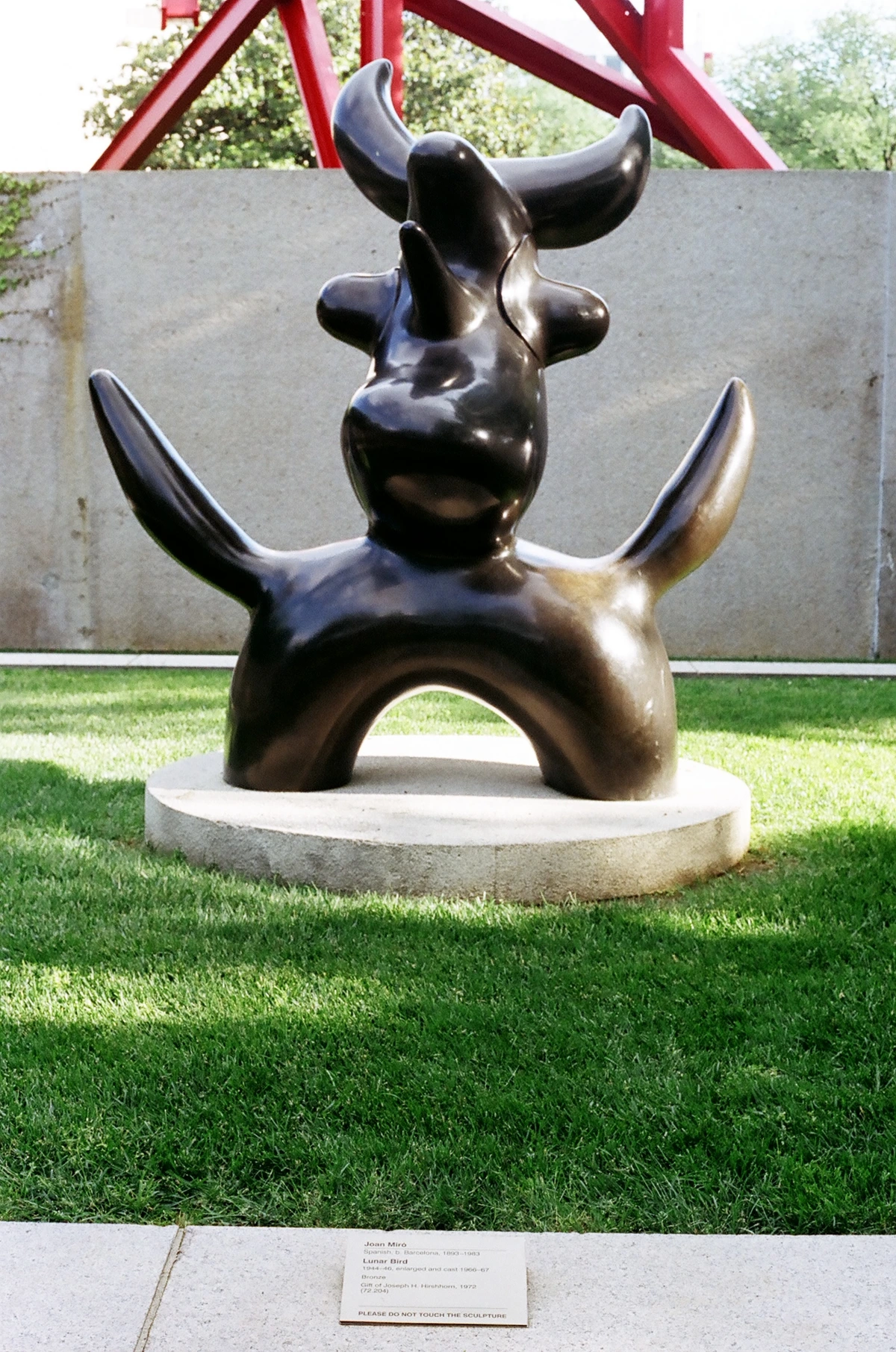
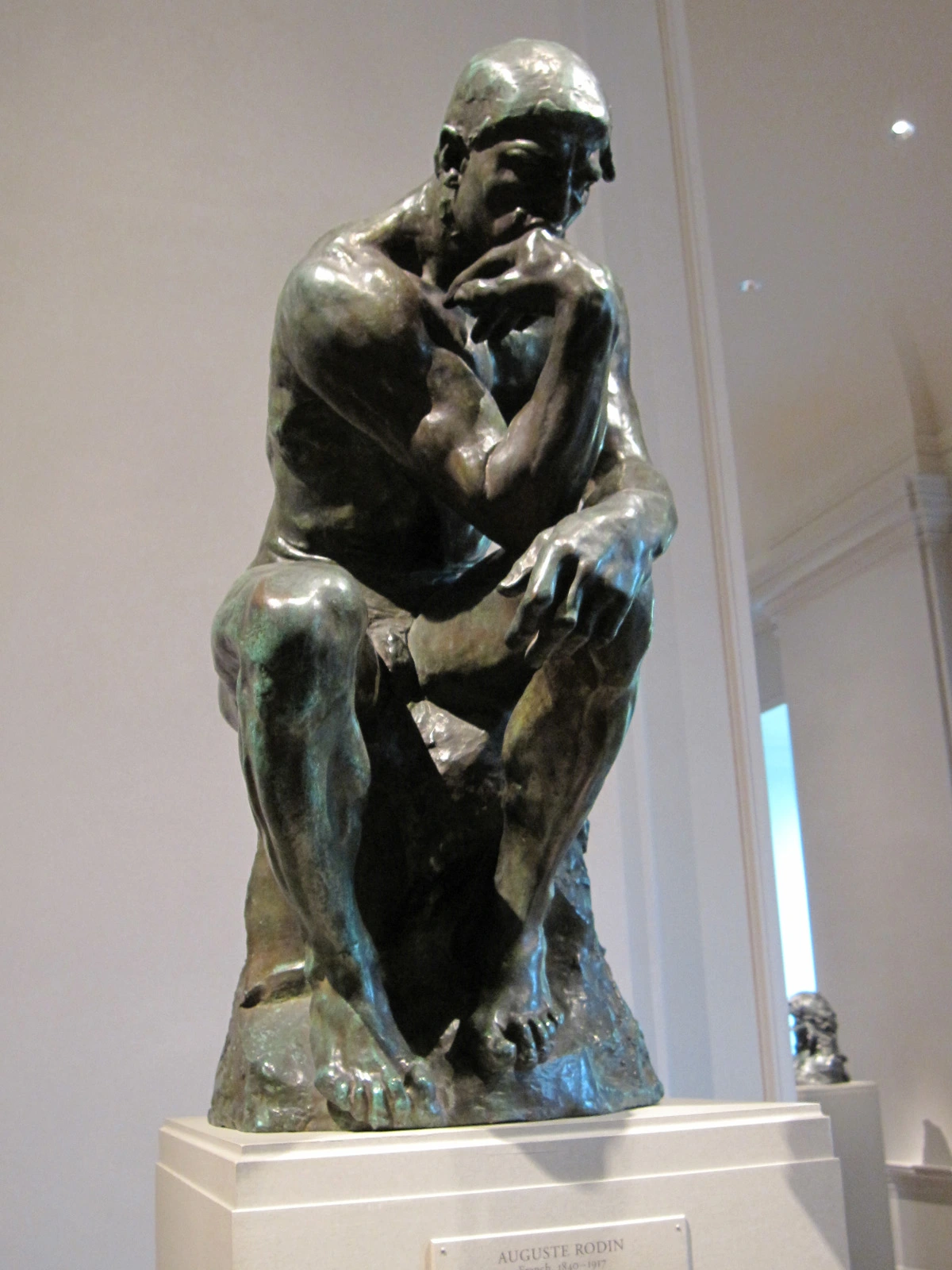
I should also mention their sculpture garden – an outdoor oasis where modern sculpture meets landscape design. Standing beside a massive Louise Bourgeois spider or walking through a Calder mobile is an entirely different experience than viewing art indoors.
Special Programs: Their lecture series features curators and artists themselves. I once attended a talk about color field painting that fundamentally shifted how I understand abstraction.
Hours & Accessibility: Open daily 10:00 AM - 5:00 PM, with evening hours until 9:00 PM during peak seasons. Completely wheelchair accessible, with free admission always.
Pro Tip: The library and archive collections are open to the public by appointment – a treasure trove for anyone doing serious research.
Visiting tip: Don't miss the underground tunnel connecting the East and West Buildings – it's an art installation in itself.
Smithsonian American Art Museum & Renwick Gallery: America's Story in Color
The Smithsonian American Art Museum holds the world's largest collection of American art. That's not hyperbole – if you want to understand the American experience through color, form, and vision, this is your place. The collection spans from colonial portraits to contemporary multimedia works, capturing the nation's evolving identity.
Renwick Gallery is their contemporary craft and decorative arts branch, located steps from the White House. This place consistently breaks down barriers between "art" and "craft." I once saw an installation there made entirely of reclaimed materials – furniture, door frames, window sashes – arranged into towering, intricate patterns that made me reconsider everything I thought I knew about sculpture, dance and order in art.
Standout Artists & Collections: They hold significant works by Alma Thomas, the Washington Color School painters, and host rotating exhibitions that highlight often-overlooked voices in American art.
Unique Features: Their Luce Foundation Center displays thousands of artworks in open storage – you can get astonishingly close to pieces that would normally be behind glass.
Hours & Accessibility: Open daily 11:30 AM - 7:00 PM. Free admission. Fully accessible. The Renwick is particularly stunning at night when the lighting transforms the historic building.
What makes it special? They consistently showcase artists working at the intersection of craft and fine art, people who blur the lines between disciplines, making you question why we ever separated these categories in the first place.
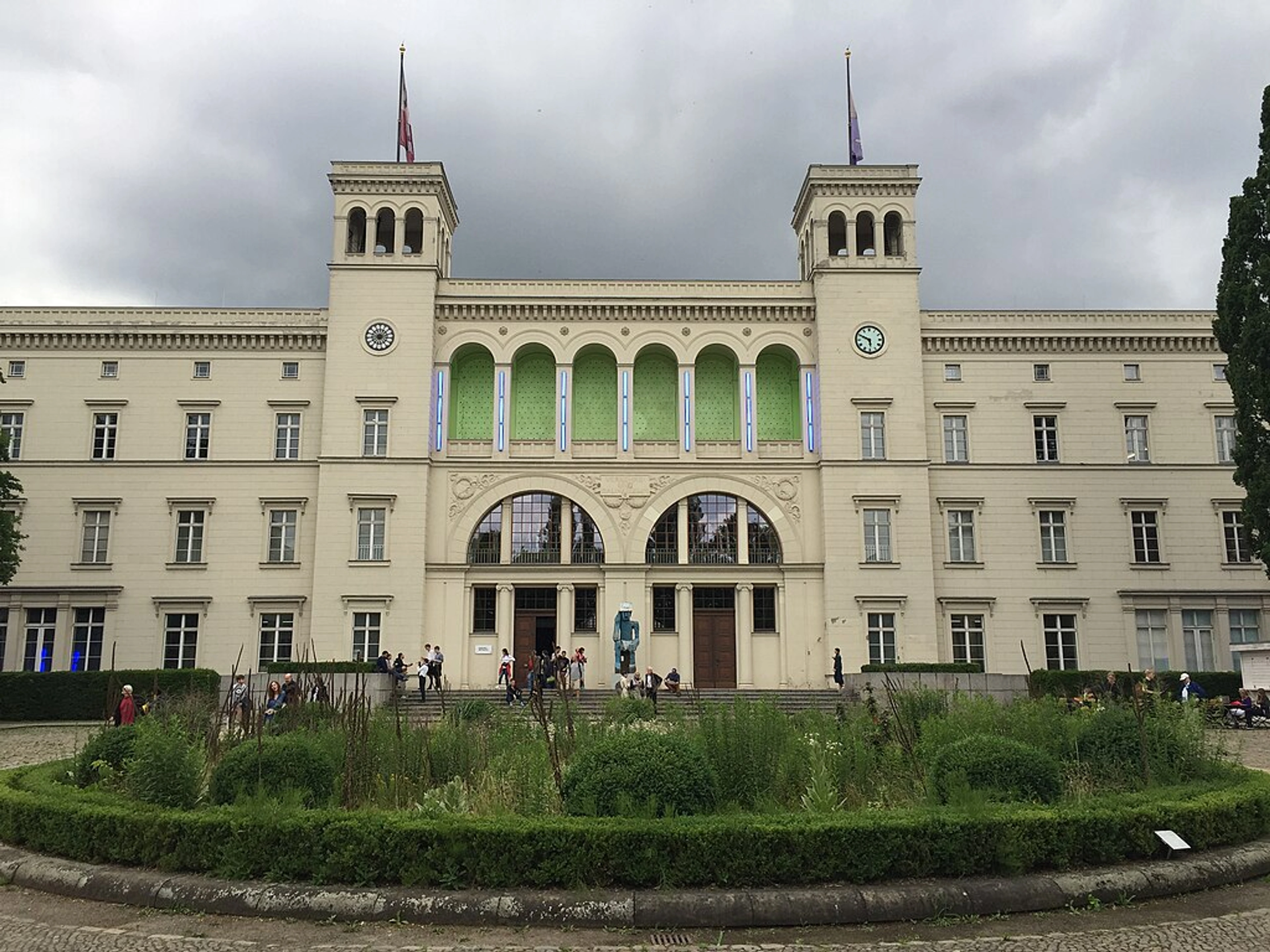
Hirshhorn Museum: Where Contemporary Art Gets Uncomfortable (In the Best Way)
The Hirshhorn is that friend who always tells you the truth, even when it's hard to hear. When I visited their exhibition of contemporary Latin American art, the work hit me on this visceral level. It wasn't pretty or decorative – it was urgent.
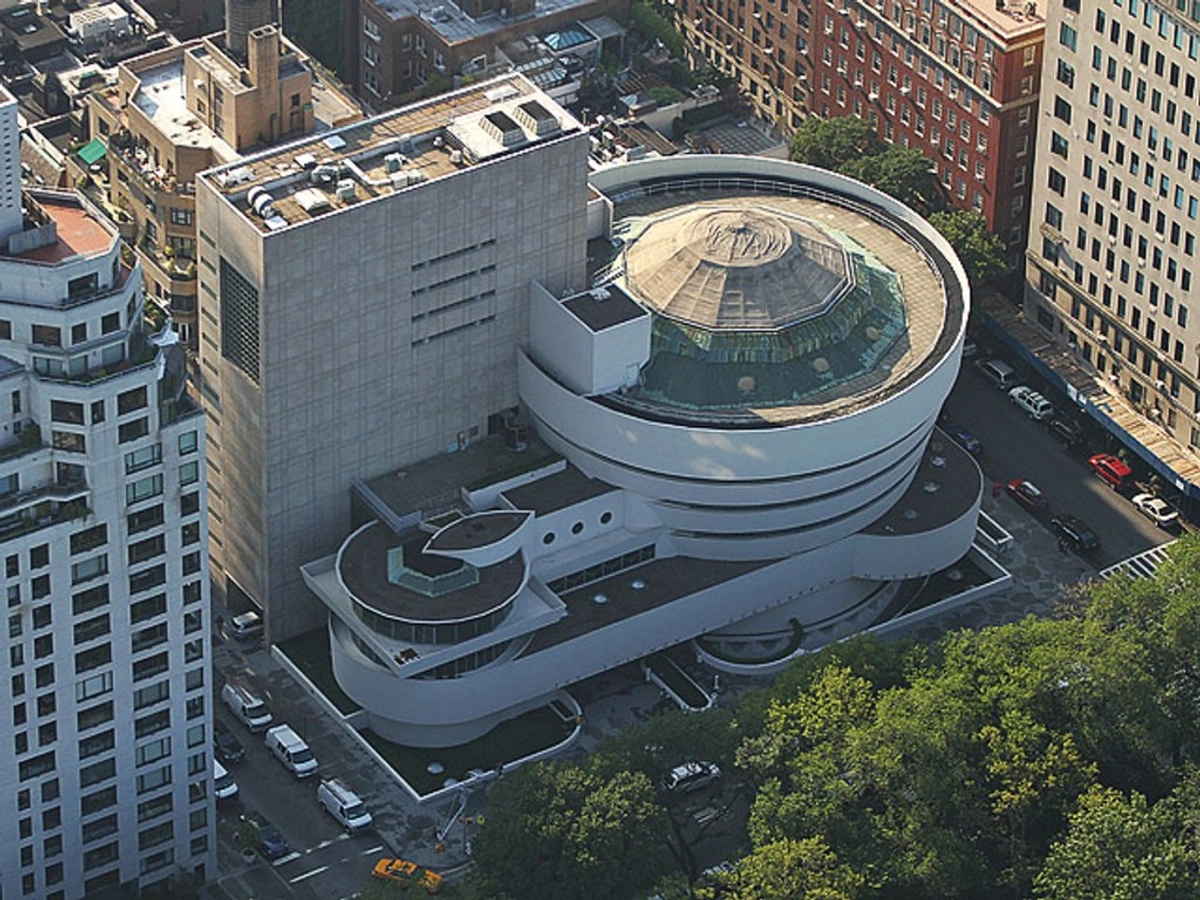
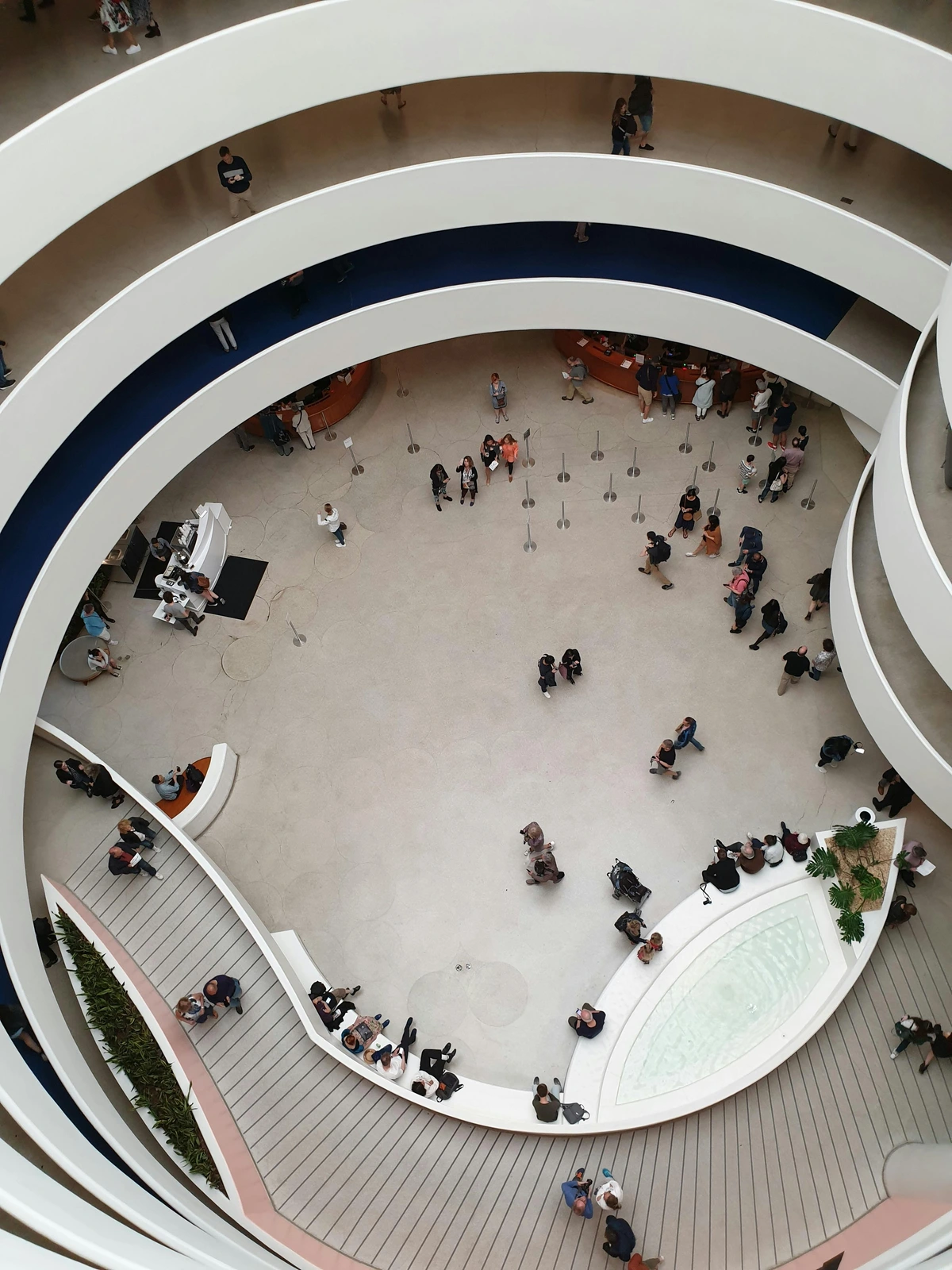
The circular building itself creates these strange, disorienting pathways through exhibitions. You literally can't see what's coming next, which forces you to be present with each piece. This architecture isn't just a container – it actively shapes your encounter with the art inside.
Contemporary Focus: Their focus on artists from the 1960s onward means you encounter work that speaks directly to contemporary anxieties, joys, and contradictions.
Scultpure Garden: The outdoor plaza features monumental sculpture, turning the entire museum grounds into an art experience.
Film & Performance: They regularly host avant-garde film screenings and performance art – I once witnessed a piece involving synchronized swimmers in the fountain that I still think about years later.
Hours & Accessibility: Open daily 10:00 AM - 5:30 PM, with extended summer hours. Free admission. Wheelchair accessible with elevators throughout the circular structure.
Special Tip: Their ARTLAB + program connects teens with contemporary artists – if you visit on weekends, you might catch workshops in action.
What makes it special? They take risks. They show work that other institutions might find too challenging, too political, or too strange. Walking out of the Hirshhorn always feels like emerging from a slightly altered reality.
The Commercial Galleries: Where Art Gets Real
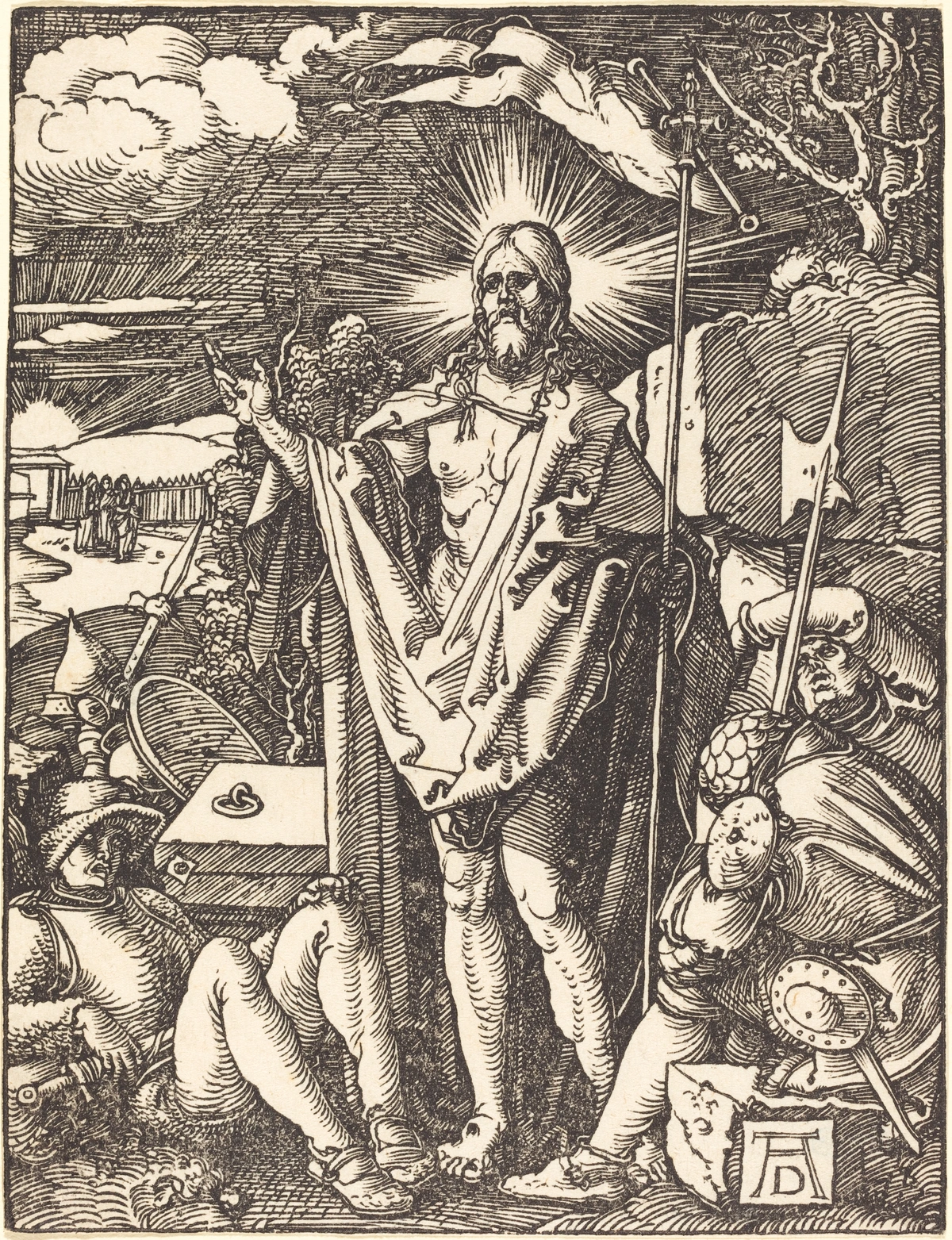
Here's where things get interesting. While the big institutions anchor D.C.'s art scene, the commercial galleries are where you'll find the blood, sweat, and tears of the contemporary art market. These spaces operate as laboratories where emerging artists get their first breaks and established names test new directions.
Navigating Commercial Spaces: Unlike museums, these galleries exist to sell art. But here's the beautiful part – most welcome browsers with genuine curiosity. You don't need to be a collector to appreciate the cutting-edge work happening here.
Dupont Circle & Logan Circle: Gallery Districts Where Discovery Lives
I used to live near Dupont Circle, wandering these streets on weekend afternoons when $5 seemed like too much for coffee but art galleries were free. Turns out, some of the best adventures happen when you have more curiosity than cash.
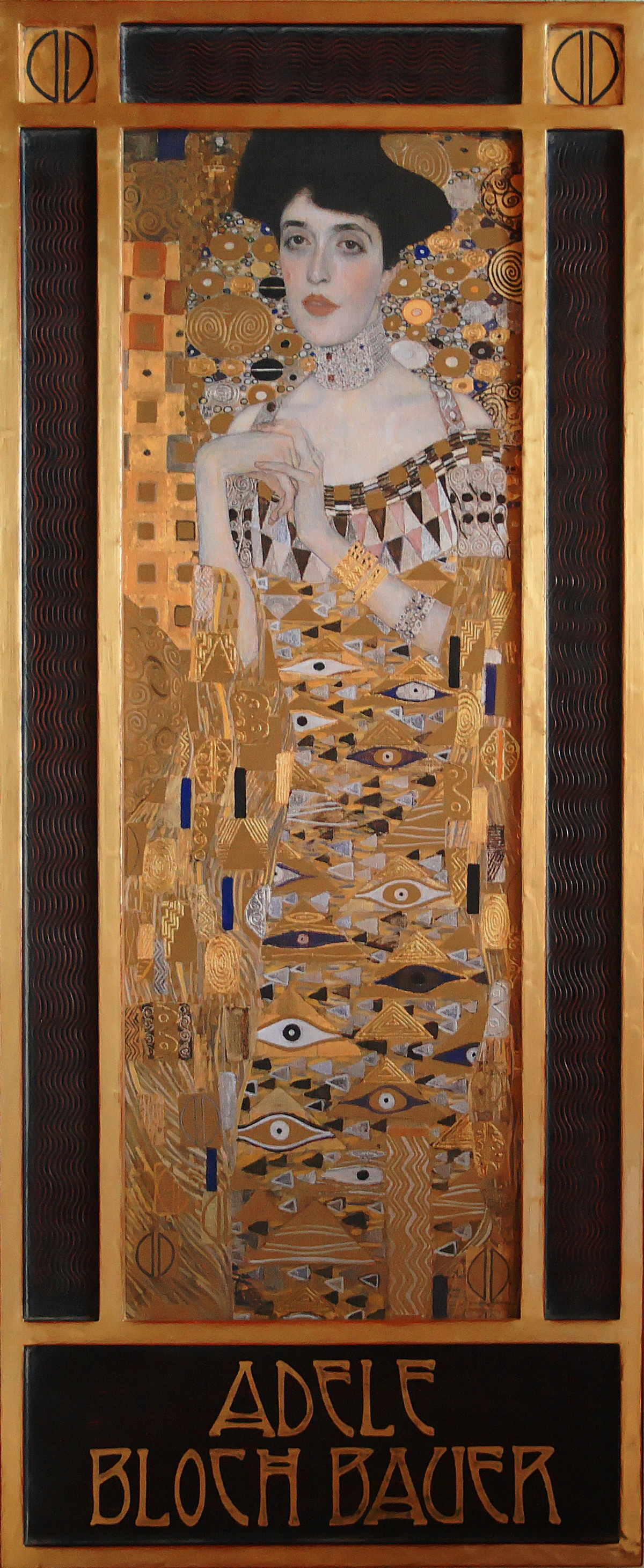
Hemphill Fine Arts consistently shows mid-career and established artists. They have this uncanny ability to spot talent years before the art world catches up. I saw series of abstract landscapes there once – colour soaked canvases that felt like orchestras of hue and texture. Walked out with my head spinning. Location: 434 K Street NW, Suite 403. Hours: Tuesday - Saturday, 10 AM - 5 PM.
G Fine Art is pioneering. They tackle social issues, identity politics, and contemporary cultural debates through their exhibitions. Visiting always feels like stepping into a conversation happening right now, not something curated for posterity. Location: 1515 14th Street NW. Hours: Tuesday - Saturday, 11 AM - 6 PM. Specialties: socially engaged art, emerging artists, multimedia installations.
Project 4 Gallery specializes in site-specific installations. They don't just hang art – they transform their entire space for each exhibition. Feels less like viewing and more like entering an alternative dimension. Location: 1535 14th Street NW, third floor. Hours: Tuesday - Saturday, 12 PM - 6 PM. Specialties: large-scale installations, experimental approaches, site-specific work.
Then there's Skira, a mainstay in the neighborhood, presenting a thoughtfully curated program of emerging and established artists.
Walking through these districts, you'll stumble upon smaller spaces tucked into brownstones, experimental galleries operating out of converted row houses. That's the joy of it – the element of surprise never disappears.
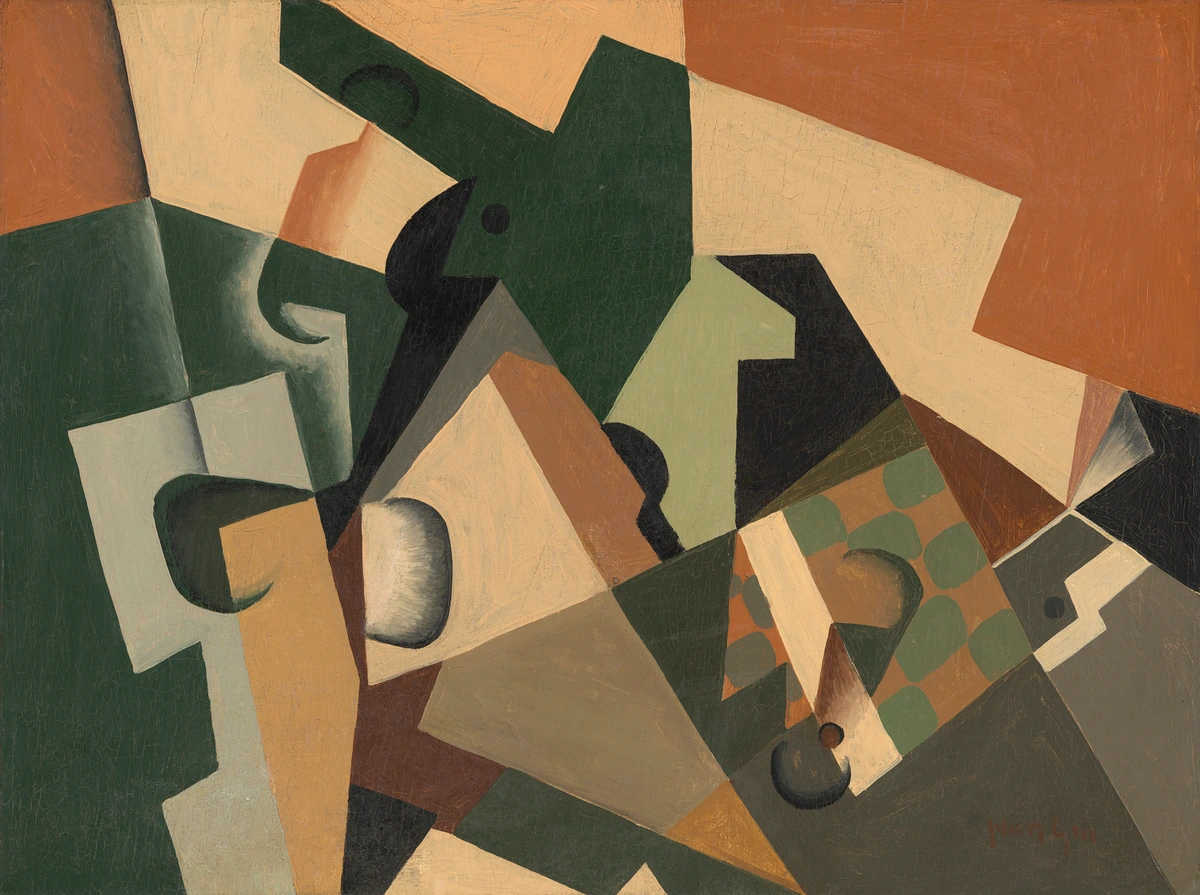
The Commercial Gallery Experience: Remember, these spaces are businesses. But the best gallerists understand that education and community building ultimately drive sales. Don't be afraid to ask questions about technique, materials, or the artist's background. Most will happily share their expertise.
Georgetown's Art Corridor: A Different Kind of Sophistication
Georgetown feels more polished, more international somehow. The galleries here often focus on artists with established reputations, both American and international. Walking these cobblestone streets with historic townhouses converted into elegant gallery spaces creates a distinctly European atmosphere.
Addison/Ripley Fine Art has been showing serious, museum-quality work for decades. They represent artists who've built substantial careers, and their exhibitions feel like masterclasses in artistic development. Location: 1670 Wisconsin Avenue NW. Hours: Tuesday - Saturday, 11 AM - 6 PM. Their focus on painting – particularly landscape and abstraction – connects directly to art historical traditions while remaining unmistakably contemporary.
Susan Calloway Fine Arts specializes in European and American masters, offering a bridge between historical work and contemporary practice. Location: 1643 Wisconsin Avenue NW. Hours: Tuesday - Saturday, 10 AM - 5 PM. Their expertise in 19th and early 20th-century works provides context for understanding how current artists engage with art history.
Additional Georgetown Highlights:
- Gallery Neptune & Brown connects traditional techniques with contemporary content
- Multiple galleries along Wisconsin Avenue and M Street create a walkable corridor
- Canal Square houses several smaller spaces worth exploring
I appreciate Georgetown's galleries for different reasons than the edgier Dupont spaces. There's something to be said for refined taste, for spaces that feel considered and permanent. This district proves that "commercial" doesn't have to mean "compromised."
Practical Georgetown Info:
Hours: Most galleries open Tuesday - Saturday, 11 AM - 6 PM Transit: Take the Metro to Rosslyn, then the Georgetown Circulator bus, or enjoy the pleasant walk across Key Bridge Bonus: Combine gallery hopping with Georgetown's excellent dining scene for a perfect afternoon
Hidden Gems & Alternative Spaces: Where the Real Adventures Begin
Now we're getting to my favorite part – the places most visitors never find.
Transformer: The Punk Rock Spirit of D.C. Art
Transformer occupies this tiny space in Logan Circle, but their impact is anything but small. They're a non-profit dedicated to emerging artists, and walking in always feels like discovering a secret. Raw, unfinished, sometimes messy – but always honest. This is where you'll see artists fresh out of graduate programs taking their first professional steps, experimenting freely without commercial pressure.
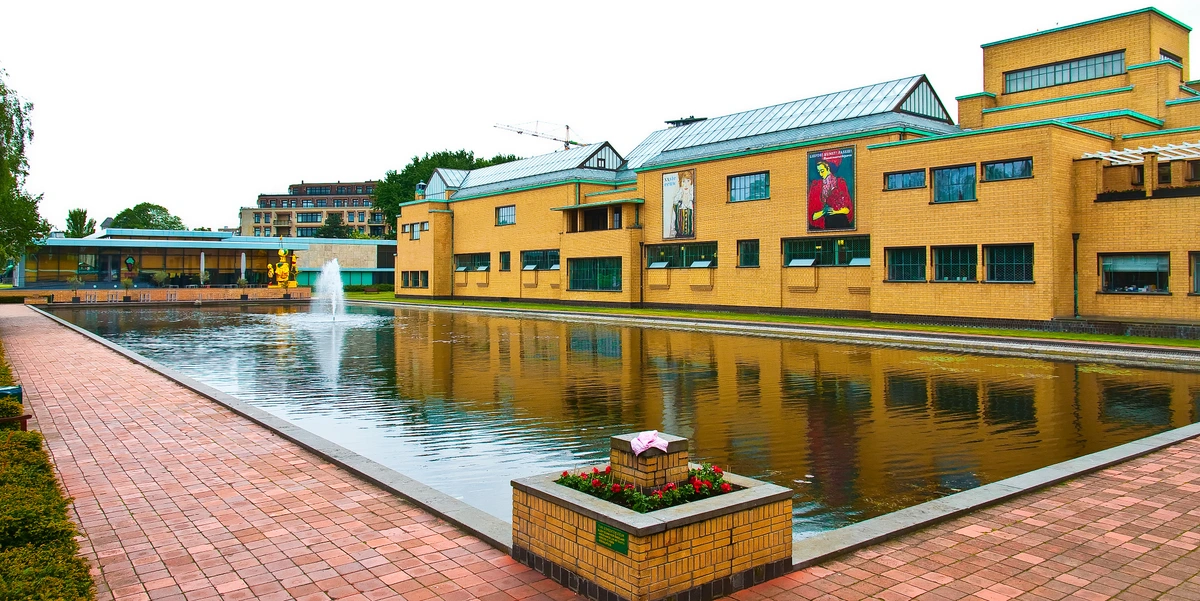
What Makes Transformer Special: Their mentorship programs and international exchange initiatives mean they're simultaneously local and global. I've discovered artists here who later appeared in major biennials.
Visiting Details: Located at 1404 P Street NW. Open Wednesday - Saturday, 12 - 6 PM. Admission free (donations encouraged). Their annual benefit auction features incredible deals on work by artists on the verge of broader recognition.
Special Programming: Don't miss their "Transformer Auction" – it's one of the best opportunities to acquire work by tomorrow's art stars at accessible prices.
I once saw a performance piece there involving hundreds of clay masks. The artist handed me one, and suddenly I wasn't just a viewer anymore. That moment changed how I think about art's ability to create community.
Vox Populi: Artist-Run, Artist-Focused
Vox Populi is run by artists for artists. The energy is different here – less commercial, more experimental. They show work that pushes boundaries, challenges assumptions, and refuses to play it safe. This collective has been incubating emerging talent for over three decades, serving as a crucial stepping stone for artists before they enter the commercial market.
What to Expect: Raw spaces, experimental installations, performance art, and conversations with artists themselves. I once watched an artist spend an entire evening slowly tearing down their own installation while explaining their process – it was mesmerising and completely unscripted.
Visiting Details: Located in the increasingly vibrant Eckington neighborhood. Open Thursday - Sunday, 12 - 5 PM. Admission by donation. Check their calendar for monthly "First Friday" events featuring multiple openings and performances.
Nearby: Combine your visit with Criminal Records (excellent coffee) and Red Bear Brewing for a complete afternoon.
What I love about spaces like Vox Populi is that you see art being made by people still working out their ideas, still taking risks. It's unpolished, sometimes difficult, always rewarding.
Practical Wisdom: Navigating D.C.'s Art World Like You Belong There
Here's the thing nobody tells you: feeling at home in galleries is mostly about confidence. You belong there as much as anyone else. Here are some lessons I've learned the hard way:
Gallery Etiquette Decoded: Gallery etiquette isn't about knowing art history. It's about being curious. If you don't understand something, ask. Most gallerists love talking about their artists. I've had hour-long conversations about brush technique with complete strangers that started with "I don't get this, can you help me understand?"
Timing Your Visits: First Friday openings (the first Friday of each month in many gallery districts) are chaotic, social, and perfect for dipping your toes in. The art's the same, but the atmosphere is celebratory.
Many galleries publish exhibition schedules months in advance. If you want to avoid crowds, visit on weekday afternoons. You'll have the space almost to yourself.
The Art of Selection: Don't try to see everything. Pick one or two neighborhoods, explore them thoroughly, then come back another day. Art appreciation shouldn't feel like a marathon.
Money Talk: Ask about price lists. Yes, really. Most commercial galleries keep them at the front desk. Looking at art you can't afford isn't depressing – it's education. I've learned more about the art market by casually browsing price lists than from any auction catalog.
Communication Tips: If you love something but can't afford it, say so. Gallerists remember genuine enthusiasm and might let you know about smaller works, prints, or future opportunities. I once mentioned loving an artist's large canvases and received an invitation to their studio sale six months later.
Practical Essentials: Most galleries maintain email lists – sign up for those that resonate with you. Exhibition announcements often come with artist statements and installation photos that deepen your understanding before you even visit.
Seasonal Planning: The art world follows rhythms. September brings the fall season openings. January often features more experimental programming. Summer shows tend toward group exhibitions. Understanding this calendar helps you plan visits when the art you're most interested in will be on display.
Beyond the Expected: D.C.'s Overlooked Art Ecosystems
Now let's venture beyond the typical gallery map into spaces that transform how we think about where art happens.
Art in Unexpected Places: Hotels, Office Buildings, and Public Spaces
One of D.C.'s best-kept secrets is how much art exists outside traditional gallery contexts. I'm talking about hotel art programs, corporate collections with public viewing hours, and buildings that double as art experiences.
The LINE Hotel DC regularly curates exhibitions in their lobby and event spaces, featuring both emerging local artists and established names. It's free to enter and explore – I've spent entire afternoons working in their cafe surrounded by incredible work.
Avenue Arts Club represents a newer model: part co-working space, part gallery, part social club. Their rotating exhibitions feel more intimate than commercial galleries while maintaining professional curation standards. The added benefit? You can often meet the artists during weekday hours when they're using the workspace.
Public Art & Architecture: Don't overlook D.C.'s phenomenal public art collection. The Martin Luther King Jr. Memorial Library features changing exhibitions alongside permanent installations. Ronald Reagan Washington National Airport displays museum-quality works throughout its terminals. Even office buildings like 700 Sixth Street SW maintain galleries open to the public during business hours.
University Galleries: Contemporary Art's Research Labs
D.C.'s universities operate some of the most adventurous exhibition spaces in the city, often free from commercial pressures that can limit what galleries show.
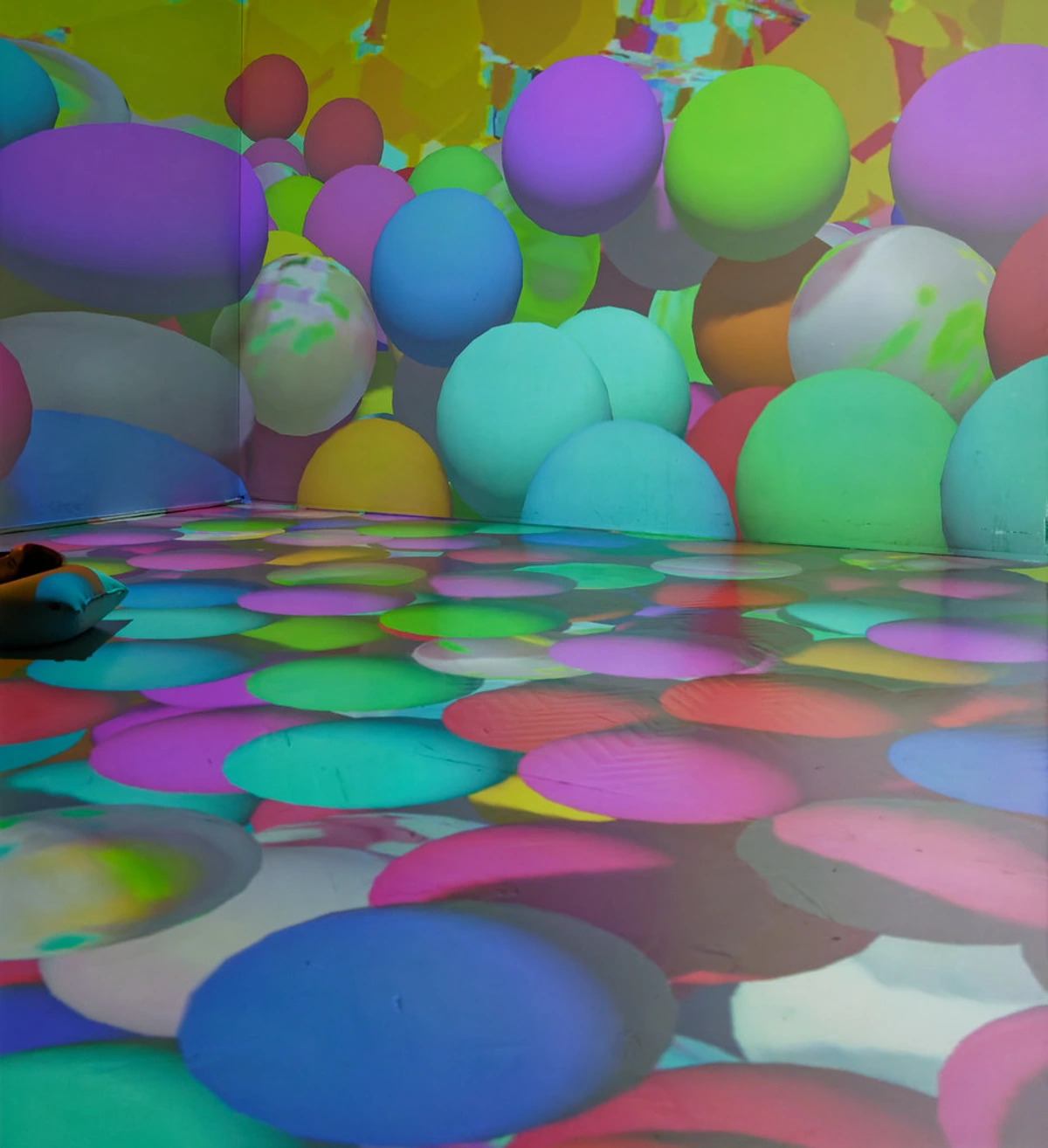
American University Museum at the Katzen Arts Center consistently mounts ambitious, intellectually rigorous exhibitions. Their three-story building allows for massive installations that would be impossible in commercial spaces. I've seen everything from immersive video art to room-sized textile sculptures here.
George Washington University's Textile Museum, recently merged with George Washington University, explores global textile traditions alongside contemporary fiber arts. Their exhibitions reveal connections between ancient techniques and current practice that will change how you think about materiality in art.
Georgetown University's Collections aren't housed in a single museum, but scattered throughout campus. Their Walsh School of Foreign Service features rotating exhibitions examining art's relationship to global politics – a perfect fit for D.C.'s international character.
Alternative Spaces & Pop-Ups: The Ephemeral Arts Scene
Some of D.C.'s most exciting art experiences happen in spaces that exist for weeks, not years.
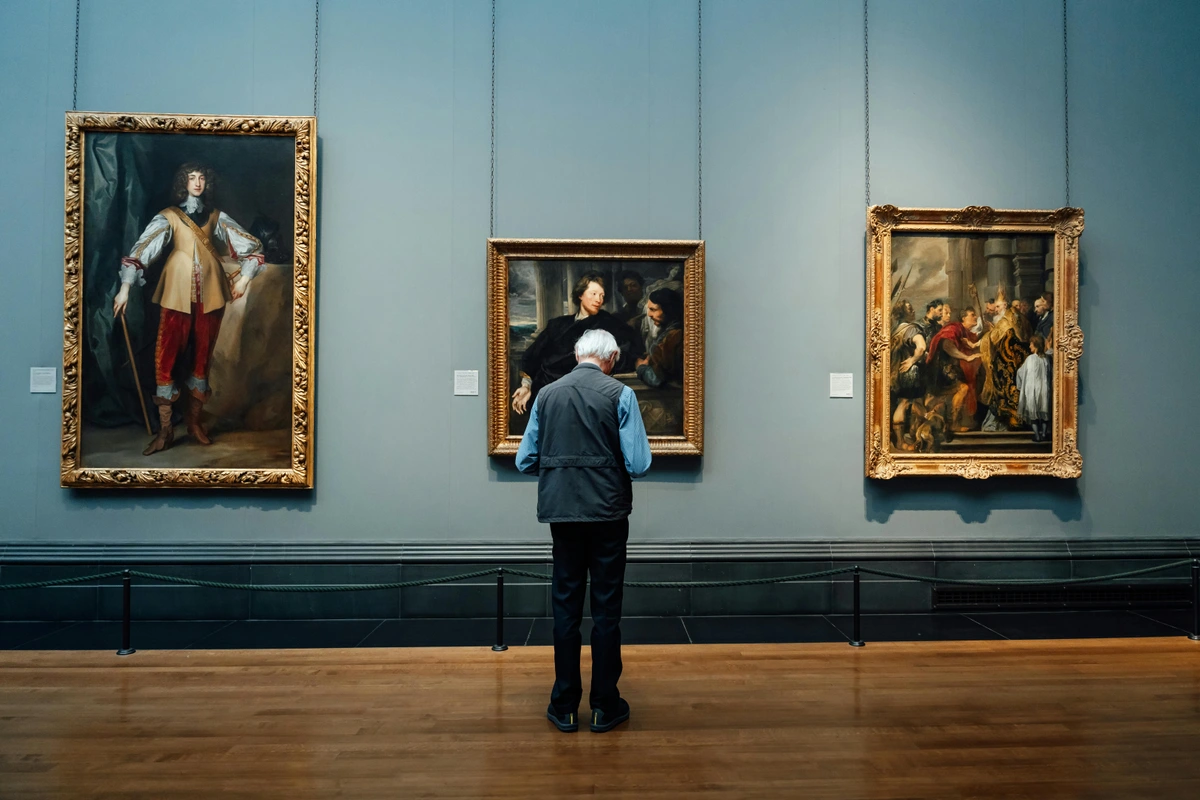
Launched operates as a nomadic gallery, taking over vacant storefronts and unexpected locations for temporary exhibitions. Finding their shows requires following their social media – part of the adventure is the hunt itself.
Inequality in the Arts created an Artist-Run space in a former church, hosting everything from experimental dance to sound installations alongside visual art. These spaces remind me that creativity flourishes when freed from commercial considerations.
DCAC (D.C. Arts Center) in Adams Morgan operates somewhere between a community center and gallery, showing work by local artists at all career stages. Their annual auctions are legendary for discovering undervalued talent.
Collector Culture: Beyond Traditional Galleries
Understanding D.C.'s art scene means understanding its collector culture – and where those collectors find work.
Art Fairs: While not galleries themselves, art fairs like (e)merge art fair and DC contemporary art fairs bring together galleries from across the country, creating temporary marketplaces where you can see trends, discover new artists, and observe the commercial side of contemporary art in concentrated form.
Studio Visits: Many D.C. artists open their studios during specific weekends or by appointment. These experiences offer the deepest insight into artistic process you'll find anywhere. Check Washington Project for the Arts listings for organized studio tour events.
Art Advisory Services: Several D.C.-based art advisors offer guided gallery tours and collection consultations. While primarily serving collectors, some offer educational tours that help beginners understand the art market and build confidence navigating galleries.
D.C.'s Art Scene by the Numbers
Here are some figures that might surprise you:
- 50+ commercial galleries operate in the greater D.C. area
- 12 major museums with contemporary art programs
- 23 artist cooperatives and collectives providing alternative exhibition spaces
- 150+ public art installations in downtown alone
- 4 distinct gallery districts (Dupont/Logan, Georgetown, Chinatown/Penn Quarter, H Street NE)
- 100% free admission to Smithsonian museums saves visitors hundreds annually
The scale of D.C.'s art infrastructure creates opportunities for engagement that smaller cities simply can't match.
FAQ: Washington D.C. Art Galleries
Which art gallery is the best in D.C.?
That's like asking which flavor of ice cream is best – it depends entirely on what you're craving! The National Gallery serves as the crown jewel with its encyclopedic collection, while the Hirshhorn offers cutting-edge contemporary works. For discovering emerging artists, head to the gallery districts around Dupont Circle and Logan Circle.
If forced to choose based on consistently surprising me with contemporary discoveries: Transformer and Project 4 Gallery.
What galleries should I go to in Washington DC?
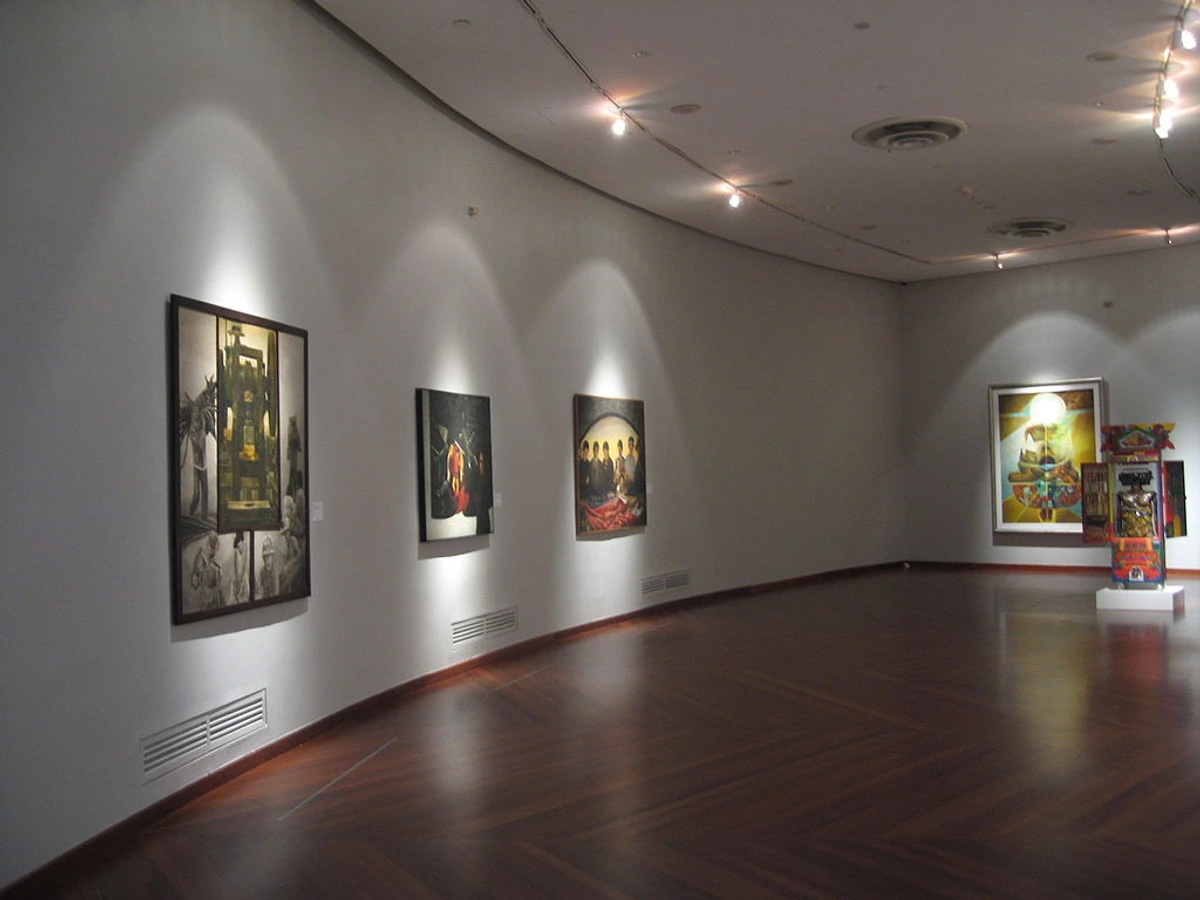
It really depends on your interests! For European masters and American art through the centuries, start with the National Gallery of Art and Smithsonian American Art Museum. For contemporary and conceptual art, the Hirshhorn is essential. For discovering current artists, explore Dupont Circle's commercial galleries like Hemphill Fine Arts and G Fine Art, and consider community-driven spaces such as Transformer and Vox Populi. For a complete overview of D.C.'s art ecosystem, dedicate one day to museums, one day to commercial galleries, and schedule visits to at least two alternative spaces.
What is the art district in DC?
D.C. doesn't have one single art district, but several concentrated areas. Dupont Circle and Logan Circle form the heart of the contemporary commercial gallery scene. The National Mall area houses the major museums (though that's more museum district than gallery district). Georgetown has its own sophisticated gallery corridor, mainly focused on established, international artists. H Street NE and Adams Morgan feature smaller, emerging galleries and artist cooperatives. Use our neighborhood maps in each section to plan precise walking itineraries.
Does Washington DC have good art museums?
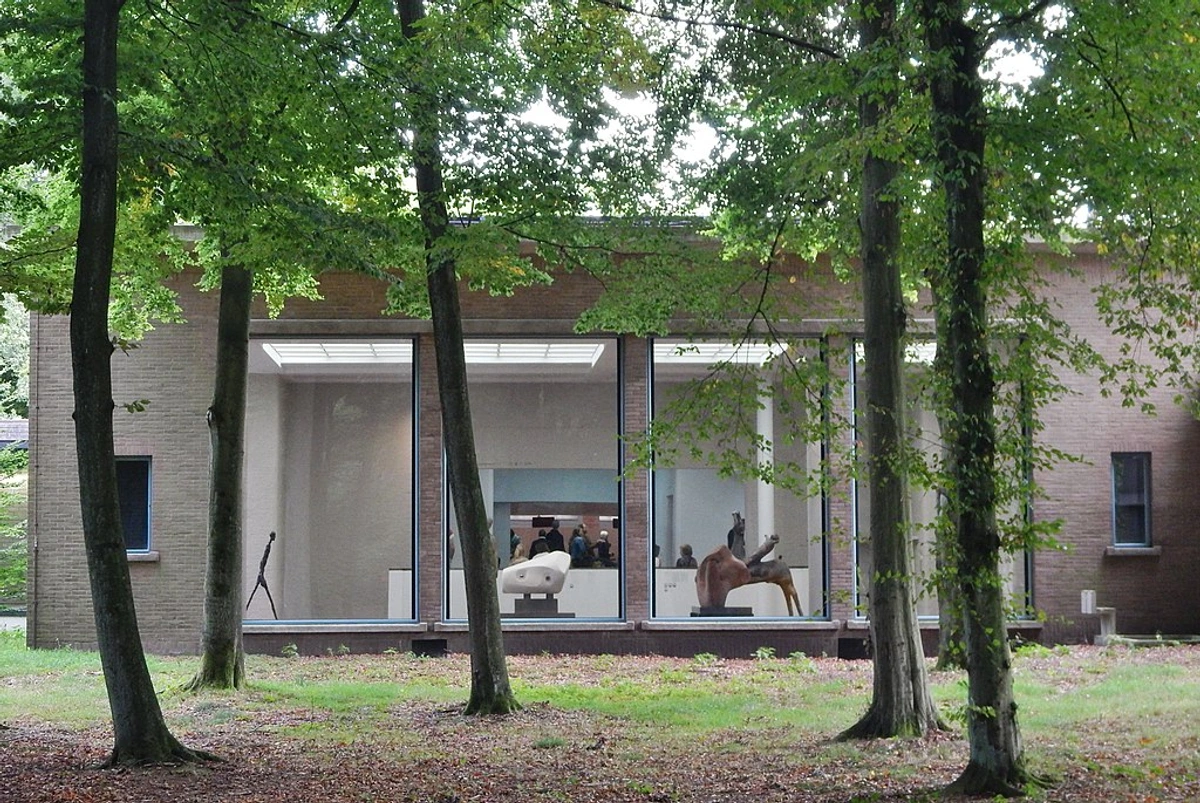
Good is an understatement. D.C. has world-class art museums, particularly within the Smithsonian network. The National Gallery of Art and the Smithsonian American Art Museum rank among the finest in the world for their collections, and access is completely free. Additionally, university museums like American University Museum at the Katzen Arts Center consistently mount exhibitions that would be notable anywhere globally.
Is there street art in DC?
Absolutely! Neighborhoods like Shaw, NoMa, and the U Street corridor feature incredible street art and murals. The city also hosts events like the annual Pow! Wow! DC festival, which brings artists from around the world to create new public works. It's a different way to experience art, one that literally surrounds you as you walk the streets. For organized street art tours, check D.C. Walking Tours schedules – some focus specifically on urban art and murals.
What are the best times to visit D.C. galleries?
Most commercial galleries have evening hours on First Fridays (the first Friday of each month), creating a lively, social atmosphere perfect for gallery hopping. For quiet contemplation, visit on weekday afternoons. And if you want insider access, many museums and galleries offer extended hours during special events or member previews. September (fall season) and April (spring) typically feature the strongest exhibitions. Summer often brings experimental or group shows.
How much do gallery visits cost in Washington D.C.?
Here's the beautiful part: Smithsonian museums, including the National Gallery of Art, Hirshhorn Museum, and Smithsonian American Art Museum, are completely free. Most commercial galleries are also free to enter, although they hope you might purchase something. Some special exhibitions at museums or alternative spaces may have admission fees, but generally exploring D.C.'s art scene costs nothing but your time. Alternative spaces typically request (but rarely require) small donations.





Where can I see contemporary art in DC?
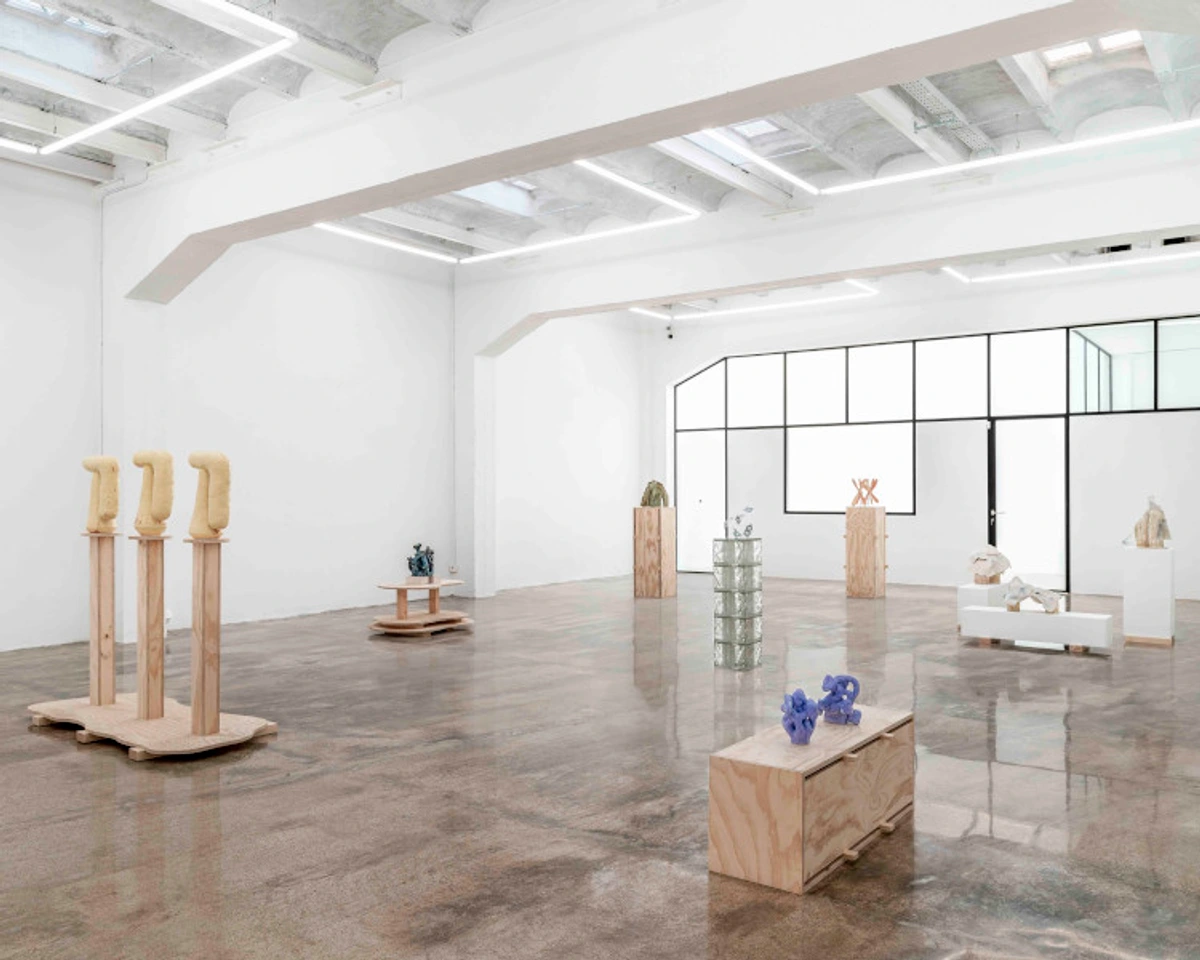
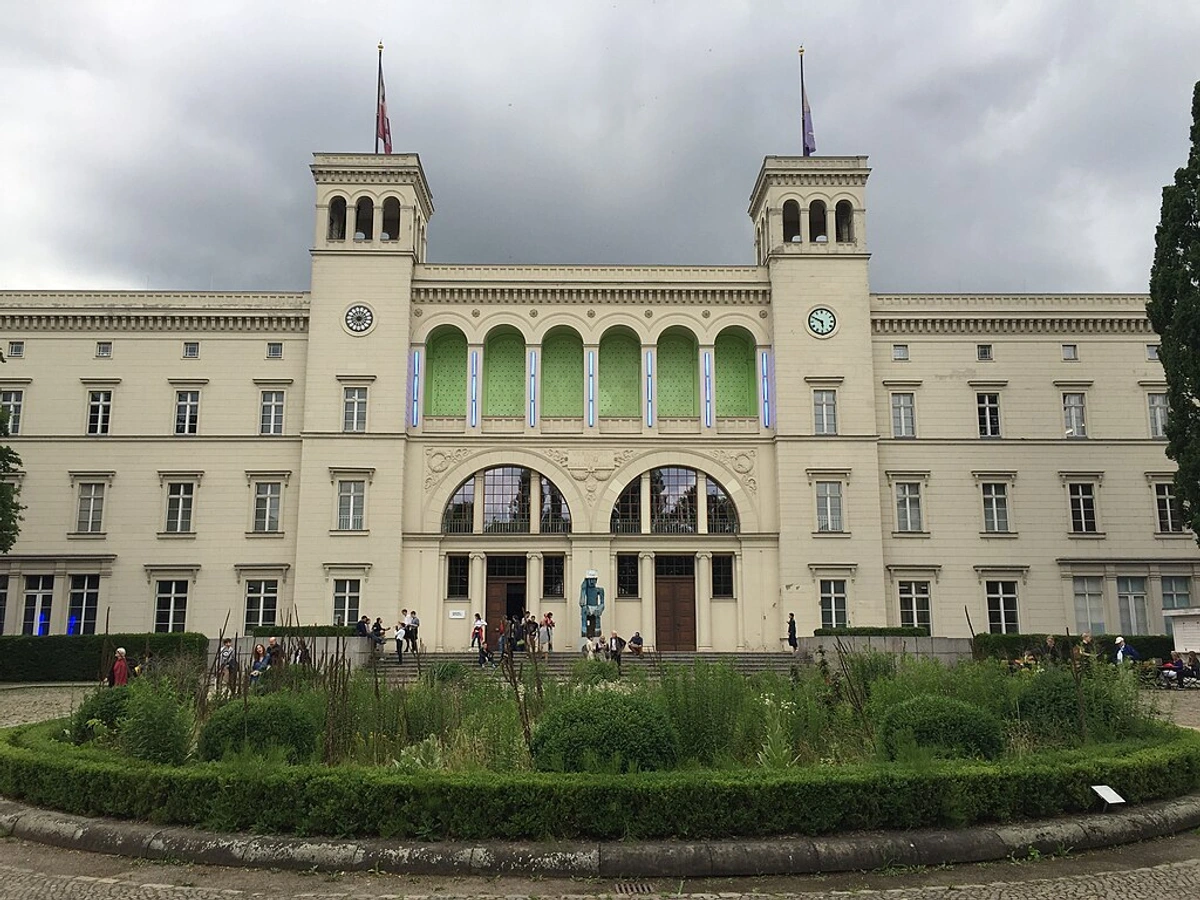
For contemporary art, the Hirshhorn Museum is your essential first stop. Beyond that, explore the commercial galleries of Dupont Circle and Logan Circle (Hemphill Fine Arts, G Fine Art, and Project 4 Gallery), and don't miss the alternative spaces like Transformer and Vox Populi, which focus exclusively on current and experimental practices. University galleries like American University Museum also feature cutting-edge contemporary work. Check our expanded sections on Commercial Galleries, Alternative Spaces, and Unexpected Venues for comprehensive options.