
Patio Perfection: Enduring Outdoor Art for Every Season
Transform your outdoor oasis! Discover my personal journey and expert advice on choosing, protecting, and stylishly integrating durable outdoor art, covering weather-resistant materials, smart installation, evocative lighting, and sustainable choices.

Patio Perfection: Choosing Weather-Resistant Art for Your Outdoor Oasis!Patio Perfection: Enduring Outdoor Art for Every Season!Patio Perfection: Choosing Weather-Resistant Art for Your Outdoor Oasis
You know, sometimes I find myself looking out at my patio. The air might be thick with the scent of night-blooming jasmine, or the flagstones cool underfoot after a scorching day. In those moments, I see it not just as an outdoor space, but as another room in my home. A room without walls, perhaps, but a room nonetheless. And just like any other room, it deserves its own personality, its own spark.
For me, that spark often comes from art. But here's where it gets interesting, and often a little tricky, isn't it? Art outside is a whole different ballgame. It's not just about what looks good; it's about what can stand up to Mother Nature's often less-than-gentle touch. That symphony of sun, wind, and rain demands resilience. Intense sun can bleach even the most vibrant colors over time, wind can stress structures and cause delicate pieces to become dangerous projectiles, and relentless rain leads to staining, water ingress, and even erosion around foundations.
The real magic? Finding pieces that aren't just beautiful but are true warriors against the elements, pieces that endure and tell a story, season after season. Forget delicate; we’re talking about creating an open-air gallery that truly lasts, a space where your personal aesthetic extends seamlessly from indoors to out.
I remember once, quite foolishly, hanging a beloved print under what I thought was a sufficiently sheltered overhang. A week later, after a particularly aggressive rainstorm, it looked less like art and more like a sad, soggy paper mache experiment. Honestly, my heart still winces a little thinking about it. That rather unfortunate incident hammered home a crucial point: bringing art outdoors isn't just about what looks good; it’s about durability. It’s a challenge, yes, but one I find incredibly rewarding. For me, the quest for perfect outdoor art is a reflection of our desire to extend our personal aesthetic, our very soul, beyond the confines of four walls, creating a seamless flow from indoors to out. It's about finding pieces that resonate, and ensuring they're tough enough to keep resonating, season after season. So, my goal here isn't to scare you, but to share what I’ve learned—sometimes through trial and error, often through sheer stubbornness—about creating an an open-air gallery that truly endures. Consider this your roadmap to making your outdoor space sing, come rain or shine.
Why Even Bother with Outdoor Art? Good Question!
Honestly, it's about extending your living space, isn't it? We spend so much time making our interiors feel cohesive and inviting, crafting spaces that soothe and inspire. Why should that feeling stop at the back door? Your patio, balcony, or even a quiet corner of your garden can become an extension of your personal aesthetic, a place for contemplation or conversation, all enhanced by a thoughtfully chosen piece of art. It’s a way to inject joy and personality into an often-overlooked area, turning a simple slab of concrete into an open-air gallery. For me, as an artist drawn to contemporary, colorful, and often abstract forms, the outdoors presents a unique canvas for these vibrant expressions, allowing my signature style to interact directly with natural light and elemental forces. Imagine how a bold, abstract metal sculpture or a vividly glazed ceramic piece can pop against a lush green backdrop or an urban grey wall, bringing that same captivating energy you find indoors to your open-air sanctuary. The reflective qualities of metal, for instance, perfectly mirror the dynamism I strive for in my abstract compositions, while the earthy grounding of ceramics offers a tactile counterpoint to more ethereal forms. Plus, let's be real, sometimes a little splash of color against all that green (or grey, depending on your climate!) just makes the heart sing. I also find that outdoor art can heighten the sensory experience of a space; it can foster mindfulness and reduce stress simply by creating a more beautiful and engaging environment. A metal sculpture might subtly reflect the sounds of a trickling fountain, while the textured surface of a stone carving can draw your eye to the interplay of natural light and shadow throughout the day. If you're pondering how to generally approach decorating your home, think of the patio as just another fascinating chapter in that story, waiting for its own unique visual voice.
A Journey Through Time: The Enduring Allure of Outdoor Art
Before we dive into the nitty-gritty of materials, let's take a quick philosophical detour, because the challenge of outdoor art isn't just about modern materials; it's steeped in history. The idea of placing art outdoors isn't new; it's practically as old as art itself! From ancient Roman garden sculptures that graced opulent villas to the grand, public installations of the Renaissance, humans have always sought to integrate beauty with the natural world. Beyond Roman villas and grand Renaissance installations, think of the intricate Greek garden sculptures that dotted ancient courtyards, or the profound aesthetic principles embedded in Japanese rock gardens, where every stone and ripple of sand is a deliberate artistic choice, designed to evoke contemplation and harmony. Indeed, the ancient Egyptians and Mesopotamians also adorned their courtyards and processional ways with monumental sculptures and relief carvings, often depicting deities or rulers. They used incredibly hard-wearing materials like diorite, basalt, and granite, and employed techniques like subtractive carving to create robust forms designed to withstand millennia of desert sun and occasional floods. These served not just as decoration but as enduring statements of power and belief, proving that the earliest artists understood the need for extreme durability.
The Baroque era, too, saw an explosion of elaborate garden statuary and fantastical water features, with artists like Bernini transforming outdoor spaces into theatrical, immersive experiences. Here, the challenge was often the preservation of intricate marble, which required careful placement and maintenance to prevent erosion and weathering from exposure. Even more contemporary movements, like the Futurists, with their fascination for speed and dynamic energy, often envisioned art interacting with vast outdoor spaces and urban landscapes, extending beyond traditional gallery walls. Their manifestos, like the 'Technical Manifesto of Futurist Sculpture,' called for sculptures to be dynamic, integrated into the environment, and reflective of modern life’s dynamism—a vision that clearly resonates with the challenges and potential of contemporary public art. This enduring desire to merge human creativity with nature also manifested beautifully in periods like Art Nouveau, where architectural facades became canvases for flowing, organic forms in ironwork and stone, blurring the lines between building and sculpture, as you can see in the exquisite details of an old building in Le Havre. If you're fascinated by this era's pervasive influence, you might enjoy exploring a definitive guide to the Art Nouveau movement and its lasting impact on modern design. For me, this history isn't just a collection of facts; it’s a constant reminder that the urge to adorn our outdoor spaces is deeply human, a timeless conversation between creator and nature.
The challenge, of course, has always been the elements, and the evolution of weather-resistant materials is a story of human ingenuity—adapting, preserving, and pushing the boundaries of what art can endure. It's a journey that still inspires me when I think about creating pieces that can brave the open air, a quiet acknowledgment that our desire for beauty transcends mere walls. This pursuit of lasting beauty, enduring through the elements, feels deeply connected to my own artistic philosophy of creating art that is both impactful and timeless.
The Elements Are Relentless: Choosing Your Materials Wisely
This is where the true test begins, where the sun meets the canvas and the rain meets... well, everything. When it comes to outdoor art, durability is paramount. Forget delicate watercolors or untreated wood, as these simply don't have the resilience to withstand the elements; we're looking for materials that are true 'warriors,' pieces that laugh in the face of UV rays, shrug off humidity, and don't mind a good downpour. For me, when I'm choosing materials for my own outdoor pieces, it's almost as much an artistic decision as the form itself—it dictates longevity, interaction with the environment, and ultimately, the story the piece tells over time. It's about finding that perfect balance between aesthetic vision and unwavering endurance.
Metals: The Unyielding Elegance
When I think of outdoor resilience, metal is often the first thing that springs to mind. But not all metals are created equal, and each comes with its own quirks and charms. As an artist, I'm fascinated by how these materials hold light and shadow, and how they lend themselves to bold, contemporary forms.
- Aluminum: Lightweight and inherently rust-resistant, I love how aluminum can be so easily manipulated into sleek, modern forms, geometric abstractions, or intricate, flowing sculptures. You'll find incredible pieces, often powder-coated for extra protection and vibrant, enduring color. The main drawback? Powder coating, while durable, can chip if struck, exposing the underlying metal. When choosing, consider if you prefer a brushed finish for a subtle sheen or a more dramatic, polished finish that truly catches the light.
- Stainless Steel: A classic for a reason. It's robust, can handle harsh conditions, and offers a sleek, modern aesthetic that fits perfectly in minimalist gardens or contemporary patios. My only minor quibble is that highly polished stainless steel can show scratches more readily than other finishes. However, a brushed stainless steel can beautifully diffuse light, and some artists, like myself, even achieve stunning, rich patinated finishes that add depth and character over time through various chemical or heat treatments, creating unique colors and textures. These aren't just about protection but about artistic expression, allowing the material to tell a more nuanced visual story.
- Copper and Bronze: I have a particular fondness for copper and bronze for their living finishes. These metals, while not rust-proof like aluminum or stainless steel, develop a beautiful patina over time—that characteristic blue-green verdigris on copper, or the rich, earthy browns and greens on bronze. This isn't corrosion to be feared, but a natural protective layer and a visual story of the art's journey through the elements. Artists often use specific treatments to accelerate or manipulate this patination, creating stunning, unique finishes that deepen with age. Take for instance, the iconic works of contemporary sculptor Richard Serra, whose massive Cor-Ten steel sculptures are specifically designed to rust and develop a protective patina, changing in color and texture over decades, becoming part of their landscape. For those who adore that perpetually shiny look, a bit of diligent polishing is part of the ritual for copper and bronze, but for me, the transformation from a bright, new surface to a deeply aged one is a powerful artistic statement in itself.
- Wrought Iron: While undeniably beautiful and perfect for a classic, European courtyard vibe, it requires more maintenance. Unless it's specifically treated with weather-resistant coatings (and those need reapplication!), rust can become an issue. But for that timeless, artisanal look, sometimes the extra effort is worth it.
Ceramics and Stone: Earth's Enduring Beauty
There’s something wonderfully grounding about art made from the earth itself. These materials feel ancient and connected, aging with a grace that only nature can bestow. I often find myself drawn to their tactile qualities. Historically, these materials have been used for everything from grand Roman statuary to intricate sundials and gargoyles on medieval cathedrals, or even purely decorative urns in classical gardens.
- Glazed Ceramics: The key here is using frost-proof and UV-resistant glazes. Look for high-fired stoneware or porcelain ceramics, as these are denser and less porous. The glaze isn't just for color; it's a vital protective shield against moisture and UV degradation. When choosing, always check for manufacturer certifications or explicit ratings for frost resistance, especially if you live in a colder climate. Think vibrant glazed pots, sculptural forms like the elegant abstract ceramic sculpture I often see in galleries, or even mosaic panels that can withstand chilly winters and scorching summers alike. Be cautious with unglazed terracotta or earthenware in freezing climates; without frost-proofing, they can absorb water, which then expands when it freezes, causing cracks and crumbling.

- Terracotta: Speaking of earthen beauty, let's talk about terracotta. It brings such a rustic, honest warmth, doesn't it? But here’s the crucial caveat: most standard terracotta is porous. In freezing climates, absorbed water can expand, causing cracks and breakage. This happens because ice occupies about 9% more volume than liquid water, creating immense internal pressure within the material's tiny pores, effectively shattering it from the inside out. So, if you love that earthy feel, only choose frost-proof terracotta, often higher-fired or chemically treated. Otherwise, keep it in a sheltered spot or bring it in for winter.
- Natural Stone: From carved granite statues to polished marble benches that double as art, stone is about as weather-resistant as it gets. It's heavy, yes, which means careful placement, but virtually indestructible and ages beautifully. Besides granite and marble, I’ve seen stunning pieces made from basalt (offering a dark, volcanic drama) and slate (perfect for layered, textural works). Their individual densities and compositions mean some are slightly more prone to moss growth in damp conditions, but overall, they are true outdoor champions. Marble, for example, develops a soft, almost velvety patina over time, subtly changing with exposure and sometimes developing subtle fissures, lending it an ancient, lived-in feel. Granite, by contrast, tends to remain steadfastly unchanged, a testament to its formidable strength and offering a more static artistic statement. This difference in aging is something I find endlessly fascinating.
- Concrete: And then there’s concrete. It might not be the first thing you think of for 'art,' but modern artists are doing incredible things with it! Cast into smooth, sculptural forms or textured pieces, it's inherently weather-resistant, sturdy, and offers a wonderfully minimalist or industrial aesthetic. It can even be tinted with integral pigments or finished with exposed aggregate for a unique visual texture. Think of Ronan and Erwan Bouroullec's outdoor furniture collections that blend sculptural elements with utilitarian design, or artists creating entire architectural installations using intricately cast concrete. Its main drawback, of course, is its weight and often monolithic appearance, but for a bold, architectural statement, it’s a surprisingly versatile medium.
Resins and Fiberglass: The Modern Marvels
These synthetic materials have come a long, long way, offering incredible versatility for contemporary outdoor art. Their adoption, especially from the mid-20th century onwards, revolutionized sculptural possibilities, allowing artists to create lighter, more complex forms that were previously impossible with traditional materials. They allow artists to push boundaries with form and color in ways other materials can't. I'm always thinking about the bigger picture, and with synthetic materials like these, it's worth a moment to consider their environmental footprint. While they offer incredible durability, it's a good practice to look for pieces made from recycled content where possible, or from artists who prioritize the longevity of their work, ensuring that these 'modern marvels' are truly built to last for generations, reducing the need for constant replacement. I actively seek out artists who specialize in working with recycled resins or fiberglass, as this aligns with my philosophy of creating art that is both impactful and sustainable. And let's not confuse these sophisticated, artist-grade materials with flimsy plastic garden gnomes; the difference is in the formulation—high-quality resins contain specific UV stabilizers, flexibilizers, and anti-degradants, engineered for longevity and artistic expression.
- Fiberglass: Incredibly versatile, lightweight, and can be molded into complex shapes—a dream for artists pushing sculptural boundaries. It’s strong, resistant to most weather conditions, and often finished to mimic other materials like metal or stone with surprising fidelity. Its strength-to-weight ratio is impressive, making it ideal for larger pieces that need to be transported and installed. You can find everything from whimsical figures to imposing abstract forms.
- Outdoor Resin: This isn't just any old plastic; we're talking about specially formulated, durable, fade-resistant pieces, often cast to look like bronze or concrete but without the hefty weight or maintenance. These resins are typically UV-stabilized and engineered to resist cracking and degrading in outdoor conditions. They're fantastic for vibrant, contemporary sculptures. Through advanced finishing techniques like hand-painting, faux patination, or embedded pigments, artists achieve sophisticated surfaces that can rival traditional materials in visual appeal and tactile quality. A word of caution: cheaper, non-UV-stabilized resins can degrade and yellow significantly over time, so always check the product specifications for outdoor suitability.
Treated Wood: Bringing Warmth Outdoors
Wood can absolutely work outdoors, bringing a wonderful natural warmth and organic texture, but it certainly needs a little help from us. It tells a story of organic beauty.
- Teak, Cedar, Redwood: These are naturally resistant to rot and insects due to their inherent oils. Still, a good sealant or marine-grade varnish will significantly extend their life and protect against UV fading and moisture. When choosing a protective finish, look for products with high UV protection indexes and excellent water repellency, often labeled as "exterior grade" or "marine grade." Beyond just 'a good sealant,' look for specifics. Linseed oil or tung oil penetrate deeply into the wood's fibers (due to their small molecular structure), curing within the wood to provide a natural, water-resistant finish that enhances the wood grain without creating a thick film. This internal curing helps repel water from within. For a more robust, hard-wearing shield, exterior-grade polyurethane or specialized marine varnishes offer excellent UV and moisture protection, forming a durable, clear coat that can last for years. The key is consistent reapplication—think of it as giving your wooden art its annual spa treatment! For certain modern designs, rotational molding can also create durable, hollow forms that mimic wood aesthetics but offer enhanced weather resistance and lighter weight.
- Pressure-Treated Wood: Chemically treated to resist rot and pests. It's durable but often has a less refined aesthetic, though it can be painted or stained. It's a workhorse, not necessarily a prima donna, and better suited for structural elements or painted pieces rather than fine art wood sculptures where the natural grain is paramount.
Varnishes and Sealants: Your Art's Invisible Shield
Beyond the material itself, the finishing touches are crucial for longevity. Think of these as the superhero capes for your outdoor art. Knowing how to apply them is just as important as choosing the right one.
- Marine-Grade Polyurethanes: These are powerhouses for protecting wood and even some metals from UV, moisture, and abrasion. They create a hard, clear, durable film. For best results, apply multiple thin coats, allowing each to dry thoroughly for maximum adhesion and protection. Look for ones specifically designed for outdoor or marine environments.
- Epoxy Resins: Often used as a clear, protective coating, especially for wooden art or surfaces needing extreme water resistance. They create a very tough, glossy finish. These typically involve mixing two parts and cure to a very hard, impermeable layer.
- Penetrating Sealers (for Stone/Concrete): These soak into porous materials like unglazed stone or concrete, providing water repellency without altering the surface appearance. They are typically applied by brush or roller until the material is saturated, then excess is wiped away. They help prevent moss, algae, and staining.
- Outdoor-Specific Clear Coats (for Painted Surfaces/Metals): These are formulated with UV inhibitors to protect painted murals or powder-coated metals from fading and weathering. Always ensure compatibility with the underlying paint or finish, and follow the manufacturer's instructions for application—often a spray or brush-on method.
Outdoor-Friendly Textiles: A Splash of Ephemeral Color
While generally less permanent than other materials, certain textiles can bring wonderful softness, pattern, and color to outdoor spaces, especially in more sheltered areas. These aren't just for upholstery; they can be integrated into dynamic art installations.
- Treated Canvas/Outdoor Fabrics: Look for fabrics specifically labeled for outdoor use, often made from acrylics or synthetic blends (like Sunbrella or Phifertex), and treated for UV resistance, water repellency, and mildew resistance. These can be used for decorative banners, wall hangings, layered fabric sculptures, or even as part of a temporary art installation. Beyond just resisting the elements, many offer excellent breathability and quick-drying properties. They generally require seasonal storage or removal during harsh weather, but offer a flexible and vibrant way to add visual interest or create mixed-media pieces that incorporate fabric elements with more durable materials.
What About Paintings and Prints? A Challenge, But Possible!
Ah, the trickiest ones, my personal nemesis for a while! If you're set on having a framed piece, you'll need to think of it like a precious artifact requiring its own miniature fortress. It's a commitment, but absolutely achievable with the right approach:
- Waterproof/UV-Resistant Medium: The art itself needs to be able to handle light and moisture. This means outdoor-specific inks or paints on durable substrates. Beyond aluminum panels or marine-grade plywood, I've seen artists use treated metal sheets, specialized outdoor-rated plastics (like PVC or composite panels), or even Dibond (an aluminum composite material). The key is a non-porous surface that won't warp or absorb moisture.
- Outdoor Framing: This means a frame designed to withstand the elements, often made from treated aluminum, composite materials, or even marine-grade plastics. Wood frames, if used, must be extensively treated and sealed.
- Acrylic Glazing with UV Protection: Forget glass; it's too fragile for outdoor use and lacks sufficient UV protection. Use high-quality museum-grade acrylic that blocks a significant percentage of UV rays and won't shatter.
- Sealed Backing and Airflow: Crucially, the back needs to be completely sealed against moisture, insects, and humidity fluctuations. This often involves a heavy-duty backing board, often made of composite material, taped and caulked around the edges with weather-resistant sealant. Think of it like the meticulous waterproofing of a high-performance tent or boat. This is vital to prevent moisture ingress that can lead to mold, warping, or delamination of the artwork itself, especially in challenging environments like coastal areas where salt spray adds another layer of corrosive risk. Furthermore, consider creating an air gap behind the artwork or using vented backing materials to allow for crucial airflow, preventing condensation buildup that can trap moisture against the art itself.
- Specialized Varnishes: For painted pieces, consider applying marine-grade or exterior-grade varnishes specifically designed to protect acrylics or oils from UV damage and moisture. This acts as an additional sacrificial layer.
- Frame Depth: A deeper frame offers more protection from direct rain and splashes, acting as a natural overhang for the artwork.
It sounds like a lot, and it is. That's why I often lean towards more inherently durable sculptures or wall hangings when considering pieces for truly exposed outdoor locations. But with enough foresight and protection, it's absolutely possible to bring that framed aesthetic outdoors. The most durable materials often require the artist and collector to plan for their long-term transformation rather than expecting them to remain static, embracing the beauty of natural aging.
Quick Guide: Outdoor Art Material Overview
Material Category  | Pros | Cons | Typical Aesthetic/Feel | Best For | Maintenance Effort | Cost Indicator |
|---|---|---|---|---|---|---|
| Metals | Durable, sleek, modern, versatile | Can chip (powder coat), rust (iron), scratch (steel) | Modern, Industrial, Abstract | Sculptures, modern designs, abstract forms | Medium | $$ - $$$ |
| Copper/Bronze | Beautiful patina, natural aging | Requires polishing for shine, can develop verdigris | Traditional, Organic, Evolving | Traditional sculptures, living finishes | Medium - High | $$$ |
| Ceramics/Stone | Natural, heavy, ages beautifully, durable | Heavy, frost risk (unglazed), can develop moss | Classic, Grounding, Textural | Statues, pedestals, fountains, textural pieces | Low - Medium | $$ - $$$ |
| Terracotta | Natural warmth, rustic aesthetic | Highly porous, frost risk (unless treated) | Earthy, Rustic | Pots, sculptural forms (frost-proof only) | Medium - High | $ |
| Concrete | Very durable, modern/industrial aesthetic | Heavy, can be monolithic | Minimalist, Industrial, Bold | Sculptural forms, architectural statements | Low | $$ |
| Resins/Fiberglass | Lightweight, versatile, intricate shapes | Cheaper versions degrade/yellow, can feel less 'artisan' | Contemporary, Vibrant, Whimsical | Contemporary sculptures, vibrant forms, replicas | Low | $ - $$ |
| Treated Wood | Natural warmth, organic texture | Requires sealing/varnishing, ongoing maintenance | Rustic, Organic, Warm | Rustic pieces, organic forms, painted panels | High | $$ |
| Framed Art | Bring 'indoor' aesthetic outside | High maintenance, specialized materials required | Refined, Curated | Sheltered patios, highly protected outdoor galleries | Very High | $$$ |
The Choreography of Light: Illuminating Your Outdoor Art
Just as a spotlight transforms a performer on a stage, light—both natural and artificial—can dramatically alter how we perceive outdoor art. It's a choreographer, constantly shifting, revealing new textures, depths, and moods. I often spend hours just watching how a sculpture changes with the moving sun; it's a performance in itself. The very materiality of your chosen artwork truly comes alive under different lighting conditions. A rough, unpolished stone sculpture might absorb light, casting deep, dramatic shadows that emphasize its ruggedness, while a highly polished abstract metal piece, much like the vibrant energy in some of my own metal compositions, will reflect and scatter light, creating dazzling highlights and a sense of dynamic movement.
Natural Light: A Daily Transformation
The sun is an artist's best friend and trickiest collaborator. Throughout the day, the angle and intensity of natural light will play across your outdoor pieces, creating ever-changing patterns of highlights and shadows. That sleek metal sculpture might shimmer brilliantly at noon, then take on a warm, softened glow as the sun dips low, revealing subtle textures you missed earlier. Consider the orientation of your art: does it catch the soft morning light, the intense midday sun, or the dramatic hues of a sunset? For instance, orient textured or highly detailed pieces to catch the low-angle morning or late afternoon light; this will create dramatic shadows that emphasize their form. This natural interplay is a key part of the outdoor art experience, allowing the piece to reveal new facets of itself with every passing hour and season.
Artificial Light: Extending the Enchantment
When night falls, the magic doesn't have to end. Thoughtfully placed artificial lighting can transform your outdoor art into a nocturnal spectacle, extending its enjoyment into the evening hours and creating an entirely new aesthetic.
- Uplighting: Placing lights at the base of a sculpture, shining upwards, creates dramatic shadows and emphasizes its form against the night sky. It's fantastic for tall, imposing pieces, like abstract architectural works or classical statues, that mimic the commanding presence of some of my own compositions.
- Spotlighting: Directing a focused beam onto a specific area can highlight intricate details or specific textures, drawing the eye precisely where you want it. This works wonderfully for detailed relief carvings, complex mosaics, or small, precious objects.
- Backlighting: Placing lights behind an open-form sculpture can create a striking silhouette effect, turning the art into a dramatic outline against a softly glowing background. This is ideal for perforated metal sculptures, layered screen panels, or abstract forms with distinct negative space.
- Colored Lights: While I tend to prefer natural white light to preserve the art's true colors, a subtle wash of colored light can evoke a particular mood or complement a garden's theme for special occasions.
When thinking about lighting, consider the power source (solar, low-voltage wired), weatherproofing, and how the light source itself integrates into the landscape. Done well, outdoor lighting doesn't just illuminate; it reinterprets the art, painting a whole new picture after dark. It’s a concept I obsess over, whether I'm lighting abstract art indoors or creating an evening glow on my patio.

Sculpting the Landscape: Integrating Art with Nature
Sometimes, art isn't just placed in the garden; it becomes part of the garden, evolving with the seasons and the landscape itself. This is where outdoor art truly sings for me—when it interacts dynamically with its environment, blurring the lines between human creation and the natural world.
Living Art: Evolving with Nature
- Living Sculptures (Topiary): Think of art crafted from living plants, meticulously shaped and pruned. These pieces are ever-changing, requiring ongoing care but offering a unique, organic beauty that shifts with growth and seasons.
- Integrated Plant Art: Some artists design pieces to be partially overgrown by moss, lichen, or climbing plants over time. This approach embraces the natural world's influence, allowing the art to become a habitat, blurring the lines between creation and nature. Specific examples include sculptures with recessed pockets for planting succulents, porous stone works designed to encourage moss growth along specific patterns, or even metal trellises integrated into a sculpture's form specifically for climbing vines. This effectively frames the artwork or creates a living pathway that guides the eye. This is a subtle yet powerful way to connect with the ephemeral beauty of the outdoors, often planned meticulously by the artist to guide the natural growth.
Dynamic and Immersive Installations
- Kinetic Sculptures: Art that moves! These pieces, often made from lightweight metals like aluminum or thin stainless steel, respond to wind or water, adding a dynamic, almost meditative quality to your outdoor space. Imagine a delicate metallic mobile shimmering and turning with the breeze, creating fleeting patterns of light and shadow, its movement interacting with the wind to form an ever-changing dance. If you're curious about this fascinating art form, exploring what is kinetic art movement in modern sculpture can offer a deeper dive.
- Soundscapes in Art: Beyond purely visual integration, some outdoor art installations incorporate sound, whether through carefully designed wind chimes that act as sculptures, or water features whose trickling or gushing sounds are an integral part of the artistic experience. This can include sculptures with hollows designed to resonate with the wind, or water features strategically placed for their acoustic properties, adding another dimension to the sensory engagement, transforming a space not just visually but aurally.
- Murals and Painted Surfaces: And what about that expansive, often-overlooked canvas of an exterior wall? A blank exterior wall can be completely transformed into a vibrant mural, redefining a space and adding large-scale visual impact. This is particularly exciting for abstract and geometric styles, which lend themselves well to the bold statements outdoor murals can make. But it's not just about any old paint. I’ve found that specialized mineral paints (like silicate paints or lime washes) offer incredible breathability and longevity, bonding chemically with masonry surfaces by reacting with the substrate to become part of it, preventing blistering and peeling. These paints literally become one with the wall, creating a durable finish. High-quality exterior-grade acrylics specifically formulated with powerful UV inhibitors and mildew resistance are also fantastic for murals, often requiring a final protective sealant layer for maximum resilience. Look for artists who utilize techniques that create tactile dimensionality and texture in their murals, going beyond flat color to truly integrate the artwork with its architectural setting.
Beyond Beauty: Sustainable Choices for Outdoor Art
As an artist, I'm increasingly mindful of the longevity and environmental impact of the materials I use, especially for outdoor pieces. When choosing outdoor art, considering sustainability is a responsible and increasingly important step. It's about making choices that feel good for the planet as well as your patio.
- Material Sourcing and the Circular Economy: When I choose materials for my own outdoor installations, I'm increasingly drawn to pieces that have lived a life before finding their new purpose. This often means working with reclaimed wood from old barns or forgotten structures, or salvaging industrial metals that would otherwise be destined for the scrap heap. There are incredible artists transforming these reclaimed materials into stunning, evocative outdoor sculptures—giving new life to old resources is a powerful artistic statement in itself. Imagine an artist transforming discarded industrial pipes into a towering, abstract sculpture, or creating a mosaic from shattered glass and reclaimed tiles, each fragment carrying a history. It’s a quiet conversation about resourcefulness, durability, and respect for the planet, which I think resonates deeply in our contemporary world. Look for art made from sustainably harvested woods, or locally sourced stone. Artists who prioritize these aspects often highlight them in their work, transforming these materials into unique outdoor statements. Furthermore, the concept of a circular economy in art encourages artists and buyers to think about the entire lifecycle of a piece, including its potential for recycling or repurposing at its end-of-life, minimizing waste and maximizing resource efficiency. As an artist who embraces bold color and often explores the interplay of urban grit and organic form, I find immense satisfaction in using reclaimed materials. It allows me to imbue my outdoor pieces with a history and a narrative of resilience, contributing to a timeless aesthetic that transcends fleeting trends.
- Longevity: A truly weather-resistant piece, built to last for decades, inherently has a lower environmental footprint than something that needs frequent replacement. Investing in quality upfront often means less waste down the line, reducing the demand for new resources. This aligns perfectly with the goal of selecting durable outdoor art.
- Low Maintenance: Materials that require minimal chemical treatments or frequent cleaning are generally more eco-friendly in the long run. The less intervention needed, the better for both the art and the environment it lives in. Think of sculptures that gracefully acquire a natural patina rather than requiring constant chemical upkeep.
Beyond the Purchase: Installation Considerations
Okay, so you've found 'the one'—that perfect, weather-hardy piece. But before you get too excited about showing it off, let's talk practicalities. Installing outdoor art, especially larger or heavier pieces, isn't always as simple as hanging a picture frame. This is where a little foresight, and sometimes professional help, really pays off.
DIY vs. Professional Installation: Knowing Your Limits
This is a crucial distinction. While hanging a small, lightweight wall panel might be a fun DIY project, anything substantial warrants a professional touch.
- DIY Suitable: Small, lightweight wall hangings (under 10 lbs), small freestanding sculptures on stable, level surfaces, or pieces with clear, simple mounting instructions.
- Professional Recommended: Heavy stone statues, large metal sculptures needing welding, complex fountains, tall pieces susceptible to wind, or any artwork requiring concrete foundations or significant structural alteration to existing walls/decks. When in doubt, call an expert. Trying to hoist a half-ton granite sculpture by yourself is not a fun Sunday afternoon project, trust me.
When to Call in the Experts
For anything substantial—a heavy stone statue, a large metal sculpture that needs welding, or a complex fountain—I’d almost always recommend consulting a professional installer or a specialized landscape contractor. They have the right equipment, the expertise to assess structural integrity (for walls or foundations), and the know-how to secure pieces safely against wind, seismic activity (if applicable), and even theft. For extremely valuable or complex installations, don't hesitate to consult professional welding or metal fabrication services for custom anchoring solutions that provide maximum security and stability. Always consult with a professional installer for very large or valuable pieces.
Site Assessment and Foundations
Before any installation, a thorough site assessment is crucial.
- Soil Stability: For ground-mounted sculptures, is the soil stable enough? Will it compact over time, causing the piece to lean? A proper foundation, such as a concrete pad with rebar, may be necessary to ensure long-term stability and prevent settling.
- Erosion Potential: If the artwork is on a slope or in an area prone to heavy rainfall runoff, consider the potential for erosion around its base. Landscaping techniques, retaining walls, or proper drainage solutions might be needed to mitigate soil loss and maintain stability.
- Weight Distribution: For pieces placed on existing patios or decks, can the underlying structure support the weight? You might need to reinforce joists or spread the load with a larger, heavier base. Consider also the visual weight of the art relative to its physical weight; a visually light but physically heavy piece might require different anchoring strategies than one that appears heavy but is actually lighter.
- Drainage: How will water drain around and off the artwork? You don't want water pooling at the base, potentially leading to moss growth, staining, or even frost damage in colder climates.
- Wildlife Considerations: Don't forget nature's smaller inhabitants! Consider if your art might attract nesting birds (especially in hollows or under overhangs) or if digging animals might compromise a ground-mounted piece's stability. Sometimes simple deterrents or strategic placement can mitigate these issues.
Permitting and Regulations
This is often overlooked! For very large installations, especially those visible from public spaces or impacting property lines, you might need local permits or have to adhere to specific building codes. It’s always best to check with your local municipality's planning department or homeowner's association website before installation, as regulations vary widely, to avoid any frustrating (and costly) surprises. Better safe than sorry, as my dad always says.
Placement and Protection: It’s Not Just About Hanging It Up
Once you've chosen your magnificent, weather-hardy piece, where do you put it? And how do you ensure it stays magnificent? This is where strategic thinking comes in, turning your patio into a gallery that defies the elements. It’s about being a thoughtful curator of your own outdoor space.
Location, Location, Location
- Shade is Your Friend: Even UV-resistant materials can fade over time, and intense sunlight can accelerate wear. Placing art in a shaded area, under an awning, beneath a pergola, or even within the dappled light of a mature tree offers an extra layer of protection from direct sunlight, preserving colors and finishes. Think of it as sunscreen for your artwork, much like how you'd carefully control light for indoor pieces to preserve their vibrancy.
- Shelter from the Storm: A covered patio or a wall under a deep eave provides significant defense against rain, wind, and even hail. Think of it as a little bunker for your art, shielding it from the harshest direct impact of weather and extending its pristine condition.
- Wind Resistance: This is often overlooked, but it's critical. A beautiful metal sculpture can become a dangerous projectile in high winds if not securely anchored. For larger pieces, consider permanent bases, heavy-duty mounting hardware, or even burying part of the base for stability. Also, consider the aerodynamics of the artwork itself; a large, flat panel will catch more wind than a sculpture with open, flowing forms, requiring different anchoring strategies. The height of the sculpture is also crucial here; taller pieces are more exposed and thus require more robust anchoring. If you're thinking about choosing art for high-traffic areas, remember that wind is a "high-traffic" element for outdoor art! Also, remember that root systems of nearby trees or large shrubs could, over time, compromise the integrity of underground anchoring systems; plan accordingly with sufficient distance or root barriers.
- Vegetation Impact: Consider the impact of surrounding plants. Overhanging branches might scratch or drop debris onto your artwork, while aggressive tree roots could, over time, destabilize a ground-mounted sculpture's foundation. It’s a delicate balance to achieve integration without degradation.
- Water Feature Proximity: While integrating art with water can be stunning, be mindful of splash zones, continuous humidity, and potential reflections. Ensure materials are truly water-resistant, and consider how reflections might interact with the artwork's surface or compromise its visibility.
Pest Control for Outdoor Art: Battling Nature's Little Intruders
It's an unpleasant reality, but nature loves art almost as much as we do, sometimes a little too intimately. Vigilance is key to maintaining your outdoor pieces. I once had a rather ambitious squirrel try to stash his winter hoard inside a hollow sculpture—a surprise for both of us! And let's not forget the time a persistent spider decided my vibrant abstract wall hanging was the perfect spot for a multi-story web. Keeping an eye out prevents bigger problems.
- Bird Droppings: These are highly acidic and can etch finishes if left to dry. Regular, gentle cleaning is essential, especially for sculptures exposed to open air. Don't let them sit!
- Insect Nests: Wasps and other insects love to build nests in crevices and hollows. Inspect your art regularly and gently remove any nascent nests before they become established. A soft brush or a careful hose spray usually does the trick. To deter nesting, consider strategic placement away from common nesting areas or using fine mesh screens to block access to hollows within sculptures, if aesthetically appropriate.
- Moss, Lichen, and Algae: While sometimes charming, excessive growth can retain moisture and promote degradation. For stone and unglazed ceramics, a soft brush and water can help control growth. For more persistent issues, a diluted solution of white vinegar and water, or specialized eco-friendly outdoor cleaners, can be effective. Always test in an inconspicuous spot first. Some pieces are designed to embrace these natural growths, but it's important to understand the artist's intent.
Secure Mounting and Maintenance: The Long-Term Commitment
- Robust Hardware: Indoor picture wire simply won't cut it. Use marine-grade stainless steel hardware, rust-resistant screws, and anchors appropriate for outdoor walls (brick, stucco, wood). Over-engineer it, I always say—better safe than sorry. Your art is an investment, treat its hanging like one. For sculptures on a wooden deck or patio, the anchoring approach shifts. You’ll need to secure them directly to the deck joists or use heavy, weighted bases that distribute the load evenly. For lighter pieces, specialized deck anchors or lag screws designed for wood can work, but always ensure they penetrate into solid structural elements. And remember, wood expands and contracts with moisture, so periodically check fastenings for tightness.
- Understanding the Artist's Intent: Embracing Change: This might sound counter-intuitive, but sometimes the best protection is understanding that not all art is meant to stay pristine. Some artists intentionally design outdoor pieces—especially those made from natural stone or untreated metals—to patina, weather, or even be partially consumed by moss and lichen over time. They see these natural processes as part of the artwork's evolution, blurring the lines between creation and nature. So, before you rush to scrub away that hint of verdigris or moss, take a moment to consider the artist's vision. Is the piece meant to age gracefully, telling a story of its interaction with the elements? Actively seek out artists who explicitly discuss embracing natural aging in their work, perhaps by looking for keywords in their artist bios or descriptions. Embracing this natural dialogue can be a beautiful and profound way to connect with your outdoor art, transforming it from a static object into a living, breathing part of your environment.
- Regular Cleaning: Outdoor art will accumulate dust, pollen, grime, and even environmental pollutants. A gentle wash with mild soap (like dish soap) and water, followed by a thorough rinse and dry, usually does the trick. Always check the artist's recommendations. For stone, a gentle scrub with a natural bristle brush is often best. For metal, avoid acidic cleaners unless specifically designed for patina development. For powder-coated metals, use a pH-neutral cleaner and a soft cloth; avoid abrasive scrubbers. For treated wood, reapply sealants or varnishes every 1-3 years, or as recommended by the product manufacturer, to maintain protection. This little bit of care goes a long, long way.
- Seasonal Checks (Winterizing): Before winter (if you have one) or particularly harsh seasons, inspect your art. Reapply sealants to wood, check for any loosening mounts, and consider bringing smaller, more delicate pieces indoors. Also, check for any areas in sculptures that might collect water. If water freezes and expands within crevices or hollows, it can cause significant damage, even to durable materials. Ensuring proper drainage holes or tilting pieces to prevent water accumulation is a simple but effective preventative measure. For larger, immovable pieces, ensure they are thoroughly cleaned and inspected for any damage that could worsen over winter, and apply any recommended protective coatings or covers. A little proactive care goes a long, long way in preserving your investment, ensuring your art stays stunning year after year.
- Coastal Considerations: If you live near the coast, salt spray introduces an additional corrosive element. Choose marine-grade materials (stainless steel 316, specific aluminum alloys), and increase cleaning frequency to rinse off salt residue. Regularly check metal pieces for early signs of pitting or corrosion.
- Pollution Zones: In urban or industrial areas, airborne pollutants can deposit on surfaces, leading to staining or degradation. Regular cleaning is even more crucial here, potentially using specialized, pH-neutral cleaners for delicate surfaces.
Style and Integration: Making it "Yours"
Now for the fun part: making it blend seamlessly with your personal style and turning your outdoor area into a truly cohesive extension of your home. This is where your chosen piece doesn't just exist outside, but thrives and enhances the entire outdoor experience, reflecting your unique aesthetic out in the open air.
Harmonizing with Your Home and Garden
Think of your outdoor space as a continuation, an outdoor room. If your interior is art for minimalist interiors, perhaps a sleek, understated metal sculpture with clean lines and material purity would be perfect, complementing natural elements without overwhelming them. For a more bohemian chic vibe, maybe a vibrant ceramic mosaic or a textured wall hanging. The goal is flow, a visual conversation between your indoor and outdoor worlds. My vibrant, abstract pieces, with their bold colors and dynamic forms, can act as striking focal points, bringing energy and contrast to otherwise neutral garden palettes or providing a captivating counterpoint to natural landscapes.
- Color Palette: Does your garden burst with specific flower colors? Does your patio furniture have a dominant hue? Choose art that complements or contrasts in an interesting way. A bold red sculpture against lush green foliage can be incredibly striking, or a cool blue ceramic piece can provide a serene counterpoint to warm, sun-baked terracotta patio tiles. It's about creating visual harmony or delightful tension.
- Scale and Proportion: Just like indoors, scale matters. A tiny sculpture will get lost in a sprawling garden, like a whisper in a hurricane. Conversely, a huge, imposing piece might overwhelm a small balcony, making it feel cramped rather than grand. Consider how it relates to surrounding plants, furniture, and architectural features. A good rule of thumb I often use is to ensure a sculpture occupies roughly one-third to one-half of the visible vertical space when viewed from a primary vantage point, creating a strong but balanced presence. For instance, if your patio wall is 10 feet wide, a sculpture between 3 to 5 feet in width would typically feel well-proportioned. If you've ever struggled with maximizing impact choosing art for high ceilings, the principles here are surprisingly similar: don't let the space swallow the art, nor let the art swallow the space! If you primarily create large-scale abstract works, consider how they might be best showcased in larger gardens or public spaces to maximize their impact. For smaller, intricate pieces, focus on creating intimate vignettes.
- Negative Space: Just as crucial as the art itself is the space around it. How does your chosen piece interact with the surrounding empty space—the lawn, a bare wall, or the sky? Use art to define pathways, draw attention to seating areas, or simply add visual interest to an open expanse, shaping the narrative of your outdoor environment.
Creative Display Ideas: Beyond the Pedestal
Don't just think "wall." The outdoor world offers a multitude of surfaces and settings for artistic expression, transforming your garden into an interactive gallery.
- Pedestals: Elevate a sculpture on a weather-resistant pedestal made of stone, concrete, or treated wood. This not only highlights the piece but also protects it from ground-level splashes and garden critters, giving it prominence.
- Garden Stakes: Smaller pieces can be mounted on decorative stakes directly into garden beds, allowing them to peek playfully from between foliage, creating little surprises as you wander.
- Water Features: Art integrated into a pond or fountain can create a stunning focal point, reflecting light, adding dynamic movement, and even creating delightful audio effects. Imagine a subtle metal artwork catching the shimmer of a koi pond, or a carved stone piece becoming a source of gentle trickling, its sound an integral part of the experience.
- Lighting: Consider how natural light hits your art throughout the day, but also think about evening illumination. Uplights or spotlights can dramatically transform a piece after dark, bringing a whole new dimension to your outdoor space and extending its enjoyment into the evening hours. This is something I often consider with the art of display indoors, and the same magic applies outside. Light can literally paint a new picture of your artwork.
- Embracing Nature: Sometimes, the most creative display involves allowing nature to participate. Consider art designed to have moss or climbing plants incorporated into its surface over time, blurring the lines between the artwork and its living environment. For instance, a metalwork piece might be designed with integrated trellises for climbing vines, or a stone sculpture with crevices specifically shaped to encourage moss growth along intentional patterns. It's about letting the garden grow into the art, creating a constantly evolving dialogue.
- Creating Themed Zones: A Garden's Narrative: Think of your outdoor space not as one big canvas, but as a series of interconnected 'rooms' or 'zones,' each with its own story. Art can be a fantastic tool for defining these areas. Perhaps a serene, minimalist sculpture defines a quiet meditation corner, while a vibrant, kinetic piece brings energy to an entertainment patio. My geometric abstract pieces, for example, could define a contemporary, structured area, while my more fluid, organic forms might suit a softer, more naturalistic zone. Or imagine a cluster of earthy ceramic forms that create a 'rustic' zone, contrasting with a sleek metal piece that anchors a 'modern' outdoor living area. It's about creating a narrative as you move through your garden, with each piece of art acting as a visual bookmark in that story. You're effectively building an outdoor gallery, where each 'room' offers a distinct experience.
My Own Little Patio Gallery: A Personal Reflection
Honestly, my patio is a constant experiment. I've got a vibrant abstract print that’s specially framed and sealed, hanging under a deep, covered porch—it's my defiant nod to bringing "indoor" art outside, a little piece of my studio brought into the open air. This particular piece, with its bold, layered geometric forms in deep blues and fiery oranges and textured brushstrokes that mimic weathered stone, feels like a natural extension of my larger abstract paintings that I often offer for sale, which frequently explore themes of urban landscapes meeting natural textures. Then there's a sturdy, abstract aluminum sculpture I picked up years ago. It sits right in the open, weathering everything, and I love seeing how the sun plays off its swirling, organic form at different times of the day, revealing new angles and textures. Its raw aluminum surface is slowly developing a soft, silvery patina, becoming part of the landscape now, almost like an old friend.
This journey with outdoor art often influences my own creative process; I frequently consider how the materials I choose will endure, how light will interact with them, and what stories they might tell years from now in an outdoor setting. The thought of a piece, perhaps even like my 'Matisse's Shame,' (a mixed-media piece exploring introspection and artistic growth, where vibrant blues and greens clash with unexpected fiery accents) braving the elements and interacting with natural light, is always a powerful inspiration. How would its textured strokes catch the rain, or its bold colors deepen under a twilight sky?



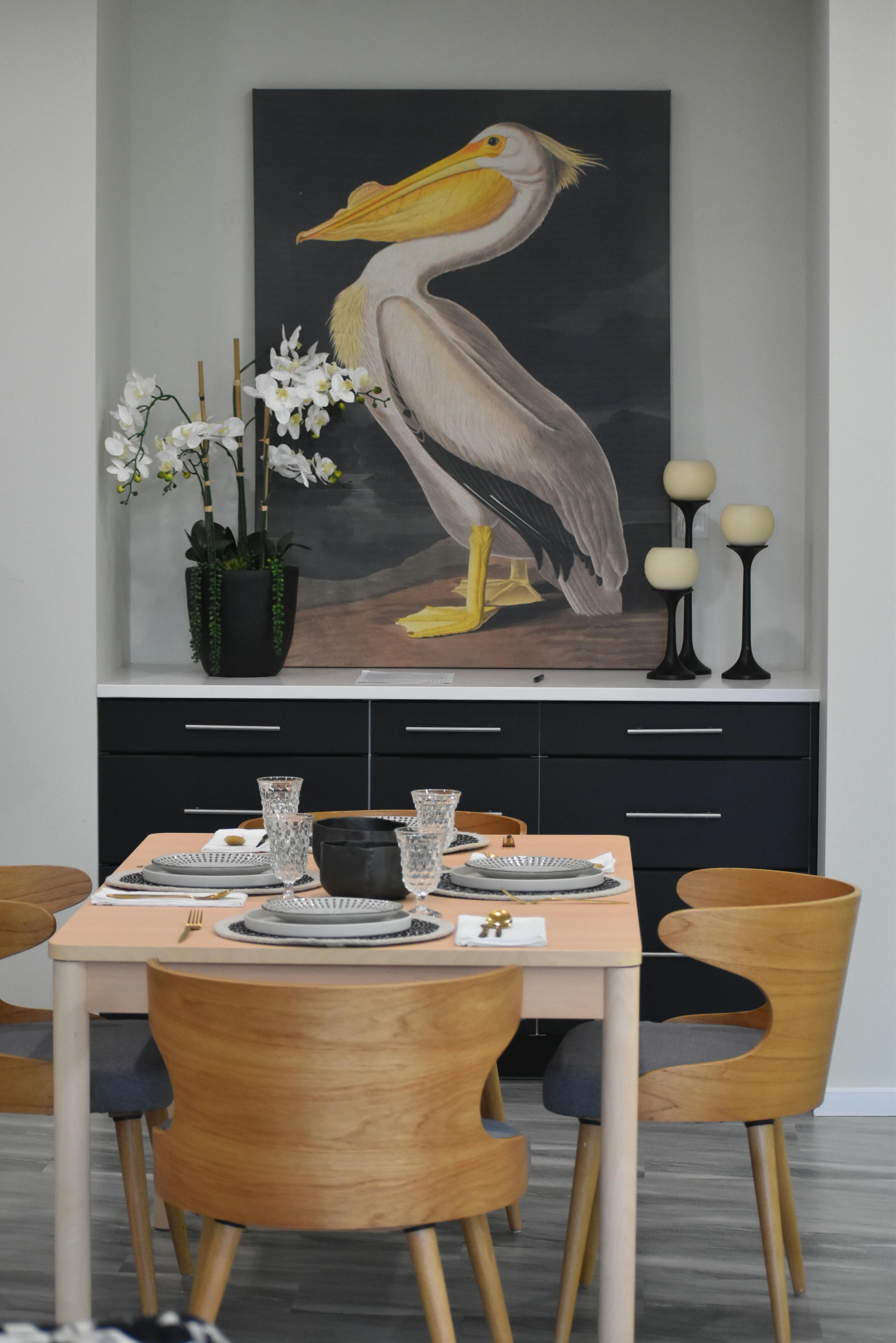

The joy, for me, isn't just in the art itself, but in the process of bringing it to life in an unexpected setting. It's about taking a risk, learning from the elements, and ultimately, creating a space that feels uniquely me. If you're ever in 's-Hertogenbosch, you might even catch a glimpse of the inspirations for some of my outdoor pieces at my studio and gallery—the den-bosch-museum—though, I confess, most of that art is safely indoors! But it's all part of the same journey, the same love for creative expression.
Key Takeaways for Your Outdoor Art Journey:
- Prioritize Durability: Choose materials like stainless steel, specific resins, high-fired ceramics, and treated wood explicitly designed for outdoor conditions.
- Location is Everything: Shade and shelter significantly extend the life of your art. Always consider wind resistance and anchoring.
- Embrace Maintenance: Regular cleaning, seasonal checks, and reapplication of sealants are vital for longevity.
- Integrate with Intention: Harmonize art with your home's style and garden's natural flow. Consider how light and nature interact with your chosen pieces.
- Sustainability Matters: Look for reclaimed materials, long-lasting pieces, and low-maintenance options.
So, as you gaze out at your own patio, ask yourself: what story do you want your outdoor art to tell? What splash of personality will you brave the elements to display? The possibilities are as vast and varied as the natural world itself. Happy curating!
Frequently Asked Questions About Outdoor Art
These personal experiences and years of artistic exploration have led to many questions from friends and fellow art lovers. Here are a few I often hear:
Q: Can I use indoor art outdoors if it's under a covered patio?
A: It's risky, and I'd strongly advise against it. While a covered patio offers some protection from direct rain, humidity, drastic temperature fluctuations (leading to thermal expansion and contraction), and indirect UV exposure can still cause significant damage. This includes fading, warping of frames, de-lamination of canvas, cracking of paint, or fungal growth on paper or canvas. Think of my soggy print disaster! Unless the piece is specifically designed or treated for outdoor use, you're inviting heartache, and nobody wants that.
Q: How do I clean outdoor art without damaging it?
A: Generally, mild soap (like dish soap) mixed with water and a soft cloth or sponge is safe for most weather-resistant materials (metal, stone, resin, glazed ceramics). Always test a small, inconspicuous area first. Avoid harsh chemicals, abrasive scrubbers, or high-pressure washers, which can strip finishes or etch surfaces. For intricate sculptures, a soft brush might help. For stone, a gentle scrub with a natural bristle brush is often best. For metal, avoid acidic cleaners unless specifically designed for patina development. For powder-coated metals, use a pH-neutral cleaner and a soft cloth; avoid abrasive scrubbers. Rinse thoroughly and dry completely to prevent water spots or mildew. For specific materials like treated wood, consult the sealant manufacturer's guidelines for reapplication.
Q: What materials should I absolutely avoid for outdoor art?
A: Untreated wood, paper-based prints, canvas paintings (unless explicitly marine-grade and sealed), unfired clay, unsealed natural fibers (like untreated jute or rattan), low-fired ceramics (like unglazed earthenware not rated for frost), and many textiles are generally not suitable. Specifically, unglazed terracotta in freezing climates should be avoided because its porous nature allows water absorption, which then expands when it freezes, leading to severe cracking and breakage. Anything with delicate, non-waterproof embellishments or water-soluble glues can also be problematic. Basically, if it absorbs water, easily fades in the sun, or can be easily damaged by temperature shifts, it’s probably best kept inside where it's safe from Mother Nature's moods.
Q: What are the best ways to anchor heavy outdoor sculptures to prevent theft or wind damage?
A: For heavy sculptures, anchoring is crucial. Options include:
- Concrete Bases: Pouring a concrete pad with embedded rebar or threaded rods that the sculpture can be bolted to.
- Pedestal Mounting: Securing the sculpture to a heavy, stable pedestal (stone, concrete, or weighted metal) that is itself anchored.
- Ground Anchors: For larger pieces, specialized ground anchors or helical piers can be drilled into the earth, providing a secure attachment point.
- Internal Weighting: Some sculptures are designed to be filled with sand or gravel (e.g., through a discreet access port at the base) to increase their stability and resistance to tipping.
- Height Considerations: Taller sculptures are more exposed to wind and leverage forces, requiring significantly more robust anchoring systems.
For extremely valuable or complex installations, don't hesitate to consult professional welding or metal fabrication services for custom anchoring solutions that provide maximum security and stability, or specialized art installers who have expertise with large outdoor pieces. Always consult with a professional installer for very large or valuable pieces.
Q: Do outdoor art pieces come with warranties or guarantees?
A: It varies greatly by artist and manufacturer. High-quality outdoor art, especially from reputable sources, often comes with a warranty covering material defects or significant premature degradation due to weather. Always ask about the warranty terms before purchasing, understand what it covers (e.g., limited lifetime warranty on structural integrity, 5-year warranty on fade resistance, but not neglect or extreme weather events, or expected patina development), and keep all documentation. It's a good sign when an artist stands by the longevity of their outdoor work.
Q: Should I bring my outdoor art inside for the winter (winterizing)?
A: For many climates, especially those with freezing temperatures, bringing smaller, more delicate, or less inherently frost-proof pieces indoors for the winter is a wise decision. "Less inherently frost-proof" typically refers to unglazed terracotta, some composite resins, and ceramics not specifically rated for frost. Even highly durable materials can benefit from a break from extreme cold, ice, and heavy snow. If you do bring pieces indoors, store them in a climate-controlled environment to avoid drastic temperature or humidity changes, which can still cause stress to materials. Also, check for any areas in sculptures that might collect water. If water freezes and expands within crevices or hollows, it can cause significant damage, even to durable materials. Ensuring proper drainage holes or tilting pieces to prevent water accumulation is a simple but effective preventative measure. For larger, immovable pieces, ensure they are thoroughly cleaned and inspected for any damage that could worsen over winter, and apply any recommended protective coatings or covers.
Q: Are there specific types of outdoor art that are better suited for beginners?
A: Absolutely! For those just starting their outdoor art journey, I often recommend pieces made from inherently durable materials that require minimal maintenance. Think small stainless steel or aluminum sculptures with powder-coated finishes, glazed, frost-proof ceramic pots or forms, or small concrete pieces. Readily available decorative items like weather-resistant garden statues made from polyresin or decorative metal wall art designed specifically for outdoor use also make great entry points. Specifically, small geometric abstract metal pieces or robust, glazed ceramic garden sculptures offer good resilience with less worry about constant upkeep or complex installation, allowing you to focus on enjoying the art and how it transforms your space without the immediate pressure of advanced care.
Q: What is the average lifespan of well-maintained outdoor art?
A: This varies significantly depending on the material, climate, and maintenance, but well-chosen and properly cared-for outdoor art can last for many decades, often even centuries. Here’s a granular breakdown:
- Granite Sculptures: 100+ years
- Bronze Sculptures: 50-200+ years (depending on alloy and environment)
- High-Quality Stainless Steel: 50+ years
- Marine-Grade Resin: 20-50+ years
- Treated Wood (Teak, Cedar, Redwood): 15-30+ years (with consistent maintenance)
- Glazed, High-Fired Ceramics: 20-100+ years
The key is that initial selection of appropriate, durable materials and consistent, gentle maintenance; these ensure your outdoor art becomes a lasting legacy.
Q: How often should I perform maintenance on outdoor art?
A: Maintenance schedules vary by material and local climate. Here’s a general guide:
- Metals (Aluminum, Stainless Steel): Quarterly inspection for damage/scratches. Clean as needed, typically seasonally. Reapply protective coatings (if applicable) every 1-3 years. For powder-coated metals, use a pH-neutral cleaner and a soft cloth; avoid abrasive scrubbers.
- Copper/Bronze: Clean as needed. No specific re-sealing if embracing patina. If maintaining shine, polish every 3-6 months.
- Ceramics/Stone/Concrete: Clean as needed, typically seasonally, especially to remove moss/algae. Reapply penetrating sealers to porous materials every 1-5 years, depending on product.
- Treated Wood: Clean seasonally. Reapply sealants/varnishes annually or bi-annually, depending on product and exposure.
- Framed Art (Outdoor-rated): Monthly inspection for seal integrity. Clean glazing seasonally. Reapply specialized varnishes every 2-5 years.
- All Art: After severe weather events, always perform an immediate inspection for damage or loosening.
Ultimately, the journey of bringing art outdoors is an exciting one, full of creative possibilities and practical considerations. With a little foresight and the right choices, your outdoor oasis can become a truly enduring expression of your personal style, bringing joy for years to come. So, go ahead, brave the elements, and let your patio tell its own beautiful story!