The Unseen Danger in Your Studio: Let's Talk About Ventilation
A candid guide to studio ventilation. Learn about the hidden dangers in your art supplies (VOCs, dust) and practical steps to protect your health for a long, creative career.

The Unseen Danger in Your Studio: Why Ventilation Is Your Most Crucial Tool
I remember the exact moment I realized I had to take my studio's air quality seriously. I was deep into a large oil painting, hours had vanished, and I stood up feeling dizzy, with a dull headache pounding behind my eyes. The room was thick with the smell of turpentine and linseed oil—a smell I used to associate with being a 'real artist,' a kind of aromatic badge of honor. But in that moment, it didn't feel romantic or inspiring. It felt... toxic. It was a physical manifestation of a profound oversight, a betrayal of my own creative well-being. For all the time I spent agonizing over composition in art or the perfect color mix, I had spent zero time thinking about the very air I was breathing for 8, 10, sometimes 12 hours a day. That's a lot of air, isn't it? And if it's laden with invisible dangers, well, that changes everything. It changes your health, your longevity, and ultimately, your ability to keep creating the work you love. It begs the question, what hidden threats are truly lurking in your creative sanctuary, and how are you protecting yourself from them?
This isn't just about a one-off dizzy spell, though those are certainly alarming. It's about a gradual, insidious accumulation of micro-damages that chip away at your vitality, your ability to focus, and even your creative output. We often pour our souls into our art, but what are we pouring into our lungs? And what cost are we paying for that 'authentic studio smell'? This article is my attempt to pull back the curtain on those hidden costs and give you a comprehensive roadmap to transforming your creative space into a haven of health, not a hazard zone.

We love the idea of the messy, chaotic artist's studio. It’s a space of pure creation. But there’s an unseen danger lurking in that creative chaos: the fumes, the dust, and the chemicals we release into the air. This isn't about being paranoid; it's about being professional. Your health is the most critical tool you have. Protecting it ensures you can keep making art for decades to come. So, let's pull back the curtain and talk about what's really floating around in your creative space.
The Artist's Breath: Understanding Respiration and Inhalation
Before we dive into what we're breathing in, it's worth a quick moment to consider how we breathe. This might sound overly basic, but understanding the mechanics of your respiratory system helps frame why airborne hazards are so dangerous. When you take a breath, air travels down your trachea (windpipe), branches into bronchi, and then into smaller and smaller bronchioles, eventually reaching tiny air sacs called alveoli. These alveoli are where oxygen passes into your bloodstream, and carbon dioxide is expelled. They have an astonishingly large surface area—about the size of a tennis court—which makes them incredibly efficient at gas exchange. But this vast, delicate network is also incredibly vulnerable to irritation and damage from external particles and gases.
Think of your respiratory system as a sophisticated, self-cleaning filter. Your nose and throat capture larger particles, and tiny hairs (cilia) along your airways constantly sweep mucus (and trapped contaminants) upwards to be swallowed or expelled. It's a miracle of biological engineering! However, this natural defense system isn't designed for the constant assault of man-made chemicals and ultra-fine dust generated in a busy art studio. It can quickly become overwhelmed, allowing harmful substances to bypass these defenses and penetrate deep into your lungs, sometimes even entering your bloodstream and affecting other organs. This is precisely why external protection – our ventilation systems and personal protective equipment (PPE) – becomes not just an option, but an absolute necessity for creative longevity. When these natural defenses are overwhelmed, harmful substances can bypass them, penetrating deep into your lungs and sometimes even entering your bloodstream, affecting other organs. This is precisely why external protection – our ventilation systems and personal protective equipment (PPE) – becomes not just an option, but an absolute necessity for creative longevity, much like understanding elements of art line is fundamental to visual composition.
What Are We Even Breathing In? The Invisible Culprits
When you open a tube of paint or a can of solvent, you're inevitably releasing Volatile Organic Compounds (VOCs) into the air. Imagine them as invisible chemical messengers, tiny particles that, at room temperature, decide they'd rather be airborne than stuck in their container. You can't see them, but oh, you can often smell them—that distinct 'studio scent' we artists know so well. It's often romanticized, that smell, but I've learned to associate it with an invisible assault on my lungs. The term "volatile" isn't about being explosive, but rather their tendency to evaporate readily at room temperature, releasing their molecules into the air we breathe. This process of off-gassing can continue for hours, days, or even weeks after a material has been applied. And here’s the kicker: even after the initial strong scent fades, these invisible compounds can continue to be released at lower, yet still harmful, concentrations, subtly accumulating in your studio environment and in your body over time. It's an insidious, persistent presence. Think of it like a slow, silent drip that, over time, can fill a bucket to overflowing, impacting your health in ways you might not immediately connect to your artistic practice.
But it's not just paints or obvious solvents like turpentine; nearly everything, from the gesso you prime your canvas with to the varnish that protects your finished piece, even certain types of clay or glazes, and especially spray adhesives or cleaning products, can off-gas these compounds into your creative environment. And here's the thing about VOCs: their effects can range from acute, like the headache I got, to chronic, leading to much more serious health issues over time. Understanding the invisible world of VOCs is as important as understanding how artists use color in their work – both shape our experience, but one can profoundly harm it.
A truly profound realization for me was that not all solvents are created equal, even if they all smell "solvent-y." Beyond the general category of VOCs, it helps to understand a few key chemical classes that show up frequently in our studios. Knowing these classifications empowers you to make informed decisions and understand the nuances of various "low-odor" or "safer" solvent claims. It's about digging deeper than just the immediate sensory experience.
A Deeper Dive into Solvent Classes
When we talk about solvents, we're really talking about a diverse group of chemicals, each with its own properties and hazards. Here are a few you'll commonly encounter and why they matter:
- Hydrocarbon Solvents (e.g., Mineral Spirits, Turpentine, Xylene, Toluene): These are perhaps the most ubiquitous in oil painting and cleanup. Mineral spirits (also known as white spirit) are refined from petroleum, while turpentine is derived from pine trees. Both are effective at dissolving oils and resins, but they release significant VOCs. Xylene and toluene, found in some strong solvents and spray paints, are even more volatile and pose higher neurological risks.
- Ketones (e.g., Acetone, Methyl Ethyl Ketone - MEK): These are very strong, fast-evaporating solvents often used for resin cleanup, plastics, and some industrial coatings. Acetone, while found naturally in the body, in high concentrations can cause headaches, dizziness, and respiratory irritation. MEK is even more aggressive and requires stringent ventilation.
- Alcohols (e.g., Isopropyl Alcohol, Ethanol): Commonly used in cleaning products, some inks, and as diluents. They are generally less toxic than hydrocarbons or ketones but still release VOCs and can cause eye/respiratory irritation in poorly ventilated spaces.
- Esters (e.g., Ethyl Acetate): Found in some glues, varnishes, and nail polish removers. They have fruity odors but are still VOCs that can irritate eyes and the respiratory tract.
- Chlorinated Solvents (e.g., Trichloroethylene, Perchloroethylene): Historically used for heavy-duty cleaning and degreasing, these are extremely hazardous and largely phased out of art materials due to their significant organ toxicity and carcinogenic potential. If you ever encounter them, extreme caution and professional handling are required.
Understanding these distinctions helps you read SDS sheets more effectively and make informed choices about your studio materials, perhaps prompting a switch to safer alternatives when available. This knowledge empowers you to be a more informed and proactive artist, rather than a passive recipient of whatever chemicals happen to be in your favorite paint tube.
Glycol Ethers: The Silent Threat in Many Water-Based Materials
While often not as overtly pungent as traditional solvents, Glycol Ethers are a class of solvents that deserve special attention, as they are increasingly found in "low-VOC" or "water-based" acrylic paints, inks, and cleaning solutions. Don't let the "water-based" label fool you; these are potent chemicals designed to improve drying times and flow. Their danger lies in their deceptive nature: they are often odorless or have a mild, pleasant scent, leading artists to underestimate their potential harm. Many are readily absorbed through the skin and can cause significant organ damage (liver, kidneys), blood disorders, and reproductive toxicity with chronic exposure. Always check the SDS for products marketed as "green" or "safe" – especially acrylic mediums, flow improvers, and certain specialized cleaning solutions – for the presence of glycol ethers like ethylene glycol monomethyl ether (EGMME) or propylene glycol methyl ether (PGME). For these, diligent ventilation and skin protection are paramount. Never assume "water-based" means "harmless"; it just means a different solvent is being used.
I used to be completely oblivious to this. To me, it was just the 'smell of art,' a badge of honor, perhaps. A sign of honest work. But these seemingly innocuous compounds are, in fact, the primary source of most air-quality-related health issues for artists. Understanding them is the first step towards truly protecting yourself. Because while VOCs are a huge part of the picture, they're not the entire picture. Beyond the gaseous world of VOCs, there are other crucial chemical categories we, as artists, need to understand and respect in our creative spaces, particularly the physical particulate matter that can also silently infiltrate our lungs.
### Emerging Concerns: PFAS and Microplastics
Beyond the traditional culprits, the art world, like many industries, is grappling with emerging chemical concerns. PFAS (Per- and Polyfluoroalkyl Substances), often dubbed "forever chemicals," are a class of synthetic chemicals found in some water-resistant coatings, sealants, and even certain pigments or dyes due to their non-stick and stain-resistant properties. Their long-term health effects are still being researched, but they are known for environmental persistence and potential for bioaccumulation, posing risks to various organ systems. Always check SDS sheets for products marketed with extreme durability or water repellency.
Another growing concern, especially with the prevalence of acrylics, is Microplastics. While technically a particulate hazard, the creation and dispersal of microscopic plastic particles from processes like sanding dried acrylic paint, cleaning brushes into drains, or even washing synthetic fibers from canvases, contribute to environmental pollution and potential inhalation risks. While research is ongoing regarding the direct health effects of inhaled microplastics, their ubiquitous presence and persistence are undeniable, underscoring the need for careful waste disposal and dust control.
Beyond the Tables: Understanding Specific Risks in Depth
Let's break down some of the usual suspects in our studios, understanding the primary concerns and prevention strategies for each.
Common Chemical Hazards in Art Materials
Chemical Type  | Common Art Materials | Primary Concerns | Key Prevention Strategy |
|---|---|---|---|
| VOCs | Solvents (turpentine, mineral spirits, xylene), oil paints, varnishes, spray adhesives, some markers, epoxy resins, brush cleaners, certain resins | Headaches, dizziness, nausea, respiratory irritation, organ damage (liver, kidneys), central nervous system effects, chronic fatigue, cancer. | Maximize ventilation (exhaust fans), use low-VOC/water-based alternatives, wear organic vapor respirator with appropriate cartridges. |
| Formaldehyde | Some acrylic paints, glazes, adhesives, certain textiles, particleboard, MDF (especially new), resins, pigments, sizing agents | Eye, nose, throat irritation; skin sensitization (allergic reactions); known human carcinogen (nasopharyngeal cancer), asthma exacerbation, mutagenic potential. | Ensure excellent ventilation (LEV for high concentrations), thoroughly read SDS, choose formaldehyde-free products and materials. Use solid wood alternatives to particleboard/MDF where possible. |
| Ammonia | Some acrylics, certain cleaning solutions, photo chemicals, ceramic glazes, traditional casein and hide glues | Strong respiratory irritation, severe eye irritation, skin burns, asthma exacerbation, potential for chemical pneumonitis in high concentrations. Can create dangerous fumes if mixed with bleach. | Adequate ventilation (exhaust fans), avoid strong concentrations, use gloves and eye protection. Never mix with chlorinated cleaning products. |
| Isocyanates | Polyurethane varnishes, some resins (epoxy, two-part), two-part foams, spray paints, coatings. | Severe respiratory sensitization (asthma-like symptoms that can be permanent and life-altering, even with tiny exposures), skin irritation, allergic reactions, pulmonary edema. Extremely hazardous and can cause permanent lung damage. | Use dedicated Local Exhaust Ventilation (LEV) like a spray booth, organic vapor respirator with specific cartridges (often yellow/magenta), full impervious PPE (gloves, coveralls, eye protection), full impervious PPE (gloves, coveralls, eye protection), and work in isolation. |
| Heavy Metals | Certain pigments (cadmium, lead, cobalt, chromium, mercury, arsenic), some ceramic glazes, soldering materials, lead came (stained glass). | Accumulation in the body, insidious organ damage (kinneys, liver, brain, blood), neurological effects (tremors, cognitive decline), developmental issues in children/fetuses, reproductive toxicity, cancer risk, anemia, bone marrow damage. Long-term, cumulative effects. | Avoid dry mixing/sanding pigments at all costs, work with wet materials, use gloves, N95/P100 respirator for any dust, proper waste disposal as hazardous material. Never eat, drink, or smoke in contaminated areas, and wash hands thoroughly. |
| Acids/Alkalis | Printmaking chemicals (nitric acid, ferric chloride, hydrochloric acid), photographic chemicals, some cleaning agents (caustic soda, lye), ceramic acids (hydrofluoric acid for etching). | Chemical burns (skin, eye, respiratory tract), severe respiratory irritation from fumes, deep tissue damage, potential for systemic toxicity if absorbed. Can react violently with other chemicals. | Use chemical-resistant gloves (butyl rubber/neoprene/Viton, specific to the acid/alkali), full-face shield, local exhaust ventilation (fume hood is ideal), careful handling, emergency eye wash and safety shower readily available. Always add acid to water, never water to acid. |
| Biologicals | Mold, fungi (in damp studios, aging materials), dust mites, bacteria, certain organic mediums (e.g., casein, hide glue, animal-based paints), natural fibers, decaying matter. | Allergies, asthma exacerbation, respiratory infections (e.g., fungal pneumonia, histoplasmosis), skin rashes, headaches, eye irritation, flu-like symptoms, "sick building syndrome." | Control humidity (aim for 40-60%), regular cleaning with biocides, ensure good airflow and air exchange, discard contaminated materials promptly and safely, proper storage of organic mediums in sealed containers, clean HVAC filters regularly. |
| Nanoparticles | Certain modern paints, inks, coatings (e.g., for UV protection, enhanced color, anti-scratch), some glazes, some pigments. | Emerging concern for respiratory and systemic toxicity; ability to penetrate deep into lungs and enter bloodstream, potential for neurological effects and organ damage. Research is ongoing, and long-term effects are largely unknown. The ultra-fine size allows them to bypass many natural defenses. | Use proper local exhaust ventilation (LEV), N95/P100 respirators when aerosols or dusts containing nanoparticles are generated. Research SDS thoroughly for 'nano' terms, and consider safer alternatives if possible, especially when working with sprays or fine powders. |
| Phthalates | Plasticizers in some vinyls, PVC materials, certain adhesives, soft plastics, synthetic pigments, some glazes, polymer clays. | Endocrine disruption (interfering with hormone systems), reproductive and developmental toxicity, potential liver/kidney damage, asthma, allergies. | Choose phthalate-free products, avoid heating materials containing phthalates (e.g., PVC), ensure good ventilation, wear gloves, read SDS carefully. Look for 'DEHP-free' or 'BPA-free' labels. |
| Fine Metal Dust/Fumes | Grinding, sanding, welding metals (e.g., lead, cadmium, nickel, chromium). | Acute metal fume fever, chronic lung diseases, neurological damage, kidney damage, potential for cancer. | Dedicated LEV, specific respirators for metal fumes (e.g., N99/P100 with OV/AG filters), full PPE including eye protection and fire-retardant clothing. |

Common Art Materials and Their Hidden Risks
Material | Primary Hazard | What to Watch For | Key Mitigation Actions |
|---|---|---|---|
| Oil Paints & Solvents | High VOCs (Turpentine, Mineral Spirits, White Spirit), skin absorption | Headaches, dizziness, respiratory irritation, long-term nerve damage, organ toxicity, skin defatting and dermatitis. | Ensure maximum local exhaust ventilation (exhaust fans or LEV), use water-miscible oils, wear organic vapor respirator, use nitrile gloves. |
| Acrylic Paints | Ammonia, Formaldehyde (during drying/curing), fine plastic particulates (sprays, sanding) | Can irritate eyes, nose, and throat. Some people develop allergies, potential respiratory sensitization. Off-gassing can continue long after drying. | Good ventilation, use low-VOC/zero-VOC acrylics, avoid spray applications indoors, use N95 respirator for dry sanding or aerosol applications. |
| Aerosol Sprays | Propellants and Solvents, fine paint particulates, highly concentrated VOCs, Isocyanates (in some spray varnishes/paints) | Highly concentrated VOCs, extremely easy to inhale, can cause immediate respiratory distress, sensitization, and long-term lung damage. | NEVER spray indoors without dedicated local exhaust ventilation (fume hood or spray booth) and organic vapor respirator with appropriate cartridges. |
| Resins (Epoxy, Polyurethane, UV Resin) | Vapors from chemical reactions (exothermic), isocyanates, skin sensitizers, chemical burns | Can cause severe respiratory issues, skin sensitization, allergic reactions, chemical burns, permanent asthma-like symptoms, and systemic toxicity. | Strict PPE (nitrile or butyl gloves, eye protection, organic vapor respirator), dedicated LEV, work in well-ventilated area, use barrier cream on exposed skin. |
| Pastels & Charcoal | Fine Particulate Dust (carbon, pigment, binders) | Inhaling fine dust can lead to chronic lung problems (bronchitis, emphysema), respiratory irritation, asthma exacerbation, potential for pigment toxicity if inhaled. | Use N95/P100 respirator, work over a dust capture system or downdraft table, fixate work regularly, wet clean surfaces. Avoid blowing dust. |
| Ceramics & Clay | Silica Dust (when dry), heavy metal dust (glazes, especially lead/cadmium), chemical fumes from firing kilns | Inhaling crystalline silica can cause silicosis, a serious and irreversible lung disease; glaze dust can cause heavy metal poisoning. Fumes from firing kilns can be hazardous. | Always work with wet clay, use N95/P100 respirator for any dry clay work/sanding, dedicated LEV for grinding or glaze mixing, wet clean. Ensure kiln ventilation for firing. Avoid leaded glazes. |
| Printmaking Inks & Cleaners | Solvents, heavy metals (in some inks), acids/alkalis, pigment dust, sensitizers | VOC exposure, skin irritation, potential organ toxicity, chemical burns, systemic poisoning from heavy metals, allergic reactions. | Use non-toxic/water-based inks, good local exhaust ventilation (LEV), chemical-resistant gloves (nitrile or specific to chemical), eye protection, and aprons. |
| Photography Chemicals | Acids, alkalis, silver compounds, fixatives, toners, formaldehyde (in some historical processes) | Skin/eye irritation, respiratory issues, chemical burns, environmental concerns, systemic toxicity from heavy metals, allergic reactions. | Strict handling protocols, chemical-resistant gloves, eye protection, chemical-resistant apron, proper disposal. Work in a well-ventilated darkroom or with LEV. |
| Woodworking (Carving/Sanding) | Wood dust (hardwoods are carcinogenic), formaldehyde (plywood/MDF), sawdust particulates, wood preservatives, resins | Respiratory irritation, asthma, dermatitis, nasal cancer (especially hardwoods like oak, beech, mahogany), skin sensitization. Formaldehyde is a known irritant/carcinogen. | Use dust collection system for power tools, N95/P100 respirator for sanding/cutting, good general ventilation, work outdoors if possible. Wear protective clothing. |
| Encaustic Waxes | Wax fumes, pigment fumes (if heated too high), potential VOCs from mediums, respiratory irritants | Respiratory irritation, potential for sensitizing effects, headaches from wax fumes, risk of flash fire if overheated. | Ensure excellent local exhaust ventilation (LEV) over heated surfaces (e.g., a capture hood or arm), maintain proper temperatures, use a thermometer, avoid overheating wax. |
| Pigment Powders (Dry) | Raw pigments (cadmium, cobalt, lead, iron oxides, arsenic, chromium), pastel dust, chalk | Severe respiratory irritation, systemic heavy metal poisoning, organ damage, cancer risk. Extremely dangerous if inhaled or ingested; assumes highest toxicity. | ALWAYS use P100 respirator and dedicated LEV/fume hood for dry mixing; work wet when possible. Use impervious gloves. Substitute with safer alternatives (hues). Wet clean surfaces meticulously. |
| Casting Materials (Plaster, Cements) | Fine dust (when dry), alkaline compounds, some resins (if composite), respiratory irritants | Respiratory irritation, skin irritation/burns, silicosis risk if silica-containing, potential for chemical burns from alkaline nature, eye irritation. | Use N95 respirator when mixing dry powders, wear gloves, wet clean immediately. For large-scale work, consider LEV. |
| Glues & Adhesives | Solvents (VOCs), formaldehydes, isocyanates (in some types), fumes from curing, sensitizers | Headaches, dizziness, respiratory irritation, skin sensitization, potential for permanent respiratory issues with certain types, eye irritation, chemical burns. | Use in well-ventilated areas, wear appropriate gloves (nitrile) and organic vapor respirator. Choose water-based or low-VOC alternatives. Read SDS for specific hazards. |
| Cleaning Products | Ammonia, bleach, solvents (VOCs), fragrances, acids/alkalis, respiratory irritants | Respiratory irritation, eye irritation, skin burns, asthma exacerbation. Can create dangerous fumes if mixed improperly (e.g., bleach + ammonia). | Use in well-ventilated areas, wear gloves and eye protection. Choose unscented, gentler alternatives. Never mix bleach and ammonia. Store securely. |

Particulate Matter: The Unseen Clouds of Dust
While we often focus on the invisible fumes, a much more tangible, yet equally insidious, threat is particulate matter, or simply, dust. And no, I'm not just talking about the dust bunnies under your easel, though those are certainly a sign of something! Art processes generate a wide variety of fine particles—microscopic fragments of paint, clay, wood, or pigment—that can become suspended in the air and, crucially, inhaled deep into your lungs. I often think of it as an invisible cloud, constantly surrounding us unless we take active steps. The danger lies in their incredibly small size, allowing them to bypass our body's natural defenses. We differentiate these particles by size, which directly impacts how far they can travel into your respiratory system and the damage they can cause. It's not just about visibility; it's about penetrability. The smaller the particle, the more insidious the threat, often leading to deep-seated health issues that manifest years, or even decades, later. Here's how we categorize them:
- Inhalable Particles (PM10): These are larger particles, generally 10 micrometers (µm) in diameter and smaller. They can be trapped in your nose, throat, and upper respiratory tract. While not penetrating as deeply, they can still cause irritation, allergies, and exacerbate conditions like asthma.
- Respirable Particles (PM2.5): These are the truly insidious ones, 2.5 micrometers (µm) in diameter and smaller. Because of their tiny size, they can penetrate deep into the lungs, reaching the smallest airways and even entering the bloodstream. This is where significant, long-term damage like silicosis, lung cancer, and cardiovascular issues can originate.
- Ultra-fine Particles (PM0.1): Even smaller, less than 0.1 micrometers (µm) in diameter. These microscopic particles are particularly concerning because they can not only penetrate deep into the lungs but can also easily cross into the bloodstream and travel to other organs, including the brain. They are often byproducts of combustion (e.g., welding fumes, some laser cutters) or certain chemical reactions, and their long-term health effects are still being actively researched, but they represent a significant emerging concern.
Different types of dust pose different risks, but the smaller the particle, the greater the concern. It's a critical factor in determining how far into your body these invisible invaders can travel and the kind of damage they can inflict:
- Crystalline Silica Dust: This is the big one for ceramicists, sculptors working with natural clays or stone, and anyone using sand-based materials. When dry clay is sanded, carved, mixed, or even just moved around, it releases tiny crystalline silica particles. Inhaling these can lead to silicosis, a severe, irreversible lung disease, and significantly increases the risk of lung cancer. This is a serious, lifelong threat.
- Wood Dust: If you work with wood for frames, sculptures, or substrates, you're generating wood dust. Certain hardwoods (like oak, beech, birch, mahogany) are known sensitizers and carcinogens, potentially causing nasal cancer. Even 'harmless' softwood dust (pine, spruce) can irritate the respiratory system, cause asthma, and dermatitis. The fine dust from power sanding or sawing is particularly concerning.
- Pigment Dust: Dry pigments, especially when mixing your own paints, working with powdered forms for pastels, or sanding dried painted surfaces, can be highly hazardous. Many pigments contain heavy metals (e.g., cadmium, cobalt, lead, chromium) or other toxic compounds. Inhaling these powders can lead to systemic poisoning, organ damage, and long-term health issues. Always assume dry pigments are toxic if inhaled.
- Fiber Dust: From textiles (weaving, felting, cutting fabrics), paper-making, or even sanding canvases and plaster, fine fibers can become airborne. These can irritate the lungs, cause allergic reactions, and contribute to general respiratory discomfort.
- Metal Dust/Fumes: For jewelers, sculptors working with metals, or welders, grinding, sanding, or heating metals can release fine metal dusts and fumes. These can be acutely toxic or lead to chronic lung and systemic diseases depending on the metal (e.g., lead, cadmium, nickel, chromium).
- General Studio Dust: This is the catch-all for dried paint flakes, pencil shavings, eraser bits, and all the detritus of a busy studio. While often less acutely toxic than specific material dusts, chronic inhalation can still contribute to respiratory irritation, allergies, and can even carry other chemical residues. It's a sign your studio needs a better cleaning and ventilation strategy.### Common Dust Hazards in the Art Studio
Source Material | Type of Dust | Primary Hazards | Key Mitigation Actions |
|---|---|---|---|
| Dry Clay, Stone, Quartz Sand | Crystalline Silica Dust (Respirable PM2.5) | Silicosis (irreversible, progressive lung disease leading to fibrosis), increased risk of lung cancer, tuberculosis. | Always work wet, use N95/P100 respirator for any dry handling/sanding, dedicated LEV, wet clean. |
| Hardwoods (Oak, Beech), Softwoods (Pine, Spruce), MDF/Plywood | Wood Dust (PM10 & PM2.5), Formaldehyde (from binders) | Respiratory irritation, asthma, dermatitis, nasal cancer (especially hardwoods), skin sensitization. Formaldehyde is a known irritant/carcinogen. | Use dust collection for power tools, N95/P100 respirator for sanding, good general ventilation, work outdoors if possible. |
| Dry Pigments (Cadmium, Lead, Cobalt, Chromium) | Heavy Metal Pigment Dust (PM2.5) | Systemic heavy metal poisoning (organ damage: liver, kidneys, brain), neurological effects, developmental issues, cancer risk, allergic reactions. | NEVER dry mix pigments without a P100 respirator and dedicated LEV. Use gloves, wet clean. Substitute with safer alternatives. |
| Pastels, Chalk, Charcoal | Fine Carbon & Pigment Dust (PM2.5) | Chronic bronchitis, emphysema, respiratory irritation, asthma exacerbation, potential for pigment toxicity if inhaled. | Use N95/P100 respirator, work over a downdraft table or outdoors, fixate work regularly, wet clean. |
| Textiles (Fibers), Paper Dust, Plaster | Fiber Dust (PM10 & PM2.5) | Lung irritation, allergic reactions, asthma exacerbation. Certain synthetic fibers may pose additional risks. | N95 respirator, good ventilation, wet clean, use sharp tools to minimize dust. |
| Sanding Dry Paint (Oil, Acrylic, Gesso), Varnishes | Paint Dust (PM2.5), Polymer Dust, Pigment Dust | Inhalation of dried paint particles, including binders, solvents (if not fully off-gassed), and potentially toxic pigments/heavy metals. | N95/P100 respirator, work wet when possible, use hand sanding over power tools, good local ventilation. |
| Metal Grinding/Welding | Metal Dust/Fumes (PM2.5, ultra-fine) | Acute metal fume fever, chronic lung diseases, neurological damage, kidney damage depending on metal (e.g., lead, cadmium). | Dedicated LEV, welding helmet with air supply, specific respirators for metal fumes, full PPE. |
| Textiles (Cotton, Wool, Synthetics) | Fiber Dust (PM10 & PM2.5) | Respiratory irritation, allergic reactions, asthma exacerbation. Synthetic fibers can have additional chemical coatings. | N95 respirator for significant dust, good ventilation, wet clean, use sharp tools to minimize fiber generation. |
| Asbestos Dust | Older building materials (insulation, tiles), some historical art supplies | Asbestosis (fibrotic lung disease), mesothelioma (cancer), lung cancer. Delayed onset. | NEVER disturb suspected asbestos; professional removal only. Use P100 if unavoidable (e.g., in an emergency with professional guidance). |


The Short and Long of It: What This Stuff Does to You
Okay, so there are chemicals and dust. So what? I get it. It's easy to dismiss because the effects aren't always immediate, aren't they? We're often conditioned to ignore subtle signals—that slight headache, the persistent cough, the itchy skin—thinking they'll just go away. I certainly was. It took a significant incident to truly wake me up. But the truth is, these 'subtle signals' are your body's early warnings. And the damage caused by prolonged exposure to these seemingly innocuous studio elements can be far more serious and cumulative than we often realize. Your body doesn't just hit a 'reset' button every time you leave the studio. Every little bit of exposure adds up, slowly but surely filling a bucket that can eventually overflow into chronic health problems. It's not just about feeling a bit off; it's about protecting your long-term health, your ability to create, and frankly, your life. Understanding the profound impact extends even to how you approach understanding balance in art composition—it's all about equilibrium in the most literal sense. Here’s a closer look at what this stuff really does to you:
Acute vs. Chronic Exposure: The Immediate and the Insidious
When we talk about health effects, it’s crucial to understand the difference between acute (short-term, immediate) and chronic (long-term, cumulative) exposure. Acute effects are often obvious: that dizzy spell from solvent fumes, the burning eyes from dust, or a sudden headache. These are your body's alarm bells. But the truly insidious dangers come from chronic exposure, where low-level, continuous contact with contaminants slowly, silently, and cumulatively damages your body over months or years. These effects might not show up until much later in life, often when the damage is irreversible. This is why a proactive approach is so critical – you're protecting your future self, even when you feel fine in the moment. It's not about a single incident; it's about the relentless drip, drip, drip of exposure.
Health Effects of Poor Studio Ventilation
Symptom Category | Short-Term Effects | Long-Term Effects | Severity/Risk | Specific Chemical/Dust Examples | |
|---|---|---|---|---|---|
| Respiratory | Cough, shortness of breath, throat irritation, nasal congestion, hoarseness, chest tightness, acute asthma attacks, bronchitis. | Chronic asthma, chronic bronchitis, emphysema, silicosis (irreversible), lung cancer, occupational rhinitis, pulmonary fibrosis, chemical pneumonitis, permanent respiratory sensitization. | High | VOCs (e.g., xylene, toluene), Isocyanates, Crystalline Silica Dust, Wood Dust (especially hardwoods), Fiber Dust, Ammonia, Formaldehyde, Acrylic Polymer Dust, Metal Fumes, Asbestos. | |
| Neurological | Headaches, dizziness, lightheadedness, fatigue, nausea, confusion, impaired coordination, mood changes (irritability, euphoria), impaired judgment, disorientation. | Memory loss, peripheral nerve damage (neuropathy), cognitive impairment, tremors, Parkinsonism-like symptoms, chronic fatigue syndrome, depression, permanent brain damage. | High | Aromatic and Chlorinated Solvents (e.g., mineral spirits, turpentine, xylene, MEK), Lead, Manganese, Mercury, Cadmium, Toluene, Carbon Monoxide. | |
| Dermatological | Skin irritation, redness, rashes, dryness, itching, chemical burns, blisters, allergic reactions (contact dermatitis), photosensitivity. | Chronic dermatitis (eczema), severe chemical burns, irreversible skin sensitization (allergies develop over time), skin discoloration, hyperpigmentation, skin cancers. | Medium-High | Solvents, Resins (epoxy, polyurethane, UV resins), Acids/Alkalis, some pigments (e.g., cobalt, chromium), Formaldehyde, Fiberglass, Isocyanates. | |
| Ocular | Eye irritation, redness, watering, burning sensation, blurred vision, light sensitivity, conjunctivitis. | Chronic dry eyes, vision problems, cataracts (rare but possible), chemical burns to the cornea, permanent vision loss, glaucoma. | Medium-High | Formaldehyde, Ammonia, Solvents (vapors), fine dusts (e.g., silica, wood), Isocyanates (vapors), Acids/Alkalis. | |
| Systemic | Nausea, vomiting, flu-like symptoms, gastrointestinal upset, general malaise, fever, chills. | Liver damage (hepatotoxicity), kidney damage (nephrotoxicity), reproductive issues, certain cancers (e.g., bladder, leukemia), blood disorders (anemia), endocrine disruption, cardiovascular disease. | High | Heavy metals (Lead, Cadmium, Cobalt, Mercury), Chlorinated Solvents (e.g., perchloroethylene), Aromatic Hydrocarbons (e.g., benzene), certain phthalates in plastics, Glycol Ethers. | |
| Reproductive | (Often silent, making it harder to link directly to exposure), menstrual irregularities. | Infertility (male and female), birth defects, developmental harm to fetus, miscarriage, premature birth, hormonal imbalances, reduced sperm count/motility. | High | Certain solvents (e.g., glycol ethers, toluene), Lead, Cadmium, Mercury, some phthalates in plastics, certain pesticides/fungicides used on natural materials. | |
| Endocrine | (Often silent, making it harder to link directly to exposure), subtle mood changes. | Hormonal imbalances, metabolic disruption, reproductive and developmental problems, increased risk of certain cancers, thyroid dysfunction, diabetes. | Medium-High | Phthalates, Bisphenol A (BPA) in some plastics, certain heavy metals, persistent organic pollutants (POPs), some pesticides. | |
| Carcinogenic | (Often silent, with no acute symptoms) | Various cancers (e.g., lung, nasal, bladder, leukemia, liver, kidney, brain). | High | Asbestos, Formaldehyde, Benzene, Lead, Cadmium, Chromium, Nickel, some chlorinated solvents, certain wood dusts, some PAHs (Polycyclic Aromatic Hydrocarbons). |  |

This isn't about fear-mongering. It's about sustainability. You wouldn't use your finest brushes to stir coffee, so why would you damage your own body, your primary tool for creation? Protecting your health isn't just about avoiding illness; it's about safeguarding your creative longevity, ensuring you can continue making the art you love for decades to come. Think of it as investing in your most vital asset.

Understanding Exposure Limits: What the Professionals Know
When we talk about chemical safety, industrial hygienists often refer to concepts like Permissible Exposure Limits (PELs) (set by OSHA in the US) and Threshold Limit Values (TLVs) (issued by ACGIH, a scientific organization). While these are primarily for large industrial settings with robust engineering controls, understanding them can profoundly empower you, the artist. These values represent the average concentration of a substance in the air that most healthy adults can be exposed to over a typical workday (usually 8 hours) without adverse health effects. Think of them as a baseline, a warning flag. My personal take? For an artist, these aren't targets to meet, but rather ceilings to stay far, far below. Why? Because as artists, we're rarely working in perfectly controlled industrial environments. Our studios are often smaller, less ventilated, our exposure can be sporadic but intensely concentrated, and our individual sensitivities can vary wildly. So, our best bet is always to minimize exposure far, far below these limits, aiming for the lowest possible concentration—or even better, no detectable concentration—whenever we can. Consider a PEL a 'do not exceed' line that a professional would be fired for crossing; for you, it's a red-alert zone you should never even approach.
Beyond PELs and TLVs, you might encounter Short-Term Exposure Limits (STELs), which are 15-minute exposure limits for substances that can cause acute effects—think a sudden burst of intense fumes from a spray can. And then there are Immediately Dangerous to Life or Health (IDLH) values, which represent concentrations that could cause death or serious irreversible health effects or impair escape. These aren't just academic numbers; they're stark reminders of the severity of some chemical exposures, highlighting that some materials demand far more respect and caution than others. Understanding these terms underscores the potential severity of some chemical exposures and why a proactive approach to safety is paramount.
The Precautionary Principle: Your Guiding Star
For artists, I firmly believe in adopting the Precautionary Principle. This isn't a legal term, but a philosophy: when an activity raises threats of harm to human health or the environment, precautionary measures should be taken even if some cause-and-effect relationships are not fully established scientifically. In simpler terms, if there's a safer alternative, or if you're unsure about the long-term effects of a material, err on the side of caution. Don't wait for definitive proof of harm to protect yourself. This principle is especially relevant in the art world where materials are constantly evolving and the long-term effects of new compounds may not be fully understood for years.
This is where the Safety Data Sheet (SDS), formerly known as Material Safety Data Sheet (MSDS), for every product you use becomes your bible. Seriously, it's not optional. I used to groan at the thought, seeing it as more boring paperwork, but after a few close calls, I realized these sheets are literally lifesavers. Every chemical product sold must have one, and it's legally required to be accessible to users. An SDS details, in a surprisingly readable format if you know where to look, crucial information like:
- Potential Hazards: Not just what it does, but how (inhalation, skin absorption, ingestion).
- Composition: What chemicals are actually in it.
- Safe Handling Procedures: How to work with it safely.
- Storage Requirements: How to store it to prevent accidents.
- First Aid Measures: What to do if exposure occurs.
- Exposure Limits: The PELs/TLVs relevant to that specific chemical.
- Recommended Personal Protective Equipment (PPE): The exact gear you need to stay safe.
Don't throw them out; keep them accessible, digitally or physically, for every material in your studio. I keep a binder with printed copies and a digital folder on my studio computer. Knowing what you're working with is the first step to truly protecting yourself.
Real-Time Air Quality Monitoring: Your Studio's Early Warning System
While SDS sheets give you the theoretical limits, how do you know what's actually floating around in your studio right now? This is where portable air quality monitors come in. While professional-grade industrial hygiene equipment can be prohibitively expensive, there are increasingly affordable consumer-level devices that can provide real-time readings for VOCs and particulate matter (PM2.5, PM10). Think of them as a 'check engine' light for your studio air.
They won't replace a professional assessment, but they can:
- Confirm Ventilation Effectiveness: See if your fans are truly clearing the air after a solvent session.
- Identify Off-Gassing: Pinpoint materials that are still releasing fumes long after application.
- Alert to Spikes: Warn you about sudden increases in contaminants from an accidental spill or an inadequate respirator seal.
- Inform Habits: Help you understand which activities generate the most hazards and reinforce safer practices.
Look for models that specifically measure VOCs (often labeled "TVOC" for Total VOCs) and particulate matter (PM2.5/PM10). They can be incredibly empowering, turning the invisible into something you can actively monitor and manage. When choosing, prioritize devices that offer continuous monitoring, clear digital displays, and, ideally, app connectivity for tracking trends over time. Read reviews for accuracy, as some cheaper models can be unreliable. Consider investing in a mid-range model from a reputable brand for more dependable readings. It's like having a silent assistant constantly scanning the air, providing you with objective data to back up what your nose might (or might not) be telling you. This data can be invaluable for fine-tuning your ventilation strategy.
Your Action Plan: Practical Steps for Cleaner Air
Alright, enough with the problems. I know it can feel overwhelming, like a massive hurdle to just get to the canvas. But let's talk solutions, because the good news is that you have a lot of control here, and it doesn't have to cost a fortune or require a complete studio overhaul overnight. It’s about building a robust, layered defense system for your lungs and overall health. Think of it as constructing your personal 'creative fortress.' I approach it in tiers, building up from the simplest, most accessible options to more robust, professional systems as your needs and budget allow. Each step builds on the last, creating a comprehensive safety net that truly protects your creative practice and your future as an artist.
Tier 1: The Bare Minimum – Strategic Cross-Ventilation
This is the absolute baseline, the free and easy win, and frankly, non-negotiable for any artist. Cross-ventilation involves creating a pathway for fresh, clean air to enter one side of your studio and contaminated, stale air to exit another. Think of it as a natural, albeit assisted, air exchange, actively nudging chemically-laden air out and inviting the good stuff in. It’s about creating a constant, controlled draft, not just a gentle breeze. Here's how to maximize it, even in less-than-ideal spaces:
- Open Multiple Openings: Don't just crack one window. This is a common mistake. Open windows on opposite sides of the room, or a window and a door. The wider the openings, the better the flow. Even a slightly ajar window and a partially open door can create a subtle, beneficial draft.
- Strategic Fan Placement (The "Exhaust" Method): This is the game-changer. Critically, place a simple box fan in one window, pointing outwards. This creates a negative pressure zone within your studio, effectively pulling contaminated air out of your space. Fresh, clean air will then be naturally drawn in from other open windows or doors, creating a powerful, directed air current that actively removes fumes and dust, rather than just stirring them around your face. For larger rooms or more intensive work, consider two fans: one pulling air in from one opening, and one pushing it out from another, ensuring a complete and rapid air turnover.
- Visualize the Airflow Path: Before you set up, take a moment to visualize the path air will take. Use a smoke pencil or even a stick of incense (safely!) to see the invisible currents. Ensure there are no obstructions blocking the path from your fresh air intake to your exhaust point. For instance, if your primary work area is near an open window (your fresh air source), place the exhaust fan on the opposite side to draw air across your workspace and efficiently out.
- Consider Local Climate: Even in winter, short bursts of cross-ventilation (even 5-10 minutes every hour or two) are crucial. Bundle up, take a quick break, and flush out those stagnant fumes. It's a small discomfort for a huge health benefit.
It's astonishing the difference this simple, almost free, setup can make. Don't let perfect be the enemy of good; starting here is starting smart, and it truly makes a world of difference you can feel and smell.
Tier 2: The Smart Upgrade – Portable Air Purifiers
If you're in a smaller studio, or routinely use materials that generate moderate fumes or dust, a high-quality portable air purifier is a truly smart upgrade. But choose wisely! Not all purifiers are created equal, especially for the unique demands of an art studio. I’ve made this mistake myself, buying a cheap one only to realize it barely made a dent. Look for models that feature a robust, multi-stage filtration system:
- Pre-filter: This is your first line of defense, capturing larger particles like lint, pet hair, and coarser dust. It's essential for extending the life of your more expensive subsequent filters.
- True HEPA (High-Efficiency Particulate Air) filter: This is absolutely crucial for an art studio. A true HEPA filter is certified to capture 99.97% of airborne particles 0.3 microns or larger. This includes the most problematic fine dusts like pigment, wood, silica, and even mold spores, pollen, and pet dander. Don't settle for 'HEPA-type' or 'HEPA-like' filters, which often don't meet the same rigorous standards.
- Activated Carbon Filter: Equally vital for artists, this filter specifically targets Volatile Organic Compounds (VOCs), chemical fumes, odors, and gases. HEPA filters alone don't remove fumes. Look for a purifier with a substantial amount of activated carbon (preferably in granular form, not just a thin coating) to effectively absorb those pesky solvent and medium smells.
- CADR (Clean Air Delivery Rate) Rating: This metric tells you how quickly the purifier cleans a room of specific pollutants (smoke, dust, pollen). Choose a CADR rating appropriate for your studio size. Generally, you want a purifier that can clean your room's air 4-5 times per hour.
- Placement is Key: Position the purifier strategically to draw air from your work area and circulate clean air back into the room. Avoid placing it directly next to a window where it might pull in unfiltered outdoor air, or in a corner where airflow is restricted. Aim for a central location or near a wall to create good air circulation.
While a purifier doesn't exchange air like ventilation, it's an excellent companion, continuously scrubbing your indoor air of lingering contaminants. This is where diligent filter maintenance comes in. Your filters are doing the heavy lifting, trapping all those nasty particles and absorbing those VOCs. Over time, they become saturated and clogged. Neglecting to clean pre-filters or replace HEPA/carbon filters as recommended by the manufacturer (typically every 6-12 months for HEPA, 3-6 months for carbon, depending on usage and studio environment) will drastically reduce your purifier's effectiveness. It'll just be an expensive noise-maker, not an air-cleaner. Always check your unit's indicator lights and consult the manual; it's a small investment in time and money that ensures your purifier remains a true ally. I set reminders on my phone to check my filters; it's easy to forget until you start noticing that distinct studio smell creeping back in.
Tier 3: The Pro Investment – Local Exhaust Ventilation (LEV)
For artists who frequently work with solvents, resins, aerosol sprays, significant dust (like grinding metal or heavy sanding), or toxic glazes, a Local Exhaust Ventilation (LEV) system is a non-negotiable game-changer. This isn't just moving air around; it's actively capturing fumes and dust right at the source, before they can disperse into your breathing zone and throughout your studio. The core principle of LEV is capture velocity: creating an air current strong enough to pull contaminants away from your work and into the system, essentially 'gobbling them up' before you can inhale them. A simple way to visualize this (and test your system) is with a smoke pencil or even a stick of incense. Hold it near your work area; the smoke should be swiftly drawn directly into the LEV hood or arm, not waft past your face or swirl around. If it's not being captured quickly, your LEV might need adjustment, cleaning, or a more powerful fan. Common types include:
- Fume Hoods: These are enclosed or partially enclosed workspaces with powerful exhaust fans, drawing air away from the user. They are ideal for highly hazardous processes like printmaking with strong solvents, mixing resins, working with acids, or processes that generate a lot of fumes.
- Capture Arms/Snorkels: These are flexible, adjustable arms with small hoods that can be positioned directly over a specific work area. They're perfect for smaller-scale, localized tasks like soldering, precise solvent cleaning, light sanding, or working with heated encaustic waxes. The key is to position the hood as close to the source of contamination as possible without interfering with your work.
- Downdraft Tables: These are work surfaces with perforations that pull air downwards through the tabletop. They are highly effective for dry sanding, carving, working with dry pigments, or any process that generates dust that tends to settle downwards. The dust is pulled away from your breathing zone and captured beneath the table.
Crucially, these systems pull contaminated air through a filter (if applicable for specific contaminants, though many rely on venting directly outside) and then vent it safely outside your studio. This prevents recirculation and ensures truly clean air for your breathing zone during intensive processes. This is where your investment truly pays off for heavy-duty, consistent use of hazardous materials.
Tier 4: The Studio Goal – Dedicated HVAC System (with Makeup Air)
If art is your full-time profession and you have a dedicated, purpose-built studio space (or are planning one), a Dedicated HVAC (Heating, Ventilation, and Air Conditioning) System designed with robust air exchange and filtration in mind is the ultimate, gold-standard goal. This involves a comprehensive, professionally engineered system that continuously exchanges and filters the air in your entire studio, providing a constant supply of fresh, clean air. A critical component of such a system is a makeup air unit, which replaces the exhausted air with tempered (heated or cooled) fresh outdoor air. This is vital because constantly exhausting air without replacing it can create negative pressure, leading to uncomfortable drafts, difficulty opening doors, and even drawing in unconditioned air from other parts of a building. This type of system is a significant investment, often requiring professional consultation with an HVAC specialist who understands laboratory or industrial ventilation standards, but it offers the highest level of control and protection. It ensures a consistently safe, temperature-controlled, and comfortable environment for prolonged, intensive art practice, effectively future-proofing your health and studio longevity. It's the kind of investment that pays dividends in both health and creative freedom, allowing you to focus on your art without compromise. This system effectively future-proofs your studio, providing a consistently safe, comfortable, and controlled environment for the most demanding and prolonged artistic practices. It allows you to push your creative boundaries without having to constantly worry about your air quality.
Start with Tier 1. Seriously. Just opening a window and using a fan pointing outwards makes a world of difference. Don't let perfect be the enemy of good.
credit, licence
Ventilation Solutions at a Glance
Tier | Solution | Key Benefit | Cost Range | Effort Level | Best For... | Maintenance Considerations | |
|---|---|---|---|---|---|---|---|
| 1 | Cross-Ventilation (Fan-Assisted) | Creates fundamental air exchange, actively removes stale/contaminated air. | Free - Low | Low | Every studio, especially beginners or those with limited budgets. A vital first step. | Regular opening of windows/doors, occasional fan cleaning. | |
| 2 | Portable Air Purifier | Filters airborne particles (dust, allergens) and gaseous contaminants (VOCs) indoors. | $$-$ $ | Low | Small to medium studios, moderate material use; excellent complement to active ventilation. | HEPA/carbon filter replacement (every 6-12 months), pre-filter cleaning. | |
| 3 | Local Exhaust Ventilation (LEV) | Captures hazardous fumes/dust directly at the source, preventing wider dispersal, vents outside. | $$$-$ $ $ | Medium | Regular use of solvents, resins, aerosols, heavy dust-generating processes (welding, grinding, sanding). | Duct cleaning, fan motor checks, filter replacement (if applicable for specific LEV). | |
| 4 | Dedicated HVAC System | Continuous, controlled air exchange and filtration for the entire studio, with makeup air. | $$$$-$ $ $ $ | High | Professional, full-time artists with dedicated, long-term studio spaces requiring optimal control. | Professional servicing (annual/bi-annual), filter replacement, duct maintenance. | ## Understanding Airflow Dynamics: More Than Just 'Moving Air' |
Simply having a fan isn't enough; it's about how that fan moves air, and how air is exchanged. This is a subtle but critical distinction that many artists, myself included, often overlook. Think of your studio as a dynamic system, constantly interacting with its environment, much like a living organism breathes. The goal isn't to merely stir up contaminated air, which is what a mere circulating fan does – an expensive air stirrer, if you will – but to actively remove it and bring in fresh, clean air efficiently. This is where concepts like negative pressure, cross-ventilation, and air changes per hour (ACH) become critical. As discussed in Tier 1, when you have an exhaust fan pointing out a window, you're creating negative pressure within your studio. This literally draws air from the rest of your studio (and any open doors/windows, which become your fresh air intake) towards that exit point, and then outside. This continuous pull is what effectively clears the air, preventing fumes from merely circulating or settling on surfaces, only to off-gas again later. Without this active exhaust, you're just recirculating the problem.
Good airflow design is about creating a clear, unimpeded path for contaminants to leave your space, rather than lingering to be recirculated. My advice? Don't just guess. To test your airflow, try a simple smoke pencil (you can buy these online, often used for HVAC diagnostics, or even carefully use a stick of incense or a theatrical fog spray) near your primary work area, and then near your exhaust point. The smoke should be drawn directly and purposefully towards your exhaust point, not swirl around the room, dissipate slowly, or move against the intended flow. This visual confirmation is incredibly powerful. If it lingers, or if it moves in unexpected directions, you've got 'dead spots' or an inefficient system, and you need more robust or better-directed airflow. Understanding these dynamics transforms your ventilation from a passive hope into an active, protective strategy—a deliberate act of environmental control, much like a carefully planned composition in art. Common troubleshooting includes clearing obstructions, adjusting fan speeds, or adding a second exhaust point to create a more consistent cross-flow. Small changes can often yield significant improvements that you can literally see and feel. Small changes can often yield significant improvements.## Beyond Ventilation: Habits for a Healthy Studio
Good airflow is indeed king, the undeniable foundation upon which all other studio safety stands. But it's crucial to understand that it's part of a much larger, holistic ecosystem of studio safety. Think of these habits not as burdensome chores, but as your daily rituals, small but incredibly powerful acts of self-preservation that complement your ventilation efforts and create a truly healthy, sustainable creative haven. It's about developing a proactive safety mindset, integrating it so seamlessly into your artistic flow that it becomes second nature—like cleaning your brushes at the end of a session.
## Your Personal Protective Equipment (PPE): The Last Line of Defense
This isn't about looking like you're heading into a chemical spill (unless, of course, you're working with something that feels like a chemical spill, in which case, you absolutely should!). It's about smart, targeted protection that acts as your body's last line of defense. Your PPE choices should always match the specific hazard you're facing. Think of it as a personal, custom-fit shield, a crucial barrier against what even the best ventilation system can't entirely capture or what might accidentally splash or spray. My philosophy is this: if there's any doubt, wear the PPE. Better safe, and a little over-protected, than sorry. Your artistic journey relies on your breath and senses, much like understanding definitive guide to perspective in art relies on a clear viewpoint. Don't ever risk your eyesight or hearing for art; they are your most precious tools for seeing and experiencing the world.
Let's break down the essential pieces of PPE you should consider for your studio, from protecting your lungs to safeguarding your hearing, understanding that each piece serves a specific, vital role:
Here's a detailed breakdown of the essential PPE you should consider, understanding that your choices should always be tailored to the specific hazards of your materials and processes:
Essential Personal Protective Equipment for Artists
Type of PPE | When to Use It | Key Features / What to Look For | Why It's Crucial | Maintenance/Lifespan | PPE Selection Guide | |
|---|---|---|---|---|---|---|
| N95 Respirator | Dust (pastels, charcoal, dry clay, sanding wood, plaster, fine fibers), some mists. | Filters 95% of airborne particles 0.3 microns and larger; proper fit is essential, often disposable. | Prevents inhalation of fine particulate matter that can cause lung damage like silicosis or chronic bronchitis. | Replace after 8 hours of continuous use, or sooner if breathing becomes difficult, mask gets dirty/wet, or fit is compromised. | Good for general studio dust, light sanding of non-toxic materials, pollen. | |
| P100 Respirator | Fine/toxic dust (lead, cadmium pigments, silica), some mists, fiberglass, asbestos (if confirmed with professional guidance). | Filters 99.97% of airborne particles; higher protection for very fine or highly toxic dusts. Often reusable with replaceable filters. | Offers superior protection for the most hazardous dusts, minimizing irreversible lung damage. | Replace filters when breathing resistance increases or after manufacturer's recommended period (e.g., 40 hours of use), even if not dirty. | Essential for dry mixing pigments, sanding dry clay, heavy wood sanding, lead work. | |
| Organic Vapor Respirator (Half-Face or Full-Face) | Fumes (solvents, resins, aerosols, varnishes, strong glazes, acids/alkalis), vapors from heated materials. | Cartridges specifically absorb chemical vapors (often color-coded black for organic vapors); often paired with P95/P100 pre-filters for particulates. Requires a secure face seal and fit test. Crucially, ensure the correct cartridge type for the specific chemicals you are using (e.g., Acid Gas, Ammonia, Multi-Gas/Vapor). | Protects lungs from toxic chemical inhalation, preventing acute symptoms and long-term systemic damage to organs, including the nervous system and liver. | Replace cartridges when chemical odor is detected through the mask, or after specified lifespan (e.g., 40 hours of use or 6 months once opened). Store in airtight bag to extend life. | Crucial for oil painting with solvents, resin casting, spray painting, using strong adhesives. | |
| Nitrile Gloves | Handling chemicals, paints, resins, solvents, printmaking inks, photography chemicals, cleaning agents. | Chemical resistance, good dexterity, latex-free to prevent allergies. Check SDS for specific chemical resistance and thickness (e.g., 4mil, 8mil). | Prevents skin absorption of toxins, chemical burns, and irritation, protecting your largest organ. | Dispose if torn, punctured, heavily contaminated, or after prolonged use. Don't reuse for different chemical types. | General purpose chemical protection, good for most studio tasks. Check SDS for specific resistance. | |
| Chemical Splash Goggles | Mixing, pouring, spraying liquids, working with acids/alkalis, using power tools that generate fine particles. | Provides a full seal around the eyes, protecting against liquid splashes, mist, and fine dust. Impact-resistant lenses. | Protects eyes from chemical burns, irritation, and physical injury that can lead to permanent vision loss. | Clean after each use. Replace if scratched, damaged, or elastic strap loses integrity. | Essential for any liquid handling, mixing chemicals, using spray bottles, working near solvents. | |
| Full-Face Shield | High-risk splashing, grinding, heavy spraying, using power tools with significant debris. | Covers entire face, offering broader protection than goggles. Often worn over safety glasses/goggles for enhanced protection. | Provides comprehensive facial protection against severe splashes, impacts, and airborne debris. | Clean after each use. Replace if scratched, cracked, or severely impacted. | For very hazardous liquid work (e.g., strong acids), grinding metal, using power saws. | |
| Protective Apron/Lab Coat | General studio work, messy processes, chemical handling, dust-generating work, painting, printmaking, ceramics. | Durable fabric (heavy cotton, denim), chemical-resistant if needed (e.g., for acids/alkalis), covers clothing and skin. | Prevents skin contact with materials and carrying contaminants outside the studio, protecting both health and personal clothing. | Wash regularly (separately from household laundry). Replace if heavily soiled, torn, or chemically compromised. | Recommended for all messy or chemical-intensive processes to protect clothing and skin. | |
| Hearing Protection (Earplugs/Earmuffs) | Using power tools (saws, sanders, grinders), air compressors, kilns, loud machinery, continuous noise exposure above 85 dBA. | Foam earplugs (disposable), reusable earplugs, earmuffs (various noise reduction ratings - NRR). Look for comfort and effective seal. | Prevents noise-induced hearing loss, tinnitus, and reduces fatigue from prolonged loud environments. | Replace earplugs frequently. Clean earmuffs regularly. Replace earmuffs if seals are compromised or damaged. | For woodworking, metalworking, prolonged use of pottery wheels, or any loud equipment. | ### Smart Habits for a Healthy Studio, Beyond PPE |
- Seal Your Containers Tightly: This sounds painfully obvious, right? Like 'don't poke yourself in the eye with a brush handle.' But how many times have I (and probably you) left a solvent can slightly ajar, or a paint tube uncapped for 'just a minute'? I'm guilty as charged. The problem is, even a small opening allows Volatile Organic Compounds (VOCs) to off-gas continuously, polluting your studio air even when you're not actively working. When you're done with that solvent, medium, or pigment, put the cap on tightly, and I mean tightly. This simple act dramatically reduces the amount of VOCs off-gassing into your air, saves your health, prevents your valuable materials from evaporating and drying out (extending their lifespan), and frankly, just makes for a tidier, less odorous, and more professional studio environment. Every minute a container is open or loosely sealed, your lungs are silently taking a hit. Think of it as a small, daily ritual that compounds into a huge health benefit over time.
- Choose Safer Materials: The art world has come an incredibly long way in offering safer alternatives, and honestly, there's rarely an excuse not to opt for them these days. This is a powerful form of preventative safety. Make it a habit to actively seek out products with lower toxicity and, when possible, embrace the 'precautionary principle': if a safer alternative exists, use it. Look for:
- Water-miscible oil paints that can be thinned and cleaned up with water, eliminating the need for harsh turpentine or mineral spirits. These are a game-changer for oil painters, dramatically reducing solvent use.
- Low-VOC or Zero-VOC acrylics (some are virtually odor-free), significantly reducing airborne chemical exposure during painting and drying. Many brands now offer high-quality options that perform just as well as traditional ones.
- Solvent-free mediums and varnishes for both oil and acrylic work. There are fantastic resin-based or water-based alternatives that perform beautifully without the hazardous fumes.
- Water-based inks for printmaking instead of traditional solvent-based ones. The cleanup alone is a huge benefit for your health, eliminating the need for harsh chemical washes.
- Natural or synthetic pigments with lower toxicity ratings. Always check the labels and SDS for pigments like cadmium or lead, and choose non-toxic alternatives when possible (e.g., cadmium hues instead of pure cadmium). Many art material manufacturers are actively developing safer, high-performance alternatives.
When you're learning how to apply gesso, for example, there are many excellent low-odor, low-VOC versions available. Do a little research, read those labels, and check the SDS; the long-term health benefits are well worth the initial effort. We often explore how artists use color for its aesthetic impact, but it's equally important to approach material selection with a conscious eye towards safety. Investing in safer materials is an investment in your own creative longevity.
- Chemical Compatibility: Storing Like with Like: This is a subtle but critical safety point often overlooked. Certain chemicals should never be stored together due to the risk of dangerous reactions, toxic gas releases, or even explosions if they spill or leak. This means segregating acids from bases, oxidizers from flammable liquids, and so on. Always refer to the SDS for specific incompatibility warnings for each product. Think of your chemical storage as carefully arranged, distinct neighborhoods rather than a messy, free-for-all commune. For example, mixing bleach with ammonia-based cleaners (a common household mistake) creates dangerous chloramine gases, which are severely irritating and potentially lethal. A simple spill of incompatible materials could turn a minor incident into a serious emergency, underscoring the importance of careful labeling and segregation.
- Clean with Care, Not Chaos: This is a big one. Sweeping up dry dust with a standard broom just kicks it back into the air for you to inhale, often creating a new, invisible hazard worse than the one you were trying to remove. It's counterproductive chaos. Instead, practice wet cleaning diligently: wet-mop floors, wipe down all surfaces (tables, shelves, tools) with a damp cloth, and invest in a good HEPA-filtered vacuum cleaner specifically designed to capture fine particles without recirculating them. This method traps dust and prevents it from becoming airborne, protecting your lungs. I recommend designating specific cleaning days, or even dedicating 15 minutes at the end of each session to a quick wet wipe-down. It makes a huge difference to your overall studio air quality and tidiness. And please, for your own sake, never eat, drink, or smoke in your immediate workspace. This prevents accidental ingestion of contaminants (imagine paint dust on your sandwich!) and keeps your 'clean' zones truly clean.
Safe Handling and Waste Disposal
Beyond basic studio cleanliness, knowing how to handle and dispose of your materials safely is paramount. Improper handling can lead to spills, increased exposure, and environmental contamination, which none of us want. I think of it as being a good steward of your craft and your planet.

- Read the SDS (Again!): Yes, I know I keep bringing this up, but it really is your go-to source for specific handling, storage, and disposal instructions for each and every product you use. Don't guess, don't assume, just check the sheet.
- Label Everything Clearly: This is non-negotiable. All containers, especially secondary ones (like squeeze bottles for solvents, or jars for pigment mixes), must be clearly and permanently labeled with their full contents. Don't trust your memory, especially with clear liquids that look identical. A mislabeled container is a dangerous container.
- Segregate Incompatible Materials: This is a critical safety rule. Certain chemicals should never be stored together (e.g., acids and bases, oxidizers and flammables). Refer to SDS sheets for specific incompatibility warnings. A spill of incompatible materials can lead to dangerous reactions, toxic gas releases, fires, or even explosions. Store like with like, and incompatibles separately.
- Proper Waste Streams: This is where many artists fall short. Don't just toss chemical waste in the regular trash or pour it down the drain. Many art materials are considered hazardous waste and must be disposed of according to strict local, state, and national regulations. Keep separate, clearly labeled, leak-proof containers for different waste types (e.g., solvent-soaked rags, contaminated water, dried paint waste, heavy metal pigments). Contact your local waste management facility, city, or county hazardous waste program for guidance on proper disposal for artists in your area. Many offer special collection days or facilities, or provide information on licensed hazardous waste carriers. It's your responsibility to know and follow these regulations; improper disposal can lead to fines and environmental damage.
- Minimize Waste: Beyond proper disposal, strive to minimize waste in the first place. Buy only what you need, use materials efficiently, and explore ways to reuse or recycle materials where safe and appropriate. A conscious approach to consumption not only helps the environment but also reduces the amount of hazardous waste you need to manage.
- Spill Kits: Your First Responder: No one likes to think about spills, but they happen. Having a dedicated spill kit readily available in your studio is a mark of true professionalism. This kit should contain absorbent materials (like kitty litter, absorbent pads, or rags), chemical-resistant gloves (heavier duty than your regular nitrile gloves), goggles, and sealable bags for contaminated waste. Knowing where it is and how to use it for different types of spills (solvent, paint, acid) can prevent minor accidents from becoming major hazards or extensive cleanups. It's about being prepared for the inevitable 'oops' moments. I always keep a small, clearly labeled bucket with these essentials, just in case.
Studio Layout and Organization for Enhanced Safety
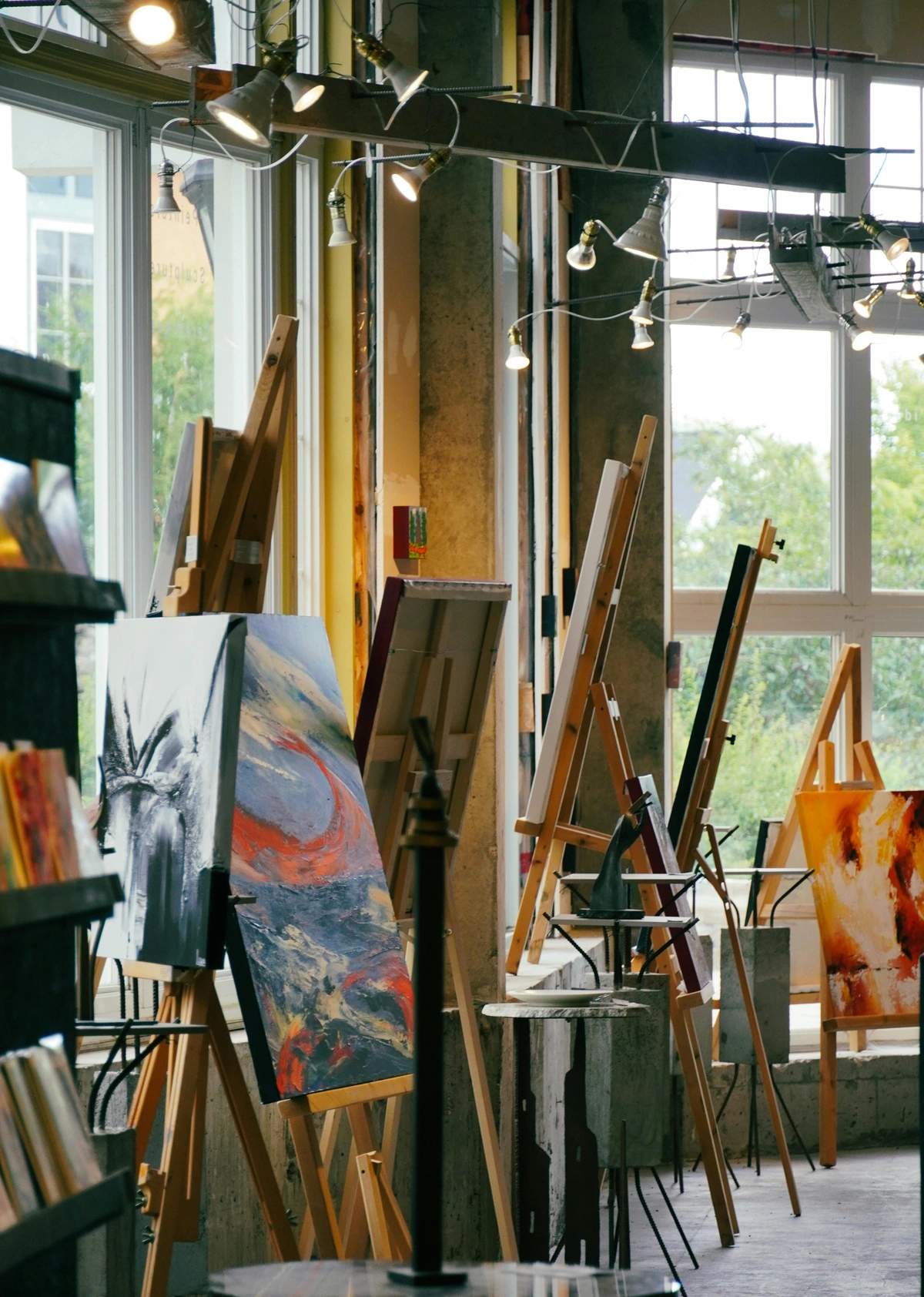
Beyond what you breathe and wear, how you organize your studio plays a huge role in your overall safety. A thoughtful, logical layout can minimize exposure and prevent accidents, streamline your creative process, and ultimately, protect your long-term health. I see my studio as a carefully designed ecosystem.
- Dedicated Zones (Clean vs. Dirty): Try to establish distinct zones in your studio, especially if it's a multi-purpose space. This is often called a 'dirty zone' / 'clean zone' approach. Have a 'clean zone' for paperwork, computers, eating, and breaks, clearly separated from your 'dirty zone' where dusty, fume-generating, or messy work happens. This prevents insidious cross-contamination of your food, personal items, and administrative tasks. Think of it as a crucial barrier for your health, ensuring you're not inadvertently consuming or tracking contaminants into other areas of your life.
- Smart Material Storage: This goes beyond just capping things tightly. Store all chemicals in their original, well-labeled, airtight containers when not in use. Keep them away from heat sources, direct sunlight, and open flames. Flammable liquids (like mineral spirits, turpentine, certain varnishes) should ideally be kept in approved, fire-rated safety cabinets, especially if you store more than a gallon or two. These cabinets are designed to contain fires and prevent them from spreading. Keep frequently used items organized and easily accessible, but always properly capped and returned to designated storage when your work session is complete. Implement a chemical inventory system so you always know exactly what you have, where it is, and its hazards—this is especially important for older or rarely used materials.
- Dedicated Zones (Clean vs. Dirty): Try to establish distinct zones in your studio, especially if it's a multi-purpose space. This is often called a 'dirty zone' / 'clean zone' approach. Have a 'clean zone' for paperwork, computers, eating, and breaks, clearly separated from your 'dirty zone' where dusty, fume-generating, or messy work happens. This prevents insidious cross-contamination of your food, personal items, and administrative tasks. Think of it as a crucial barrier for your health, ensuring you're not inadvertently consuming or tracking contaminants into other areas of your life. Even in a small apartment studio, a designated 'clean' corner or table can make a world of difference.
- Ergonomics: Protecting Your Body Beyond Air: While this article focuses on air quality, your overall studio safety extends to how you physically interact with your space and tools. Poor ergonomics—awkward postures, repetitive motions, heavy lifting—can lead to chronic pain, injuries, and even career-ending conditions. Invest in an adjustable easel, a comfortable (and chemically resistant) chair, and ensure your workbench is at an appropriate height. Take frequent breaks to stretch and move. Your body is the most sophisticated tool you own; treat it with the same care you'd give your finest brushes. This includes maintaining proper posture, using ergonomic tools, and varying your tasks to avoid repetitive strain injuries. An adjustable easel, a supportive stool, and regularly stretching can make a world of difference in your physical well-being and creative longevity.
- Clear Pathways & Exits: Ensure aisles and workspaces are always free of clutter, spills, and obstructions. This isn't just about aesthetics; it critically prevents trips, falls, and accidental spills, especially when you're carrying hazardous materials, hot tools, or moving around large pieces of art. A clear, unobstructed path to all exits is also crucial for emergency preparedness. Make sure you know your local emergency numbers (fire, poison control) and consider having them posted clearly by your phone. In an emergency, every second counts.
Emergency Preparedness: When Things Go Wrong
Even with the best precautions, accidents can happen. It's an unfortunate truth. But being prepared can drastically reduce the severity of an incident and potentially save lives, or at least your eyesight. This isn't about being paranoid; it's about being proactive, responsible, and having a plan when the unexpected occurs.
- First-Aid Kit: Keep a well-stocked, clearly labeled first-aid kit readily accessible in your studio. Ensure it contains essentials like various sizes of bandages, antiseptic wipes, pain relievers, and, crucially, a dedicated eye wash solution (or a plumbed eyewash station if you work with strong acids/alkalis) and burn cream. Check expiration dates regularly and replenish supplies promptly. You don't want to be scrambling in an emergency.
- Eye Wash Station: For any studio using chemicals that could splash or spray (and let's be honest, that's most of us), an easily accessible eye wash station is absolutely vital. This could be a plumbed-in station (the gold standard for heavy chemical users) or a readily available portable bottle. The key is that it must be immediately available, within a few steps of your chemical work area, for flushing eyes for at least 15 minutes. Don't rely on running to the sink.
- Fire Extinguishers: If you work with flammable liquids, solvents, or heating elements (e.g., kilns, encaustic irons, torches), a fire extinguisher rated for chemical fires (Class B or ABC) is not just a wise investment; it's essential. Ensure it's charged, easily accessible (not hidden behind a stack of canvases!), and, most importantly, you know how to use it using the PASS method: Pull the pin, Aim the nozzle at the base of the fire, Squeeze the handle, and Sweep from side to side. Practice this mentally so it's second nature in an emergency. Consider having two: one near the exit, one near the highest risk area, and ensure they are inspected annually. Consider having two: one near the exit, one near the highest risk area.
- Emergency Contact Information: Post emergency numbers (local poison control center, fire department, local hospital emergency room, and a trusted emergency contact person) clearly and prominently near your phone or studio entrance. Ensure anyone else working in your studio knows where to find them and understands basic emergency procedures.
- First-Aid Kit: Keep a well-stocked, clearly labeled first-aid kit readily accessible in your studio. Ensure it contains essentials like various sizes of bandages, antiseptic wipes, pain relievers, and, crucially, a dedicated eye wash solution (or a plumbed eyewash station if you work with strong acids/alkalis) and burn cream. Check expiration dates regularly and replenish supplies promptly. You don't want to be scrambling in an emergency, especially not when every second counts for chemical splashes or minor cuts.
- Fire Extinguishers: If you work with flammable liquids, solvents, or heating elements (e.g., kilns, encaustic irons, torches), a fire extinguisher rated for chemical fires (Class B or ABC) is not just a wise investment; it's essential. Ensure it's charged, easily accessible (not hidden behind a stack of canvases!), and, most importantly, you know how to use it using the PASS method (Pull, Aim, Squeeze, Sweep). Consider having two: one near the exit, one near the highest risk area, and ensure they are inspected annually.
- Know Your Exits: In case of a fire or major chemical spill, know your primary and secondary escape routes. Keep them clear at all times. Practice your escape route mentally. If you're working in a shared building, know the building's emergency plan.
Being prepared isn't just for professional labs; it's for anyone who values their safety, their studio, and their continued ability to create.
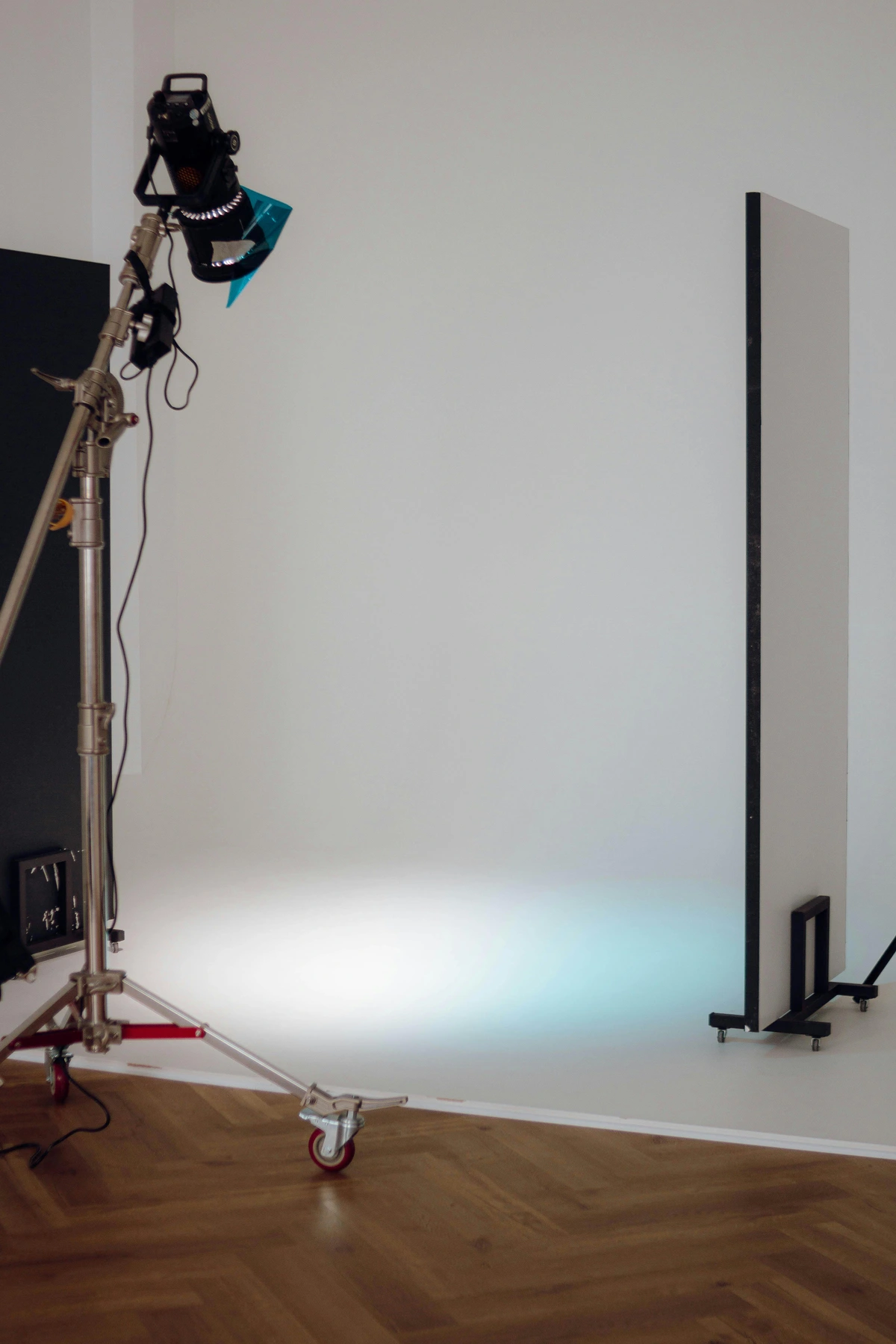
FAQ: Your Ventilation Questions Answered
Are "odorless" solvents truly safer?
This is a fantastic and frequently asked question, and the short answer is: not necessarily, and often, it's a dangerous misconception! "Odorless" mineral spirits, for instance, have had most of the aromatic hydrocarbons (which are responsible for the strong smell) removed. While this makes them far more pleasant to work with, and reduces immediate irritation, it does not mean they are free of Volatile Organic Compounds (VOCs). In fact, odorless solvents can still release significant amounts of VOCs, and because they lack the warning signal of a strong smell, artists often use them for longer periods or in less ventilated spaces, unwittingly increasing their exposure. My take? Don't let the lack of odor lull you into a false sense of security. Treat odorless solvents with the same respect and ventilation protocols as their traditional, smelly counterparts, and always consult the SDS. Your nose might not be warning you, but the chemicals are still there.
What are the subtle signs of poor ventilation in a studio?
Beyond the obvious strong smells, subtle indicators often go unnoticed until they become chronic. If you experience persistent headaches, dizziness, nausea, unexplained fatigue, burning eyes, scratchy throat, or skin irritation after spending time in your studio, these are all red flags. A persistent "studio smell" that lingers long after you've finished working is also a clear sign that contaminants are not being adequately removed. Don't ignore these subtle cues; they are your body's early warning system that your ventilation system might be inadequate.
### Can Air Fresheners or Incense Mask Chemical Odors Safely?
This is a common, and frankly, dangerous misconception that I hear far too often. Using air fresheners, scented candles, or incense to "cover up" chemical odors in your studio is like putting a band-aid on a broken leg while simultaneously ignoring the gaping wound. These products do not remove harmful VOCs or particulate matter; they merely mask the smell, often by introducing additional chemicals into the air. Many air fresheners contain their own set of VOCs, and burning incense or candles can add fine particulate matter to your breathing zone, exacerbating the problem. Your nose is your primary warning system for many chemical exposures, and deliberately suppressing that signal means you're operating without a crucial line of defense. Always prioritize removal of contaminants through ventilation, rather than simply masking their presence.
Are plants good enough for air purification in a studio?
I love plants, truly, and they certainly add beauty and a sense of calm to any space! However, when it comes to effectively purifying the air in an art studio, relying solely on plants is a well-intentioned but often insufficient strategy. While certain plants can absorb some airborne toxins (a phenomenon extensively researched by NASA for closed environments), their capacity is extremely limited, especially in the face of the concentrated VOCs and particulate matter generated by art materials. You would need an astronomical number of plants to make a measurable difference in a typical studio environment, far more than is practical. Think of plants as a lovely aesthetic addition, perhaps capable of tackling very minor, ambient background pollutants, but absolutely not a substitute for robust mechanical ventilation and high-quality air purifiers with HEPA and activated carbon filters. Don't let your green thumb override your common sense when it comes to serious studio safety!
Is it enough to just have a fan blowing in my studio?
Absolutely not! This is a common and dangerous misconception, and one I certainly believed for a while. A fan simply blowing into or around your studio primarily just circulates the contaminated air, potentially stirring up dust and spreading fumes further, actually increasing your exposure to airborne hazards. It’s like stirring a dirty pond instead of draining it and refilling it with fresh water. To be truly effective, you need to create an exchange of air. This means you are actively removing the contaminated air and replacing it with fresh outdoor air. The most effective way for a basic setup is strategically positioning a fan in an open window, pointing outwards. This creates a negative pressure zone, actively pulling the stale, chemical-laden air out of your space. Fresh air is then naturally drawn in from another open window or door, creating a powerful, directed air current. This 'exhaust' method is the key to genuine air quality improvement, not just air movement. For larger studios, I sometimes use a 'push-pull' system with one fan pushing clean air in and another pulling dirty air out. Always think 'exhaust' over 'circulation' when dealing with contaminants—it's about removal, not just movement.
I only paint for an hour or two a few times a week. Does it really matter?
Yes, it absolutely, unequivocally matters! This is a classic trap we artists fall into: minimizing our exposure because it's 'only for an hour' or 'just a few times a week.' I've thought it myself countless times. But here's the crucial truth that health professionals emphasize: exposure is cumulative. Your body doesn't hit a 'reset' button every time you leave the studio. Those little sessions, those 'just for an hour' moments, add up significantly over weeks, months, and years. Every breath of contaminated air, every skin contact with a chemical, contributes to your body's overall toxic load, gradually increasing your risk for both acute and chronic health problems down the line. It's like a leaky faucet filling a bucket—slowly, but surely. Building good habits now, no matter how short or infrequent your sessions, is not just a recommendation; it's an essential, proactive investment in your future self and your long-term ability to create without compromise. Don't wait until symptoms appear; by then, damage may already be done and much harder to reverse. Your health is a long-term project, just like your art.
What's the fundamental difference between an air purifier and a ventilator?
This is a vital distinction, and understanding it is key to effective studio safety. I often see these terms used interchangeably, but they perform very different functions. An air purifier functions by cleaning the air inside your room. It operates by drawing existing indoor air through a series of filters (typically a HEPA filter for particles and an activated carbon filter for gases), trapping contaminants, and then recirculating the same air back into the room, just cleaner. Think of an air purifier as a sophisticated air scrubber or recycler for your indoor air. A ventilator, on the other hand (such as an exhaust fan, a local exhaust system, or a dedicated HVAC system), physically removes the contaminated air from the room and actively replaces it with fresh, uncontaminated air from outside. It creates a complete air exchange. Think of a ventilator as an air exchanger, constantly bringing in new air and expelling old. For comprehensive protection against both airborne particles and gaseous fumes (which are often the most insidious), you ideally want both: a robust ventilation system to exchange the air, and a good air purifier to continuously scrub residual contaminants from the recirculated air within the newly refreshed space. They are complementary, not interchangeable.
How do I deal with strong odors from drying artworks?
Ah, the lingering scent of a freshly finished piece! This is a common challenge, especially with oil paintings, varnishes, and some acrylic mediums, as they continue to off-gas VOCs during their drying and curing process, sometimes for days or even weeks. My primary strategy is to move drying artworks to a dedicated, well-ventilated area that is separate from my main workspace and living areas, if possible. A utility closet with a small exhaust fan (venting outside, of course), a garage, or even a covered outdoor space can work. If that's not feasible, ensure continuous cross-ventilation in your studio, even after you've finished working, and run a good quality air purifier with a robust activated carbon filter. The goal is to isolate the off-gassing as much as possible and remove those lingering fumes from your breathing zone and home environment. Don't underestimate the cumulative effect of these prolonged, low-level exposures.
What About Children or Pets in the Studio?
This is a question I get often, and it's a critical one for home studios. Children and pets are often far more susceptible to chemical exposures than adults due to their smaller size, developing organ systems, and different metabolic rates. Their curiosity means they might ingest materials or put contaminated hands/paws in their mouths. If you share your living space with children or pets, extreme caution is paramount. This means using only truly non-toxic materials (and even then, with strict supervision), ensuring impeccable cleanup, storing all art supplies securely out of reach, and maintaining exceptional ventilation. Ideally, hazardous processes should be done in a separate, isolated space that children and pets cannot access. My personal rule: if there's any doubt about a material's safety for tiny humans or furry friends, assume it's unsafe and find an alternative or a truly isolated workspace.
Are materials labeled 'non-toxic' completely safe for artists?
This is a tricky one, and the short answer is: probably not in the way you're thinking, and it's a common misunderstanding. 'Non-toxic' labels, particularly those like the ACMI AP (Approved Product) seal found on many art materials, generally mean the product won't cause immediate or chronic harm if ingested in small amounts or if used by children. This makes them safer for casual contact or if a child accidentally puts a small amount in their mouth. However, and this is a critical point that I cannot stress enough: this designation does not necessarily mean it's safe to inhale the fumes or dust over long periods, or that it won't cause skin irritation or allergic reactions in sensitive individuals. For example, some 'non-toxic' pigments can still be problematic if inhaled as fine dust. Always remember, 'non-toxic' is not synonymous with 'harmless to inhale' or 'safe for unlimited skin contact' during prolonged use. For a complete and accurate understanding of all potential risks, and especially for professional use, always consult the Safety Data Sheet (SDS) for your specific materials if you're unsure. It provides a far more comprehensive picture of hazards and detailed safety precautions than a simple 'non-toxic' label ever can.
How do I know if my studio ventilation is truly good enough?
Your senses are your first, best, and often most immediate line of defense. Here's a simple, practical test I use: if you can still strongly smell your art materials—be it turpentine, acrylic medium, encaustic wax fumes, or clay dust—10-15 minutes after you've stopped using them, sealed all containers, and stepped away from the immediate workspace, then your ventilation is definitely not good enough. A truly well-ventilated studio should clear odors relatively quickly, leaving the air feeling fresh and neutral. If you're still catching a persistent whiff, or if you experience any of those tell-tale short-term symptoms (headaches, dizziness, throat irritation, unexplained fatigue), it's a clear signal that contaminants are lingering, and you need to increase your airflow immediately. Don't ignore these signals; they are your body's warnings. For a more scientific approach, consider investing in a portable air quality monitor (as mentioned in the solutions table) that can give you real-time readings of VOCs and particulate matter. This provides objective data to confirm what your nose and body are telling you.
What about using 'natural' or 'organic' art materials? Are they inherently safer?
While materials marketed as 'natural' or 'organic' can sometimes be less toxic, it's a common misconception that they are automatically completely safe. For example, natural pigments can still contain heavy metals (e.g., natural ochres with iron oxides, certain historical earth pigments). Plant-based solvents can still be VOCs and cause respiratory irritation or allergies. Always check the ingredients and, if available, the SDS, even for seemingly benign materials. The key is understanding the chemical composition and potential hazards, not just the marketing label.
How often should I clean my ventilation filters or change respirator cartridges?
This depends entirely on your usage and the type of contaminants. For air purifiers, HEPA and activated carbon filters have recommended lifespans (e.g., 6-12 months for HEPA, 3-6 months for carbon) but may need to be changed more frequently with heavy use. For respirators, organic vapor cartridges should be replaced when you start to smell chemicals, or after their rated service life (often 40 hours of use, or after 6 months once opened). N95/P100 dust filters should be replaced when breathing becomes difficult, they get dirty, or after 8 hours of continuous use. Regularly cleaning pre-filters (if applicable) extends the life of main filters. Always follow manufacturer guidelines.
Can I work with hazardous materials in my living space or home office?
While many artists do work from home, it's highly recommended to separate your workspace from your living and sleeping areas, especially if you use hazardous materials. Fumes and fine dust can easily travel throughout a home, contaminating furniture, clothing, and impacting family members, including children and pets, who are often more susceptible to chemical exposures. If a separate studio isn't possible, ensure extremely robust local exhaust ventilation that vents outside, strict material containment, and meticulous cleaning protocols. Designate 'clean' and 'dirty' zones rigorously.
Your Health is Your Greatest Masterpiece
Ongoing Learning and Resources
The world of art materials and safety is constantly evolving. New products emerge, and our understanding of existing hazards improves. Therefore, continuous learning is not just a good idea, it's a vital component of a truly safe and sustainable art practice. I regularly consult resources like:











- Art Hazards Information Center (AHIC): Provides comprehensive information on art material hazards and safe practices.
- Local Health and Safety Organizations: Your local government health department or occupational safety agency often has resources and guidance relevant to small businesses or home studios.
- Manufacturer Websites: Reputable art material manufacturers frequently update their SDS sheets and provide additional safety information on their websites.
- Professional Artist Networks: Connect with other artists! Sharing experiences and best practices can be incredibly valuable.
Stay curious, stay informed, and never stop seeking ways to make your creative haven even safer. It's an investment in your well-being, your art, and your legacy.
Conclusion: Investing in Your Creative Future
Look, I know this topic isn't as immediately thrilling as exploring texture or the satisfaction of nailing a new technique like understanding the elements of design in art. It can feel like a chore, a distraction from the pure joy of creation. But I've genuinely come to see my studio's safety—and particularly its air quality—as an inseparable, foundational part of my entire art practice. It's the silent, essential act of preparing my space, and my body, so that I can create freely, deeply, and without unnecessary risk. It's the ultimate act of self-care for an artist.
Taking care of your air isn't just a recommendation; it's an act of profound respect for yourself, for your craft, and for your enduring future as an artist. It's the most fundamental investment you can make in your creative longevity. So, take that step: open a window, get a fan pointing out, invest in the right mask, and breathe easy. Your body—your irreplaceable tool for creation—and every masterpiece yet to come will undeniably thank you for it. This commitment to safety is an ongoing dialogue, a living part of your practice, much like the evolution of my own latest creations here or my reflections at the den-bosch-museum. It ensures that your timeline as an artist is long and unhindered, allowing you to create your most enduring work. Now go forth and create, safely, confidently, and with healthy lungs. And remember, the cleanest air often leads to the clearest vision.