
Why Art Takes Countless Hours: The Hidden Journey of Creation
Discover the unseen dedication behind every artwork and why mastering art demands countless hours of practice, patience, and passion.

Why Art Takes Countless Hours: The Hidden Journey of Creation
Art is more than just a final product; it’s a journey of dedication, patience, and self-discovery. Every brushstroke, sketch, and masterpiece carries with it countless hours of practice, frustration, and breakthroughs. If you’ve ever wondered why art takes so long to create, you’re not alone. Let’s explore the hidden journey behind every artistic creation.
I remember the first time I tried to paint a sunset. It looked like a smudged mess, nothing like the vibrant skies I envisioned. That moment taught me something crucial: art isn’t just about inspiration—it’s about time. Countless hours of it. And if you’ve ever wondered why art takes so long to create, you’re not alone. Let’s dive into the hidden journey behind every brushstroke, every sketch, and every masterpiece.
Art is a labor of love, a testament to patience, and a journey of self-discovery. It’s about the hours spent perfecting a technique, the moments of frustration that lead to breakthroughs, and the relentless pursuit of something greater than oneself. Whether you're an artist or an admirer, understanding this journey can deepen your appreciation for the craft.
But what does this journey truly entail? It’s not just about the time spent with a brush in hand or the hours staring at a blank canvas. It’s about the emotional investment, the mental preparation, and the physical endurance required to bring an idea to life. It’s about the late nights, the early mornings, and the relentless drive to improve. It’s about the sacrifices made and the lessons learned along the way.
The Myth of Instant Mastery
We live in a world of instant gratification. A quick Google search, a 30-second TikTok tutorial, and suddenly, we expect to create something extraordinary. But art doesn’t work that way. It’s not about the final product; it’s about the process. The hours spent mixing colors, the failed sketches, the moments of frustration—these are the building blocks of mastery.
Think about it: even the most talented artists didn’t wake up one day with a brush in hand and create a masterpiece. Picasso’s early works were far from his iconic style. Van Gogh’s first sketches were rough and unrefined. It’s the hours of practice, the relentless pursuit of improvement, that transform a blank canvas into something meaningful.

The myth of instant mastery is pervasive, fueled by social media highlights and viral success stories. But behind every overnight sensation lies years of unseen effort. The journey of an artist is marked by persistence, resilience, and an unwavering commitment to growth. It’s about embracing the process, celebrating small victories, and learning from every setback.
The Role of Practice
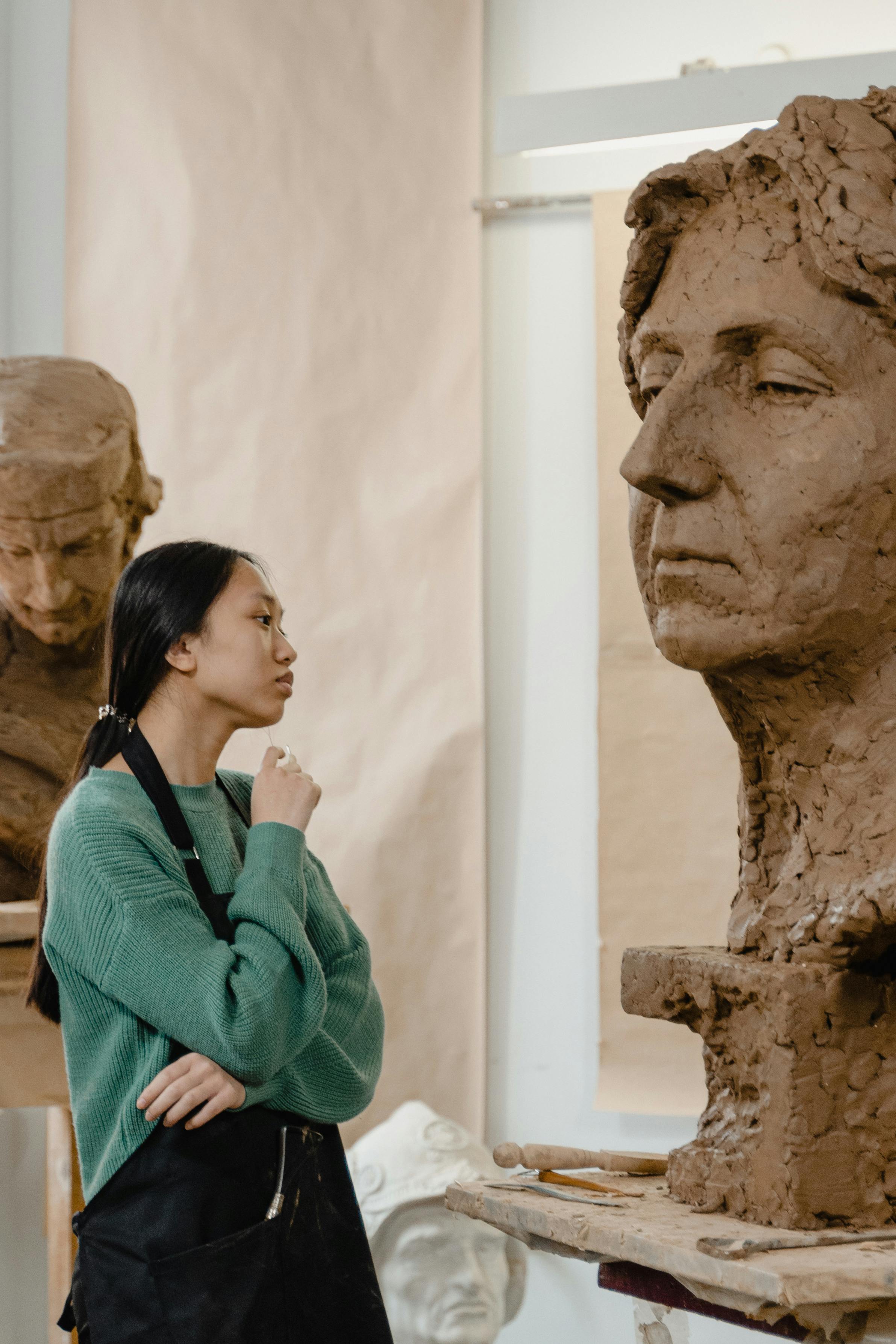
Practice isn’t just about repetition; it’s about refinement. Every hour spent drawing, painting, or sculpting is an opportunity to learn, to grow, and to push boundaries. It’s about understanding how colors interact, how light falls on different surfaces, and how emotions can be conveyed through a single line.
Here’s a simple breakdown of what practice looks like:
Activity  | Time Spent | Outcome |
|---|---|---|
| Sketching | 1-2 hours/day | Improved hand-eye coordination |
| Color Mixing | 30 mins/day | Better understanding of color theory |
| Experimenting | 1 hour/week | Discovery of new techniques |
| Studying Art History | 1 hour/week | Broader artistic perspective |
| Receiving Feedback | 30 mins/week | Enhanced self-awareness and growth |
Practice is not just about putting in the hours; it’s about making those hours count. It’s about setting goals, seeking feedback, and continuously challenging yourself. It’s about stepping out of your comfort zone and embracing the unknown. And it’s about understanding that every mistake is an opportunity to learn and grow.
It’s not just about putting in the hours; it’s about making those hours count. And trust me, there are days when it feels like nothing is working. But those are the days that matter the most.
The Emotional Journey
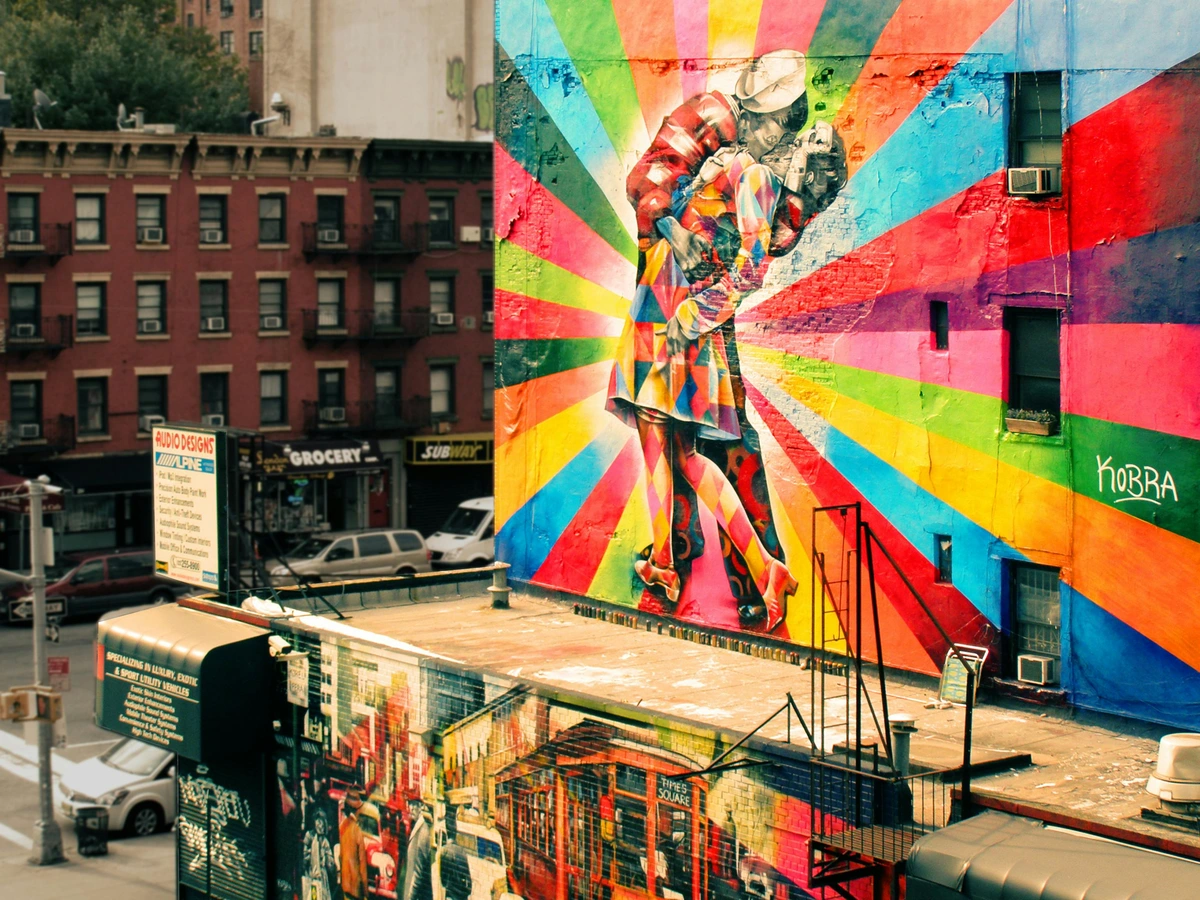
Art isn’t just a technical skill; it’s an emotional journey. Every piece of art carries a part of the artist’s soul. It’s about expressing feelings, telling stories, and connecting with others on a deeper level. And that takes time.
I’ve spent hours staring at a blank canvas, wondering if I’ll ever get it right. There are moments of doubt, of frustration, and even of despair. But there are also moments of pure joy, of excitement, and of pride. It’s a rollercoaster, and every emotion is a part of the process.
The emotional journey of an artist is as complex as it is rewarding. It’s about confronting your fears, embracing your vulnerabilities, and finding the courage to express yourself authentically. It’s about navigating the highs and lows, the triumphs and failures, and emerging stronger and more resilient. And it’s about understanding that every emotion, whether positive or negative, is a source of inspiration and growth.
Art is a reflection of the human experience, and every piece tells a story. It’s about capturing the essence of a moment, a feeling, or an idea and sharing it with the world. And that’s what makes it so powerful.
The Importance of Patience
Patience is perhaps the most underrated virtue in art. It’s easy to get frustrated when things aren’t going as planned. But art teaches us to slow down, to appreciate the journey, and to trust the process.
I remember working on a piece that just wasn’t coming together. I wanted to give up, to throw it away and start something new. But I took a step back, gave myself some time, and came back to it with fresh eyes. And suddenly, it all made sense. That’s the power of patience.
Patience is not just about waiting; it’s about perseverance. It’s about understanding that progress is not always linear and that setbacks are a natural part of the creative process. It’s about learning to embrace the unknown, to trust your instincts, and to have faith in your abilities. And it’s about recognizing that every moment of frustration is an opportunity to grow and evolve as an artist.
Patience is a skill that can be cultivated. It’s about setting realistic expectations, celebrating small victories, and finding joy in the process. And it’s about understanding that every piece of art is a journey, not just a destination.

The Role of Inspiration
Inspiration is a funny thing. It can strike at any moment—a walk in the park, a conversation with a friend, a dream. But inspiration alone isn’t enough. It’s the fuel, but the engine is the hours of practice, the dedication, and the hard work.
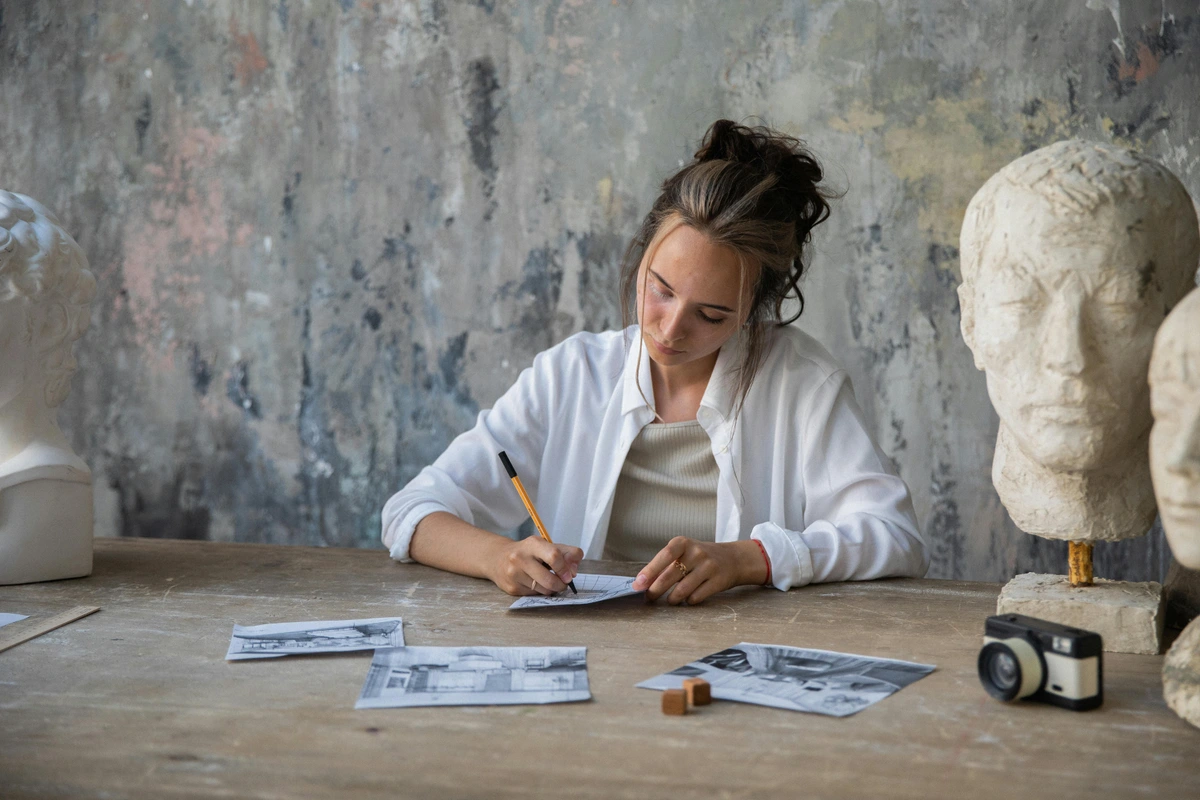
I’ve found that inspiration often comes when I’m not actively seeking it. It’s in the quiet moments, the unexpected encounters, and the everyday experiences. And when it does come, it’s up to me to nurture it, to explore it, and to turn it into something tangible.
The Impact of Environment
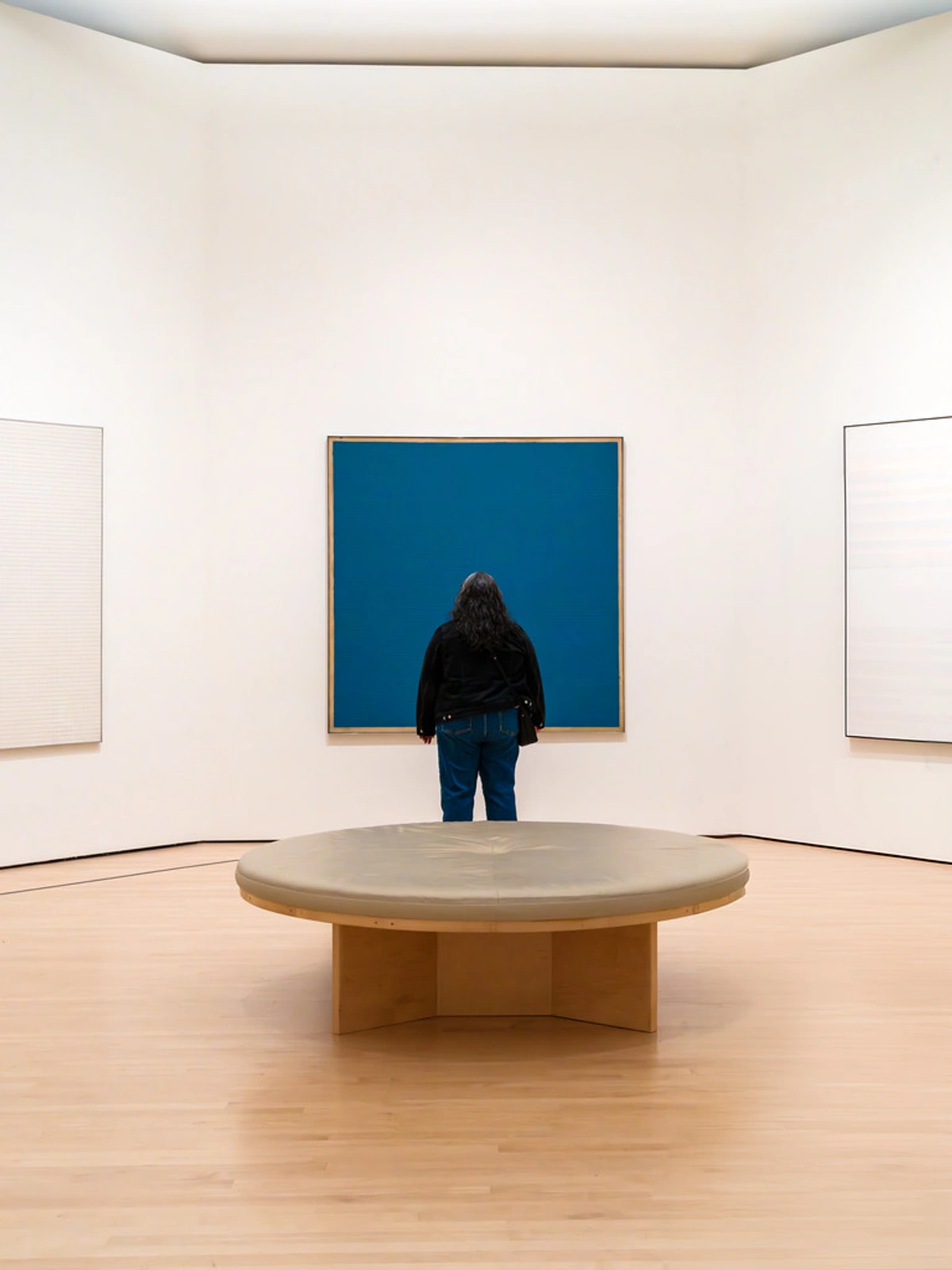
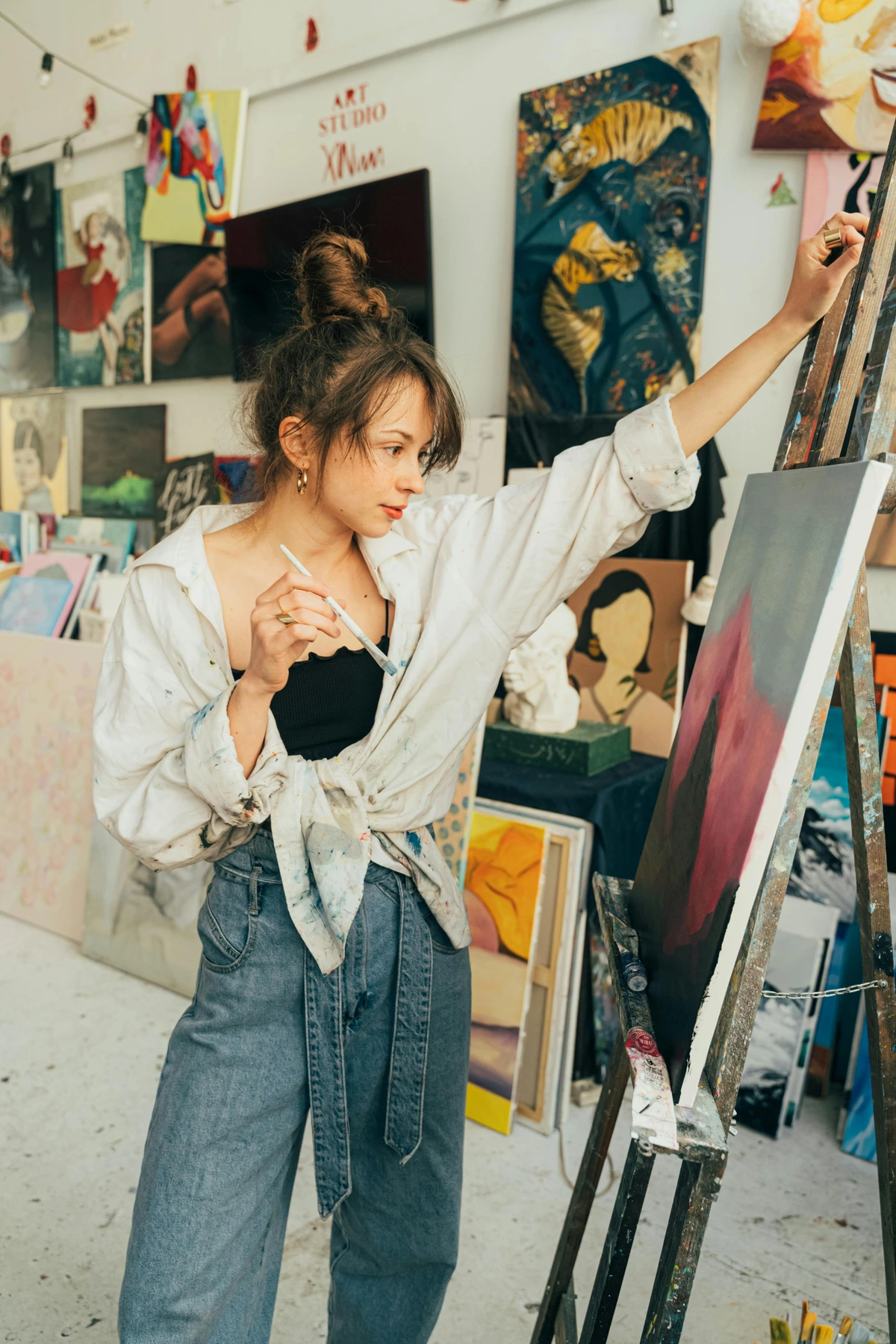
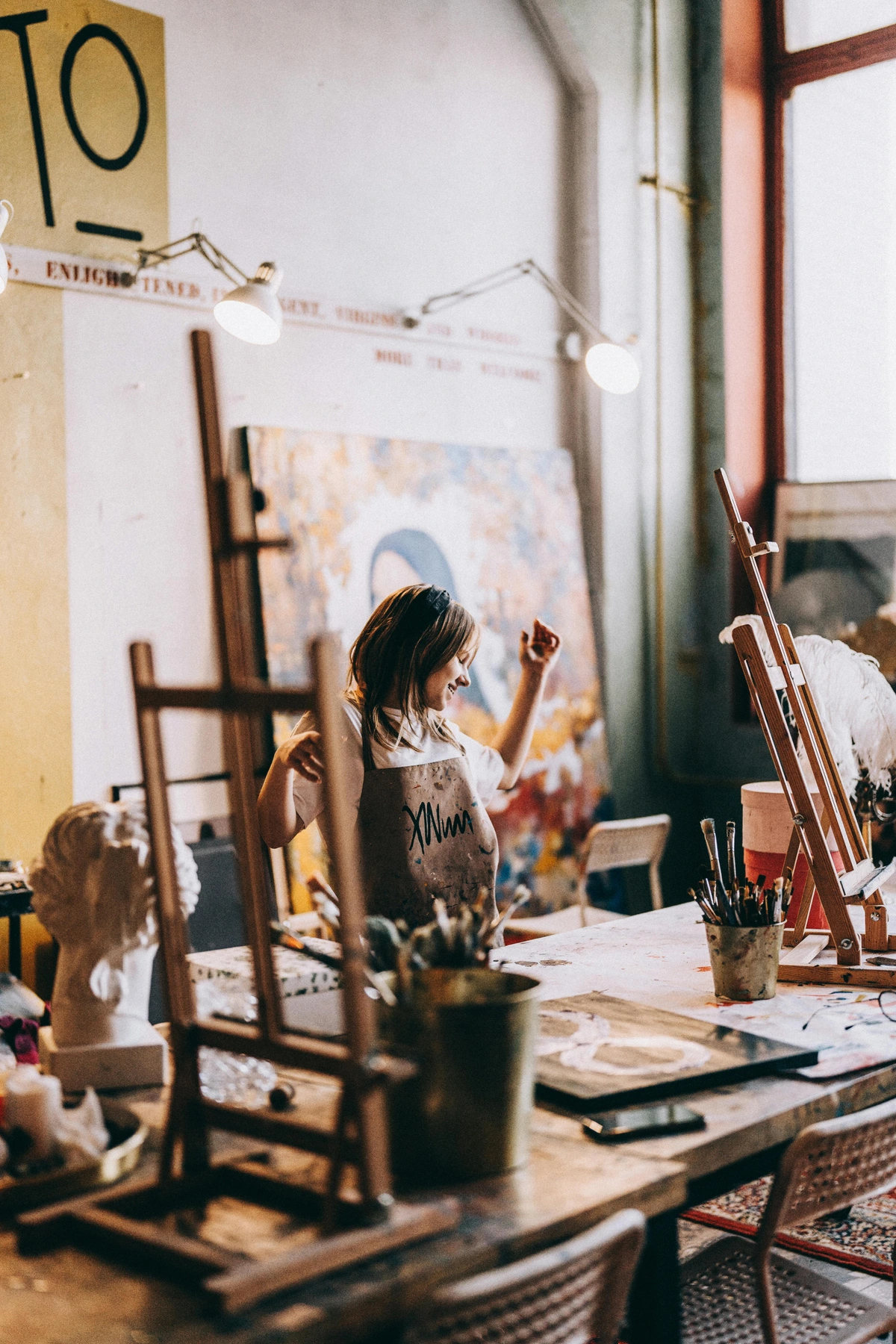
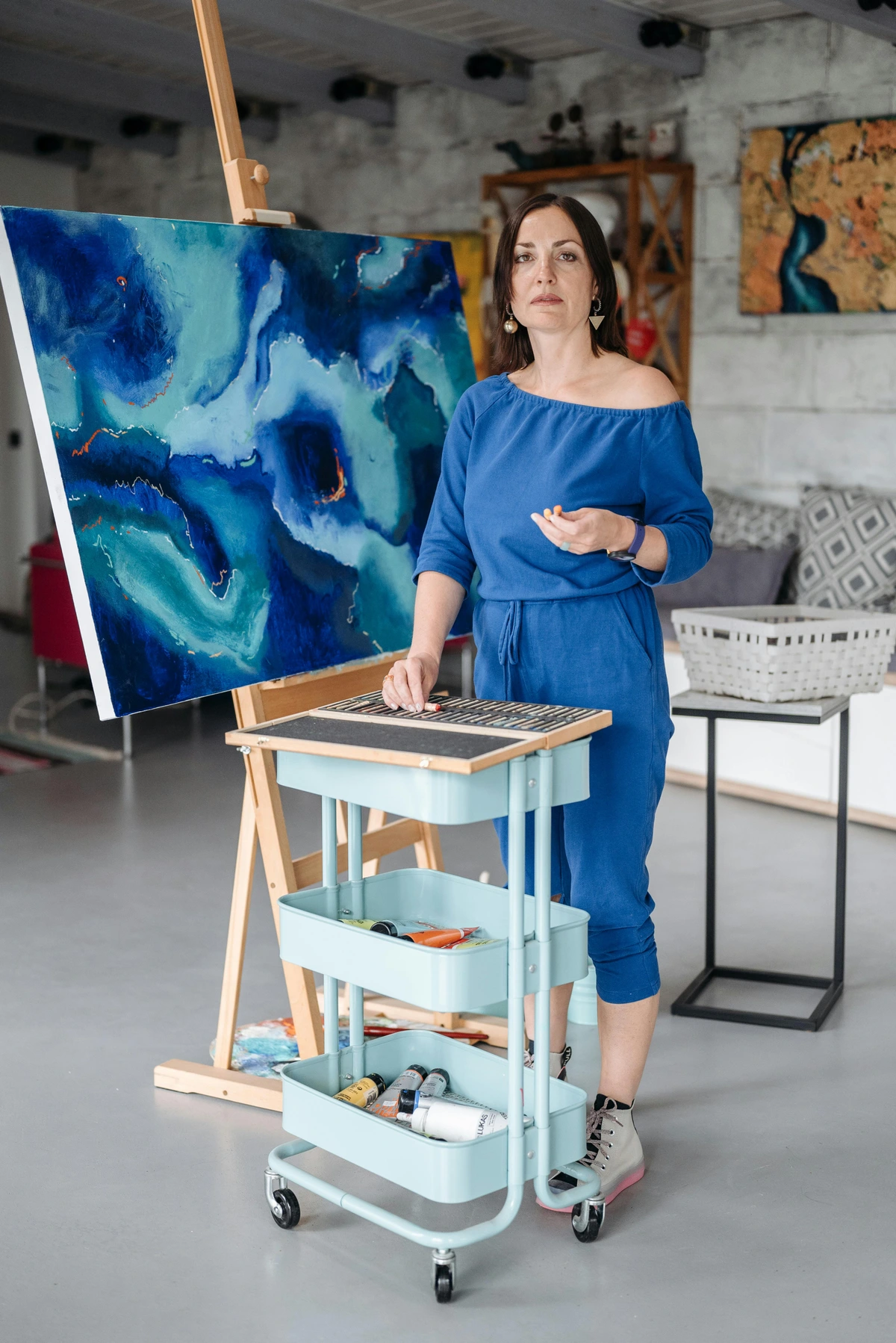
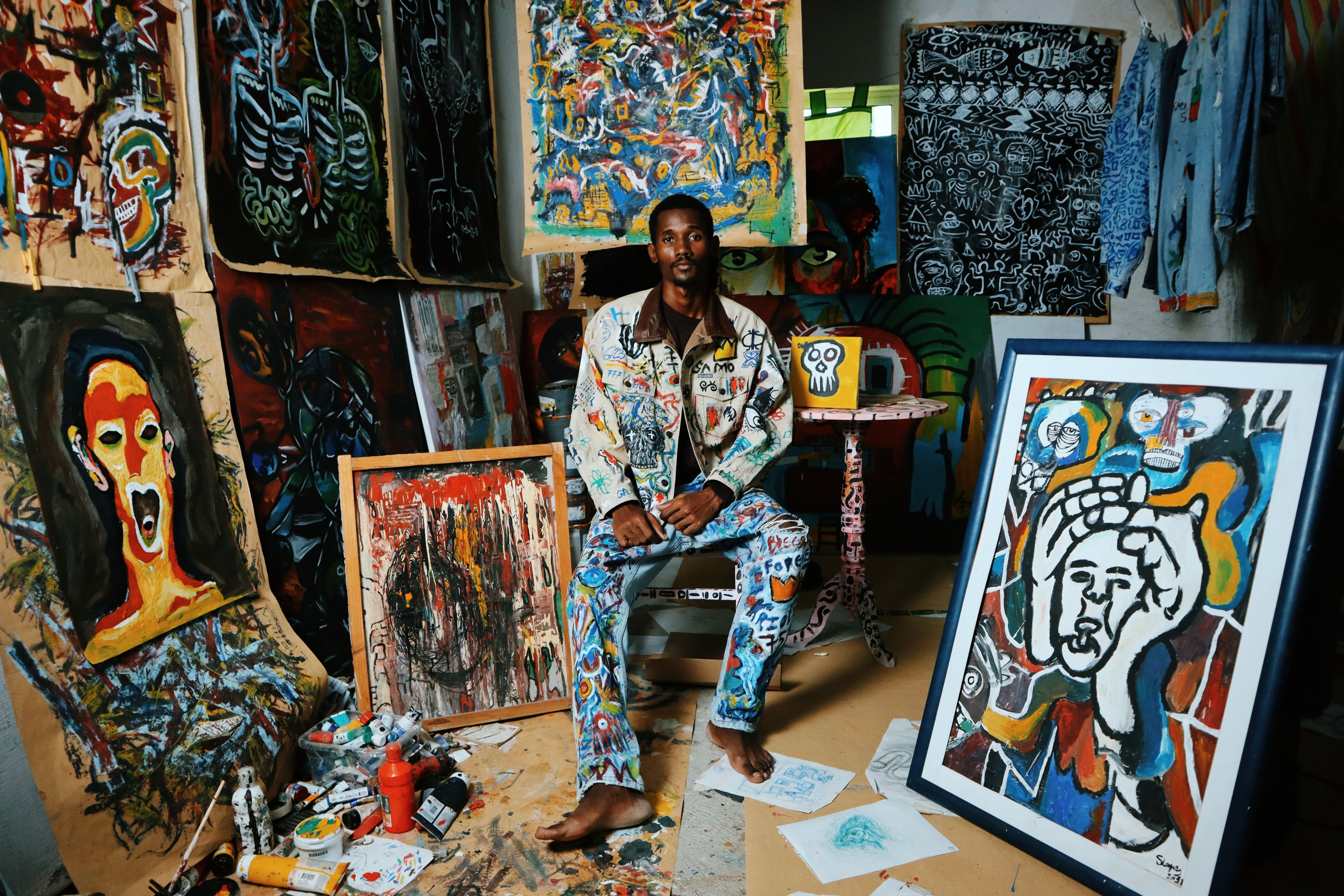
Your environment plays a crucial role in your artistic journey. A cluttered space can lead to a cluttered mind, while a well-organized studio can foster creativity and focus. It’s about creating a space that inspires you, that motivates you, and that allows you to fully immerse yourself in your work.
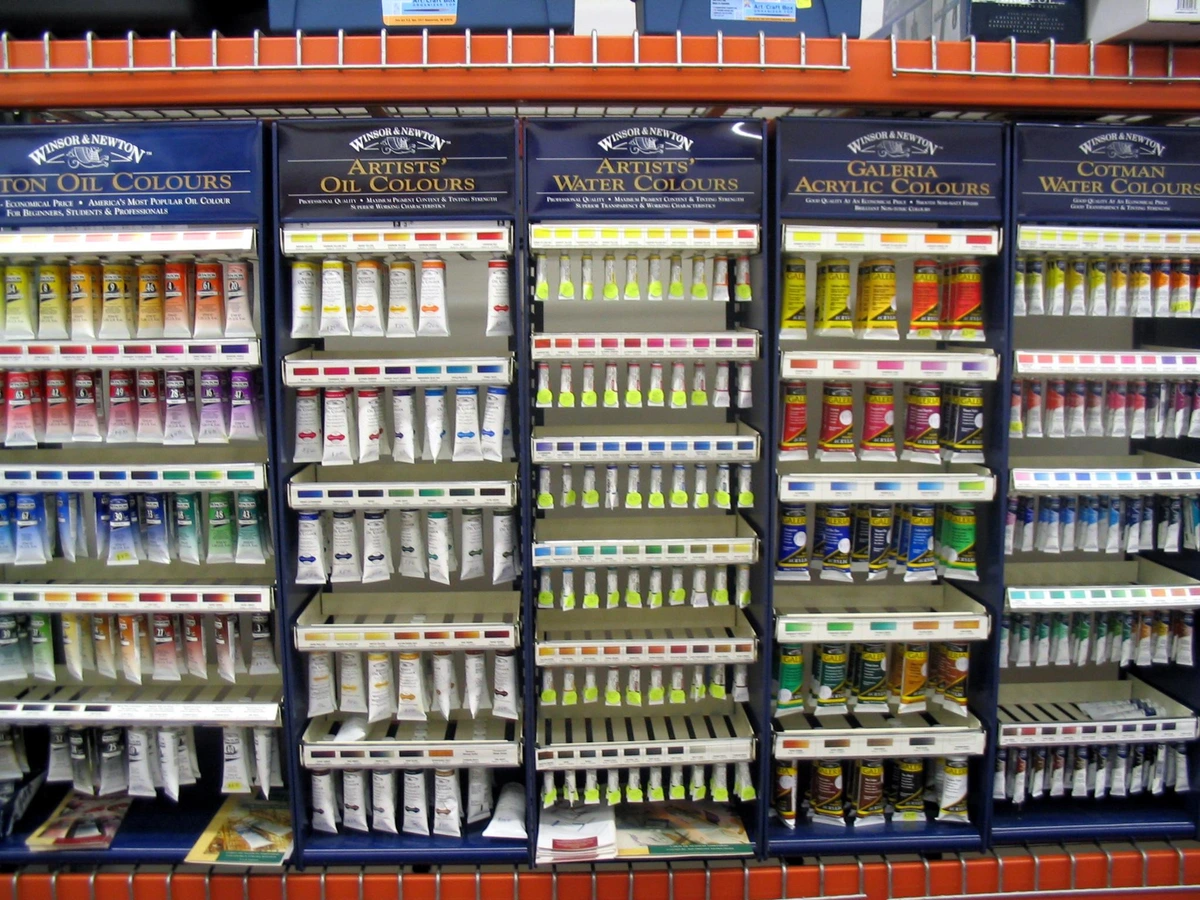
I’ve spent countless hours organizing my studio, experimenting with different setups, and finding what works best for me. And it’s made all the difference. A comfortable chair, good lighting, and a well-stocked supply of materials can turn a daunting task into an enjoyable experience.
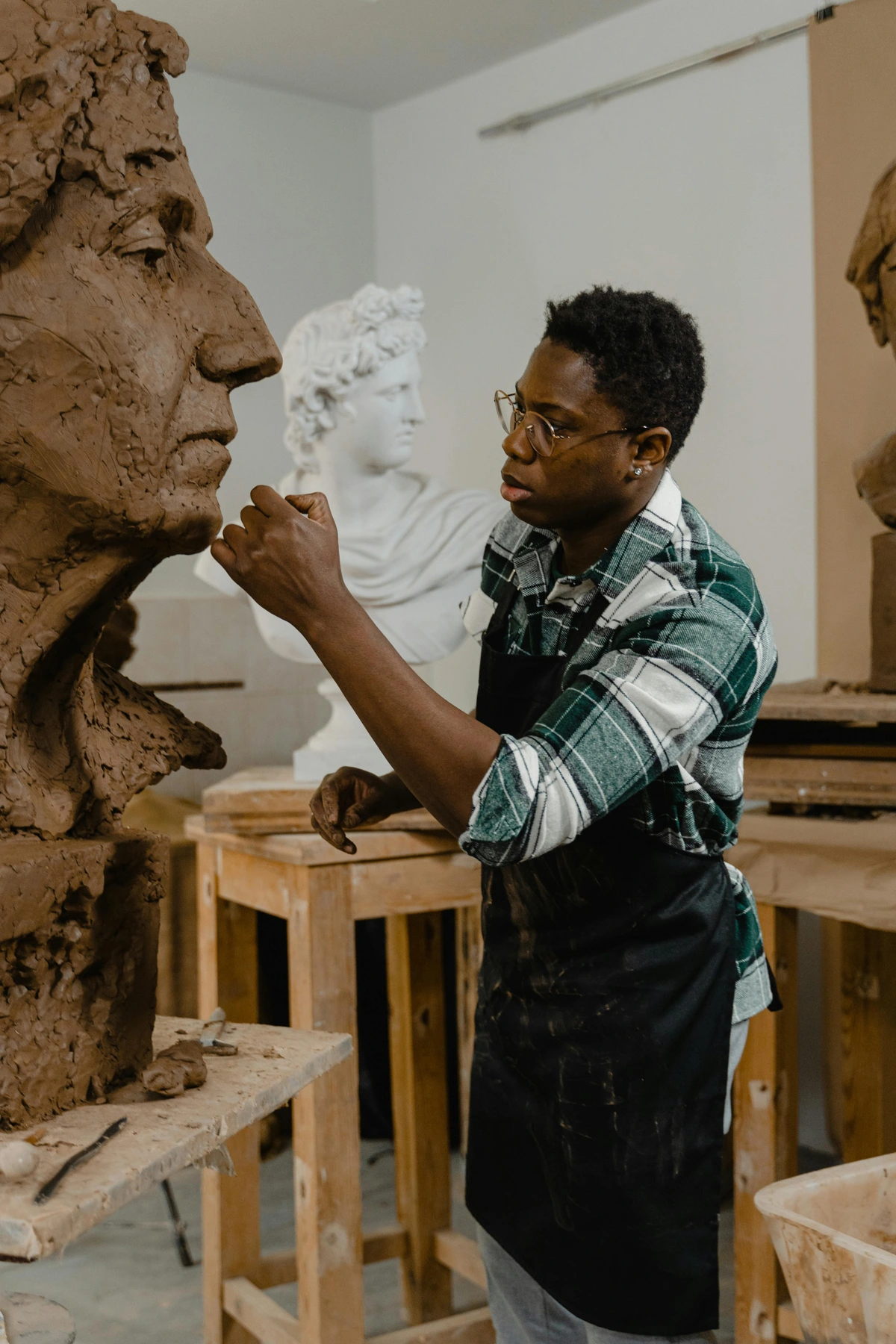
The impact of environment extends beyond the physical space. It’s about surrounding yourself with people who inspire and support you, seeking out communities that foster creativity, and engaging with art in all its forms. It’s about creating a mental and emotional environment that nurtures your artistic growth and allows you to thrive.
The Role of Community
Art isn’t created in a vacuum. It’s shaped by the people around us, by the conversations we have, and by the feedback we receive. Being part of a community of artists can provide support, inspiration, and valuable insights.
I’ve learned so much from fellow artists—whether it’s a new technique, a different perspective, or simply a word of encouragement. And I’ve found that sharing my own experiences and knowledge can be just as rewarding.
The role of community in the artistic journey cannot be overstated. It’s about finding your tribe, connecting with like-minded individuals, and building relationships that foster growth and collaboration. It’s about learning from others, sharing your own insights, and contributing to a collective creative energy. And it’s about understanding that art is not just a solitary pursuit but a shared experience that enriches us all.
Community is the heartbeat of the artistic world. It’s about finding a sense of belonging, a place where you can be yourself and express your creativity freely. And it’s about understanding that we’re all in this together, and that’s what makes it so special.
The Business of Art
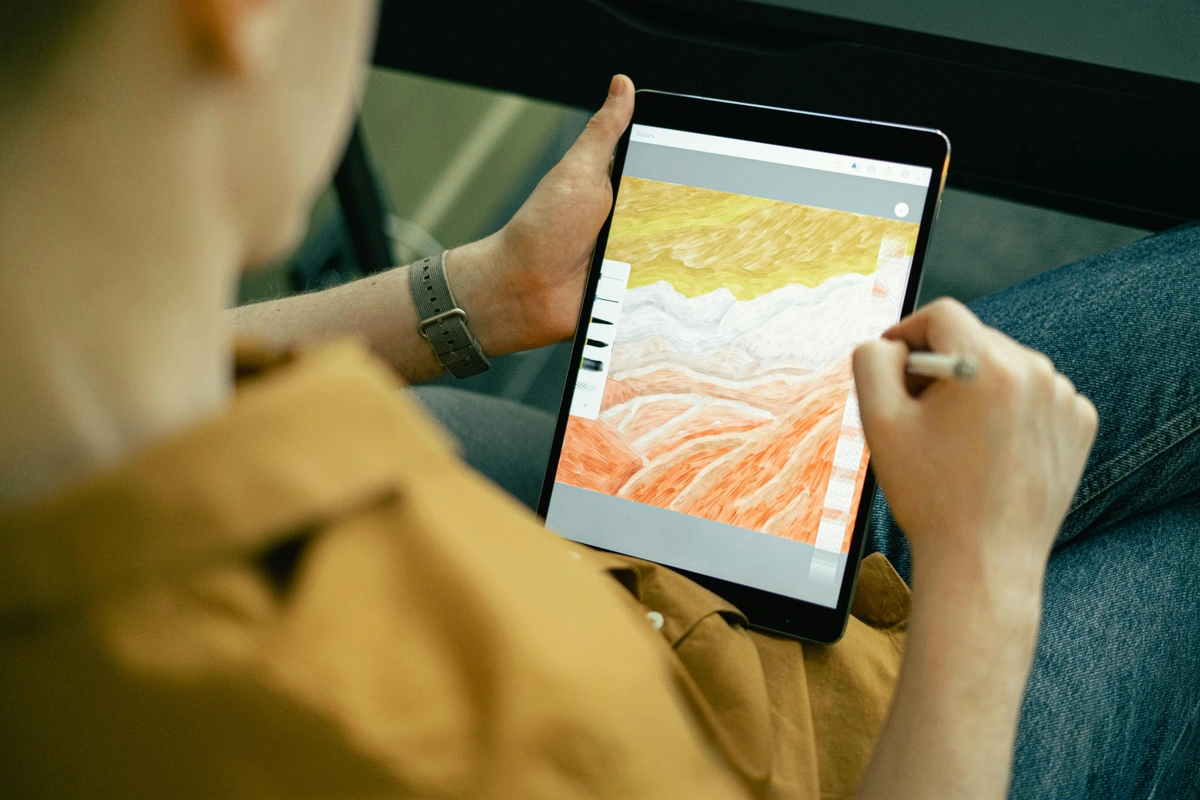
Creating art is one thing; selling it is another. The business side of art can be just as time-consuming as the creative process itself. It’s about building a brand, marketing your work, and connecting with your audience.
I’ve spent hours researching, networking, and promoting my work. It’s not always glamorous, but it’s a necessary part of the journey. And it’s a journey that’s worth every minute.
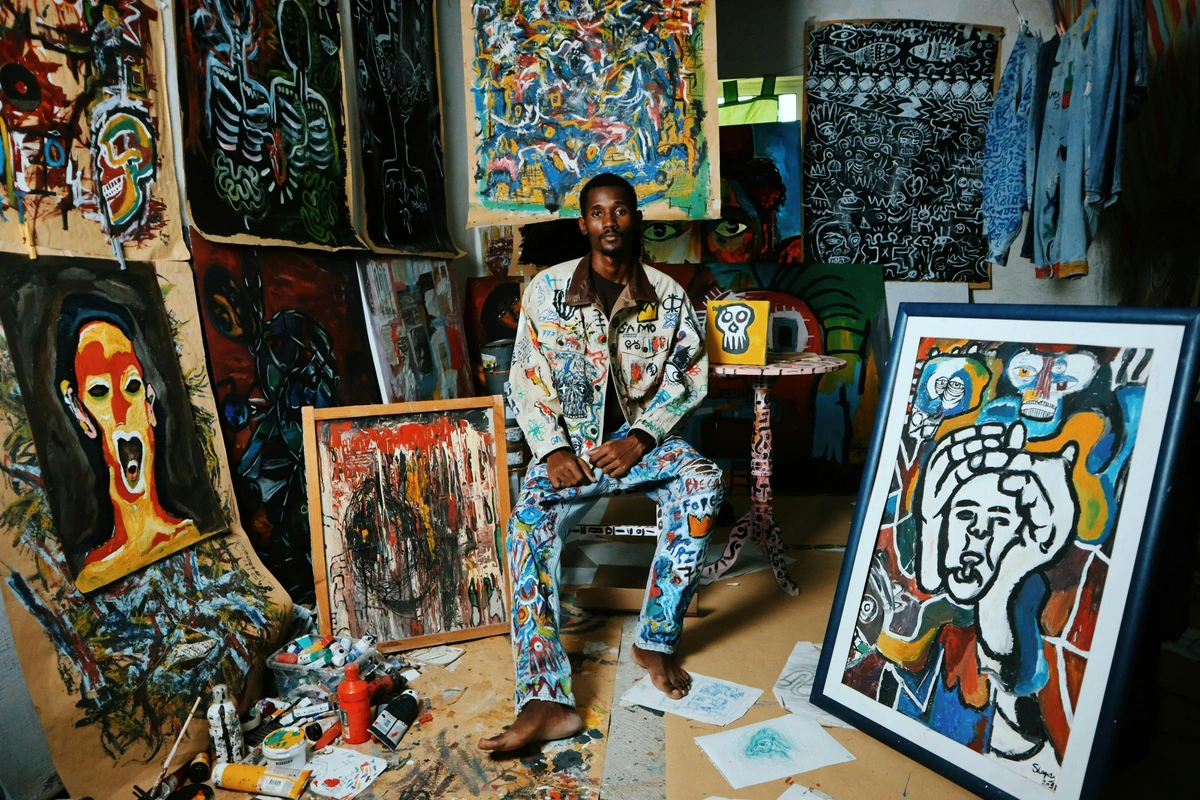
The business of art is about more than just selling; it’s about storytelling. It’s about sharing your journey, your inspirations, and your creative process with the world. It’s about building a community around your work, engaging with your audience, and creating meaningful connections. And it’s about understanding that every interaction, whether online or in person, is an opportunity to grow and evolve as an artist.
The business of art is a journey of its own. It’s about finding your voice, building your brand, and sharing your story with the world. And it’s about understanding that every piece of art is a reflection of who you are and what you stand for.
FAQ
Why does art take so long to create?
Art takes time because it’s not just about the final product; it’s about the process. It’s about the hours spent practicing, the moments of frustration, and the emotional journey that goes into every piece. It’s about the dedication, the patience, and the relentless pursuit of perfection.
How can I improve my artistic skills?
Improving your artistic skills takes practice, patience, and dedication. Spend time every day drawing, painting, or experimenting with new techniques. And don’t be afraid to make mistakes—they’re a crucial part of the learning process. Seek feedback, study art history, and continuously challenge yourself to grow.
What role does inspiration play in art?
Inspiration is the fuel that drives the creative process. But it’s not enough on its own. It’s the hours of practice, the dedication, and the hard work that turn inspiration into something tangible. It’s about being open to new experiences and embracing curiosity.
How can I create a conducive environment for art?
Creating a conducive environment for art is about finding a space that inspires you, that motivates you, and that allows you to fully immerse yourself in your work. Experiment with different setups, organize your materials, and make sure you have good lighting and a comfortable workspace. Surround yourself with supportive people and engage with art in all its forms.
Why is community important for artists?
Being part of a community of artists can provide support, inspiration, and valuable insights. It’s about learning from others, sharing your own experiences, and growing together. It’s about finding your tribe and building relationships that foster creativity and collaboration.
How can I balance the creative and business sides of art?
Balancing the creative and business sides of art is about finding a rhythm that works for you. Spend time every day creating, but also set aside time for research, networking, and promoting your work. It’s about storytelling, building a community, and creating meaningful connections. It’s a journey, and it’s worth every minute.
What are some common challenges artists face?
Artists often face challenges such as creative blocks, self-doubt, and financial instability. It’s about finding ways to overcome these obstacles, whether through seeking inspiration, building a support network, or diversifying your income streams. It’s about understanding that challenges are a natural part of the artistic journey and that every obstacle is an opportunity to grow.
How can I stay motivated as an artist?
Staying motivated as an artist is about setting goals, celebrating small victories, and finding joy in the creative process. It’s about surrounding yourself with inspiration, seeking feedback, and continuously challenging yourself to grow. And it’s about understanding that motivation is not just a fleeting moment but a continuous journey of discovery and growth.

Conclusion
Art takes countless hours because it’s not just about the final product; it’s about the journey. It’s about the practice, the patience, and the passion that goes into every piece. It’s about the emotional rollercoaster, the moments of doubt, and the moments of pure joy. And it’s about the community, the environment, and the business that supports it all.
So the next time you look at a piece of art, remember the hours of dedication, the moments of frustration, and the emotional journey that went into creating it. And if you’re an artist yourself, embrace the process. Because every hour spent creating is an hour spent growing, learning, and becoming the artist you’re meant to be.












And if you’re ever in doubt, remember: even the greatest artists started somewhere. And every masterpiece began with a single brushstroke. The journey of an artist is a testament to the power of dedication, the beauty of perseverance, and the transformative nature of creativity. It’s a journey worth embracing, a journey worth celebrating, and a journey worth sharing with the world.