What Exactly Is an Art Residency? Your Comprehensive Guide to Creative Retreats
Ever wondered what an art residency is all about? Dive into my personal take on these transformative creative retreats, exploring their purpose, benefits for artists, the application process, and what you can truly expect.

What Exactly Is an Art Residency? Your Comprehensive Guide to Creative Retreats and Immersive Artistic Journeys
Unlocking Your Creative Potential: Why an Art Residency Might Be Your Next Big Leap
I've been thinking a lot lately about space – not outer space, though that's fascinating too – but the kind of space an artist needs to truly create, to breathe. For a long time, like many of you, I just thought that meant a dedicated studio, perhaps a quiet corner of the house, or even just a well-organized desk. We artists, we're always trying to carve out that elusive creative haven, aren't we? But then, quite unexpectedly, I stumbled upon the concept of an art residency, and honestly, it completely shifted my perspective on what creative freedom truly looks like. It made me wonder: what if the struggle isn't just about finding time, but about finding the right kind of time, in the right kind of environment? What if the key to unlocking your next big artistic breakthrough isn't just more hours in the studio, but a completely different kind of immersion? A dedicated, intense period of focus, away from the humdrum, where your art takes center stage – sounds like a fantasy, right? But it's very real, and it's transformative.
It’s more than just a physical place; it's an intentional pause, a designated period where artists, writers, musicians, and performers—indeed, any creative discipline you can imagine—are given the invaluable gifts of time, dedicated space, and often significant resources, to focus solely, and I mean solely, on their practice. Imagine that for a moment: no urgent emails, no domestic distractions, no nagging to-do lists from the relentless grind of daily life, just your art. Sounds pretty dreamy, right? A true sanctuary for the soul, and a forge for new ideas. It's a dedicated commitment to your creative self, a strategic retreat from the everyday that can profoundly reshape your artistic trajectory. It’s an investment, not just in your artwork, but in your very being as an artist.
Art residencies cater to a wide array of creative individuals, fostering environments for focused development across various disciplines. Here's a quick look at who might benefit:
Creative Discipline  | Examples of Practitioners | Typical Goals | Potential Benefits |
|---|---|---|---|
| Visual Artists | Painters, Sculptors, Photographers, Digital Artists | Developing new series, experimenting with mediums, large-scale installations | Access to specialized studios/equipment, critique, exhibition opportunities |
| Writers & Poets | Novelists, Screenwriters, Playwrights, Essayists | Completing manuscripts, developing narratives, focused research | Uninterrupted writing time, quiet retreats, literary community |
| Musicians & Composers | Composers, Instrumentalists, Sound Artists | Creating new works, practicing, recording, interdisciplinary sound experiments | Soundproof studios, performance spaces, collaboration with other artists |
| Performing Artists | Dancers, Actors, Performance Artists | Choreography development, rehearsal space, devising new performances, physical training | Dedicated rehearsal studios, technical support, audience feedback |
| Interdisciplinary Artists | Those blurring boundaries (e.g., art & science) | Merging different forms, conceptual development, collaborative projects | Cross-disciplinary resources, diverse peer interaction, experimental platforms |
| Craft & Design Artisans | Ceramicists, Jewelers, Textile Artists | Mastering techniques, prototyping new designs, exploring material innovation | Access to specialized workshops (kilns, looms), market access, skill refinement |
| Curators & Researchers | Art Historians, Independent Curators | Developing exhibitions, conducting archival research, critical writing, theoretical exploration | Access to archives, libraries, academic discourse, institutional support |
credit, licence
So, What Is an Art Residency, Really? Understanding the Core Components
If I had to sum it up, I'd say an art residency is a dedicated, temporary immersion in an environment meticulously designed to foster creative work. Think of it not just as a getaway, but as a deliberate removal from the everyday, a kind of creative boot camp for your soul and your art. This isn't just about changing your physical location; it's about a profound mental shift – shedding the mental clutter that comes with daily responsibilities, the endless scrolling, the notifications. It's a chance to truly detach from the relentless demands of a hyper-connected world and reconnect with the core of your creative purpose. The settings are as varied as art itself: you might find yourself housed in a rustic cabin deep in the woods, a bustling urban studio complex brimming with fellow creatives, a historic castle, a remote research station, or even a quiet, introspective apartment in a foreign city, far from any familiar comforts. The common thread, the golden rule if you will, is the implicit and explicit expectation and encouragement for you to create, experiment, and develop your ideas without external pressures. It’s an opportunity to embrace vulnerability, to make mistakes, and to explore avenues you might otherwise deem ‘unproductive’ in the rush of daily life. It’s a space where the process often takes precedence over the product, allowing for genuine innovation and artistic growth. It’s about building a sustainable practice, not just completing a single project.
It's truly a gift of time – something I've found we all, especially artists, desperately crave but rarely grant ourselves. It's permission, a beautiful, liberating permission, to disconnect from the mundane, the noise, the obligations, and to reconnect with the profound; to rekindle that fundamental spark that made us artists in the first place. It’s about creating an undeniable space for your artistic voice to emerge, unfiltered and unapologetic. And let's be honest, in our constantly demanding lives, that kind of space can feel revolutionary.
To break it down further, here are the core components that define most art residencies:
Component | Description | Why It Matters for Artists |
|---|---|---|
| Dedicated Time | A fixed, uninterrupted period (weeks to a year) solely for artistic practice, free from daily distractions. | Allows for deep focus, sustained creative flow, and ambitious project development. |
| Workspace | Access to private studios, shared workshops, or specialized facilities tailored to specific mediums (e.g., kilns, darkrooms, performance spaces). | Provides the physical environment and tools necessary to create, often exceeding what's available in a home studio. |
| Community | Interaction with fellow resident artists, mentors, critics, and the local community, fostering dialogue and collaboration. | Offers peer support, diverse perspectives, networking opportunities, and a sense of shared artistic journey. |
| Resources | May include accommodation, stipends, materials, technical assistance, access to libraries, archives, or educational institutions. | Reduces financial burden, enables exploration of new materials/techniques, and supports research and development. |
| Immersion | A departure from routine, often in a new geographic or cultural setting, encouraging a shift in perspective and deep engagement with art. | Sparks new ideas, breaks creative blocks, and provides fresh inspiration from unfamiliar environments and traditions. |
| Flexibility | While some residencies are project-specific, many offer ample freedom for experimentation, process-based work, and open-ended artistic exploration. | Encourages risk-taking, allows for 'failure' as a learning tool, and supports genuine innovation rather than just production. |
| Support | Administrative, technical, and sometimes curatorial or critical support to facilitate the artist's stay and creative process. | Frees artists from logistical burdens, provides guidance, and can help in refining and presenting work. |
The Many Faces of a Residency: Finding Your Perfect Creative Match
Just like there are endless styles of art, there are countless types of residencies. They're not a one-size-fits-all kind of deal, which is both a blessing and a curse, isn't it? The sheer variety means there's almost certainly a program out there tailor-made for you, but it also means wading through a lot of options. This is where your research comes in, finding the one that truly speaks to your needs and artistic journey. (And trust me, that journey is uniquely yours; if you haven't really thought about it yet, perhaps take a moment to craft your own artist statement).
Before you even start looking, I'd suggest a little internal audit. What do you really want to achieve? Is it more time for deep research? A vibrant community to bounce ideas off? Access to specialized equipment you don't have? Or maybe just a quiet space to hear yourself think? Do you thrive in solitude or crave lively intellectual discourse? Your honest answers to these questions will be your compass, guiding you through the dazzling array of choices. It’s about being brutally honest with yourself about your current needs and long-term aspirations.
Key Considerations When Choosing a Residency
Aspect | Description | My Thoughts |
|---|---|---|
| Duration | From a few weeks (for intensive sprints) to several months, or even a year (for deep, sustained research). | Short ones are great for focused projects or testing new ideas; longer ones allow for deeper immersion and significant project development. Consider your project's scope. |
| Location | Rural, urban, international, local, even digital/virtual. | A change of scenery can be surprisingly inspiring, shaking loose old habits. Do you crave quiet nature, or the buzz of a city? A virtual residency can remove geographical barriers. |
| Focus | Production-oriented, research-based, community engagement, specific medium, critical dialogue, social practice, environmental art, experimental media, art & science. | What do you need most right now? Don't be afraid to pursue niche interests. Matching the residency's focus with your artistic goals is paramount. |
| Funding | Fully funded (covering travel, accommodation, stipend), partially funded, self-funded, work-exchange. | Definitely look into grants and scholarships – they're out there! Prioritize transparent funding models. Remember, even 'fully funded' can have hidden costs. |
| Facilities | Private studio, shared workspace, access to specialized equipment (kilns, printmaking presses, darkrooms, digital labs, performance spaces, woodworking shops, metal foundries, specific software). | This can be a deal-breaker if you work in a specific medium like ceramics or printmaking. Imagine the possibilities! Check if you need access 24/7 or during specific hours. |
| Eligibility | Open call, by invitation, specific demographic (e.g., emerging, mid-career, parent artists, artists of color, LGBTQ+ artists), or academic affiliation. | Don't self-reject! Always check the criteria; you might be a perfect fit. Sometimes, they're looking for exactly your unique perspective or a diverse cohort. |
| Output | Exhibition, publication, performance, open studio, artist talk, community workshop, process documentation, or simply focusing on process without a final product. | Sometimes the biggest reward is the internal growth, not a tangible outcome. Embrace the journey of discovery, even if it feels 'unproductive' at times. |
| Mentorship | Structured critique sessions, informal peer-to-peer feedback, visiting artist talks, one-on-one guidance with established professionals, master classes, workshops. | A fresh pair of eyes and experienced insight can be truly transformative. Don't underestimate the power of a good mentor or the value of peer critique. |
| Medium/Discipline Focus | Visual arts, writing, music, dance, performance, culinary arts, digital media, interdisciplinary, craft, curatorial practice, textile arts, photography, film. | Some residencies are highly specialized; others embrace a wide range of practices. Find where your practice can truly thrive, or where you can bravely explore a new medium. |
| Support Structure | Administrative support, technical assistance, local guides, language support, marketing support, exhibition coordination. | The unspoken backbone of a successful residency. Knowing you have help frees you to create, navigate a new city, or even troubleshoot a tricky technical issue. |
| Community Focus | Highly collaborative, independent but communal, solitary, family-friendly. | Do you thrive in a bustling creative hub or crave quiet introspection? Be honest with yourself – your ideal level of social interaction is key to a fulfilling experience. |
| Thematic Specialization | Environmental art, social justice, specific historical periods, experimental media, science & art, political art, archival research. | If you have a passion beyond your medium, a thematic residency can be incredibly enriching, allowing you to deepen your engagement with specific ideas. |
| Accessibility | Wheelchair accessible, sensory-friendly, childcare options, language accessibility, dietary accommodations, mental health support. | A crucial consideration for many artists. Always check for inclusive practices that ensure a supportive environment for all participants. |
| Accommodation Type | Private apartment, shared housing, dormitory, individual cabins, live-work studio. | This can significantly impact your comfort and focus. Do you need a completely private space, or are you happy with communal living? |
| Public Engagement | Required artist talks, open studios, workshops, community projects, voluntary participation, no public facing. | Some residencies emphasize community interaction, others are more insular. Understand the expectations around public engagement. |
| Application Deadline | Rolling, annual, biannual, project-specific. | Keep a calendar! Missing a deadline is a common and avoidable pitfall. Plan well in advance. |
Why Bother? The Unpackable Benefits for Artists
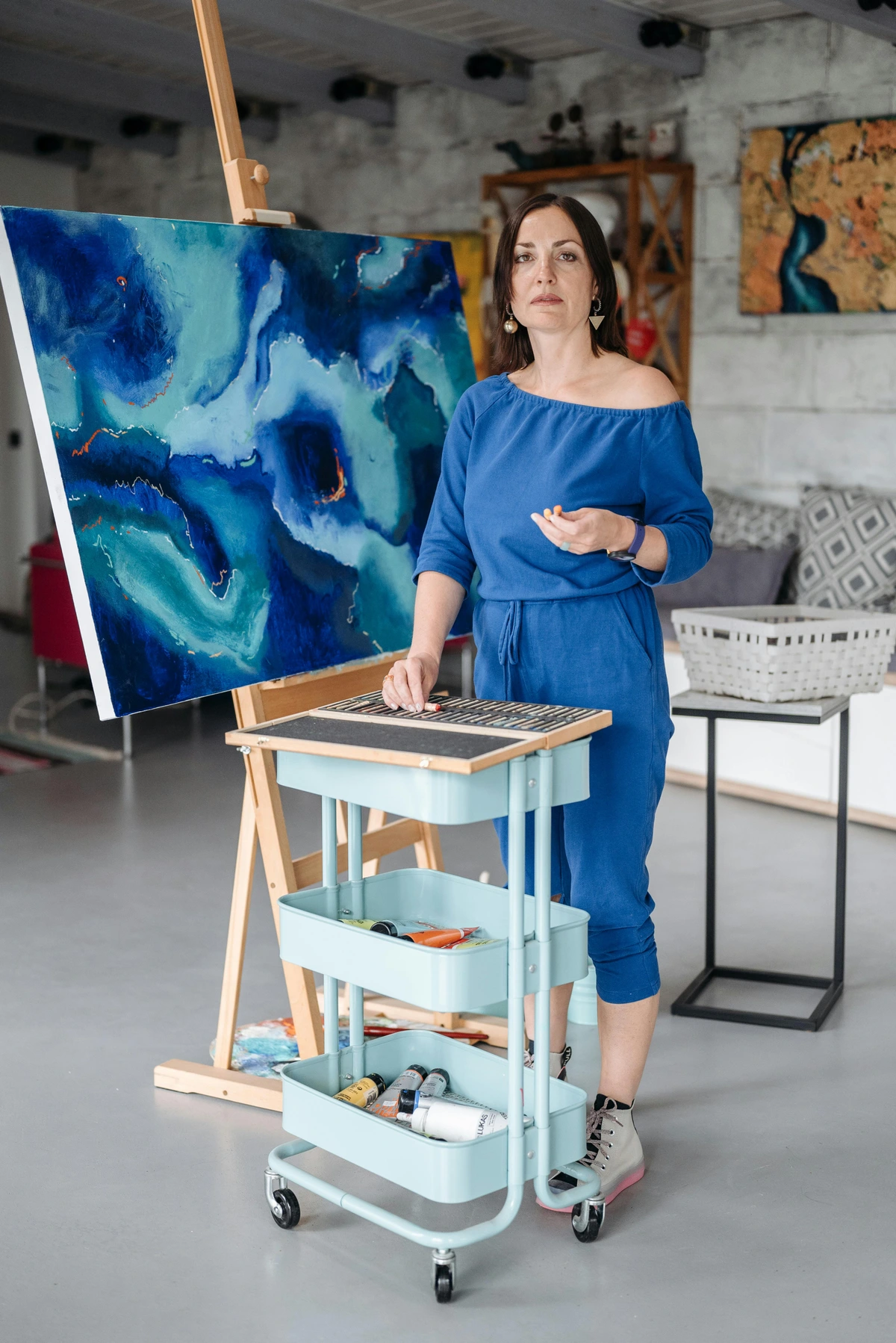
Ah, the million-dollar question! Why uproot yourself, even temporarily, for a residency? It sounds idyllic, but is it really worth the effort, the applications, the temporary disruption? For me, the answer boils down to growth, connection, and pure, unadulterated creative indulgence. I mean, who doesn't want that? It’s an investment in your artistic future, a strategic pause to catapult your practice forward.
Time & Space: The Holy Grail of Creative Indulgence
This is, without a doubt, the big one, the ultimate luxury for any artist. In our hyper-connected, always-on world, dedicated, truly uninterrupted time is an almost unimaginable luxury. I mean, when was the last time you had a full day, or even a full afternoon, where the only thing on your agenda was your art? A residency, in its essence, offers a sanctuary from daily obligations, allowing you to delve deep into your work without the constant, nagging guilt or the endless distractions that plague our modern lives. It’s a chance to truly breathe into your practice, to let ideas marinate, to follow those obscure threads of inspiration without an eye on the clock, to allow the work to unfold organically. You get to experiment wildly, to fail gloriously (because, let's be honest, that's where the real learning happens), to try again, and to really push the boundaries of your artistic vision. It’s more than just focus; it’s a bit like having a cheat code for creative flow, a concentrated period where you can genuinely ask, "What if?" and then have the space to actually find out. It's the ultimate permission slip to be fully, unapologetically immersed in your artistic world. This intense focus can even lead to profound mindful moments, where the act of creation becomes a form of meditation, a true escape into the present. It's about recovering the joy of pure, unadulterated making, unburdened by external pressures or the relentless tick-tock of commercial demands. This dedicated period allows for a deep dive into process, fostering breakthroughs that simply aren't possible amidst the daily grind. You might finally tackle that ambitious, multi-part project or spend weeks mastering a challenging new technique. It’s a rare opportunity to live and breathe your art, allowing for unexpected discoveries and profound shifts in your creative direction.
Community & Networking: Shared Journeys, Diverse Perspectives
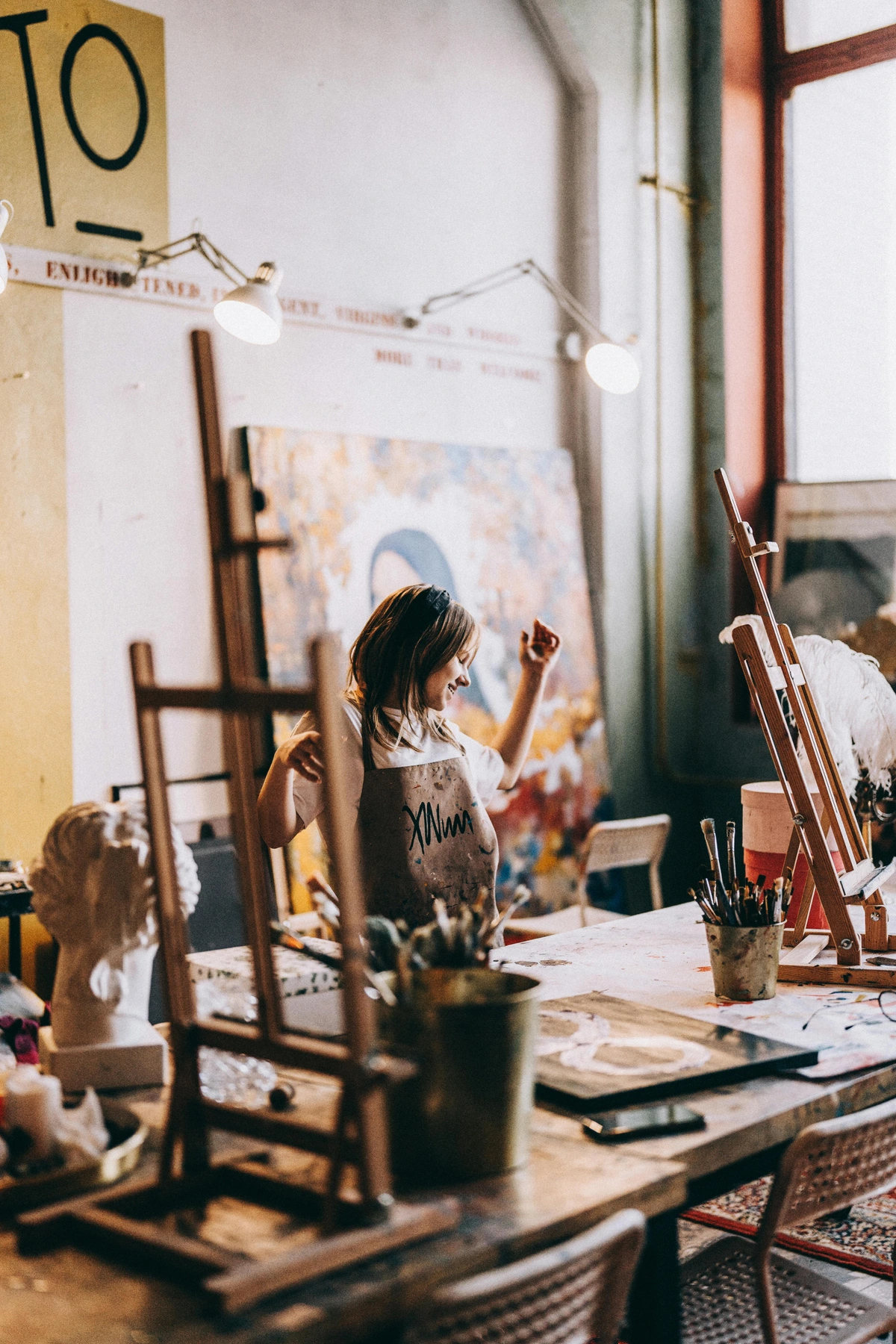
One of the most enriching parts, in my opinion, and an often unexpected bonus, is the chance to connect deeply with fellow artists. Suddenly, you're surrounded by peers who genuinely understand the unique joys, frustrations, and struggles of creative life. The late-night conversations about art theory, the challenging yet invaluable critiques, the shared meals where ideas are swapped as freely as salt and pepper – it all fuels something vital, something you might not even realize you were missing. This isn't just casual chat; these interactions often spark collaborations, cross-pollination of ideas, and enduring friendships that become a vital support system long after the residency ends. And beyond your immediate peers, you might meet visiting curators, gallerists, critics, or even future collaborators who can open doors to new opportunities. It’s a truly wonderful, organic way to expand your creative network, find your tribe, and gain new perspectives that can genuinely reshape your own artistic thinking. This direct engagement can be instrumental in understanding different artistic processes and broadening your own approach.
Access to Specialized Facilities & Resources: Beyond the Basic Studio
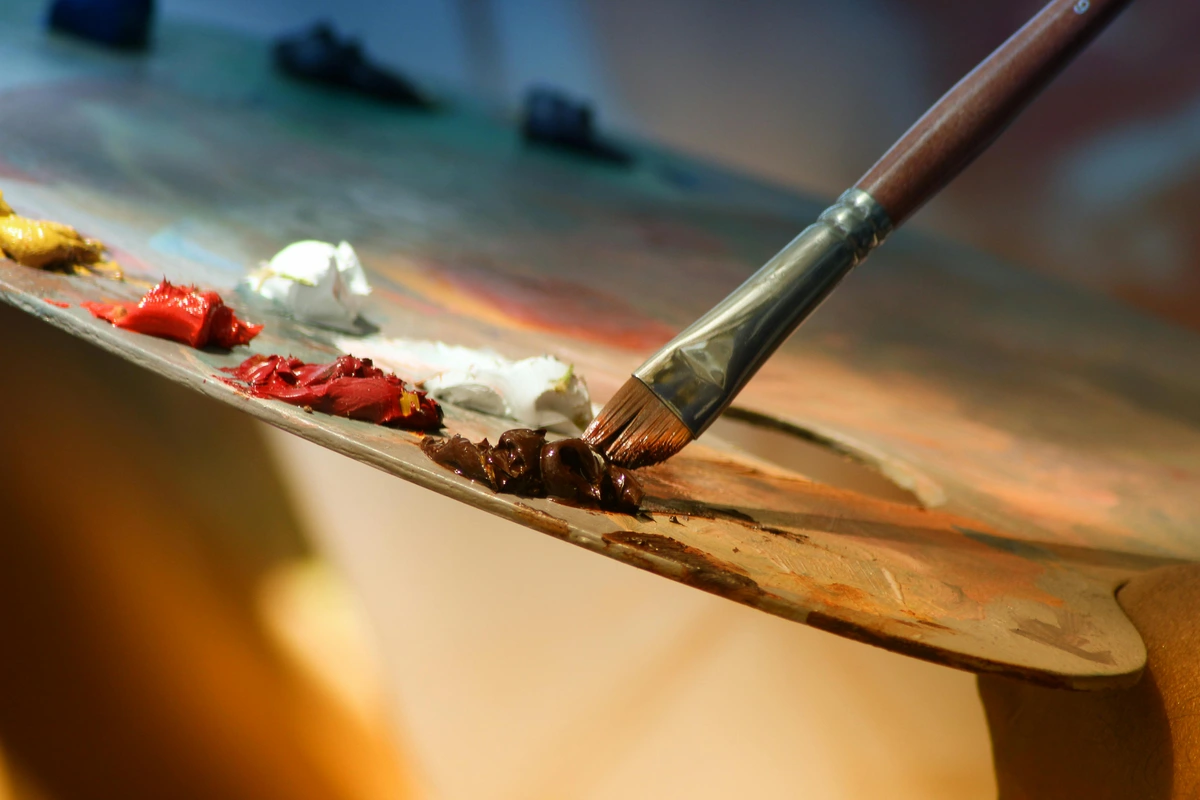
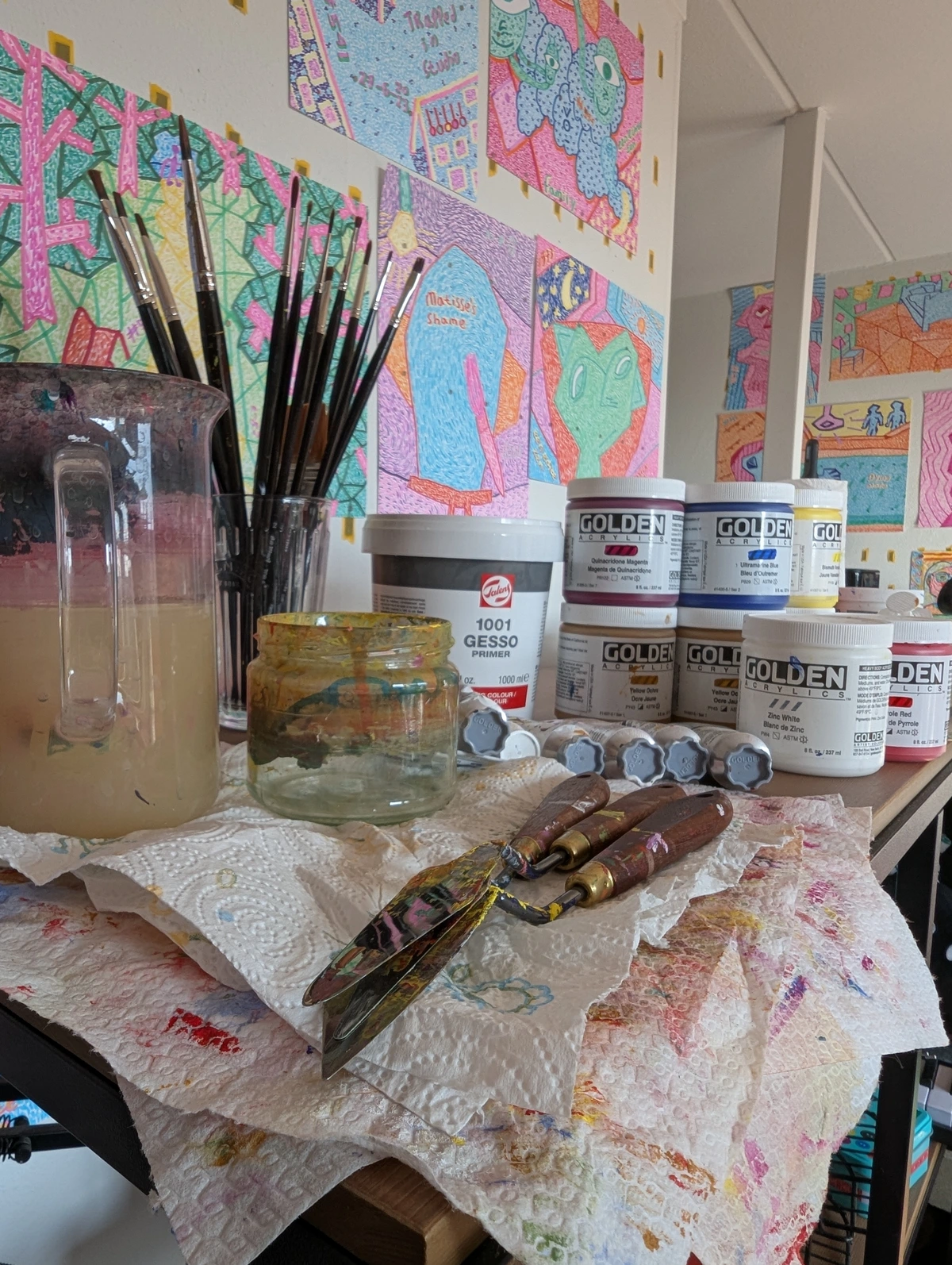
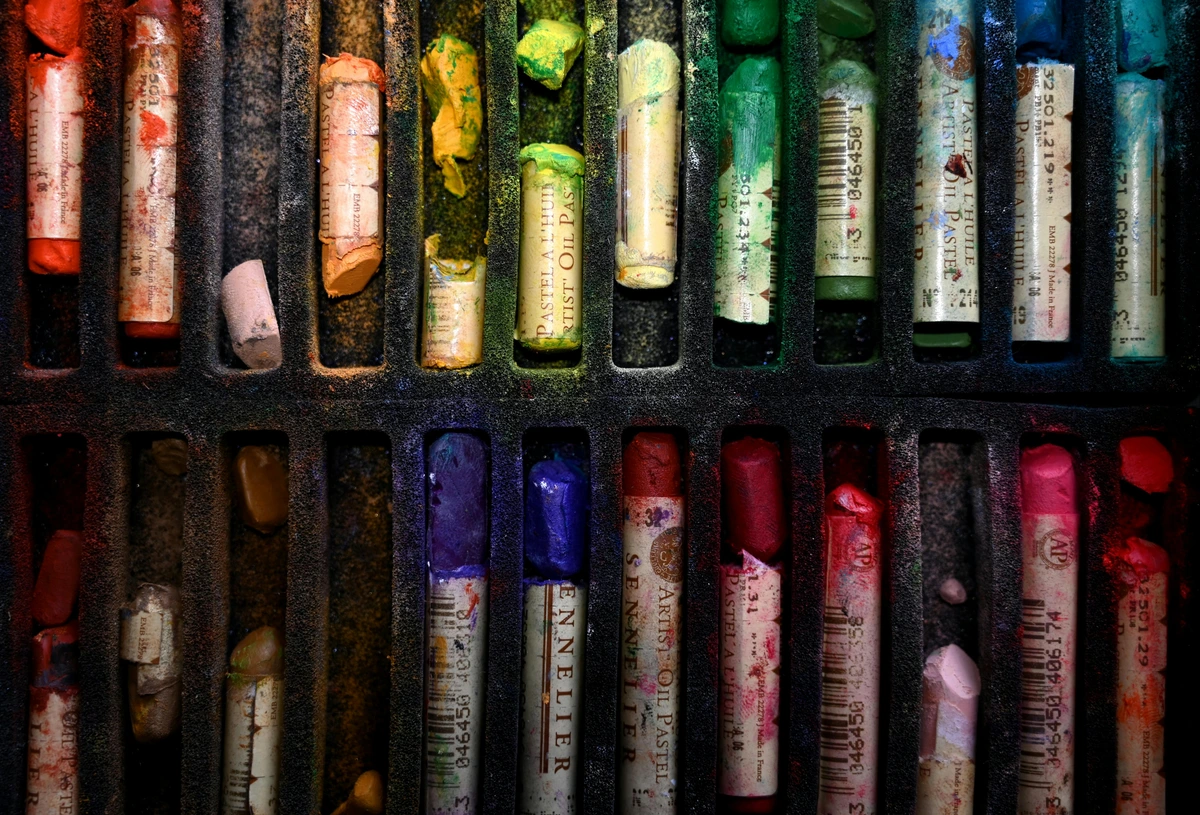
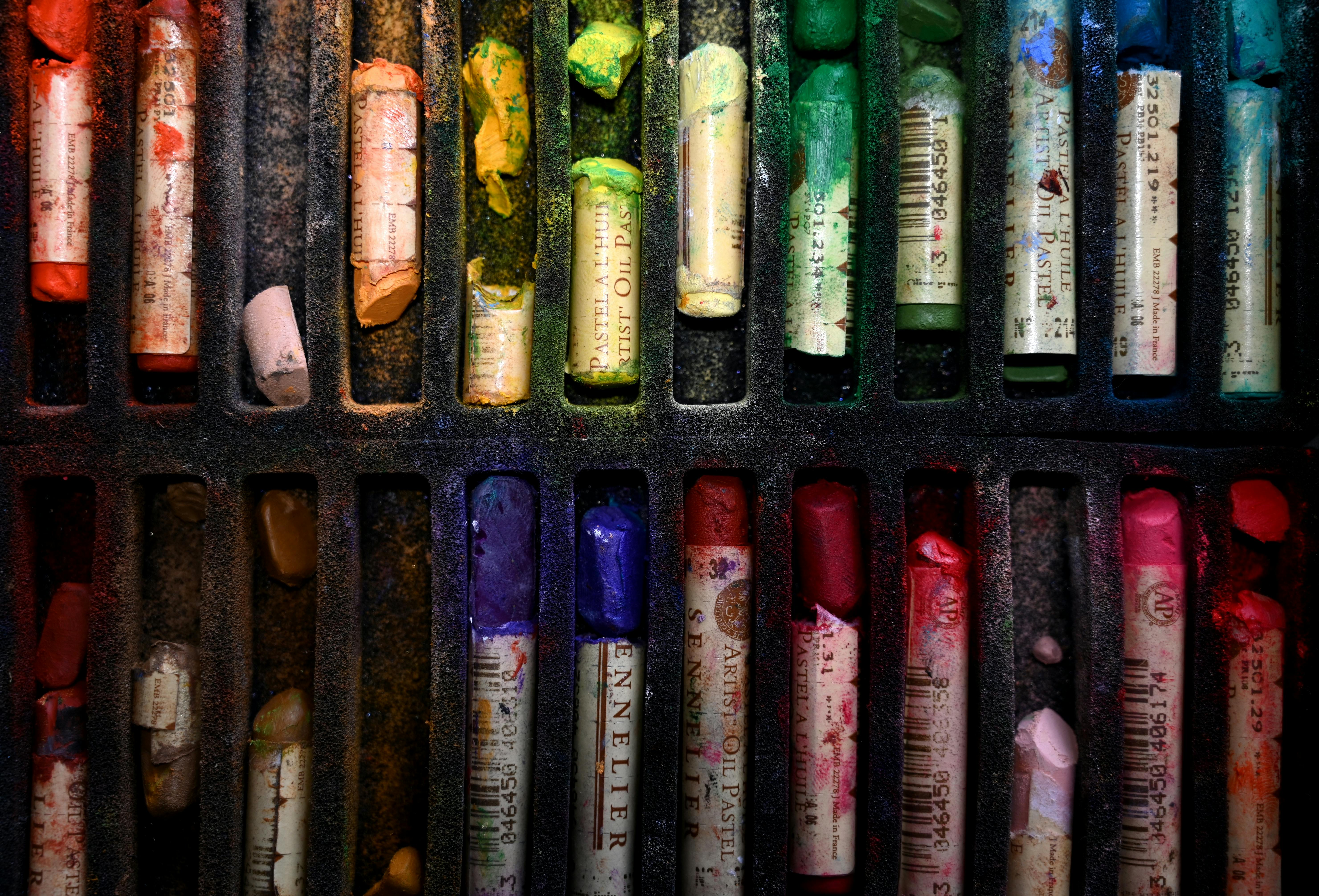
Let's be real, a dedicated studio space is a luxury for many of us, and access to specialized equipment? Even more so! But imagine having access to a ceramics kiln, a printmaking press, a darkroom, a fully equipped woodworking shop, advanced digital editing suites, a performance black box, a sound recording studio, or even specialized sculpture facilities – all without having to invest a small fortune yourself. Many residencies offer unparalleled access to specialized equipment and facilities that would otherwise be out of reach. This isn't just convenient; it can literally open up entirely new avenues for your practice, allowing you to explore mediums and techniques you've only ever dreamed of. It's like being given the keys to a creative playground, where every tool you could possibly need is at your fingertips, ready to help you push the boundaries of your work, whether you're experimenting with oil sticks, mastering the palette knife, diving into encaustic painting, or exploring new forms of digital media. This access can truly transform your output, allowing you to realize ambitious projects that were previously impossible, and adding entirely new dimensions to your artistic vocabulary. For instance, a painter might use the time to experiment with large-scale canvases that wouldn't fit in their home studio, or a sculptor might finally try out metal casting thanks to a residency's foundry. These opportunities are not just about convenience; they're about expanding your artistic horizons in tangible, exciting ways.
Focus & Experimentation: Unlocking New Potential
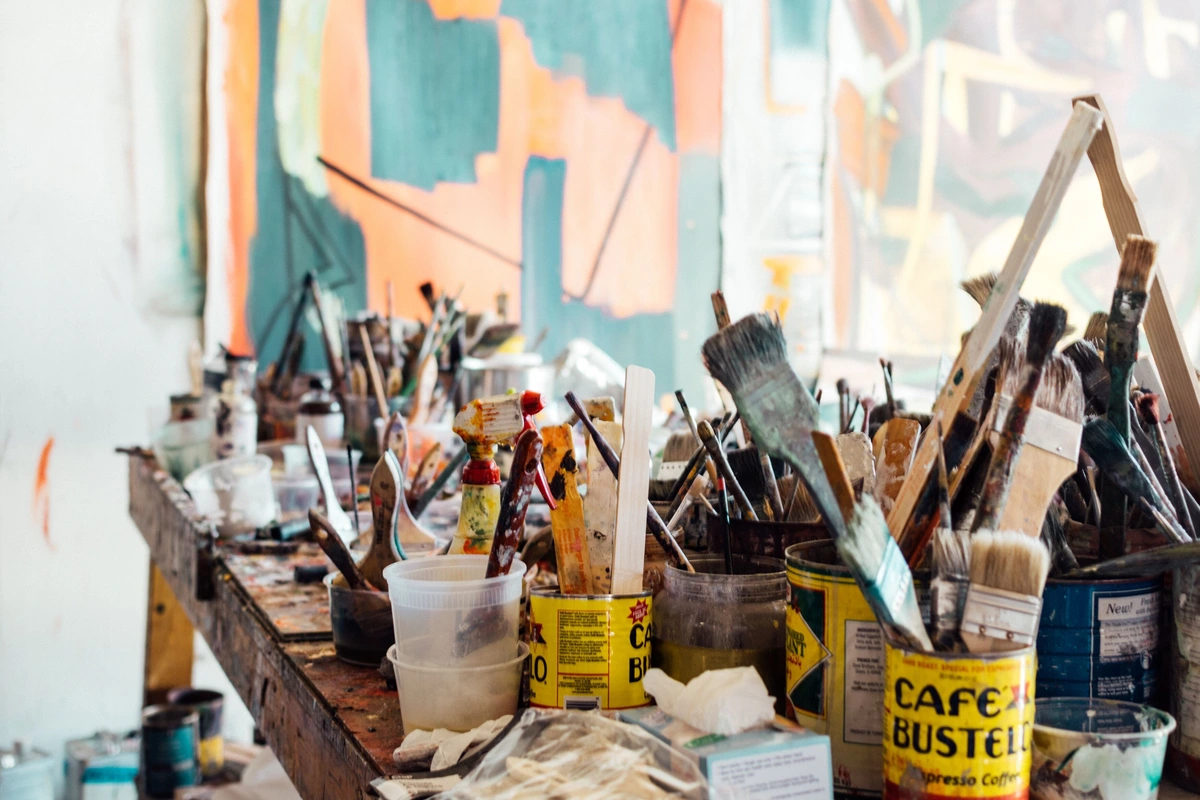
When was the last time you truly allowed yourself to play in the studio, without the lurking pressure of a deadline or the need for a commercial outcome? Residencies provide that incredibly rare, vital freedom. It's permission to be unproductive for a while, to stumble, to make 'bad' art – yes, I said it, bad art! – all in the service of reaching something profoundly new. You can explore entirely new techniques, perhaps delving into the rich history of mixed media in abstract art or discovering fresh avenues for adding depth to abstract paintings. This is the time to work on those ambitious projects you've only dreamed of, or even to completely shift your artistic direction, moving from realism to abstract expressionism or perhaps even exploring kinetic art. It’s a genuine incubator for innovation, where creative risks are not just tolerated but actively encouraged, where failure is seen as a stepping stone. This dedicated time to experiment, free from commercial pressures, is where true breakthroughs often happen, allowing you to discover new facets of your artistic voice and push the very definition of your practice. I've often found that the most profound insights come when I'm not actively trying to produce something, but rather just exploring materials or concepts. That freedom is invaluable.
Introspection & Self-Discovery: Reconnecting with Your Artistic Core
Beyond the tangible benefits, a residency often offers a profound opportunity for introspection. Removed from your daily routine, your familiar surroundings, and the constant demands of life, you're left with your art, your thoughts, and yourself. This can be challenging, yes, a bit like staring into a mirror you didn't know was there, but it's also incredibly liberating. It's a chance to truly listen to your inner creative voice, to understand your motivations more deeply, and to reconnect with why you started making art in the first place. Many artists find that residencies lead to significant personal growth, shaping not just their art but their entire perspective on life and their place within the creative world. It’s about cultivating a deeper artistic vision and finding your voice in a way that daily life rarely allows. It's a pilgrimage to the core of your creative being, allowing you to shed external expectations and embrace the raw essence of your artistic purpose. This deep dive into self-reflection can unlock new stylistic directions, thematic explorations, and a renewed sense of confidence in your unique creative path. It's about truly understanding the power of imperfection and how it fuels authentic expression. Many find that this period of focused self-examination is as crucial to their art as the physical act of making, laying the groundwork for future breakthroughs. I've personally found that stepping away from the familiar clutter of my own studio allows my mind to declutter as well, revealing insights I might have otherwise missed.
credit, licence

Exposure & Professional Development: Boosting Your Career and Portfolio
Let’s be honest, beyond the pure joy of creation, most artists also need to build a sustainable career. Residencies offer crucial avenues for professional development and exposure. Many programs culminate in open studios, artist talks, or even curated exhibitions, providing a direct platform to showcase your new work to a wider audience, including curators, gallerists, critics, and collectors. The prestige of a residency on your CV can significantly enhance your professional standing, signaling to the art world that you are a serious, dedicated artist. You'll gain valuable experience presenting your work, articulating your artistic vision, and engaging with diverse audiences. This can translate into new exhibition opportunities, sales, and a broader recognition of your practice. Think of it as a concentrated period of professional growth, equipping you with new work and a stronger narrative for your artist timeline and portfolio. It’s not just about making art; it’s about strategically advancing your presence in the art world.
Cultural Immersion & New Perspectives: Seeing the World Differently
While not all residencies are international, those that offer a change of country or even a significantly different regional context provide an invaluable gift: cultural immersion. Stepping outside your familiar bubble forces you to see the world, and by extension your art, through a new lens. New landscapes, different social dynamics, local traditions, and even the simple act of navigating a foreign language can all seep into your creative consciousness. It’s not just about tourism; it’s about a deeper, more intentional engagement with a new environment that can profoundly influence your thematic concerns, your material choices, or even the underlying philosophy of your work. Think of how the vibrant energy of a city like Lisbon could infuse your palette, how a remote wilderness residency might encourage environmental themes, or how the quiet solitude of a rural setting might encourage introspection and minimalist forms, much like exploring Marrakesh's art scene could spark a new color sensibility. This fresh perspective is a powerful catalyst for breaking old habits and sparking entirely new creative directions. It can be a profound exercise in understanding global art capitals of the world and their unique artistic ecosystems, fostering a more global understanding of your own practice and place within the broader art historical narrative. I recall one artist telling me how a residency in a bustling Asian metropolis completely shifted her understanding of design in art, inspiring her to incorporate new patterns and visual storytelling techniques into her textile work.
Navigating the Application Labyrinth
Applying for a residency can feel a bit like wading through treacle – it requires patience, careful planning, and a thick skin for potential rejection (we've all been there, trust me!). But don't let that deter you; persistence is a defining trait of successful artists, and every application is a step forward, even if it's a 'no' for now. Think of each application as a practice run, a way to refine your presentation and hone your narrative. The process itself can be a valuable exercise in clarifying your artistic vision and goals.
Here's what I've learned:
- Research, Research, Research: Don't just apply to the first one you see. This isn't a dartboard competition; it's a strategic move. Look for programs that align with your medium, career stage, and what you hope to achieve. Consider the location, the duration, and whether it’s funded. Read testimonials if you can find them. I mean, it’s like dating – you wouldn't go out with the first person who asked, right? You want to find a real connection! Dive into comprehensive online databases like ResArtis, TransArtists, or even specific university and institutional listings. Explore artist networks, social media groups dedicated to residencies, and reach out to artists who have completed programs you admire. Don't forget to look at specific themes or focuses – some residencies are project-based, others are open-ended, some focus on environmental art, social justice, or even specific historical periods. Look for residencies that have a track record of supporting artists like yourself, and don't be afraid to think internationally; art capitals of the world often have fantastic opportunities. Pay close attention to the mission statement of the residency; it's a direct clue to whether your artistic philosophy will resonate. Consider niche programs that cater to specific demographics, like parent artists or artists with disabilities. And here's a crucial, slightly cynical but necessary tip: be wary of scams. If a residency asks for exorbitant fees with little to no clear benefit, or promises guaranteed exposure without substance, do your due diligence. A legitimate residency values your art, not just your money. I always tell artists to think of this phase as being a detective; you're looking for clues that this place is the one for your artistic journey right now.
- Polish Your Portfolio: This is your visual voice! And believe me, it speaks volumes before you even utter a word. Make sure your images are high-quality, clearly showcase your best work, and are consistently presented. Think of it as your artistic first impression. If you’re a painter, ensure good lighting on your work and color accuracy; if you’re a sculptor, include multiple angles and detail shots. For installation or performance artists, video documentation can be crucial, showcasing the work in its intended context. Curate your selection to highlight pieces that resonate with the residency's focus, and always, always double-check image resolution, file names, and any technical requirements. A well-presented portfolio can be the difference between an instant 'yes' and a quick 'no'. It's paramount, whether you're applying for a residency or just trying to sell art from your studio. Remember, the goal isn't just to show what you make, but to convey your artistic vision and professional commitment. For digital artists, include screenshots or short clips that highlight interactive elements or technical proficiency. Consider hiring a professional photographer if your budget allows; the investment often pays off.
4. References: The Power of a Strong Endorsement
Choose people who know your work well and can speak to your character, dedication, and professional conduct. A glowing recommendation can make a real difference, especially from respected figures in the art world, former professors, or mentors. Always ask your references if they're comfortable writing on your behalf, and crucially, provide them with all the necessary information: the residency's mission statement, your artist statement, your detailed proposal, specific aspects of your work you'd like them to highlight, and the submission deadline. A well-informed reference can provide invaluable, tailored support to your application. Don't be shy about asking for letters, but always give your recommenders ample time (ideally 2-4 weeks notice) – a rushed letter is rarely a good one, and a well-crafted one speaks volumes about your work ethic and the value you place on your connections. A strong reference can often tip the scales in your favor, so choose wisely and equip them thoroughly. It's about demonstrating that others believe in your potential and your ability to thrive in a residency environment.
Common Application Pitfalls to Avoid
Even with the best intentions, it's easy to stumble during the application process. It’s like navigating a minefield sometimes, isn't it? Here are some common missteps I've seen artists make – and sometimes made myself! – that you should definitely steer clear of:
- Generic Applications: Applying to every residency under the sun with a boilerplate statement is a waste of your time and the reviewers'. Tailor every application to the specific program. Show them you've done your homework and genuinely understand their mission. They want to feel like you chose them, not just added them to a mass mailing list. This shows a lack of genuine interest and often comes across as insincere. Personalizing your application demonstrates professionalism and respect for the opportunity.
- Poor Quality Documentation: Blurry images, inconsistent lighting, or videos with bad sound. Your portfolio is your first impression; it needs to be immaculate. Invest in good photography if you can, or learn how to take decent shots of your work with proper lighting and resolution. Seriously, a poorly lit photo can make even brilliant work look dull. It's like serving a gourmet meal on a dirty plate – the presentation detracts from the quality. Prioritize clear, accurate representations of your work.
- Unrealistic Proposals: Dreaming big is fantastic, but your proposal needs to be achievable within the residency's timeframe and resources. Don't promise to build a colossal sculpture in two weeks if they only have hand tools and a small studio. Be ambitious, but grounded in reality and clearly outline your methodology. Residency committees are looking for well-thought-out plans that demonstrate both creative vision and practical understanding, not just fantasies. Show them you've considered the logistics.
- Ignoring Instructions: Residencies often have very specific requirements for file formats, image sizes, word counts, or even how you name your files. Read everything carefully, and then read it again – perhaps even have a friend review it! Missing a detail, no matter how small, can lead to immediate disqualification. This might seem petty, but it demonstrates your attention to detail and respect for their process and guidelines, signaling your professionalism.
- Last-Minute Submissions: Technology fails, internet connections drop, and unforeseen circumstances arise. Submit your application well before the deadline to avoid unnecessary stress and potential technical glitches. I've heard countless stories of artists missing out because their internet cut out at 11:59 PM on the deadline. Don't be that artist! Aim to submit at least 24-48 hours in advance to ensure everything goes through smoothly and allows for any troubleshooting.
Building a Relationship (Where Possible): Beyond the Application Form
This might sound a bit like networking, but it's more subtle and deeply authentic. If there's a specific residency you're really passionate about, try to engage with them before the application cycle even opens. Attend their online talks, webinars, or virtual open studios. Follow their social media, engage with posts from their current and past artists, and perhaps even visit an open studio or exhibition if it's local. Ask thoughtful, informed questions (when appropriate) during info sessions or artist presentations. This isn't about trying to get an unfair advantage; it's about showing genuine, informed interest and demonstrating that you've truly connected with their ethos. This proactive engagement can make your application stand out because you're not just a name on a form; you're someone who understands and connects with their mission, potentially even feeling like a natural fit for their community. A genuine connection, built on shared values and a real understanding of their program, is far more impactful than a cold application. Think of it as cultivating a long-term interest, rather than a short-term transactional approach. It shows dedication and a deeper commitment to the opportunity.
Don’t be discouraged by rejections. Every application is practice, and every 'no' brings you closer to a 'yes.' What matters is persistence, and the belief in the value of your own unique artistic voice. The art world is tough, but so are you! Keep refining, keep applying, and keep believing in what you do.
Life During a Residency: Making the Most of the Experience
So, you got in! First off, take a moment to celebrate – that's a huge achievement! Pop the champagne (or that fancy sparkling water you've been saving). Now the real work (and play, and sometimes unexpected challenges) begins. While every residency is different, a few universal truths apply to maximizing your time and truly absorbing the experience. I've found that approaching it with a blend of clear intent and open-mindedness is the golden ticket. It's a balance, really, between having a plan and being utterly present for whatever unfolds.
Setting Intentions, Embracing Flexibility: Navigating the Unexpected
Before you arrive, I'd suggest taking some time to set intentions. What do you really want to achieve? Is it completing a specific body of work? Experimenting with a new medium? Diving deep into research? Or perhaps tackling a conceptual challenge? Having clear goals can provide direction, but here's the crucial part: be prepared to let them go. Seriously. The magic of a residency often lies in the unexpected detours, the spontaneous collaborations, and the serendipitous discoveries. Embrace flexibility. Sometimes, the most profound outcomes are not the ones you planned. It’s like when I set out to paint one thing, and the canvas demands something entirely different – you learn to listen. Think of your intentions as a compass, not a rigid map. Be open to pivoting your project, exploring a technique you hadn't considered, or even spending more time in conversation than in the studio if that's where the creative energy leads. The true value is in the immersion, the unburdened space to explore, not necessarily rigid adherence to a preconceived plan. Allow yourself to be surprised by what emerges. I've seen artists go in planning to paint, and come out having written a compelling collection of short stories, simply because the environment nudged them in a new direction. That's the beauty of it!
Daily Rhythms and Creative Flow: Finding Your Artistic Groove
You might find yourself falling into new routines, or maybe you'll break free from old ones! Maybe you're an early riser, catching the quiet hours before anyone else is in the studio. Or perhaps you're a night owl, thriving in the post-dinner hush. Pay attention to when your creative flow is strongest, and structure your days around it. Don't feel pressured to socialize constantly if you need solitude for your work, but also don't isolate yourself entirely – remember the community aspect? Find that balance that nourishes both your art and your soul – it’s a constant dance between internal focus and external engagement. Remember those late-night conversations I mentioned earlier? Those are often as important as the hours you spend in front of your easel. It’s also important to build in time for self-care: walks in nature, reading, exploring the local town, or simply resting. A refreshed mind is a more creative one. Embrace the rhythm that emerges, rather than imposing one that doesn't fit, and be kind to yourself through the process. I've learned that pushing against your natural inclinations during a residency is a recipe for creative block. Listen to what your body and mind need to truly flourish.
Navigating Challenges and Creative Blocks: Embracing the Messy Middle
Let's be honest, residencies aren't always a non-stop parade of brilliant ideas and euphoric breakthroughs. You might face creative blocks, homesickness, culture shock, or the unexpected challenges of living in a new environment – a leaky faucet, a misunderstood local custom, or just a really bad day. This is normal. What's important is how you respond. Use the resources around you – talk to fellow artists, mentors, or even the residency staff. Sometimes, a change of scenery, a walk in nature, or simply a deep conversation can dislodge a block. Remember, the journey is as much about confronting these challenges as it is about celebrating the breakthroughs. And speaking of breakthroughs, don't forget to document everything! Take photos of your process, keep a journal of your thoughts, ideas, and even frustrations. This documentation is invaluable for future reflections, grant applications, and simply remembering the richness of your experience. It's all part of the story, the beautiful, messy, creative story. Think of these challenges not as roadblocks, but as integral parts of your artistic process that often lead to unexpected solutions and deeper self-understanding.
The Interview Process (If Applicable): Making Your Case
Some residencies, especially the more competitive ones, might include an interview stage. Treat this like any professional opportunity: research the program deeply, revisit your application materials, and be prepared to discuss your work, your proposal, and how you envision your time there. Think about specific examples of how you'd engage with the community or utilize their facilities. Be authentic, articulate your passion, and most importantly, show how your presence would not just benefit your art, but also enrich the wider community of the residency. It's a chance for them to get to know the person behind the art, and equally for you to gauge if the residency is truly the right fit for your personality and practice. Consider practicing your answers, much like you would prepare for an artist talk, focusing on clarity and conciseness. Be ready to discuss the 'why' behind your artistic choices, and how your unique perspective aligns with the residency's mission. Whether you are a painter or an illustrator, demonstrating a clear understanding of your practice and its potential evolution during the residency will be key. This is your moment to let your enthusiasm shine through! Remember, they're not just evaluating your art, but you as a potential community member.
Financial Planning & Funding Beyond Grants: Securing Your Artistic Freedom
Even if a residency is fully funded, there are always incidental costs – travel, art supplies, personal expenses, or maybe even covering your rent back home. It’s crucial to budget carefully and realistically. Beyond the advertised grants, consider applying for smaller, local art grants, crowdfunding campaigns (platforms like Kickstarter or Patreon can be great for this), or exploring work-exchange options if available. Don't let financial concerns be a barrier; with a bit of creative planning and some proactive searching, it's often possible to make it work. Sometimes you just have to get resourceful, like when you're trying to collect art on a budget, or making art with found objects. Consider also applying for travel grants specifically designed to support artists attending residencies abroad, or specific project grants. Don't forget to factor in potential income loss if you're stepping away from regular work; having a financial buffer can significantly reduce stress and allow for deeper immersion. A solid financial plan is your artistic safety net, allowing you to truly relax and create. I always advise artists to create a detailed spreadsheet for all potential costs, from flight insurance to your favorite coffee beans. No detail is too small when you're planning for creative peace of mind.
Practical Preparations Before You Go: Beyond the Application
So you’ve been accepted! Fantastic. While the creative work is the heart of a residency, some practical planning before you leave can make all the difference in ensuring a smooth and productive experience. Trust me, the last thing you want is a logistical headache pulling you out of your creative flow when you should be dreaming up masterpieces. Think of these steps as setting the stage for your optimal creative performance.
Packing Smart: What to Bring (and What to Leave Behind)
This isn't just about clothes; it's about curating your temporary creative life. Think strategically about your art supplies: are they readily available at your destination, or should you bring them? (And check weight limits if you're flying, my friend, because excess baggage fees are no fun!). What about essential tools? Consider a compact, versatile kit if you're traveling light, or research local art supply stores at your destination before you go. Don't forget comfort items – a favorite mug, a special blanket, or even a specific tea can make an unfamiliar space feel more like home and ease any transitional anxieties. Research the local climate, cultural norms (for clothing and social interactions), and whether there are any restrictions on materials you might bring (customs can be tricky, especially with organic materials or chemicals!). Remember, you're not moving permanently; focus on essentials and things that truly support your practice and well-being. A little forethought here prevents a lot of frustration later, allowing you to settle in faster and start creating.

Cultural Sensitivity and Local Immersion: Being a Thoughtful Traveler-Artist
Especially for international residencies, take time to learn about the local culture, customs, and basic phrases in the language. Being respectful and making an effort to engage with the local community will enrich your experience immeasurably and open doors you didn't even know existed. It's not just about the art you make; it's about the connections you forge and the new perspectives you gain, which inevitably feed back into your work. Research local etiquette regarding everything from greetings to dining, dress codes, and even body language. A little cultural homework goes a long, long way in fostering genuine connections and avoiding unintentional faux pas. I always suggest seeking out local art galleries, markets, and community events to truly immerse yourself. This isn't just about being polite; it's about enriching your entire experience and broadening your worldview, which will undoubtedly influence your art.
Insurance and Health Considerations: Prioritizing Well-being
This is the boring but absolutely vital part, the kind of stuff your future self will thank you for. Ensure you have adequate travel insurance (especially if you're going abroad), health insurance that covers you internationally, and potentially even insurance for your precious artwork and equipment. Understand the local healthcare system – where's the nearest clinic? How do you get an emergency prescription? If you have specific medical needs, plan for them in advance: bring extra medication, translate key medical terms, and have your doctor's contact info handy. Having peace of mind on these practical fronts allows you to focus wholeheartedly on your art, knowing you're covered if anything unexpected arises. Think of it as investing in your ability to fully surrender to the creative journey, free from nagging anxieties about the 'what ifs'. It’s not glamorous, but a small emergency can quickly derail your entire residency if you're unprepared. Better safe than sorry, as my grandma used to say!
After the Residency: Reintegration and Continued Growth
The residency itself is just one chapter. The real challenge, and the continued opportunity, often lies in how you integrate that experience back into your regular life and artistic practice. It's a bit like returning from a long, adventurous journey – you're changed, enlightened, perhaps a little different, but the world you left behind hasn't necessarily caught up. This re-entry period can be disorienting, but it's also a chance to consciously embed the transformative aspects of your residency into your ongoing artistic journey.

Sustaining Momentum and Connections: Nurturing Post-Residency Growth
Don't let the creative momentum you built during the residency fizzle out. Schedule dedicated studio time, revisit your notes and sketches, and continue exploring the ideas that sparked there. Block out specific times in your calendar to process and develop the seeds of new work that were planted – those half-formed ideas, those intriguing experiments. Stay in touch with the artists you met; these connections are invaluable. Organize online critique sessions, share updates on your work, and actively seek out future collaborations or even informal check-ins. The community you found at the residency can be a lifelong source of support and inspiration, a real lifeline in the often solitary life of an artist. Consider starting a shared online folder or a group chat to maintain the creative dialogue and mutual encouragement. These relationships are golden, so nurture them! I often find that the 'afterglow' of a residency can be just as creatively potent as the residency itself, if you consciously tend to it.
Sharing Your Work and Story: Amplifying Your Residency Experience
If your residency culminated in an exhibition or open studio, fantastic! Make sure to leverage that exposure. If not, don't worry – find ways to share the work you created, even if it's just a collection of studies or conceptual experiments. Document everything meticulously – high-quality photos, videos, process notes, and journal entries. Update your website, social media, and professional profiles with this new body of work and your reflections. Write about your experience; blog posts, artist talks, informal presentations to local art groups, or even a short video documentary can help you process the journey and communicate its impact to others. Remember, the story of your residency is part of your larger artistic narrative, a crucial chapter in your artist timeline. Even unfinished works can be shared as 'works in progress' to generate dialogue and feedback – sometimes, the process itself is the most compelling story. Don't be afraid to be vulnerable and share the struggles alongside the triumphs; authenticity resonates deeply with audiences.
Reflecting on Personal and Artistic Evolution: The Long-Term Impact
Take dedicated time to reflect. How did the residency change you as an artist? As a person? Did it shift your artistic vision? Did it help you find your voice more clearly? Journaling can be incredibly helpful for processing these deeper shifts, as can talking with trusted peers or mentors. Consider creating a 'residency archive' of sketches, notes, photos, and reflections. This ongoing introspection ensures that the profound impact of your residency continues to resonate and inform your work long after you've left the dedicated creative space, truly embedding the experience into your long-term artistic journey. This reflection might even lead you to new art inspirations you hadn't anticipated, revealing subtle shifts in your perspective and deepening your understanding of your own creative process. It's about letting the experience truly marinate and become part of your artistic DNA. I often find that the true 'takeaways' from a residency aren't always immediately apparent; they reveal themselves weeks, months, or even years later, like slow-blooming flowers.
Frequently Asked Questions About Art Residencies (FAQ)
I get a lot of questions about residencies, and understandably so! It can feel like a big, mysterious world. Here are some of the most common questions I hear, and my honest answers to help demystify the process.
Q: How to find the right residency for me?
A: Finding the perfect residency is a deeply personal quest, and it starts with serious self-reflection. Ask yourself: What are my artistic goals for this period? Do I need solitude or a vibrant community? What facilities are absolutely essential for my practice (e.g., a darkroom, a kiln, a performance space)? What's my budget, and what kind of funding do I need to make this happen? Am I looking for deep cultural immersion in a new place or a quiet, focused space close to home? Once you have a clear understanding of your needs, leverage comprehensive online databases like ResArtis or TransArtists. Use their filters to narrow down by discipline, location, duration, and funding. Talk to fellow artists who have done residencies, reach out to mentors, and don't be afraid to contact residency programs directly with specific, thoughtful questions. The 'right' residency is the one that aligns most closely with your current artistic journey and personal circumstances – it's out there waiting for you to discover it, but it requires diligent searching and honest self-assessment.
Q: Are art residencies only for established artists?
A: Absolutely not! This is a common misconception, and I want to dispel it immediately. While some highly competitive residencies may target mid-career or established artists with extensive exhibition histories, many programs specifically cater to emerging artists, recent graduates, or even those exploring a new medium or returning to their practice after a break. Don't let your perceived career stage deter you; there's a residency out there for almost every artist at every level. The key is finding the right fit for your current needs and goals. Look specifically for programs that mention 'emerging artists,' 'early career,' or those that emphasize process over a lengthy CV. Every established artist was once an emerging artist, and residencies are a fantastic way to gain early career momentum.
Q: How much do art residencies cost?
A: The costs vary wildly, and this is where thorough research is your best friend. Seriously, the range is enormous! Some residencies are fully funded, covering travel, accommodation, food, and even a stipend – these are, understandably, highly competitive and a true artistic dream. Others are partially funded, meaning they might cover accommodation but not travel or materials, requiring artists to cover some costs. Then there are entirely self-funded programs, where you pay for everything from your studio fee to your groceries. Lastly, work-exchange models exist where you might contribute labor (e.g., studio maintenance, administrative tasks) in exchange for your stay. Always check the funding details carefully and understand precisely what is included. Remember, even a "fully funded" residency often means you'll still have personal expenses, art supplies not covered, or sightseeing money to factor in, so plan your finances meticulously and budget for the unexpected. Don't be shy about seeking additional grants or crowdfunding for even 'funded' experiences.
Q: What's the difference between an art residency and an artist colony?
A: This is a great question, and the terms are often used interchangeably, but there's a subtle distinction. Historically, an "artist colony" often referred to communal living and working spaces where artists gathered, sometimes for extended periods, to create and share ideas, often with a more rustic, bohemian, or less institutional feel. Think of places like Yaddo or MacDowell. An "art residency" is a broader, more contemporary term that encompasses a vast range of programs, from solitary retreats to highly structured, community-focused experiences, often hosted by institutions, galleries, or non-profits. While there's significant overlap, "residency" generally implies a temporary, defined period with specific goals, often more formal application processes, and sometimes clearer expectations for output or engagement. Both offer invaluable time and space, but residencies are typically more diverse in their structure and host organizations.
Q: Can I bring my family or partner to a residency?
A: This depends entirely on the specific residency program, and it's a question you must clarify early in your research. Please, please, please check this upfront! Some residencies are explicitly designed to accommodate families or partners, offering larger living spaces, dedicated family facilities, or even specific programs for artist-parents. Others, however, are geared towards individual artists and have strict policies against guests, or very limited allowances for visitors. It's crucial to check the program's guidelines on this before you apply, as it can be a significant factor in your decision and impact your ability to attend. Never assume; always verify directly with the program administration.







Q: What if I don't produce any "finished" work during my residency?
A: That's perfectly fine, and even encouraged by many programs! Let me shout that from the rooftops: it's okay not to finish something! The primary goal of many residencies is to provide time for experimentation, research, and process. The internal growth, the new ideas generated, the techniques explored, the questions you uncover – these are often far more valuable than a tangible finished product. Focus on the journey, the learning, and the creative exploration, rather than a forced outcome. The real "output" might be a profound shift in your artistic process or a clearer artistic vision. Your growth is the true masterpiece. I've often returned from residencies with a pile of sketches, half-formed ideas, and a refreshed perspective, which were far more valuable than any 'completed' piece could have been at that moment.
Q: What kind of support can I expect from a residency?
A: The level of support varies greatly by program and funding model. Generally, you can expect some combination of the following: accommodation (private room, apartment, or shared living), studio space (private or shared), access to specialized facilities (kilns, presses, labs), critique and mentorship opportunities, administrative assistance, and sometimes a stipend for living or material expenses. More comprehensive programs might also offer technical support, language assistance (for international residencies), marketing support, or exhibition coordination. It's crucial to carefully read the program description and inquire directly about the specifics of the support package, as this will directly impact your ability to focus on your creative work without external burdens.
Q: How long should an ideal residency be?
A: There's no single "ideal" length; it truly depends on your project, your artistic goals, and your personal circumstances. Short residencies (2-4 weeks) are excellent for intensive sprints, completing a specific project, or testing new ideas. Mid-length residencies (1-3 months) allow for deeper immersion, significant project development, and more robust community engagement. Longer residencies (3 months to a year) are often suited for extensive research, large-scale works, or a complete shift in artistic direction. Consider the scope of your project, your capacity for sustained focus away from home, and any family or work obligations you might have. Sometimes, a series of shorter residencies can be just as beneficial as one long one.
Q: What are some common misconceptions about art residencies?
A: Oh, there are a few! Here are some I hear often:
- That they're all fully funded and free: As discussed, many are not. Research funding carefully and be realistic about potential personal costs.
- That you must produce a masterpiece: Many prioritize process, research, and experimentation over a final, polished product. Your internal growth and new directions are often the key outcomes.
- That they're like a vacation: While inspiring and often in beautiful locations, residencies require intense focus, dedication, and hard work. It's a structured period for art-making and professional development, not a holiday.
- That they're only for visual artists: This is a huge misconception! Writers, musicians, composers, dancers, performers, filmmakers, curators, and interdisciplinary creatives also have numerous opportunities and specialized programs.
- That you'll instantly make famous connections: While networking is a significant benefit, it's often organic and takes time to build genuine relationships. It's not a guaranteed fast track to stardom, but rather an opportunity for meaningful peer and professional exchange.
Q: How do I handle homesickness or creative blocks during a residency?
A: These are completely normal experiences, and honestly, almost every artist faces them at some point! For homesickness, try to maintain some routines from home (like a morning coffee ritual), connect with loved ones virtually, and explore your new surroundings to create a sense of familiarity and integrate into the local rhythm. Engaging with fellow residents and the local community can also help combat feelings of isolation. For creative blocks, remember that many residencies encourage experimentation and 'unproductive' time. Don't force it. Take a walk, read, visit a local museum, try a new medium entirely, or simply talk through your frustrations with a peer or mentor. Sometimes stepping away from the studio for a new experience is the best way to return with fresh eyes. Self-care is crucial: prioritize sleep, healthy food, and physical activity to keep your mind and body ready for creativity.
Q: What should I do if I get rejected from a residency?
A: Rejection is a tough but inevitable part of an artist's journey – trust me, it happens to everyone, often multiple times. First, allow yourself a moment to feel the disappointment, but don't let it consume you. Second, see it as feedback, not failure. It might not be about your art or your talent, but about fit, timing, or sheer competition in a highly selective process. Ask yourself honestly: Was my application thoroughly tailored to this specific program? Was my portfolio strong and professionally presented? Could my proposal be clearer or more compelling? Many residencies offer feedback if you ask (be polite and specific in your request), which can be invaluable for future applications. Most importantly, don't stop applying. Keep refining your work, polishing your applications, and seeking out new opportunities. Persistence and resilience are defining traits of successful artists. Every 'no' brings you closer to a 'yes', and often, the right opportunity simply hasn't aligned yet, but it will.
Wrapping It Up: Your Creative Adventure Awaits
So, there you have it – a pretty comprehensive dive into the fascinating, sometimes daunting, but ultimately rewarding world of art residencies. For me, the journey of discovering and engaging with this concept has been truly transformative, challenging my assumptions about where and how art is made. They are, in essence, an investment in yourself, your practice, and your future as an artist. A dedicated pause from the relentless pace of life, designed to ignite new ideas, forge lasting connections, and provide the space to truly become more of the artist you're meant to be. It's a profound act of self-care and professional development, all rolled into one – a holistic approach to nurturing your creative soul.
If you've been yearning for that elusive creative freedom, that uninterrupted stretch of time to just make, then perhaps an art residency is exactly what you need. It might feel daunting, the application process a labyrinth, the finances a puzzle – but trust me, the potential rewards for your artistic soul are immeasurable. Take that leap, do your research, and prepare to embark on one of the most enriching creative adventures of your life. Who knows what incredible art you'll bring back into the world, or how it will redefine your unique place within it? It's a journey well worth taking, a conscious choice to prioritize your artistic growth. And who knows, the seeds planted during your residency might just blossom into an entirely new phase of your artistic journey, influencing your work for years to come – a subtle, yet powerful ripple effect across your entire artist timeline. Remember, the most important canvas you'll ever work on is your own artistic life, and a residency can be a vibrant, bold stroke in its ongoing creation. Go forth and create, you magnificent artist, you!