
What on Earth is an Art Biennale, Anyway? (Or, My Deep Dive into Global Art Extravaganzas)
Ever wondered "what is an art biennale"? Dive into my personal guide on these global art extravaganzas, their history, key examples like Venice & Whitney, and why they matter for discovering new trends & artists.

Unpacking the Global Phenomenon: What Exactly Is an Art Biennale, Anyway? (And Why They're Absolutely Essential to Understanding Contemporary Art)
You know, there are some concepts in the art world that feel like hushed secrets, whispered among the initiated. For a long time, the word "biennale" was one of them for me. What is it, really? Is it just another art fair, a fleeting exhibition, or perhaps a rather grand-sounding academic gathering? My initial curiosity quickly spiraled into a deep dive, and what I discovered was far more profound, exhilarating, and yes, sometimes utterly bewildering, than any simple definition could convey. This article, then, is my attempt to demystify this global phenomenon, to unpack its profound significance, and to reveal why these pulsating showcases of raw creativity are absolutely essential to understanding the very pulse of contemporary art.
These aren't just events; they're vibrant laboratories where artists from every corner of the planet converge to challenge norms, push boundaries, and spark dialogues that reverberate across continents. For an artist like myself—someone who grapples daily with the very act of creation, with the quiet struggle in the studio, and with the public unveiling of something deeply personal—biennales are less about 'breaking through' and more about 'breaking open'. They are, in essence, the very cutting edge of the global art conversation: a grand, often overwhelming, yet utterly essential barometer of where art stands at this very moment, and perhaps, a crystal ball peering into its future trajectory. They predict the aesthetic and conceptual shifts yet to come, offering an unparalleled, sometimes dizzying, window into the collective human imagination. They are the vibrant crossroads where contemporary art confronts global issues, sparks critical discourse, and often, truly makes history, shaping the very canon we'll look back on. If you're looking for the beating heart of global art, the place where culture is both reflected and forged, this is where you'll find it.
The Enigma of the Biennale: Unpacking the Hype, and My Own Misconceptions
I remember the first time the word 'biennale' truly registered with me. I was fresh out of art school, brimming with ambition but still quite green, and it sounded… well, exotic and intimidating. In my head, it was this rarefied, almost inaccessible European affair, a world removed from my rather humble studio and even humbler budget. My initial, admittedly cynical, thought was, 'Here we go, another exclusive gathering for the ultra-rich, the art-world elite, and those who lunch.' I envisioned hushed galleries, champagne flutes, and art that felt utterly disconnected from the vibrant, sometimes messy, reality of creation. It felt like a closed shop, a secret society whose entry requirements were beyond my reach as an emerging artist, especially when considering the sometimes bewildering nuances of navigating the global art market: a guide to international art fairs and biennials.
But the deeper I dug, the more that neat, dismissive image shattered. What I uncovered was a far more complex, often surprisingly democratic, and sometimes gloriously chaotic beast than I had ever imagined. It’s a phenomenon that doesn’t just showcase art; it forces us, as artists and viewers alike, to fundamentally question what art is, who it's for, and how it powerfully reflects, and sometimes even reshapes, our ever-changing world. It’s not just an exhibition; it’s a living, breathing cultural organism that throws open its doors to audacious ideas and urgent global conversations. I once heard a curator describe it as 'the ultimate global town hall meeting for art,' and that really stuck with me. Indeed, imagine a sprawling, interconnected forum where the world's most innovative minds converge, not to simply present, but to debate, to provoke, and to collaboratively envision new futures through the powerful lens of artistic expression. It’s where the avant-garde meets public discourse, where established norms are challenged, and where the future of artistic expression often takes its first, bold steps, sending ripples across the entire cultural landscape. This article aims to be your definitive guide to this fascinating world, a comprehensive resource for understanding its history, its impact, and its ongoing evolution. Think of it as a constant, global conversation that refuses to be confined to traditional spaces.

Understanding the Core: Defining the Biennale and its Key Elements
Alright, let's cut to the chase, because I know you might be thinking, 'Just tell me what it is!' At its most basic, a biennale (from the Italian for "biennial" or "every two years") is indeed a large-scale international art exhibition held every other year. But honestly, that tidy definition barely scratches the surface of its sprawling, often incandescent reality. It’s not just a collection of aesthetically pleasing objects; it’s a profound cultural phenomenon, a critical global conversation, and a fiercely debated platform that holds the power to launch careers, challenge perceptions, and redefine the very currents of artistic trends. I’ve often heard them described as the Olympics of the art world, and while that’s a bit reductive—art isn't really a competition, is it?—it does capture the spirit of international showcase, cultural exchange, and the undeniable sense of gravitas. More precisely, it’s about collective human endeavor and monumental global representation. They are, fundamentally, a meticulously curated snapshot of the world's artistic zeitgeist at a given moment—that elusive, defining spirit or mood of a particular period—a vibrant, sometimes jarring, cross-section of global contemporary art. This 'snapshot' is not passive; it's an active interrogation of the present, reflecting social movements, political shifts, and technological advancements through artistic expression. More than that, they're a space where art is not just displayed, but discussed, contested, and experienced on a monumental scale, creating a dynamic, living archive of our times.
Think of it this way: if a regular art gallery show is a focused conversation between an artist and a small audience, a biennale is a bustling international summit where hundreds of artists from dozens of countries gather to present their vision to the entire world. These events are often curated around a central theme, providing a cohesive (or sometimes provocatively disjointed) narrative on contemporary issues, societal shifts, and artistic innovation. They're not just about looking at art; they're about experiencing it, discussing it, and letting it challenge your perceptions. The scale alone often forces you to consider art's role in public space and global dialogue, something that really fascinates me as an artist always exploring the elements of design in art. This grand scale and thematic focus also positions biennales as crucial platforms for understanding the broader navigating the global art market: a guide to international art fairs and biennials, far beyond the confines of a typical gallery. In essence, they are the world's collective creative pulse, beating every few years to reveal where we are, and where we might be heading, artistically and culturally.
And while "biennale" implies every two years, you'll also encounter "triennales" (every three years), "quadriennales" (every four years), and even "documentas" (like the famous one in Kassel, Germany, which happens every five years), each offering a distinct rhythm to the global art calendar. The common thread? They're cyclical, large-scale, and aim to capture a moment in time in the global art landscape, acting as crucial checkpoints in the ever-evolving story of contemporary art.
Why the Cycle? The Rationale Behind Periodic Exhibitions and Their Enduring Impact
I’ve often pondered why these massive undertakings, these veritable Everests of curatorial and organizational challenges, aren't simply annual events. The sheer logistical and creative effort is immense, let me tell you. So, why not every year? Well, the cyclical nature of biennales, triennales, and quinquennales serves a crucial purpose that extends far beyond mere logistics. It’s a deliberate rhythm designed to foster profound artistic and intellectual engagement.
Firstly, it allows for a deeper, more thoughtful curation process. Artistic directors aren't just throwing things together; they're given ample time—often years—to research emerging artists, commission ambitious new works, engage in critical dialogue, and develop a truly cohesive, impactful theme. This isn't just about hanging art; it's about meticulously crafting a global narrative, an intellectual framework that makes the entire exhibition more resonant and meaningful. It’s a monumental undertaking, demanding a visionary mind and an almost encyclopedic knowledge of contemporary art worldwide.
Secondly, this periodic rhythm creates a powerful sense of anticipation and urgency. It ensures that each iteration feels significant, a fresh and considered perspective on the current global artistic landscape, rather than a hurried, incremental update. Think of it like a global artistic breath, inhaling new ideas and exhaling profound statements every few years. This dedicated time also gives artists the vital space they need to create ambitious, often monumental or site-specific, works that genuinely respond to the biennale's theme and context. Such intricate, labor-intensive projects simply wouldn't be possible under annual deadlines. It's an investment in artistic quality and conceptual depth, allowing for the slow burn of creative thought and execution that truly pushes boundaries and contributes to artistic innovation. This measured pace also fosters critical reflection among the art community, allowing for new theories and dialogues to emerge and mature between cycles, ensuring that each biennale is built upon a foundation of evolving intellectual engagement. And let's not forget the sheer logistical nightmare of trying to pull off such an event annually – a true testament to human (and artistic) endurance!

To give you a clearer picture, I've put together a little comparison, because I know what you might be thinking: "Is this just another art fair?" Not quite! Biennales are these magnificent mega-exhibitions, and the distinction between them and art fairs is an absolutely crucial one for understanding the broader art ecosystem, especially if you're exploring understanding art market trends or even looking to buy art. Let's delineate the differences.
Feature  | Art Biennale | Traditional Art Exhibition (Gallery/Museum) | Art Fair |
|---|---|---|---|
| Frequency | Typically every two years (biennale), but can be triennial, quadrennial, or quinquennial. | Varies; often shorter runs (weeks to months), continuous rotation. | Annual or semi-annual. |
| Primary Goal | To present new, experimental, and often socially engaged contemporary art; to foster critical discourse and define global artistic trends. | To showcase an artist, a movement, a collection, or a specific theme, often with an educational or historical focus. | To sell art and facilitate connections between galleries, collectors, and artists. |
| Focus | Broad international scope, often thematic, pushing boundaries, and reflecting global contexts; often addresses global issues. | More localized, specific to an artist, movement (like the various abstract art movements), or collection; educational. | Commercial, showcasing a wide range of artworks from participating galleries for sale; market-driven. |
| Funding | Often publicly funded, grants, sponsorships, non-profit driven; significant government or institutional support, sometimes blending with private patronage. | Mix of public, private, donations, and ticket sales; diverse funding sources. | Primarily commercial, with galleries paying for booth space; sales-driven; often relies on private collectors. |
| Art Selection | Curated by an artistic director/curator with a specific vision, inviting artists from around the world; often involves extensive research and studio visits. A rigorous intellectual process. | Curated by museum staff or independent curators; artists often represented by a single gallery; selections based on collection, theme, or artist's importance. | Galleries select and present artists they represent; artists usually not directly selected by the fair organizers for the main booths (though some have curated sections); commercial viability is key. |
| Sales Aspect | Generally not focused on direct sales during the event itself, though exposure can lead to future sales and commissions; often an indirect economic impact, boosting an artist's profile. | Sales may occur if works are for sale, but often not the primary focus; emphasis on education and preservation. | Directly focused on sales; high volume of transactions; networking opportunities for collectors and galleries. |
| Atmosphere | Often academic, experimental, critical, and sometimes overtly political. Can feel very cutting-edge and thought-provoking; intellectually stimulating. It's a place for deep engagement and challenging ideas. | Educational, contemplative, appreciative; often a quiet, reflective experience, focusing on aesthetic enjoyment and historical context. | Bustling, social, commercial, and sometimes overwhelming due to the sheer volume of art; fast-paced and vibrant. A place for deal-making and celebrity spotting. |
| Duration | Several months (3-6 typically) | Weeks to several months | Typically 3-5 days |
| Audience Focus | Global public, critics, academics, artists – aimed at fostering critical discourse. | General public, students, researchers – aimed at education and cultural enrichment. | Collectors, gallerists, art advisors, investors – aimed at market transactions. |

A Historical Peek: Where Did They Come From? The Evolution of Grand Exhibitions
You know, the concept of a grand, periodic art exhibition isn't entirely new, though its modern incarnation as the biennale is quite distinct and, frankly, revolutionary. You could certainly trace the lineage back to the 17th-century Salons in Paris. Imagine, if you will, a grand, rather formal affair, initially organized by the French Royal Academy of Painting and Sculpture. These annual or biennial showcases were designed to exhibit the works of its members and students, predominantly focusing on academic art – think classical, historical, or mythological subjects. The art wasn't just displayed; it was rigorously judged by a jury, effectively shaping artistic tastes, dictating what was considered 'good art,' and, in many ways, controlling the narrative of the French art world. While foundational, these were often exclusionary, deeply tied to institutional patronage, and heavily influenced by the prevailing academic tastes, leaving little room for challenging established norms or showcasing truly diverse, international voices beyond the strictures of the Academy. The very system that birthed them, with its rigid hierarchies and conservative aesthetics, ultimately highlighted the need for more open, inclusive, and globally-minded platforms for artistic expression. They were, in many ways, the antithesis of the modern biennale's spirit of global exchange and challenging norms, but they planted the seed for large-scale public exhibitions.
These Salons, with their structured presentations and formal juries, undoubtedly laid some crucial groundwork for the idea of large-scale, periodic, public displays of art. However, they were also intensely hierarchical, often exclusionary, and deeply tied to institutional patronage, leaving little room for challenging established norms or showcasing diverse, international voices. The very rigidity that defined them eventually led to their decline, paving the way for something far more expansive and open-ended. It was a clear demonstration that art needed to break free from the confines of rigid academic control and embrace a wider, more dynamic world.
It's also worth a quick mention that the Great Exhibitions or World's Fairs of the 19th century—think of the Crystal Palace in London in 1851—also contributed to the cultural landscape that would birth the biennale. While primarily focused on industrial innovation, scientific advancement, and national prowess, these colossal events familiarized the public with the concept of massive, international displays of human achievement, including significant art sections. They fostered a sense of international competition and exchange, laying a different kind of groundwork for showcasing national pride and global progress, concepts that would subtly, and sometimes overtly, influence the early biennales. These ambitious displays of global ingenuity and culture demonstrated the immense public appetite for large-scale, international events, setting a precedent for the organizational ambition that would characterize future biennials. While not art-focused in the same way, they undeniably primed the public for large-scale, internationally-minded cultural spectacles.
But the true progenitor of the contemporary biennale, the one that decisively set the stage for the global phenomenon we see today, is undoubtedly the Venice Biennale. It truly revolutionized how international art was presented and perceived, moving from localized displays to a grand, global stage, thereby setting a new paradigm for international art exhibitions.

The Birth of a Global Phenomenon: Venice, 1895 – A Bold New Vision
I mean, just picture it: it’s 1895. The world is on the cusp of a new century, and Venice, this impossibly beautiful, historically rich city, decides to host an international art exhibition. This wasn’t just a local fair; the audacious idea was to celebrate not only Italian artistic talent but, crucially, to encourage vast international exchange. For its time, this was a profoundly visionary, almost radical, move. It aimed to transcend national borders in a way the old Salons never could, inviting the world to its doorstep and positioning art as a global language, a powerful tool for diplomatic and cultural connection. Its immediate success was undeniable, cementing the format's potential, and quickly establishing prestigious awards like the Golden Lion for outstanding artistic achievement, further cementing its international stature. The sheer ambition was palpable, and it paid off immediately.
It was an immediate smash hit, drawing immense crowds and critical attention from across Europe and beyond. And it quickly, almost organically, evolved into the enduring model for national representation that many biennales still follow today: separate pavilions for different countries, each showcasing their chosen artists and their unique cultural perspectives. This setup, where each nation proudly presents its artistic "face" to the world, is a powerful, if sometimes complicated, statement about national identity through art. While it has drawn criticism over the years for its perceived nationalism and the geopolitical nuances it entails, it undeniably fosters a dizzying array of styles and perspectives, from the deeply personal to the overtly politically charged, sometimes within a stone's throw of each other. It’s an experience that truly underscores the boundless diversity of global artistic expression, which, as an artist always exploring how artists use color, I find endlessly inspiring and directly impactful on my own work, challenging me to think beyond conventional boundaries. This dual focus on national identity and global dialogue is one of Venice's enduring, fascinating tensions.
Thematic Depth: Biennales as Barometers of the Zeitgeist – More Than Just a Title
Before we dive into specific examples, I think it's absolutely crucial to grasp one of the most compelling, and frankly, intellectually stimulating, aspects of a biennale: its profound thematic depth. This isn’t just a catchy title or a curatorial whim; it’s a profound conceptual framework that guides every single curatorial decision, every artist selection, and every installation choice. Curators spend years developing these themes, often engaging in extensive research and dialogue with artists, theorists, and communities. This theme acts as a powerful lens through which we’re invited to view the present moment, to critically reflect on history, and to boldly imagine possible futures.
These themes almost always grapple with the most urgent and pressing global issues – think climate change, mass migration, post-colonial identities, technological disruption, political upheavals, or the very nature of human connection in an increasingly digital and often fragmented world. For me, this thematic coherence is what elevates a sprawling exhibition from a mere display into a powerful, multi-faceted argument. It’s what encourages artists to truly push their boundaries, creating daring new works that directly engage with these complex ideas. And it's what invites visitors, you and I, to engage with art on a far deeper, more intellectual, emotional, and even ethical level. It's less about passive viewing and more about active participation in a crucial global conversation, often challenging our preconceived notions of what is an art movement or how art fundamentally reflects and shapes society itself, making it an indispensable platform for global dialogue. It's where the intellectual meets the visceral, creating an unforgettable and often transformative experience.
My Favorite Examples (and Why): A World Tour of Art
When I think about biennales, a few really stand out in my mind, not just for their scale but for the distinct flavor they bring to the art conversation, and the unique artistic questions they pose. These are the ones that have left an indelible mark on me, pushing my own thinking as an artist and a viewer, and profoundly expanding my understanding of what art can achieve.
As I mentioned, the Venice Biennale is truly the OG, the grand dame, the one that, for all intents and purposes, started it all and set the precedent. It’s an immersive experience unlike any other, demanding a kind of artistic stamina from the visitor. The core of the exhibition is traditionally held in two main, iconic venues: the Giardini, with its collection of historic national pavilions. I always find it absolutely fascinating to see how each country, year after year, interprets its dedicated space, often leading to wildly different and sometimes politically charged artistic statements, creating a microcosm of global dialogue. Then there’s the Arsenale, a sprawling former shipyard that once powered Venice's maritime might. Its vast, cavernous spaces—hundreds of meters of interconnected brick halls—are where you’ll often find massive, immersive installations curated by the overarching artistic director, providing a cohesive conceptual backbone to the event. These two main sites alone could take days to fully explore, a testament to the sheer volume and ambition of the art on display, showcasing a dizzying array of mediums from painting and sculpture to performance and new media.
But, and this is where the real magic happens, the biennale doesn't confine itself to these official grounds. When you're wandering through Venice—this impossibly beautiful, labyrinthine city—you’ll stumble upon incredible art installations in unexpected calli (narrow streets), campi (squares), and palazzi (palaces) scattered across the entire urban fabric. These are the collateral events, independent exhibitions that orbit the main show, expanding its themes and offering even more diverse artistic voices. This truly transforms the entire city into an open-air art exhibition space, blurring the lines between urban life and artistic display in a way that few other events manage. My first-timer's guide to the Venice Biennale can give you even more insight into navigating this glorious artistic overload. It's this pervasive, city-wide integration of art—where a Renaissance palazzo might house a cutting-edge video installation, or a quiet canal hosts a thought-provoking sculpture—that makes Venice such a unique and unforgettable biennale experience, truly embedding art within the very pulse of the city, making it a living, breathing canvas. This immersive approach ensures that the art engages directly with the historical and architectural context, creating a dialogue between the past and the present.
It's a huge undertaking, and frankly, it can be a lot to take in – a delicious sensory overload for any art lover. But the sheer diversity of art, from painting and sculpture to performance, video art, and new media installations, is breathtaking. You see emerging artists alongside established masters, all grappling with the curator's chosen theme, which can range from highly political to deeply introspective. It's an unparalleled opportunity to witness global dialogues unfold through artistic expression, and to see how different cultures interpret and respond to universal questions. I always come away with a renewed sense of the boundless possibilities of creative expression, which often feeds directly into my own abstract work (you can check out some of my pieces if you ever decide to buy), offering a powerful impetus to my own creative journey.
Shifting gears entirely, the Whitney Biennial in New York City offers a decidedly different, yet equally vital, perspective on contemporary art. While Venice casts an expansive global net, the Whitney unapologetically focuses specifically on contemporary art in the United States, acting as a crucial barometer of the nation's artistic pulse. And let me tell you, it’s often a lightning rod for discussion, sometimes even intense controversy. I've personally witnessed heated debates sparked by its selections, which, ironically, is precisely why it remains so profoundly relevant. It forces us, as a society, to confront uncomfortable truths, to acknowledge the often-turbulent, always evolving landscape of American identity and artistic practice, and to consistently highlight voices that bravely challenge the mainstream narrative. The selection process itself, often helmed by a new curatorial team each cycle, ensures a fresh, albeit sometimes provocative or contentious, viewpoint, reflecting the dynamic and often contentious nature of American society itself. It’s a powerful, often audacious, statement on the state of American art, and by extension, American society. The Whitney is where you'll find the artists who are truly grappling with the immediate political, social, and cultural realities of the United States, often presenting work that is raw, unfiltered, and deeply resonant, a true mirror to the national consciousness, and a vital platform for emerging voices that might otherwise be overlooked in a more commercialized art landscape.
The Whitney Biennial has, over the decades, cemented its reputation as the pulse-check on the American art scene, consistently reflecting the social, political, and cultural anxieties, triumphs, and transformations of the moment. I find it utterly compelling how these shows often become a microcosm of the national conversation, shining an often-unflinching light on artists who are not just pushing aesthetic boundaries, but actively challenging societal conventions. It’s less about national prestige and more about raw, critical relevance, which I, as an artist, deeply appreciate. You can easily envision how the powerful, often provocative, works of artists like Kara Walker or Jean-Michel Basquiat might have resonated, and indeed did resonate, deeply within such a context, sparking necessary, sometimes difficult, dialogues and addressing issues of race, gender, class, and power that are deeply embedded in the American experience. It’s a space where art holds up a mirror, sometimes a distorting one, sometimes a brutally honest one, to the nation itself, prompting vital self-reflection and critical engagement. It's a truly fearless exhibition, embracing discomfort as a catalyst for growth.
Of course, to focus only on Venice and the Whitney would be to miss out on an entire vibrant universe of artistic innovation! There are so many more, each with its own distinct flavor and crucial role in the global art ecosystem. To truly grasp the global tapestry of contemporary art, one must look beyond these two behemoths and explore the rich diversity of biennales worldwide, each offering a unique lens through which to view art and its societal impact. It's a constant reminder that art is a boundless, universal language, spoken in myriad dialects. These global art gatherings are truly integral to navigating the global art market: a guide to international art fairs and biennials, shaping conversations and careers far beyond their physical locations.
The São Paulo Biennial in Brazil, for example, is another absolute heavyweight, particularly significant for its unwavering focus on Latin American art. Since its founding in 1951, it has consistently provided a vital platform for artists from the region to engage with global dialogues while retaining their unique cultural identity. It often delves into complex socio-political issues with immense depth and a keen eye on the continent's unique history, post-colonial narratives, and future aspirations. It’s a powerful, necessary platform for voices that might otherwise be overlooked on the dominant global stage, and I find its commitment to regional context and its often-radical curatorial stance truly inspiring. São Paulo has a remarkable ability to foster artistic experimentation and critical thought, often reflecting the turbulent yet vibrant spirit of Brazil itself, and contributing significantly to the global understanding of Latin American contemporary art. Its curatorial decisions frequently challenge established norms, promoting a more diverse and inclusive vision of global art history.
Then there's Documenta in Kassel, Germany, which, despite being a quinquennial (meaning every five years, which gives you a sense of its deliberate pace), is considered by many to be even more influential and experimental than Venice. Documenta is famously less about national representation and far more about a single curator's radical, often fiercely intellectual, vision. This leads to groundbreaking, challenging, and sometimes controversial installations that consistently redefine what art can be, and how it can engage with global thought. Unlike Venice, which emphasizes national pavilions, Documenta offers a deep dive into a single curatorial thesis, allowing for an incredibly coherent and often provocative artistic statement. It truly pushes the boundaries of art, challenging both artists and audiences to rethink their perceptions of aesthetics, politics, and society. To me, it's a biennial that consistently manages to feel like a glimpse into the future, actively shaping the discourse for years to come, and often influencing subsequent biennales with its bold curatorial experiments. It's a profound, cerebral experience, demanding deep engagement.
And, of course, the Sharjah Biennial in the United Arab Emirates has consistently captured my attention for its vital role in global discourse. It offers an incredibly important platform for artists from the Middle East, North Africa, and South Asia (MENASA region), actively challenging Western-centric narratives and fostering a rich, nuanced dialogue across diverse cultures. Its focus often masterfully intertwines historical heritage with urgent contemporary issues, presented within the unique urban fabric of Sharjah, transforming public spaces and historical sites into powerful, resonant exhibition venues. It’s a testament to how art can build bridges and offer sophisticated perspectives from a region often misunderstood, directly contributing to a decolonization of art historical narratives. For me, it truly represents a model of how a biennial can be deeply rooted in its local context while having a profound global impact, fostering connections and critical understanding across geographical and cultural divides. This biennial consistently highlights the complex interplay between tradition and modernity, offering a vibrant counter-narrative to reductive regional stereotypes. It's a powerful example of art as a tool for cultural diplomacy and understanding.
These events, whether unfolding in a sprawling German city, a bustling Brazilian metropolis, or an ancient Arabian Gulf port, collectively showcase the incredible breadth and diverse trajectories of artistic endeavor worldwide. They truly are unique spaces for artistic discovery, critical discourse, and profound growth, constantly pushing the boundaries of what's possible and what's needed in the art world. I sometimes wonder if my own abstract pieces would find a provocative, exciting home in such experimental settings. Each of these biennales serves as a vital artery in the global circulatory system of art, ensuring that diverse perspectives and innovative forms are continually brought to the forefront, challenging us all to expand our horizons and engage with a truly global artistic conversation. They are, in essence, the very pulse of global creativity.
Behind the Scenes: The Curator's Eye – The Architect of Vision
You know, it's remarkably easy to walk through a sprawling biennale, gaze at the art, and simply marvel, but my mind often drifts to the person (or, more often, the formidable team) who pulls it all together. The curator of a biennale isn't merely an art arranger; they are, in essence, the architect of a grand vision, the weaver of a complex narrative, forging intellectual and aesthetic connections between disparate artworks and artists. Ultimately, they are making a profound, often critical, statement about the current state of art and its intricate relationship with the world. It’s an enormous, often Herculean, task – a demanding exercise in vision, scholarly research, political persuasion, and a deep, intuitive understanding of contemporary art movements. They are the conductors of this grand artistic orchestra, bringing potentially dissonant elements into a harmonious (or deliberately provocative) whole. Their role is akin to that of an an architect of ideas, shaping the entire experience from its initial conceptual spark to its physical execution, transforming abstract concepts into tangible exhibitions. This intellectual rigor, combined with immense organizational prowess, is what truly defines a successful curatorial endeavor. This is precisely why understanding the nuanced curator vs gallerist distinction is so utterly important.

However, this immense power, this creative liberty, also comes with equally immense pressure and responsibility. Curators face the daunting challenge of navigating incredibly complex political landscapes, securing often colossal funding (often in the tens of millions for major events), managing the logistical nightmares for hundreds of artists and artworks spanning continents, and, almost inevitably, responding to intense public scrutiny and criticism. Their carefully considered decisions can launch careers into the stratosphere or, conversely, spark widespread outrage. Balancing an audacious artistic vision with the often-brutal practical realities of exhibition-making is a tightrope walk few could genuinely manage. They are cultural diplomats, fundraisers, project managers, and intellectual leaders all rolled into one, operating under intense public and professional scrutiny, constantly battling against time, budget, and sometimes, artistic egos (including my own, I admit!). It's a role that demands both immense creativity and steely resolve. A true curatorial masterpiece is as much about the navigation of these challenges as it is about the art itself.
They are the ones who meticulously select the artists, often commission ambitious new works tailored to the biennale's context, and, most importantly, decide on the overarching theme that ties everything together. This theme isn't just a convenient label; it's a conceptual framework, an intellectual scaffold that guides the entire exhibition, encouraging artists and viewers alike to think deeply about specific, urgent issues—be they ecological crises, geopolitical upheavals, or shifts in identity. Their choices are absolutely critical, as they hold the power to either elevate marginalized voices, challenge dominant perceptions, or sometimes, spark major debate and even widespread controversy. The best curators, to my mind, don't just present art; they conjure an experience that resonates profoundly, lingering in your thoughts long after you've physically left the exhibition space. It reminds me a bit of how an artist like Francis Bacon might approach a canvas – a grand, often brutal, vision, carefully executed, even if it looks chaotic or visceral to the untrained eye, ultimately revealing a profound and undeniable intention. They are truly the orchestrators of a collective artistic consciousness, shaping how we perceive the world through the lens of contemporary art, pushing us to see beyond the familiar.
The Art of Selection: How Artists Make the Cut
For an artist, being invited to participate in a biennale is a huge milestone, a career-defining moment. But how does one get selected? It's not usually an open call; rather, it's a meticulous process driven by the curator's vision. They spend years traveling, researching, visiting studios, and engaging with the global art scene, looking for artists whose work resonates with their chosen theme and pushes artistic boundaries. It’s a testament to sustained artistic practice and a deep engagement with contemporary discourse, rather than a single 'breakthrough' moment. Beyond the prestige, participation offers unparalleled international exposure, opportunities for commissions, and invaluable networking with other artists, curators, and institutions. It's a chance to see your work in a global context and understand how it resonates with diverse audiences, which is something truly precious, fostering a sense of shared purpose and artistic community. It's a complex dance of talent, timing, and curatorial alignment.
Of course, it's not all glamour. The logistical challenges for artists can be daunting, almost Sisyphean at times: shipping fragile artworks across continents, navigating customs, adapting pieces for unfamiliar spaces (sometimes even outdoor, temporary installations), and working within tight deadlines and budgets. These practical hurdles can be immense, requiring not just artistic vision but also considerable resilience and organizational skill. Imagine coordinating the transport of a monumental sculpture across multiple borders, or installing a delicate video piece in a historic, non-traditional venue—these are the real-world challenges artists face. But for many, the opportunity to contribute to such a significant cultural event, to have their voice amplified on a global stage, far outweighs these difficulties. It makes you think about all the unseen work that goes into understanding art appraisals and understanding art provenance, underscoring that the art world is far more complex than just what you see on the wall. It’s a testament to their dedication and passion for their craft.
The Economic & Urban Impact: Beyond the Canvas – Reshaping Cities
You know, it's remarkably easy to get lost in the purely aesthetic and intellectual discussions surrounding biennales, but their impact often reaches profoundly far beyond the gallery walls, directly shaping the urban fabric and economic vitality of their host cities. These mega-exhibitions can be truly transformative, injecting vibrant energy and delivering significant, measurable economic boosts. Think about it: for several months, thousands upon thousands of international visitors, artists, critics, collectors, and media descend upon a city, all needing places to stay, to eat, to experience local culture, and yes, to shop. This concentrated influx translates directly into substantial tourism revenue, robustly supports local businesses (from hotels and restaurants to taxis and souvenir shops), and frequently acts as a powerful catalyst for urban regeneration projects. This often means transforming forgotten industrial spaces, disused historical buildings, or neglected neighborhoods into dynamic cultural hotspots and thriving creative districts. It’s not just a boost; it’s like a massive, invigorating shot of adrenaline for the entire urban environment, sparking new life and new possibilities, often permanently altering the city's cultural landscape. This economic ripple effect is a crucial, though sometimes overlooked, aspect of their impact, proving that art can indeed be a powerful engine for urban development and cultural tourism, turning sometimes dilapidated areas into vibrant, desirable destinations.
Take, for instance, a city like Liverpool, England, which has seen its biennial contribute significantly to its post-industrial revitalization, drawing international attention and investment. Or consider the way the Sharjah Biennial has integrated art into the historical fabric of the city, breathing new life into older districts and fostering a deeper engagement between local communities and contemporary art. These aren't just one-off events; they leave a lasting legacy, changing the urban landscape and the cultural identity of a place, often positioning it among the art capitals of the world. They can revitalize local economies, create new jobs, foster a sense of civic pride, and even spark long-term cultural tourism, demonstrating art's tangible benefits beyond its aesthetic value, proving that culture can indeed be a powerful economic driver. It's a remarkable transformation, watching a city embrace art as a core component of its identity, often with tangible, positive effects on its residents. It's a testament to the fact that cultural investment can yield significant returns, both economically and socially.
Transforming Cityscapes: Art as an Urban Catalyst – Creating New Narratives
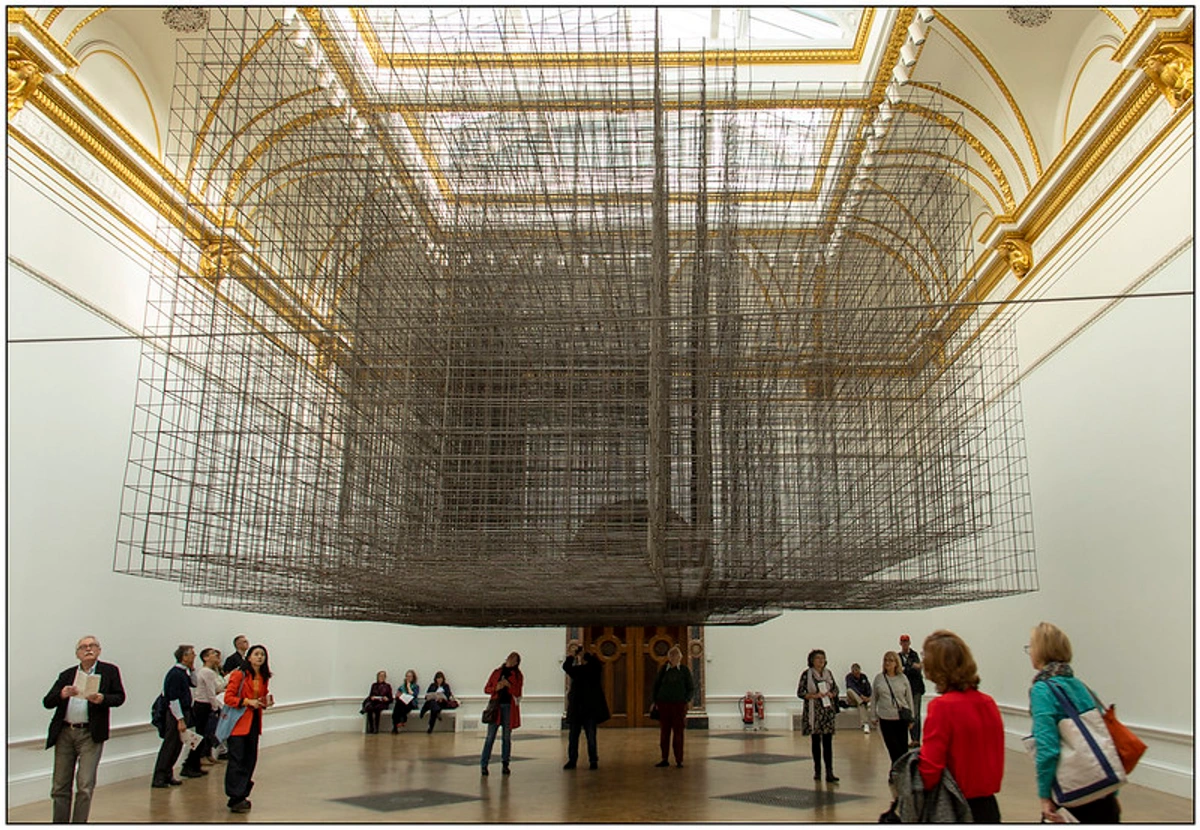
I've seen cities truly come alive, almost visibly transform, during a biennale. Public art installations begin sprawling across historic squares, lining riverbanks, or animating forgotten industrial zones, effectively turning the entire urban landscape into a temporary, yet profoundly impactful, open-air museum. It’s a wonderful, albeit temporary, redefinition of public space and what it means to encounter powerful, often unexpected, art in your daily life. This isn't just about aesthetics; it profoundly elevates a city's status on the global cultural map, confidently positioning it alongside recognized art capitals of the world. Imagine a sleepy, overlooked square suddenly hosting a monumental, thought-provoking sculpture, or a disused factory humming with interactive, boundary-pushing installations. This dynamic fusion of art and urban development creates a unique synergy that leaves an indelible, lasting impression, profoundly altering perceptions long after the last visitor has departed. This kind of direct, visceral interaction between art and its environment deeply informs my own work, especially when considering the elements of sculpture and site-specificity. It’s a powerful testament to how art can imbue a place with new meaning, revealing hidden histories and imagining future possibilities, literally creating new narratives within the urban fabric itself, almost like the city itself becomes a living, breathing canvas for collective human expression. It's truly inspiring, demonstrating art's capacity to engage with and revitalize public spaces in unexpected ways.
It’s a fascinating interplay between art, commerce, and urban development, proving that art isn't just for contemplation; it's a powerful economic and social engine. And let's not forget the sheer joy of stumbling upon unexpected art in the most mundane of places – that's a kind of magic only a biennale can truly deliver, reminding us that beauty and provocation can be found everywhere. It's a democratization of art, even if temporary.
Navigating the Currents: Challenges and Critiques
While I'm clearly a big fan of biennales, it's also important to acknowledge that they aren't without their complexities and criticisms. Like any large-scale cultural phenomenon, they face their share of scrutiny, and I think it's healthy to consider these aspects, especially if we want these vital platforms to evolve and thrive. Addressing these challenges head-on is crucial for their continued relevance and integrity in an ever-changing world. It's a delicate balance, maintaining the cutting-edge spirit while also grappling with the real-world implications of such massive undertakings.

The Commercial Undercurrents: Navigating a Delicate Ethical Balance
Another persistent and often thorny area of debate revolves around the inherent commercialization that, despite best intentions, can subtly permeate the biennale ecosystem. While biennales are fundamentally designed to be non-commercial, focused on critical discourse and cultural exchange, the immense global exposure they offer can translate into a massive, career-defining boost for participating artists. This often leads to significantly increased market value for their work and subsequent sales after the event concludes. This powerful, albeit indirect, commercial pressure, coupled with the necessity of securing substantial corporate sponsorships and private donations, can sometimes blur the lines, creating a delicate tension between artistic integrity and market demands. It's a constant tightrope walk: how do you secure the funding to stage a world-class exhibition without allowing commercial interests to unduly influence curatorial decisions or artistic freedom? This inherent conflict is a significant challenge for all large-scale cultural events, but particularly for biennales that pride themselves on their non-commercial ethos, making it a continuous ethical balancing act. It's a tension that requires constant vigilance and transparent practices.
It’s a truly precarious balance for organizers: how to secure the colossal funding required to stage these events without compromising the fiercely critical, experimental, and often anti-establishment spirit that is meant to define a biennale. I often wonder how artists themselves navigate this complex terrain, attempting to balance their uncompromised artistic vision with the very real potential for career advancement and financial viability in an increasingly market-driven art world. This tension often manifests in debates about sponsorship ethics and the influence of powerful collectors. It's a very different beast, with very different stakes, than simply navigating a pure art fair, where the commercial imperative is explicit and unambiguous. The best biennales manage to walk this line, creating spaces where art can challenge the status quo without becoming entirely beholden to the market, a difficult but essential feat. This constant negotiation is part of what makes them so dynamic, and sometimes, so controversial.
Inclusivity and Accessibility: A Persistent, Crucial Challenge
Then there's the ongoing, critically important conversation about representation and accessibility. Are biennales truly global in their scope, or do they, despite their best intentions, still subtly favor artists and perspectives from dominant Western art centers? And are they genuinely accessible to everyone, or do they inadvertently remain somewhat insular, catering primarily to an art-world elite, much like the often-perceived exclusivity of many major museums (though a first-timer's guide to the Louvre Museum might help demystify some of that)? These are absolutely crucial questions that curators and organizers continually grapple with, striving, with varying degrees of success, to make these platforms more inclusive, equitable, and truly reflective of the world's immense artistic diversity. The goal is to move beyond tokenism and towards a genuine integration of diverse voices, ensuring that a truly global conversation is taking place, not just a select few speaking to each other, but a rich, multi-directional dialogue. It's a challenge that, when met, significantly enriches the entire art ecosystem.
I find it immensely encouraging that many biennales are now actively and deliberately working to feature more artists from the Global South, from various indigenous communities, and from historically underrepresented genders and identities. It’s a vital work in progress, but an essential one for the future of global art, ensuring that a wider, richer spectrum of human experience, cultural heritage, and contemporary thought is reflected in the art we see. The profound challenge here is to not simply 'tick boxes,' but to genuinely integrate diverse narratives, methodologies, and epistemologies into the very core curatorial vision, transforming the discourse itself. This means decolonizing artistic narratives, amplifying marginalized voices, and fostering a truly polyphonic global art scene—one that genuinely reflects the multifaceted nature of human creativity and experience—which, for me, is the most exciting frontier in contemporary art. It's a constant, necessary re-evaluation of who gets to speak and whose stories are told, and how the art world can move towards true equity and representation. This shift is not merely about fairness; it's about enriching the very fabric of global art itself.
Why Should YOU Care? The Personal Resonance of Global Art
So, after all this talk, all this deep diving into definitions, histories, and global examples, you might be thinking, 'Okay, but why should I care? What does this mean for me, a curious art lover (or perhaps someone just tentatively starting their art journey)?' And that, my friend, is the most important question of all.
So, after all this talk, all this deep diving into definitions, histories, and global examples, you might be thinking, 'Okay, but why should I care? What does this mean for me, a curious art lover (or perhaps someone just tentatively starting their art journey)?' And that, my friend, is the most important question of all. For me, it fundamentally comes down to boundless inspiration, expanded perspective, and, quite frankly, a healthy, much-needed dose of artistic adventure. Biennales are the crucible where you encounter the absolute cutting edge, the truly experimental, the art that might feel a little uncomfortable or disorienting at first glance, but that truly forces you to think. It’s an unparalleled chance to witness diverse global perspectives firsthand, to viscerally understand how art is not just responding to, but actively shaping, our rapidly changing world. You might discover an artist whose work deeply, profoundly resonates with you, whose unique take on how artists use color or what is design in art completely shifts your own creative outlook. Speaking from personal experience, I find it utterly exhilarating to confront art that challenges my own deeply held assumptions, often leading to unexpected breakthroughs and profound shifts in my own studio practice. It’s like stepping into a global conversation, hearing countless new languages of expression, and realizing the sheer depth and breadth of human creativity. It’s an experience that truly broadens your mind, sharpens your critical eye, and enriches your soul, far beyond what any textbook can offer. They offer a unique lens through which to engage with the most pressing issues of our time, translated through the powerful and diverse voices of artists from across the globe.
And let's be honest, it’s a brilliant, highly engaging way to truly broaden your artistic horizons without needing a comprehensive art history timeline at your fingertips (though those are great too!). You literally get to see art history in the making, unfolding right before your eyes – a living, breathing testament to the ceaseless audacity and dynamism of human creativity. For those just beginning their art journey, I actually think biennales offer a surprisingly less intimidating entry point than some traditional museums, allowing for a broader, more exploratory engagement with contemporary art without the pressure of deciphering centuries of historical context. It's a chance to witness, firsthand, how art reflects and actively shapes global cultures in real-time, offering profound insights into the myriad facets of human experience that textbooks alone simply can't provide. It’s a direct conduit to the future, happening now.
Who knows, maybe you'll even find inspiration for that perfect piece to buy for your own collection, something that embodies the spirit of contemporary innovation and challenges you every day. It's about expanding your own visual vocabulary and engaging with the world on a deeper, more artistic level. It's an opportunity for profound personal growth, mirrored in the growth of the global art scene itself.
Frequently Asked Questions about Art Biennales
What is the cultural impact of Biennales beyond art?
Beyond the exhibition halls, biennales leave a significant cultural footprint. They often spur international dialogue, foster cross-cultural understanding, and introduce new artistic vocabularies to a wider audience. They can elevate a city's global profile, attracting cultural tourism and investment, and fostering a sense of local pride and global recognition. For artists, participation can be career-defining, leading to increased recognition and opportunities. They also contribute to shaping art historical narratives, by spotlighting emerging movements and critically engaging with contemporary issues, effectively influencing the broader cultural landscape in profound ways. They are more than just art shows; they are cultural catalysts, often acting as engines for urban regeneration and intercultural exchange. They are living archives of our cultural evolution.
What kind of art can I expect to see?
This is a fantastic question, and the answer is: almost anything! Biennales are primarily focused on contemporary art, meaning works created by living artists, often within the last few years, that respond to current social, political, and cultural landscapes. You'll encounter a dizzying array of mediums: traditional painting and sculpture, certainly, but also video art, performance art, immersive installations, digital art, bio-art, sound art, new media art, and mixed media. The emphasis is typically on experimental, thought-provoking, and often challenging work that pushes boundaries and sparks critical dialogue. It's a place to see the cutting edge, not necessarily the historically familiar, though some biennales might weave in historical context or older works to inform the contemporary narrative. Expect to be surprised, delighted, and sometimes even a little bewildered – that’s part of the fun! It's an opportunity to expand your understanding of what art can be and what role it plays in our rapidly evolving world, offering a dynamic snapshot of current artistic practices and a glimpse into future trends. It’s where art dares to question everything.
How do Biennales foster international dialogue?
Biennales are inherently designed to foster international dialogue. By bringing together artists, curators, and visitors from diverse geographical and cultural backgrounds, they create a unique melting pot of perspectives. The thematic frameworks often encourage artists to respond to global issues through their unique cultural lenses, leading to a rich exchange of ideas and interpretations. National pavilions, particularly at events like the Venice Biennale, serve as direct forums for countries to present their artistic identity to the world, sparking conversations about shared human experiences and geopolitical realities. These interactions, both formal and informal, are crucial for building bridges, challenging monolithic views of art and culture, and fostering a truly global artistic community. This also strongly relates to the role of art in diplomacy and cultural exchange. It's a powerful mechanism for mutual understanding and cultural empathy.
What defines a successful Biennale?
A truly successful biennale goes far beyond just attracting large crowds or showcasing famous names. For me, success is defined by its ability to spark meaningful critical discourse, to introduce genuinely groundbreaking artists and ideas, and to leave a lasting intellectual and emotional impact on its audience. It should challenge perceptions, encourage new ways of thinking about art and the world, and contribute significantly to contemporary cultural conversations. The most impactful biennales are those that are fearlessly experimental, deeply inclusive, and powerfully relevant to the urgent issues of our time, pushing the boundaries of what art can be and do, while also fostering a sense of community and shared purpose among participants. Ultimately, a successful biennial sparks dialogue that continues to resonate long after the exhibition closes. It's about enduring relevance and transformative experience.
How do I plan a visit to a biennale?
Planning a visit to a major biennale, especially one that takes over an entire city like Venice, requires a bit of strategy. First, research the theme and participating artists beforehand; this will help you prioritize what you want to see and manage your time effectively. Second, book accommodation and travel well in advance, as cities get very busy and prices can skyrocket. Third, wear comfortable shoes! You'll be doing a lot of walking, often between scattered venues across the city – trust me on this one. Consider purchasing a multi-day pass if available, as it can often save you money and allow for re-entry. Finally, embrace the serendipity – allow for unexpected discoveries and don't feel pressured to see everything. Sometimes the most profound experiences are found in quiet corners or unplanned detours. Many biennales also offer guided tours or public programs that can enrich your experience, providing context and deeper insights into the artworks and themes. A little preparation goes a long way to making the most of these incredible events, turning a potential overwhelm into a truly enriching adventure, and allowing you to engage deeply with the art on offer. Trust me, it's an experience you won't soon forget, and comfortable shoes are non-negotiable!
What kind of venues are used for Biennales?
Biennales are famous for their imaginative use of diverse venues. While some have dedicated exhibition spaces (like the Giardini and Arsenale in Venice or the various halls at Documenta), many also repurpose historical buildings, abandoned industrial sites (like old shipyards or factories), public squares, parks, and even private palazzi or homes. This site-specific approach is part of their charm and often contributes significantly to the meaning of the artworks, creating a dynamic interplay between the art and its architectural or urban context. The entire city often becomes a sprawling gallery, blurring the lines between daily life and artistic display, offering unexpected encounters with art in unconventional settings, and challenging traditional notions of how art is presented and consumed. It's a true feast for the senses, turning the ordinary into the extraordinary.
How are artists selected for a biennale?
Typically, a biennale appoints an artistic director or a team of curators (sometimes referred to as the brain trust!) who develop a central theme. They then invite artists whose work they believe aligns with this theme or offers compelling new perspectives. For biennales with national pavilions (like Venice), each country usually selects its own artist(s) or curatorial team to represent it, often through a national competition or committee. It's a highly selective and prestigious process, often involving years of research, studio visits, and critical dialogue. For an artist, it's a validation of their vision and a massive opportunity for global exposure. It's a culmination of a rigorous process of artistic development, critical engagement, and often, a touch of good timing, ensuring that the work presented is truly at the forefront of contemporary practice, and sometimes even defining the future direction of art, offering a crucial stepping stone in an artist's career. It's a moment when years of dedication can truly come to fruition.
What are the ethical considerations in Biennales?
Ethical considerations in biennales are increasingly under scrutiny. These include questions of environmental sustainability (the carbon footprint of global travel and installations), labor practices (fair wages for staff and artists, especially for often-temporary setups), equitable representation (ensuring diverse voices from the Global South and marginalized communities are genuinely integrated), and the potential for commercial influence to subtly compromise curatorial integrity. There are also debates around the gentrification that can follow major art events, and how biennials engage with or impact local communities, sometimes altering the social fabric of a neighborhood. Navigating these complex ethical landscapes with transparency and a commitment to responsible practice is a growing, vital challenge for organizers. It's a responsibility that the art world is increasingly taking to heart.
What are some alternative large-scale art events?
While biennales are a dominant force, the global art landscape is rich with other significant cyclical exhibitions. Documenta in Kassel, Germany, which I've mentioned, is a quinquennial (every five years) and renowned for its radical, curatorial vision. There are also numerous triennales (every three years) and quadriennales (every four years) that operate on similar principles but with different rhythms. Beyond these, you'll find specialized festivals focusing on specific mediums like photography (e.g., Rencontres d'Arles) or performance art, as well as large-scale public art initiatives that transform urban spaces. The key is that they're all distinct from art fairs by being non-commercial and critically driven. Each offers a unique window into contemporary artistic practice, often with a more focused regional or thematic lens. Don't overlook these other powerful platforms; they contribute immensely to the global art dialogue and often champion unique perspectives that might not be found elsewhere, broadening our understanding of what constitutes art and exhibition, and ensuring a vibrant and diverse global art ecosystem.
Can anyone visit a biennale?
Absolutely! While they attract art critics, collectors, and gallerists, biennales are open to the public. They're designed to be accessible, though the sheer scale and intellectual density can sometimes be a bit much for a first-timer – it's definitely not like a quick trip to your local gallery. But trust me, it's an experience worth having. Just wear comfortable shoes – you'll be doing a lot of walking! You don't need to be an art historian to appreciate the visual spectacle and the powerful ideas on display; a curious mind is all that's required. In fact, many biennales offer educational programs, guided tours, and public talks to help visitors engage more deeply with the artwork and themes, making them truly inclusive cultural events and fostering a broader understanding of contemporary art. They are, after all, a celebration of human creativity for everyone.
What's the relationship between Biennales and Art Movements?
Biennales and art movements have a deeply symbiotic relationship. Biennales don't just reflect existing movements; they actively help shape and define them. By bringing together artists from diverse backgrounds under a singular, overarching theme, curators can highlight emerging trends, identify shared aesthetic or conceptual concerns, and effectively 'name' or consolidate what might otherwise be disparate artistic explorations. They act as global laboratories and sounding boards, showcasing art that pushes boundaries and then, through critical discourse and public reception, help solidify new directions in art. Many contemporary art movements have gained significant international traction, if not outright birth, within the crucible of a major biennale, offering a fascinating glimpse into art movements of the 21st century. It's a dynamic interplay, where the biennale provides the stage for new ideas to coalesce, gain visibility, and ultimately, become recognized as significant shifts in the artistic landscape, forever altering our understanding of art history and influencing future artistic practices. They are, quite literally, where the future of art is often announced.
What's the biggest biennale?
While "biggest" can be measured in different ways (number of visitors, square footage, budget, or even intellectual impact), the Venice Biennale is widely considered the largest and most prestigious in terms of its historical impact, global participation (national pavilions), and sheer scale across the city. It transforms an entire historical city into an art venue! Documenta is also immense in its influence and physical footprint, though less frequent, occurring every five years rather than two. So, while Venice might win on sheer numbers and historical presence, Documenta often wins on radical curatorial vision. It's less about a definitive "winner" and more about recognizing the distinct contributions each major biennale makes to the global art conversation, each playing a crucial role in shaping artistic discourse and pushing the boundaries of contemporary art. Each offers a unique, invaluable perspective.
How long do biennales usually run?
Most major biennales run for several months, typically from three to six months. This extended duration allows ample time for visitors from around the world to experience the exhibition without feeling rushed. It also provides opportunities for various public programs, performances, and educational workshops to take place throughout its run. Unlike a week-long art fair, a biennale is designed for a more contemplative, immersive experience. This prolonged engagement allows for deeper reflection and a more thorough appreciation of the complex themes and artworks presented, encouraging a deeper connection with the art and ideas, and fostering a sustained dialogue within the art world and beyond. It's a marathon, not a sprint, for both the art and the viewer.
Are biennales always focused on contemporary art?
Yes, predominantly. While some biennales might include historical references or commissions that draw from a city's heritage, their core mission is almost universally to showcase and define contemporary art. They are meant to be a barometer of current artistic trends, social dialogues, and innovative practices, reflecting the present moment and hinting at the future of art. You won't typically find Renaissance masters here, but rather artists who are actively responding to the world now. It's about the living, breathing, evolving edge of artistic expression, a mirror held up to our present, often turbulent, times, constantly pushing the boundaries of what art can achieve, and providing a platform for critical engagement with contemporary global issues. They are historical markers in the making.
For a comprehensive overview of art history, including the context in which biennales emerged, you can always check out an art history timeline.
Conclusion: More Than Just Art on a Wall – The Living Pulse of Global Creativity
When I reflect on art biennales now, I no longer see them as simply another stop on the ever-moving art circuit, a fleeting event to be checked off a list. Instead, I genuinely perceive them as the vital, pulsating organs of the global art world, alive with new ideas, fresh perspectives, and bold artistic statements. They are, undeniably, chaotic, profoundly beautiful, intensely challenging, and utterly, unequivocally necessary. They push us—as artists, as viewers, as humans—to think more deeply, to feel more intensely, and to engage with the world in ways that a single painting, however profound or masterfully executed, sometimes simply can't achieve on its own. For an artist like myself, they are an unending, exhilarating source of inspiration, a powerful reminder of the boundless possibilities of creative expression and the sheer, glorious audacity of human imagination. They are truly where the future of art is being forged, in real-time, across continents and cultures, acting as crucial platforms for global artistic dialogue and innovation.













So, the next time you hear about a biennale, I sincerely hope you'll feel more than just a passing flicker of recognition; I hope you'll feel a genuine spark of curiosity, perhaps even an irresistible desire to dive in yourself—either in person, experiencing the vibrant chaos firsthand, or by exploring the incredible online resources now so readily available. Because, truly, what better, more immediate way to understand the evolving human spirit, the complex pulse of our collective consciousness, than through the grand, periodic spectacle of art? It's a journey I wholeheartedly recommend, a journey that might just profoundly change the way you see the world, and perhaps even your own art, forever.
As the art world continues its relentless, fascinating evolution, so too will the biennale. We'll undoubtedly witness an even greater emphasis on cutting-edge digital art, immersive virtual experiences, and ever more urgent, direct engagements with pressing global challenges like climate change, social justice, and evolving identities. The future of the biennale will undoubtedly be shaped by its unwavering ability to remain critically relevant, profoundly inclusive, and fearlessly innovative, continuing its indispensable role as a vital, often challenging, mirror reflecting and actively influencing the artistic currents of our time. It’s a dynamic, living entity, constantly reinventing itself, and I for one, simply cannot wait to see what bold new visions it reveals to us next, what new dialogues it sparks. It's an ongoing, thrilling experiment in global creativity, and I truly believe its best days are still ahead, continuing to push the boundaries of what art can be and do in the world, inviting us all to be part of its unfolding story. It's an unfolding narrative that we all get to witness, and perhaps, even contribute to.