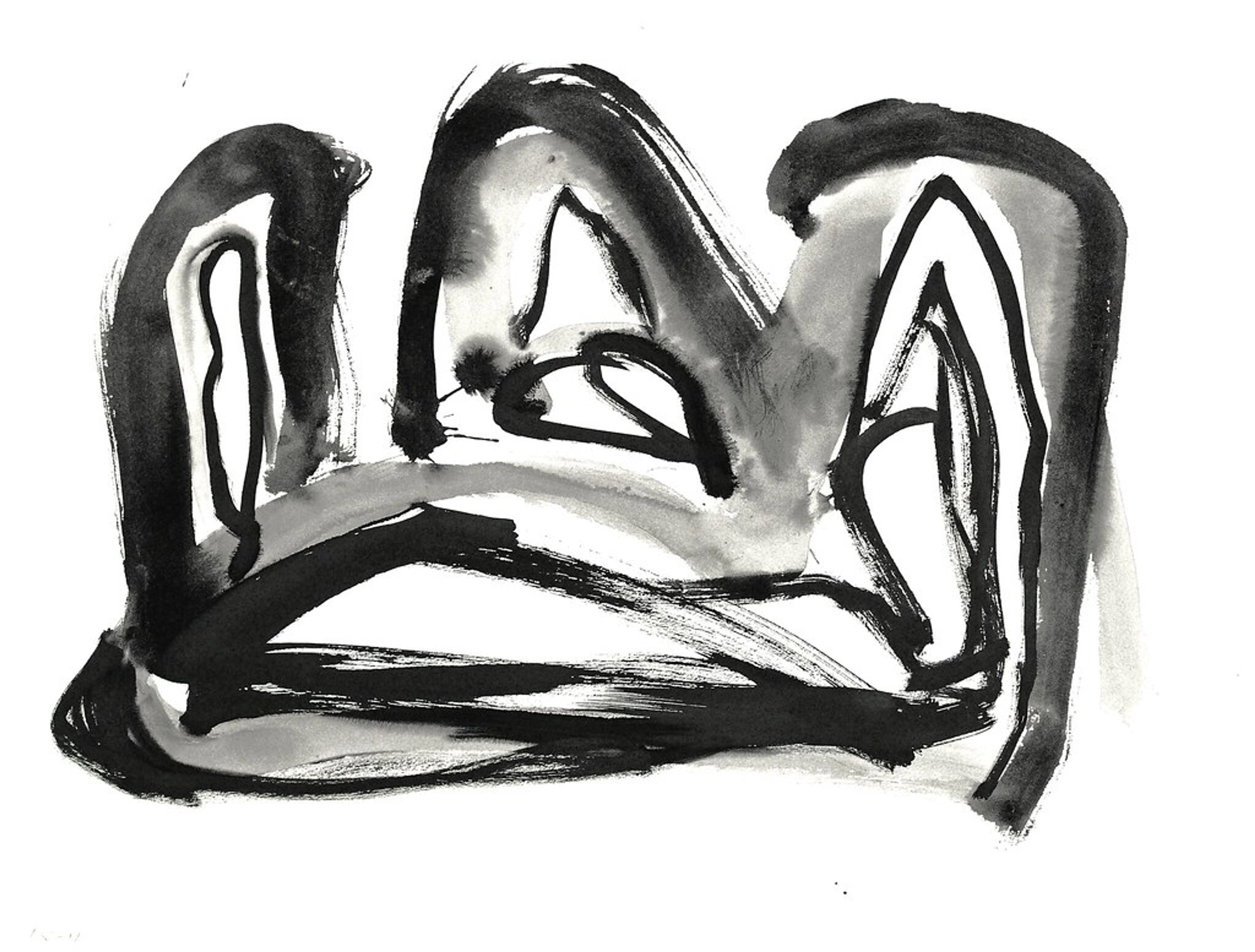
Monoprinting Guide: The Painterly & Unique Printmaking Technique
Discover monoprinting, where painting meets printmaking to create one-of-a-kind art. Explore techniques, materials, and famous artists, embracing spontaneity for truly unique impressions.

What is a Monoprint? The Most Painterly Printmaking Technique
I have a confession to make. For the longest time, the word "printmaking" made me think of rigid, technical processes. My mind would conjure images of old masters like Rembrandt van Rijn meticulously scratching into copper plates, seeking perfection in identical copies. Or I'd picture the bold, almost industrial repeatability of Pop Art, like Andy Warhol's iconic soup cans. It all felt so… controlled. So reproducible. So utterly contrary to the spontaneous, visceral, and genuinely one-of-a-kind energy I crave in my own abstract art.
Then, I stumbled upon the monoprint. And just like that, everything changed. It felt like uncovering a secret passageway in the art world, a place where the wild freedom of painting met the satisfying ritual of printmaking. Monoprinting, you see, is the rebellious, free-spirited cousin in the printmaking family, a process that embraces spontaneity, celebrates unexpected textures, and revels in the glorious "happy accident." It’s a print, yes, but one with the soul of a painting. If you're a painter yearning for a new layer of exploration, or a printmaker looking to loosen your grip, you're absolutely in the right place. We're about to dive deep into what makes a monoprint truly unique.
The Soul of a Painting, The Act of a Print: What Exactly Is a Monoprint?
Let's get straight to the heart of it. The name "monoprint" isn't playing coy; mono means "one," and that's precisely what you get: a single, unique impression. Unlike traditional printmaking methods, which are engineered to produce an edition (a series of identical or near-identical prints, like a limited-run poster or book illustration), the very essence of monoprinting is about crafting one, and only one, original artwork.
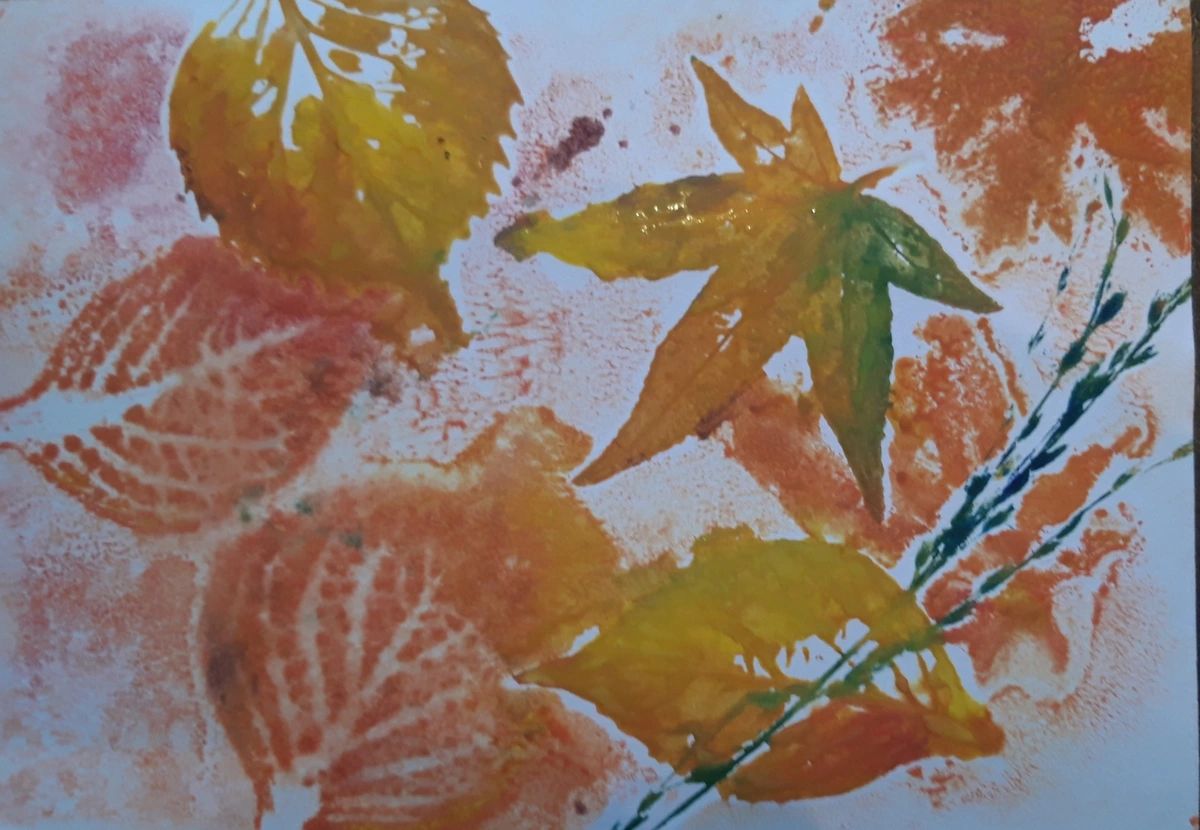
It begins with a non-absorbent surface, which we call a "plate." This could be anything from a smooth sheet of plexiglass, metal, or gelatin to a piece of glass, a lacquered wooden board, or even sturdy, treated cardboard. You then apply ink (or paint, if you're feeling adventurous) directly onto this plate. The truly painterly magic happens in how you manipulate that ink. You might brush it on with sweeping strokes, dab it with sponges, smear it with your fingers, or even "paint" by selectively removing ink. Once your image is laid out, you carefully place a sheet of paper on top and apply pressure—either by hand or with a press—to transfer the image.
What makes it so painterly? It’s the directness. The immediate response of the medium. You're not carving, etching, or designing a repeatable stencil; you're essentially creating a painting that is then transferred, allowing for fluid color blending, gestural marks, and soft, atmospheric effects that are incredibly hard to achieve with more rigid printmaking techniques. Even if you try to create two identical monoprints, the subtle shifts in pressure, ink application, and paper placement will inevitably result in wonderfully unique variations. Each pull of the print is a moment of pure, unpredictable discovery.
This approach stands in stark contrast to processes like screen printing, where a meticulously prepared stencil ensures consistent, replicable images across an entire run. Monoprinting throws that consistency out the window, embracing the beauty of the singular moment.
Monoprint vs. Monotype: The Great Debate (That's Not Really a Debate at All)
Alright, gather 'round, because this is the little nugget of knowledge that often trips up even seasoned artists, but once you grasp it, you'll sound incredibly savvy. The terms monoprint and monotype are thrown around interchangeably so often that it's easy to assume they're identical. But there's a subtle, yet significant, distinction that's worth knowing.
- A monotype is created on a completely smooth, blank, and featureless plate. Think of a sheet of glass or plexiglass. Every single line, smudge, dot, or color you see in the final artwork was applied directly with ink for that one specific impression. The plate itself holds no permanent imagery or texture that could be reproduced. It's truly a "one-and-done" painting on a surface, transferred once.
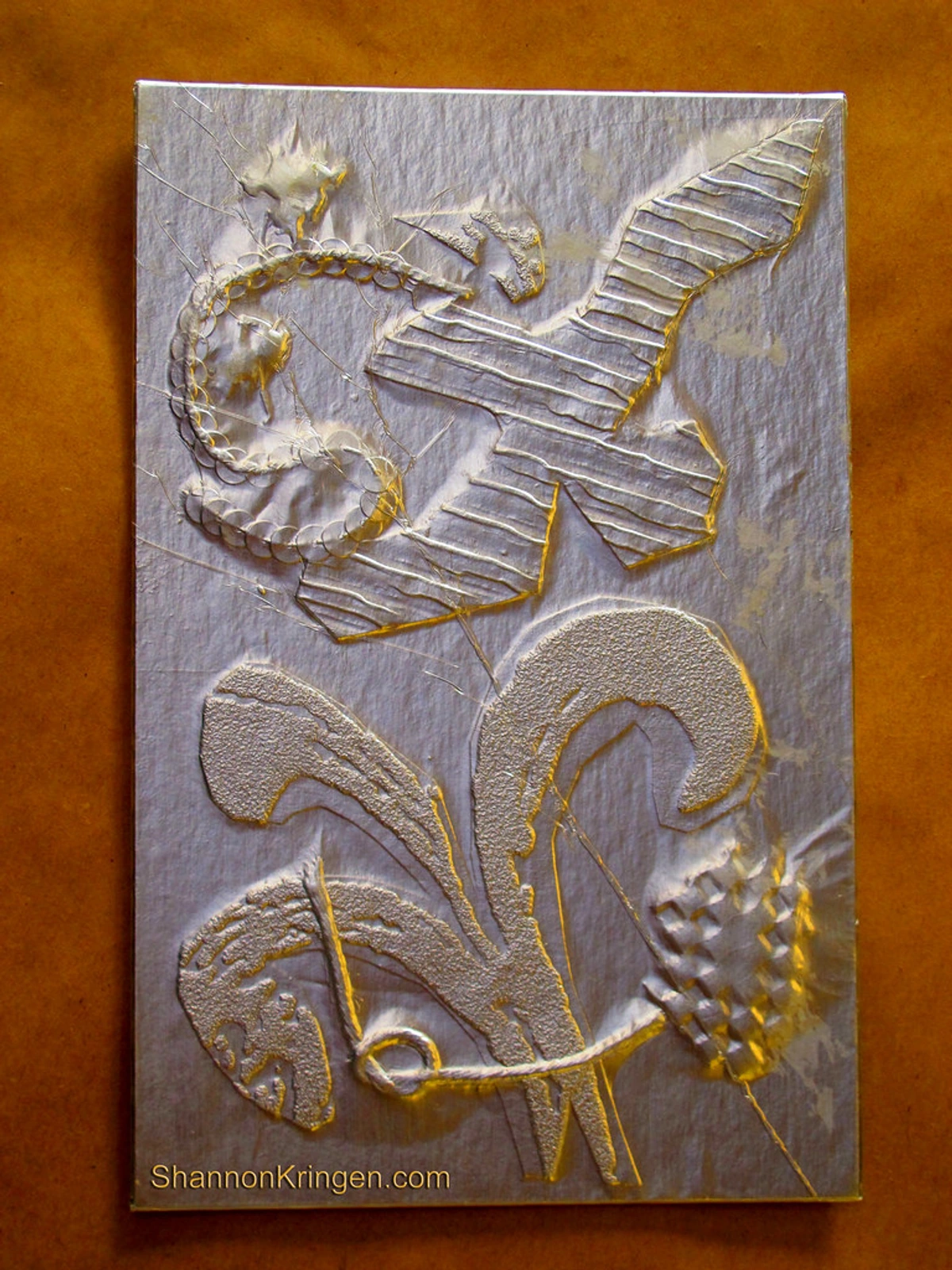
- A monoprint, conversely, incorporates a plate that has some kind of permanent, repeatable element embedded within it. This could be an engraved line from a drypoint or etching, a texture from a collage (which, if glued to a plate, is called a collograph), or any other fixed markings on the matrix. While the underlying structure or texture from the plate will reappear in each print, the way you ink, color, and manipulate the details for that specific impression will be entirely unique every single time.
So, imagine a plate with a beautifully etched, swirling pattern (the repeatable element). With each monoprint you pull, that swirl will be there, but one time it might be vibrant blue with hints of yellow, the next it could be a subtle, earthy brown with a dramatic black outline. The coloring book analogy still stands strong: the lines of the drawing are always the same, but your choice of colors and how you apply them makes each colored-in page completely unique. It’s a wonderful way to explore variations on a theme.
Feature  | Monotype | Monoprint |
|---|---|---|
| Plate | Completely smooth and featureless | Has permanent marks (lines, textures) |
| Image Source | Entirely from the unique application of ink | A combination of the plate's marks and the unique inking |
| Repeatability | No part of the image can be exactly repeated | The underlying marks/textures can be repeated |
| Analogy | A painting on glass that is transferred once | A uniquely colored-in page from a coloring book |

How to Make a Monoprint: Your Kitchen Table Studio Awaits
This is where the magic truly unfolds, and honestly, it’s one of the most rewarding parts of monoprinting: its sheer accessibility. Forget the intimidating, massive presses (though a good one is certainly a joy to use!). You can set up a full-fledged monoprint studio right on your kitchen table, a testament to the technique’s forgiving nature.
What You'll Need to Get Started
Item | Description | Notes | Why it's needed |
|---|---|---|---|
| A Plate | Any smooth, non-absorbent surface. | Plexiglass, metal, glass, treated cardboard, or a Gelli plate all work. | This is your canvas where you'll apply and manipulate the ink. |
| Ink | Printing ink (oil-based or water-based). | Water-based inks are fantastic for beginners due to easier cleanup with soap and water; oil-based offers longer working time. Consider different paint types. | The medium that carries your image from plate to paper. |
| Brayer | A small, rubber roller. | Essential for applying a thin, even layer of ink to your plate, especially for subtractive methods. | Ensures consistent ink coverage or removal. |
| Paper | Smooth, absorbent printmaking paper. | Brands like Rives BFK or Arches 88 are top-notch. For beginners, a heavy drawing paper will do! Avoid anything too glossy or textured. | Its absorbency is key for lifting the ink cleanly from the plate and capturing fine details. |
| Tools for Ink Manipulation | Brushes, rags, cotton swabs, palette knives, sponges, found objects. | Anything you can use to add, remove, or texture the ink. My palette knife is a constant companion for expressive marks. | To create your unique image on the plate through various techniques. |
| A Spoon or Baren | For applying pressure. | A baren is a traditional printmaking tool for even pressure, but the back of a wooden spoon works absolute wonders for hand-rubbing. | Crucial for transferring the inked image from the plate onto the paper. |
The Process: Two Primary Paths to Creativity
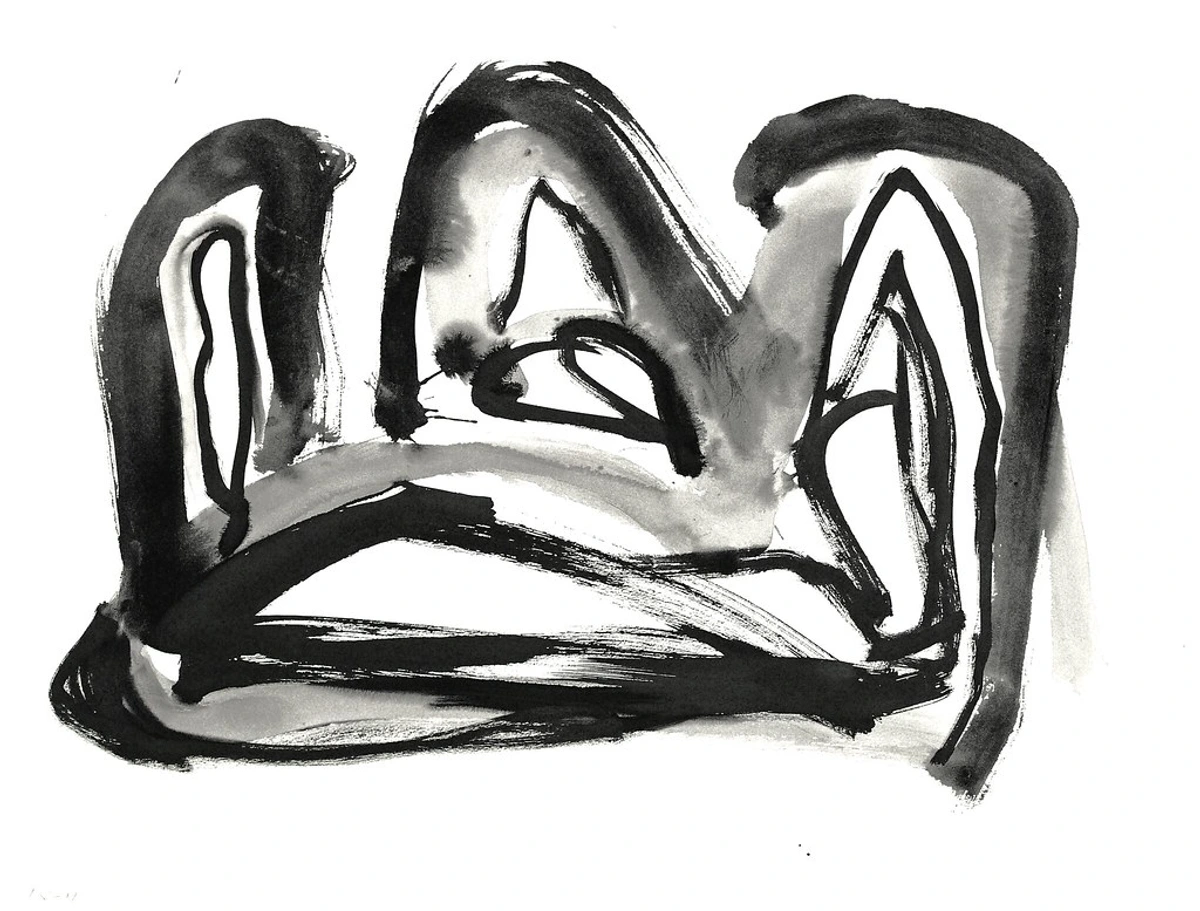
There are two fundamental approaches to making a monoprint, and I often switch between them depending on the mood or the effect I’m chasing. I like to think of them as building up (additive) and taking away (subtractive).
- The Additive Method (Light-Field): Building Up Your Image
- Start with a squeaky-clean plate. No ink, just pure potential.
- Apply ink directly to the plate as if it were a canvas. Use brushes for painterly strokes, sponges for textures, your fingers for smudges, or even a palette knife for bold, impasto-like marks. This is your chance to really 'paint' with ink, blending colors directly on the plate to create soft transitions or vibrant contrasts. You can also press found objects like leaves or lace into the wet ink for unique patterns.
- Carefully lay your chosen paper on top of your inked plate. Try to avoid shifting it once it's down.
- Apply firm, consistent pressure across the entire back of the paper using your baren or spoon. Rub in small, overlapping circles to ensure even ink transfer. This is where you connect with the plate, feeling the pressure and anticipating the reveal.
- Slowly and gently peel back the paper to reveal your one-of-a-kind print! What you see is the direct result of your applied ink, often with a wonderful, soft edge that mimics watercolor.
- The Subtractive Method (Dark-Field): Revealing Your Image
- Use your brayer to roll out a thin, even layer of ink across the entire plate. You want a solid, consistent field of color.
- Now, become an archaeologist of ink! Remove the ink to create your image. Use rags, cotton swabs, the pointed end of a paintbrush, or even the edge of a credit card to wipe away areas, creating lines, textures, and lighter tones. This method allows for delicate drawing and creates a beautiful, almost ethereal quality, as if light is emerging from darkness. It’s a bit like drawing into a smoky window pane.
- Once your image is ready – and believe me, it's easy to get lost in the details here – carefully place your paper on top.
- Apply firm, even pressure with your baren or spoon, just as you would with the additive method.
- Peel back the paper to reveal your print, where the removed ink areas appear lighter, and the remaining ink forms your dark, rich image. This method often yields prints with a strong graphic quality and intricate detail.
That moment of pulling the paper off the plate? That's the breath-holding, heart-pounding part that artists live for. It's a true moment of surprise every single time, a quiet revelation. Sometimes it’s exactly what I envisioned, a perfect capture of that fleeting idea. Other times, the ink performs its own dance, doing something beautifully, wildly unexpected. These are the "happy accidents" that teach me a little bit more about letting go of control—a profound lesson not just in art, but in life, and certainly a key philosophy behind much of abstract art and its evolution.


Famous Artists Who Embraced the Monoprint: A Legacy of Unique Impressions
If you find yourself utterly captivated by the allure of the monoprint, know this: you are joining a rich legacy of artists who, over centuries, have been drawn to its unique blend of raw spontaneity and satisfying craft. Even before the term "monoprint" became formalized, artists dabbled in creating unique impressions from plates, recognizing the immense expressive potential of a single, unrepeatable moment.
- Edgar Degas (1834-1917): The celebrated Impressionist master found a profound affinity with the monotype process. He wasn't just using it as a sketchpad; he truly explored its painterly depths, capturing the ephemeral, fleeting moments of Parisian life—from the graceful blur of ballet dancers to the intimate, smoky atmosphere of café scenes. His monotypes are renowned for their ghostly, atmospheric qualities and their incredible sense of movement, often feeling more like expressive drawings or tonal paintings than traditional prints. He'd even rework them with pastels, blurring the lines between media.
- Paul Gauguin (1848-1903): This Post-Impressionist pioneer, known for his lush, vibrant visions of Tahiti, also utilized monoprinting to deepen his explorations of color and form. Gauguin's approach often involved creating a rich, textural base with the printing process, which he would then famously enhance with layers of watercolor, pastel, or even oil, creating works that were truly mixed-media masterpieces—each one a unique experiment in color and narrative.
- Tracey Emin (b. 1963): Leaping to the contemporary art scene, Emin, a British artist renowned for her confessional and emotionally raw work, frequently employs monoprints. She is drawn to the medium's immediate and unfiltered quality, allowing her simple, powerful line drawings and handwritten text to translate with a startling intimacy. Her monoprints often feel both fragile and incredibly potent, carrying the direct emotional charge of a private confession made public.
- Other Notable Mentions: While not strictly monoprints, the expressive woodcuts of Edvard Munch or the early experiments with ink on paper by artists exploring abstract forms share a spiritual connection with the immediate, visceral mark-making that monoprinting embodies. It's a testament to the enduring human desire to capture a moment that cannot be perfectly replicated.
How Monoprinting Paves the Way for Abstract Expression
One of the most compelling aspects of monoprinting, for me, is its inherent connection to the principles of abstract art. When I'm working with a plate, there's a certain freedom, a release from the rigid demands of representation. The "happy accidents" aren't just quirks; they're invitations to explore new visual languages. The way ink blends and shifts under pressure, the unexpected textures that emerge—these are the very building blocks of non-representational forms.
It teaches you to embrace the unknown, to react to the material, rather than trying to force it into a preconceived outcome. This reactive, intuitive process is at the core of much abstract art. You're not just making a picture; you're engaging in a dialogue with the medium, allowing its inherent properties to guide your hand. For anyone looking to deepen their understanding of spontaneity, gesture, and the expressive power of color and line—the fundamental elements of art—monoprinting is an invaluable practice. It's a low-stakes way to experiment with big, bold moves, fostering a fearless approach to your creative work.
FAQ: Your Monoprinting Questions Answered with Clarity
I've been asked a lot of questions over the years about monoprinting, and it's always wonderful to see how curious people are about this versatile technique. Here are some of the most common queries, hopefully providing the clear answers you're looking for.
Q: What's the absolute best paper for monoprinting? A: While there's no single "best," a smooth, absorbent paper is undeniably ideal. Think traditional printmaking papers like Rives BFK or Arches 88—they're designed to pull ink beautifully. Why these? Their soft, slightly fuzzy fibers grab the ink without letting it bleed too much, and their smooth surface ensures crisp transfer. For those just starting out, a good quality, heavy drawing paper or even certain cardstocks can yield surprisingly excellent results. The key is to avoid heavily textured papers (unless that's the effect you're deliberately going for!) or glossy surfaces, as they won't absorb the ink well.
Q: Do I really need an expensive press to make a monoprint? A: Absolutely not! This is one of the joys of monoprinting. While a printing press certainly provides wonderfully even and heavy pressure, allowing for very subtle transfers, you can achieve fantastic results with hand-rubbing. My go-to is often just the back of a sturdy wooden spoon or a dedicated printmaking baren (a smooth, round tool). The secret is consistent, firm, and overlapping pressure across the entire back of your paper. It might take a little elbow grease, but the direct connection you feel with the process is incredibly rewarding.
Q: What kind of ink should I use, and are there eco-friendly options? A: Your choice of ink largely depends on your working style and preferred cleanup method. Oil-based printing inks stay wet for longer, giving you ample time to manipulate your image on the plate, but they typically require solvents for cleanup. Water-based or water-soluble inks are a fantastic choice for beginners and those sensitive to chemicals, as they clean up easily with just soap and water. For environmentally conscious artists, look for brands offering soy-based inks or other low-VOC (volatile organic compound) alternatives, as well as solvent-free cleanup solutions. The art world is thankfully becoming more mindful of its environmental footprint, offering more sustainable choices every day.
Q: Is a monoprint considered a "valuable" work of art? How is its value determined? A: Yes, unequivocally! Because each monoprint is a single, unique impression, it is considered an original work of art—just like a painting or drawing. It is not a reproduction. Its value is determined by the same criteria as any other original piece you might buy:
- Artist's Reputation: The more established and recognized the artist, the higher the potential value.
- Quality of the Work: The aesthetic strength, technical skill, and emotional impact of the individual piece are paramount.
- Rarity/Uniqueness: While all monoprints are unique, certain series or highly sought-after periods of an artist's work can command higher prices. Unlike editions, the rarity here is in the singular nature of that specific image.
- Provenance and Exhibition History: A clear record of ownership and a history of being exhibited in reputable galleries or museums can significantly enhance a monoprint's value.
- Condition: Like any artwork, its physical condition plays a role in its market value. So treat your monoprints with care!
A Final Thought: The Unrepeatable Moment and Your Artistic Freedom
For me, the ultimate allure of the monoprint lies in its profound testament to the beauty of the singular moment. In a world saturated with digital copies and infinite reproducibility, the monoprint stands as a quiet, powerful celebration of the unique, the utterly unrepeatable, and the perfectly imperfect. It truly is a print with the soul of a painting, an intimate dance between control and glorious chaos. If you're seeking a way to inject a potent dose of surprise, freedom, and raw expression into your artistic practice—whether you're a seasoned painter or a curious beginner—I wholeheartedly encourage you to give it a try.
You don't need to be an expert. You just need a plate, some ink, and an open mind. The possibilities are endless, and you truly never know what luminous, one-of-a-kind discovery awaits you with each pull of the paper. Go forth and create your own unrepeatable magic. Perhaps you’ll even find a piece of art to buy from an artist who shares this passion for uniqueness.