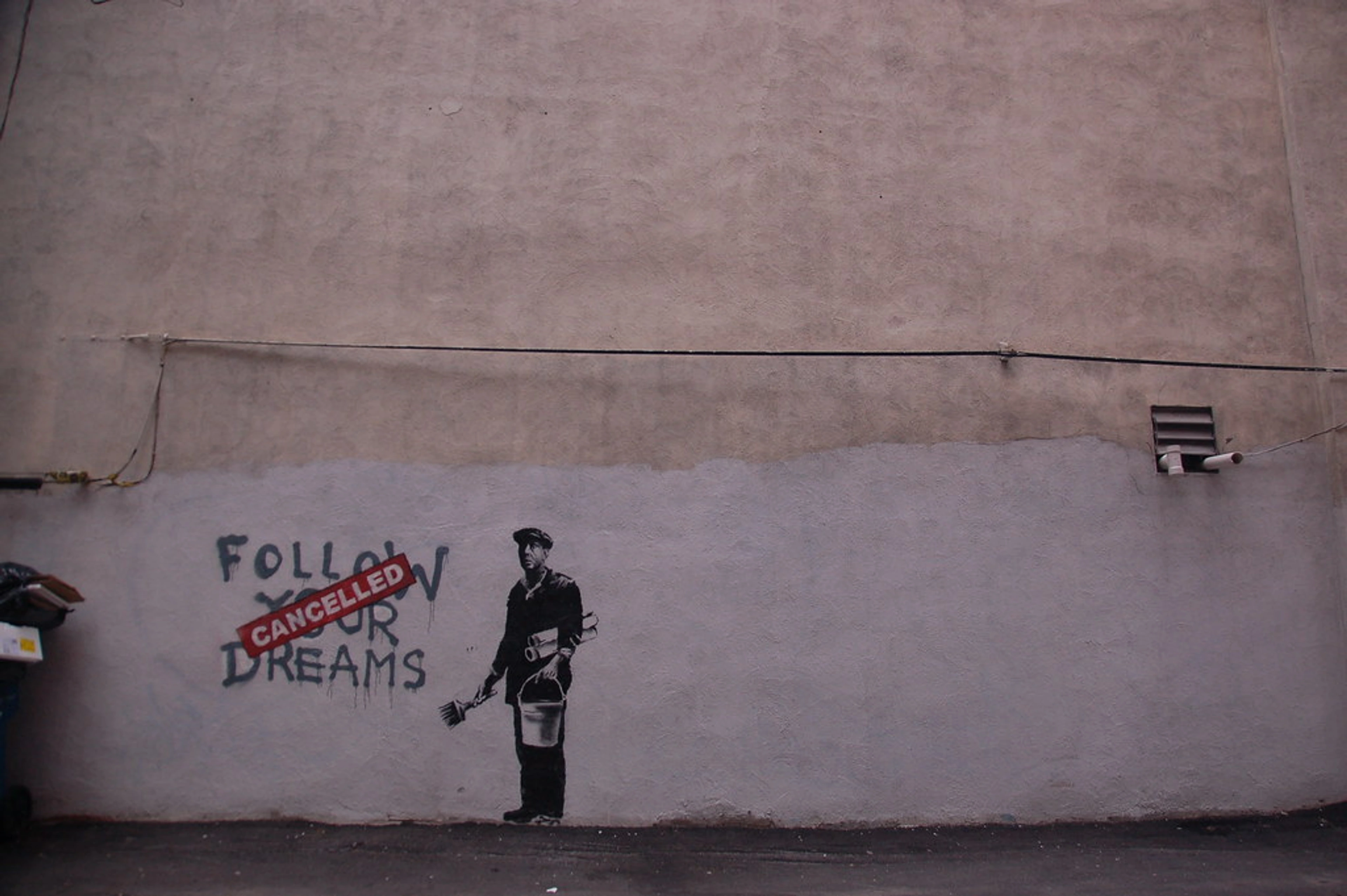
The Artist's Voice: Political Art Movements & Social Commentary
Explore how art drives cultural change through history & today. A deep dive into movements using creativity as social commentary with actionable insights for engagement.

The Artist's Voice: Political Art Movements & Social Commentary
Imagine standing before a painting that makes your heart race—not just because of its colors, but because it screams a truth you’ve never put into words. That’s the raw, electric power of political art. It’s not decoration; it’s dialogue. For generations, artists have grabbed brushes, chisels, and cameras to challenge norms, expose injustice, and imagine new worlds. Let’s unpack how creative voices have shaped revolutions and why your eyes matter.

Why Art Became Society's Revolutionary Megaphone
The Evolution of Art's Political Role
Art has always been political, even when it pretended not to be. Think about it—those beautiful Renaissance portraits of monarchs weren't just pretty pictures; they were carefully crafted propaganda designed to legitimize divine right and maintain social hierarchy. The shift from decorative function to social commentary represents one of art's most important evolutions. This section explores how art transformed from a tool of power to a tool of resistance, and why this transformation matters in our contemporary world where misinformation spreads faster than truth.
I remember the first time I really got it. I was 15, staring at Picasso’s Guernica in a textbook. That black-and-white chaos of screaming horses and broken bodies wasn’t just paint—it was a direct rebuke to war propaganda made art. For centuries, ruling powers controlled the narrative through official portraits or heroic sculptures. These weren't just art—they were tools of propaganda designed to legitimize authority and maintain the status quo. Then artists turned the tables. They realized: if words won’t reach everyone, maybe will can.
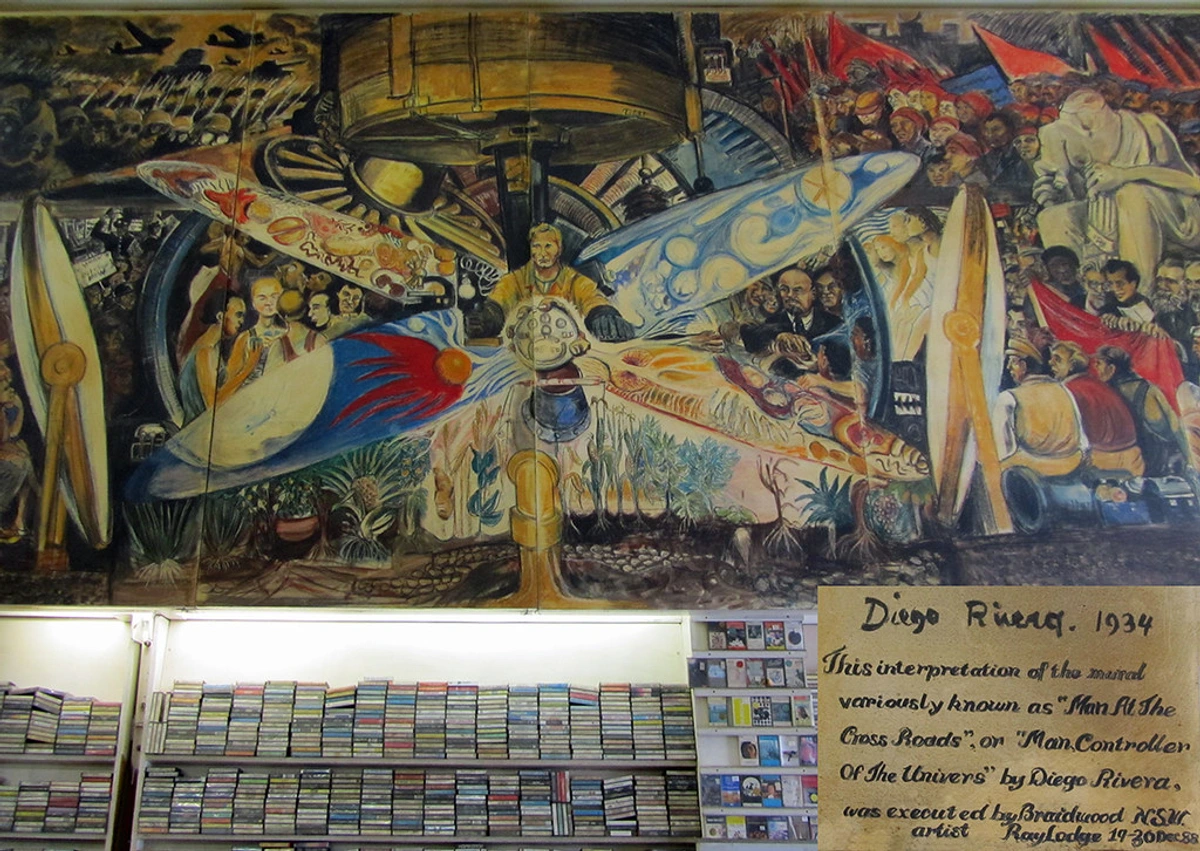
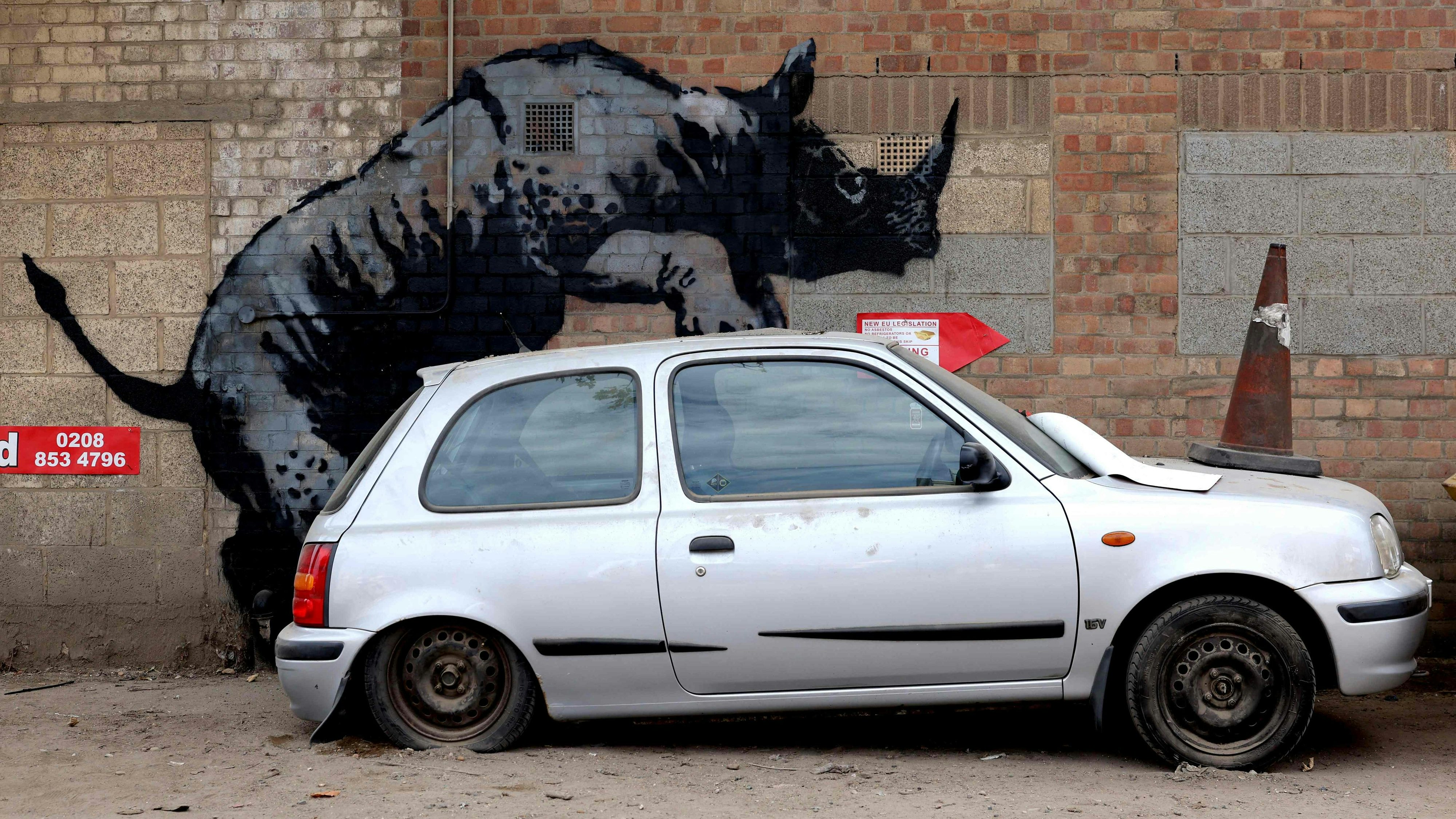
Political art’s magic? It bypasses our intellectual defenses. A slogan might be ignored. A cartoon might be laughed off. But visual metaphors lodge themselves in your gut. Banksy’s rat scurrying across a crumbling wall doesn’t just say "inequality—it feels like it." This immediacy makes art uniquely potent for social commentary. It’s shorthand for complex ideas made visceral.
Key Concepts: The Language of Dissent
Understanding the Tools of Political Art
Political artists use specific techniques and conceptual frameworks to communicate their messages effectively. Understanding these concepts helps viewers decode the complex meanings embedded in political art and helps creators develop their own vocabulary of resistance. The following table and explanations break down the essential tools every political artist should know.
Before diving into movements, let’s arm ourselves with some core tools artists use:

Concept  | How It Works | Example |
|---|---|---|
| Satire | Exposes flaws through humor and exaggeration | Goya’s The Sleep of Reason Produces Monsters |
| Symbolism | Uses objects to represent ideas | Friedensreich Hundertwasser’s spirals as rebellion against straight lines |
| Reappropriation | Reclaims oppressive imagery to subvert it | Shepard Fairey’s "Hope" posters turned Obama into a cultural icon |
| Propaganda | State-controlled messaging (often countered by counter-art) | Soviet-era realism vs. underground samizdat art |

Artists become translators. They take systems—whether capitalism, war, or prejudice—and translate their oppressive logic into something we can see and feel. This translation process is what makes political art so uniquely powerful; it makes abstract systems concrete and personal. That transformation is where resistance begins.
But here's what I've found interesting: the most powerful political art often comes from those who live the experiences they're depicting. A white artist painting Black suffering might be doing important work, but there's something different about the work that comes from someone who has actually lived that experience. This isn't to say one is "better" than the other—it's to acknowledge that authenticity matters in political art. The best work often comes from a place of lived truth rather than academic observation.

Defining Movements: When Art Changed History
Major Art Movements That Transformed Society
Throughout history, certain art movements have emerged not just as aesthetic developments, but as direct responses to political and social upheaval. These movements represent moments when artists collectively decided that making art wasn't enough—they needed to change the world. The following sections explore the most significant of these movements and their lasting impact.
What's fascinating is how these movements often emerge during times of crisis. Economic depression, war, social injustice—these are the fertile grounds where political art flourishes. It's not that artists seek out these moments; rather, these moments create the conditions where artists can no longer ignore the world around them. The tension between art for art's sake and art for social change has driven artistic innovation for centuries.
1. Dada: Anti-Art That Shook Europe
The Birth of Artistic Rebellion
World War I left artists in collective PTSD. How to paint when civilization imploded? Dadaists said: don't. They embraced absurdity and chaos. Marcel Duchamp's Fountain—a signed urinal—wasn't lazy; it was a middle finger to what "art" was supposed to be. Dada proved that rejecting the system could be a powerful political act. By making art nonsensical, they made the nonsensical horrors of war impossible to ignore.
World War I left artists in collective PTSD. How to paint when civilization imploded? Dadaists said: don’t. They embraced absurdity and chaos. Marcel Duchamp’s Fountain—a signed urinal—wasn’t lazy; it was a middle finger to what "art" was supposed to be. Dada proved that rejecting the system could be a powerful political act. By making art nonsensical, they made the nonsensical horrors of war impossible to ignore.
3. Mexican Muralists: Walls as Democracy Tools
Art for the People, By the People
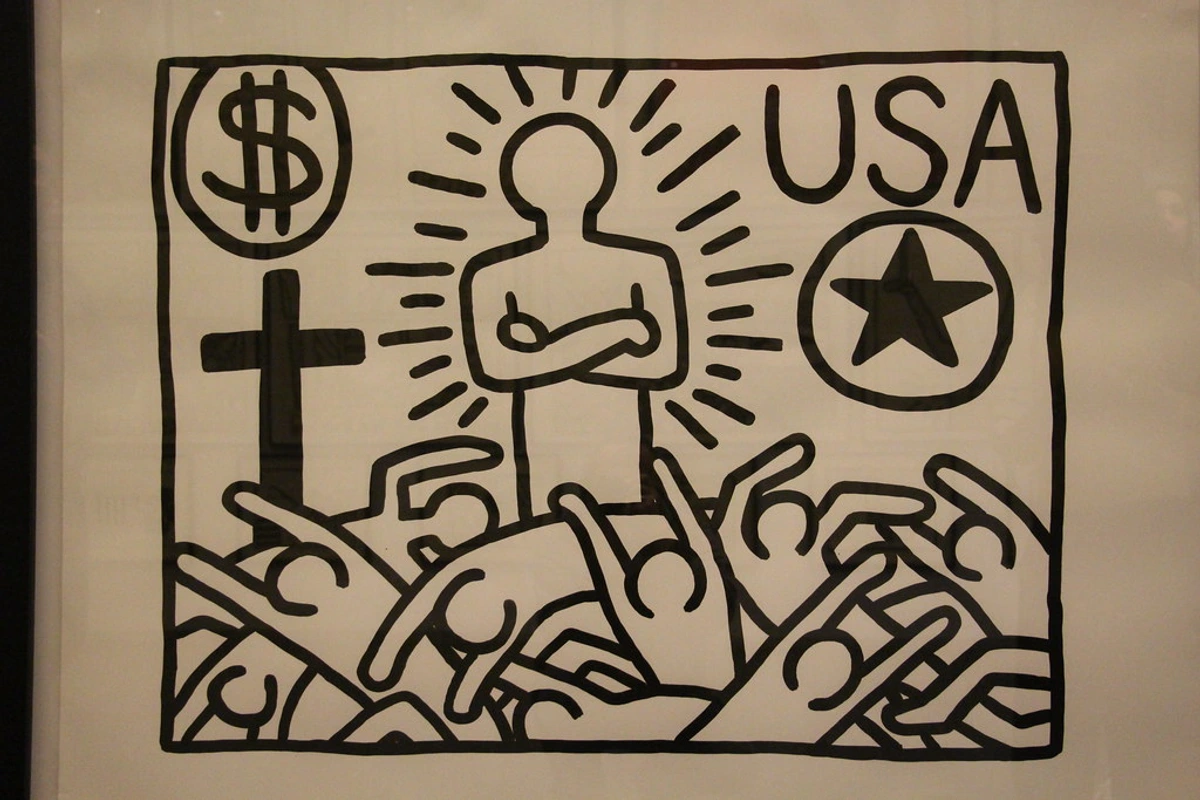
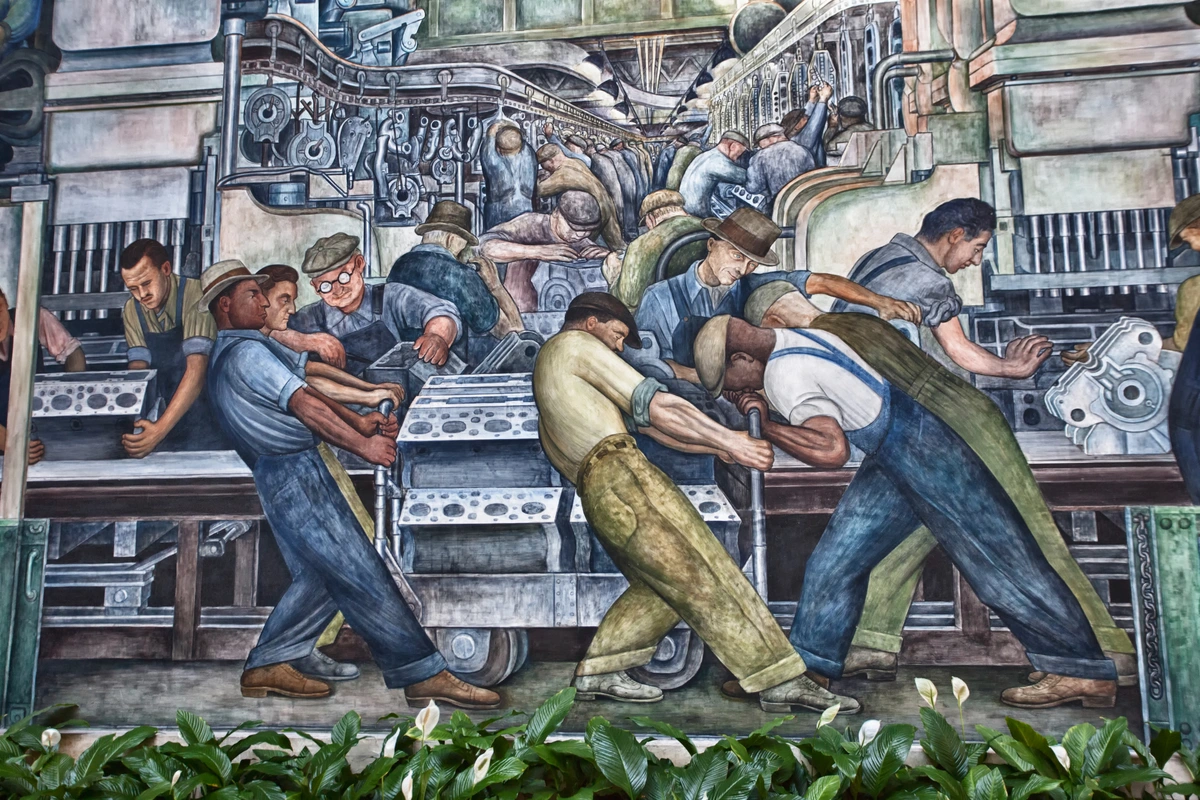
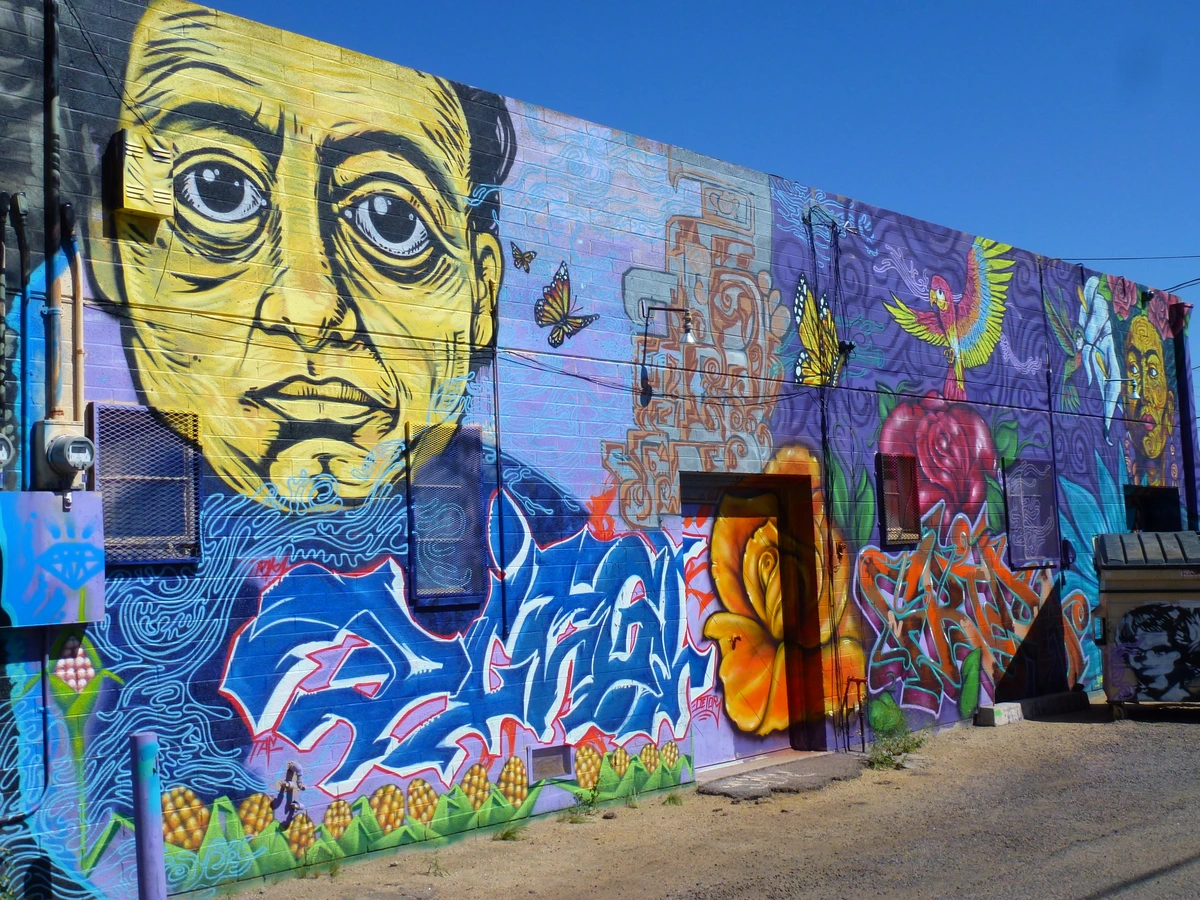
After the revolution, Mexican artists like Diego Rivera and Frida Kahlo were literally hired to rebuild national identity. Their murals covered schools and government buildings with Indigenous workers, activists, and indigenous myths—subverting colonial power structures. Rivera's Man at the Crossroads (controversially painted over by Nelson Rockefeller) showed Lenin alongside capitalists, unafraid to confront class struggle publicly. These were murals, not masterpieces hidden in galleries. They were for the people.
After the revolution, Mexican artists like Diego Rivera and Frida Kahlo were literally hired to rebuild national identity. Their murals covered schools and government buildings with Indigenous workers, activists, and indigenous myths—subverting colonial power structures. Rivera’s Man at the Crossroads (controversially painted over by Nelson Rockefeller) showed Lenin alongside capitalists, unafraid to confront class struggle publicly. These were murals, not masterpieces hidden in galleries. They were for the people.
3. Pop Art: Consumerism’s Mirror
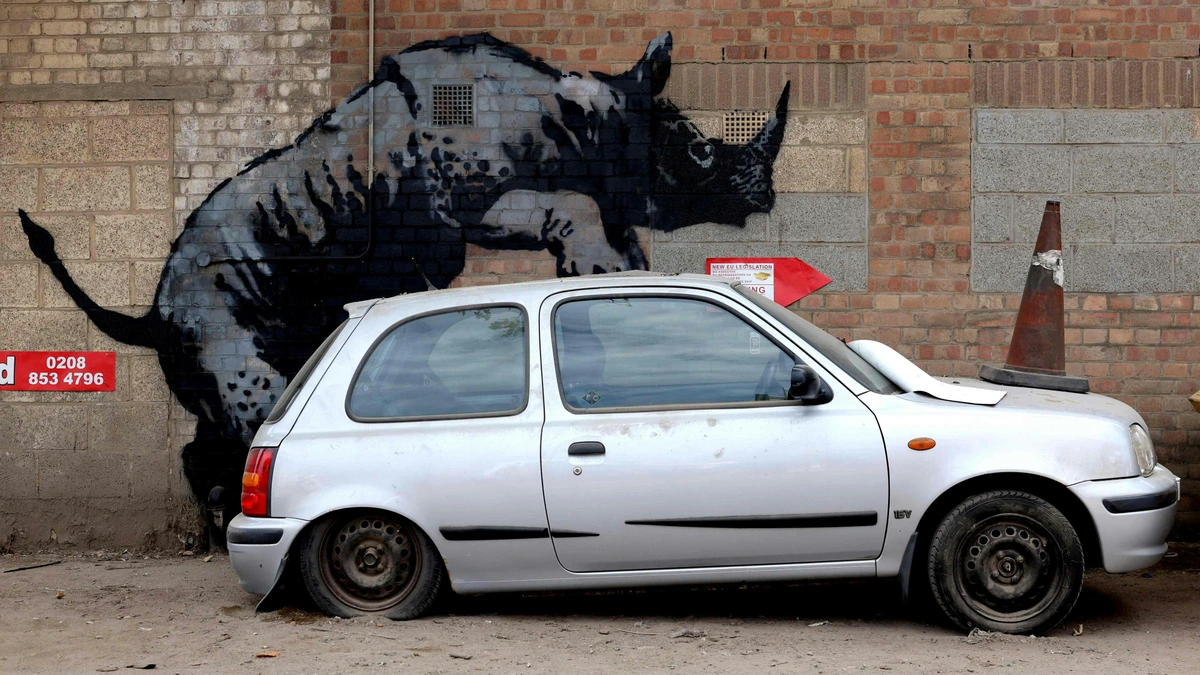
Andy Warhol’s soup cans and Roy Lichtenstein’s comic panels weren’t just cool. They asked: How do ads sell us ideas? By mimicking commercial styles, Pop Art forced viewers to confront the omnipresence of branding and consumer culture. Warhol’s Marilyn Diptych immortalizes a star—but with faded, duplicated faces, questioning celebrity culture’s hollow promises. It’s social commentary by aesthetic seduction.

4. Street Art: The People’s Gallery
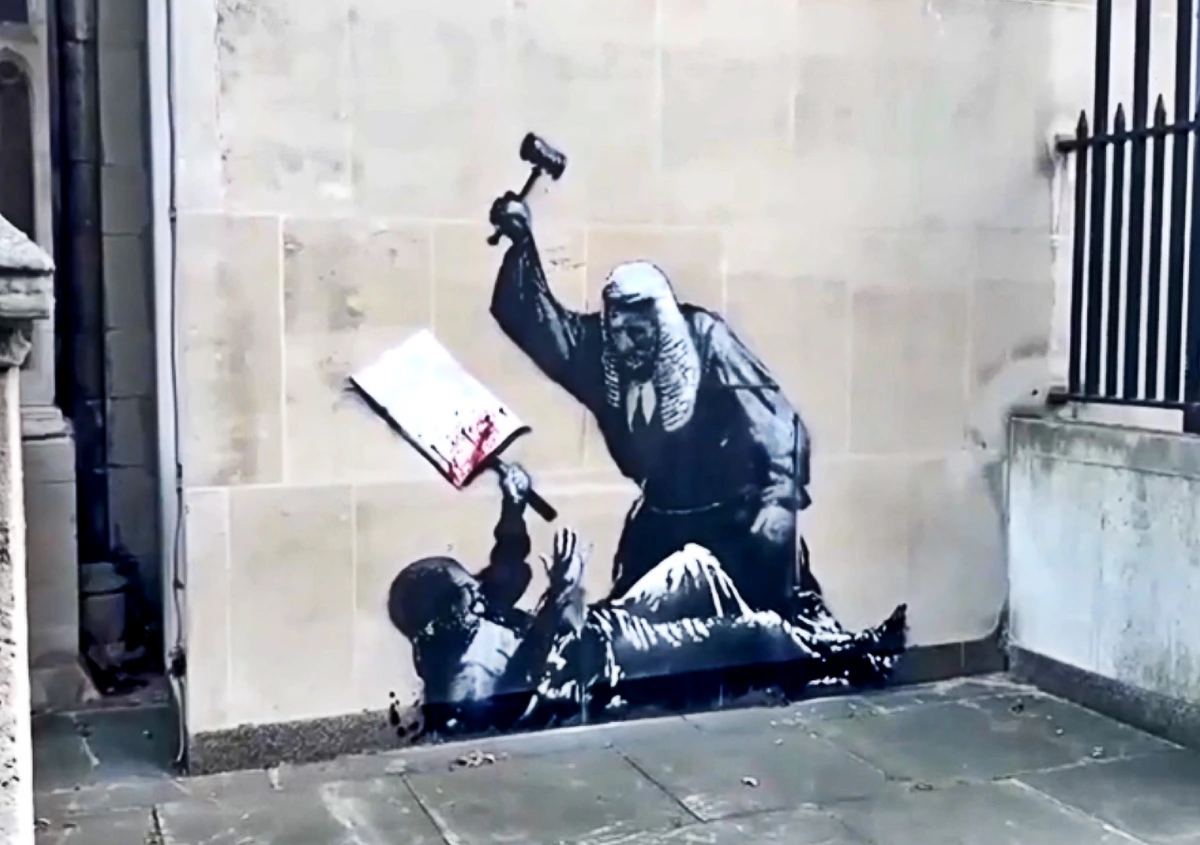
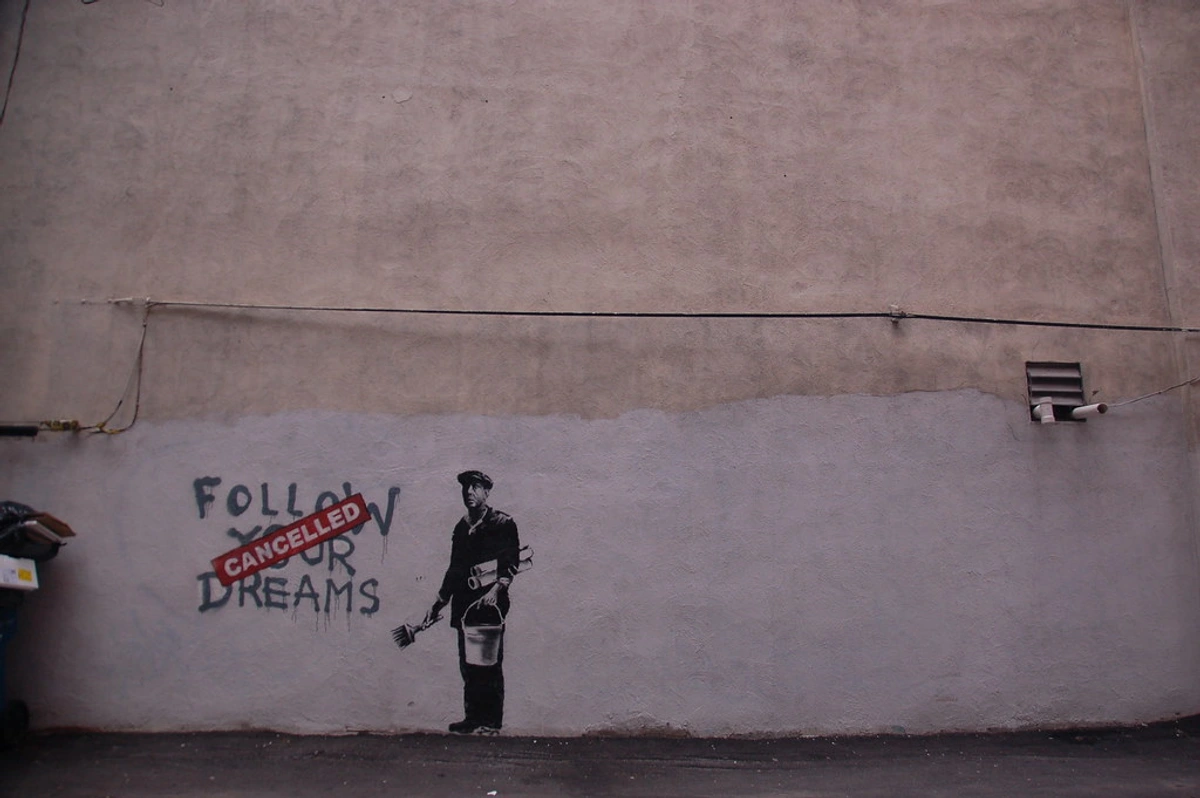
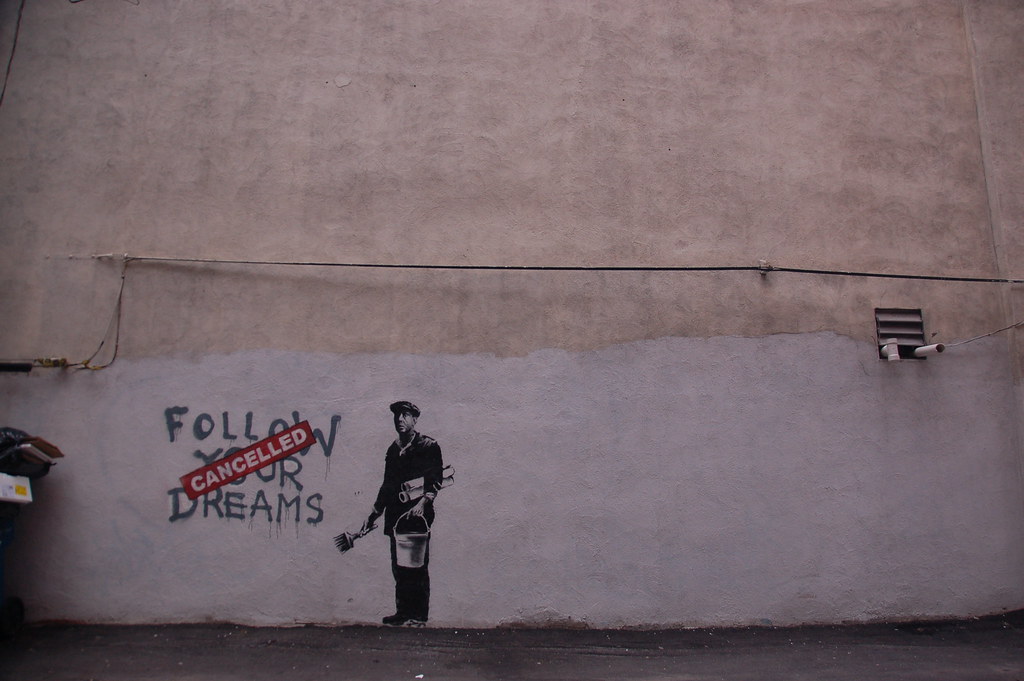
Banksy to Kobra: street artists take art out of institutions and into the streets. It’s ephemeral, illegal, and democratically accessible. When Banksy shredded his Girl with Balloon live at auction, it wasn’t vandalism—it was performance art critiquing the commodification of art itself. Street art’s power? It shows up uninvited in your neighborhood, refusing to be ignored.
Controversies & Complications
The Ethical Complexities of Political Art
Political art exists in a complex web of ethical considerations, market forces, and social expectations. What begins as a genuine expression of dissent can become commodified, censored, or co-opted. This section explores the difficult questions that political artists and their audiences must navigate, from issues of representation to questions of effectiveness in an increasingly digital world.
Look, political art isn’t all protest posters. Here’s where things get messy. I’ve grappled with this myself:
- Effectiveness vs. virtue signaling. Does sharing an art post on Instagram actually change policy? Or is it just feeling righteous? Real-world impact is tangible, likes are not.
- Censorship. When governments or institutions pull art, it often proves art’s power too well. The Mapplethorpe censorship debates? A classic example.
- Commodification. Can a protest painting sold for $10,000 remain authentic? When rebellion becomes a product, does it lose its edge? I lean toward yes—but others disagree. Let’s talk about it.
Okay, tangent over. Point is: political art lives in contradictions. That’s where its authenticity lies.
How to Engage as Viewer, Creator, or Collector
Understanding Your Role
Engaging with political art isn't a passive activity. When you view, create, or collect political art, you're taking a position in a larger conversation. Each role carries different responsibilities and opportunities. As a viewer, you bring your own experiences and biases to the work. As a creator, you add to the cultural discourse. As a collector, you help shape what art survives and gets remembered. Understanding these roles helps you engage more meaningfully with political art.
I think what's most important to remember is that political art is a dialogue, not a lecture. The best work invites you to participate—to question, to reflect, to act. It's not about telling you what to think; it's about creating space for you to think for yourself. This is why engagement matters so much. When you just scroll past that powerful image without giving it thought, you're missing the point. But when you stop, reflect, and maybe even share your thoughts, you become part of the conversation.
For Viewers
Developing Critical Looking Skills
- Ask "Why?" before "Do I like it?" Trace symbols, colors, compositions. Why might this artist choose distortion? Why this hue?
- Seek context. Was this made during election season? After a disaster? Knowing the backstory unlocks layers.
- Visit artist-driven spaces. Galleries pushing social change (check out the /timeline for inspiration) or community walls often offer raw dialogue.
- Research the artist's background. What experiences shaped their perspective? Understanding the creator helps understand the creation.
- Look beyond the obvious. Political art often has multiple layers of meaning. What's the surface message, and what's being said beneath?
- Consider your own reaction. Does the art make you uncomfortable? Angry? Inspired? Your emotional response is often the key to understanding its message.
- Talk about it. Political art thrives on discussion. Share your thoughts, listen to others' interpretations—this is where real engagement happens.
### For Creators
Finding Your Political Voice
- Start small. A zine. A temporary mural. Political art isn’t about monumentality; it’s about urgency.
- Research your medium. Lithography vs. digital illustration carries different connotations. Learn the language.
- Collaborate. Grassroots organizations often need creative minds. Amplify voices already on the ground.
For Collectors
Building a Meaningful Collection
- Follow intention over aesthetics. Buy art that sparks conversation, not just matches your sofa.
- Support living artists. Instead of chasing famous radicals from the past, fund the ones building movements now. Our /buy page features works that challenge norms—each purchase fuels cultural shifts.
- Display boldly. Put provocative pieces in shared spaces, not storage. Art should be seen, not hoarded.
- Be transparent about your collection. If you're collecting political art, be prepared to discuss why you own it and what it means to you. The conversation around the work is often as important as the work itself.
- Consider the work's journey. Be mindful of how political art reaches the market. Was it made for protest, then later sold? Does that change its meaning? Context matters even in collecting.
- Support diverse voices. Political art comes from many perspectives. Ensure your collection reflects this diversity.
- Understand the market. Political art can be commercialized. Be aware of how prices are determined and whether they reflect the work's significance.
- Use your platform. As a collector, you have influence. Use it to promote artists whose work aligns with your values.
FAQ: Navigating the Murky Waters
Common Questions About Political Art
Political art raises many questions, both practical and philosophical. The following FAQ addresses some of the most common concerns and curiosities people have about this powerful art form. These questions come from years of discussing political art with viewers, creators, and critics alike.
Let me be honest—political art can be intimidating. It's not always "pretty" or "easy" like traditional art. It asks things of us that we might not want to confront. But that's exactly why it matters. The best art doesn't just decorate our walls; it challenges our thinking. And in a world where comfort often takes precedence over truth, that challenge is more valuable than ever.
Q: Isn’t political art just propaganda? A Great question. Yes and no. Propaganda typically serves state/corporate power (think WWII recruitment posters). Political art often critiques that power. The intent is key: is it persuading or questioning? Context is everything.
Q: How do I find this art if I’m not in a big city? A: Digital archives are gold. Check for global project directories. Local community centers, libraries, and activist hubs often host shows—even unconventional spaces like /den-bosch-museum prioritize accessible dialogue.
Q: Are digital/NFTs part of this tradition? A: Skeptically. While artists use Instagram, memes, and NFTs for activism (see Beeple’s early work), blockchain feels disconnected from art’s tactile, community roots. An NFT can’t exist on a housing project wall. Tech’s role is evolving—but it hasn’t replaced art’s bodily, grassroots power yet.
Q: Can art really change anything? A: Indirectly, yes. It shifts perceptions. The Zoot Suit Riots murals didn’t end systemic racism, but they preserved memories and inspired organizing. Art is a spark—it doesn’t burn down the building, but it lights the match.
Final Thought: Your Role in the Canvas
Here’s the truth I’ve learned: art without engagement is just decoration. Political art’s power lives in the conversation it provokes after you leave the gallery. It’s about carrying a piece of that confrontation into your life.
The next time you see a piece that unsettles you, don’t scroll past. Ask: what truth is this showing me that I’ve avoided? How can I carry that question into my actions? Because that’s how revolutions begin—not with grand declarations, but with thousands of people seeing anew.




Art’s greatest superpower? It makes the invisible visible. It turns whispers into shouts. And when enough of us listen, we start demanding change.