The Next Canvas: New Art Technologies and Materials
Explore cutting-edge tools transforming contemporary art: vibrant pigments, digital platforms, and sustainable materials reshaping creativity.

The Next Canvas: New Art Technologies and Materials
Remember when art meant sticking strictly to oils or watercolors? Yeah, those days are fading faster than a cheap print left in sunlight. As an artist, I've always been obsessed with pushing boundaries—and nothing excites me more than how new technologies and materials are shattering what we thought possible. This isn't just about digital vs. traditional; it's about a beautiful collision where a hand-painted texture might meet a holographic finish, or a sketch tablet could birth a 3D-printed sculpture. Let's unpack this creative revolution together.
What if I told you that right now, in studios around the world, artists are painting with light that remembers your touch, sculpting with living materials that grow and breathe, and creating experiences that respond to a viewer's heartbeat? This isn't science fiction—it's the new reality of contemporary art. In this comprehensive guide, we'll explore every facet of this creative revolution, from the pigments that change color with your perspective to the digital tools that can turn a simple sketch into an immersive installation. Whether you're a traditional painter looking to expand your palette or a digital artist wanting to bring physicality to your work, this journey will show you exactly what's possible today—and what's waiting just around the corner.
Why This Matters More Than Ever
Here's the thing I've learned after decades of experimenting with every medium imaginable: art is never static. The boundaries keep shifting, and that's exactly what makes it so damn exciting. When I first started incorporating digital elements into my traditional paintings, gallery owners told me it was "too experimental." Now those same galleries are commissioning VR installations. The revolution isn't coming—it's already here, and it's happening faster than any of us can fully process.
What makes this moment particularly special is the unprecedented accessibility. You no longer need a million-dollar studio or government grants to experiment with cutting-edge materials. That bioluminescent pigment I mentioned? You can order it online tomorrow. The VR painting software I use? Free versions exist that are powerful enough to create gallery-ready work. This democratization of technology means we're in a golden age of artistic innovation, where a solo artist in a basement can create experiences that once required entire teams and massive budgets.
The implications go far beyond convenience. When artists gain access to new tools, we don't just make more—we make different. We ask different questions. We explore different territories. A sculptor who can now "print" living mycelium structures isn't just making things faster—they're creating art that literally grows and evolves. A painter who can mix pigments that respond to humidity isn't just adding novelty—they're creating dialogue between artwork and environment. That's the real magic here: technology isn't just giving us new brushes, it's giving us entirely new ways to think about what art can be.
Market Trends for Tech-Enabled Art
The art world is rapidly changing as technology becomes more integrated into creative processes. Here's what I'm seeing in galleries, collections, and the market:
Growing Collector Interest: There's increasing demand for art that incorporates technology, particularly from younger collectors who grew up with digital experiences. Galleries are responding by dedicating more space to new media art.
Hybrid Medium Valuation: Art that combines traditional and digital techniques often commands higher prices than purely traditional or purely digital work. This "best of both worlds" approach appeals to collectors who appreciate both craftsmanship and innovation.
Experiential Art Premium: Installations and interactive art are becoming more valuable as collectors seek unique experiences rather than just objects. The ability to say "I own that piece" takes on new meaning when the artwork changes based on who's viewing it.
Sustainability Premium: Art created with environmentally conscious materials and processes is increasingly valued. Collectors are willing to pay more for work that aligns with their environmental values.
Educational Value: Art that demonstrates new techniques or technologies often has additional educational value, making it appealing to museums, universities, and educational institutions.
The Material Revolution: From Pigments to Polymers
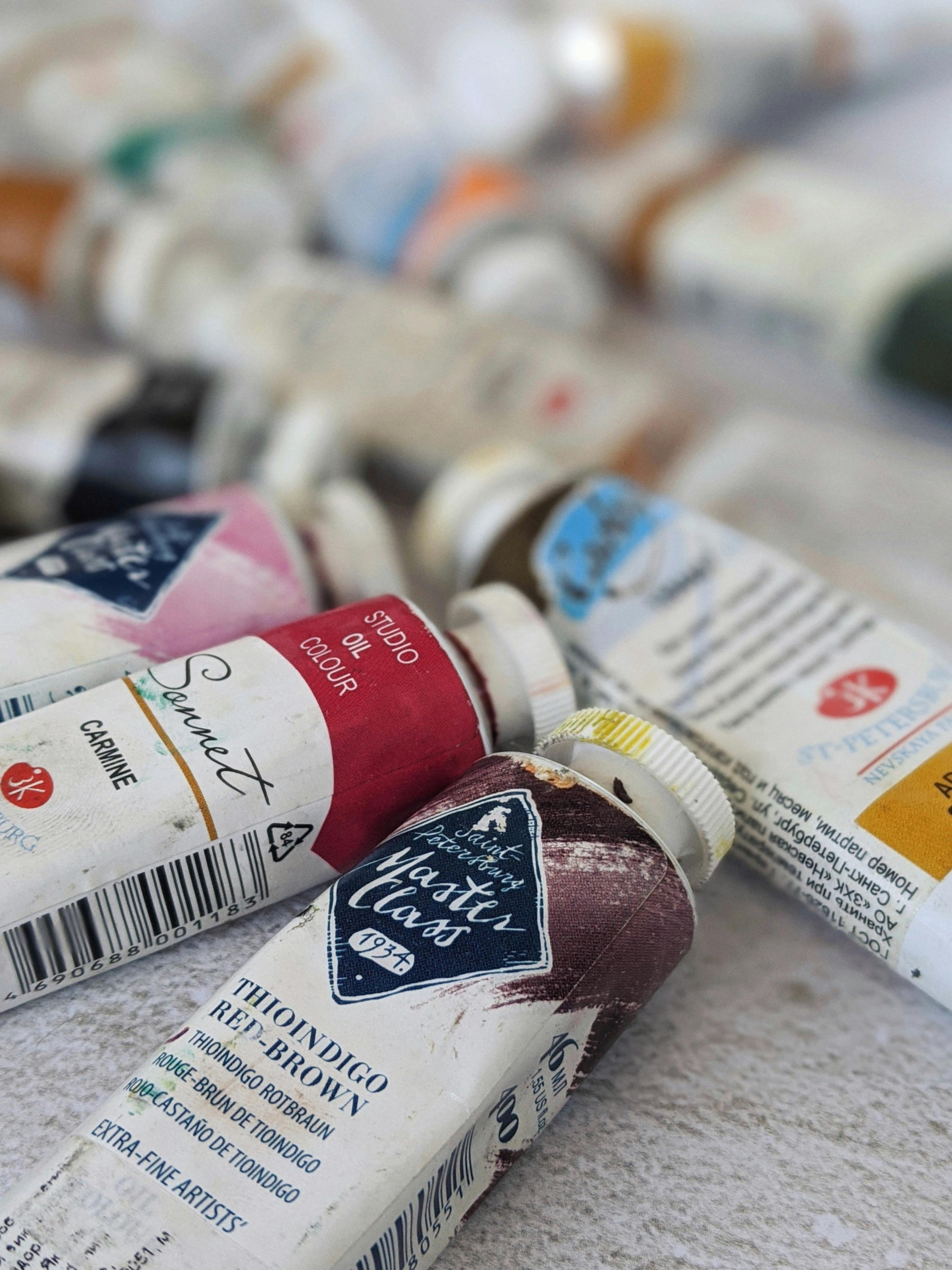
Let's get practical. When I walk into an art supply store these days, it's like stepping into a sci-fi movie. The traditional tubes of paint are still there, but they're sharing shelf space with materials that would make a chemist nod in approval. This isn't just about "better" paints—it's about fundamentally different ways of thinking about color, texture, and even the relationship between artwork and viewer.
What fascinates me most is how these materials blur the line between art and science. That interference pigment I mentioned earlier? It contains microscopic aluminum flakes coated with titanium dioxide. When light hits it at different angles, the interference patterns change, creating that shifting color effect. It's basically physics made visible. And the best part? You don't need to understand the chemistry to use it effectively—though knowing the science behind it does help you understand why certain techniques work better than others.
Beyond the Tube: Evolution of Paints and Pigments
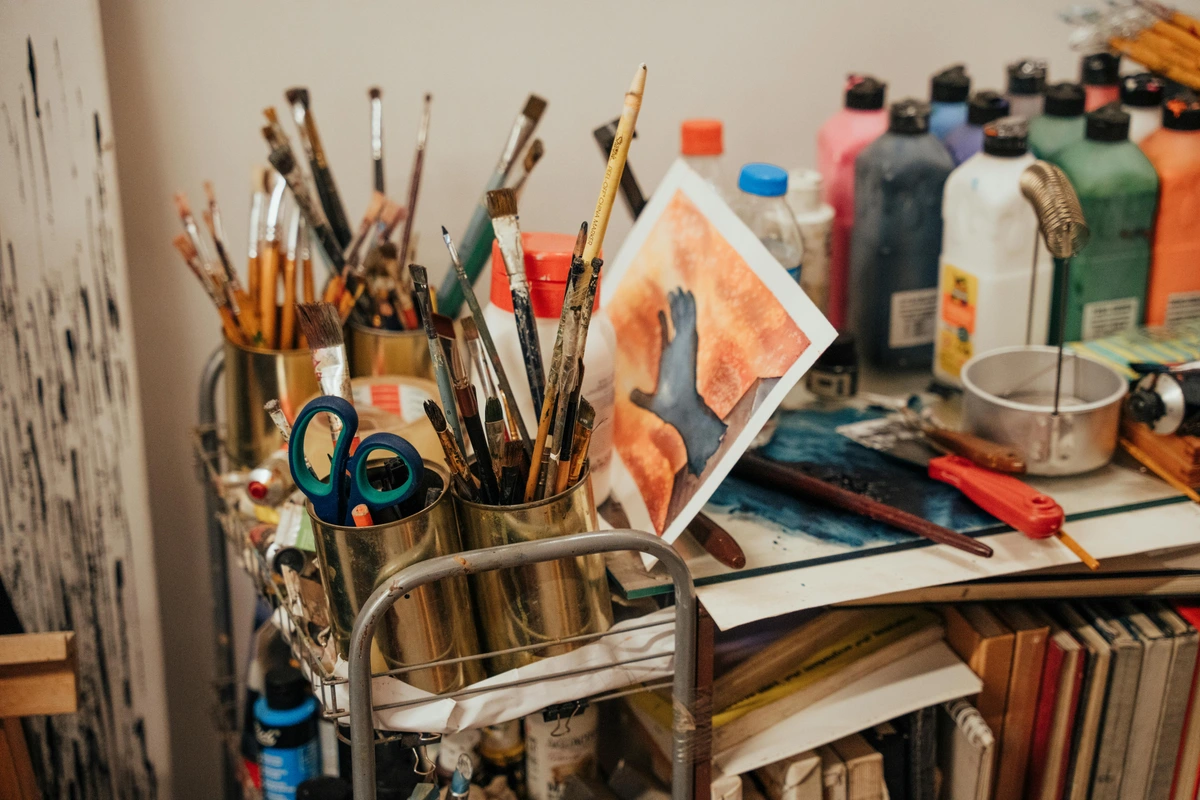
Traditional paints still hold magic, but modern chemistry is giving us superpowers. Ever tried pigments that glow in the darkness or change hue with your perspective? That’s not sci-fi—it’s photoluminescent art supplies. I once saw an installation where walls seemed to breathe with deep-sea light shifts at dusk. Mesmerizing. But isn’t that the point? To make viewers feel something primal, not just look.
Key Material Innovations:
- Metallic and Interference Pigments: Tiny reflective particles shift color like oil slicks or butterfly wings. Perfect for abstract pieces that morph under gallery lighting. I've spent entire afternoons just watching how interference pigments change color as you walk around them—what looks like silver from one angle shifts to gold, then blue-green. It's like the painting is alive and breathing with movement.
- Living Materials: Self-healing paints or algae-based inks? They’re real. My studio experiments were messy—think science fair project vibes—but imagine art that literally evolves with its environment!
- Sustainable Altenatives: Recycled plastics turned into vibrant pigments, plant-based acrylics with zero VOCs. Sustainability doesn’t mean sacrificing color intensity anymore. I love that we’re honoring nature while making art.
Table: Traditional vs. Advanced Art Materials
Traditional Material  | Modern Equivalent | Unique Advantage | Cost Range | Accessibility | Best For |
|---|---|---|---|---|---|
| Oil paints | Nanoparticle-infused oils | Faster drying, enhanced UV resistance | $15-50 per tube | Professional art stores | Mixed media, outdoor work |
| Watercolor | Eco-hydrochromatic pigments | Color changes with humidity levels | $8-20 per tube | Specialty suppliers | Environmental art, installations |
| Charcoal | Bioluminescent carbon dust | Glows in low-light conditions | $12-30 per set | Online retailers | Dark theme art, performances |
| Acrylic paint | Conductive polymer paints | Can be wired for interactive elements | $20-40 per tube | Technical art suppliers | Electronics integration, responsive art |
| Clay | Self-hardening polymer clay | No kiln firing required | $10-25 per pound | Craft stores | Quick prototyping, beginners |
| Pastels | Photo-reactive pastels | Change under different lighting | $15-35 per set | Art specialty stores | Gallery lighting effects |
| Ink | Magnetic-responsive ink | Can be manipulated with magnets | $18-25 per bottle | Technical suppliers | Kinetic art, responsive surfaces |
| Gouache | Temperature-sensitive gouache | Color shifts with temperature | $10-18 per tube | Online retailers | Interactive experiences |
| Encaustic | Bio-wax with embedded seeds | Can grow into plants | $20-40 per pound | Eco-art suppliers | Living art, sustainability projects |
| Pastels | Photo-reactive pastels | Change under different lighting conditions | $15-35 per set | Art specialty stores | |
| Ink | Magnetic-responsive inks | Can be manipulated with magnetic fields | $18-25 per bottle | Technical suppliers | |
| Gouache | Temperature-sensitive gouache | Color shifts with environmental temperature | $10-18 per tube | Online retailers | |
| Encaustic | Bio-wax with embedded seeds | Can grow into plants when planted | $20-40 per pound | Eco-art suppliers |
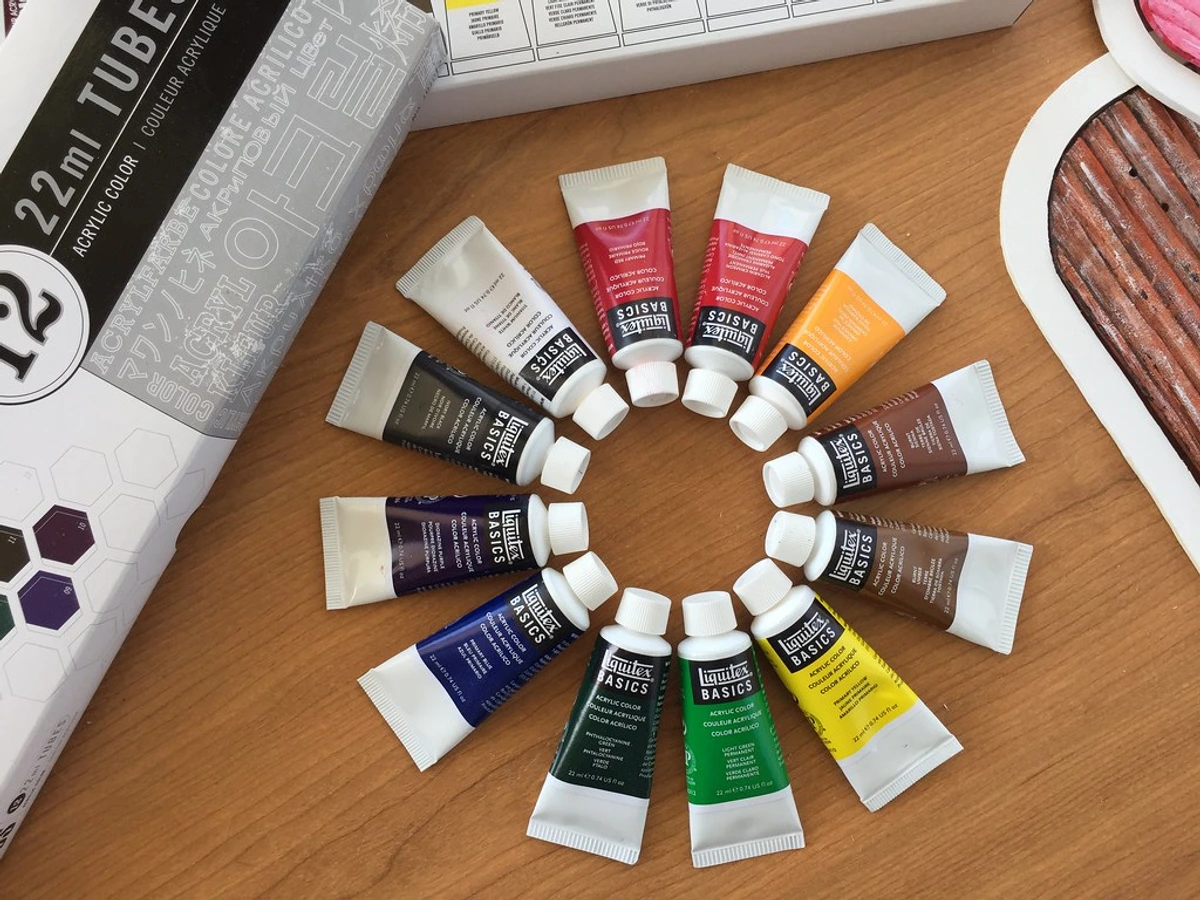
Table: Advanced Pigment Technologies and Their Applications
Traditional Material | Modern Equivalent | Unique Advantage | Best For | Learning Curve |
|---|---|---|---|---|
| Oil paints | Nanoparticle-infused oils | Faster drying, enhanced UV resistance | Mixed media, outdoor murals | Moderate |
| Watercolor | Eco-hydrochromatic pigments | Color changes with humidity levels | Environmental art, installations | Easy |
| Charcoal | Bioluminescent carbon dust | Glows in low-light conditions | Dark theme art, performance pieces | Easy |
| Acrylic | Electrochromic paints | Color changes with electrical current | Interactive electronics art | Advanced |
| Clay | Mycelium-based clay | Grows and evolves over time | Bio-art, living sculptures | Advanced |
| Ink | Magnetic-responsive ink | Can be manipulated with magnets | Kinetic art, responsive surfaces | Moderate |
The Digital Toolbox: More Than Just a Screen
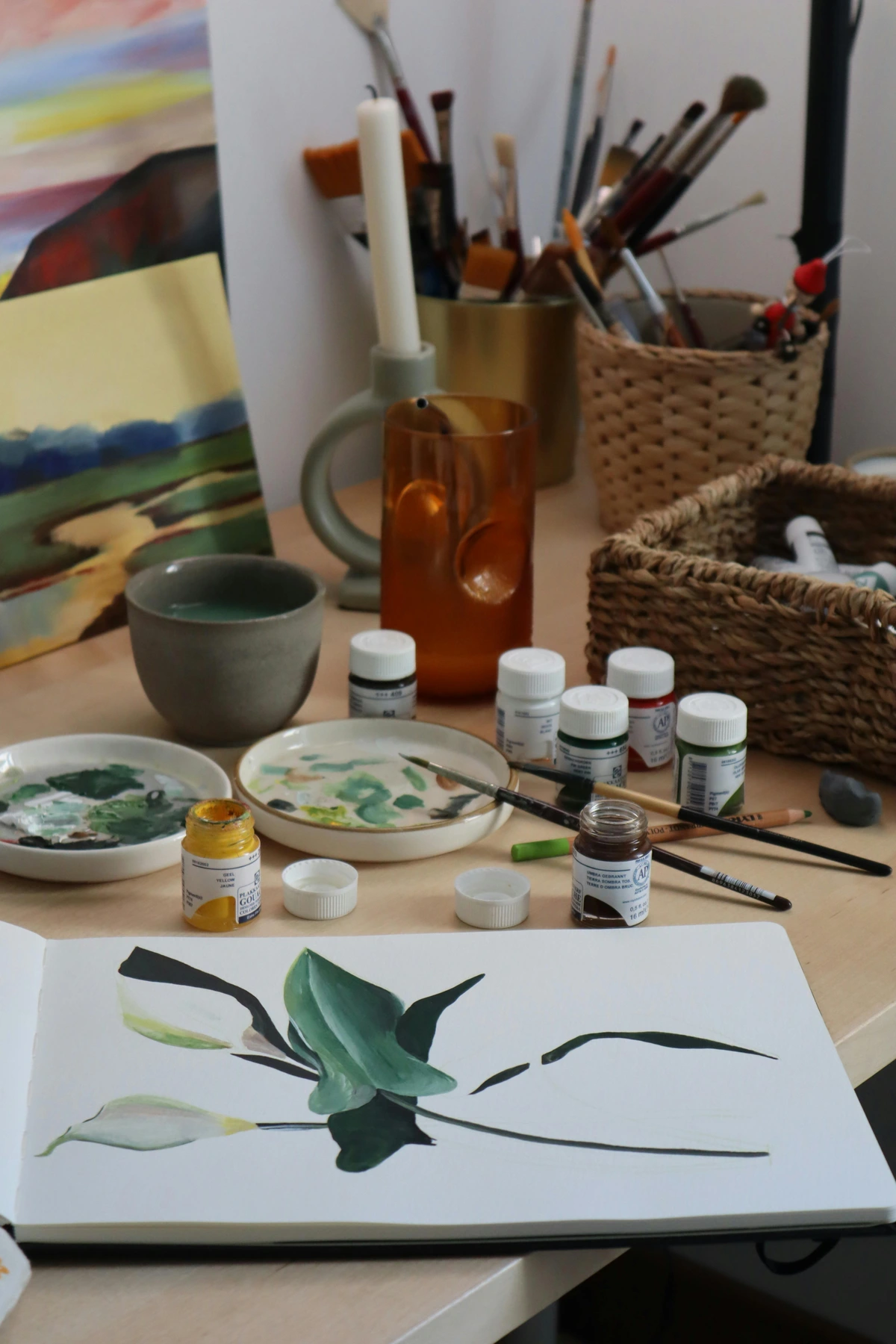
Okay, I know what you’re thinking: “Digital art feels cold.” Hear me out! Modern blurs that line beautifully. My process often starts with a digital tablet sketch—quick, iterative, and forgiving. But then I’ll print it on canvas with archival inks, sand down the surface, and finish with resin layers. Physicality returns, but the digital foundation gives me control I could never achieve freehand. It’s like having a magic eraser that never ruins paper.
Digital Tools Transforming Studios:
- AI-Assisted Creation: Hold on—don’t roll your eyes. AI isn’t replacing artists; it’s a co-pilot. Imagine generating 20 texture variations for a background in minutes? I use it to explore palettes I’d never consider. But never hit “generate” and call it done. The soul still comes from your hand.
- VR Painting: Yes, you can sculpt with hand gestures in open-air virtual studios. Wild, right? I tried painting in zero gravity once (via simulation) – the disorientation forced wildly organic strokes. Niche? Absolutely. But boundary-pushing art always starts as niche. The VR studio I use actually lets you "feel" the virtual brushes through haptic gloves—when you apply digital paint, you get slight resistance in your fingers as if you're working with real texture. It's mind-bending how quickly your brain adapts to feeling digital matter.
- 3D Printing Substrates: Printing directly on textured metals or living mycelium sheets? Real. This lets you merge sculpture’s tactile qualities with digital precision.
The Human Touch: Why Craft Still Rules
Here’s my hot take: Tech without intention is just noise. I’ve seen too many “digital masterpieces” that feel hollow because they lack the artist’s imperfections—the brushstroke hesitation, the ink bleed, the fingerprint in clay. That’s where hybrid approaches shine. Like when I hand-paint digital prints to add chaos, or scan physical textures to layer digitally. It’s a dialogue between two worlds.
The Sustainability Paradox
We’ve got to talk about the elephant in the room: making art shouldn’t cost the Earth. New tech helps here too—biodegradable glitter that won’t poison waterways, solar-powered kilns for pottery, digital storage reducing waste. But buyer beware: “eco” certifications aren’t always trustworthy. I vet materials like ingredients in a recipe if my grandma were eating it.
FAQ: Your Burning Questions
Note: These questions represent common concerns and curiosities from artists exploring new technologies. Your specific questions may vary—feel free to reach out with your own!
Are digital prints collectible?
Are digital prints collectible?
Absolutely—if they’re archival-grade pigment prints on acid-free paper with proper UV protection. They can outlast traditional oils! But always check the edition size and provenance. Scams exist.
Do I need expensive tech to start?
God no. My “professional” setup for years was a secondhand iPad and a $5 stylus. Start simple. Tech should serve your vision, not the reverse.
Are NFTs worth the hype?
Skeptical here. Most NFT art platforms lack sustainability, and the market feels like a digital casino. Some artists make incredible incomes, but it’s a lottery with high eco-costs. Proceed with eyes wide open.
What’s Next? The Art of Surprise
What excites me most isn’t what exists now, but what’s hiding in plain sight. Could we develop paints that respond to sound? Or holographic installations that follow your movement? I imagine a future where art isn’t static—it’s conversation. But for now? I’m stocking up on iridescent pigments and my trusty tablet. Ready to make something messy, beautiful, and utterly new.
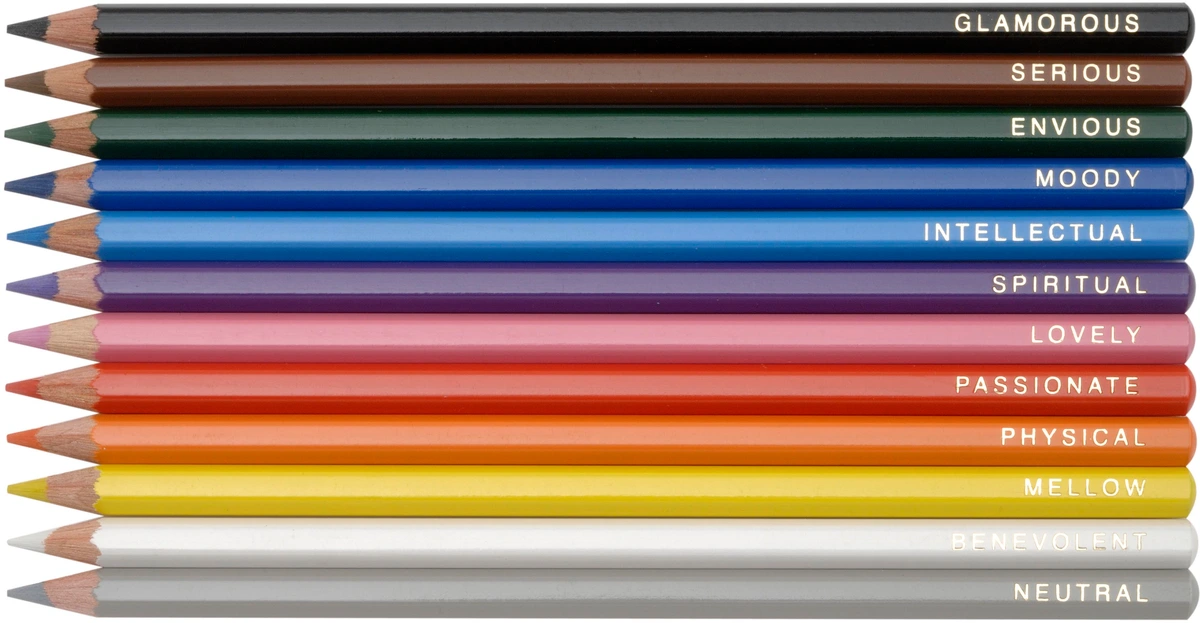



This journey shows that innovation isn’t about replacing tradition—it’s about expansion. Whether you’re a painter, sculptor, or digital explorer, these tools invite deeper play. What will you create?