Your Ultimate Compass: Navigating Global Art Fairs & Biennials for Abstract Art
Master global art fairs & biennials! This artist's guide helps you discover contemporary abstract art, spot trends, network, understand the market, and maximize your visit. Essential insights for artists & collectors.

The Artist's Compass: Navigating Global Art Fairs & Biennials for Abstract Art Growth
Have you ever walked into an international art fair or biennial and felt a mixture of awe and utter overwhelm? The sheer scale, the ceaseless buzz, the kaleidoscope of colors and forms – it's enough to make even a seasoned art lover (or an introverted artist like me) want to retreat to a quiet corner. How do artists and collectors truly navigate these vibrant cultural maelstroms to find genuine value, especially in the exhilarating, often abstract, world of contemporary, colorful, and abstract art? I promise you, I get it. We all strive to transform that initial overwhelm into an opportunity for discovery and growth.
There’s a palpable hum, a low thrum of anticipation that pulses through the air at these events. It's the scent of ambition, the whisper of freshly printed catalogs, and, if you're lucky, the faint, sweet perfume of success (or maybe just good coffee, which, let's be honest, is often success enough for me). For an artist who often finds solace in the quiet solitude of a studio, stepping into this global firehose of creativity can be… well, a lot. It’s like trying to drink from a firehose, but the water tastes like pure, unadulterated artistic passion, occasionally with a delightful hint of champagne. This intense, often overwhelming experience has profoundly shaped my perspective and practice over the years, continually fueling my approach to abstract painting.
This isn't just a guide; it's an invitation to peek into my personal sketchbook of observations and reflections from the front lines of the global art world. Consider it your Artist's Compass, a tool offering practical strategies for both the seasoned collector and the curious newcomer. I've always been fascinated by how art moves, how it transcends borders, and how a canvas born in a quiet corner of the world can end up captivating an audience thousands of miles away. The global art market isn't merely about transactions; it's a living, breathing ecosystem, and at its pulsating heart are the international art fairs and biennials. These aren't just events; they're cultural touchstones, crucial platforms for artistic discourse, and sometimes, a true test of one's stamina (both physical and artistic).
So, why do we even bother, you might ask, with the jet lag, the crowds, the sensory overload? Because these experiences offer an unparalleled window into the current state of human creativity, and a fascinating look at the broader ecosystem of art tourism. They provide a unique opportunity to immerse ourselves in different artistic dialogues and discover what resonates with our own personal artistic compass. Let's explore what these events truly are, why they matter so much to artists and collectors alike, and how to navigate them to discover something truly special – perhaps even something that changes how you see the world, or yourself, particularly through the vibrant lens of contemporary abstraction.
What Exactly Are We Talking About Here? Art Fairs vs. Biennials
Before we dive headfirst into the glorious madness, let's quickly get our bearings and define our terms. Because, honestly, I used to get them confused too. "Is it an art fair, or is it a biennial? Are they the same thing? Do I need different shoes for each?" (Spoiler: the answer to the last one is almost always "yes, comfortable ones," regardless). These are the truly existential questions of an art lover, especially one who prioritizes comfort over couture!
The lineage of these events can be traced back to the salons and grand exhibitions of centuries past, evolving from local showcases of academic art to the dynamic global platforms we see today. Historically, events like the Paris Salon or the Venice Biennale (established in 1895) laid the groundwork, transforming from national displays into international stages for critical exchange and commercial activity. While both bring together incredible art, their fundamental purposes and atmospheres differ significantly. Think of it this way:
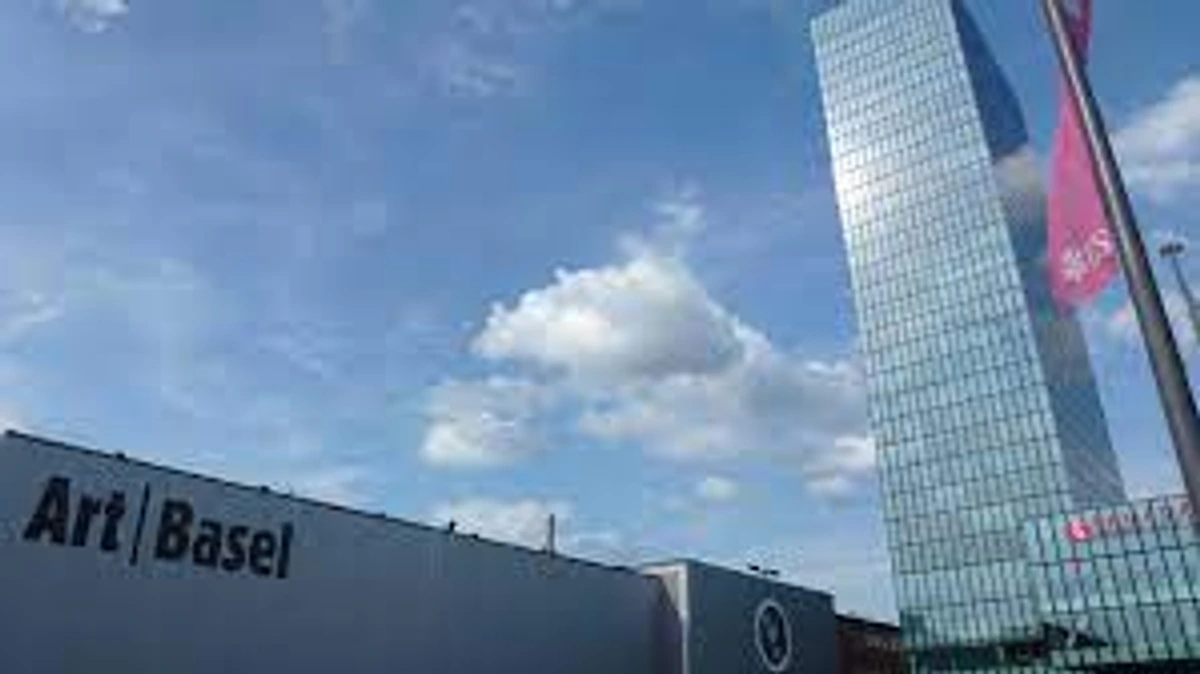
- Art Fairs: Imagine a bustling, high-energy marketplace. Galleries from all over the world gather under one (usually massive) roof to showcase and, crucially, sell works by the artists they represent. They're primarily commercial, often annual, and the energy is all about discovery and, yes, acquisition. It's where you see the cutting edge, the established masters, and everything in between, often in a very direct, transactional way. For a contemporary abstract artist, fairs are paramount for sales, establishing gallery representation, and gaining market exposure. It's where the vibrant colors and bold forms of abstract art can truly catch a collector's eye. Famous examples include Art Basel (with editions in Basel, Miami Beach, and Hong Kong – you can read a first-timer's guide to Art Basel), Frieze (London, New York, Los Angeles, Seoul), and TEFAF (with a strong focus on historical art, antiquities, and Old Masters, alongside some modern pieces, in Maastricht and New York). If you're looking to dive deep into the world of acquiring art, you might find my thoughts on how to buy art particularly helpful.
- Biennials: These are generally non-commercial, large-scale exhibitions that happen every two years (hence 'biennial'). They are meticulously curated, often built around a specific thematic concept or critical question, and they frequently push artistic boundaries, focusing more on conceptual exploration and critical discourse than direct sales. While you won't typically buy art directly off the wall, biennials offer an incredible, often thought-provoking, pulse check on the current state of contemporary art and global artistic trends. For artists, biennials are crucial for critical engagement, fostering artistic discourse, and achieving broader recognition for boundary-pushing work, especially in abstract or conceptual forms that challenge established norms of color, form, or material. Think less about the immediate 'buy' and more about the profound 'think' and 'feel'. Iconic biennials include the Venice Biennale (here's a guide for first-timers), Documenta (Kassel, Germany, occurring every five years), and the São Paulo Biennial.
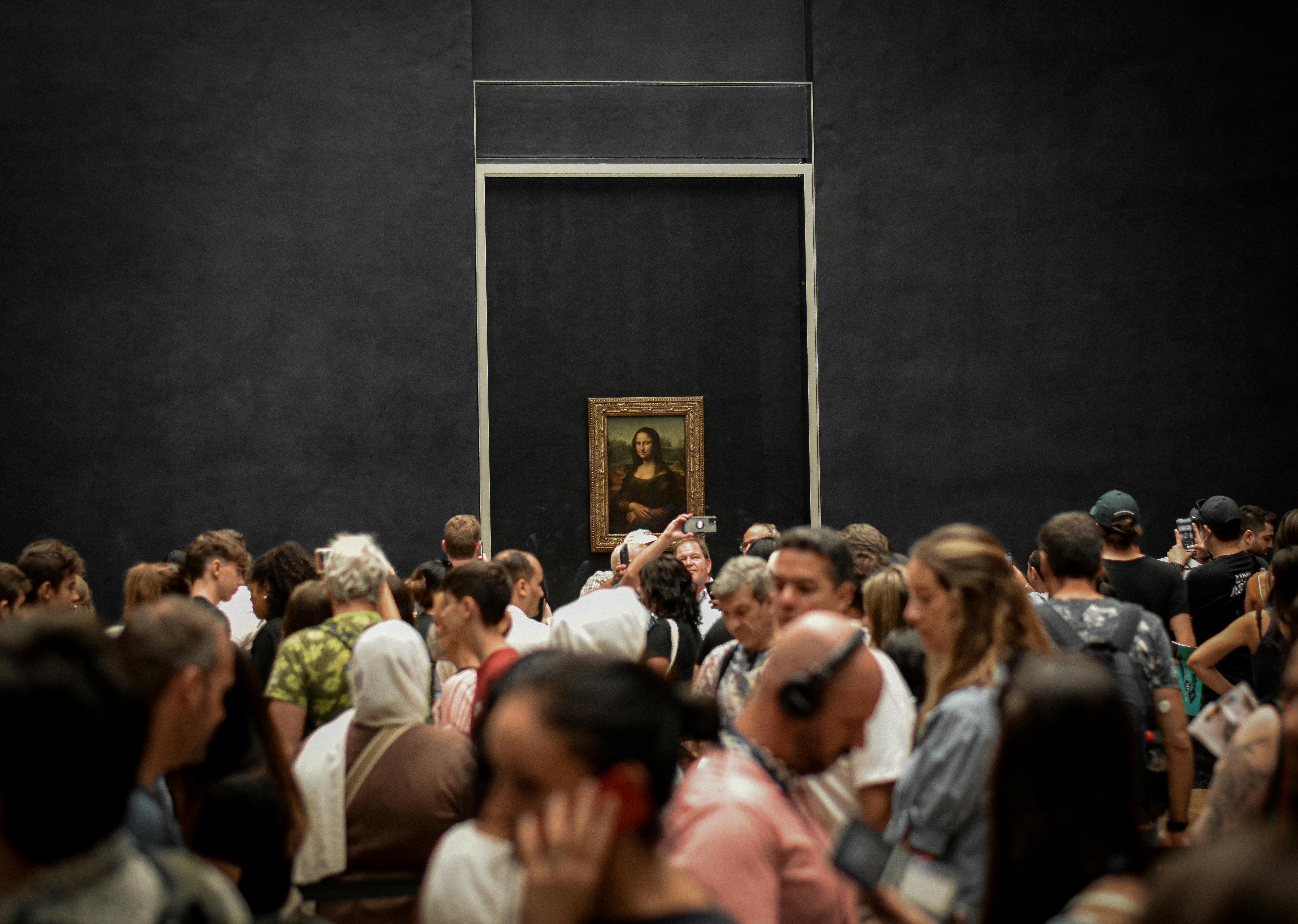
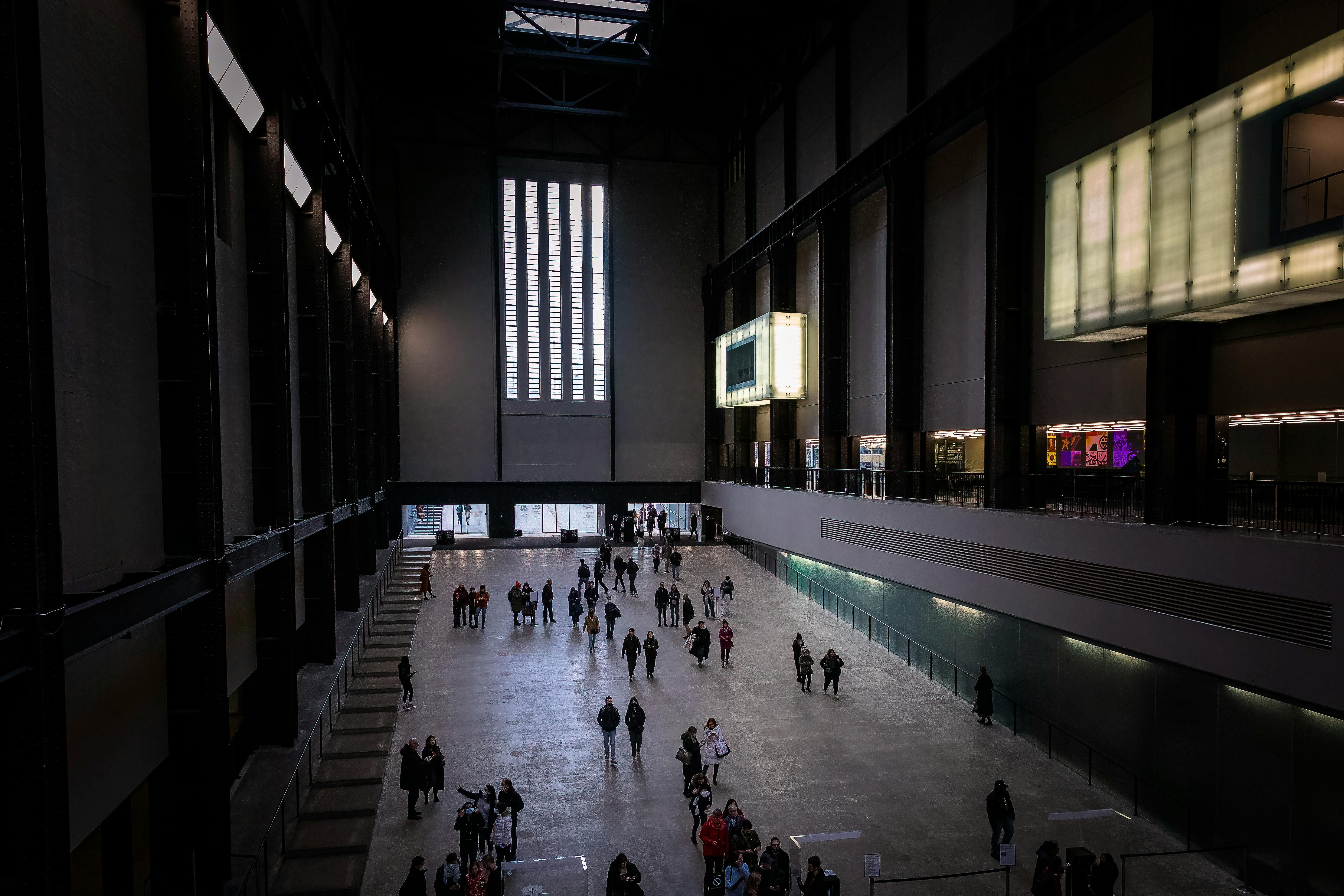
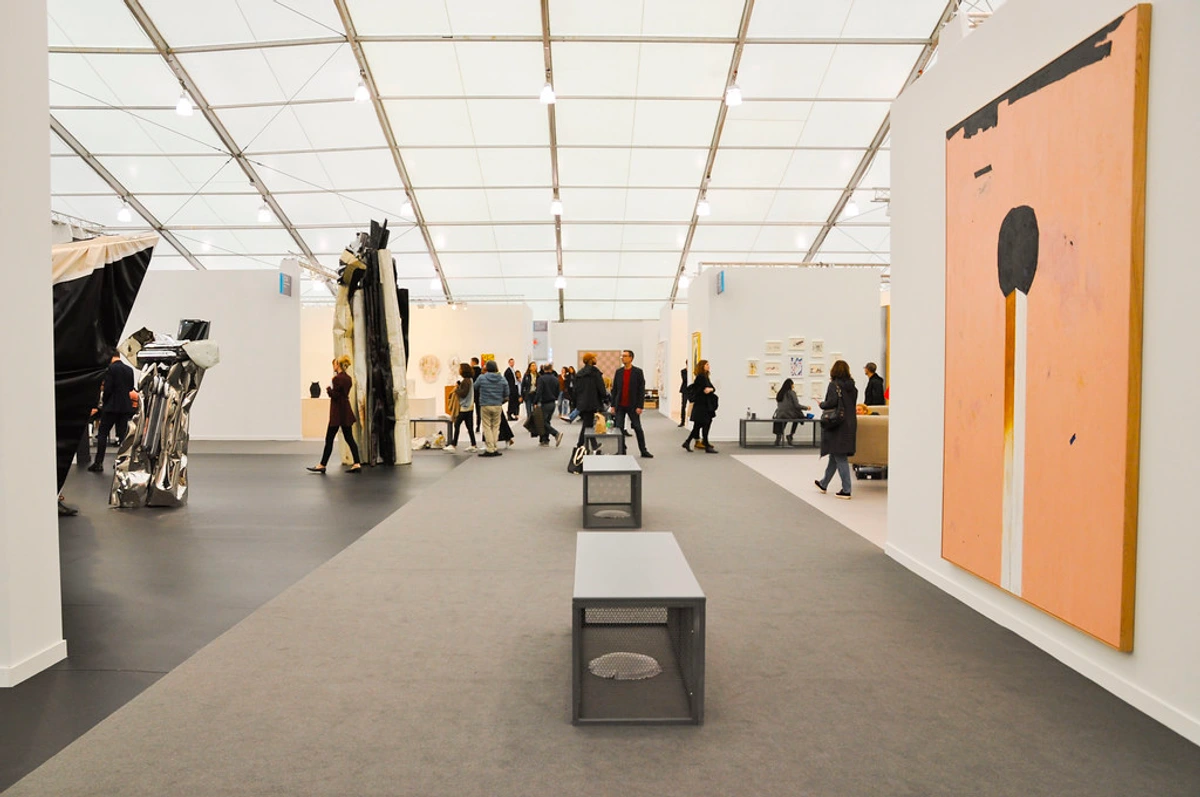
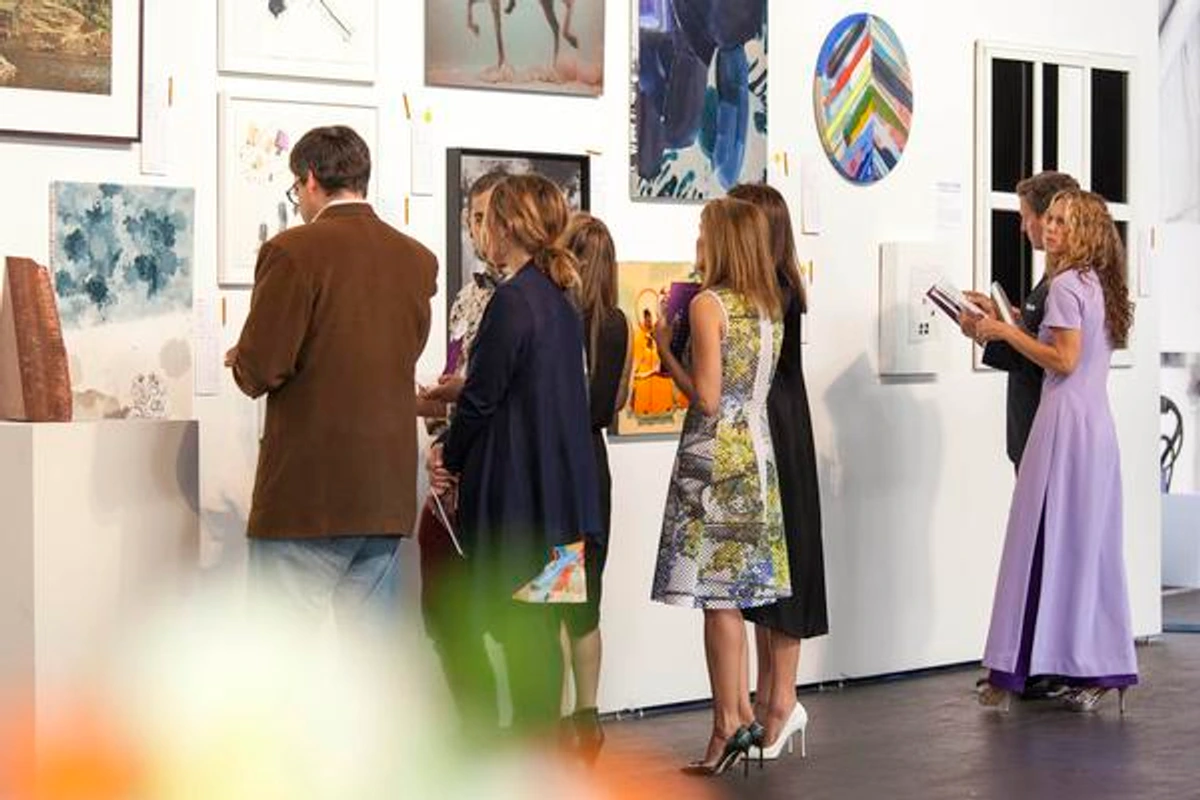
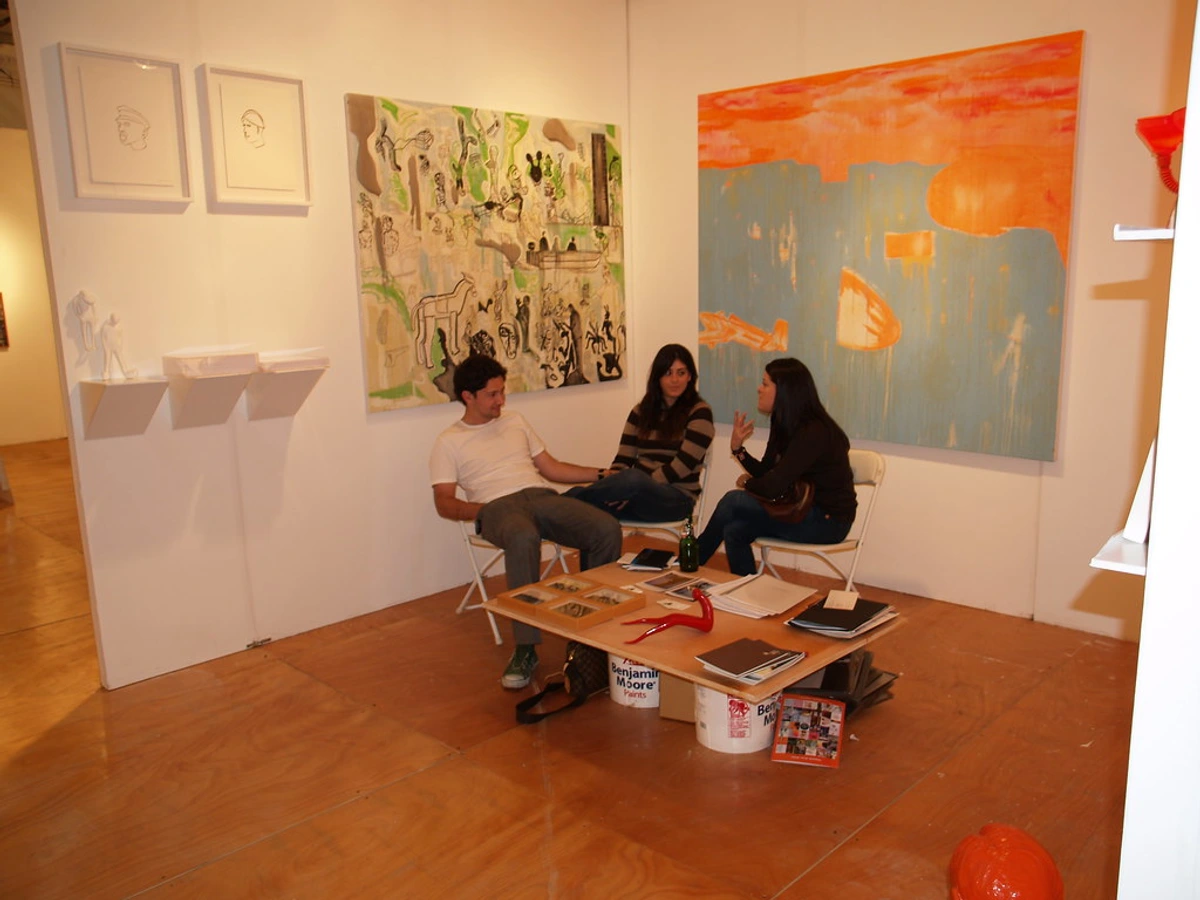
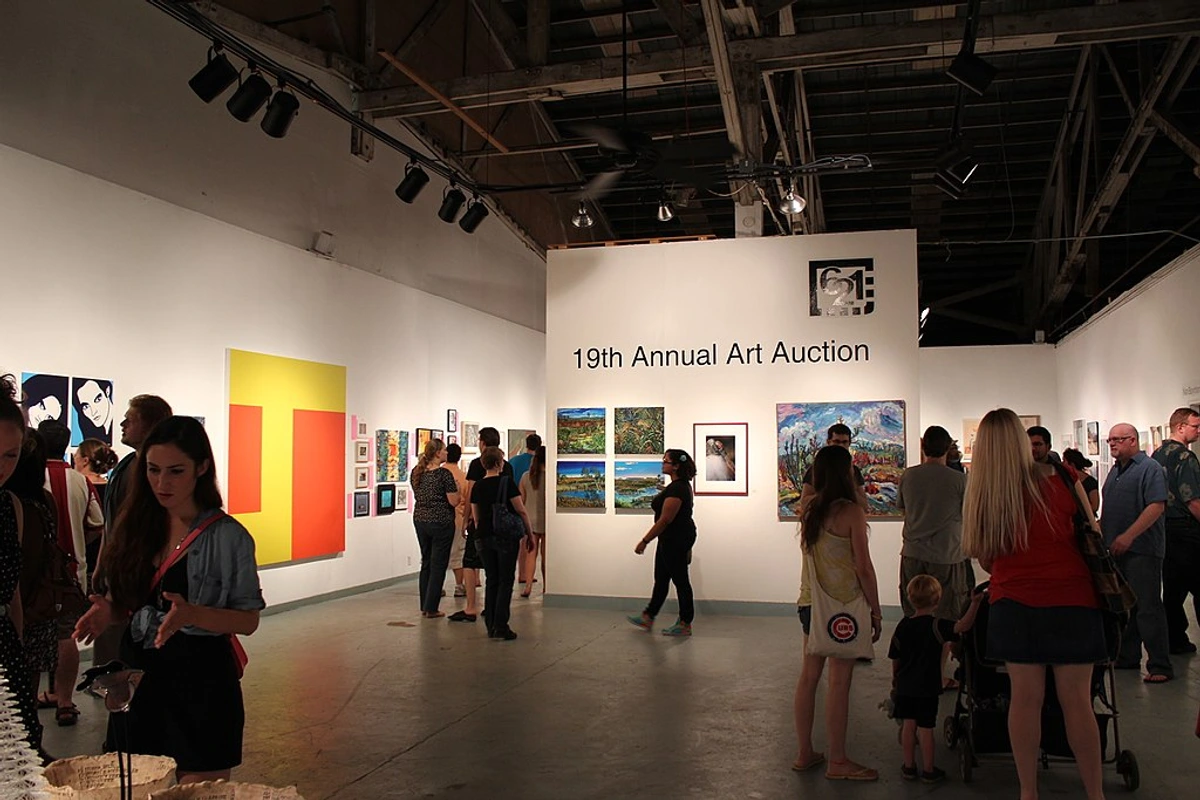
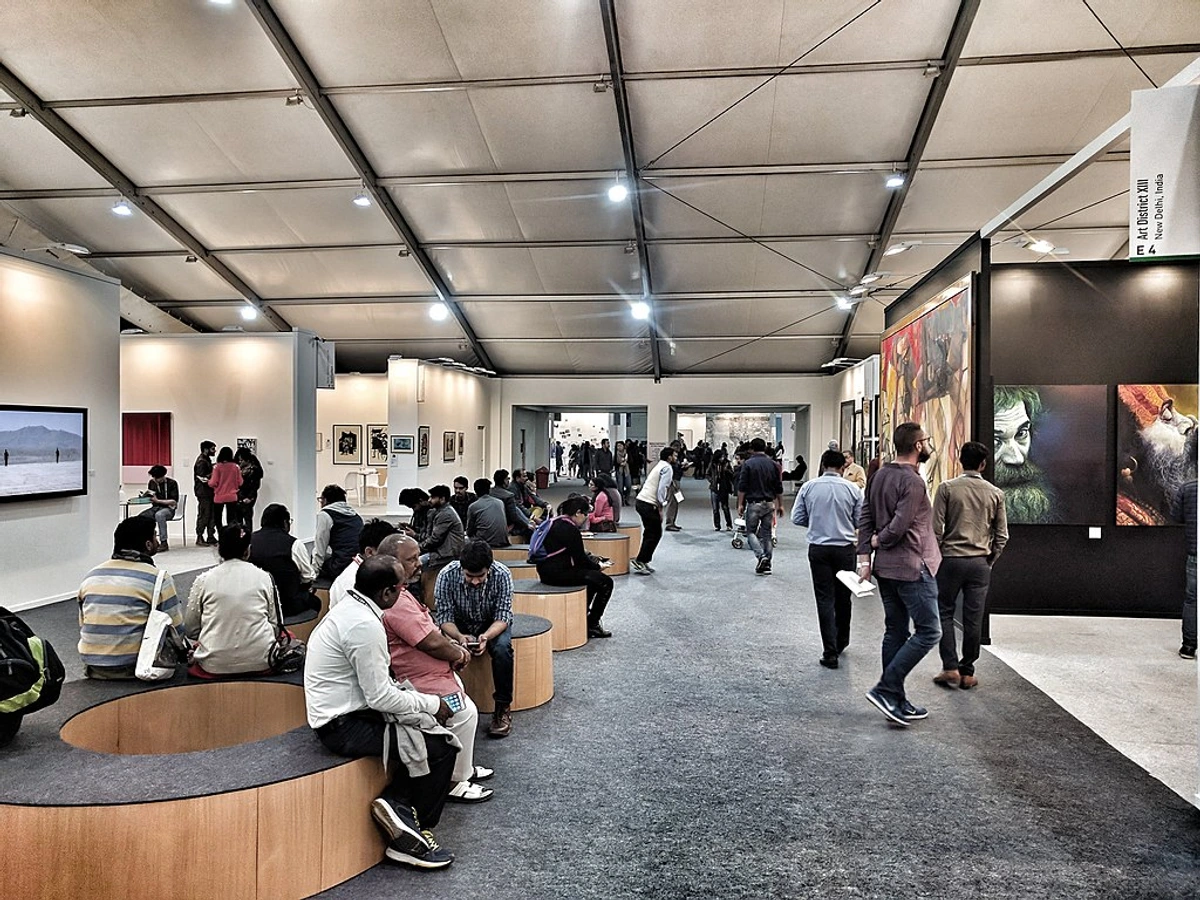
The distinction might seem subtle, but the vibe is entirely different. One feels like a vibrant, energetic bazaar where commerce and culture intertwine, the other more like a sprawling, intellectually charged museum exhibit – albeit one that pops up for a few weeks every other year, designed to challenge perceptions rather than just present work. To give you a visual sense of this distinction, here's a glimpse into the vibrant atmosphere of interactions at a typical art fair:
To crystallize these differences, here’s a quick overview of their key features:
Feature  | Art Fairs | Biennials |
|---|---|---|
| Primary Goal | Commercial sales, market activity, gallery representation | Artistic discourse, conceptual exploration, critical recognition |
| Artist's Primary Goal | Sales, market exposure, gallery representation | Critical engagement, recognition, artistic discourse |
| Frequency | Often annual | Every two years (Documenta every five) |
| Focus | Gallery representation, market trends, acquisition | Curated themes, boundary-pushing art, critical ideas |
| Atmosphere | Bustling, energetic, transactional | Thought-provoking, reflective, academic |
| Direct Sales | Common | Rare/Non-existent |
| Typical Venues | Convention centers, large temporary structures | City-wide, multiple venues, historic sites |
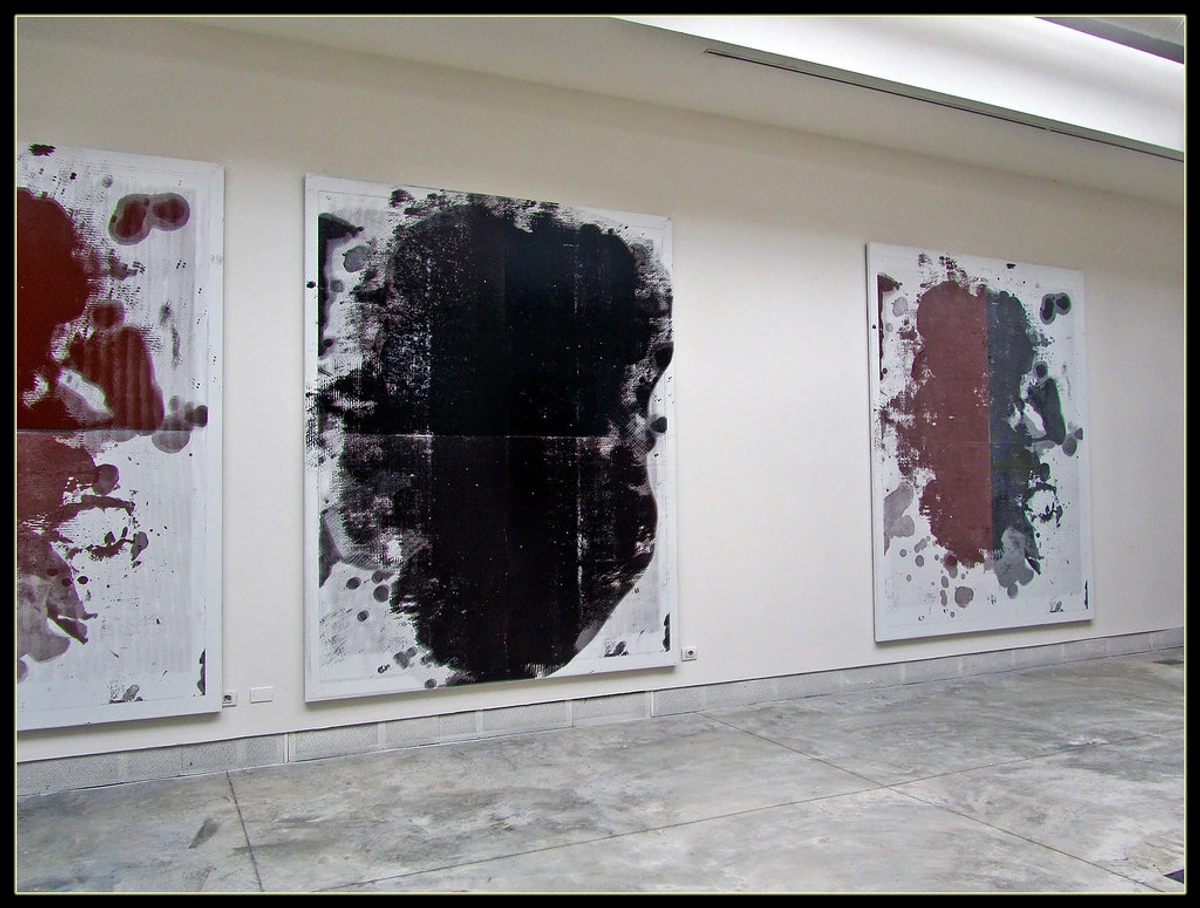
Why Even Bother with the Global Art Scene? The Unadulterated Thrill of Art
I admit, there are days when the very thought of navigating another crowded space, another unfamiliar city, another bout of jet lag, makes me want to simply stay in my studio, happily splattering paint on a canvas in peaceful solitude. But then, I remember the thrill. The sheer, unadulterated thrill of seeing something utterly new, something that rearranges the synapses in my brain and makes me rethink everything I thought I knew about art. It’s in these moments that I feel most connected to the vast, ongoing conversation of human creativity, especially in the vibrant arena of contemporary abstract art. So, why do I bother, and why should you? Let's dive in.
1. Discovery, Pure & Simple: A Shortcut to Global Creativity
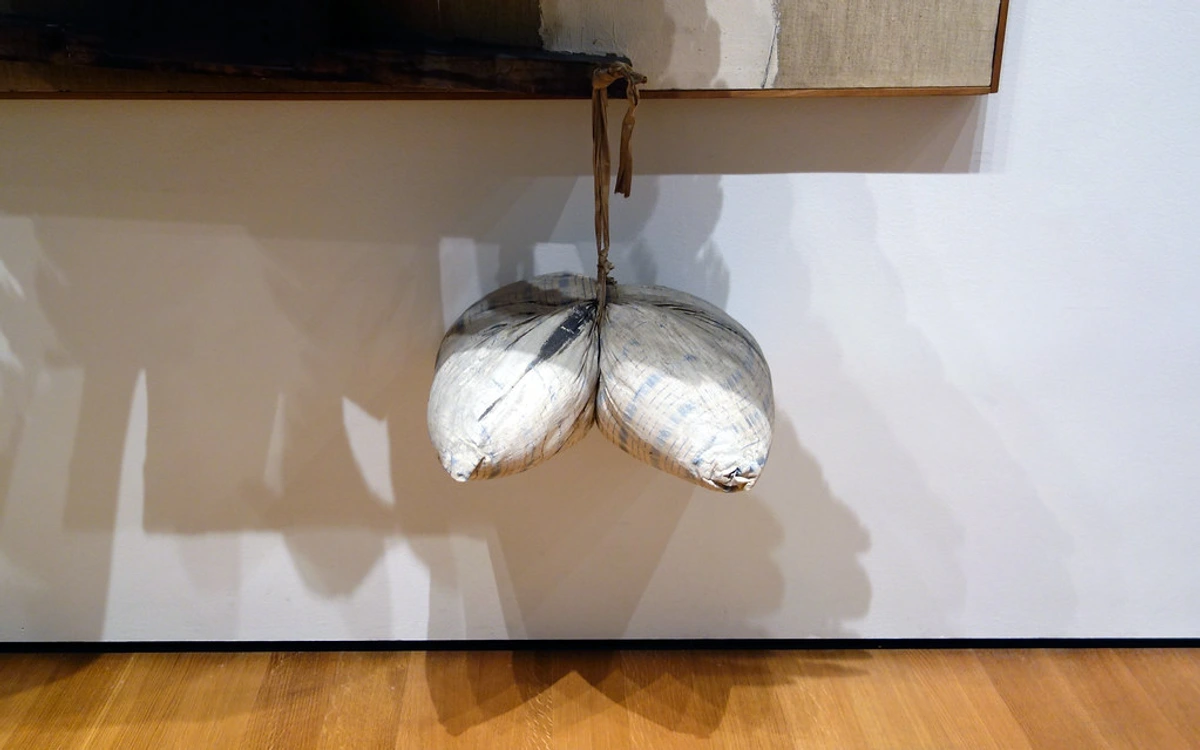
This is arguably the biggest draw. These events expose you to an astonishing breadth of art from cultures and continents you might never encounter otherwise. It's a direct shortcut to seeing what's truly happening globally, far beyond your local gallery scene. The sheer scale of a monumental canvas, the raw, tactile texture of a sculpture, or the subtle shimmer of light on an installation – these are experiences that simply don't translate fully through a screen. I've found artists at fairs who later subtly but profoundly influenced my own perspective, marking significant moments in my artist's journey.
Beyond individual artists, these events are powerful conduits for cultural exchange, particularly within the contemporary abstract landscape. I vividly recall a particular biennial where artists from various African and Latin American countries explored themes of identity, displacement, and landscape. They used both traditional indigenous materials, like woven fibers and natural pigments, alongside cutting-edge digital techniques, such as interactive projections and generative art installations. Witnessing this fusion profoundly broadened my own artistic vocabulary and pushed me to consider how I could recontextualize materials and narratives in my own abstract work.
For instance, seeing how an artist blended vibrant tribal patterns with minimalist geometric forms inspired me to incorporate a bolder, more contrasting palette in a series of digital sketches, which later evolved into a collection of vivid abstract paintings exploring the interplay of ancient symbols and modern urban grids. It was a jolt, a delightful artistic shock that sent ripples through my subsequent studio experiments, making me question what paint truly could be and inspiring me to incorporate more unexpected textures and bolder, often contrasting, color palettes in my pieces.
2. Trendspotting: The Art World's Crystal Ball for Contemporary Abstraction
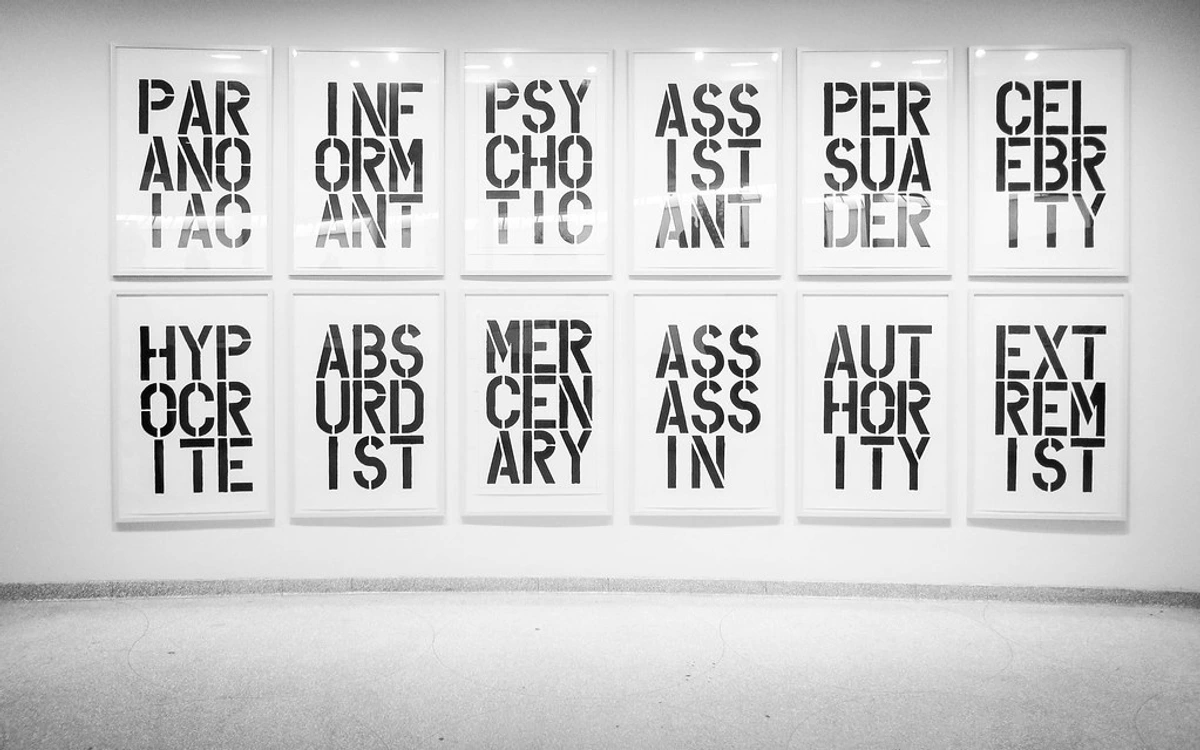
Beyond mere discovery, these events also serve as invaluable barometers of what's on the horizon. Want to know what's next? What themes are resonating globally? What mediums are gaining traction? Fairs and biennials are veritable crystal balls for the art world, especially for understanding shifts in contemporary abstract art trends. You can spot nascent movements before they become ubiquitous, observing shifts in contemporary art trends. For instance, at a recent Frieze London, I noticed a significant surge in ceramic sculpture and large-scale digital painting. These weren't just traditional crafts; they were bold, often interactive projections or generative art installations that used algorithms to create endlessly evolving abstract landscapes.
This subtly encouraged me to experiment with new compositions and textures in my own work, challenging my preconceptions of what 'painting' could encompass, and even inspiring some of the more textural elements in my abstract pieces. The shift from purely physical canvases to dynamic, algorithmically generated visuals made me re-evaluate my own digital sketching process, pushing me to layer colors and forms in ways that suggested movement and depth previously only achievable through impasto.
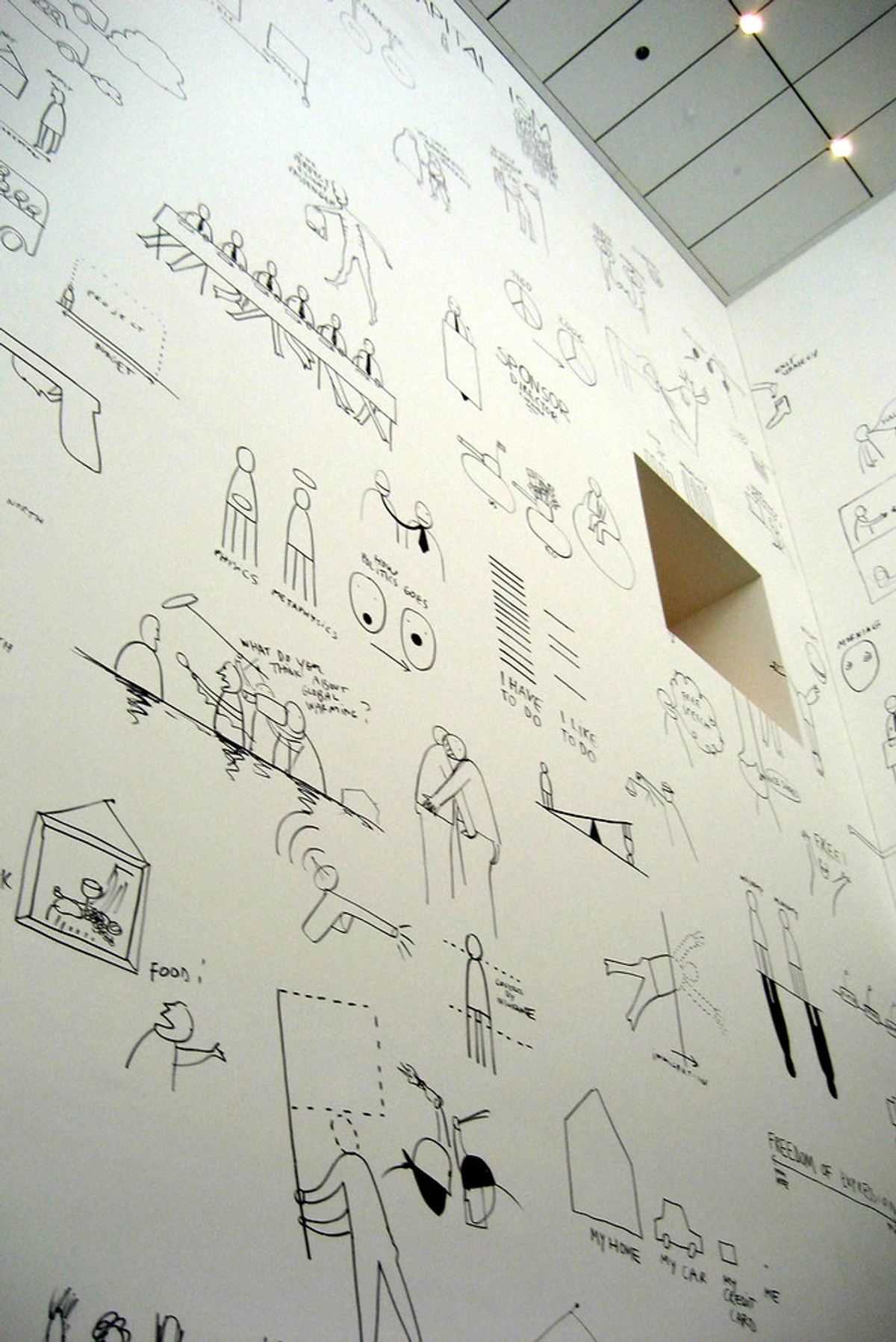
I've also observed the re-emergence of vibrant, expressive abstract styles, characterized by bold color fields and gestural brushwork, along with unexpected applications of AI in generative art. I recall one striking piece that used AI to generate endlessly evolving abstract landscapes, prompting me to think about new ways to layer color and form in my own digital sketches for future paintings, exploring how a controlled algorithm could still produce a sense of organic chaos and vibrant energy akin to my own abstract paintings. It's a bit like being a cultural anthropologist, but with much better snacks and considerably more challenging questions, to be honest. These trends often reflect broader societal shifts – whether it’s a renewed focus on environmental concerns, identity politics, or the impact of technology on human experience. If you're keen on understanding specific market trends, you might enjoy my article on understanding art market trends: a guide for emerging collectors. For a deeper dive into how technology intertwines with collecting, check out understanding the AI art market.
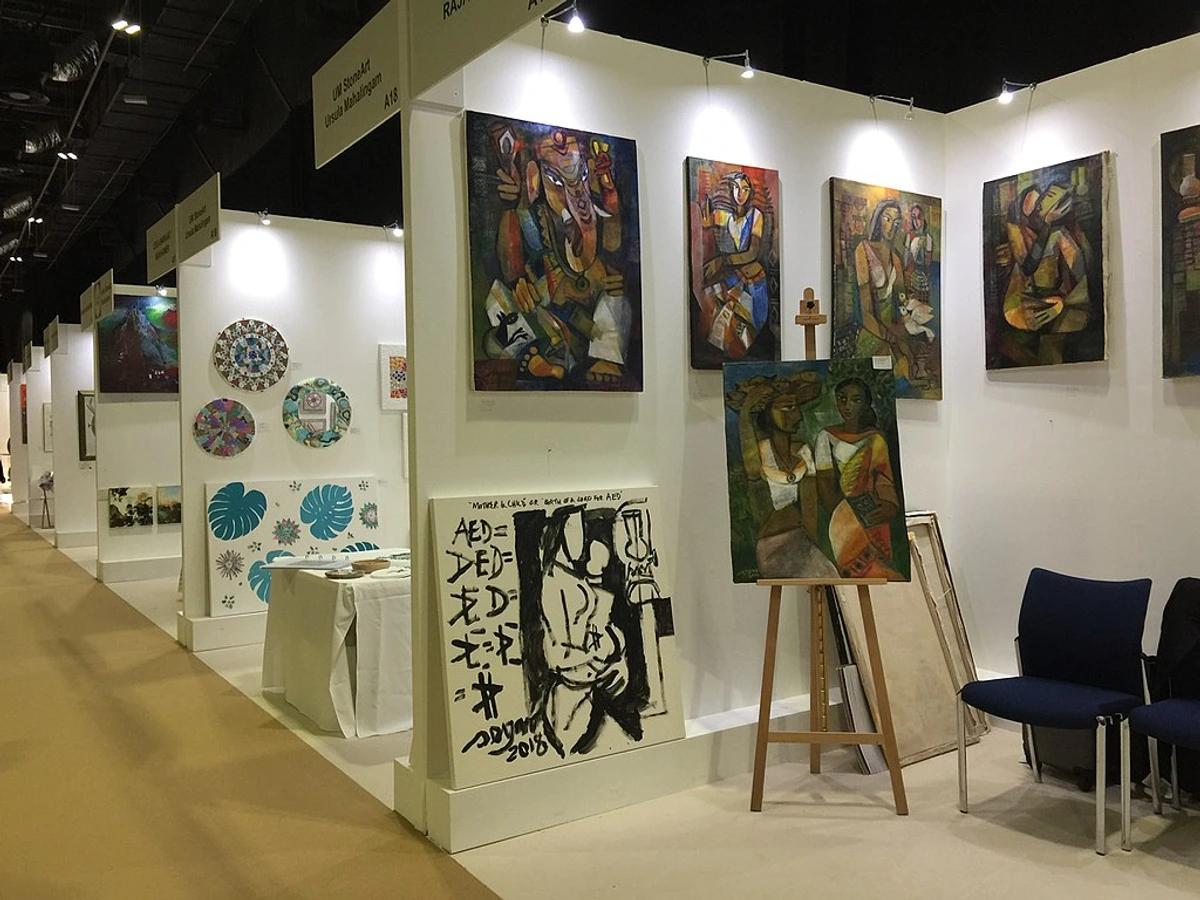
3. Inspiration Galore: A Potent Shot in the Arm for the Artistic Soul
For an artist, these events are a potent shot in the arm for the creative spirit. For a collector, they're a chance to refine your taste and expand your collection. For anyone, they are a powerful, often humbling, reminder of human creativity's boundless potential. Every corner holds a potential spark for a new idea, a different way of seeing, or a profound emotional response that resonates long after you've left. I often carry a small sketchbook, jotting down notes or quick compositional ideas that later manifest in the vibrant, colorful pieces I create in my own studio.
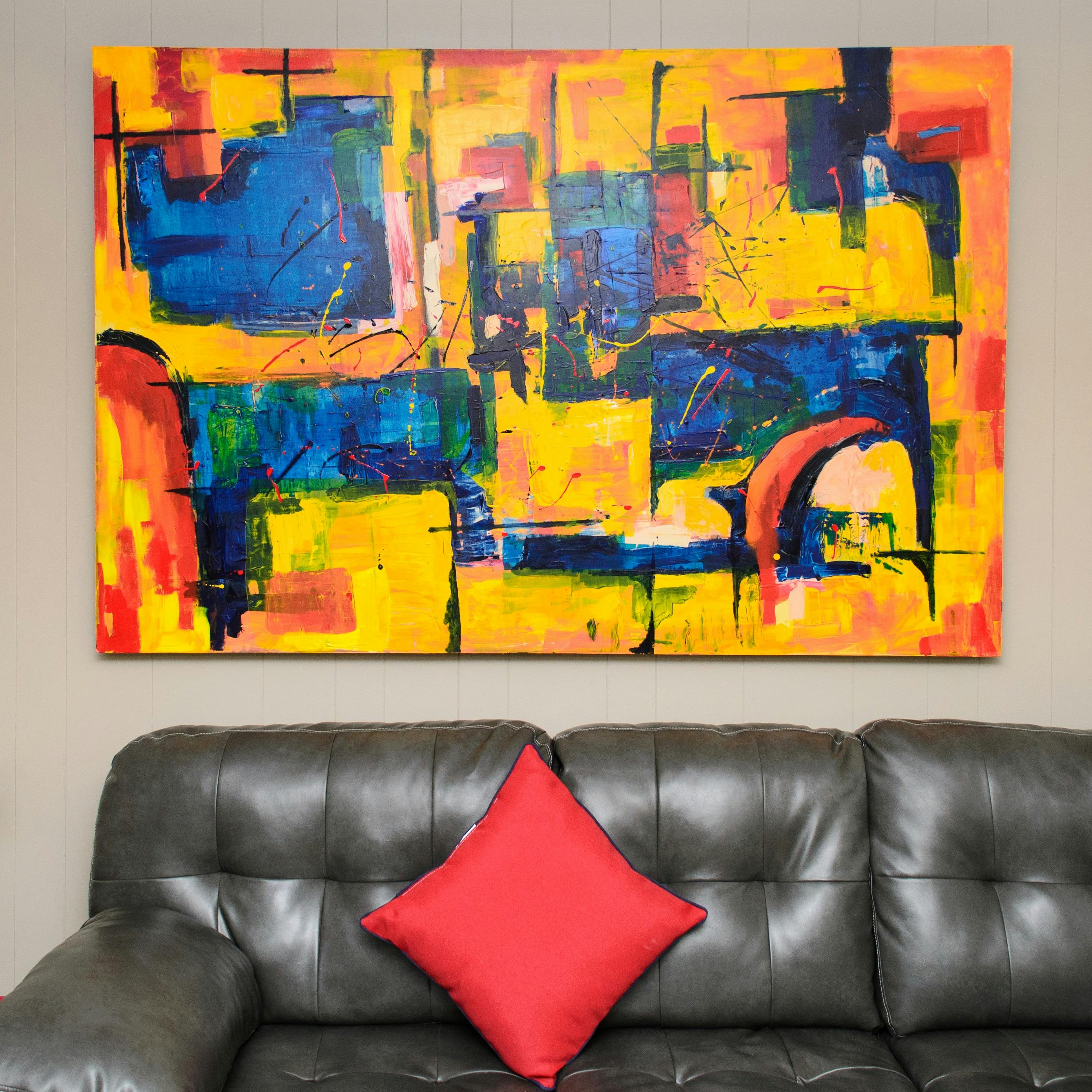
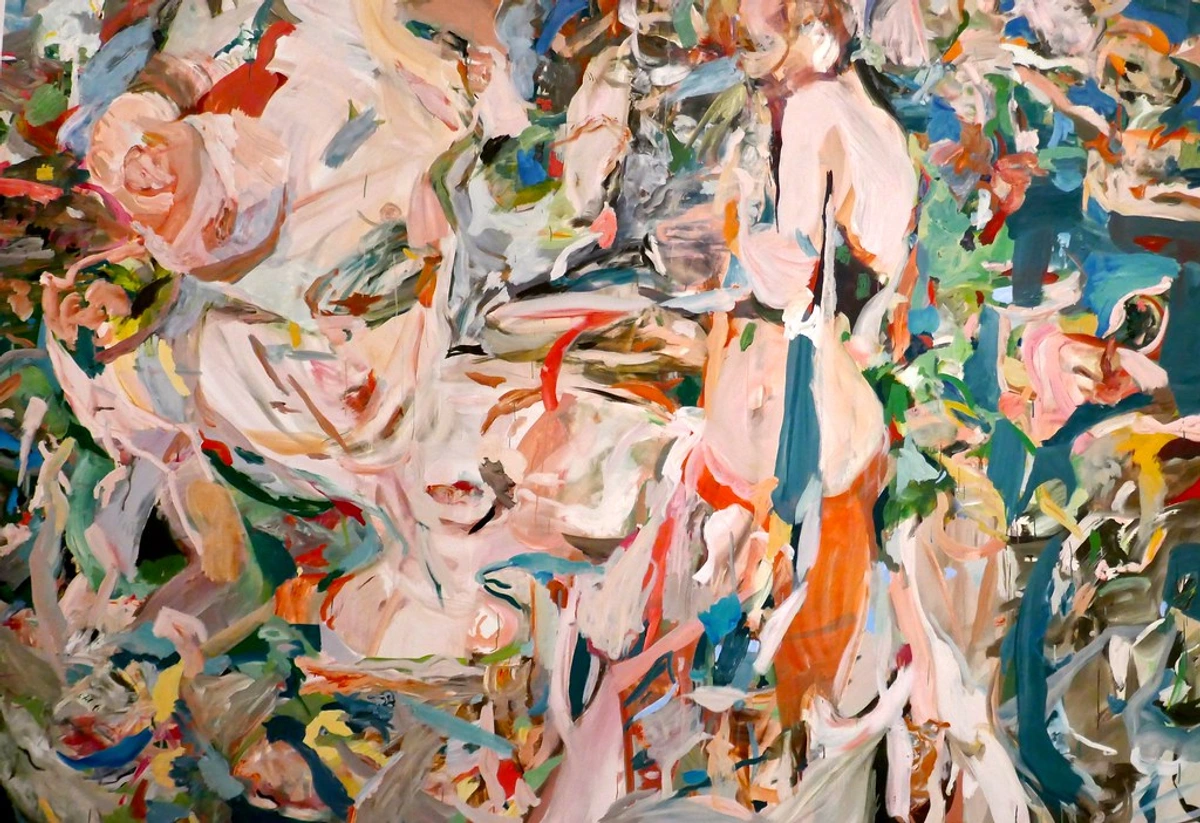
I remember standing before a particularly bold, abstract painting at an Armory Show – a large canvas dominated by intense reds, blues, and unexpected pops of neon yellow. It completely rewired how I thought about layering primary colors in my own new artwork. The sheer audacity of the artist's palette and the dynamic, almost aggressive, brushwork pushed me to embrace more vibrant contrasts and less conventional color combinations in my abstract pieces. It’s where my internal world meets the external explosion of artistic thought, often leading to a bolder use of color or a more dynamic brushstroke in my abstract paintings. What piece have you seen that fundamentally shifted your perspective and perhaps even how you approach the canvas?
4. Networking: The Art of Connection (Even for Introverted Abstract Artists)
Okay, I'm decidedly more of an introverted observer, more comfortable talking to canvases than crowds, but even I can appreciate the undeniable value of connecting with gallerists, fellow artists, and collectors. The art world, despite its global reach, is surprisingly small, and these events are where many crucial connections are forged. A simple, genuine question about a specific piece that truly moves you can often open up a fascinating conversation with a gallerist, leading to insights you wouldn't find online.
I once hesitantly asked a gallerist at Art Basel about a particular abstract artist's experimental use of unconventional pigments in a vibrant, textured painting. It really did lead to a fascinating 15-minute conversation about the artist's unique studio process, the challenges of sourcing sustainable colors, and the gallery's philosophy on championing contemporary material innovation. This offered invaluable insight. From informal chats leading to studio visits, to introductions at satellite events or artist talks, these connections are invaluable.
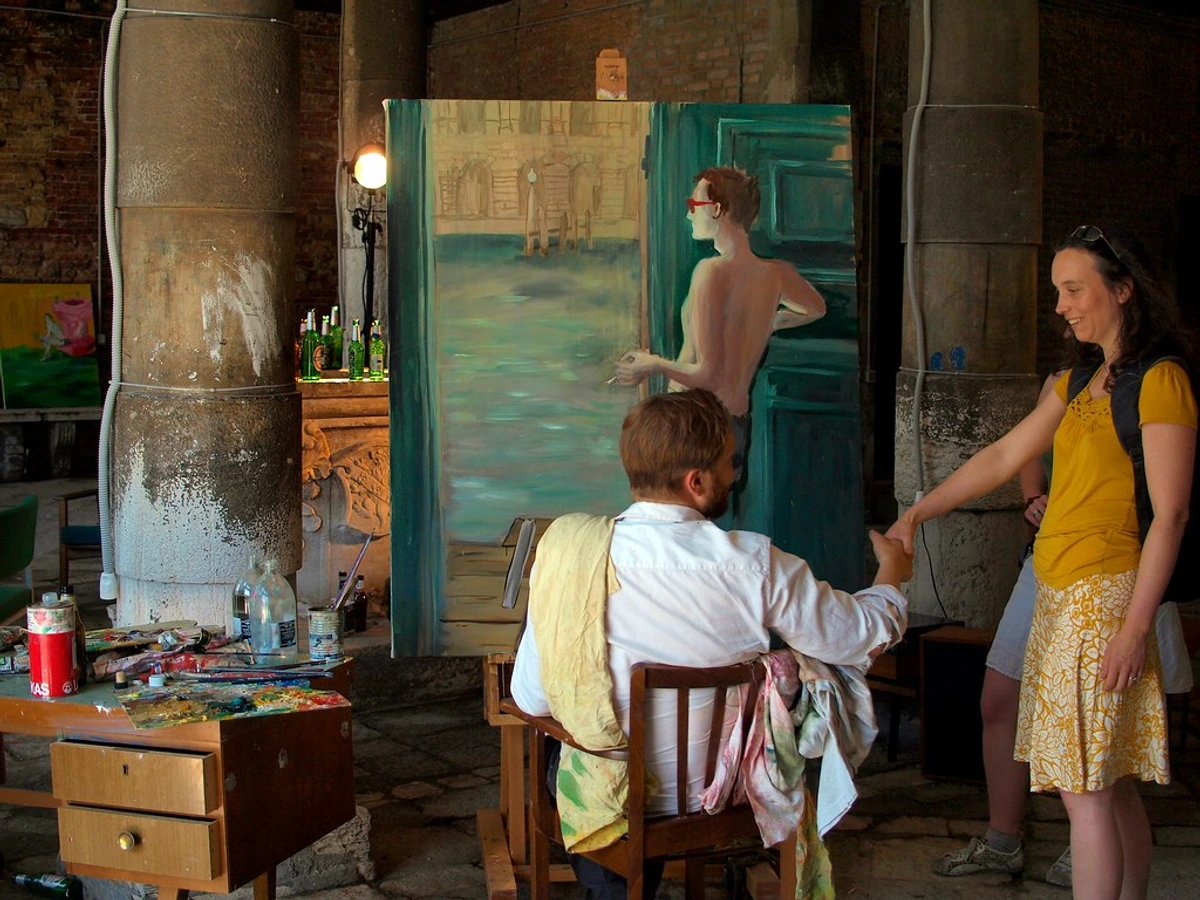
If you're an artist like me, particularly one working in contemporary abstract styles, you might ask questions like, "What qualities or characteristics do you typically seek in emerging artists' portfolios, especially in the abstract realm, beyond mere technical skill?" or "What's your perspective on the current market for diverse, experimental abstract art styles, and how do you see the role of color and texture evolving in contemporary abstraction?" You could even ask, "What is your gallery's philosophy on supporting abstract artists who experiment with unconventional materials or push boundaries in color theory?"
For emerging artists seeking gallery representation, a concise, genuine "elevator pitch" about your own work can be helpful, but only if the conversation naturally leads there, and always ask if they're open to seeing portfolios before launching in. Remember to also have your portfolio and artist statement meticulously prepared, showcasing a clear, consistent artistic vision, especially highlighting your unique approach to color, form, and texture in abstract art. These interactions help me, and potentially you, understand art fair logistics: a guide for emerging artists. Beyond direct connections, these events are also where art critics and publications like Artnet converge, shaping discourse and influencing market interest, while art advisors and consultants act as key figures, guiding collectors through the vast offerings. For more in-depth advice on this, check out understanding the role of art consultants: a guide for aspiring collectors.
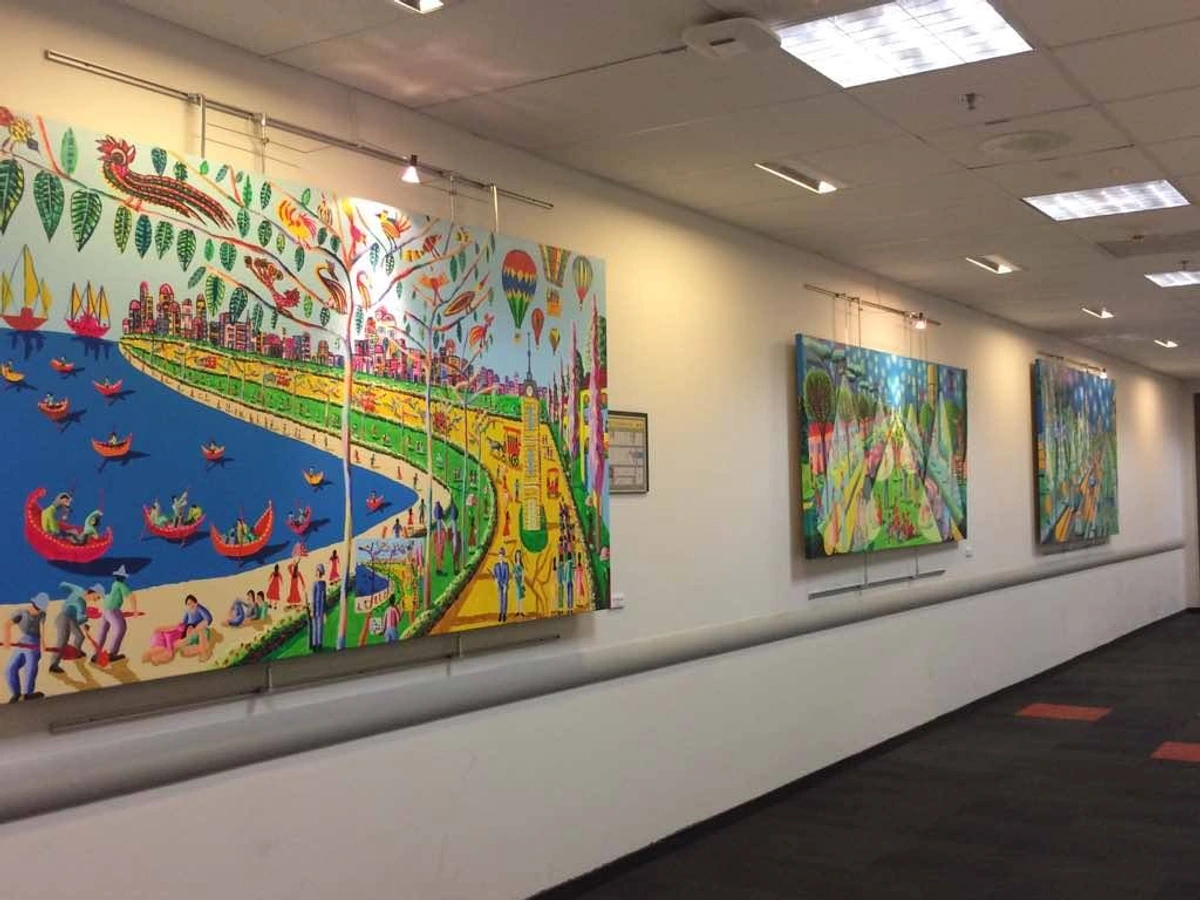
Navigating the Art World's Epicenters: Your Personal Strategy Guide for Contemporary Art
Okay, so we know why these events are vital. But how do you actually make the most of them without feeling like a small boat in a hurricane? It's all about strategy, whether you're an artist seeking inspiration, a collector scouting for a new acquisition, or simply an art lover soaking it all in. Here's how I typically approach these cultural behemoths, always with an eye for the next compelling abstract or colorful piece.
Before You Immerse Yourself: The Art of Preparation
Preparation is often the difference between a fulfilling experience and feeling utterly lost. Trust me on this one; I've learned the hard way that a little foresight can save a lot of exhaustion.
1. Do Your Homework, Especially for Your Niche
Most major art fairs and biennials, like Art Basel or the Venice Biennale, release their exhibitor lists, featured artists, and programs well in advance. This is your golden opportunity to look up the participating galleries, see which artists they're bringing, and identify any specific talks, performances, or special projects that pique your interest. This helps you create a focused itinerary.
For an artist working in contemporary abstract art, this is crucial. Actively seek out galleries known for representing abstract, colorful, or experimental work. Use keywords like "contemporary abstraction," "color field," "post-painterly abstraction," or "new media art" when researching online to find galleries that align with your aesthetic. I personally love to find out which artists are being shown for the first time, or those tackling themes relevant to my own work. For an artist, this is also the time to subtly research which galleries might align with your aesthetic for future outreach. Moreover, ensuring your own portfolio and artist statement are polished and ready is paramount. Gallerists look for a clear, consistent artistic vision, authenticity, high-quality images of your work, and a well-articulated statement that reflects your practice, rather than a generic collection of works.
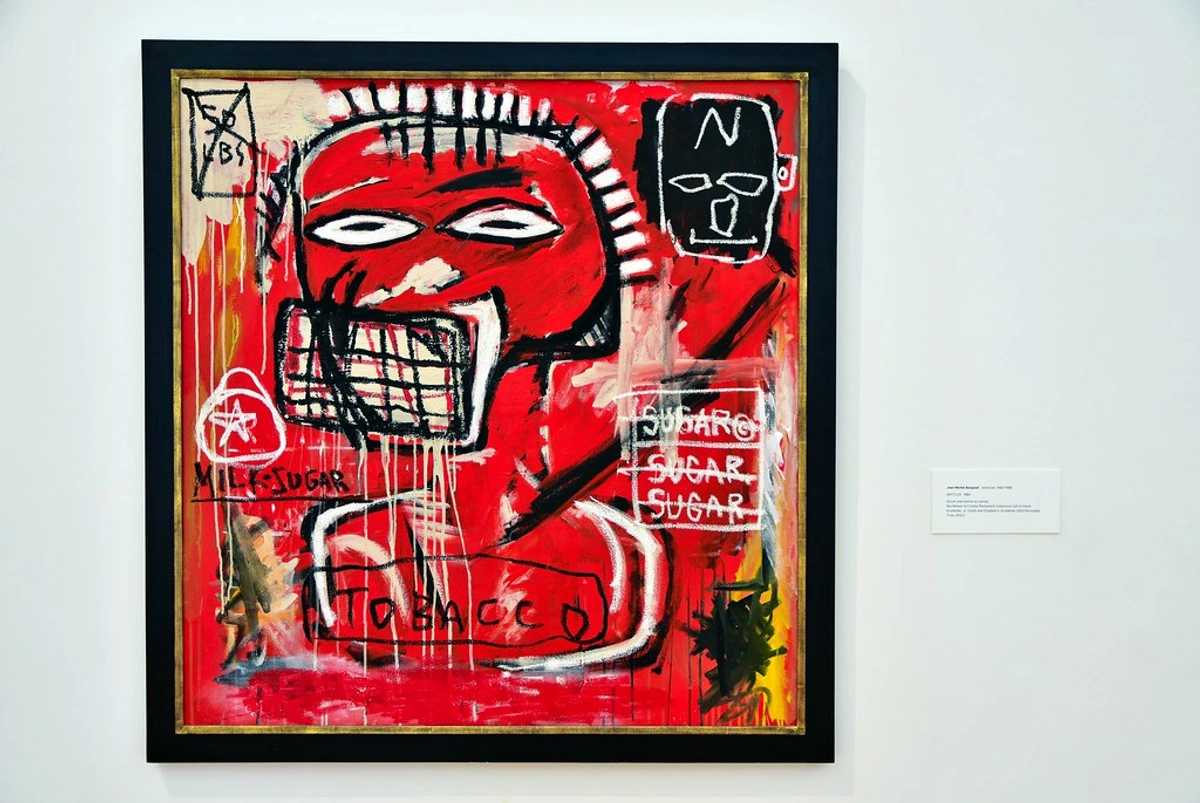
2. Map Your Attack (and Your Escape)
These venues are often sprawling, truly vast spaces. Download the event map well in advance and mark your must-see booths or pavilions. Prioritize. You simply can't see everything, and trying to will only lead to exhaustion and a blur of images. Also, identify quiet zones or cafes for quick mental breaks. Decompressing is absolutely key to actually processing what you're seeing and allowing new ideas to percolate.
3. Dress for Success (and Comfort)
You'll be doing a lot of walking, often on unforgiving concrete floors. Comfortable shoes are non-negotiable; your feet will thank you. Layers are also smart, as temperatures can vary widely within large exhibition spaces. This isn't a fashion show (unless it explicitly is one, of course!), so prioritize ease of movement. My usual studio attire of paint-splattered jeans and a comfortable shirt usually wins out, though I do make an effort to look slightly less like I've just wrestled a canvas.
4. Embrace the Digital Tools
Many fairs now have dedicated apps, and they are a godsend. Use them for navigation, event schedules, and even direct communication with galleries. It's a lifesaver for quickly finding information or saving details of pieces you love. Consider virtual viewing rooms as a powerful way to preview works and even attend talks remotely, especially if physical travel isn't possible. They offer an excellent way to pre-screen what you want to see, or to revisit pieces after the event.
On the Ground: Making the Most of the Experience
Once you're there, armed with your comfortable shoes and your prioritized map, it's about being present and strategic. This is where the real work (and fun!) begins, especially when you're seeking inspiration for your next abstract masterpiece.
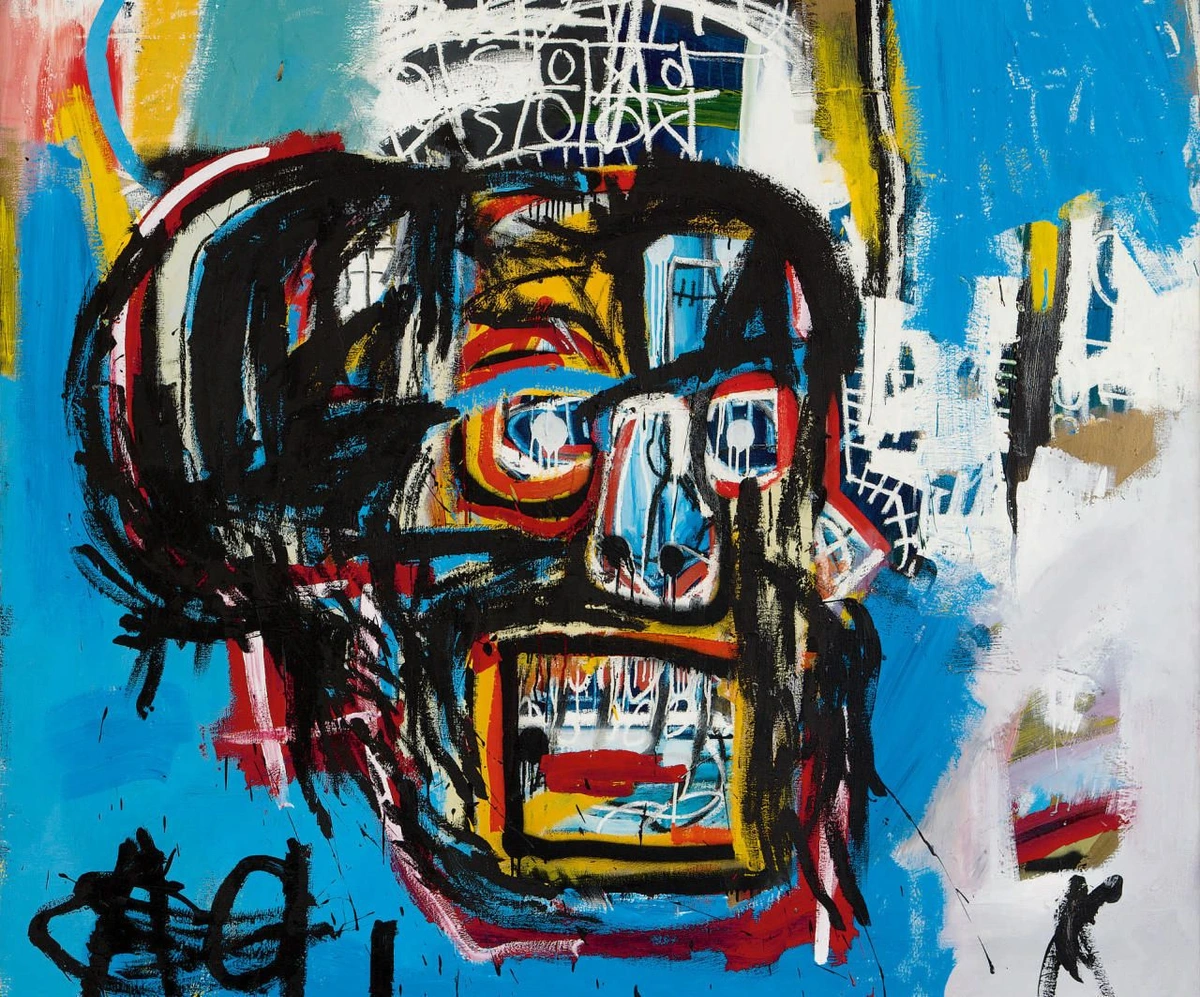
1. Pace Yourself – It's a Marathon, Not a Sprint
This isn't a race. Overwhelm is real, trust me, I've felt it many times. Take breaks. Sit and simply observe the flow of people, the interplay of light and art. Allow yourself to linger in front of a piece that truly grabs you, even if it throws off your meticulously planned schedule. Some of my most profound discoveries have come from straying from my plan and letting my intuition guide me. Remember, it's about connection and authentic engagement, not just rapid consumption.
2. Engage with Gallerists (Respectfully and Strategically)
Most gallerists are incredibly passionate and knowledgeable individuals. Don't be afraid to ask questions about the art, the artist's practice, or the gallery's vision. Start with open-ended questions like, "What's the story behind this piece?" or "What drew you to this artist's work?" They're there to sell, yes, but also to educate and connect genuine enthusiasts with the art. For deeper insights on this, you might find a Q&A with a gallerist on discovering new talent useful.
If you're an artist looking to connect, especially in the contemporary abstract sphere, a concise, genuine "elevator pitch" about your own work can be helpful, but only if the conversation naturally leads there, and always ask if they're open to seeing portfolios before launching in. Focus your questions on their program for emerging abstract artists, or their perspective on current trends in color theory and new media. Otherwise, a simple "Thank you for your time" goes a long way.
3. Take Notes and Capture Inspiration (Discreetly)
A small notebook or your phone can be invaluable for jotting down artist names, gallery contacts, or initial impressions. Don't rely on memory alone – the sheer volume of art can make details blur. I often make quick sketches or note down color palettes that resonate with me, or even a particular emotional response a piece evoked, which often find their way into my new artwork. Remember to be respectful of artists' rights and gallery policies regarding photography; always ask if unsure.
4. Look Beyond the Big Names, Discover Emerging Abstract Talent
While it's tempting to gravitate towards established artists, some of the most exciting discoveries happen in the emerging sections or with smaller, independent galleries. Seek out these spaces. They often push boundaries and offer fresh perspectives, especially in contemporary abstract art. Don't be afraid to venture off the main avenues – this is often where you find the raw, vibrant energy that will truly inspire your own work, particularly if you're drawn to contemporary, colorful, and abstract styles. Look for dedicated sections like "Statements" or "Discoveries," explore satellite fairs that run concurrently, and pay attention to university graduate shows and artist residencies that often have a presence. These are often the places where truly innovative work, particularly in abstract and conceptual art, first emerges. For abstract artists, these are prime spots to connect with galleries specifically championing new, bold visual languages. My article on how to spot and buy art from emerging artists offers more guidance on this.
What to Avoid: Common Pitfalls
Just as important as knowing what to do, is knowing what not to do. Trust me, I've seen (and perhaps briefly been) all of these, so learn from my mild embarrassments:
- Don't Over-Schedule: Trying to see every single booth in one day is a recipe for sensory overload and burnout. You'll end up seeing nothing distinct. Prioritize quality over quantity, always.
- Don't Be a Wallflower (Too Much): While introversion is understandable, a brief, polite interaction can open doors. Don't hover awkwardly; engage or move on.
- Don't Forget to Eat/Hydrate: These are marathon events. Keep your energy up, or you'll quickly lose your artistic sparkle (and probably become grumpy, which isn't a good look for anyone!).
- Don't Assume Everyone Wants Your Portfolio: Respect the commercial nature of fairs. Only present your work if explicitly invited, or if the conversation naturally steers towards it in a way that feels genuinely receptive from the gallerist's side. For abstract artists, ensure your portfolio specifically showcases your unique vision and is tailored to the gallery's represented artists.
Beyond the Booths: Reflection and Follow-Up
The experience doesn't end when you leave the venue. In fact, the real magic often happens afterwards, when the vibrant colors and bold forms coalesce into new ideas and a deeper understanding. Allow yourself this crucial time to process.
Key Takeaways for Your Art Fair & Biennial Adventure
- Prepare Meticulously: Research artists, galleries, and schedules to maximize your time, especially seeking out contemporary abstract art.
- Pace Yourself & Prioritize: It's a marathon, not a sprint. Quality engagement beats exhaustive viewing.
- Engage Thoughtfully: Genuine curiosity can open doors to invaluable insights and connections, especially for artists looking to understand the contemporary market for abstract art.
- Look for the Unexpected: Some of the best discoveries are found off the beaten path, in emerging artist sections showcasing innovative abstract work.
- Reflect & Integrate: Allow time to process, and let new inspirations seep into your own creative work or collecting vision, leading to bolder artistic choices and a more informed approach.
- Follow Up: For artists, send polite thank-you notes to gallerists you had meaningful conversations with. For collectors, organize your notes, research promising artists further, and perhaps even follow up on potential acquisitions.

The Art Market's Pulse: The Business Behind the Beauty of Contemporary Abstract Art
While my focus is often on the art itself – the sheer joy of creating a new abstract piece, the interplay of colors and textures – it’s impossible to ignore the intricate machinery of the art market that hums beneath these events. It's a complex ecosystem, shaped by money, prestige, and influence. How does it all work? Well, it's certainly not as simple as mixing paint colors in my studio, that's for sure!
The Economics of Art: Investment vs. Passion, Especially for Abstract Works
For galleries, exhibiting at a major fair can cost tens, even hundreds of thousands of dollars. We're talking about booth rental (which can be €20,000 to €100,000+ for a decent spot at a top-tier fair), international shipping for delicate abstract sculptures or large-scale canvases, specialized installation costs, insurance, and extensive marketing. Think of it like a very high-stakes pop-up storefront in a prime global location – a huge upfront investment with the hope of significant returns. This significant outlay is aimed at making sales, gaining international exposure, and placing their artists in significant collections. Sales are often negotiated discreetly, and prices can range from a few thousand for emerging artists to multi-million dollars for established masters. This is why art prices can seem so opaque to the uninitiated.
For the artists they represent, sales typically involve a commission split, often around 50/50, but it varies depending on the gallery, the artist's career stage, and the specific agreement. This means a considerable portion of the sale goes to the gallery. And let's not forget, artists also bear the costs of producing the artwork – materials, studio rent, framing – and often contributing to shipping and marketing. This adds another layer of financial pressure to create work that is both artistically resonant and commercially viable. For contemporary abstract artists, pricing can be influenced by factors such as the artist's exhibition history, critical acclaim, the uniqueness of their style (especially their innovative use of color or experimental techniques), and the demand from collectors actively seeking cutting-edge abstraction. Understanding whether you're buying for passion, investment, or both, is crucial, and it's a conversation I often have with aspiring collectors.
Art as an investment primarily operates in the secondary market, where artworks are resold, often through auction houses. It involves considering factors like the artist's career trajectory, market demand, and historical performance, often guided by market reports and expert advice. Think about my article on art as an investment: risks vs. rewards. Collecting, on the other hand, is largely driven by personal aesthetic appreciation, intellectual engagement, and the desire to live with art. This often allows for more adventurous choices from emerging talents presented in the primary market at fairs, especially when seeking unique abstract pieces that speak directly to you.
Key Players and Their Roles in the Contemporary Art Ecosystem
Beyond gallerists and artists, the art fair landscape is populated by numerous other vital figures, creating a truly interconnected web.
- Curators: These master storytellers shape the narrative of biennials and special projects, often spending years researching and conceptualizing themes. For biennials specifically, curators play a pivotal role in selecting artists who are pushing boundaries in contemporary abstraction, experimental media, or challenging established color theories, ensuring the exhibition offers fresh and critical perspectives. It's their vision that brings cohesion to diverse works.
- Art Advisors: These are your navigators in a complex sea of options, guiding collectors through purchases and collection building, offering expertise on authenticity, condition, and market value. They are particularly helpful for those new to collecting contemporary abstract art, helping to demystify the market. My article Q&A with an art advisor: navigating the contemporary art market for new collectors offers more insight here.
- Auction Houses: Giants like Sotheby's and Christie's play a significant role in the secondary market, facilitating sales of established works and often setting new price benchmarks.
- Shipping Companies and Art Handlers: These unsung heroes ensure precious artworks travel safely across continents with meticulous care, often navigating complex customs regulations for unique, sometimes fragile, abstract sculptures or large canvases.
- Collectors: Ranging from institutional buyers to private enthusiasts, these individuals are the lifeblood of the market.
- Art Critics and Publications: Magazines like Artforum or Hyperallergic don't just report on events; they shape the discourse, offering critical perspectives that can influence an artist's reputation and market interest, especially for emerging contemporary artists whose abstract work might challenge conventional tastes. A positive review in a major art magazine, for instance, can significantly boost an artist's profile and market value, particularly for boundary-pushing abstract art.
Provenance, Valuation, and Conservation for Abstract Art
The importance of provenance – the documented history of an artwork's ownership – cannot be overstated. Think of it as the artwork's verifiable biography or its legal passport. It's vital for establishing authenticity, legal ownership, and significantly impacts an artwork's value, especially in the secondary market where works change hands. For abstract art, establishing provenance can be particularly important for unique techniques or materials, where the artist's specific process contributes heavily to its identity and value. For more on this, see understanding art provenance: tracing the history of your abstract art collection.
Coupled with provenance is the critical need for conservation and restoration. Proper handling, climate control, and expert restoration ensure the longevity and preservation of artworks, safeguarding their aesthetic and monetary value for future generations. For abstract pieces that might incorporate unconventional materials, highly textured surfaces (impasto), or vibrant, light-sensitive pigments, careful handling and specialized conservation techniques are even more crucial. For example, some mixed-media abstract works might require specific humidity levels or protection from UV light to prevent degradation. Learning about art storage solutions for collectors is a smart move.
In this realm, the issue of art fraud and fakes is a constant concern. Due diligence, often involving expert authentication and thorough provenance research, is paramount before making a significant acquisition. For contemporary abstract art, fakes might involve mimicking an artist's signature style or fabricating exhibition history, so collectors need to be vigilant about the artist's unique visual language, material consistency, and reputable gallery representation.
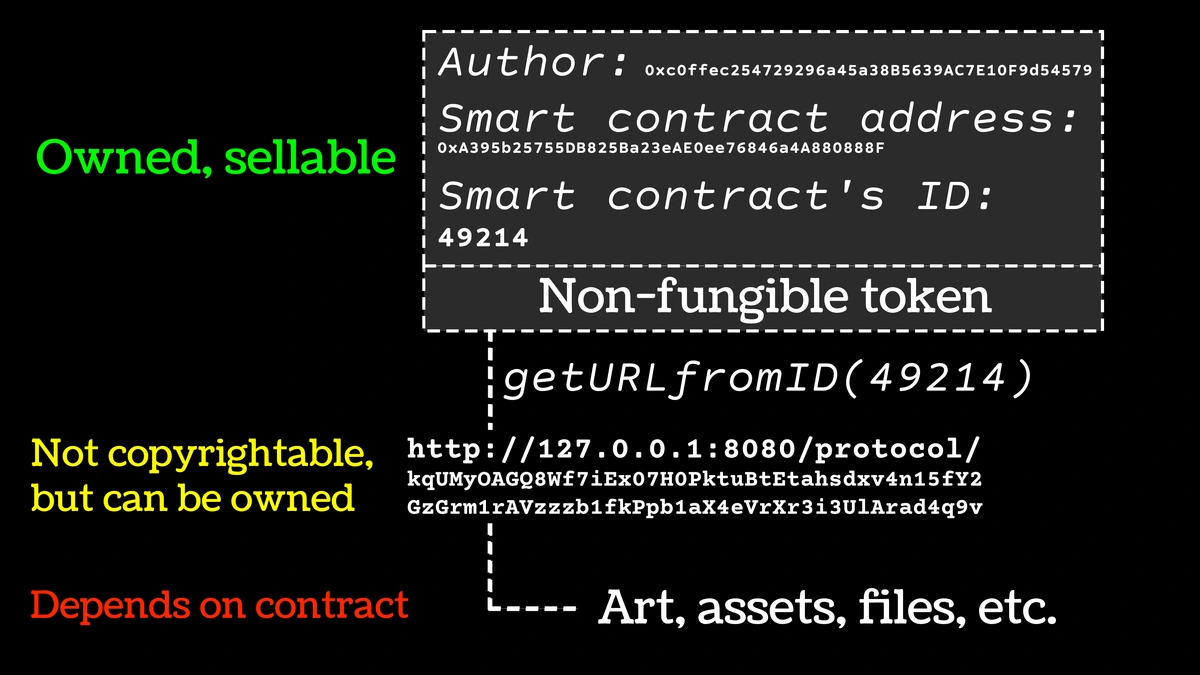
While the physical experience remains paramount, digital platforms are increasingly important, with online viewing rooms often preceding or accompanying fairs, and sometimes serving as the primary way to engage. And regarding the more speculative side, while technologies like blockchain and NFTs (Non-Fungible Tokens) have made a splash, I personally maintain a cautious distance. My focus remains on the enduring aesthetic and conceptual value of physical art rather than its digital scarcity or transient market fluctuations. While NFTs offer new avenues, the long-term impact on art's intrinsic value, particularly for tangible works like paintings, still feels unproven to me, and I view them primarily as a separate, more speculative, digital market, distinct from the core principles of collecting and experiencing tangible abstract art.

A Glimpse from the Other Side: What It's Like to Exhibit as a Contemporary Artist
For an artist, the thought of exhibiting at a major international fair or biennial can be both exhilarating and daunting. While I primarily attend as an observer and seeker of inspiration, gleaning insights from fellow exhibiting artists reveals some consistent key themes. It’s a different kind of intensity than the quiet of the studio – imagine trying to produce a masterpiece while a bustling city parades through your creative space!
Immense Preparation & Costs
From meticulously crating and shipping work (often across borders, requiring extensive customs paperwork for delicate abstract sculptures or large-scale canvases) to ensuring every piece is perfectly installed and lit, the logistical challenges are monumental. Artists, in collaboration with their galleries, must curate a cohesive body of work that represents their current vision for a global audience. They incur significant costs for booth rental (which, as we discussed, can be tens of thousands of dollars), specialized art handlers, international shipping fees (often ranging from thousands to tens of thousands of euros for larger or fragile works), insurance, travel, and promotional materials.
For an emerging artist, especially one working in contemporary abstract art, this often means self-funding or relying on grants, participating in smaller, shared booths, and enduring even greater financial precarity. This contrasts sharply with the robust backing a mid-career artist might receive from an established gallery. There's also the immense pressure of producing a cohesive body of work that truly represents your current artistic vision on a global stage, often balancing artistic integrity with market appeal. Think about developing a strong, unique artist statement and portfolio that clearly communicates your vision and demonstrates a consistent body of work, particularly emphasizing your distinct approach to color, form, and abstract expression.
The Emotional Rollercoaster of Exposure
There are moments of immense pride and validation when your work is seen by thousands, discussed by critics, and perhaps even acquired by a significant collector. A fellow abstract artist once told me, "It's a high unlike any other, seeing someone truly get your non-representational narrative." But there's also deep vulnerability – your art is exposed to intense scrutiny, and the commercial pressure can be immense. It's a test of resilience, creativity, and often, patience.
One artist confided, "It felt like presenting my soul to the world, then waiting for judgment – exhilarating and terrifying in equal measure. Especially with abstract work, where the viewer brings so much of their own experience, you never quite know how it will land." This constant oscillation between hope and anxiety, this feeling that the sky is either falling or bursting with new colors, is a sentiment I often try to capture in my own abstract pieces.
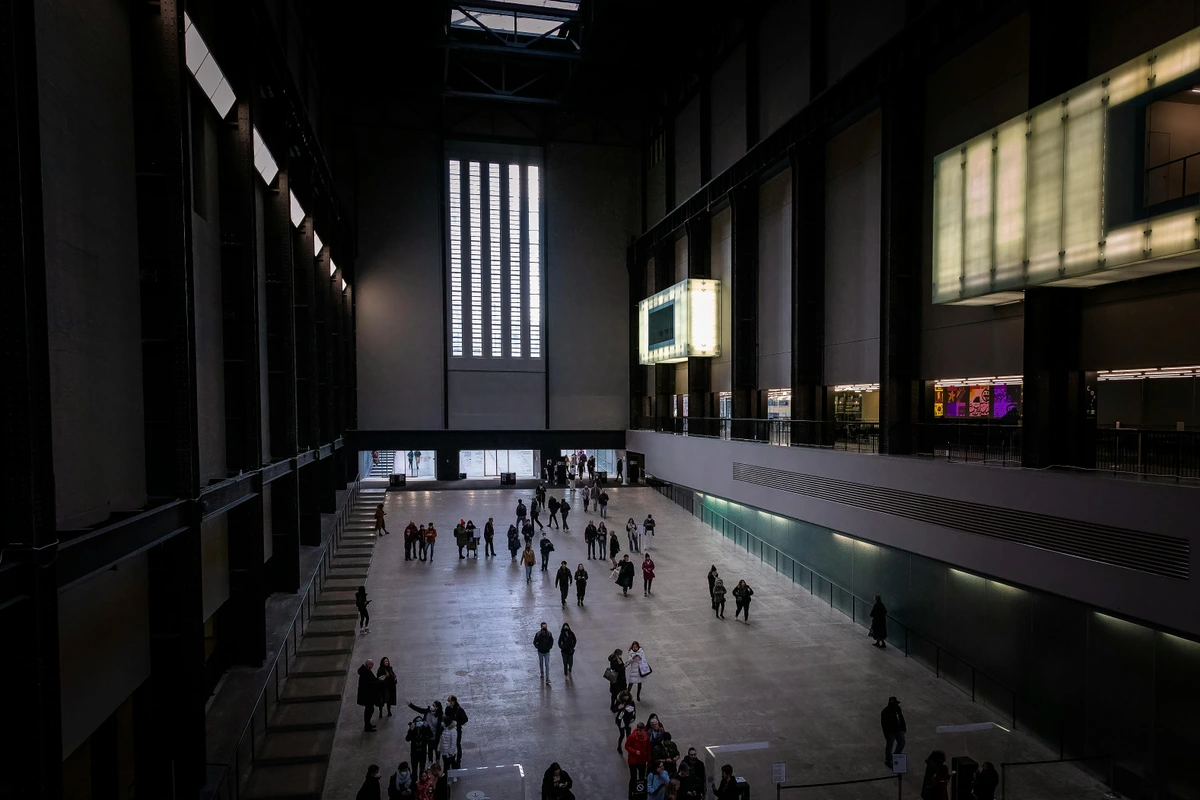
Unparalleled Exposure & Opportunity
Despite the challenges, the exposure is undeniable. These platforms can launch careers, solidify reputations, and open doors to new galleries, collaborations, and opportunities that might otherwise be out of reach. It's a direct route to connecting with a global audience, something that's incredibly difficult to achieve from a single studio space. For emerging artists, this can be a game-changer for finding galleries accepting new artists, especially those looking for fresh abstract talent pushing the boundaries of color and form.
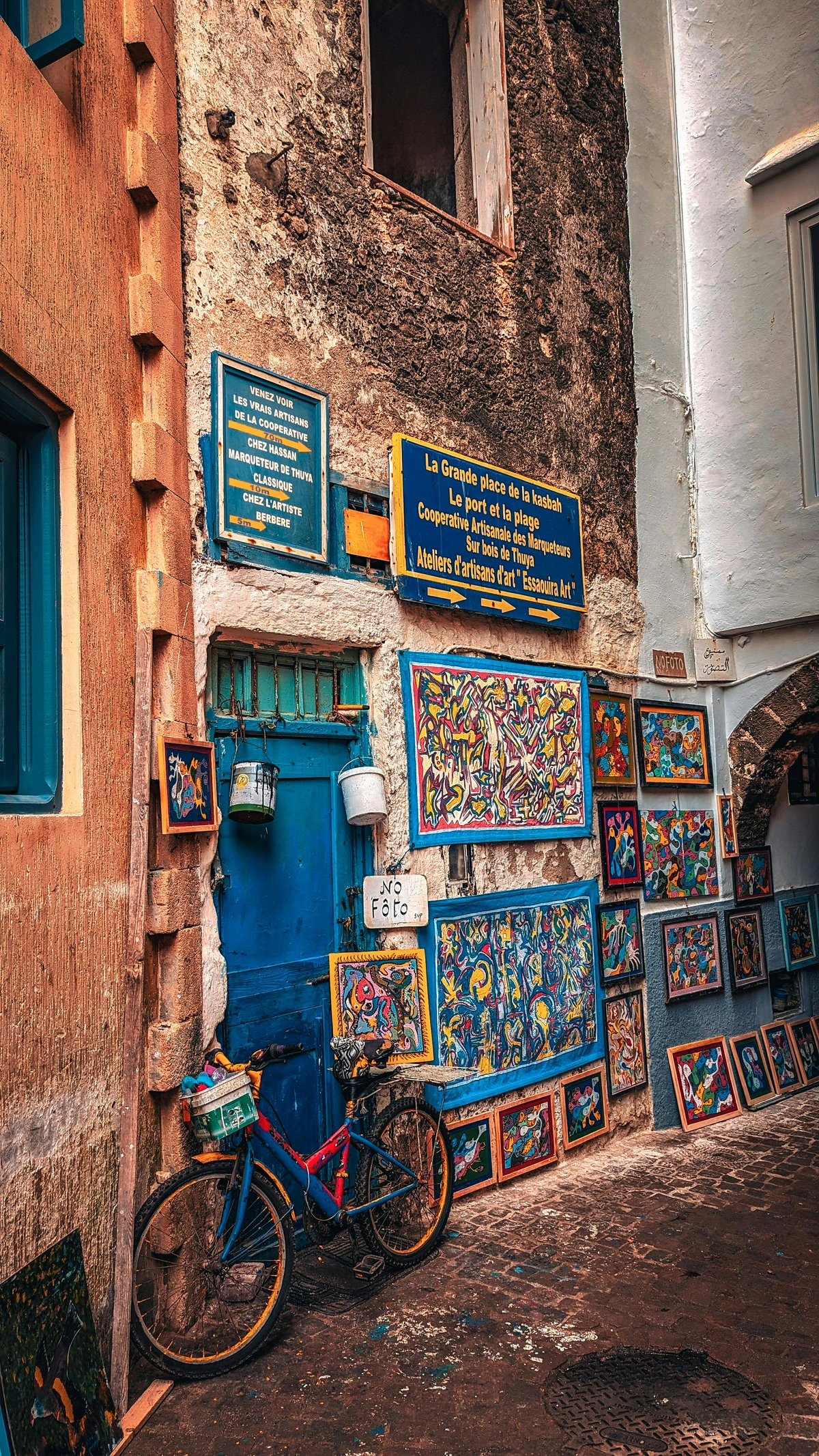
Ethical Considerations and Sustainability in the Contemporary Art World
The global art world, for all its beauty and inspiration, is not without its complexities and ethical dilemmas. As we engage with this vibrant ecosystem, it's important to be mindful of its broader impact and act with integrity.
Provenance and Repatriation: Tracing Art's True History
The history of art is sometimes intertwined with colonialism, conflict, and illicit trade. The ongoing conversation around repatriation of cultural artifacts to their countries of origin, and the importance of ethical provenance research, is crucial. As collectors and enthusiasts, supporting transparent and ethical practices is vital. Understanding an artwork's true history ensures its integrity, especially for pieces whose origins might be obscure. For more on this, see ethical considerations when buying cultural art. While abstract art might seem removed from these historical issues, its materials or conceptual underpinnings can sometimes lead back to discussions about cultural ownership or exploitation, making robust provenance vital across all genres.
Cultural Appropriation in Abstract Art: Navigating Inspiration and Respect
With global cultural exchange at the heart of biennials, discussions around cultural appropriation in artistic practice are frequent. As an artist, I keenly feel the responsibility of navigating the fine line between respectful homage and exploitative borrowing. This is a critical aspect of contemporary artistic discourse, especially when abstract forms draw from diverse global aesthetics.
For instance, an abstract artist may be praised for incorporating traditional Indigenous weaving patterns or specific color motifs into a contemporary abstract painting if they engage in genuine collaboration, provide clear attribution, and demonstrate a deep understanding and respect for the cultural context. However, they could face significant criticism if they do so superficially, without proper understanding or direct involvement from community members, effectively stripping the original culture of its agency and intellectual property for personal gain. It’s a nuanced conversation that pushes artists and viewers to engage more deeply with context and intent, especially when drawing inspiration from diverse cultural aesthetics for abstract forms or color palettes.
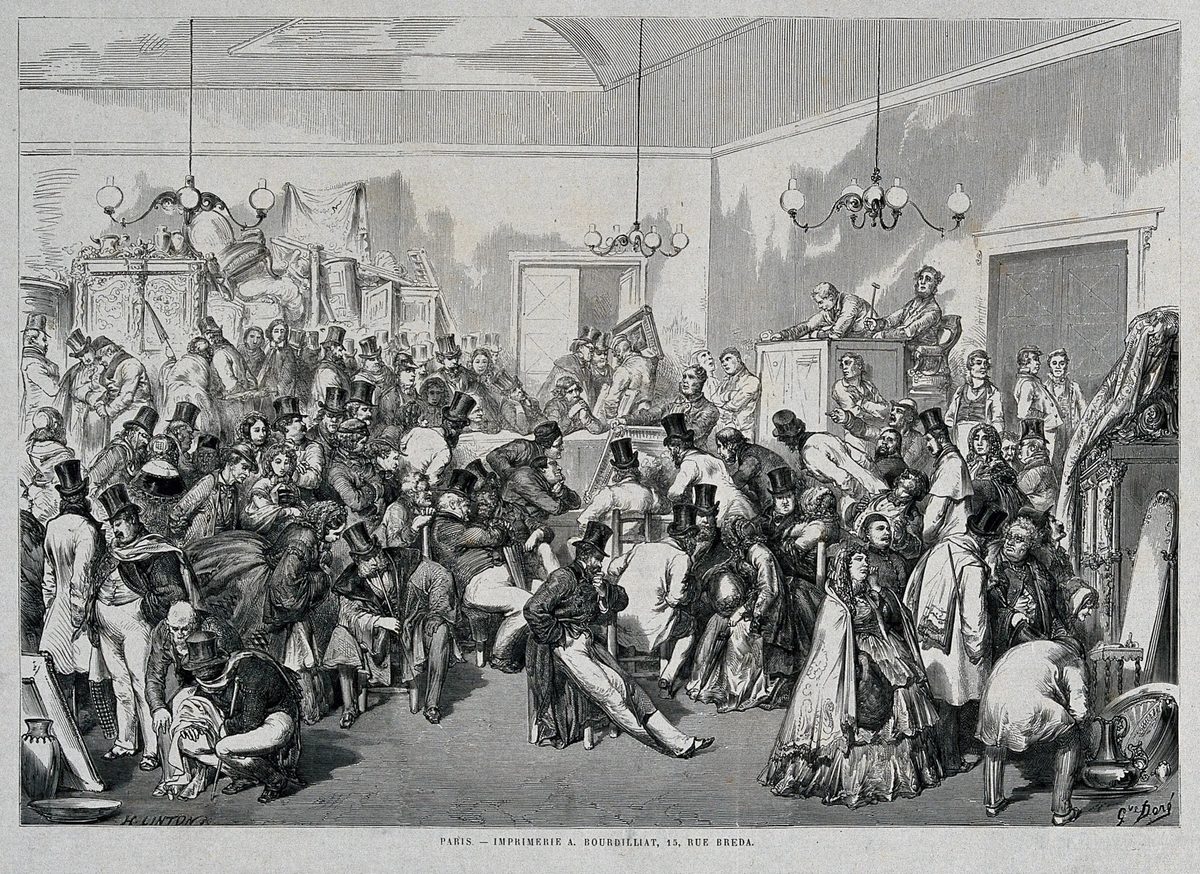
Sustainability in Exhibitions: A Greener Art World
The sheer scale of international art events, involving extensive travel of artworks, people, and materials, inevitably raises questions about environmental impact. Thankfully, there's a growing movement towards more sustainable exhibition design, local sourcing, and reducing the carbon footprint of the art world. This includes:
- Using recycled or reusable materials for booth construction and display elements.
- Optimizing shipping routes and consolidating freight to reduce fuel consumption.
- Encouraging local production where possible to minimize long-distance transport.
- Experimenting with virtual viewing rooms and digital engagement to reduce the need for extensive physical travel as a primary means of exhibition and interaction, making abstract art accessible to a wider global audience without the environmental cost of traditional exhibitions.
As a visitor, being aware of these efforts can inform your support – consider choosing local events, using public transport, or simply bringing your own reusable water bottle and bag. Every small action contributes to a more mindful and sustainable art ecosystem.

Frequently Asked Questions (FAQ) about Art Fairs and Biennials
Let's tackle some common questions that often pop up when discussing these massive art events, especially for those curious about contemporary abstract art.
Q: How much does it cost to attend an international art fair or biennial, and what are hidden costs?
A: Entry fees vary widely. Major fairs like Art Basel or Frieze can have daily tickets ranging from €30-€70, with multi-day passes often offering a slight discount if purchased in advance. Biennials can sometimes be free for certain venues or have a single overarching ticket price, which might range from €20-€40. Always check the official website well in advance for specific pricing and look out for student or concession discounts.

Beyond the tickets, remember to factor in potential hidden costs: travel to and from the city, accommodation (which can skyrocket during major art events), food and drink (it's easy to spend a lot on quick bites and coffee), and even unexpected purchases like exhibition catalogs, small prints, or souvenirs. These can significantly increase the overall cost, especially if you're traveling internationally. Always do your research and budget accordingly!
Q: How do I talk to a gallerist at an art fair if I'm not looking to buy, especially as an abstract artist?
A: The key is to be genuine, respectful, and mindful of their time. Do a little research on the gallery beforehand to understand their focus, particularly if they represent contemporary abstract artists, as this shows you're not wasting their time. Start by expressing your admiration for a specific artwork or artist they're showing. Ask an open-ended question about the piece, its context, or the artist's background. For example, you might mention a specific color palette or textural element in an abstract work that caught your eye.
If you're an artist yourself, you might ask questions such as "What qualities do you typically seek in emerging abstract artists' portfolios, especially regarding innovative use of color or material?" or "What's your perspective on the current market trends for experimental abstract styles?" Gallerists appreciate genuine interest and thoughtful questions. Be clear if you're an artist or just an enthusiast; most are happy to share their passion. Just avoid overwhelming them during peak busy times, and if they're engaged with a client, politely wait or return later. Remember, how to find galleries accepting new artists and preparing for your first art fair are topics that require specific approaches and careful timing – sometimes a fair isn't the primary place for an unsolicited portfolio review.
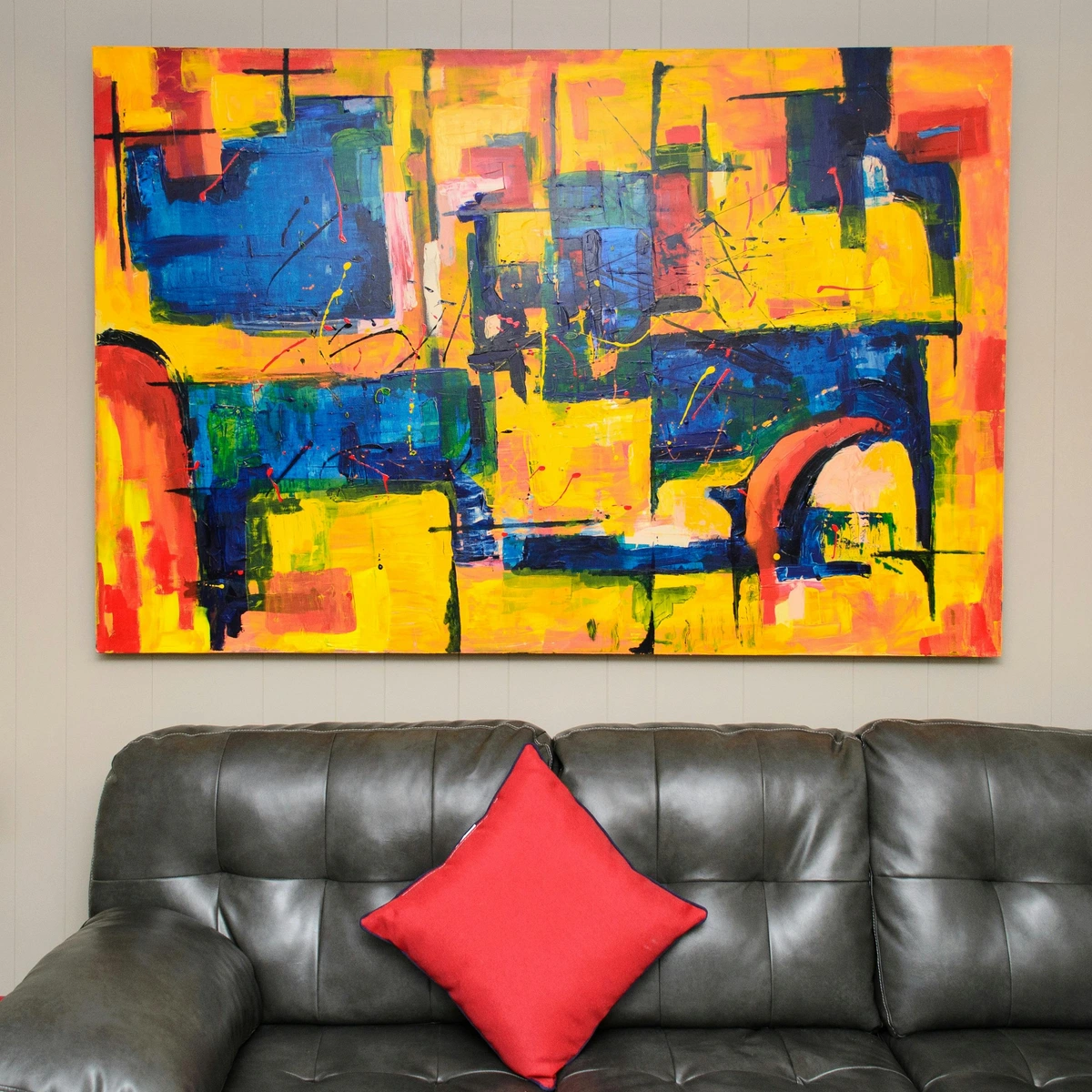
Q: What are some of the most famous art fairs and biennials globally?
A: Absolutely! For art fairs, some of the most prominent and influential include:
- Art Basel (with editions in Basel, Miami Beach, and Hong Kong) – known for its broad spectrum of modern and contemporary art.
- Frieze (London, New York, Los Angeles, Seoul) – a key event for cutting-edge contemporary art, often including experimental abstract work.
- The Armory Show (New York) – a significant platform for modern and contemporary art, with a strong focus on new and challenging works.
- TEFAF (Maastricht and New York) – renowned for Old Masters, antiques, and design, but also includes some modern art.
- FIAC (Paris) – a leading fair for modern and contemporary art, attracting a global audience.
For biennials, which are often more critically focused, the Venice Biennale is arguably the oldest and most prestigious. Other iconic biennials include the São Paulo Biennial (Brazil), the Gwangju Biennale (South Korea), and Documenta (Kassel, Germany), which occurs every five years, not two. These are truly global stages for contemporary artistic thought and often highlight groundbreaking abstract and conceptual art.
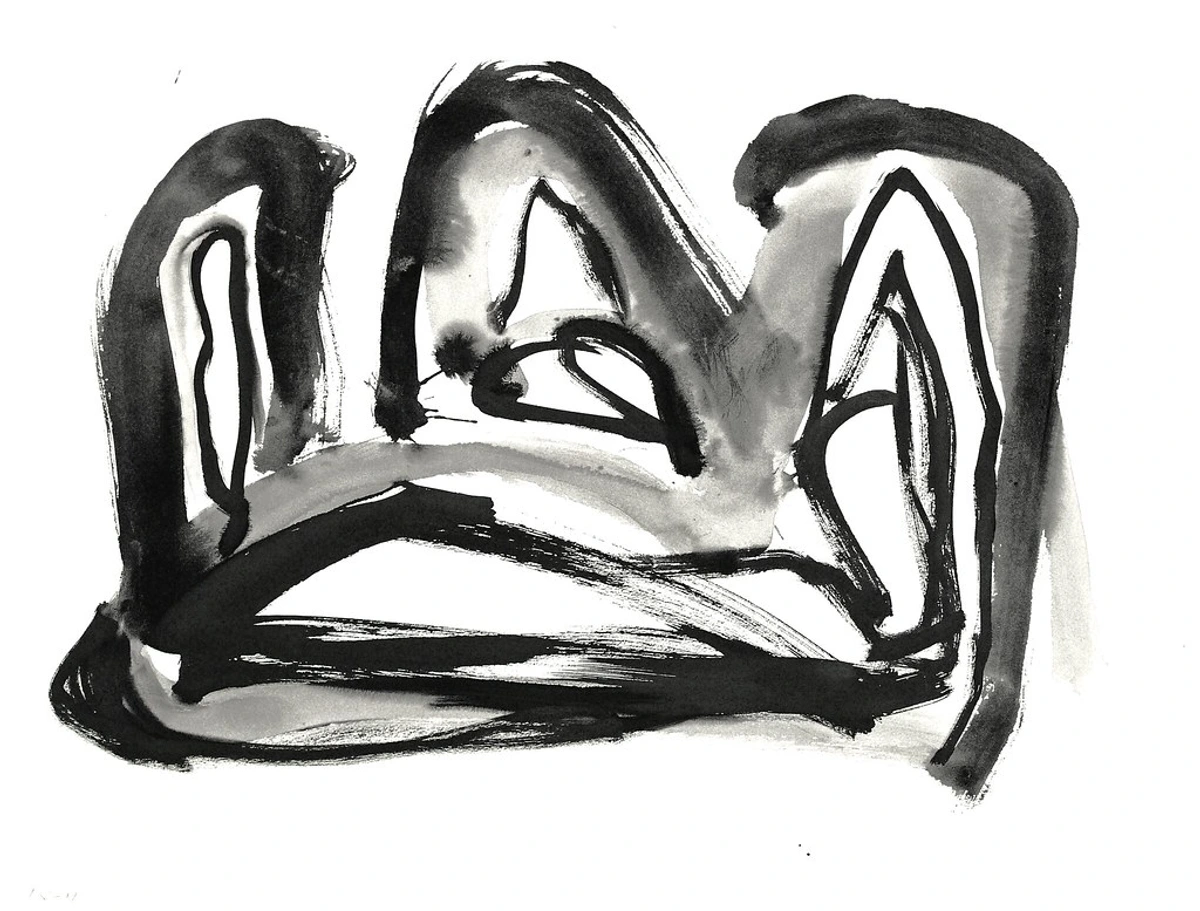
Q: Is it worth visiting an art fair or biennial if I'm just a casual art lover?
A: One hundred percent, yes! Even if you have no intention of buying, these events offer an unparalleled opportunity to see a vast amount of diverse, high-quality art in one place. They are a dynamic window into global trends, cultural dialogues, and the sheer vibrancy of human creativity. It's an immersive experience that can deepen your appreciation and understanding of contemporary art, and who knows, might just spark a new passion, especially for the bold expressions found in abstract and colorful works. I've heard many casual visitors say it completely changed their perception of what art could be.
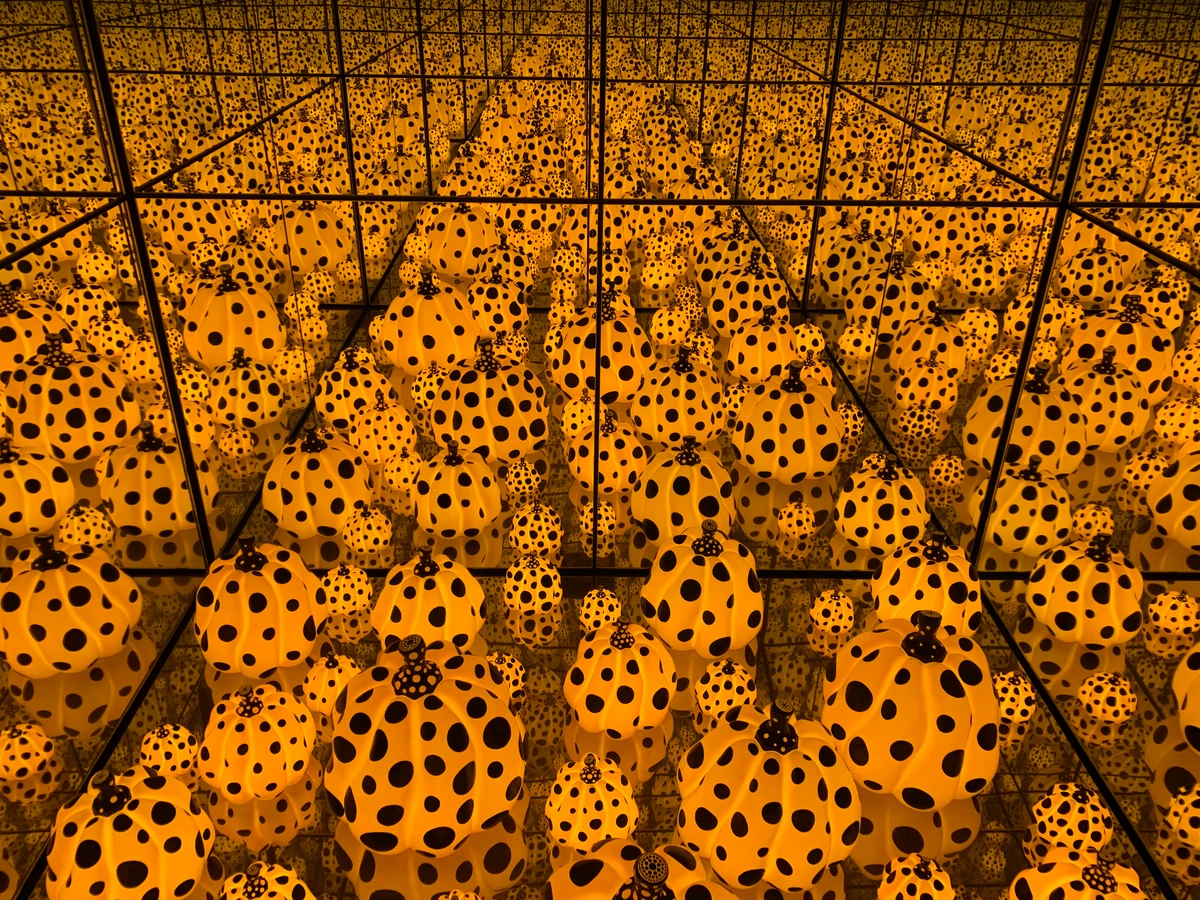
Q: How can I discover genuinely emerging artists, especially those working in contemporary, colorful, and abstract styles?
A: This is one of the most exciting parts! Look beyond the main sections of fairs. Many events have dedicated "emerging artist" or "discovery" sections that are perfect for this, often showcasing younger galleries or individual artists. Pay attention to smaller, independent galleries that often champion fresh talent and are more open to experimental work. Biennials are excellent for spotting boundary-pushing artists who might not yet have commercial gallery representation but are gaining critical acclaim for their conceptual approaches.
Also, follow art blogs and independent curators on social media (many share virtual studio visits and highlight new artists) focusing specifically on contemporary abstraction. Don't be afraid to visit satellite fairs that pop up around major events – these often showcase the most experimental and vibrant new work, often with more accessible pricing. Look for artists exhibiting at university graduate shows or art residencies; these are incubators for future talent. If you find a piece that resonates with your personal aesthetic, check the artist's website or social media to see more of their work and their creative journey. True emerging talent, particularly in the abstract and colorful realms, often shines brightest in these less commercial, more experimental settings. Also, consider specialized online platforms or virtual viewing rooms dedicated to showcasing emerging abstract artists, which are becoming increasingly prevalent. My article how to spot and buy art from emerging artists offers even more actionable tips.
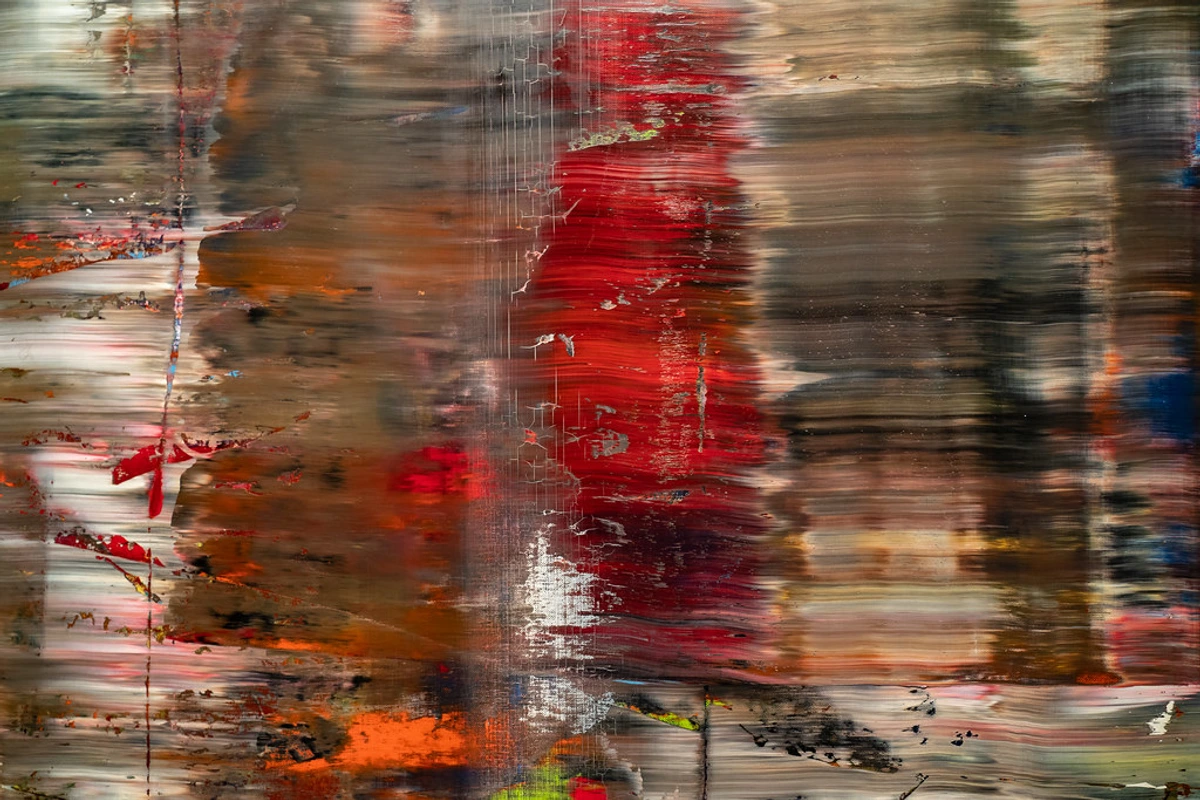
Q: How can I research the value of contemporary abstract art?
A: Researching the value of contemporary abstract art involves several factors beyond immediate sales. You'll want to look at the artist's career trajectory, including their exhibition history, critical reviews from reputable publications, and any institutional acquisitions (i.e., if their work is in museum collections). Consult market reports from major auction houses (though these often focus on more established artists, they can provide macro trends). An art advisor specializing in contemporary art can provide invaluable insights into pricing trends and comparable sales for similar artists or styles. For emerging abstract artists, value is often tied to the uniqueness of their artistic vision, consistency of their work, and the reputation of the gallery that represents them. Remember, while financial value is a component, the aesthetic and conceptual value often drive initial collecting decisions in the primary market. Always consider getting an art appraisal for significant pieces, especially as your collection grows. You might also find understanding the abstract art market: trends and future outlook helpful.
Q: Is contemporary abstract art 'easy' to create? What goes into it?
A: The perception that contemporary abstract art is "easy" is a common misconception that genuinely frustrates many artists, myself included! While it might not depict recognizable figures, abstract art demands a profound understanding of composition, color theory, texture, and emotional expression. It requires intense experimentation, a deep conceptual framework, and the skill to communicate ideas and feelings without literal representation. The intention, the process, and the artist's unique visual language are paramount.
For me, creating abstract art is a rigorous dance between intuition and deliberate choice, involving countless sketches, layered colors, and a continuous search for balance, movement, and a coherent visual narrative. The "easiness" is an illusion; the true mastery lies in making complex ideas and techniques appear effortless, creating a vibrant, impactful piece that resonates deeply. Many abstract artists spend years honing their craft, developing their distinct voice, and pushing the boundaries of what paint, canvas, or other mediums can convey. It's a deep, thoughtful process, not a casual endeavor.
A Final Brushstroke: The Enduring Allure of the Global Art Scene for Contemporary Art
Stepping back from the bustling corridors and contemplative halls, what remains is an indelible impression of the global art market's profound energy. My journey through international art fairs and biennials has been more than just a series of visits; it has been a continuous education, a wellspring of inspiration, and a constant reminder of art's power to connect us across geographies and ideas. It's messy, it's exhilarating, and sometimes it's downright overwhelming, but it's also where the pulse of contemporary art beats strongest, particularly for those of us drawn to its vibrant, colorful, and abstract expressions.
Whether you're an artist seeking new influences, a seasoned collector refining your vision, or simply a curious soul looking to expand your world, I hope this guide encourages you to step into this vibrant world yourself. Trust your Artist's Compass to lead you. You never know what might change how you see a canvas, a culture, or even the world around you. Go forth and explore; the art world awaits your unique gaze, your personal compass ready to guide you through its intricate landscape. Perhaps I'll even see you there, sketchbook in hand, quietly soaking it all in, forever seeking that next burst of color or compelling abstract form.
And remember, the journey into contemporary abstract art doesn't always require a plane ticket – explore local galleries, art walks, and online platforms dedicated to new talent; the world of vibrant art is often closer than you think, just waiting for your unique perception to bring it to life.