
When Walls Breathe: Finding Art in the Architecture Around Us
How to breathe life into art through architectural features—practical tips, examples & inspiration from built environments.

When Walls Breathe: Finding Art in the Architecture Around Us
Have you ever stood in a cathedral and felt like the stone itself was humming? That’s architecture doing its magic. Or stared at an abandoned factory and wondered how someone hadn’t turned those rusted beams into a painting? That’s the artist’s itch kicking in. I get it. I’ve spent hours photographing crumbling facades in Den Bosch, sketching the way sunlight slices through modernist windows, and wrestling with how to translate
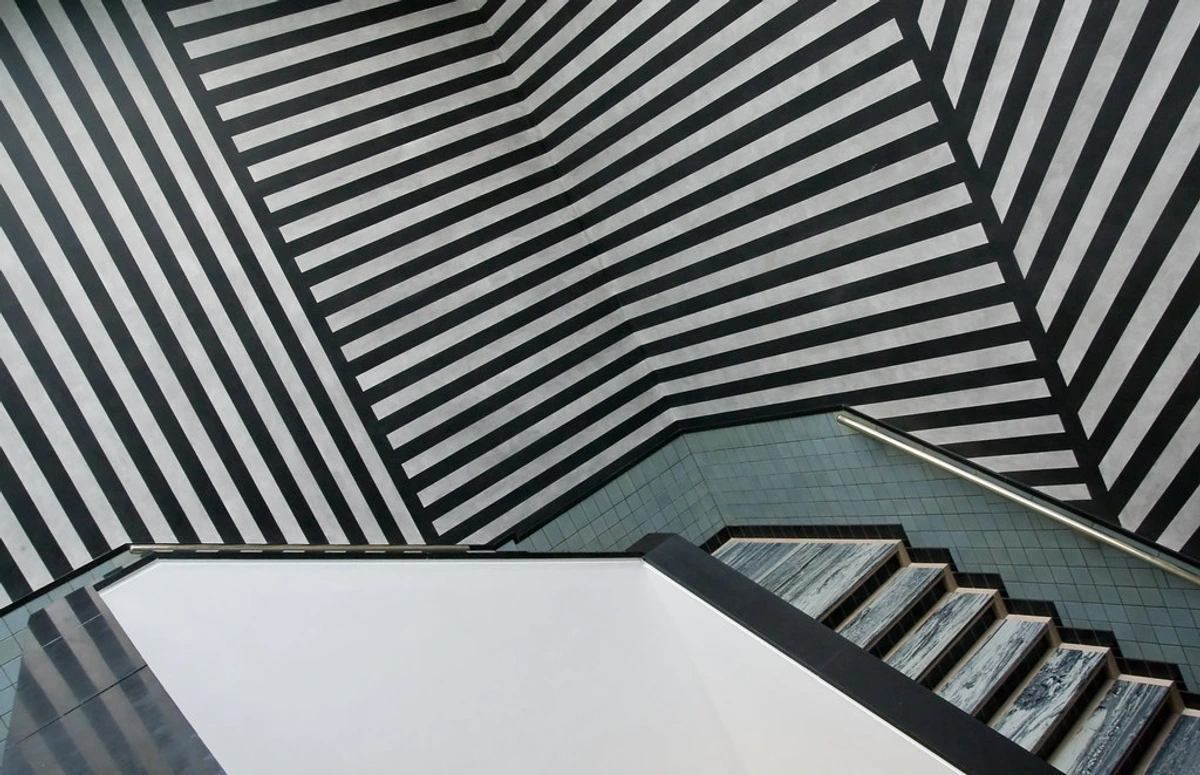
architectural features onto canvas without creating a boring blueprint. Here’s what I’ve learned—because even a clumsy attempt to capture a dome’s curve can spark something unexpectedly beautiful. Your next masterpiece might just be hiding in the skyline.
Why Buildings Make Better Museums Than You Think
Architecture is humanity’s oldest selfie. Remember when we carved our stories into cave walls? We’ve just started using brick and steel instead. Every building is a physical diary—a record of human aspiration, triumph, and stubbornness. That’s gold for artists. Let’s break it down:
Why Architecture Inspires Art  | Practical Examples You Can Steal |
|---|---|
| Emotional Resonance | A weathered factory wall evokes decay; a glass skyscraper shouts aspiration. |
| Built-in Geometry | Perfect rectangles in Brutalist buildings; organic curves in Art Nouveau. |
| Dynamic Light Play | Shadows creating patterns on Plzeň’s town square; reflections on Shanghai towers. |
| Cultural Narratives | Gargoyles whispering medieval fears; Bauhaus grids whispering modern order. |
I once painted the rhythmic columns of the Museum in Den Bosch not as stone, but as musical bars of silence. The building taught me that
structural elements can become emotional instruments. You don’t need a history degree for this—just walk around with your eyes (and sketchbook) open.
Key Architectural Features to Turn into Artistic Fuel
Here’s where we stop seeing buildings as boxes and start seeing them as palettes. Focus on these big players:
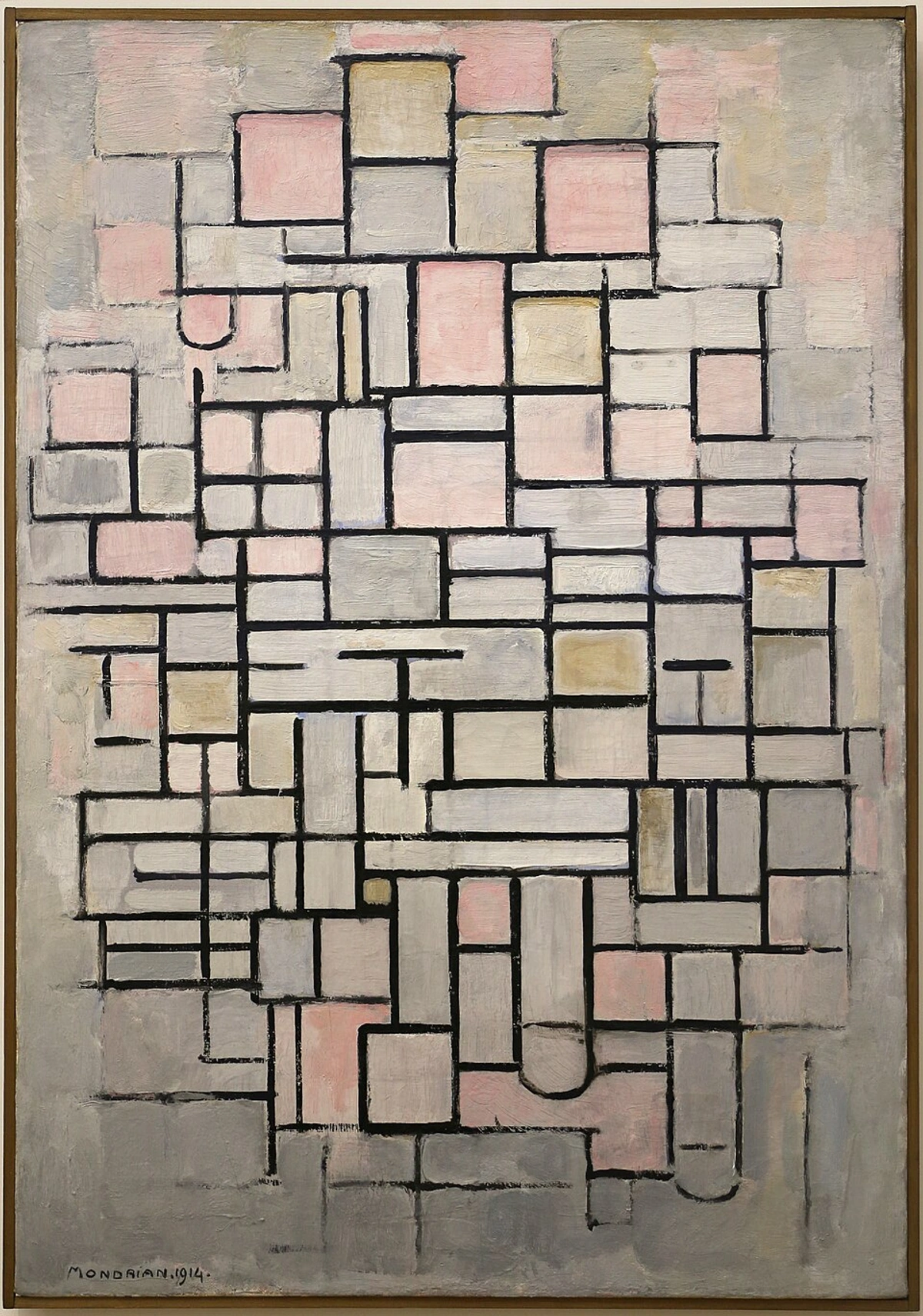
1. Lines & Angles: The Skeletons of Space
Architects live and die by lines. We should too. But steal their moves:
- Verticals: Think skyscrapers slicing skyscrapers—are they proud, oppressive, or playful?
- Diagonals: Fire escapes slicing brick facades? Those aren’t just ladders—they’re narratives of escape.
- Horizontals: Railway tracks vanishing into horizons. They’re not flat. They’re promise lines.
My mistake: Once I copied Mondrian’s grid and called it a day. Bland. Later, I learned his strict rectangles were actually about freedom within constraints. Now I bend the rules—like using brutalist concrete lines to wrap abstract figures. Controlled freedom is where the magic happens.
2. Shadows & Light: The Unsung Painters
Light hits a building and becomes a sculptor. Watch it:
- Gothic Cathedrals: Stained glass painting walls, transforming stone into stained-glass kaleidoscopes at sunset.
- Modernist Facades: Glass prisms splitting daylight into fractured rainbows.
- Industrial Zones: Sun bleaching rooftops, staining rust like watercolor.
I still chase that
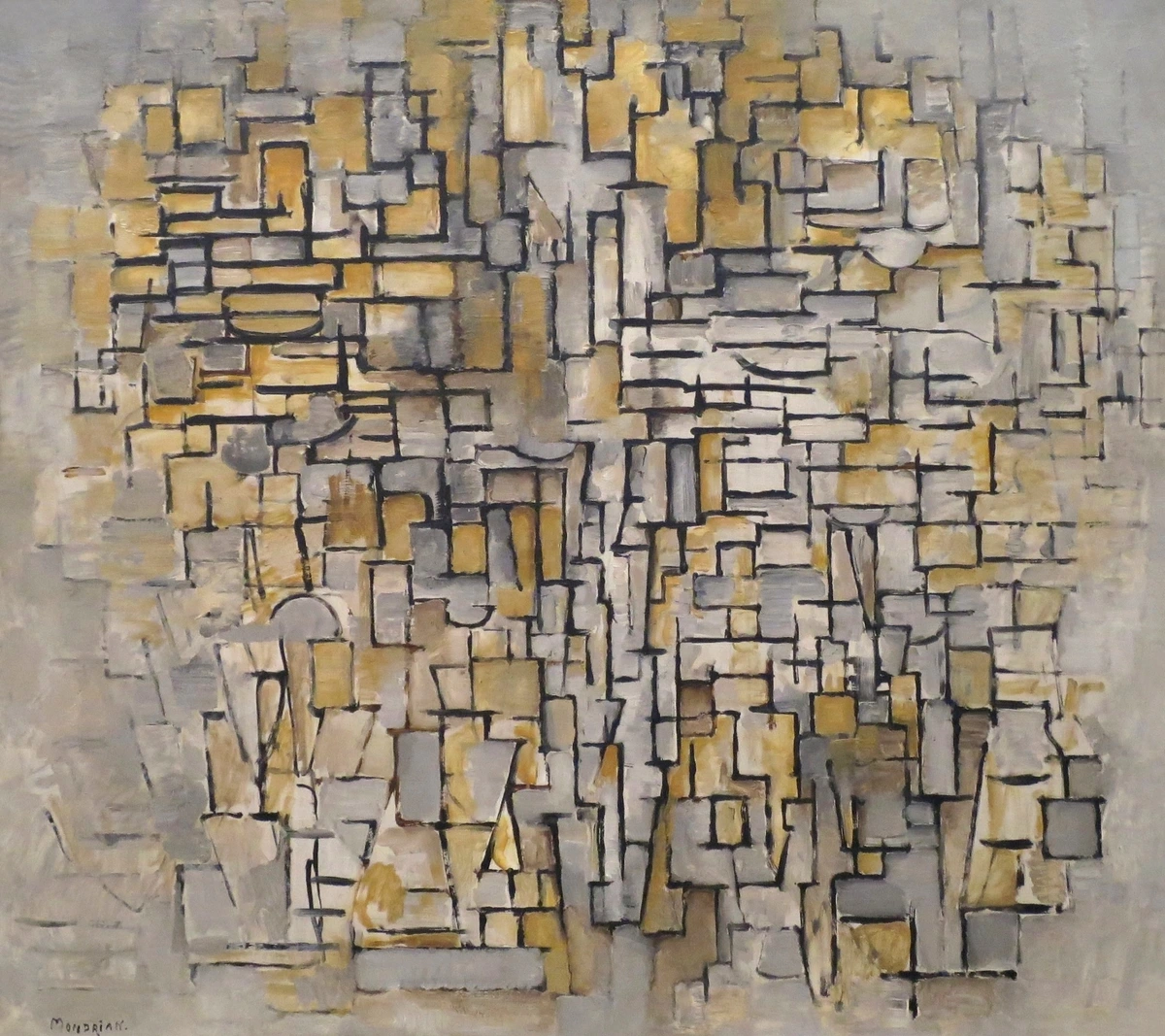
ephemeral moment when a bridge’s shadow becomes a geometric spiderweb on pavement. Pro tip? Shoot photos at golden hour. The way architecture drinks that light? It’s already your painting’s color scheme.
3. Materials & Textures: The Building’s Voice
Brick whispers; steel shouts. Texture tells stories:
- Clay Tiles: Weathered by centuries of rain—each crack a tiny historical record.
- Galvanized Metal: Scratched, dented, repainted—industrial perseverance.
- Glass: Smudged, cracked, warped—human fingerprints on the cold surface.
Here’s where you get messy. Don’t just paint “brick.” Smear ochre and umber. Sandpaper your canvas. Collage real dust into a mixed piece. I once glued fragments of demolished Amsterdam pavement onto a cityscape painting. It smelled like rain and regret. That’s called
textural storytelling.
Practical Guide: Steal Like an Architect-Shaped Artist
Ready to channel your inner Gaudi? Here’s how (without winding up with a pile of messy sketches):
Step 1: The Architect’s Lookout
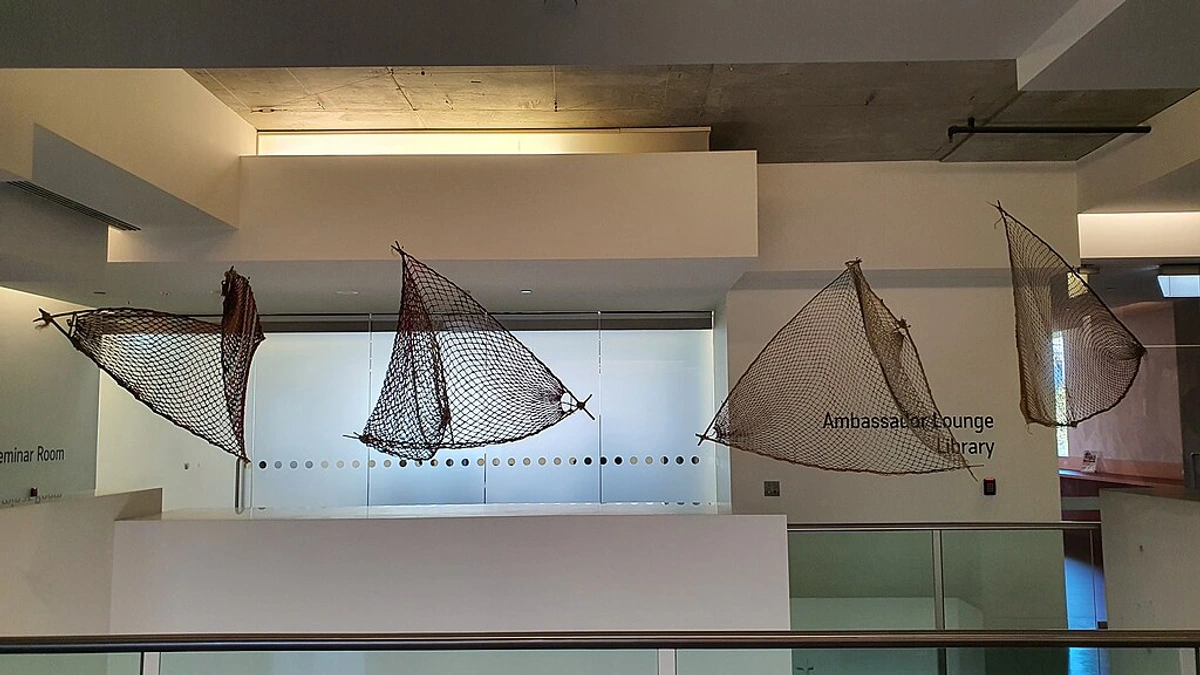
Sit somewhere and sketch. Don’t aim for accuracy. Draw with your non-dominant hand. Just capture the vibe. Is that row of houses dancing? Does that skyscraper sigh?
Step 2: Extract the Essence
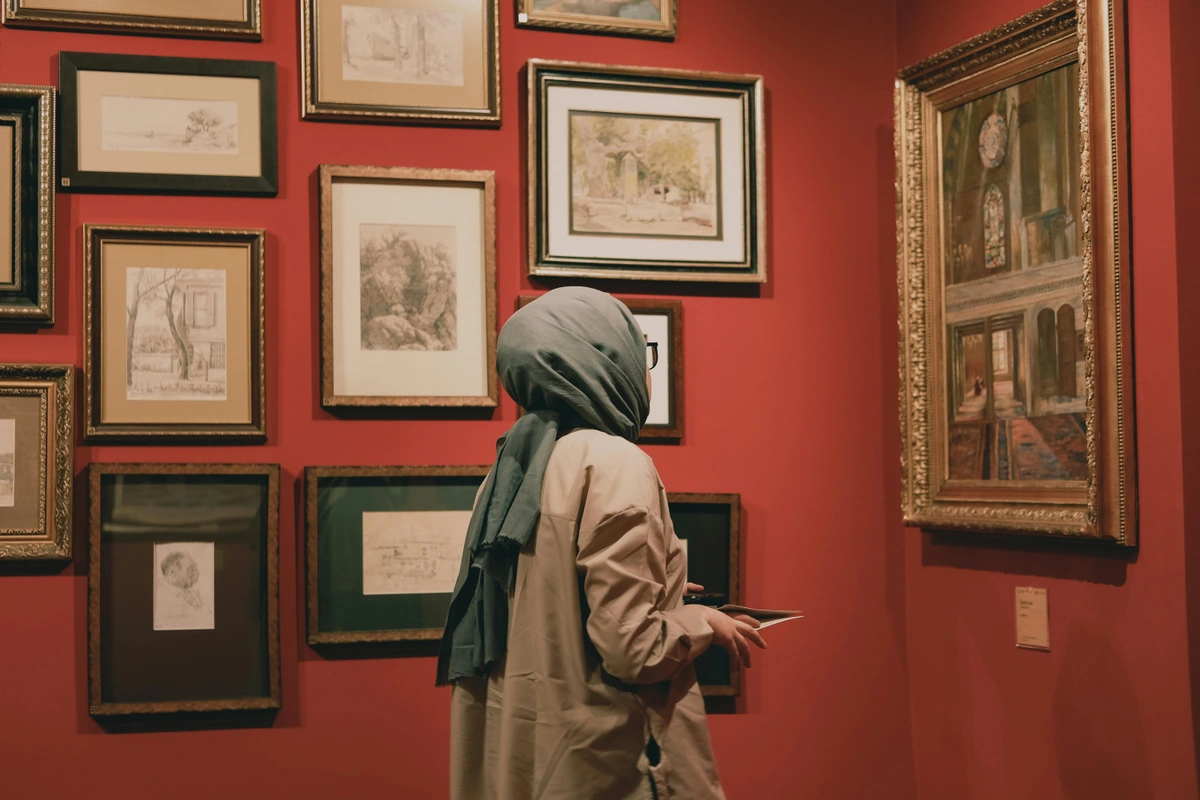
Now rip those sketches apart. Circle three elements: a repeating pattern, a weird angle, a material you love. What are they saying? A brick wall isn’t red—it’s resilience. A skyscraper isn’t tall—it’s ambition.
Step 3: Deconstruct, Don’t Copy
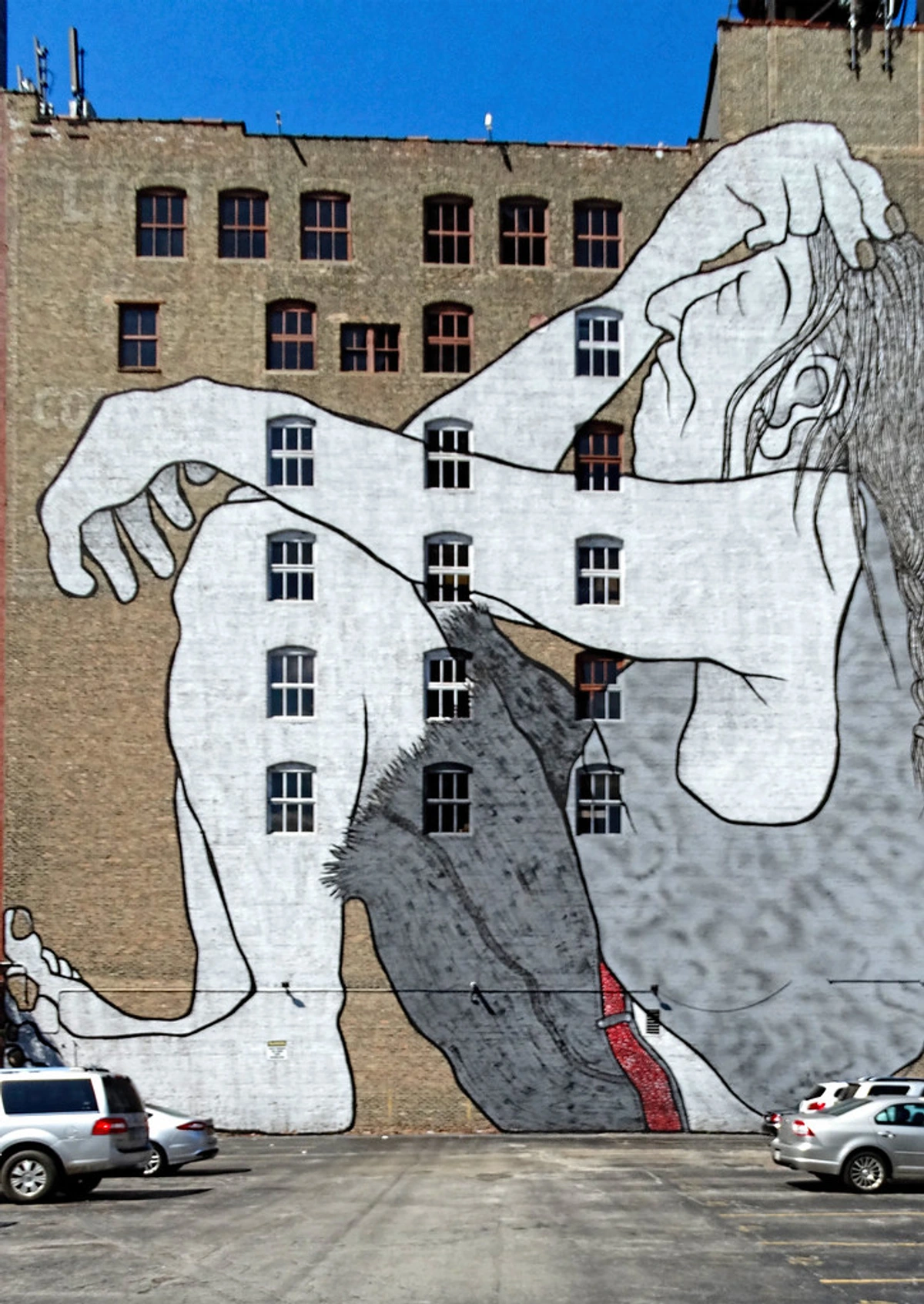
If you paint a building, ask: What’s the ghost of this place? For example, I took the brutalist arches of a socialist-era library and twisted them like ribbons around a figure’s body. The building’s mood became human emotion.
Step 4: Break the Rules
Architectural features are scaffolding, not the final art. Once you’ve stolen the bones, set them free.
Here’s how to test if you’re doing it right:
Is This Good Architectural Art? | Red Flags |
|---|---|
| You feel the building’s emotion | It’s a technically perfect but soulless blueprint |
| Materials feel alive on canvas | Shadows are “correct” but flat |
| Geometry bends to your vision | You copied a column placement exactly |
| You made viewers see buildings differently | They ask, “What building is this?” |
Case Studies: When Architecture Met Art (And Had Art Babies)
Don’t believe me? Go look at what the rebels did:
1. Charles Sheeler: Industrial Surrealism
This American painter didn’t just photograph Ford factories—he turned conveyor belts into cathedral naves and smokestacks into Gothic spires. His buildings hum with quiet power. [

See his evolution](/timeline) starting from gritty realism. He proves that industrial bones can sing.
2. Zaha Hadid: Paintings with Gravity
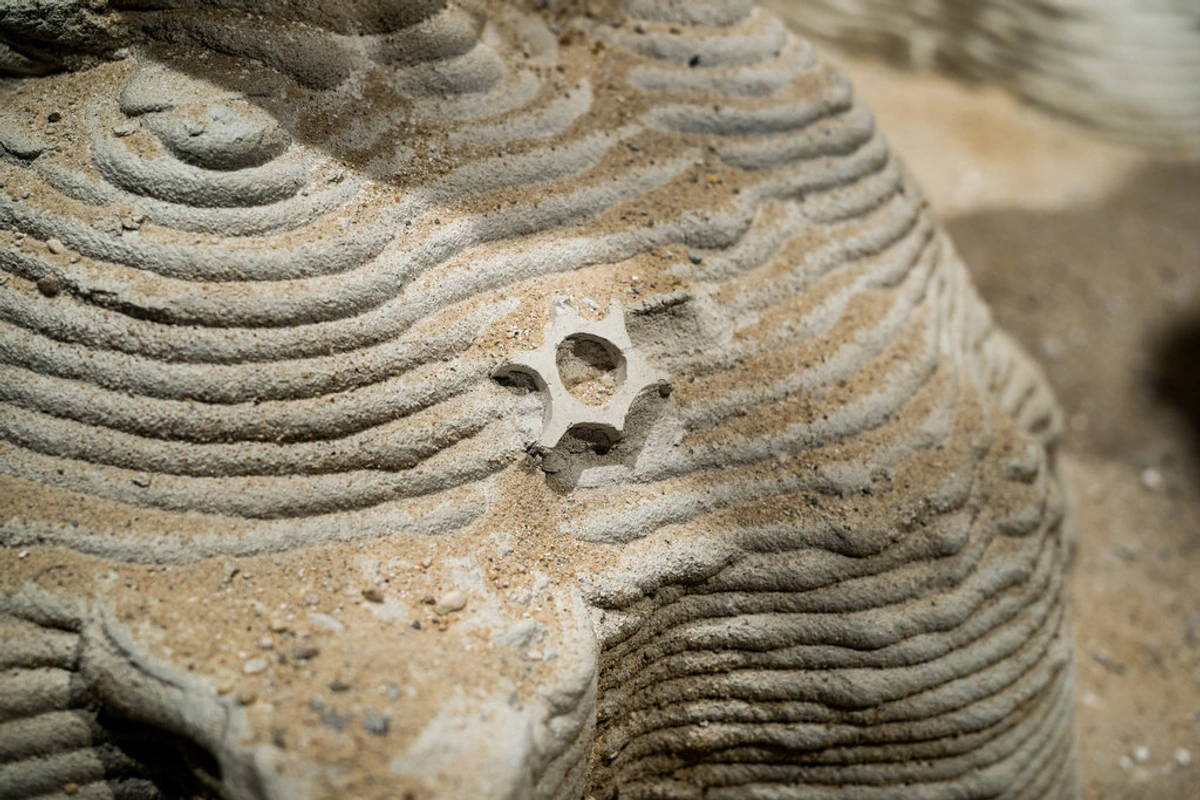
The “Queen of the Curve” literally painted buildings before she built them. Those swirling, gravity-defying sketches? Half art, half engineering feat. Her sketches show how
architectural lines can dance.
3. Local Inspiration (You Can Steal This)
My Den Bosch series started after I watched sunlight hit a canal house’s gables like scattered diamonds. I never painted the house. I painted the light dance. That’s the move.
FAQ (Frequently Architectured Questions)
Q: Do I need to be an architecture expert?
A: Absolutely not! You’re not documenting—you’re interpreting. That warped drainpipe? That’s personality. A lopsided barn door? That’s character. Forget the textbook.
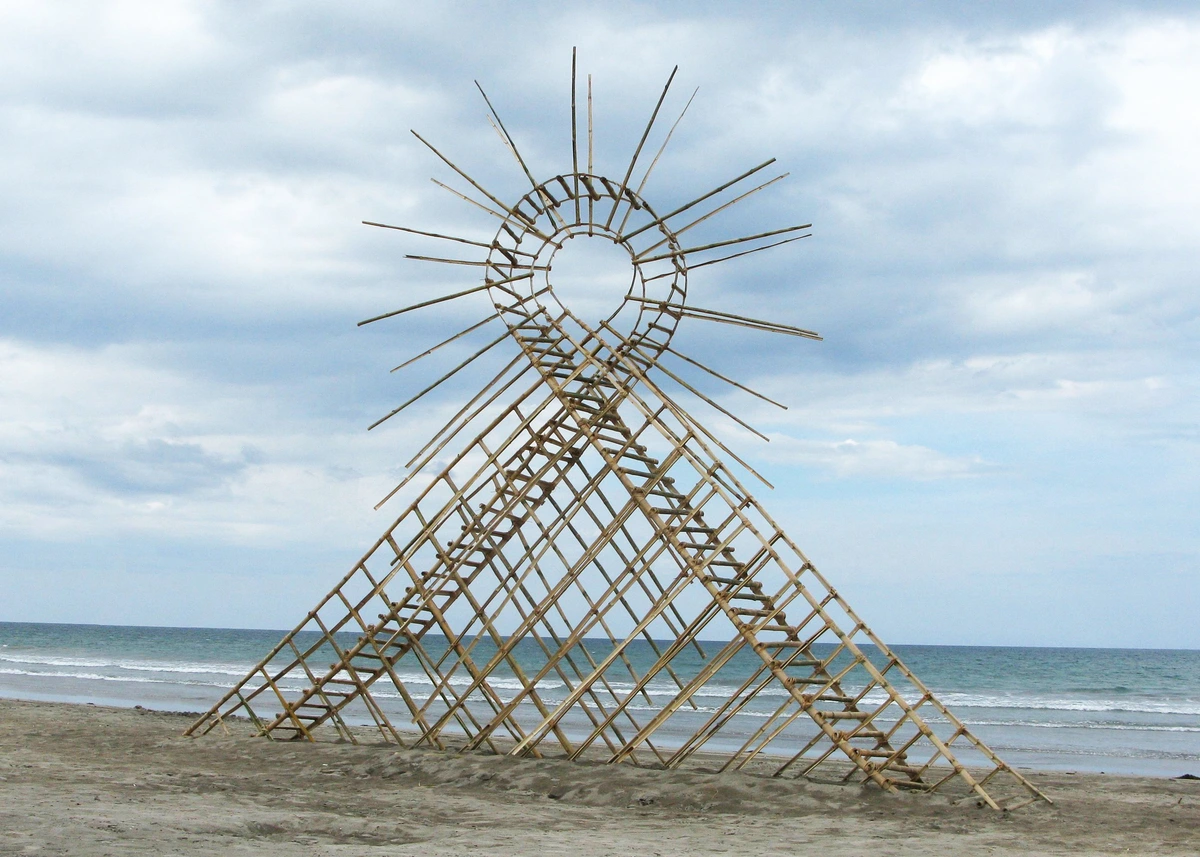
Q: What if live amidst boring cookie-cutter suburbs?
A: Oh honey, boring is a lie. A strip mall’s repeating signs? That’s commentary on consumerism. A McMansion’s fake columns? That’s satire. Find the subtext.
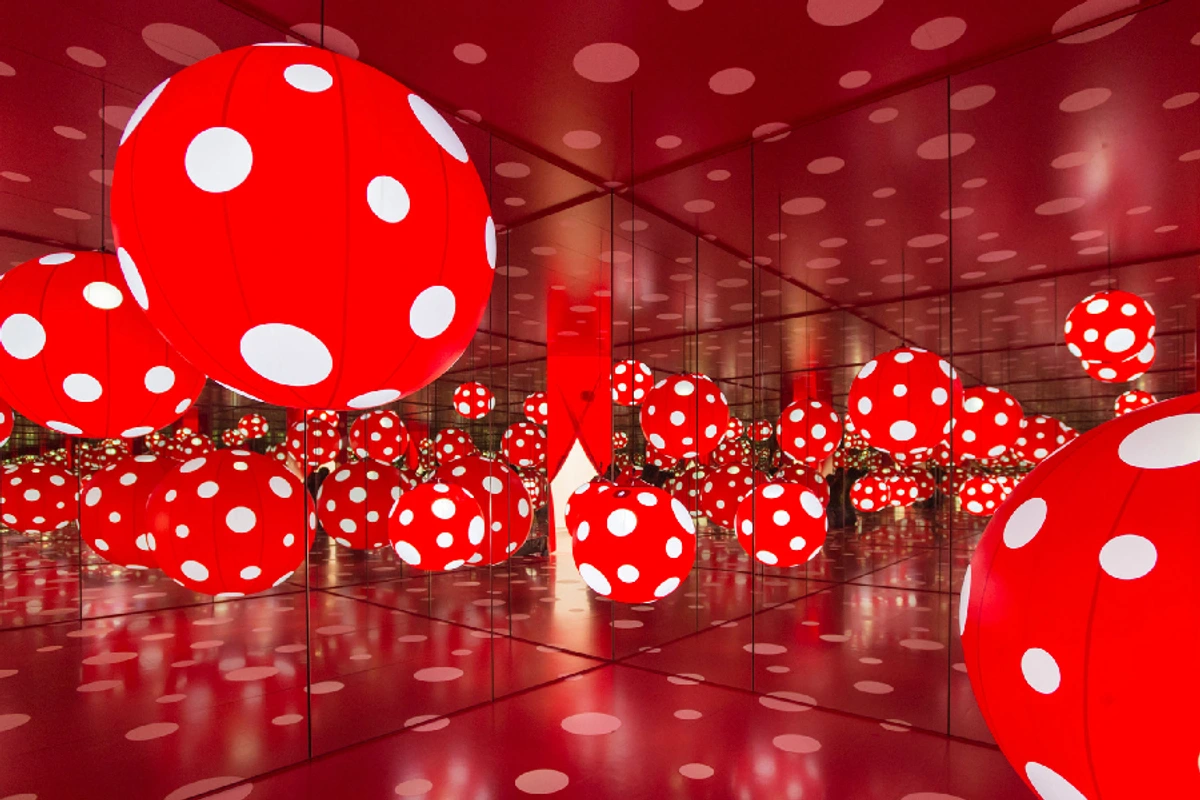
Q: How do I avoid my art looking like technical blueprints?
A: Inject chaos. Paint brickwork with dripping wet-on-wet acrylic. Collage ripped photos onto architectural drawings. Let your hand tremble when drawing straight lines. Accidents are your best friends.
Q: What's the difference between architectural illustration and architectural art?
A: This is an important distinction that affects how you approach your work:
Architectural Illustration | |
|---|---|
| Focuses on accuracy and technical precision | Focuses on emotional impact and interpretation |
| Often commissioned by architects or developers | Created for artistic expression |
| Must represent the building faithfully | Can transform, abstract, or reinterpret the building |
| Serves a practical purpose (e.g., design visualization) | Serves an aesthetic or emotional purpose |
| Typically uses precise techniques and tools | Can use any medium or technique that serves the vision |
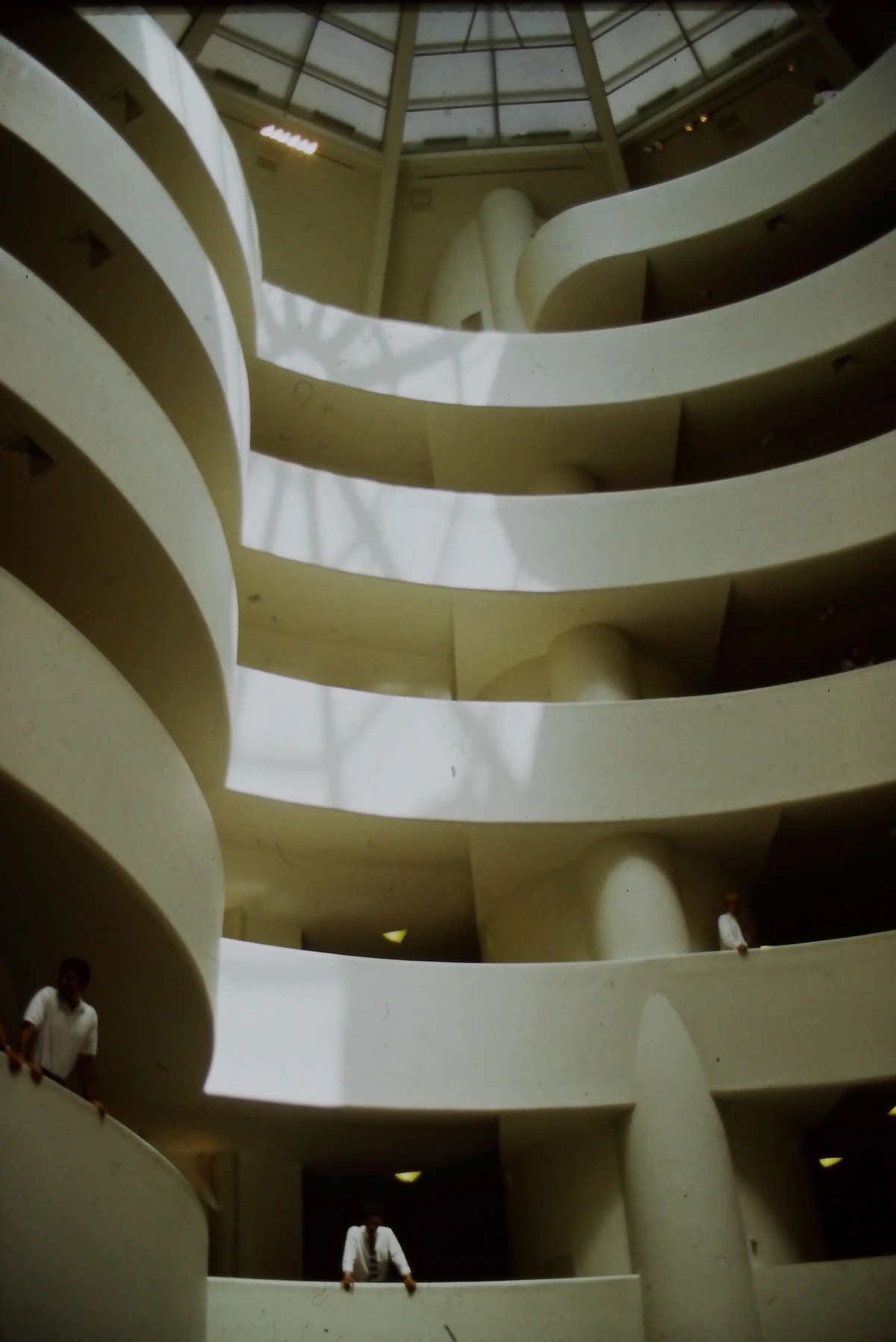
Your goal is architectural art, not illustration. This gives you the freedom to be expressive and interpretive. credit,
licence
credit,
licence
Q: Can I sell this kind of art?
A: Absolutely. Urban landscapes and abstract architectural pieces are hot. [
Browse similar works here](/buy)—but make yours weirder. The world has enough perfect prints.
Q: How do I price my architectural art?
A: Pricing architectural art involves several factors:
- Size and Medium: Larger pieces and premium materials (canvas, quality paper) command higher prices
- Complexity: Intricate architectural details take more time and skill than simple interpretations
- Your Experience: As you develop your style and reputation, you can increase prices
- Market Demand: Research what similar architectural art sells for in your area or online
- Editions: Limited editions can increase perceived value compared to open editions
A good starting point: Calculate your time (at minimum wage) plus materials, then add a 50-100% profit margin. As you gain experience, you can adjust upward.
Q: What's the best way to present architectural art?
A: Presentation matters because architectural art often deals with space and context:
- Frames: Choose frames that complement rather than compete with your architectural subject
- Matting: Consider using matting to create architectural "windows" that frame your work
- Hanging: Group multiple architectural pieces to create "streetscapes" or "cityscapes" in your display
- Lighting: Use lighting that enhances the architectural qualities of your work
- Context: Consider where architectural art might be displayed—offices, lobbies, homes with architectural interest---
Bottom Line: The Skyline is Your Studio
Look, architecture isn’t art. It’s invitation. It’s a dare. Every window, every cornice, every crumbling facade is shouting: “Make me yours! Deconstruct me! Redo me!”
So grab your tools—camera, charcoal, or even just your phone for those golden-hour moments. Wander your city, your village, your own backyard. And when you spot a line that makes your heart skip, don’t just see a building. See the start of something you made.
Bottom Line: The Skyline is Your Studio
Look, architecture isn't art. It's invitation. It's a dare. Every window, every cornice, every crumbling facade is shouting: "Make me yours! Deconstruct me! Redo me!"
So grab your tools—camera, charcoal, or even just your phone for those golden-hour moments. Wander your city, your village, your own backyard. And when you spot a line that makes your heart skip, don't just see a building. See the start of something you made.

Your Architectural Art Journey
Remember that architectural art is a journey, not a destination. Every building you interpret adds to your understanding and your artistic voice. Don't be afraid to:
- Experiment wildly with different mediums and styles
- Make mistakes—they often lead to your most interesting discoveries
- Study architecture not as an expert, but as a curious observer
- Collect references—photos, sketches, and memories of buildings that move you
- Share your work—other artists and viewers will see things you miss
The world is filled with architecture waiting to be reimagined through your artistic lens. Every time you look at a building, you have the opportunity to see not just what it is, but what it could be—through your eyes, your hands, and your heart.



Final Thoughts: Architecture as Conversation
At its best, architectural art is a conversation between the built environment and the creative mind. The building speaks through its forms, materials, and history; you respond through your interpretation, emotion, and artistic vision.
This conversation continues long after you've finished your piece. Viewers bring their own experiences and perspectives to your work, creating a three-way dialogue between building, artist, and audience.
When you approach architectural art with this understanding, you're not just creating pictures—you're facilitating conversations about space, time, memory, and human experience. And in doing so, you transform the ordinary built environment into something extraordinary: a mirror that reflects the complexity and beauty of being human.
Now go make something. The walls are listening.
This piece was inspired by cities that refuse to be quiet—especially my own in Den Bosch. For more explorations of art in everyday life, visit the collection or peek behind the scenes through the timeline of how these ideas took shape.
"The drawing I did of the cathedral’s light pattern ended up becoming my bestseller. Funny how beauty hides in plain sight."