How to Get an Internship at an Art Museum: My Unofficial Guide
Dreaming of working behind the scenes at an art museum? This is a personal, no-nonsense guide to finding, applying for, and landing that coveted museum internship.

Your Ultimate Roadmap: Securing That Coveted Art Museum Internship
I remember the first time I walked into a major art museum not as a visitor, but with a flimsy temporary ID that said 'Intern'. The air felt different. It smelled like old paper, floor polish, and a kind of quiet, concentrated ambition. I was terrified I'd trip over a priceless sculpture or accidentally call a curator by the wrong name. Spoiler alert: I did both. And honestly, those minor mishaps became part of the story – the story of learning, growing, and realizing that even in these hallowed halls, we're all just human. And you know what? That's exactly the kind of real-world experience this comprehensive guide aims to prepare you for. Whether you're a student eyeing your first art world job or a career-changer seeking museum career paths, I'm here to help you demystify how to get a museum internship.
Getting your foot in the museum door can feel like trying to get into a secret society. The websites are formal, the job descriptions are intimidating, and everyone seems to have three Master's degrees (or at least that's what it feels like!). But I'm here to tell you it's not impossible, and certainly not as impenetrable as it seems from the outside. You just need a game plan, a bit of grit, and the ability to write a cover letter that doesn't sound like it was generated by a robot (unless you're applying for an AI as co-creator: exploring collaborative art projects with artificial intelligence exhibit, then maybe lean into it a little, but still make it you).
This isn't your grandma's guide to the art world (unless your grandma is a super cool curator, in which case, hi grandma!). This is the real-talk guide to navigating the weird, wonderful, and sometimes utterly bewildering world of museum internships. We'll cut through the jargon and get down to what you actually need to know to land that coveted spot, whether you dream of working with ancient artifacts or cutting-edge contemporary art. Think of me as your seasoned, slightly-cynical-but-ultimately-supportive mentor, guiding you through the labyrinth of art world jobs.
The Enduring Lure of Museum Internships: Why Now More Than Ever?
In a world increasingly digitized, there's something profoundly grounding about a physical space dedicated to human creativity and history. Museum internships offer a unique blend of intellectual stimulation, hands-on experience, and community engagement that's hard to find elsewhere. It's not just about art; it's about preservation, education, storytelling, and connecting people across time and cultures. In a competitive landscape, a museum internship sets you apart, demonstrating a unique skill set and a genuine passion for cultural stewardship. It's your first brushstroke on the canvas of a fulfilling art career.
So, let's dive in. Forget the stuffy, academic advice for a moment. This is about making your passion for art a tangible reality and building a career that genuinely excites you. If you're ready to peel back the curtain, let's get started.
First Things First: Why Do You Really Want This? Dissecting Your Motivation
Before you start firing off applications, you need to be brutally honest with yourself. Why a museum? If the answer is just "I like art," that's a great start, but we need to dig deeper. A museum isn't just a quiet place with pretty pictures. It's a complex, often chaotic ecosystem of different professions, each with its own rhythm and demands.
Think about the feeling of seeing an artwork up close, without the crowds – the quiet reverence, the way the light hits a brushstroke just so (a phenomenon that always reminds me of the subtle brilliance of Helen Frankenthaler's work, or perhaps the ultimate guide to Willem de Kooning if you're into abstract expressionism). Or the thrill of finding a forgotten detail in a collection's database that unlocks a new understanding of a piece. Perhaps you're fascinated by the logistics of moving a massive sculpture, or the subtle science behind preserving a delicate textile. An internship is your chance to see if the reality of the art world truly matches your romantic (and often idealized) idea of it. It’s about learning the specific language, understanding the often-complex politics, and figuring out where—or if—you truly fit in. You'll get to see all the different jobs that make a museum tick, from the moment an artwork is acquired (which, by the way, is a whole fascinating process you can learn more about in how museums acquire art) to when it's carefully de-installed after a blockbuster show. It's a whole world behind the exhibitions, and frankly, it's often more interesting than what's on public display! This isn't just about gaining experience; it's about shaping your perspective, building a professional network, and truly understanding the impact of cultural institutions on society. It's a stepping stone to a fulfilling art career.
Let's be real, "liking art" is like saying you "like food." It's a start, but what kind of food? Do you love cooking it, eating it, reviewing it, or managing a restaurant? To help you dig a little deeper and pinpoint your true calling within these hallowed halls, here's a quick table to prompt some self-reflection:
Motivation (Surface Level)  | Deeper Dive (What it really means for a museum role) | Potential Department Fit |
|---|---|---|
| "I like looking at art." | You're drawn to visual aesthetics, interpretation, and public engagement, perhaps even the psychology of how people interact with displays. | Education, Curatorial, Marketing, Exhibition Design |
| "I want to be around beautiful things." | You appreciate craftsmanship, preservation, the intrinsic value of objects, and the ethical considerations of care. | Conservation, Collections, Registration, Preparator |
| "I'm interested in history." | You enjoy research, context, narratives, connecting past to present, and uncovering untold stories. | Curatorial, Archives, Research, Publications |
| "I want to make a difference." | You're passionate about accessibility, community outreach, the social impact of art, and fostering diverse engagement. | Education, Development, Community Programs, DEI Initiatives |
| "I love organizing things." | You thrive on meticulous detail, systems, efficient processes, and bringing order to complex information or physical spaces. | Collections, Registration, Archives, Project Management |
| "I'm good at telling stories." | You excel at communication, engaging audiences, crafting compelling narratives, and translating complex ideas into accessible language. | Marketing, PR, Education, Curatorial, Digital Content |
| "I'm fascinated by technology." | You're interested in how digital tools enhance art, from virtual exhibits to data visualization. | Digital Engagement, Marketing, Archives (Digital), Exhibition Design |
| "I'm a natural problem-solver." | You enjoy tackling complex logistical challenges, finding creative solutions, and ensuring smooth operations. | Operations, Exhibition Design, Visitor Services, IT |
| "I care about social justice." | You want to challenge existing narratives, promote equity, and ensure diverse voices are represented. | Education, Curatorial, DEI Initiatives, Research |
If you're curious about who does what, you might want to read up on the various roles in a museum and who's who behind the scenes. It's definitely more than just curators and security guards (though both are absolutely essential, and the security guards often know the best stories!). This deeper dive into motivation will not only strengthen your resolve but also help you articulate your interests more clearly in your applications, showing you're truly invested in a museum career.
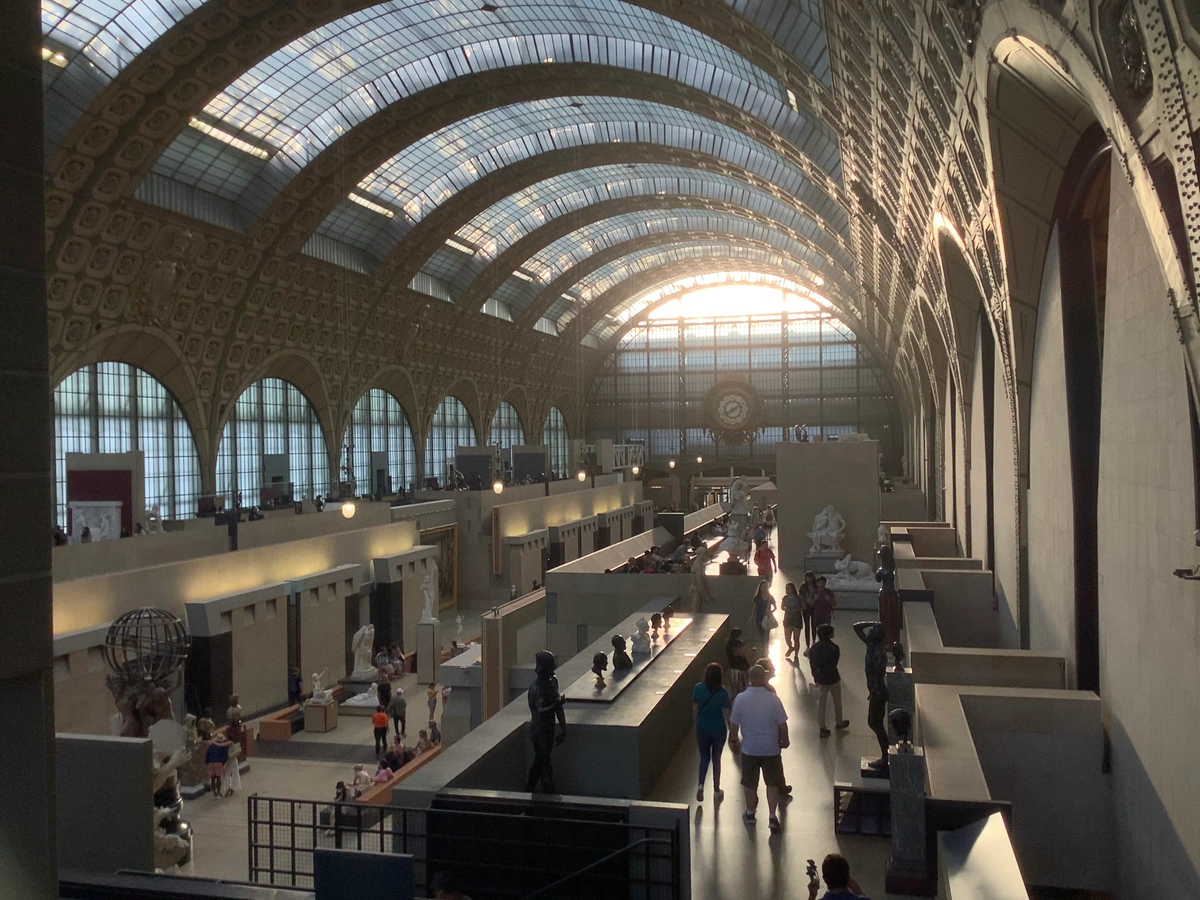
The Lay of the Land: Types of Museum Internships – A Departmental Deep Dive
Not all internships involve fetching coffee for a famous curator (though, let's be honest, that might happen, and sometimes that coffee run is a golden opportunity for a quick chat!). Museums are sprawling ecosystems, divided into departments, and your experience will vary wildly depending on where you land. Understanding these distinctions is crucial for targeting your applications. Here's a quick and dirty breakdown of the common departments and a glimpse into what you'll actually do:
Department | What You'll Actually Do (and why it matters!) | Best For Someone Who... (and potential career paths) |
|---|---|---|
| Curatorial | Researching artists, conducting provenance research (the history of ownership), writing wall text and catalog entries, helping organize checklists for exhibitions, proposing future acquisitions, and spending a lot of time in libraries and archives. You're shaping the narrative and intellectual heart of the museum, deciding what stories get told! | ...is a history nerd, a great writer, loves deep-diving into a single topic for months, has a strong academic background, and enjoys intellectual debate and critical thinking. This is a common path to becoming a Curator, Researcher, Academic, or Art Historian. |
| Collections / Registration | Cataloging new acquisitions, updating existing records, tracking art movement for exhibitions and loans, performing condition reporting, assisting with national and international loans (both incoming and outgoing), and ensuring proper art storage solutions and environmental controls. It's the meticulous heart of the museum's physical assets, the custodians of history and its ethical considerations, like the ethics of art collecting! | ...is obsessively organized, detail-oriented, gets a thrill from a perfectly structured spreadsheet, understands the importance of object integrity, and has a strong sense of responsibility and a keen eye for detail. This role is ideal for future Registrars, Collections Managers, Archivists, or Database Specialists. |
| Conservation | Assisting with the physical care of artworks – cleaning, repairing, stabilizing, and conducting scientific analysis of materials, often leveraging techniques like those used to understand ancient artifacts like the what is the venus de milo. This is highly specialized and often requires a chemistry or art history background, or at least a very steady hand and endless patience. You're literally preserving history for future generations! | ...is patient, has incredibly steady hands, loves the science behind the art, has an eye for minute detail, and enjoys problem-solving with delicate materials. This path leads to roles like Art Conservator, Conservation Scientist, Preparator, or Collections Care Specialist. |
| Education | Leading engaging tours for school children and adults, developing innovative public programs, creating accessible family activity guides, writing educational materials, coordinating community outreach initiatives, and facilitating workshops. You're the vital bridge between the art and the audience, ensuring meaningful engagement! | ...is a people person, an excellent communicator, doesn't mind being asked why a canvas is just all blue (and has a great answer!), is passionate about making art accessible to diverse audiences, and enjoys public speaking and interactive learning. Common career paths include Museum Educator, Program Developer, Outreach Coordinator, or Community Engagement Specialist. |
| Exhibition Design | Helping with gallery layouts, creating architectural models, preparing graphics and signage, sourcing materials, managing installations and de-installations, ensuring optimal visitor flow and experience, and creating engaging interactive elements that bring art to life. It's where creativity meets logistics and user experience, often drawing on principles of what is design in art! | ...thinks spatially, has a good eye for design, knows their way around Adobe Creative Suite (or similar design software), can translate conceptual ideas into tangible, immersive experiences, and enjoys creative problem-solving. Career paths include Exhibition Designer, Preparator, Production Manager, or Graphic Designer. |
| Development / Fundraising | Researching potential individual and corporate donors, assisting with grant applications, planning and executing fundraising events, cultivating relationships with patrons and stakeholders, managing membership programs, and writing compelling case statements that articulate the museum's value. You keep the lights on and the art flowing – literally the financial lifeblood of the institution! | ...is persuasive, personable, understands that art doesn't pay for itself (and believes it should be funded), enjoys building long-term relationships, can eloquently articulate the museum's vision and impact, and is a strong, compelling writer. This leads to roles like Development Officer, Grant Writer, Event Planner, or Membership Coordinator. |
| Marketing / PR | Writing compelling press releases, managing and strategizing social media accounts, promoting upcoming shows and events through various channels, crafting engaging digital content for websites and newsletters, managing website updates, and analyzing audience engagement metrics. You're the museum's voice to the world, shaping its public image and attracting visitors! | ...is social media savvy, a snappy and creative writer, loves finding new ways to tell the museum's story, deeply understands audience engagement and digital trends, and has a knack for creative and strategic communication. Common roles include Marketing Manager, PR Specialist, Social Media Strategist, or Digital Content Creator. |
| Visitor Services | Overseeing front-of-house operations, managing admissions, gift shop activities, and the overall visitor experience, handling diverse inquiries with grace, and training volunteers. You're the first (and often last) impression a visitor has – absolutely crucial for their overall experience and enjoyment! | ...is incredibly friendly, a natural problem-solver, thrives in a fast-paced and dynamic environment, genuinely enjoys helping people, and remains calm and resourceful under pressure. Potential career paths include Visitor Services Manager, Front Desk Supervisor, Retail Manager, or Volunteer Coordinator. |
| Archives / Library | Organizing, preserving, and making accessible institutional records, artist files, historical documents, and specialized art books and periodicals. This department safeguards the institutional memory of the museum, and is often a treasure trove for researchers, holding records that inform everything from exhibition development to conservation history! | ...is meticulous, loves historical research, enjoys cataloging and preserving information with precision, has a deep appreciation for rare materials and historical context, and thrives in quiet, organized environments. This leads to roles like Archivist, Art Librarian, Research Assistant, or Metadata Specialist. |
| Publications | Assisting with editing, proofreading, and the overall production of exhibition catalogs, scholarly journals, didactic materials, and other printed and digital publications, managing image rights and permissions, and coordinating seamlessly with authors, designers, and printers. This team cultivates the scholarly voice and lasting intellectual legacy of the museum! | ...is an excellent writer and editor, obsessively detail-oriented, has a strong grasp of grammar, style, and academic conventions, loves the written word and its power to inform and inspire, and possesses strong project management and communication skills. Career paths include Publications Coordinator, Editor, Copywriter, or Rights & Reproductions Manager. |
| Digital Engagement / New Media | Developing innovative online exhibitions, managing digital assets and content management systems, creating immersive virtual tours and augmented reality experiences, producing high-quality multimedia content (video, audio, interactive), and exploring new technologies like AI for visitor experience (perhaps even a nod to AI as co-creator). You're pioneering how art reaches audiences in the digital age! | ...is tech-savvy, highly creative, understands various digital platforms and trends, has strong multimedia production and storytelling skills, and is genuinely excited about innovation in the arts and visitor experience. This can lead to roles like Digital Media Specialist, Web Content Manager, UX Designer, or IT Support for AV and new technologies. |
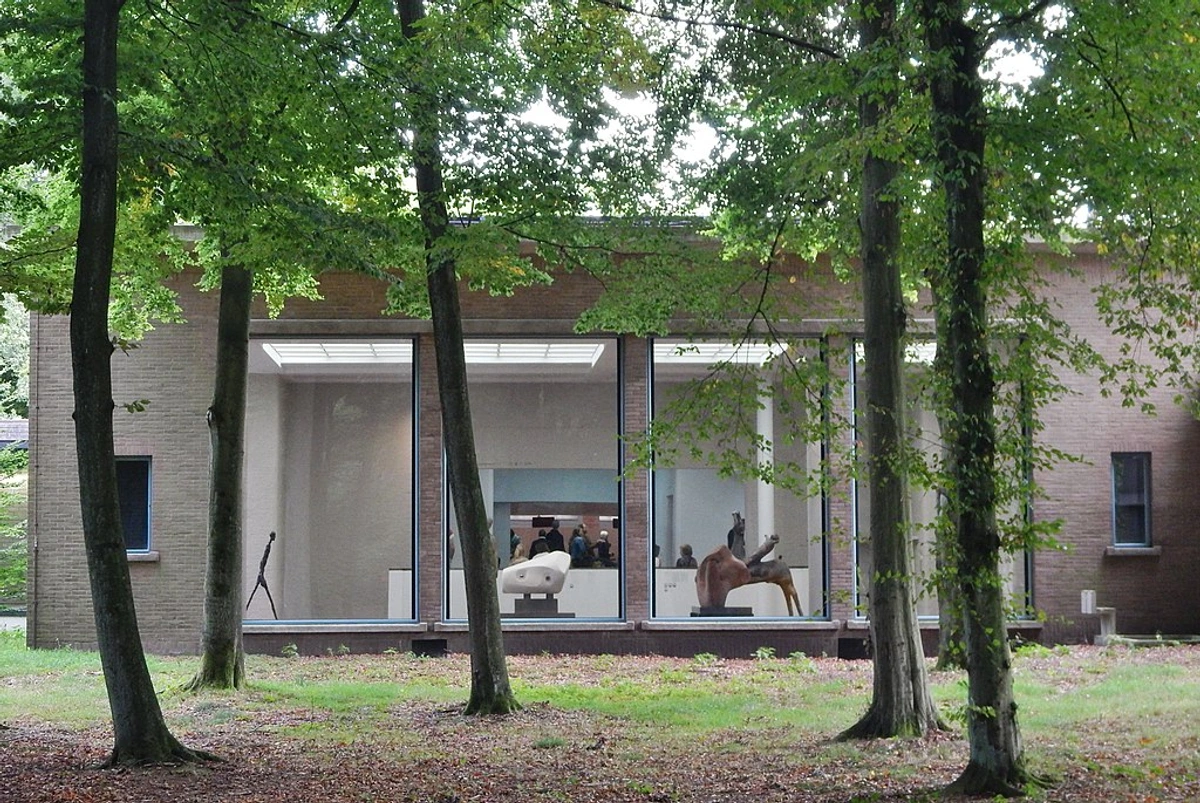
Museum Etiquette: Navigating the Hallowed Halls
Alright, so you've landed an internship. Congratulations! But now you're in, and suddenly the unspoken rules of museum life feel a bit like a secret code. Here’s a quick primer on navigating the unique social and professional landscape of a museum:
- Observe and Learn: Before you jump in with suggestions, take time to observe. How do people communicate? What's the workflow? Every museum has its own culture. Pay attention to how senior staff interact with each other and with the art itself.
- Respect the Art (and the Rules): This seems obvious, but it's paramount. Don't touch artworks unless explicitly instructed and trained to do so. Maintain appropriate distance. Understand that security protocols are there for a reason, even if they seem inconvenient at times.
- Confidentiality is Key: You'll likely be privy to sensitive information – upcoming acquisitions, exhibition plans, donor details. Keep it confidential. Loose lips sink ships, and they can certainly sink careers in the art world.
- Dress Appropriately (But Practically): While you want to look professional, some roles (like preparatorial or collections) might require more practical attire. Always check with your supervisor. Versatility is key – be ready to transition from a meeting to helping move a painting (under supervision, of course!).
- Be Punctual and Reliable: Show up on time, meet deadlines, and communicate clearly if you foresee any issues. Your reliability is a huge asset.
- Engage with Curiosity: Ask thoughtful questions, but be mindful of people's time. Show genuine interest in what others are doing, even if it's outside your department. Building internal relationships is just as important as external networking.
These seemingly small things build your reputation and show that you're not just there for the resume line, but to truly contribute to the institution and its mission.
Beyond the Core: Specialized Museum Roles & The Evolving Landscape
While the table above covers the main departments, the truth is that a museum is a small city in itself, bustling with an incredible variety of expertise. Depending on the size and focus of the institution, you might find roles that are even more niche and fascinating. I've seen everything from exhibit carpenters who are true artists with wood, to digital strategists who revolutionize how we interact with art online, to researchers specializing in the chemical analysis of pigments. The art world, like any dynamic field, is always expanding its horizons. Here are a few more specialized roles you might encounter, or even help pioneer:
- Museum Preparators/Art Handlers: These are the unsung heroes who meticulously install and de-install artworks, manage specialized art shipping logistics, and ensure everything is handled with utmost care and precision. It requires physical strength, incredible precision, an intimate understanding of various art objects (from delicate textiles to massive sculptures), and often, an encyclopedic knowledge of how things fit together (and, crucially, how not to break them!). They're also often the masters of the art of display: how to light and position abstract art for maximum impact or any other art form.
- Media & AV Specialists: With the accelerating rise of digital and interactive exhibits, these roles are becoming absolutely crucial. They manage projections, intricate soundscapes, virtual reality experiences, augmented reality overlays, and all technological aspects of an exhibition. If you're into tech and art, or curious about the rise of digital abstract art, this is your sweet spot for a cutting-edge art career.
- Scientists/Archaeologists: Especially in natural history museums or those with extensive ancient collections, scientists and archaeologists play a vital role in research, dating, and conservation. Think forensic science for art, or uncovering ancient civilizations (you might even find yourself working alongside experts who study things like the fascinating materials in the Venus de Milo or delve into the enduring influence of ancient Egyptian art on modernism). It's the perfect blend of scientific rigor and artistic appreciation.
- Security & Facilities: While typically not direct internship roles, these departments are the absolute backbone of any museum. They ensure the safety of both visitors and priceless collections, playing a critical role in preserving cultural heritage. A good relationship with the security team can give you invaluable insights into the daily life of the museum – they often have the best stories and see everything! They're the silent guardians of art.
- Photography/Videography: Documenting exhibitions, individual artworks, public events, and crucial behind-the-scenes work for marketing, archives, and publications. A keen artistic eye combined with technical skill in photography and videography is key here, essentially capturing the museum's narrative visually and contributing to the history of photography as fine art within the institution.
- Collections Database Specialists: Beyond basic cataloging, these roles manage complex digital information systems, ensuring data integrity, accessibility, and long-term digital preservation for vast collections. It's truly the library science of the digital age for art, playing a vital role in how we access and research cultural heritage in the future.
- Exhibit Fabricators/Carpenters: These skilled craftspeople and artisans build the physical structures, pedestals, and specialized display cases for exhibitions, translating conceptual design plans into tangible reality. They are truly artists in their own right, working with diverse materials like wood, metal, glass, and even the history of acrylic painting materials, bringing the exhibition designer's vision to life with precision.
- Evaluation & Visitor Experience Specialists: These roles focus on understanding how visitors interact with the museum, conducting surveys, analyzing visitor data and feedback, and using those insights to continuously improve programs and exhibitions. It's about making the museum more impactful, inclusive, and user-friendly, ensuring every visitor has a rich and memorable experience.
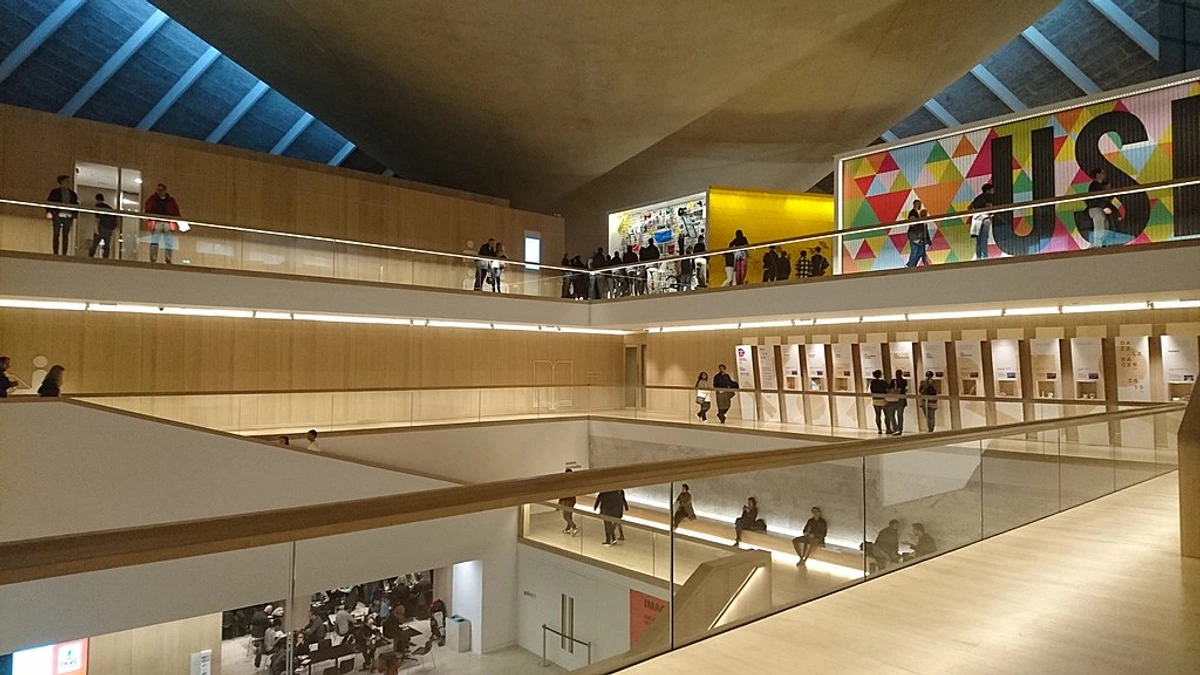
The takeaway? Don't pigeonhole yourself. If you have a unique skill set, think deeply about how it could be applied to a museum environment. The art world is constantly evolving, mirroring the art movements of the 21st century itself, and new roles are emerging all the time. Your unconventional background or diverse experiences might just be the fresh perspective a museum needs to innovate and engage new audiences.
Your Game Plan: From Application to Interview
Alright, you know why you want it and what you want. Now, how do you actually get it? This is where the rubber meets the road, where your passion translates into a tangible art career opportunity.
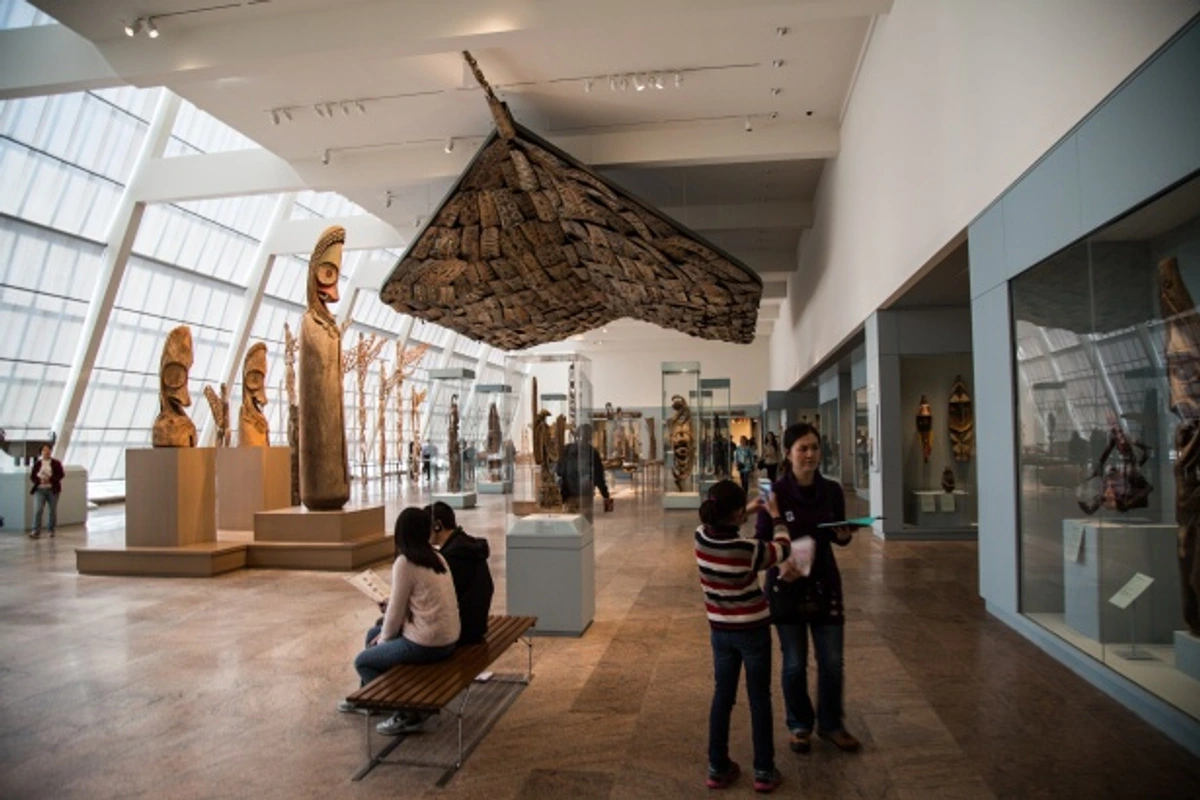
Step 1: The Hunt
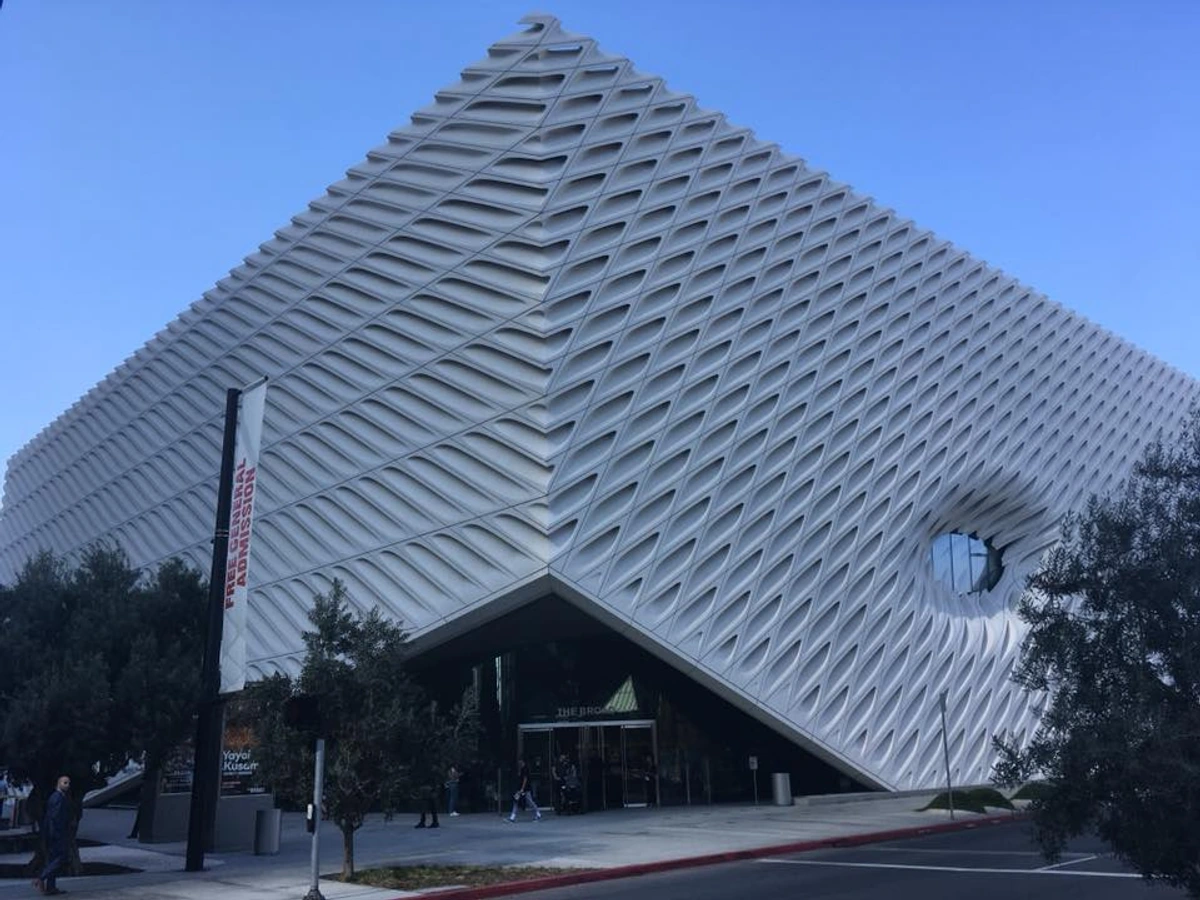
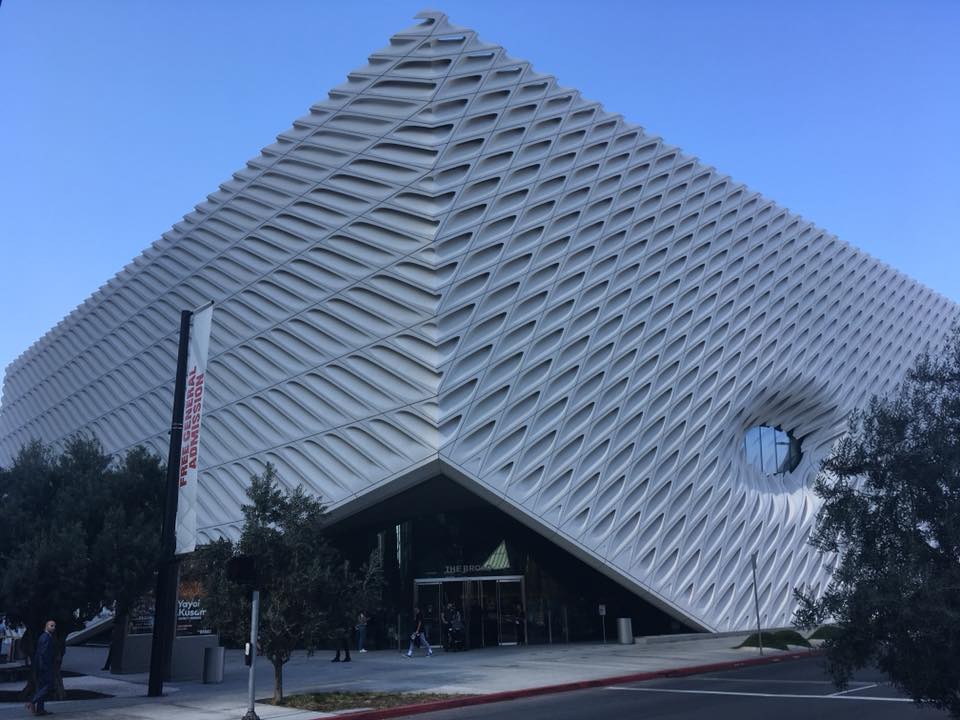
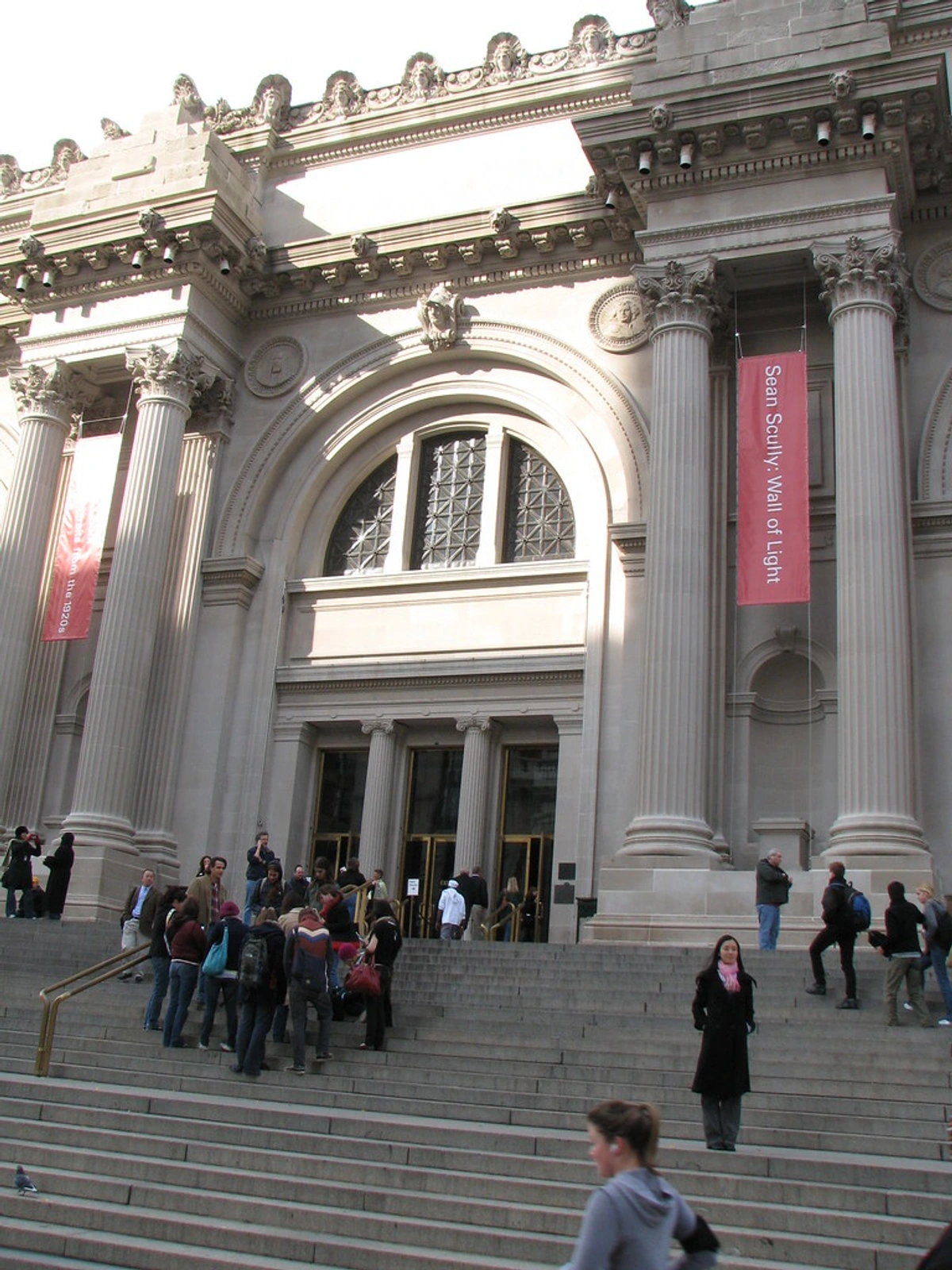
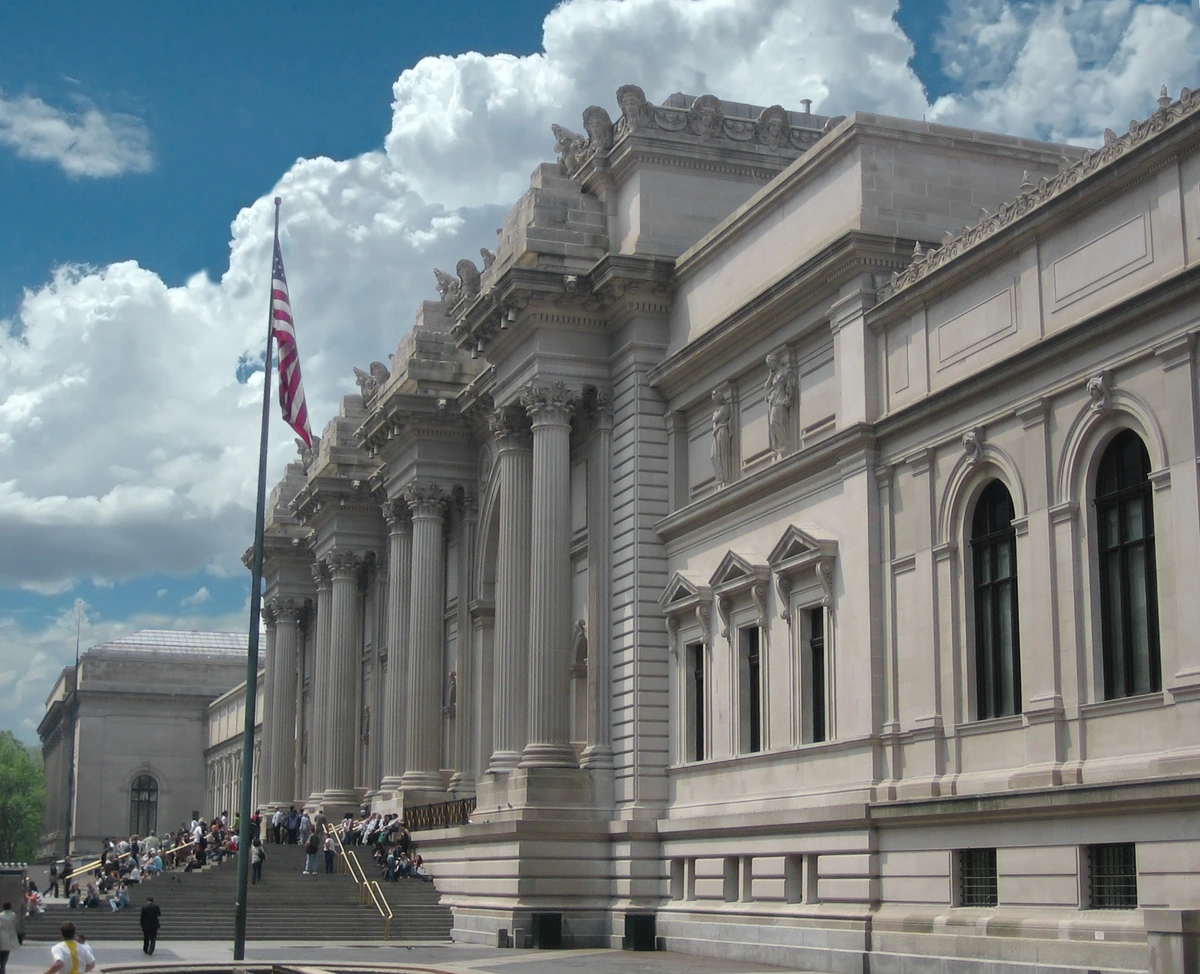
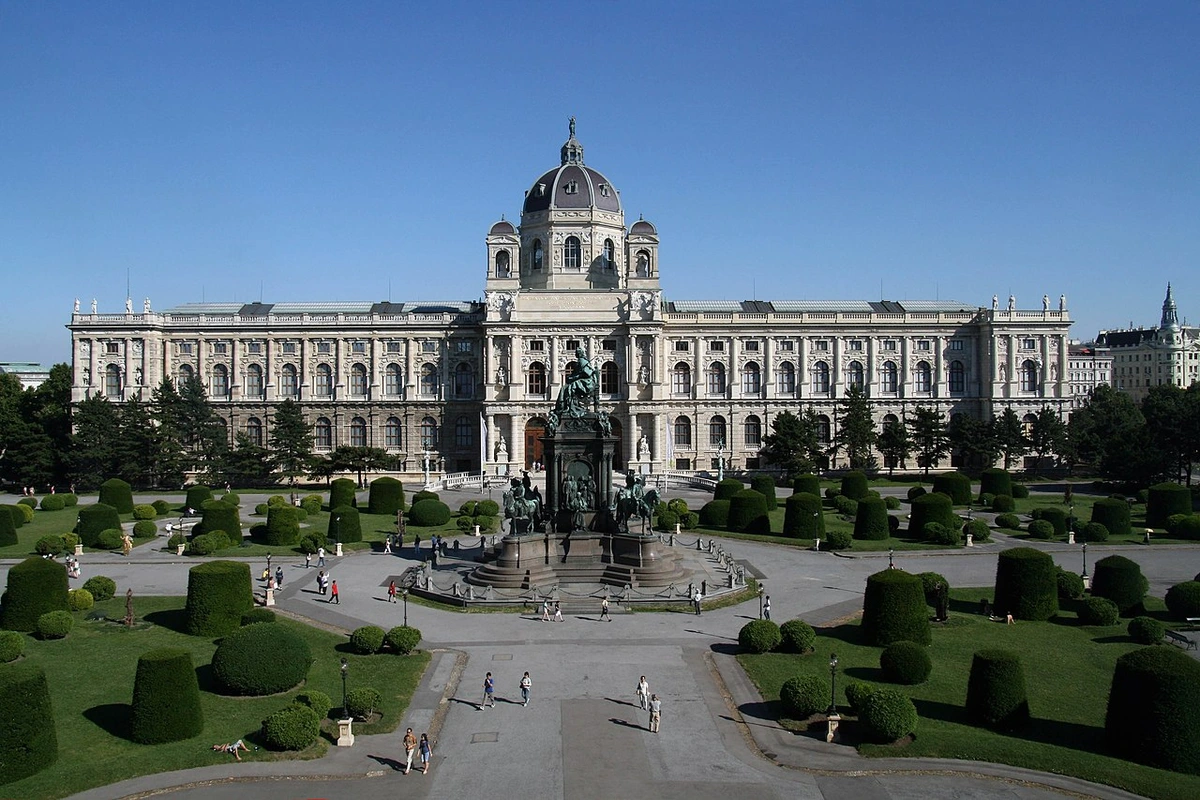
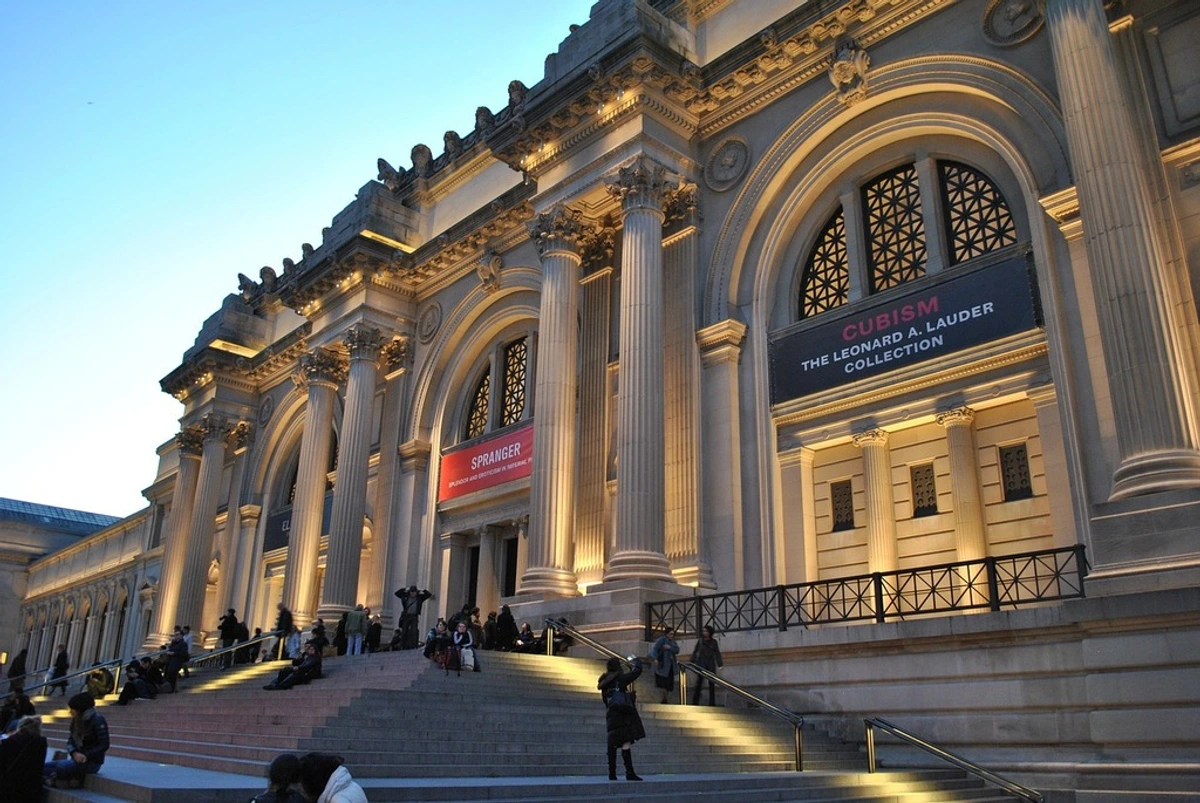
Start broad. Check the websites of your local museums, but also look at national and international ones if you're able to relocate. Many larger museums (like the Met, MoMA, Tate) have structured internship programs with specific application periods. Smaller museums might be more informal—it might be worth sending a polite inquiry even if nothing is listed. Don't be afraid to think internationally; museums like the National Portrait Gallery in London () or the Edo-Tokyo Museum (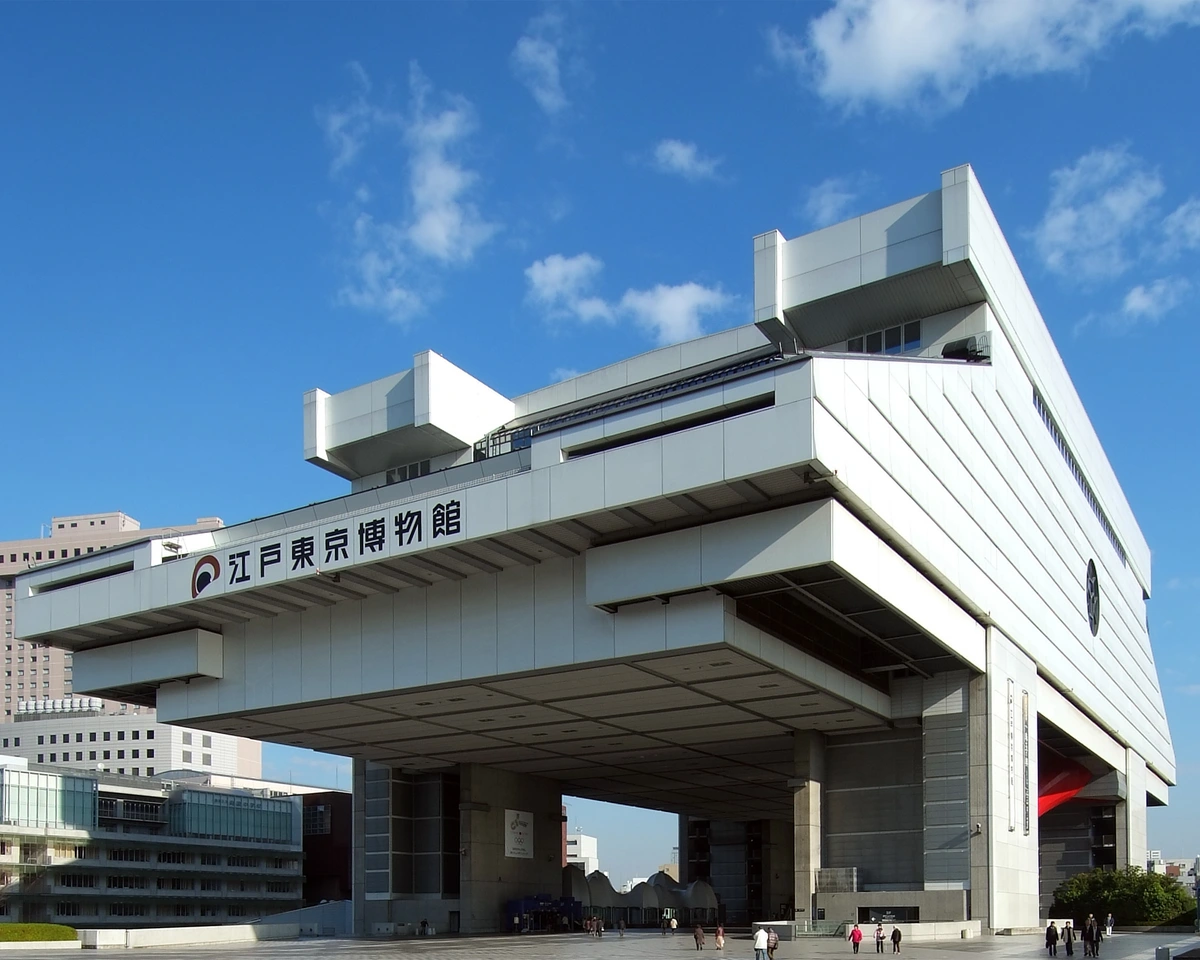
credit, licence) offer incredible global opportunities for an art career. The key is to cast a wide net and research thoroughly.

Online Resources and Job Boards
Pro Tip: Don't just Google "art museum internship." While that's a start, you'll want to dive deeper into specialized platforms. Look at university career sites (even if you're not a student, they often list public opportunities), museum association job boards (like the American Alliance of Museums, AAM, or the International Council of Museums, ICOM, for global searches), and dedicated art world job sites like Art Frankly, Art Muse, or even LinkedIn. Set up alerts for keywords like "museum internship," "gallery assistant," "collections intern," or "curatorial assistant" to catch new postings as soon as they go live. Don't forget to check the direct career pages of museums you admire. Persistence and proactivity here absolutely pay off for aspiring art world professionals!
Why Your Personal Brand Matters
Before we dive into the nitty-gritty of applications, let's talk about something often overlooked: your personal brand. This isn't about being fake; it's about intentionally presenting the most authentic and compelling version of yourself to the world. In the competitive art world, your brand is what sets you apart.
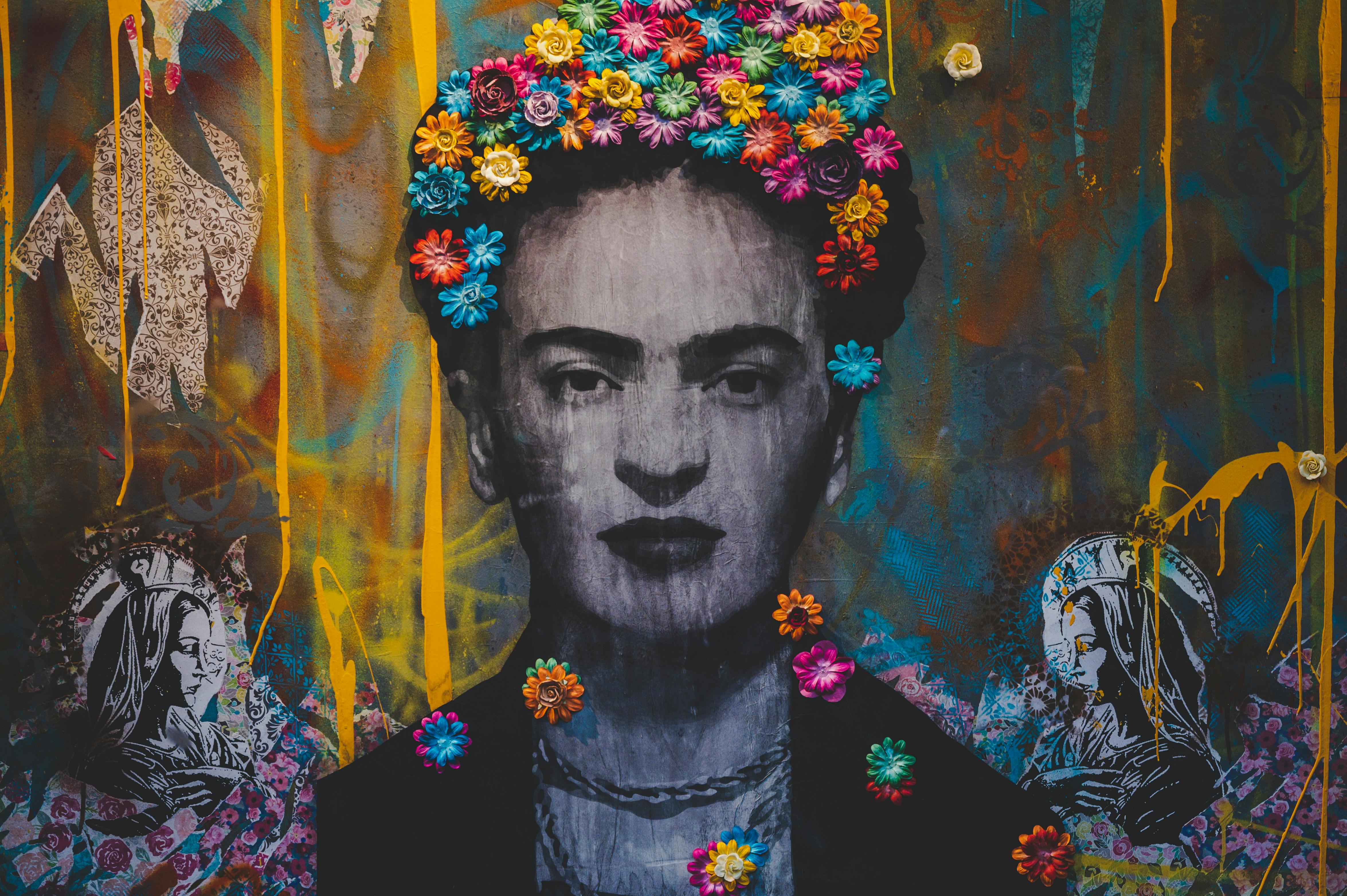
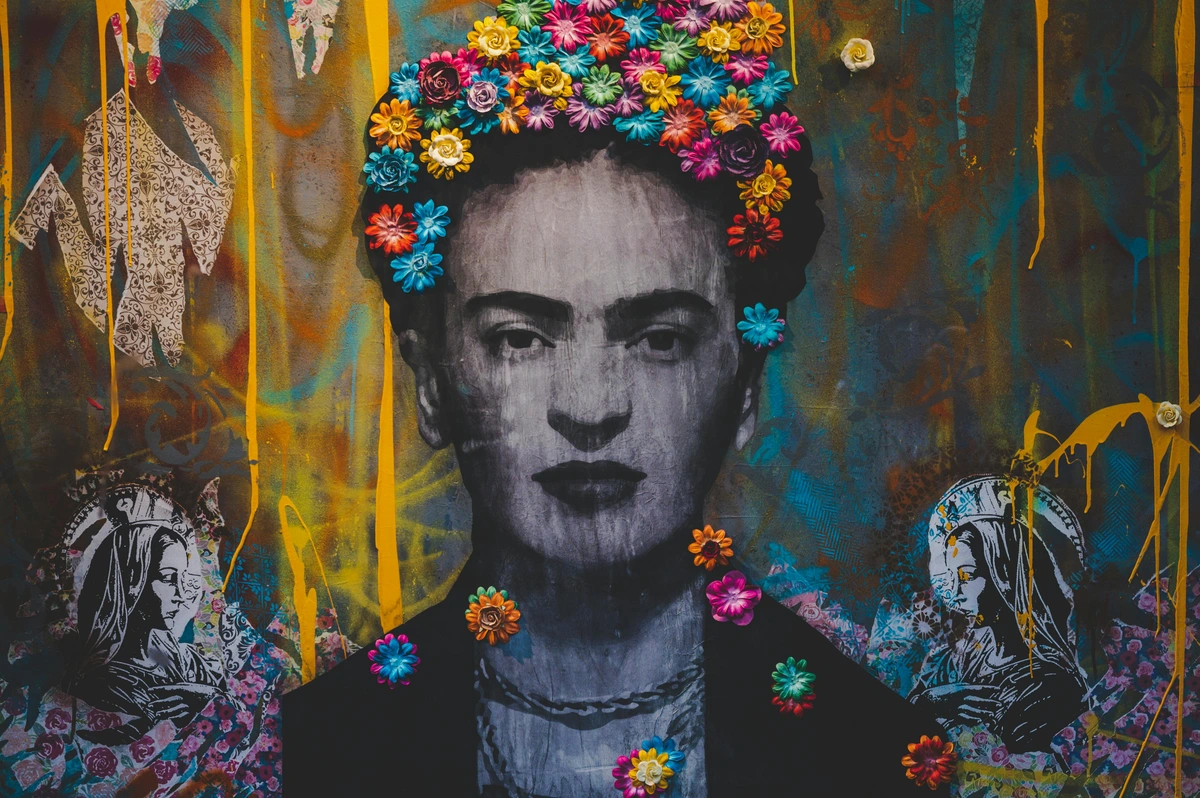
- Online Presence: Your LinkedIn profile should be meticulously up-to-date and professional, mirroring your resume and telling a consistent story about your art career aspirations. If you have an art-related blog, Instagram (curated carefully, of course), or website, make sure it showcases your passion, professionalism, and perhaps even your creative process (like my journey with mixed media). Recruiters will Google you, so ensure your online presence reflects the person you want to be in the art world. Think of it as your digital calling card, or perhaps a visual counterpart to your personal brand, much like a striking graffiti mural (
- Networking Persona: How do you introduce yourself at events? What kind of questions do you ask? Your enthusiasm and genuine curiosity should shine through.
- Consistency: Ensure your story (who you are, what you're passionate about, what you want to achieve) is consistent across all platforms and interactions.
Think of it like an artwork itself. You're curating the narrative of your professional journey.
Step 2: The Perfect Application Packet – Your Personal Showcase
This, my friend, is your holy trinity: the CV (or resume), the cover letter, and your references. Each piece plays a crucial role in painting a complete picture of who you are and why you're the perfect fit.
- The CV (or Resume): Crafting Your Narrative Alright, let's talk about the CV or resume – your professional highlight reel. Keep it clean, concise, and impactful. Ideally, aim for one page, especially if you're earlier in your career. Recruiters spend mere seconds glancing at these, so every word counts. The biggest hurdle I often hear about is, "But I don't have direct museum experience!" And to that, I say: no problem at all! Very few people start with a perfect art world resume; we all begin somewhere. The trick here is to meticulously translate and frame your other jobs, volunteer work, and life experiences in museum-relevant terms. It's all about the honest spin, highlighting your transferable skills. Think deeply about the core competencies a museum values: meticulous organization, rigorous research, impeccable communication (both written and verbal), keen attention to detail, engaging public interaction, disciplined project management, and innovative creative thinking. These are the building blocks of an art administration career.Let me give you some more examples:
- Retail/Service Job? You haven't just "worked in retail" (though that's valuable experience in itself!); you've honed "visitor engagement, problem-solving, and communication skills in a fast-paced public environment." You've managed transactions, handled diverse customer inquiries, and likely developed a knack for quick thinking under pressure – all highly relevant for front-of-house, education, or even administrative roles. See? You're practically a front-line museum educator or visitor services pro already.
- Office Admin Role? Forget "answered phones and filed documents." Instead, you possess "meticulous database management, logistical coordination, and organizational expertise essential for collections or registration work." You've handled sensitive information, managed schedules, and probably streamlined some processes – these are the foundational skills for keeping a museum running smoothly behind the scenes.
- Personal Art Project or Freelance Gig? You're not just a "hobbyist artist" (though your creative practice is a huge asset!); you demonstrate "independent project management, creative problem-solving, and resourcefulness valuable in exhibition planning, educational program development, or even marketing content creation." If you've managed a small art business, you've got marketing, sales, and administrative experience!
- Volunteer Work (any field)? "Assisted with event logistics and volunteer coordination," "managed social media for a local charity," or "organized community clean-up initiatives" all showcase initiative, teamwork, and commitment – qualities highly sought after in any museum department, especially development or education.
- Academic Research/Papers? Beyond just "wrote essays," you "conducted extensive primary and secondary research," "analyzed complex visual and textual data," and "synthesized information into clear, compelling narratives" – this is gold for curatorial, archives, or publications roles!
It's all about articulating how your existing strengths, no matter how unconventional their origin, align directly with the needs and mission of a museum. This thoughtful approach will make your application truly shine in the competitive art world.
- The Cover Letter: Where Your Personality Shines Ah, the cover letter – this, my friend, is where the magic happens. This is your moment to truly shine, to leap off the page and show them the enthusiastic, thoughtful, and unique individual you are. Think of it as your artistic statement for a job application. Rule number one: do not, under any circumstances, start with the dry, impersonal, and utterly unforgettable, "To Whom It May Concern, I am writing to apply for the..." (Please, for the love of art, don't do this!). They know. They have eyes, and likely, a mountain of generic cover letters.Instead, start with a story. A short, compelling, and deeply personal one that hooks them immediately, making them sit up and take notice. Make them want to keep reading, to understand who this intriguing person is and why they're so passionate about a museum career.
- For example: "The first time I saw a painting by Helen Frankenthaler – not in a book, but right there, massive and breathing, in a gallery – I'll admit, I didn't quite 'get' it. It took me three separate visits, sitting with it, observing how the light changed, before her revolutionary use of color finally clicked. That profound process of slow understanding, of discovery, of peeling back layers, is precisely what draws me, irresistibly, to a career in museum education." See how that lands differently? It's authentic, vulnerable, and specific.
- Structure for Impact:
- Opening Hook: The personal anecdote or compelling statement that grabs attention.
- Why Them?: Immediately connect your interests to their specific institution. Name a recent exhibition that genuinely captivated you, a particular piece in their collection that resonates with your interests, or a program they offer that inspires you. Prove, beyond a shadow of a doubt, that you've done your homework and aren't just blindly spamming every museum in the country. This level of personalization makes all the difference. Mention their mission statement if it truly aligns with yours.
- Why You?: This is where you weave in those transferable skills we discussed for your CV. Don't just list them; illustrate them. "My experience coordinating volunteers for the local community festival honed my organizational and interpersonal skills, which I believe would be invaluable in supporting your education department's outreach initiatives."
- The Ask: Clearly state which internship you're applying for and reiterate your enthusiasm.
- Polite Closing: A professional thank you and expression of eagerness for an interview.
Show, don't just tell, your passion. Understanding how artists use color can be crucial for appreciating certain works, for instance, a topic I touched on in how artists use color. This demonstrates intellectual curiosity that extends beyond the obvious. Always proofread, and then have someone else proofread. A typo in a cover letter for a detail-oriented role is a swift trip to the rejection pile!
- References and, for some, a Portfolio: Beyond your CV and cover letter, remember that references are absolutely critical. These are the people who will vouch for your work ethic, skills, and character. Choose individuals who can speak to your abilities – ideally, someone who can speak to your transferable skills even if they aren't directly from the museum world. Think former supervisors, professors, mentors, or even colleagues from volunteer roles. Always ask permission before listing someone as a reference, and prepare them for what they might be asked (e.g., "I'm applying for an education internship at the XYZ Museum, focusing on public programming. They might ask about my communication skills or ability to work with diverse groups.").
Crafting a Digital Portfolio or Work Samples
For roles in Exhibition Design, Conservation, Marketing/PR, Digital Engagement, or Publications, a portfolio or work sample might be requested, and honestly, even if it's not explicitly asked for, a well-curated personal website or online portfolio can significantly boost your application. This is your chance to go beyond words and visually showcase your skills and creativity. Think of it as a small, personal exhibition of your capabilities.
- For Designers: Include relevant design projects, sketches, renderings, or even photographs of exhibition mock-ups. Showcase your proficiency in design software and your understanding of user experience.
- For Writers/Editors: Provide strong writing samples: press releases, blog posts, academic papers, or excerpts from publications you've worked on. Demonstrate clarity, conciseness, and an engaging voice.
- For Digital/Multimedia Roles: Link to websites you've built, videos you've produced, social media campaigns you've managed, or interactive projects you've developed. Show your technical savvy and creative vision.
- For Artists: If you're an artist (and many art world professionals are!), showing pieces from your abstract art artistic style or work that demonstrates your visual expression process could be particularly compelling. It demonstrates not just technical skill but also a deep, hands-on engagement with artistic practice and an understanding of design in art.
Always tailor this to the specific role and museum. Quality over quantity is key – only include your absolute best, most relevant work. Ensure it's easy to navigate, professional, and accessible. This is often the differentiator that makes you stand out in a pile of applications, transforming you from a name on paper to a tangible talent.

The All-Important Thank-You Note
This isn't an option; it's a requirement. ## Post-Interview Strategies: Beyond the Thank-You Note
This isn't an option; it's a requirement. After any interview (or even a significant informational meeting), send a personalized thank-you note within 24 hours. This isn't just a formality; it's a demonstration of your professionalism, attention to detail, and continued enthusiasm for the art job.
- Email is fine, but make it count: Mention something specific you discussed during the interview. "I particularly enjoyed our conversation about the challenges of engaging younger audiences with historical collections, and it reinforced my enthusiasm for your innovative digital programs." This shows you were listening and engaged.
- Reiterate your interest: Briefly remind them why you're a great fit for the role and the museum's mission.
- Proofread! Seriously, again. A typo here undoes all your careful work.
Beyond the Immediate Thank You
For highly competitive roles, or if you don't hear back immediately, a polite follow-up after a week or two is acceptable. Reiterate your interest and perhaps share a relevant article or thought that connects to your interview conversation. The goal isn't to pester, but to subtly remind them of your presence and continued engagement. Just don't overdo it. Sometimes, patience is a virtue in the often-slow-moving world of cultural institutions.
- Email is fine, but make it count: Mention something specific you discussed during the interview. "I particularly enjoyed our conversation about the challenges of engaging younger audiences with historical collections, and it reinforced my enthusiasm for your innovative digital programs."
- Reiterate your interest: Briefly remind them why you're a great fit.
- Proofread! Seriously, again.
Step 3: The Interview
If you get an interview for an art museum internship, congratulations! You're not just halfway there; you've officially made a strong impression and passed the initial screening. Now's the time to be your most curious, enthusiastic, and authentic human being. Remember, they're not just looking for skills on paper; they're looking for someone who will fit into their team, align with the institution's values, and contribute positively to the museum's mission and the broader art world.
- Re-read your entire application. Seriously, every word. Know your own story inside and out, because they will be asking about it. You don't want to contradict yourself or seem unsure about your own experiences.
- Deep Dive Research: Beyond the museum itself, research your interviewer(s). A quick LinkedIn search can do wonders. Understanding their professional background, previous roles, and current projects can help you tailor your responses and ask more insightful questions. Look up recent exhibitions, publications, or news related to the department you're interviewing for.
- Prepare Your Own Questions (and lots of them!). This is absolutely crucial. Asking smart, thoughtful questions shows you're genuinely engaged, have done your homework, and are thinking critically about the role and the institution. Don't be afraid to bring a small notebook with your questions written down.
- Good questions to ask: "What does a typical day look like for an intern in this department?" "How does this internship contribute to the museum's broader goals?" "What opportunities are there for interns to collaborate with other departments?" "What's the biggest challenge this department is currently facing, and how might an intern contribute to addressing it?" "What's your favorite part about working here?"
- Questions to avoid (in the first interview): Do not ask about pay, benefits, or vacation time unless they explicitly bring it up. Focus on learning and contribution first.
- Master the "Why our museum?" question. This isn't a trick question; it's an invitation to show your specific enthusiasm. Have a specific, thoughtful answer that goes beyond "You have famous art." Reference a specific collection, a recent exhibition, a public program, or even their architectural design. "I've been deeply impressed by your commitment to [specific initiative, e.g., community engagement, digital accessibility], and I believe my skills in [your relevant skill] could genuinely contribute to that mission."
Common Interview Questions (and how to tackle them)
Be prepared to think on your feet, but also have some common themes ready.
- "Tell me about yourself." This isn't your life story. It's a concise (2-3 minute) elevator pitch about who you are professionally, what you're passionate about, and why you're interested in this specific role and this specific museum.
- "Why are you interested in this internship?" (See point 4 above). Be specific, connect to their mission.
- "What are your strengths?" Provide examples that are relevant to museum work (e.g., "I'm highly organized; last semester, I managed a research project with multiple deadlines, ensuring all components were submitted on time.").
- "What are your weaknesses?" Choose a genuine weakness, but frame it with how you're actively working to improve it. "I sometimes tend to over-analyze tasks, but I've been practicing setting clear time limits for myself on initial research phases."
- "Describe a challenging situation and how you handled it." Focus on your problem-solving skills, resilience, and lessons learned.
- "Where do you see yourself in five years?" Show ambition that aligns with a career in the arts, even if it's broad. "I hope to be contributing meaningfully to a cultural institution, ideally in a role that combines my passion for [specific area, e.g., 'historical research and community outreach'] with a desire to make art more accessible." This demonstrates a long-term vision beyond just the internship.
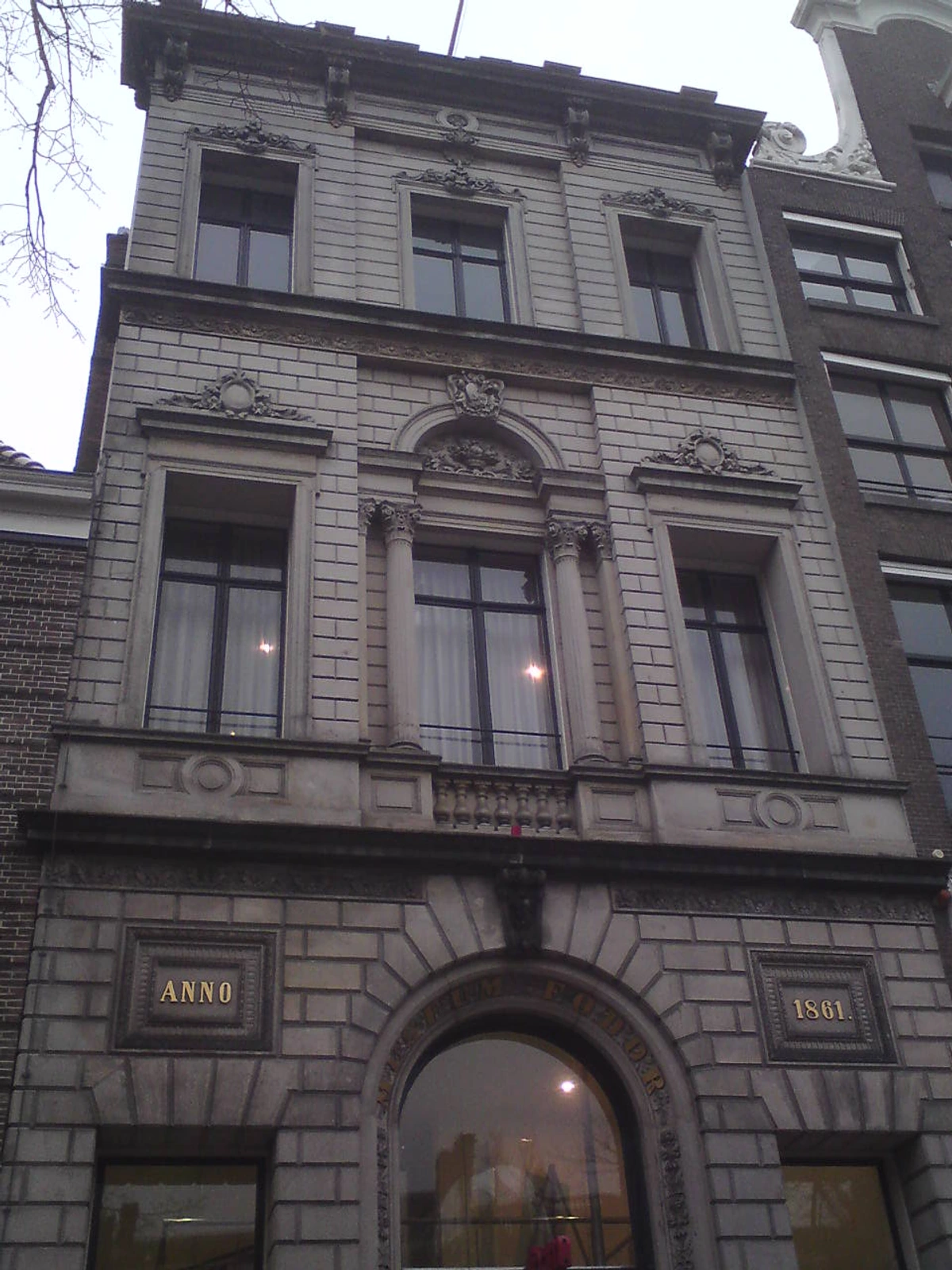
Networking & Mentorship: Building Your Art World Tribe
Let's face it, the art world can sometimes feel a bit like an exclusive club – an intimidating landscape if you're just starting your art career journey. But here's a secret: it's also incredibly welcoming to those who show genuine interest, initiative, and respect for the craft. Networking isn't just about collecting business cards; it's about building authentic relationships, finding common ground, and sharing your passion for art. It's about building your 'art world tribe'.
- Informational Interviews: Reach out to people working in roles you admire (a quick LinkedIn search can help). Ask if they'd be willing to chat for 15-20 minutes (respect their time!) about their career path, how they got started in the art world, and what advice they have for emerging professionals. Most people are flattered to be asked! Remember, this is not a job interview; it's about gathering information, learning, and making a genuine connection, perhaps for future art job opportunities.
- Attend Events: Go to exhibition openings, lectures, artist talks, and museum galas (if you can get an invite – sometimes volunteering can open these doors!). These are fantastic opportunities to meet people in a more relaxed setting, outside the formal application process. Don't be afraid to introduce yourself. A simple "I really enjoyed that talk; what are your thoughts on [topic]?" or "I was particularly struck by [artwork/idea]; what's your perspective?" can open a door and start a meaningful conversation, leading to valuable art career connections.
- Professional Organizations: Join student chapters of museum associations (like AAM) or art history societies (like CAA). These often have mentorship programs, host insightful events, and offer great opportunities to meet peers and established professionals in the art world. You might even discover new art movements like what is outsider art or the definitive guide to the history of abstract art that truly ignite your passion.
- Be a Sponge: Once you're in an internship, soak up everything. Ask intelligent questions, observe how different departments interact, and offer to help out beyond your immediate tasks. People notice initiative. Many successful careers are built not just on talent, but on being a genuinely helpful and curious person.
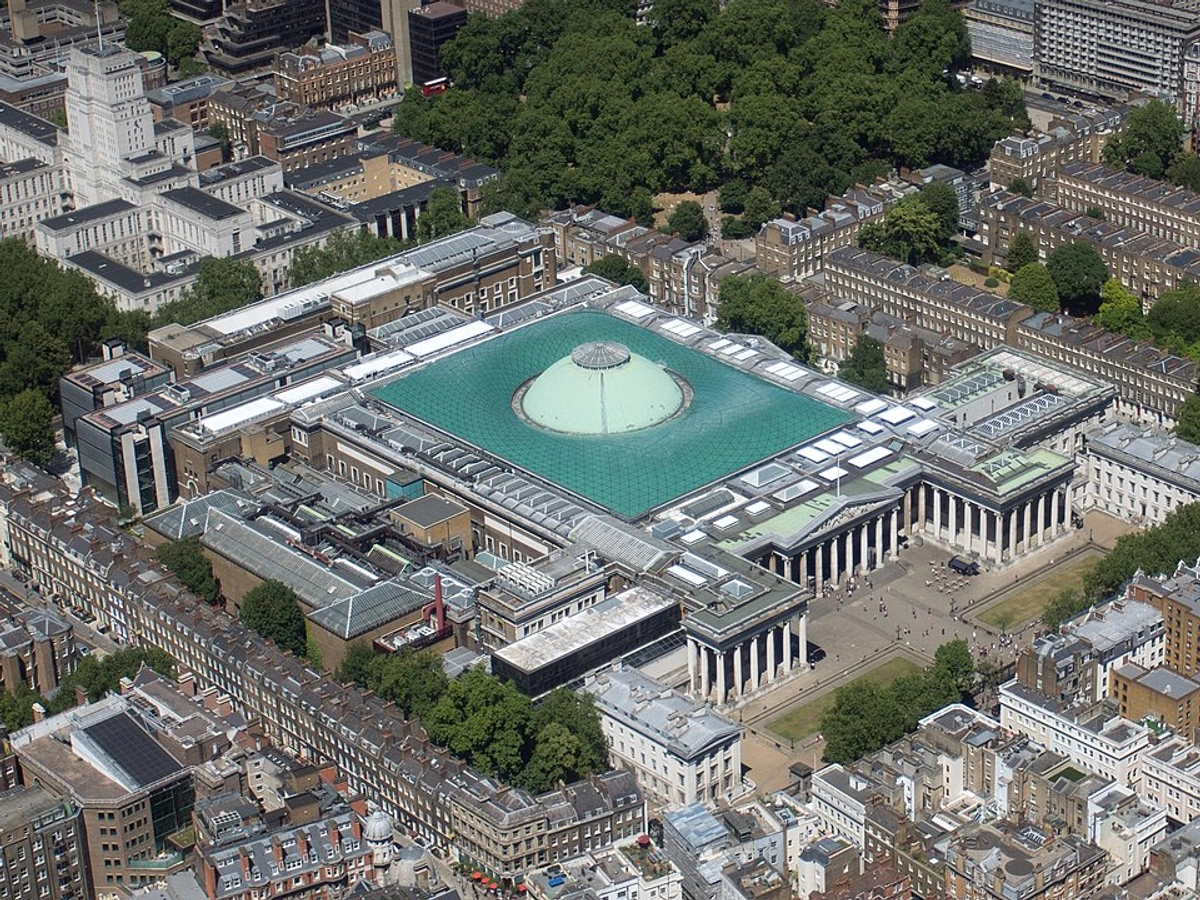
Mentors and Sponsors: Your Guides in the Art World
Beyond networking, consider actively seeking out mentors and, if you're lucky, sponsors. These are distinct but equally valuable relationships that can profoundly shape your art career path. Think of them as your personal guides through the labyrinth of the art world, helping you to not only navigate but to thrive.
- Mentors: A mentor is someone who offers guidance, advice, and shares their experience to help you navigate your career path. This can be a formal arrangement or an informal connection that develops over time. They can help you with career planning, skill development, and understanding the nuances of the art world.
- Sponsors: A sponsor is a senior-level individual who actively advocates for you, opens doors, and uses their influence to create opportunities for your advancement. They might recommend you for a project, put your name forward for a promotion, or introduce you to key decision-makers. This is a higher-level commitment than mentorship and usually arises organically from a strong working relationship.
Don't be afraid to politely ask someone you admire if they would be open to being a mentor. Frame it as a request for occasional guidance, not a weekly commitment. Show up prepared for any meeting, respect their time, and always follow up with gratitude. These relationships can be pivotal in a field as interconnected as the art world.
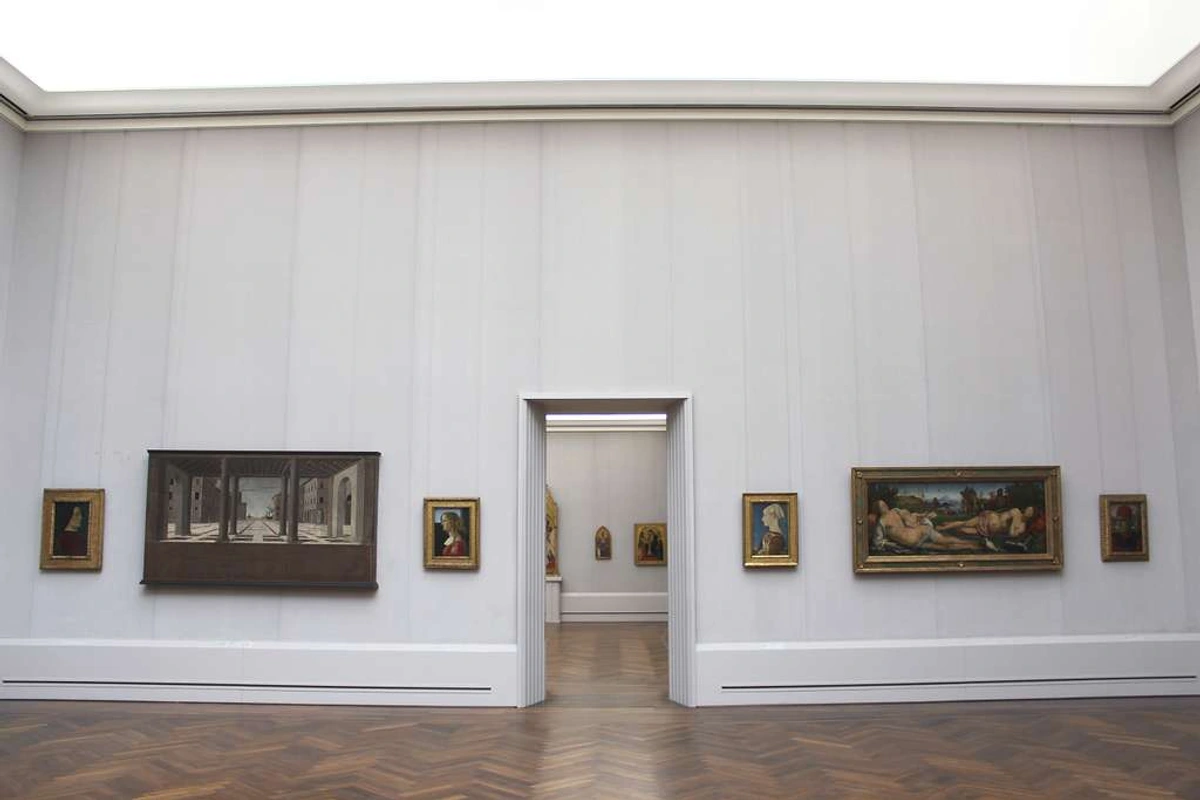
The Unspoken Rules & What Happens Next
Making the Most of Your Internship: Pro Tips for Success
So you got the internship. Amazing. Seriously, take a moment to celebrate! Now what? This is your golden chance to turn a temporary opportunity into lasting connections, invaluable experience, and a foundational step in your art career.
- Be a Sponge (Part 2): Show up early, stay a little late (if appropriate and you're not burning out), and always be eager to learn. Ask intelligent questions – "Could you explain why we're using this particular archival paper?" or "What's the process for logging new acquisitions and ensuring proper art storage solutions?" People appreciate genuine curiosity and a desire to understand the 'why' behind the 'what'.
- Take Initiative: Don't just wait to be told what to do. If you finish a task, ask, "Is there anything else I can help with?" Offer to assist colleagues, even if it's a task slightly outside your immediate purview. This proactive approach makes you an indispensable part of the team.
- Be Professional (Always): This means more than just dressing appropriately. It means respecting deadlines, maintaining confidentiality (you'll learn things not meant for public consumption!), being reliable, and communicating clearly and respectfully. Remember, every interaction is a chance to build your professional reputation in the art world.
- Network Internally: Get to know people in other departments. Grab coffee with someone from conservation, chat with a marketing specialist, or learn about the front-of-house operations from visitor services staff. The more you understand the museum's entire ecosystem, the more valuable you become, and the more potential allies you gain for your art career.
- Seek Feedback: Ask your supervisor for constructive criticism. "What's one thing I could do to improve my work here?" or "How can I be more effective in this role?" This shows maturity, a commitment to growth, and a desire to genuinely excel. It's a crucial part of professional development.
These strategies will ensure you extract maximum value from your internship, leaving a lasting positive impression and building a robust foundation for your future in the art world.
- Be a Sponge (Part 2): Show up early, stay a little late (if appropriate and you're not burning out), and always be eager to learn. Ask intelligent questions – "Could you explain why we're using this particular archival paper?" or "What's the process for logging new acquisitions?" People appreciate genuine curiosity.
- Take Initiative: Don't just wait to be told what to do. If you finish a task, ask, "Is there anything else I can help with?" Offer to assist colleagues, even if it's a task slightly outside your immediate purview.
- Be Professional (Always): This means more than just dressing appropriately. It means respecting deadlines, maintaining confidentiality, being reliable, and communicating clearly. Remember, every interaction is a chance to build your reputation.
- Network Internally: Get to know people in other departments. Grab coffee with someone from conservation, chat with a marketing specialist, or learn about the front-of-house operations from visitor services staff. The more you understand the museum's ecosystem, the more valuable you become.
- Seek Feedback: Ask your supervisor for constructive criticism. "What's one thing I could do to improve my work here?" or "How can I be more effective in this role?" This shows maturity and a commitment to growth.
Handling Rejection (Because it Will Happen)
Let's talk about the elephant in the room: rejection. It's going to happen. I have a whole folder of rejection emails that I used to think of as personal failures, but now I see them as stepping stones – part of my own career timeline. It is not a reflection of your worth or your talent. The applicant pools for museum internships are often huge, incredibly competitive, and sometimes the fit just isn't right, or they had an internal candidate in mind.
- Don't Take it Personally: Seriously, brush it off. It's a numbers game sometimes.
- Send a Polite Thank-You Note: Even after rejection, a brief, polite email thanking them for their time and expressing continued interest (if genuine) can leave a positive impression. You never know when another opportunity might arise, or when a position you did get might fall through and they need someone reliable.
- Re-evaluate, Don't Despair: Take a deep breath, perhaps get some feedback if you can (though it's not always offered), and apply for the next one. Consider expanding your search to other places, like the types of art galleries that might exist in your city, or smaller cultural institutions. Sometimes, starting small can lead to bigger opportunities down the line.
- Alternative Paths: If direct internships are proving difficult, consider volunteering at a local museum, historical society, or even a community art center. This still builds relevant experience and demonstrates your commitment. Look into part-time assistant roles in galleries or artist studios. Any experience in the arts sector is valuable!
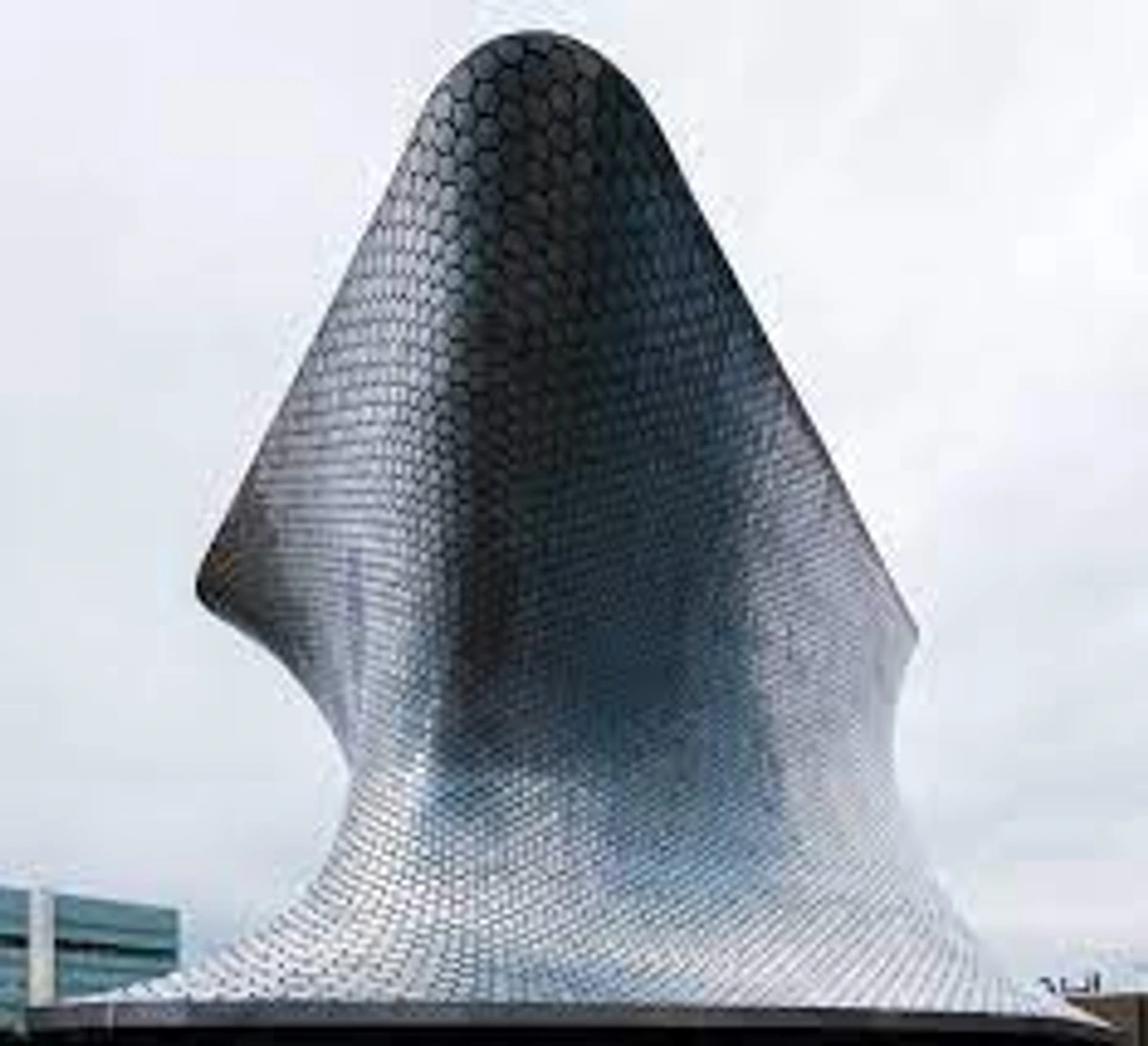
Conclusion: Your Museum Journey Awaits – Crafting Your Art Career
So, there you have it – my unofficial, slightly rambling (but hopefully helpful!), and deeply heartfelt guide to landing that museum internship and kickstarting your art career. It's a journey, undoubtedly, filled with applications, nerve-wracking interviews, and maybe a few accidental trips (sculpture-related or otherwise – I speak from experience!). But more than that, it's a journey into a world of incredible art, passionate people, intellectual discovery, and the profound chance to contribute to something bigger than yourself and the enduring legacy of human creativity.
Remember, every expert started as a beginner. Every world-renowned curator, every meticulous conservator, every engaging educator once held that flimsy 'Intern' ID, feeling a mix of excitement and utter terror. Your passion, your unique perspective, and your willingness to learn and adapt are your most valuable assets. Don't be afraid to take risks, to ask questions, and to forge your own path in the art world. Go forth, explore the vast and varied landscape of the museum, and help keep the magic of art alive for generations to come. And who knows, maybe one day, someone will be reading your unofficial guide to the art world, inspired by your journey and the incredible art career you've built.
Frequently Asked Questions (FAQ)
Do I absolutely need an art history degree?
Not necessarily! While an art history degree is a fantastic foundation and often preferred for curatorial or research-heavy roles (especially if you're interested in famous Renaissance artists or the ultimate guide to Katsushika Hokusai), it's certainly not a strict requirement for every department. For areas like marketing, development, education, or exhibition design, a degree in a relevant field (like communications, business, graphic design, education, or even sciences) combined with a demonstrated passion for art and culture can be just as valuable. What matters most is how you connect your academic background and skills to the specific needs of the internship and the museum's mission. Your unique perspective is often more important than a specific piece of paper.
Are museum internships paid?
This is often the million-dollar question, and frankly, it's a huge and ongoing issue in the art world. Many large, well-funded museums have made significant strides towards offering paid internships, recognizing the importance of equitable access and diverse talent. However, unpaid internships are still tragically common, especially at smaller institutions or for highly competitive roles. Always check the internship description carefully – it should clearly state if compensation is offered. Never assume. If an internship is unpaid, consider if the experience, networking opportunities, and potential career advancement for your art career outweigh the financial burden for you. It's a personal decision, but I always advocate for fair compensation when possible.
Budgeting for an Unpaid Internship: Practical Steps
If you find yourself with an incredible, but unpaid, internship opportunity, thoughtful financial planning is essential. This isn't about magic; it's about meticulous budgeting and seeking support. Consider:
- Savings: Start building an internship fund well in advance. Every little bit helps.
- Part-time Work: Can you manage a part-time job alongside your internship? Many interns balance a few hours of work with their museum duties.
- Crowdfunding/Sponsorship: In some cases, individuals have successfully raised funds through personal crowdfunding campaigns or by securing small, private sponsorships from local arts patrons.
- Living Costs: Research the cost of living in the internship's city. Can you find affordable housing, commute efficiently, or minimize other expenses? It's about being resourceful, much like an artist working with a limited palette.
Ultimately, the value of an internship extends beyond a paycheck. The networking, skill development, and unique experiences can be priceless for your long-term career. But, and this is a big but, it should never lead to undue hardship. Your well-being is paramount.
What's the dress code like?
It varies wildly, even within the same museum! A good rule of thumb is "business casual" or "gallery chic" – think neat, comfortable, and professional. One day you might be in an office setting, the next you could be helping install an exhibition, which might require more practical attire. For interviews, always err on the side of more formal (a smart blazer, nice trousers/skirt, polished shoes). Once you're in, observe what your colleagues wear and adapt. Versatility is key, and comfort is paramount when you're on your feet all day.
Can I get an internship if I'm no longer a student?
Absolutely, yes! While many programs are explicitly aimed at current students or recent graduates (often within a year or two of graduation), there are definitely opportunities for career-changers, those returning to the workforce, or individuals further along in their education. Many museums value the life experience and diverse perspectives that non-traditional applicants bring. Don't let your student status (or lack thereof) stop you from applying. Focus on highlighting your relevant skills and passion, regardless of your academic timeline.
I'm an artist. Will that help my application?
It can be a tremendous asset! Being an artist shows a deep, hands-on engagement with the art world, an understanding of creative processes, and often a keen eye for detail. Be sure to articulate how your creative practice informs your interest in the specific museum role you're applying for. For instance, your understanding of materials and techniques could be a huge asset for a collections, conservation, or exhibition design internship. If you're a sculptor, you know the challenges of installation. If you paint, you understand color and composition. This practical knowledge is gold!
What about international internships?
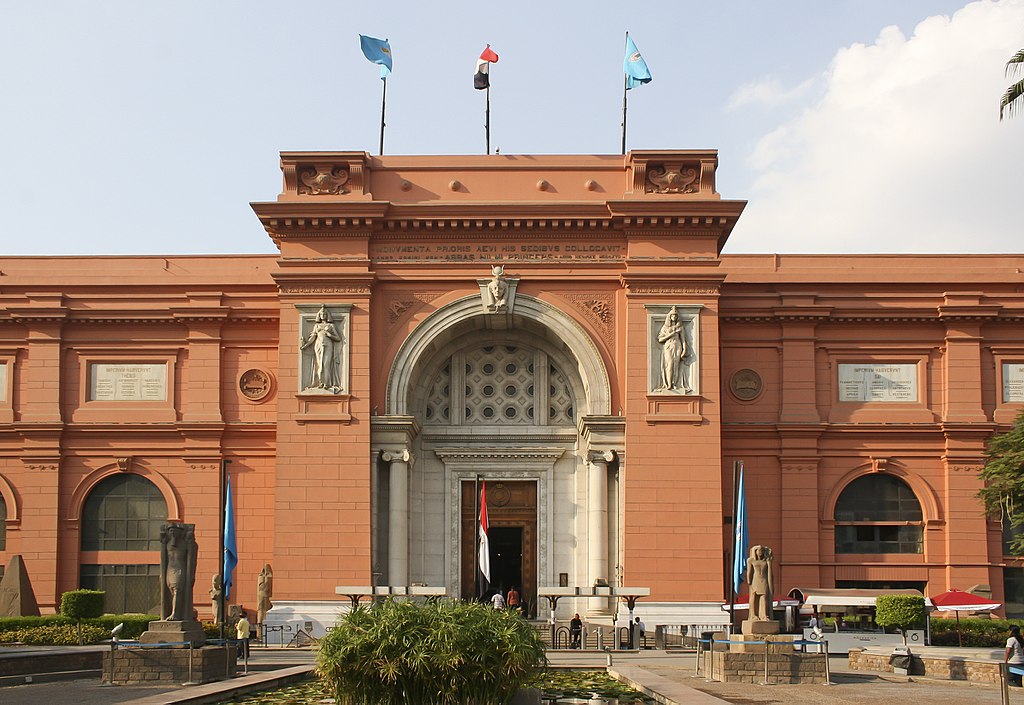
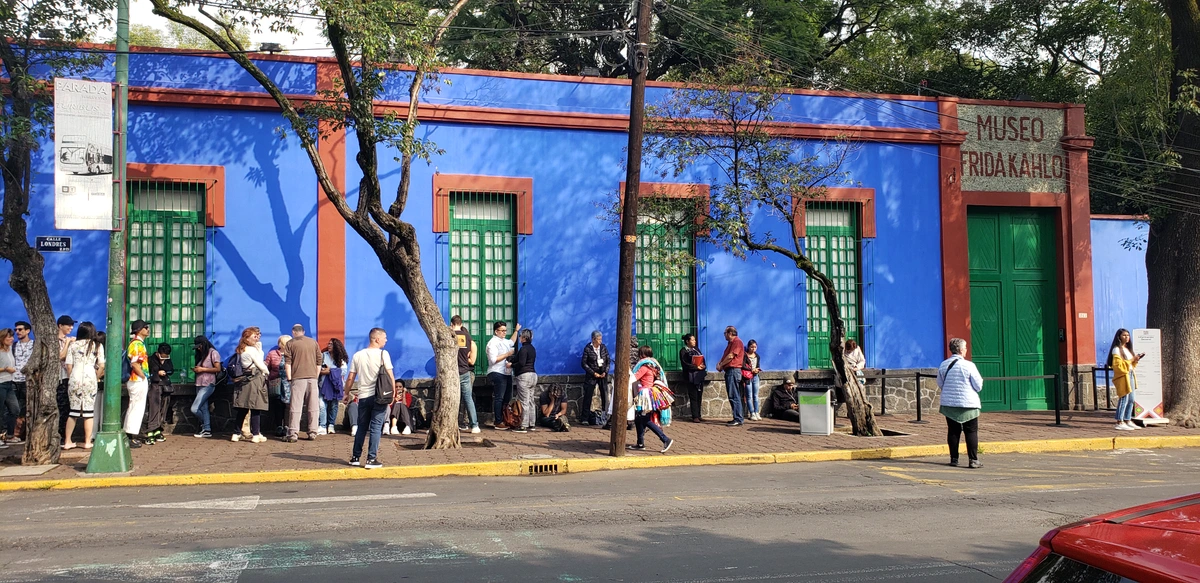
International museum internships can be incredibly enriching, offering exposure to different cultural contexts and museum practices (perhaps comparing European traditions to those of the Egyptian Museum in Cairo
credit, licence). However, they often come with additional complexities, including visa requirements, language barriers, and potentially higher living costs. Research thoroughly, look for programs specifically designed for international applicants, and start planning well in advance. Many major museums in art capitals around the world offer such opportunities, providing a truly global perspective on art administration and cultural exchange. Consider institutions like the National Art Museum of Catalonia (MNAC) in Barcelona (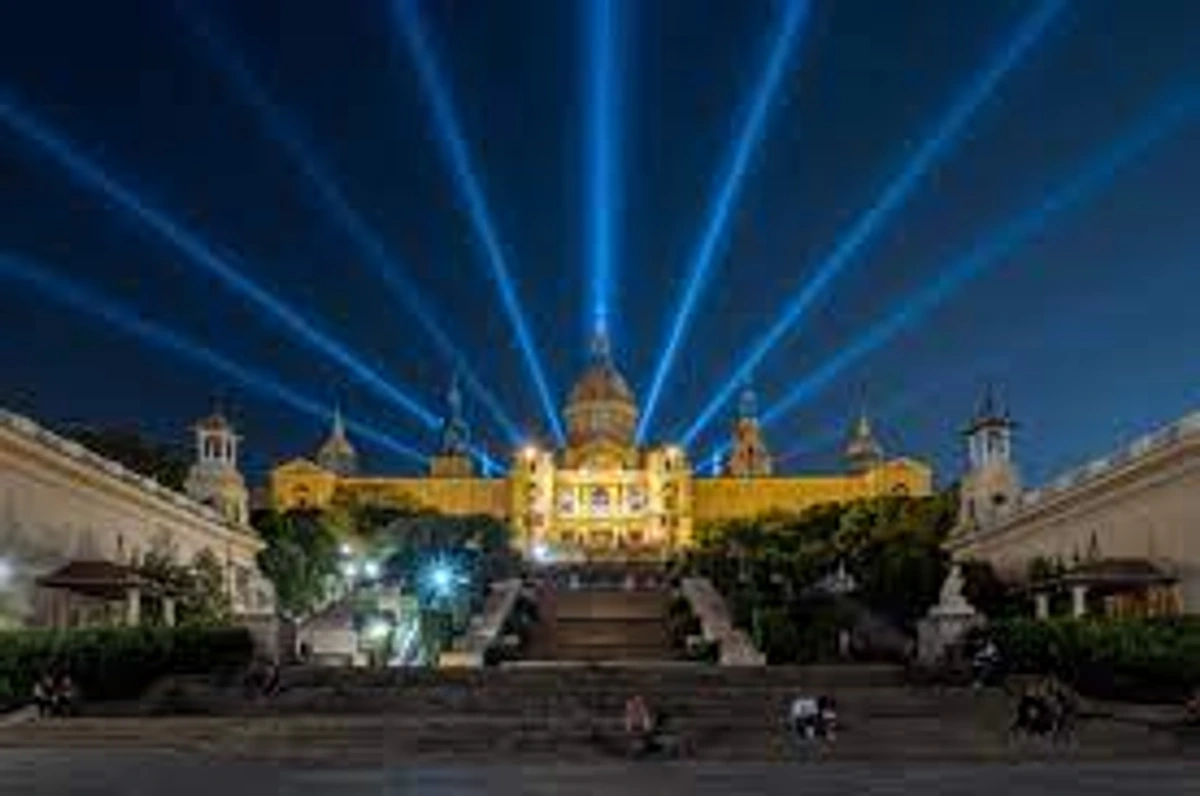
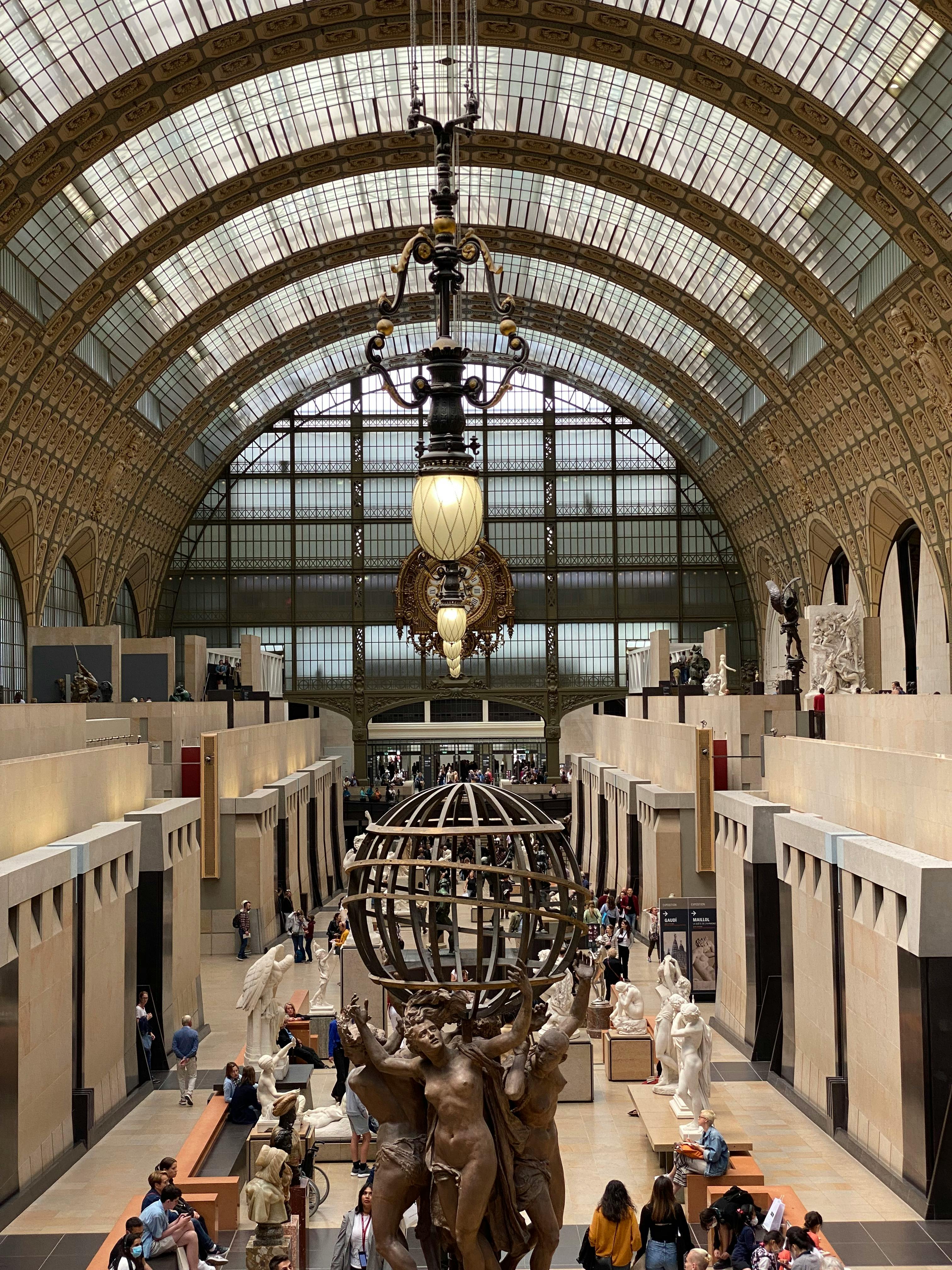
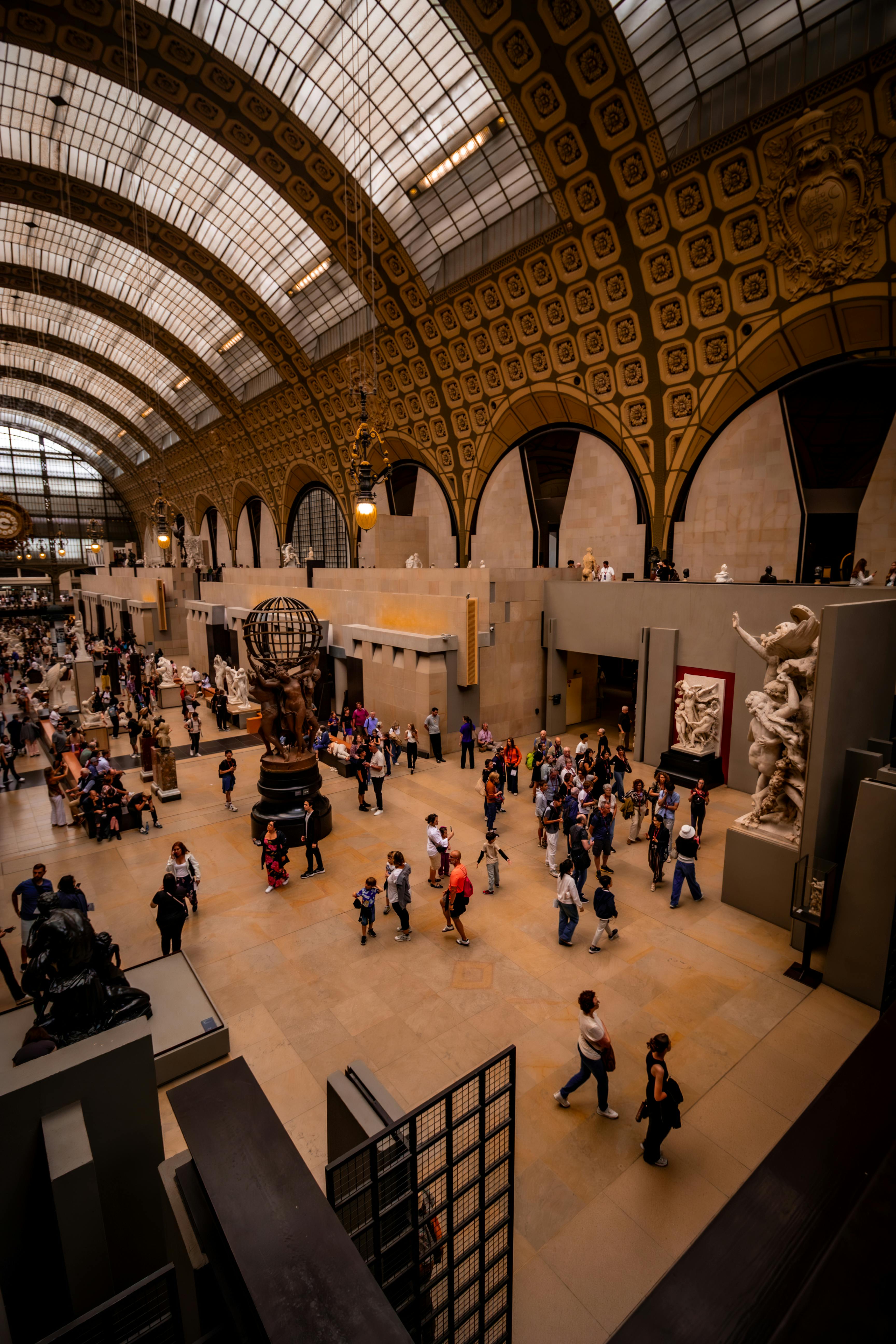
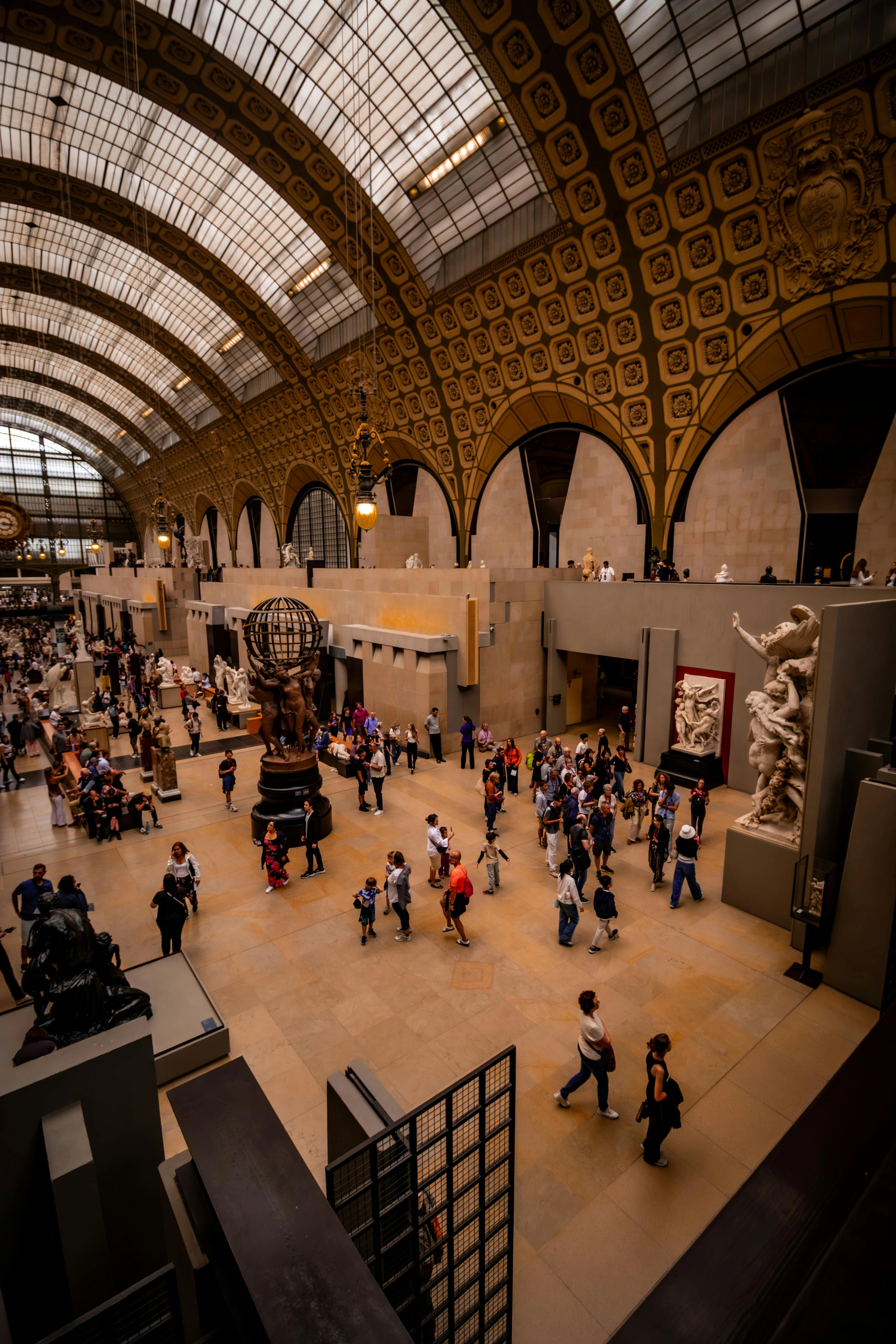
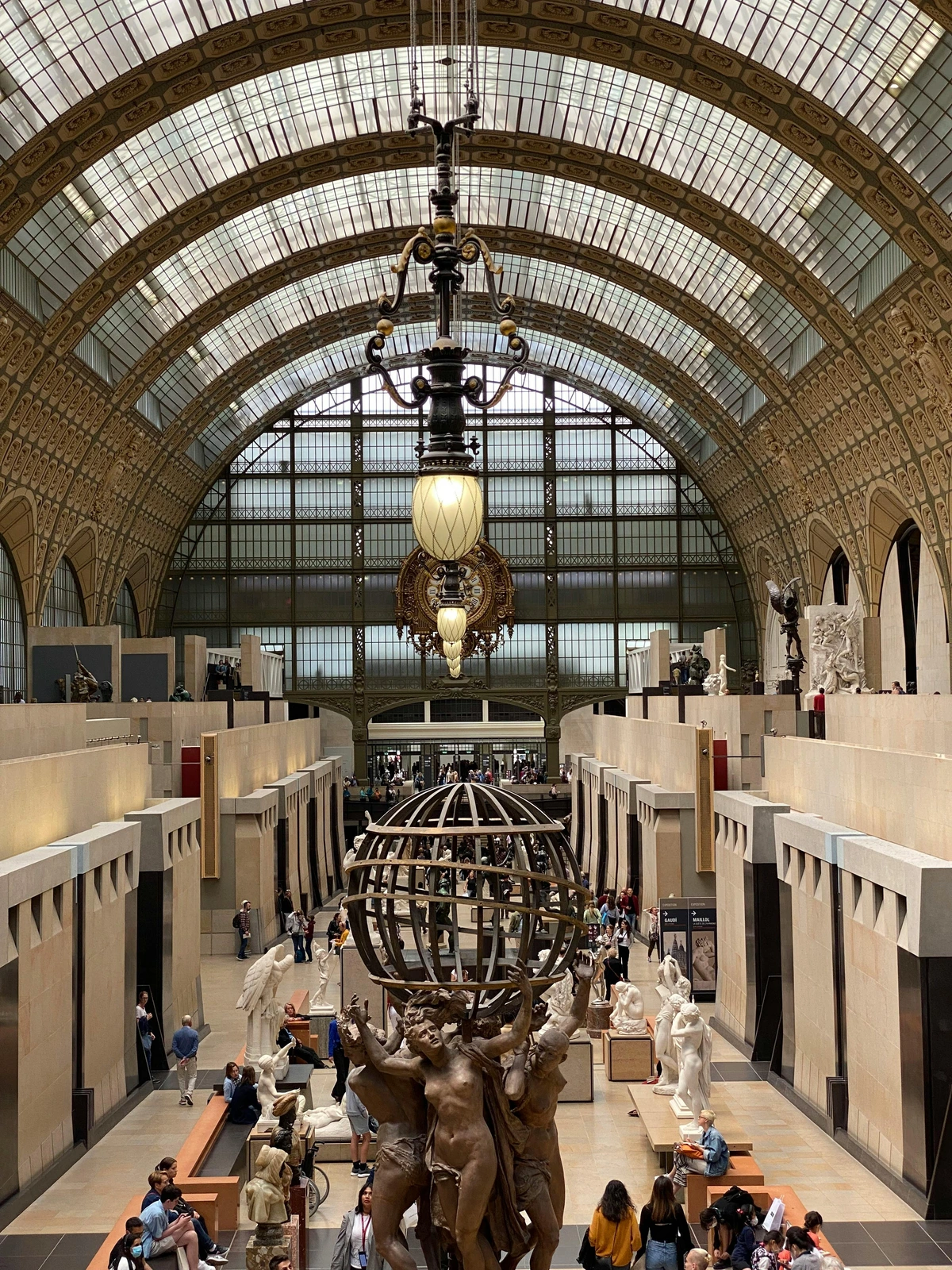
credit, licence) or the Musée d'Orsay in Paris (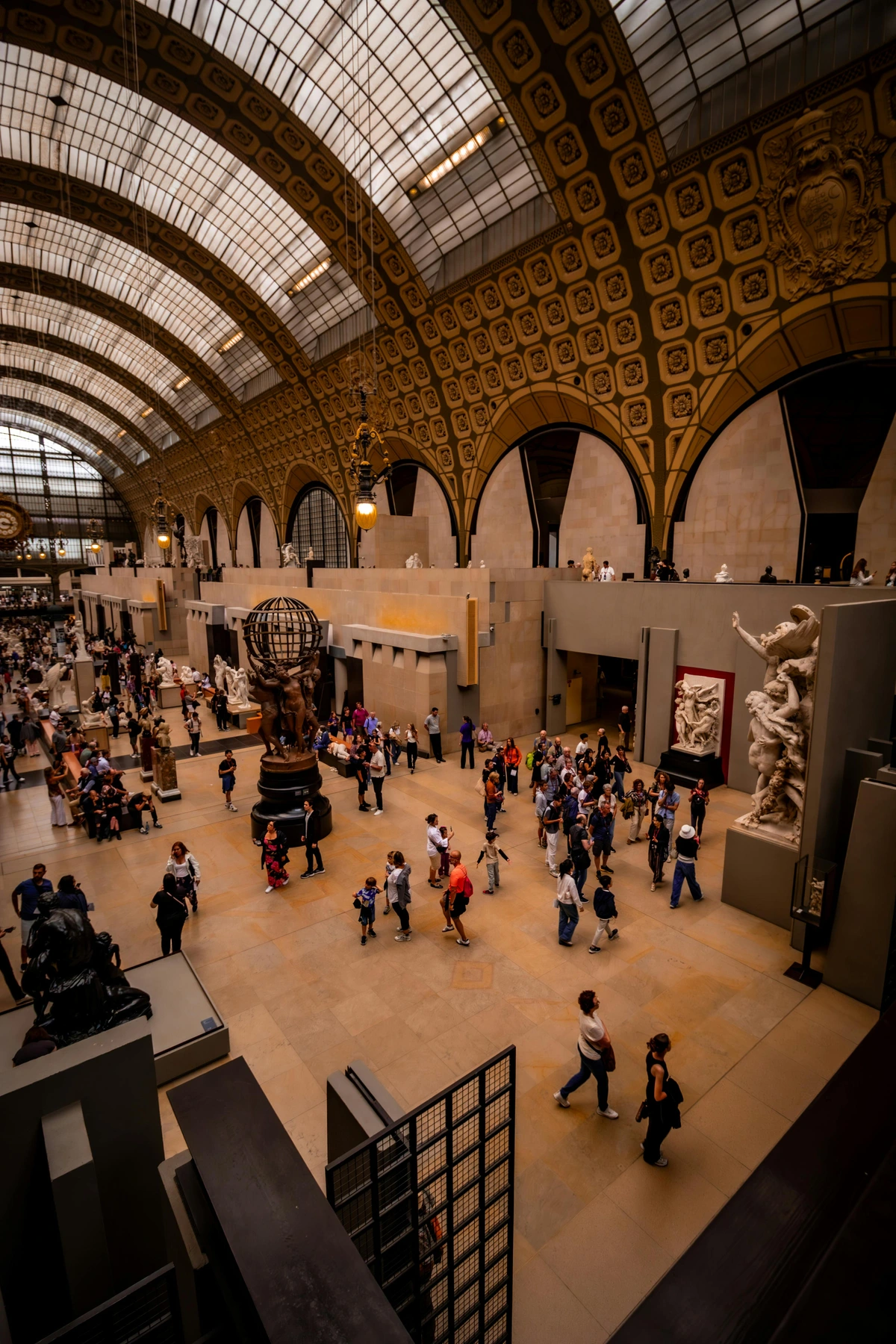
How important is social media presence for my application?
Increasingly, very important! Especially for roles in marketing, PR, education, or digital content, your social media presence can be a subtle but powerful part of your personal brand for your art career. Ensure your public profiles are professional and reflect your interests in the arts. Curate your online identity to showcase your engagement with cultural topics, relevant articles you've read, or even your own art if appropriate (perhaps exploring art inspirations through your posts). It demonstrates your active participation in the art world beyond formal applications, showing you're truly embedded in the contemporary art landscape.
What are some crucial skills and education beyond a formal degree?
Beyond degrees, museums value a robust range of soft and hard skills. Soft skills include excellent communication (written and verbal), critical thinking, creative problem-solving, adaptability, teamwork, and strong interpersonal abilities – essentially, being a genuinely good human to work with. Hard skills can be anything from proficiency in specific software (Adobe Creative Suite, database systems, video editing) to foreign language fluency, advanced research methodologies, or even hands-on art handling experience and an understanding of what is a polyptych or other art forms. Consider online courses, workshops, or even self-taught projects (like learning to how to apply gesso to canvas) to bolster these skills. Remember, continuous learning and intellectual curiosity are key in a dynamic and ever-evolving field like the arts! The more diverse your skill set, the more adaptable you'll be.