How the Protestant Reformation Radically Transformed Art
Explore how iconoclasm, new patronage, and shifting values revolutionized European art—forever changing what we create and why.

How the Protestant Reformation Radically Transformed Art
Have you ever stood in a grand cathedral, your neck craning at frescoes and stained glass depicting saints and miracles, only to step into a simpler church with bare walls and minimal decoration? I remember that exact feeling visiting an old Calvinist church in Switzerland—it felt like entering a spiritual void after the bombastic Catholic spaces I’d known. That stark visual contrast? It’s one of the most powerful legacies of the Protestant Reformation. The 16th-century religious earthquake didn’t just challenge theological doctrine; it shattered the very language of visual culture. Let’s unravel how a theological debate about faith completely rewrote the rules of art history.
The Core Conflict: Icons vs. The Word
At its heart, the Reformation was a war over images. Catholicism embraced religious art as “the book of the illiterate”—visual sermons teaching doctrine through saints, crucifixions, and miracles. But Protestant reformers like John Calvin and Huldrych Zwingli argued that worshiping images violated the Second Commandment: “Thou shalt not make unto thee any graven image.” This wasn’t just nitpicking; it was a fundamental clash over how the divine could (or couldn’t) be represented.
I think of it like this: imagine if your entire worldview shifted from seeing God as a tangible presence (embodied in saints, relics, and icons) to understanding God as an invisible, spiritual truth revealed only through Scripture. That’s the seismic shift. Suddenly, the elaborate, gold-encrusted altars and vibrant biblical scenes filling Catholic churches became suspect—even blasphemous. And artists? They lost their biggest client.
Iconoclasm: The Smashing of Sacred Art
The backlash was visceral. Across Protestant territories, waves of iconoclasm swept through churches. Think of it as a mass rebellion against visual decadence: statues shattered, paintings dragged into the streets and burned, stained glass windows broken. In 1566, the “Beeldenstorm” (Iconoclastic Fury) in the Low Countries alone saw countless works destroyed in organized riots.
Why does this matter today? Because it created an artistic vacuum. For centuries, European art had been a dialogue between faith and patronage. Suddenly, in Protestant zones, that conversation ended. Artists and patrons faced brutal choices: conform to the new austerity, leave for Catholic lands, or reinvent entirely. I find it haunting to imagine standing in those desecrated churches—the silence after the crashes, the dust settling over broken plaster. It’s a reminder of how fragile art’s place in society can be when aligned with power.
The Great Migration: Artists Flee for Survival
Many didn't stick around. Masters like Albrecht Dürer and Hans Holbein the Younger navigated religious tensions, but others weren't so lucky. Art became a refugee crisis of sorts. Skilled painters, sculptors, and craftsmen flooded into Catholic strongholds—Italy, Flanders, and especially the Spanish-ruled Southern Netherlands (modern-day Belgium).
The Migration Patterns
This artistic diaspora followed predictable patterns:
- North-to-South: Artists from German Protestant cities moved south
- East-to-West: Eastern European artists headed toward Western centers
- Urban Exodus: Rural artists flocked to cities that remained Catholic
- Generational Shifts: Whole families relocated, taking their traditions with them
- Religious Refuge: Catholic rulers actively recruited Protestant artists
- Guild System: Artists sought cities with established guild structures
- Market Opportunities: Areas with growing merchant populations attracted talent
- Political Stability: Artists fled regions experiencing religious wars
The Human Cost
Imagine being a master craftsman in 1530 Nuremberg. You've spent your life perfecting techniques passed down through generations. Suddenly, your primary patrons—churches and monasteries—stop commissioning work. Your workshop faces closure. Do you:
- Convert to the new faith and hope for secular commissions?
- Move your family hundreds of miles to a Catholic city?
- Risk staying and hoping for the best?
Hundreds chose migration. One letter from 1532 from a group of displaced German artists in Antwerp laments: "We have left our homes and families, carrying only our tools and hopes. We seek work among strangers, for our own people have rejected our craft."
The psychological toll was immense. These weren't just economic decisions—they involved profound spiritual and cultural displacement. Artists carried their entire identity in their portfolios: techniques, styles, commissions, and artistic vision. To move was to risk losing everything they had built. Yet staying meant certain professional death in many cases.
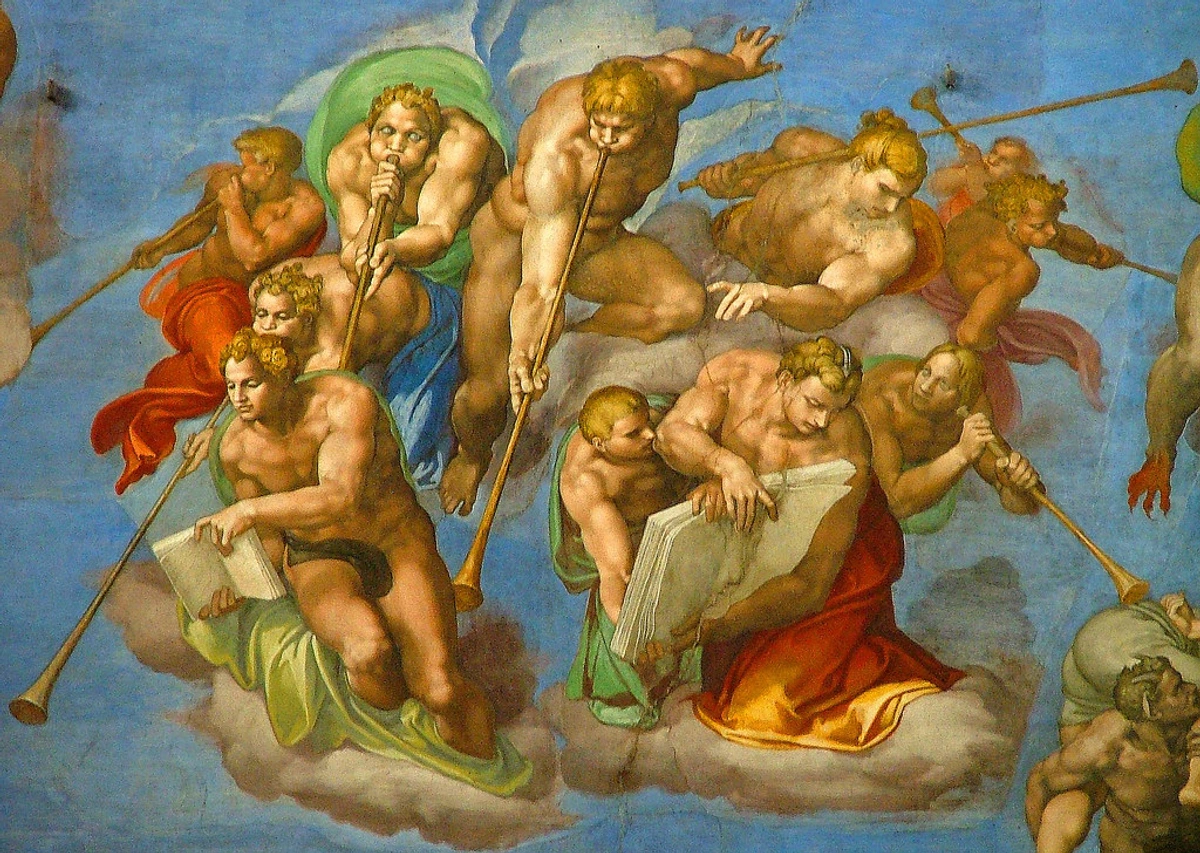
The migration also created fascinating cultural exchanges. German artists brought Northern precision and attention to detail to Southern European centers, while Italian artists working in Protestant areas adapted their techniques to suit more austere tastes. This cross-pollination would influence the development of Baroque art in unexpected ways.
Key Artists and Their Journeys
The migration created fascinating artistic diasporas, with each artist responding differently to the religious upheaval:
The migration created fascinating artistic diasporas:
- Albrecht Dürer: Remained in Nuremberg but adapted his work, focusing on secular subjects and printmaking
- Hans Holbein the Younger: Fled England, becoming court painter to Henry VIII
- Lucas Cranach the Elder: Stayed in Wittenberg but became Luther's close collaborator and propagandist
- Pieter Bruegel the Elder: Worked in Catholic Flanders, painting secular scenes that reflected Protestant themes
- Maarten van Heemskerck: Moved from Protestant Haarlem to Rome, absorbing Italian styles
Regional Artistic Centers
This exodus reshaped art's geography. While Venice and Rome exploded with Mannerist extravagance funded by Catholic Counter-Reformation fervor, Protestant cities like Geneva and Zurich embraced visual minimalism. A side effect? Northern Europe's artistic flame wasn't extinguished—it just moved south. I keep thinking about the displaced artists carrying portfolios across borders like today's creatives navigating shifting industries. It proves: when communities reject art as part of their worship, artists adapt—or leave.
The migration also led to interesting artistic hybrids, as Northern European techniques met Italian styles in Catholic territories, creating new visual languages that would influence baroque art.
Artistic Innovation in Exile
Artists who moved between Protestant and Catholic regions often developed innovative approaches:
- Cross-fertilization of techniques: Northern precision met Southern drama
- Subject matter experimentation: Artists could explore themes forbidden in their home regions
- Career adaptation: Many reinvented themselves to suit new patronage systems
- Cultural translation: Artists became bridges between different artistic traditions
- Stylistic experimentation: Freed from traditional religious constraints, artists could experiment with new forms
- Technical innovation: The need to compete in new markets drove technical improvements
- Market awareness: Artists became more business-savvy in navigating different patronage systems
- International networks: Migrant artists created pan-European artistic connections
The most fascinating aspect was how these artists maintained artistic integrity while adapting to new circumstances. They weren't just craftsmen—they were entrepreneurs navigating a complex religious and economic landscape.
Many didn’t stick around. Masters like Albrecht Dürer and Hans Holbein the Younger navigated religious tensions, but others weren’t so lucky. Art became a refugee crisis of sorts. Skilled painters, sculptors, and craftsmen flooded into Catholic strongholds—Italy, Flanders, and especially the Spanish-ruled Southern Netherlands (modern-day Belgium).
This exodus reshaped art’s geography. While Venice and Rome exploded with Mannerist extravagance funded by Catholic Counter-Reformation fervor, Protestant cities like Geneva and Zurich embraced visual minimalism. A side effect? Northern Europe’s artistic flame wasn’t extinguished—it just moved south. I keep thinking about the displaced artists carrying portfolios across borders like today’s creatives navigating shifting industries. It proves: when communities reject art as part of their worship, artists adapt—or leave.
The Birth of Secular Patronage
The transformation of art patronage after the Reformation was perhaps the most significant long-term change in the art world.
Here's where it gets fascinating. With the Church pulling back, a new art market emerged from the ashes. Who stepped up? The rising merchant class, nobility, and even guilds. Suddenly, art wasn't just for churches—it was for private homes, town halls, and civic spaces.
This shift wasn't just about who bought art—it was about why they bought it. The Protestant work ethic created a new class of wealthy individuals who saw art not just as decoration, but as evidence of their prosperity, education, and moral character. A painting in your home wasn't just beautiful—it was a statement about who you were and what you valued.

The Rise of the Merchant Class
The Protestant work ethic and success of trade created a new class of wealthy patrons who wanted art to reflect their success and values. In cities like Amsterdam, Antwerp, and London, merchants accumulated unprecedented wealth and began collecting art as both investment and status symbol.
Consider the Medici family in Florence—though Catholic, their patronage model was adopted by Protestant merchants who wanted their portraits painted alongside their ships, warehouses, and counting houses. Art became a way to say "I have arrived."
The new merchant patrons had different expectations than the Church. They wanted:
- Portraits to display their wealth and social standing
- Landscapes to show their connection to property and trade routes
- Still lifes to demonstrate their prosperity through exotic goods
- Genre scenes to show their participation in civic life
- Historical paintings to connect themselves to noble traditions
This created entirely new artistic opportunities that simply didn't exist in the pre-Reformation art world.
The New Patronage Structure
The shift from religious to secular patronage created entirely new dynamics:
- Merchant Class: Wealthy traders and bankers in cities like Amsterdam, Antwerp, and London became major patrons
- Noble Families: Aristocratic households commissioned portraits and decorative art
- Guilds: Professional organizations commissioned artworks for their guildhalls
- Civic Bodies: Town governments commissioned public artworks and architectural projects
- Educational Institutions: Universities and schools commissioned educational materials
- Private Collectors: Individuals began personal art collections
- Art Dealers: New professional intermediaries emerged
- Printing Houses: Commissioned decorative elements for publications
- Shipping Companies: Commissioned artworks showcasing their vessels
- Educational Foundations: Sponsored religious and secular educational materials
The most revolutionary aspect was the democratization of patronage. Art was no longer solely the domain of the Church or nobility. Wealthy merchants, successful artisans, and even educated professionals could now afford art. This created a more diverse and vibrant artistic ecosystem.
Exploding Subject Matter
Subjects exploded in unprecedented ways:
Traditional Religious Subjects  | New Secular Subjects |
|---|---|
| Biblical scenes | Portraits of wealthy patrons |
| Saints and martyrs | Landscapes and cityscapes |
| Crucifixions and last judgments | Still lifes and vanitas paintings |
| Church interiors | Genre scenes of daily life |
| Religious architecture | Scientific illustrations |
| Miracle stories | Historical events |
| Allegorical religious figures | Allegorical secular themes |
| Religious frescoes | Maritime scenes and ship portraits |
| Altarpieces | Domestic interiors |
| Devotional images | Agricultural scenes |
| Liturgical objects | Guild portraits |
| Monastic life | Urban landscapes |
Landscapes: Artists like Pieter Bruegel the Elder painted everyday life (harvests, festivals, blizzards), reflecting a world no longer defined solely by the divine. His "The Hunters in the Snow" (1565) captures winter landscapes with remarkable detail, showing nature for its own beauty rather than as a backdrop for religious scenes. Bruegel's work represents a fundamental shift—nature became worthy of artistic attention in its own right.
Still lifes and Genre scenes: Ordinary objects—food, tableware, peasants—suddenly felt worthy of artistic attention. Dutch painters became masters of this genre, creating elaborate still lifes that often contained moral messages about the transience of life. The "vanitas" tradition emerged, using symbols like skulls, wilting flowers, and extinguished candles to remind viewers of mortality.
Historical Painting: Secular historical narratives replaced purely religious ones. Artists depicted battles, royal events, and civic celebrations. This genre allowed artists to explore themes of heroism, sacrifice, and national identity in ways that religious art had not.
Scientific Illustration: New interest in natural philosophy and observation led to detailed botanical and anatomical illustrations. The Protestant emphasis on individual interpretation of Scripture extended to individual observation of nature.
Maritime Art: With the rise of global trade, ship portraits and naval battles became popular subjects, reflecting the economic power of maritime nations.
Animal Painting: Animals became subjects in their own right, not just as symbols or religious references.
Economic Transformation
My take? This was art's democratization. When the Church stopped commissioning biblical stories, artists turned to human stories. It's the birth of the personal connection to art—not as a spiritual tool, but as a reflection of individual experience and worldly success.
The psychological shift was profound. For the first time in centuries, ordinary people could see their own lives reflected in art. A merchant could see his ships and warehouses celebrated. A farmer could see his daily labors immortalized. This created a new relationship between viewer and artwork—one based on recognition and shared experience rather than religious devotion.

The economic transformation was profound: art moved from being primarily a religious commodity to a secular luxury item. This shift created the foundations of the modern art market, where value was determined by aesthetic merit, technical skill, and cultural significance rather than solely religious function.
The Birth of the Art Market
Before the Reformation, art commissioning was largely hierarchical and institutional. After:
- Open markets emerged where artists could sell directly to buyers
- Art dealers became important intermediaries
- Price transparency increased as artworks were valued in monetary terms
- Regional specialties developed based on local patronage preferences
- International trade in art expanded significantly
- Auction houses began to emerge as venues for art sales
- Insurance for artworks became more common
- Authentication processes developed to combat fraud
- Art criticism emerged as a professional practice
- Art education shifted from guilds to academies
One contemporary account from 1568 describes how "painters in Amsterdam now sell their works by the pound, and merchants compete for the finest pieces to decorate their counting houses." This quote reveals the dramatic change in how art was valued—from spiritual significance to market value.
The Rise of Individual Artists
Perhaps most significantly, the Reformation enabled the rise of the individual artist as an independent creator. No longer bound to ecclesiastical workshops or guild traditions, artists could:
- Establish their own studios and workshops
- Develop personal artistic styles and signatures
- Work with multiple patrons rather than being tied to one institution
- Create art for speculative sale rather than commission
- Build personal reputations and artistic brands
- Teach apprentices outside guild structures
- Travel between regions more freely
- Self-promote through printed materials and networks
- Negotiate contracts directly with patrons
- Set their own prices based on reputation and demand
- Choose subject matter that interested them personally
- Experiment with techniques without religious constraints
- Build international reputations across religious boundaries
This shift created the modern conception of the artist as an individual creative genius rather than a skilled craftsman working within established religious frameworks. The idea of the "star artist" emerged—someone whose name and style were valuable commodities in themselves.

The Artist as Entrepreneur
The new economic reality forced artists to become business-minded:
- Pricing strategies emerged for different types of work
- Marketing techniques were developed to attract patrons
- Professional networks formed across religious boundaries
- Career planning became necessary for long-term success
- Risk management strategies were implemented for uncertain markets
- Portfolio development became essential for attracting commissions
- Client relationship management grew in importance
- Brand identity became valuable for recognition
- Geographic mobility increased career opportunities
- Educational investments became necessary for skill development
Consider Hans Holbein the Younger, who essentially created a personal brand by developing a distinctive portrait style that became highly sought after in England. He maintained relationships with multiple patrons and even created a portfolio of sample works to attract clients. Holbein understood that in the new market, his reputation and skill set were his most valuable assets.
Here’s where it gets fascinating. With the Church pulling back, a new art market emerged from the ashes. Who stepped up? The rising merchant class, nobility, and even guilds. Suddenly, art wasn’t just for churches—it was for private homes, town halls, and civic spaces.
Subjects exploded:
- Portraiture: Wealthy merchants wanted their likenesses immortalized as status symbols.
- Landscapes: Artists like Pieter Bruegel the Elder painted everyday life (harvests, festivals, blizzards), reflecting a world no longer defined solely by the divine.
- Still lifes and Genre scenes: Ordinary objects—food, tableware, peasants—suddenly felt worthy of artistic attention.
My take? This was art’s democratization. When the Church stopped commissioning biblical stories, artists turned to human stories. It’s the birth of the personal connection to art—not as a spiritual tool, but as a reflection of individual experience and worldly success.
The Rise of Printmaking and Reformation Propaganda
If you think social media changed communication, meet 16th-century printmaking. The Protestant Reformation weaponized woodcuts, engravings, and pamphlets. Martin Luther's tracts weren't just sermons—they were viral media, complete with biting satirical images mocking the Pope or corrupt clergy.
Print technology was the social media of the 16th century. Before the Reformation, books and images were expensive, rare, and controlled by the Church. But with Gutenberg's printing press (c. 1440) and advances in woodcut and engraving techniques, mass production became possible. Suddenly, ideas could spread across Europe with incredible speed—weeks instead of years.
If you think social media changed communication, meet 16th-century printmaking. The Protestant Reformation weaponized woodcuts, engravings, and pamphlets. Martin Luther’s tracts weren’t just sermons—they were viral media, complete with biting satirical images mocking the Pope or corrupt clergy.

Technically, prints were revolutionary:
- Cheap to reproduce.
- Portable (unlike frescoes or altarpieces).
- Viral (traveling like memes across Europe).
Artists like Lucas Cranach the Elder became Protestant propagandists, creating iconic images of Luther. But here’s the twist: Protestants did use art, just differently. They weaponized it to spread truth, not to worship. It’s the ultimate paradox of the Reformation: to attack visual culture, they pioneered mass visual communication.

Legacy: The Seeds of Modern Art
The Reformation's aftershocks still ripple through galleries today. Consider:
- Secularization: Art decoupled from religion. Think of your favorite abstract painting—it exists in a world where sacred imagery isn't the default.
- The Artist as Entrepreneur: With commissions shifting from institutions to individuals, artists became independent creators. No more Church monopoly!
- Subject Matter Expansion: Landscapes, portraits, and everyday scenes became legitimate—thanks to Protestant spaces prioritizing people over piety.
- Minimalism's Roots: That stark Calvinist church with its bare walls? Spiritual austerity inspired decades of modern art movements obsessed with simplicity.
- Individualism: The rise of the individual artist reflected Protestant emphasis on personal relationship with God.
- Market Economy: Art became a commodity in the emerging capitalist economy.
- Visual Literacy: Protestantism encouraged individual interpretation, which extended to visual interpretation.
- Cultural Pluralism: Different religious traditions developed distinct visual languages.
These changes didn't happen overnight—they unfolded over centuries. But the Reformation provided the catalyst that set Western art on its modern trajectory.
Cultural Memory and Artistic Identity
The Reformation created lasting cultural divides that shaped artistic development:
Cultural Divide | Protestant Response | Catholic Response |
|---|---|---|
| Artistic Values | Individualism, realism | Community, tradition |
| Subject Matter | Secular themes | Religious narratives |
| Style | Muted colors, simplicity | Rich colors, drama |
| Purpose | Personal reflection | communal devotion |
| Materials | Functional, durable | Ornate, precious |
| Lighting | Natural, even | Dramatic chiaroscuro |
| Composition | Balanced, horizontal | Dynamic, diagonal |
| Perspective | Linear, realistic | Illusionistic, theatrical |
| Emotion | Contemplative, moral | Devotional, awe-inspiring |
| Scale | Human-sized, intimate | Monumental, overwhelming |
These differences weren't just aesthetic—they reflected fundamental differences in how Protestants and Catholics understood the relationship between the divine, the individual, and community.
The Psychology of Visual Change
The visual changes brought by the Reformation had profound psychological effects:
- Individual Experience: Art shifted from communal religious experience to personal aesthetic appreciation
- Visual Literacy: Protestantism emphasized individual interpretation of Scripture, translating to visual interpretation
- Cultural Memory: The destruction of religious art created gaps in collective cultural memory
- Identity Formation: Visual differences helped solidify Protestant and Catholic cultural identities
- Visual Expectations: New standards for what constituted "good" art emerged
- Attention Patterns: Viewers learned to engage with art differently
- Emotional Response: Art was expected to evoke personal rather than communal emotions
- Critical Thinking: Visual analysis replaced passive devotion
- Cultural Memory: Different traditions preserved different visual histories
- Psychological Distance: Art became something to observe rather than something to participate in
Consider how this affects us today: when we visit an art museum, we bring 500 years of this conditioning. We expect abstract art to challenge us, portraits to reveal personality, landscapes to inspire awe—all because the Reformation taught us to see art as individual expression rather than collective worship.
The Reformation’s aftershocks still ripple through galleries today. Consider:
- Secularization: Art decoupled from religion. Think of your favorite abstract painting—it exists in a world where sacred imagery isn’t the default.
- The Artist as Entrepreneur: With commissions shifting from institutions to individuals, artists became independent creators. No more Church monopoly!
- Subject Matter Expansion: Landscapes, portraits, and everyday scenes became legitimate—thanks to Protestant spaces prioritizing people over piety.
- Minimalism’s Roots: That stark Calvinist church with its bare walls? Spiritual austerity inspired decades of modern art movements obsessed with simplicity.
Frequently Asked Questions (FAQ)
What was iconoclasm?
What was iconoclasm?
Iconoclasm (literally “image-breaking”) was the organized destruction of religious art, statues, and church decorations by Protestant reformers who viewed them as idolatrous.
Did all Protestant leaders reject art?
No. Lutheran regions were generally more moderate in their approach to art:
Regional Differences in Protestant Art Policies
Reformer/Region | Art Policy | Examples of Permitted Art |
|---|---|---|
| Martin Luther (Germany) | Moderate | Secular art, some religious art in homes |
| John Calvin (Geneva) | Strict | No religious imagery in churches |
| Huldrych Zwingli (Zurich) | Most Radical | Complete rejection of religious art |
| Anglican Church (England) | Compromise | Some traditional imagery retained |
| Dutch Reformed (Netherlands) | Moderate | Secular art, private religious works |
| Scottish Reformed | Strict | Minimal religious decoration |
The differences created diverse artistic outcomes across Protestant Europe, with some regions producing significant secular art while others maintained more traditional approaches. No. Lutheranism (especially in Northern Germany) was more moderate, permitting some art if it didn’t encourage worship of images. Calvinism and Zwinglianism were stricter.
How did Catholicism respond?
The Catholic response was multifaceted and strategic:
The Council of Trent (1545-1563) and Art
The Council of Trent, the Catholic Church's response to the Reformation, issued specific decrees about art:
- Clarity of Doctrine: Art should clearly teach Catholic doctrine
- Accessibility: Imagery should be understandable to the illiterate
- Emotional Impact: Art should inspire devotion and piety
- Moral Content: Art should reflect Catholic moral teaching
- Pastoral Function: Art should serve the spiritual needs of the faithful
- Artistic Quality: Art should demonstrate technical excellence
- Historical Accuracy: Biblical scenes should be depicted accurately
- Reverence: Art should inspire appropriate respect for the sacred
Art as Counter-Reformation Weapon
The Catholic Church actively used art as a tool for revival:
- New Religious Orders: Jesuits and other orders used art for education
- Architectural Statements: New churches designed to inspire awe
- Art Patronage: Increased commissions to support artists
- Training Programs: Art schools to produce skilled Catholic artists
- Missionary Art: Art adapted for evangelization purposes
- Art Theories: Development of formal aesthetics to guide artistic production
- Censorship: Control over religious imagery to maintain orthodoxy
- International Networks: Catholic artists exchanged ideas across borders
This concerted effort helped create the Baroque style and reestablished Catholic visual dominance in many regions. The contrast between Protestant austerity and Catholic extravagance became one of the most striking visual divides in European history. The Counter-Reformation doubled down on art. Churches like Rome’s Gesù showcased elaborate frescoes and sculptures to reaffirm Catholic glory, using art as emotional persuasion (think Caravaggio’s dramatic light/shadow).
Did the Reformation kill religious art entirely?
Not at all. It transformed religious art rather than eliminating it:
The Evolution of Religious Art
Religious art evolved in several ways after the Reformation:
- Location Shift: Moved from churches to private homes and chapels
- Style Changes: More intimate, personal styles replaced public grandeur
- Subject Focus: Emphasis on personal devotion rather than communal teaching
- Market Changes: Religious art became a consumer item rather than church property
- Regional Variations: Different Protestant traditions had different approaches
Religious Art in Protestant Regions
Even in areas that rejected religious imagery, some forms persisted:
- Lutheran Art: More traditional, especially in Germany and Scandinavia
- Anglican Art: Blend of reformed and traditional approaches
- Private Devotion: Religious art in homes rather than churches
- Music and Architecture: These arts often retained traditional religious significance
- Educational Materials: Biblical scenes for teaching rather than worship Not at all. It moved the center of gravity. Catholic Europe produced Baroque masterpieces, while Protestant regions pioneered secular genres. Art adapted.
The Dual Artistic Trajectories
The Reformation created two parallel artistic developments:
Catholic Art | Protestant Art |
|---|---|
| Baroque extravagance | Muted simplicity |
| Religious narratives | Secular themes |
| Emotional intensity | Intellectual clarity |
| Ornate decoration | Functional design |
| Church patronage | Market patronage |
| Collective celebration | Individual reflection |
Religious Art in Protestant Regions
Even in Protestant areas, religious art didn't disappear entirely:

- Lutheran Churches: Retained some traditional imagery, especially music and architecture
- Calvinist Influence: More austere, but some decorative arts persisted
- Anglican Compromise: Blend of traditional and reformed approaches
- Private Devotion: Religious art often moved to private homes rather than churches
What’s the biggest misconception about the Reformation and art?
The myth that Protestants were “anti-art.” They were anti-idolatrous art. They simply redirected creativity toward new purposes.
The Enduring Dialogue: Art, Belief, and Us
Walking through an art museum today, you're witnessing the Reformation's quiet legacy. The landscape painting? Born from Protestant Europe's newfound appreciation for nature. The haunting portrait? Made possible when the merchant class demanded likenesses. Even the empty white walls of modern galleries echo the Calvinist call for simplicity.
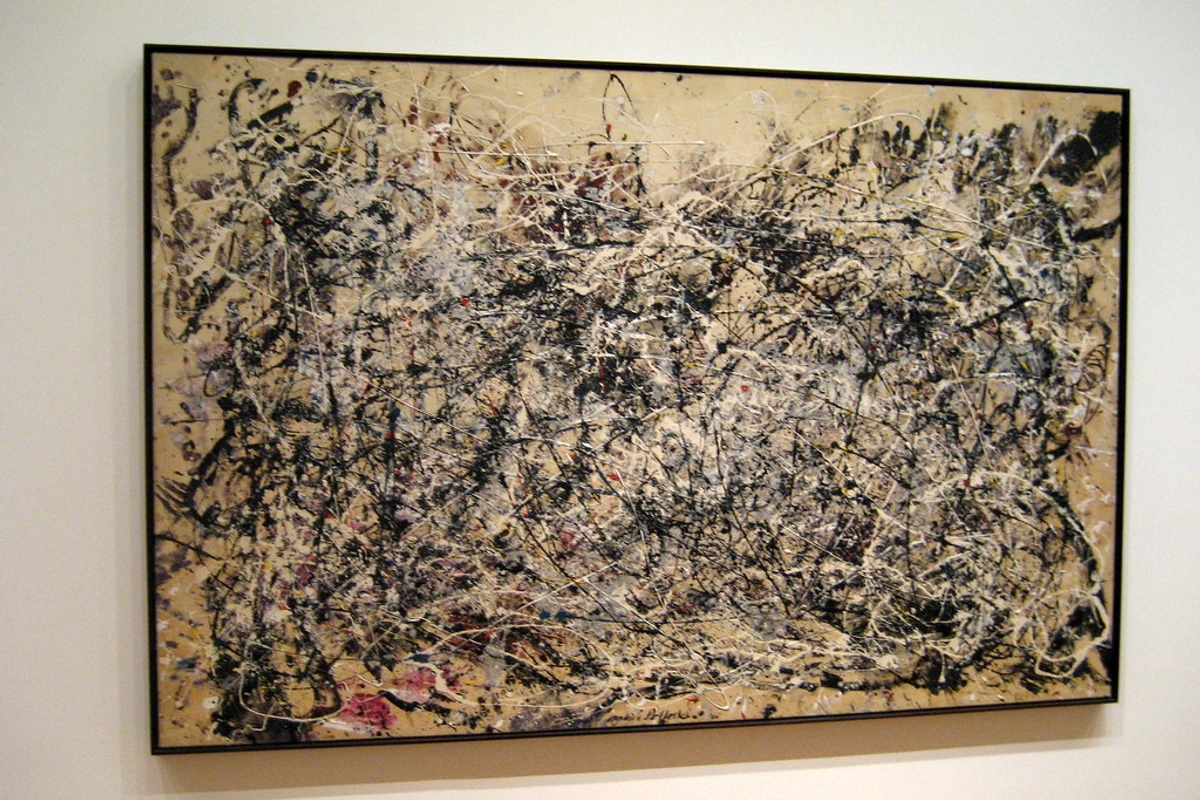
What's fascinating is how these 16th-century debates continue to shape our relationship with art. When you stand before a Rothko or look at a photograph by Andreas Gursky, you're participating in a visual conversation that began 500 years ago with questions about what art is for, who it serves, and what value it holds.
Art in the Digital Age: A New Reformation?
As we navigate the digital revolution, I can't help but wonder if we're experiencing another Reformation of the visual. Consider:
- Virtual vs Physical: Digital art challenges traditional notions of materiality
- Accessibility: Digital platforms democratize art creation and viewing
- New Iconoclasm: NFT debates echo historical concerns about value and authenticity
- Community Building: Online art communities replace traditional patronage systems
- Visual Overload: Digital abundance mirrors the visual excess that Protestants rejected
- Authorship Questions: AI art raises similar questions about artistic authority
- Distribution Revolution: Social media changes how art reaches audiences
- Value Systems: New metrics for artistic success emerge
- Cultural Memory: Digital preservation creates new challenges for art history
- Globalization: Art becomes less tied to geographic traditions
The parallels are striking: just as 16th-century Europe grappled with how visual culture should serve faith and society, we're asking how digital art should serve our communities and values. The fundamental questions remain the same—who gets to create art, who gets to see it, and what does it mean?

Walking through an art museum today, you’re witnessing the Reformation’s quiet legacy. The landscape painting? Born from Protestant Europe’s newfound appreciation for nature. The haunting portrait? Made possible when the merchant class demanded likenesses. Even the empty white walls of modern galleries echo the Calvinist call for simplicity.
I find myself wondering: what invisible forces will shape art’s future? As digital culture redefines how we connect and worship, will we see another Reformation of the visual? Art always reflects where we place our meaning—whether in heavens, markets, or screens. That’s the timeless dance. And for now, at least, it’s our privilege to watch.
For contemporary art that explores themes of belief and reinvention, explore our original collections. Trace the evolution of visual thought through history in our den Bosch museum exhibits or dive deeper into artistic timelines that shaped our world.
Additional Resources for Further Exploration
Online Courses and Lectures
- "Art and Reformation" (Coursera): University of Michigan course on the topic
- "Northern Renaissance Art" (edX): Comprehensive overview of the period
- "Print Culture in the Reformation" (YouTube): Lectures by leading scholars
Podcast Series
- "Art History" by The Metropolitan Museum of Art
- "Reformation Ink": Podcast focusing on print culture and religious change
- "Art Matters": Contemporary discussions on art's continuing relevance
Interactive Exhibitions
- "Virtual Vatican Museums": Explore Counter-Reformation art online
- "Digital Rijksmuseum": Dutch Golden Age collection analysis
- "Reformation Print Database": Searchable database of Reformation-era prints
Practical Applications: How This History Matters Today
Understanding the Reformation's impact on art helps us in several practical ways:
For Art Collectors and Investors
Historical Pattern | Modern Application | Investment Insight |
|---|---|---|
| Protestant merchant patronage | Corporate art collecting | Focus on value and cultural significance |
| Catholic Church commissions | Institutional patronage | Look for long-term institutional support |
| Regional artistic specialties | Niche market opportunities | Identify emerging artistic centers |
| Print revolution | Digital art revolution | Understand new distribution models |
| Art market democratization | Crowdfunding and NFTs | Evaluate accessibility and authenticity |
| Artist migration patterns | Global art market trends | Consider international artistic networks |
| Patronage diversification | Multi-channel collecting | Diversify across different market segments |
| Artistic adaptation | Artist career resilience | Invest in adaptable, innovative artists |
| Regional competition | Global artistic centers | Monitor shifting artistic power dynamics |
| Economic transformation | Art market evolution | Understand long-term value creation mechanisms |
For Contemporary Artists
The Reformation teaches us that:
- Art always reflects the values of its time—what are today's core values?
- Technological change creates new opportunities—how can you leverage current technologies?
- Patronage systems evolve—who are your potential patrons today?
- Subject matter follows cultural shifts—what stories need to be told now?
- Art can be both revolutionary and traditional—balance innovation with respect for tradition
- Artistic identity matters—develop your unique voice and vision
- Market awareness is essential—understand who buys art and why
- Cultural context shapes reception—consider how your work will be interpreted
- Adaptability is survival—be willing to evolve your practice
- Community builds careers—network with other artists and institutions
For Art Educators and Students
When teaching or learning about this period, consider:
- Comparing visual languages across religious traditions
- Analyzing patronage systems and their impact on artistic production
- Examining the relationship between technology and art across history
- Understanding art as social and cultural commentary
- Tracing the evolution of artistic concepts like originality and authorship
- Contextualizing art within religious history—understand the theological debates
- Examining gender dynamics in artistic production and reception
- Analyzing economic factors in artistic development
- Comparing regional variations within both Protestant and Catholic traditions
- Connecting historical patterns to contemporary issues—see the relevance today
The Ongoing Reformation of Art
As we continue to navigate technological and cultural changes, the Reformation's lessons remain relevant. The fundamental questions it raised—about art's purpose, audience, and value—continue to evolve in new forms.

Consider these contemporary developments through a Reformation lens:
- AI-generated art: Who is the author? What is the value?
- Virtual reality art: How does the medium change the message?
- Social media art: Who controls distribution and meaning?
- Global art market: How do cultural values translate across boundaries?
- Digital preservation: How do we maintain meaning across technological changes?
- NFT technology: What constitutes authentic ownership in digital space?
- Algorithmic curation: Who determines what art gets seen?
- Digital reproduction: How does infinite copying affect artistic value?
- Virtual galleries: How does the space change the experience?
- Global artistic communities: How do local traditions survive digital globalization?
The Reformation wasn't just about 16th-century religious conflict—it was about fundamental questions of authority, authenticity, and meaning that continue to shape art today. As we face our own "reformation moments" with digital technology and cultural change, we can look to this period for insights into how art adapts, survives, and thrives in times of profound transformation.
Final Thoughts
The Protestant Reformation fundamentally reshaped Western art, but not in the simple way often imagined. It didn't destroy art—it reinvented it. What emerged was a richer, more diverse artistic landscape that continues to influence us today.
When you stand before a Dutch landscape painting, a Rembrandt portrait, or even a minimalist abstract work, you're seeing echoes of 16th-century debates about faith, meaning, and the purpose of visual expression. The Reformation taught us that art is never neutral—it always reflects the values, conflicts, and aspirations of the society that creates it.
And perhaps that's the most enduring lesson: in every age, art finds a way to speak truth to power, to challenge assumptions, and to help us make sense of our world. Whether through grand cathedrals or simple prints, art continues to be how we make sense of what matters most.
The Reformation reminds us that art doesn't just reflect culture—it actively shapes it. The visual choices we make—what we create, what we display, what we value—reveal our deepest beliefs about what is important, what is beautiful, and what is true. In a world of constant change, this fundamental truth about art remains constant.
A Timeline of the Reformation's Artistic Impact
To better understand how these changes unfolded, here's a chronological overview:
Year | Event | Artistic Impact |
|---|---|---|
| 1517 | Luther posts 95 Theses | Beginning of religious art criticism |
| 1520s | Early iconoclasm begins | Some religious images removed in Germany |
| 1525-1530 | Peasants' War | Widespread destruction of religious art |
| 1530s | Luther becomes more moderate | Some religious art permitted Lutheranism |
| 1545-1563 | Council of Trent | Catholic Counter-Reformation art guidelines |
| 1566 | Beeldenstorm (Low Countries) | Massive destruction of religious art |
| 1570s-1580s | Dutch Golden Age | Explosion of secular art in Netherlands |
| 1600-1650 | Baroque peak | Catholic art reaches dramatic heights |
| 1650-1700 | Enlightenment begins | Rise of secular intellectual art |
| 1710-1750 | Rococo period | Decorative art flourishes in Catholic regions |
| 1750-1800 | Neoclassicism reaction | Return to classical ideals in both traditions |
| 1800-1850 | Romanticism | Individual emotion emphasized in both Protestant and Catholic art |
| 1850-1900 | Realism | Everyday life depicted across religious divides |
| 1900-1950 | Modernism | Art becomes increasingly secular and experimental |
| 1950-present | Contemporary art | Globalized art market transcends religious boundaries |
Comparative Analysis: Catholic vs Protestant Art Approaches
Feature | Catholic Art (Post-Reformation) | Protestant Art (Post-Reformation) |
|---|---|---|
| Primary Purpose | Religious devotion and teaching | Secular decoration and education |
| Subject Matter | Biblical scenes, saints, miracles | Portraits, landscapes, genre scenes |
| Style | Baroque extravagance, dramatic | Muted colors, simpler compositions |
| Patronage | Church, nobility, wealthy merchants | Merchants, guilds, private citizens |
| Materials | Gold leaf, expensive pigments | More modest materials, focus on technique |
| Emphasis | Emotional impact, spectacle | Intellectual engagement, clarity |
| Architecture | Ornate churches, dramatic spaces | Simple meeting houses, functional design |
| Art Market | Commission-based, institution-driven | Market-driven, individual patronage |
| Color Palette | Rich reds, golds, deep blues | Muted earth tones, whites, grays |
| Composition | Dynamic, diagonal, crowded | Balanced, horizontal, open |
| Lighting | Dramatic chiaroscuro | Even, natural lighting |
| Perspective | Illusionistic, theatrical | Linear, realistic |
| Symbolism | Complex theological symbolism | Simple moral or visual symbolism |
| Scale | Monumental, overwhelming | Human-sized, intimate |
| Viewing Experience | Communal, immersive | Individual, contemplative |
| Artistic Training | Academy-based, formal | Workshop-based, practical |
| Artistic Networks | Religious and court connections | Commercial and international networks |
| Innovation Style | Technical mastery within tradition | Experimental adaptation to new markets |
| Cultural Influence | Centralized, authoritative | Diverse, market-driven |
The Psychology of Visual Experience
The different art approaches created distinct psychological experiences:
Experience Aspect | Catholic Approach | Protestant Approach |
|---|---|---|
| Viewer's Role | Passive recipient of divine message | Active interpreter of visual meaning |
| Emotional Response | Awe, devotion, wonder | Reflection, contemplation, moral consideration |
| Learning Process | Visual storytelling for the illiterate | Visual literacy for educated viewers |
| Community vs Individual | Communal experience | Personal, private experience |
| Temporality | Timeless, eternal themes | Contemporary, everyday scenes |
| Spiritual Focus | Heavenly transcendence | Earthly reality and human experience |
| Attention Patterns | Focused, sustained attention | Scanning, comparative analysis |
| Memory Formation | Emotional, sensorimemory | Cognitive, semantic memory |
| Identity Connection | Universal, collective identity | Personal, individual identity |
| Moral Framework | Obedience, tradition | Personal responsibility, self-improvement |
Economic Impact Comparison
Aspect | Catholic Economy | Protestant Economy |
|---|---|---|
| Art Production | Workshop system, guild control | Individual artists, open market |
| Value System | Religious significance determines value | Aesthetic merit and market demand |
| Commission Process | Hierarchical, church-controlled | Competitive, market-based |
| Artist Status | Skilled craftsman within system | Independent creative entrepreneur |
| Regional Specialization | Based on religious centers | Based on commercial centers |
| Price Determination | Set by Church authority | Set by market forces and reputation |
| Artistic Education | Guild apprenticeships, academy training | Self-taught, workshop-based, travel |
| Career Mobility | Limited to regional religious centers | High mobility between commercial centers |
| Wealth Distribution | Controlled by Church hierarchy | Distributed through market mechanisms |
| Innovation Incentives | Traditional mastery valued | Originality and innovation rewarded |
Social Function of Art
Function | Catholic Context | Protestant Context |
|---|---|---|
| Community Building | Shared religious experience | Shared cultural values |
| Education | Teaching doctrine to illiterate | Teaching moral lessons |
| Status Display | Church power and glory | Individual wealth and taste |
| Emotional Response | Devotion and awe | Reflection and contemplation |
| Cultural Identity | Universal Church identity | National and regional identity |
| Political Statement | Church authority and unity | Civic pride and independence |
| Gender Roles | Emphasis on Virgin Mary and female saints | Focus on biblical narratives with strong moral messages |
| Class Representation | Hierarchy of saints and clergy | Representation of working classes and merchants |
| Daily Life Integration | Separate from secular world | Integrated with secular activities |
| Historical Memory | Church history and tradition | National history and personal achievement |
| Economic Function | Symbolic church wealth | Demonstration of personal prosperity |
| Psychological Function | Comfort and reassurance | Self-improvement and moral guidance |
| Technological Function | Preservation of traditional techniques | Innovation to meet market demands |
| International Function | Universal religious message | Regional and national identity |
| Generational Function | Transmission of faith | Transmission of cultural values |

















The Role of Women in Artistic Change
The Reformation had different impacts on women artists and subjects:
Aspect | Catholic Influence | Protestant Influence |
|---|---|---|
| Women as Subjects | Virgin Mary, female saints | Biblical heroines, virtuous women |
| Women as Patrons | Noblewomen supporting convents | Wealthy merchant wives collecting art |
| Women as Artists | Limited to convent workshops | Some opportunities in printmaking and textiles |
| Domestic Art | Religious embroidery and devotional objects | Secular needlework and household decoration |
| Education Access | Limited to religious institutions | Some basic literacy and artistic training |
| Public Role | Primarily within convents | Limited participation in art markets |
| Economic Independence | Restricted by religious vows | Some opportunities through family businesses |
| Artistic Recognition | Anonymous or collective work | Individual recognition possible |
| Social Mobility | Limited by religious hierarchy | Some opportunities through marriage |
| Cultural Influence | Primarily devotional and educational | Broader cultural participation |
One notable example is Saskia van Uylenburgh (Rembrandt's wife), who not only modeled for many of his works but also managed his business affairs and collection—reflecting the new role of women in Protestant art markets.
Other significant women artists of the period include:
- Judith Leyster (1609-1660): Dutch genre painter who ran her own workshop
- Rachel Ruysch (1664-1750): Still life painter who achieved international fame
- Artemisia Gentileschi (1593-1656): Italian painter who worked in both Catholic and Protestant courts
- Maria Sibylla Merian (1647-1717): Scientific illustrator who studied insects and plants
These women navigated complex religious and social boundaries to establish their artistic careers, often using their work to challenge traditional gender roles.